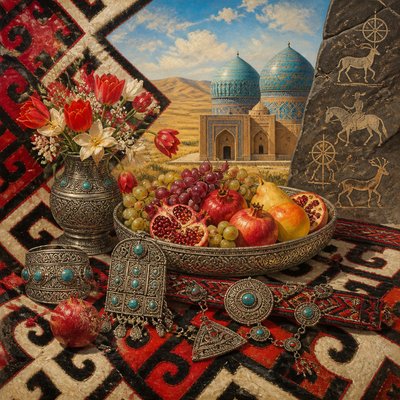
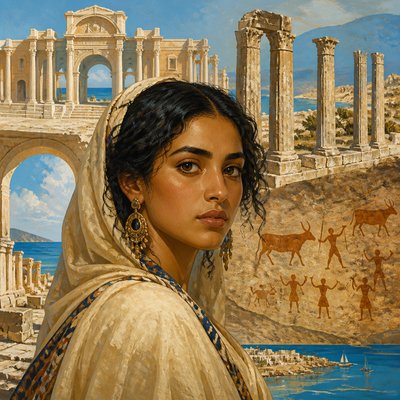
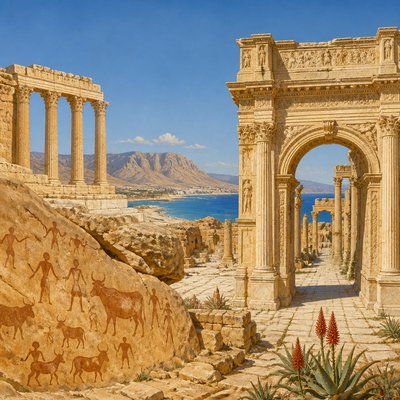
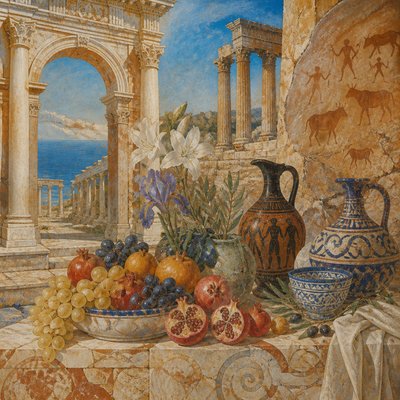
Majolica Ceramic Art Style
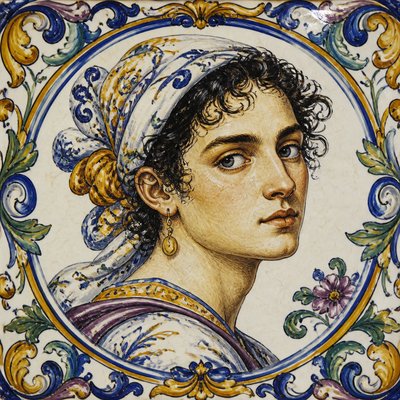
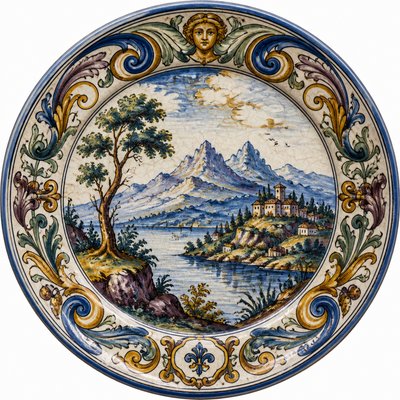
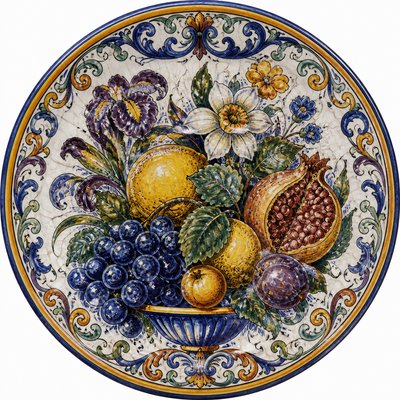
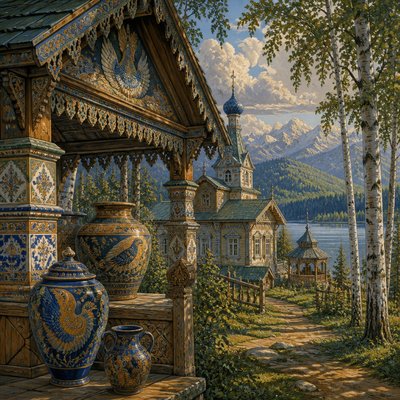
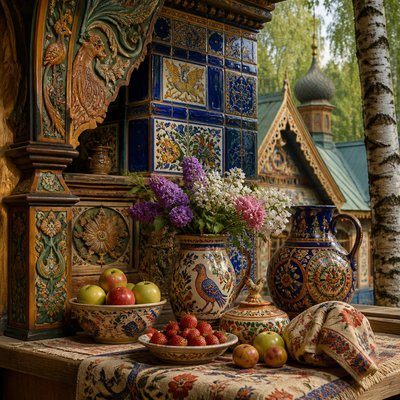
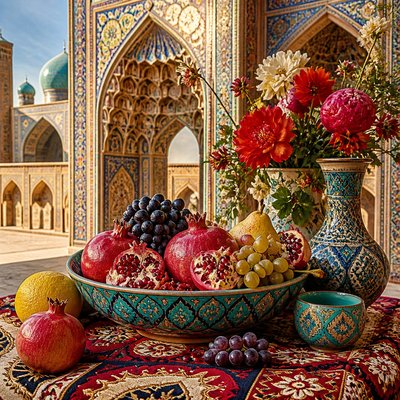
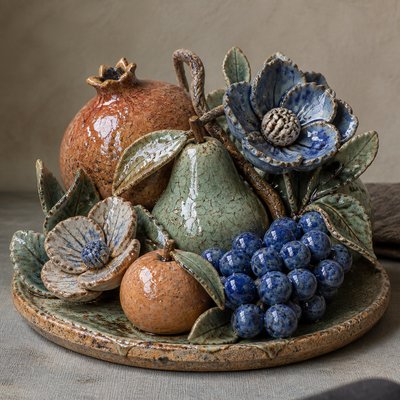
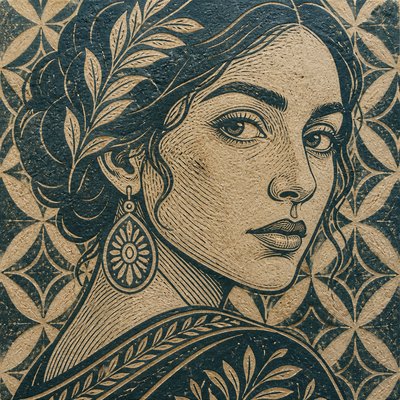
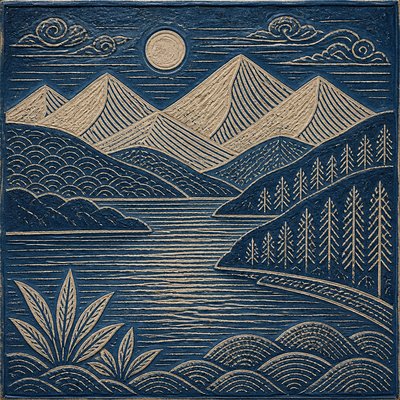
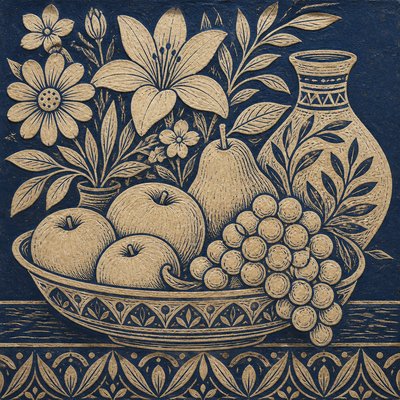
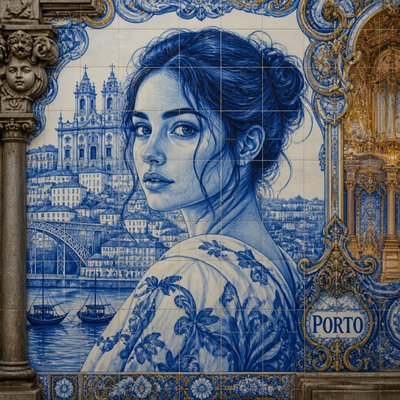
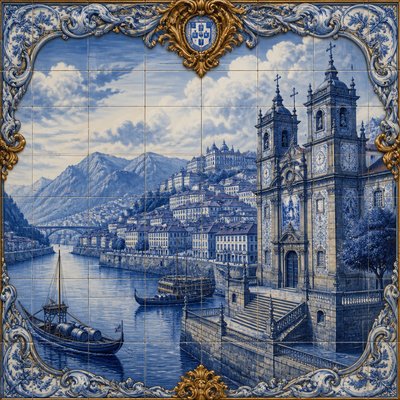
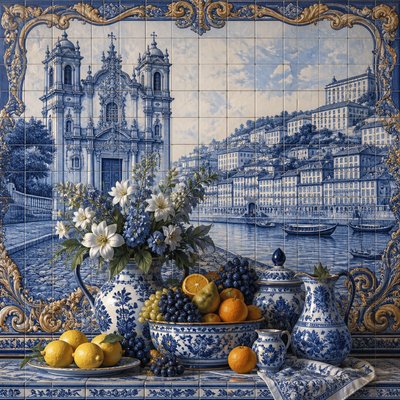
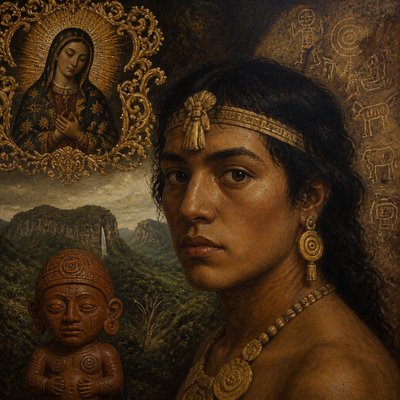
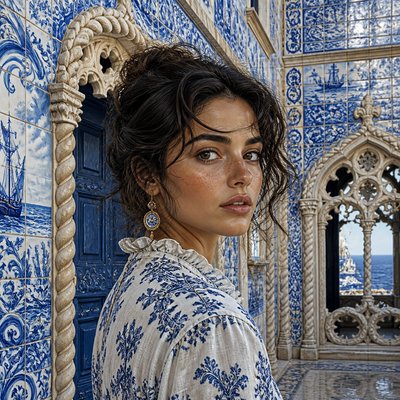
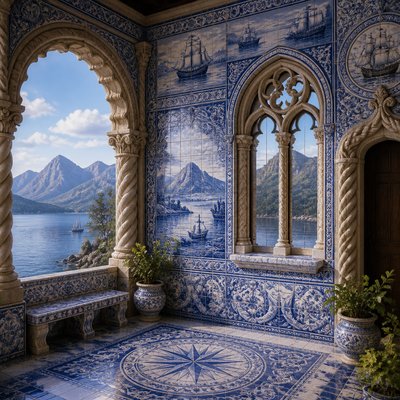
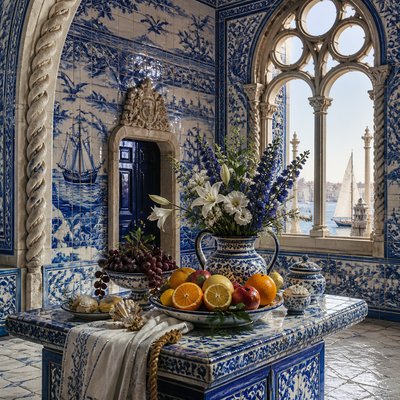
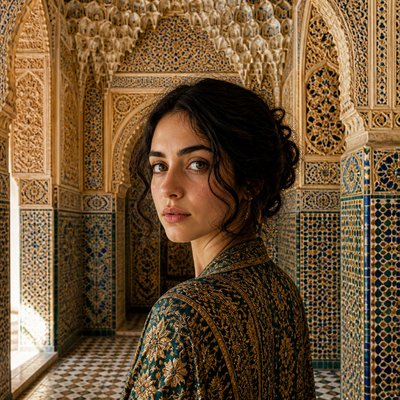
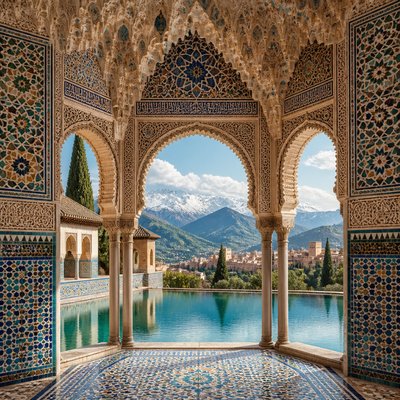
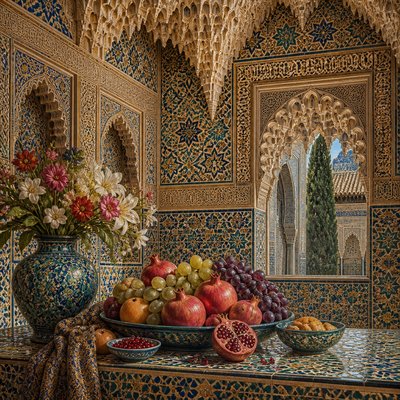
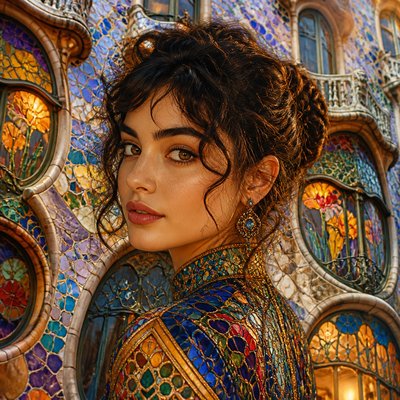
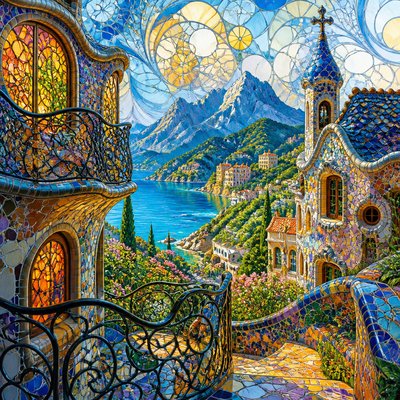
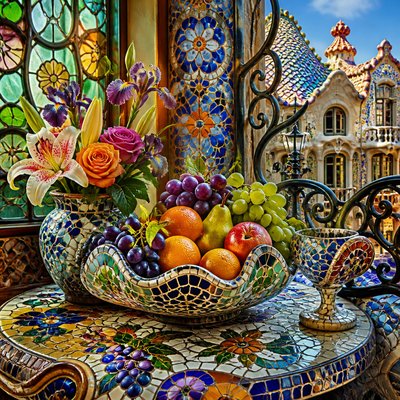
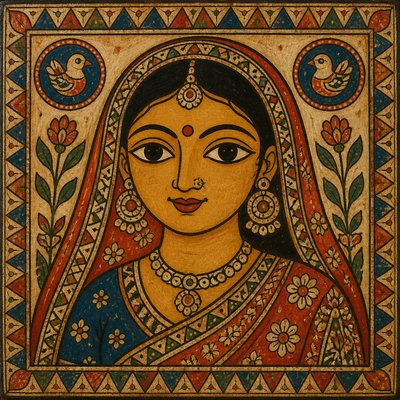
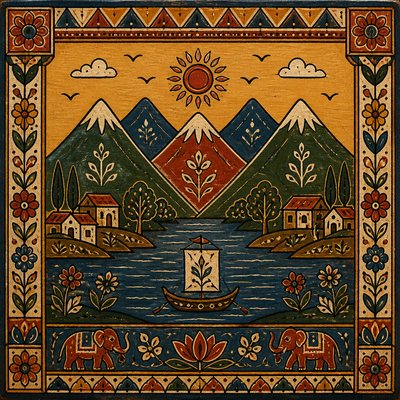
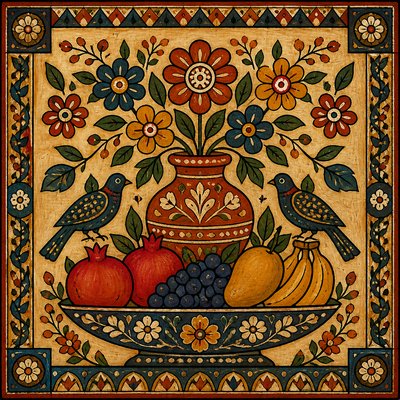
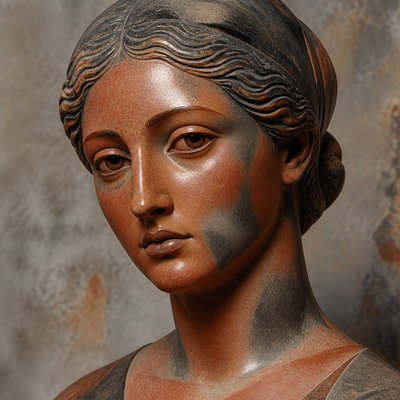
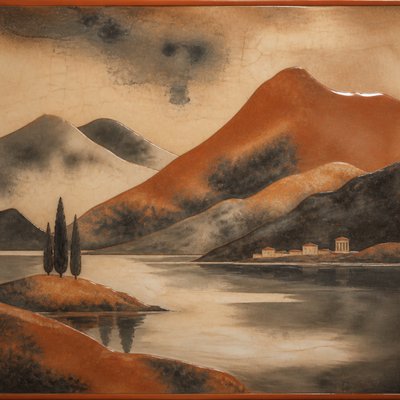
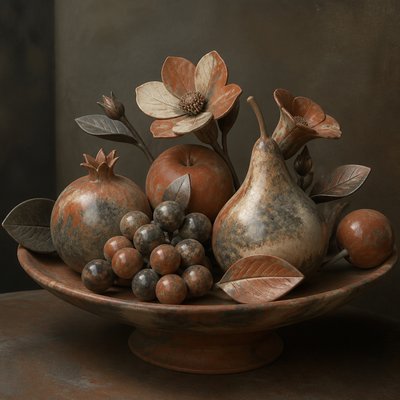
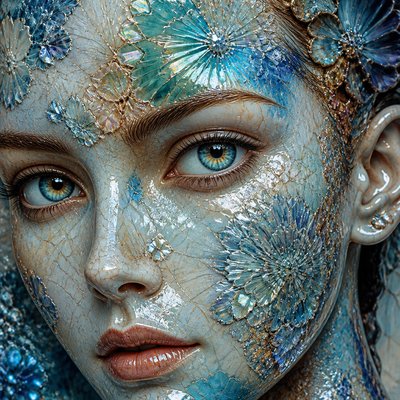
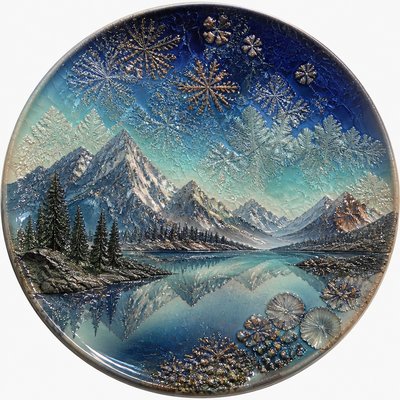
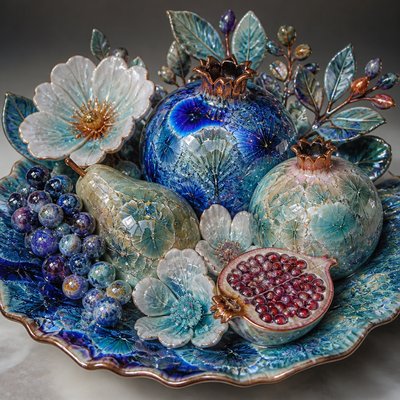
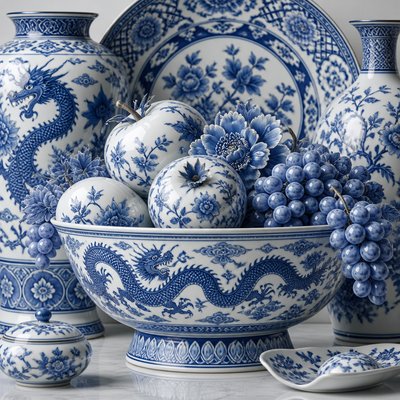
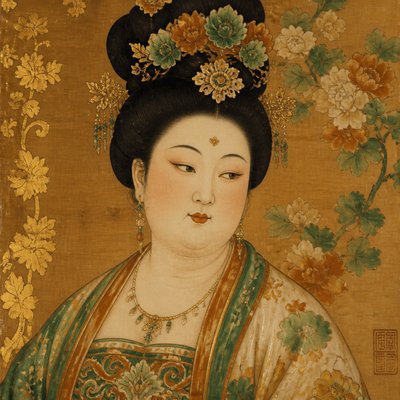
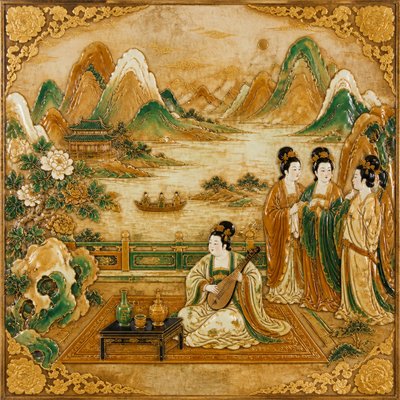
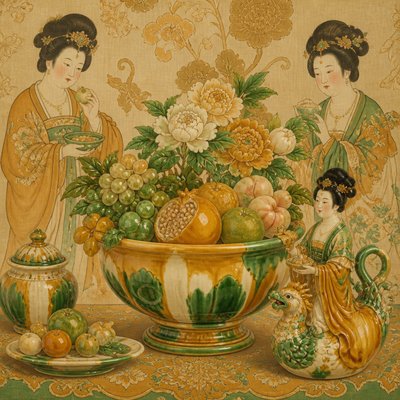
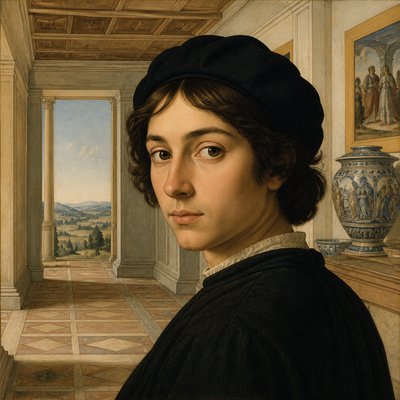
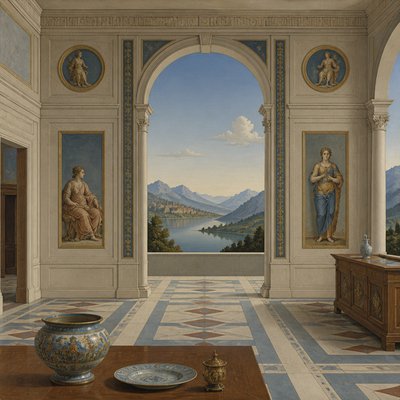
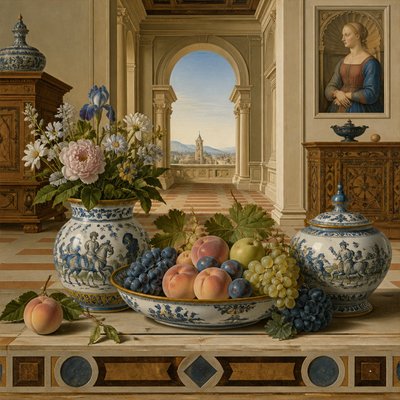
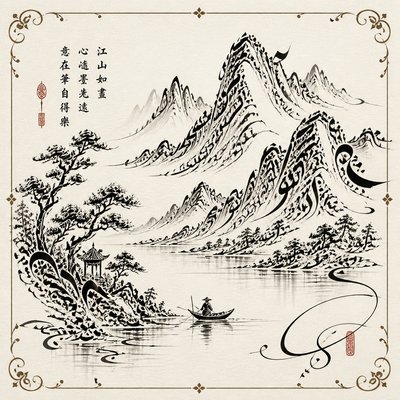
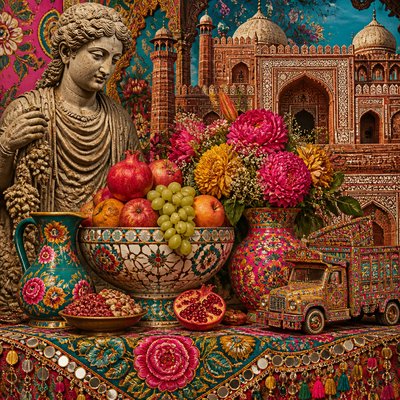
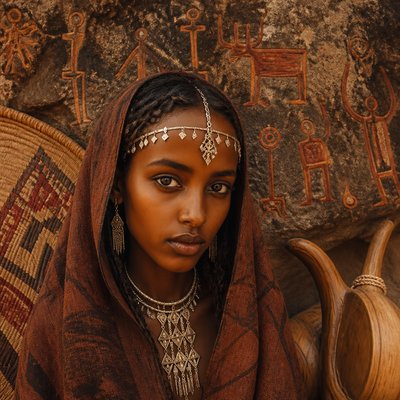
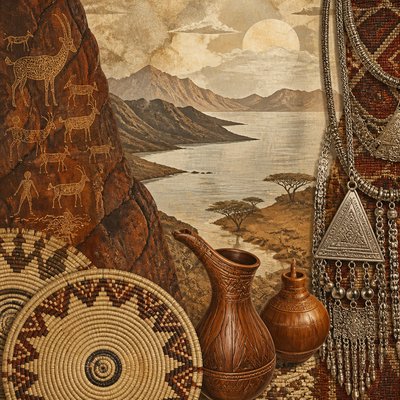
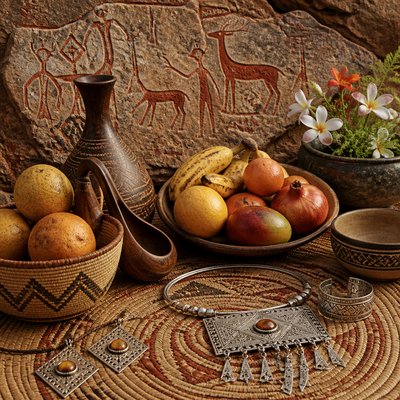
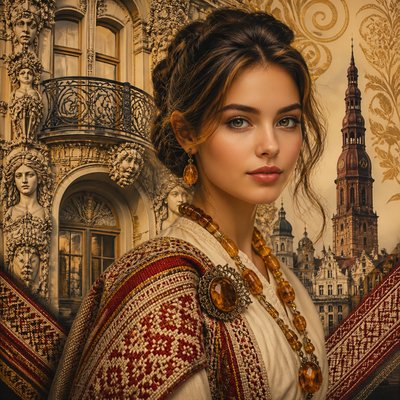
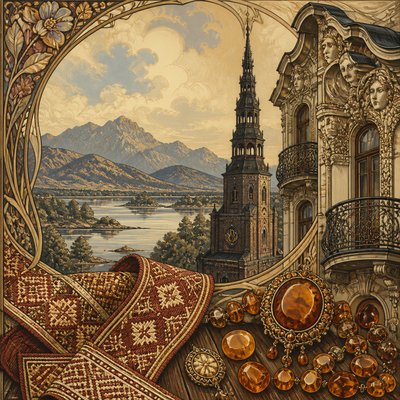
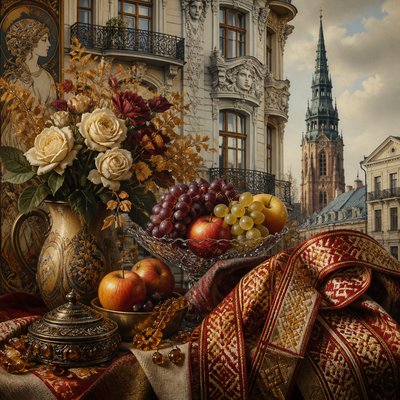
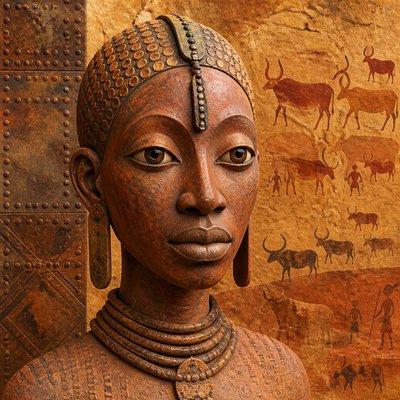
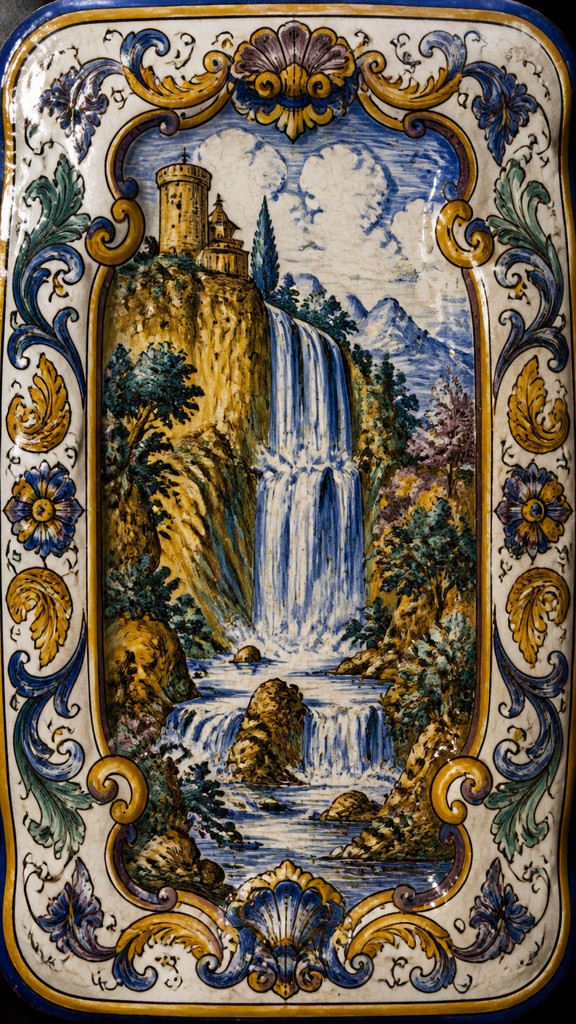
Majolica ceramic art: vivid painted scenes on white tin glaze, with glossy surfaces, cobalt, ochre, green and purple ornament.
Instantly rendered in Majolica Ceramic — or transform a photo
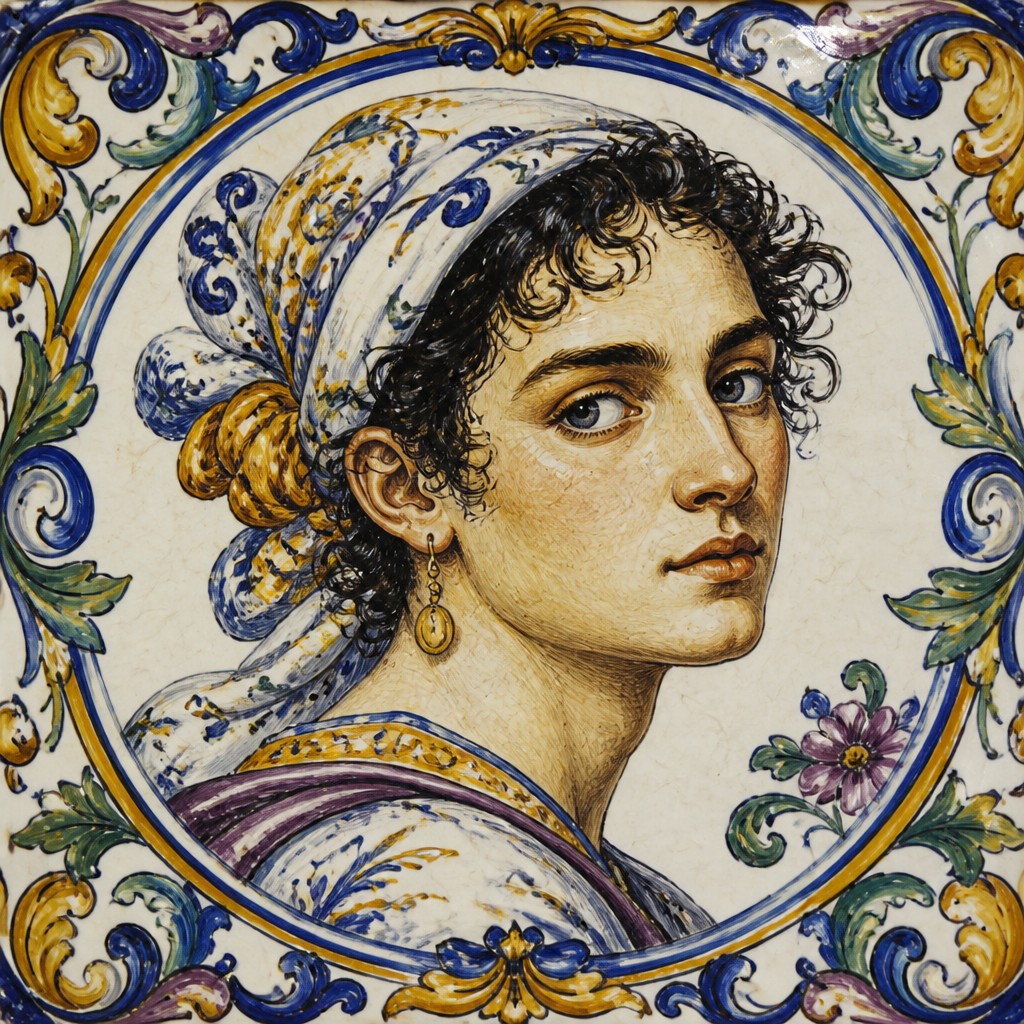
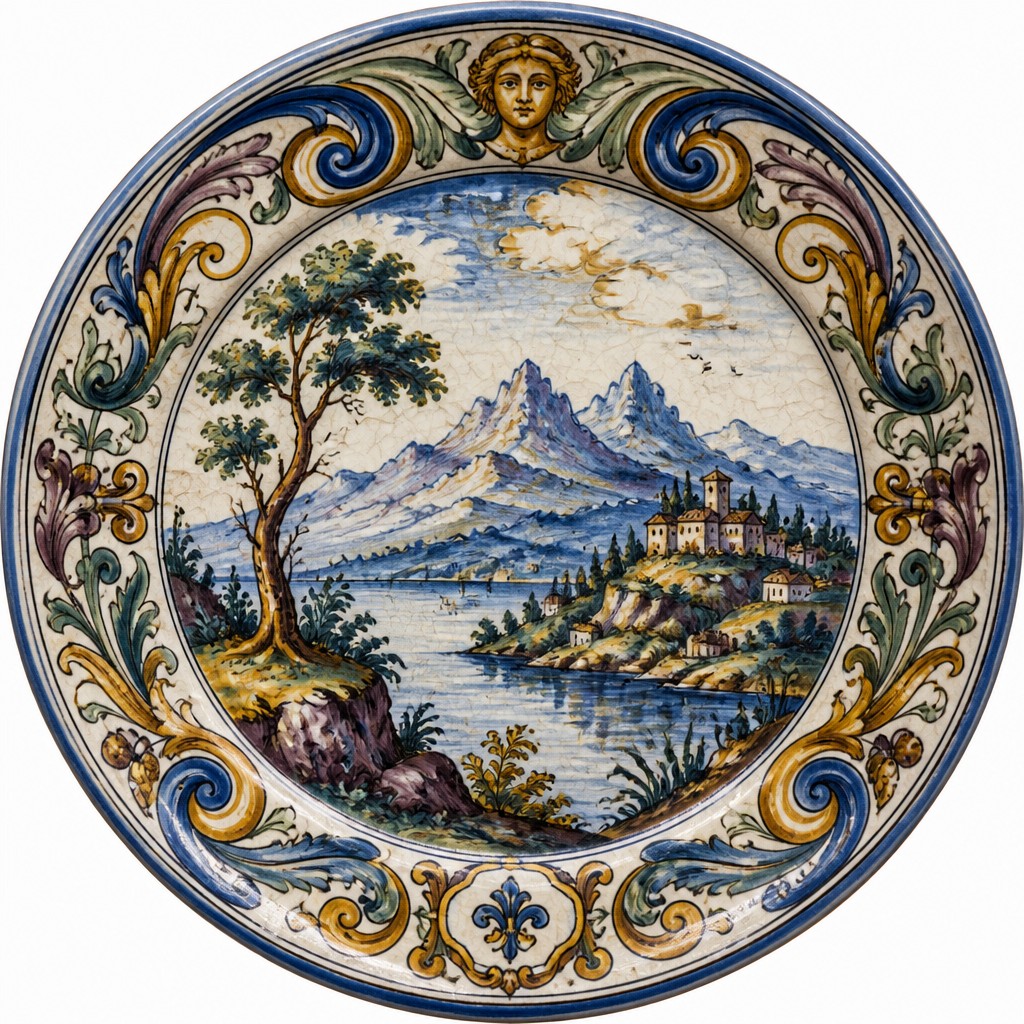
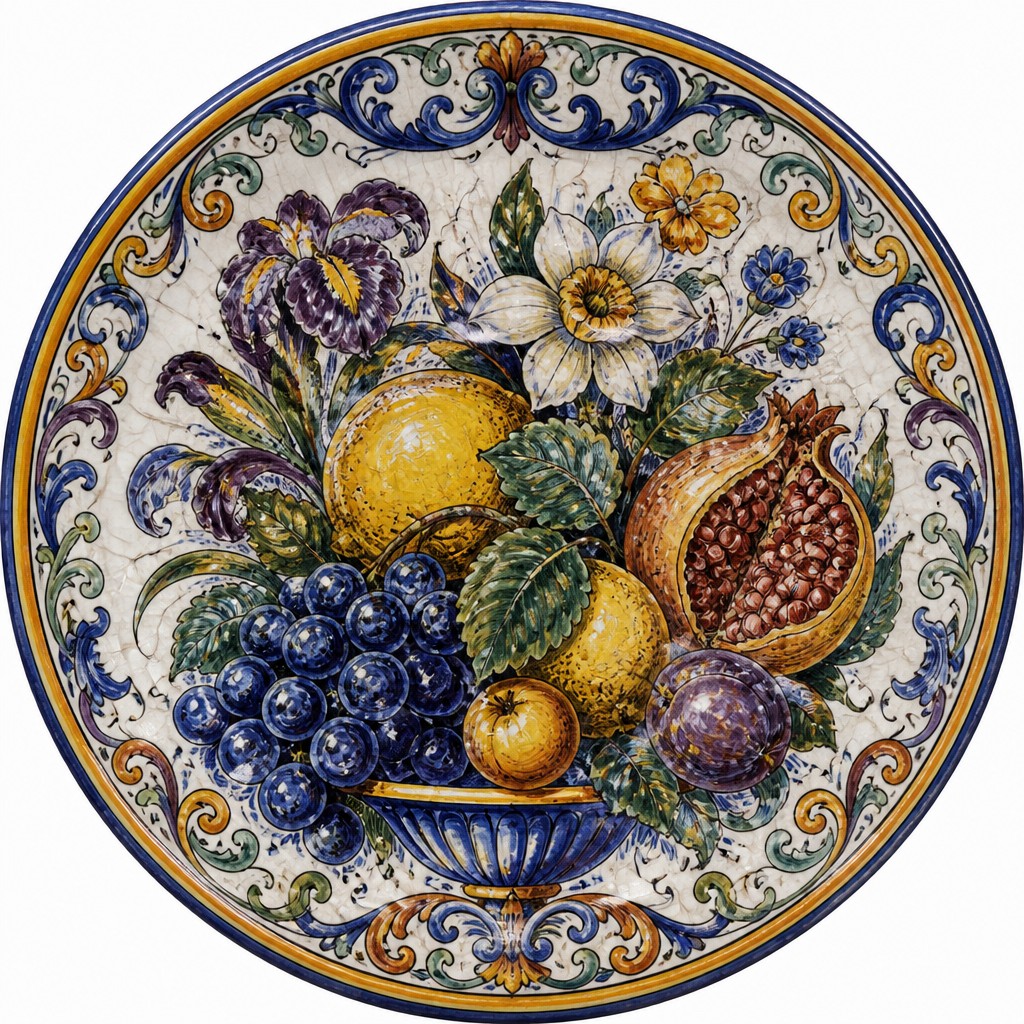
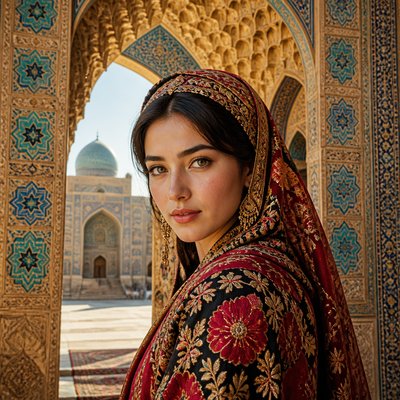
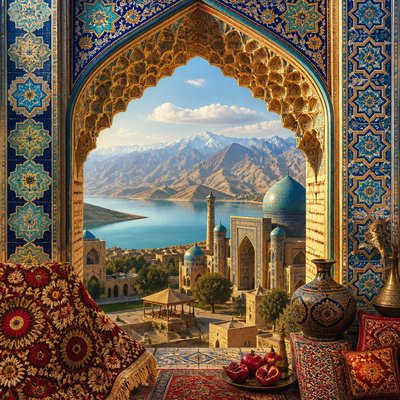
Majolica Ceramic Gallery
Tap any artwork to explore it
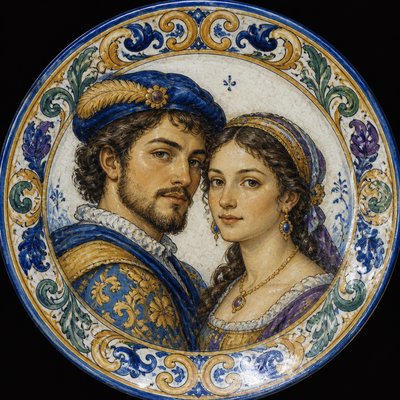
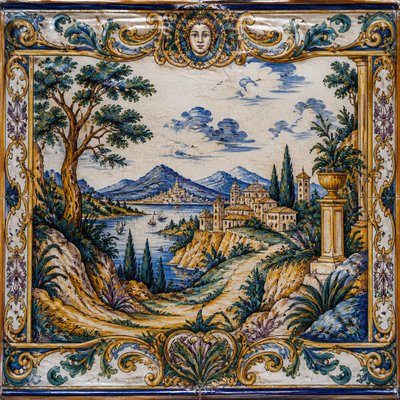
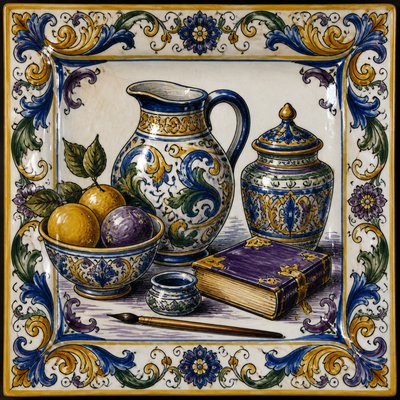
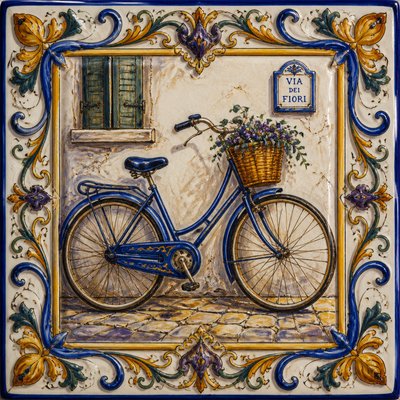
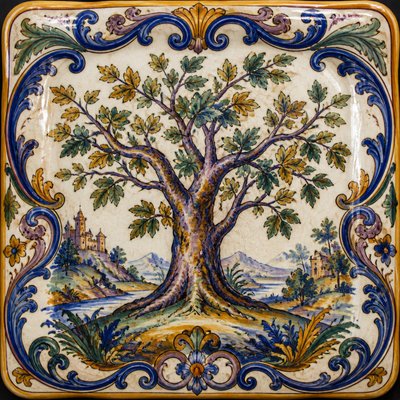
What is Majolica Ceramic Art Style?
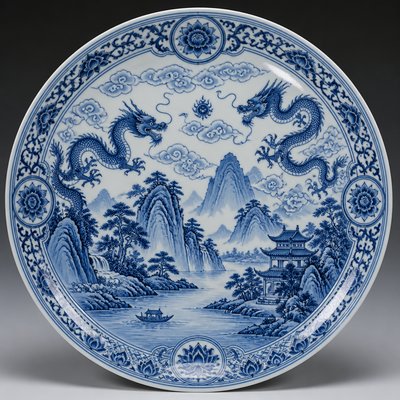
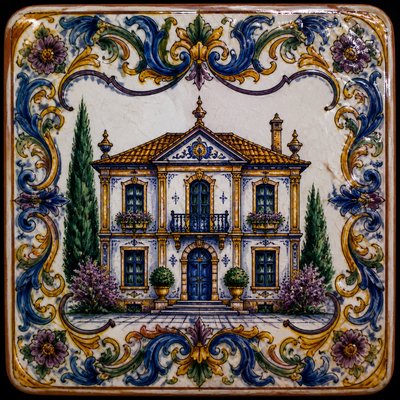
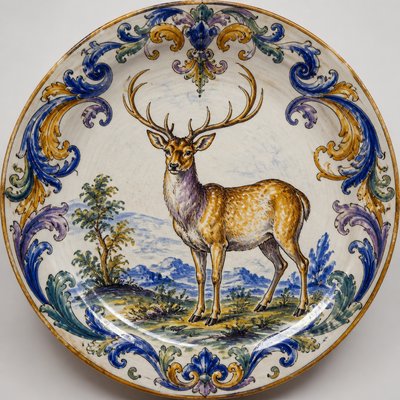
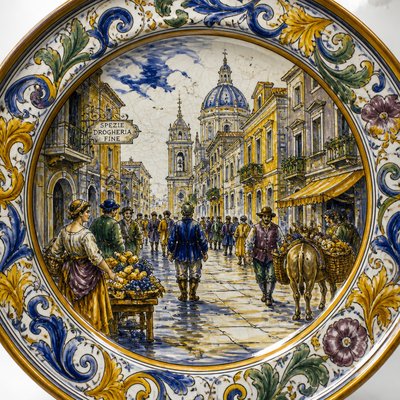
Majolica ceramic art is a painted earthenware tradition in which decoration is applied over a brilliant white tin-glaze ground. The white surface functions like a prepared panel, allowing colorful scenes, borders, and motifs to stand out with exceptional clarity and saturation. Its visual identity is defined by fluid brushwork, dark outlining, dense ornament, and a lustrous glaze that makes the finished object feel both painterly and jewel-like.
The style is especially associated with Renaissance and later revival ceramics, where narrative imagery, mythological scenes, botanical patterns, heraldic devices, and architectural framing devices are adapted to curved pottery forms. Because the glaze is opaque and reflective, colors appear slightly softened yet vivid, and the underlying earthenware can contribute a warm tone at edges or through translucency. The result is a medium that sits between painting and vessel-making: image and object are inseparable.
Try It On Your Photos
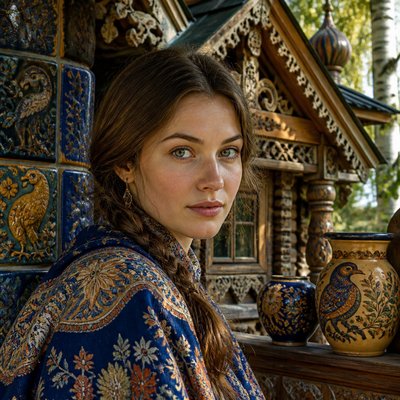
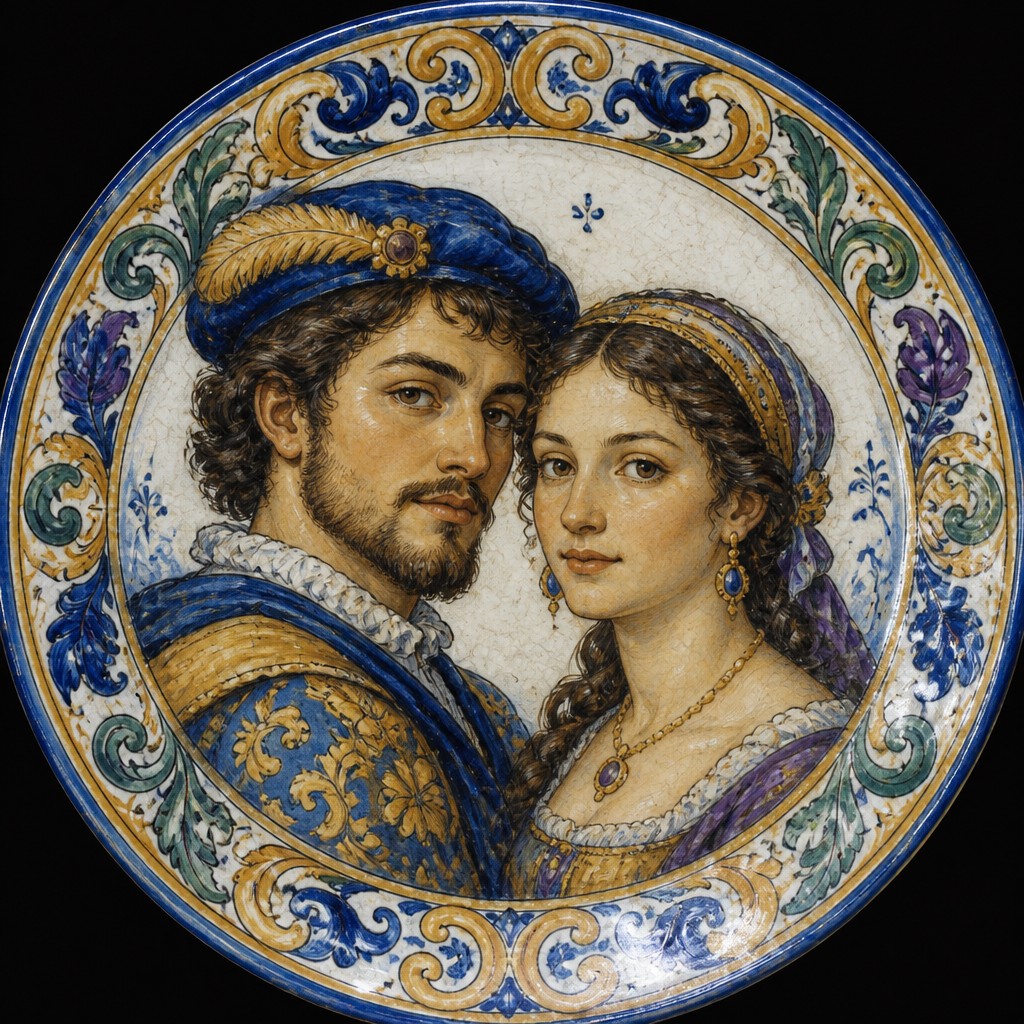
Upload any photo and convert it into Majolica Ceramic Art Style — drag the sliders to compare before and after.


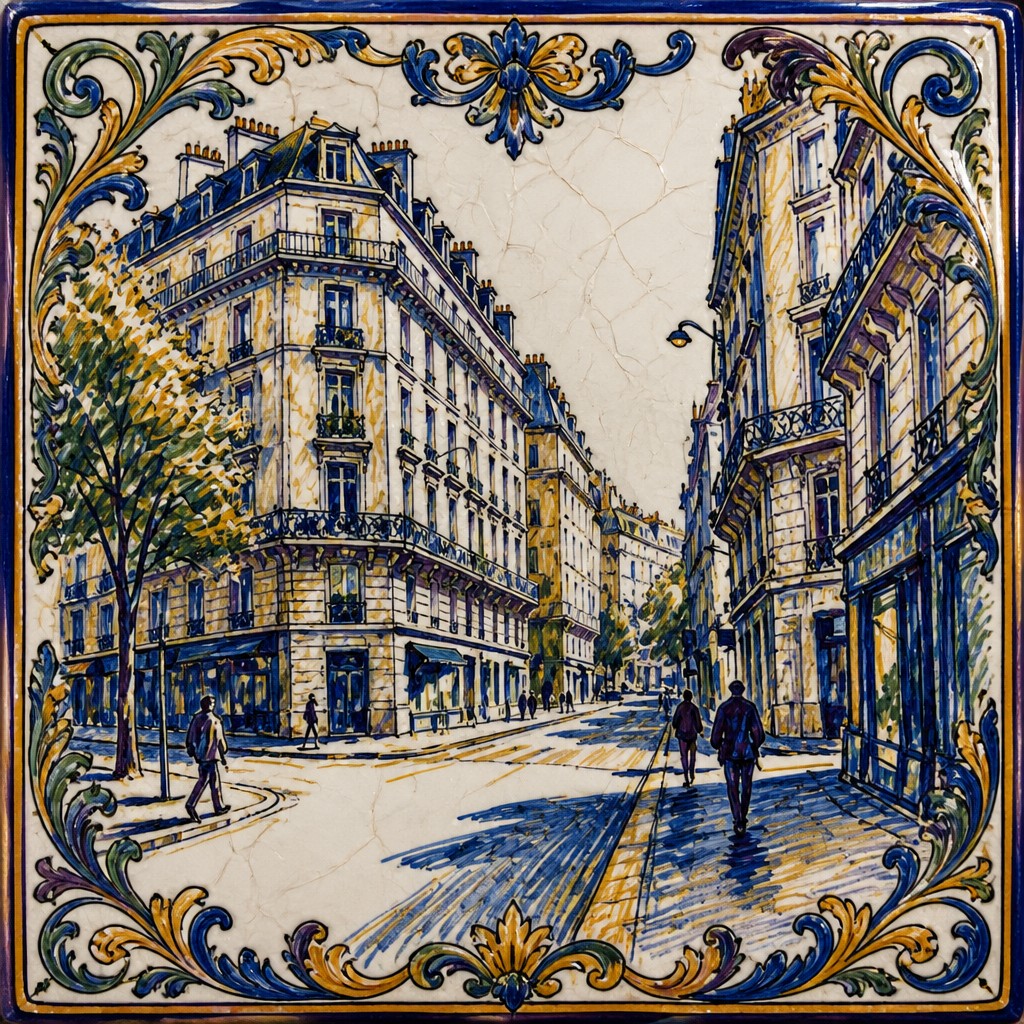

What Defines Majolica Ceramic Art Style
The signature details, up close
White tin-glaze ground
A bright opaque white surface is the foundation of the style. It creates contrast for painted imagery and gives the ceramic the look of a prepared canvas.
Hand-painted color palette
Cobalt blue, ochre yellow, copper green, manganese purple, and brick red are common historical colors. The palette usually feels rich but slightly softened by the glaze.
Delicate dark outlines
Fine dark line work often defines figures, leaves, scrolls, and contours. These outlines give the painted forms clarity on the glossy ground.
Ornamental framing
Borders, cartouches, foliate scrolls, and arabesques often organize the composition. Even small objects frequently have a central scene surrounded by decorative framing.
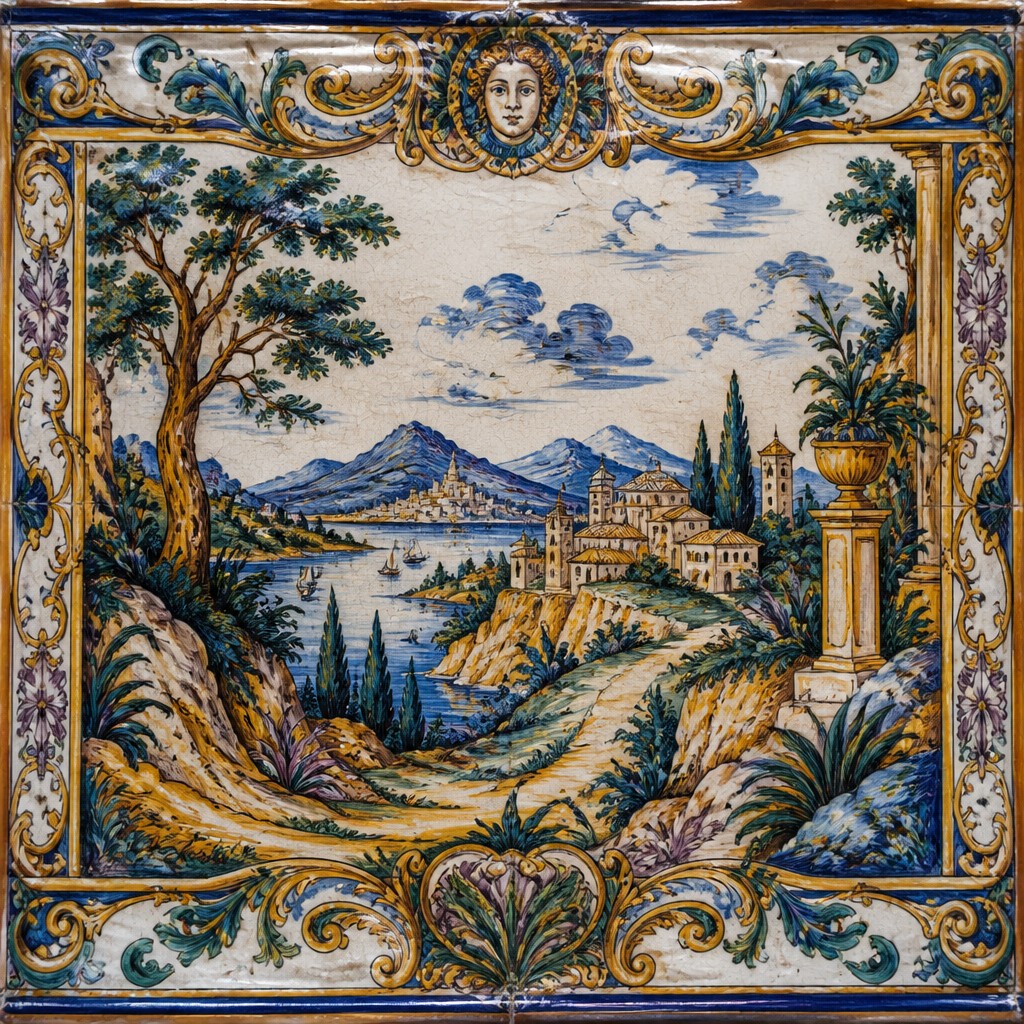
Glossy ceramic surface
The fired glaze produces a reflective sheen, sometimes with subtle crazing. This surface is a key part of the look and distinguishes the style from flat illustration.
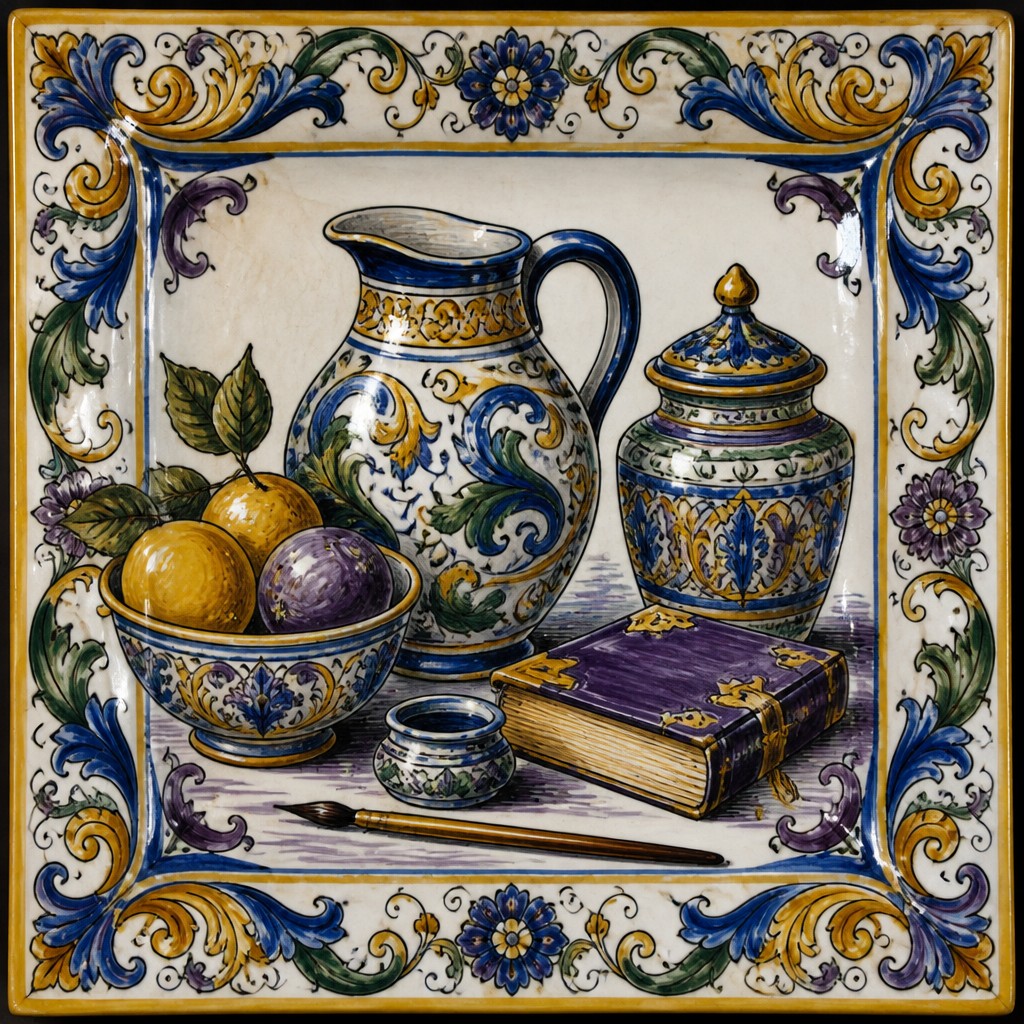
Narrative and botanical imagery
Scenes from mythology, history, daily life, and religion are common, alongside flowers, fruits, vines, and stylized foliage. The imagery often adapts to curved vessel forms.
Try It
Create Videos in Majolica Ceramic Art Style
Styles aren't just for stills — describe a scene or animate an image and get a short video rendered in Majolica Ceramic. Press play to see this pond come to life.
Make a VideoMajolica Ceramic Prompt Ideas
Start from an idea — each one opens the generator with the style ready to go. See all 40 Majolica Ceramic prompts →
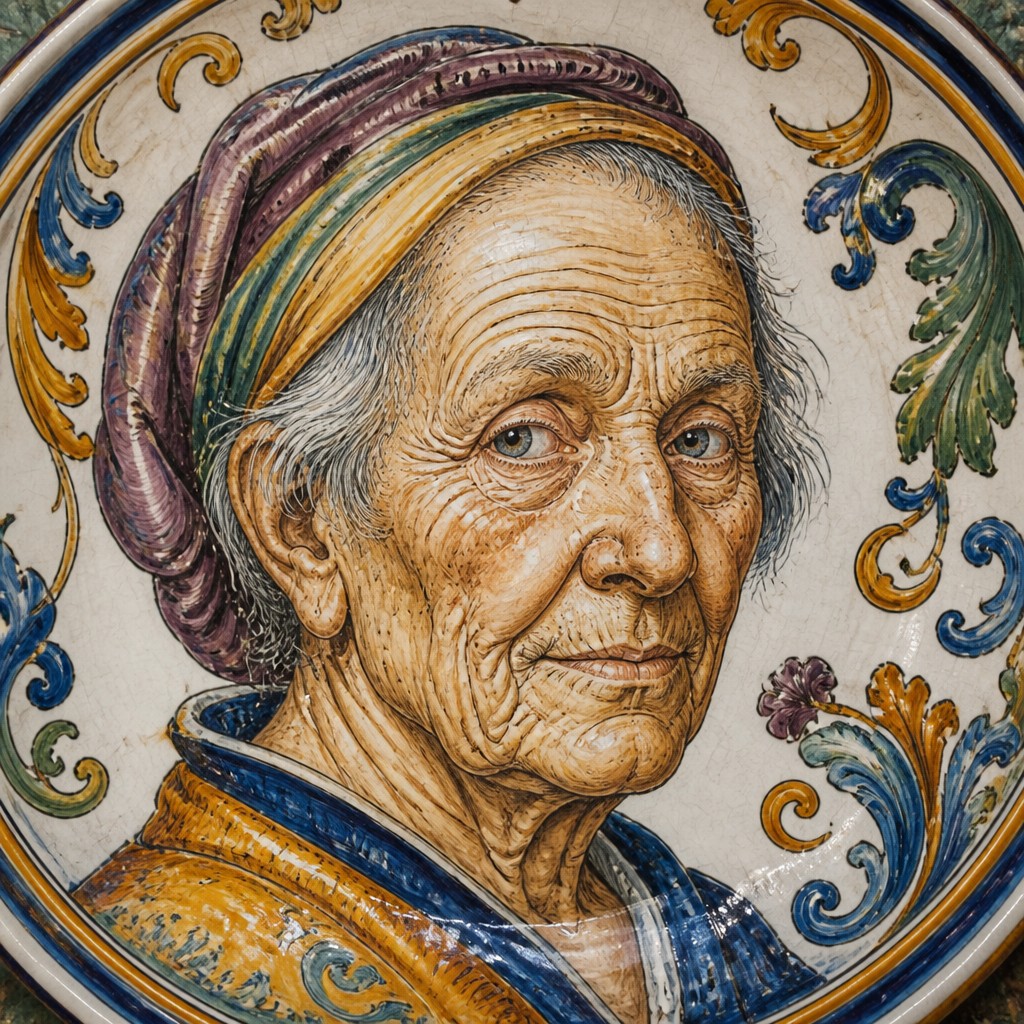
“close-up portrait of an elderly person with expressive weathered features”
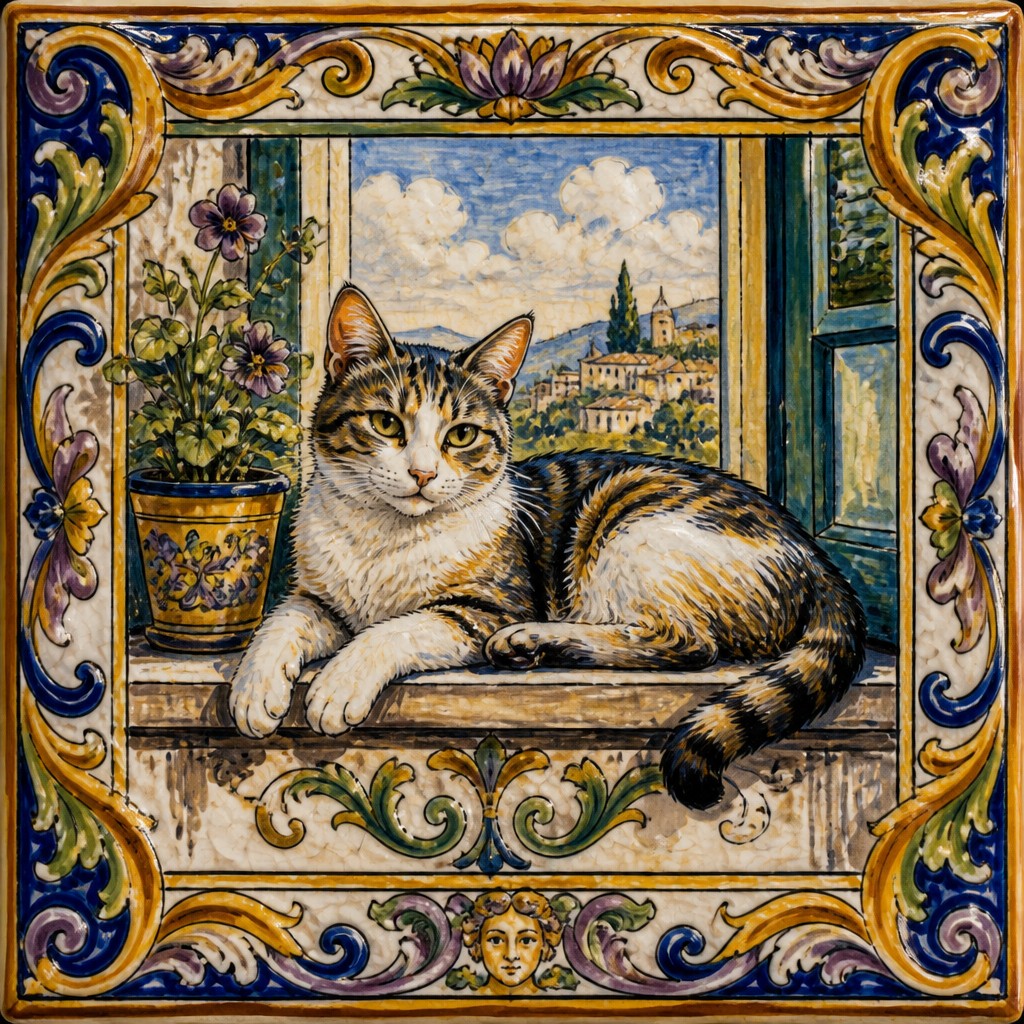
“a cat lounging in a sunlit window”
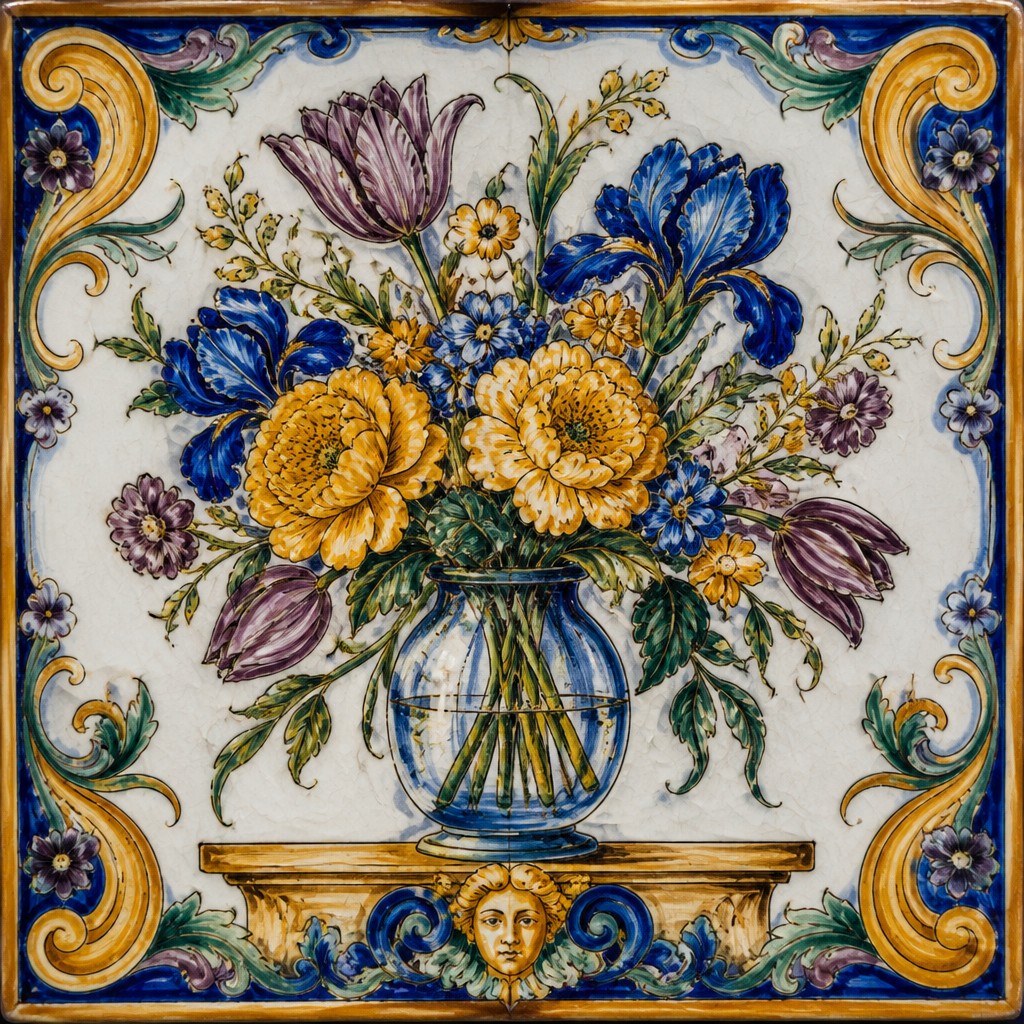
“bouquet of flowers in a glass vase”
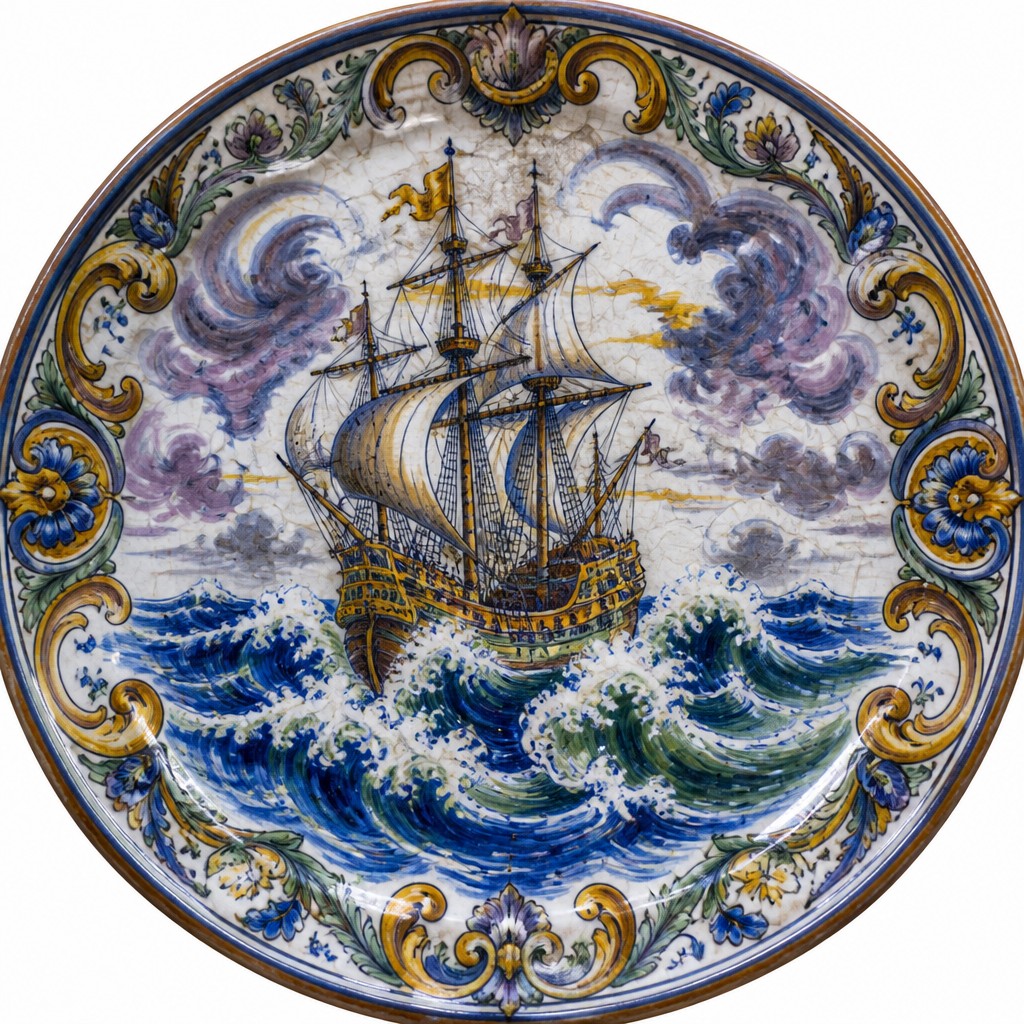
“sailing ship on a stormy sea”
How to Create Majolica Ceramic Art
Master the craft step by step — or skip straight to creating. Read the full guide →
- 1
Build from a white glazed ground
In traditional ceramics, start with earthenware coated in an opaque tin glaze or a convincing white slip-glaze equivalent. In digital work, establish a clean white ceramic base before adding painted detail so the image reads as decoration on glaze rather than a flat print.
- 2
Use controlled brushy ornament
Paint forms with visible but refined brushstrokes and keep edges crisp with dark outlining. The style benefits from layered decoration: a central scene, then borders, then small fillers such as vines, rosettes, and dots.
- 3
Favor historically grounded color relationships
Use cobalt blue as the dominant accent, then support it with warm ochres, greens, and purple notes. Keep saturation vivid but not neon; the glaze should make the colors feel embedded in the surface.
- 4
Match imagery to the object form
Round plates, vases, tiles, and jars work well because the decoration can wrap around curves and frames. Compose with the vessel in mind so figures, borders, and focal points follow the ceramic silhouette naturally.
- 5
Add fired-surface effects
A glossy highlight, slight glaze pooling, and subtle crazing can make the result feel authentic. For prompt-based generation, specify reflective glaze, painted tin-glaze ground, and earthenware undertones to keep the object tactile.
The Story
History & Origins of Majolica Ceramic
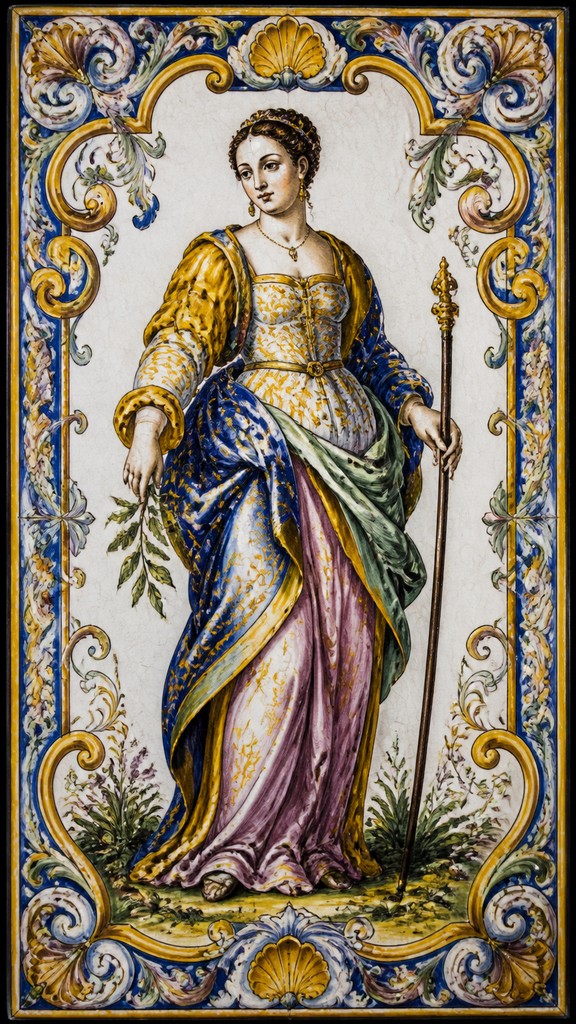
Majolica developed in the Mediterranean world as a tin-glazed earthenware tradition, with major centers in Italy during the Renaissance. Italian maiolica became renowned for large painted narrative and decorative compositions, especially in places such as Deruta, Faenza, Urbino, and Gubbio, where potters and painters created highly prized tablewares, pharmacy jars, plaques, and presentation dishes. These works drew on contemporary painting, prints, manuscript ornament, and classical humanist themes, turning functional ceramics into a medium for visual storytelling.
The tradition later spread and was revived in different forms across Europe. In the 19th century, Victorian and historicist workshops reinterpreted majolica with brighter palettes, heavier glazes, and more eclectic ornament. Modern decorative-arts practice continues to borrow from its visual language: white tin glaze, hand-painted detail, foliate borders, and Renaissance-inspired composition remain the essential cues that define the style.
Influences: Majolica is rooted in Italian Renaissance maiolica and related tin-glazed ceramics from the broader Mediterranean world, while its decorative logic also reflects manuscript illumination, print culture, and the painterly traditions of the period. Later historicist revivals drew on these sources while adapting them to Victorian taste and industrial production. For related visual traditions, it sits near Delftware, Iznik ceramics, and other painted ceramic arts that combine white grounds, ornamental borders, and hand-applied imagery, though the specific palette and Renaissance figural emphasis are distinctive to maiolica.
Frequently Asked Questions
What defines majolica ceramic art?
Its defining feature is painted decoration on an opaque white tin-glaze ground. The style is usually colorful, glossy, and highly ornamented, with visible brushwork, dark outlines, and decorative framing.
Is majolica the same as maiolica?
In historical terms, maiolica is the Italian term for tin-glazed painted earthenware, while majolica is a later spelling and broader usage in English. In practice, people often use the terms interchangeably, though the exact meaning can vary by region and period.
How is majolica different from porcelain?
Majolica is typically earthenware with a tin glaze, not porcelain. It usually looks warmer, more opaque, and more painterly than porcelain, with decoration that sits visibly on the white surface.
What kinds of subjects appear in majolica decoration?
Common subjects include mythological and biblical scenes, portraits, coats of arms, still lifes, flowers, vines, fruit, and animals. Many works also feature ornamental borders that frame the central imagery.
How can I make an image look like majolica?
Use a bright white ceramic ground, vivid hand-painted motifs, fine dark contour lines, and a glossy fired finish. If you are working digitally, emphasize glaze reflections, slight surface crazing, and the way the image wraps around the vessel or tile.
Where is majolica used today?
It appears in fine ceramics, decorative tiles, tableware, museum replicas, and contemporary craft practice. Designers also borrow its visual language for interiors, packaging, and illustration when they want a Renaissance-inflected ceramic look.

Create your first Majolica Ceramic artwork
Describe anything — or upload a photo — and see it in Majolica Ceramic Art Style in seconds.
Make Something with Majolica Ceramic
Related Styles
Discover similar art styles