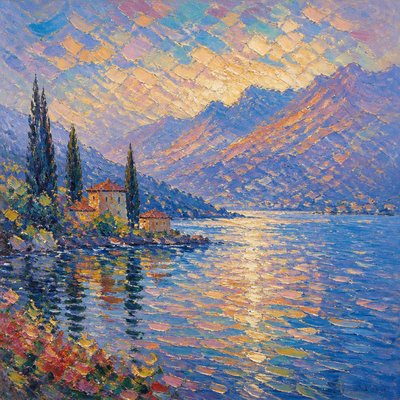
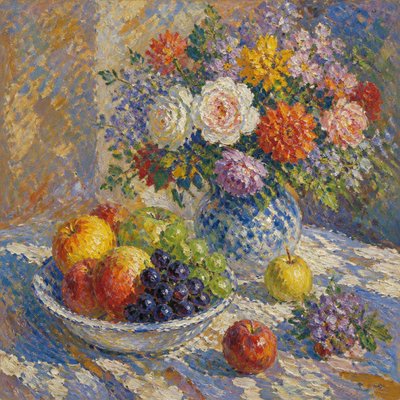
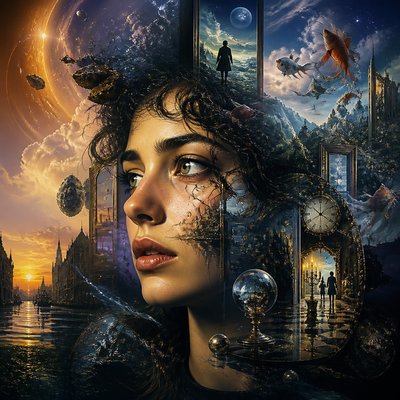
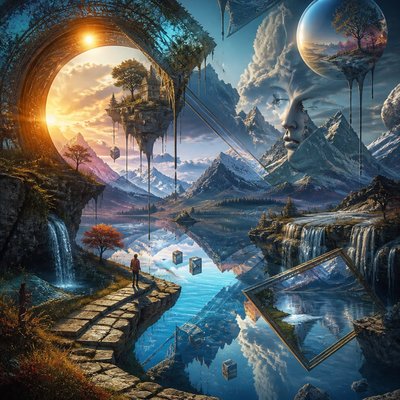
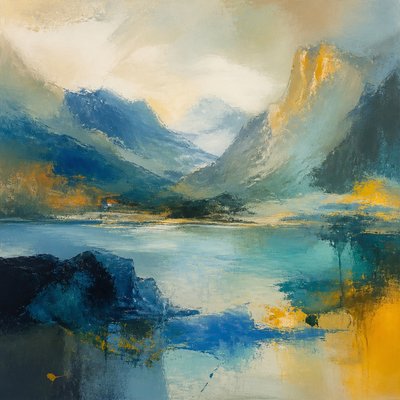
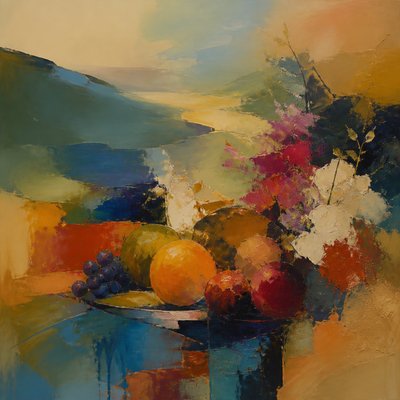
Realistic Landscape Art Style
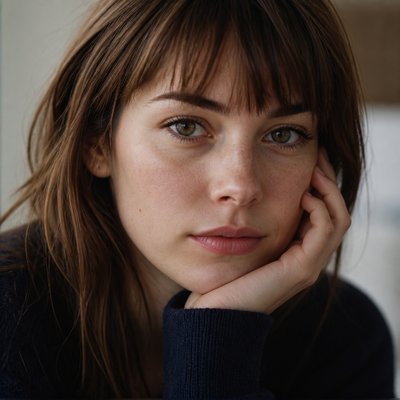
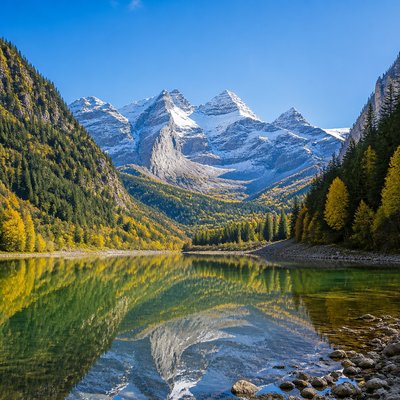
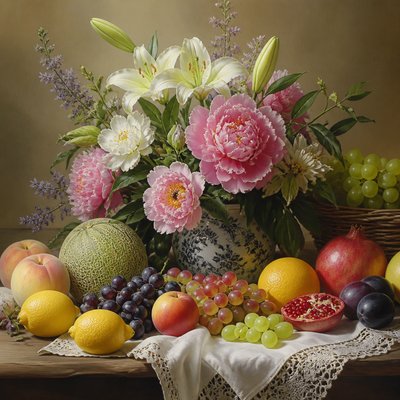
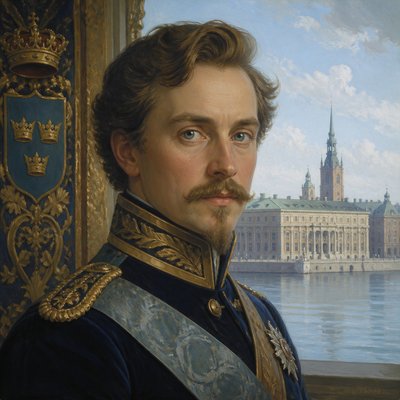
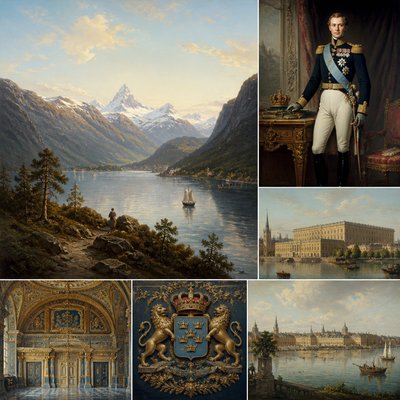
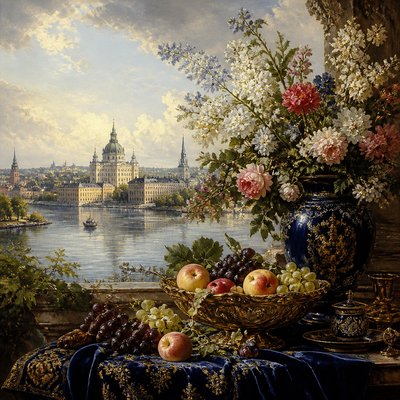
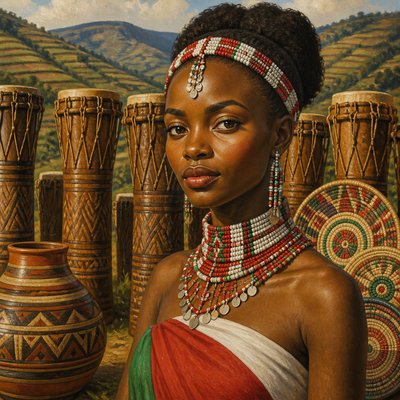
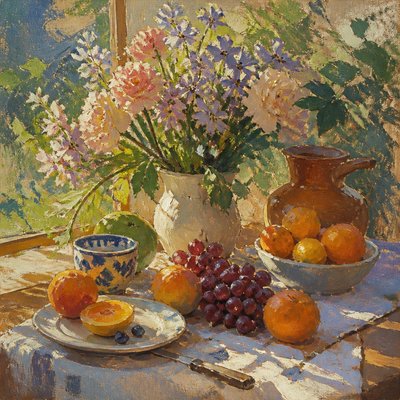
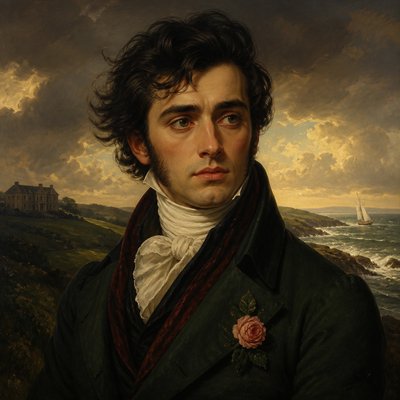
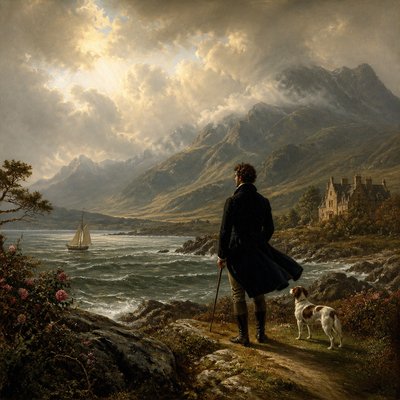
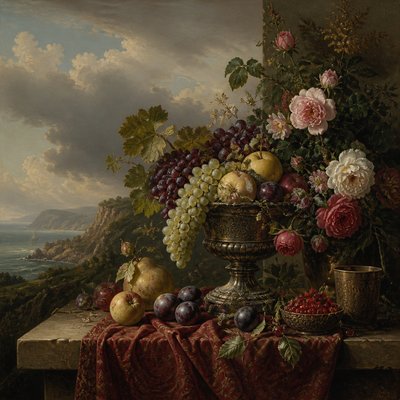
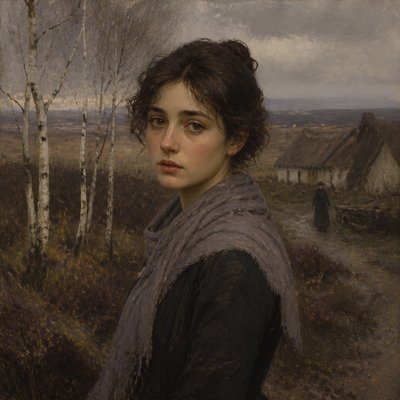
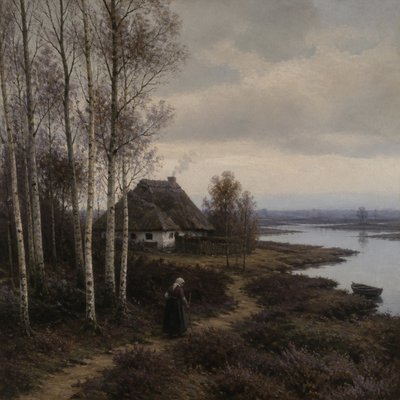
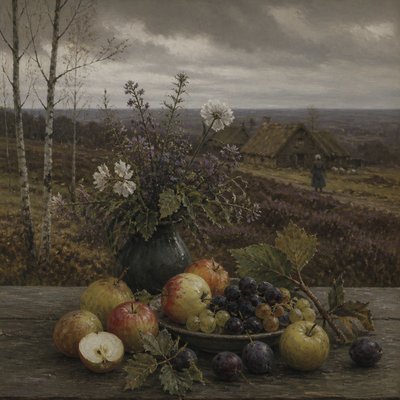
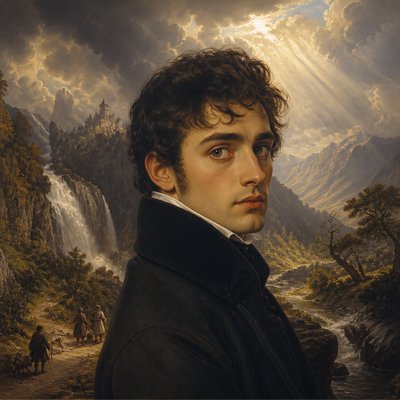
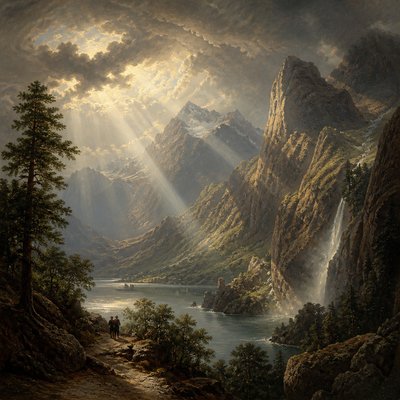
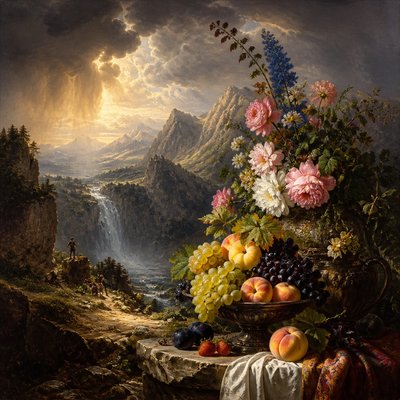
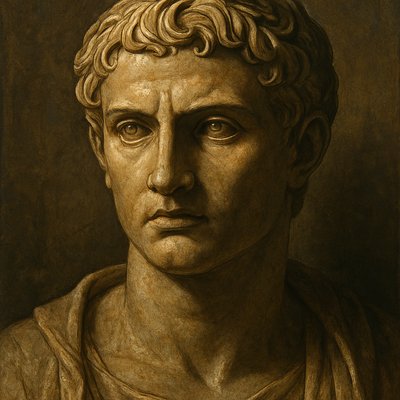
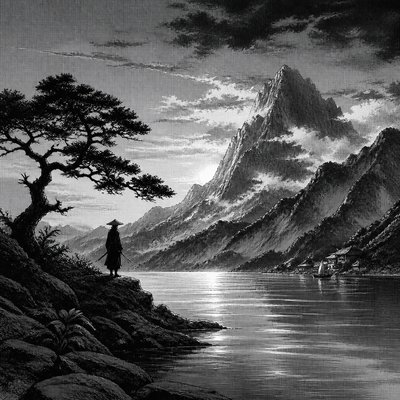
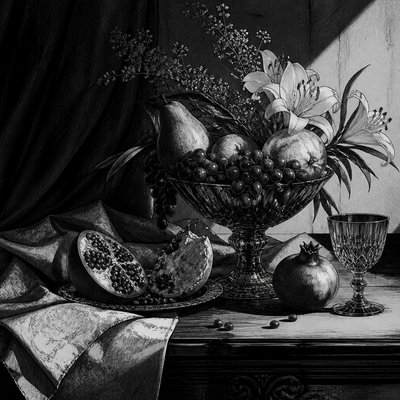
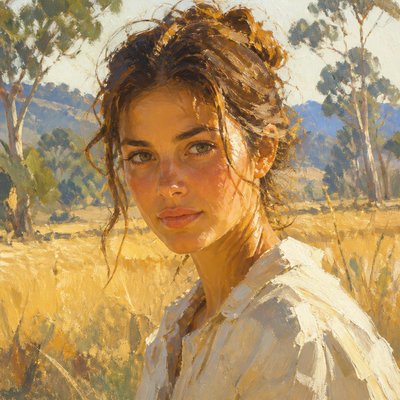
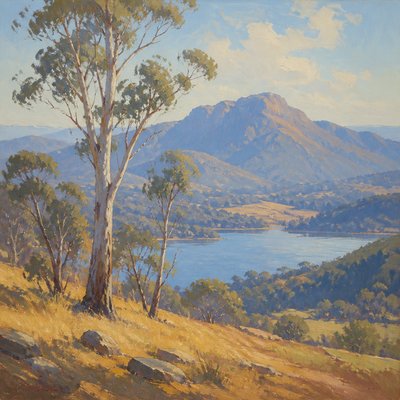
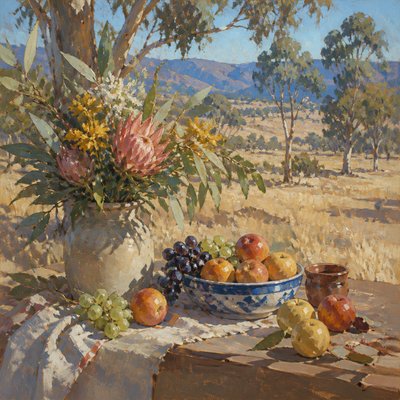
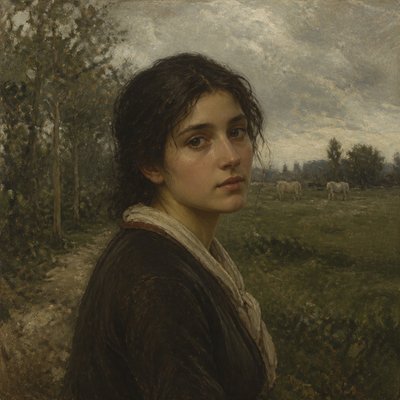
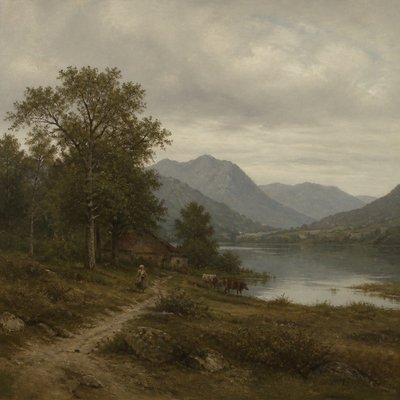
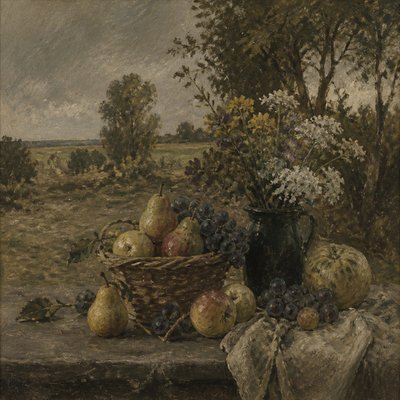
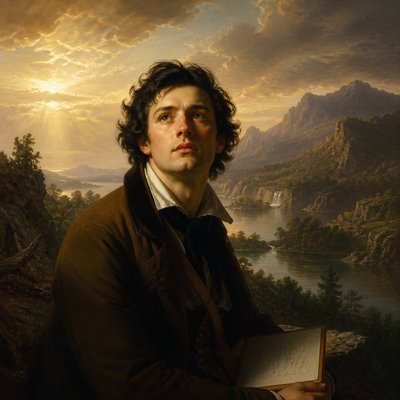
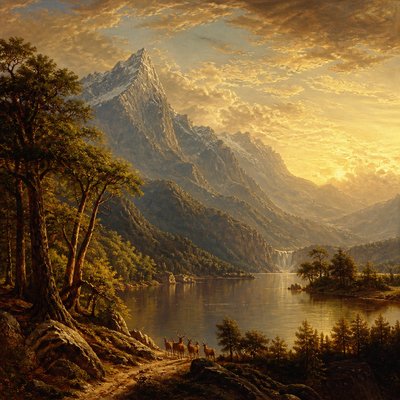
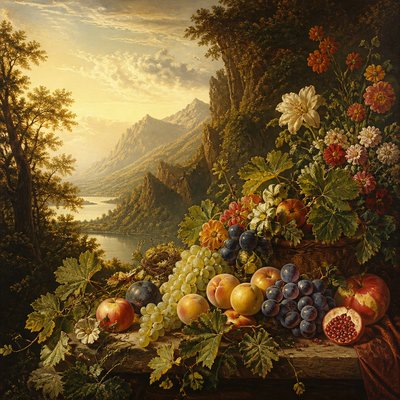
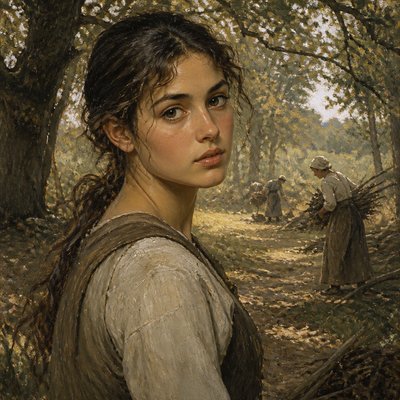
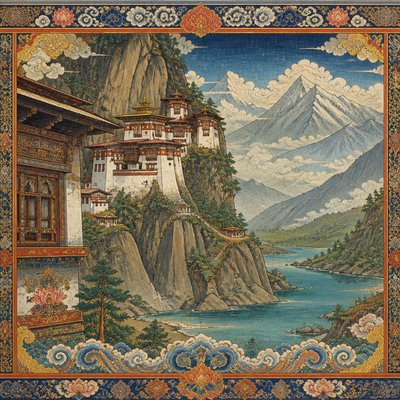
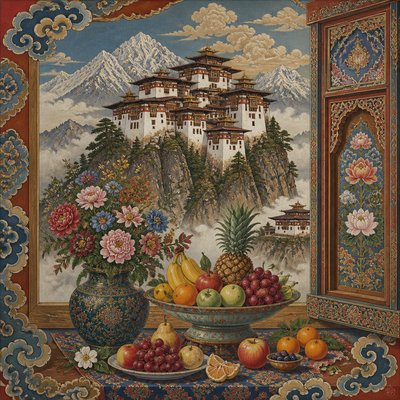
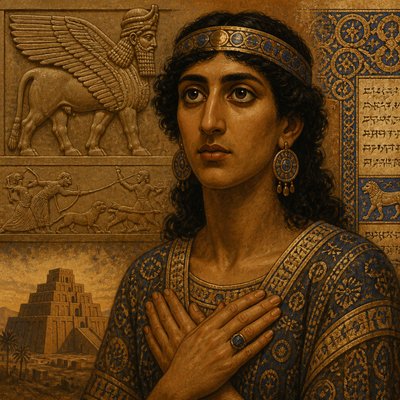
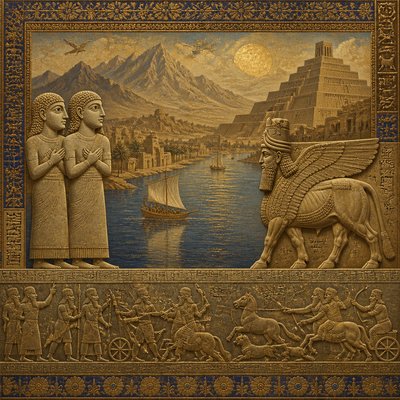
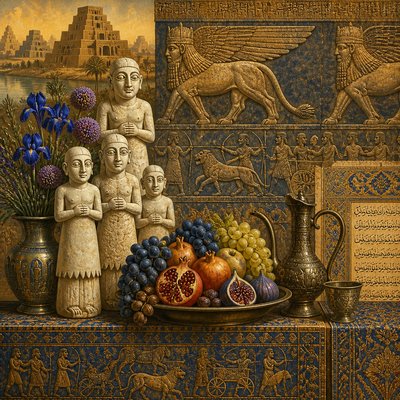
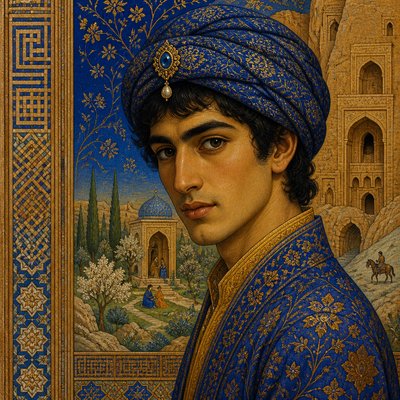
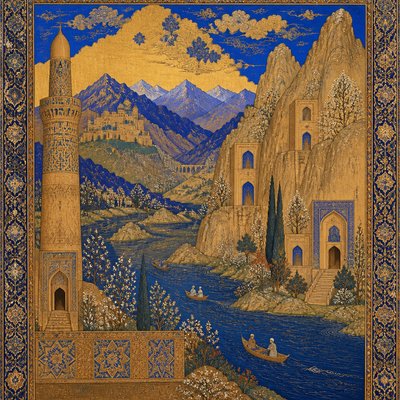
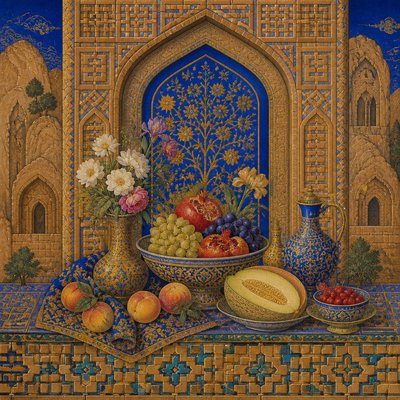
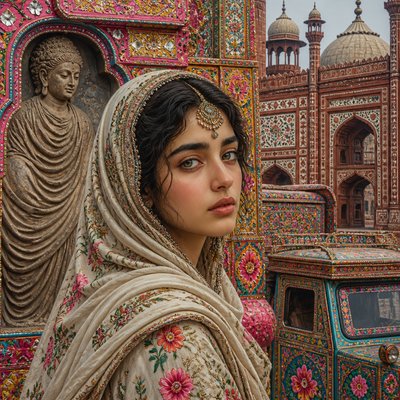
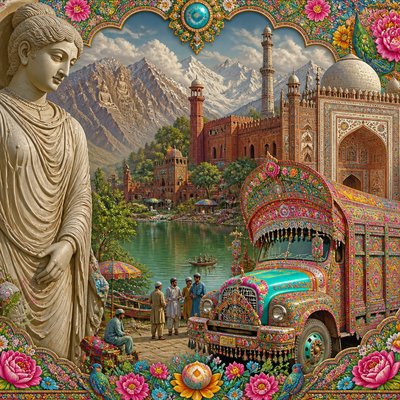
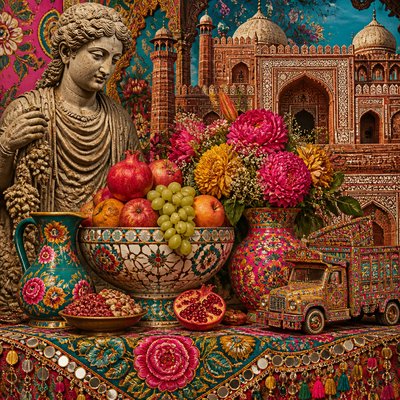
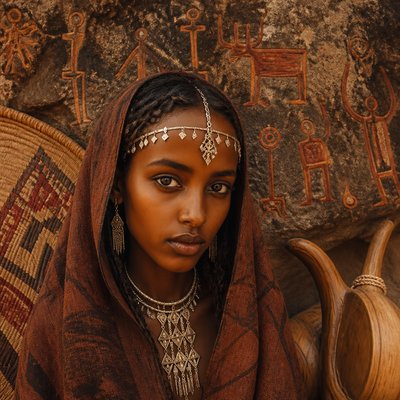
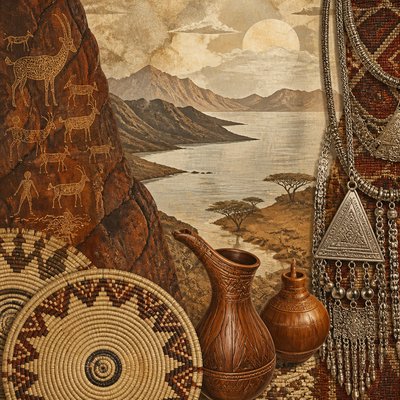
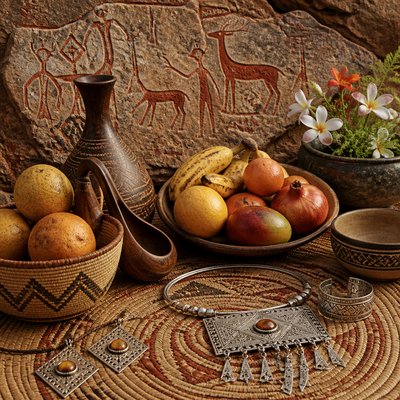
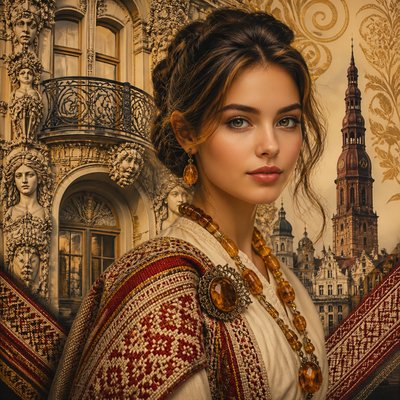
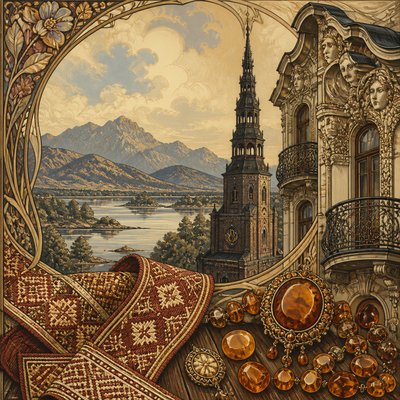
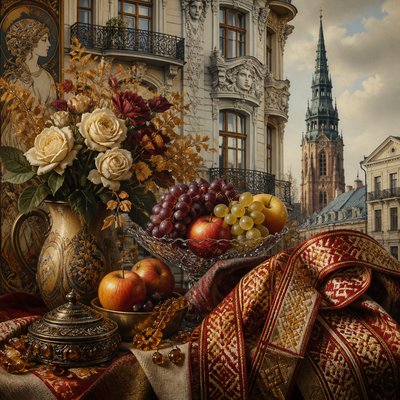
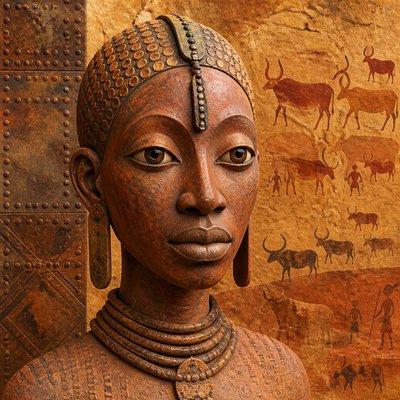
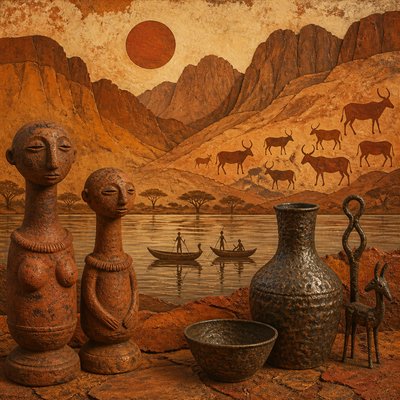
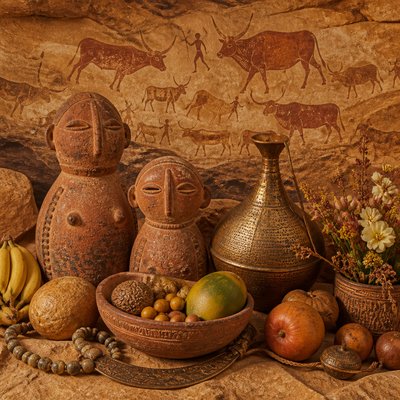
Photographic landscape painting with precise detail, true-to-life color, atmospheric depth, and invisible brushwork.
Instantly rendered in Realistic Landscape — or transform a photo
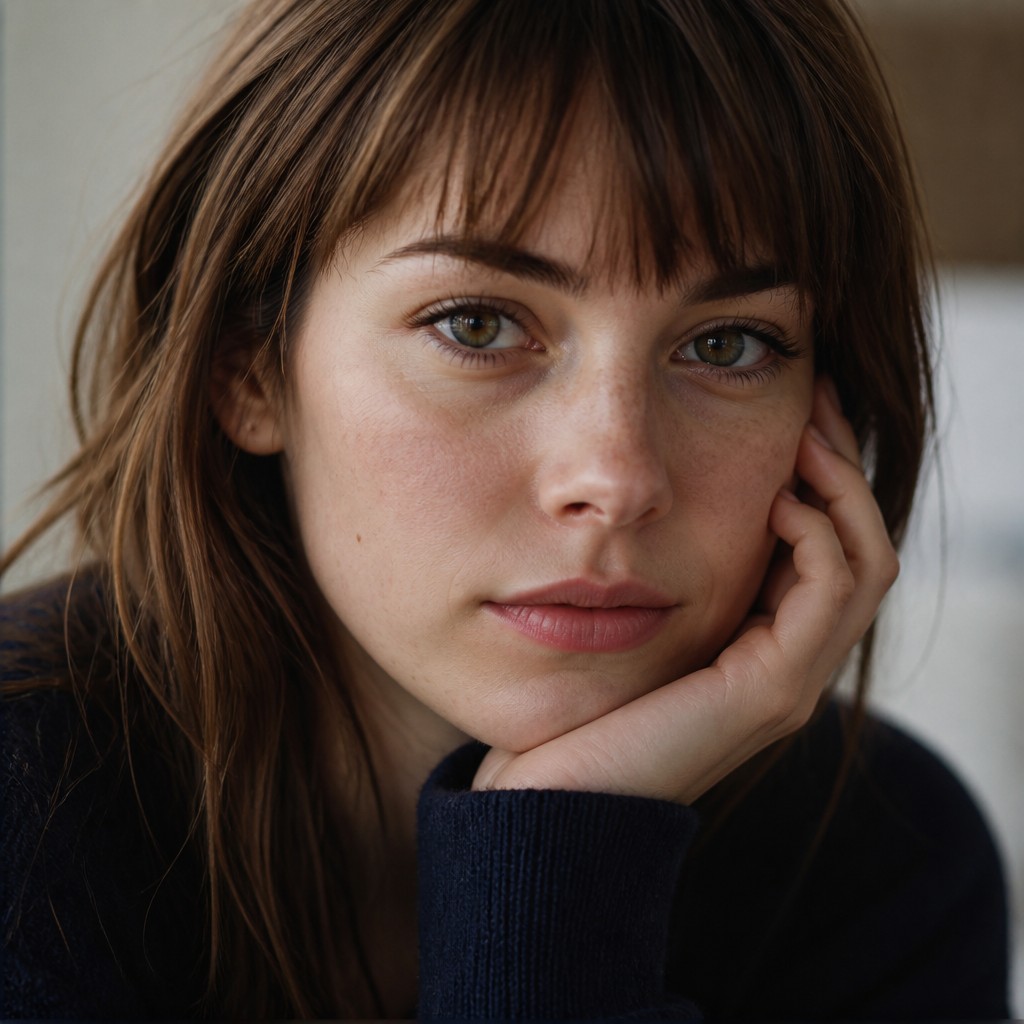
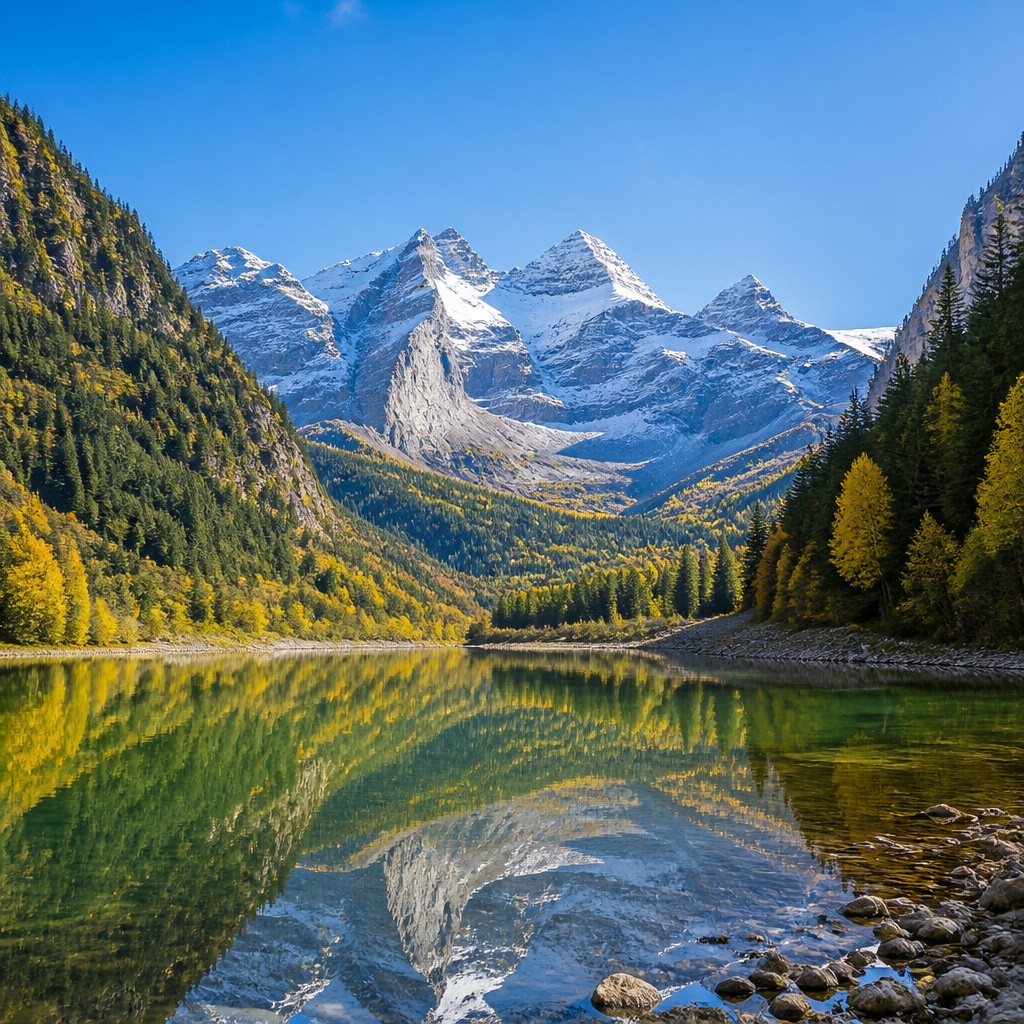
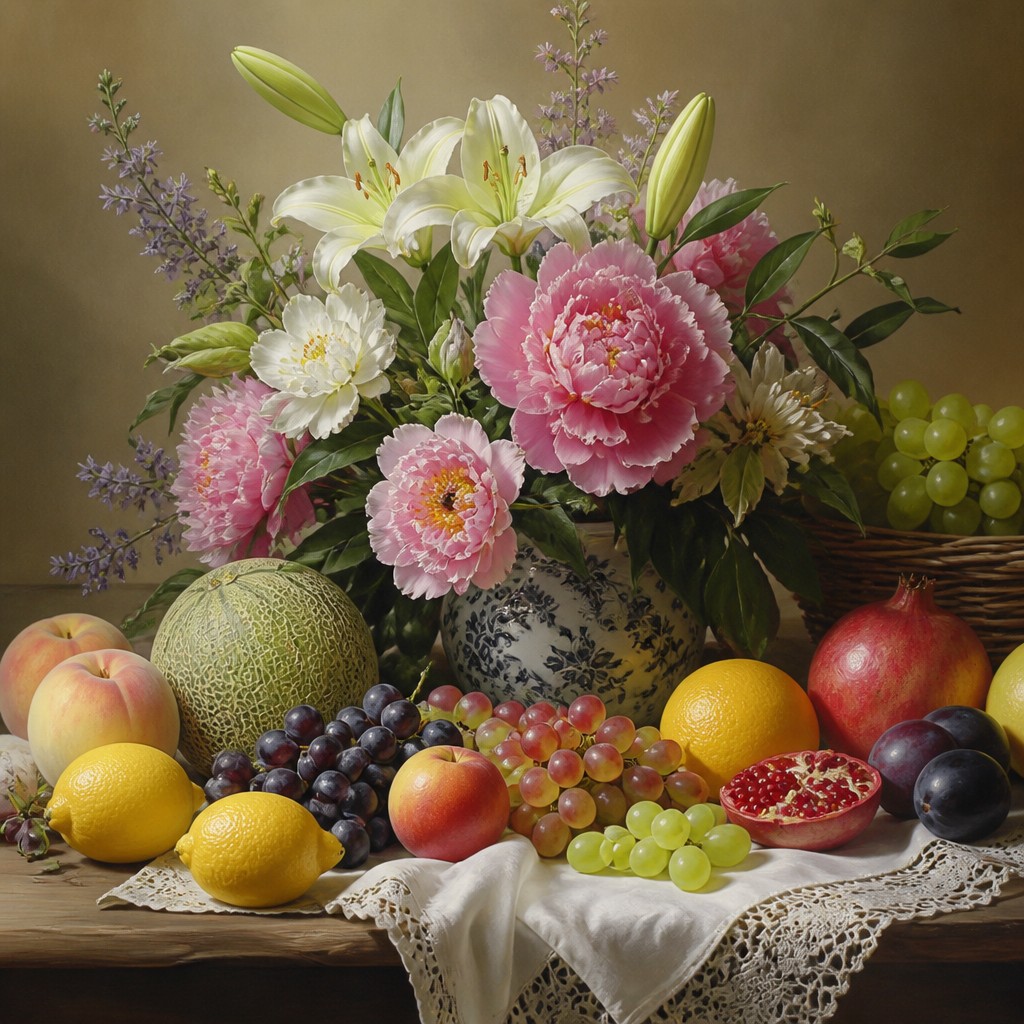
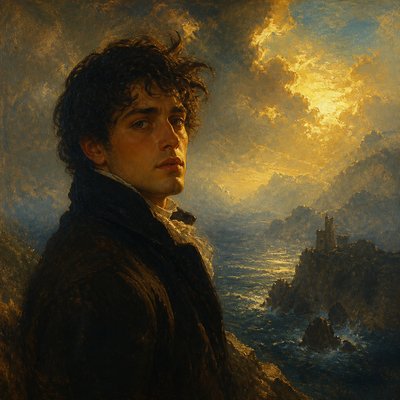
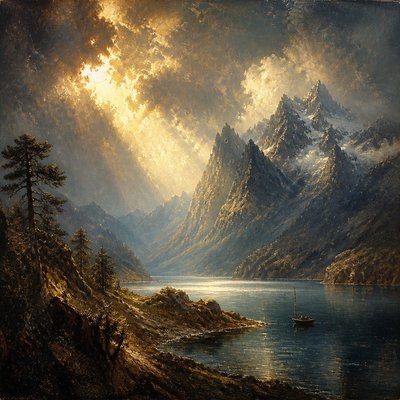
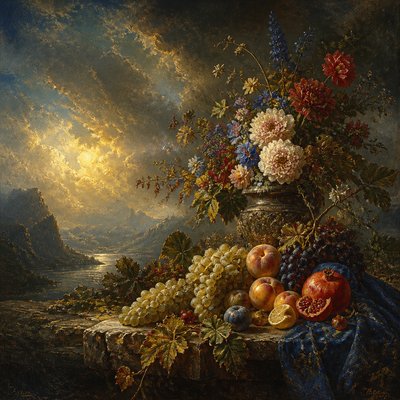
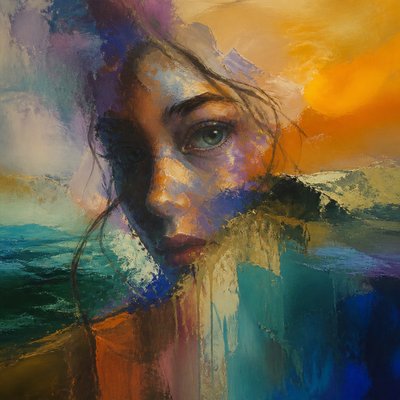
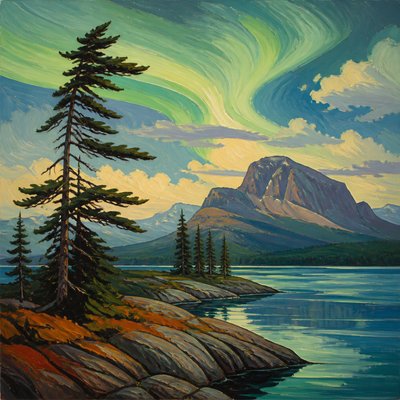
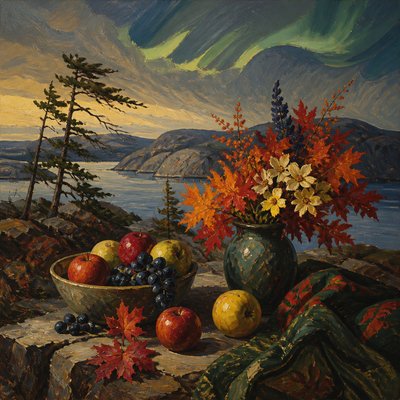
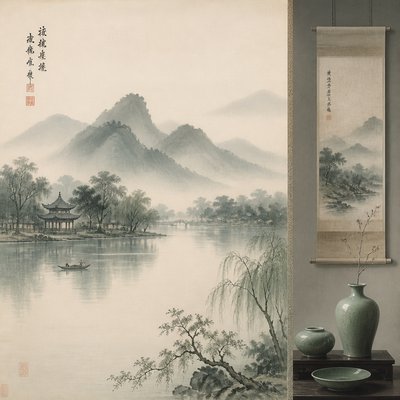
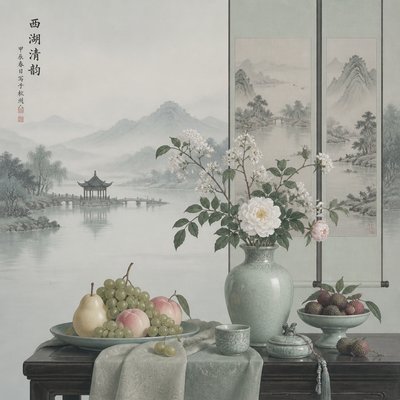
Realistic Landscape Gallery
Tap any artwork to explore it
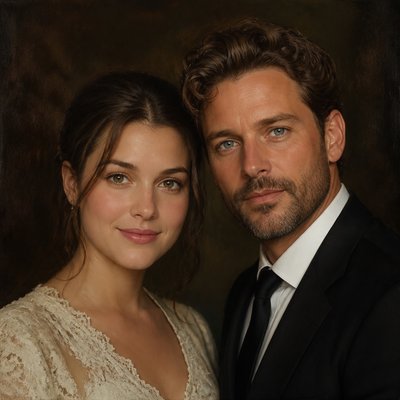

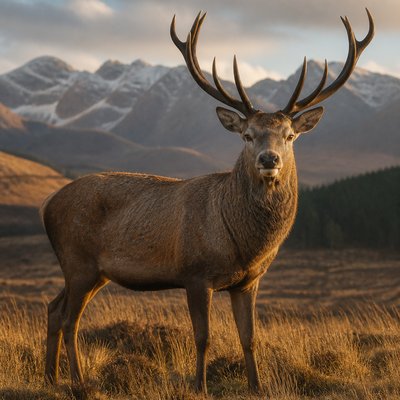
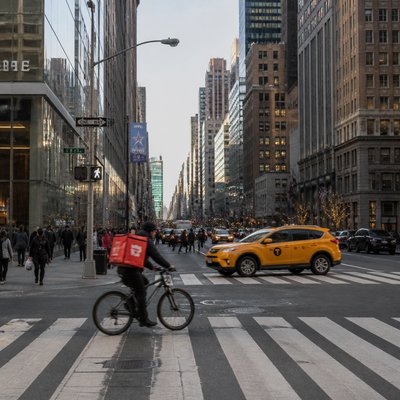
What is Realistic Landscape Art Style?
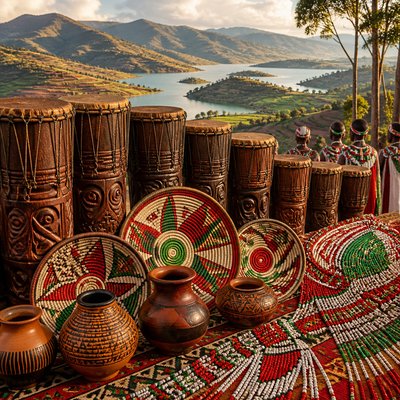
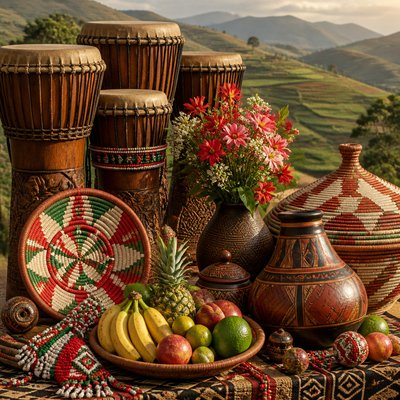
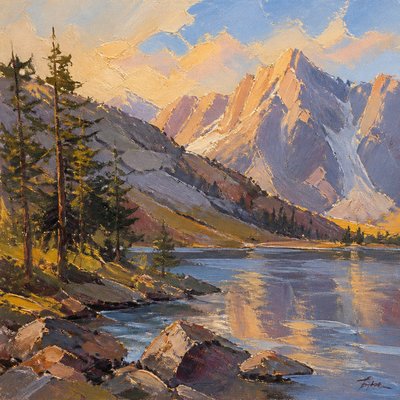
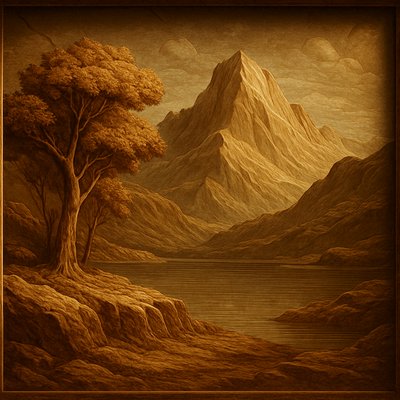
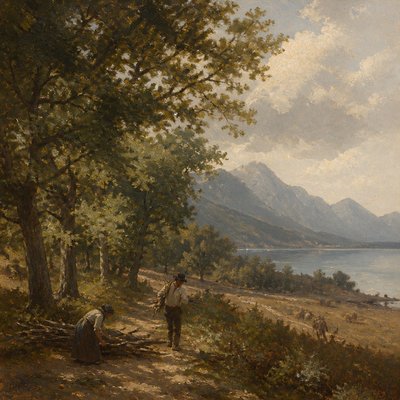
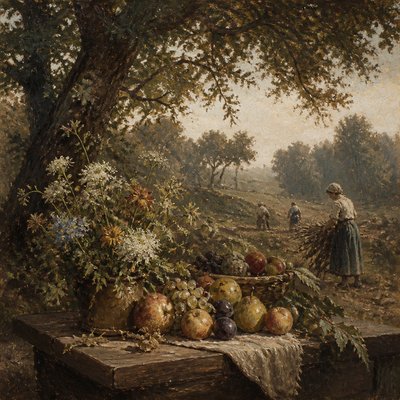
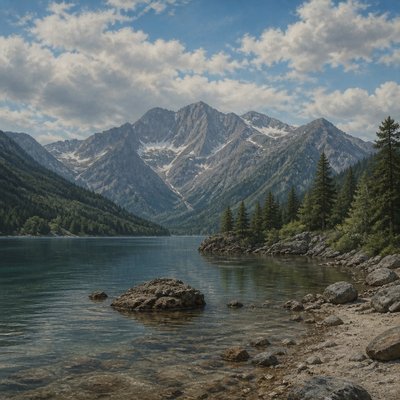
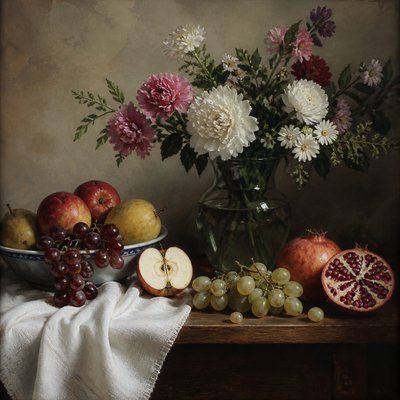
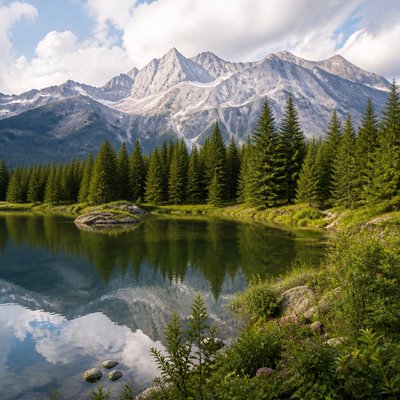
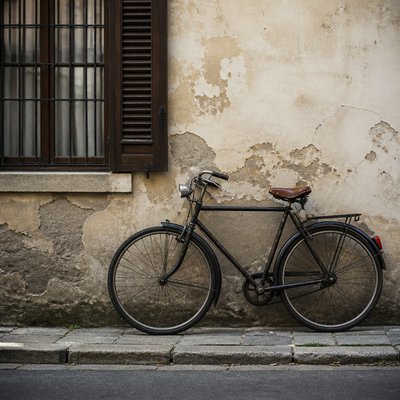
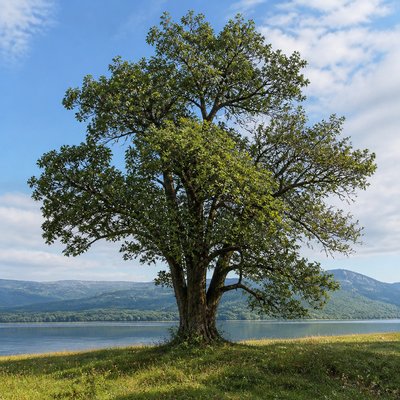
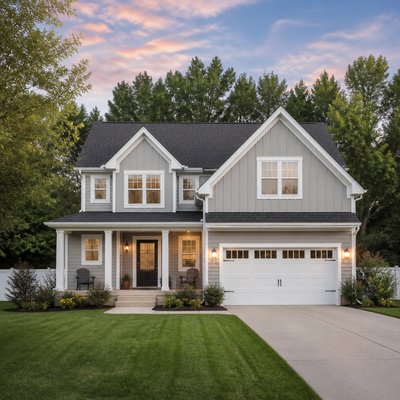
Realistic landscape art is a representational approach to depicting natural scenery with a high degree of optical accuracy. It aims to make the painted or rendered image feel like a direct view into a place, using carefully observed terrain, vegetation, weather, water, and light so the scene reads as believable rather than interpretive.
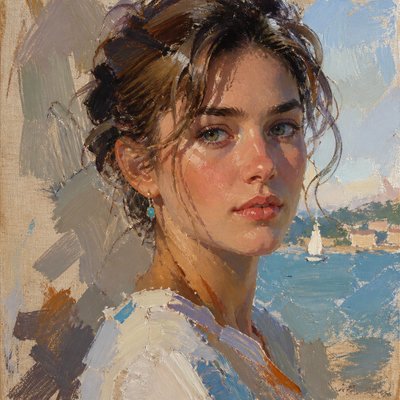
Its visual identity depends on disciplined draftsmanship, controlled tonal modeling, and close color matching to observed nature. Brushwork is typically concealed rather than emphasized, edges are handled to preserve depth and clarity, and atmospheric perspective is used to organize distance. The result is a landscape that often feels calm, immersive, and physically present, as though the viewer could step into the scene.
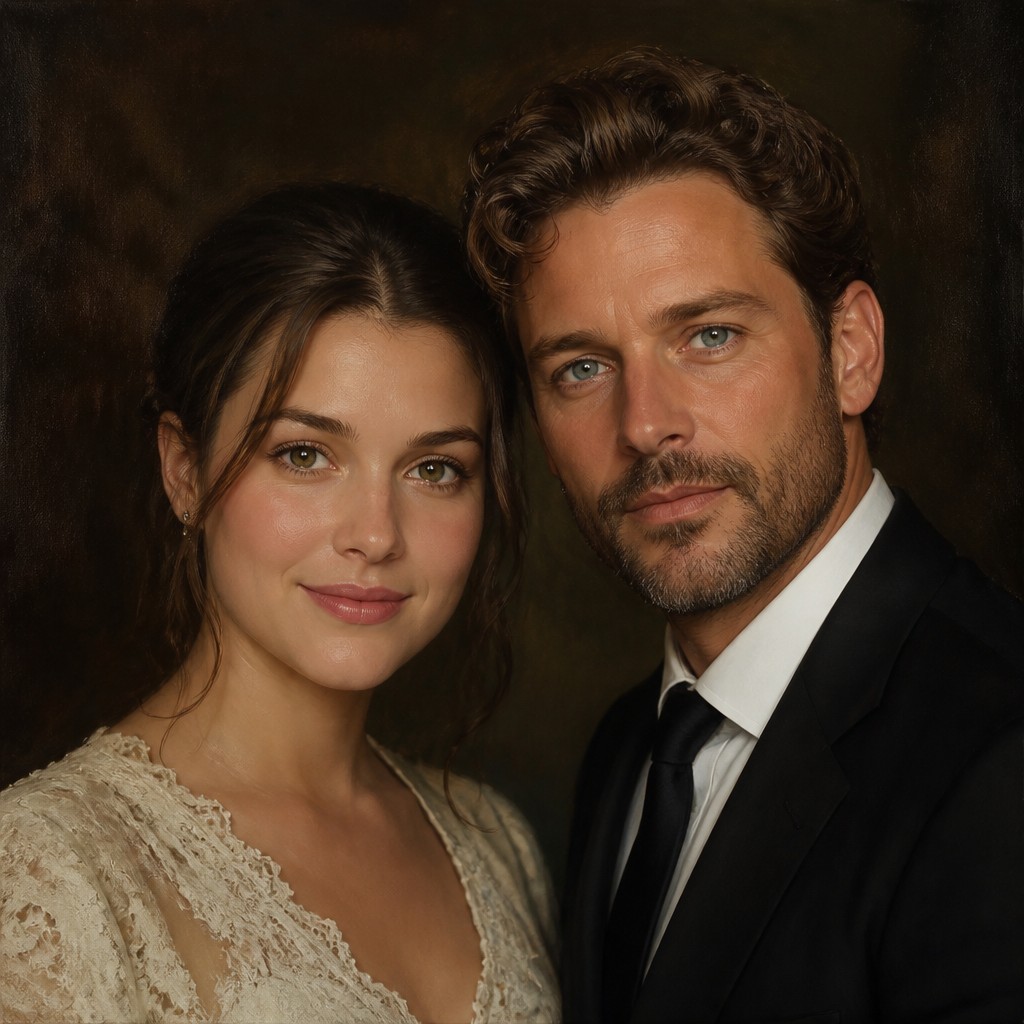
Try It On Your Photos
Upload any photo and convert it into Realistic Landscape Art Style — drag the sliders to compare before and after.


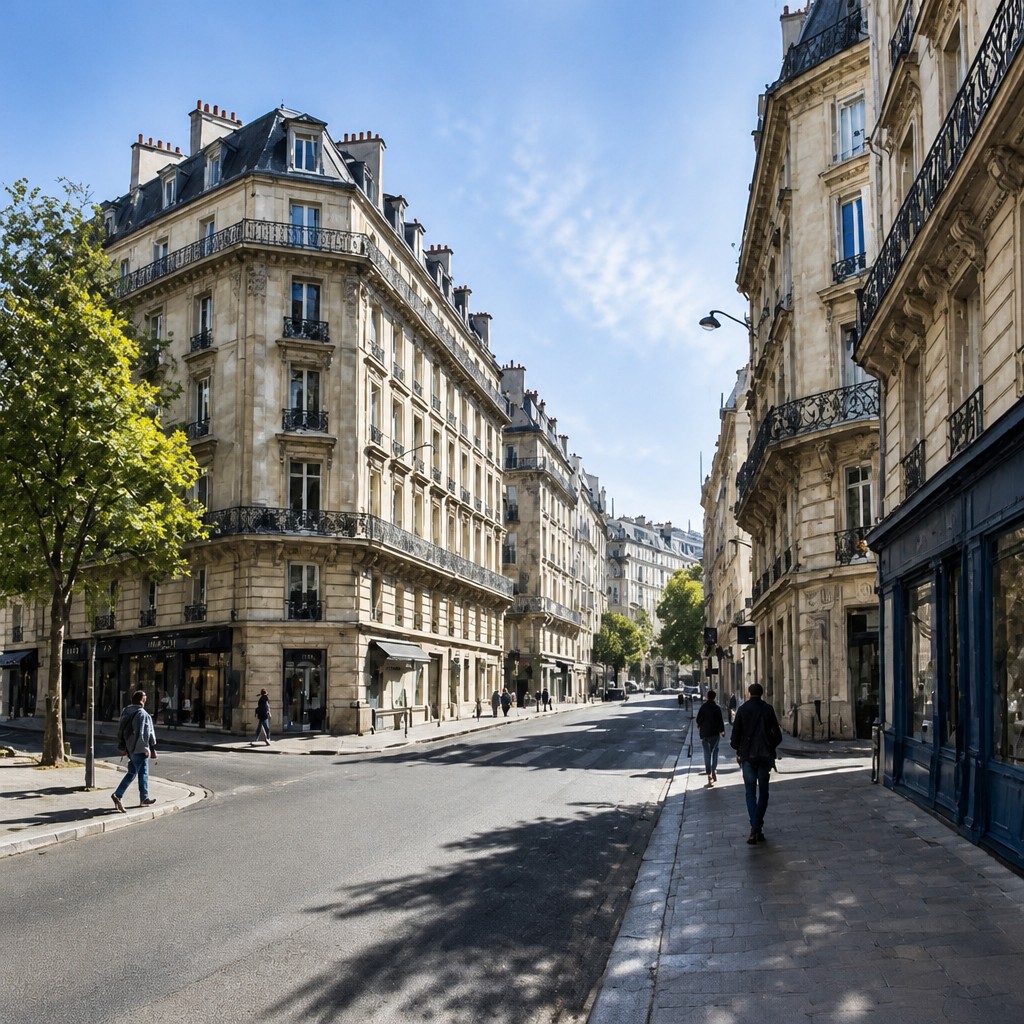

What Defines Realistic Landscape Art Style
The signature details, up close
Photographic precision
Forms, textures, and spatial relationships are rendered with enough clarity that the image can resemble a photograph at first glance. Fine detail is distributed across the composition rather than concentrated only in focal areas.
Invisible brushwork
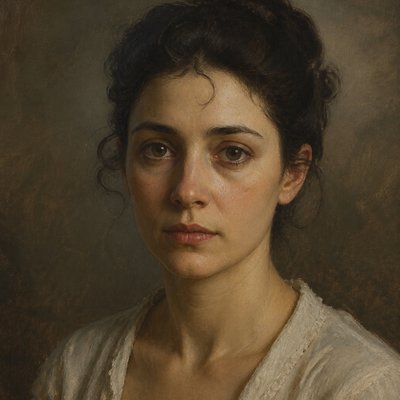
Individual strokes are minimized or blended away so the surface does not call attention to the medium. The image appears continuous and unified, with the paint or digital mark-making receding behind the illusion of reality.
Accurate light and shadow
Lighting follows believable physical behavior, including cast shadows, reflected light, and soft transitions in overcast or distant conditions. This consistency helps the landscape feel structurally sound and observed from life.
Natural color relationships
Colors are matched to real-world conditions, including subtle shifts caused by weather, time of day, and reflected light from nearby surfaces. Even saturated scenes usually preserve restrained, natural variation rather than stylization.
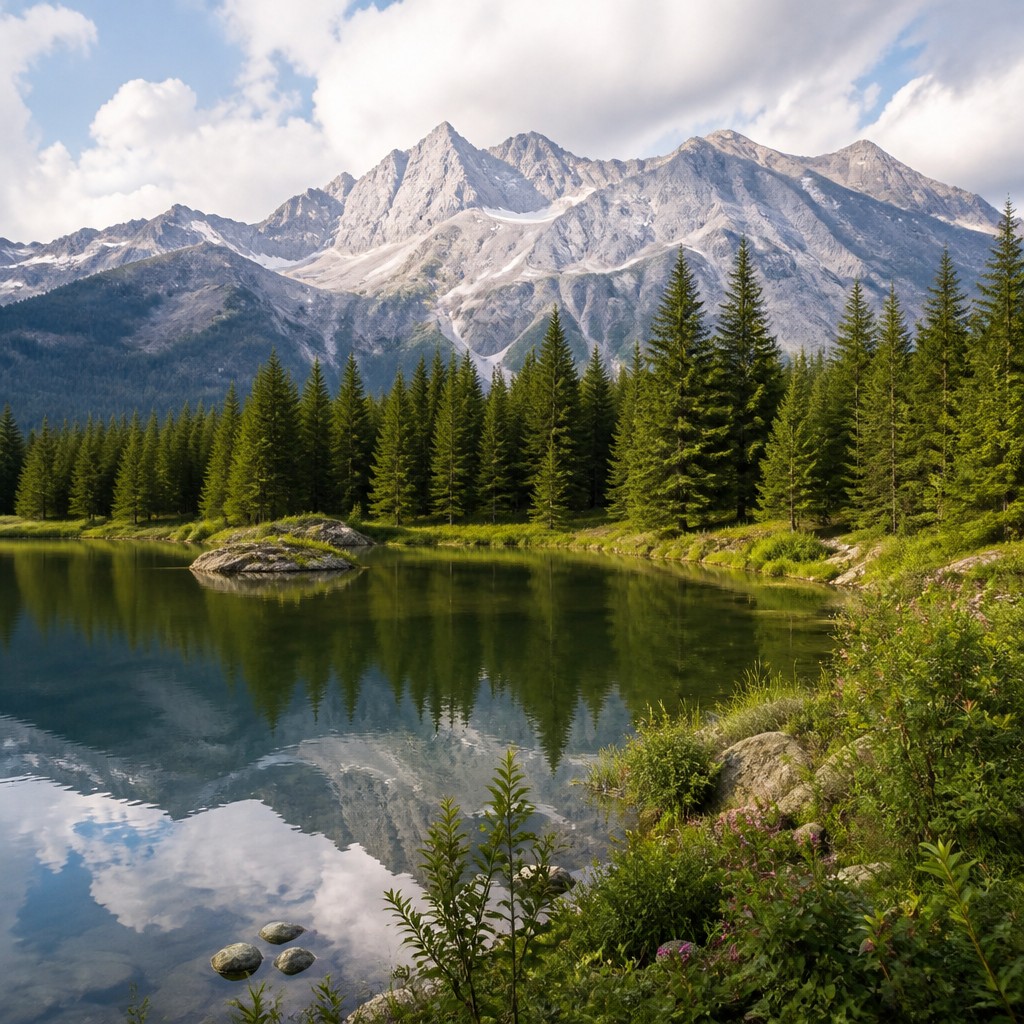
Atmospheric depth
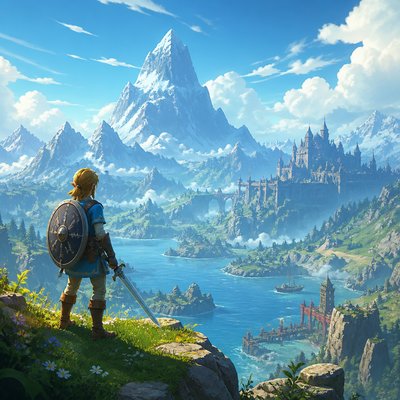
Distant elements lose contrast, cool slightly, and soften at the edges according to atmospheric perspective. This creates a convincing sense of scale and distance in mountains, forests, coastlines, and open fields.

Window-like clarity
The composition is arranged so the viewer reads it as an open view into a place rather than a designed pictorial surface. Stable horizons, believable scale, and consistent perspective contribute to that effect.
Try It
Create Videos in Realistic Landscape Art Style
Styles aren't just for stills — describe a scene or animate an image and get a short video rendered in Realistic Landscape. Press play to see this pond come to life.
Make a VideoRealistic Landscape Prompt Ideas
Start from an idea — each one opens the generator with the style ready to go. See all 40 Realistic Landscape prompts →
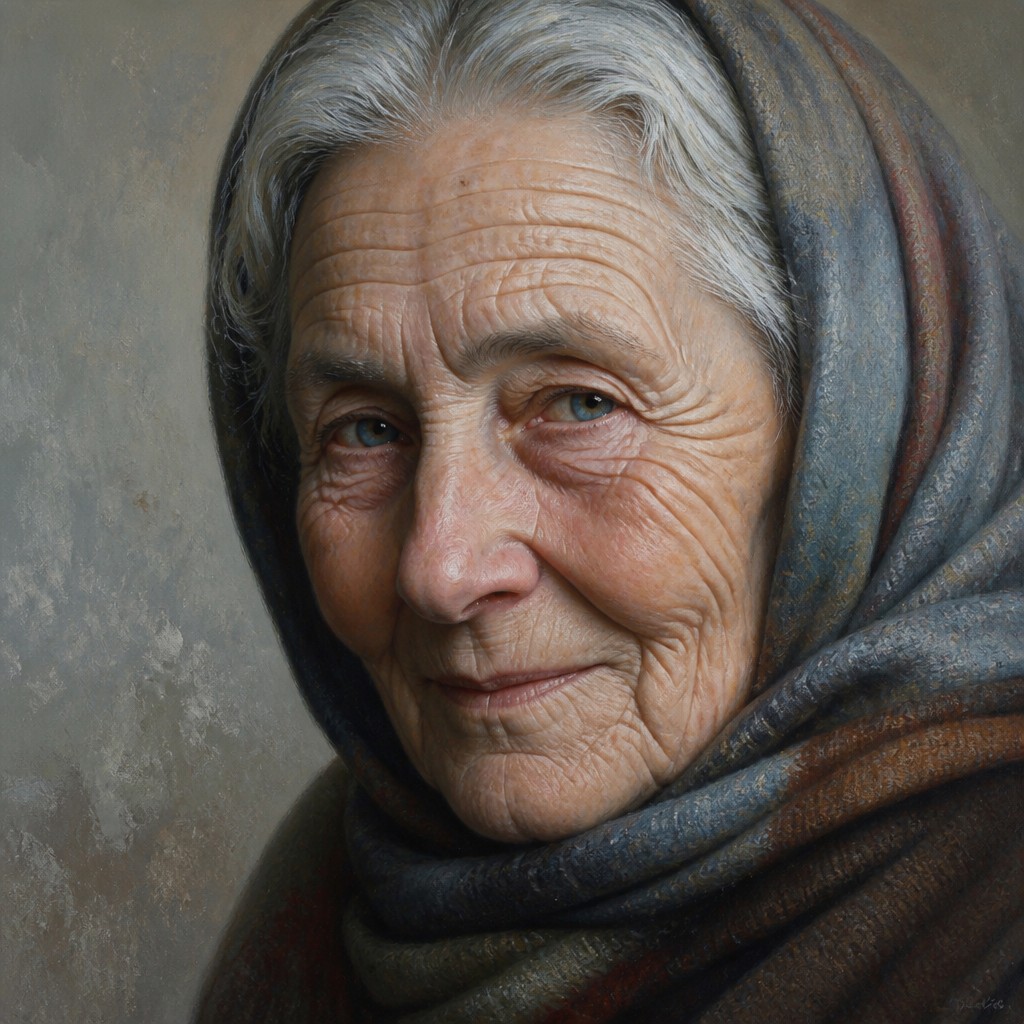
“close-up portrait of an elderly person with expressive weathered features”
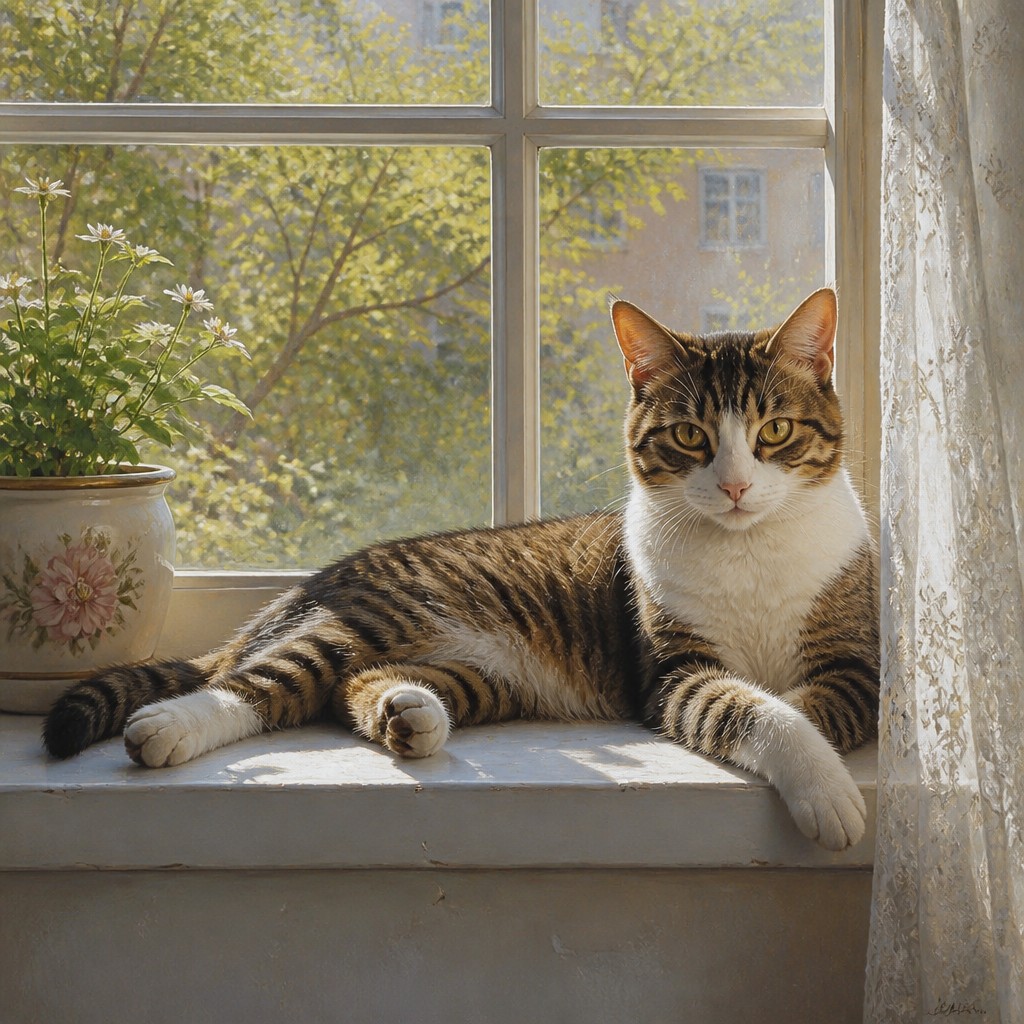
“a cat lounging in a sunlit window”
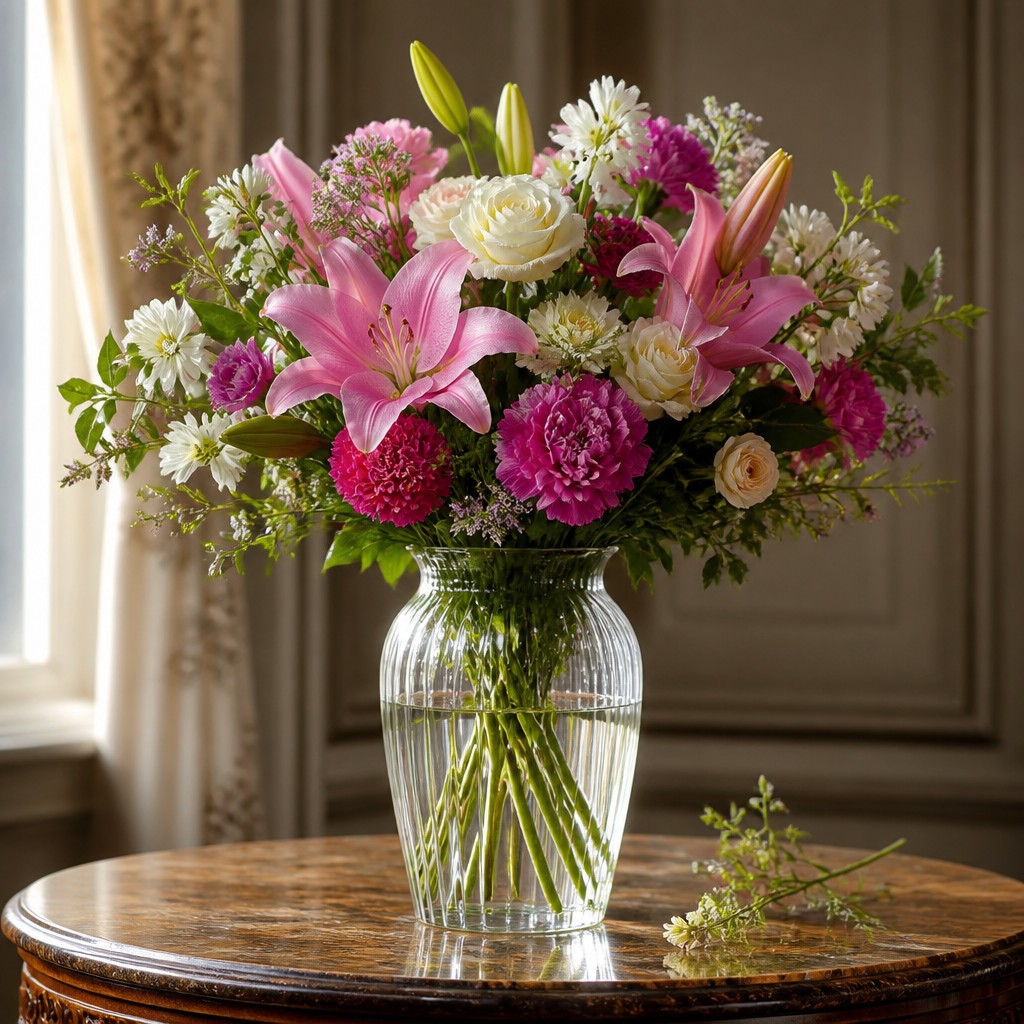
“bouquet of flowers in a glass vase”
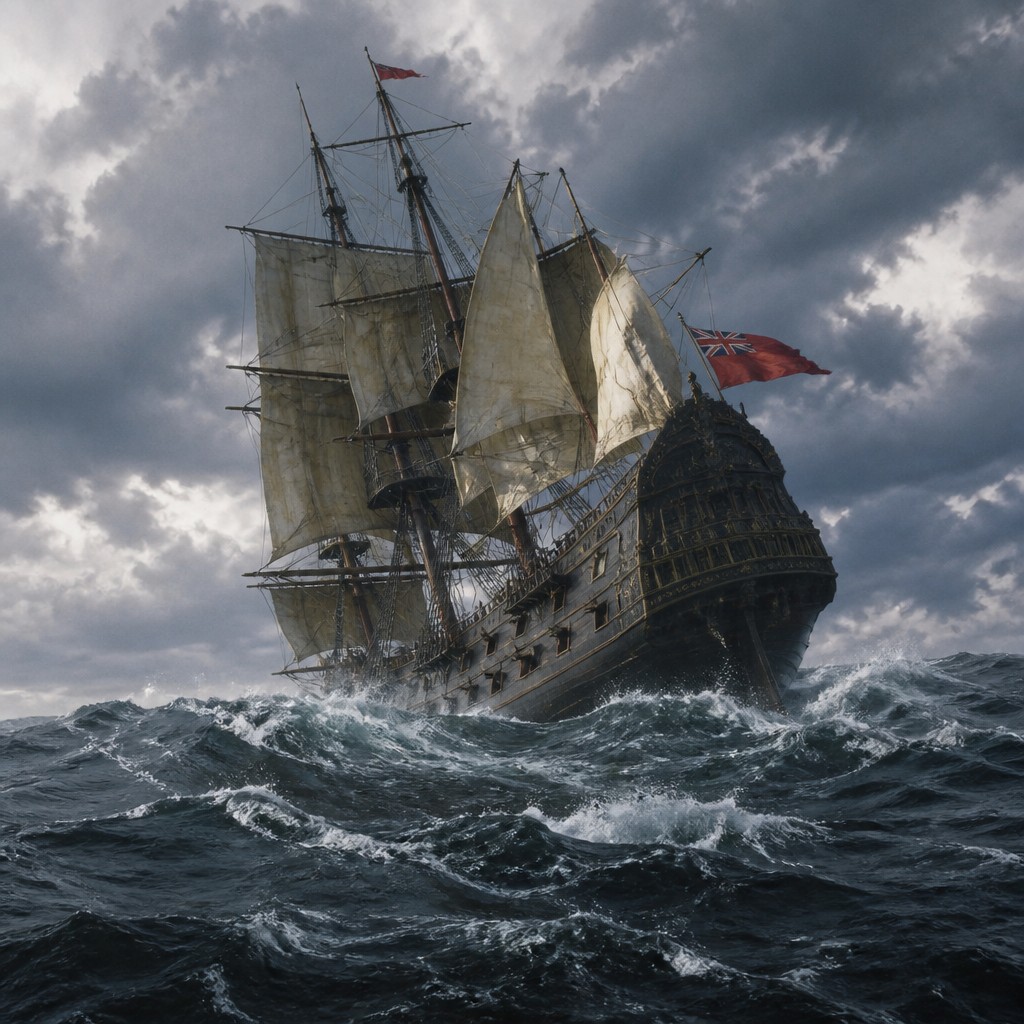
“sailing ship on a stormy sea”
How to Create Realistic Landscape Art
Master the craft step by step — or skip straight to creating. Read the full guide →
- 1
Work from observation or reliable reference
For traditional painting, build the image from field sketches, photographs, or direct observation so terrain, vegetation, and weather remain coherent. In digital work, use strong source images and avoid over-sharpening, which can break the natural look.
- 2
Block in large value relationships first
Start with the major light and dark masses before refining details. A realistic landscape depends on correct overall structure, so the distance, sky, midground, and foreground should read accurately before textures are added.
- 3
Use controlled edges and layered detail
Keep distant forms softer and simplify secondary information, then reserve crisp edges for focal areas like rocks, branches, or water reflections. Layer details gradually so the surface remains unified instead of looking pasted together.
- 4
Match color to lighting conditions
Observe how the time of day changes hue, saturation, and shadow temperature. In both painting and digital workflows, subtle shifts in warm and cool notes are more convincing than broad, vivid color changes.
- 5
Preserve perspective and scale consistency
Make sure horizon lines, vanishing points, and relative object sizes stay coherent throughout the scene. For text prompts, specify the environment, light quality, and level of detail so the generated image maintains believable spatial depth.
- 6
Request realism explicitly in generation prompts
When using prompt-based creation, include terms such as natural color, accurate shadows, atmospheric perspective, fine detail, and high-resolution clarity. Describe the specific landscape, weather, and time of day to anchor the scene in a realistic setting.
The Story
History & Origins of Realistic Landscape
The roots of realistic landscape painting lie in the broader history of naturalistic representation, especially the traditions of European landscape art that developed from the Renaissance through the nineteenth century. As artists became more attentive to direct observation, plein-air painting, and careful study of light and atmosphere, landscape painting increasingly aimed to record the appearance of the visible world with fidelity rather than idealization.
This lineage includes the detailed naturalism of a prominent seventeenth-century French landscape master’s classicizing landscapes, the Dutch landscape tradition, the observational work of a major English landscape painter known for close attention to cloud and weather, and the precise realism of the Barbizon and later academic painters. In the modern era, photography, scientific color observation, and digital tools have reinforced the appeal of exact visual description, while contemporary painters and image-makers continue to use realistic landscape methods to produce scenes that feel both technically exact and emotionally quiet.
Influences: Realistic landscape art draws from European landscape painting, particularly the natural observation of a leading classicizing landscape painter, the tonal realism of the Barbizon school, and earlier classicizing landscape traditions associated with a prominent seventeenth-century French landscape master and the Dutch masters. It also overlaps with realism and naturalism more broadly, as well as with photographic conventions of framing, focus, and tonal accuracy, while remaining distinct from impressionism’s visible brushwork and expressive simplification.

Frequently Asked Questions
What defines realistic landscape art?
It is defined by faithful depiction of natural scenery with convincing light, color, scale, and depth. The image is usually organized to feel observational rather than stylized, with brushwork or digital mark-making kept unobtrusive.
How is it different from impressionist landscape painting?
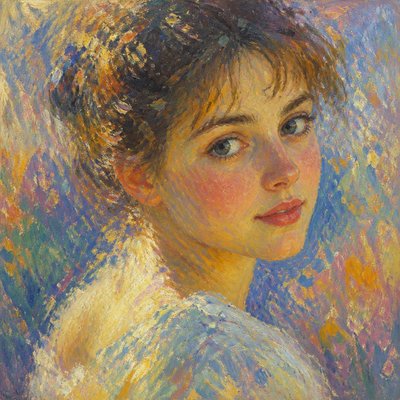
Impressionist landscapes emphasize fleeting light, visible strokes, and optical sensation over exact detail. Realistic landscape art prioritizes accurate structure, cleaner edges, and more literal color and form relationships.
Is this the same as photorealism?
Not exactly. Photorealism usually imitates the look of a photograph very closely, often with extremely tight detail and a camera-derived composition. Realistic landscape art can be just as believable, but it refers more broadly to naturalistic landscape depiction, whether painted from life, reference, or digital tools.
What subjects work best in this style?
Mountains, forests, rivers, coastlines, meadows, deserts, and rural weather scenes all work well because they provide clear opportunities for depth, texture, and atmospheric effects. Scenes with strong natural light and distinct landforms are especially effective.
Can this style be made digitally?
Yes. Digital painting and image generation can both produce convincing realistic landscapes if the artist controls lighting, perspective, texture, and color temperature carefully. The key is to avoid flattened values and overly uniform detail.
Where is realistic landscape art commonly used?
It appears in fine art painting, editorial illustration, environmental concept art, book covers, and decorative wall art. It is also popular for scenes meant to feel contemplative, scenic, or geographically specific.

Create your first Realistic Landscape artwork
Describe anything — or upload a photo — and see it in Realistic Landscape Art Style in seconds.
Make Something with Realistic Landscape
Compare Realistic Landscape
Related Styles
Discover similar art styles