Art Nouveau Style
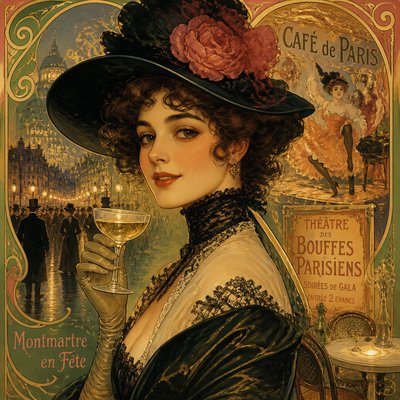
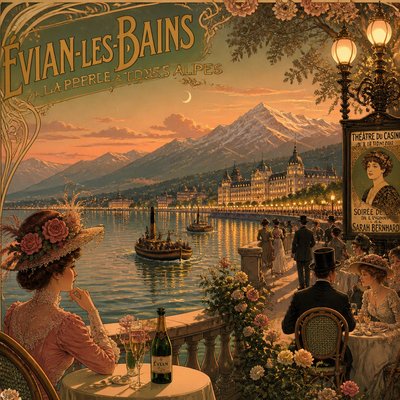
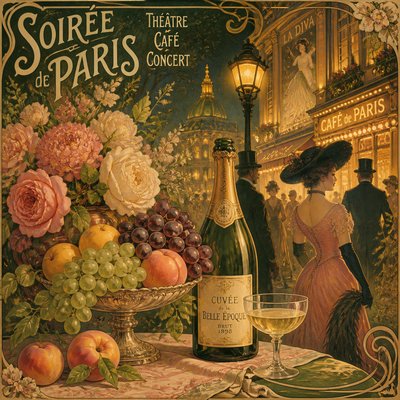
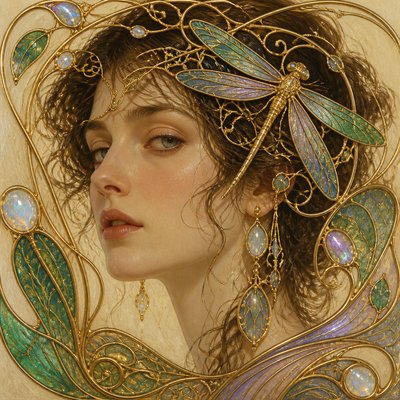
Decorative early-1900s style of flowing organic lines, floral motifs, whiplash curves, and elegant flat color design.
Instantly rendered in Art Nouveau — or transform a photo
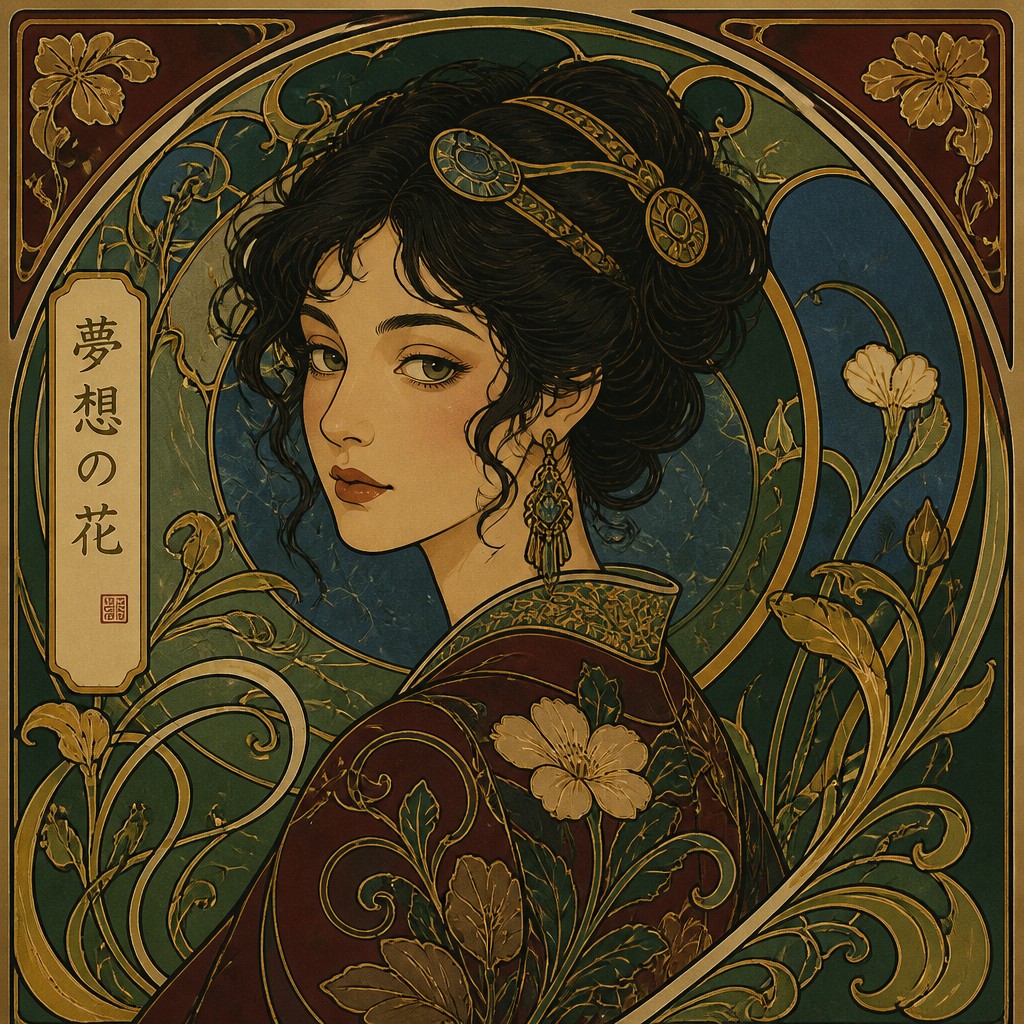
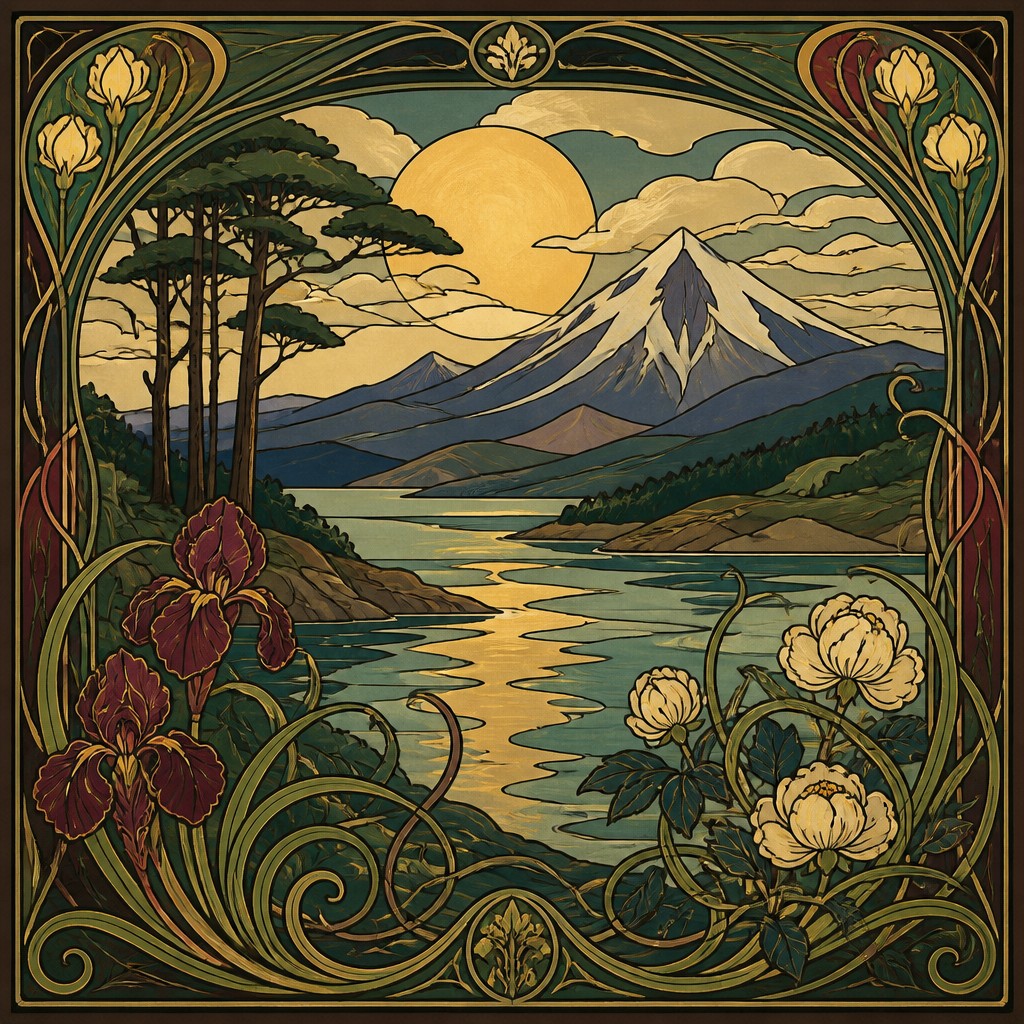
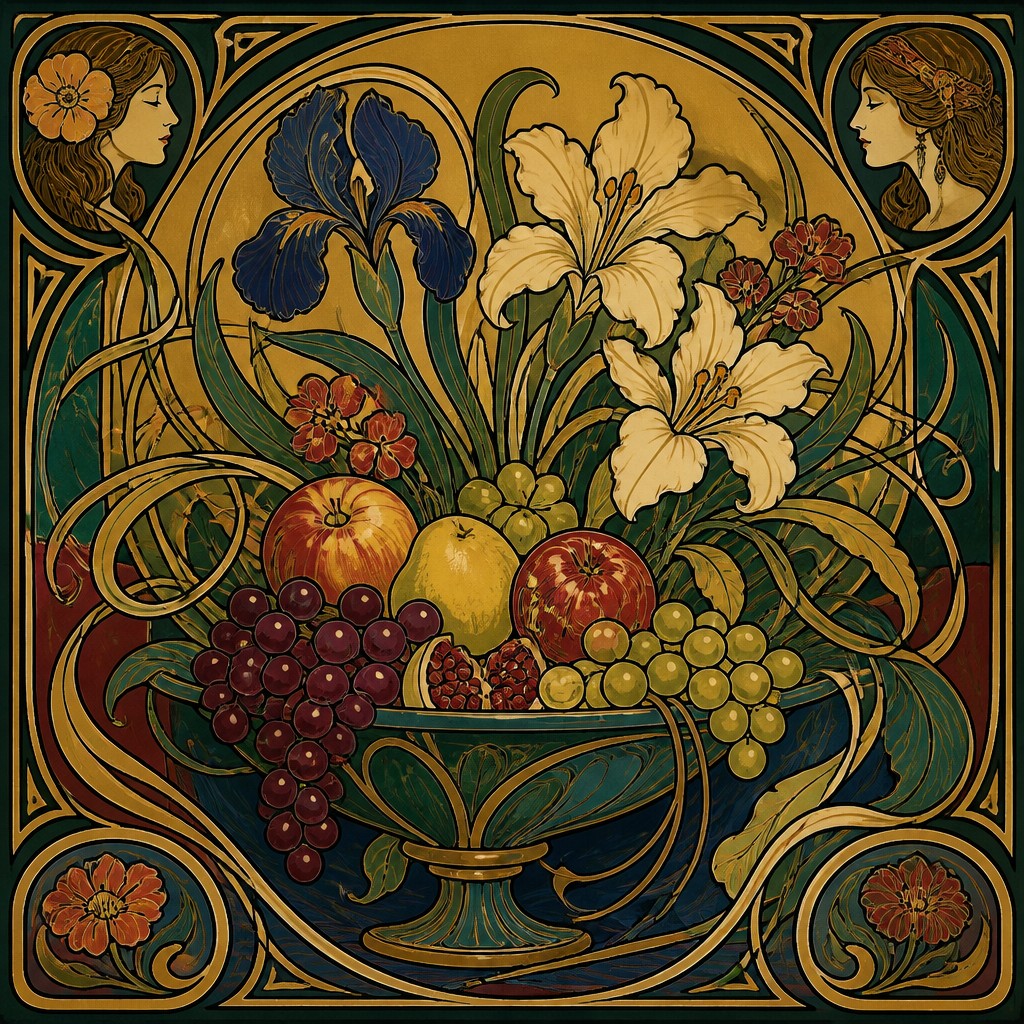
Art Nouveau Gallery
Tap any artwork to explore it
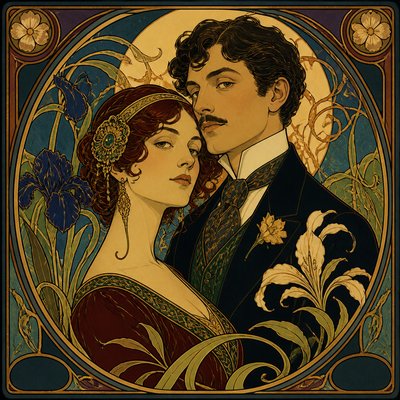
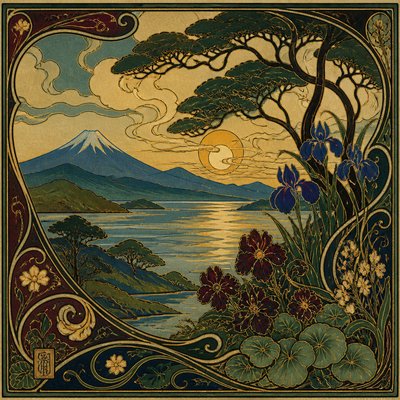
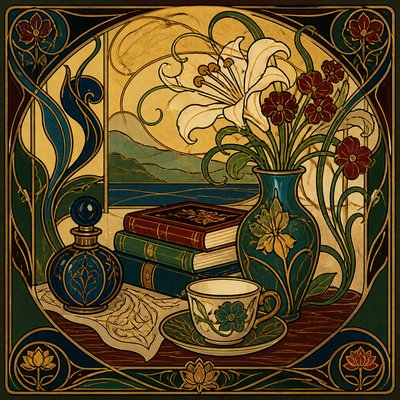
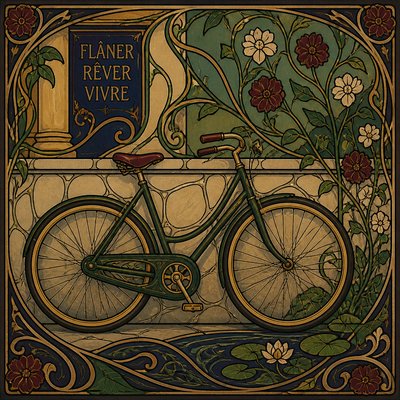
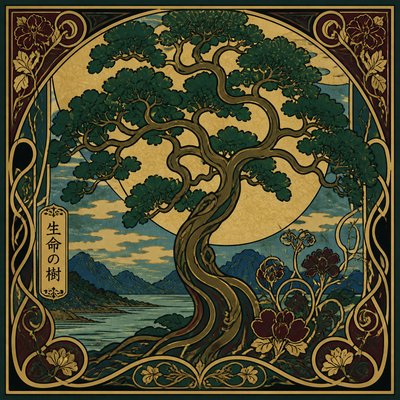
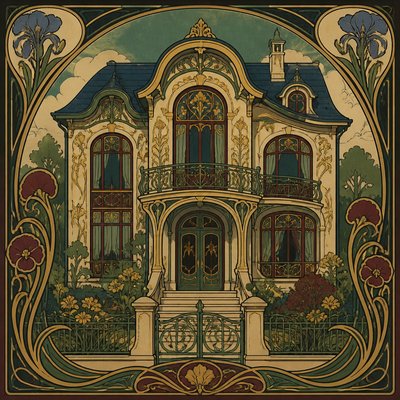
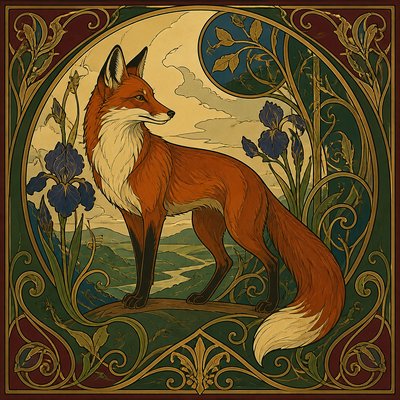
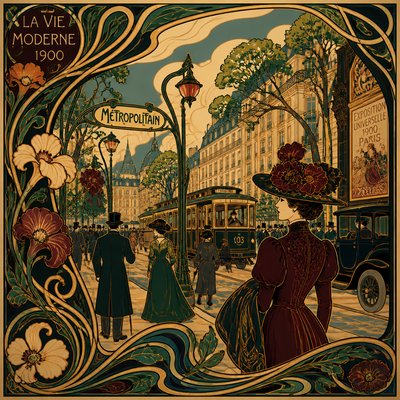
What is Art Nouveau Style?
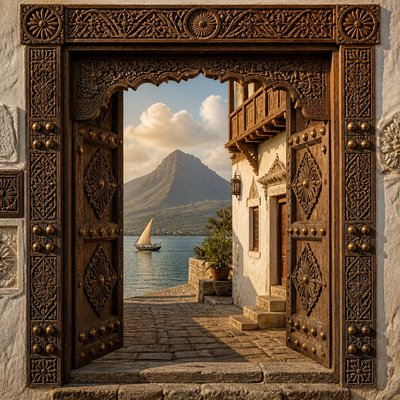
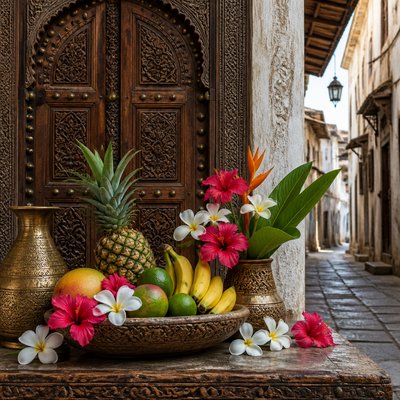
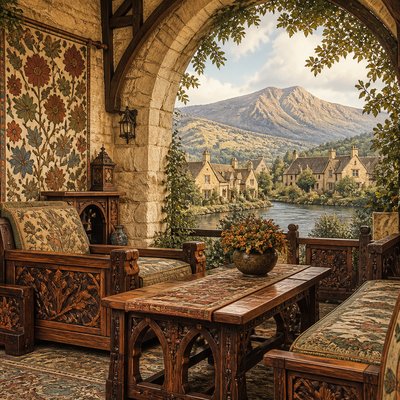
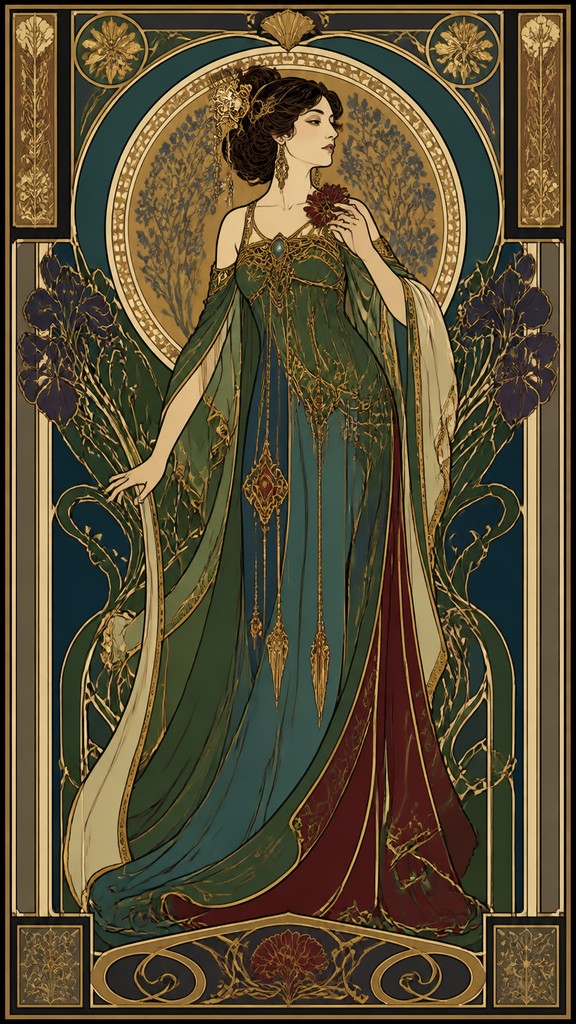
Art Nouveau is a decorative international style that flourished roughly from the 1890s through the early 1910s. It is known for its flowing organic lines, whiplash curves, stylized flowers and vines, and a graceful sense of movement that often wraps figures, typography, and architecture into a single ornamental design.
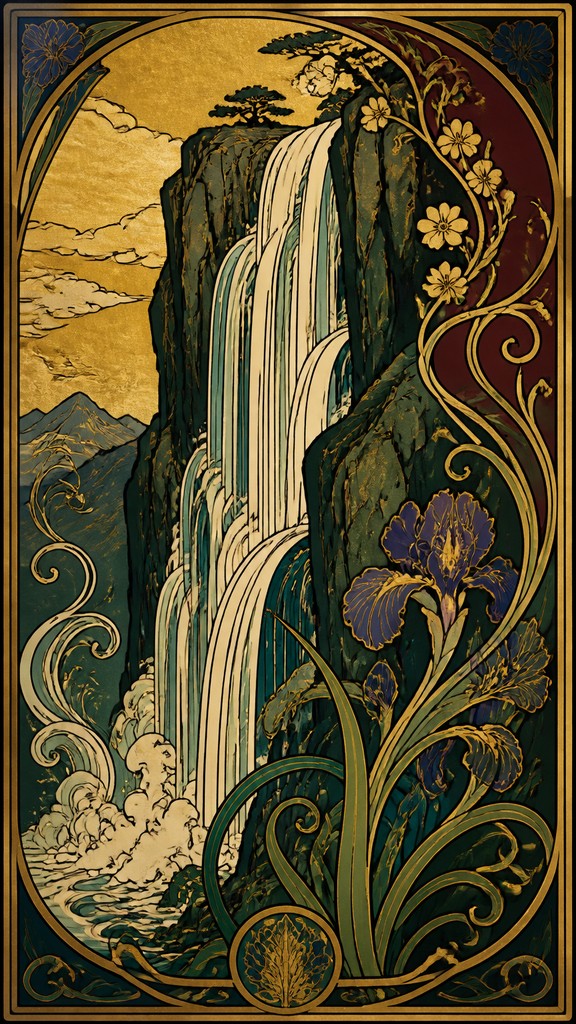
Its visual identity comes from a blend of sources: the sinuous line of plant stems and arabesques, the flattened compositional approach of Japanese woodblock prints, and the applied arts traditions of posters, stained glass, jewelry, furniture, and architecture. The result is a style that often feels elegant, rhythmic, and highly crafted, with curved contours, asymmetrical layouts, and decorative borders that make the image feel integrated rather than merely illustrated.
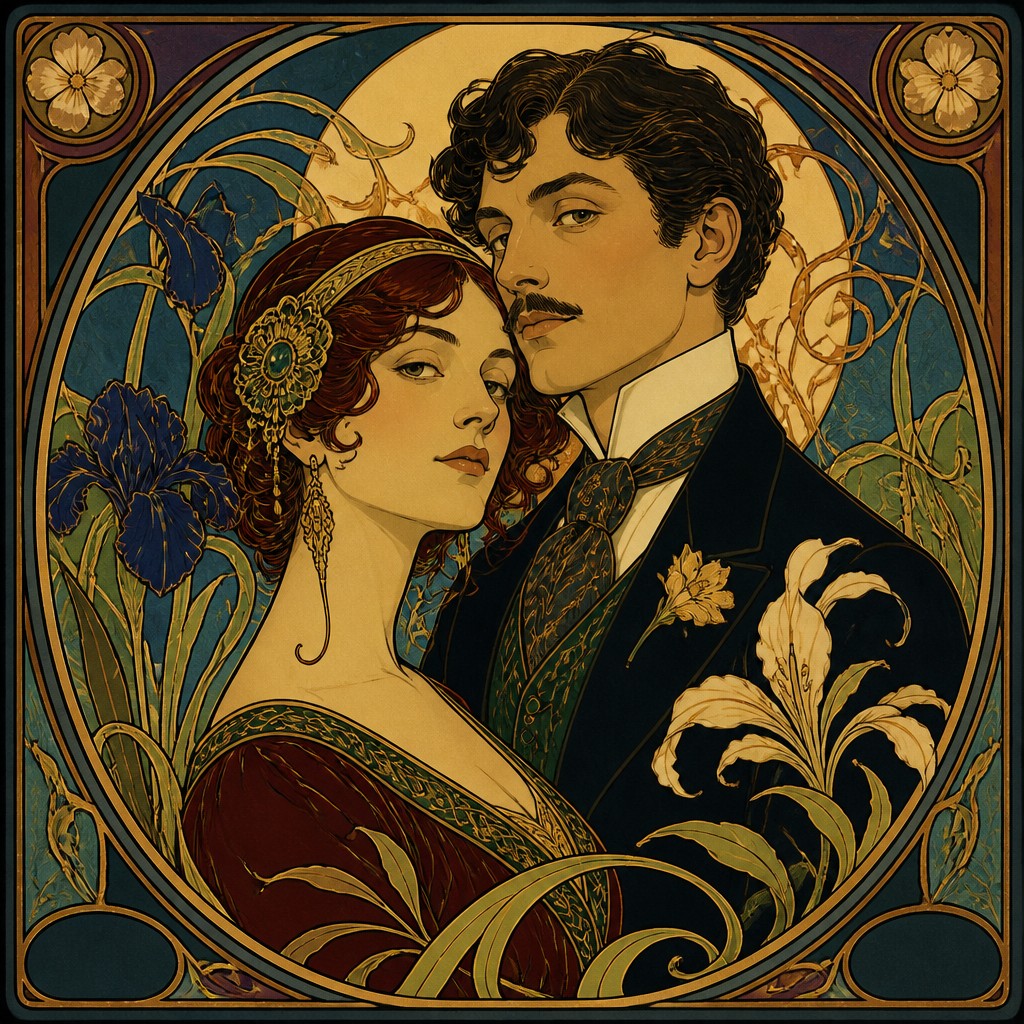
Try It On Your Photos
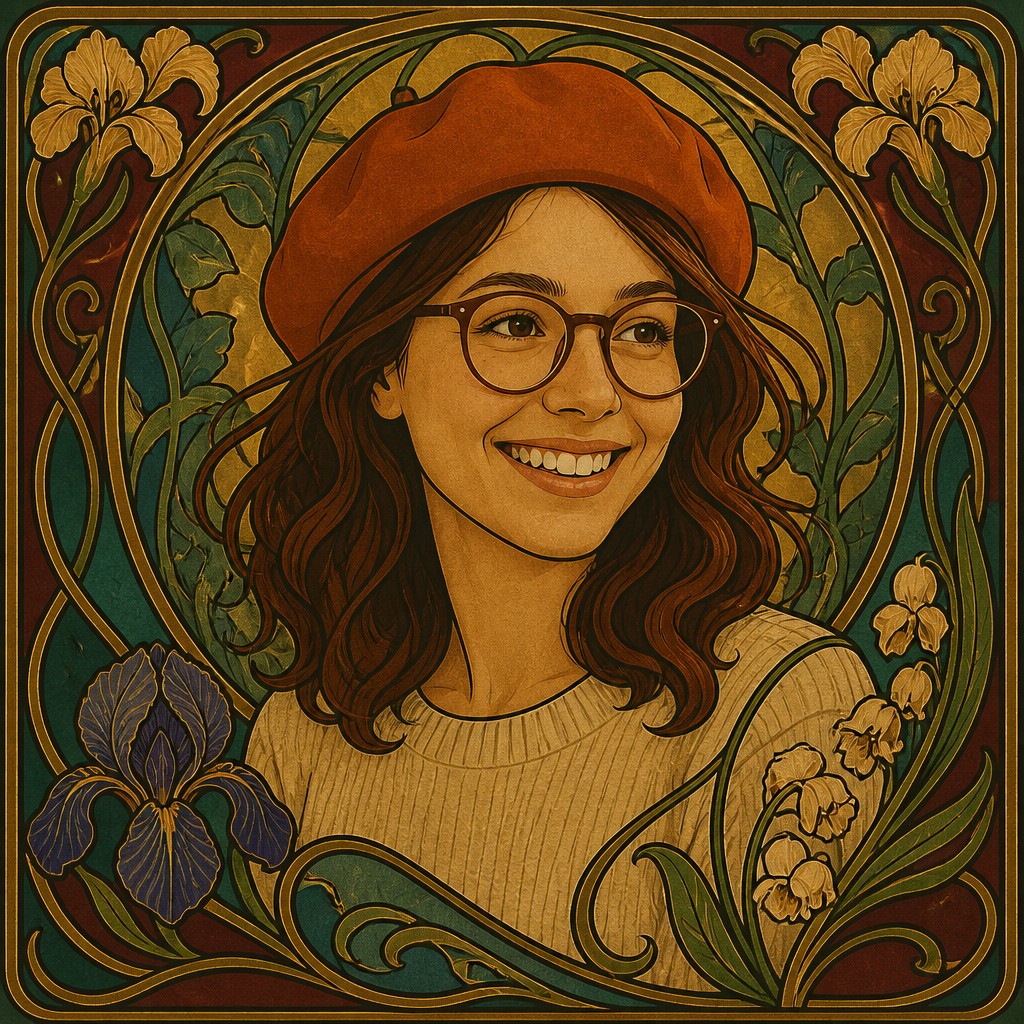
Upload any photo and convert it into Art Nouveau Style — drag the sliders to compare before and after.


What Defines Art Nouveau Style
The signature details, up close
Whiplash Curves
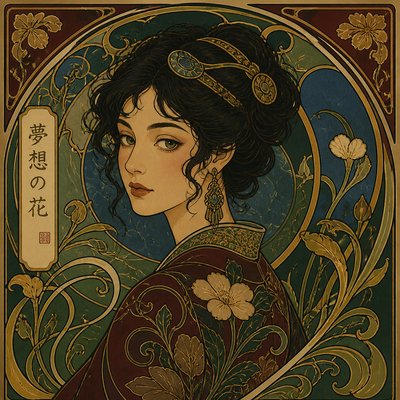
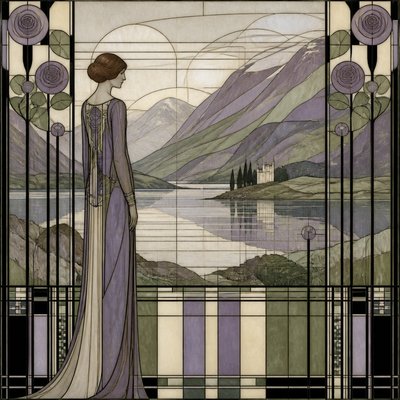
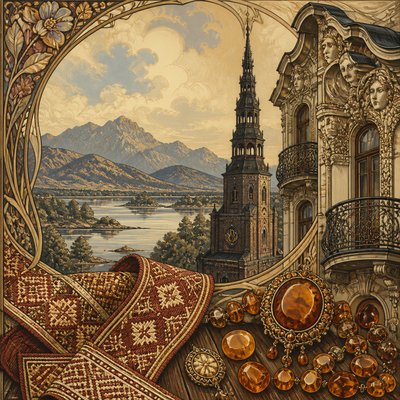
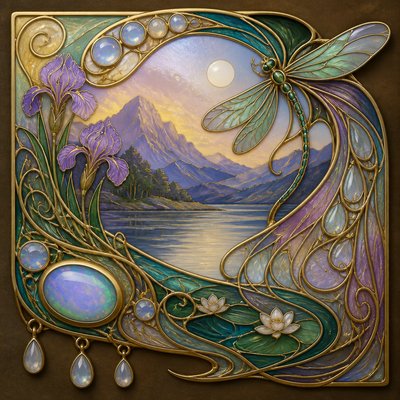
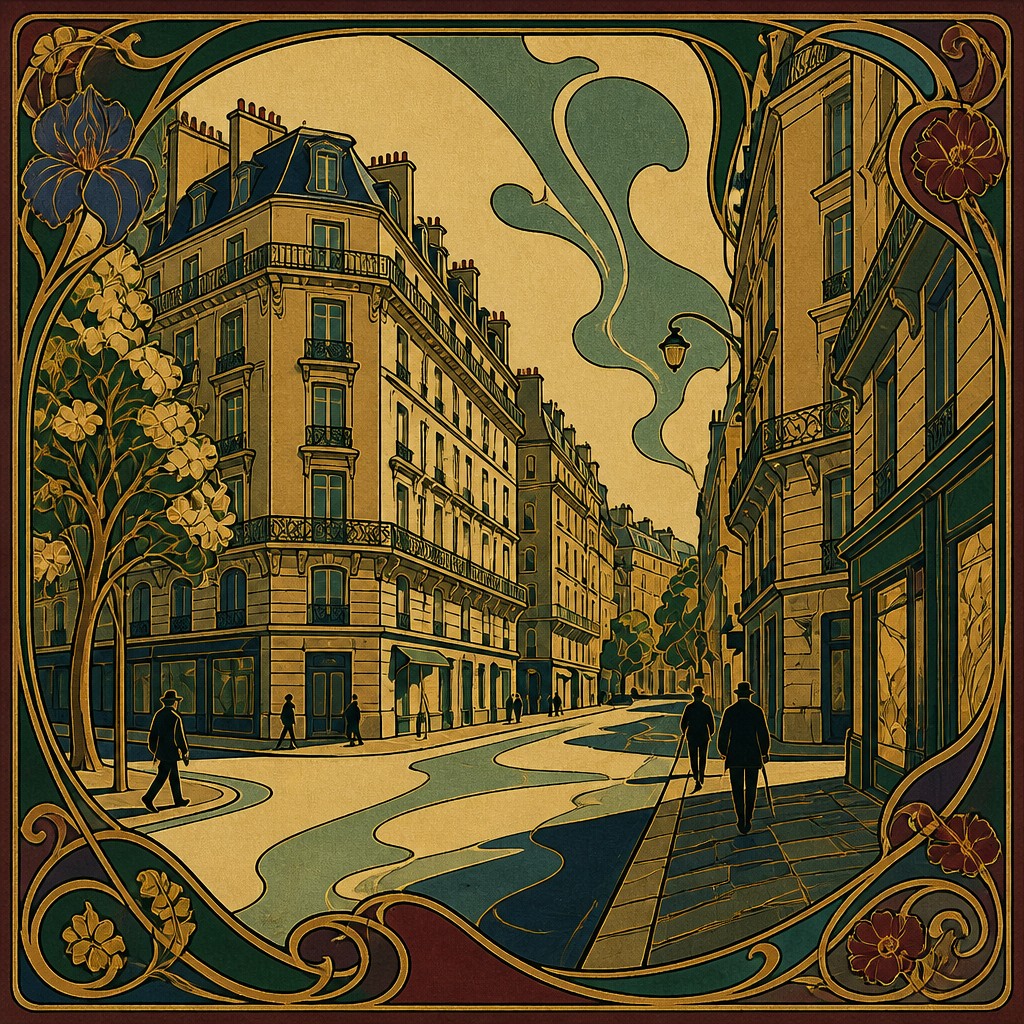
The most recognizable feature is the long, flowing S-curve that bends like a vine or ribbon. These lines guide the eye through the composition and give the style its sense of movement.
Botanical Ornament
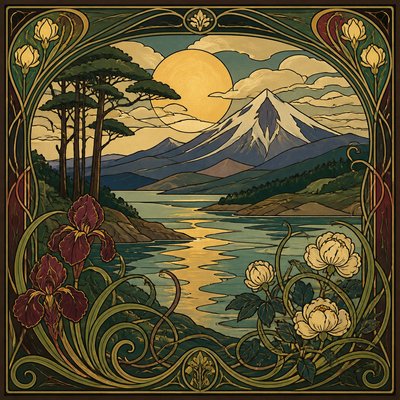
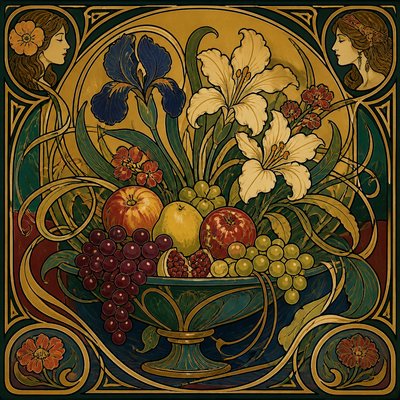
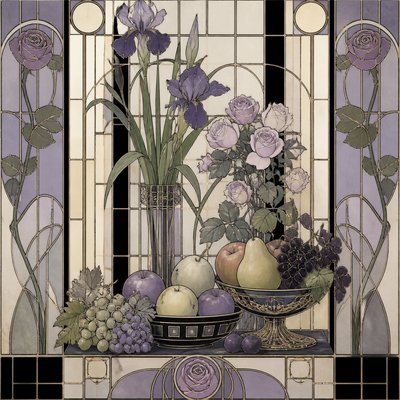
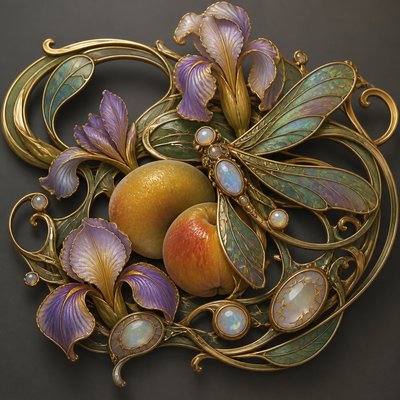
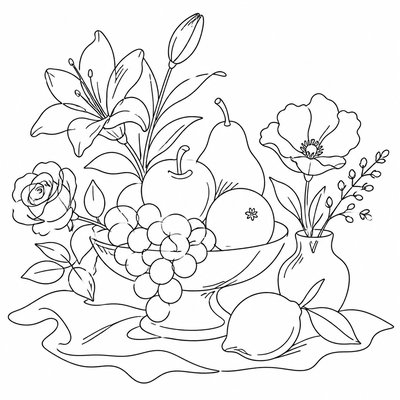
Leaves, lilies, irises, poppies, tendrils, and seed pods are frequently stylized into repeating decorative forms. Natural motifs are simplified into elegant patterns rather than rendered botanically literally.
Flat Decorative Color
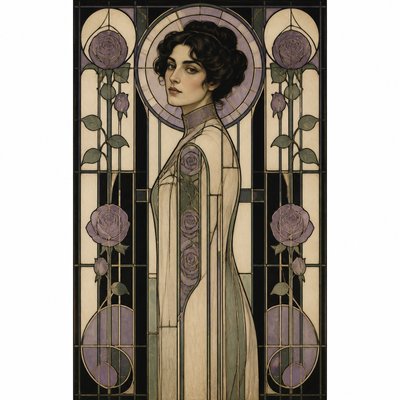
Color is often applied in smooth, enclosed areas with limited modeling. The overall effect can resemble stained glass, poster art, or illustrated panels with clearly separated shapes.
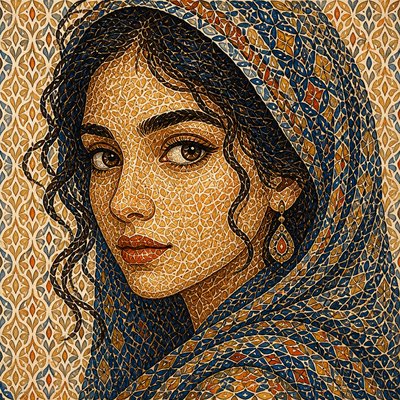
Bold Contours and Patterned Surfaces
Strong outlining organizes the composition and emphasizes contour over realism. Surfaces may be filled with repeating patterns, halos, filigree, or ornamental textures.
Integrated Borders and Frames
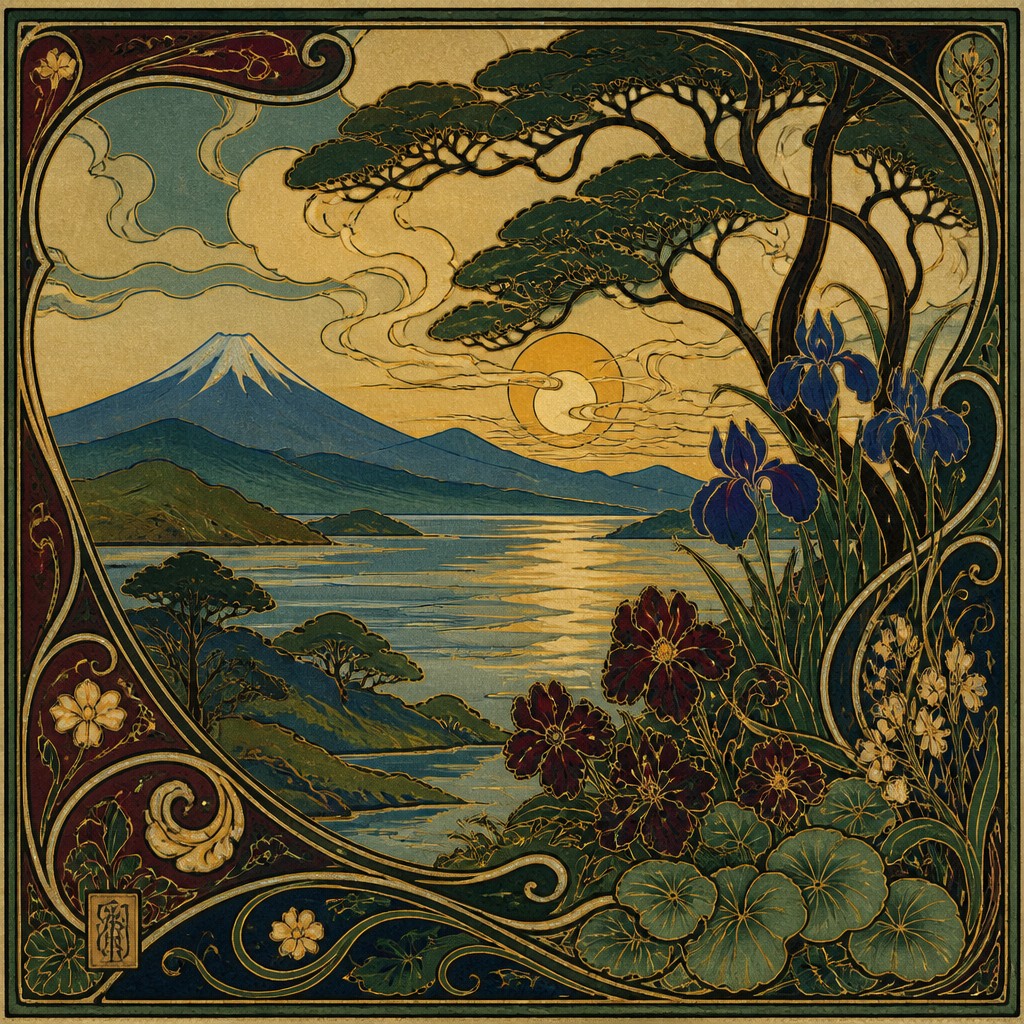
Borders are not just add-ons; they often become part of the image architecture. Figures, lettering, and decorative frames are designed to work as a single composition.
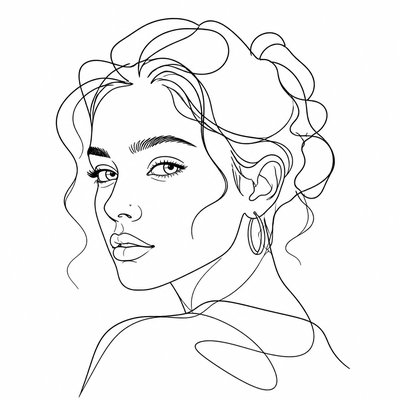
Elegant Figures and Feminine Idealization
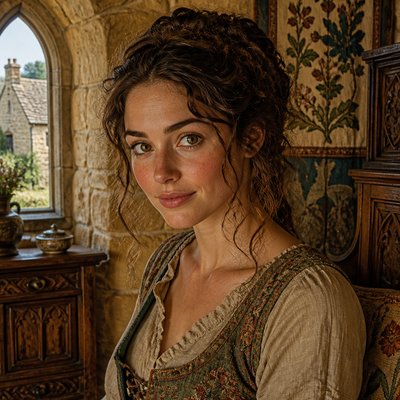
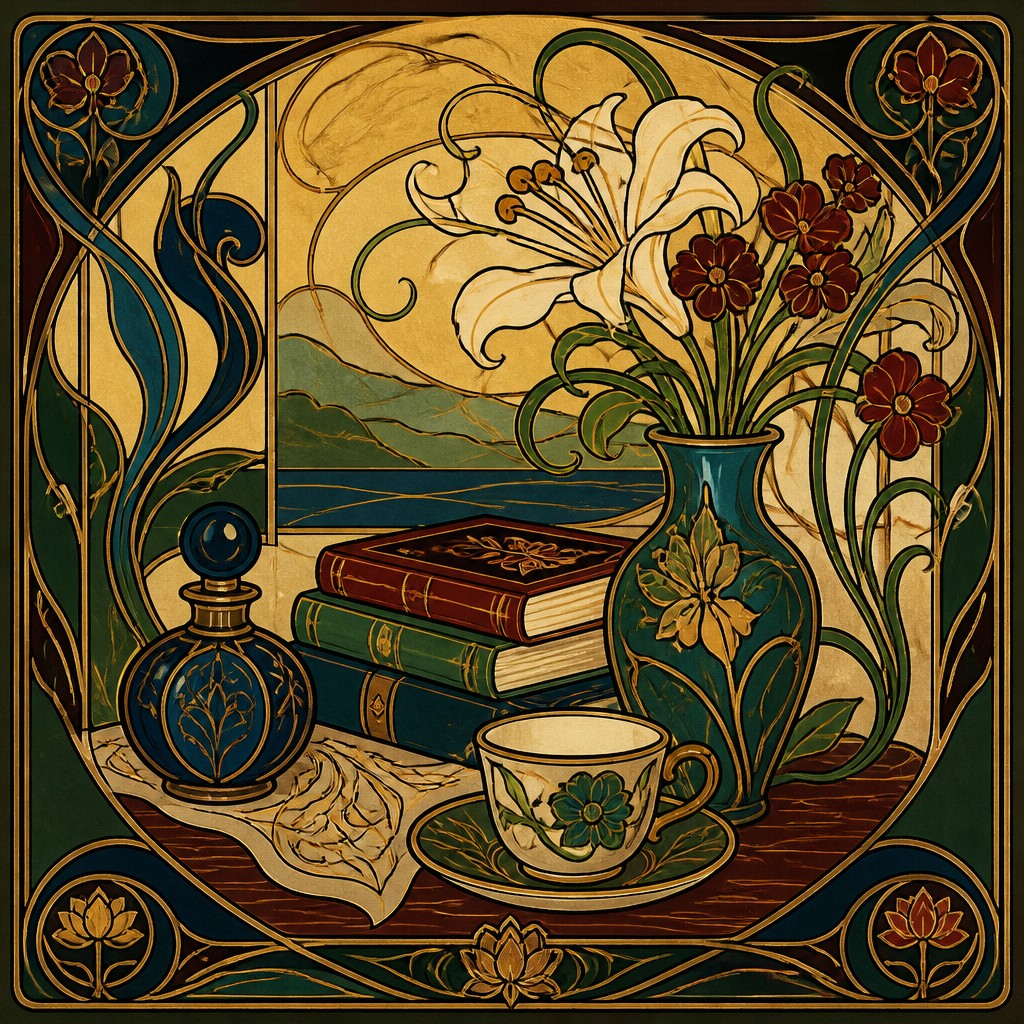
When people are depicted, they are often elongated, poised, and stylized, with flowing hair and draped garments. The figure is treated as an ornamental line and silhouette as much as a portrait.
Try It
Create Videos in Art Nouveau Style
Styles aren't just for stills — describe a scene or animate an image and get a short video rendered in Art Nouveau. Press play to see this pond come to life.
Make a VideoArt Nouveau Prompt Ideas
Start from an idea — each one opens the generator with the style ready to go. See all 40 Art Nouveau prompts →
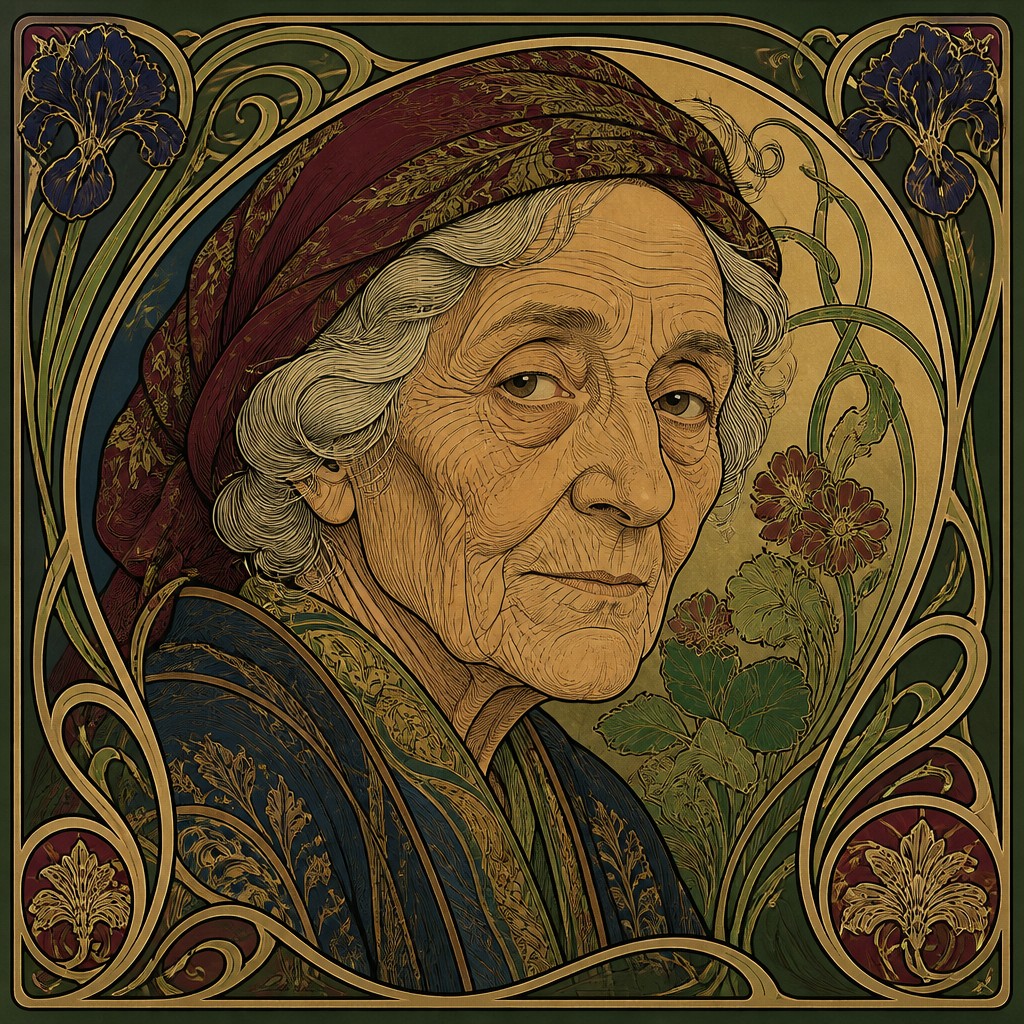
“close-up portrait of an elderly person with expressive weathered features”
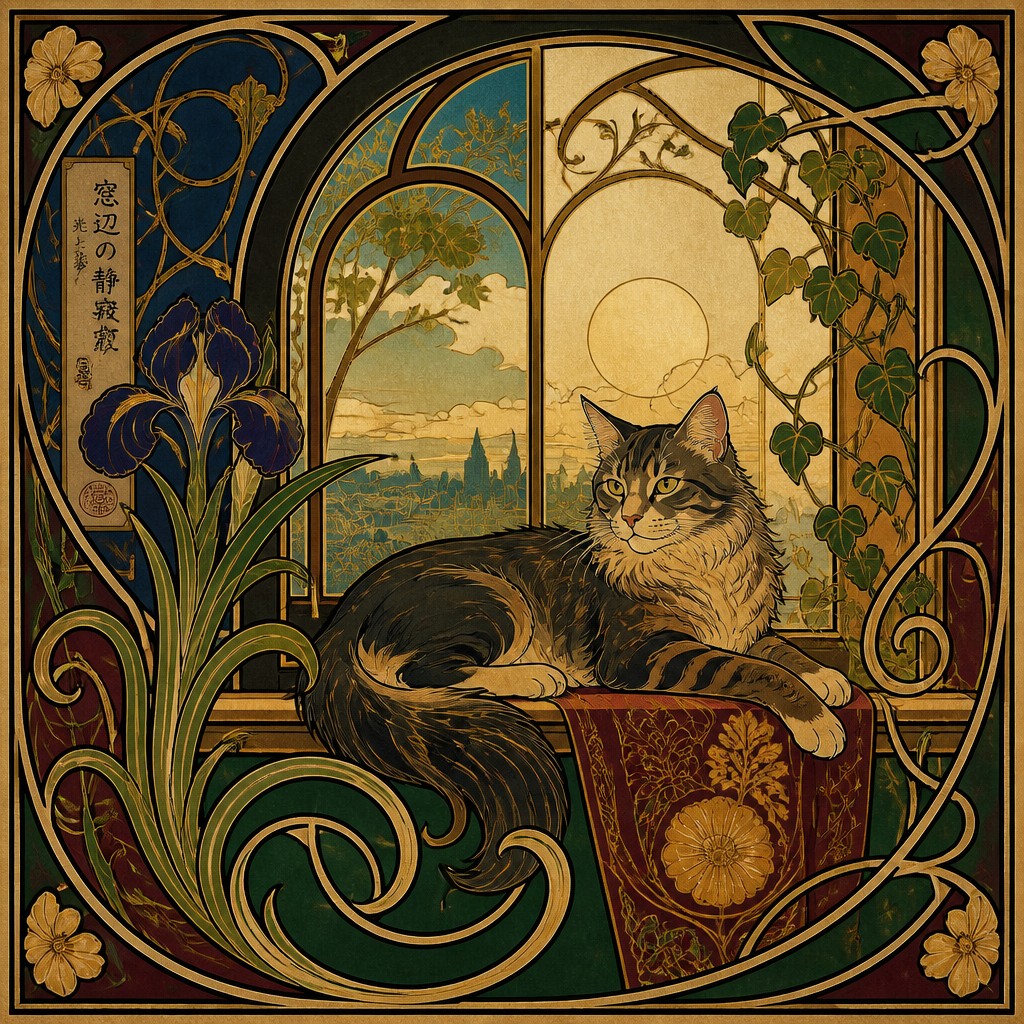
“a cat lounging in a sunlit window”
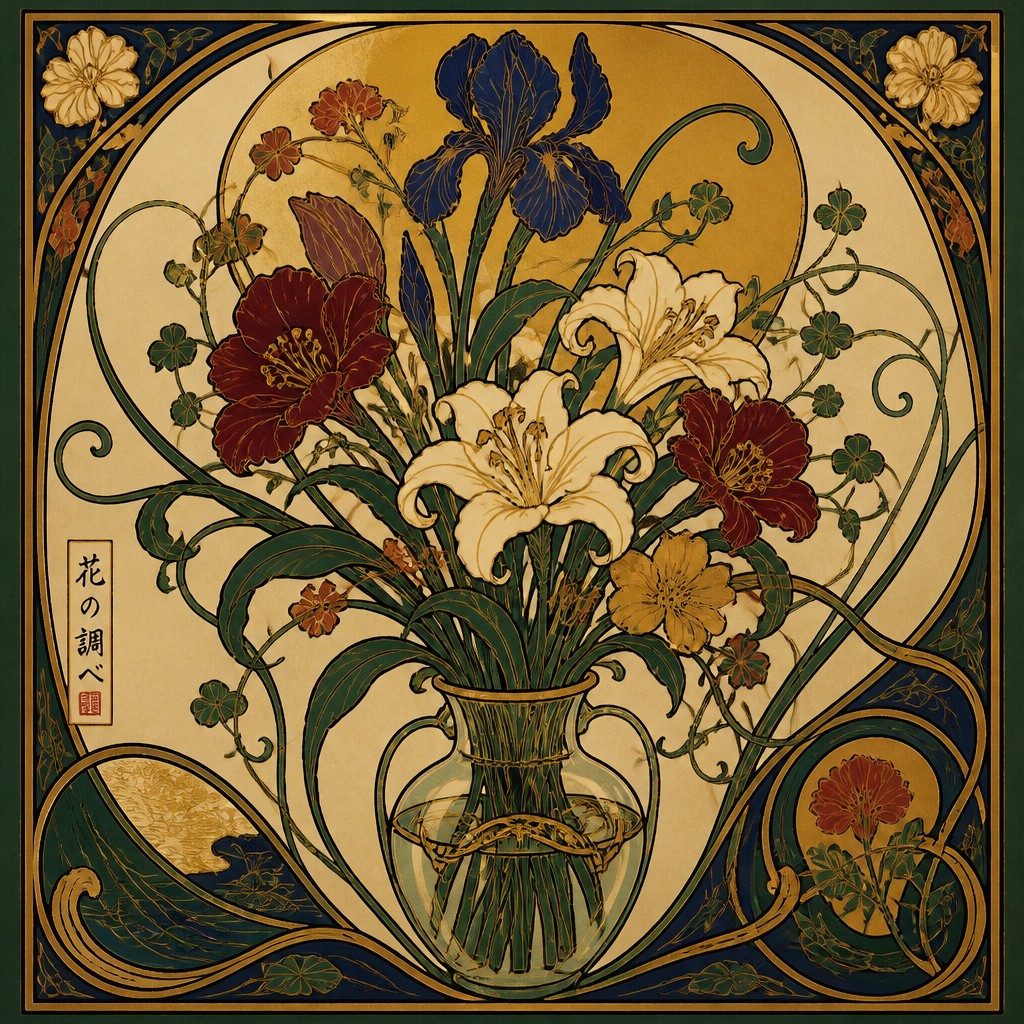
“bouquet of flowers in a glass vase”
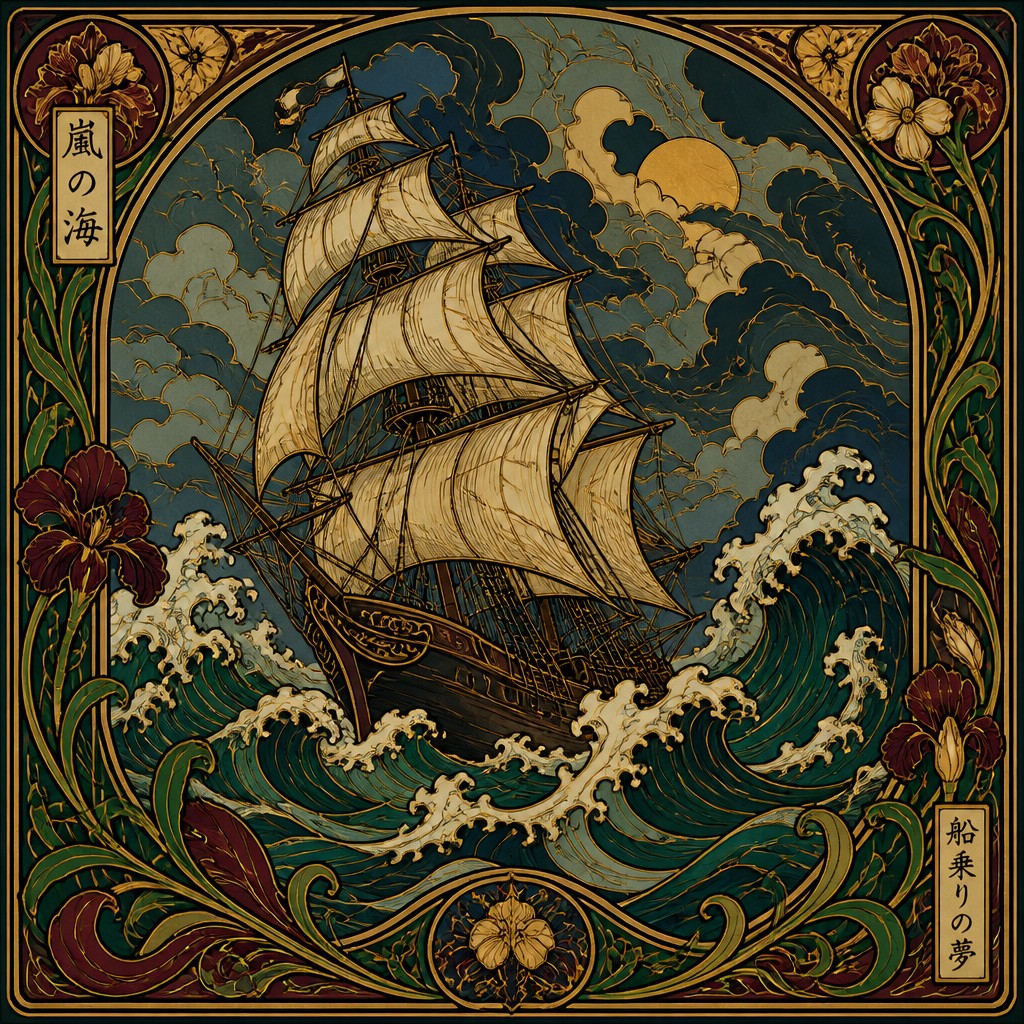
“sailing ship on a stormy sea”
How to Create Art Nouveau Art
Master the craft step by step — or skip straight to creating. Read the full guide →
- 1
Build the design from line first
Start with a strong contour drawing and let the composition flow in long arcs, curls, and asymmetrical bands. In traditional work, ink or pen lines should stay confident and continuous; in digital work, use clean vector-like strokes or layered line art before adding color.
- 2
Flatten the color structure
Use limited, separated color areas instead of soft painterly blending. Choose a restrained palette of jewel tones, muted golds, creams, and deep burgundies, then keep shadows stylized and decorative rather than naturalistic.
- 3
Use ornamental ecology, not literal realism
Translate plants, flowers, hair, smoke, and fabric into similar flowing shapes so the image feels unified. A successful design often repeats a few curved motifs across the whole composition.
- 4
Design the border as part of the image
Frame the subject with arches, panels, halos, borders, or repeating vine motifs so the edge conditions feel intentional. This works especially well in posters, portraits, book covers, and square compositions.
- 5
For prompt-based generation, specify contour and pattern
Ask for flowing organic lines, whiplash curves, stylized botanical ornament, flat color blocks, bold outlines, and integrated decorative framing. If generating from a photo, request simplified facial features, elongated shapes, and a poster-like ornamental treatment rather than realistic texture.
The Story
History & Origins of Art Nouveau
Art Nouveau emerged in Europe and spread internationally at the end of the 19th century, especially in France, Belgium, Britain, Austria, and parts of Central Europe. It developed as a reaction against historicist revival styles and academic ornament, seeking a modern visual language based on nature, craftsmanship, and unified design across fine and decorative arts.
The style took many names depending on region, including Jugendstil in Germany, Sezessionstil in Austria, and Modernisme in Catalonia. Important associated artists and designers include leading Art Nouveau poster illustrators, a major Art Nouveau architect, a leading Secession-era painter, a prominent early-20th-century illustrator, and a major Catalan modernist architect. By the 1910s it gave way to Art Deco, modernism, and other design languages, but its emphasis on line, pattern, and ornamental integration continued to influence graphic design and illustration.
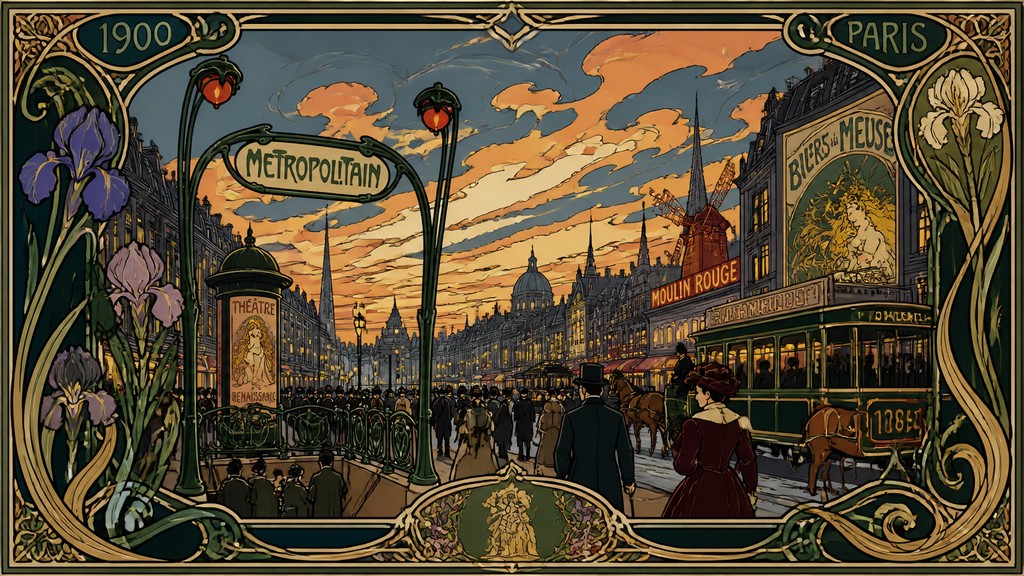
Influences: Art Nouveau draws from Japonisme, especially the flattened composition and contour emphasis of Japanese woodblock prints, as well as Symbolism, the Arts and Crafts movement, and medieval as well as Rococo ornament. Among canonical figures, leading Art Nouveau poster illustrators defined the poster and illustration side of the style, a major Art Nouveau architect applied it to architecture and subway entrances, a leading Secession-era painter brought it into painting and decorative symbolism, and a major Catalan modernist architect extended its curvilinear logic into architecture and applied design.
Frequently Asked Questions
What defines Art Nouveau?
Art Nouveau is defined by flowing organic lines, ornamental curves, stylized nature motifs, and a strong integration of image and frame. It favors elegant decoration over strict realism and often uses flat color areas with bold outlines. The style aims to make the whole design feel like a single flowing organism.
When was Art Nouveau popular?
It was most active from the 1890s through the early 1910s. It was an international movement rather than a single national school, with regional variants across Europe and beyond. By the First World War, it was largely replaced by newer modern styles such as Art Deco and modernism.
How is Art Nouveau different from Art Deco?
Art Nouveau is usually more curvilinear, plant-like, and organic, while Art Deco tends to be more geometric, streamlined, and machine-influenced. Art Nouveau often uses whiplash curves and floral ornament; Art Deco prefers zigzags, chevrons, symmetry, and strong angular design. They can both be decorative, but their line language is very different.
What subjects work best in this style?
Portraits, women with flowing hair, flowers, insects, birds, peacocks, fantasy figures, posters, and architectural ornament all suit the style well. Anything with a natural curve or repeating pattern can be translated into Art Nouveau design. It is especially effective when the subject can be framed ornamentally.
How do you make an image look authentic?
Use elegant contour lines, simplify forms into decorative shapes, and avoid excessive photorealistic shading. Keep the palette controlled and let borders, lettering, and background motifs support the central figure. The more the composition feels designed as a whole, the more authentic it will look.
Where is Art Nouveau commonly used today?
It remains popular in posters, book covers, tattoos, packaging, editorial illustration, and fantasy artwork. Designers also use it in branding when they want an elegant, historic, ornamental feel. Its visual language is especially effective for images that need to feel decorative and handcrafted.
Create your first Art Nouveau artwork
Describe anything — or upload a photo — and see it in Art Nouveau Style in seconds.
Make Something with Art Nouveau
Compare Art Nouveau
Related Styles
Discover similar art styles