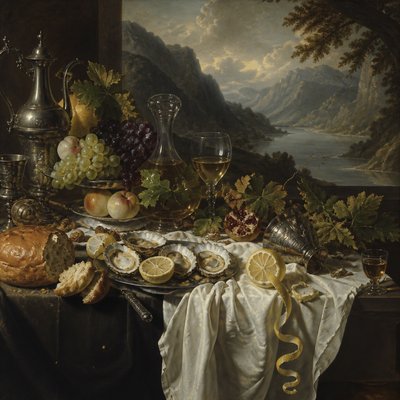
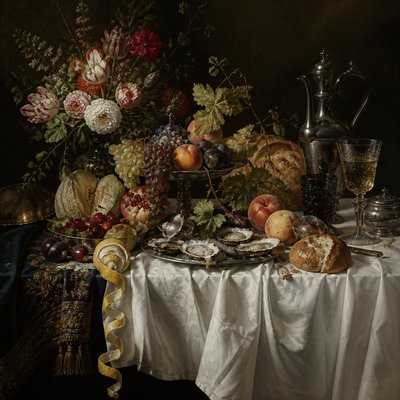
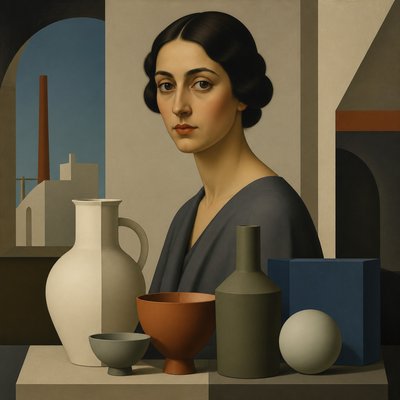
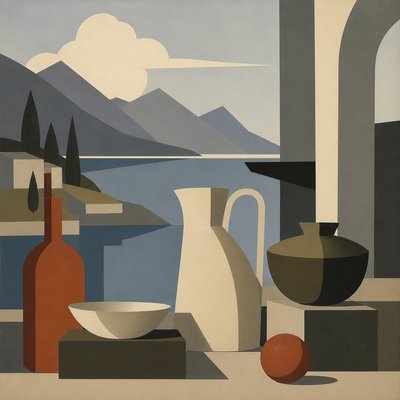
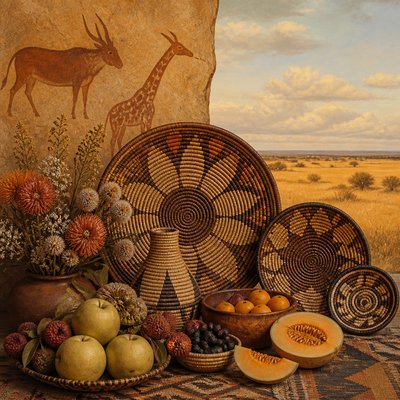
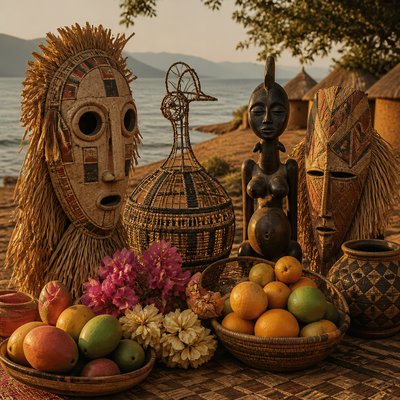
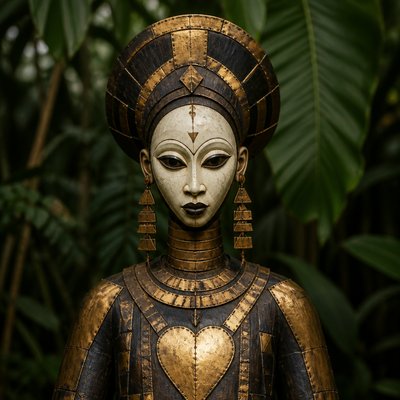
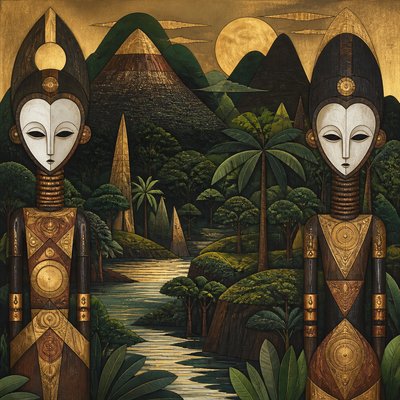
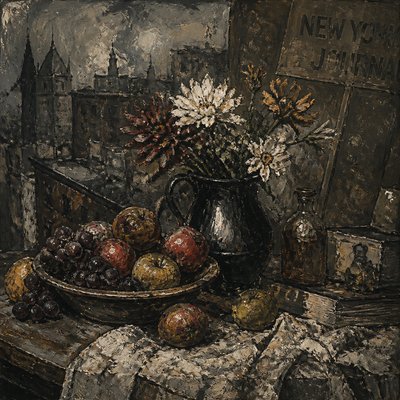
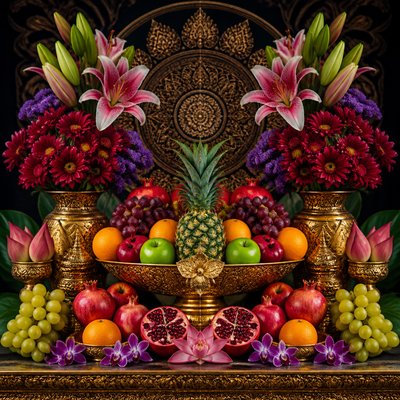
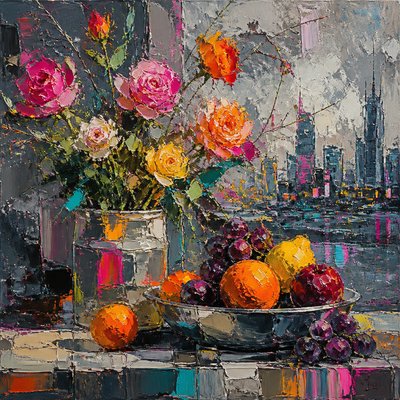
Traditional Botanical Still Life Art Style
Scientific plant illustration with delicate watercolor washes, precise linework, and antique documentary elegance.
Instantly rendered in Traditional Botanical Still Life — or transform a photo
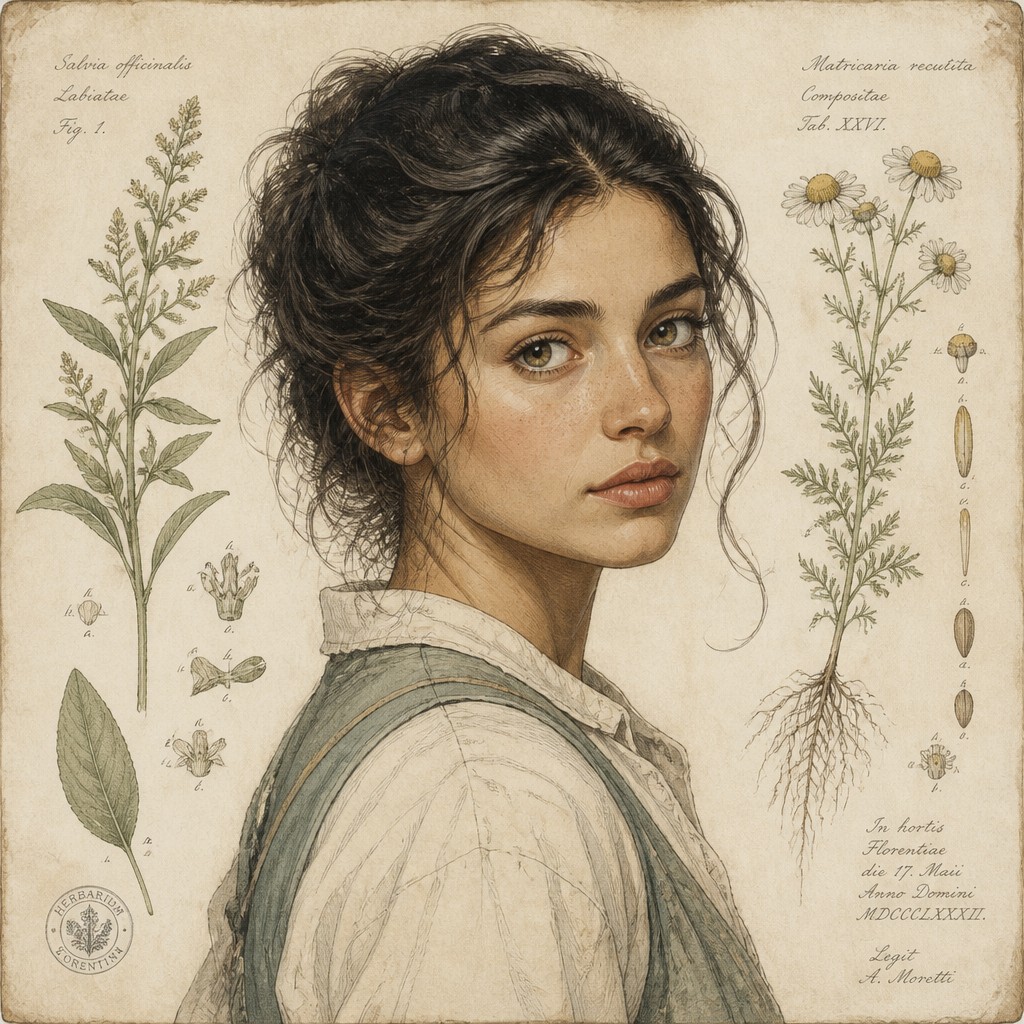
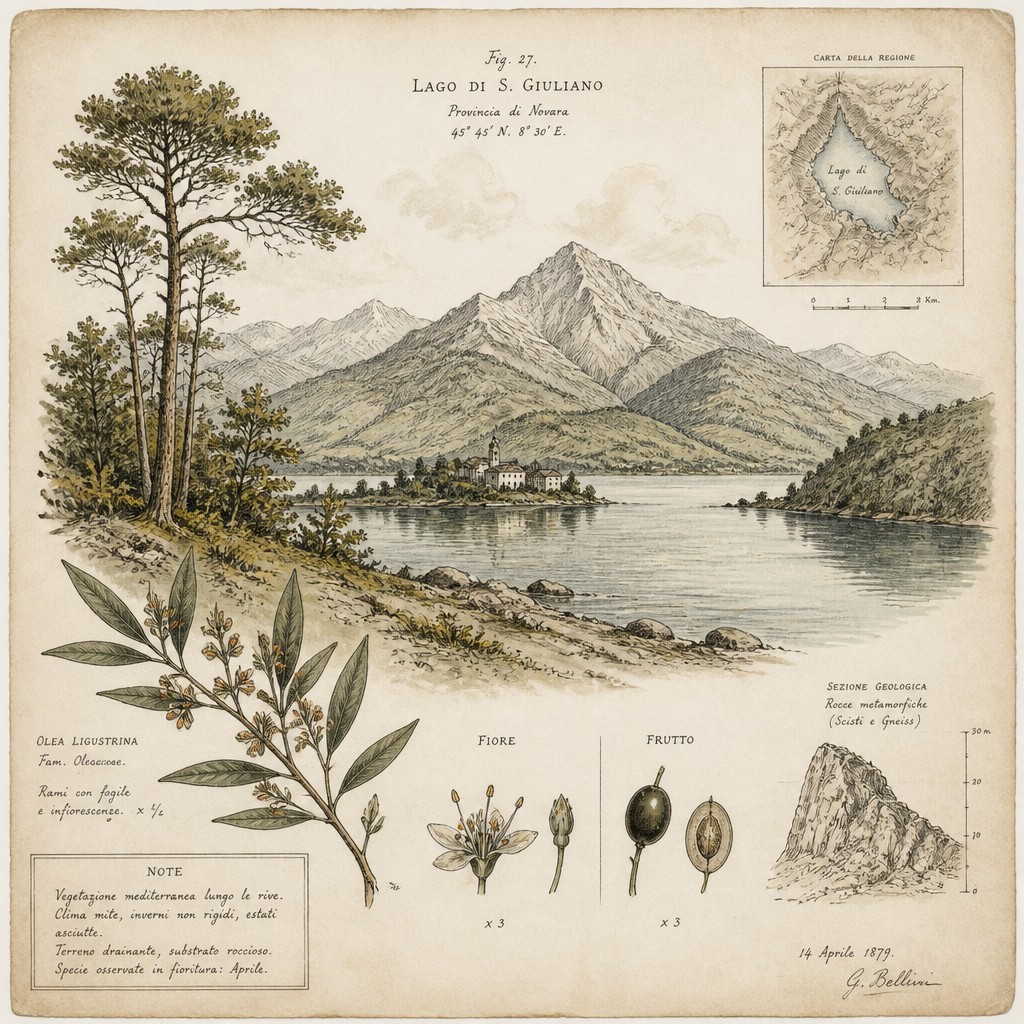
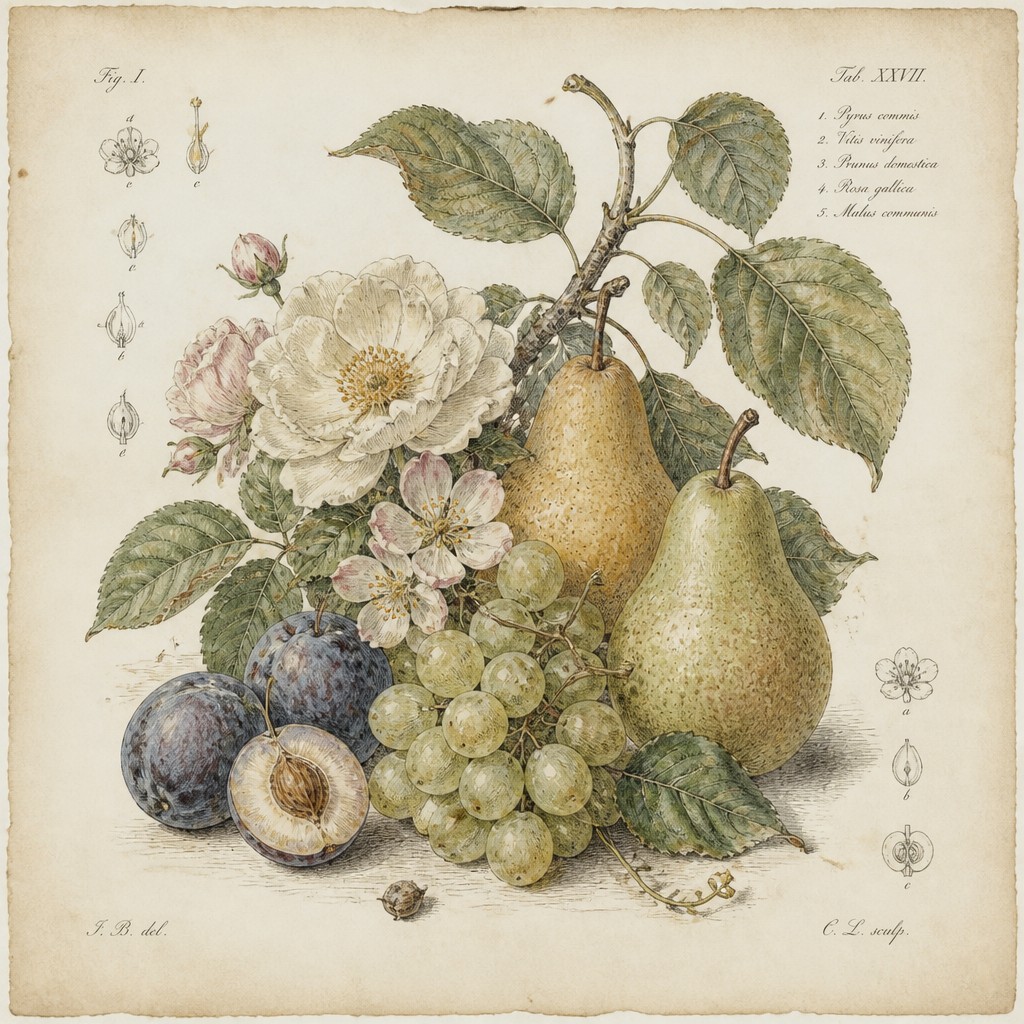
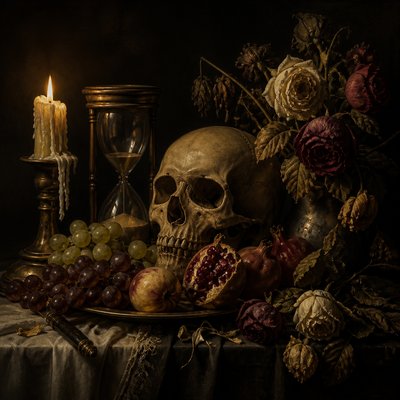
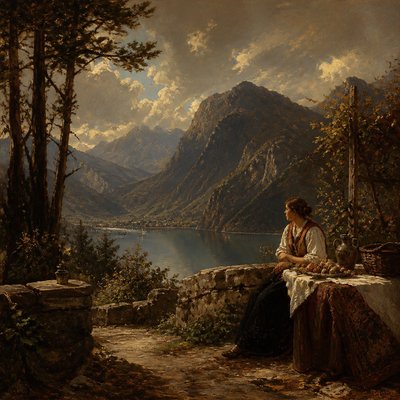
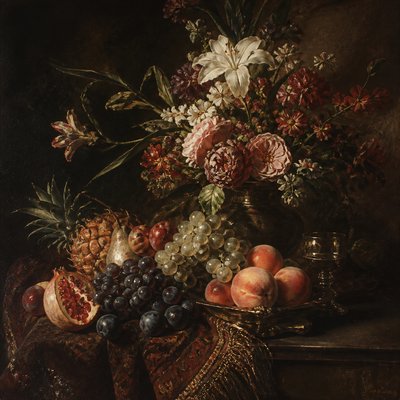
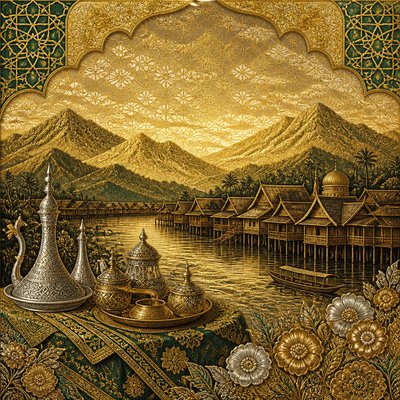
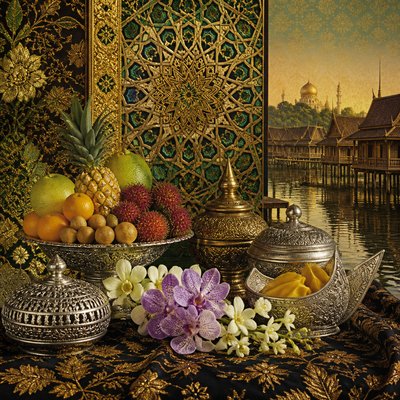
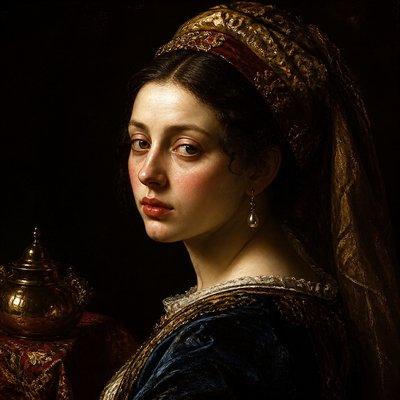
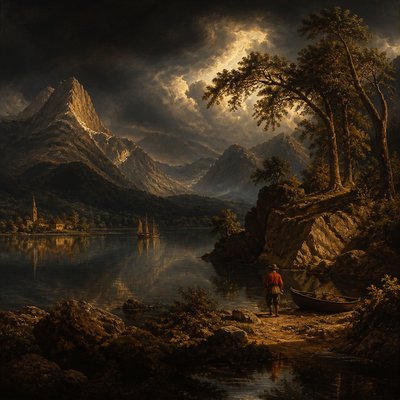
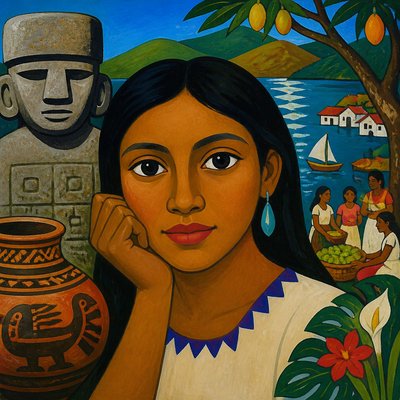
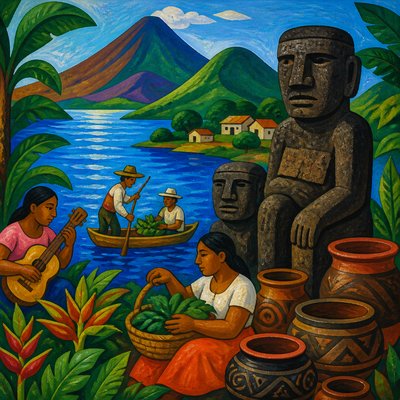
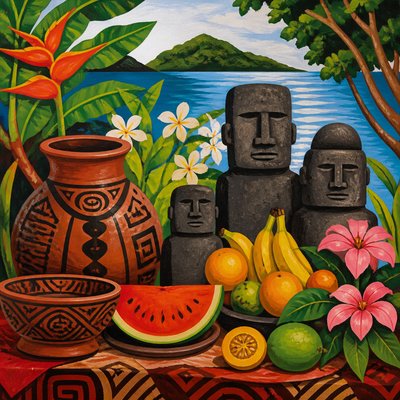
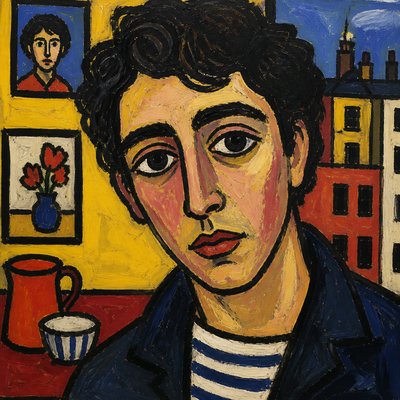
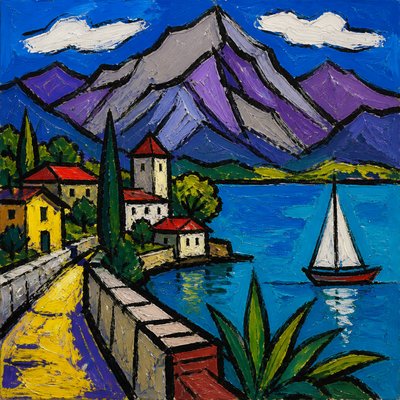
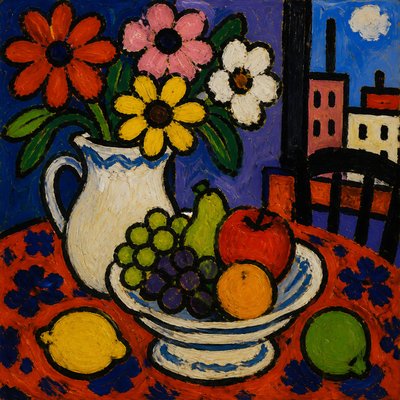
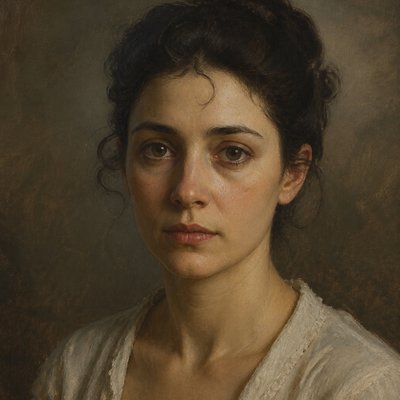
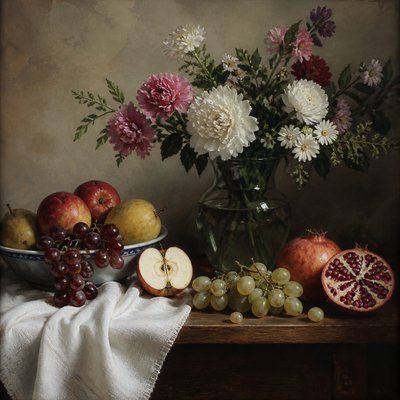
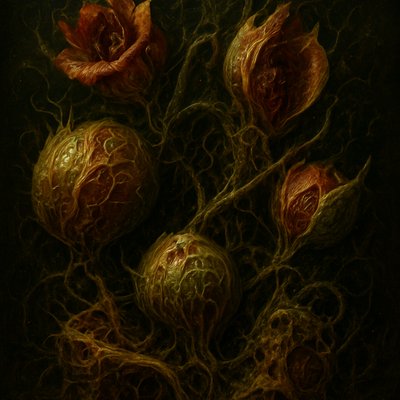
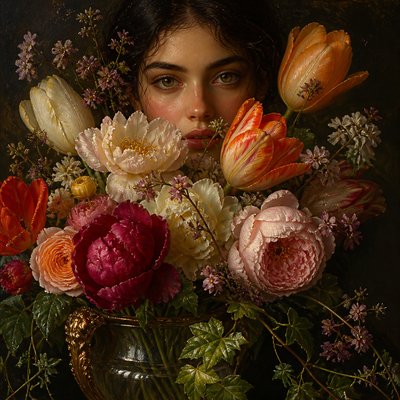
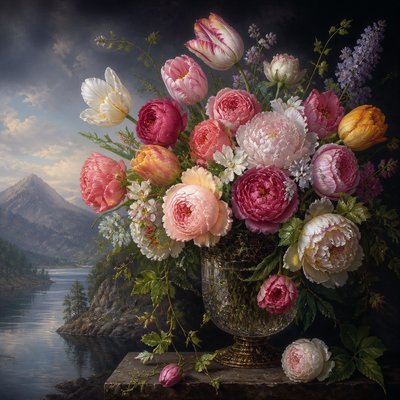
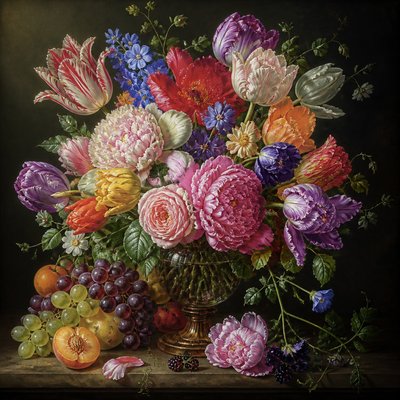
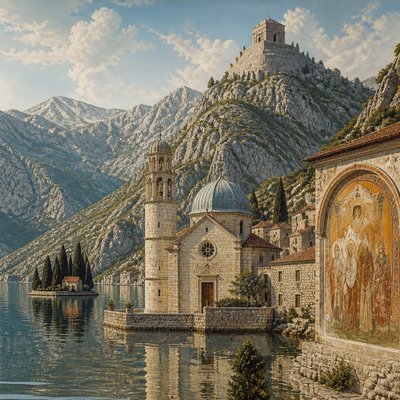
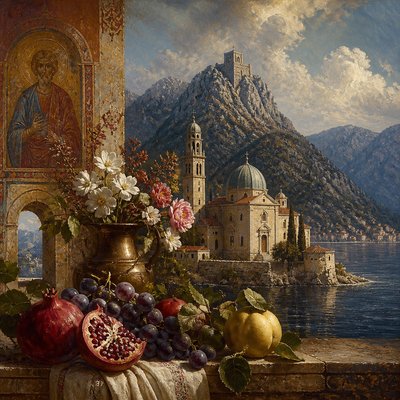
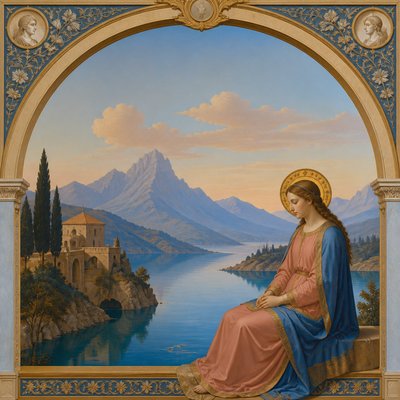
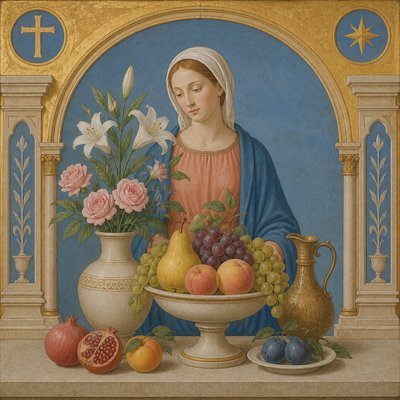
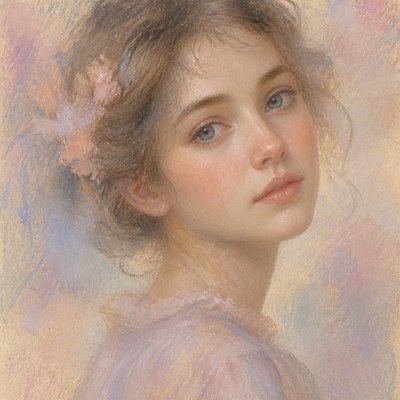
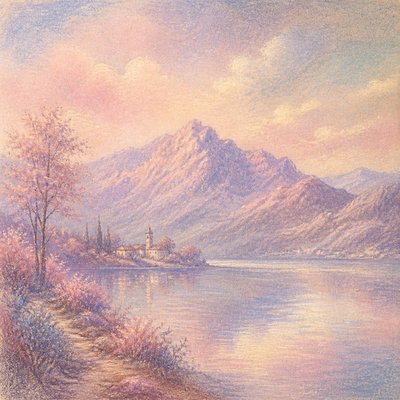
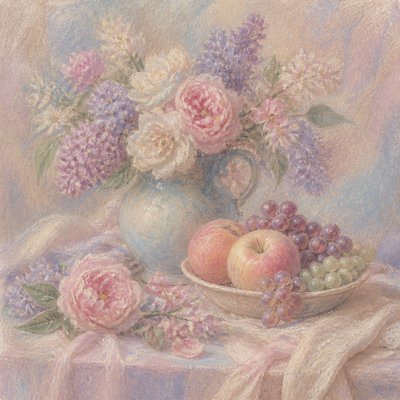
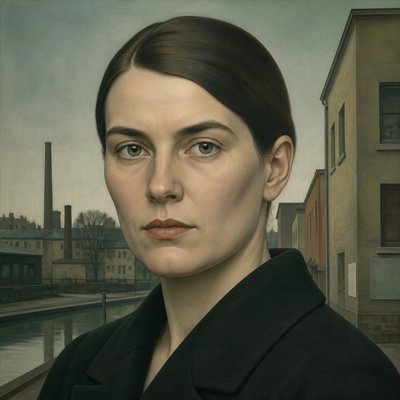
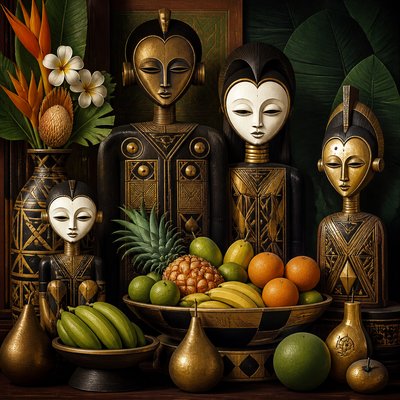
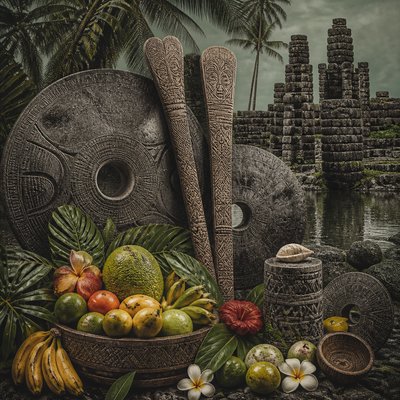
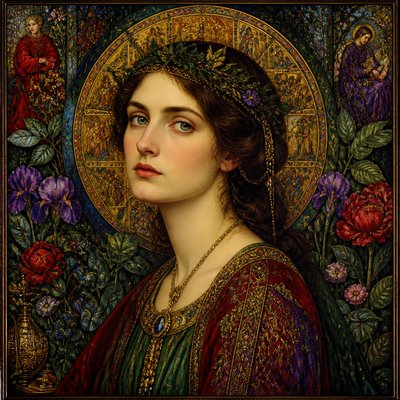
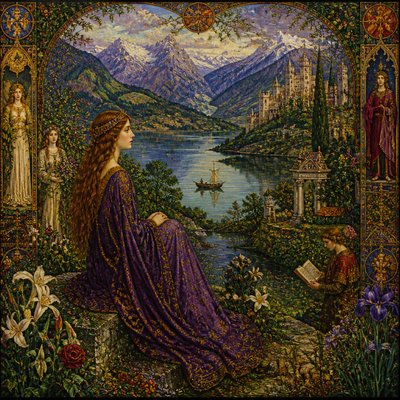
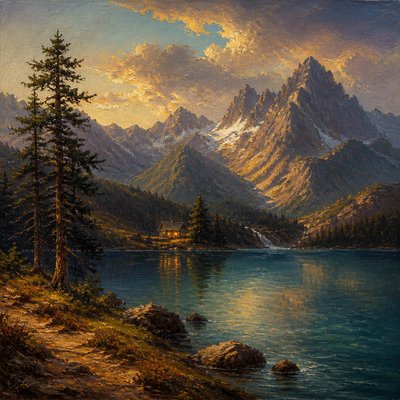
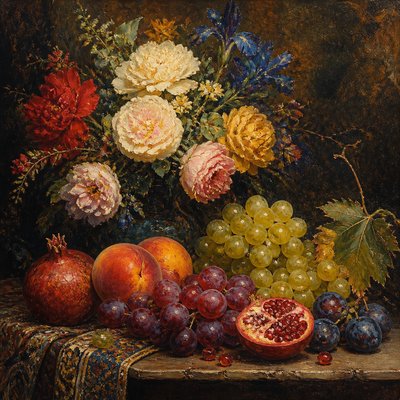
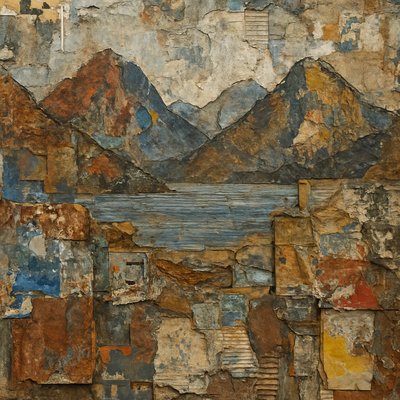
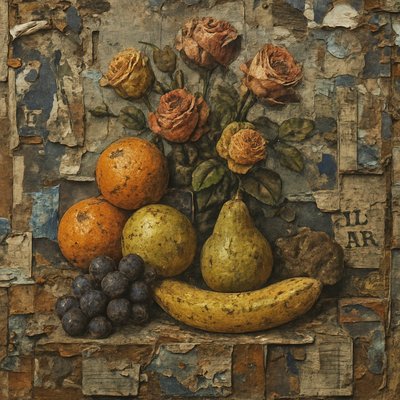
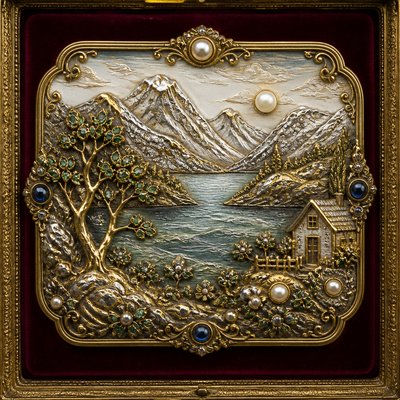
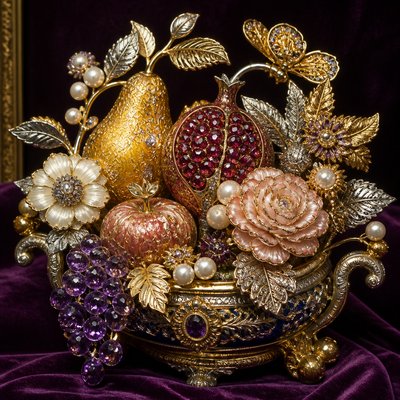
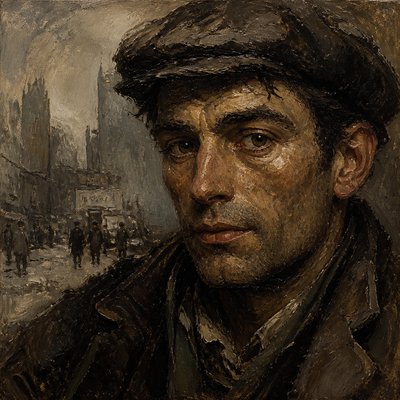
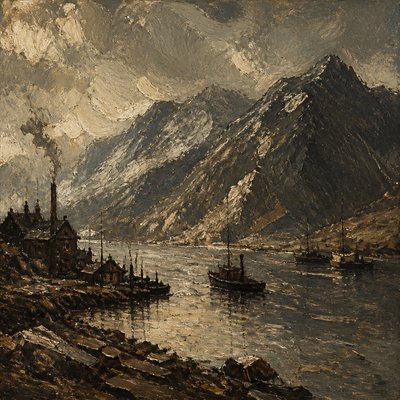
Traditional Botanical Still Life Gallery
Tap any artwork to explore it
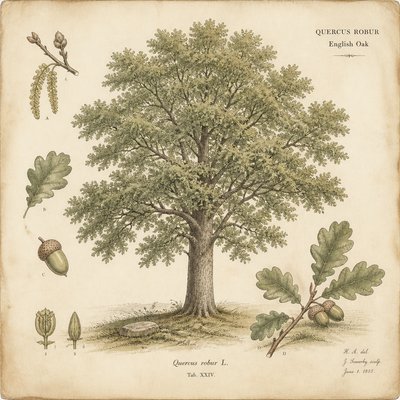
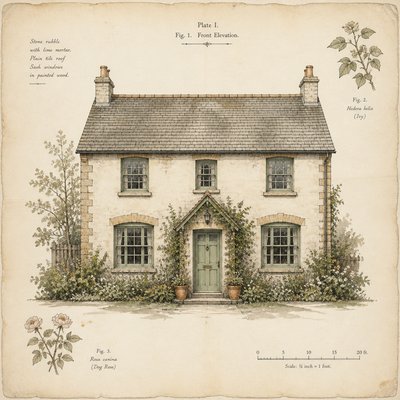
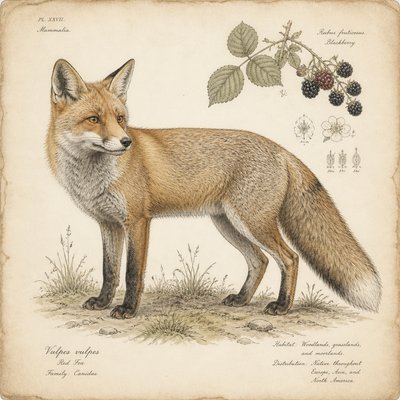
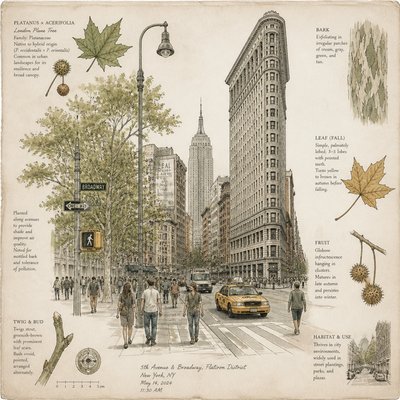
What is Traditional Botanical Still Life Art Style?
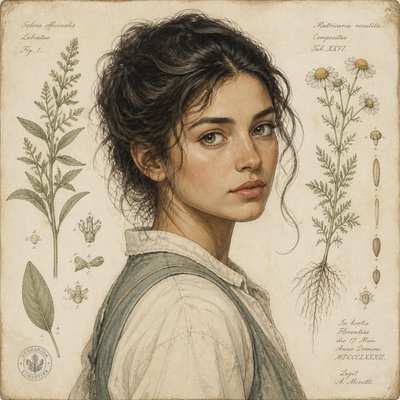
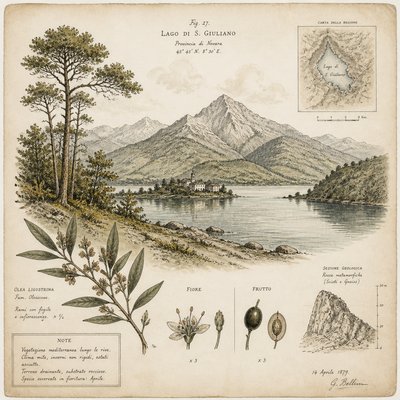
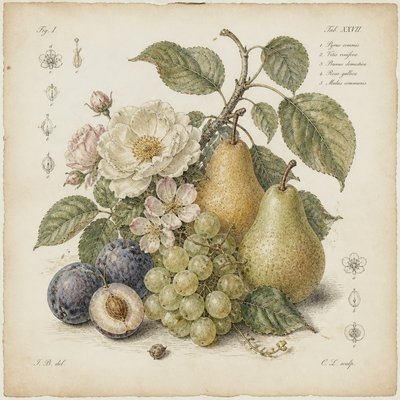
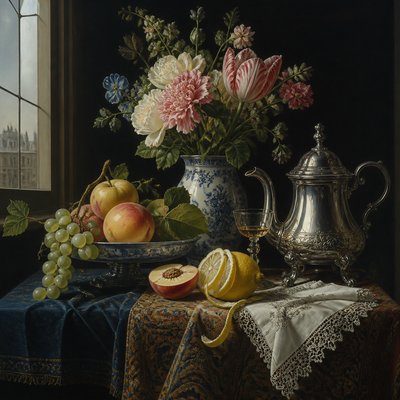
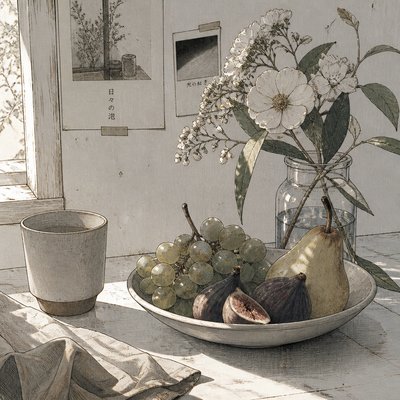
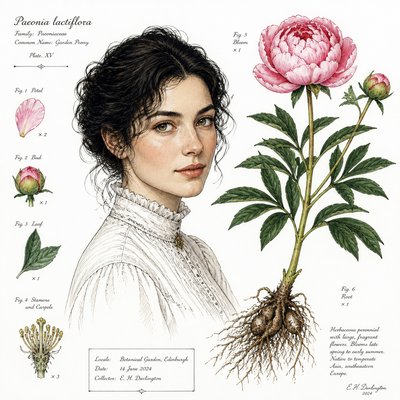
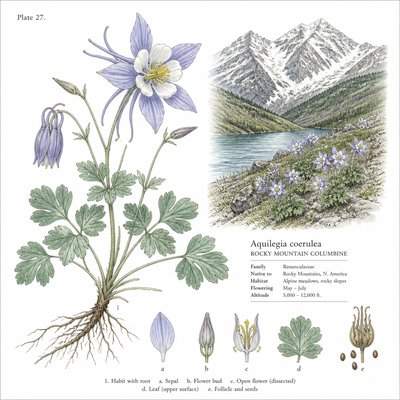
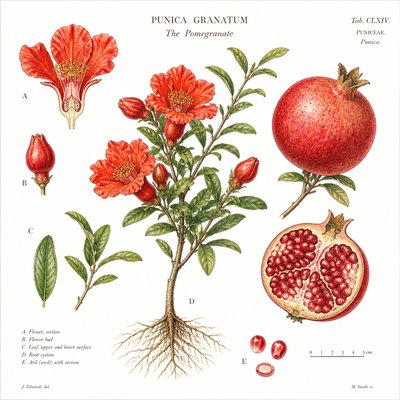
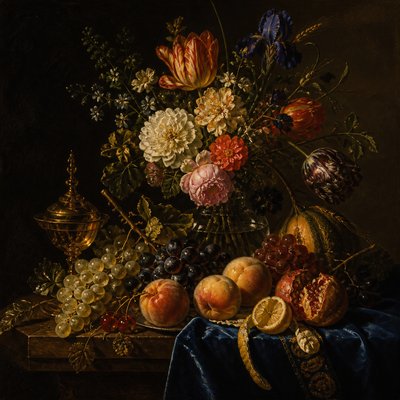
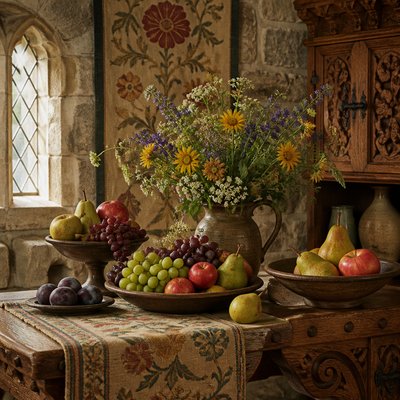
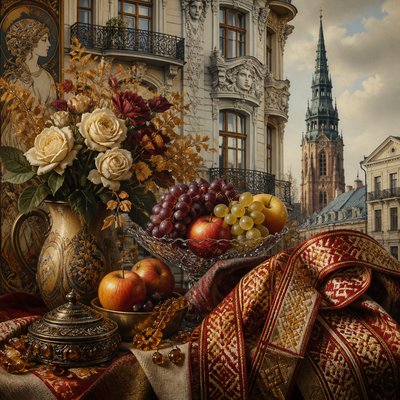
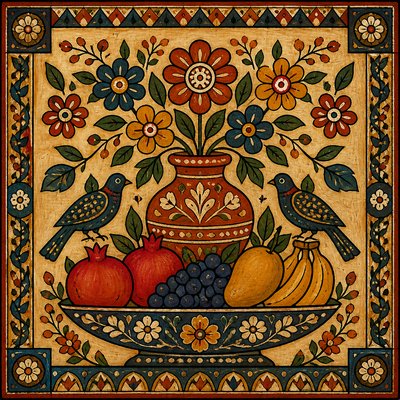
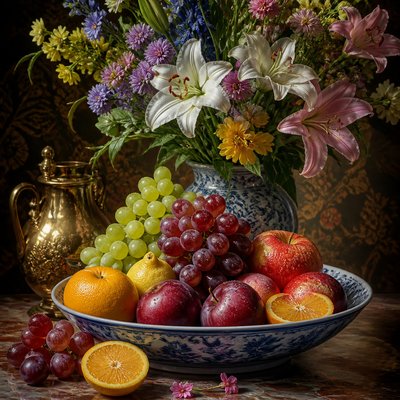
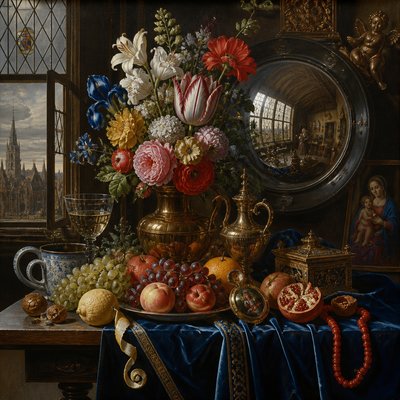
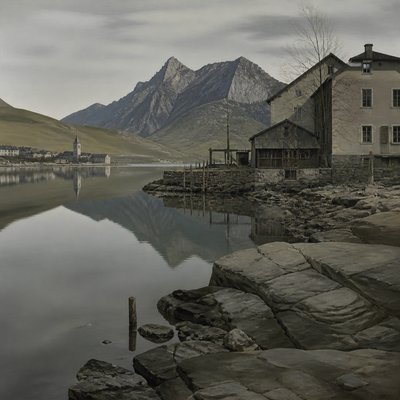
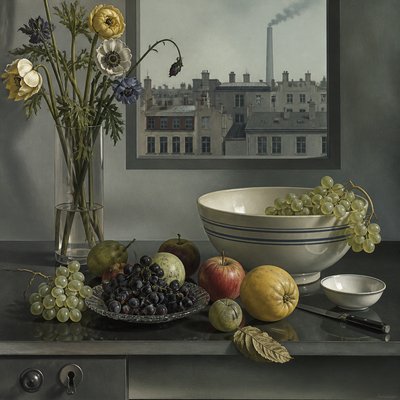
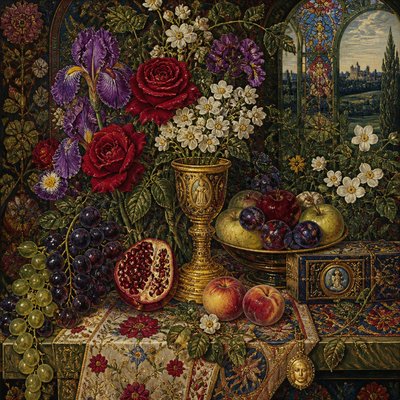
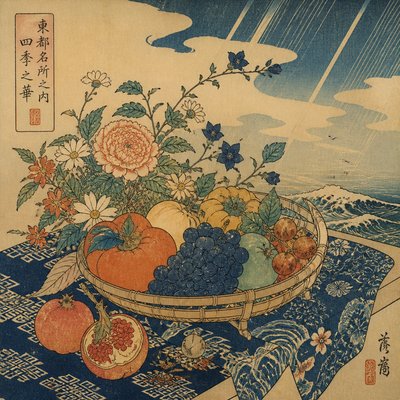
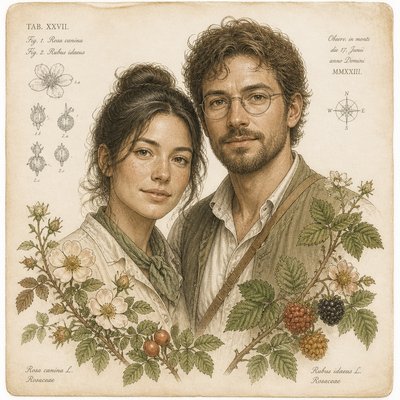
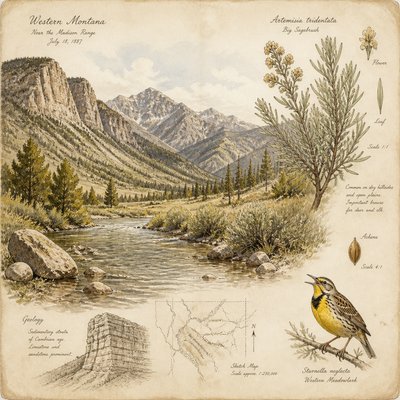
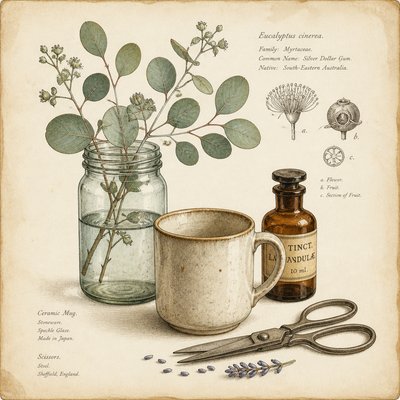
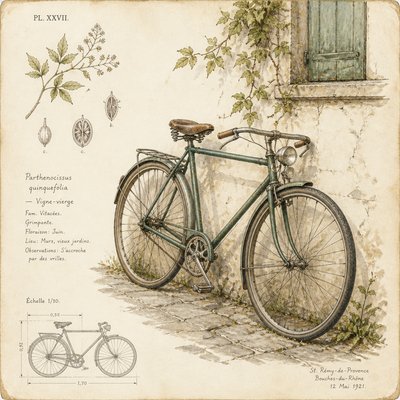
Traditional botanical still life is a representational art style centered on the careful observation of plants, flowers, fruits, seeds, roots, and foliage. It combines the visual clarity of scientific illustration with the compositional restraint and tonal refinement of fine art still life, producing images that are both informative and aesthetically composed.
The style is defined by precise contour drawing, controlled shading, and transparent watercolor or gouache washes built over a clean line structure. Subjects are usually isolated against pale or neutral backgrounds so that form, anatomy, texture, and color variation can be studied without distraction. The result feels documentary in intent but elegant in execution, often echoing the look of historical herbals, field guides, and natural history plates.
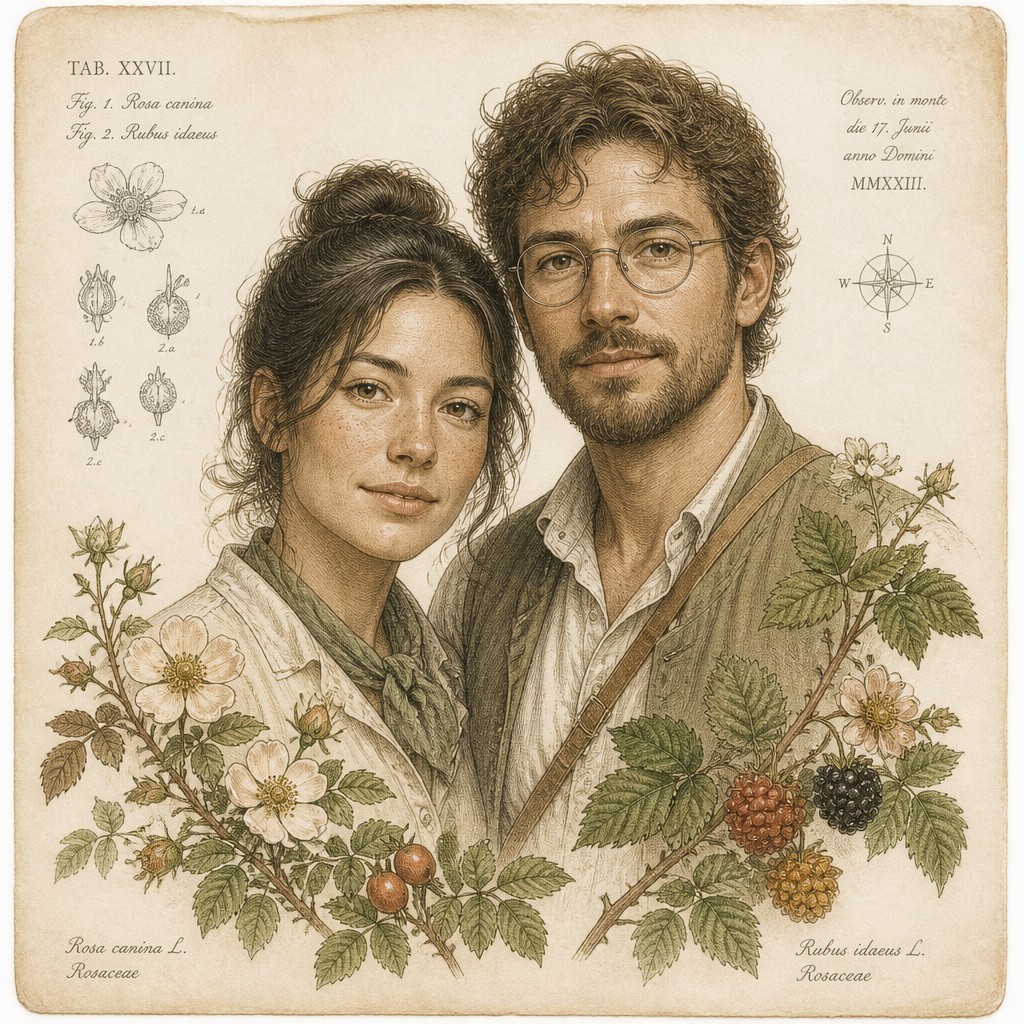
Try It On Your Photos
Upload any photo and convert it into Traditional Botanical Still Life Art Style — drag the sliders to compare before and after.
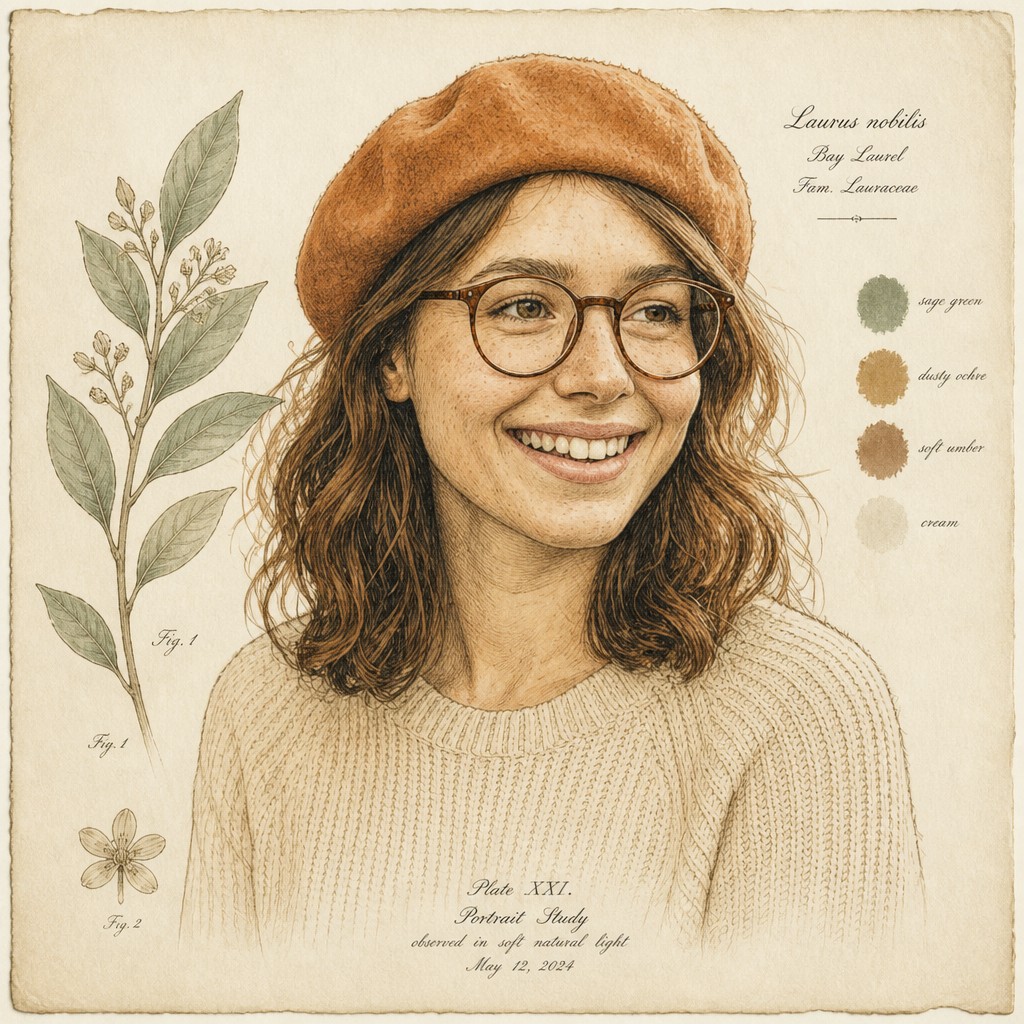

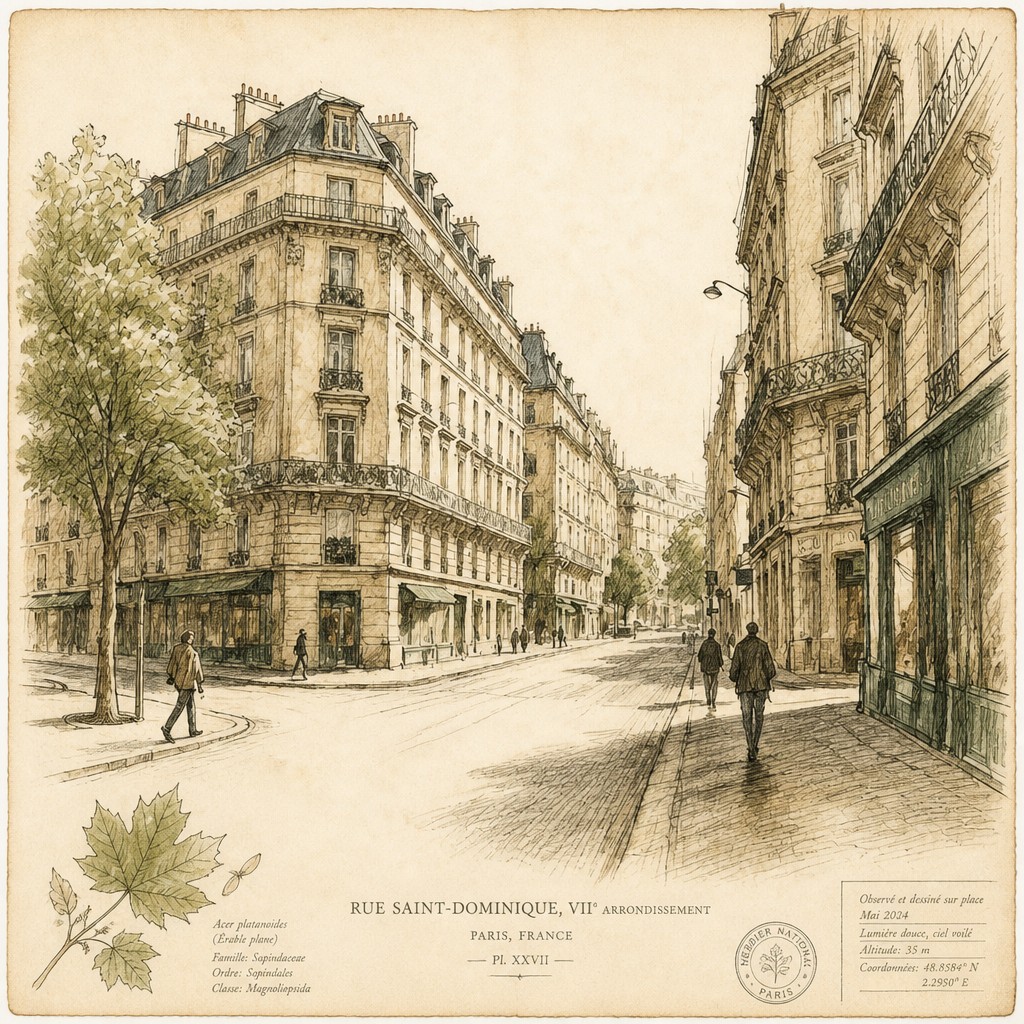

What Defines Traditional Botanical Still Life Art Style
The signature details, up close
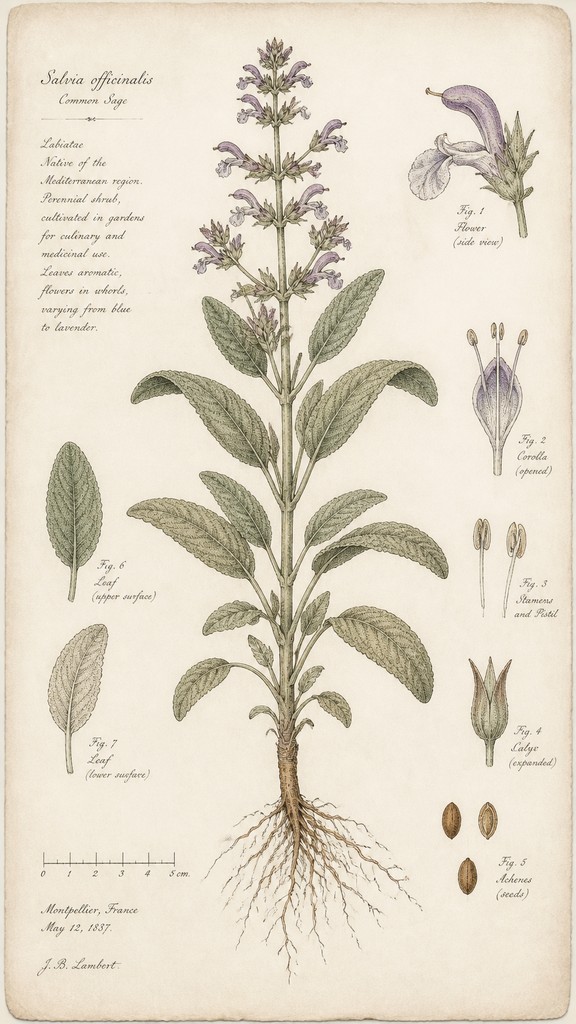
Precise plant anatomy
Leaves, petals, stems, seeds, and roots are rendered with attention to species-specific structure. Veins, serrations, growth stages, and botanical proportions are shown clearly so the image can function as visual documentation.
Delicate linework
Fine outlines, controlled contour drawing, and careful edge definition establish the form before color is added. The line often remains visible, giving the illustration an engraved or hand-drawn quality.
Muted natural pigments
Color typically stays within a restrained palette of greens, ochres, umbers, creams, and softened floral tones. Saturation is moderate, which keeps the image readable and historically grounded.
Transparent wash layering
Watercolor or similar translucent media are applied in thin layers to preserve luminosity and texture. This creates gentle transitions without obscuring the underlying drawing.
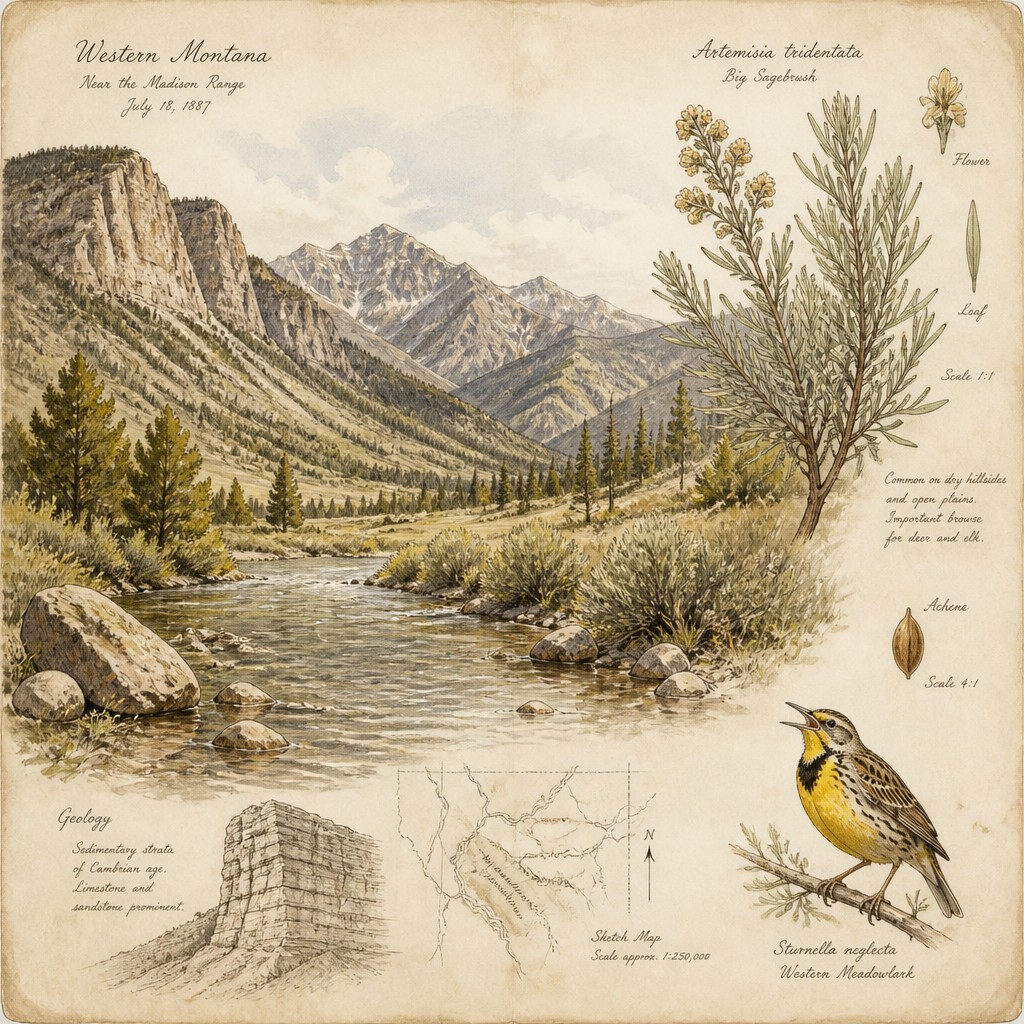
Clean negative space
Subjects are usually isolated on pale paper, allowing the viewer to study form without competing background elements. The composition often feels like a plate or specimen sheet rather than a dramatic scene.
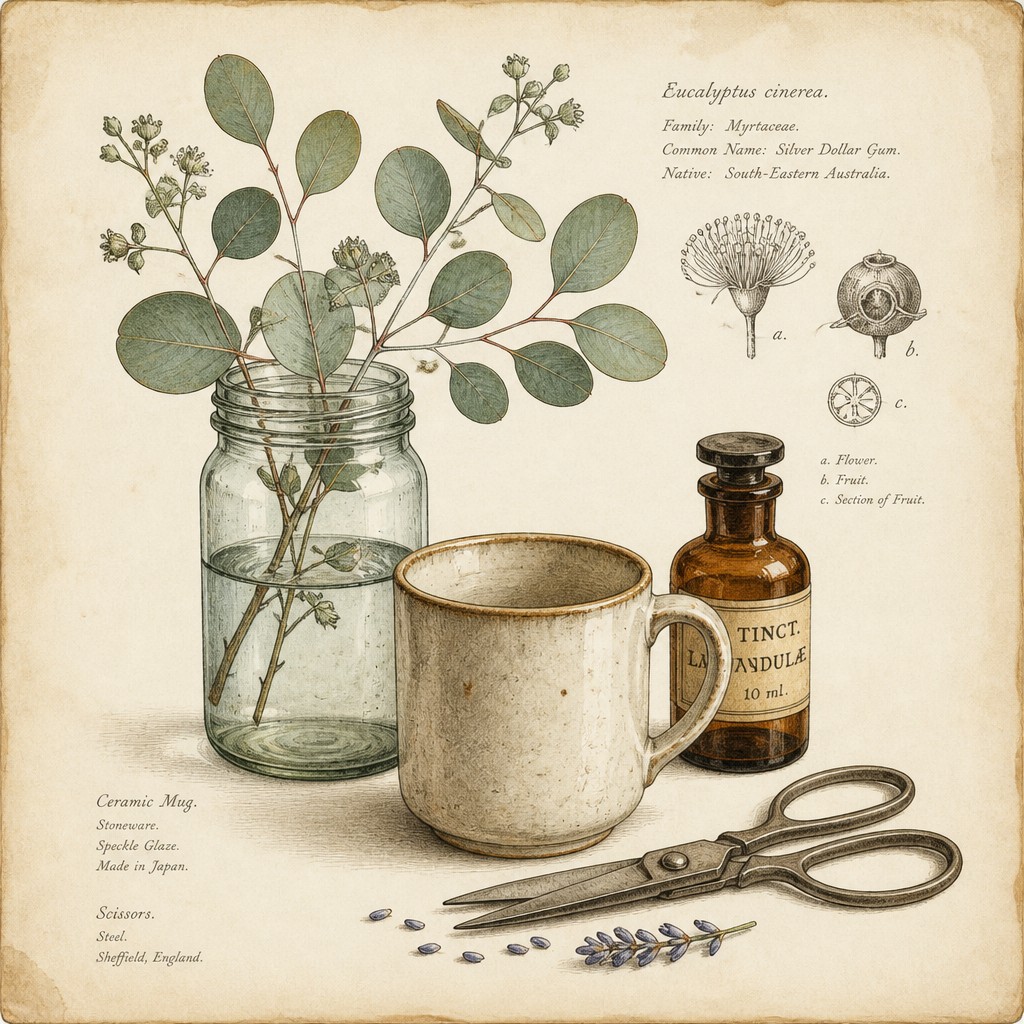
Aged-paper finish
Subtle paper texture, slight toning, and softly worn edges evoke archival prints and illustrated herbals. The surface treatment reinforces the historical and scholarly character of the image.
Try It
Create Videos in Traditional Botanical Still Life Art Style
Styles aren't just for stills — describe a scene or animate an image and get a short video rendered in Traditional Botanical Still Life. Press play to see this pond come to life.
Make a VideoTraditional Botanical Still Life Prompt Ideas
Start from an idea — each one opens the generator with the style ready to go. See all 40 Traditional Botanical Still Life prompts →
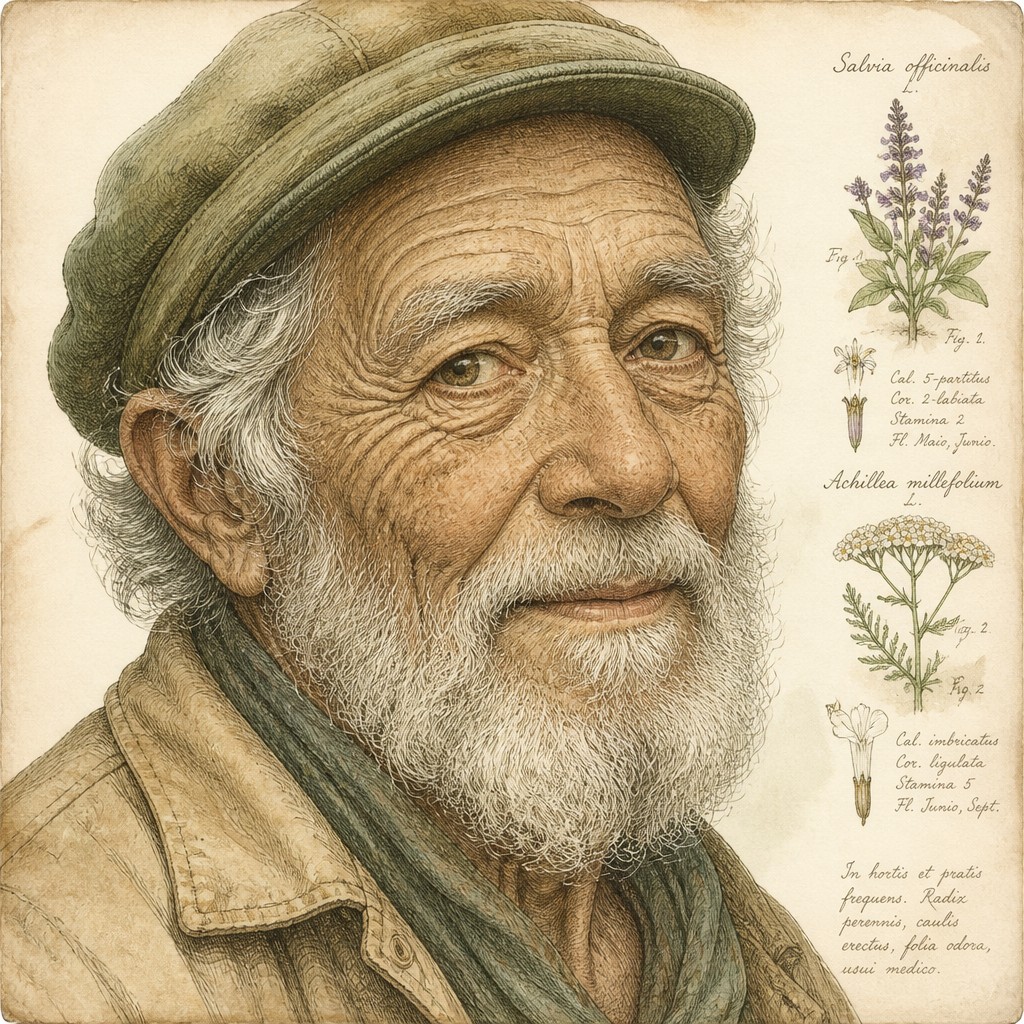
“close-up portrait of an elderly person with expressive weathered features”
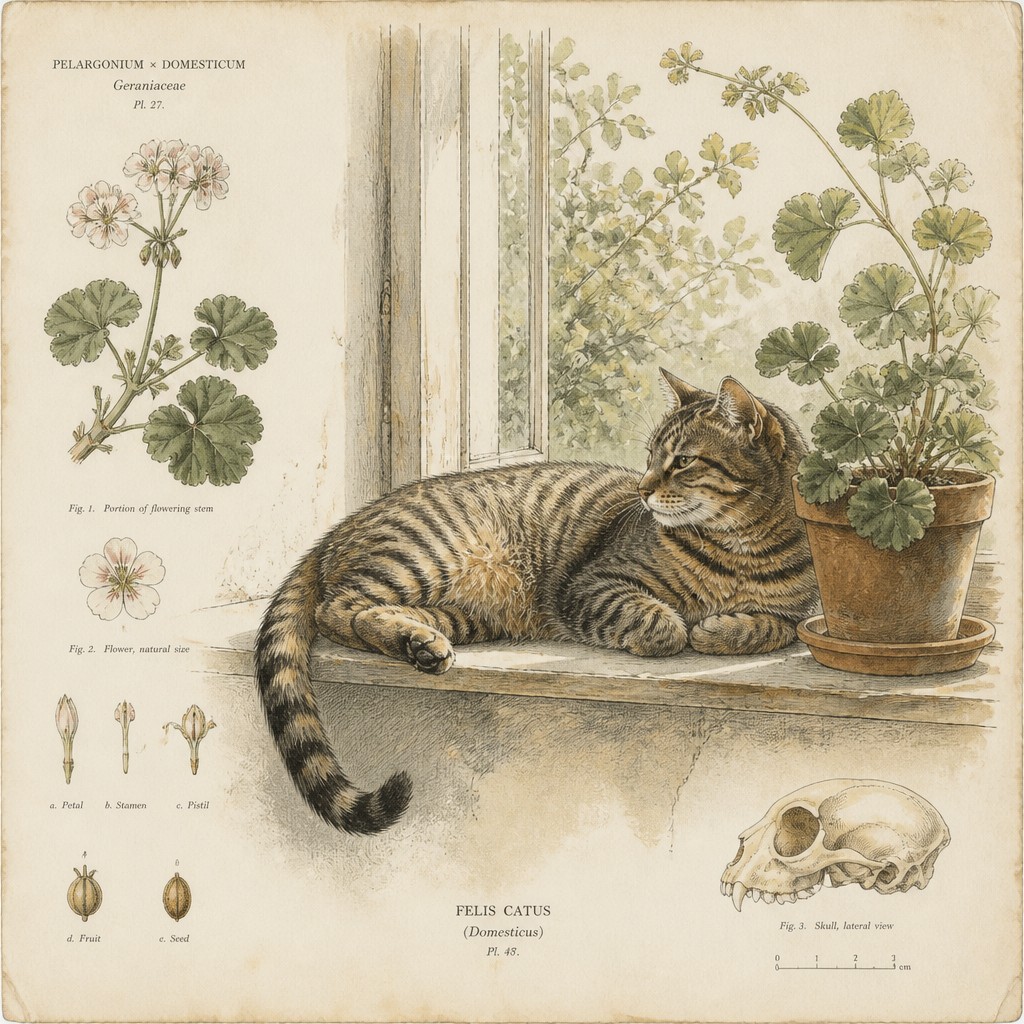
“a cat lounging in a sunlit window”
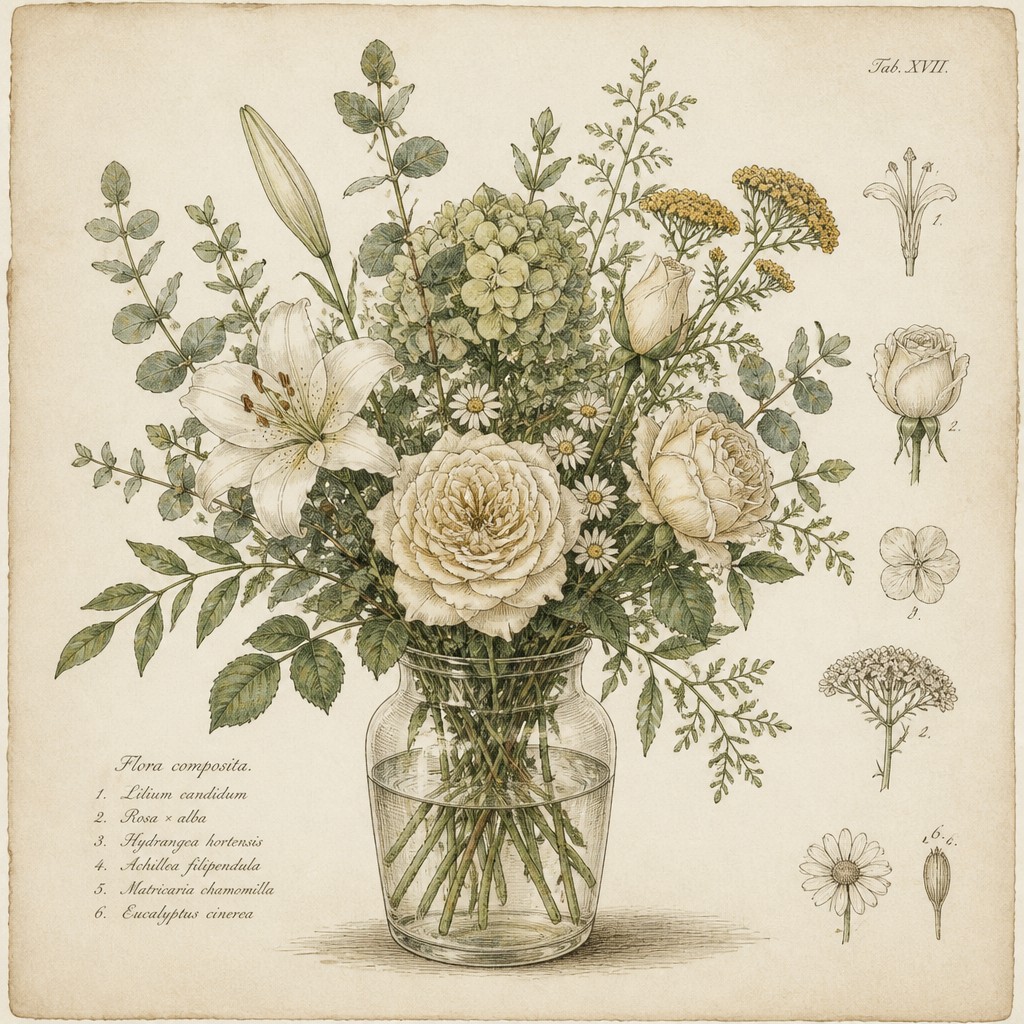
“bouquet of flowers in a glass vase”
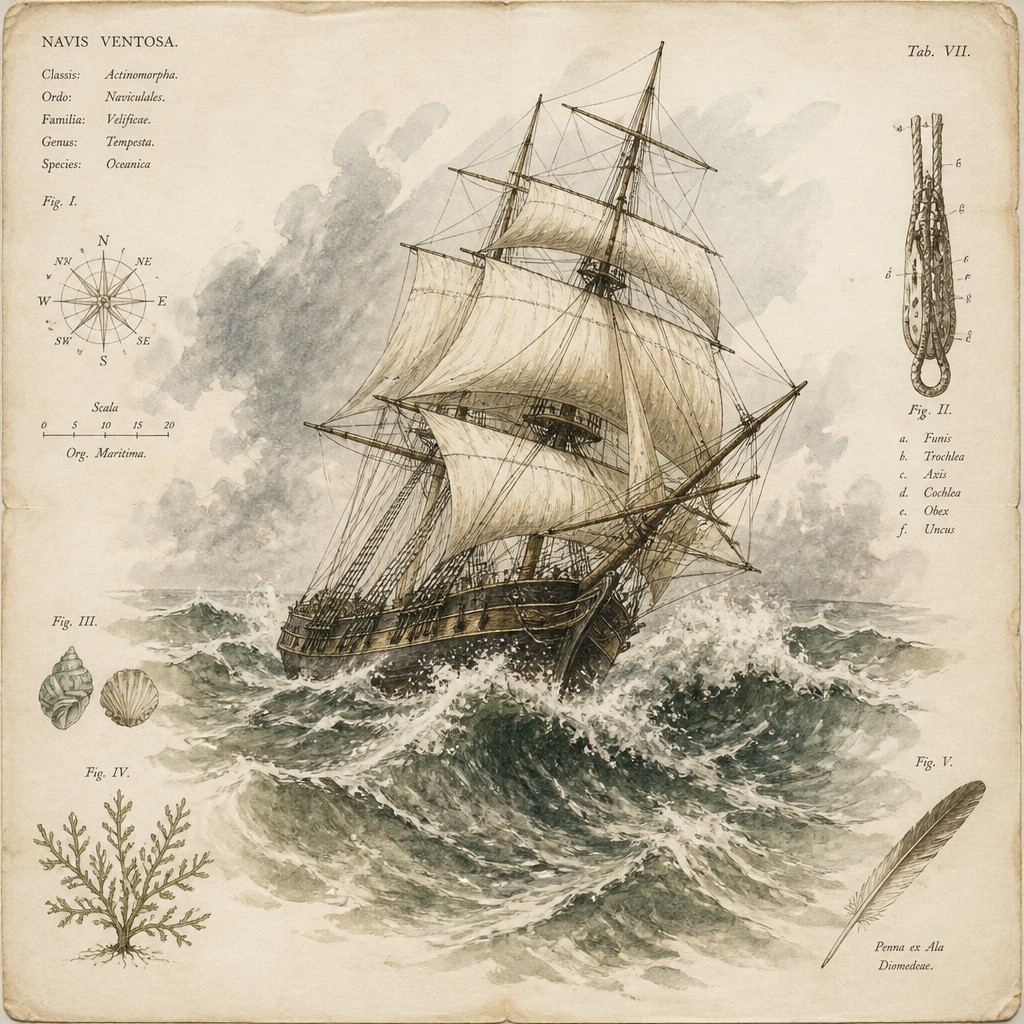
“sailing ship on a stormy sea”
How to Create Traditional Botanical Still Life Art
Master the craft step by step — or skip straight to creating. Read the full guide →
- 1
Begin with observational drawing
Start by sketching the plant from life or a reliable reference, focusing on stem structure, leaf attachment, blossom shape, and any diagnostic details. Keep the drawing clean and measured, since the linework carries much of the style’s authority.
- 2
Use transparent color layers
Apply watercolor or digital washes in light passes, allowing the drawing to remain visible beneath the color. Build tone gradually rather than using opaque fills, and keep the palette close to natural pigments.
- 3
Preserve specimen clarity
Isolate the subject against a pale background and avoid theatrical lighting or deep shadows. The goal is clarity for study, so the composition should read as a documented specimen with elegant spacing.
- 4
Balance accuracy with composition
Even in a scientific-looking image, place the subject with visual rhythm and graceful proportion. If you are arranging multiple elements, vary scale carefully and keep overlaps legible so each botanical feature remains identifiable.
- 5
Add archival surface qualities
For traditional work, use textured paper and controlled staining; for digital work, add subtle paper grain, slightly worn edges, and soft tonal warmth. These details should be understated, supporting the illustration rather than dominating it.
- 6
Write prompts with specimen language
When generating digitally, describe the plant, its anatomical details, the medium, and the presentation format. Phrases such as 'scientific illustration,' 'fine stippled shading,' 'transparent watercolor washes,' and 'clean pale negative space' help steer the result toward the correct look.
The Story
History & Origins of Traditional Botanical Still Life
Traditional botanical still life grows out of early modern natural history illustration, herbals, and botanical plate traditions developed in Europe from the 16th century onward. As scientific classification advanced in the 18th and 19th centuries, botanical artists were expected to record plant morphology with exceptional accuracy while also presenting specimens attractively for publication and study.
Its visual lineage includes the observational practices of artists working for scientific and horticultural institutions, as well as the still-life conventions of Western painting. Rather than belonging to a single named movement, this style represents a long intersection between art and science: the documentary precision of natural history drawing, the delicate coloring of watercolor illustration, and the compositional clarity of classical still life.
Influences: This style draws from European botanical illustration, herbals, and natural history printmaking, as well as the still-life traditions of Western painting. It is related to the work of prominent early 19th-century botanical painters whose floral plates combine scientific clarity and refined beauty, and to the broader illustrated natural history culture that shaped 18th- and 19th-century field manuals and botanical atlases. It also overlaps with ink-and-wash drawing, watercolor illustration, and archival specimen documentation.

Frequently Asked Questions
What defines traditional botanical still life art?
It is defined by accurate plant depiction, restrained natural color, and a clean, study-oriented composition. The image should look suitable for both aesthetic appreciation and botanical observation.
How is this different from regular floral still life?
Regular floral still life often emphasizes mood, symbolism, or decorative arrangement, while botanical still life prioritizes plant anatomy and documentary clarity. The flowers or plants are usually shown as identifiable specimens rather than loosely interpreted ornaments.
Is this the same as botanical illustration?
They overlap closely, but botanical still life usually places more emphasis on artistic composition and presentation. Botanical illustration can be more strictly scientific or diagrammatic, while this style keeps an elegant still-life sensibility.
What mediums work best for this style?
Watercolor, gouache, pen and ink, colored pencil, and graphite are especially effective because they support fine detail and layered transparency. Digital painting can also work well if it preserves delicate linework, soft washes, and a paper-like surface.
Where is this style commonly used?
It appears in field guides, herbals, seed catalogs, educational publishing, and decorative prints. It is also used in branding and editorial contexts where a naturalistic, classical, or archival look is desired.
How do I prompt an image in this style?
Describe a specific plant subject, then specify scientific illustration traits such as precise linework, transparent watercolor washes, muted pigments, and clean pale background. Including terms like 'aged paper texture' and 'documentary clarity' helps reinforce the traditional feel.
Create your first Traditional Botanical Still Life artwork
Describe anything — or upload a photo — and see it in Traditional Botanical Still Life Art Style in seconds.
Make Something with Traditional Botanical Still Life
Compare Traditional Botanical Still Life
Related Styles
Discover similar art styles