Cubist Still Life Art Style
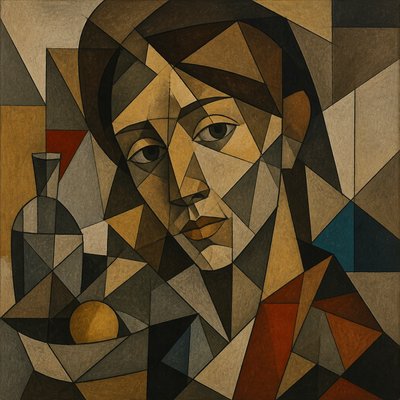
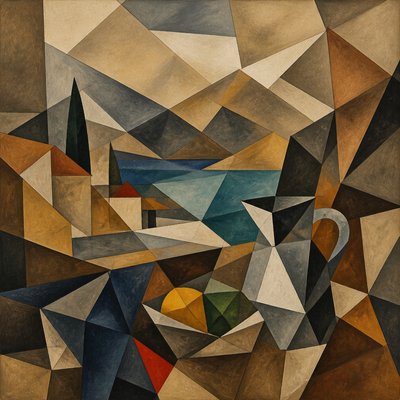
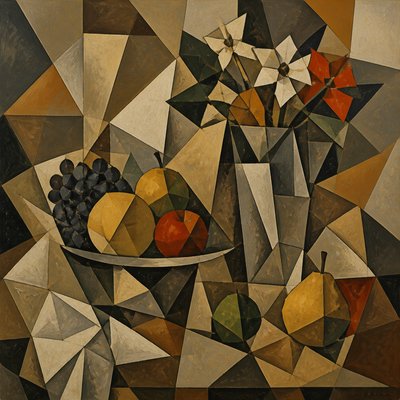
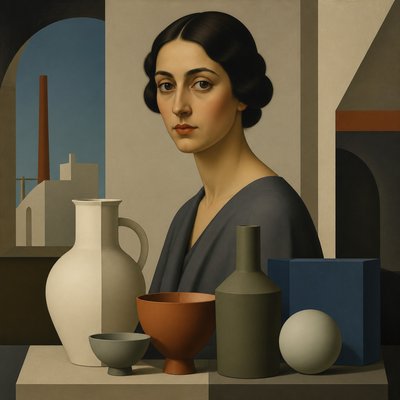
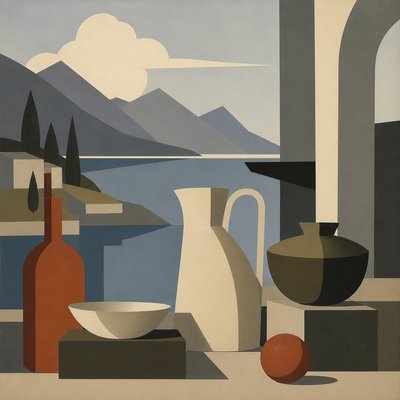
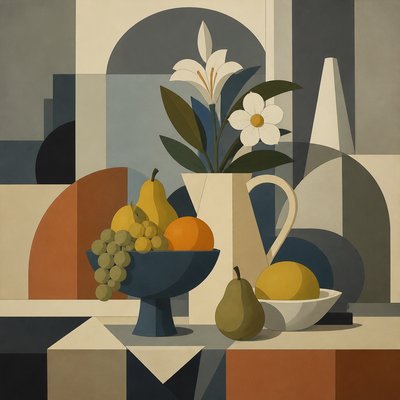
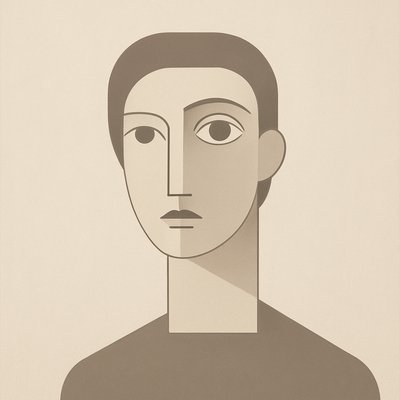
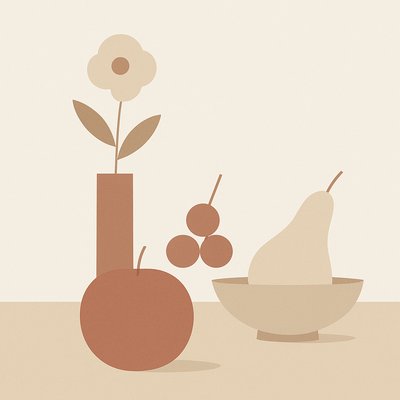
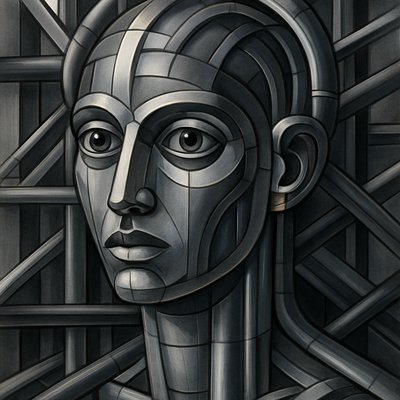
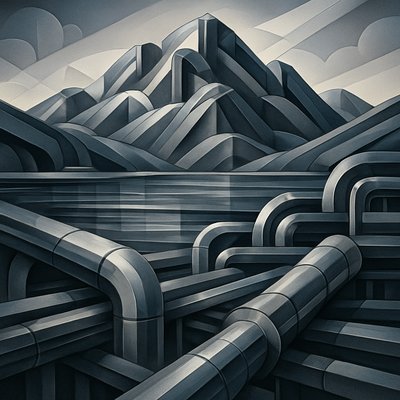
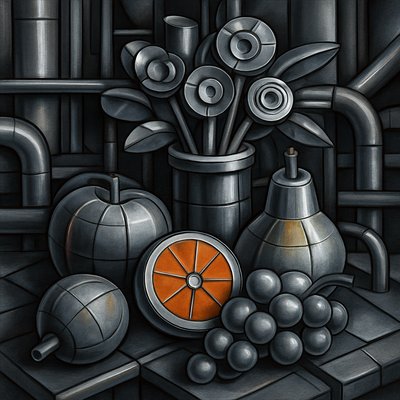
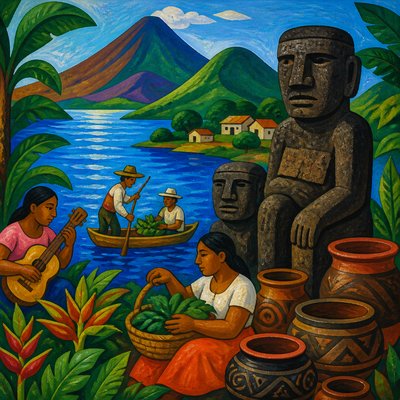
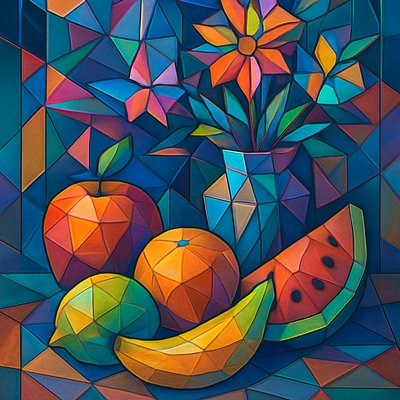
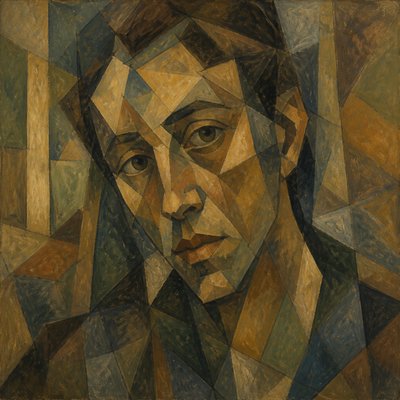
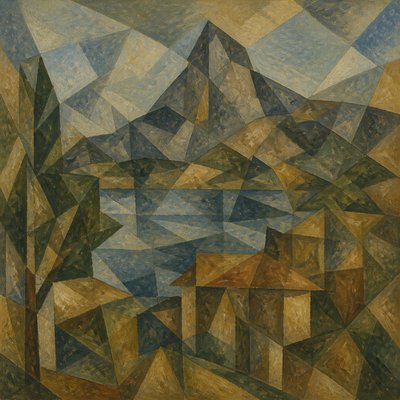
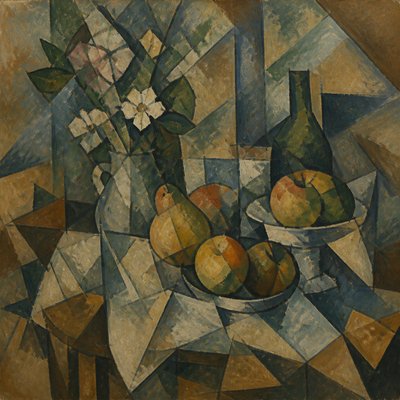
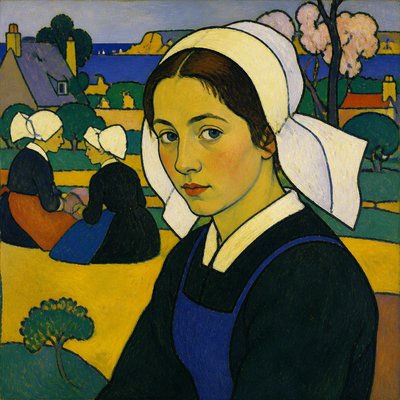
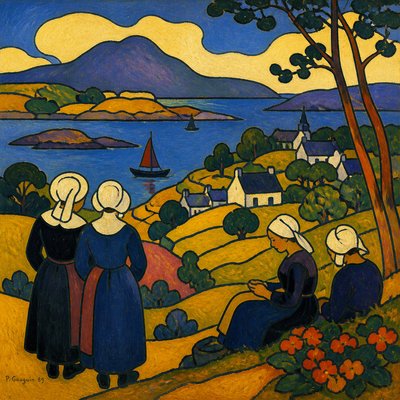
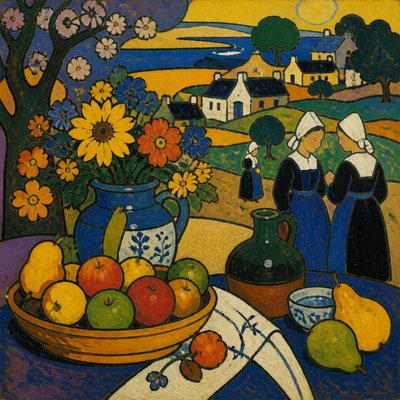
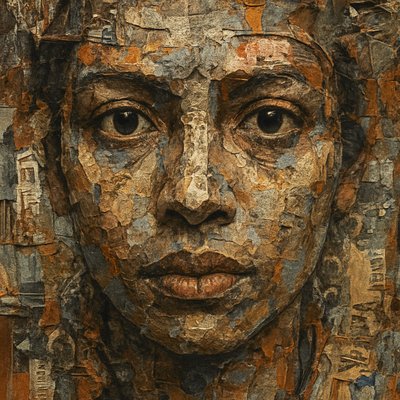
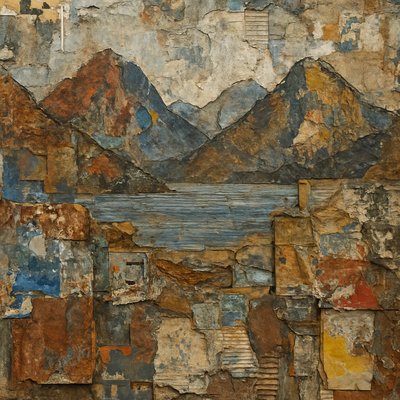
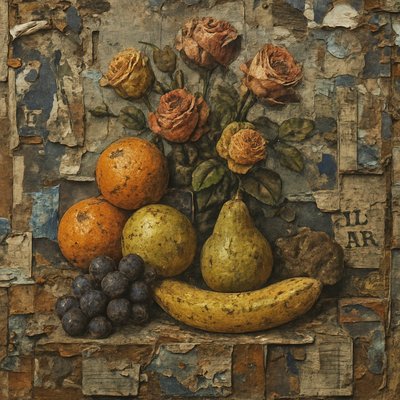
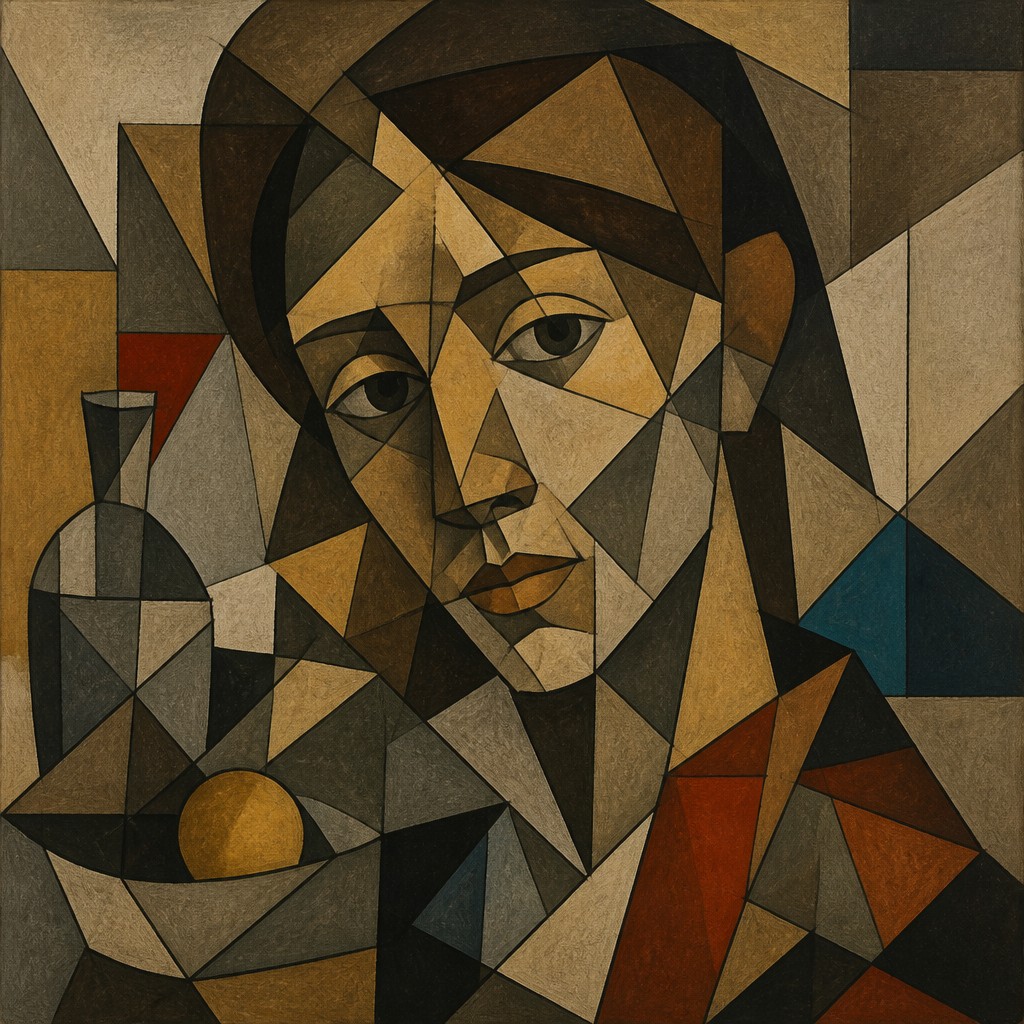
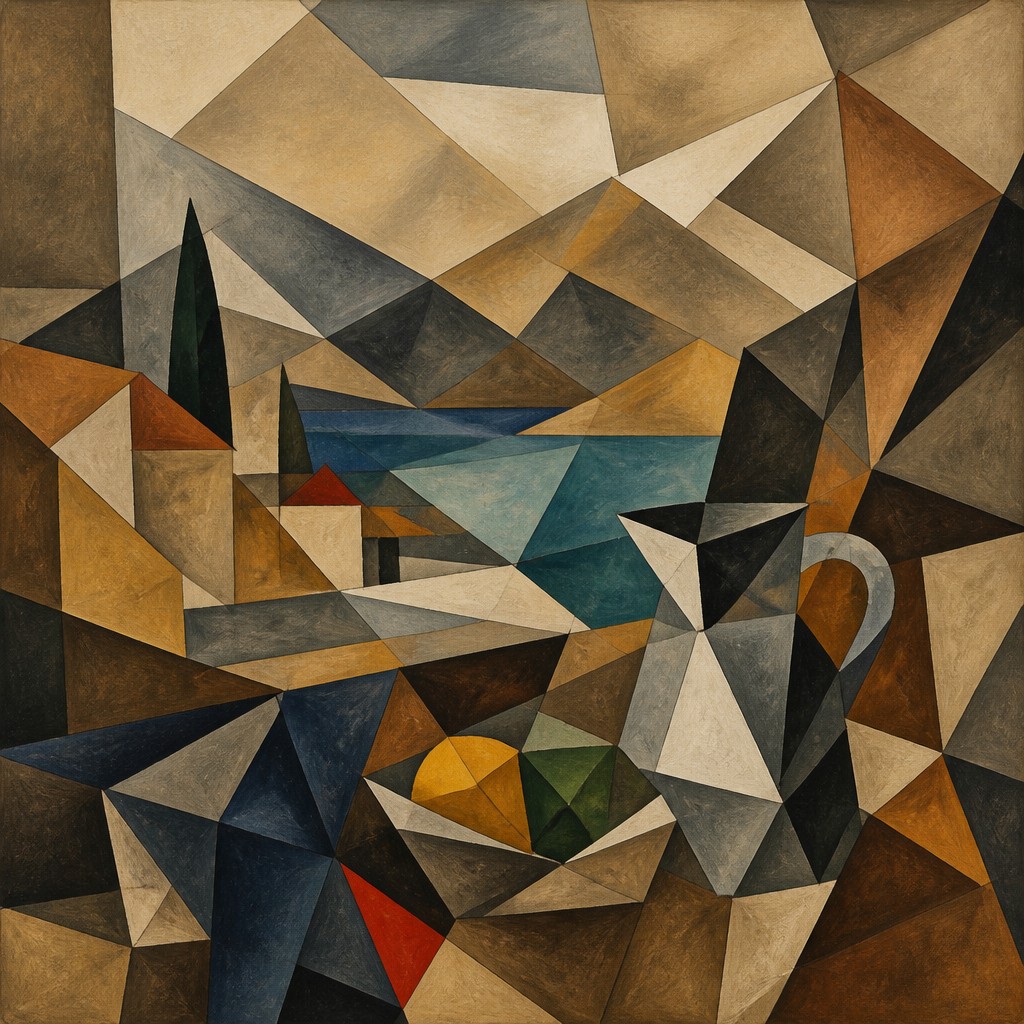
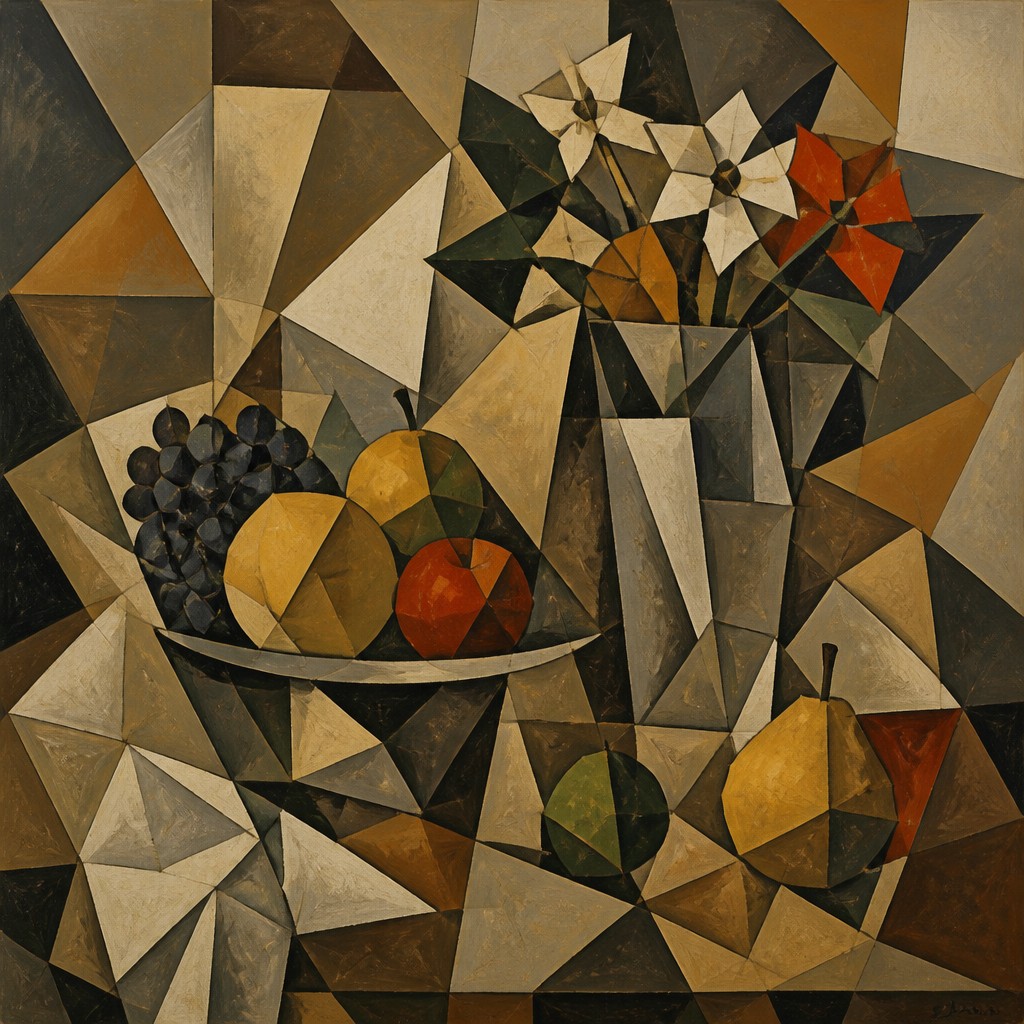
Cubist still life fragments objects into geometric planes, multiple viewpoints, and muted earthy color for a fractured tabletop composition.
Instantly rendered in Cubist Still Life — or transform a photo
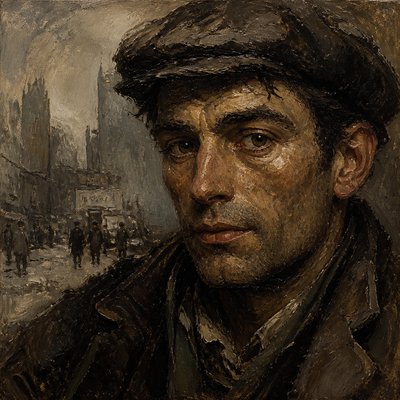
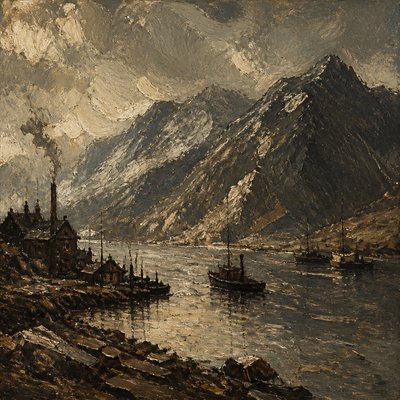
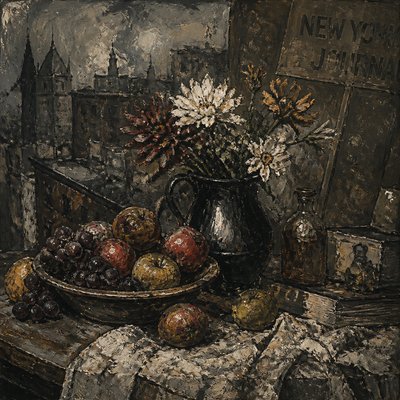
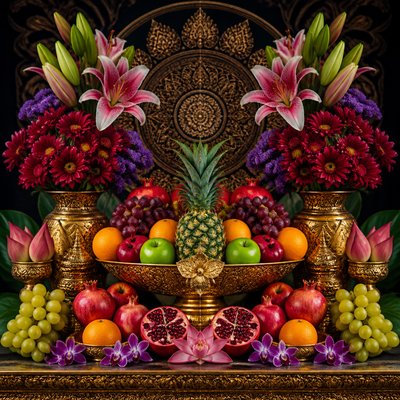
Cubist Still Life Gallery
Tap any artwork to explore it
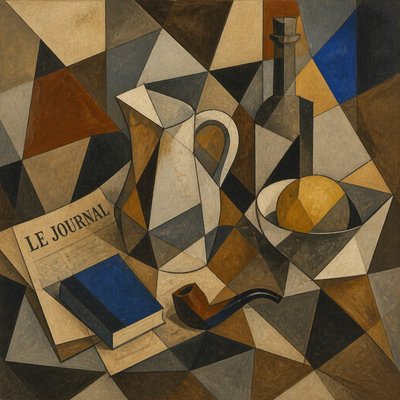
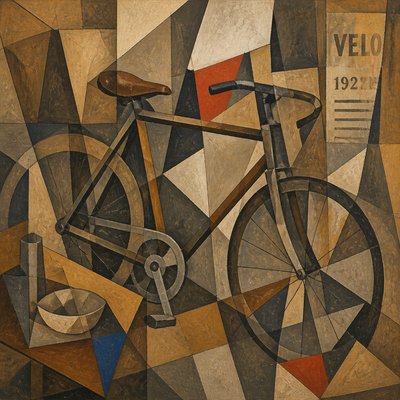
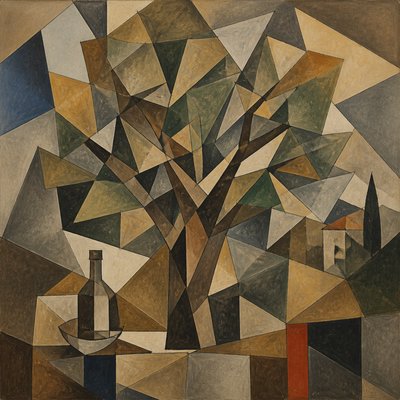
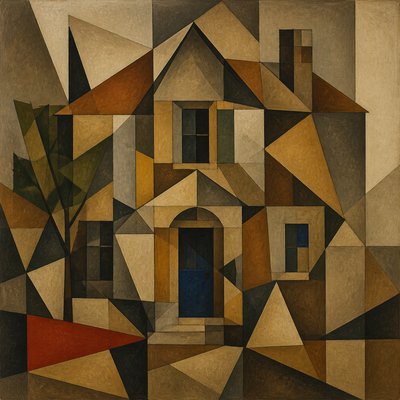
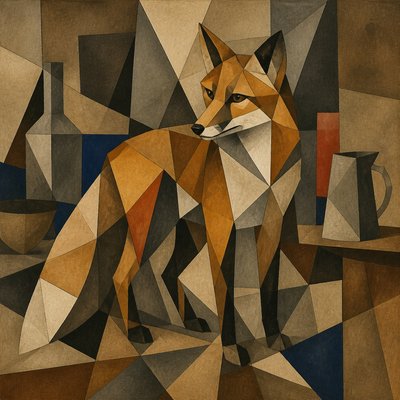
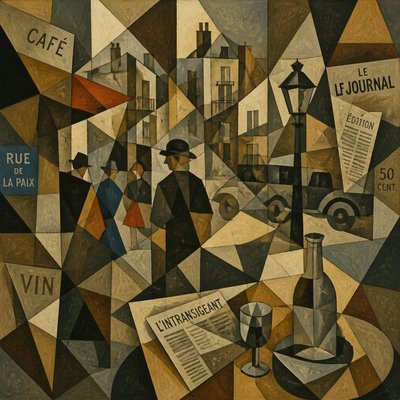
What is Cubist Still Life Art Style?
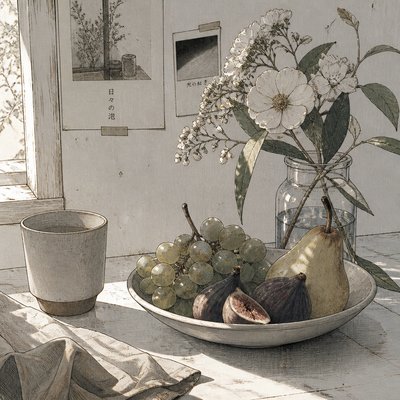
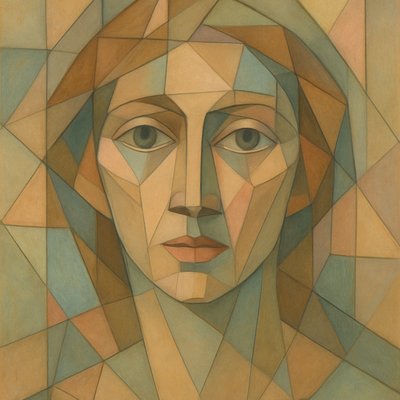
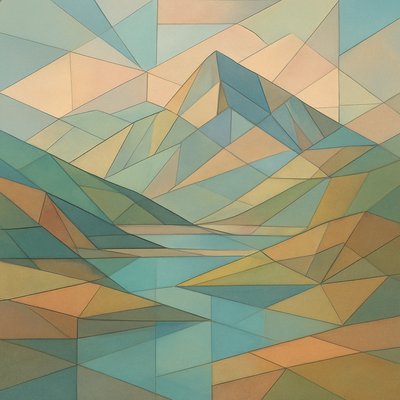
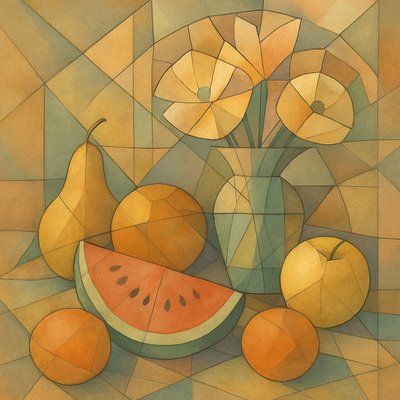
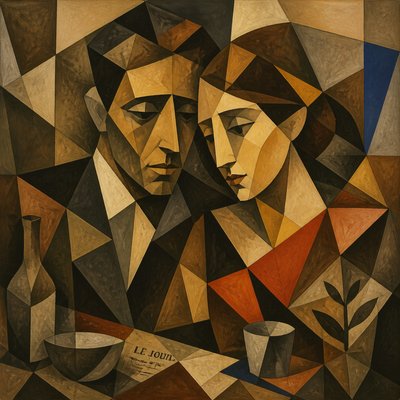
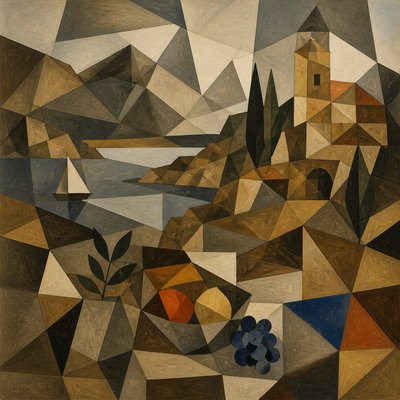
Cubist Still Life Art Style is a fragmented approach to depicting tabletop objects such as bottles, fruit, glasses, instruments, and dishes. Instead of presenting a single stable viewpoint, it breaks forms into angular planes and overlapping facets so that several perspectives can coexist in one composition. The result is a space that feels both recognizable and deliberately unsettled: objects remain identifiable, but their structure is analytically deconstructed.
Its visual identity comes from the core logic of Cubism: flattening depth, emphasizing geometry, and treating the picture surface as an active arrangement of shapes. Muted earth tones often dominate, with ochre, sienna, umber, gray, and black creating a restrained palette punctuated by occasional accents. This combination of fractured form, shallow space, and careful balance gives the style its characteristic tension between order and ambiguity.
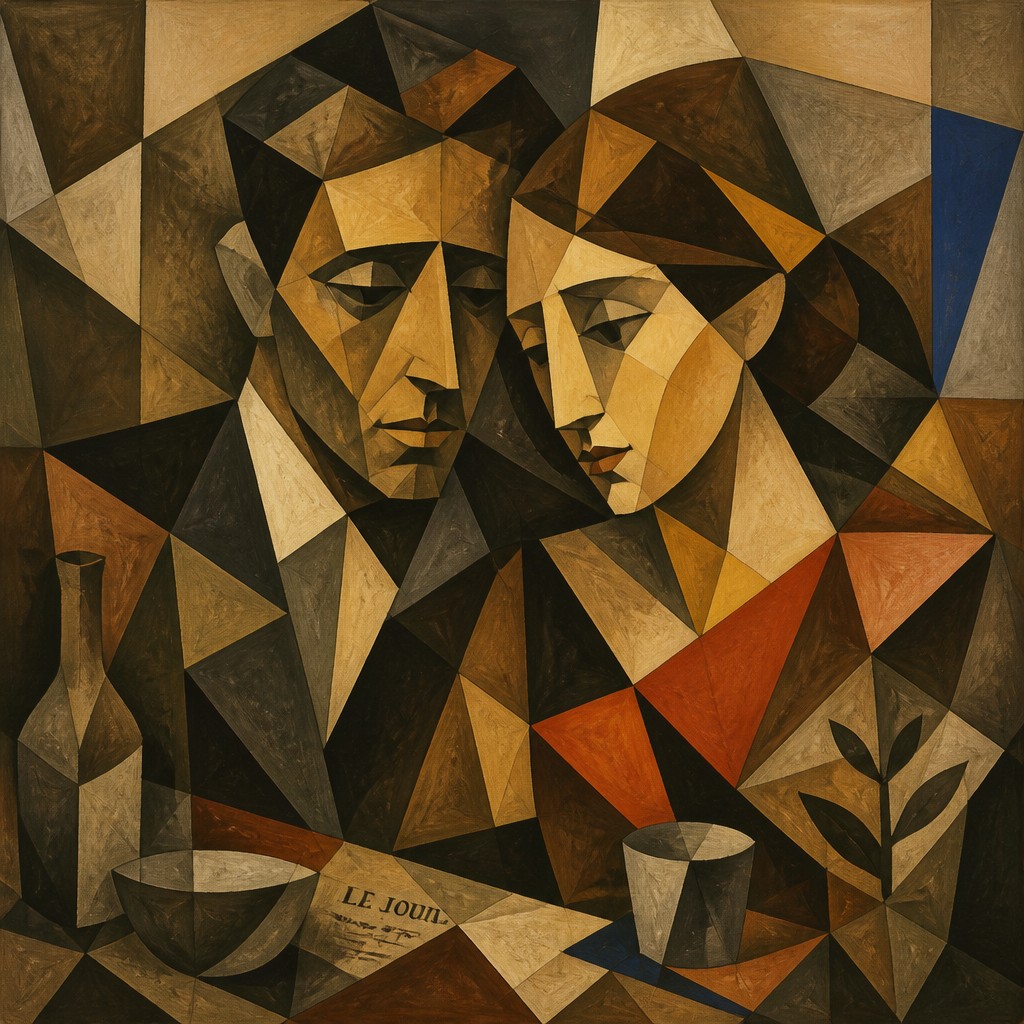
Try It On Your Photos
Upload any photo and convert it into Cubist Still Life Art Style — drag the sliders to compare before and after.
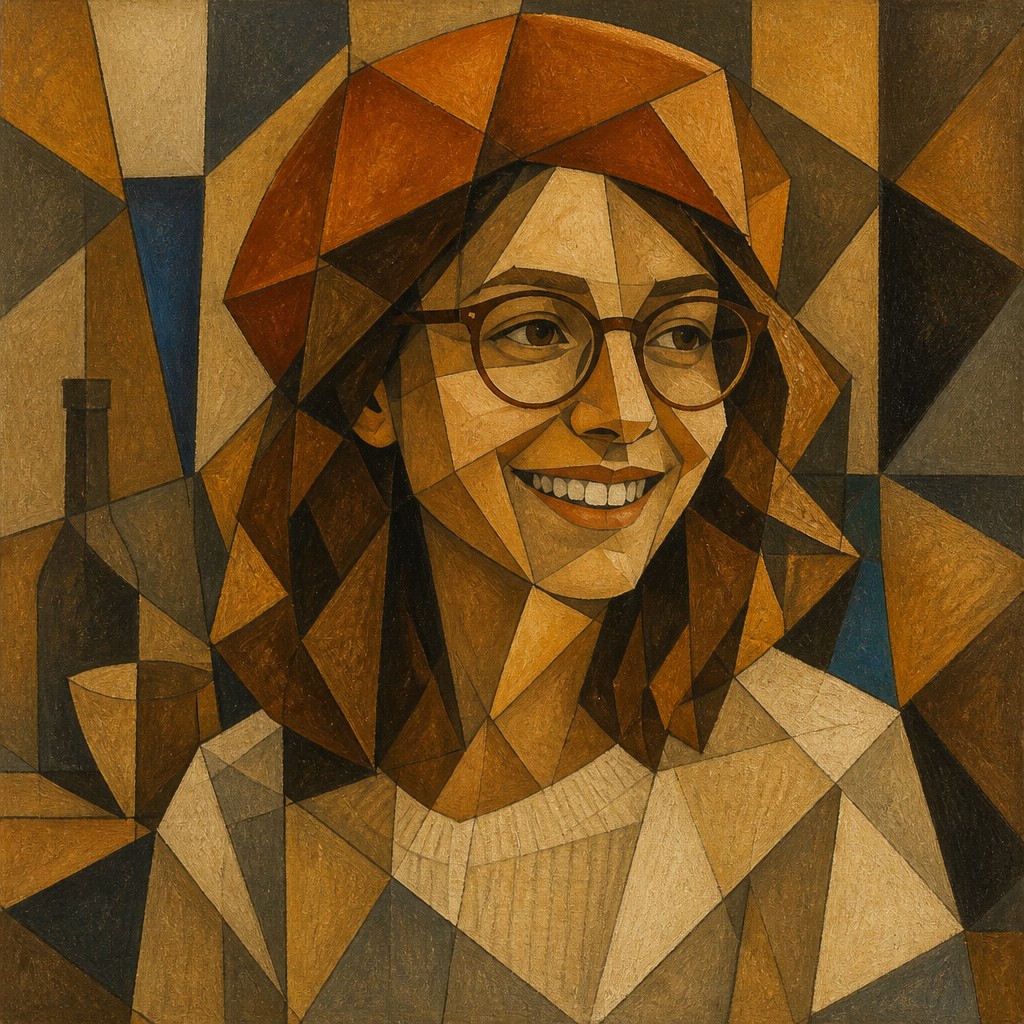

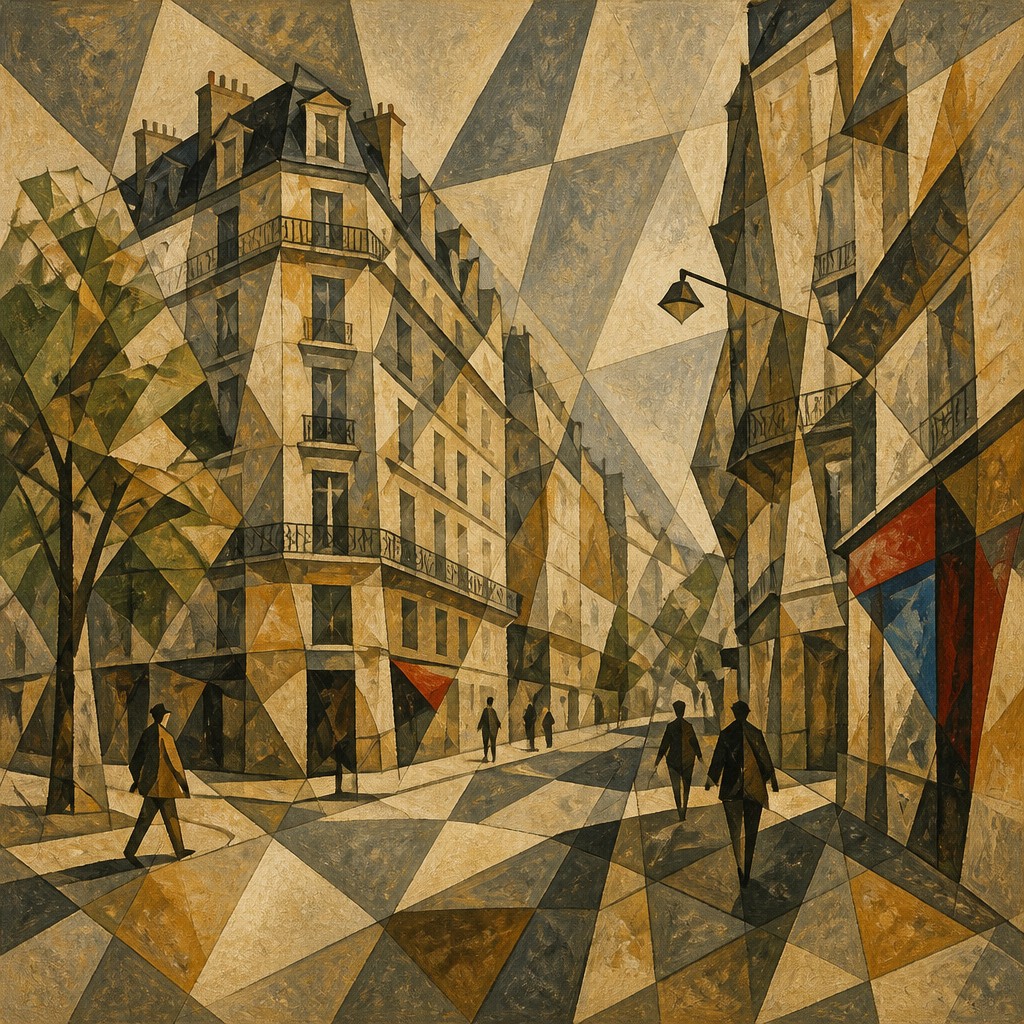

What Defines Cubist Still Life Art Style
The signature details, up close
Fragmented geometric planes
Objects are broken into angular facets, intersecting shards, and crystalline surfaces. The forms often read as assembled from multiple viewpoints rather than modeled from one angle.
Multiple viewpoints
A single bottle, bowl, or instrument may show its side, top, and front at once. This creates deliberate spatial ambiguity and a sense of analytical observation.
Muted earthy palette
Ochre, brown, gray, beige, and black are common, keeping attention on structure rather than bright color. Small accents may be used sparingly to energize the composition.
Flattened shallow space
Depth is compressed so that objects, table, and background interlock like layers of collage. The scene feels organized on the surface of the picture plane instead of receding realistically.
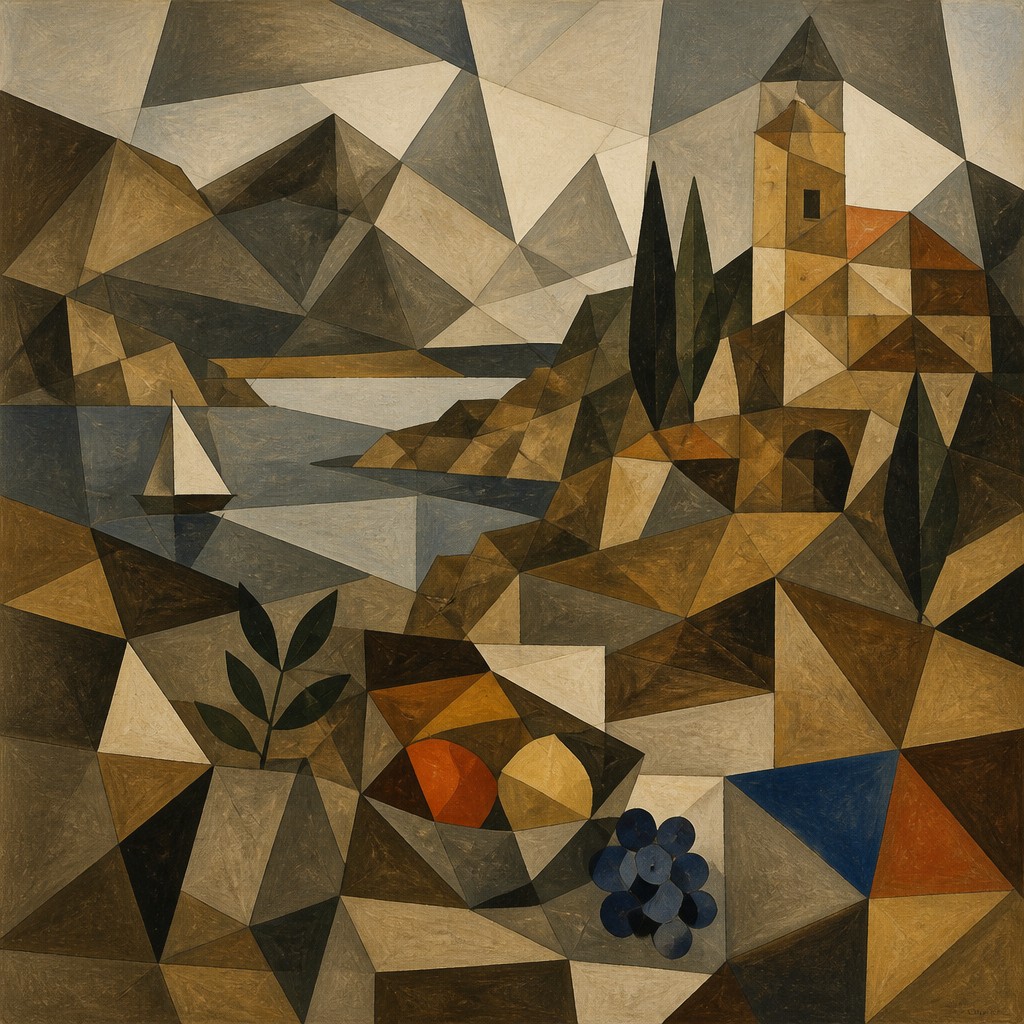
Precise linear boundaries
Edges between facets are often clearly defined with crisp contours or dark lines. These boundaries reinforce the sense of constructed form and controlled fragmentation.
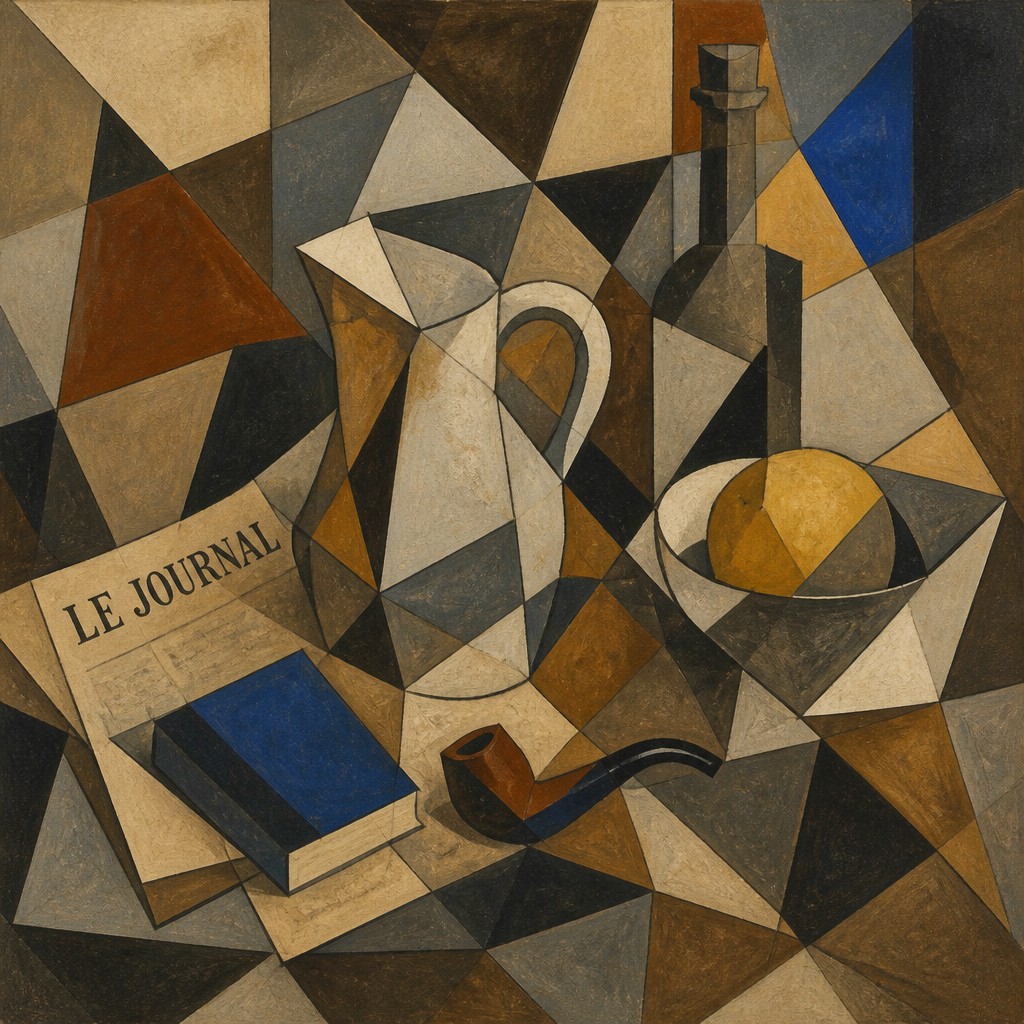
Balanced asymmetry
Compositions often feel stable without being symmetrical, using repeated angular motifs to distribute visual weight. The arrangement is tense, but carefully calibrated.
Try It
Create Videos in Cubist Still Life Art Style
Styles aren't just for stills — describe a scene or animate an image and get a short video rendered in Cubist Still Life. Press play to see this pond come to life.
Make a VideoCubist Still Life Prompt Ideas
Start from an idea — each one opens the generator with the style ready to go. See all 40 Cubist Still Life prompts →
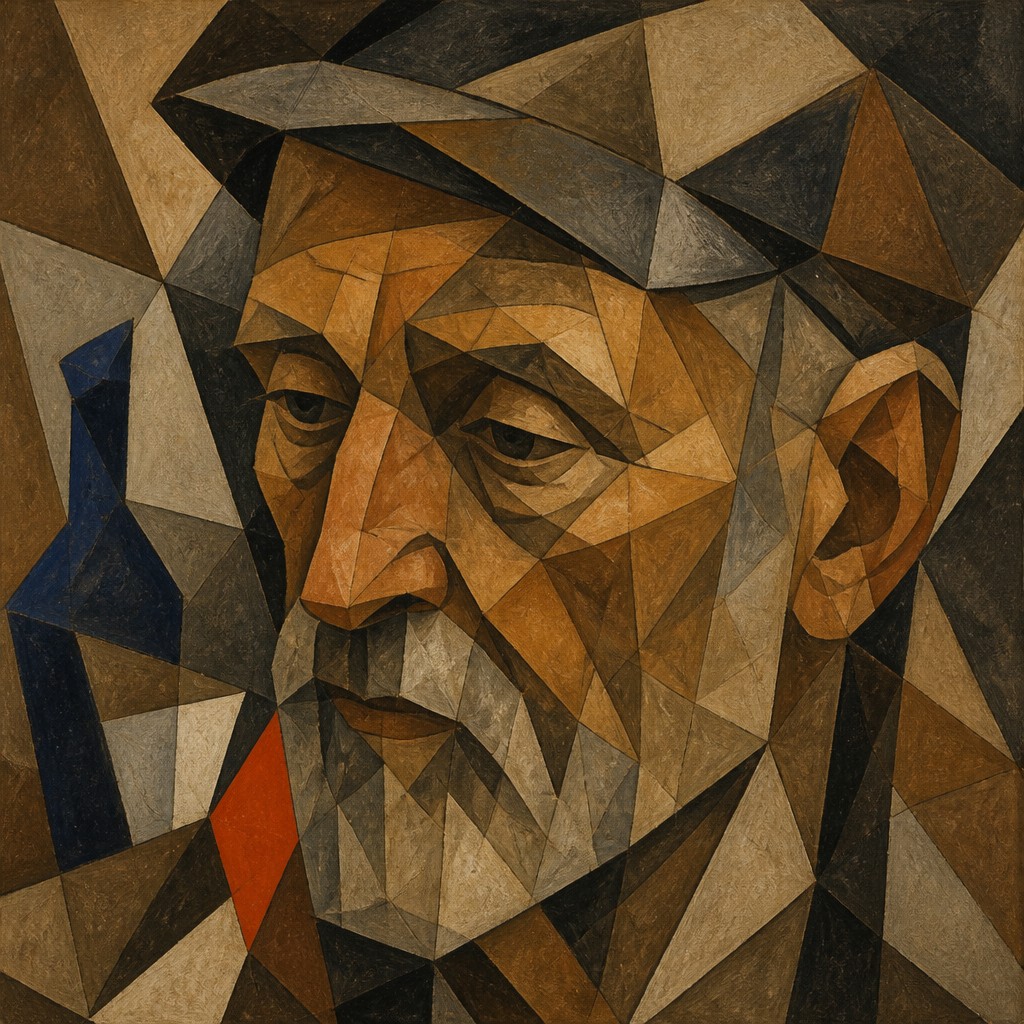
“close-up portrait of an elderly person with expressive weathered features”
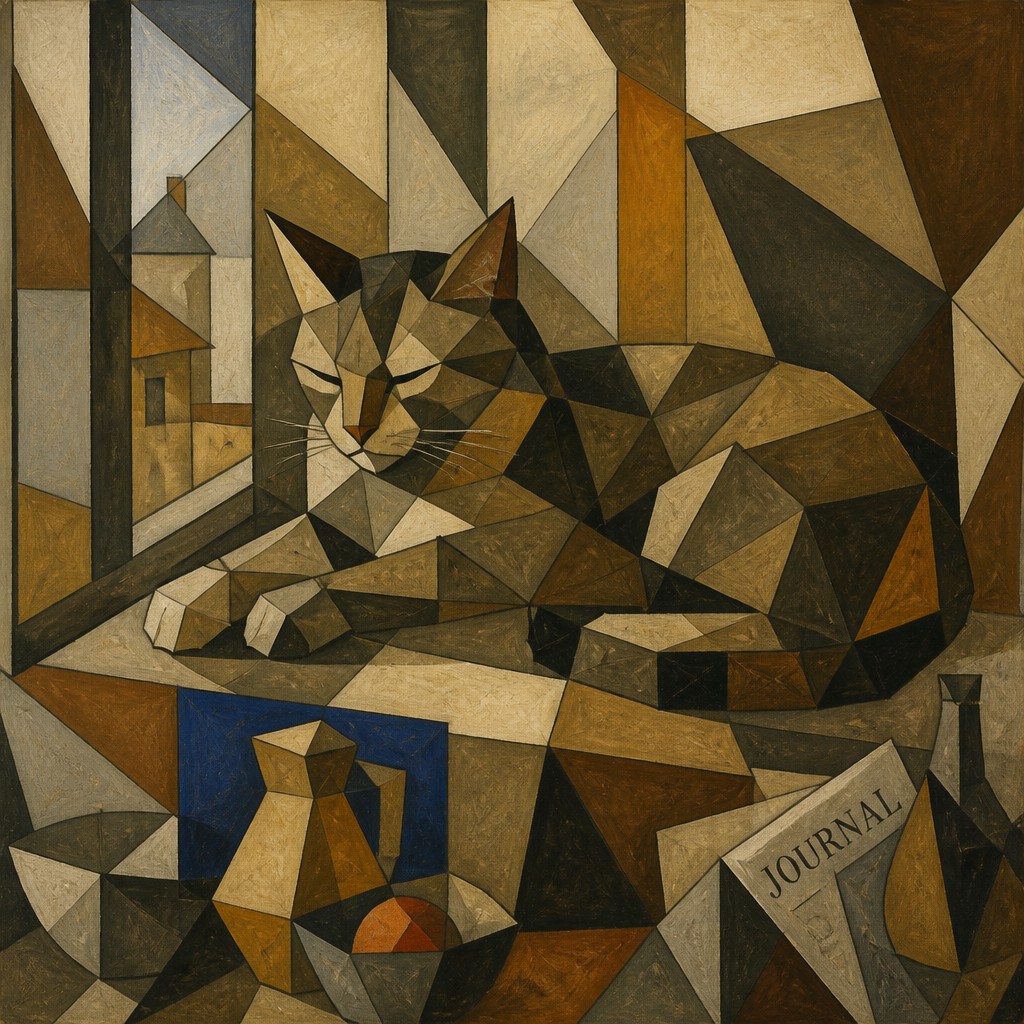
“a cat lounging in a sunlit window”
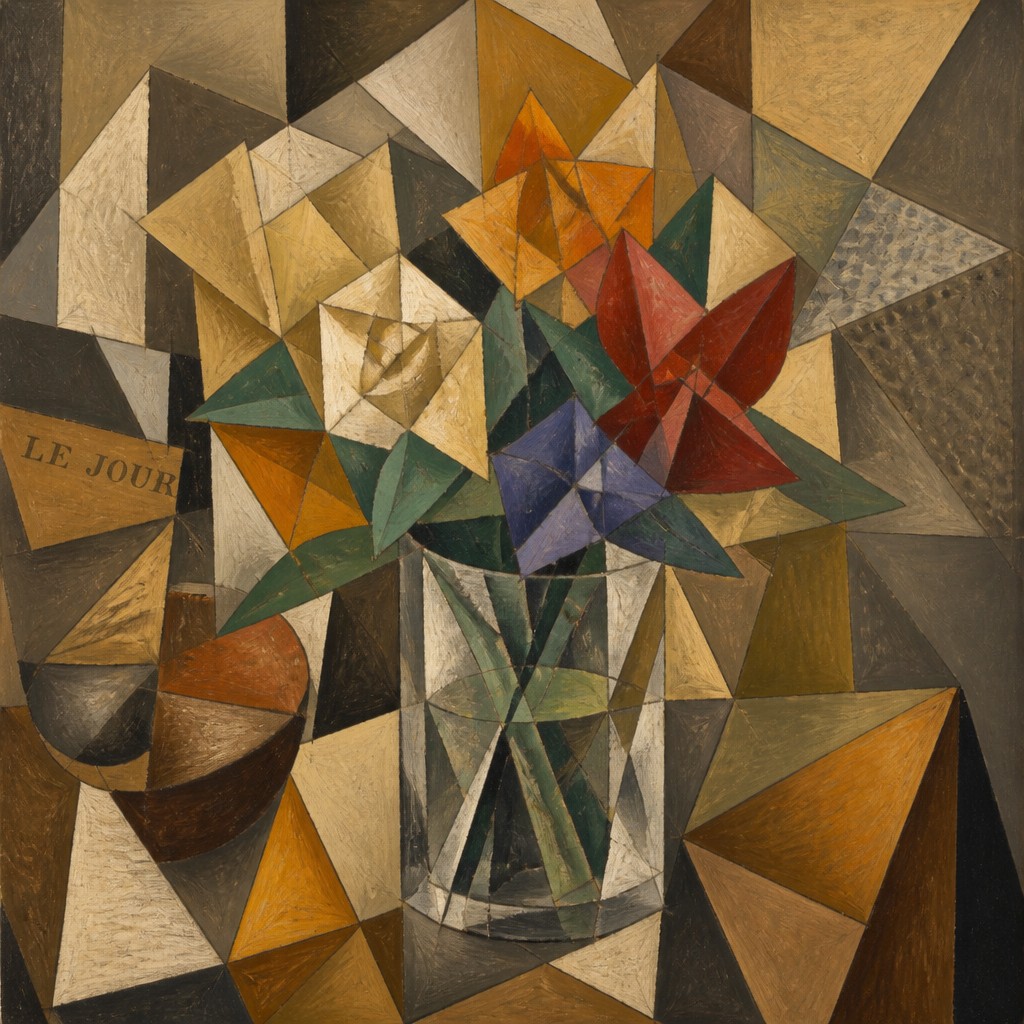
“bouquet of flowers in a glass vase”
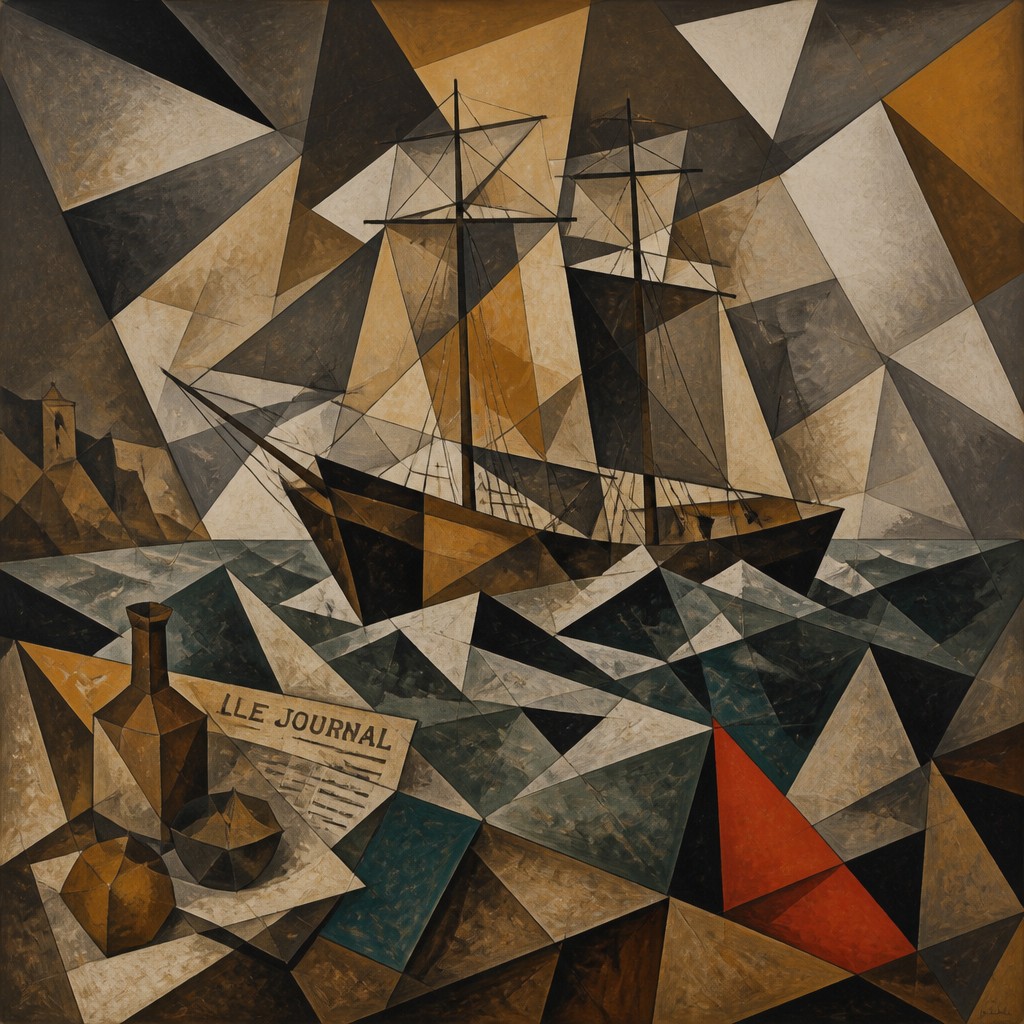
“sailing ship on a stormy sea”
How to Create Cubist Still Life Art
Master the craft step by step — or skip straight to creating. Read the full guide →
- 1
Build from simple tabletop objects
Choose a few recognizable still-life subjects such as a bottle, fruit, newspaper, cup, or instrument. Reduce them to basic volumes first, then plan where each object will be split into facets and shifted into alternate viewpoints.
- 2
Construct the composition in planes
Rather than outlining one object at a time, arrange overlapping geometric shapes across the whole scene. Keep the table, background, and objects interrelated so the picture feels assembled as a single spatial puzzle.
- 3
Limit and control the palette
Use a restrained set of earth tones and grays, then add one or two accent colors only where needed. In traditional media, layered washes or thin opaque passages can preserve the flat-but-modulated look; in digital work, use hard-edged shapes with subtle internal gradients.
- 4
Preserve ambiguity without losing recognition
Show enough clues for the viewer to identify each object, but avoid fully resolving perspective or contour. The goal is not abstraction alone, but the tension between legibility and fragmentation.
- 5
Use collage-like layering in digital workflows
In digital illustration or image editing, separate objects into overlapping shape layers and vary opacity, edge sharpness, and value shifts. For prompt-based generation, describe the subject first, then specify fractured geometry, shallow space, muted palette, and faceted overlapping planes.

The Story
History & Origins of Cubist Still Life
Cubist still life emerged from the broader Cubist movement in early 20th-century Paris, where artists sought new ways to represent objects beyond Renaissance single-point perspective. The style developed most fully in the Analytical Cubism phase, roughly from 1909 to 1912, and was closely associated with major early Cubist pioneers. Their still lifes, often featuring guitars, bottles, newspapers, and fruit, used faceted planes and shifting viewpoints to analyze form rather than merely describe appearance.
The aesthetic lineage also includes influences from a foundational Post-Impressionist painter’s structural treatment of objects, African and Iberian sculpture’s emphasis on simplified mass, and the compressed picture space of collage and papier collé. Later Cubist and post-Cubist artists extended these ideas into synthetic Cubism and beyond, but the still life remained one of the style’s most enduring subjects because everyday objects could be broken down, recombined, and studied without narrative distraction.
Influences: Cubist still life is rooted in early Cubism, especially the work of leading early Cubist artists and collaborators, with important structural precedents in a foundational Post-Impressionist painter’s reductions of nature to cylinder, sphere, and cone. It also reflects the collage sensibility of papier collé, the compressed pictorial space of modernist abstraction, and the broader modernist impulse to question single-point perspective and stable visual reality.

Frequently Asked Questions
What defines Cubist Still Life Art Style?
Its defining traits are fragmentation, multiple viewpoints, and geometric simplification of everyday objects. A cup or bottle is not rendered as a single coherent illusion; instead it is analyzed into planes that share the same pictorial space. The style keeps still-life subjects recognizable while making their structure unstable.
How is it different from regular Cubism?
Cubist still life is a subject category within Cubism, not a separate movement. It specifically focuses on tabletop objects and domestic arrangements rather than portraits, figures, or landscapes. The still-life format gives artists a controlled setting for exploring fractured perspective and planar construction.
How is it different from abstract art?
Abstract art may remove representational subjects altogether, while Cubist still life usually keeps real objects identifiable. The point is to deconstruct form, not eliminate it. You should still be able to infer bottles, fruit, instruments, or dishes from the arrangement.
What colors are typical in this style?
Muted earth tones are the most common: ochre, sienna, umber, gray, beige, and black. These subdued colors support the analytical, structural feel of the composition. Brighter accents can appear, but usually in small, deliberate touches rather than across the whole image.
What subjects work best in this style?
Simple, familiar objects with clear volume work best: bottles, cups, fruit, newspapers, plates, guitars, and other tabletop items. These subjects are easy to fragment into planes while remaining readable. Complex scenes with too many unrelated elements can weaken the compositional clarity.
How can I make or generate this style effectively?
Start by simplifying the subject into basic forms, then break those forms into overlapping angles and flattened layers. In digital or AI-assisted creation, specify multiple viewpoints, fractured geometry, shallow space, and a restrained earthy palette. The strongest results usually balance fragmentation with enough structure for the objects to remain identifiable.

Create your first Cubist Still Life artwork
Describe anything — or upload a photo — and see it in Cubist Still Life Art Style in seconds.
Make Something with Cubist Still Life
Related Styles
Discover similar art styles