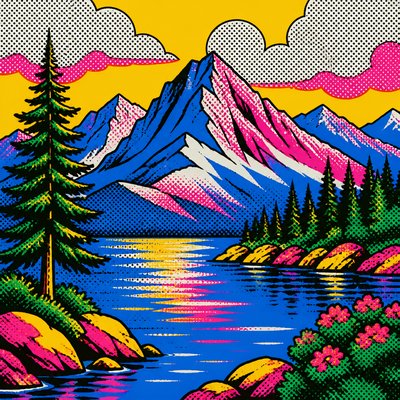
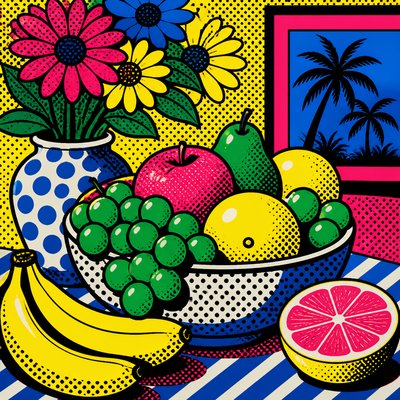
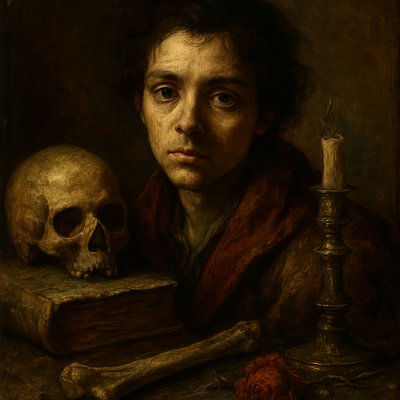
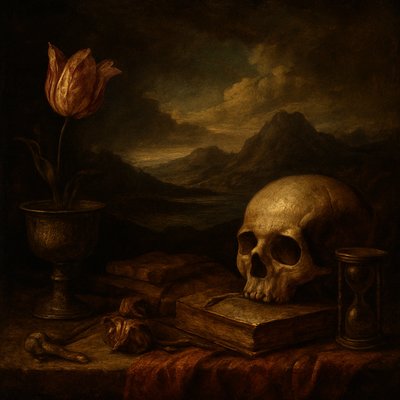
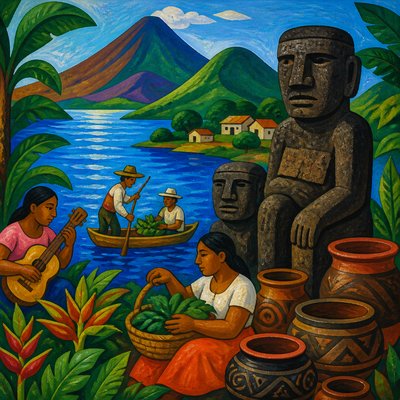
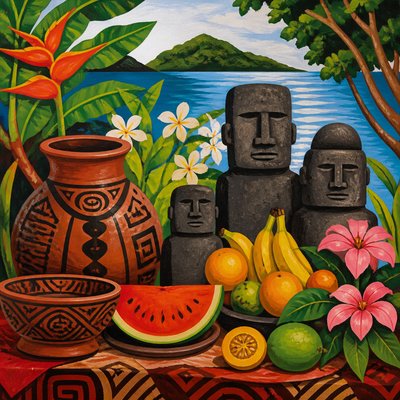
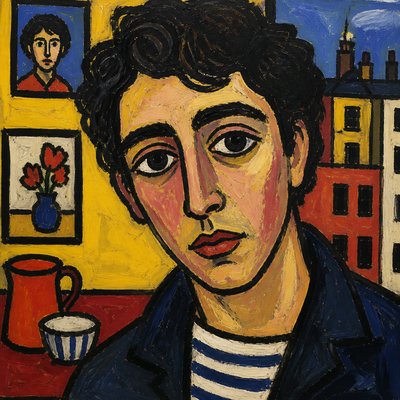
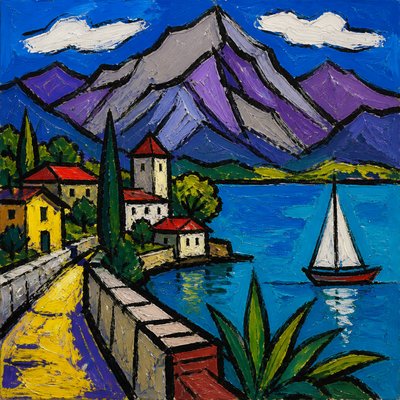
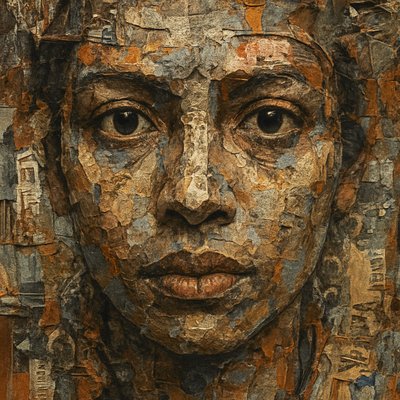
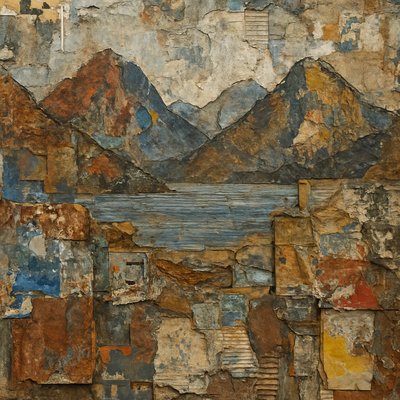
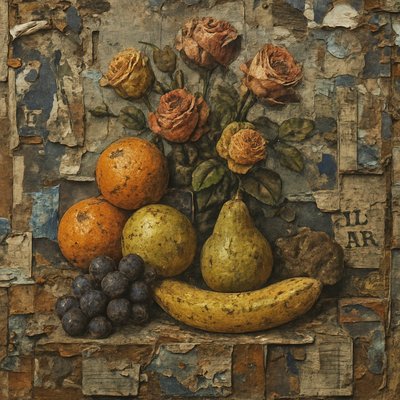
Abstract Still Life Art Style
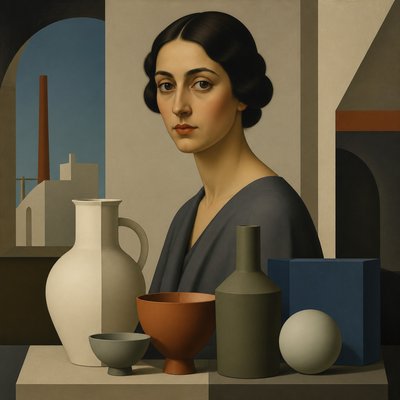
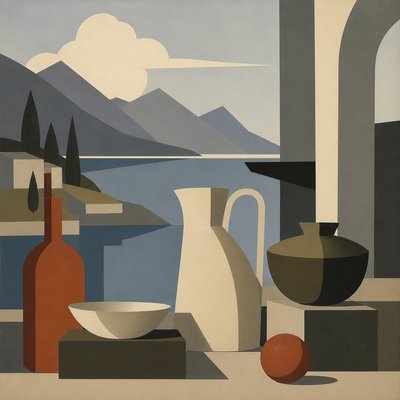
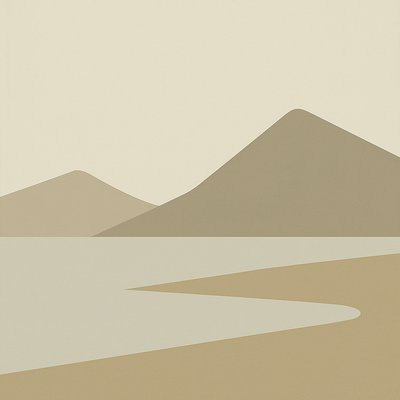
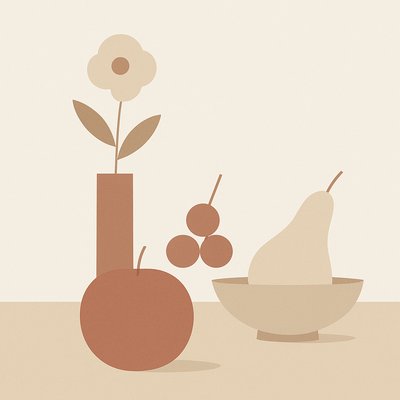
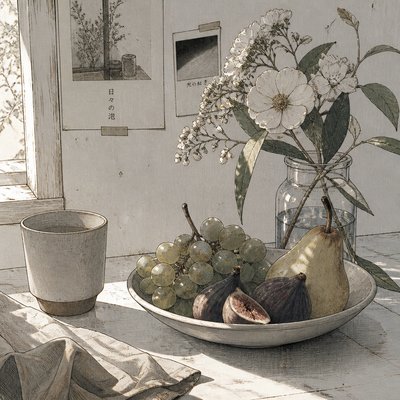
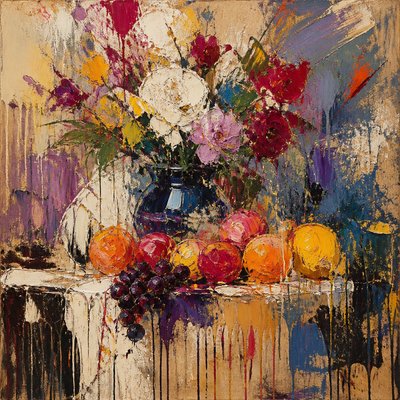
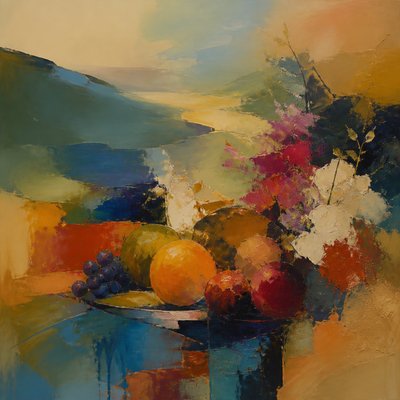
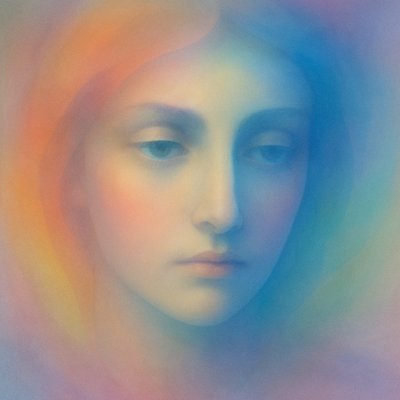
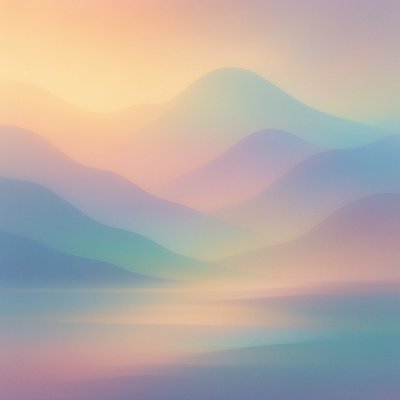
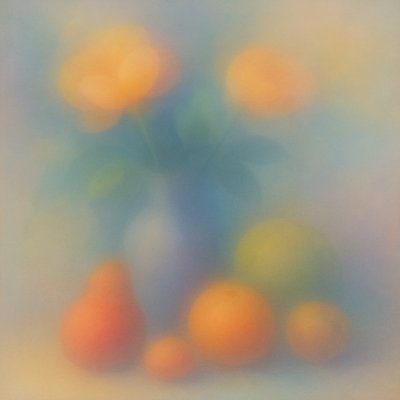
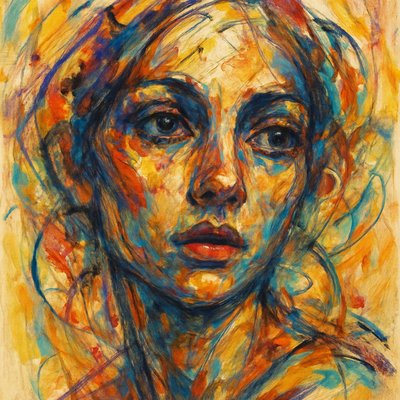
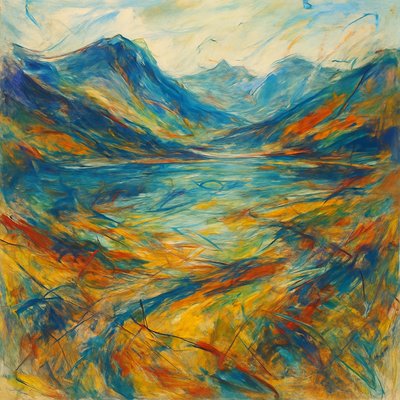
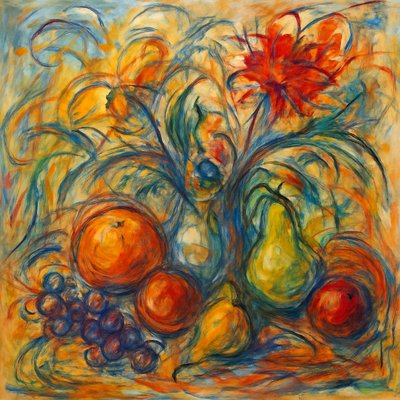
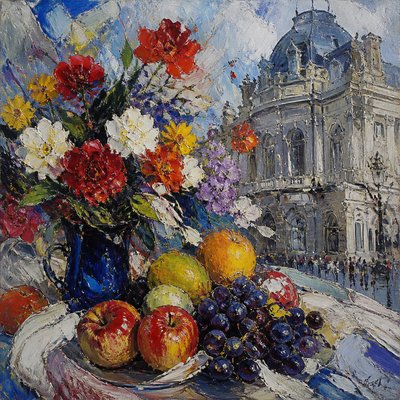
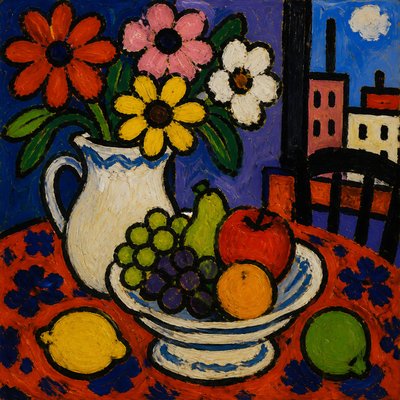
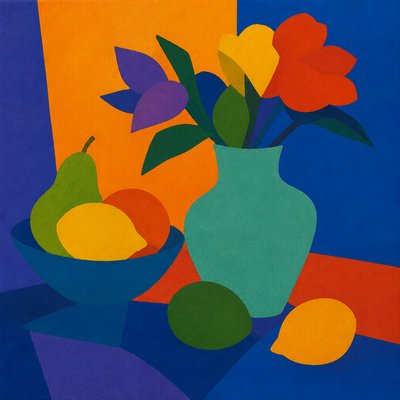
Abstract still life reduces everyday objects to color, shape, and rhythm, turning recognizable subjects into non-representational compositions.
Instantly rendered in Abstract Still Life — or transform a photo
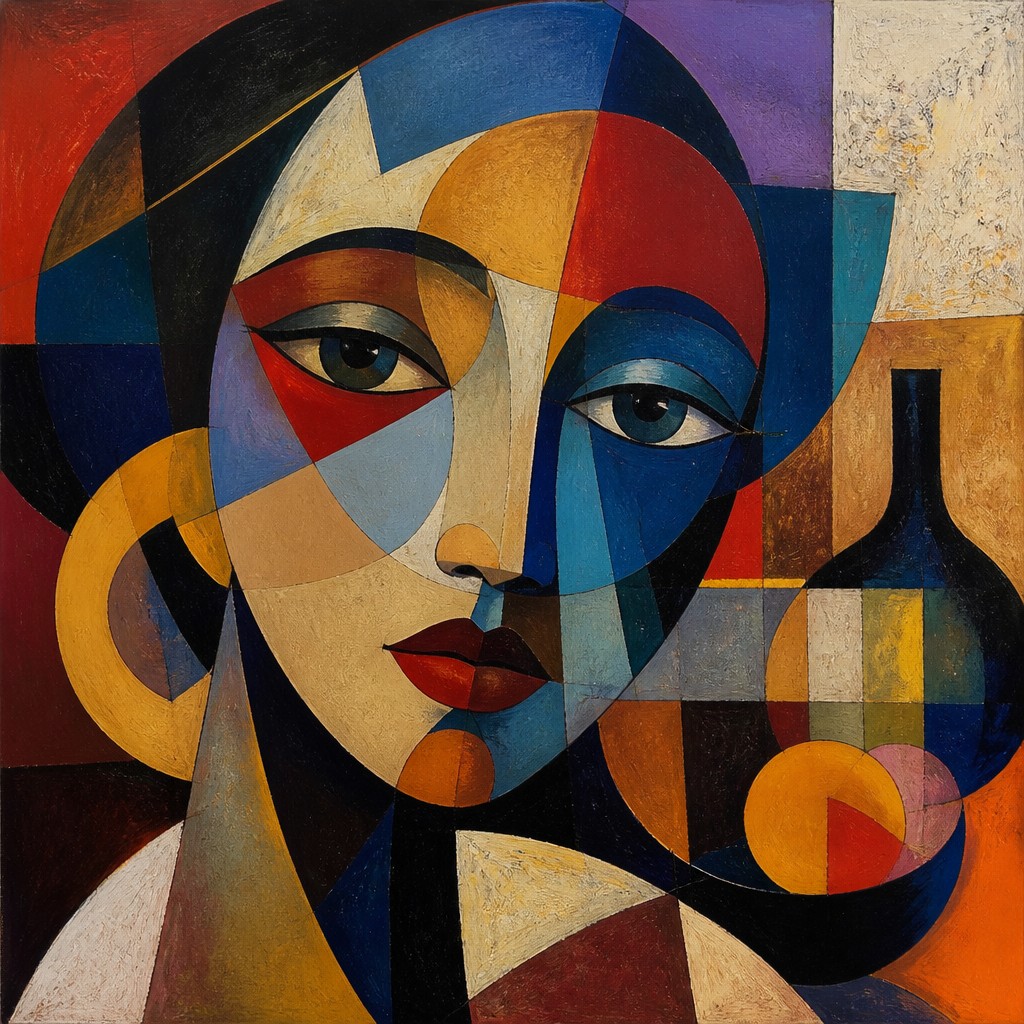
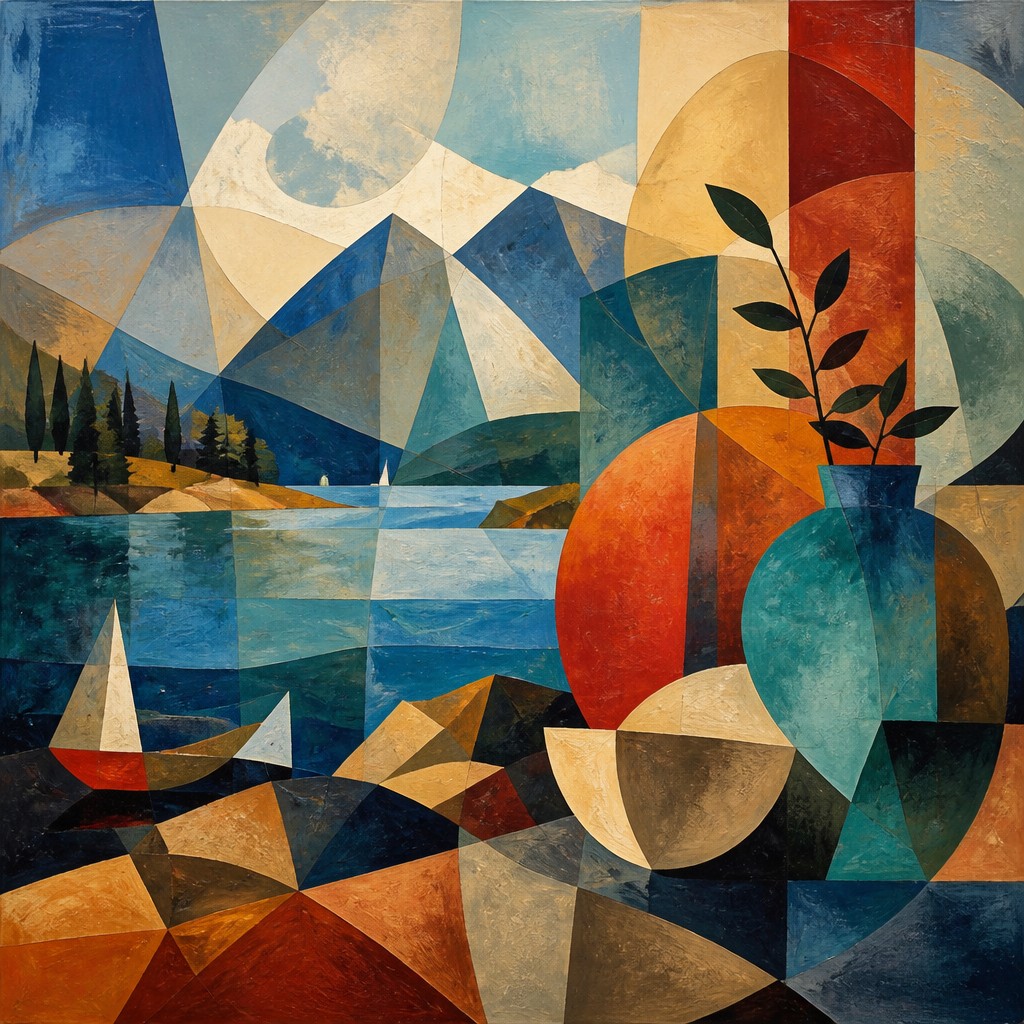
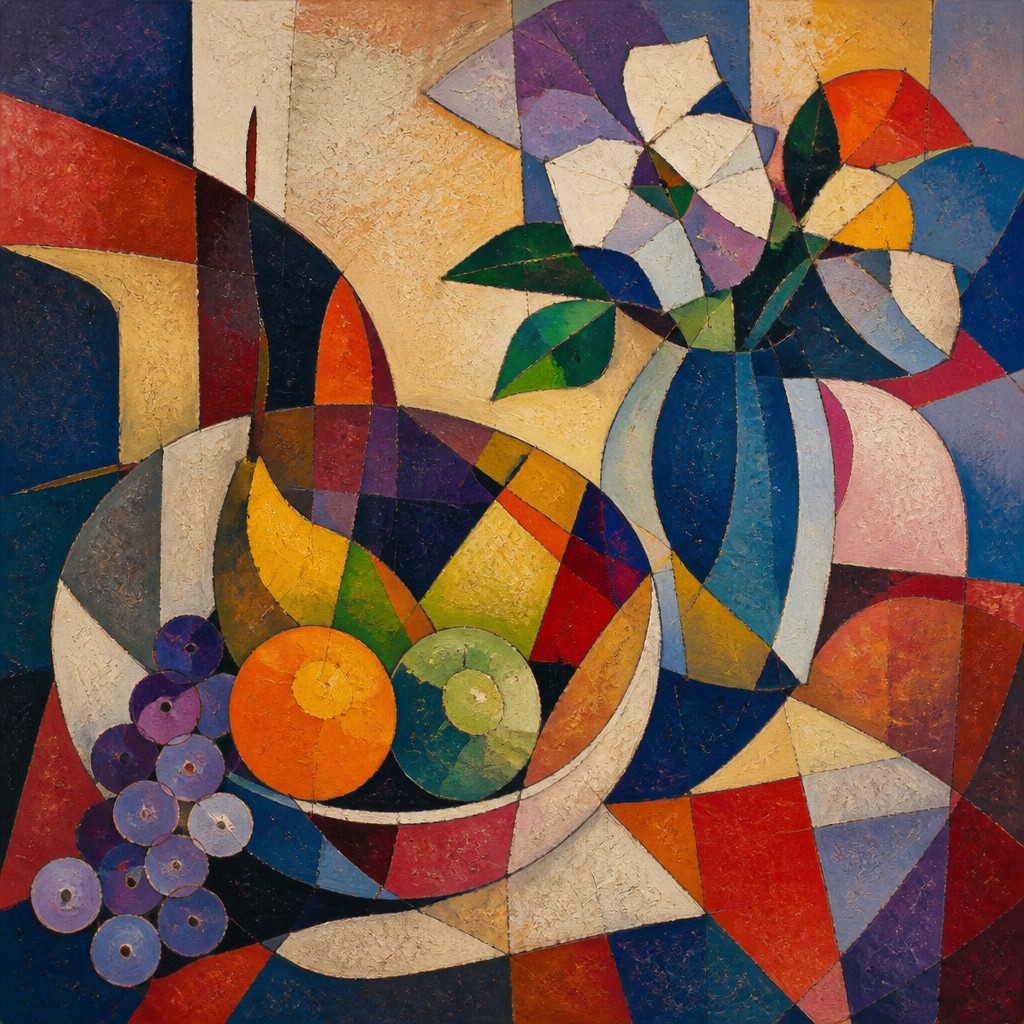
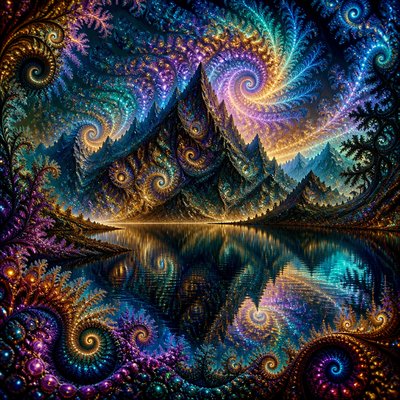
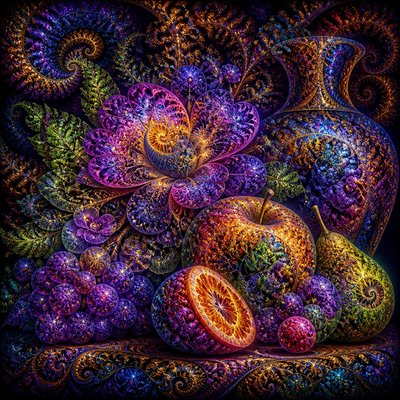
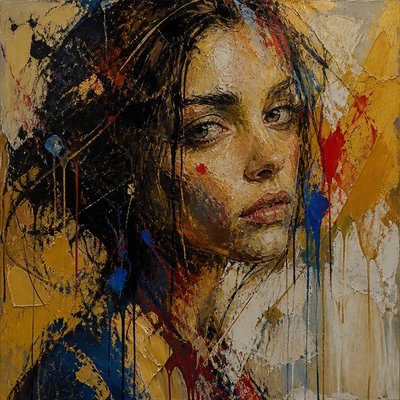
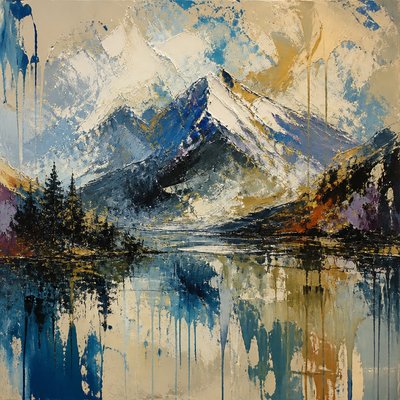
Abstract Still Life Gallery
Tap any artwork to explore it
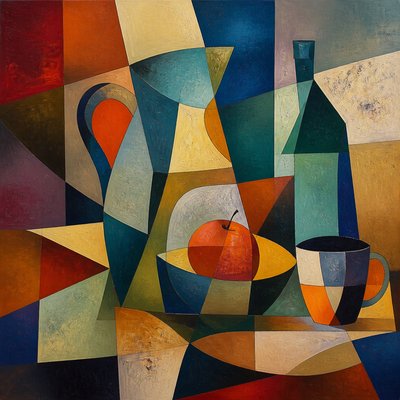
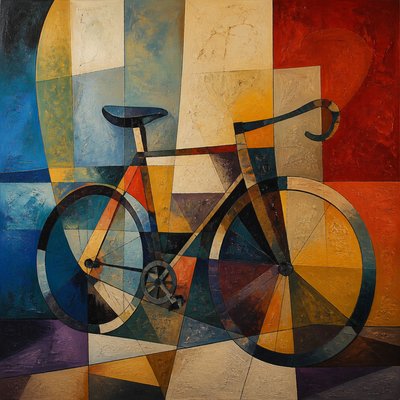
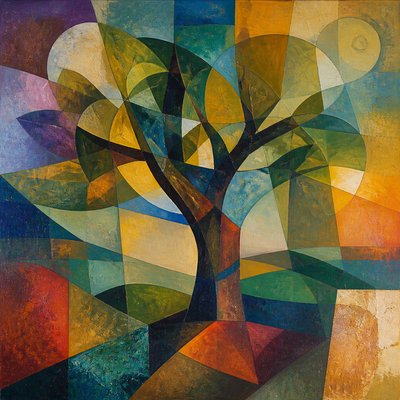
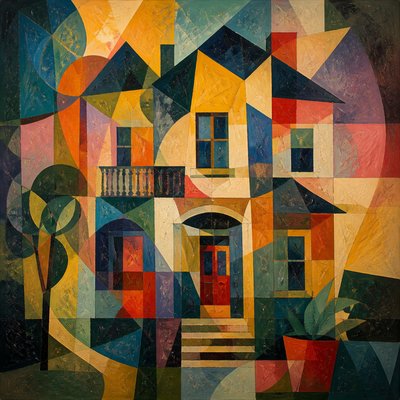
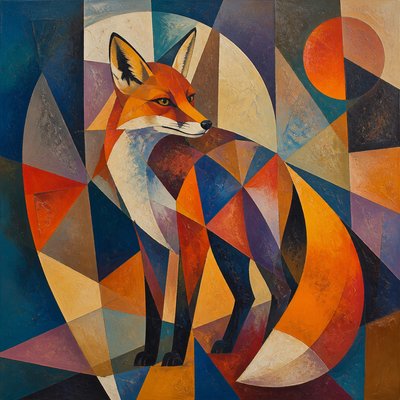
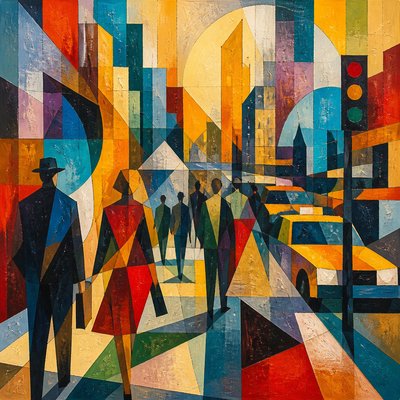
What is Abstract Still Life Art Style?
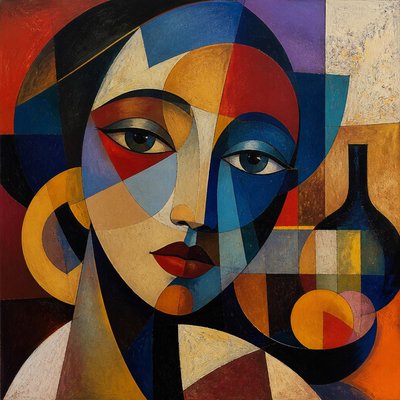
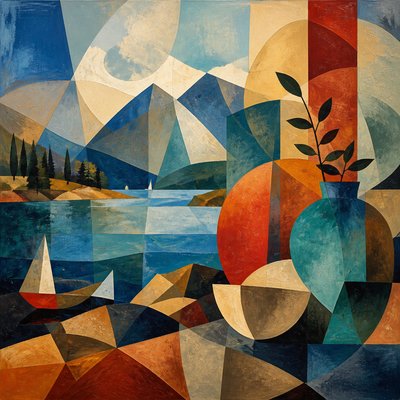
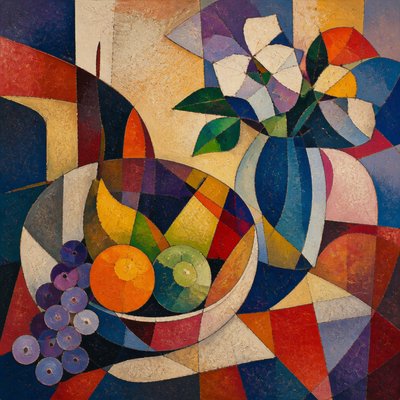
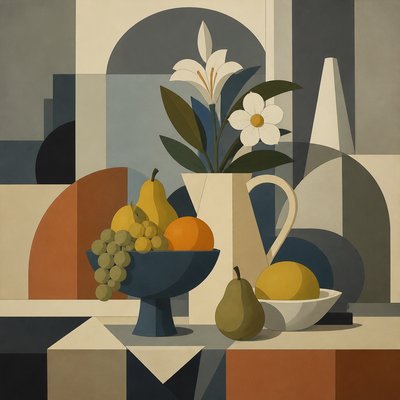
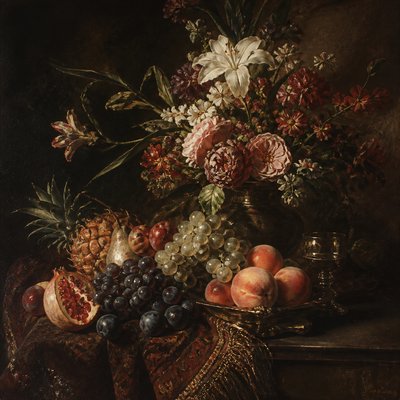
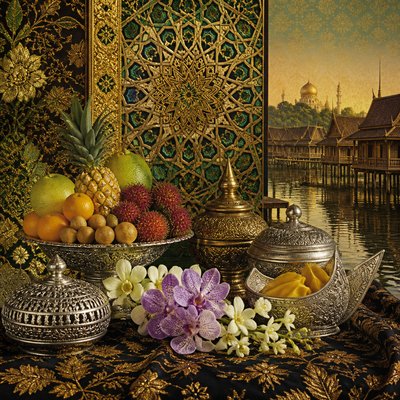
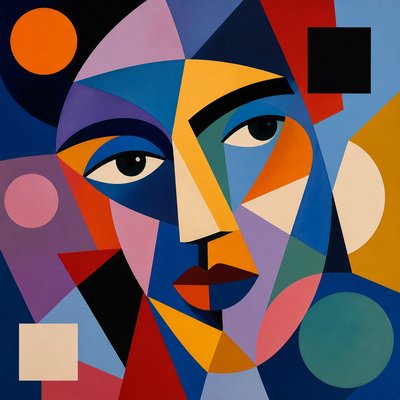
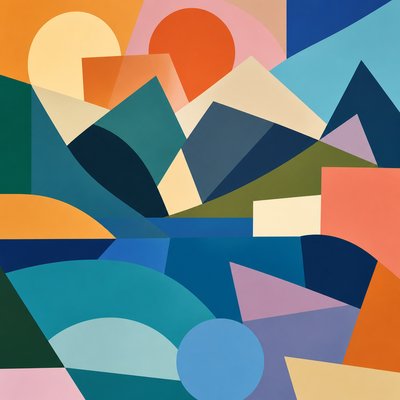
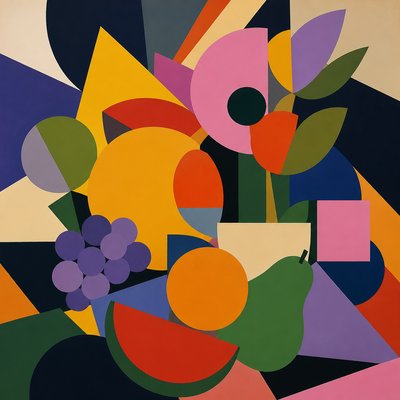
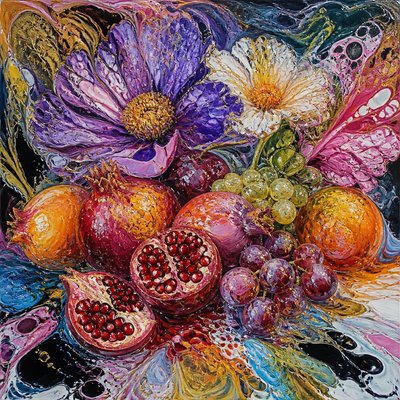
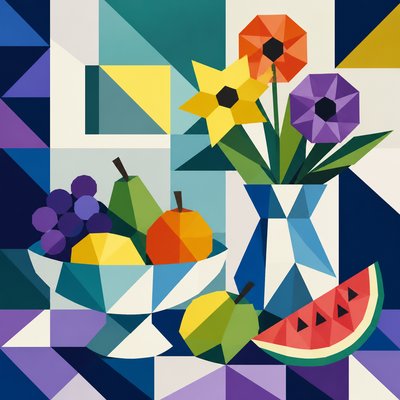
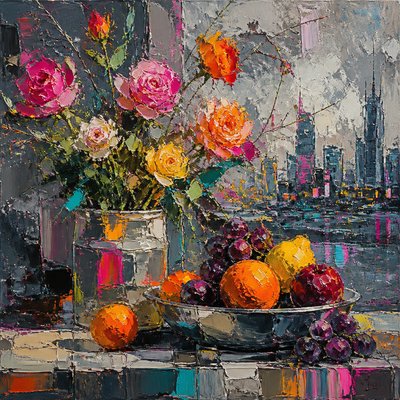
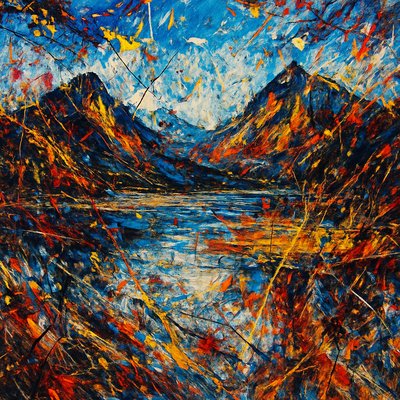
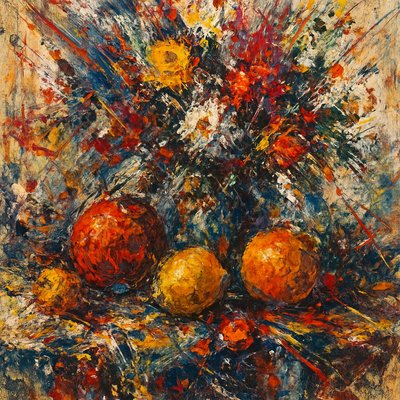
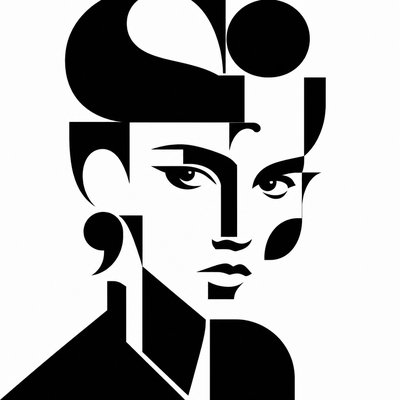
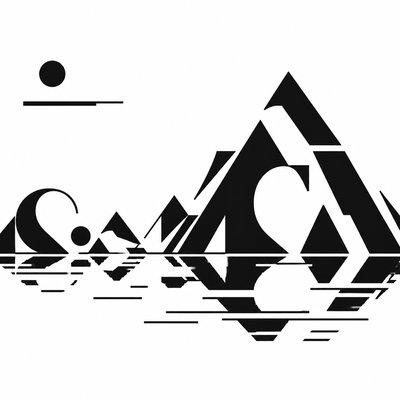
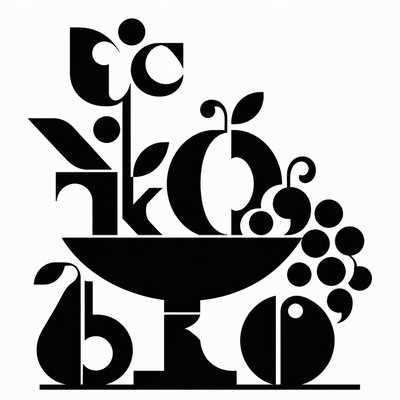
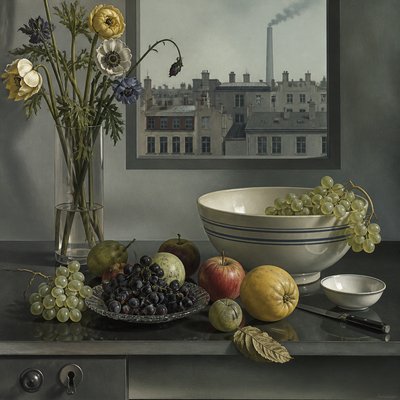
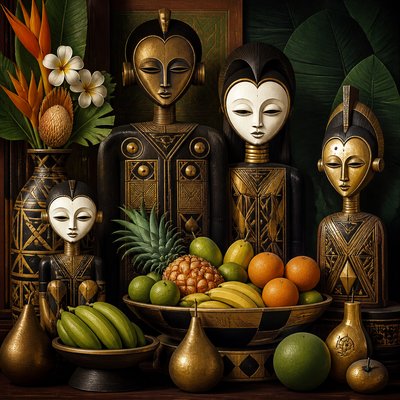
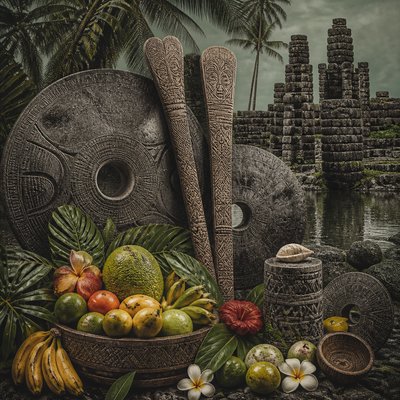
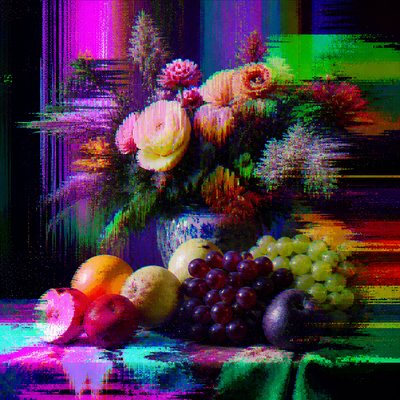
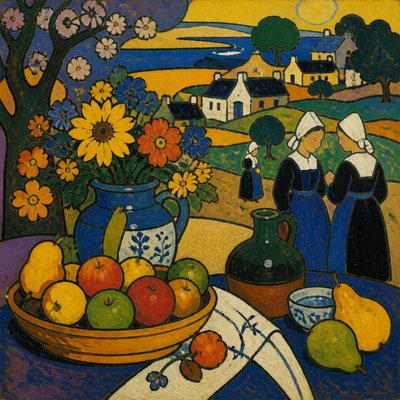
Abstract still life is a modern visual approach that takes the traditional still life subject—fruit, flowers, vessels, books, tools, table settings—and reworks it into a language of shape, color, and spatial tension. Rather than describing objects realistically, it isolates their essential forms and recomposes them into flattened planes, curves, fragments, and overlapping color fields.
The style looks the way it does because it treats observation as a starting point rather than an endpoint. Perspective may be compressed or multiplied, edges may be softened or sharpened for emotional effect, and negative space often becomes as important as the objects themselves. The result is a composition that still suggests the presence of things on a table, but prioritizes visual structure, rhythm, and mood over literal depiction.
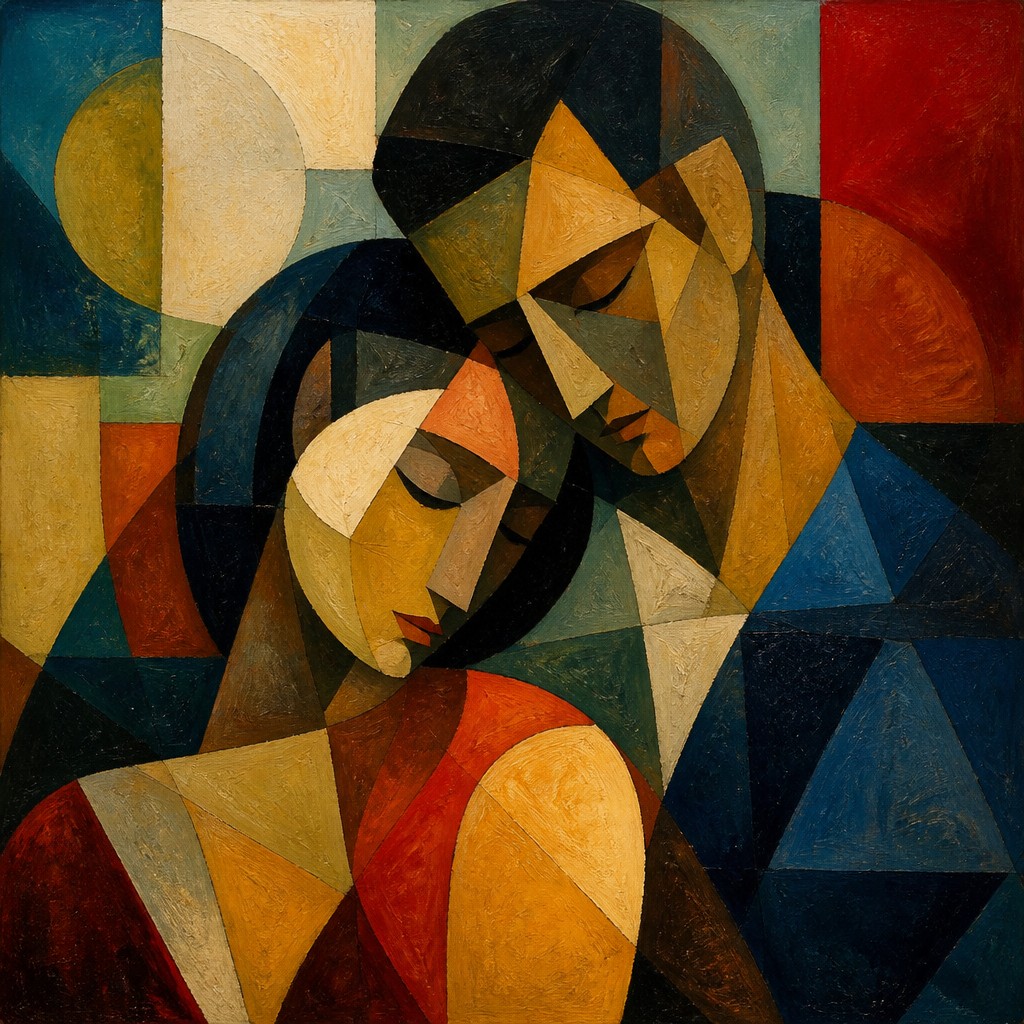
Try It On Your Photos
Upload any photo and convert it into Abstract Still Life Art Style — drag the sliders to compare before and after.
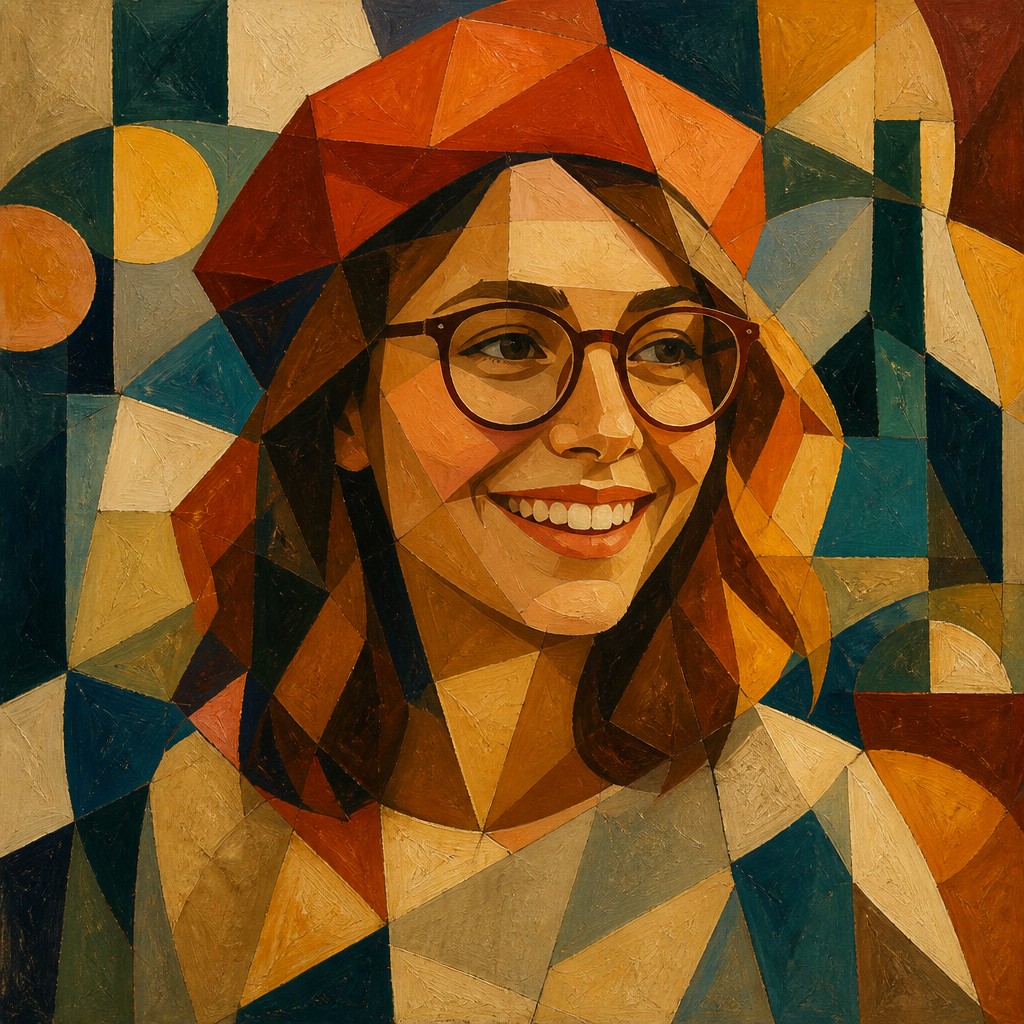

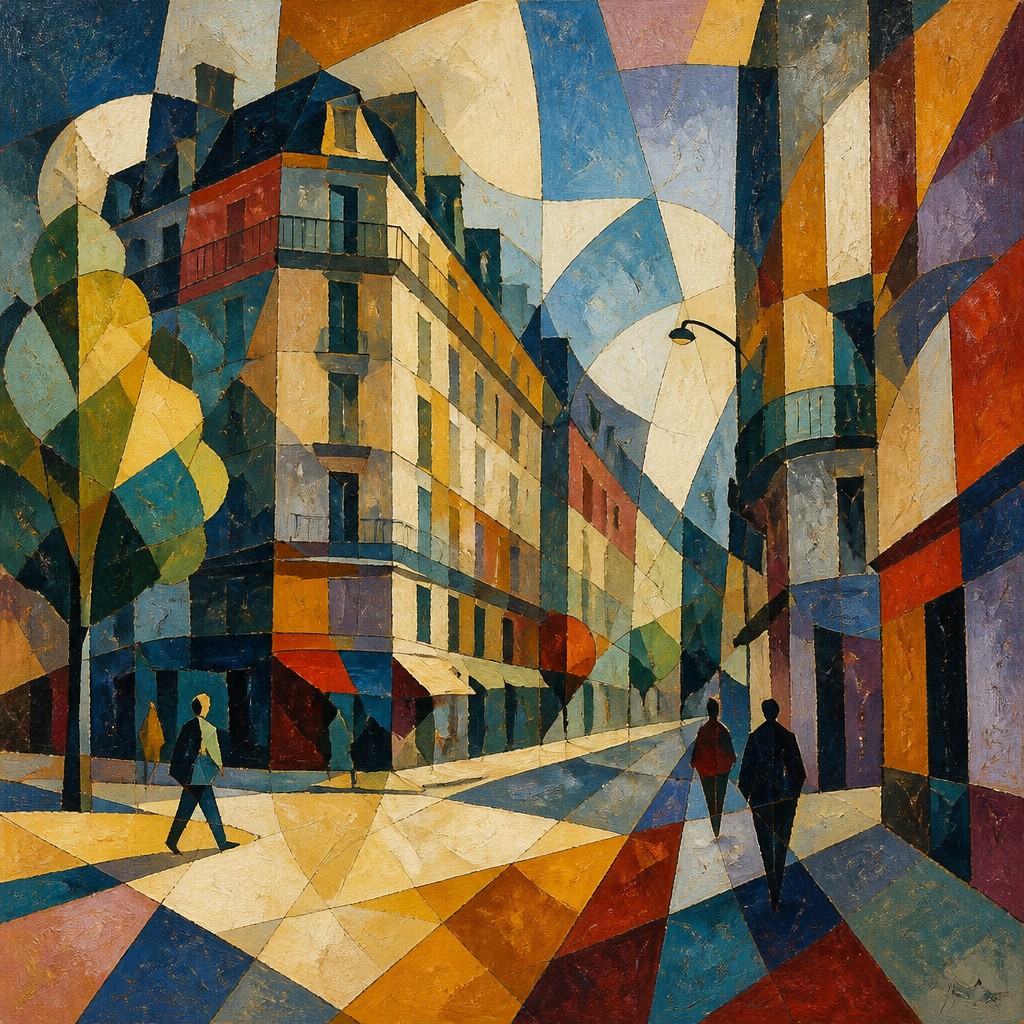

What Defines Abstract Still Life Art Style
The signature details, up close
Deconstructed objects
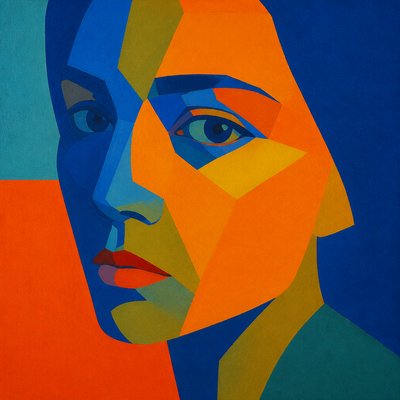
Forms such as bowls, bottles, fruit, or flowers are broken into planes, arcs, and simplified silhouettes. The subject remains legible through structure rather than detail.
Flattened spatial construction
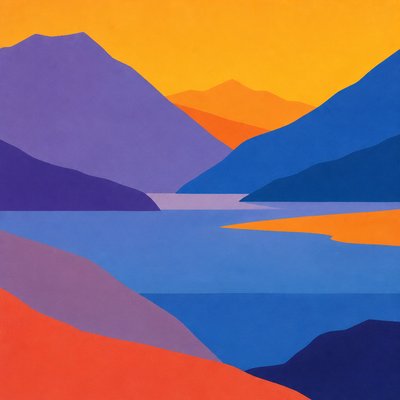
Depth is often compressed, with objects arranged on a shallow picture plane. Overlap and scale shifts replace conventional perspective.
Emotional color use
Color carries expressive and structural weight, sometimes more than local realism. Bold contrasts, harmonies, or discordant pairings guide the composition.
Rhythmic arrangement
Objects are positioned to create movement, balance, and visual cadence. Repetition of shapes and intervals helps unify the image.
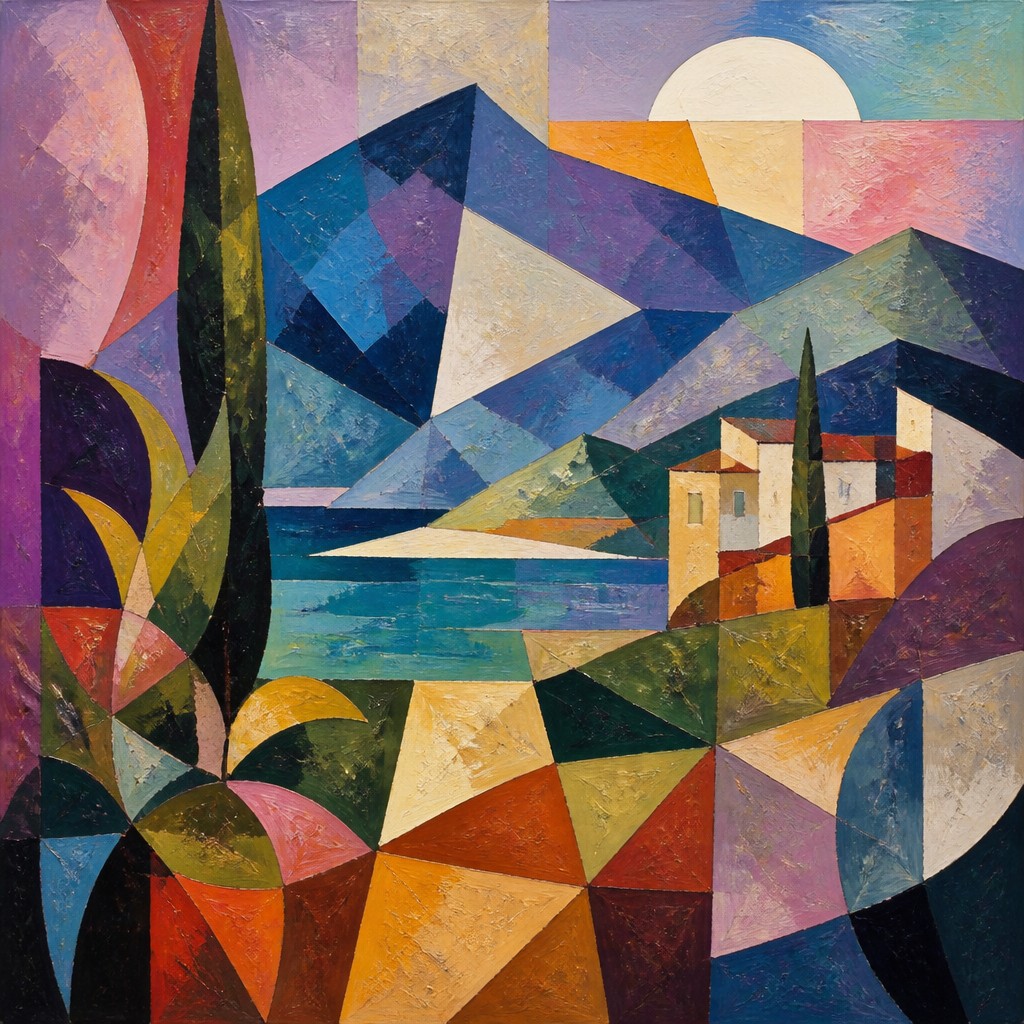
Active negative space
Empty areas are designed as part of the composition rather than leftover background. Space may divide forms, stabilize them, or heighten tension.
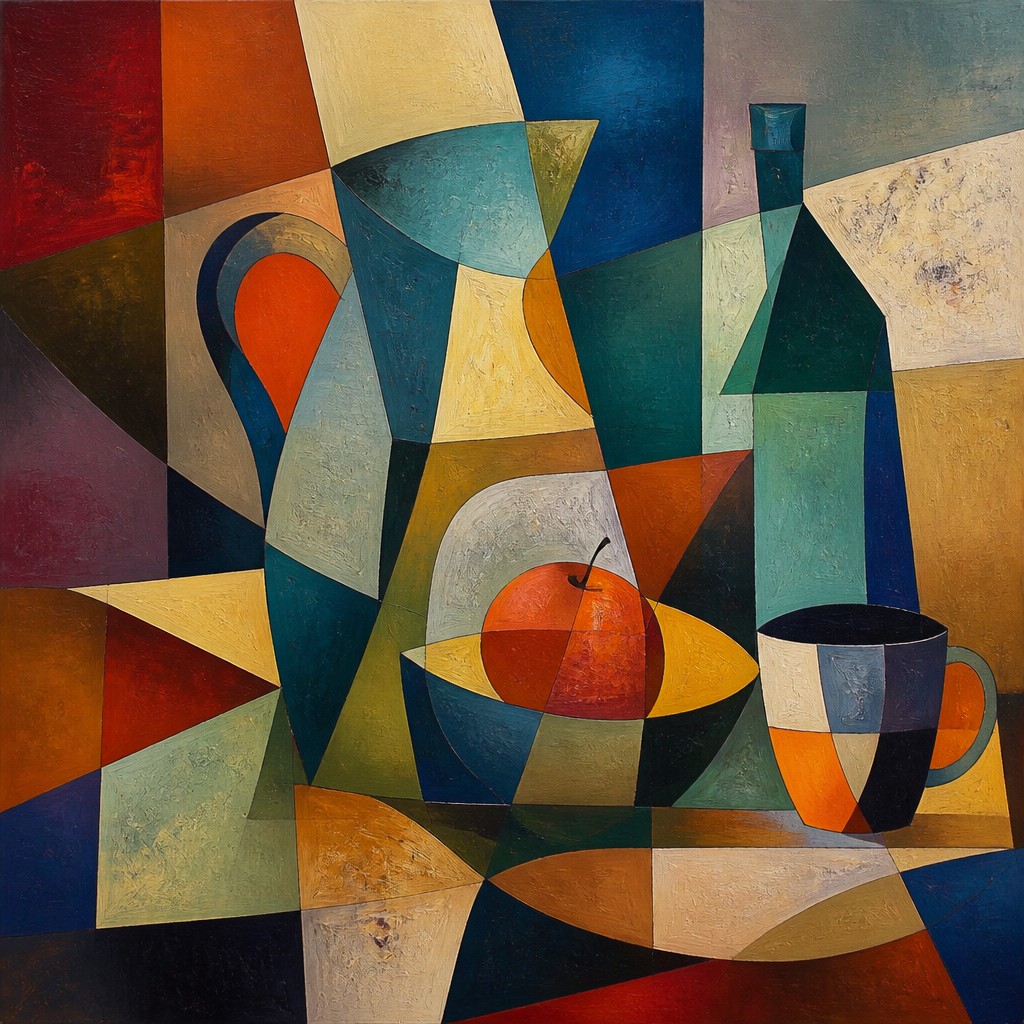
Mixed surface handling
The paint or mark-making may shift between smooth transitions and visible texture. This contrast can emphasize the tension between clarity and materiality.
Try It
Create Videos in Abstract Still Life Art Style
Styles aren't just for stills — describe a scene or animate an image and get a short video rendered in Abstract Still Life. Press play to see this pond come to life.
Make a VideoAbstract Still Life Prompt Ideas
Start from an idea — each one opens the generator with the style ready to go. See all 40 Abstract Still Life prompts →
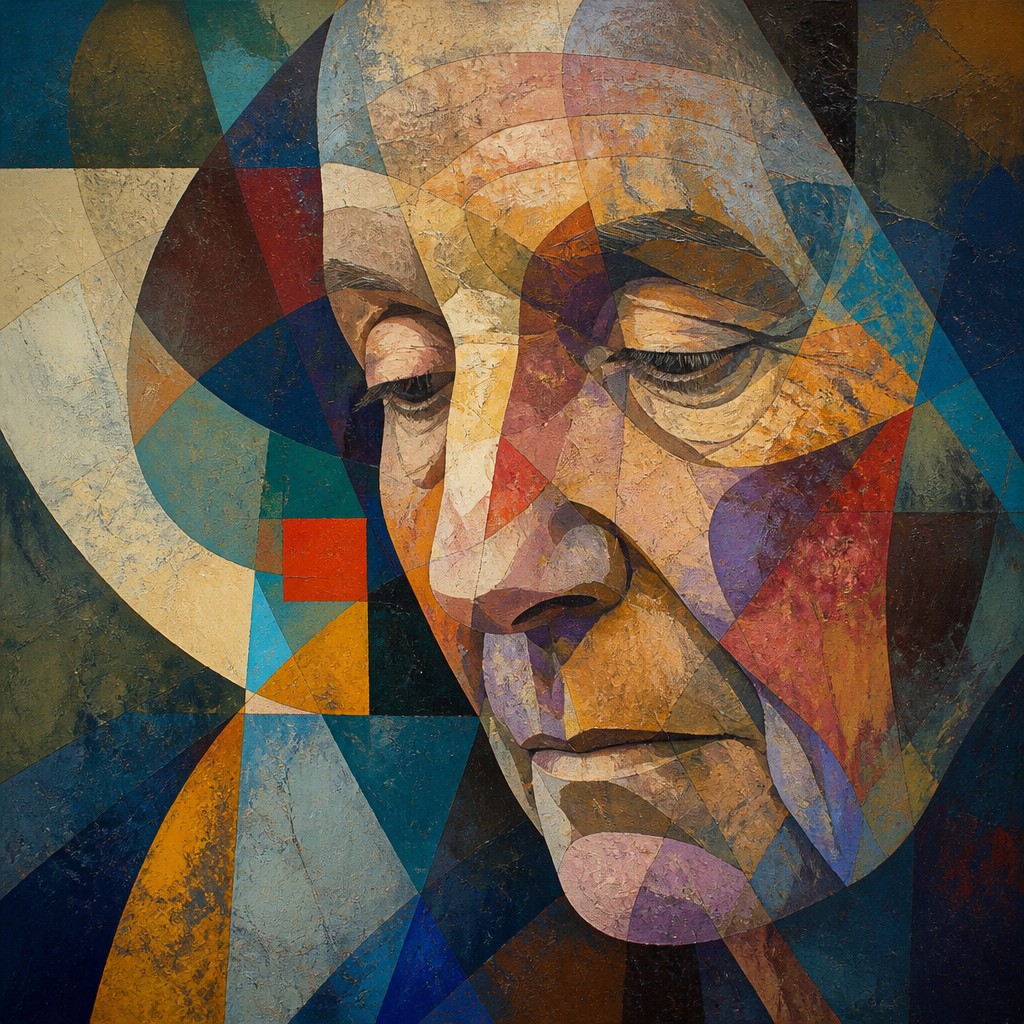
“close-up portrait of an elderly person with expressive weathered features”
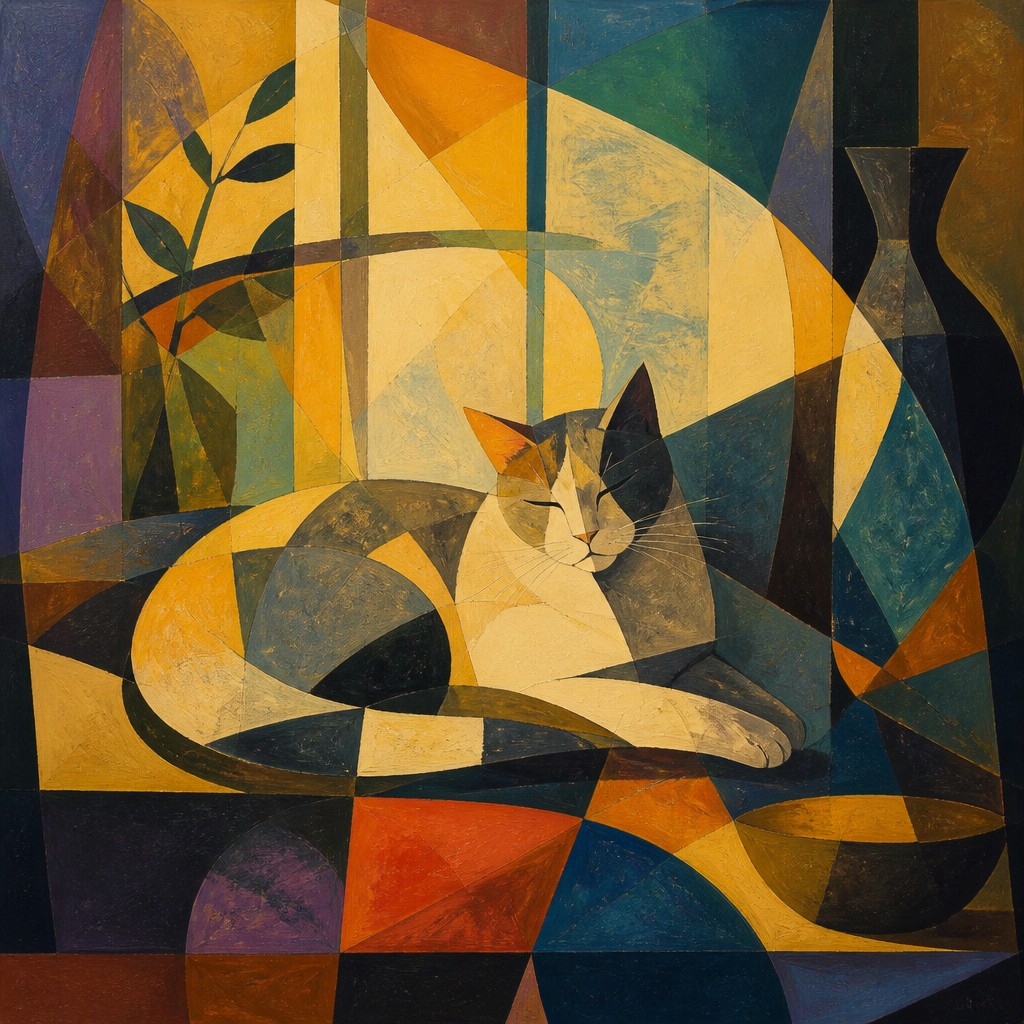
“a cat lounging in a sunlit window”
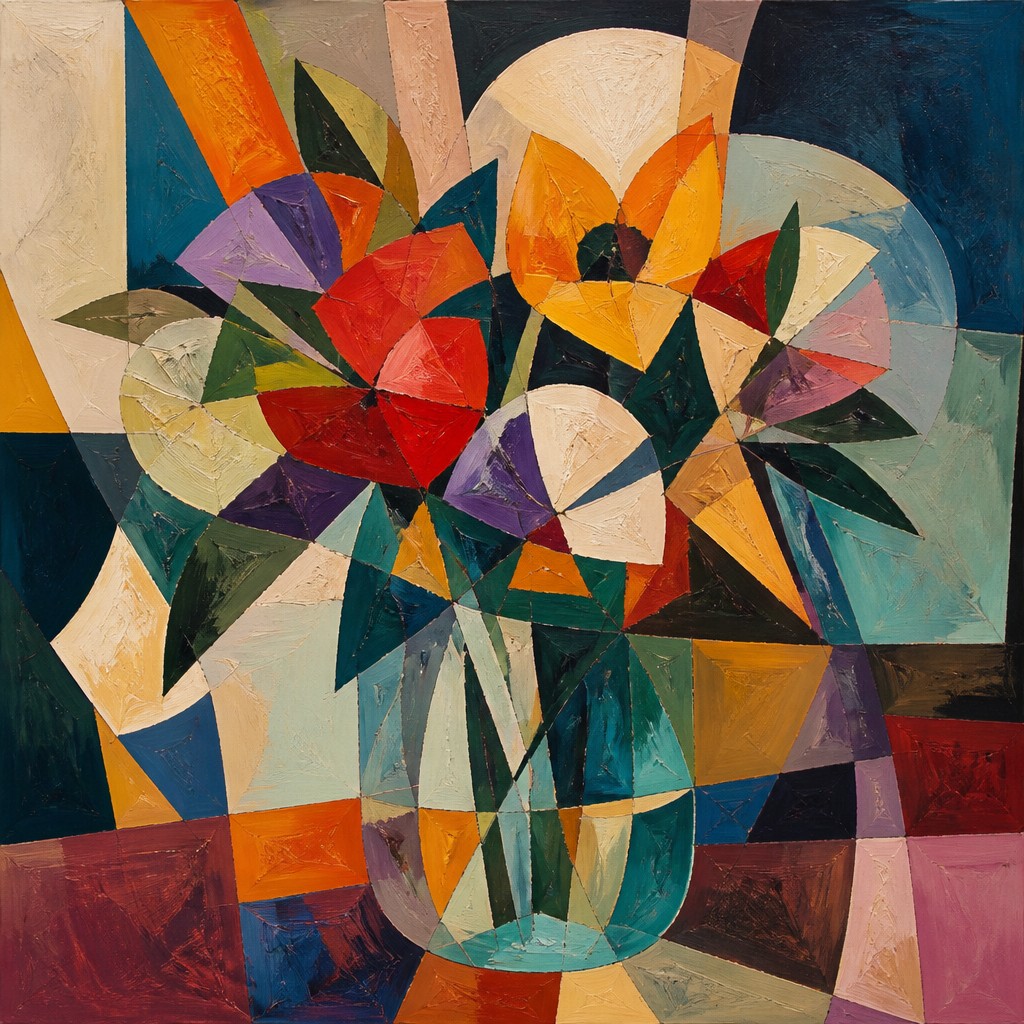
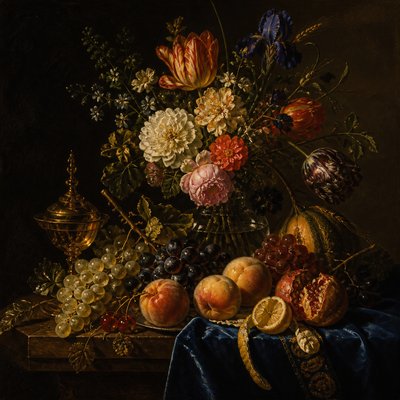
“bouquet of flowers in a glass vase”
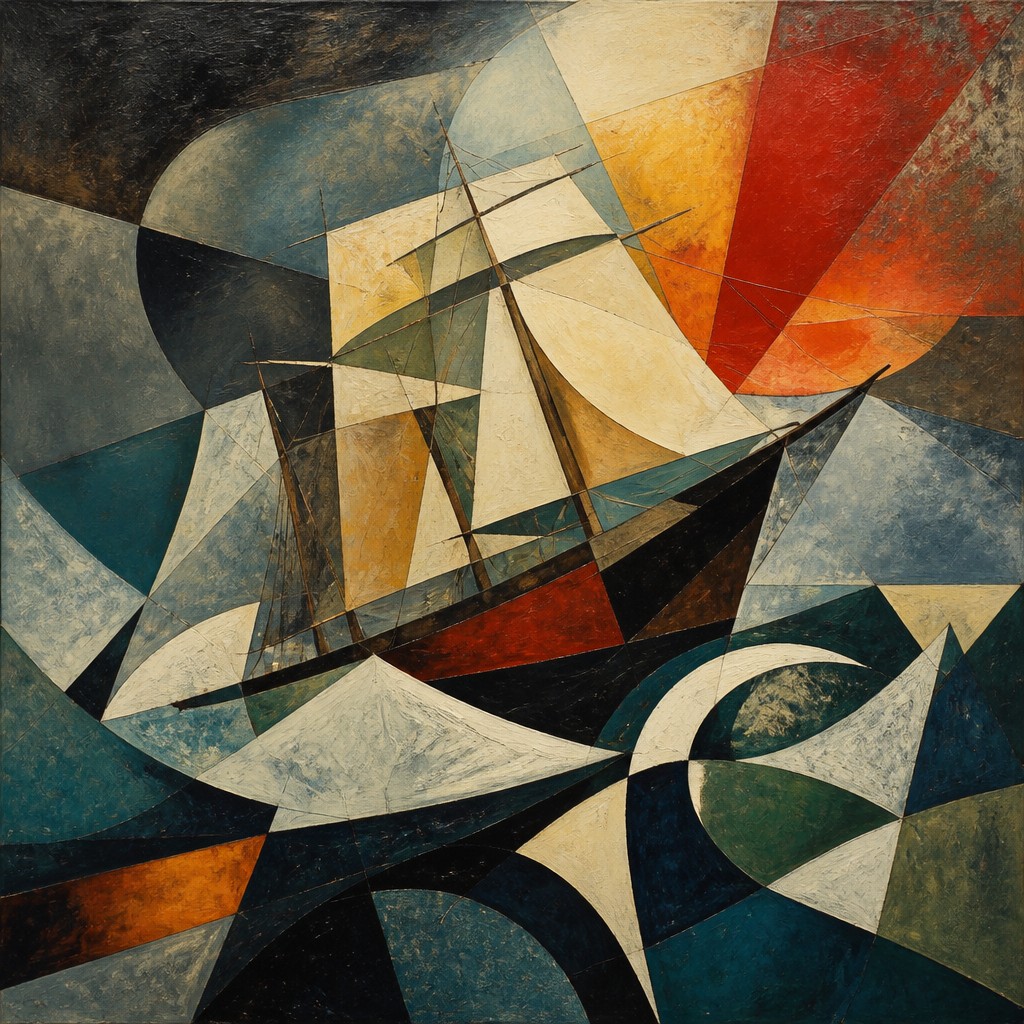
“sailing ship on a stormy sea”
How to Create Abstract Still Life Art
Master the craft step by step — or skip straight to creating. Read the full guide →
- 1
Start from a simple still-life setup
Choose a few ordinary objects with clear silhouettes, such as a vase, citrus, and a book. Reduce the scene to basic masses before adding detail, so the composition can be rebuilt around shape and balance.
- 2
Simplify into planes and fragments
Translate the objects into flat geometric sections, curved blocks, and overlapping forms. In traditional media, sketch these divisions lightly first; in digital work, use separate shape layers to control the structure.
- 3
Use color to define structure
Let color boundaries describe the objects instead of relying on contour lines. Try restrained palettes for a quiet effect or saturated contrasts for a more dynamic, emotionally charged result.
- 4
Design the empty spaces intentionally
Treat background areas as visual shapes with their own rhythm and weight. If the composition feels static, adjust the spacing between forms rather than adding more objects.
- 5
Vary surface and edge treatment
Combine smooth passages, hard edges, and textured marks to keep the image tactile. In prompt-based generation, specify a mixture of soft gradients, painted texture, and impasto-like surfaces.
- 6
Guide generation with compositional language
When writing prompts, name the still-life subject first, then add terms like flattened planes, overlapping fragments, saturated pigment, and active negative space. Emphasize deconstruction and rhythmic arrangement to avoid a realistic illustration.

The Story
History & Origins of Abstract Still Life
Abstract still life does not belong to a single historical movement; it emerges from the broader development of modern art in the early 20th century, when artists began breaking apart inherited rules of representation. Cubism was especially influential in this shift, because it treated objects as structures to be analyzed and reassembled on the picture plane rather than copied from a single viewpoint. Later abstract painters expanded that logic, allowing still-life subjects to become increasingly symbolic, lyrical, or nearly non-objective.
Its aesthetic lineage also includes post-Impressionist experiments with color and form, mid-century abstraction, and design traditions that value flatness, simplification, and compositional balance. In practice, abstract still life is less a fixed historical school than a recurring visual strategy: the familiar still life motif is used as a bridge between the observed world and pure abstraction.
Influences: Abstract still life draws most clearly from Cubism, especially the work of leading Cubist pioneers, who fractured objects and space into intersecting planes. It also relates to the color-driven abstraction of major modern color stylists, the structured still lifes of influential post-Impressionist painters, and later modern and contemporary abstraction that treats recognizable subjects as departures into form, rhythm, and material presence.
Frequently Asked Questions
What defines abstract still life art?
It is still life transformed through abstraction. Instead of depicting objects realistically, it emphasizes their shapes, relationships, and color interactions, often simplifying them into planes or fragments.
How is it different from traditional still life?
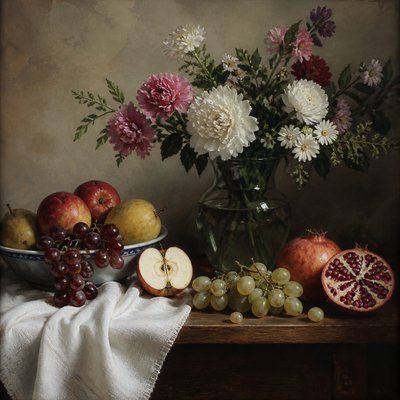
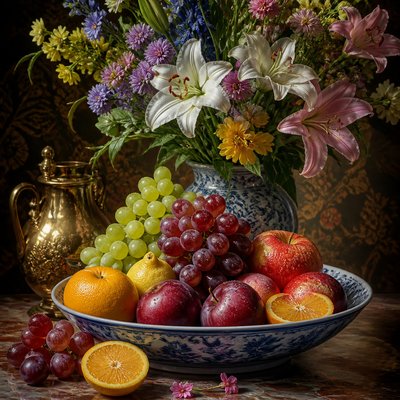
Traditional still life aims to describe objects convincingly, with attention to volume, light, and surface. Abstract still life keeps the subject recognizable in outline or association, but prioritizes composition, emotion, and formal design over realism.
Is abstract still life the same as cubism?
Not exactly. Cubism is one of its strongest influences, especially in how it fragments objects and compresses space, but abstract still life can also be softer, more lyrical, or more color-centered than historical Cubism.
What subjects work best in this style?
Ordinary objects with clear shapes work best: bowls, fruit, bottles, flowers, cups, books, and fabric folds. These items are easy to simplify while still retaining enough structure to suggest a still-life arrangement.
How do I make it look abstract without losing the subject?
Keep a few identifying cues, such as the silhouette of a vase or the roundness of fruit, while simplifying everything else. Repetition, overlap, and color relationships can carry the composition even when realism is removed.
Where is abstract still life commonly used?
It appears in fine art painting, illustration, editorial imagery, and decorative design. It is especially useful when a composition needs to feel familiar and contemplative while still being visually inventive.

Create your first Abstract Still Life artwork
Describe anything — or upload a photo — and see it in Abstract Still Life Art Style in seconds.
Make Something with Abstract Still Life
Related Styles
Discover similar art styles