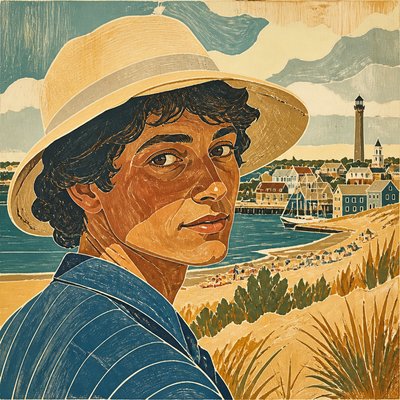
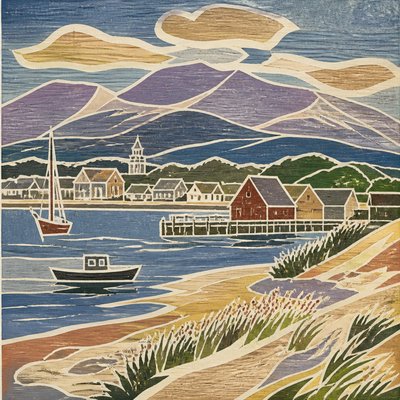
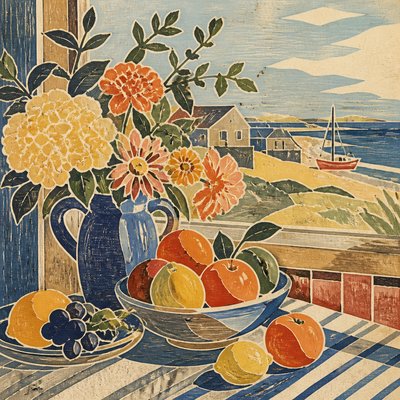
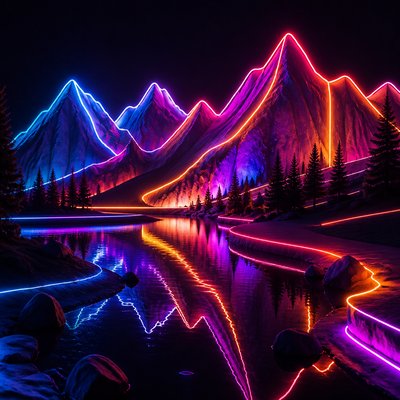
Neo-Romanticism Art Style
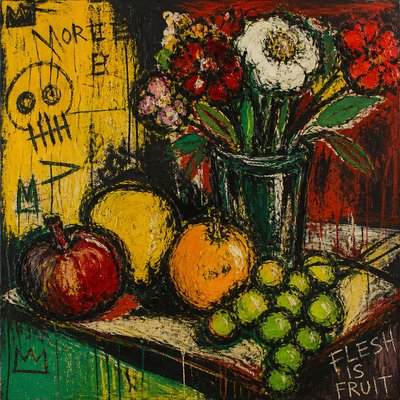
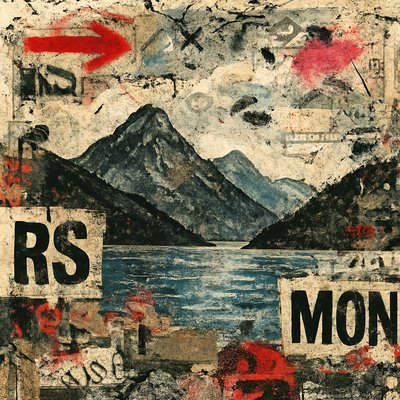
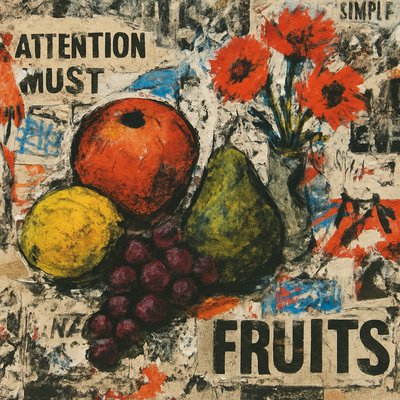
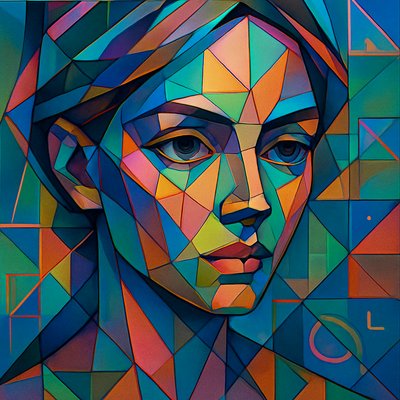
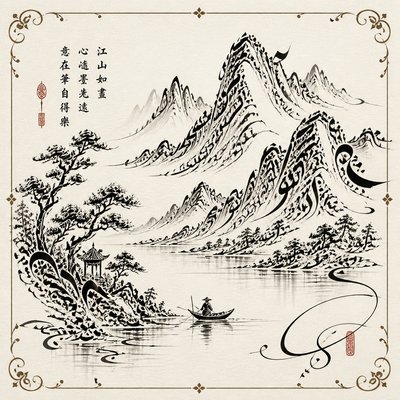
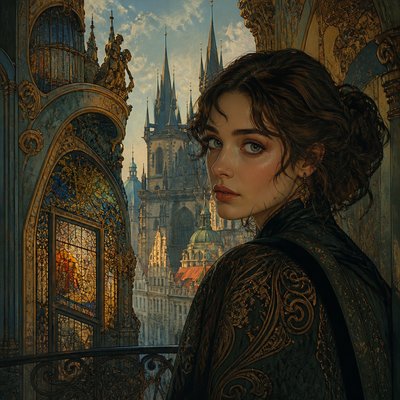
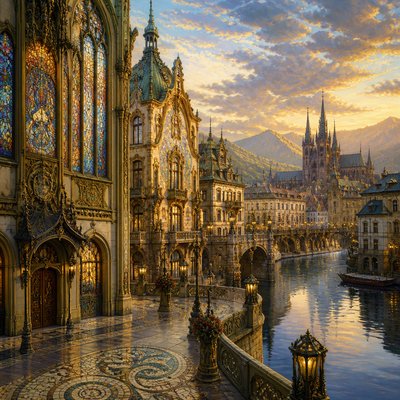
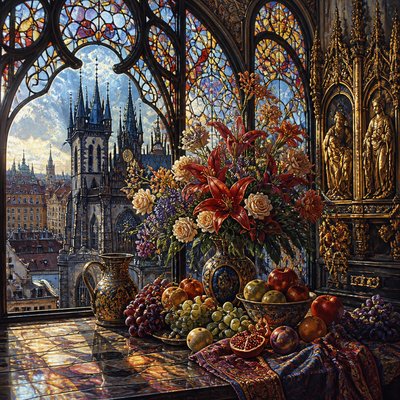
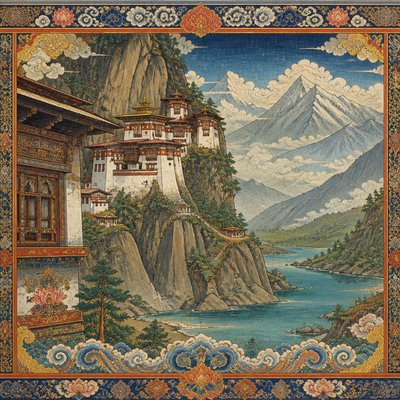
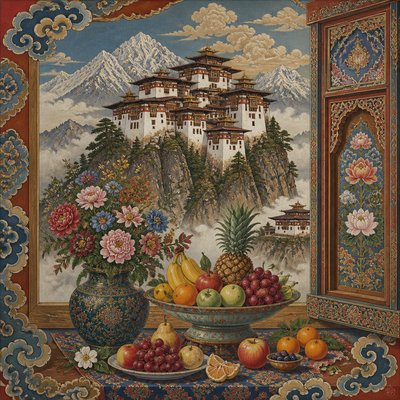
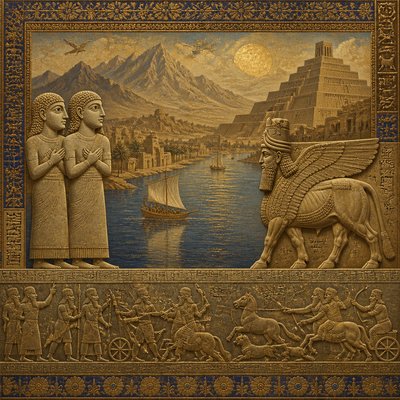
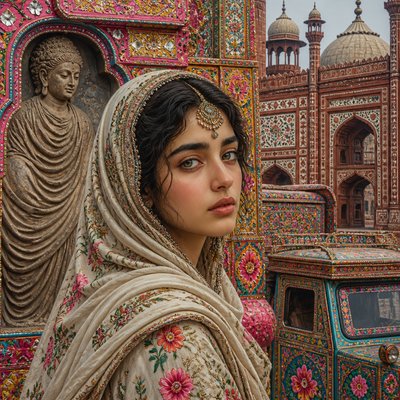
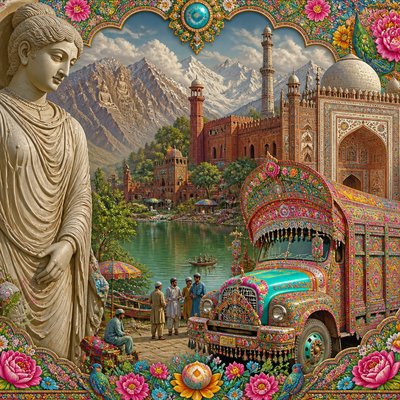
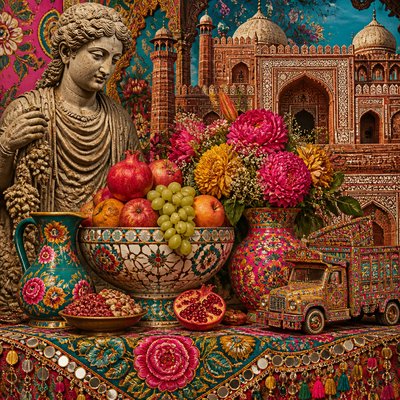
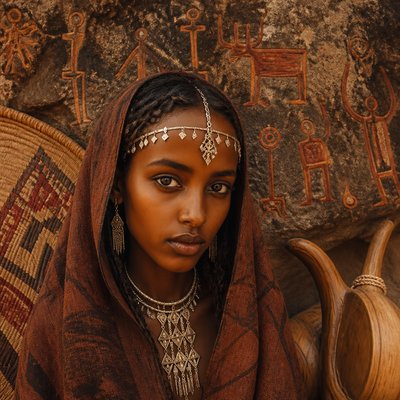
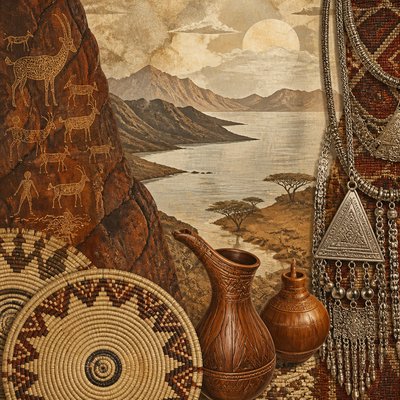
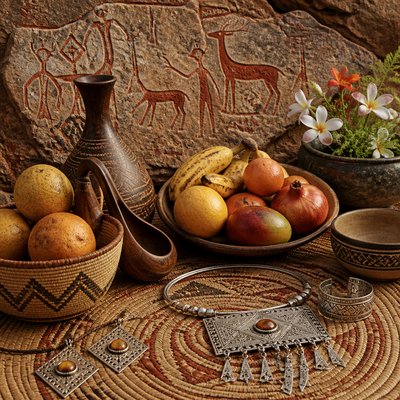
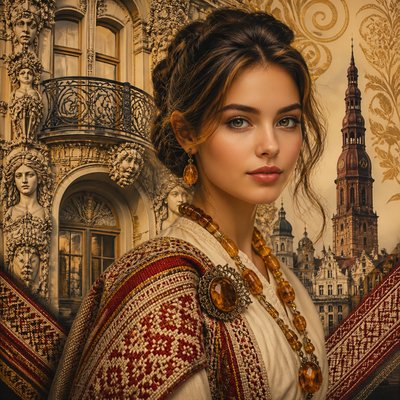
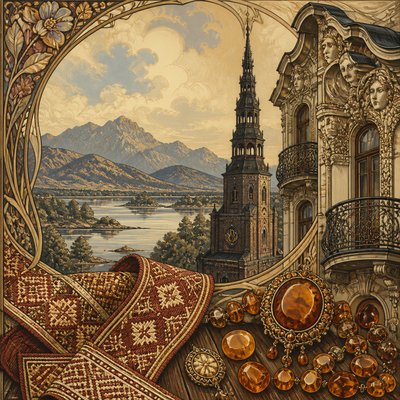
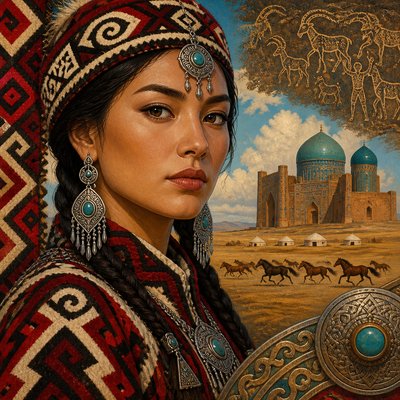
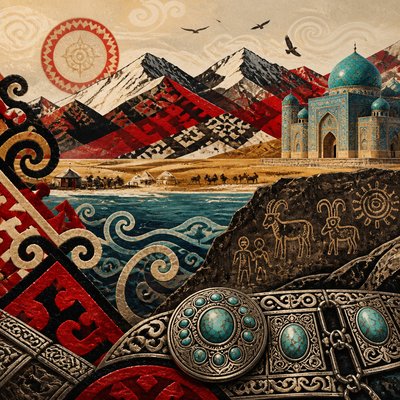
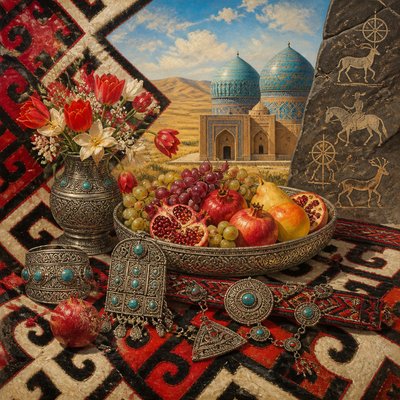
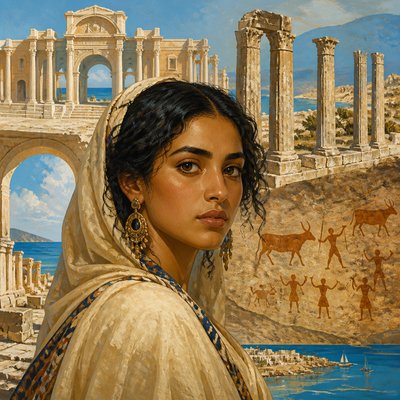
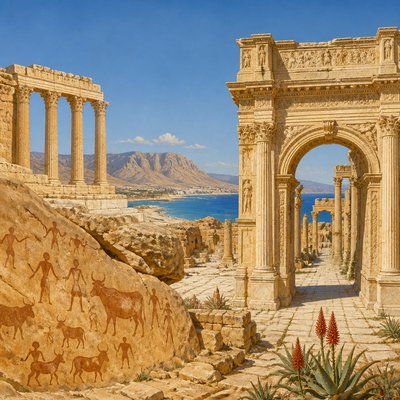
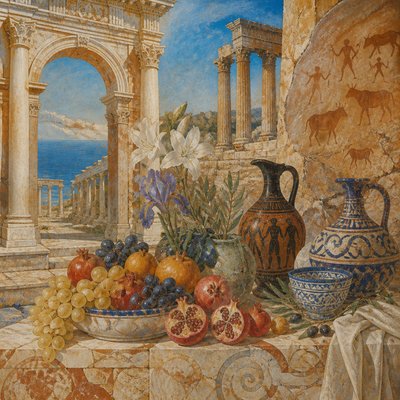
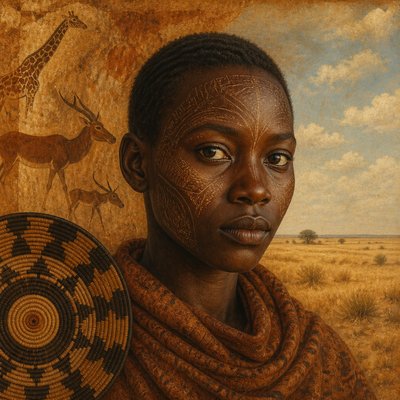
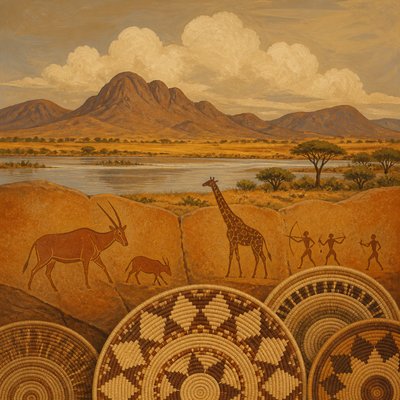
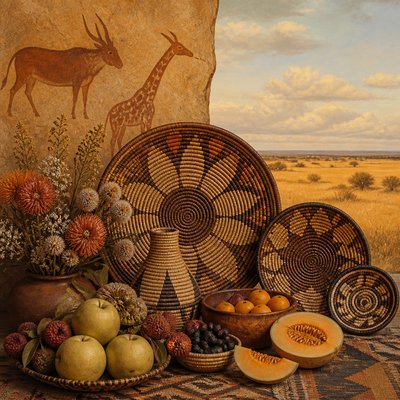
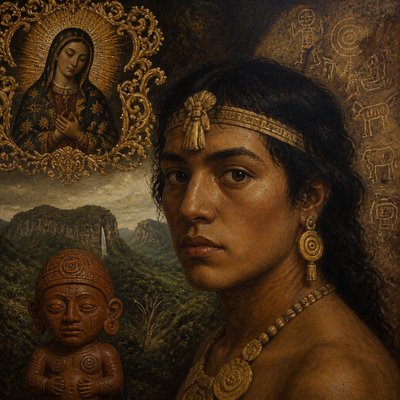
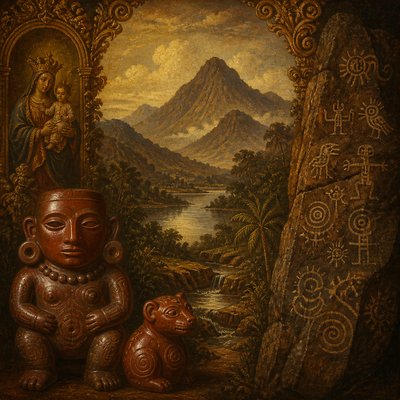
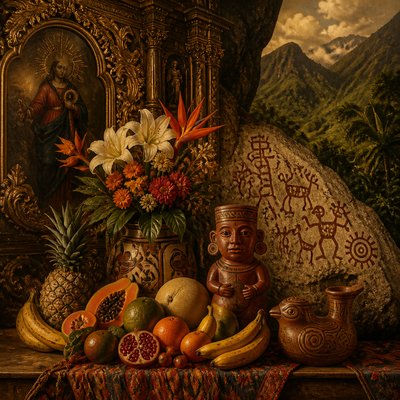
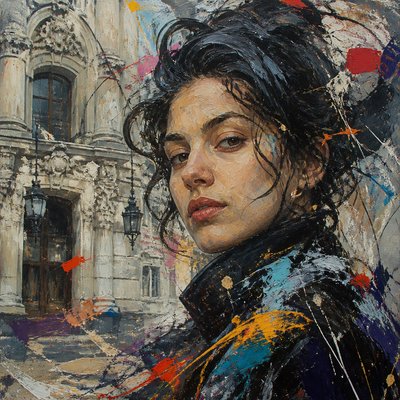
Contemporary Romantic revival with sublime nature, emotional intensity, luminous shadows, and spiritual atmosphere in painting and digital art.
Instantly rendered in Neo-Romanticism — or transform a photo
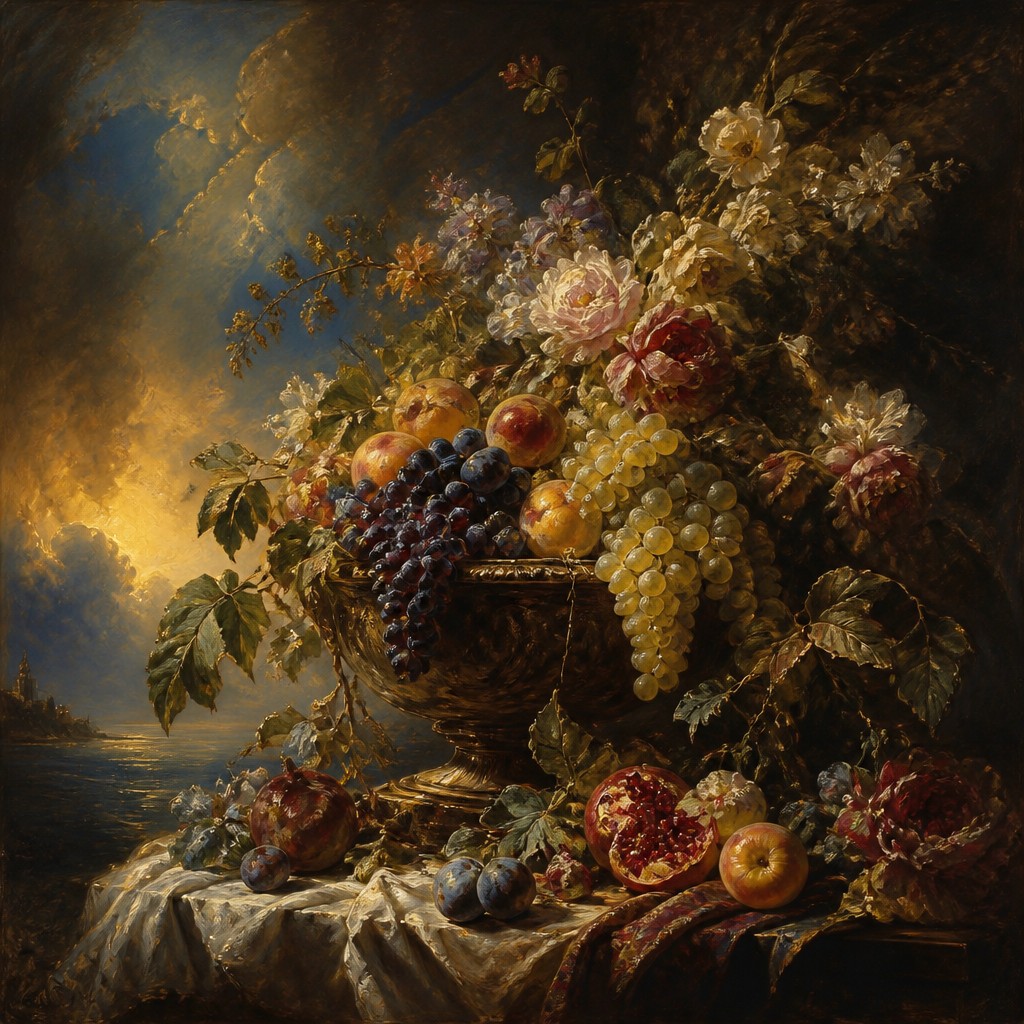
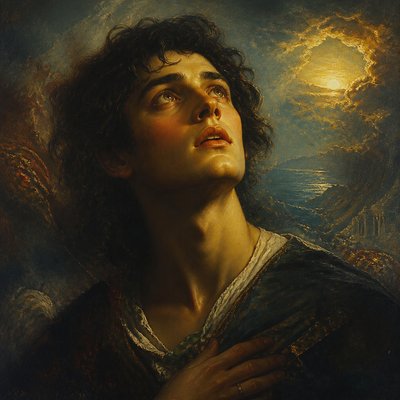
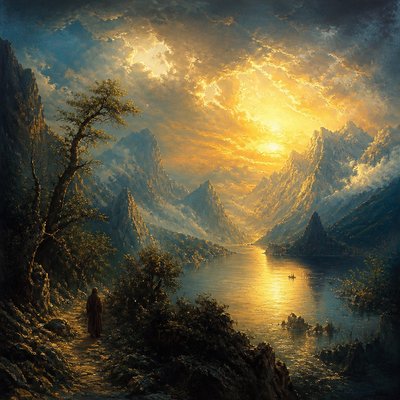
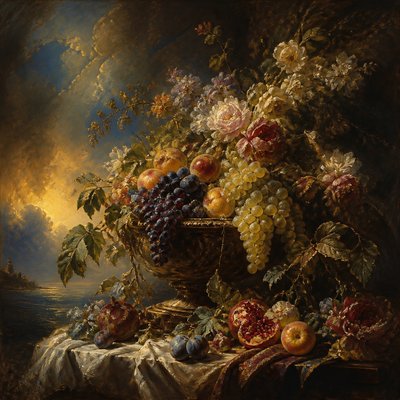
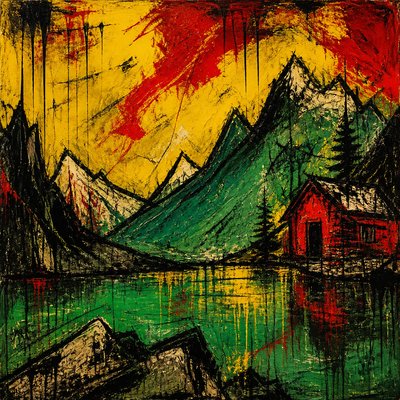
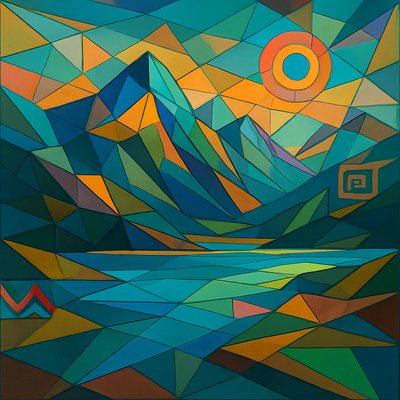
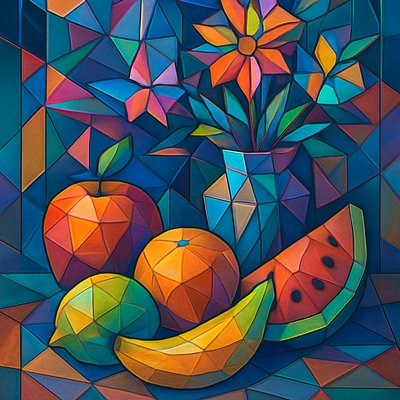
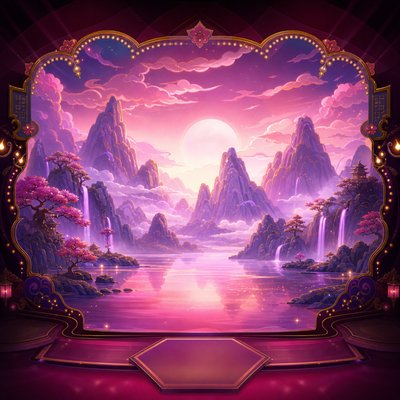
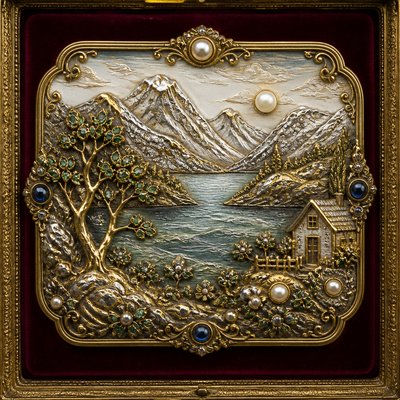
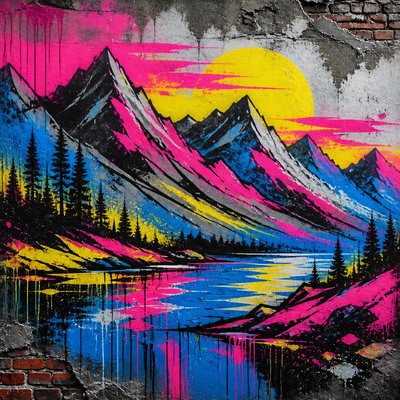
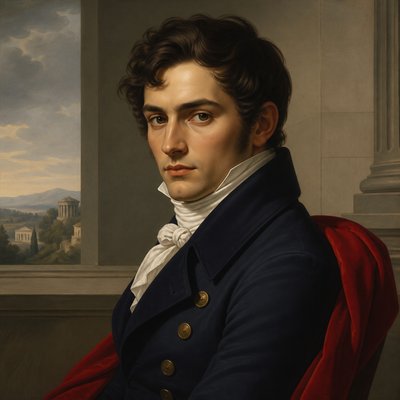
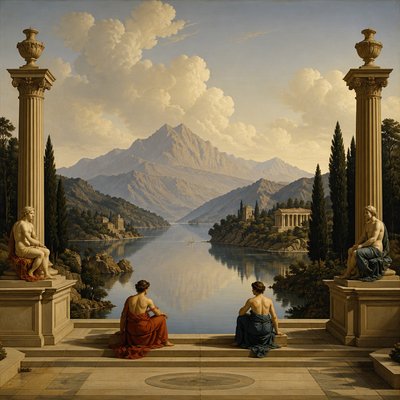
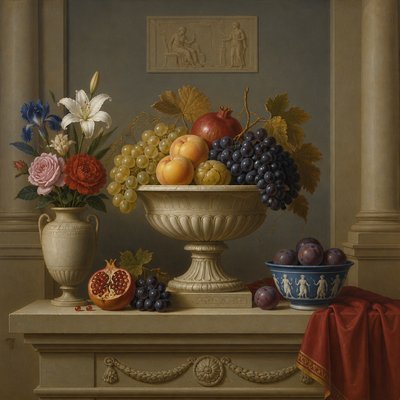
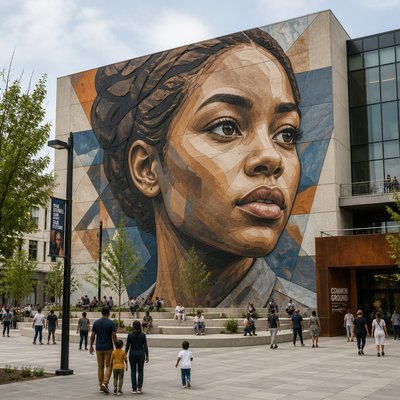
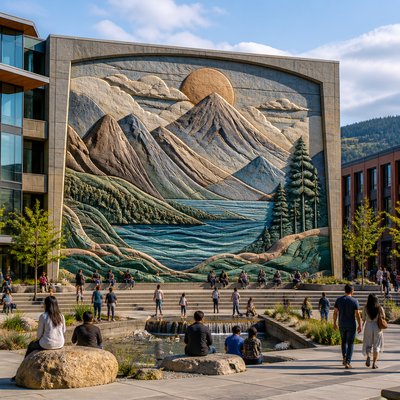
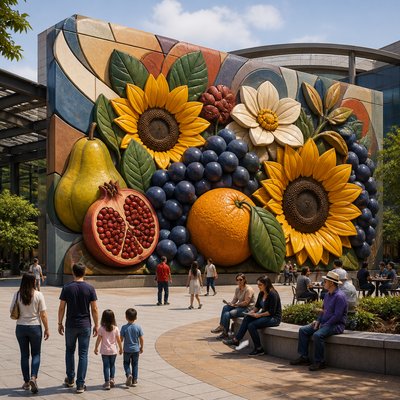
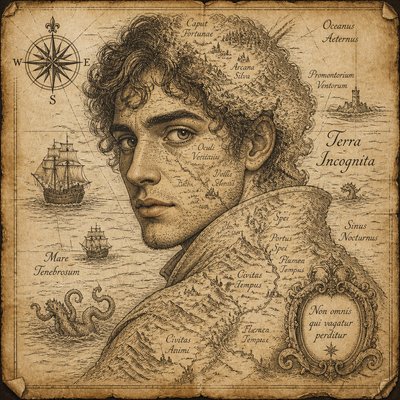
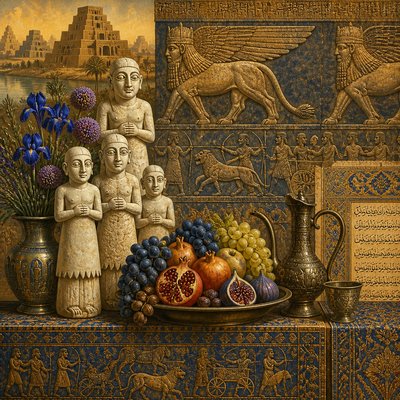
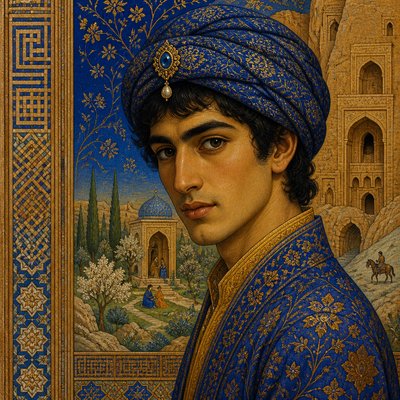
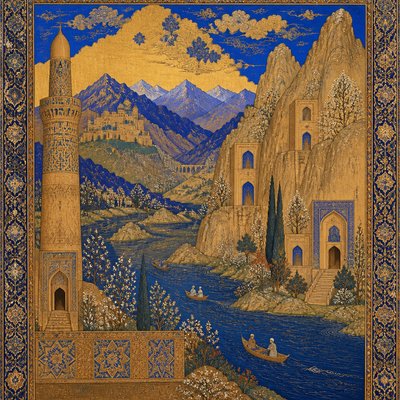
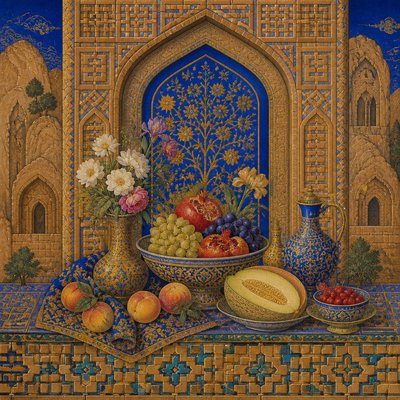
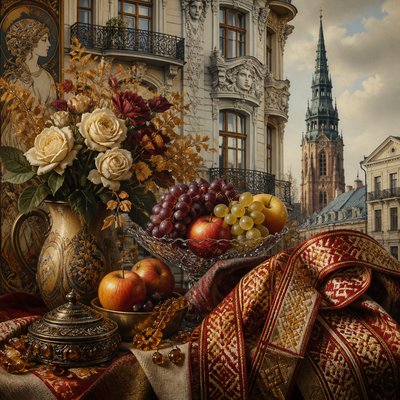
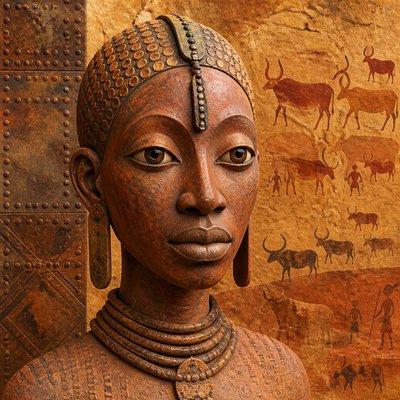
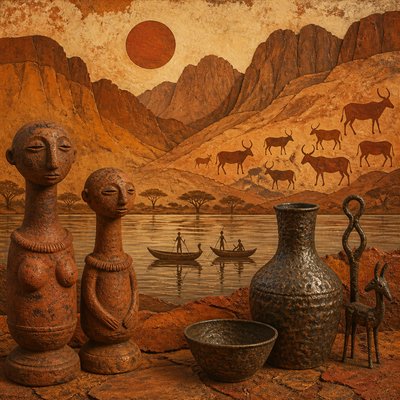
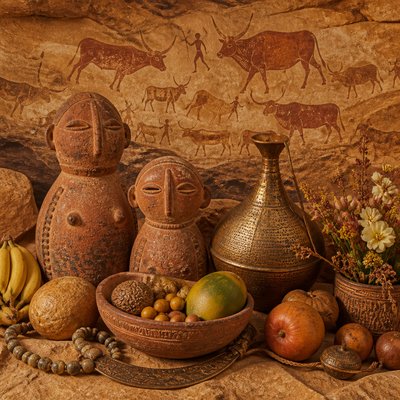
Neo-Romanticism Gallery
Tap any artwork to explore it
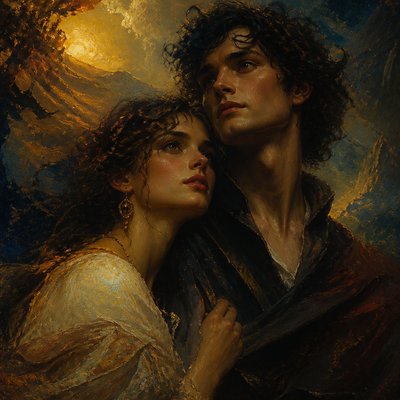
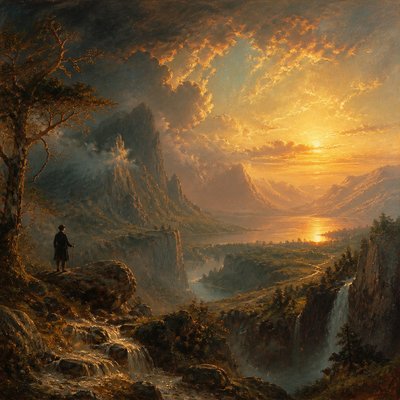
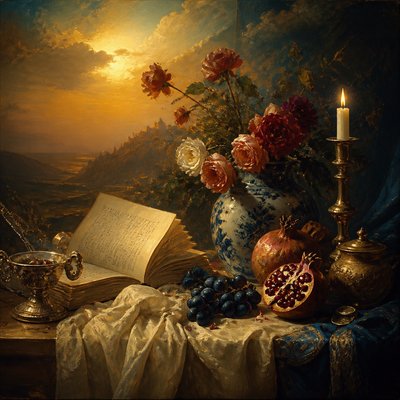
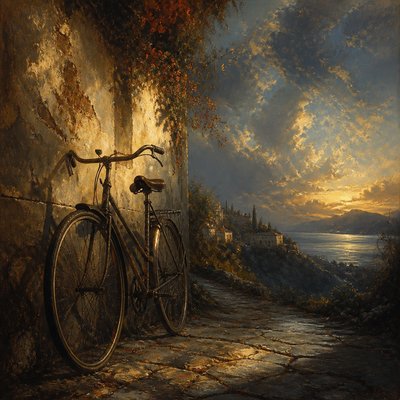
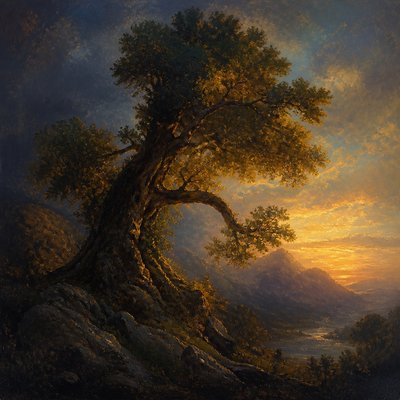
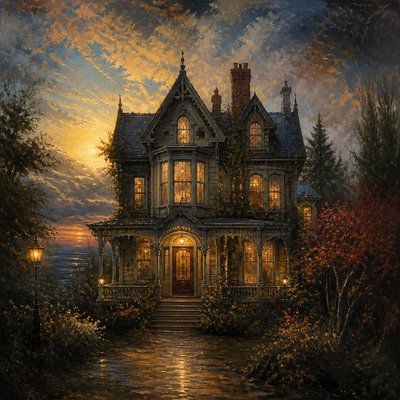
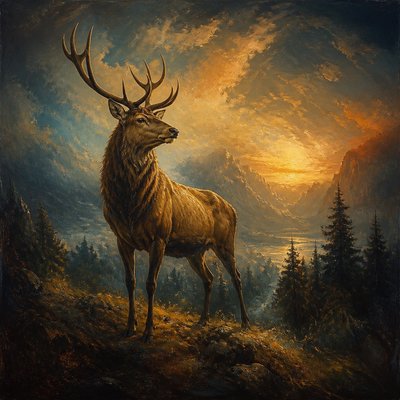
What is Neo-Romanticism Art Style?
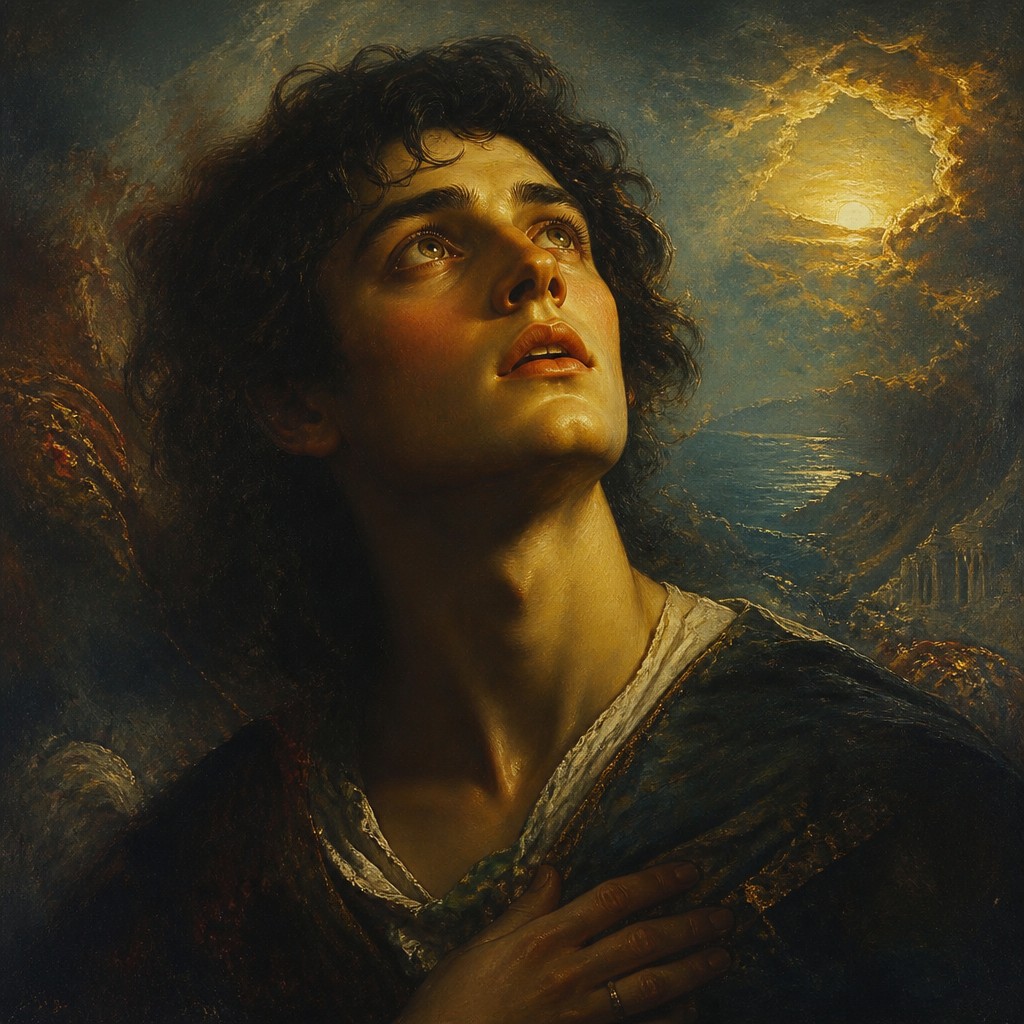
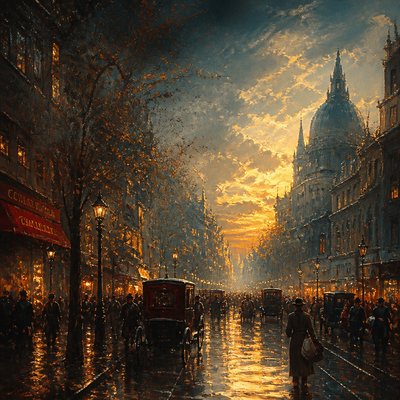
Neo-Romanticism is a contemporary revival of Romantic ideals rather than a single historical school. It favors sublime landscapes, charged emotional states, inward-looking figures, and a sense of spiritual longing, often using modern subjects and contemporary technique to reframe older Romantic themes.
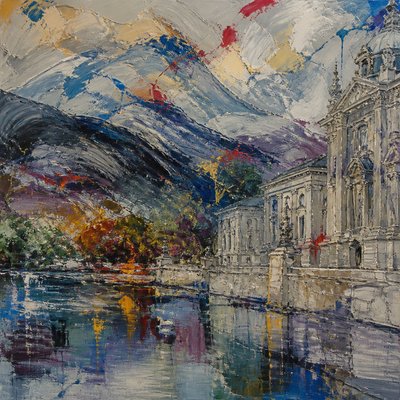
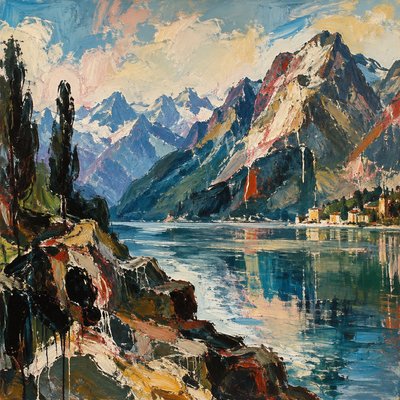
Visually, the style is defined by dramatic light and shadow, rich color that shifts between saturation and muted earth tones, and a painterly handling that can feel both tactile and atmospheric. Forms often dissolve at the edges into mist, dusk, or luminous haze, creating images that feel expansive, contemplative, and slightly uncanny, as if nature or memory were becoming symbolic rather than merely descriptive.
Try It On Your Photos
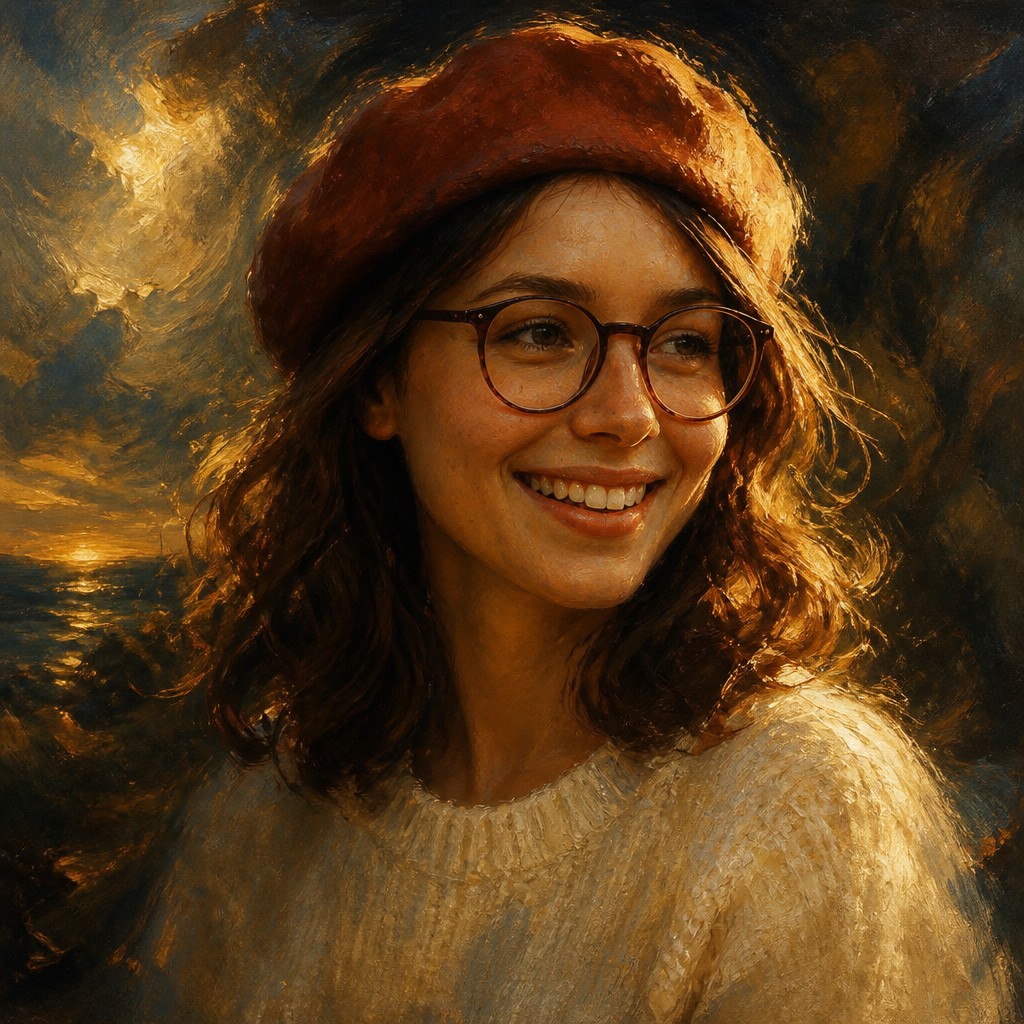
Upload any photo and convert it into Neo-Romanticism Art Style — drag the sliders to compare before and after.


What Defines Neo-Romanticism Art Style
The signature details, up close
Sublime landscapes
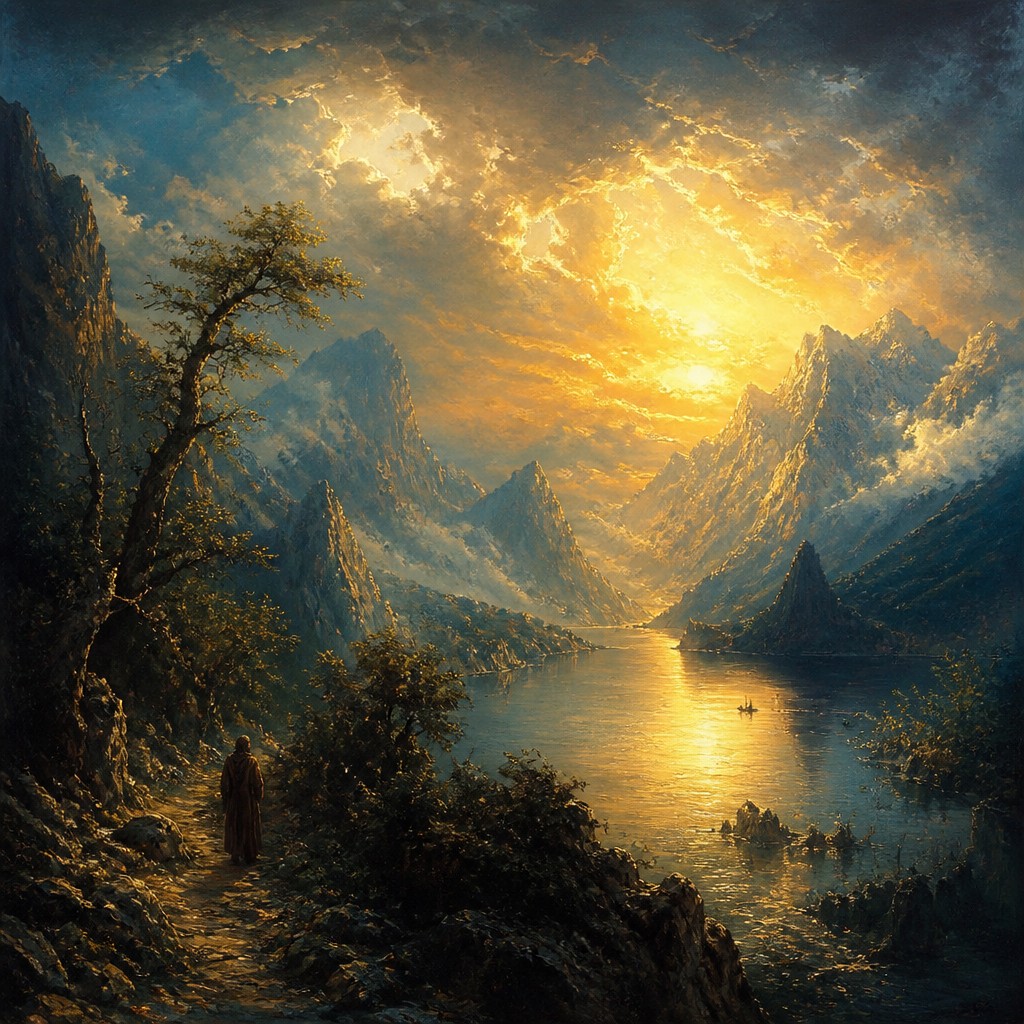
Mountains, storm clouds, forests, oceans, and vast horizons appear as emotionally charged spaces rather than neutral scenery. Nature is usually presented as immense, mysterious, and spiritually resonant.
Luminous chiaroscuro
Strong contrasts between light and shadow create drama and depth. Highlights often glow as if seen through mist, dusk, or candlelight, while shadows remain velvety and psychologically suggestive.
Emotional subject matter
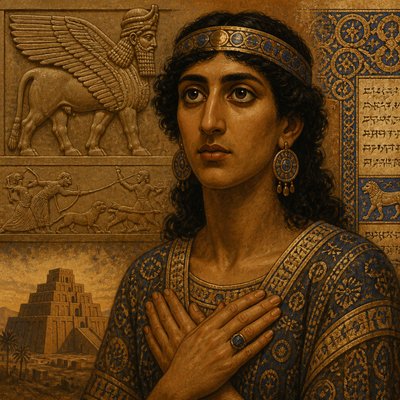
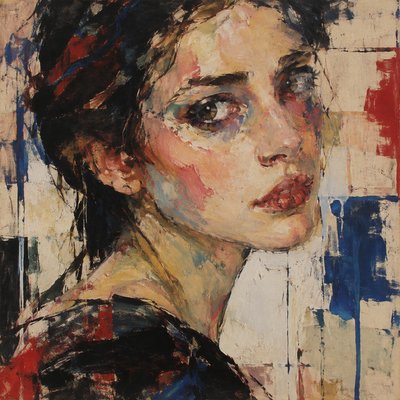
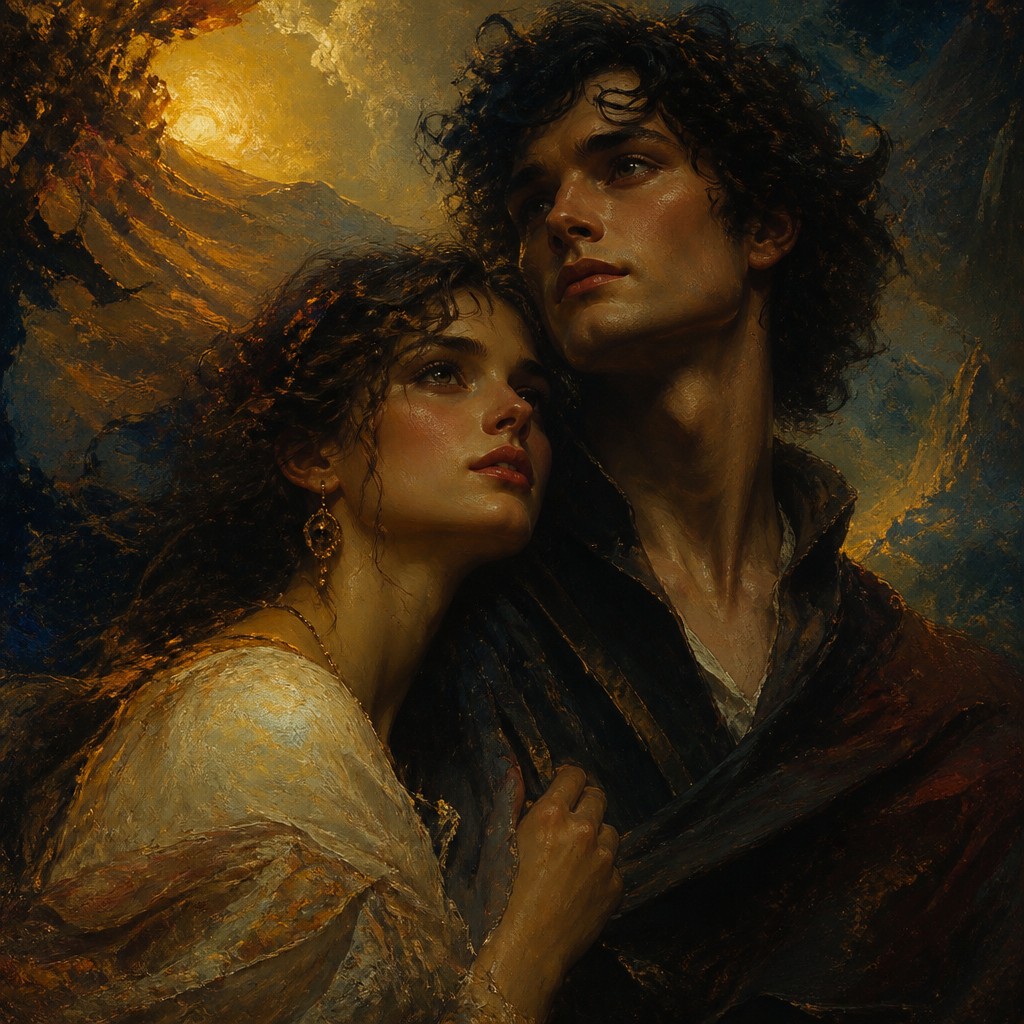
Figures, if present, tend to convey yearning, solitude, contemplation, grief, or awe. The image is often designed to feel inward and reflective rather than narrative or decorative.
Atmospheric edges
Contours may soften, blur, or dissolve into fog, smoke, water, or light. This creates a dreamlike separation between the viewer and the scene, reinforcing distance and mystery.
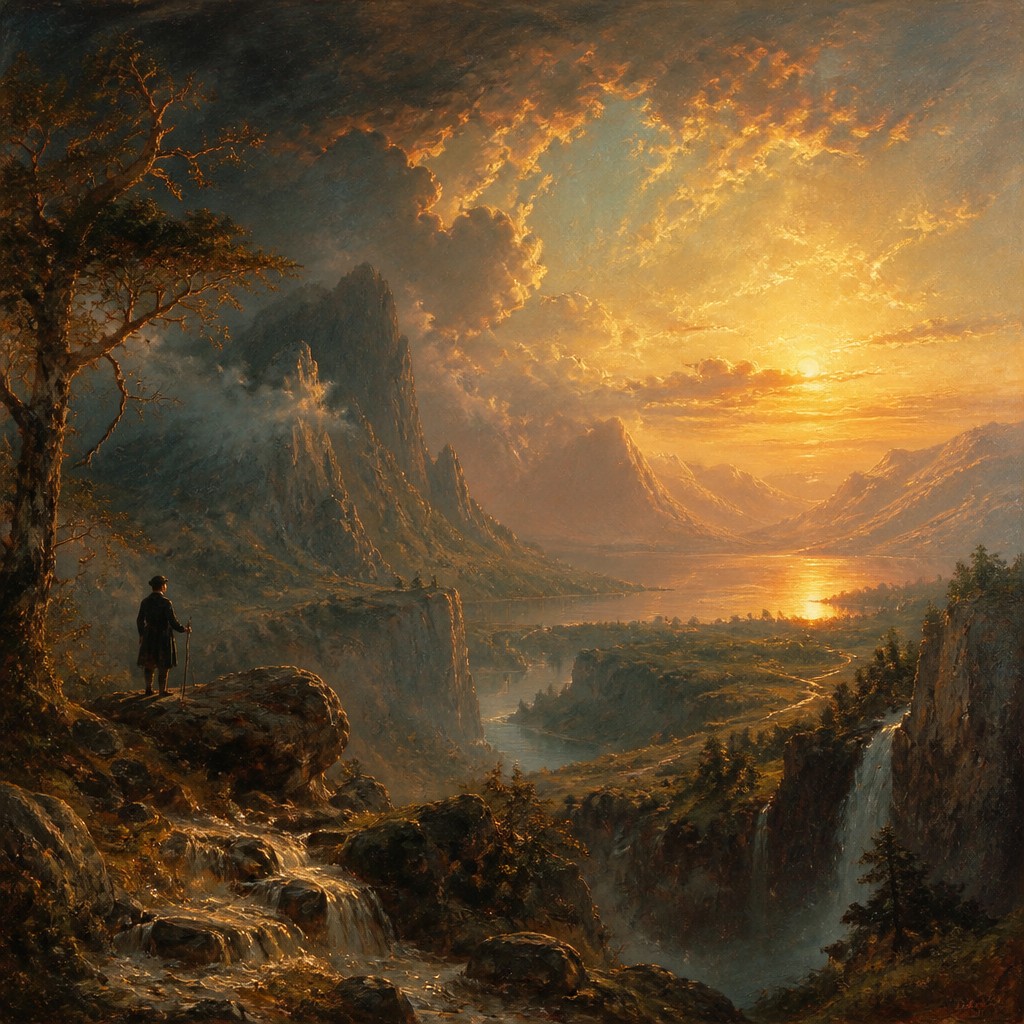
Rich but tempered color
The palette often combines saturated reds, golds, blues, and greens with earthy browns, gray-violets, and muted blacks. Color is used expressively, not descriptively, to intensify mood.
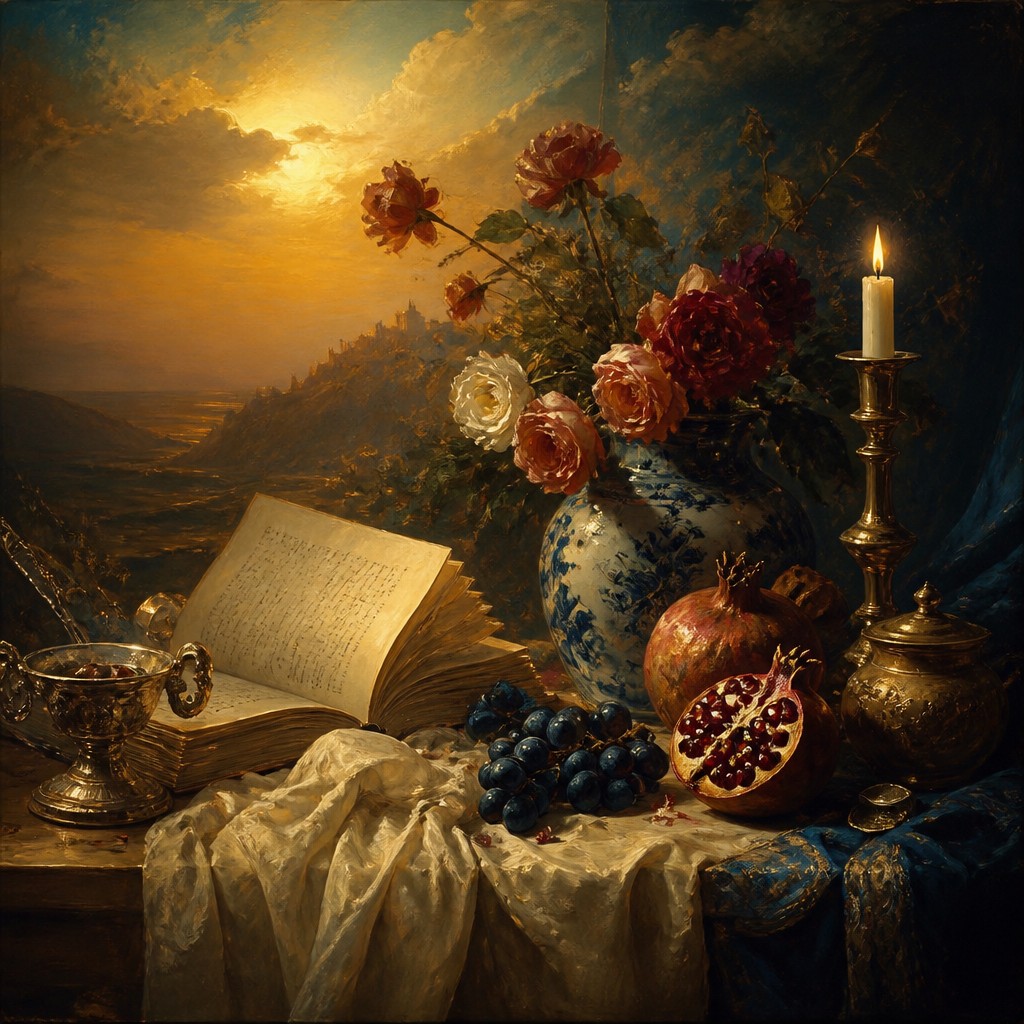
Painterly surface
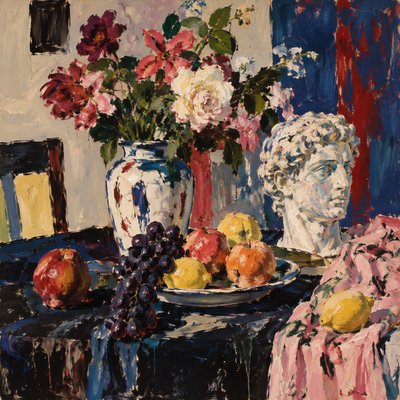
Visible brushwork, impasto, and translucent glazing are common, even in digital versions that imitate analog paint handling. Surface texture matters because it helps the image feel handmade and emotionally immediate.
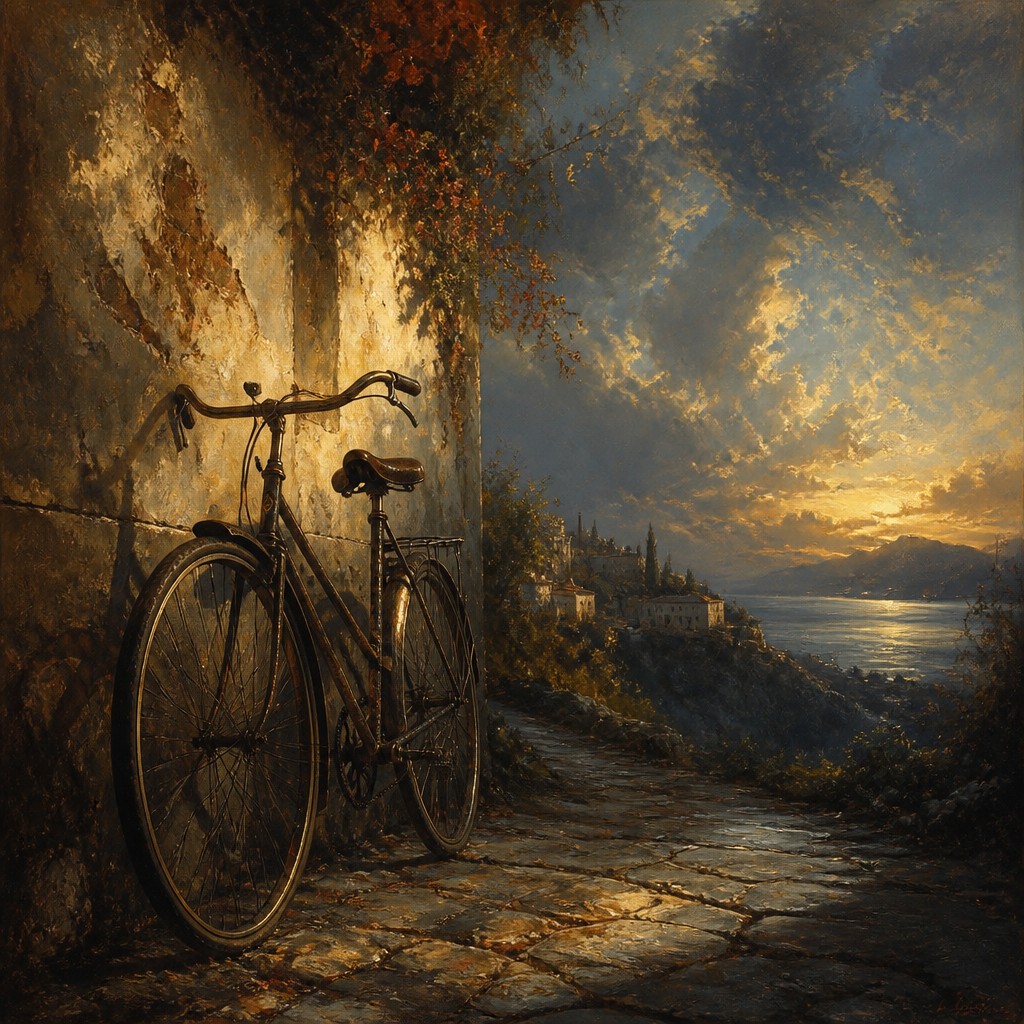
Flowing composition
Sweeping diagonals, spiraling clouds, bent trees, draped fabric, and long arcs of movement guide the eye through the work. Composition often feels like a current carrying the viewer toward a focal light or symbolic distance.
Try It
Create Videos in Neo-Romanticism Art Style
Styles aren't just for stills — describe a scene or animate an image and get a short video rendered in Neo-Romanticism. Press play to see this pond come to life.
Make a VideoNeo-Romanticism Prompt Ideas
Start from an idea — each one opens the generator with the style ready to go. See all 40 Neo-Romanticism prompts →
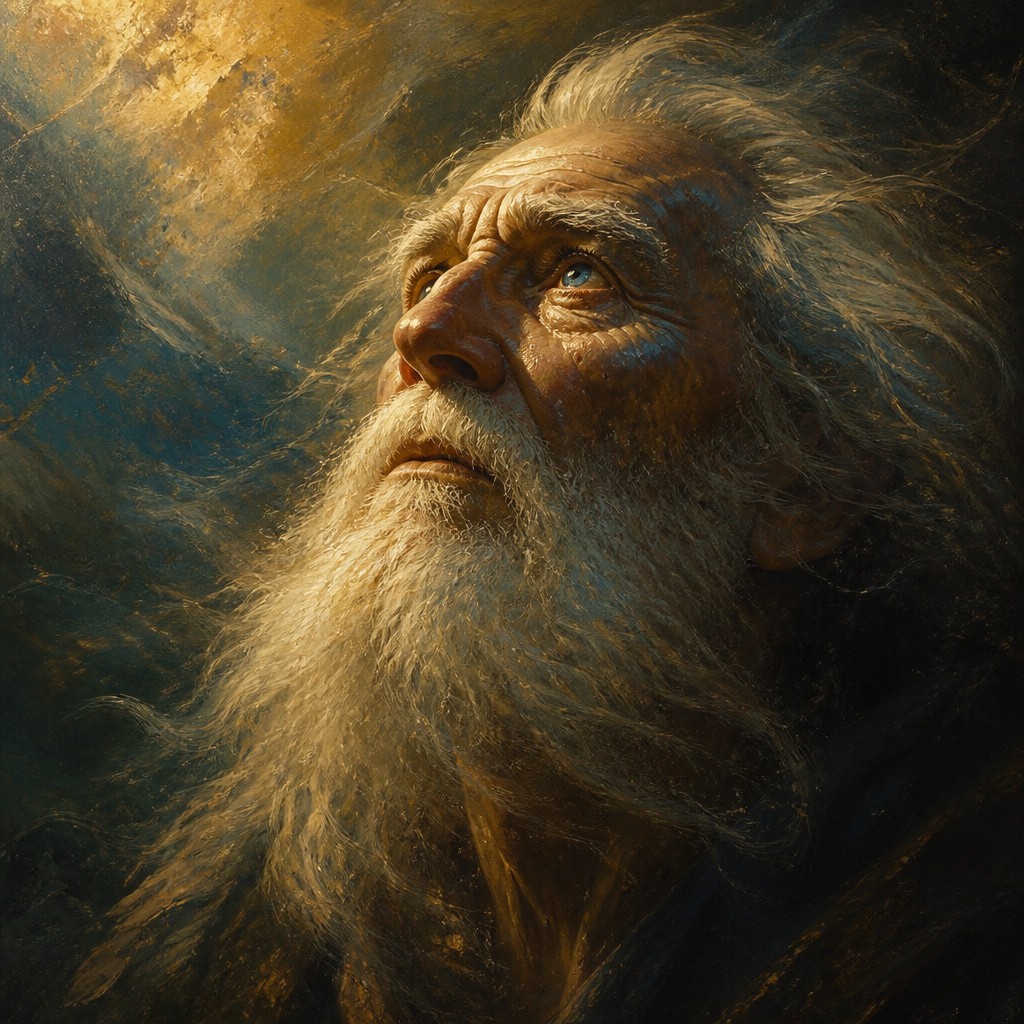
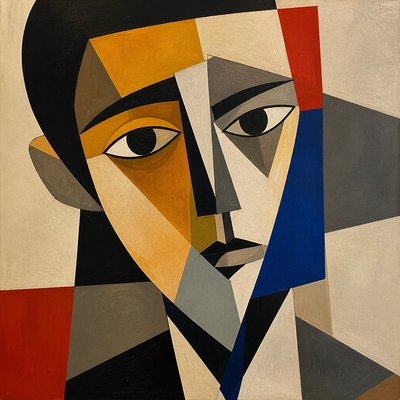
“close-up portrait of an elderly person with expressive weathered features”
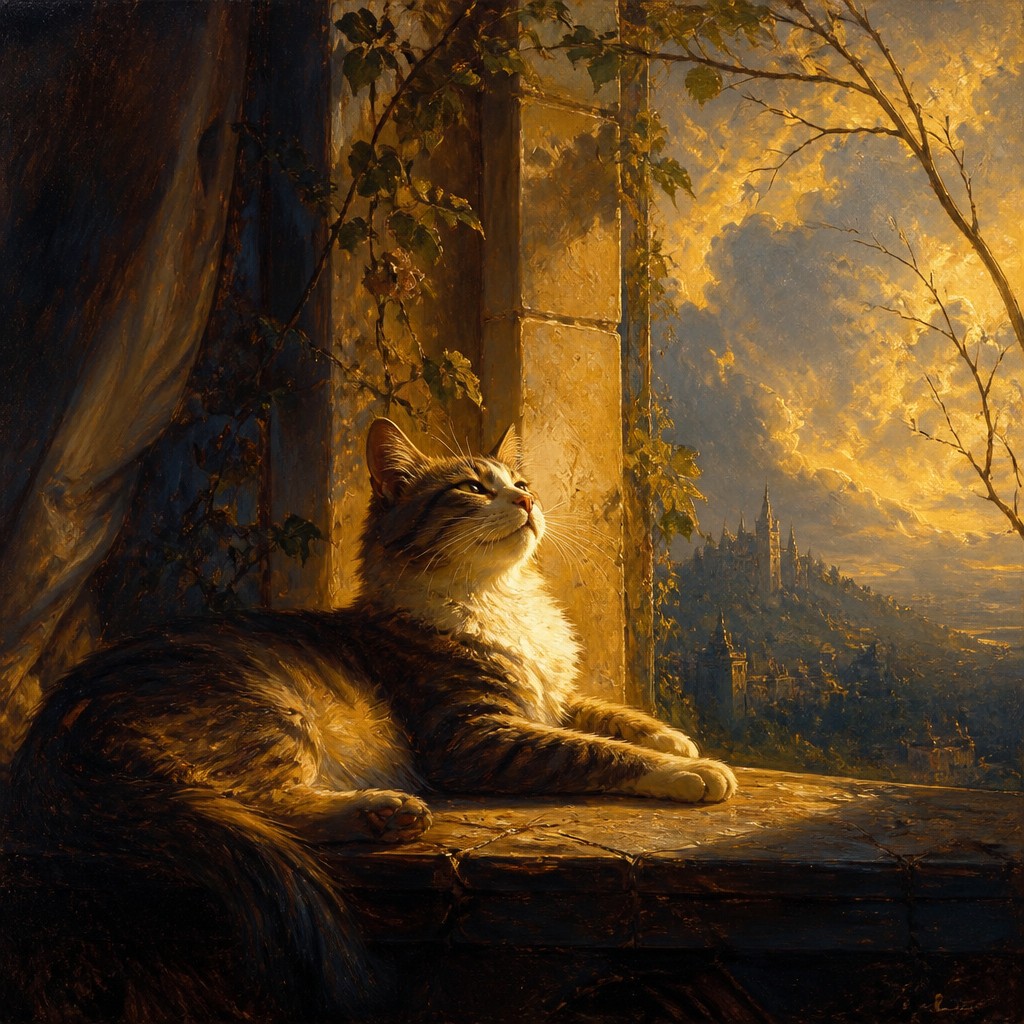
“a cat lounging in a sunlit window”
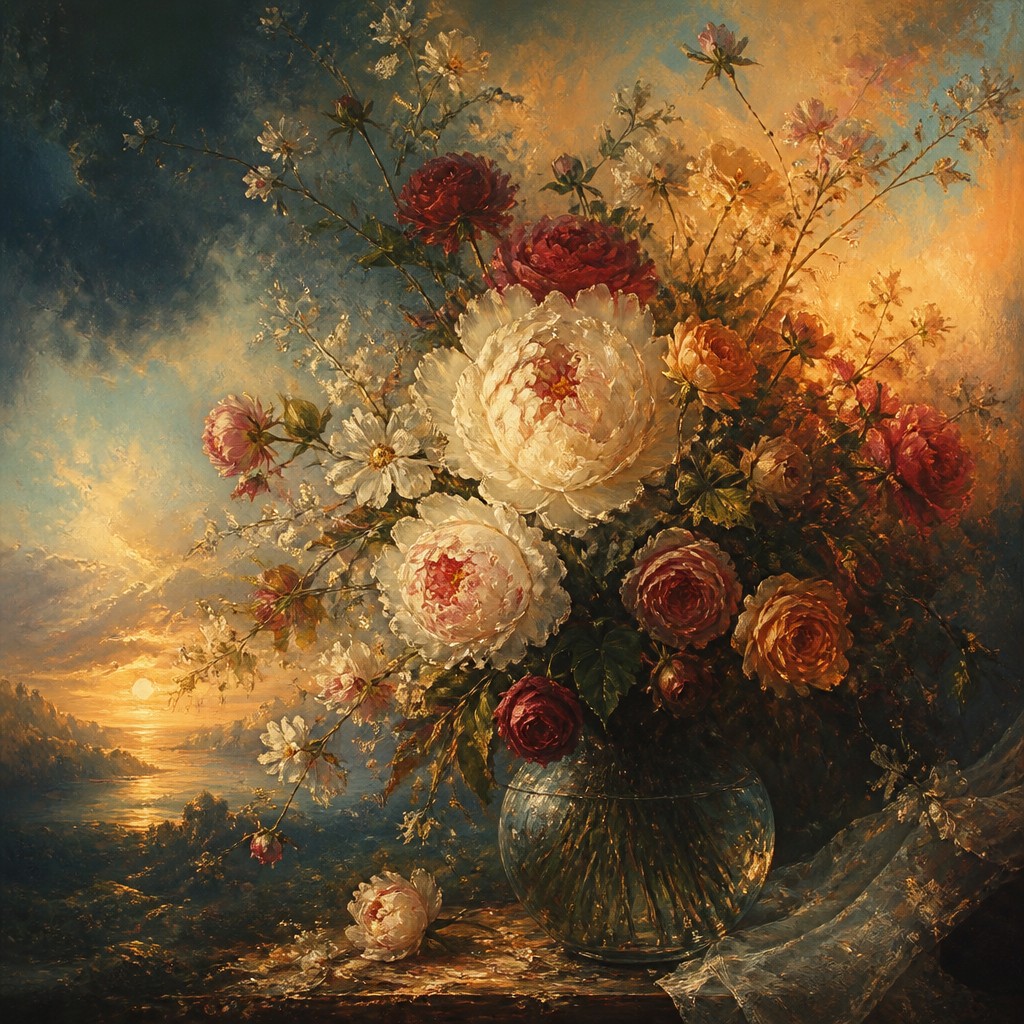
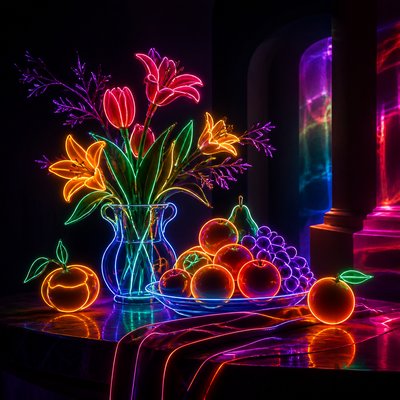
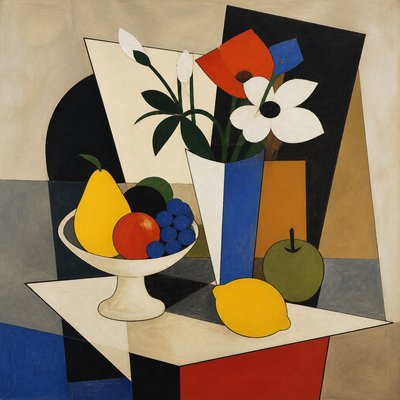
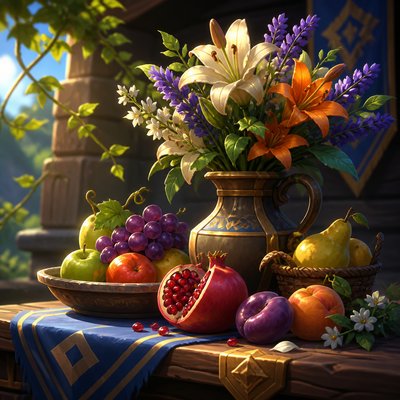
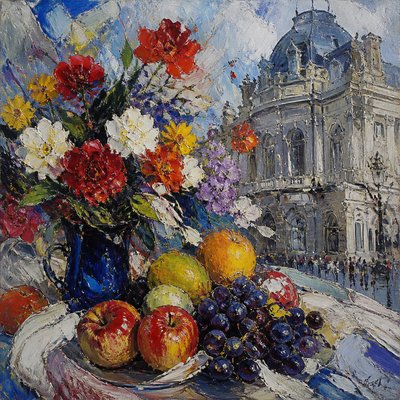
“bouquet of flowers in a glass vase”
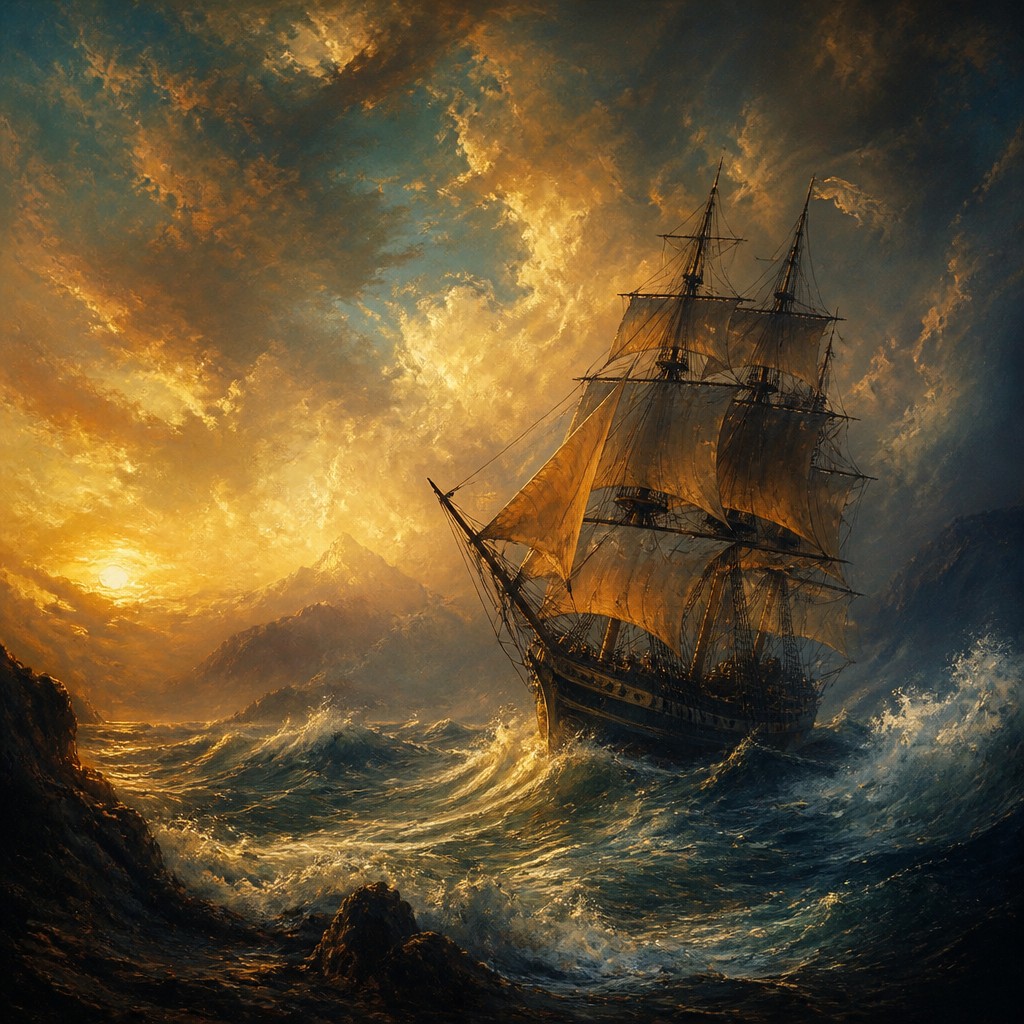
“sailing ship on a stormy sea”
How to Create Neo-Romanticism Art
Master the craft step by step — or skip straight to creating. Read the full guide →
- 1
Build a Romantic focal mood
Start with an emotional premise—longing, reverence, solitude, grief, wonder—and design the composition around that feeling. In traditional media, sketch value studies first; in digital work, block in large tonal masses before adding detail.
- 2
Use dramatic light and shadow
Place a single dominant light source at dawn, dusk, moonlight, candlelight, or storm-break conditions. Increase contrast around the focal point and let surrounding forms recede into softer, darker space.
- 3
Balance saturation with earth tones
Let one or two colors carry emotional intensity, then ground them with umbers, mossy greens, slate blues, or charcoal grays. This prevents the image from becoming decorative and keeps the atmosphere melancholic.
- 4
Emphasize texture and edges
Combine painterly strokes, glazing, and rough textures with selective soft focus on distant or symbolic forms. If generating from text, specify impasto, translucent layers, misty edges, and luminous highlights rather than flat rendering.
- 5
Compose for awe and movement
Use diagonals, sweeping curves, and vanishing distances to create a sense of pull and scale. Even a small figure or object can feel monumental if framed against expansive sky, water, or terrain.
- 6
Keep the subject modern but the feeling timeless
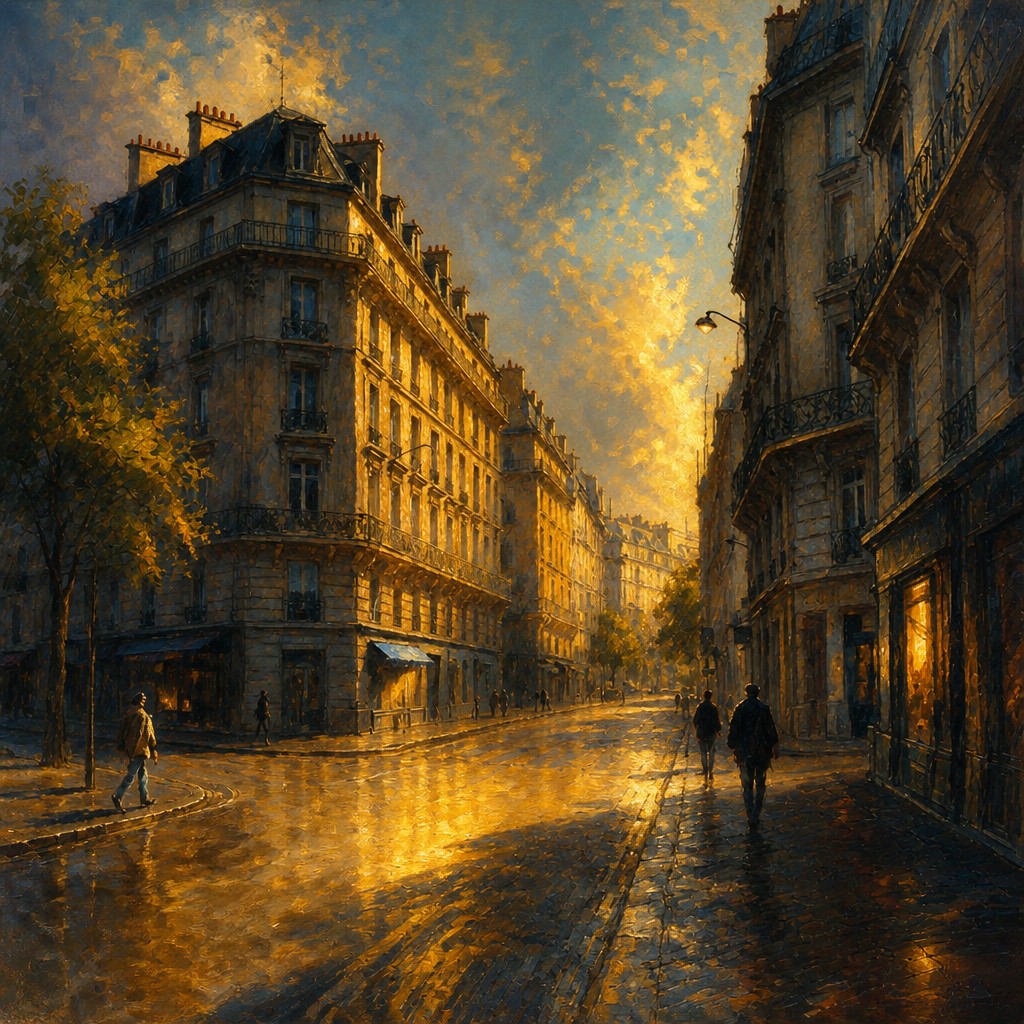
For contemporary versions, place present-day people, clothing, cities, or ecological scenes inside a Romantic visual structure. The contrast between modern subject matter and sublime treatment is central to the style's updated identity.

The Story
History & Origins of Neo-Romanticism
Neo-Romanticism does not refer to a single unified historical movement with a fixed manifesto. In art-historical usage, it is usually applied to 20th-century and later work that reactivates Romantic concerns: the sublime, solitude, dream, memory, and emotional depth. Its visual lineage draws from 19th-century Romantic painting, but also from Symbolism, landscape traditions, and later expressive figuration and painterly abstraction.
In contemporary practice, Neo-Romantic aesthetics have expanded across painting, illustration, digital art, and cinematic image-making. Artists and image-makers use the language of Romanticism—melancholy, awe, transcendence, and nature imbued with feeling—while often introducing modern bodies, urban settings, ecological anxiety, or speculative imagery. The result is less a revival of period costume and more a modern emotional vocabulary built from older Romantic visual principles.
Influences: Neo-Romanticism is rooted in European Romantic painting and its emphasis on the sublime, especially the work of major German Romantic and British Romantic landscape painters, while also drawing from Symbolism, expressive landscape traditions, and painterly modernism. It can overlap in feeling with Pre-Raphaelite attention to mood and detail, though Neo-Romantic work is usually less literal and more atmospheric; in later 20th-century painting, artists associated with Neo-Romantic tendencies such as a prominent British painter of warped landscapes and a major British painter of dreamlike, war-shadowed scenes helped renew the style’s language of landscape, memory, and unease.
Frequently Asked Questions
What defines Neo-Romanticism art?
It is defined by emotional intensity, sublime or dreamlike subject matter, and a strong atmospheric treatment of light, color, and space. The style often centers on solitude, longing, awe, or spiritual reflection rather than literal description.
Is Neo-Romanticism the same as Romanticism?
No. Romanticism is the historical movement of the late 18th and 19th centuries, while Neo-Romanticism is a later revival or reworking of Romantic ideas. Neo-Romantic works often use modern subjects or contemporary technique while preserving the older emotional and symbolic aims.
What colors are common in this style?
Typical palettes mix rich saturated colors with muted earth tones: gold, deep blue, crimson, moss green, umber, charcoal, and gray-violet. The key is contrast between luminous accents and subdued surrounding tones.
How do I make an image look Neo-Romantic?
Use dramatic lighting, mist or atmospheric depth, expressive brushwork, and compositions that feel expansive or inwardly charged. If working digitally or with generation prompts, include words like luminous highlights, deep shadows, painterly texture, soft edges, and sublime mood.
What is the difference between Neo-Romanticism and Symbolism?
Both can be emotional and suggestive, but Symbolism often uses allegory, myth, and coded imagery more explicitly. Neo-Romanticism usually feels more landscape-driven, atmospheric, and rooted in the emotional experience of nature or space.
Where is Neo-Romanticism used today?
It appears in painting, illustration, cover art, editorial imagery, film concept art, and atmospheric digital compositions. It is especially effective for scenes that need emotional depth, ecological grandeur, or a contemplative, timeless tone.

Create your first Neo-Romanticism artwork
Describe anything — or upload a photo — and see it in Neo-Romanticism Art Style in seconds.
Make Something with Neo-Romanticism
Compare Neo-Romanticism
Related Styles
Discover similar art styles