Symbolism vs Neo-Romanticism: What's the Difference?
Symbolism is an art style that favors dreams, myth, allegory, and inward feeling over direct description. It often uses luminous color, suggestive atmosphere, and metaphysical imagery to hint at hidden states of mind or spiritual realities.
Neo-Romanticism is a contemporary revival of Romantic ideas, emphasizing sublime nature, emotional intensity, luminous shadows, and a reflective or spiritual mood in painting and digital art. People compare the two because both prioritize emotion, mystery, and atmosphere, but they differ in historical context and in how they use symbols versus nature to create meaning.
Same Prompt, Both Styles
Each pair below was generated from the identical prompt — only the style changed.
“portrait of two people together”
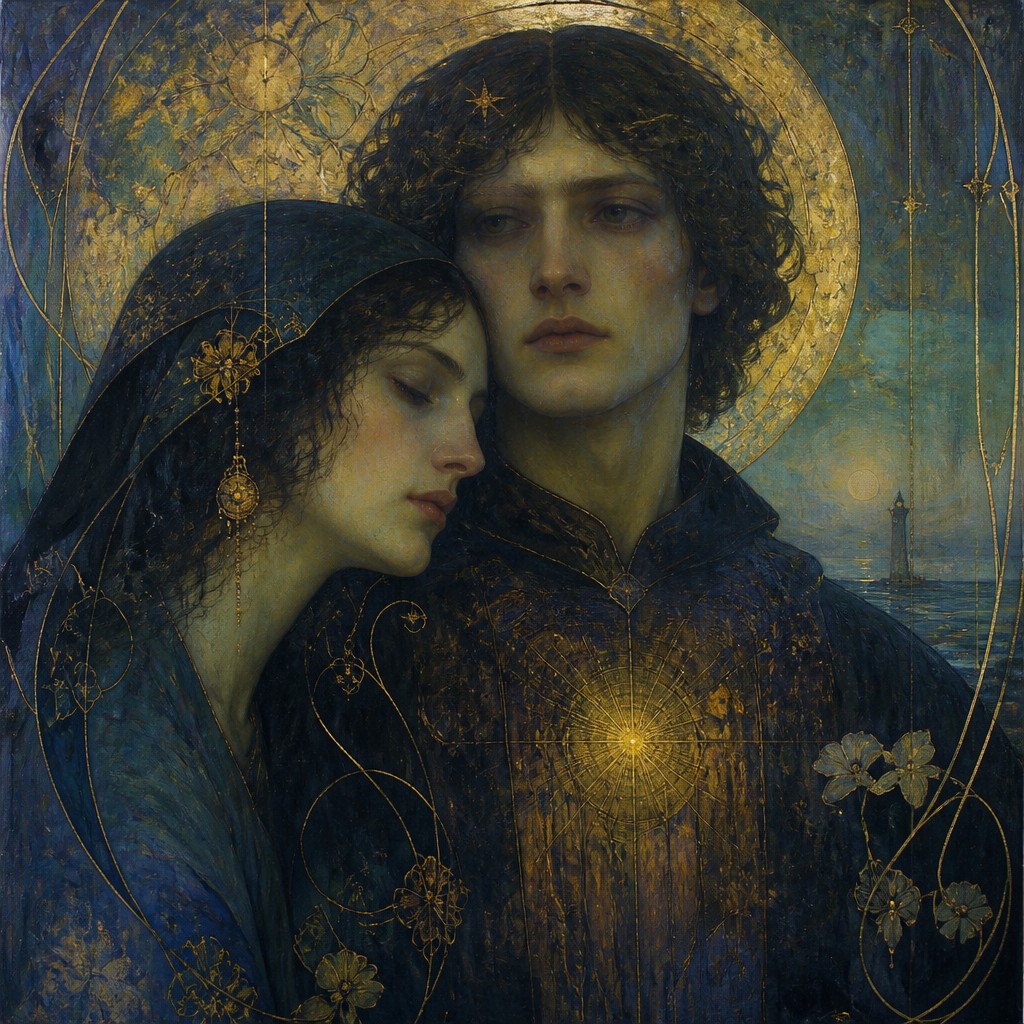
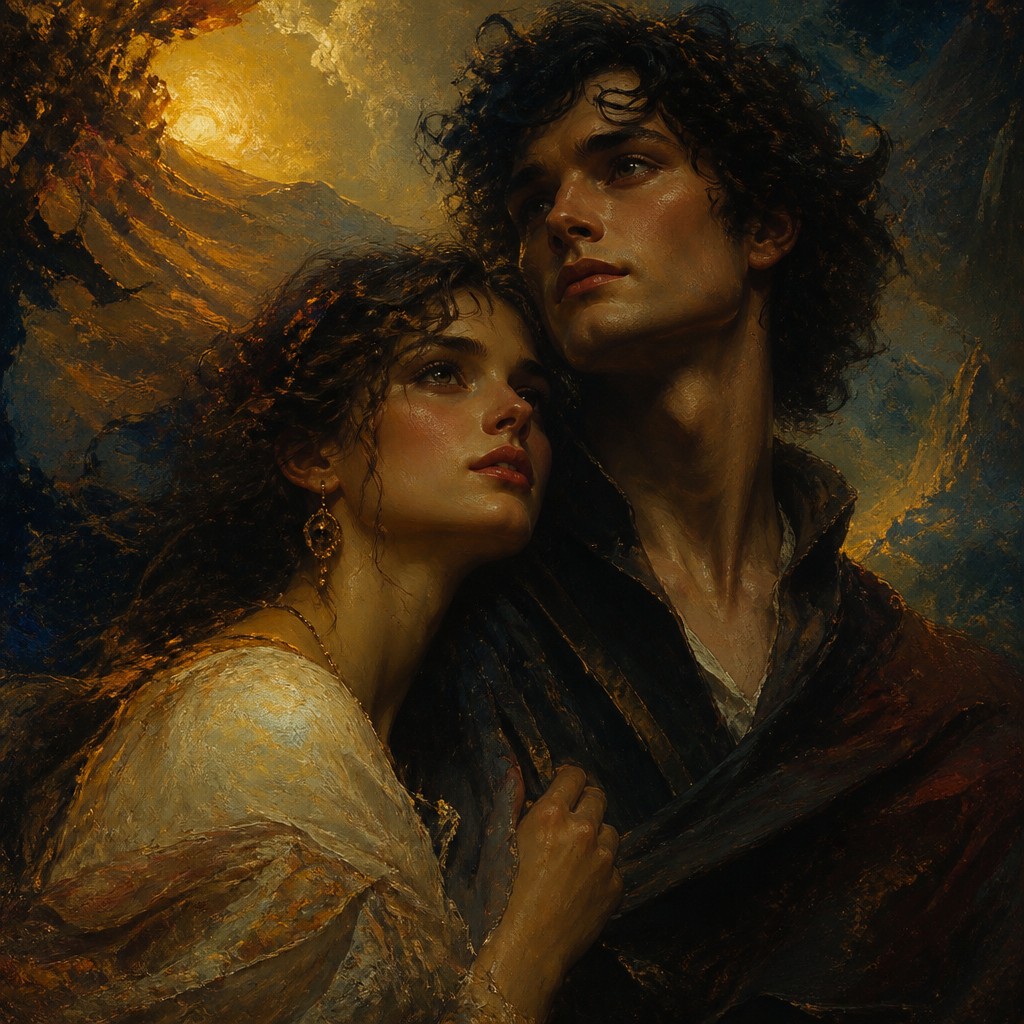
“wide landscape with natural scenery”
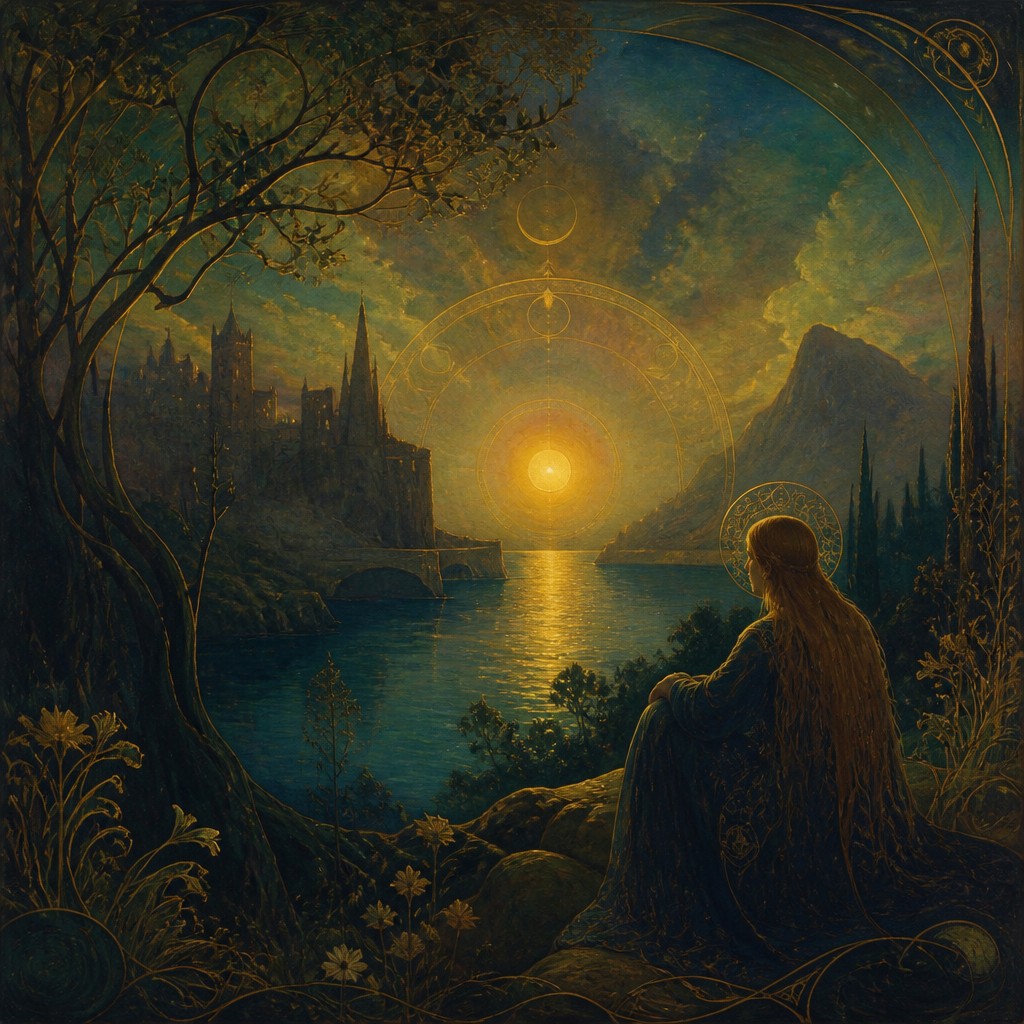
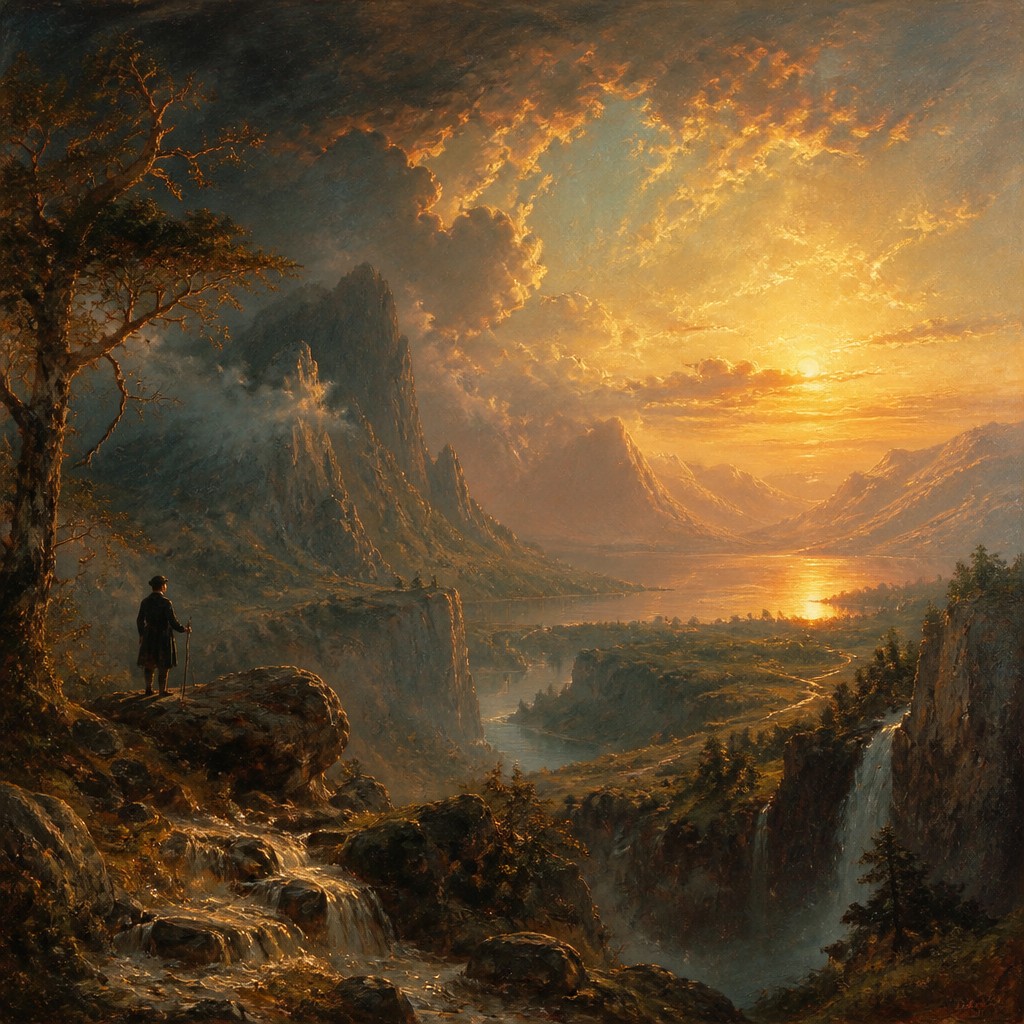
“still life with everyday objects”
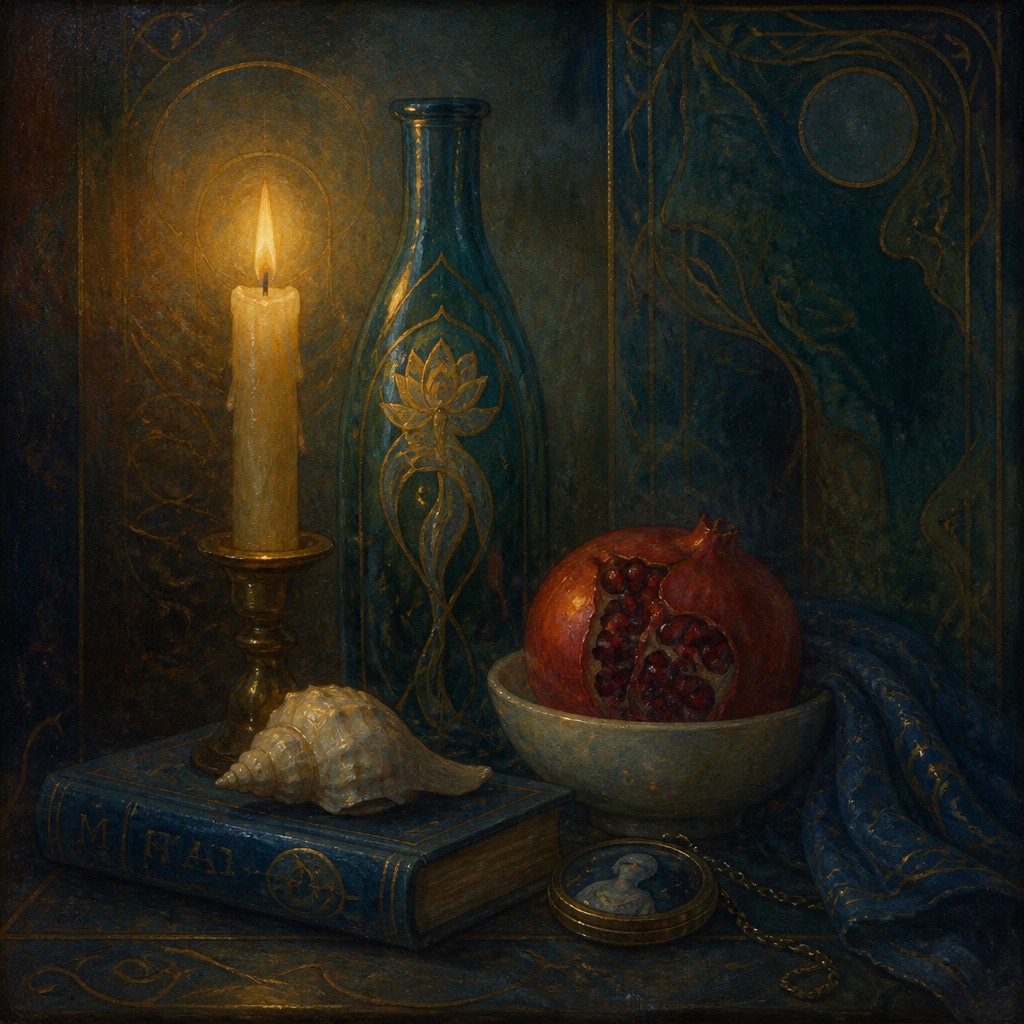
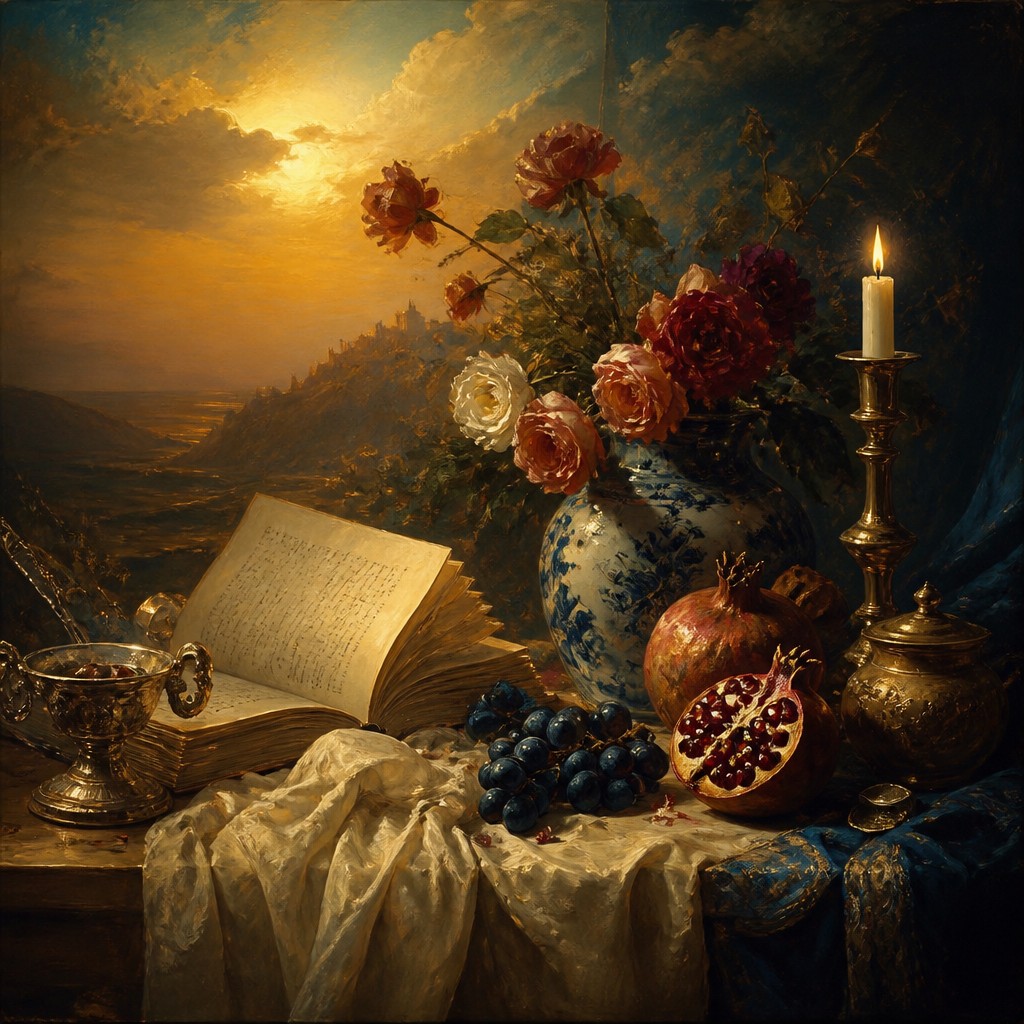
“bicyle resting against a wall”
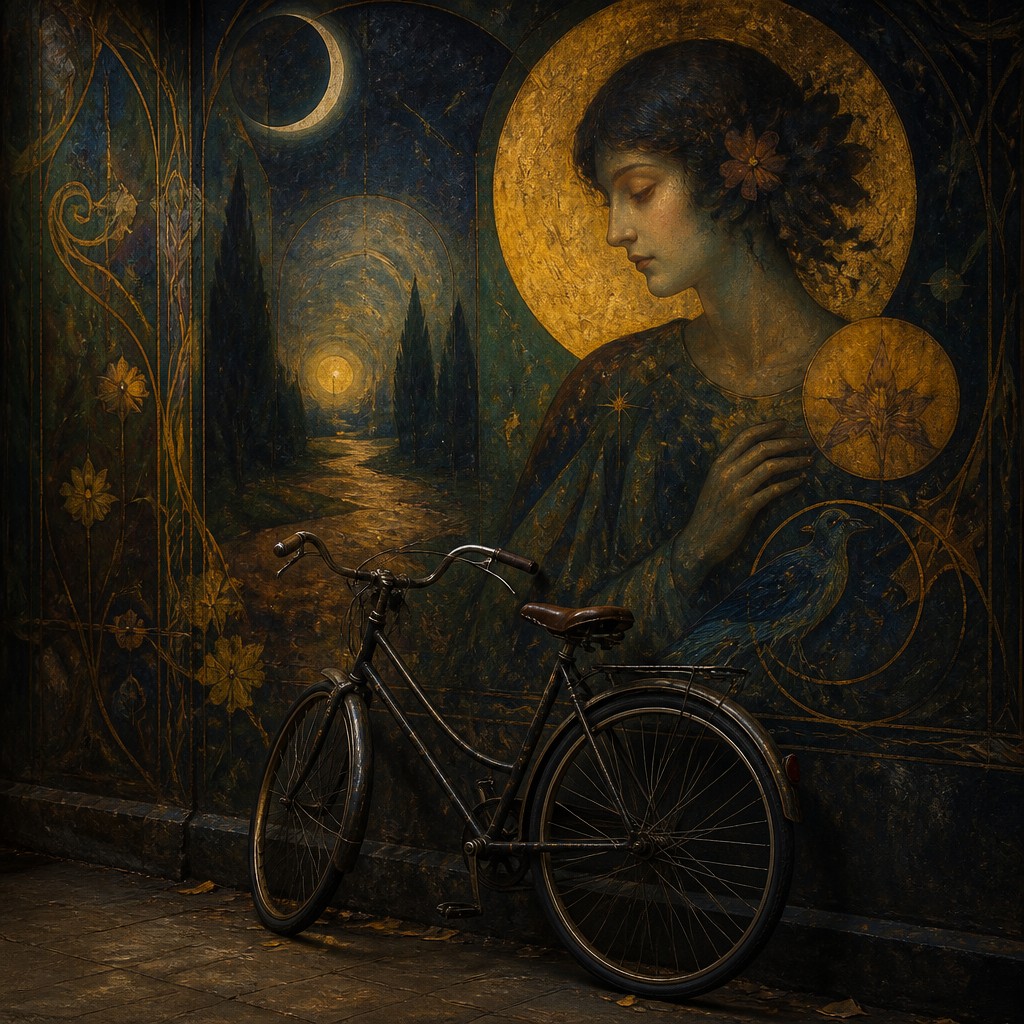
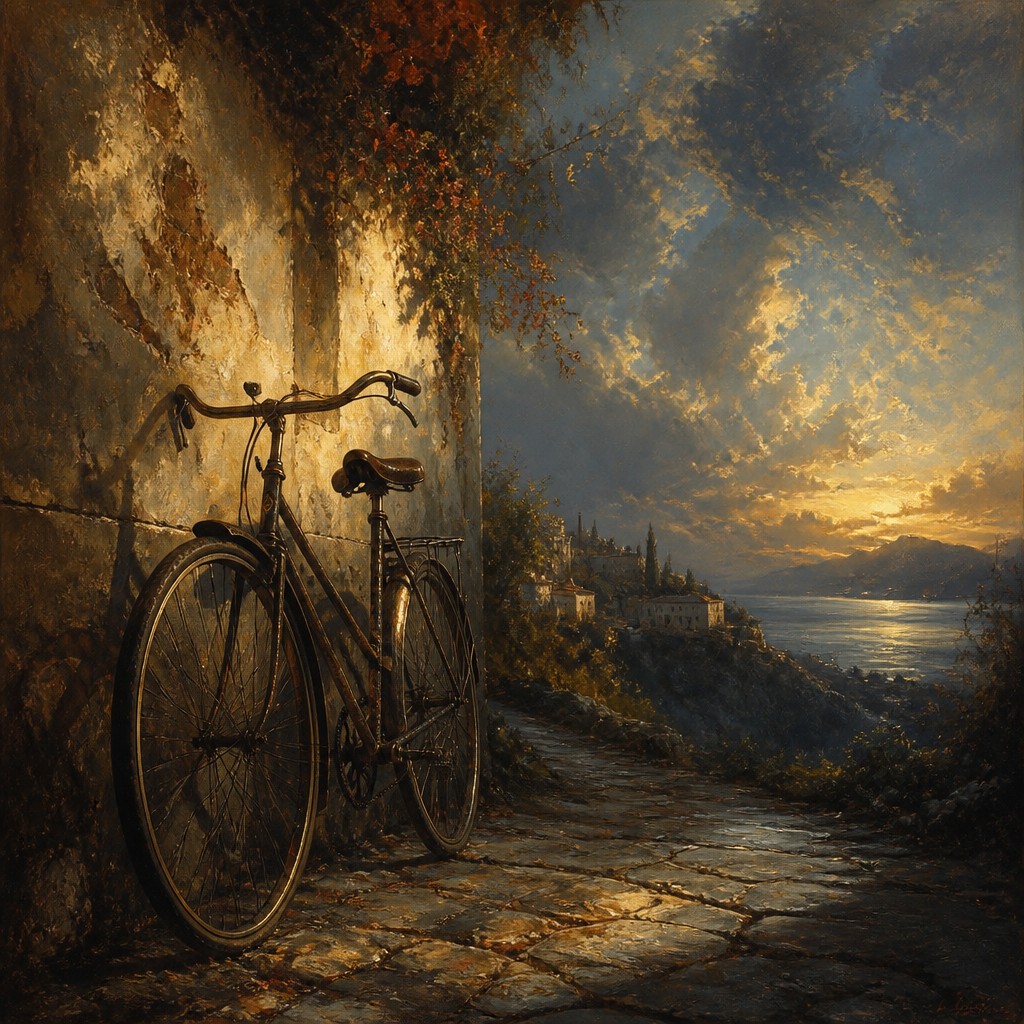
Key Differences
| Symbolism | Neo-Romanticism | |
|---|---|---|
| Core subject | Myths, dreams, allegories, and inner psychological states. | Sublime landscapes, solitary figures, and atmospheric nature. |
| Meaning-making | Symbols and metaphors imply hidden or spiritual meanings. | Mood and scenery carry emotion more directly and expansively. |
| Historical context | Late 19th-century reaction against realism and materialism. | Modern revival drawing from Romantic traditions in new media. |
| Atmosphere | Mystical, dreamlike, and often enigmatic. | Melancholic, awe-filled, and emotionally immersive. |
| Color and light | Luminous, often symbolic color with unreal or heightened effects. | Glowing shadows and dramatic light that enhance natural drama. |
| Typical media | Painting, drawing, prints, and decorative arts. | Painting and digital art with painterly or cinematic effects. |
| Mood | mystical, haunting, contemplative, dreamlike, spiritual | evocative, melancholic, awe-struck, yearning, spiritual |
| Energy | calm | intense |
| Detail level | detailed | detailed |
| Color | muted, luminous, earthy, twilight-toned | rich, muted, atmospheric, twilight-toned |
| Texture | soft, painterly, velvety surfaces | painterly, soft-edged, layered |
| Origin | late 19th-century Europe | 20th-century Europe, Romantic revival |
| Best for | album covers, book covers, poetry illustrations, poster art, symbolic concept art | book covers, movie posters, concept art, editorial illustration, album art, landscape paintings |
| Difficulty | advanced | advanced |
Which Should You Choose?
Choose Symbolism if you want imagery that feels encoded, mythic, and psychologically layered, where objects and figures stand for deeper ideas. Choose Neo-Romanticism if you want emotional grandeur, nature-driven awe, and a spiritual atmosphere that feels immediate and immersive. In short, A is better for symbolic ambiguity and inner meaning; B is better for sublime mood and expressive landscape-centered drama.
Frequently Asked Questions
Are Symbolism and Neo-Romanticism the same thing?
No. They overlap in mood and emotional depth, but Symbolism is built around allegory and hidden meaning, while Neo-Romanticism revives Romantic feeling through nature, memory, and atmosphere.
Which style is more focused on symbols?
Symbolism is more explicitly symbolic. Neo-Romanticism can use symbols too, but its main effect usually comes from mood, landscape, and emotional resonance.
Which style works better for fantasy or spiritual imagery?
Both can work well. Symbolism suits dream logic, mythic references, and cryptic spiritual scenes, while Neo-Romanticism suits vast, haunting environments and sublime, contemplative fantasy.
Can these styles appear in digital art?
Yes. Symbolist ideas translate well to digital compositions with symbolic imagery and atmospheric color, and Neo-Romanticism is also common in digital painting because of its dramatic lighting and cinematic nature scenes.