Romanticism Art Style
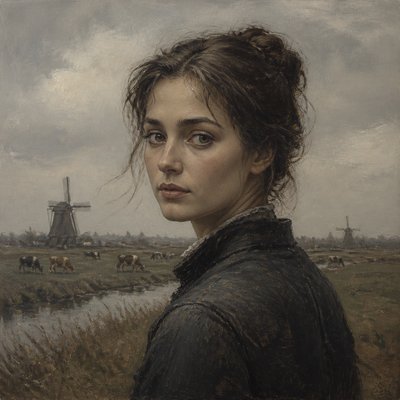
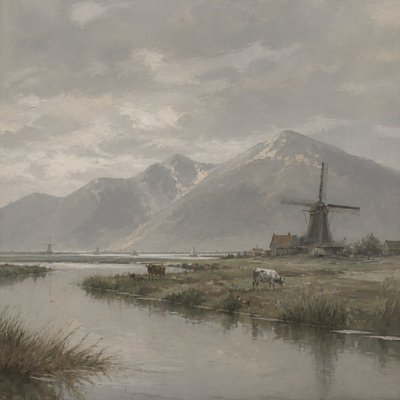
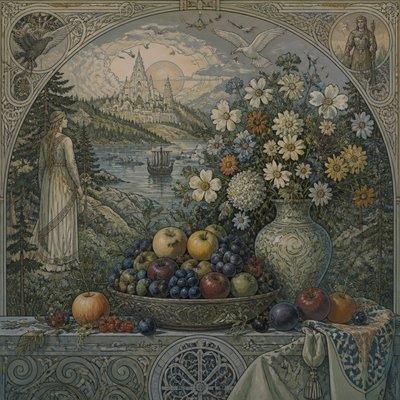
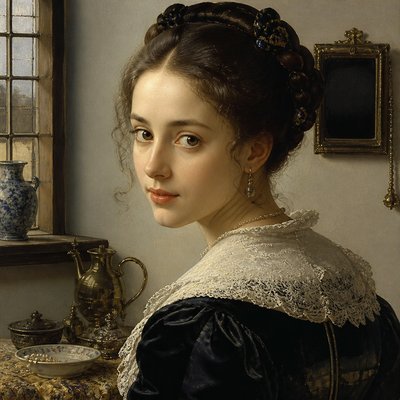
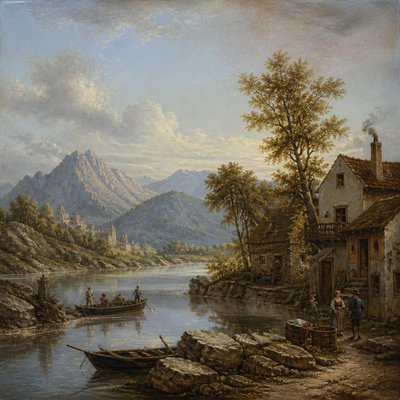
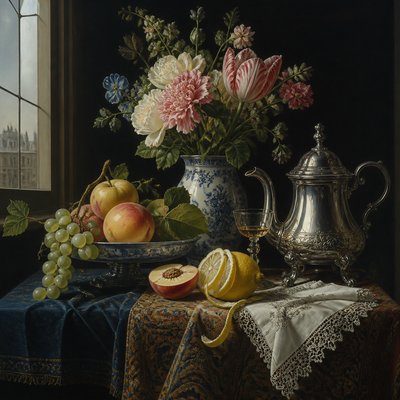
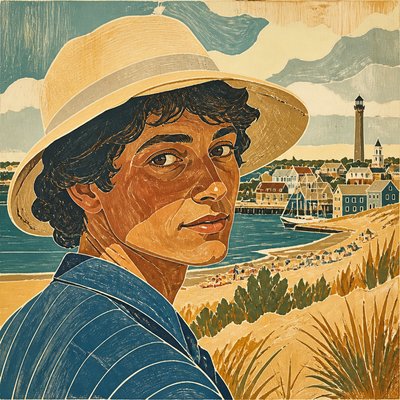
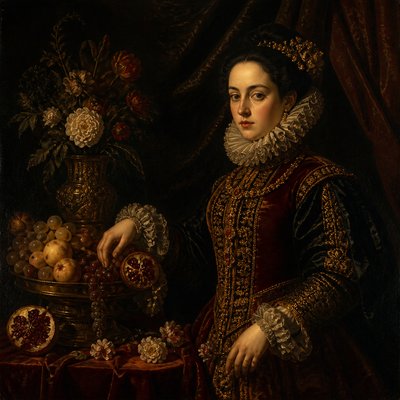
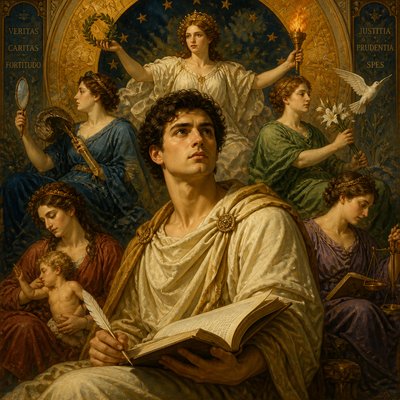
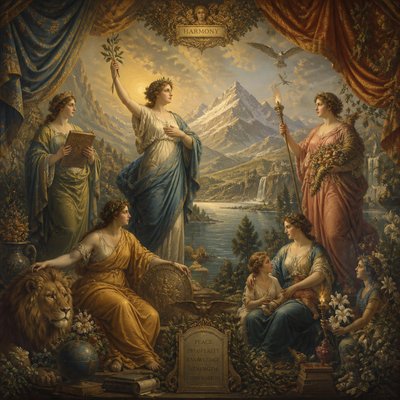
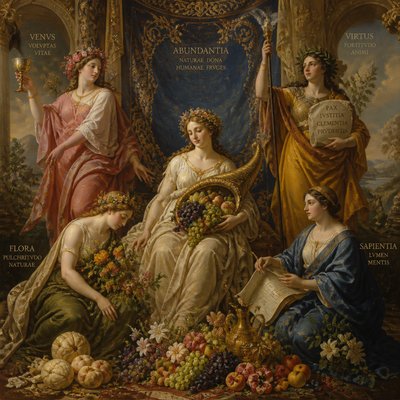
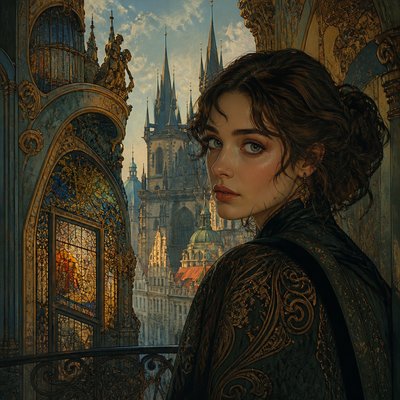
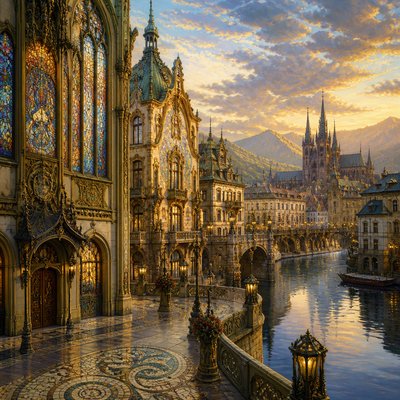
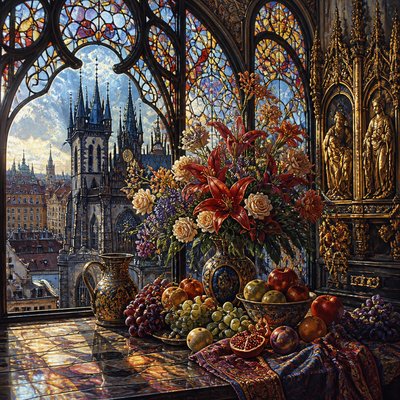
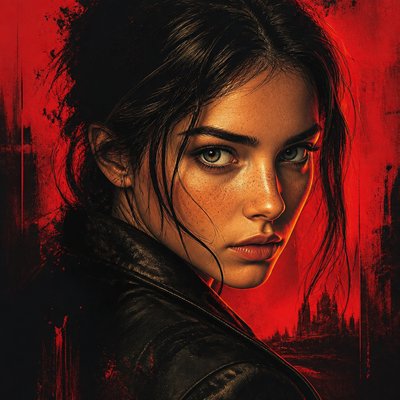
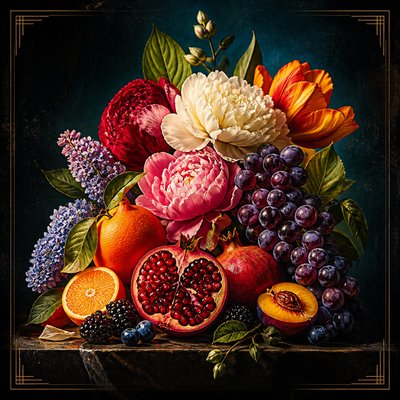
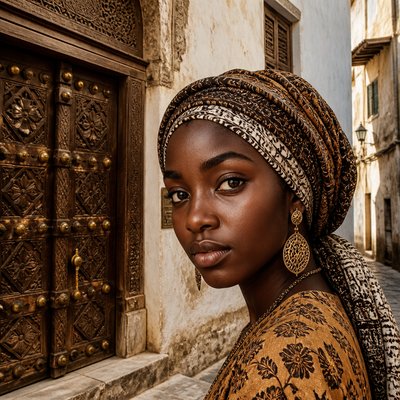
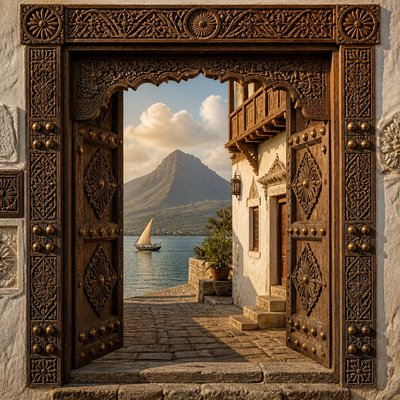
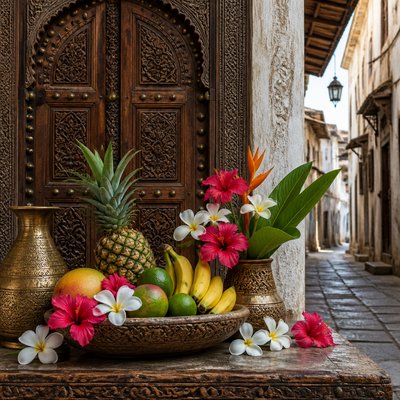
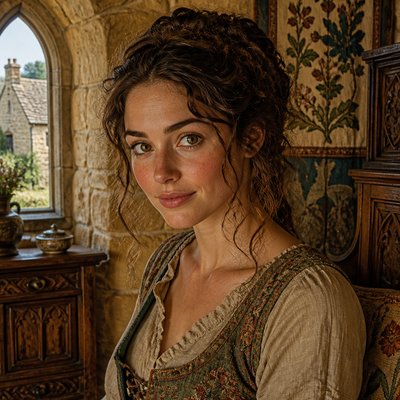
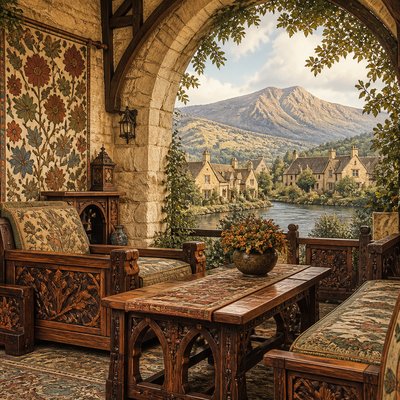
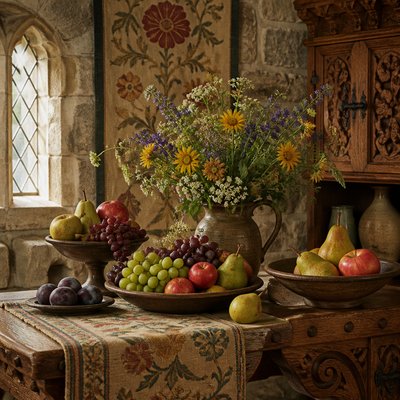
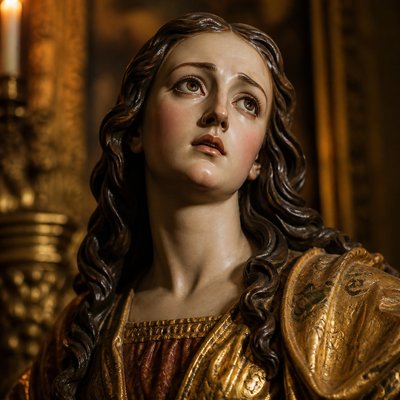
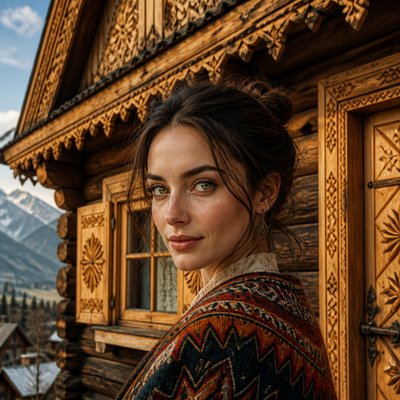
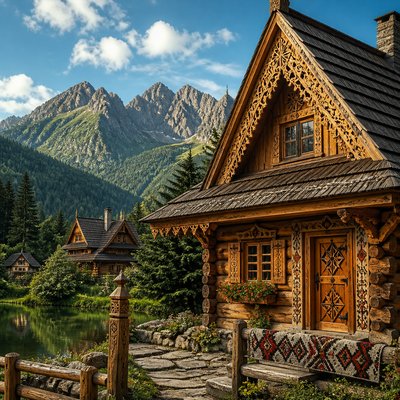
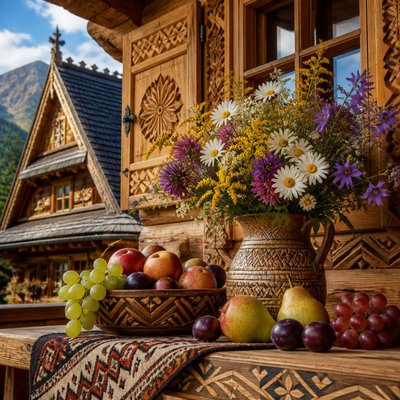
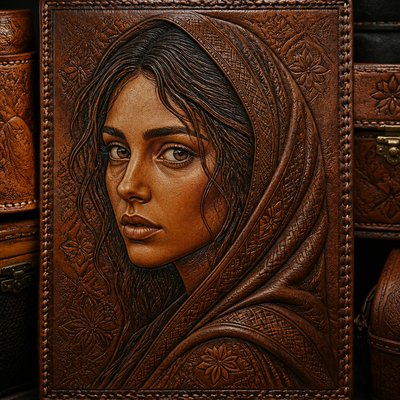
A 19th-century art movement of emotion, sublime nature, drama, and imagination, marked by rich color, movement, and intense feeling.
Instantly rendered in Romanticism — or transform a photo
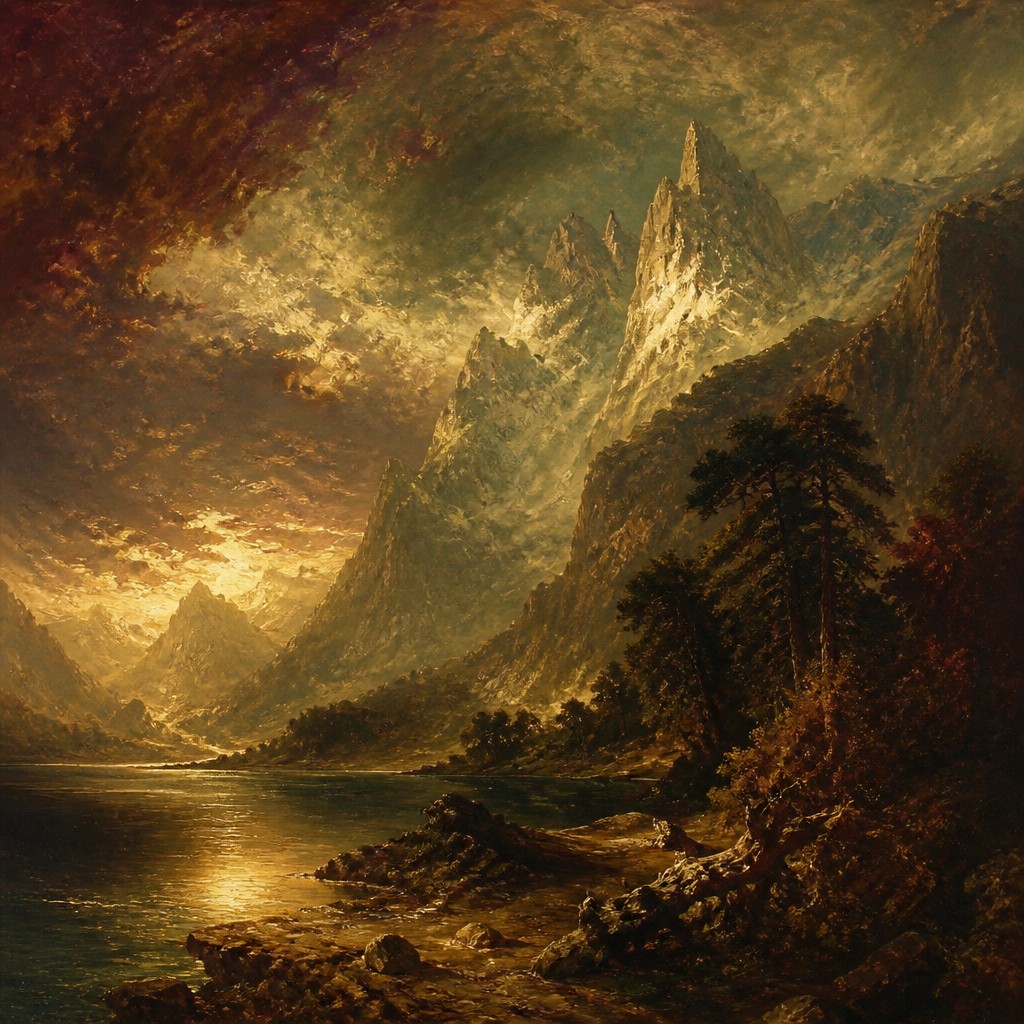
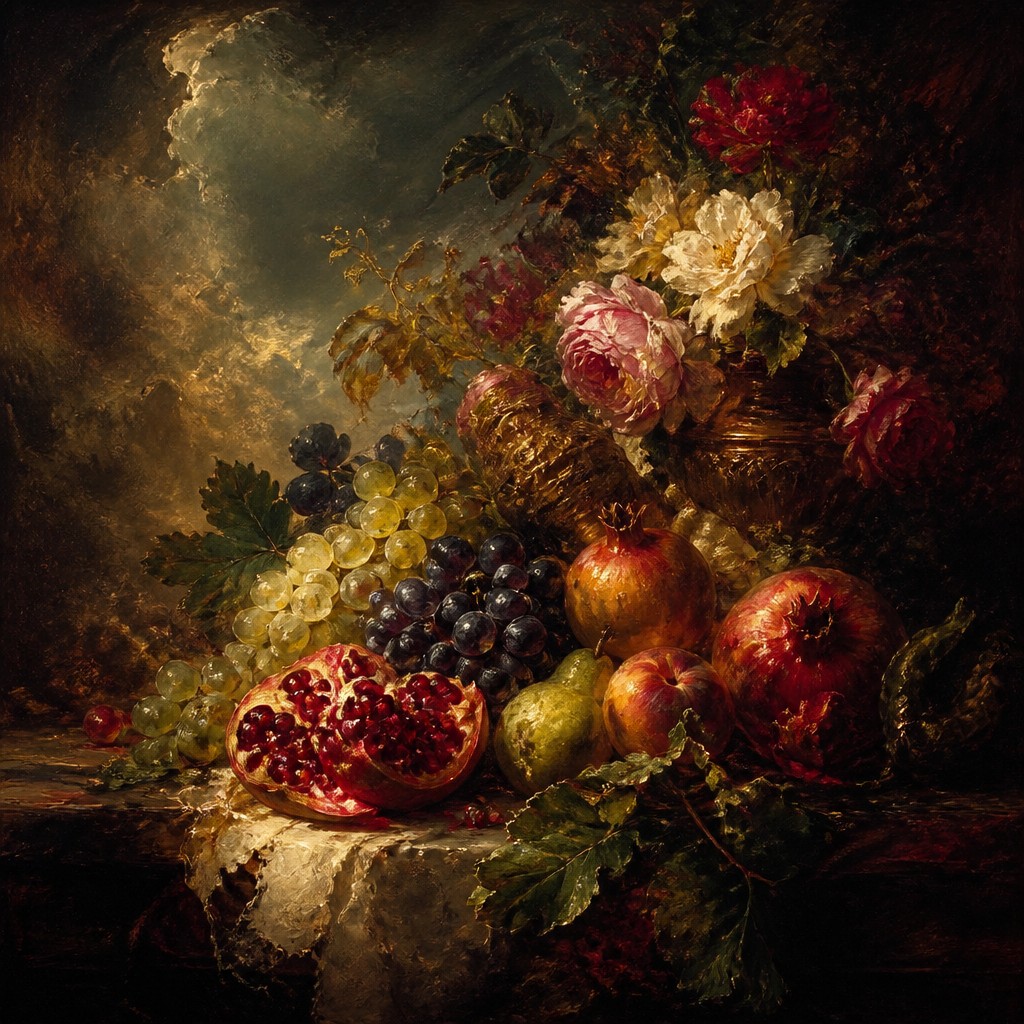
Romanticism Gallery
Tap any artwork to explore it
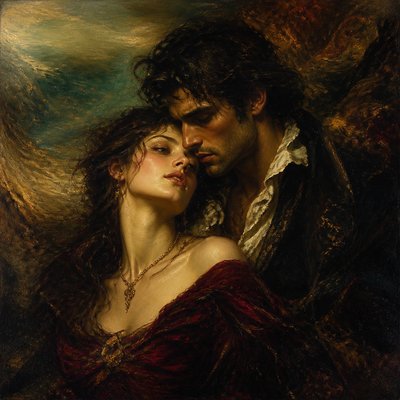
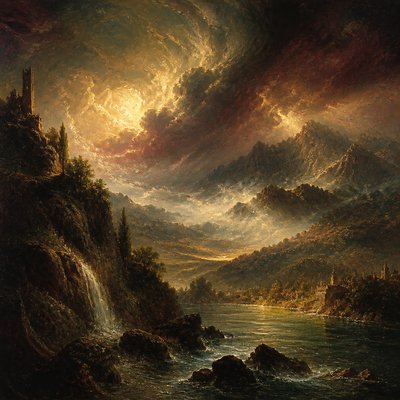
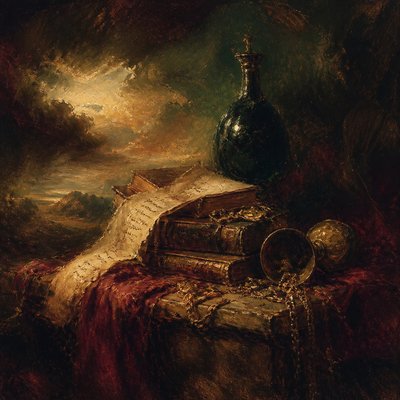
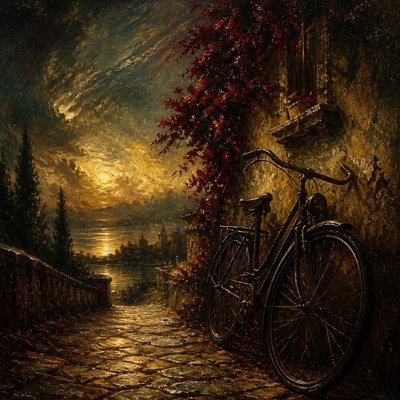
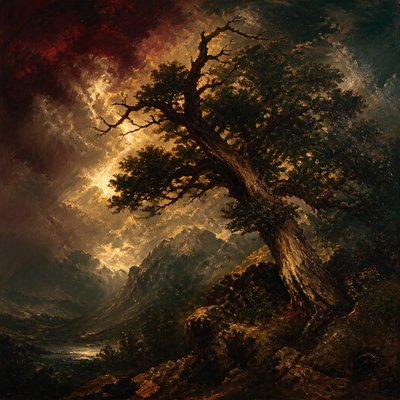
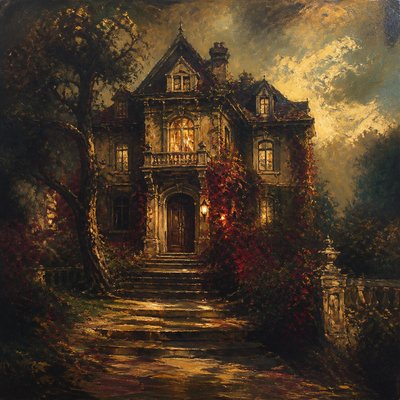
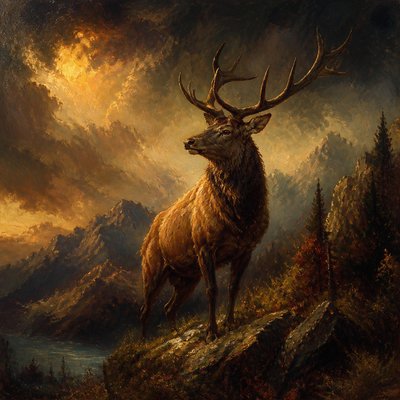
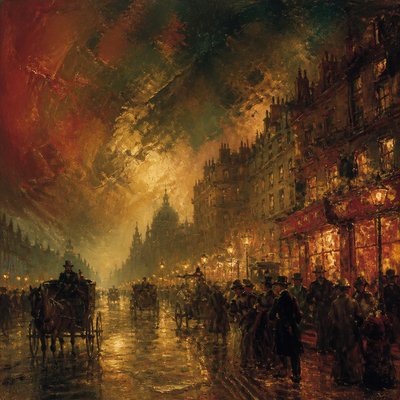
What is Romanticism Art Style?
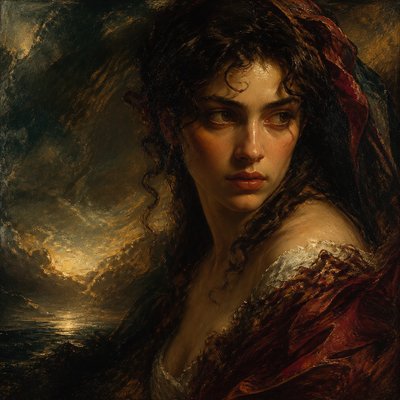
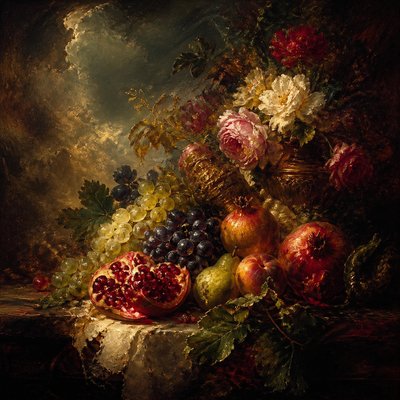
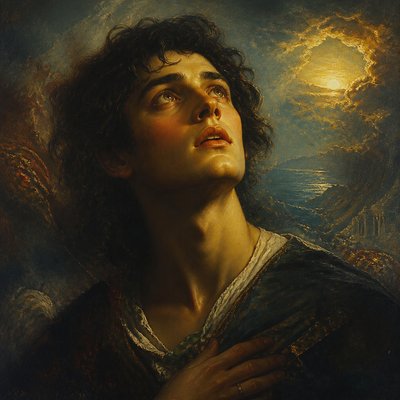
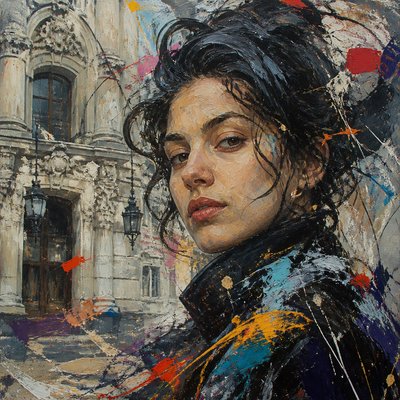
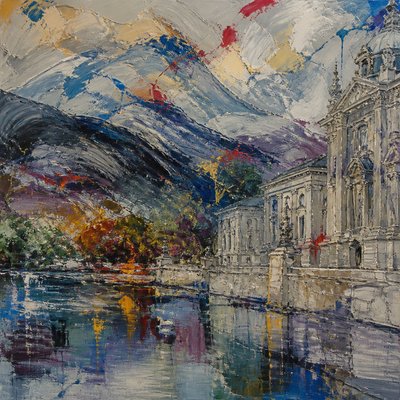
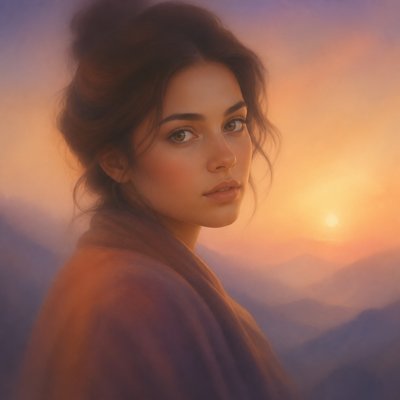
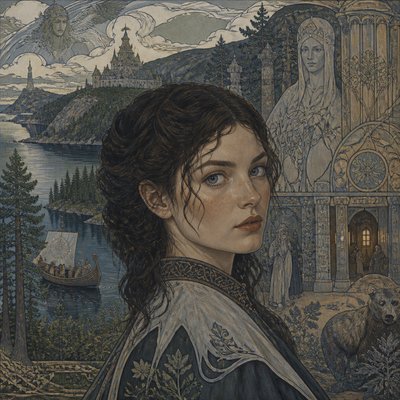
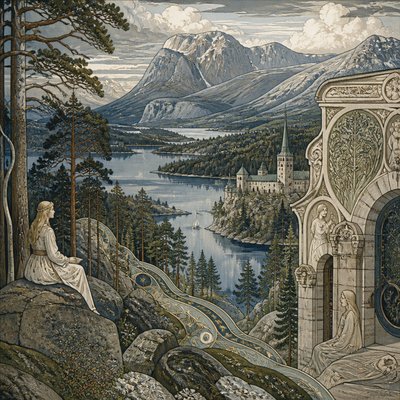
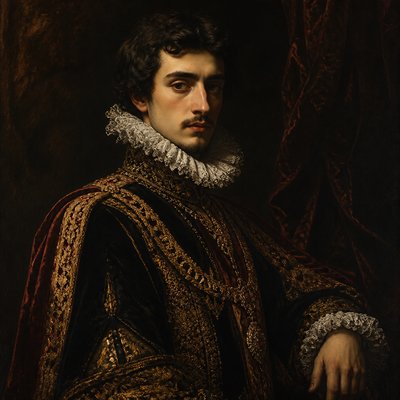
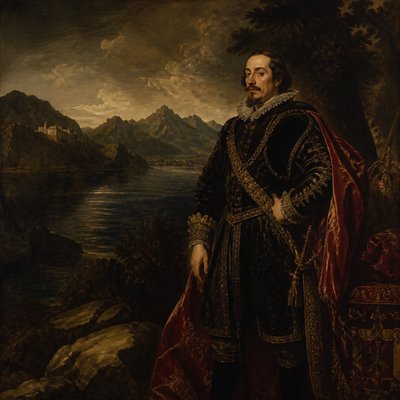
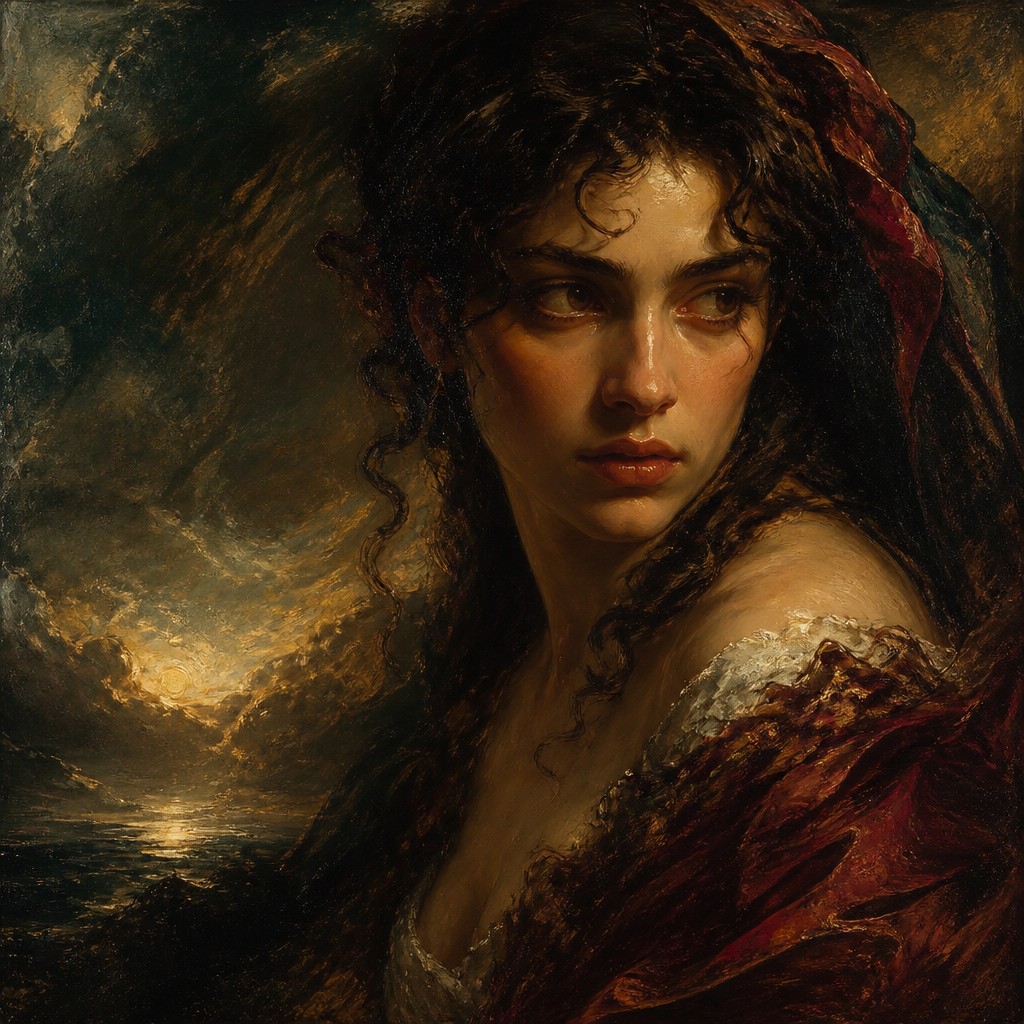
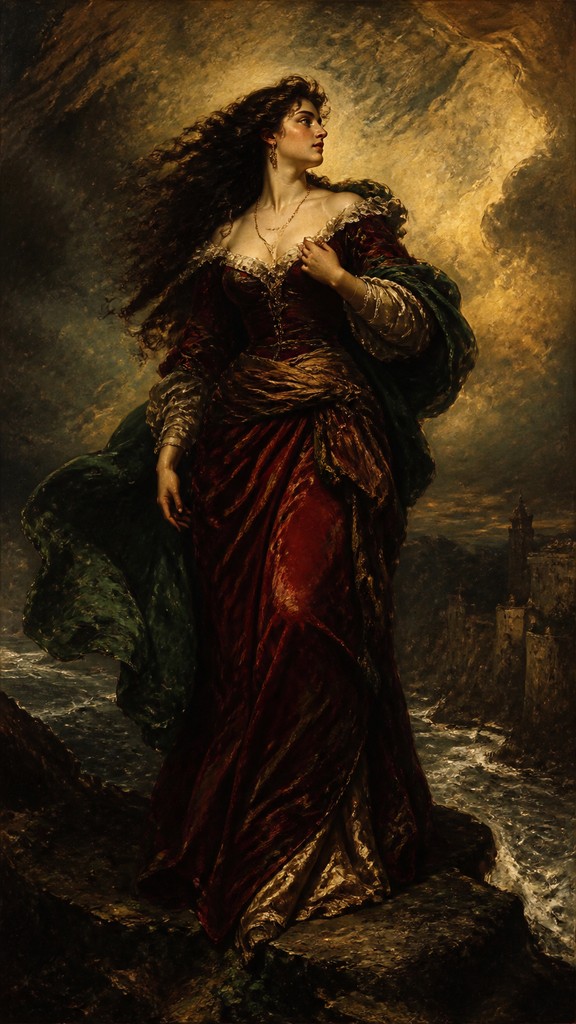
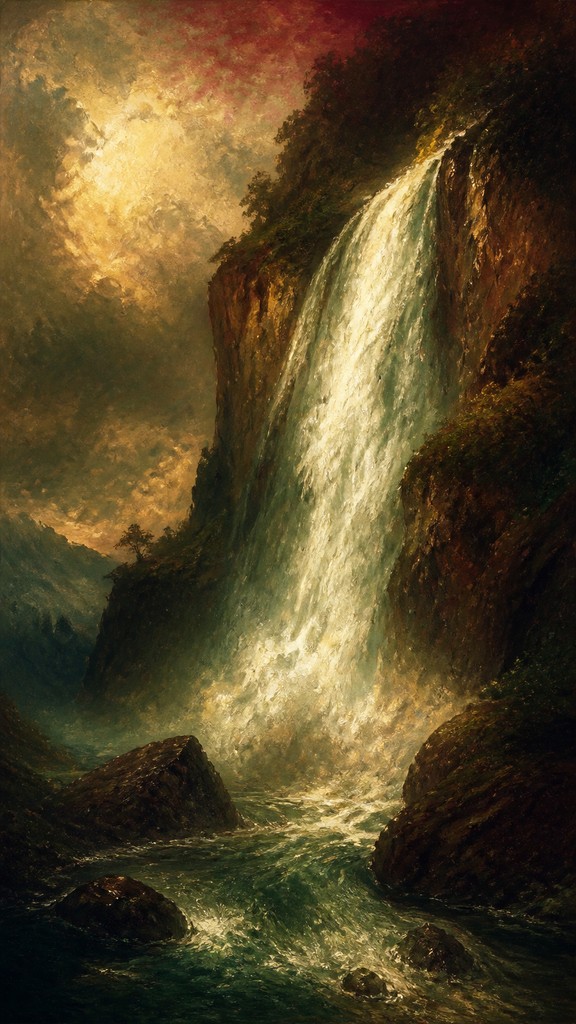
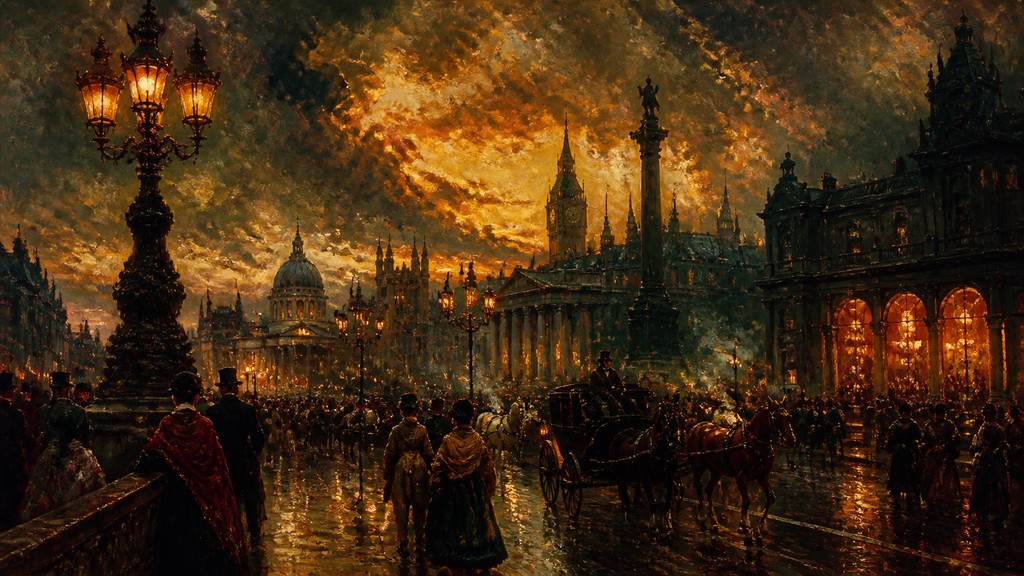
Romanticism was a major late-18th- and 19th-century movement in European art that placed feeling, imagination, individuality, and the power of nature above classical restraint and rational order. In painting, it is often recognized by dramatic light, turbulent movement, vivid color, and subjects that stir awe, fear, longing, or heroic sentiment.
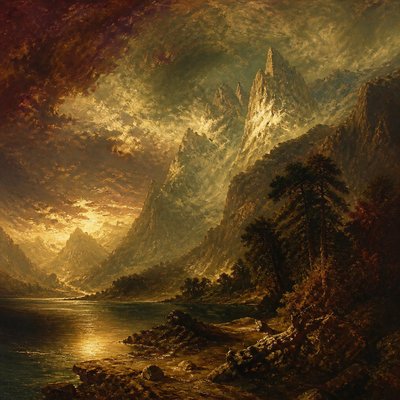
Its visual identity is intentionally expressive rather than detached. Romantic artists favored stormy seas, mountain landscapes, historical tragedies, literary scenes, exotic settings, and emotionally charged moments because the movement valued the sublime: the sense that nature, history, and human experience can overwhelm the viewer. The style often looks energetic, atmospheric, and psychologically intense because it was designed to communicate mood as much as depict appearance.
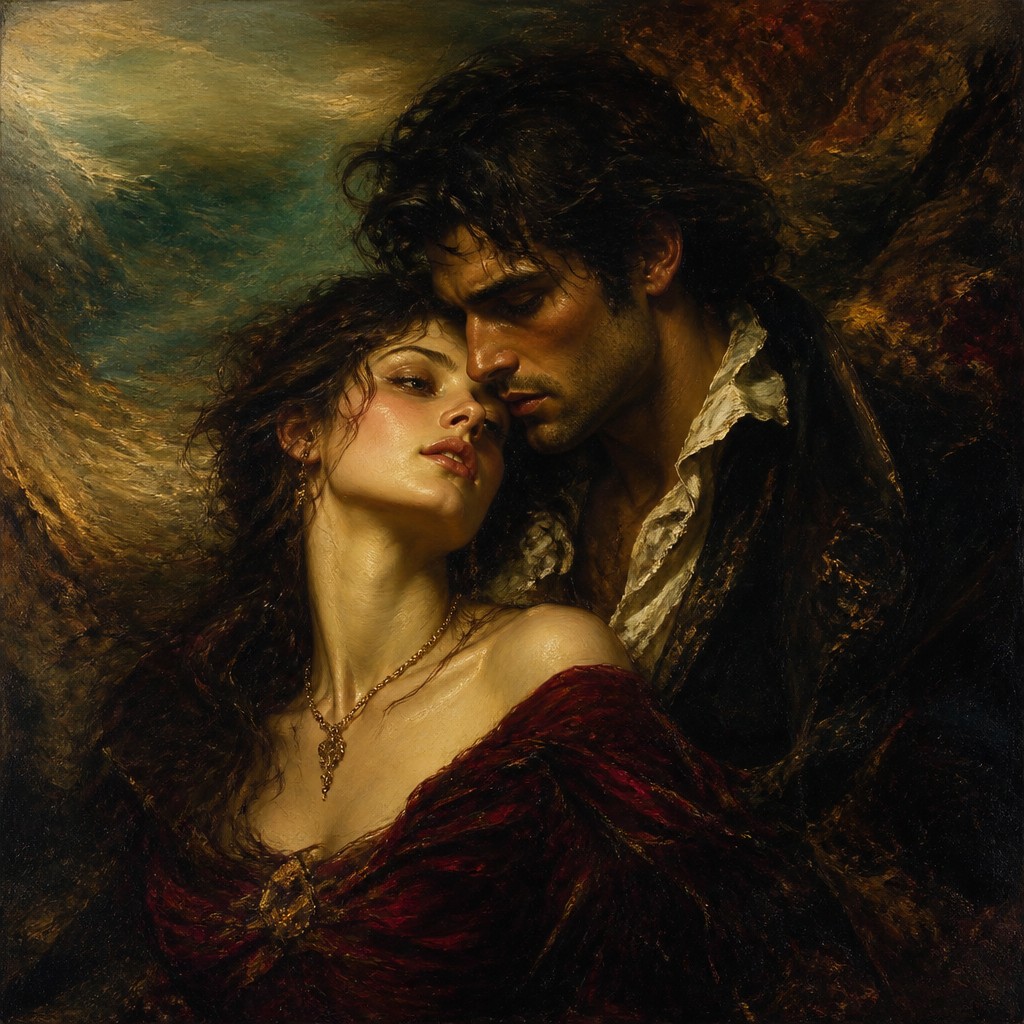
Try It On Your Photos
Upload any photo and convert it into Romanticism Art Style — drag the sliders to compare before and after.
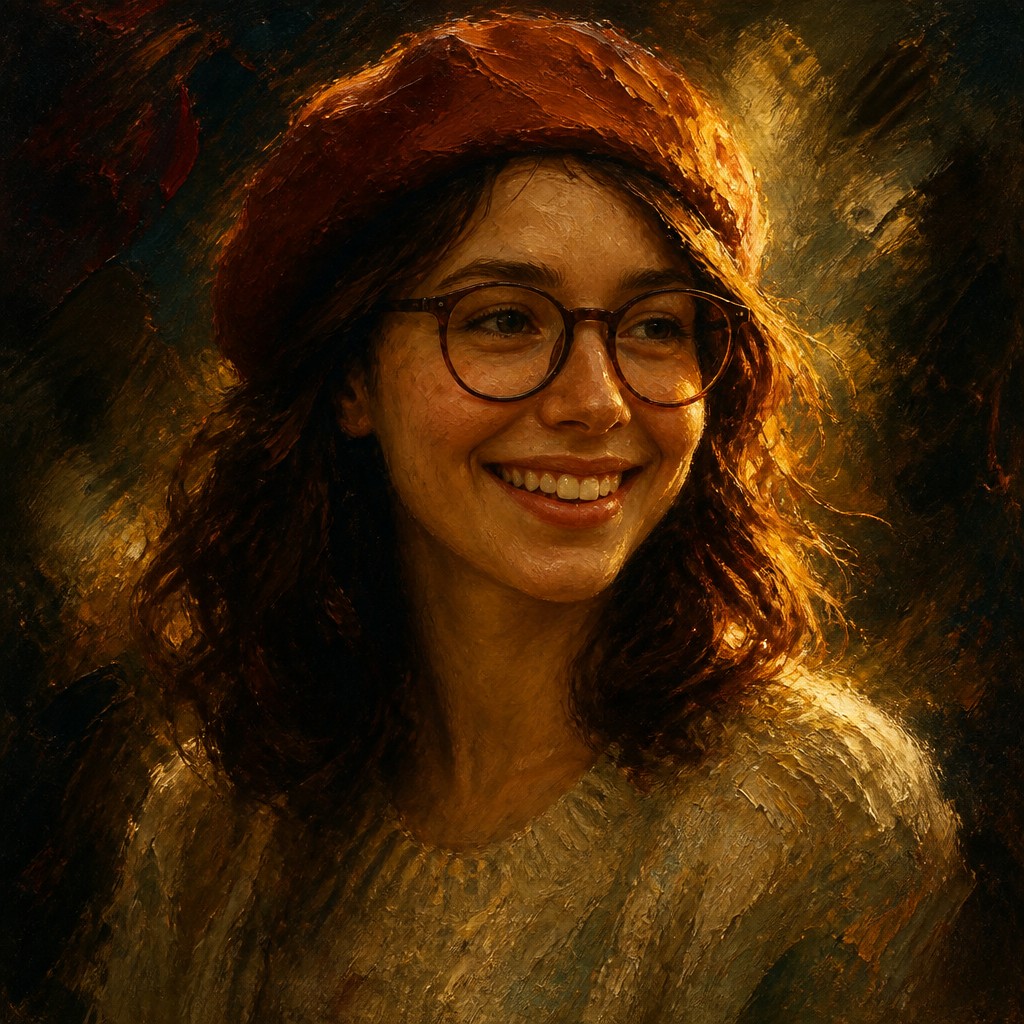

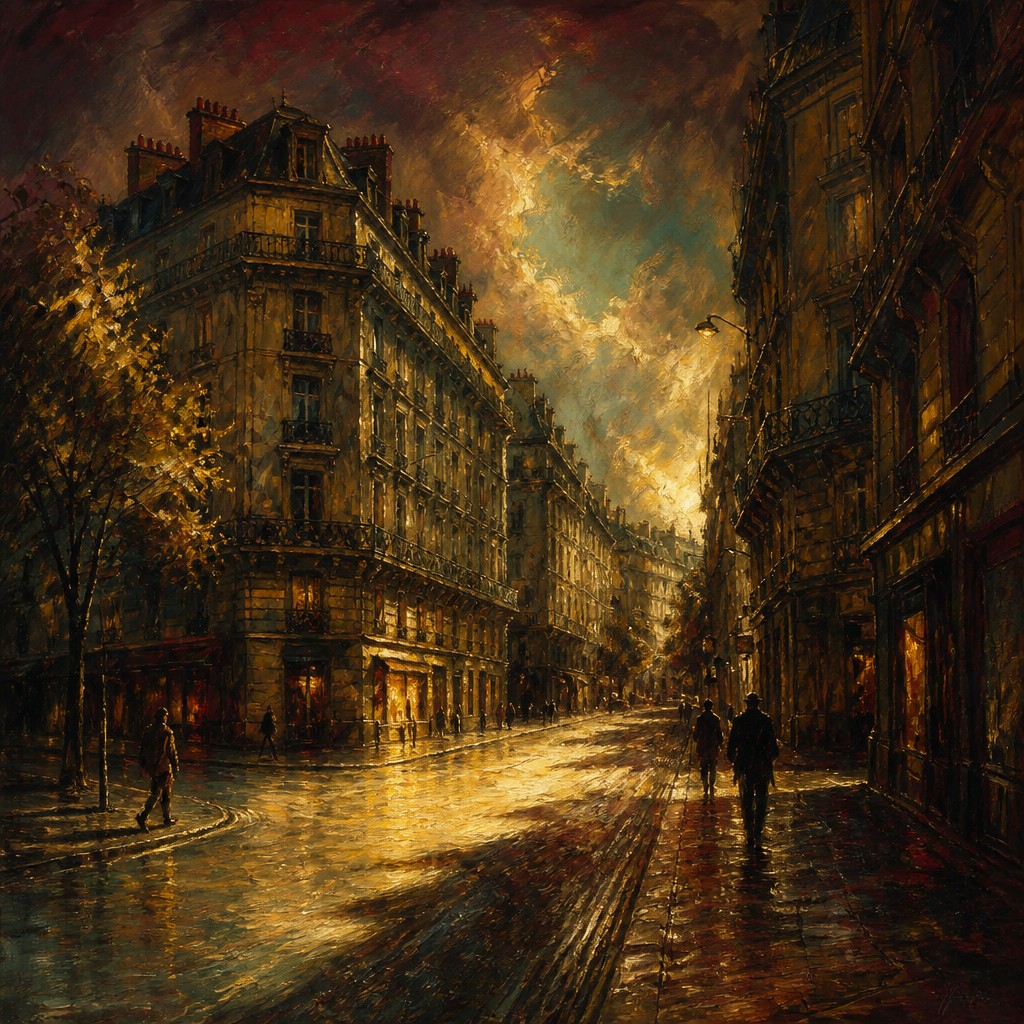

What Defines Romanticism Art Style
The signature details, up close
Emotional intensity
Romanticism prioritizes feeling over strict realism. Figures, landscapes, and events are arranged to evoke awe, grief, yearning, heroism, or melancholy.
The sublime in nature
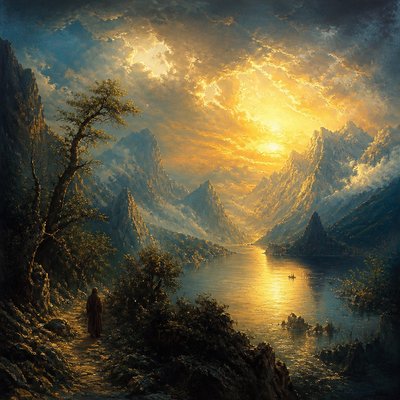
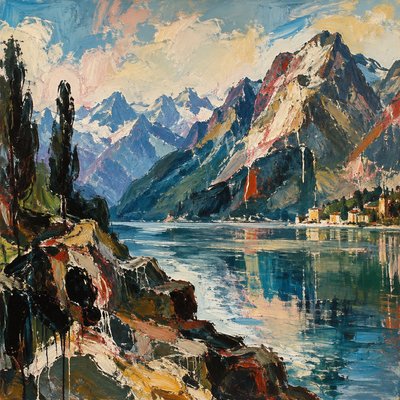
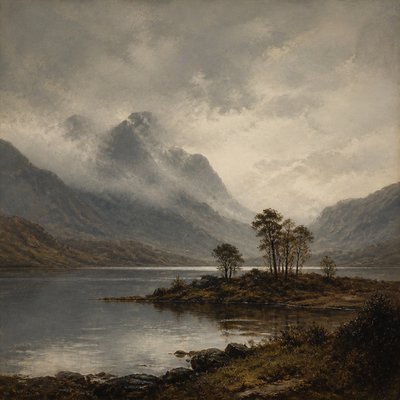
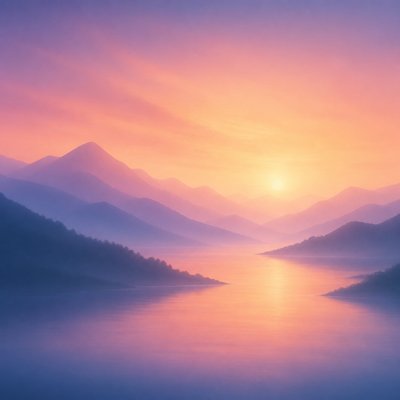
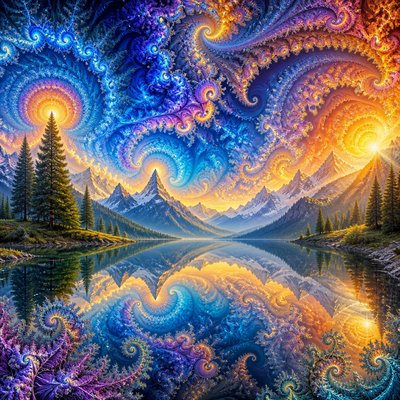
Mountains, storms, ruins, cliffs, forests, and seas often dominate the image. Nature is shown as vast, powerful, and sometimes threatening rather than merely decorative.
Dramatic light and shadow
Strong chiaroscuro and glowing highlights create tension and mood. Light often functions symbolically, suggesting revelation, hope, or transcendence.
Expressive brushwork
Paint handling is often loose, energetic, or visibly textured, especially in scenes of movement or atmosphere. The marks contribute to the emotional charge of the image.
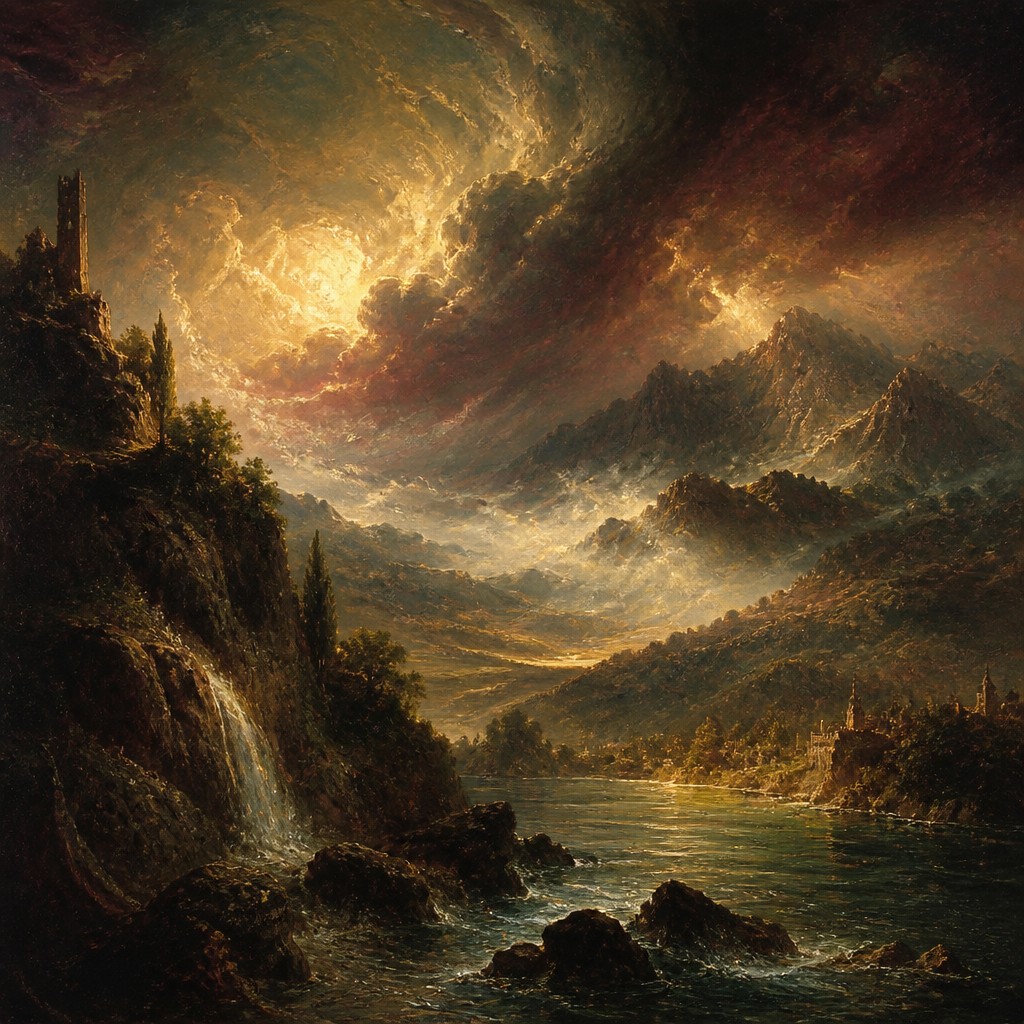
Asymmetrical, dynamic composition
Diagonal arrangements, sweeping gestures, and off-center focal points create movement and instability. This gives Romantic images a sense of urgency or dramatic momentum.
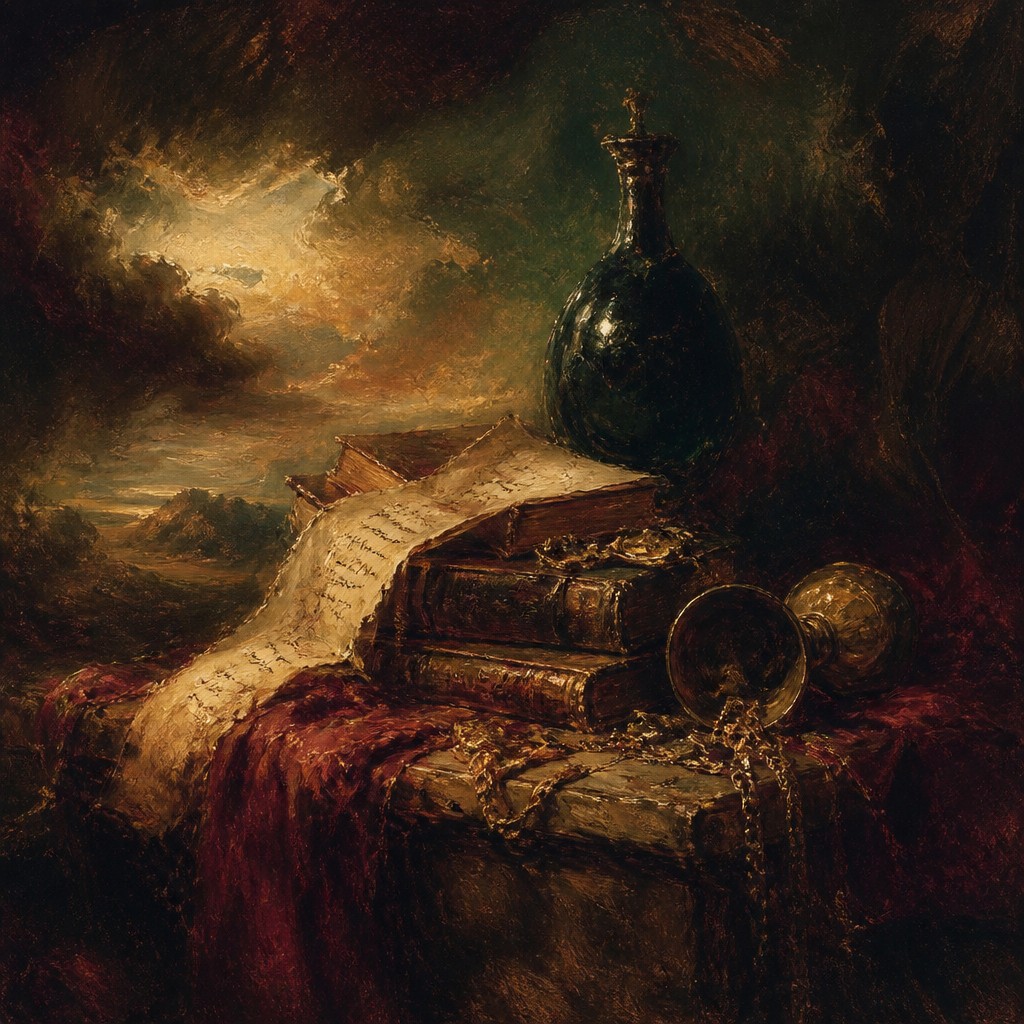
Exotic, historical, or literary subjects
Artists frequently turned to distant cultures, medieval legends, national history, or literature. These subjects offered heightened emotion and imagination beyond everyday life.
Try It
Create Videos in Romanticism Art Style
Styles aren't just for stills — describe a scene or animate an image and get a short video rendered in Romanticism. Press play to see this pond come to life.
Make a VideoRomanticism Prompt Ideas
Start from an idea — each one opens the generator with the style ready to go. See all 40 Romanticism prompts →
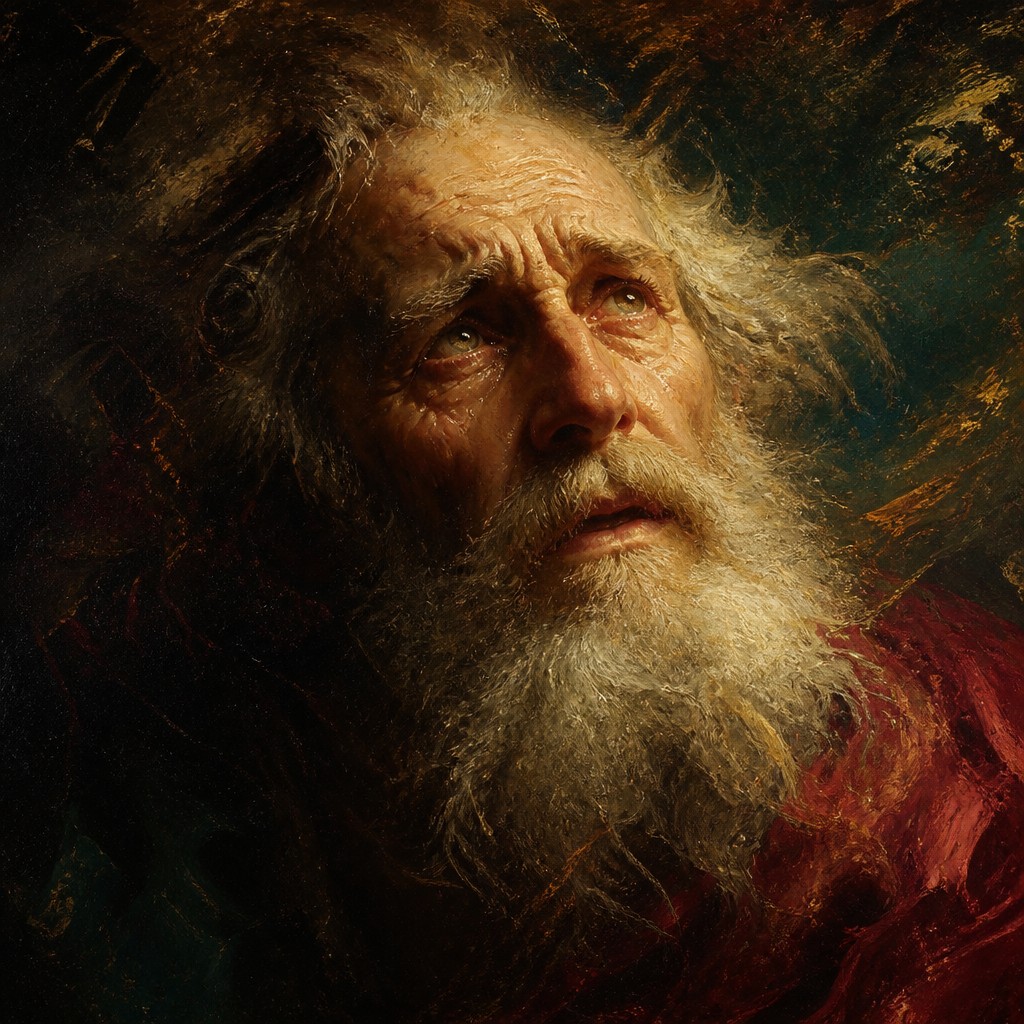
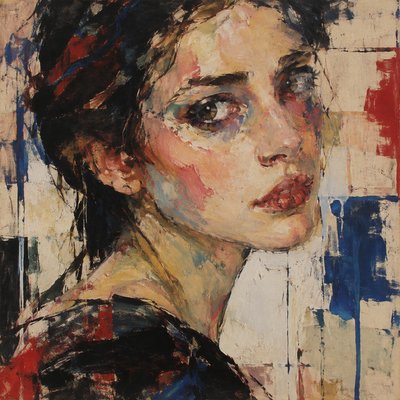
“close-up portrait of an elderly person with expressive weathered features”
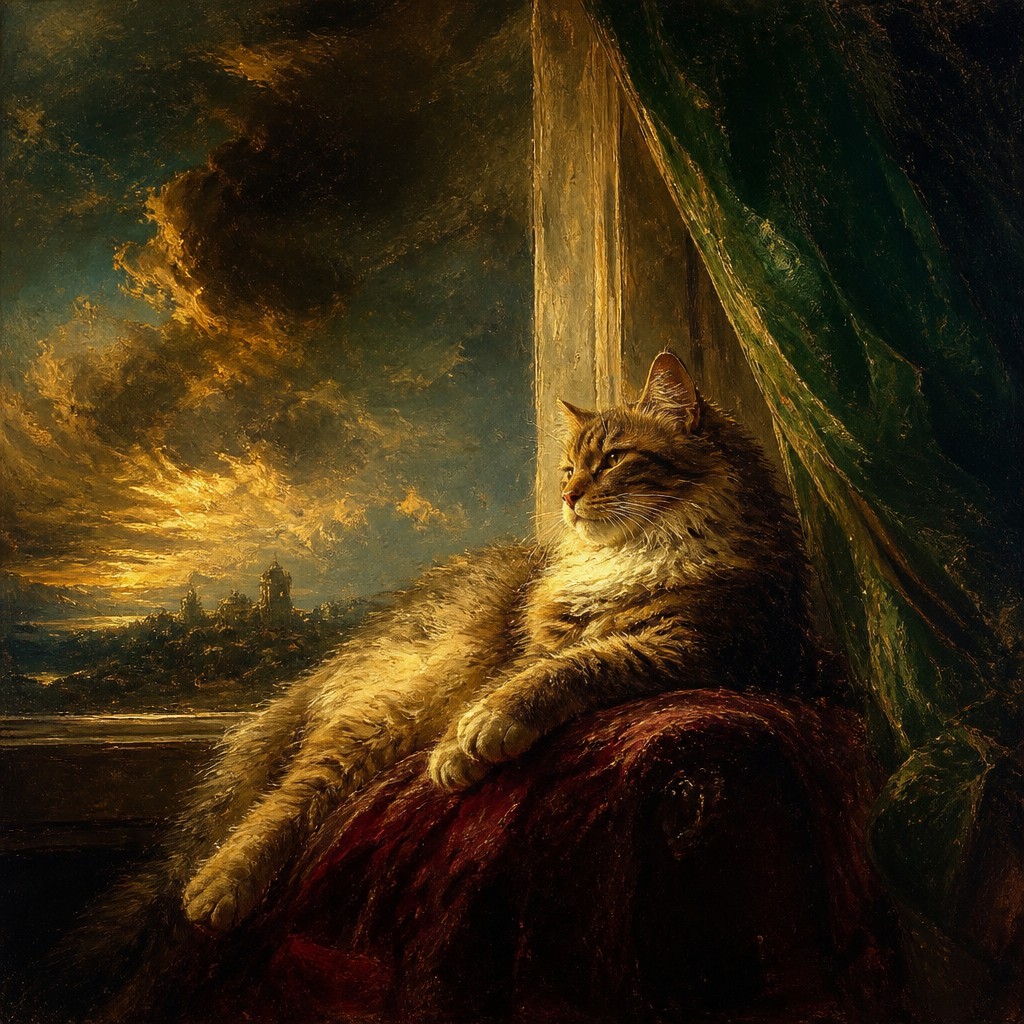
“a cat lounging in a sunlit window”
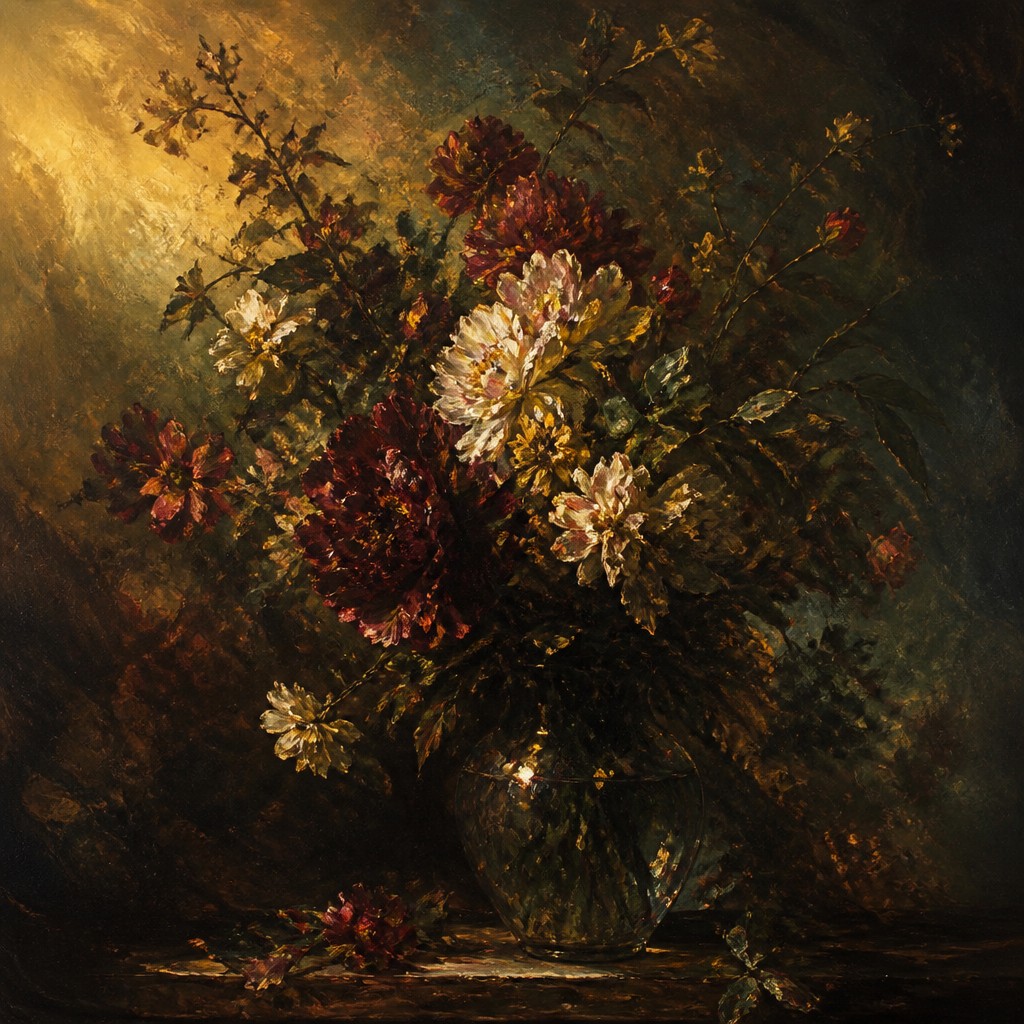
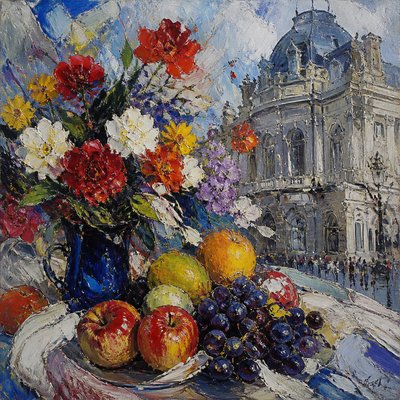
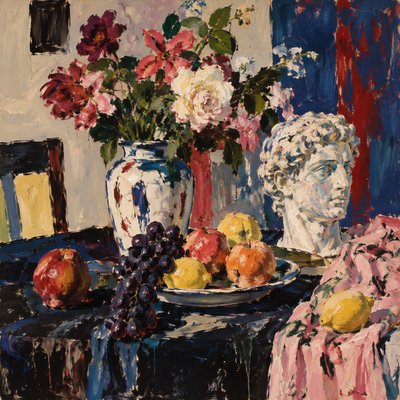
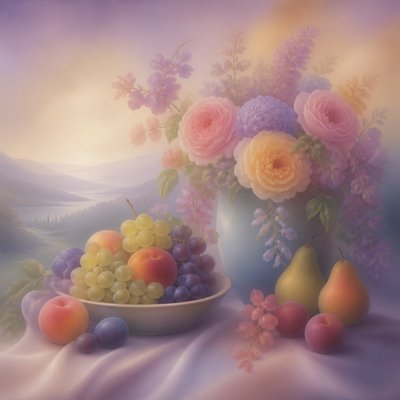
“bouquet of flowers in a glass vase”
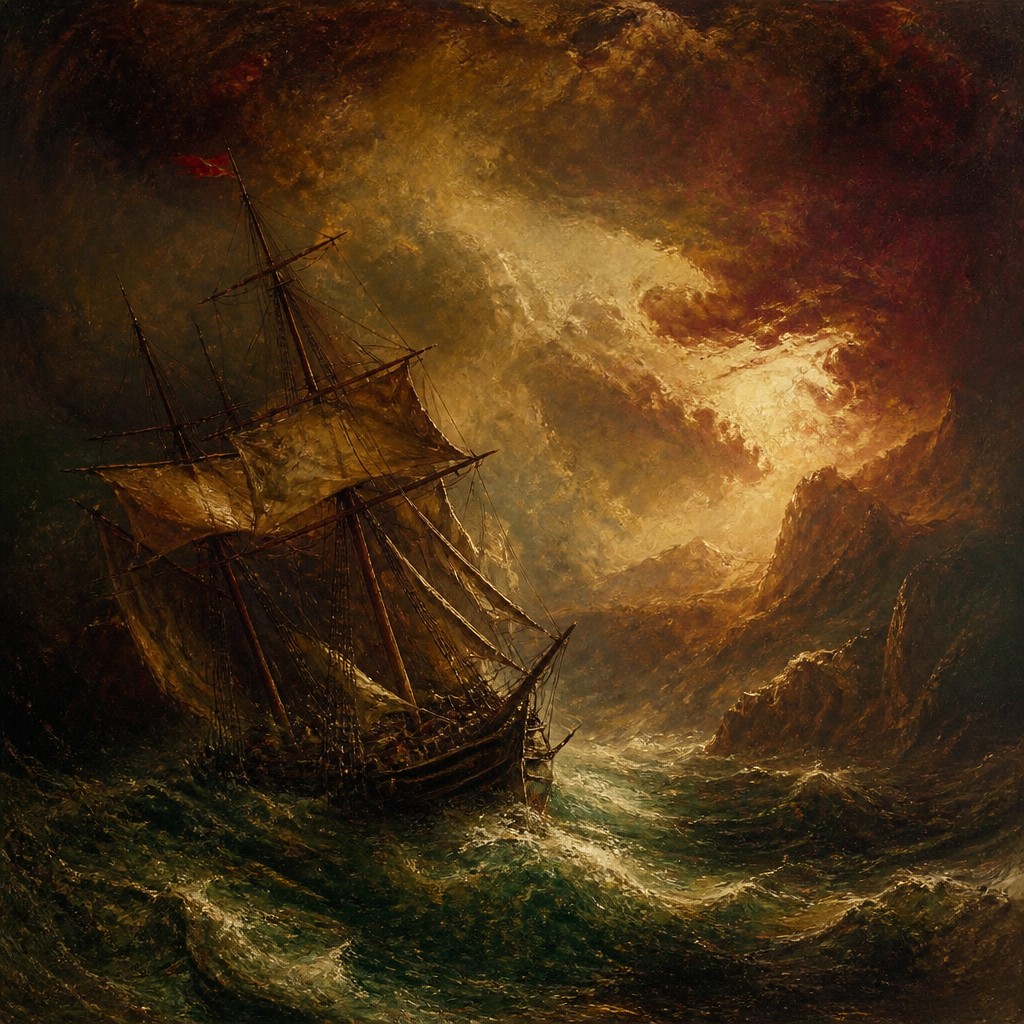
“sailing ship on a stormy sea”
How to Create Romanticism Art
Master the craft step by step — or skip straight to creating. Read the full guide →
- 1
Build the image around a strong emotional idea
Choose a subject that implies awe, longing, danger, solitude, or heroic struggle. In Romanticism, the mood should guide the composition before details are added.
- 2
Use dramatic lighting and atmospheric depth
In traditional media, layer dark grounds, luminous highlights, and translucent glazes to create contrast. In digital work, shape the scene with deep shadows, glowing focal points, and soft atmospheric haze.
- 3
Favor movement and asymmetry
Arrange figures, clouds, waves, or trees along diagonals rather than rigid symmetry. This helps the composition feel active and emotionally unstable.
- 4
Let texture and brushwork remain visible
Avoid over-polishing the surface; visible strokes, impasto, and layered paint help communicate intensity. For digital image-making, ask for painterly marks, rich texture, and expressive handling rather than crisp precision.
- 5
Lean into sublime or narrative subject matter
Storms, ruins, nocturnal scenes, mountain vistas, solitary wanderers, and historical or literary episodes all suit the style. Prompts work best when they include emotionally charged nouns and adjectives, not just a simple object description.
The Story
History & Origins of Romanticism
Romanticism emerged in the late 18th century and flourished across Europe in the first half of the 19th century as a reaction against Enlightenment rationalism and the formal ideals of Neoclassicism. It was not a single unified school, but a broad cultural movement spanning literature, music, philosophy, and the visual arts. In painting, important associated artists include a meditative German landscape painter, major British landscape painters known for atmosphere and light, a French painter of color and drama, a French painter of human intensity, and a Spanish painter whose later work strongly anticipated Romantic concerns.
The movement developed differently from country to country, but its shared emphasis was on emotion, nature, individual vision, and the dramatic or sublime. Later 19th-century painting and landscape traditions inherited many Romantic devices, especially atmospheric effects, expressive brushwork, and a preference for emotionally resonant subject matter. Even when later artists moved toward realism, impressionism, or symbolism, Romanticism remained a foundational source for the modern idea of art as personal expression.
Influences: Romanticism draws from late-Enlightenment reactions against Neoclassicism and from earlier traditions of the sublime in landscape and history painting. In the visual arts, it is closely associated with meditative German landscape painters, atmospheric British landscape painters, major French painters of color and drama, a French painter of human intensity, and a Spanish painter of unsettling psychological vision. It also overlaps with medieval revival, the picturesque, Gothic sensibility, and literary sources such as major Romantic poets and influential dramatists.
Frequently Asked Questions
What defines Romanticism in art?
Romanticism is defined by emotion, imagination, and a fascination with nature’s power. It often emphasizes dramatic contrasts, atmospheric effects, and subjects that feel heroic, mysterious, tragic, or sublime. The style rejects cool detachment in favor of expressive intensity.
How is Romanticism different from Neoclassicism?
Neoclassicism values order, clarity, ideal proportion, and moral restraint, while Romanticism values feeling, movement, and subjective vision. Neoclassical works often look balanced and controlled; Romantic works are usually more dynamic, shadowed, and emotionally charged.
What subjects are common in Romanticism?
Common subjects include storms, ruins, mountains, oceans, moonlit scenes, historical upheaval, legends, and solitary figures. Artists also used literary and exotic themes to heighten emotion and escape everyday realism.
What colors and lighting work best for Romanticism?
Deep, saturated colors and strong light-dark contrast are especially effective. Earth tones, burgundy, emerald, ochre, and luminous highlights can create the moody, atmospheric feeling associated with the style.
Can Romanticism be used in digital art or photography?
Yes, as a visual language it adapts well to digital painting, compositing, and stylized photography. The key is to emphasize drama, atmosphere, and expressive lighting rather than clean realism. In photography, it often appears through staging, lighting, fog, and landscape subject matter.
Why does Romanticism often look painterly and dramatic?
The style was designed to convey feeling rather than merely describe objects. Visible texture, loose handling, and strong tonal contrasts help the image feel subjective and emotionally alive, which is central to the movement’s goals.
Create your first Romanticism artwork
Describe anything — or upload a photo — and see it in Romanticism Art Style in seconds.
Make Something with Romanticism
Compare Romanticism
Related Styles
Discover similar art styles