Romanticism vs Realism: What's the Difference?
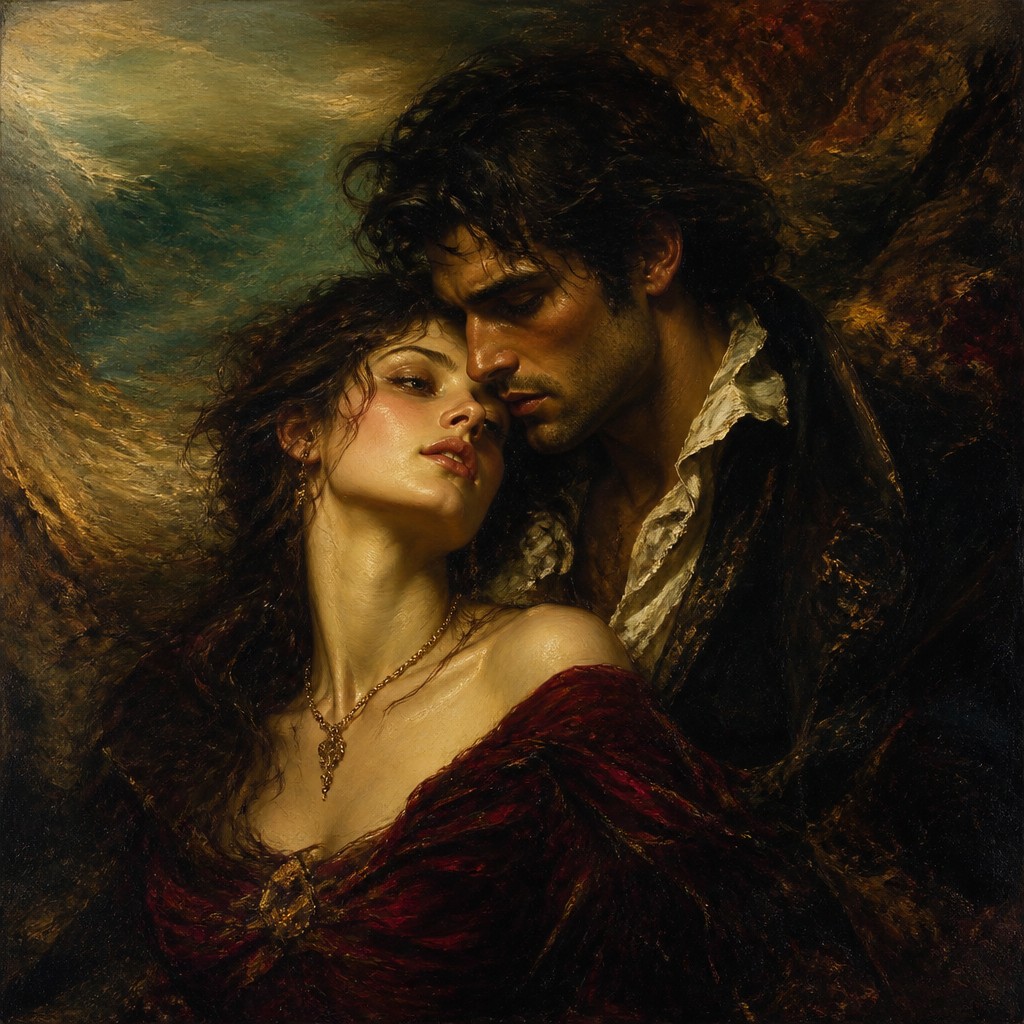
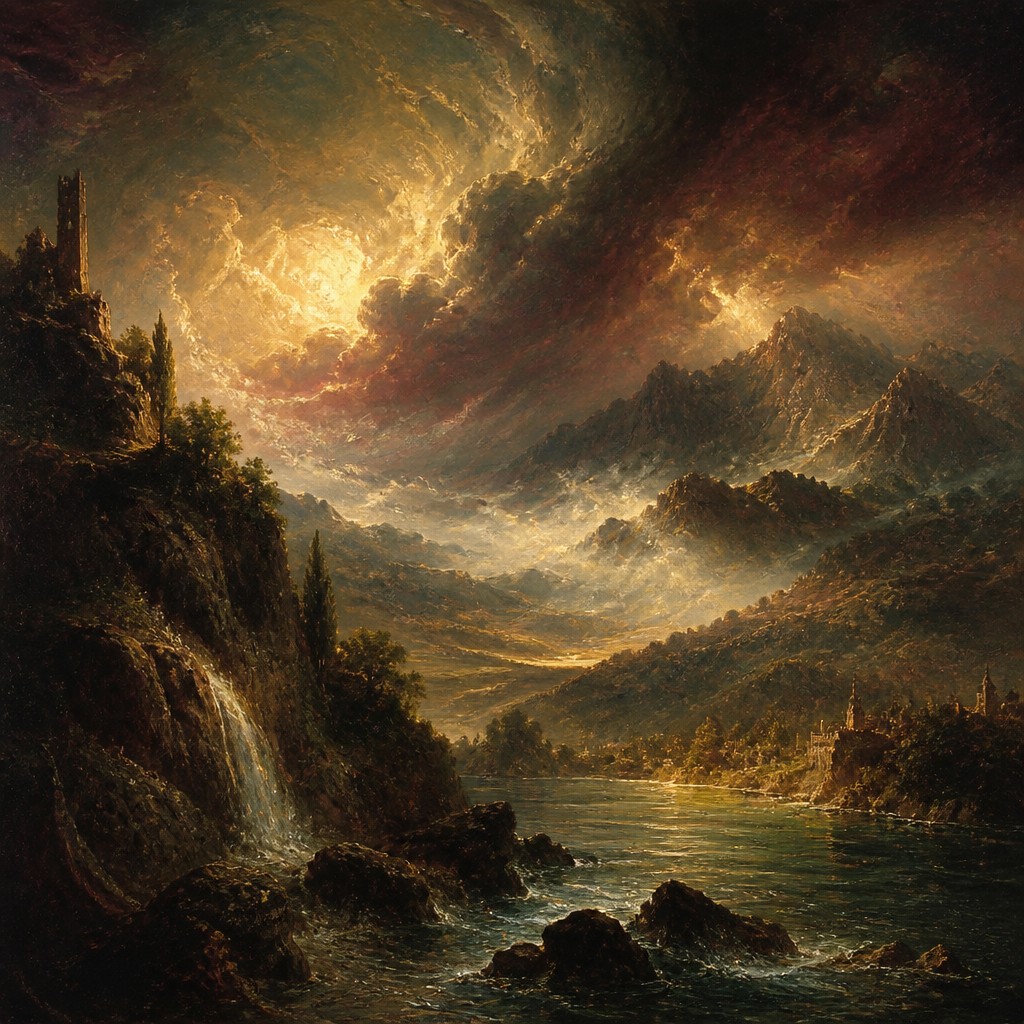
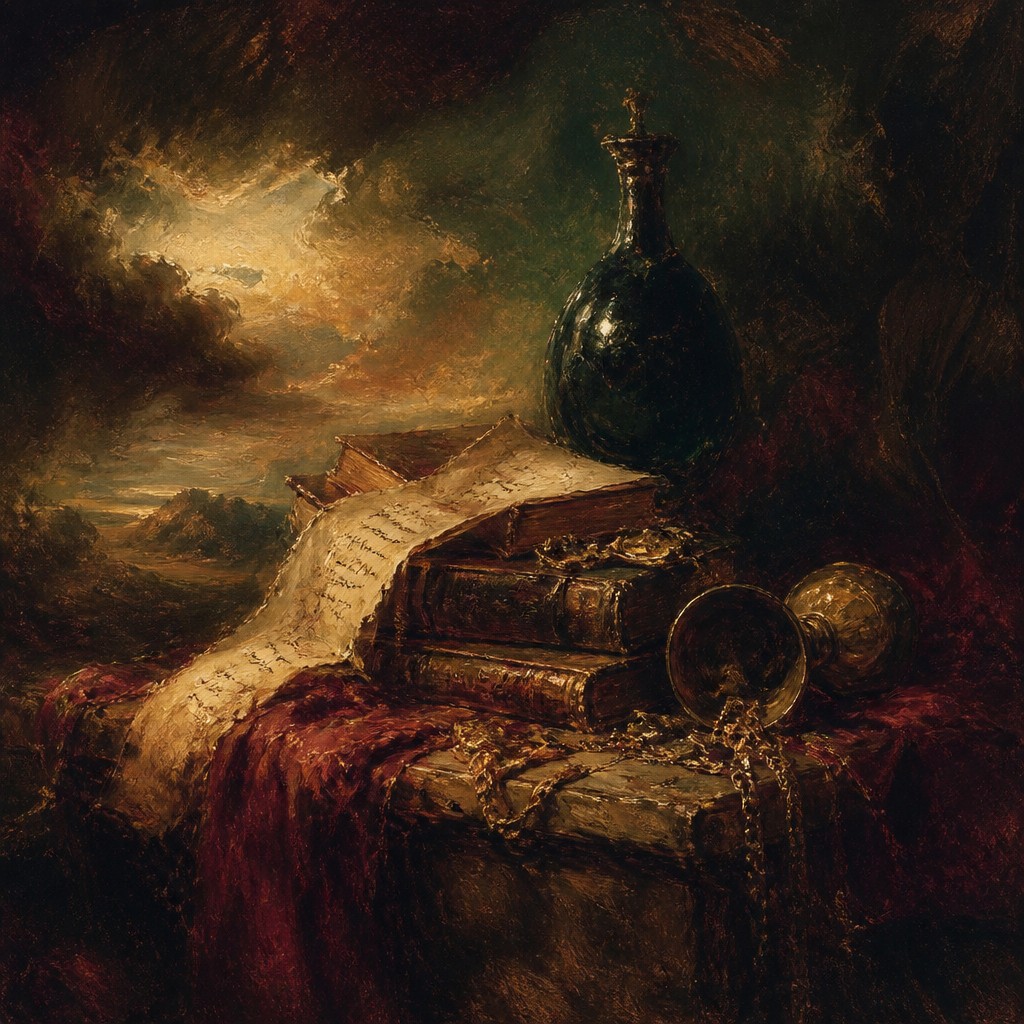
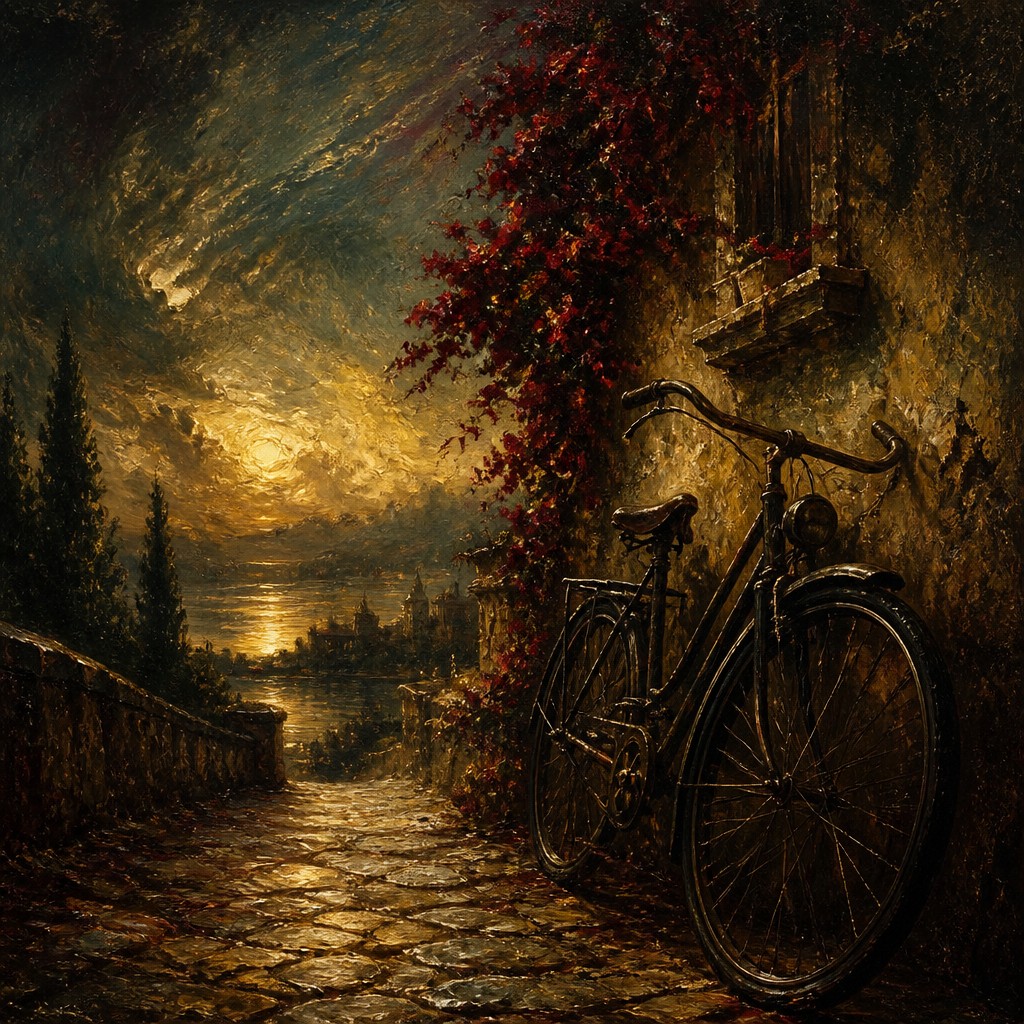
Romanticism is a 19th-century art style centered on emotion, imagination, dramatic movement, and the power of nature. It often uses rich color, strong contrasts, and sweeping scenes to create a sense of awe, mystery, or intensity.
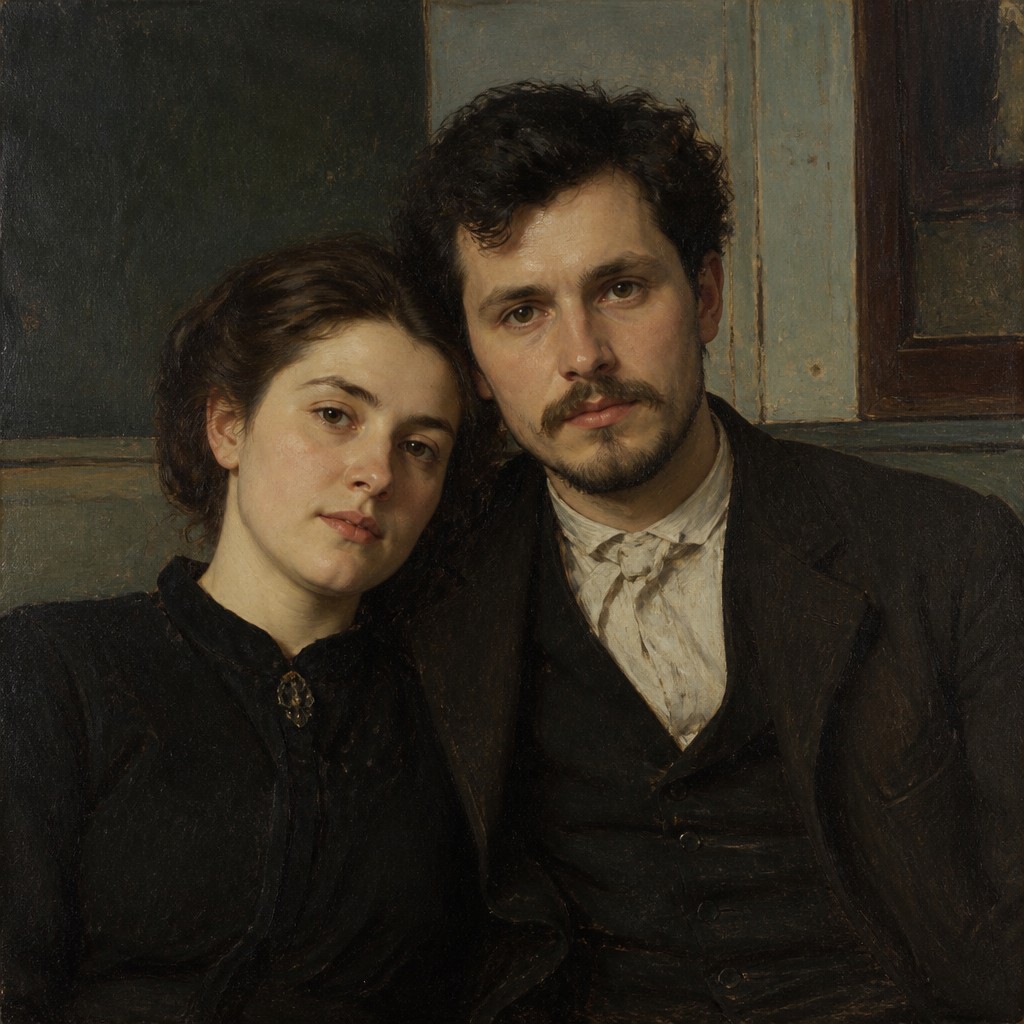
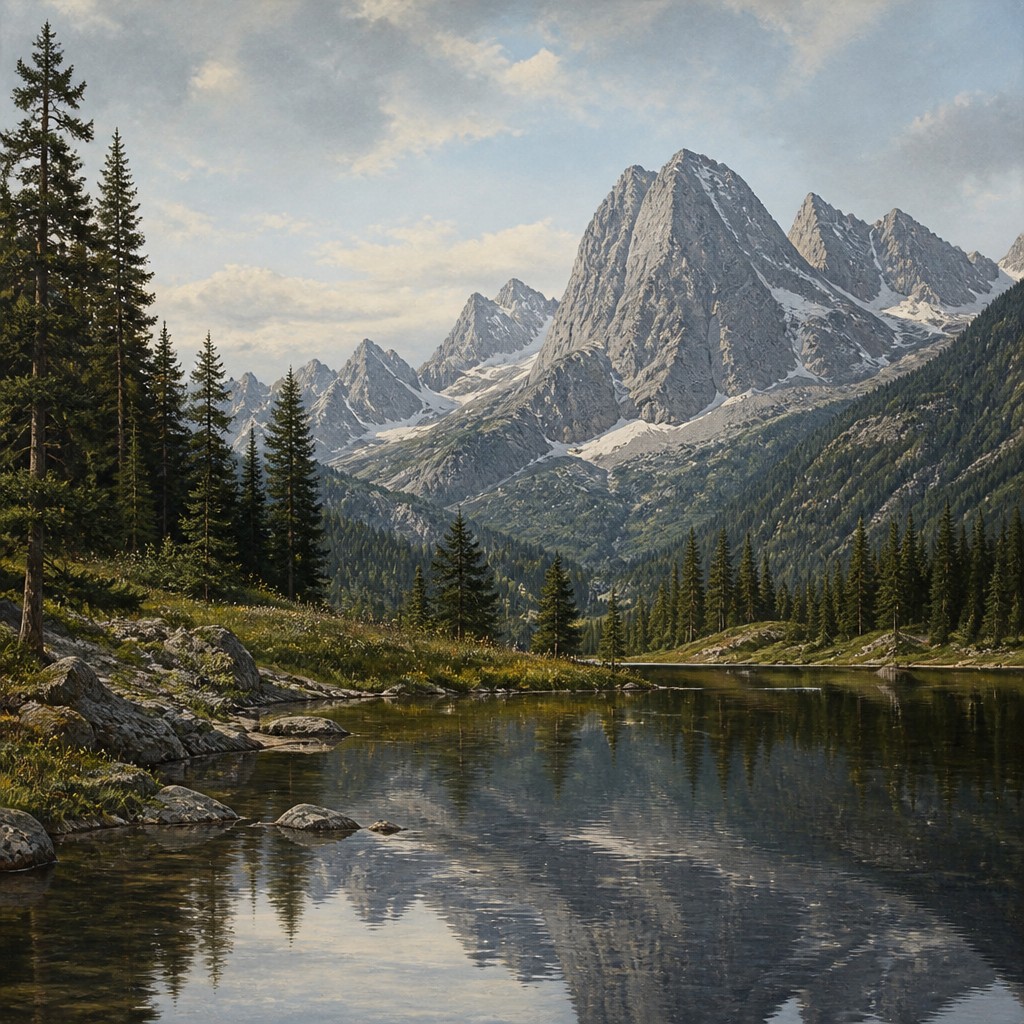
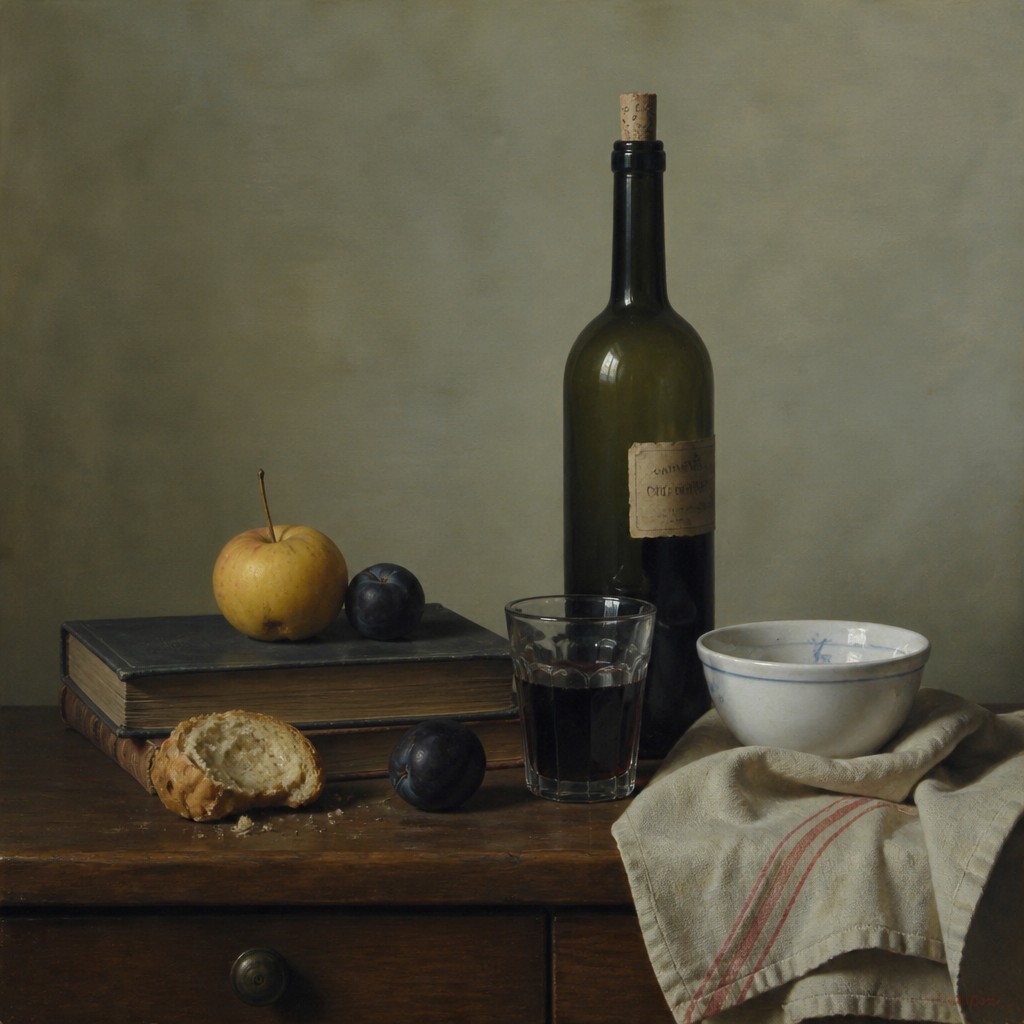
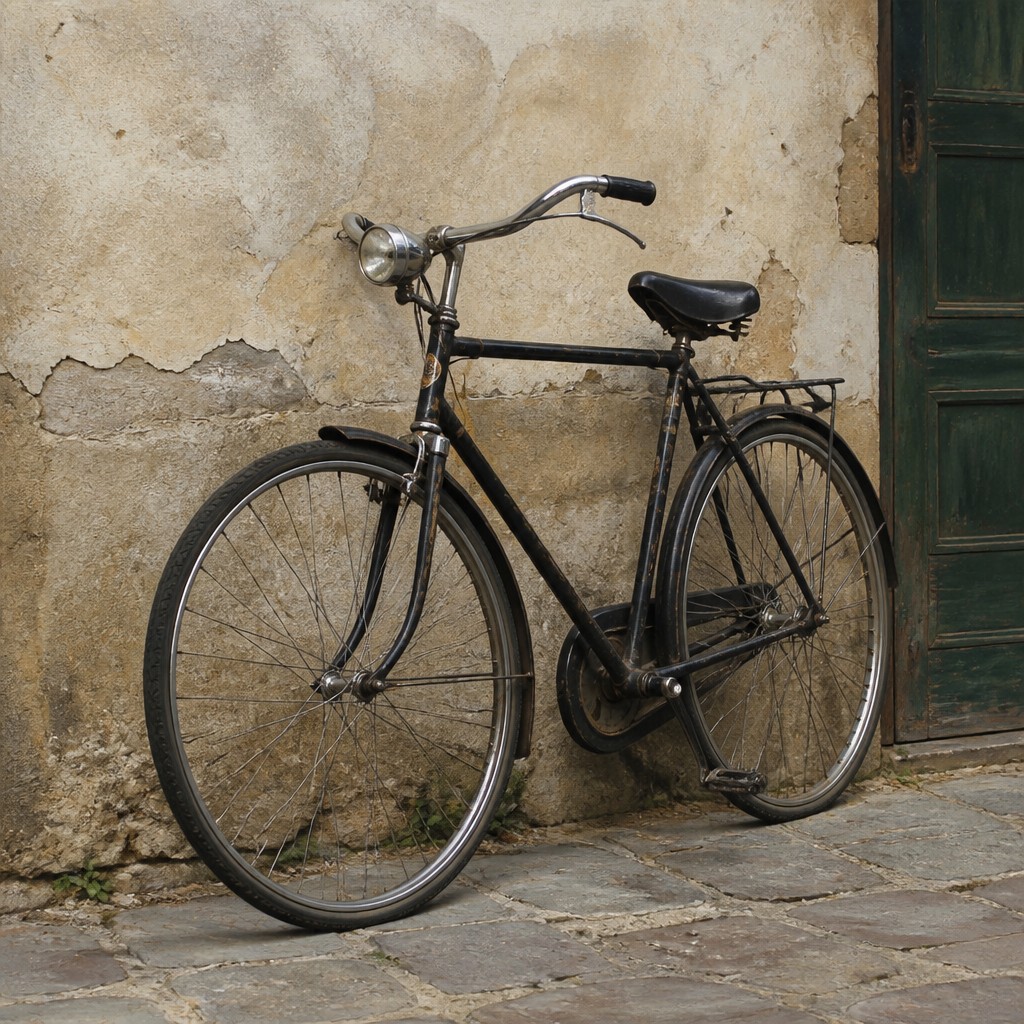
Realism aims to depict people, places, and everyday life as they truly appear, without idealizing or exaggerating them. People compare the two because both can portray real subjects, but they differ sharply in purpose: Romanticism emphasizes feeling and drama, while Realism emphasizes accuracy and observation.
Same Prompt, Both Styles
Each pair below was generated from the identical prompt — only the style changed.
“portrait of two people together”
“wide landscape with natural scenery”
“still life with everyday objects”
“bicyle resting against a wall”
Key Differences
| Romanticism | Realism | |
|---|---|---|
| Main goal | Express intense emotion, awe, and imagination. | Show life truthfully and without idealization. |
| Subject matter | Dramatic nature, heroic scenes, and extraordinary moments. | Everyday people, ordinary work, and familiar settings. |
| Mood | Highly emotional, elevated, and often suspenseful. | Calm, direct, and grounded in observation. |
| Color and light | Rich color and dramatic lighting heighten feeling. | Natural light and believable color relationships dominate. |
| Line & form | Dynamic shapes and movement create energy. | Exact proportions and solid forms create credibility. |
| Detail treatment | Details support atmosphere and dramatic effect. | Details are precise and closely match visible reality. |
| Mood | dramatic, passionate, awe-inspiring, melancholic, heroic | grounded, naturalistic, observant, unembellished |
| Energy | intense | balanced |
| Detail level | detailed | detailed |
| Color | rich, vivid, darkly luminous palette | natural, restrained, lifelike tones |
| Texture | painterly, expressive, often atmospheric | realistic surfaces, subtle material variation |
| Origin | late-18th to 19th century Europe | 19th-century Europe |
| Best for | historical scenes, dramatic posters, book covers, fantasy art, landscape paintings | portraits, historical scenes, editorial illustration, museum displays, book covers, character studies |
| Difficulty | advanced | advanced |
Which Should You Choose?
Choose Romanticism if you want your image to feel emotional, dramatic, symbolic, or larger than life, especially for landscapes, storms, heroic scenes, or imaginative storytelling. Choose Realism if your goal is truthful observation, everyday subject matter, and convincing natural detail. In short, pick A for impact and feeling, and B for accuracy and authenticity.
Frequently Asked Questions
Is Romanticism the same as fantasy art?
Not exactly. Romanticism can include imagination and dramatic scenes, but it is a historical art movement with its own themes and visual language. Fantasy art may borrow from Romanticism, yet it is broader and not tied to the same period.
Can Realism still be expressive?
Yes. Realism can communicate strong ideas and emotions through subject matter, composition, and light, even without exaggeration. Its expression usually comes from honest observation rather than dramatic styling.
Which style uses more idealization?
Romanticism usually idealizes through mood, drama, and heightened scenes. Realism generally avoids idealization and presents subjects as they are, including flaws and ordinary details.
Which style is better for landscapes?
Both work well, but they serve different purposes. Romanticism is strong for majestic, emotional landscapes, while Realism is stronger for accurate, believable natural scenes.