Traditional Chinese Landscape Art Style
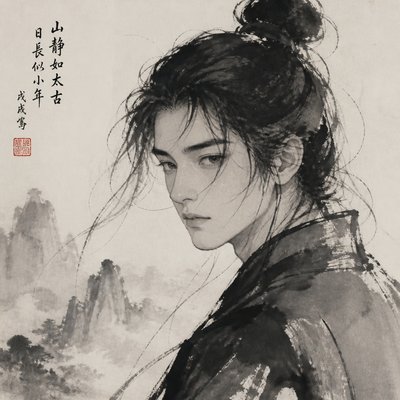
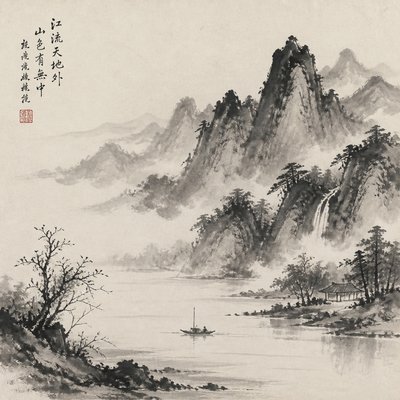
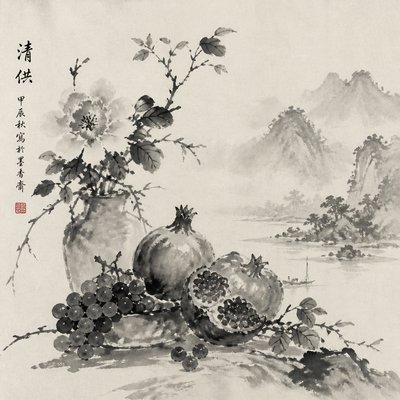
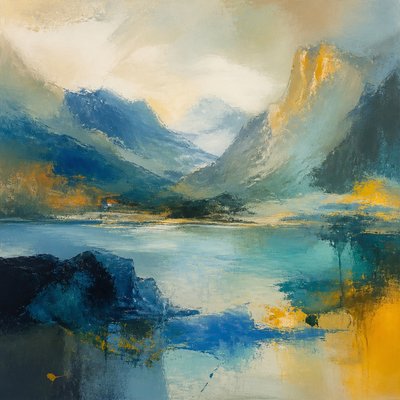
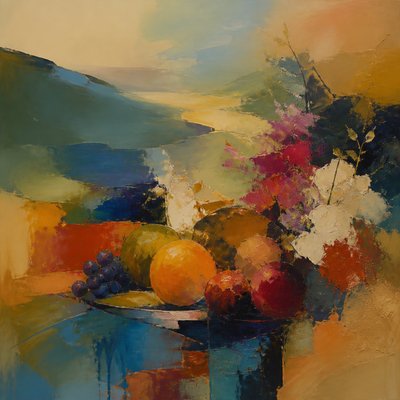
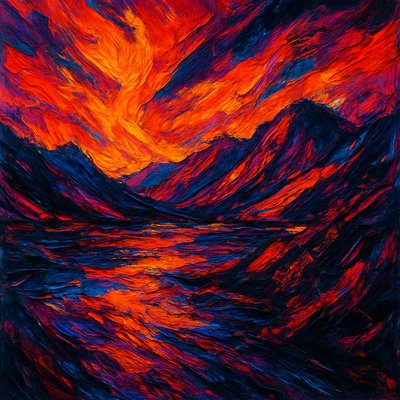
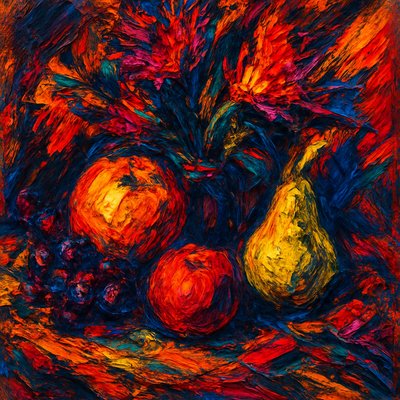
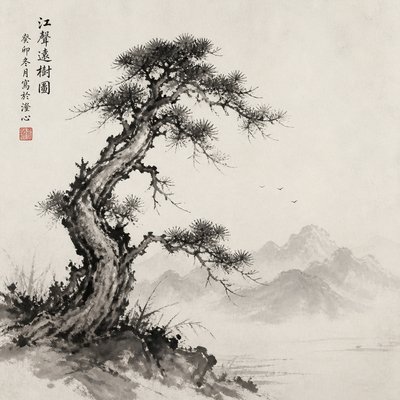
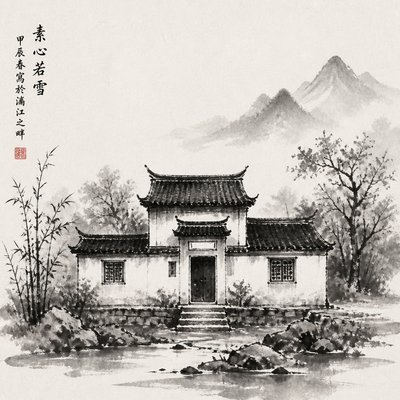
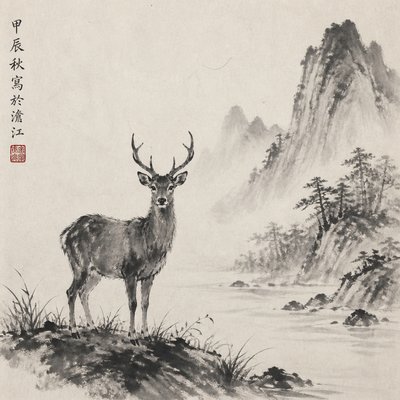
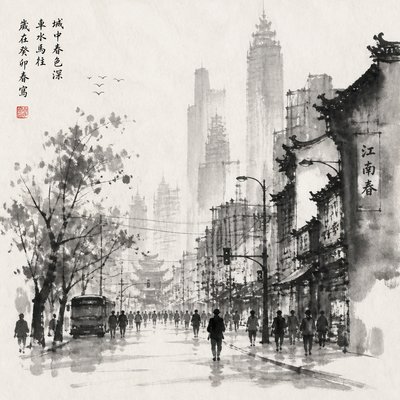
Traditional Chinese landscape painting with ink wash, empty space, calligraphic brushwork, and meditative monochrome composition.
Instantly rendered in Traditional Chinese Landscape — or transform a photo
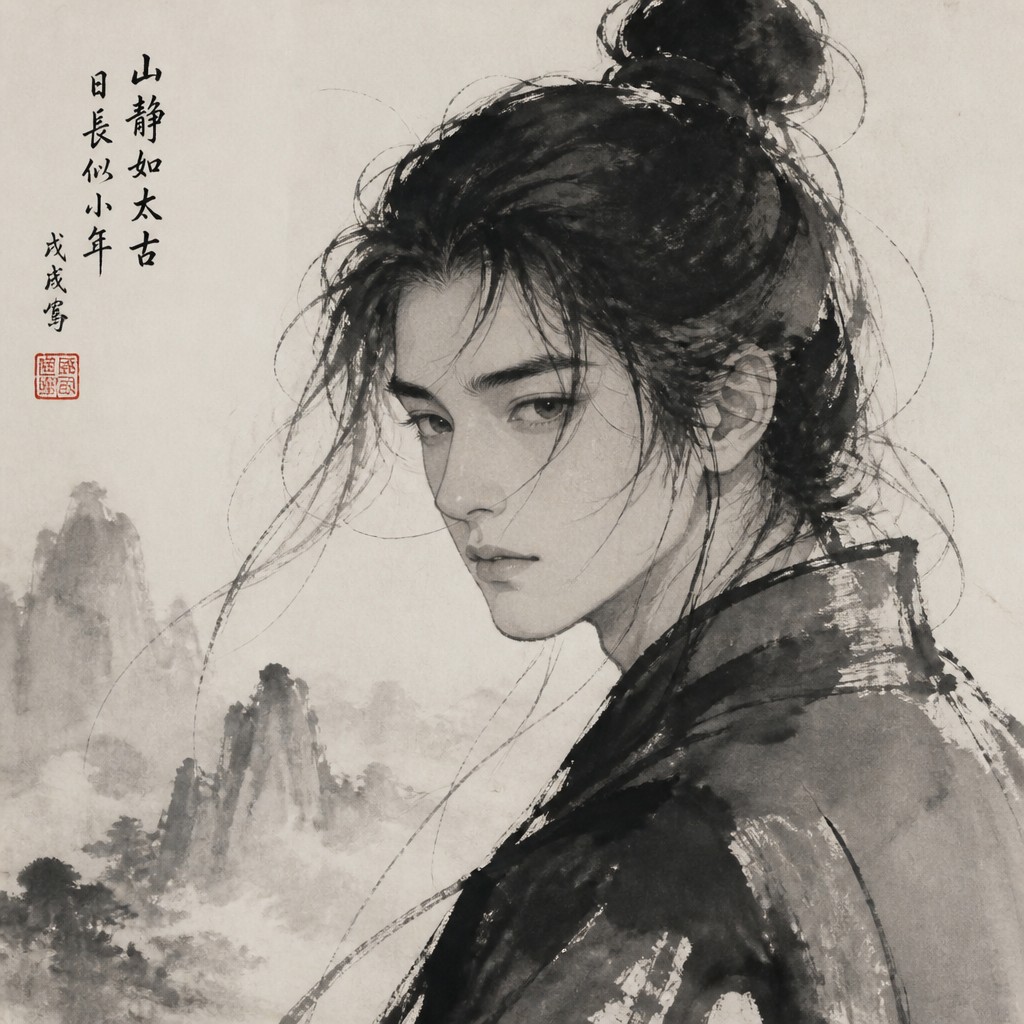
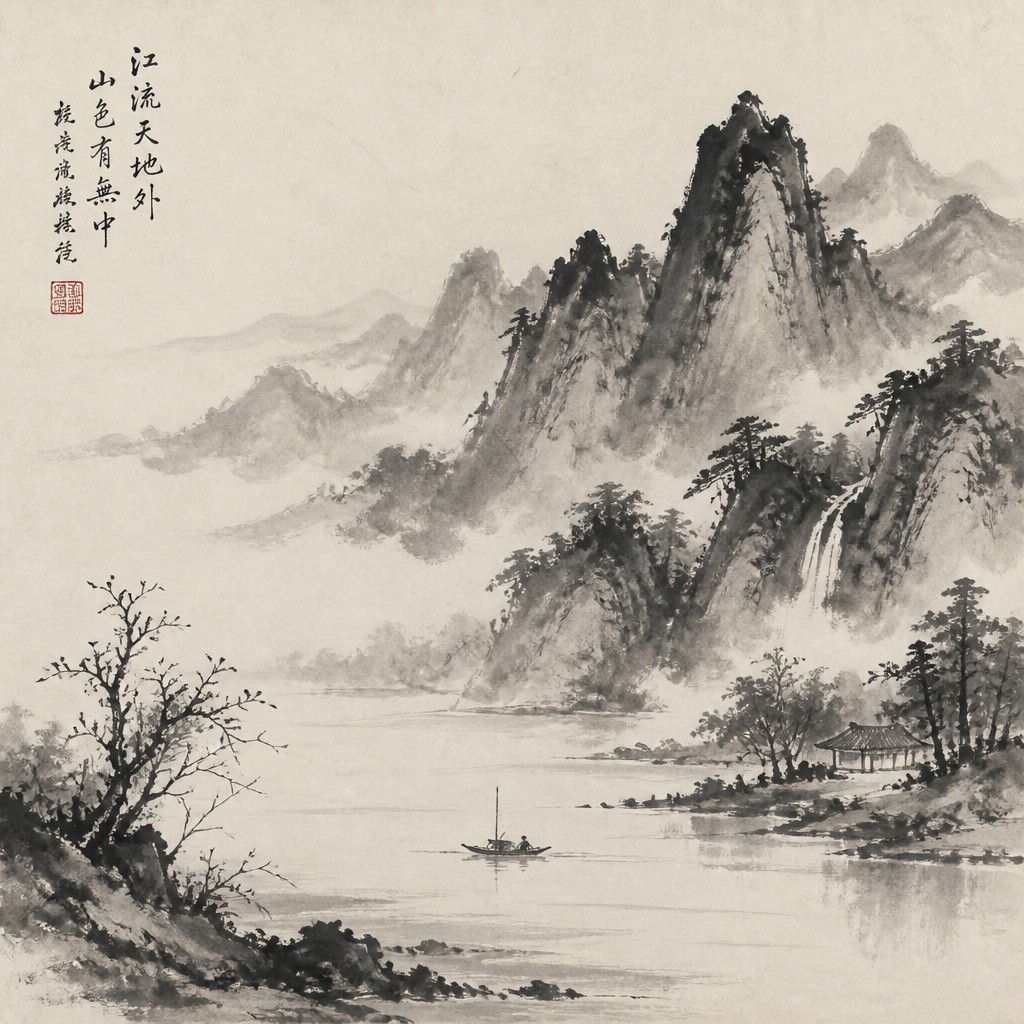
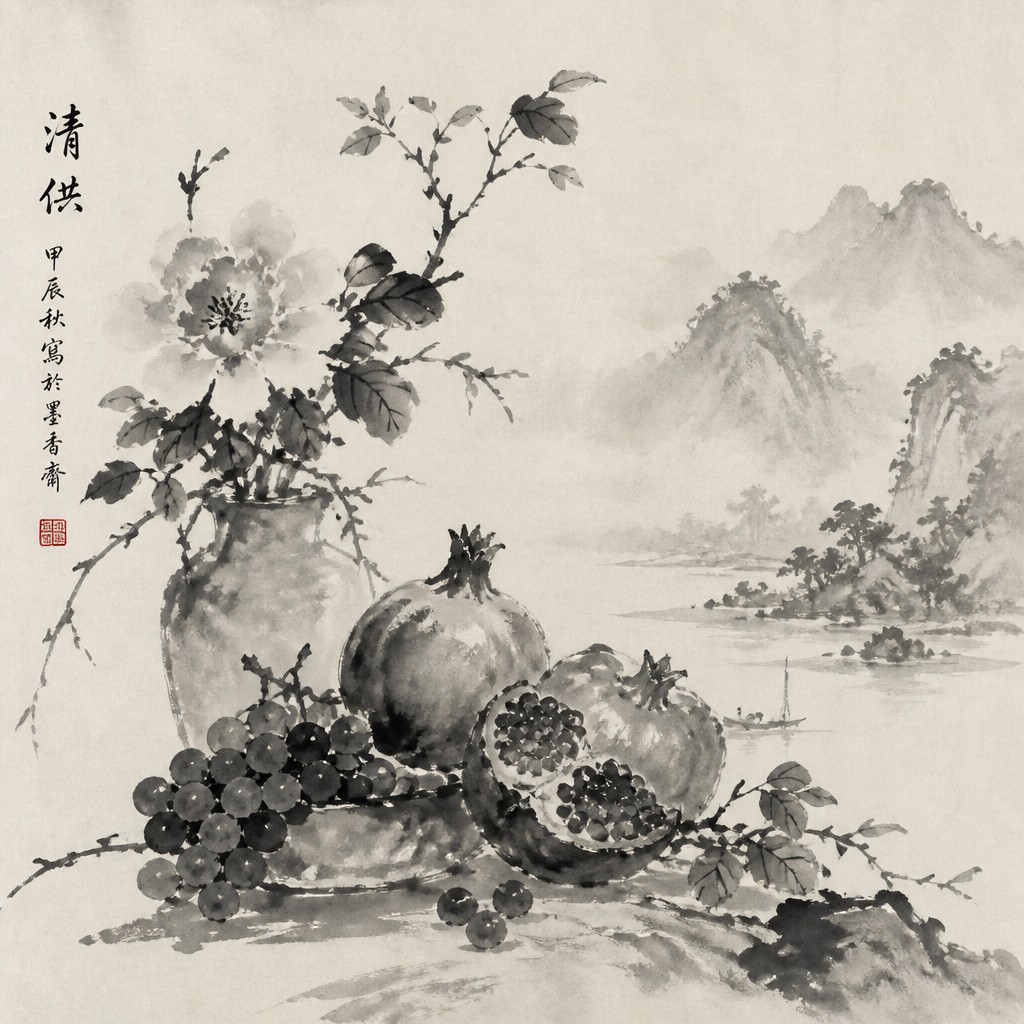
Traditional Chinese Landscape Gallery
Tap any artwork to explore it
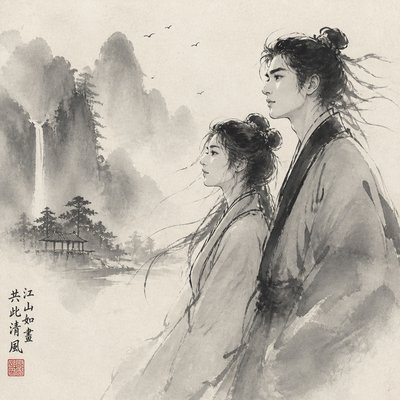
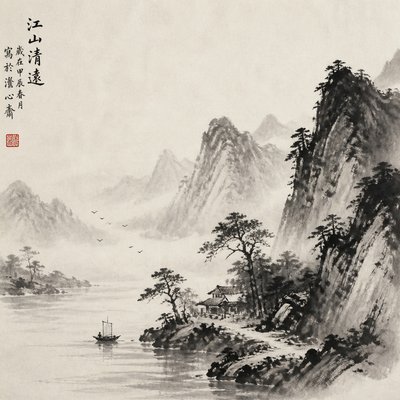
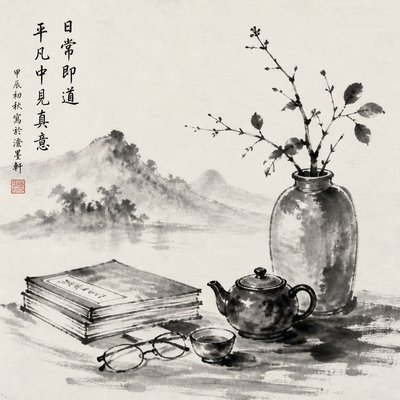
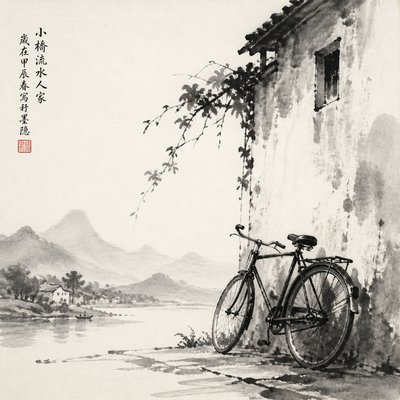
What is Traditional Chinese Landscape Art Style?
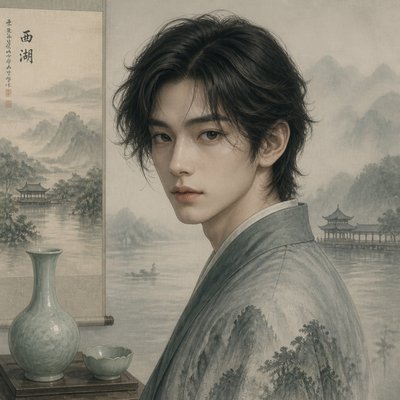
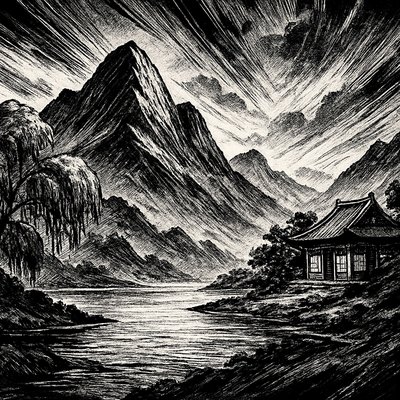
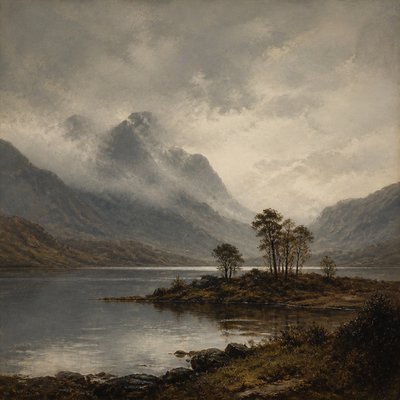
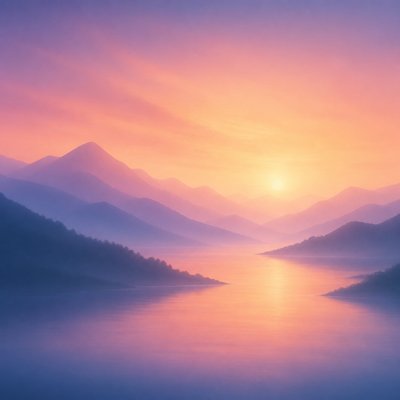
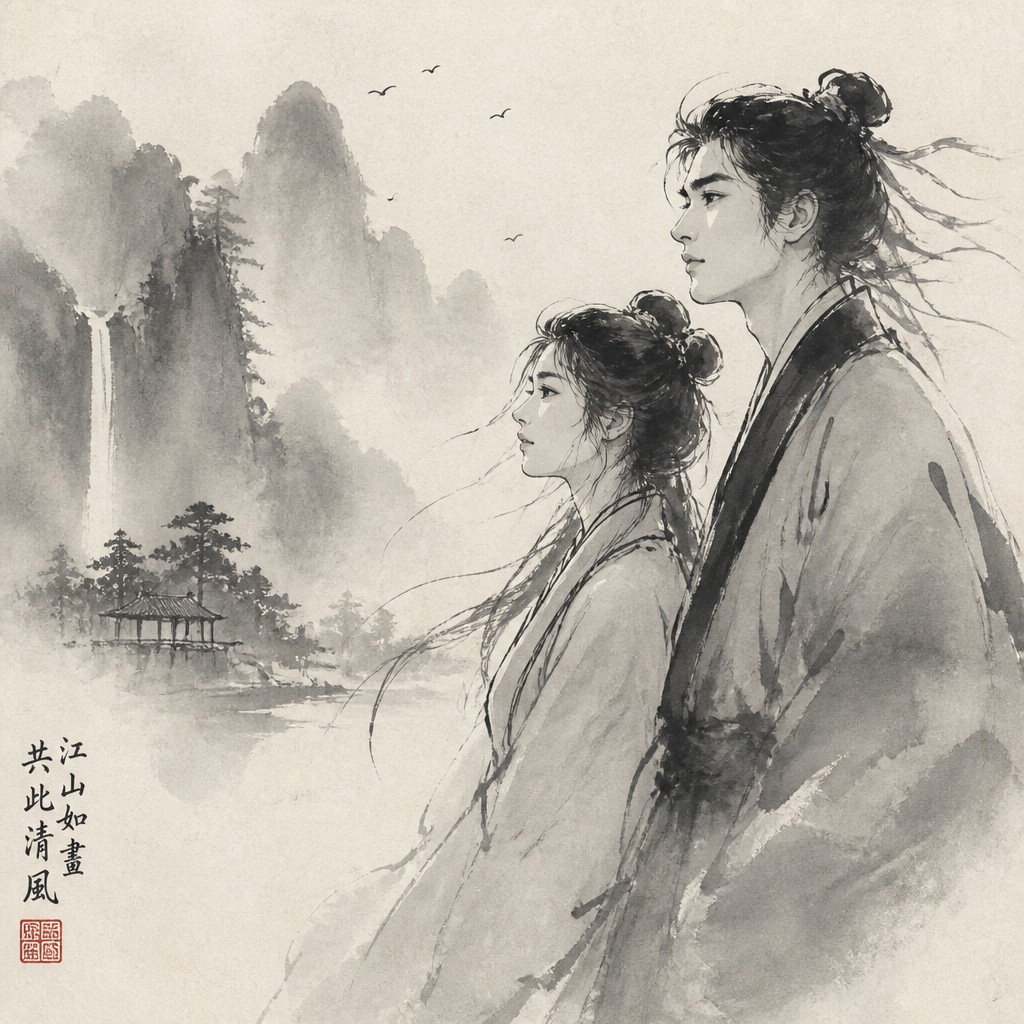
Traditional Chinese landscape art, known as shanshui ("mountain-water"), is a long-standing pictorial tradition centered on the relationship between humans, nature, and the spiritual order of the world. Rather than copying a scene exactly, it seeks to express the inner essence, rhythm, and atmosphere of mountains, rivers, mist, trees, and rocks through restrained means.
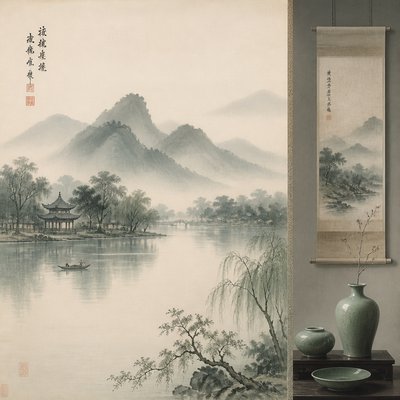
Its visual identity is built from brush and ink: layered washes, dry-brush texture, calligraphic line, and large areas of empty space that function as mist, distance, or silence. Composition often favors asymmetry and vertical movement, with forms emerging from fog-like negatives spaces, creating landscapes that feel contemplative rather than purely descriptive.
Try It On Your Photos
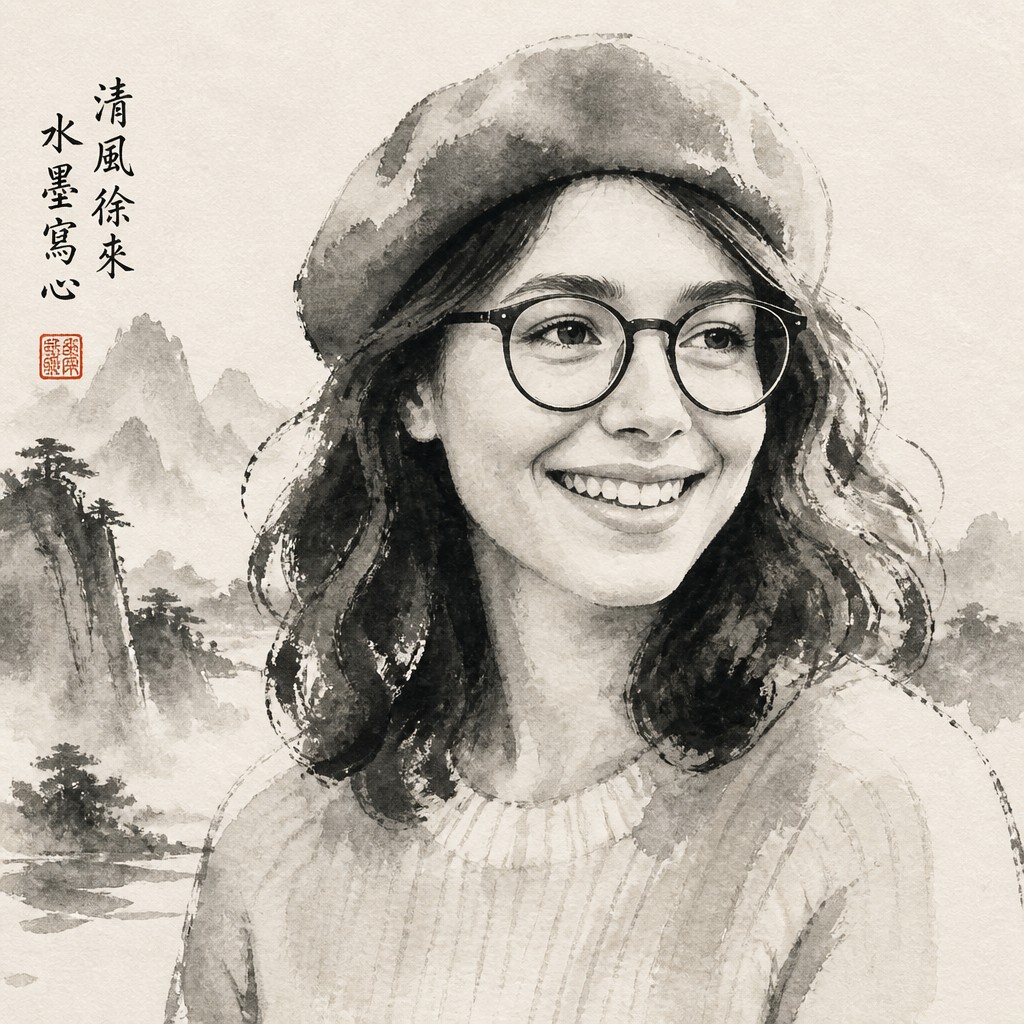
Upload any photo and convert it into Traditional Chinese Landscape Art Style — drag the sliders to compare before and after.


What Defines Traditional Chinese Landscape Art Style
The signature details, up close
Ink wash gradation
Forms are built with black ink diluted into many tones of grey, producing soft atmospheric transitions rather than hard color changes. The result is a landscape that feels misted, lyrical, and spatially deep.
Calligraphic brushwork
Lines vary from delicate hair-thin strokes to broad, forceful gestures, echoing the energy of Chinese calligraphy. Brushwork is often visible and expressive, making the making of the image part of its meaning.
Emptiness as space and meaning
Large blank areas are not unfinished areas; they represent fog, water, distance, or spiritual openness. This negative space gives the composition a meditative rhythm and allows the viewer's imagination to complete the scene.
Atmospheric layering
Mountains, trees, and cliffs often appear through overlapping transparent washes that suggest depth without strict linear perspective. The landscape feels like it unfolds gradually rather than being seen from a single fixed point.
Textural variation
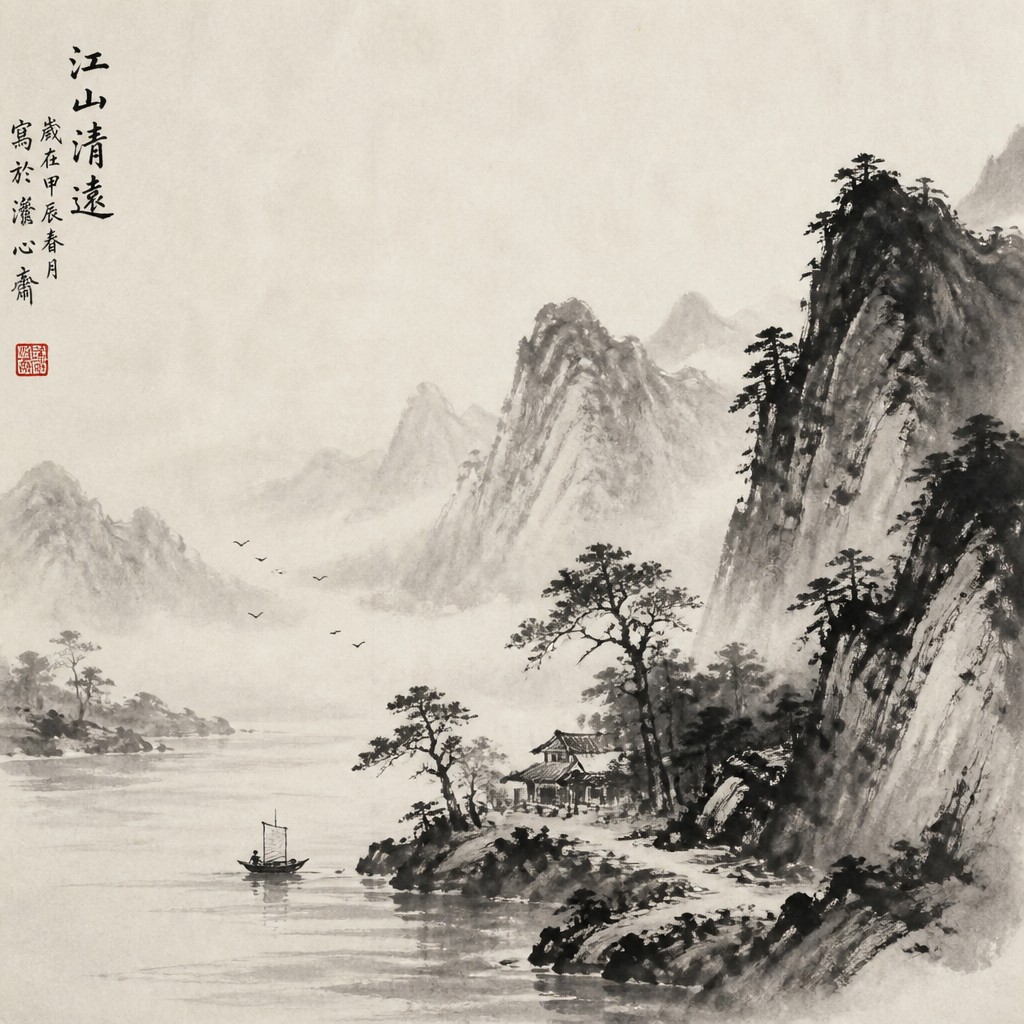
Dry-brush marks, ink bleeds, and paper grain create a tactile surface that recalls the absorbent qualities of rice paper. These textures help differentiate rock, foliage, mist, and weathered terrain.
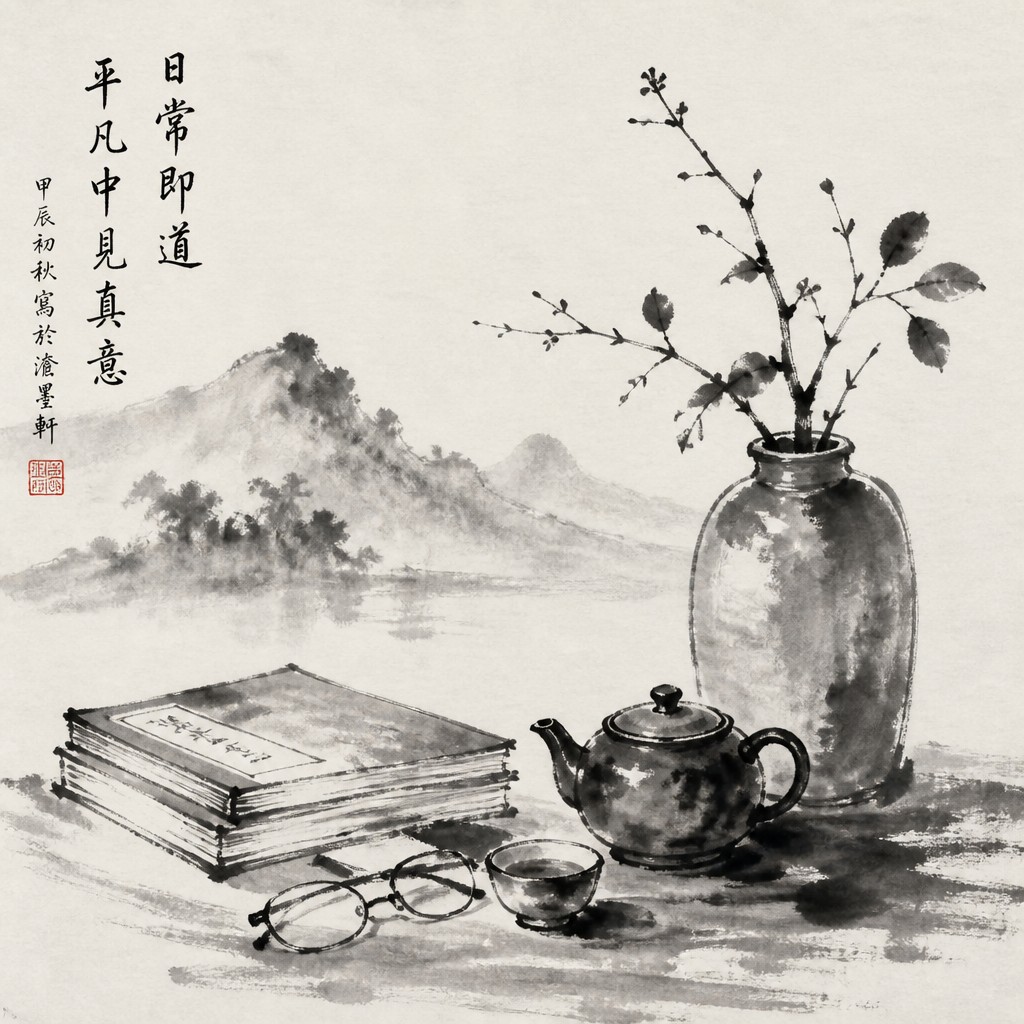
Monochrome restraint with seals
The palette is usually monochrome or nearly so, sometimes accompanied by a small red seal stamp. That red accent acts as a quiet focal point against the ink tones and links the work to traditional collector and scholar practices.
Try It
Create Videos in Traditional Chinese Landscape Art Style
Styles aren't just for stills — describe a scene or animate an image and get a short video rendered in Traditional Chinese Landscape. Press play to see this pond come to life.
Make a VideoTraditional Chinese Landscape Prompt Ideas
Start from an idea — each one opens the generator with the style ready to go. See all 40 Traditional Chinese Landscape prompts →
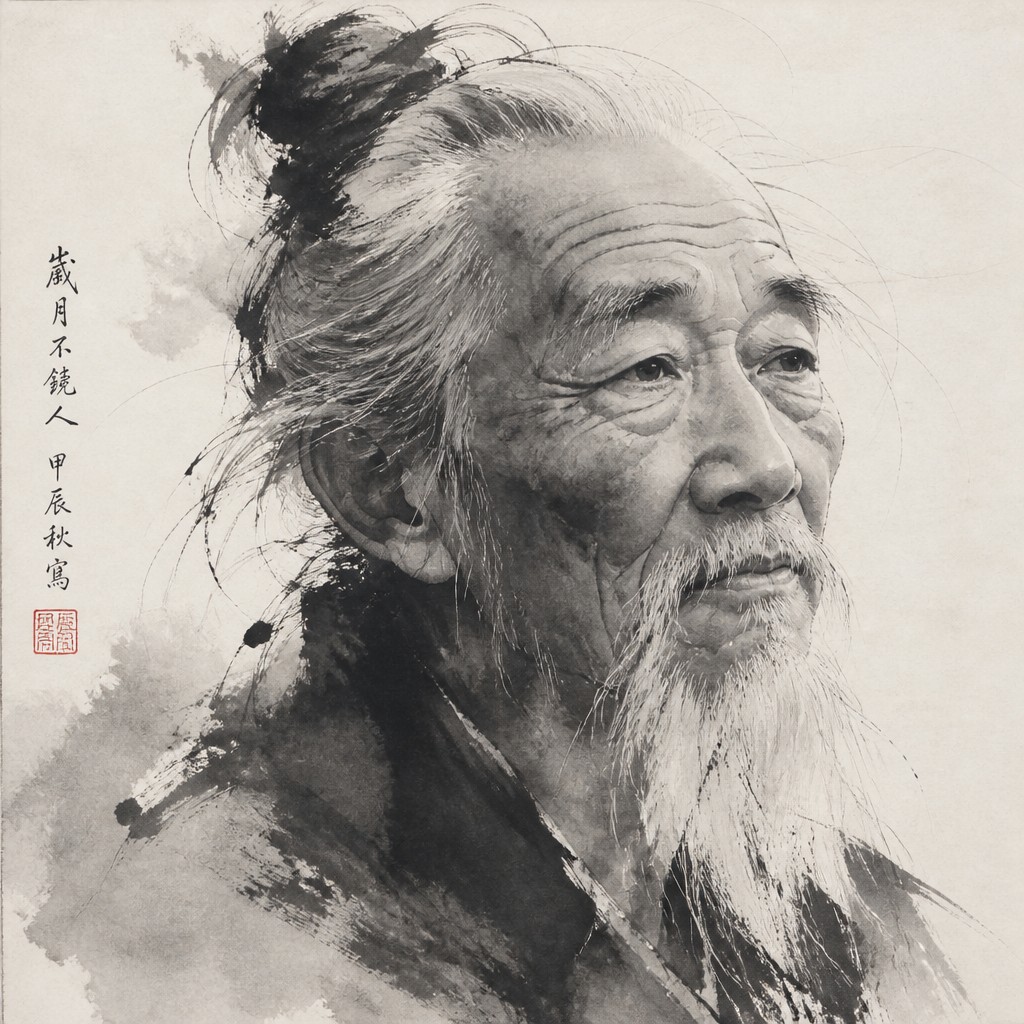
“close-up portrait of an elderly person with expressive weathered features”
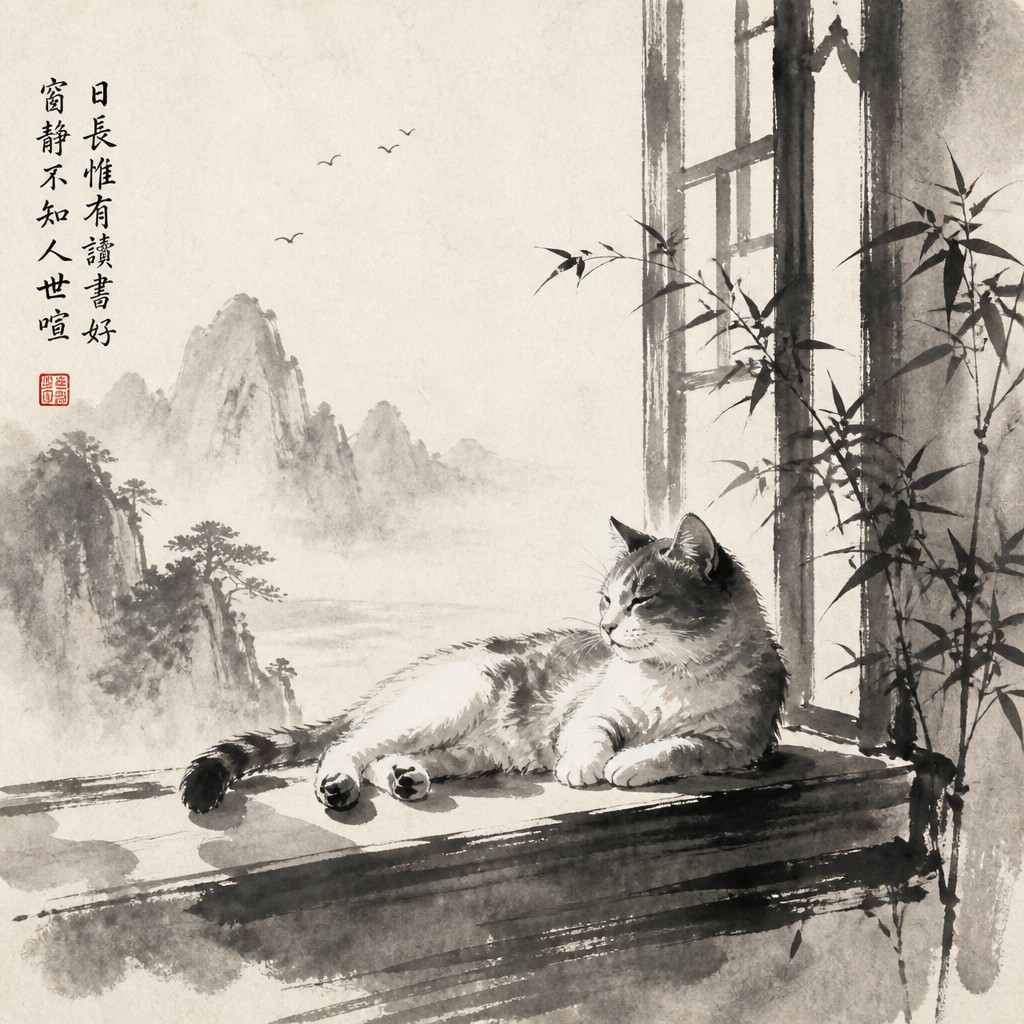
“a cat lounging in a sunlit window”
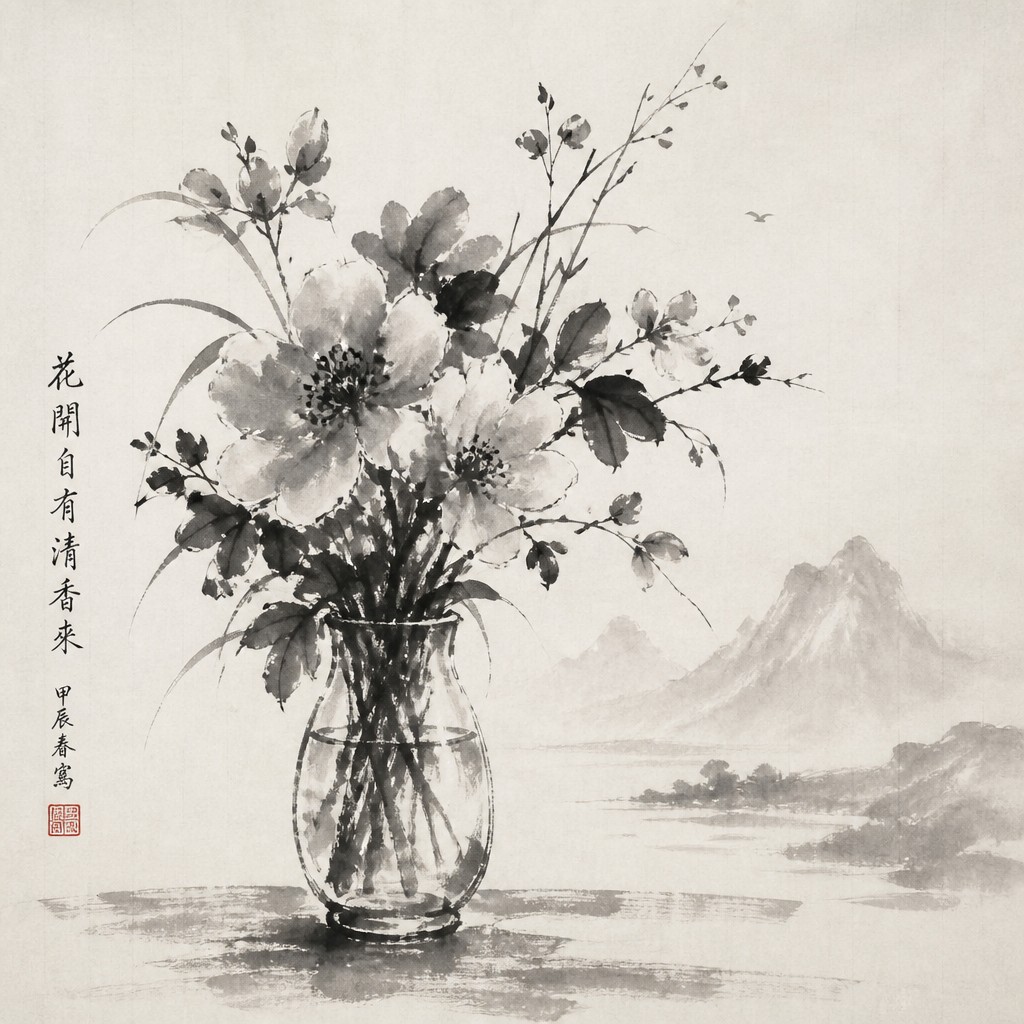
“bouquet of flowers in a glass vase”
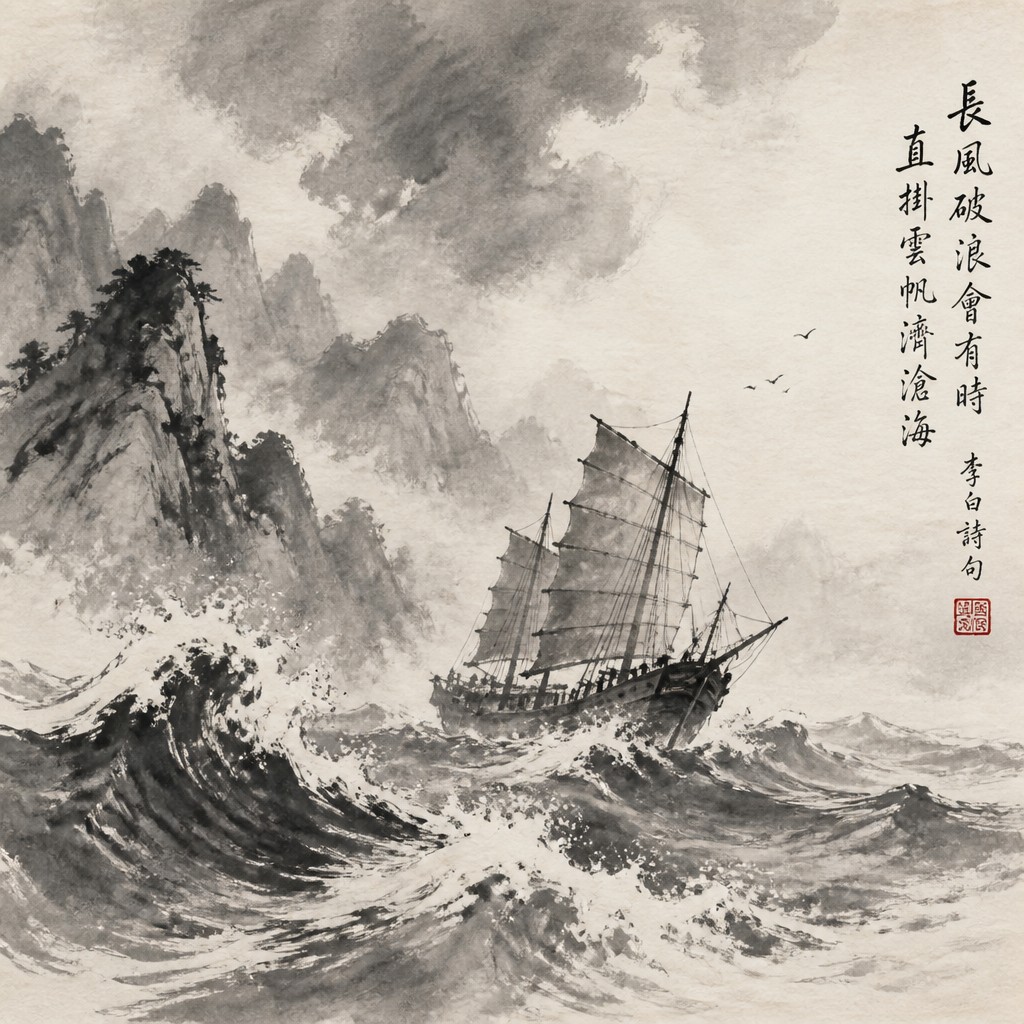
“sailing ship on a stormy sea”
How to Create Traditional Chinese Landscape Art
Master the craft step by step — or skip straight to creating. Read the full guide →
- 1
Start with structure, then soften it
Block in the main mountain masses, river paths, or tree forms with diluted ink or a brush set that mimics wash behavior. After the basic structure is in place, add lighter layers to build mist, depth, and subtle transitions.
- 2
Use varied brush pressure and dryness
Alternate between wet washes and dry-brush strokes so the image has both soft atmospheric passages and sharp, energetic marks. In digital painting, choose brushes that preserve texture and pressure sensitivity rather than smoothing everything out.
- 3
Preserve negative space deliberately
Leave blank paper areas where fog, water, or open air should be, instead of filling every part of the image. In composition, think of emptiness as an active design element that balances the inked forms.
- 4
Favor asymmetry and vertical movement
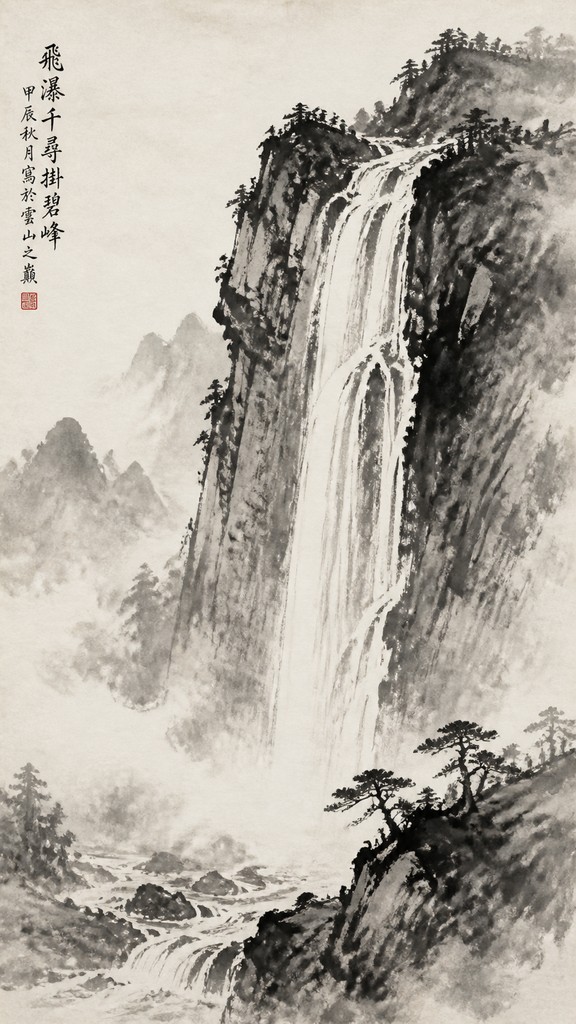
Compose with rising peaks, cascading waterfalls, or winding paths that guide the eye upward and inward. Avoid centered, symmetrical layouts unless you are specifically referencing a formal court or monumentally balanced landscape.
- 5
Add calligraphic details last
Finish with small, decisive marks for branches, rooftops, birds, or grasses so they retain freshness and energy. If generating from text, describe the scene subject first, then specify ink wash, rice paper grain, layered transparency, and a small red seal stamp.
- 6
Keep the image conceptually spare
Whether working by hand or digitally, remove anything that competes with the landscape's quiet mood. The style depends on restraint, so a few well-placed forms usually communicate more than crowded detail.

The Story
History & Origins of Traditional Chinese Landscape
Shanshui developed in China as a major genre of painting from the Tang and Song dynasties onward, with especially important flowering in the Song period, when landscape painting became a sophisticated intellectual and artistic pursuit. It was shaped by literati culture, Daoist and Buddhist ideas about nature and self-cultivation, and the close relationship in Chinese art between painting, poetry, and calligraphy.
Over time, the tradition expanded into highly varied regional and personal styles, from monumental Northern Song landscapes to more expressive literati works by later scholar-artists. Its legacy continued across East Asia, influencing painting in Korea and Japan, and remains one of the most recognizable visual languages in Chinese art.
Influences: This style draws from classical Chinese brush painting, calligraphy, and literati aesthetics, as well as Daoist and Buddhist ideas about harmony, emptiness, and contemplative observation. It is related to East Asian ink traditions more broadly, including Korean sumukhwa and Japanese sumi-e, while also sharing a philosophical concern with expressive brushwork found in the works of earlier landscape masters from the Chinese tradition, including major Northern Song monumental painters and later influential literati scholar-painters.
Frequently Asked Questions
What defines traditional Chinese landscape art?
Its defining features are ink-based brushwork, layered washes, deliberate empty space, and a focus on the spirit of nature rather than strict optical realism. The landscape is often presented as a philosophical space for contemplation, not just a view to be recorded.
How is this different from Japanese sumi-e?
Both use ink and restraint, but traditional Chinese landscape painting is usually more closely tied to large-scale mountain-and-water compositions, literati culture, and dense philosophical symbolism. Sumi-e can overlap visually, yet it often develops within different historical and aesthetic contexts.
Why is so much of the painting left blank?
The blank areas represent mist, distance, water, or open air, but they also serve a compositional and spiritual function. In this tradition, absence can be just as meaningful as inked form, creating balance and giving the scene room to breathe.
What materials are traditionally used?
Traditional works are made with brush, black ink, and absorbent paper or silk, often using rice paper in modern references. The behavior of the ink on the surface is central to the style, especially the interplay of wet and dry marks.
Can this style be used for modern subjects?
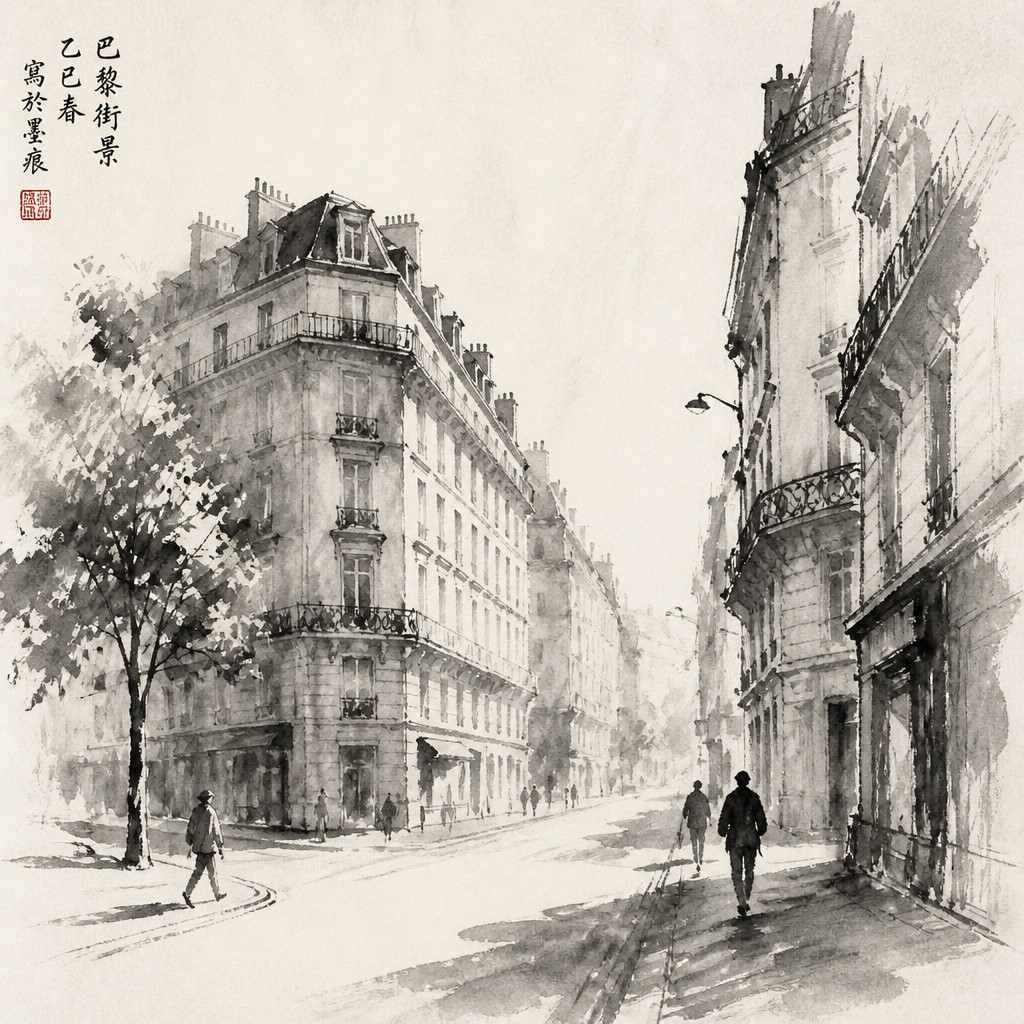
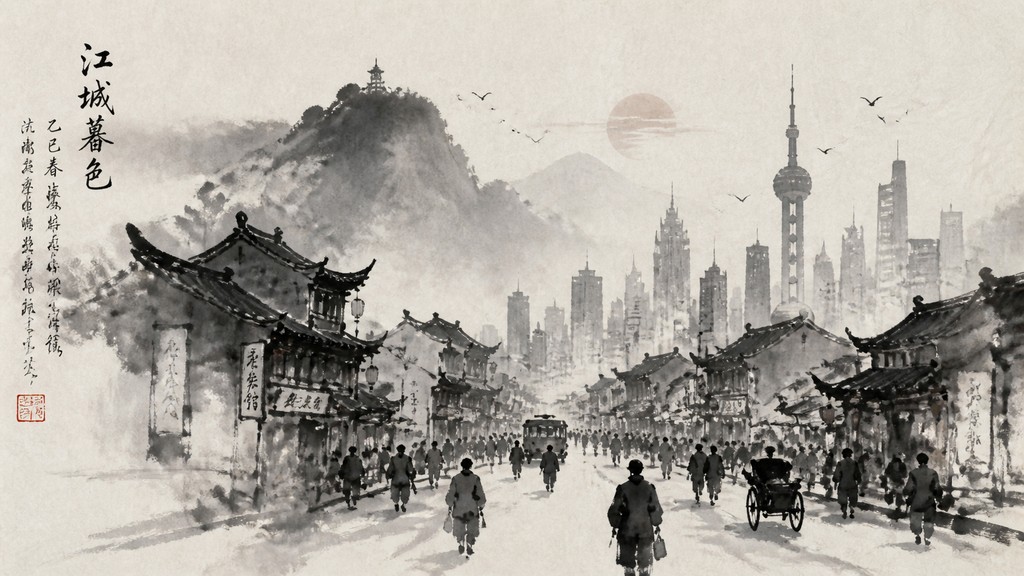
Yes. Contemporary artists often adapt the visual language to city skylines, industrial scenes, or symbolic compositions while keeping the ink wash, asymmetry, and spacious atmosphere. The key is to preserve the contemplative structure rather than simply copying the surface look.
How do I make a convincing image in this style digitally?
Use monochrome or near-monochrome values, varied brush textures, and transparent layering to imitate wash effects. Keep edges soft in atmospheric areas, reserve blank spaces intentionally, and add a small seal-like red accent only if it suits the composition.
Create your first Traditional Chinese Landscape artwork
Describe anything — or upload a photo — and see it in Traditional Chinese Landscape Art Style in seconds.
Make Something with Traditional Chinese Landscape
Compare Traditional Chinese Landscape
Related Styles
Discover similar art styles