Traditional Chinese Landscape vs Landscape Nature: What's the Difference?
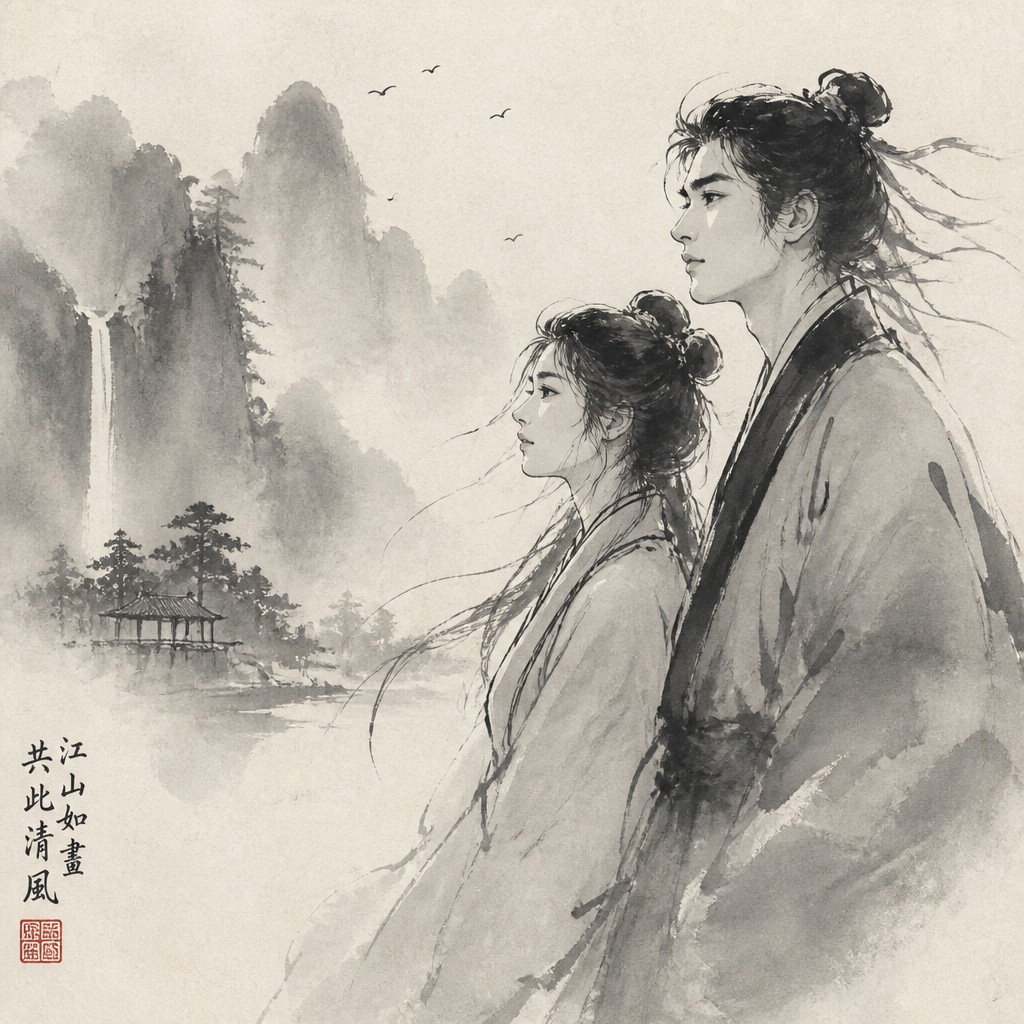
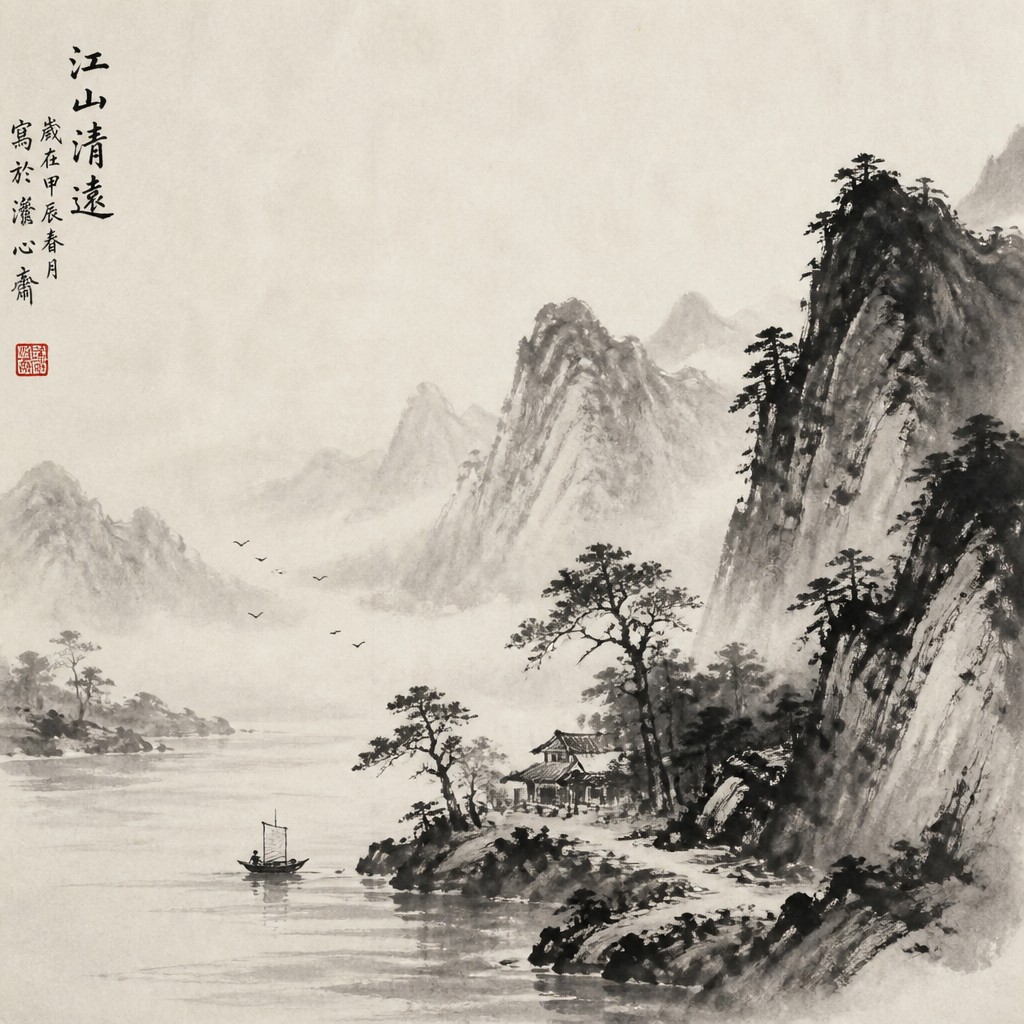
Traditional Chinese Landscape Art Style is rooted in ink wash painting, where mountains, water, and mist are suggested through calligraphic brushwork, layered tonal washes, and generous empty space. Rather than aiming for strict realism, it often creates a meditative scene that invites contemplation, movement of the eye, and a sense of harmony between humans and nature.
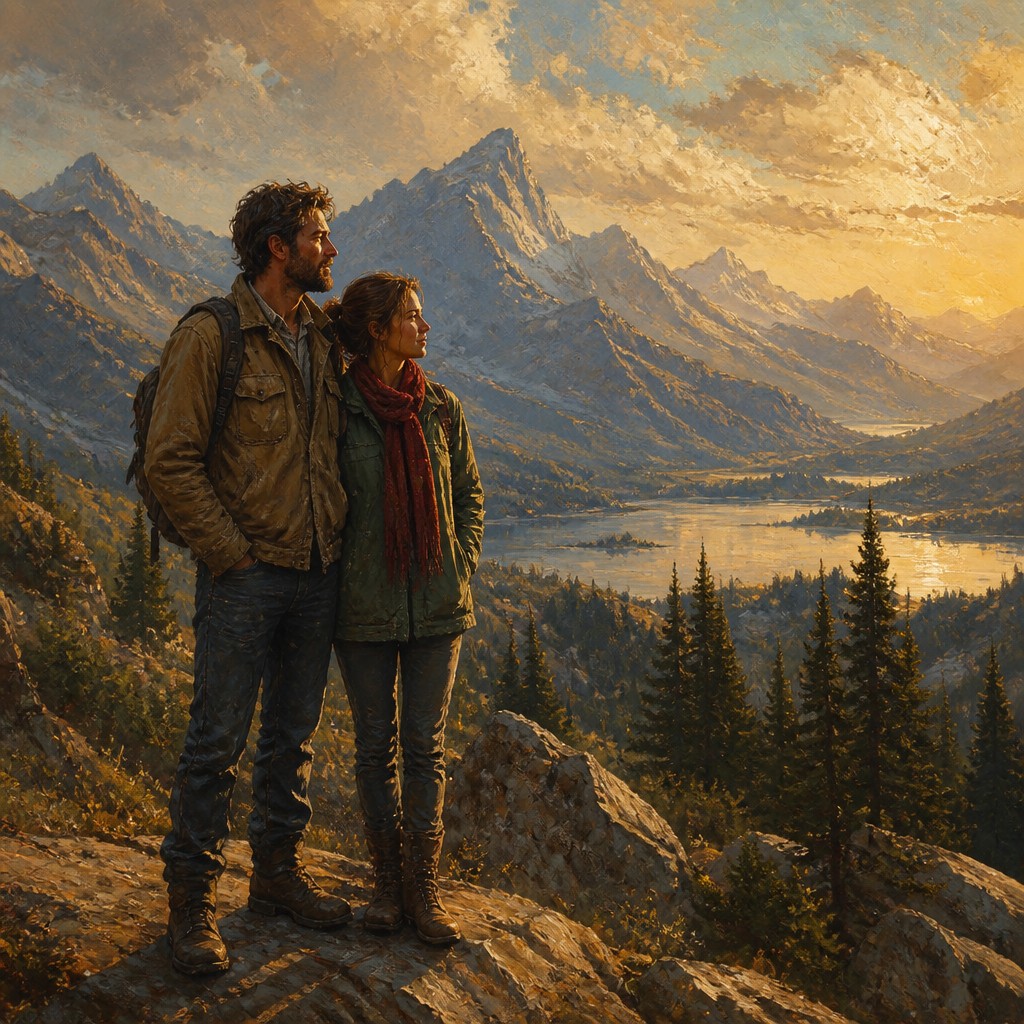
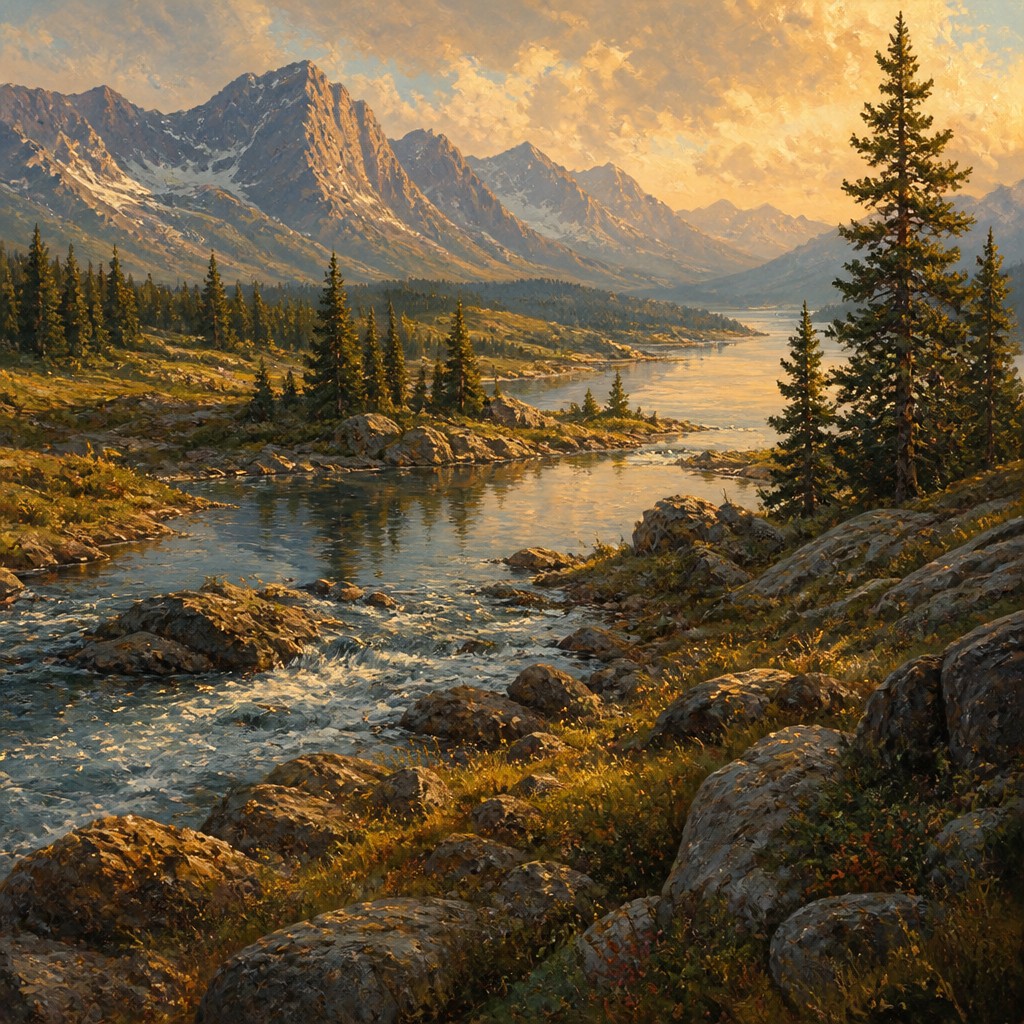
Landscape Nature Art usually refers to traditional scenic painting of forests, rivers, mountains, and changing weather rendered with painterly brushwork, color, and atmospheric depth. People compare the two because both focus on natural scenery and mood, but they differ in visual language: one emphasizes restraint, abstraction, and brush expression, while the other often emphasizes observation, light, space, and a more naturalistic sense of place.
Same Prompt, Both Styles
Each pair below was generated from the identical prompt — only the style changed.
“portrait of two people together”
“wide landscape with natural scenery”
“still life with everyday objects”
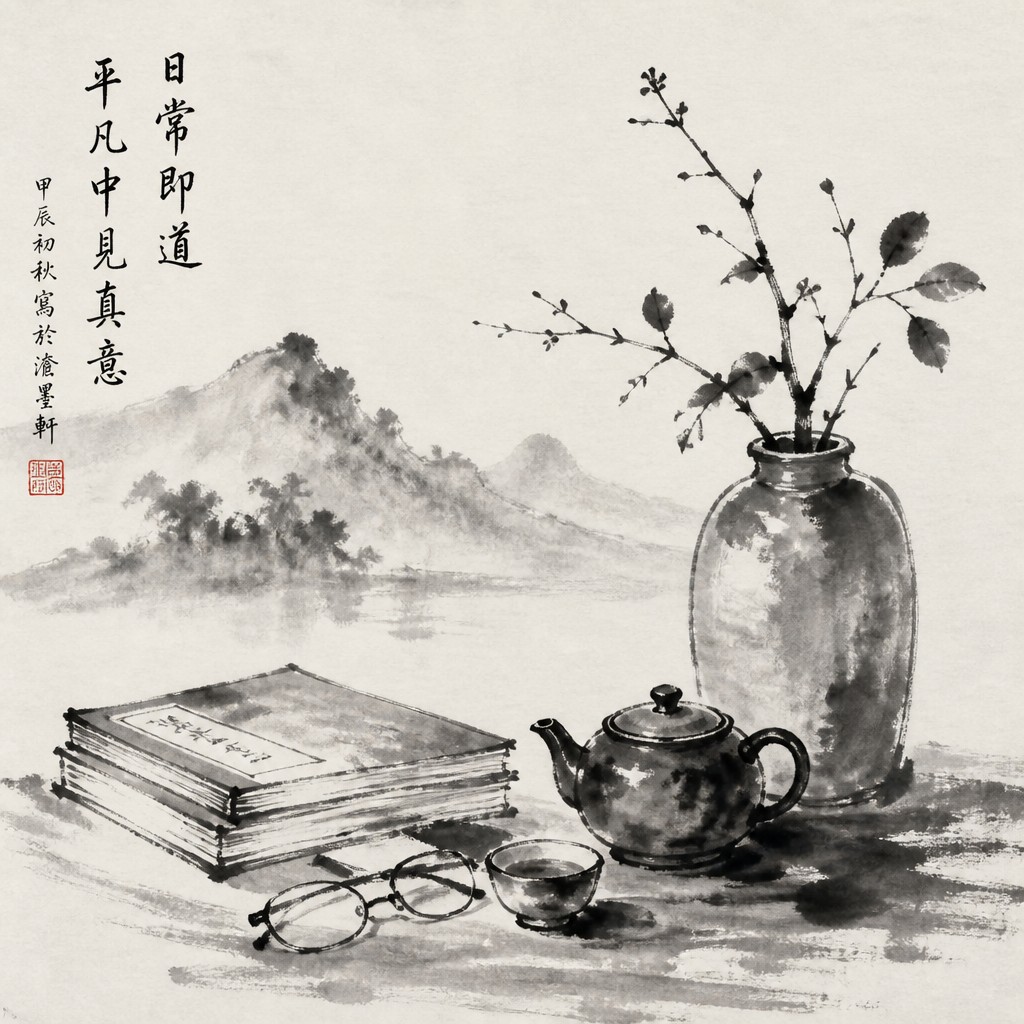
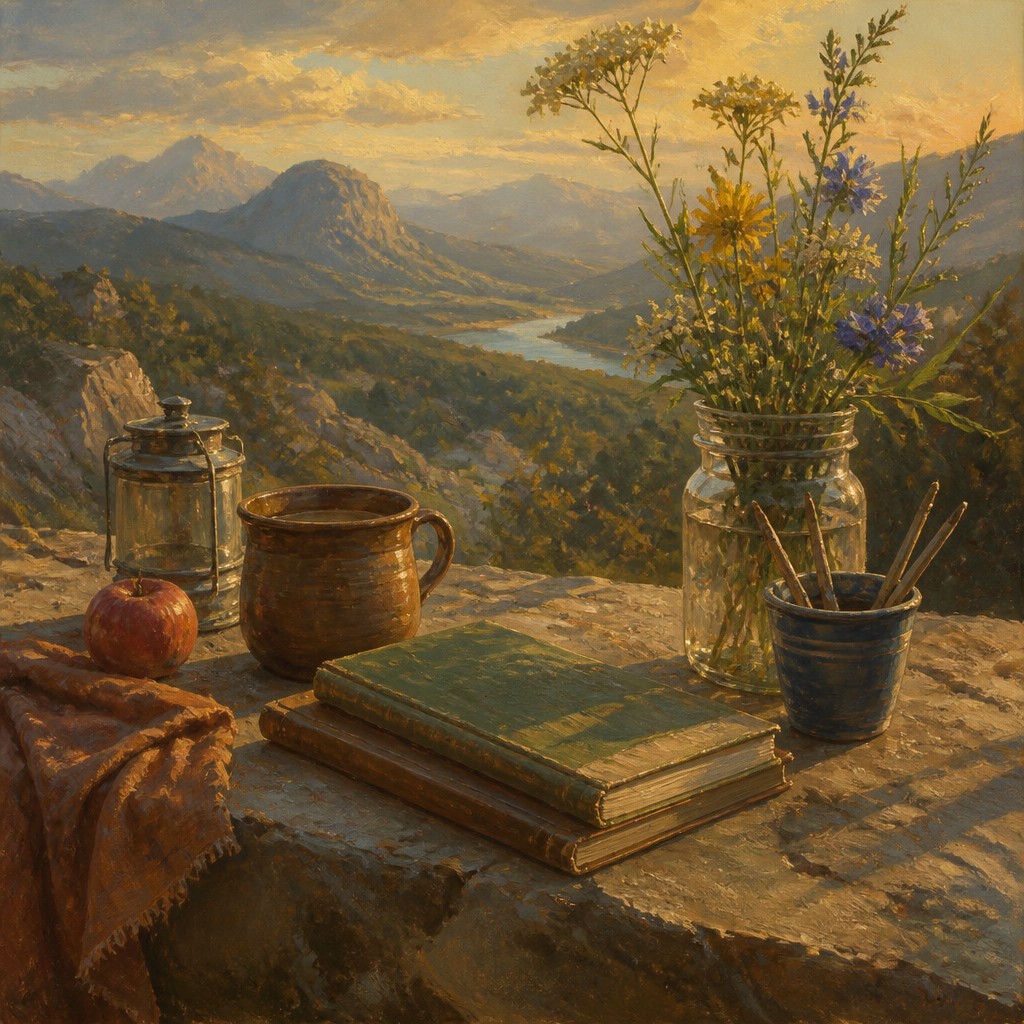
“bicyle resting against a wall”
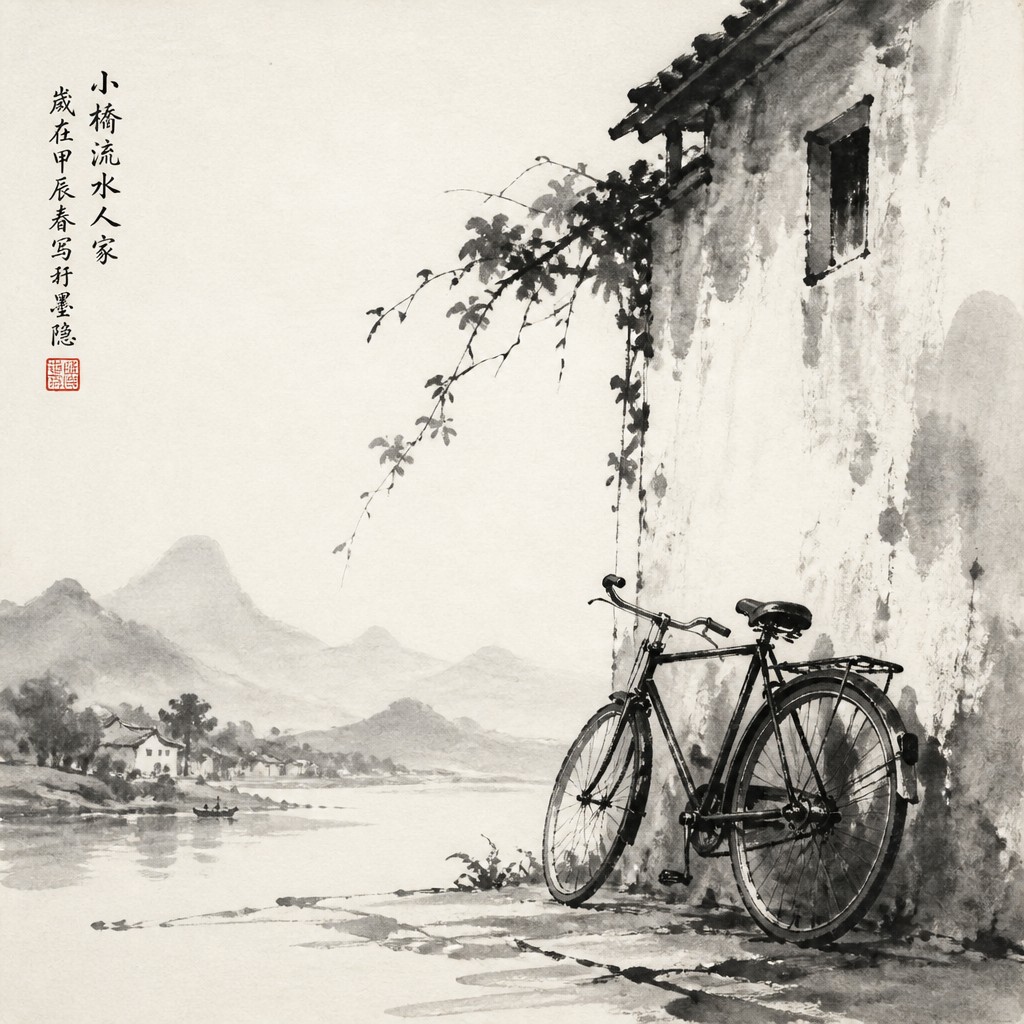
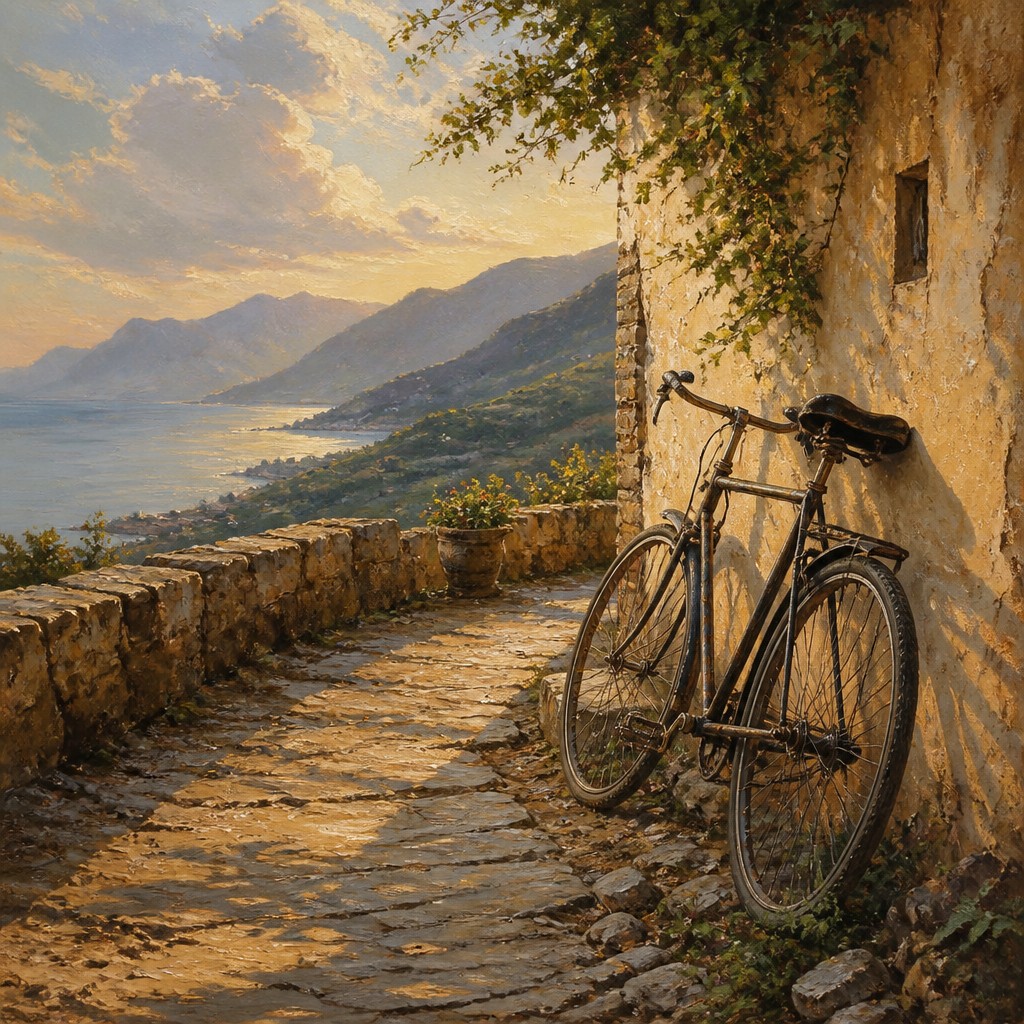
Key Differences
| Traditional Chinese Landscape | Landscape Nature | |
|---|---|---|
| Medium & palette | Mostly monochrome ink with subtle tonal variation. | Often uses broader color, light effects, and richer palettes. |
| Space | Uses empty space as an active compositional element. | Fills space more fully with terrain, foliage, and sky. |
| Brushwork | Calligraphic, economical strokes suggest form and movement. | More painterly strokes build texture, volume, and atmosphere. |
| Realism | Stylized and interpretive rather than strictly representational. | Often more observational and visually grounded in nature. |
| Mood | Quiet, contemplative, and meditative. | Immersive, naturalistic, and emotionally atmospheric. |
| Composition focus | Balances solid forms with voids and flowing rhythm. | Emphasizes scene depth, horizon structure, and light. |
| Mood | contemplative, serene, harmonious, meditative | peaceful, vast, reflective, timeless |
| Energy | calm | calm |
| Detail level | detailed | detailed |
| Color | ink black, soft grays, muted earth tones | earthy greens, blues, browns, natural light |
| Texture | dry brush, layered wash, paper grain | soft, layered, painterly surfaces |
| Origin | ancient China, scholarly landscape painting tradition | 19th-century European and American landscape traditions |
| Best for | wall scrolls, book illustrations, meditative posters, tea packaging, museum-style prints | wall art, book illustrations, nature posters, calendar images, travel visuals, scenic album covers |
| Difficulty | advanced | moderate |
Which Should You Choose?
Choose Traditional Chinese Landscape Art Style if you want restraint, symbolism, and a serene, poetic feeling built from ink, space, and expressive line. Choose Landscape Nature Art if you want a more immersive natural scene with visible atmosphere, color, and painterly detail. If your goal is meditative abstraction, pick A; if your goal is a vivid outdoor scene with depth and natural light, pick B.
Frequently Asked Questions
Is Traditional Chinese Landscape Art Style meant to be realistic?
Not primarily. It often simplifies or stylizes nature to express mood, balance, and the spirit of a scene. Accuracy is less important than visual harmony and contemplative feeling.
Does Landscape Nature Art always use color?
No, but color is common because it helps depict light, weather, and atmospheric depth. Some works may be monochrome, yet they usually still focus on naturalistic space and texture.
Can both styles show the same subject, like mountains or rivers?
Yes. The subject matter can overlap completely. The difference is how it is interpreted: A tends toward ink, emptiness, and calligraphic abstraction, while B tends toward layered scenery and natural light.
Which style is better for a calm, reflective room design?
Traditional Chinese Landscape Art Style often works best for calm interiors because its sparse composition and monochrome palette feel quiet and balanced. Landscape Nature Art is better if you want a warmer, more immersive, nature-filled atmosphere.