Biophilic Interior Design
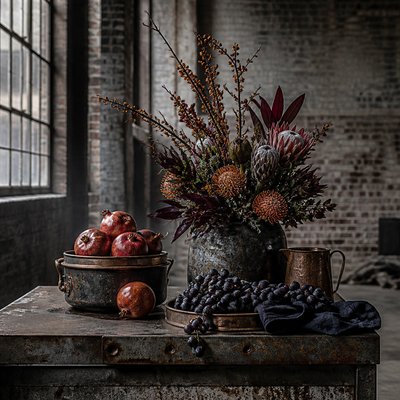
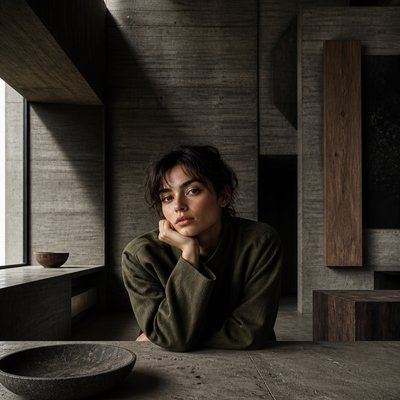
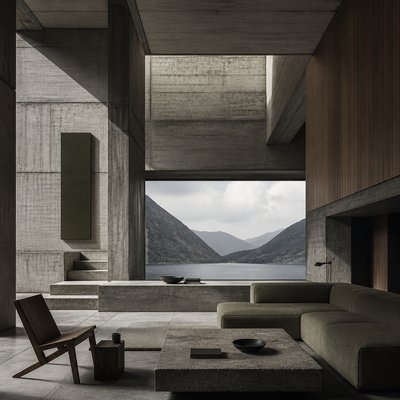
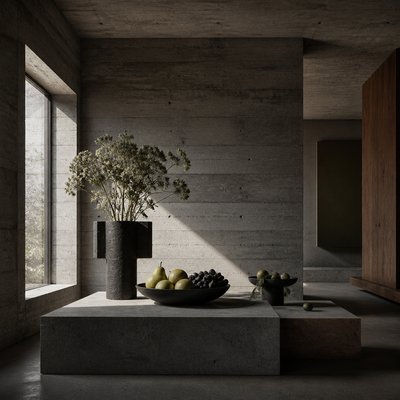
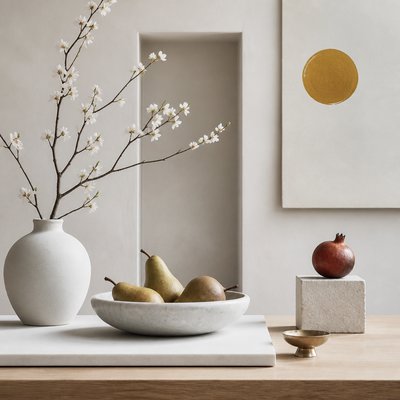
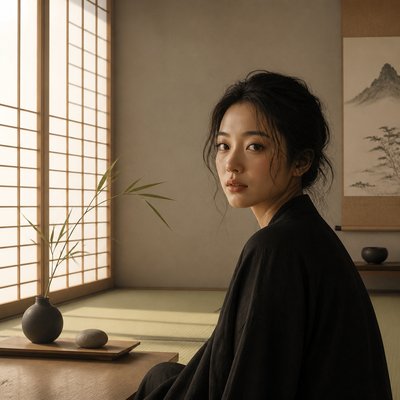
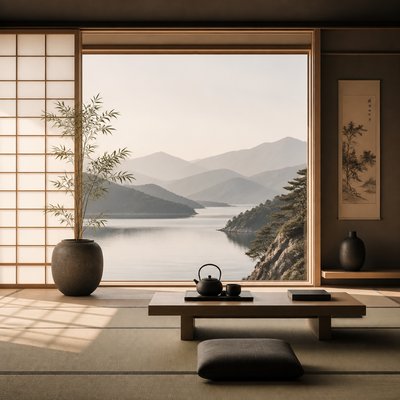
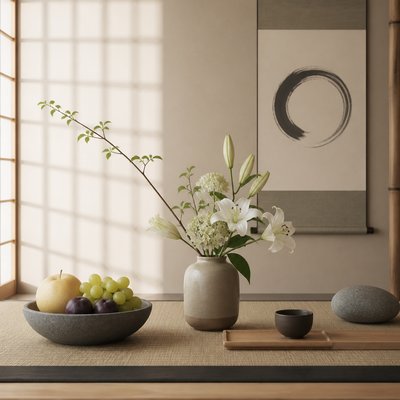
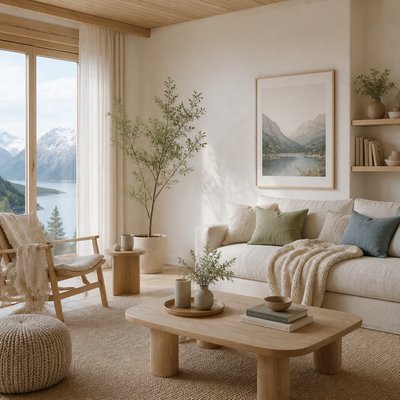
Nature-infused interiors with greenery, raw wood, stone, daylight, and calm organic textures for homes and spaces.
Instantly rendered in Biophilic Interior Design — or transform a photo
Biophilic Interior Design Gallery
Tap any artwork to explore it
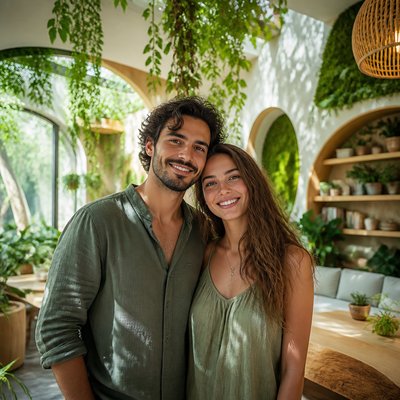
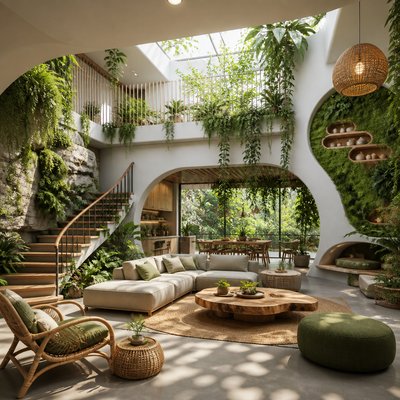
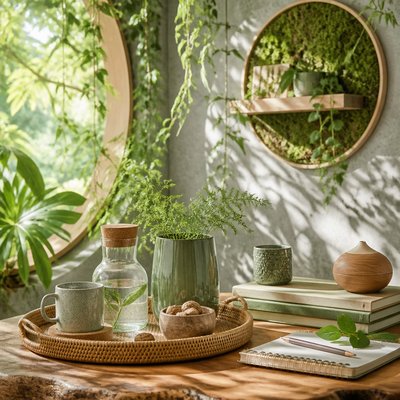
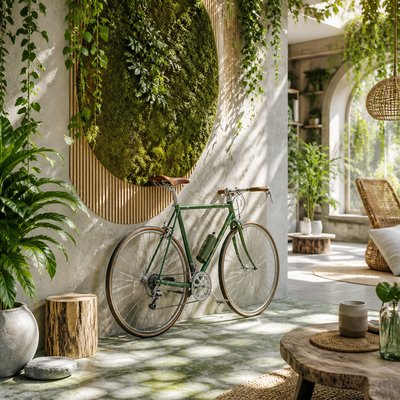
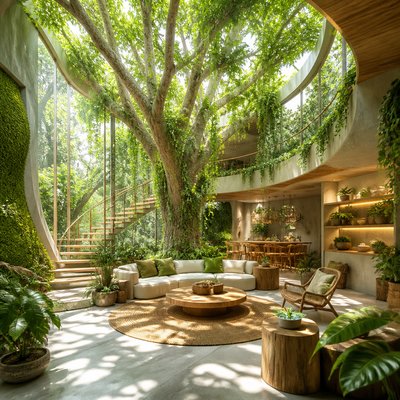
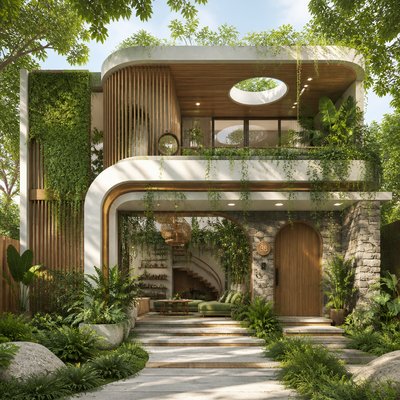
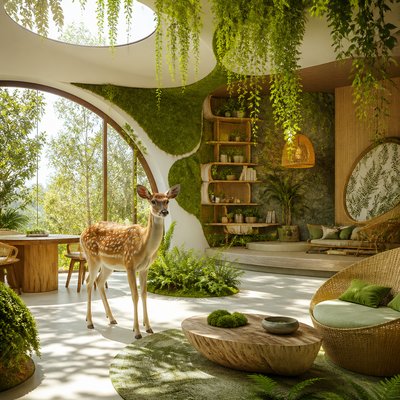
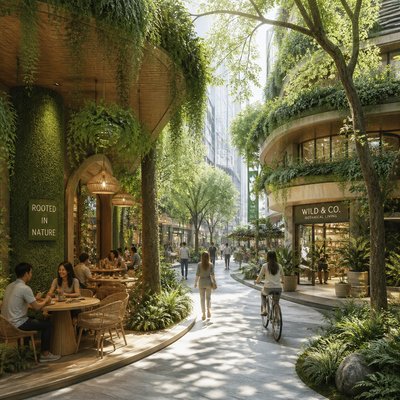
What is Biophilic Interior Design?
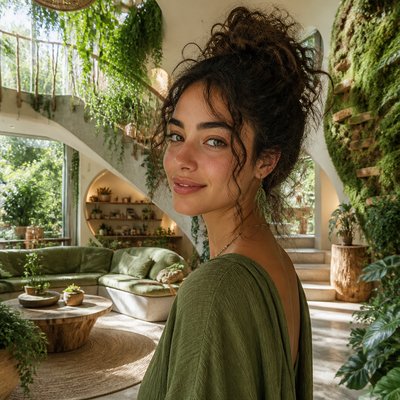
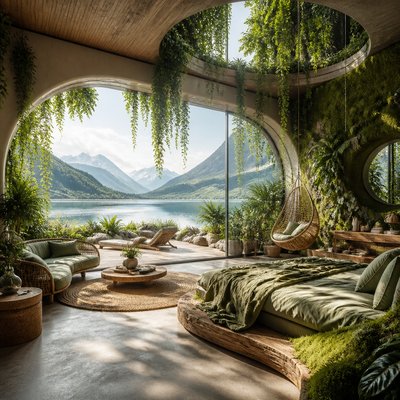
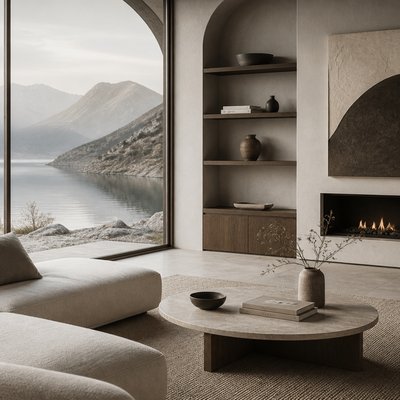
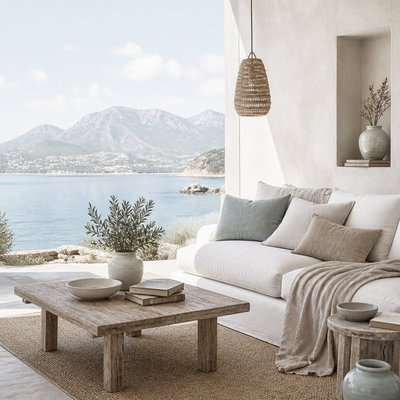
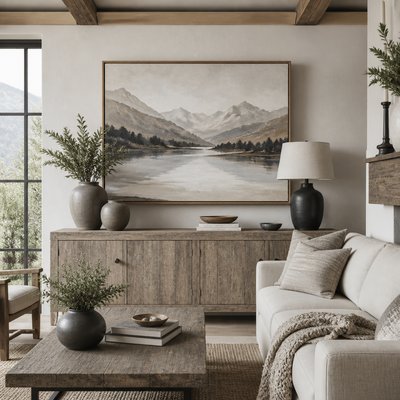
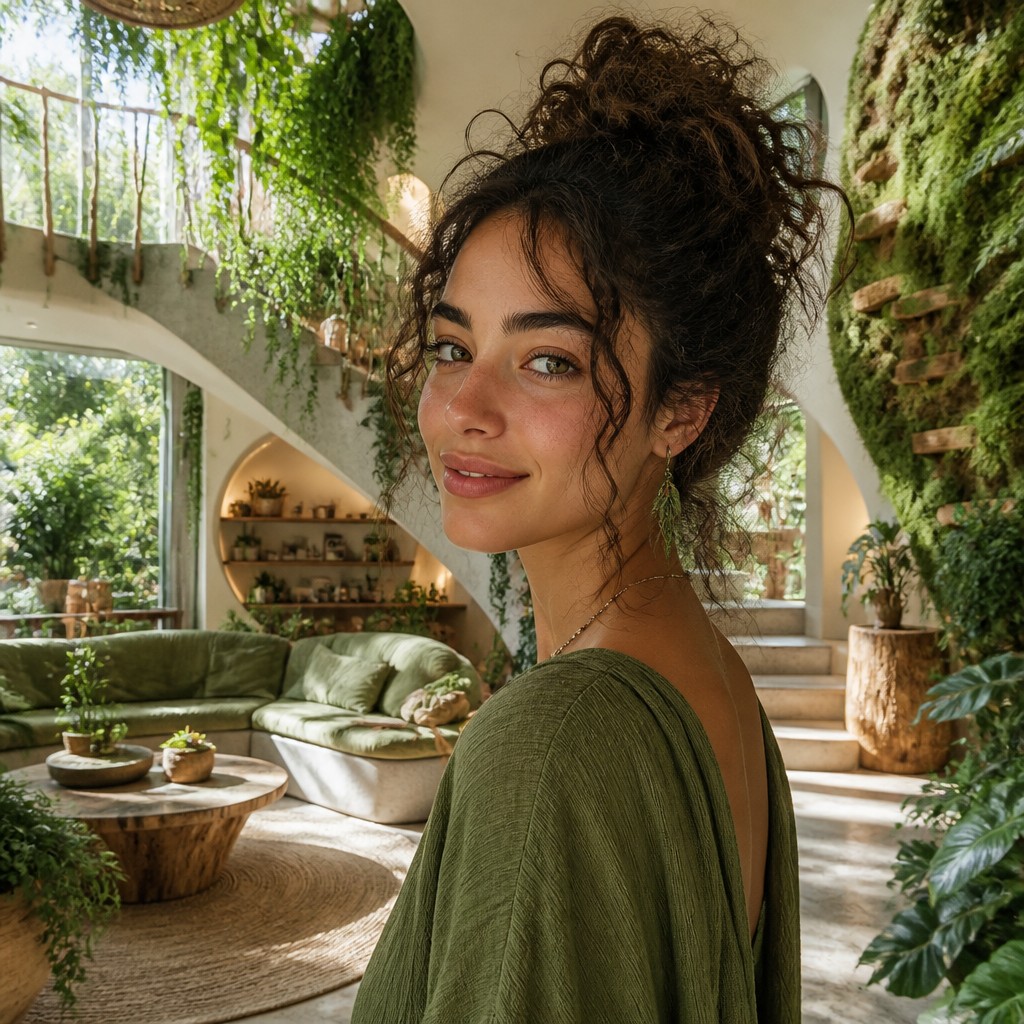
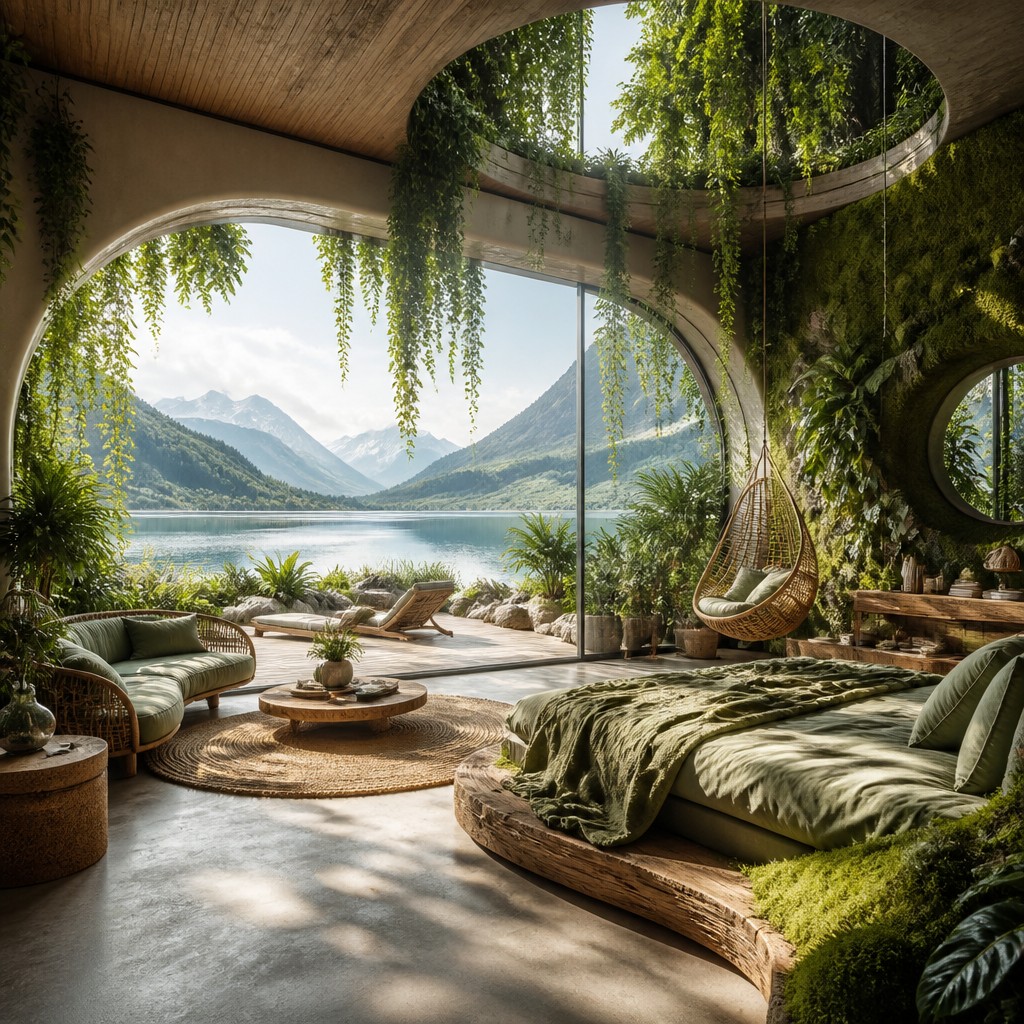
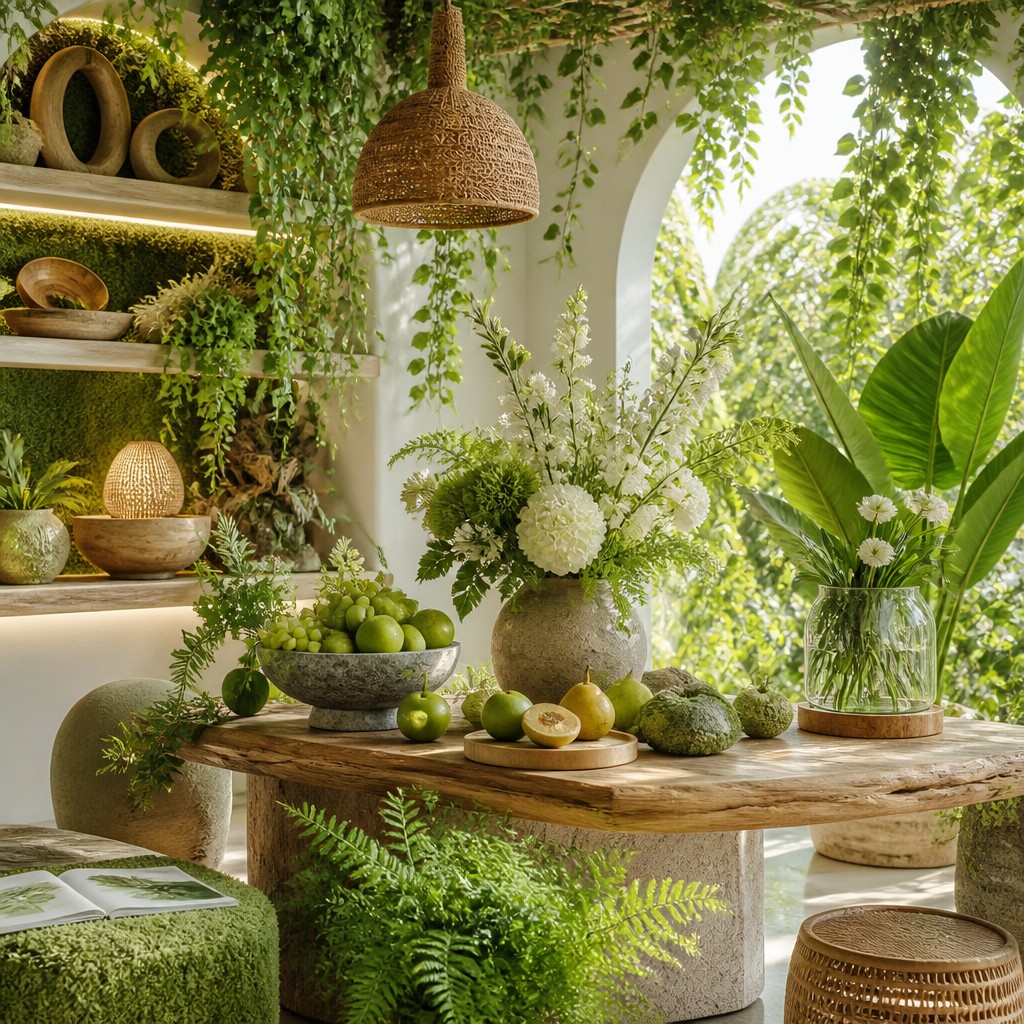
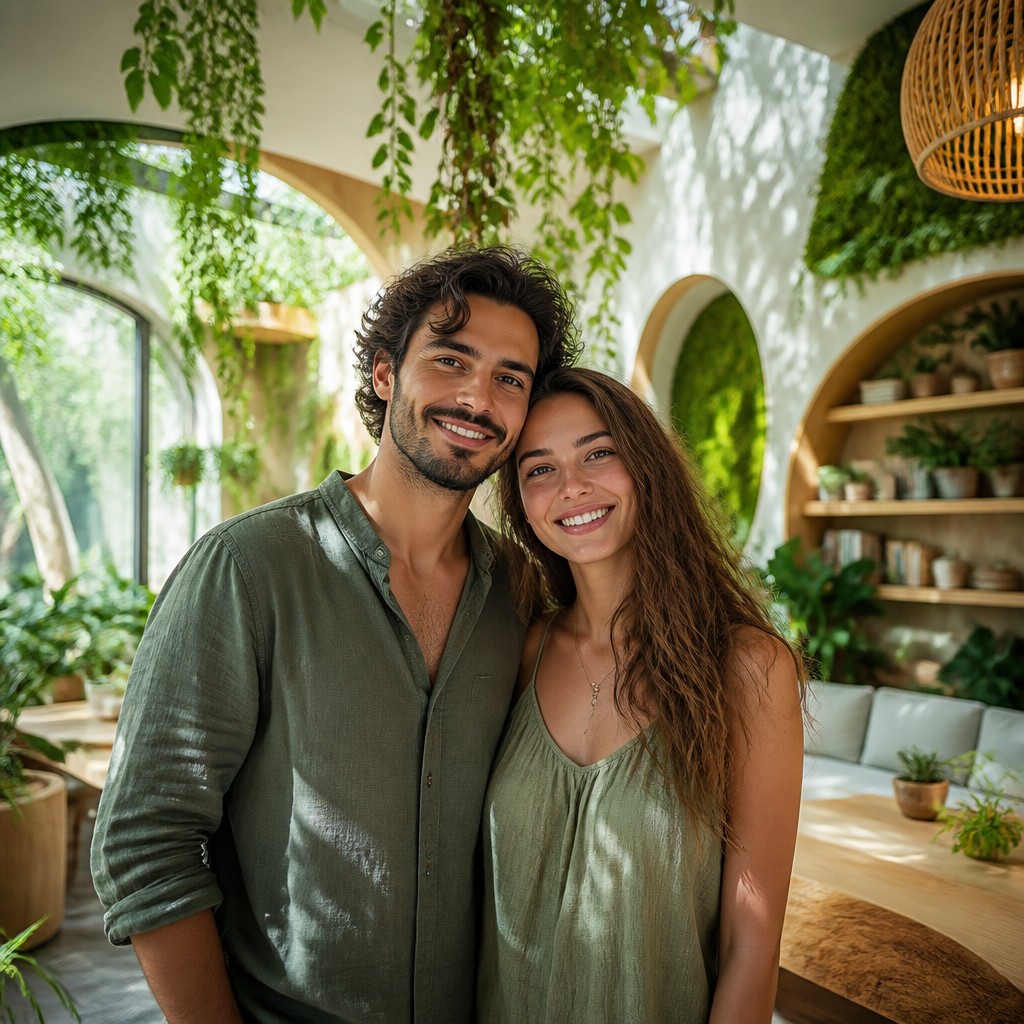
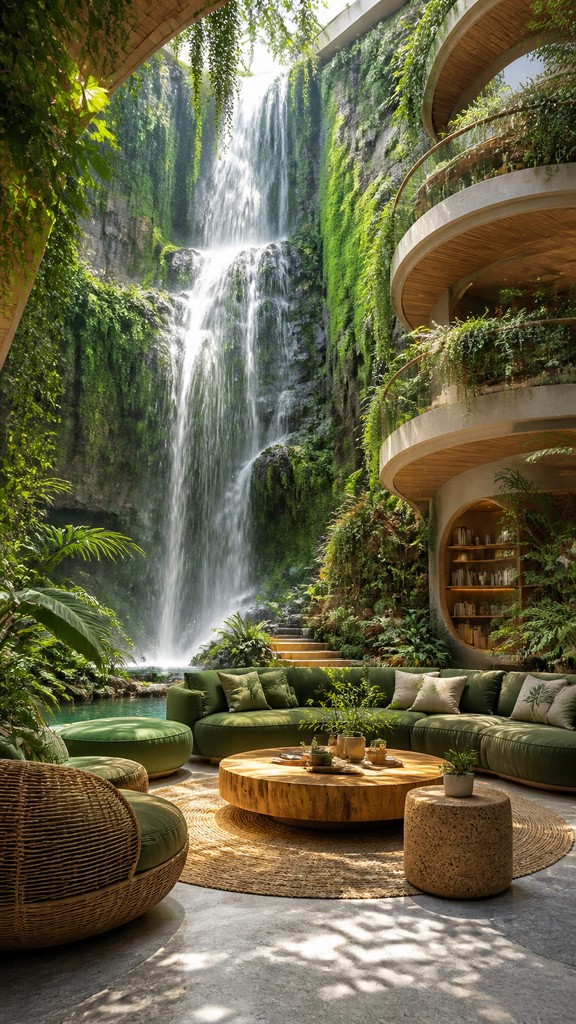
Biophilic interior design is an approach to interiors that brings the feeling and structure of nature into the built environment. It typically combines abundant plants, daylight, natural materials, and soft organic forms to create spaces that feel restful, breathable, and closely connected to the outdoors.
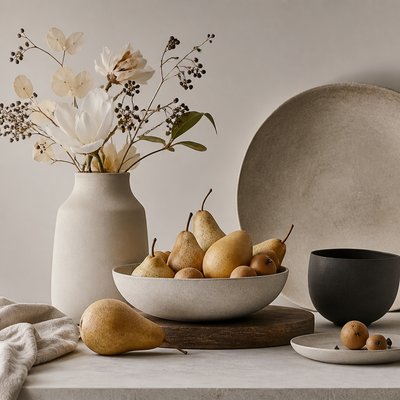
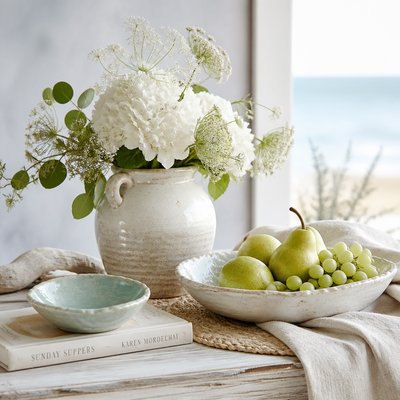
Its visual identity is defined by living greenery, raw wood grain, stone, cork, rattan, and pale light-filled surfaces. Rather than relying on ornament, the style builds atmosphere through texture, layering, and spatial calm: trailing vines, mossy accents, rounded edges, and dappled sunlight work together to produce an interior that feels quietly restorative.
The look exists because it responds to a human preference for natural cues in enclosed spaces. Biophilic interiors balance shelter and openness, using plant life, daylight, and tactile materials to soften modern rooms and reduce the visual severity of glass, metal, and synthetic finishes.
Try It On Your Photos
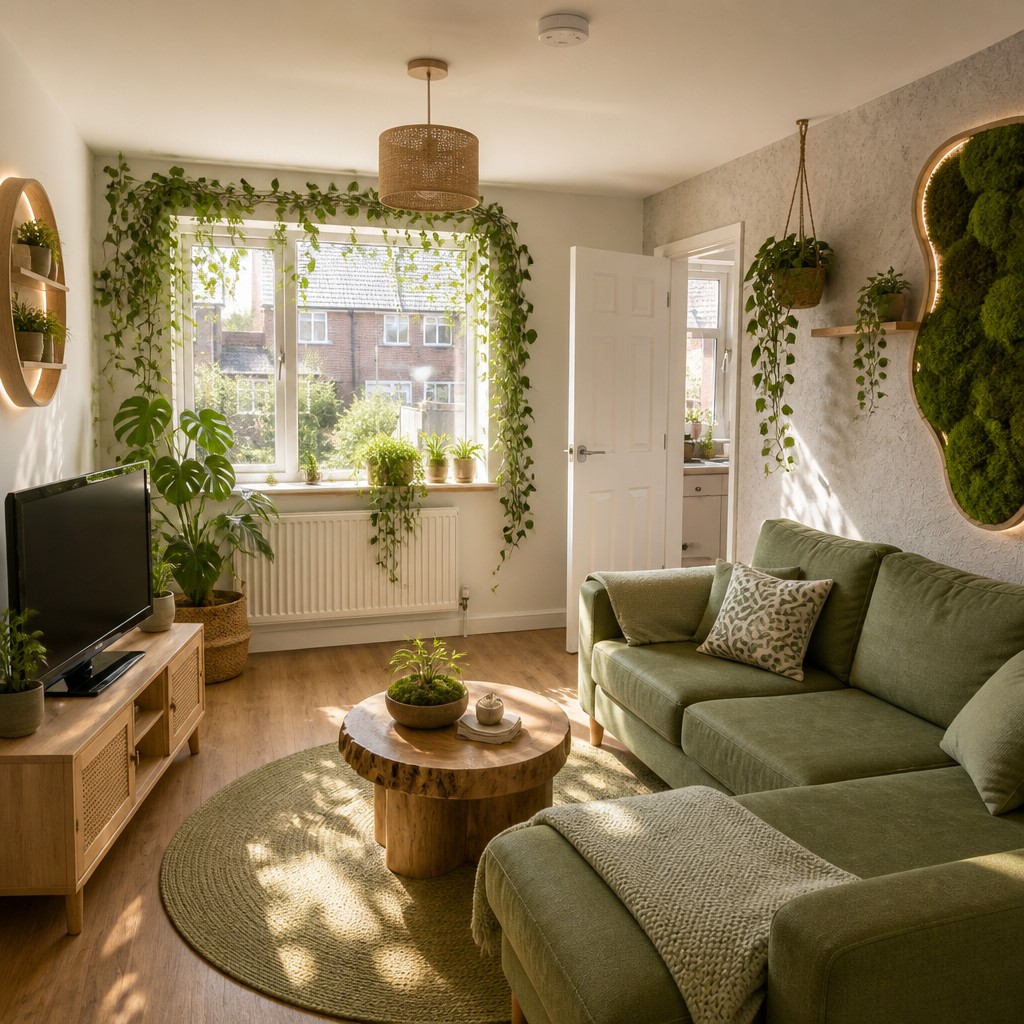
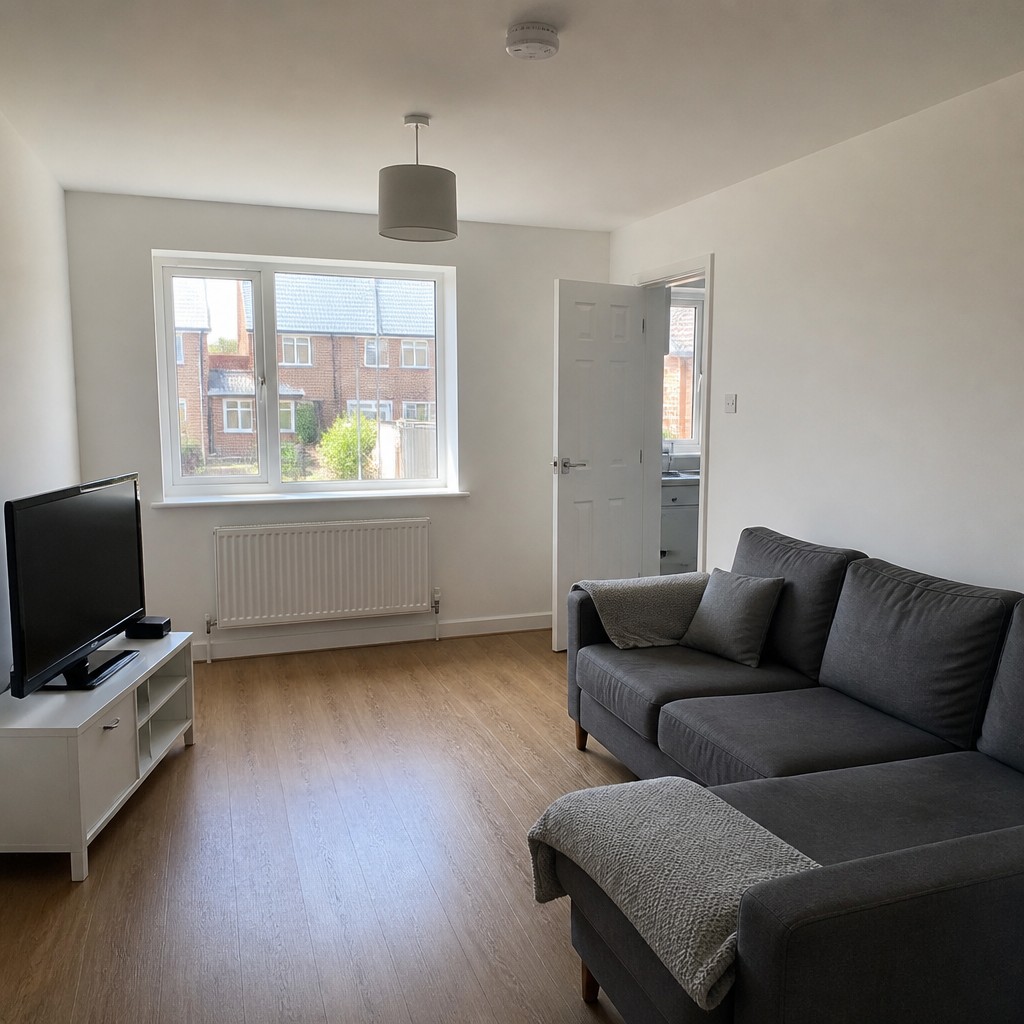
Upload any photo and convert it into Biophilic Interior Design — drag the sliders to compare before and after.


What Defines Biophilic Interior Design
The signature details, up close
Living greenery
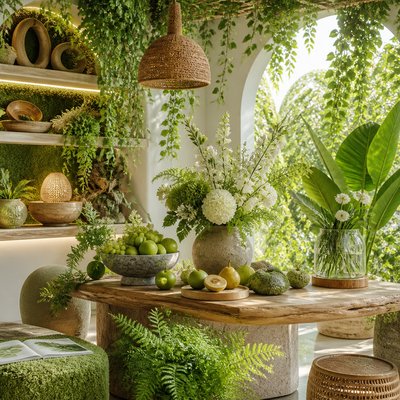
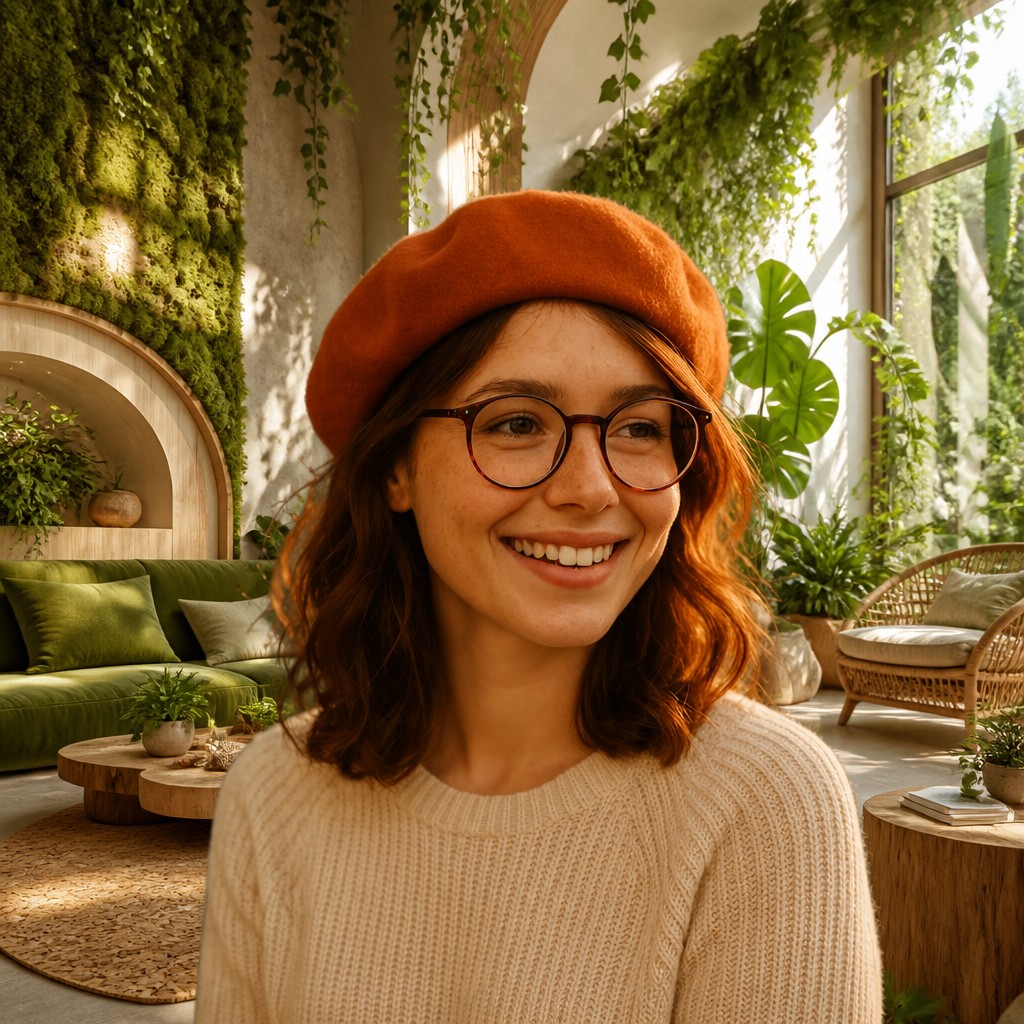
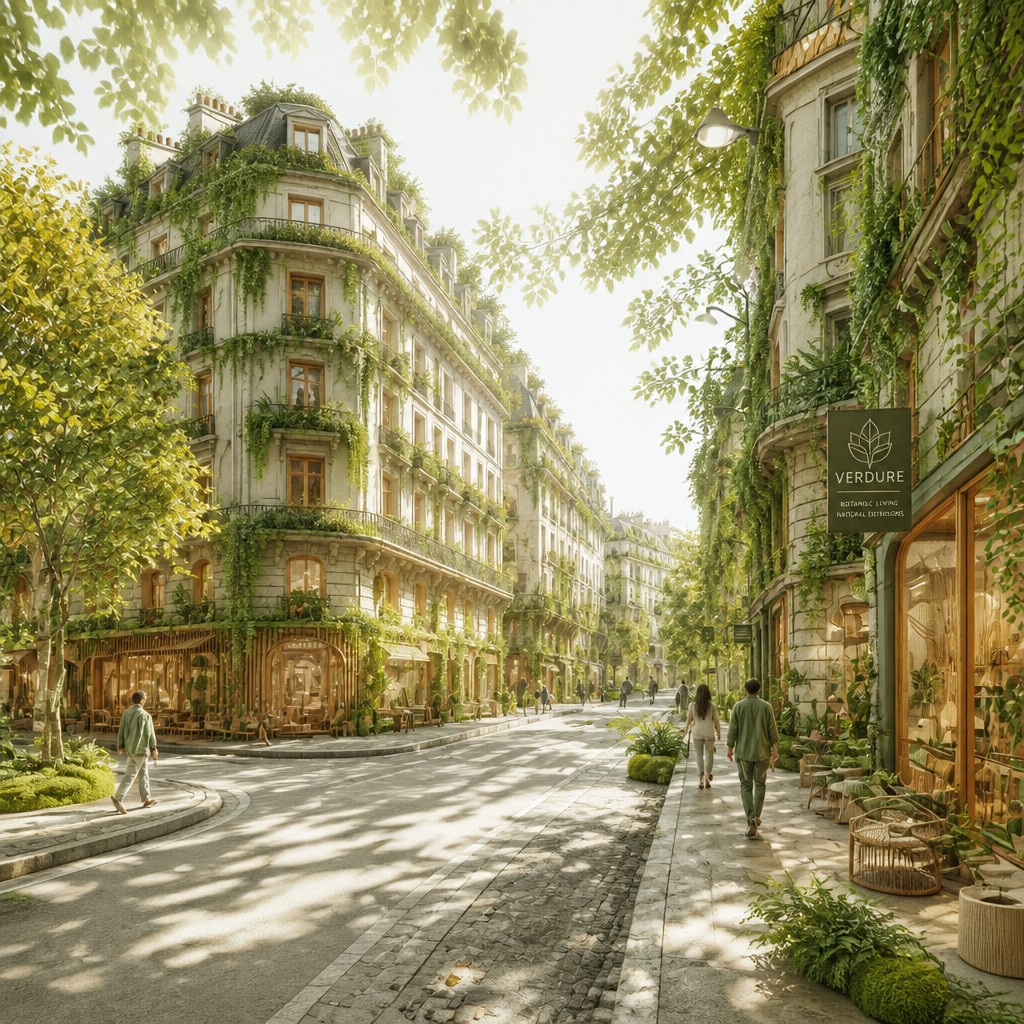
Plants are not used as occasional decoration but as a primary visual element. Trailing vines, potted trees, ferns, and wall plantings create layered depth and a sense of enclosure.
Natural material palette
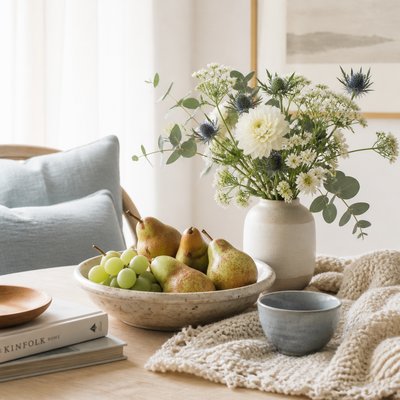
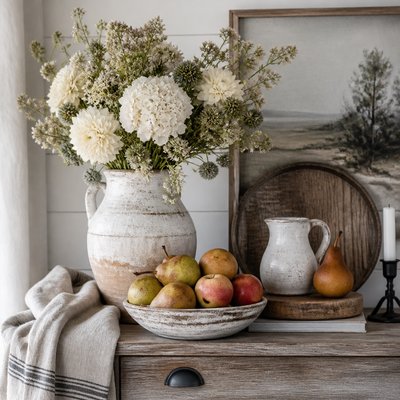
Raw wood, bamboo, rattan, cork, linen, wool, clay, and stone dominate the surface language. These materials add visible grain, fiber, and irregularity that read as warm and tactile.
Daylight and shadow
Large windows, skylights, and translucent treatments are essential because the style depends on natural light. Dappled shadows from leaves and screens often become part of the composition.
Organic geometry
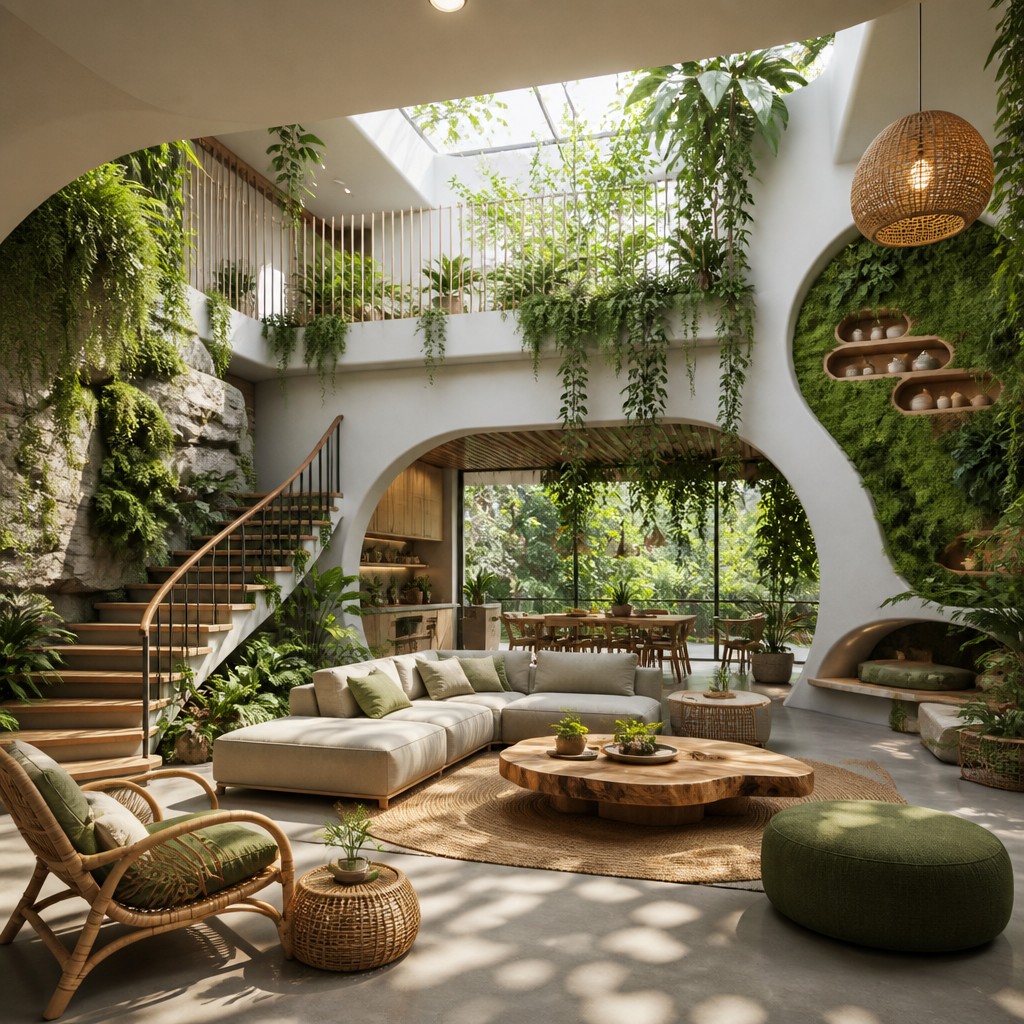
Forms tend to be rounded, curved, or softly asymmetrical rather than sharp and rectilinear. Furniture and architectural details echo plant structures, pebbles, river stones, or erosion-shaped contours.
Calm, oxygen-rich atmosphere
The overall effect is airy and restorative rather than dramatic. Open space, muted contrast, and visual quiet help the room feel breathable and uncluttered.
Layered texture
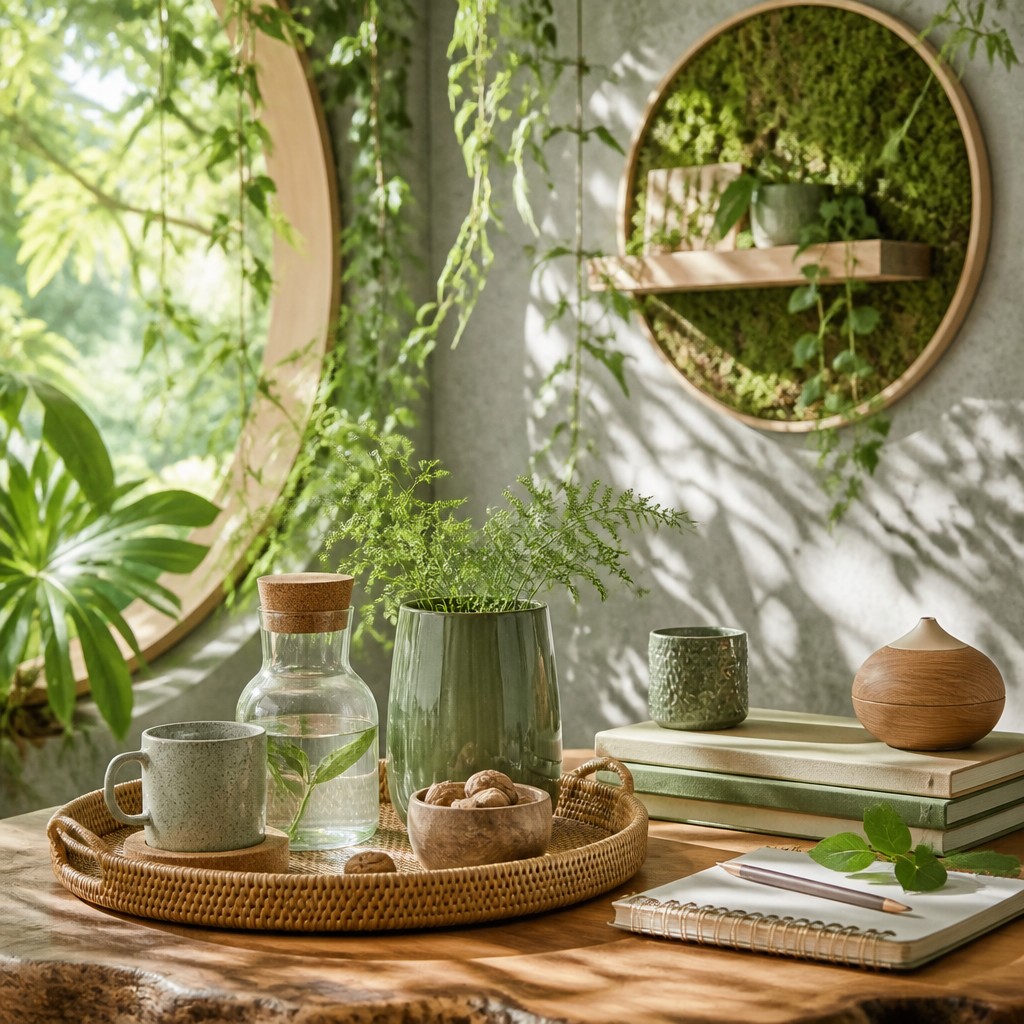
The style relies on subtle surface variation instead of heavy ornament. Moss, bark-like finishes, woven fibers, and stone textures create depth without visual noise.
Try It
Create Videos in Biophilic Interior Design
Styles aren't just for stills — describe a scene or animate an image and get a short video rendered in Biophilic Interior Design. Press play to see this pond come to life.
Make a VideoBiophilic Interior Design Prompt Ideas
Start from an idea — each one opens the generator with the style ready to go. See all 40 Biophilic Interior Design prompts →
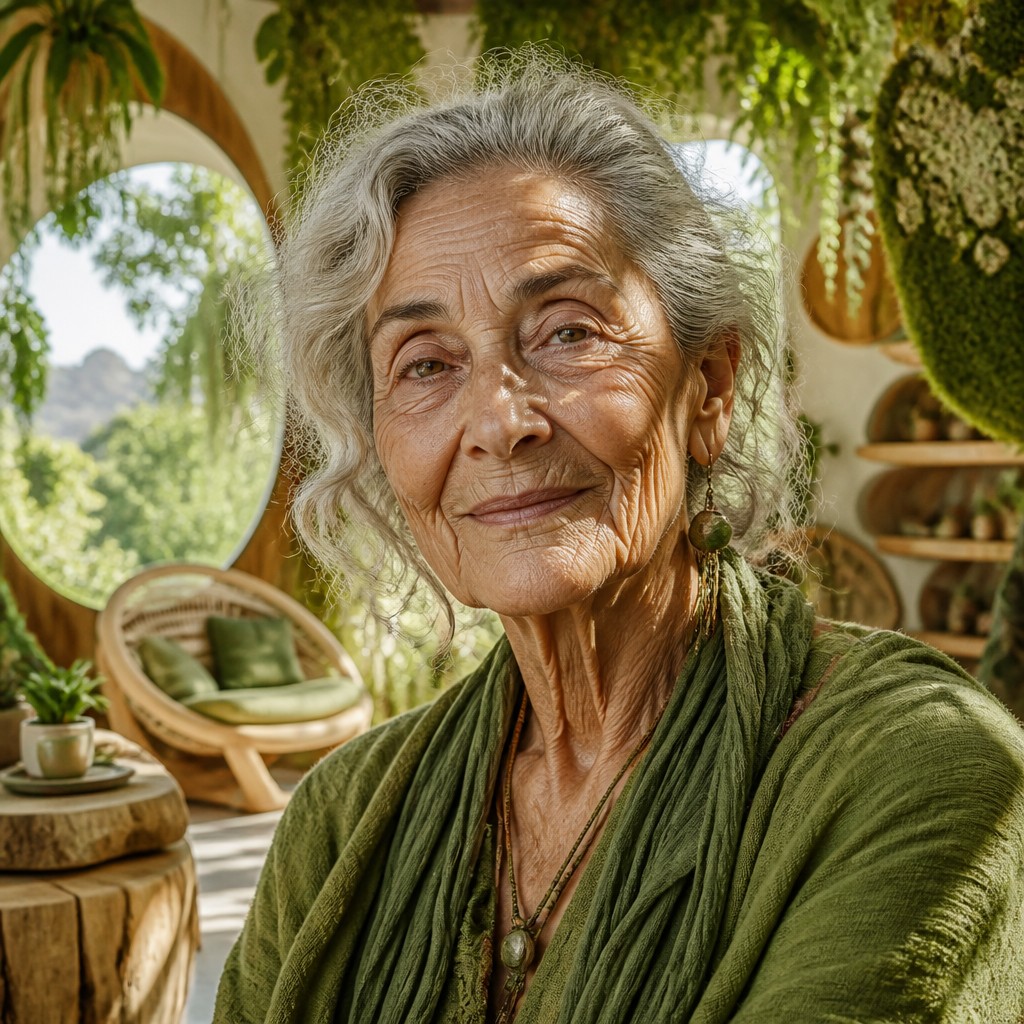
“close-up portrait of an elderly person with expressive weathered features”
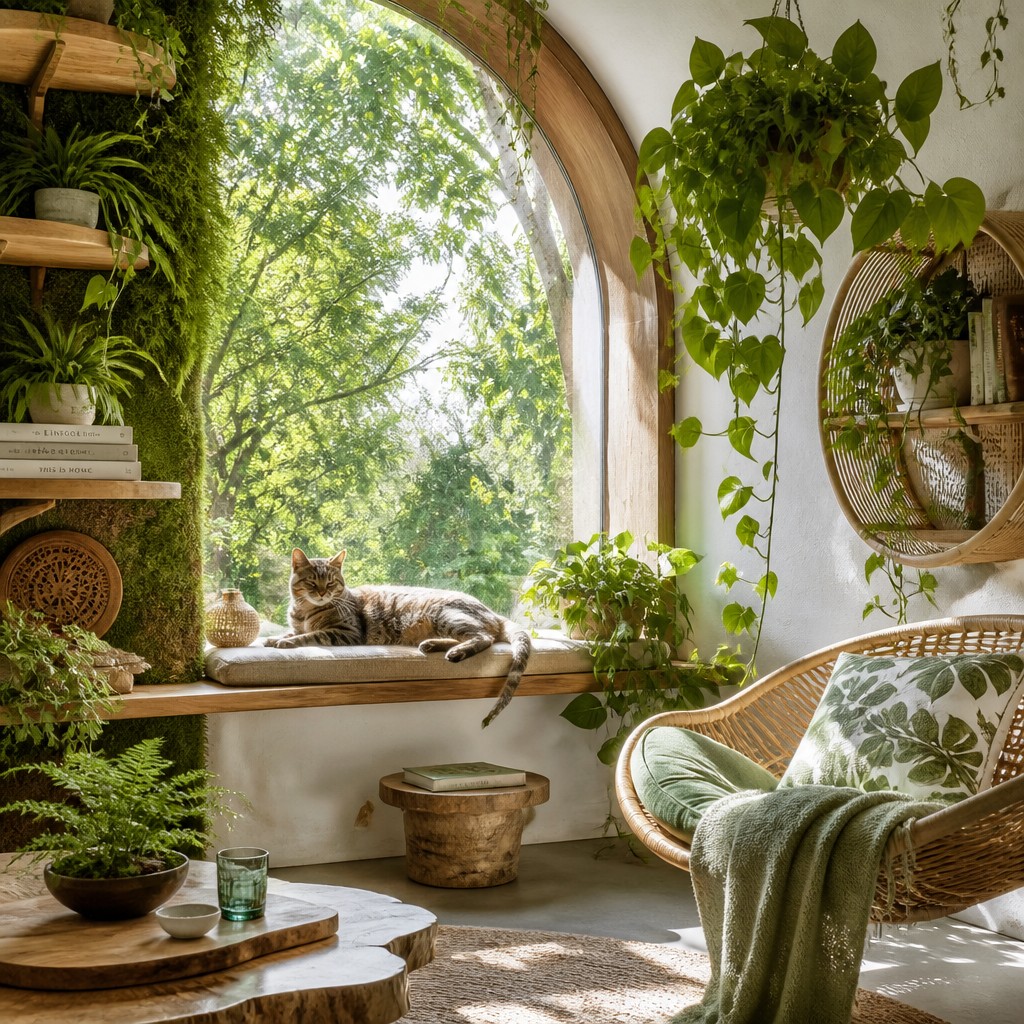
“a cat lounging in a sunlit window”
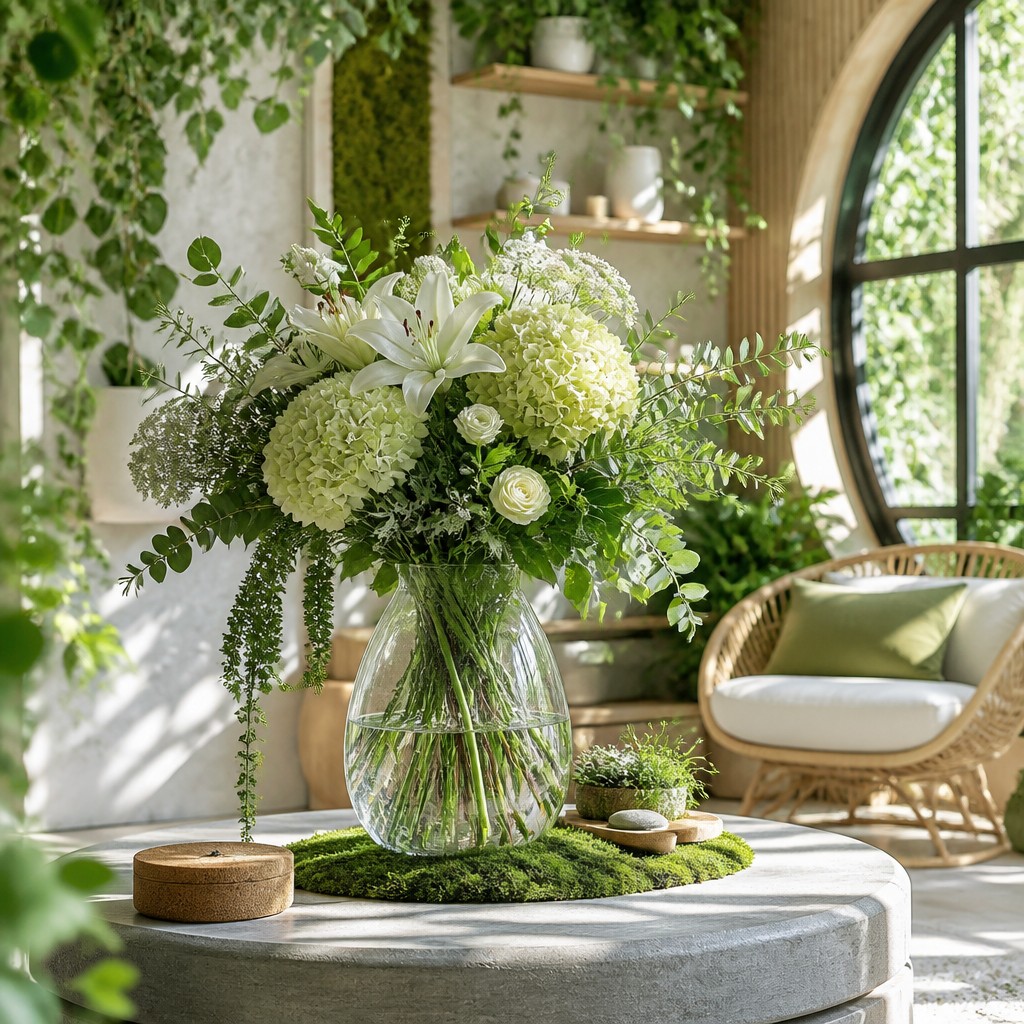
“bouquet of flowers in a glass vase”
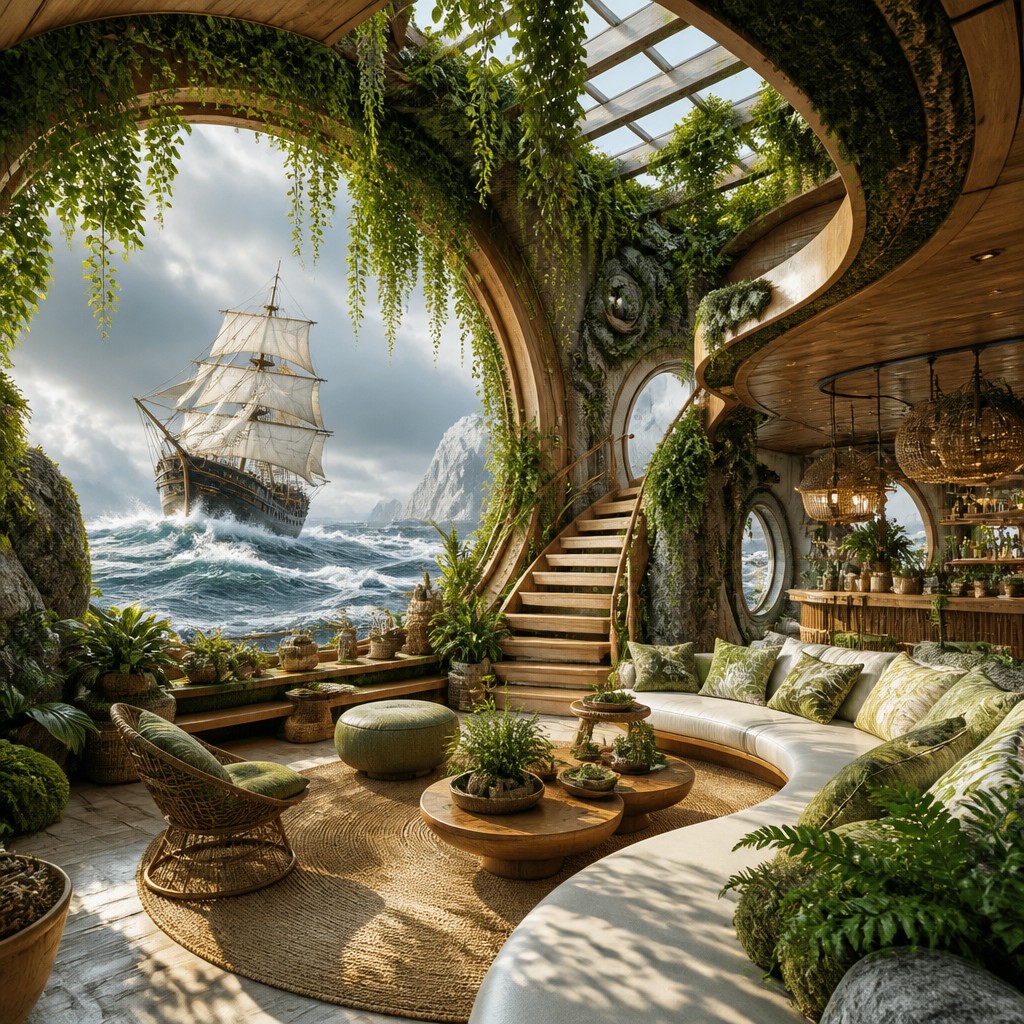
“sailing ship on a stormy sea”
How to Create Biophilic Interior Design Art
Master the craft step by step — or skip straight to creating. Read the full guide →
- 1
Start with light and circulation
In a real interior, plan around daylight, window placement, and clear pathways before adding objects. In digital work, establish bright ambient light and visible natural openings first, then place foliage so it frames the room rather than blocking it.
- 2
Use a restrained natural palette
Anchor the scene with leaf green, timber brown, stone grey, and soft white, then vary tone through material texture instead of saturated color. For prompt-based generation, specify these hues along with words like 'airy,' 'daylit,' and 'organic curves' to keep the composition coherent.
- 3
Layer plants as architecture
Treat greenery as a spatial device: hang vines, cluster potted plants at different heights, and use tall specimens to soften corners. In image-making, ask for trailing greenery, moss textures, and botanical layering so the plant life reads as integrated design.
- 4
Prioritize honest materials
Select finishes that visibly express grain, weave, or mineral variation, and avoid overly glossy or synthetic surfaces. In digital illustration or rendering, increase tactile detail in wood, stone, cork, and woven materials to make the scene feel grounded.
- 5
Balance comfort with restraint
Keep furniture simple and low-visual-noise, using rounded silhouettes and limited accessories so nature remains the focus. For generation prompts, pair 'minimal furnishing' or 'clean composition' with 'lush plants' to prevent the room from becoming cluttered.
The Story
History & Origins of Biophilic Interior Design
Biophilic interior design is not a historical style in the same sense as Art Deco or Bauhaus; it is a modern design approach grounded in environmental psychology, wellness design, and sustainable building practice. Its lineage reaches back to long traditions of bringing gardens, courtyards, atriums, conservatories, and indoor planting into domestic and civic architecture, but its contemporary form emerged alongside late-20th- and early-21st-century interest in health, ecology, and human-centered design.
Its development is closely linked to the broader biophilia hypothesis, which argues that people have an innate affinity for living systems, and to the rise of environmentally conscious interiors. As open-plan apartments, workplace design, and urban living expanded, designers increasingly used plants, daylighting, natural ventilation, and untreated materials to counteract the sterility of hard-surfaced modern interiors.
Influences: Biophilic interior design draws from a range of real traditions rather than a single art-historical movement: modernist concern for function and clarity, Scandinavian emphasis on light and natural materials, and Japanese spatial restraint and sensitivity to nature. It also overlaps with environmental design and wellness-oriented architecture, where interiors are shaped by daylight, ventilation, and material honesty. In historical terms, it can be seen as a contemporary continuation of conservatory culture, indoor garden rooms, and architecture that treats nature as part of domestic life.
Frequently Asked Questions
What defines biophilic interior design?
It is defined by a deliberate connection to nature through plants, daylight, natural materials, and organic forms. The goal is not just a “green” look, but an interior that feels materially and atmospherically natural.
Is biophilic interior design the same as Scandinavian or minimalist design?
No, but it often overlaps with both. Scandinavian and minimalist interiors may use light woods and clean forms, while biophilic design specifically emphasizes living greenery, daylight, and nature-based sensory cues.
What materials are most associated with this style?
Raw wood, rattan, cork, stone, clay, linen, wool, and other natural fibers are common. These materials are valued because they show grain, weave, and texture rather than looking smooth or synthetic.
How do you make a room feel biophilic without overfilling it with plants?
Use a few well-placed plants, strong daylight, and natural materials to create the effect. The style depends as much on openness, shadow, and texture as on the number of plants in the room.
Where is biophilic interior design commonly used?
It appears in homes, hospitality spaces, offices, wellness environments, and public interiors that aim to feel restorative. It is especially common in places where designers want to soften urban or highly built settings.
How should I describe this style in an image prompt?
Mention greenery, daylight, raw wood, stone, organic curves, and calm natural textures. Terms like 'airy,' 'moss-textured,' 'woven,' 'dappled shadows,' and 'nature-saturated' help steer the image toward the right atmosphere.

Create your first Biophilic Interior Design artwork
Describe anything — or upload a photo — and see it in Biophilic Interior Design in seconds.
Make Something with Biophilic Interior Design
Related Styles
Discover similar art styles