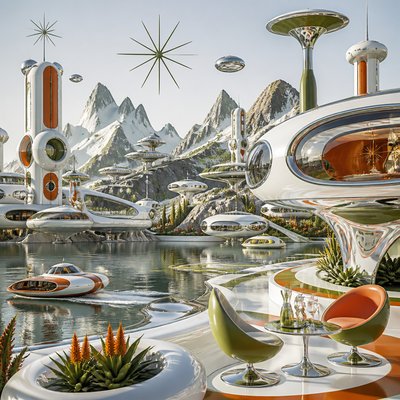
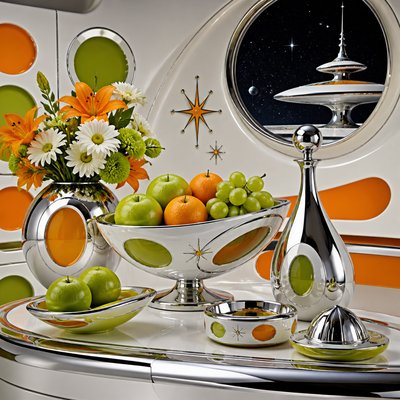
Mid-Century Modern Interior Design
1950s-60s interiors with walnut, teak, bold accents, clean lines, and retro-futuristic warmth.
Instantly rendered in Mid-Century Modern Interior Design — or transform a photo
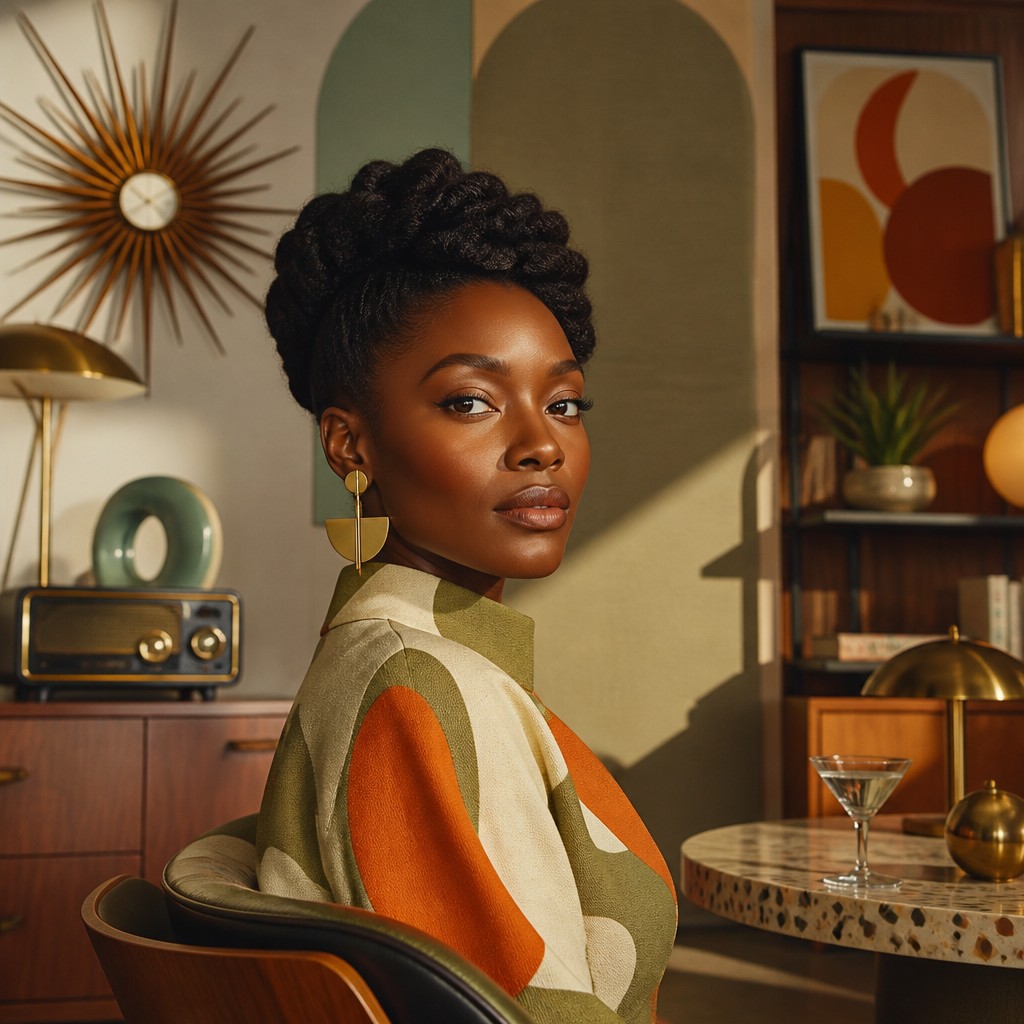
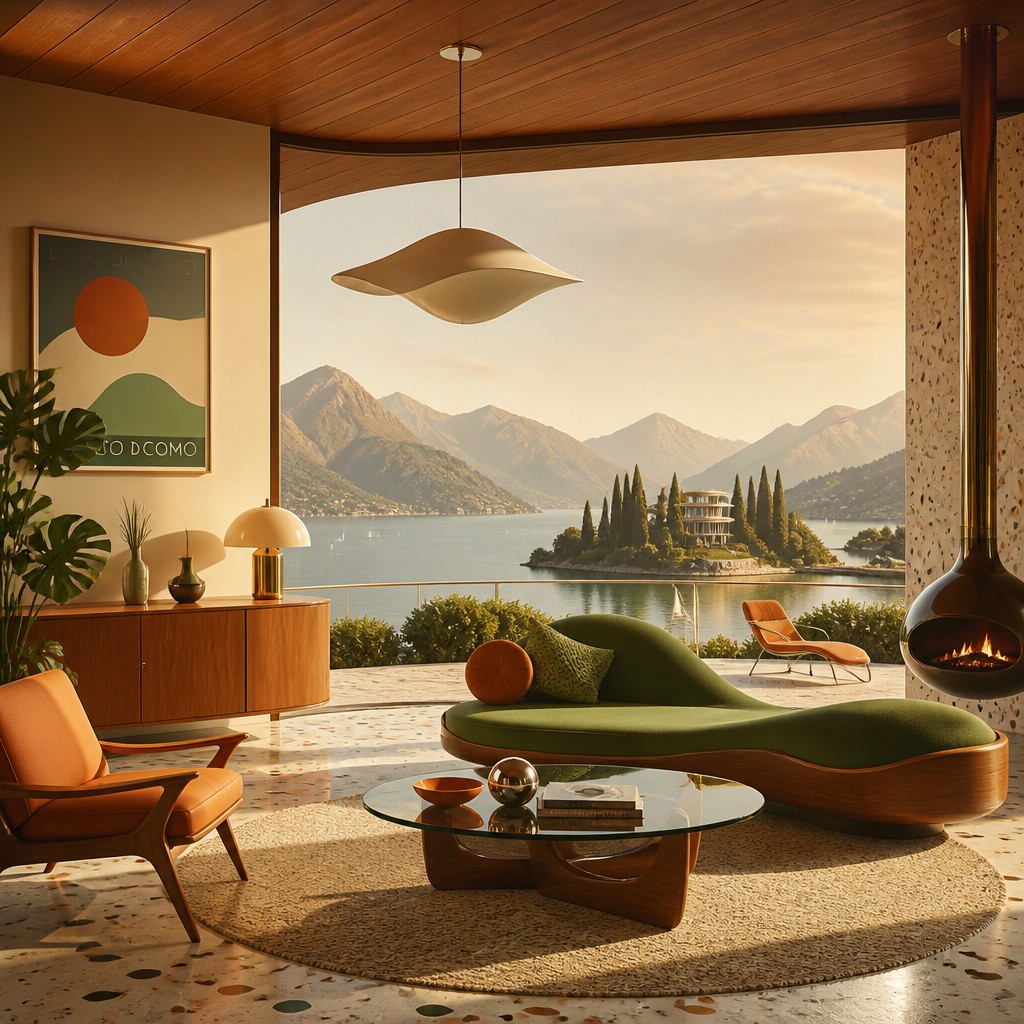
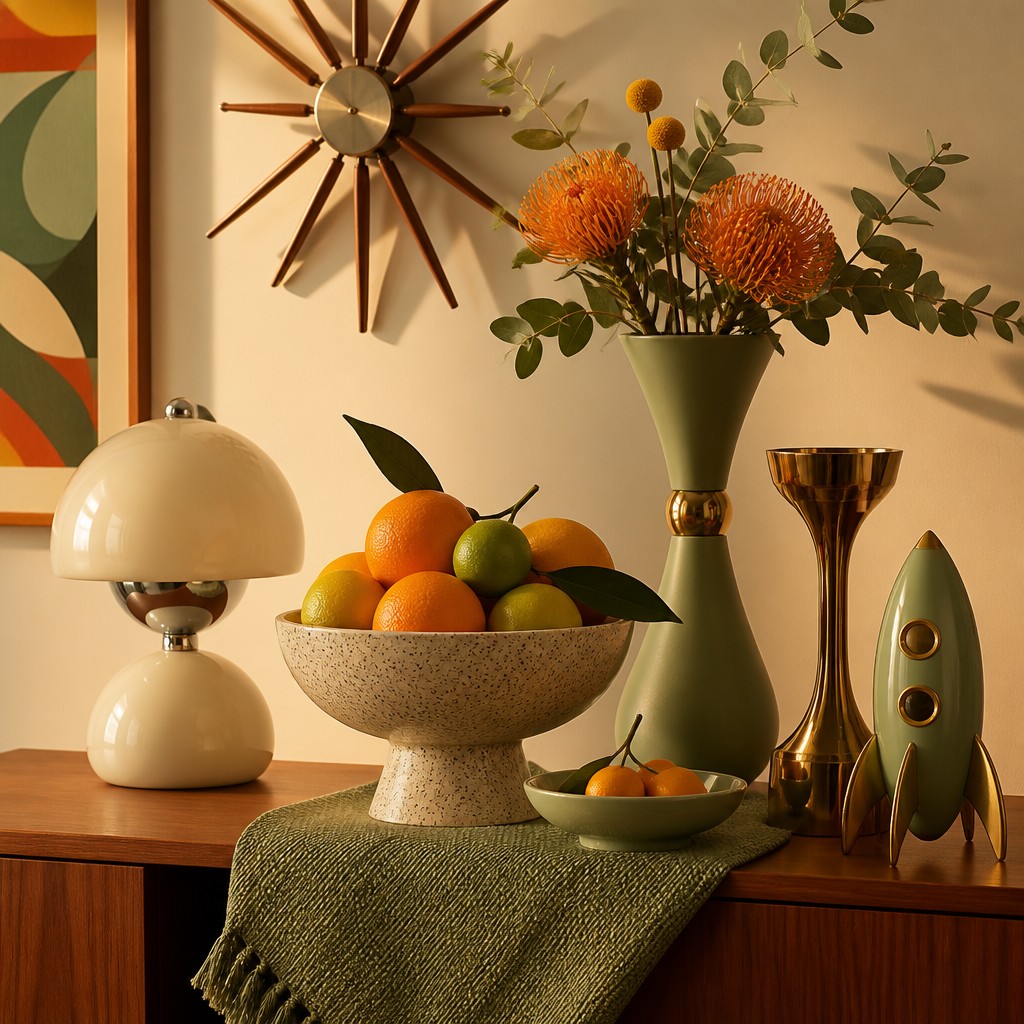
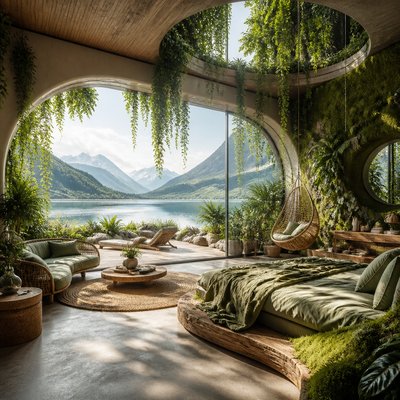
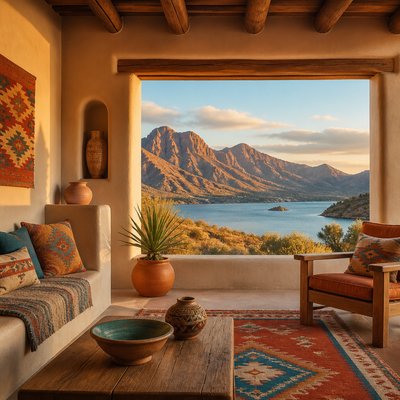
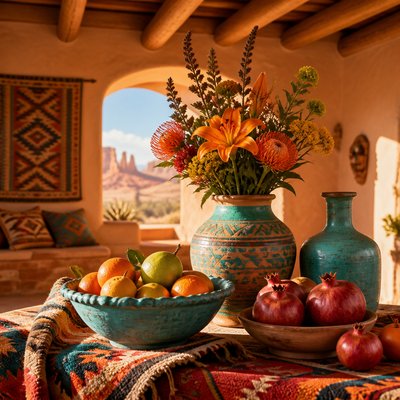
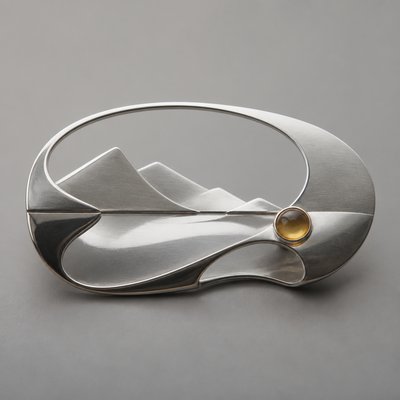
Mid-Century Modern Interior Design Gallery
Tap any artwork to explore it

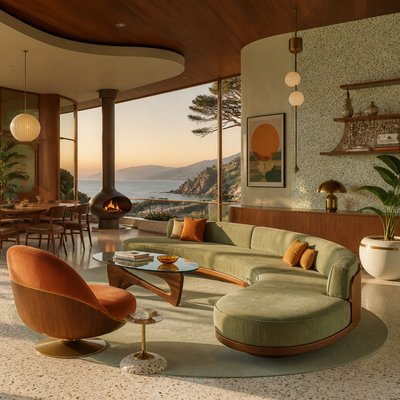
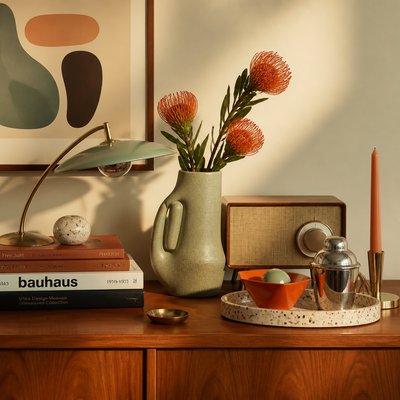
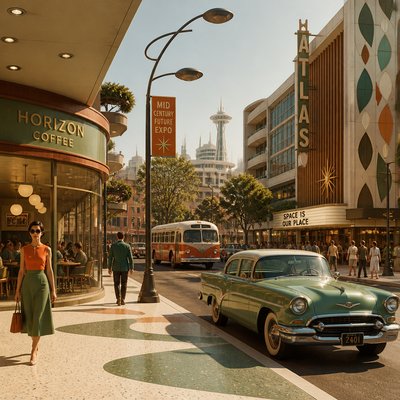
What is Mid-Century Modern Interior Design?
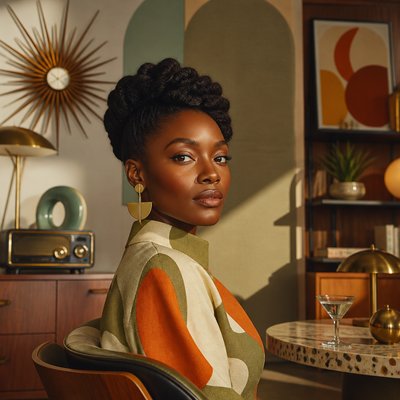
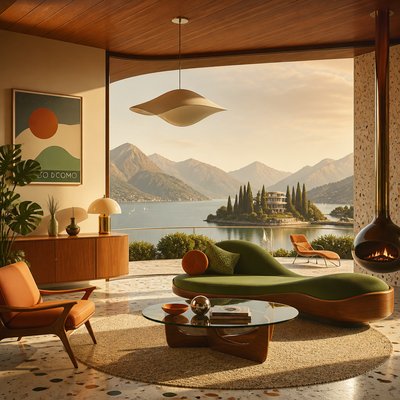
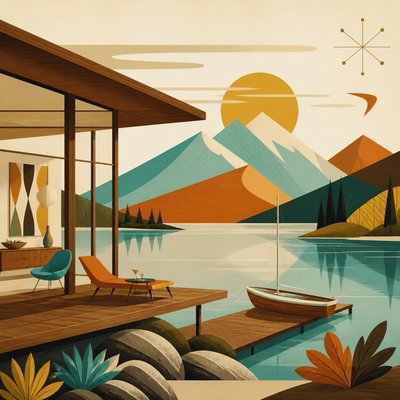
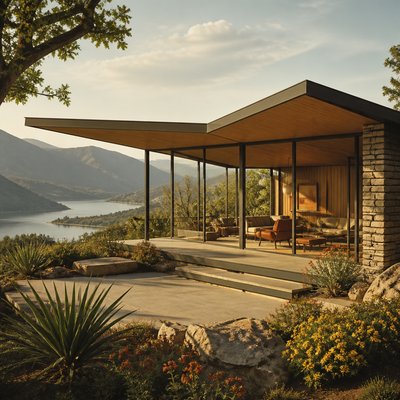
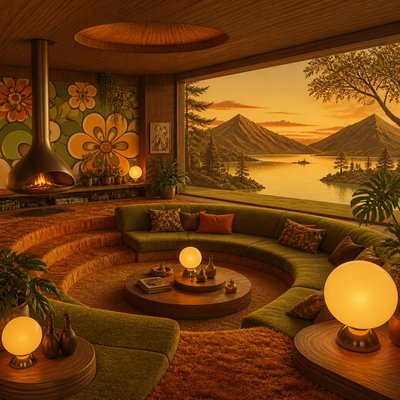
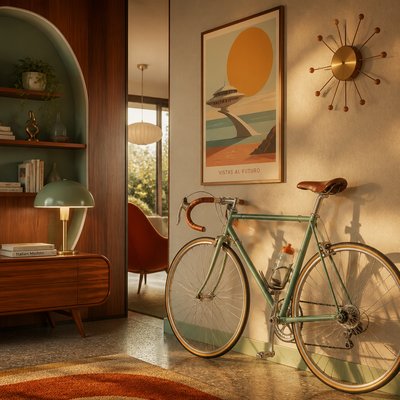
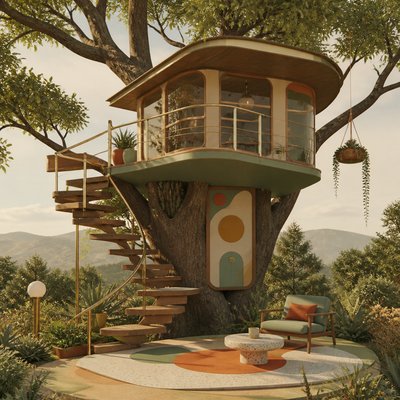
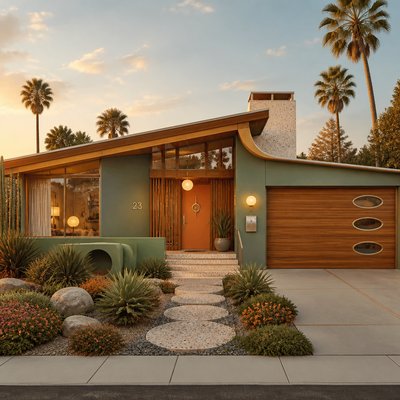
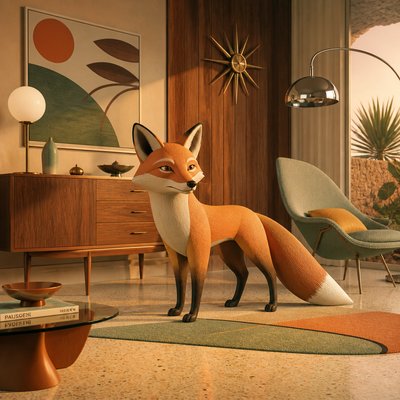
Mid-Century Modern Interior Design is a 1950s–60s approach to interiors defined by clean-lined furniture, warm wood veneers, and a restrained but lively use of color. It favors functional layouts, open sightlines, and a balance between organic curves and crisp geometric structure, often pairing walnut or teak with accents of olive, mustard, orange, or seafoam.
The style looks the way it does because it emerged from postwar optimism, mass production, and a desire for practical, affordable domestic modernism. Its rooms often feel airy and composed rather than ornate: low-profile furniture, tapered legs, sculptural lighting, and carefully chosen textiles create a sense of calm order with a playful, slightly futuristic edge.

Try It On Your Photos
Upload any photo and convert it into Mid-Century Modern Interior Design — drag the sliders to compare before and after.
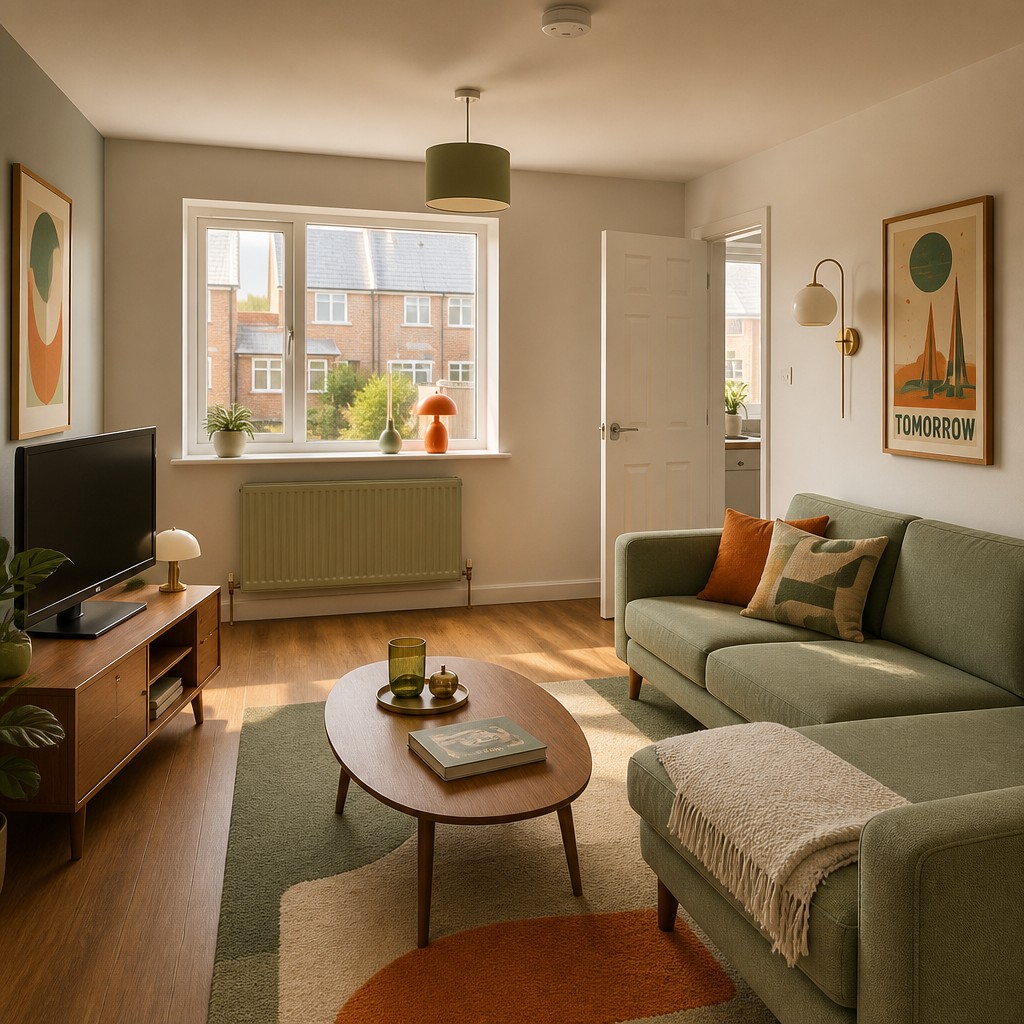
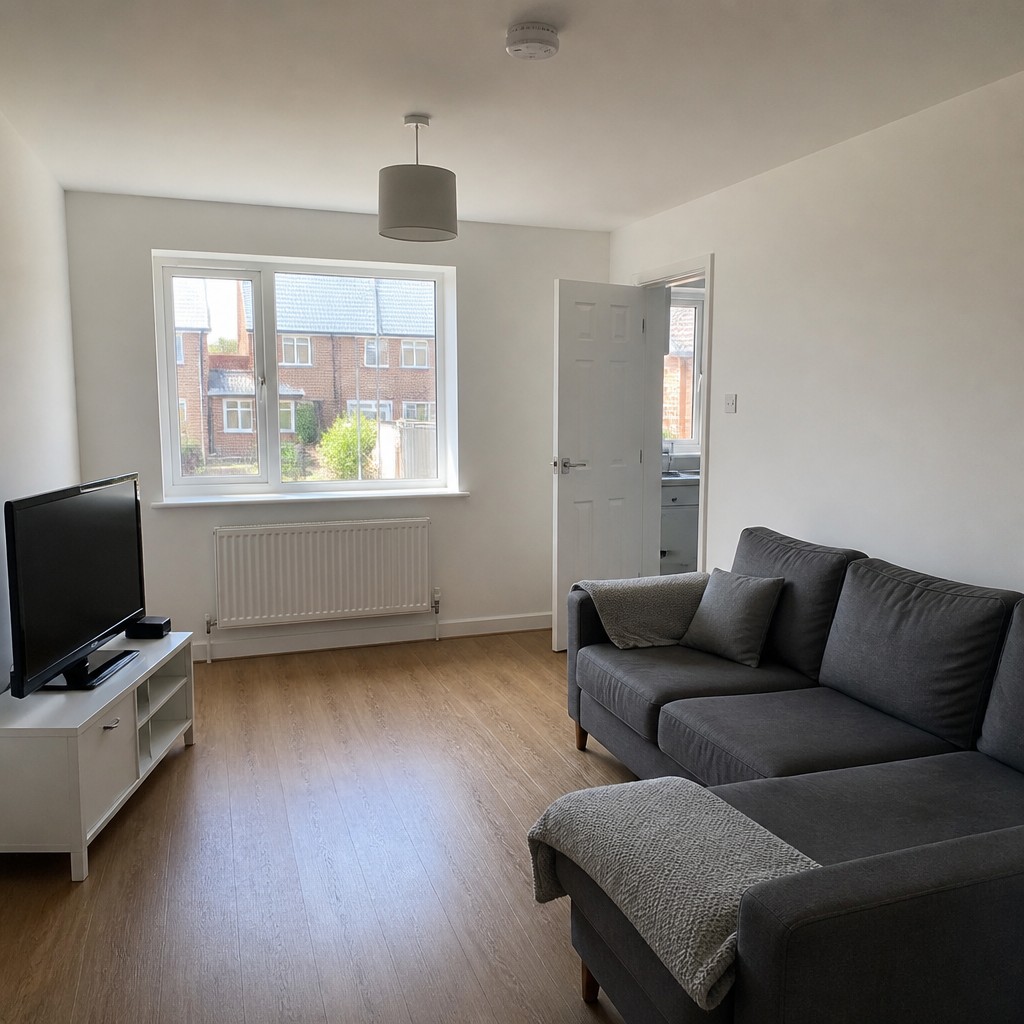


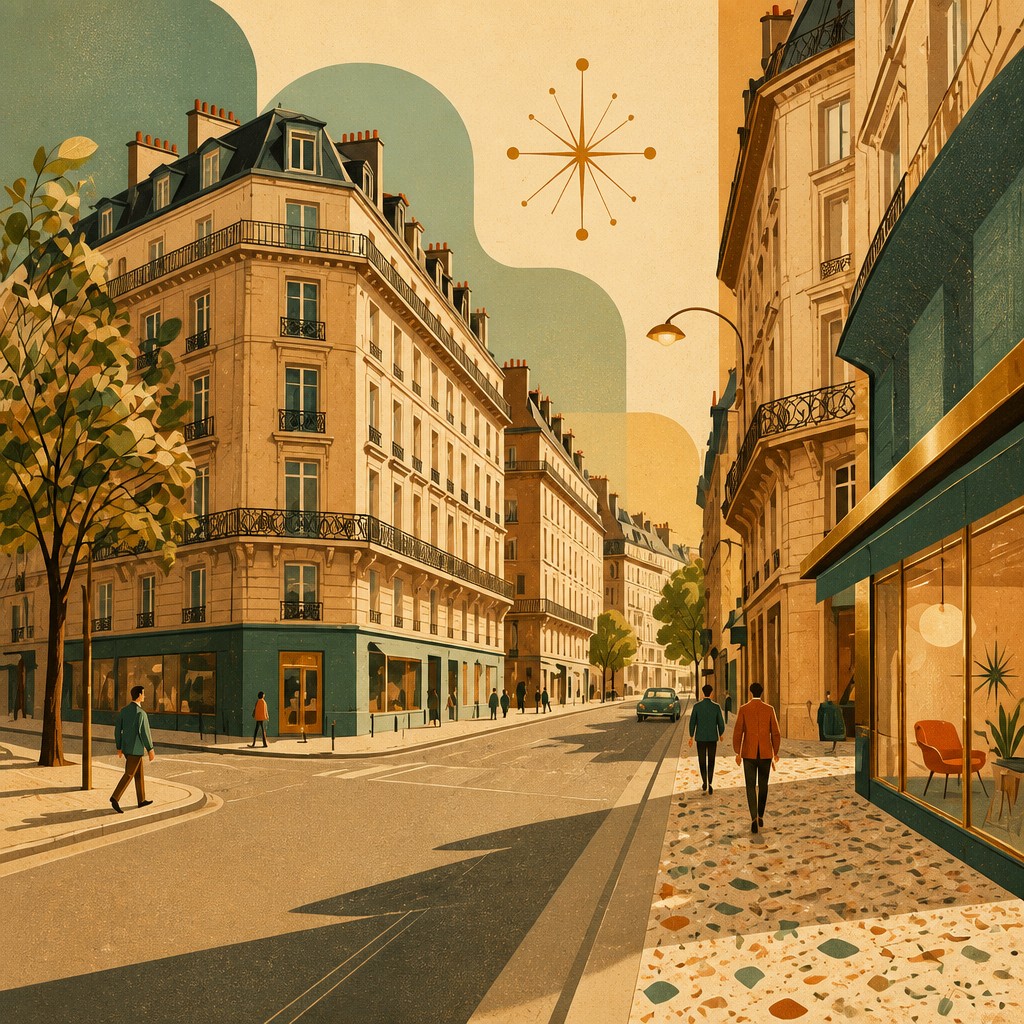

What Defines Mid-Century Modern Interior Design
The signature details, up close
Warm wood foundation
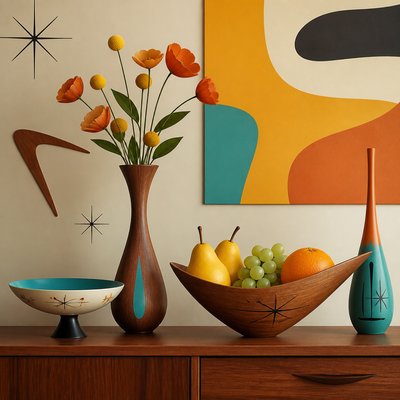
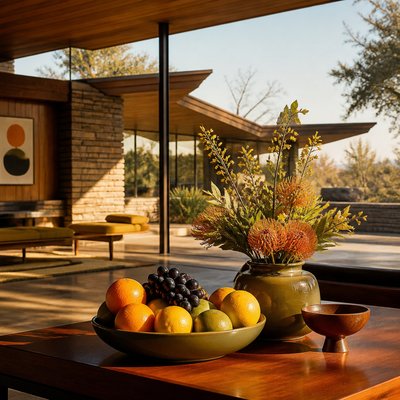
Walnut, teak, and other medium-dark woods are central to the look. Surfaces are often smooth and minimally ornamented, emphasizing grain and material quality.
Clean-lined furniture
Chairs, tables, and storage pieces usually have simple silhouettes with tapered legs and low profiles. Forms are functional but softened by gentle curves and organic proportions.
Retro accent palette
Neutral bases are punctuated by sage, seafoam, ochre, mustard, burnt orange, or muted turquoise. Colors are used selectively rather than everywhere, creating contrast without visual clutter.
Mixed textures
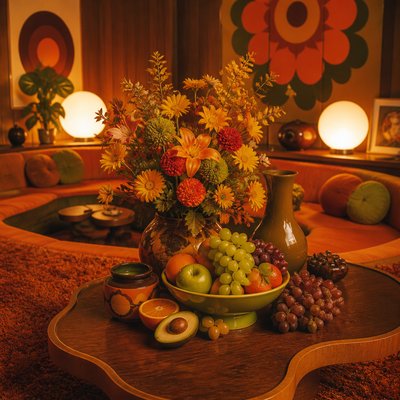
The style pairs polished wood with nubby upholstery, woven textiles, lacquer, metal, and terrazzo-like surfaces. This contrast gives rooms warmth and tactility despite their spare compositions.
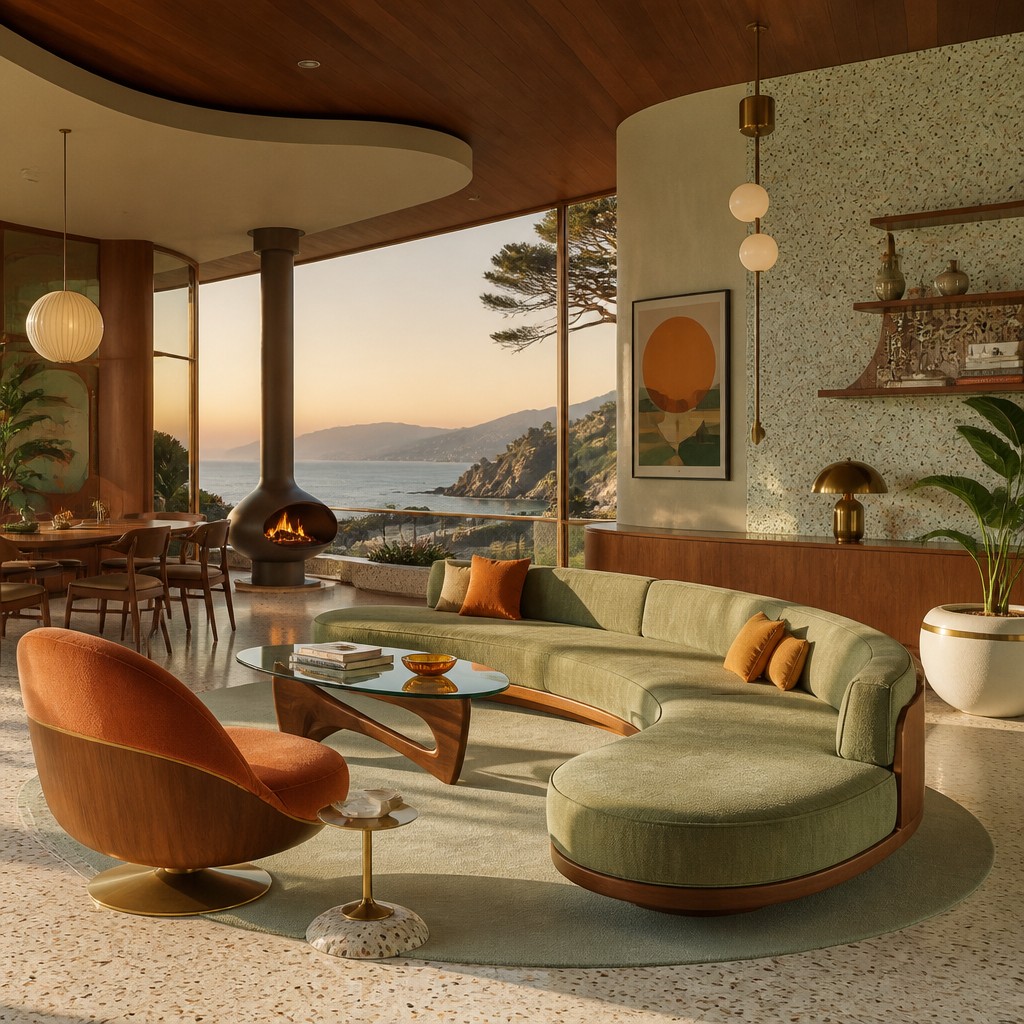
Metallic highlights
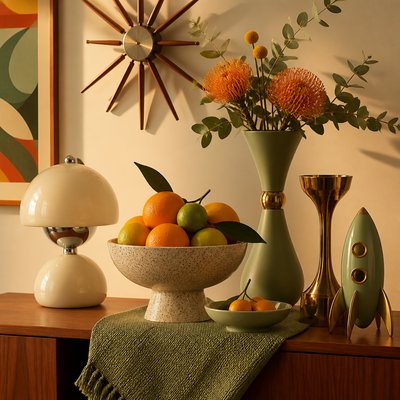
Brass and chrome appear in lamp bases, chair frames, handles, and small decorative details. These reflective accents add a subtle industrial and futuristic note.
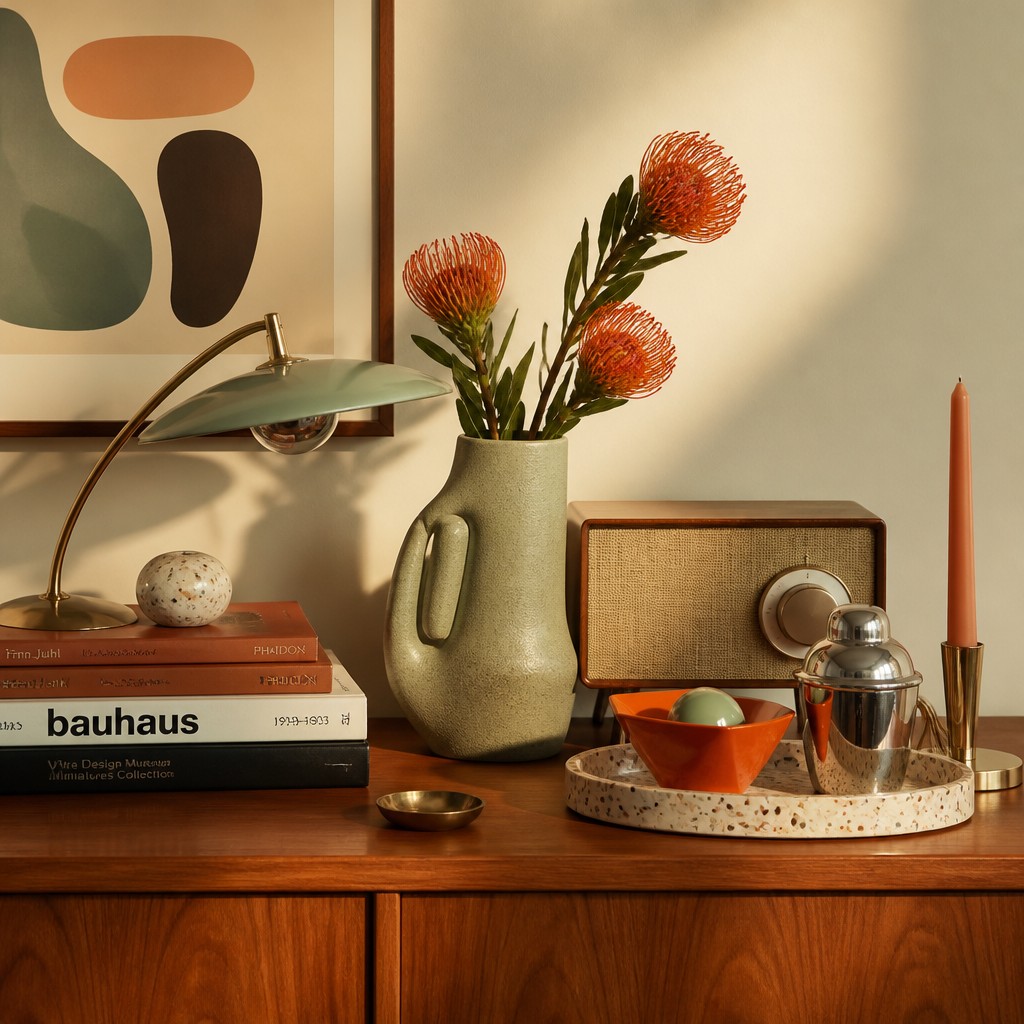
Airy composition
Rooms are usually arranged with generous breathing room and balanced asymmetry. Negative space is part of the design, helping the furniture and materials read clearly.
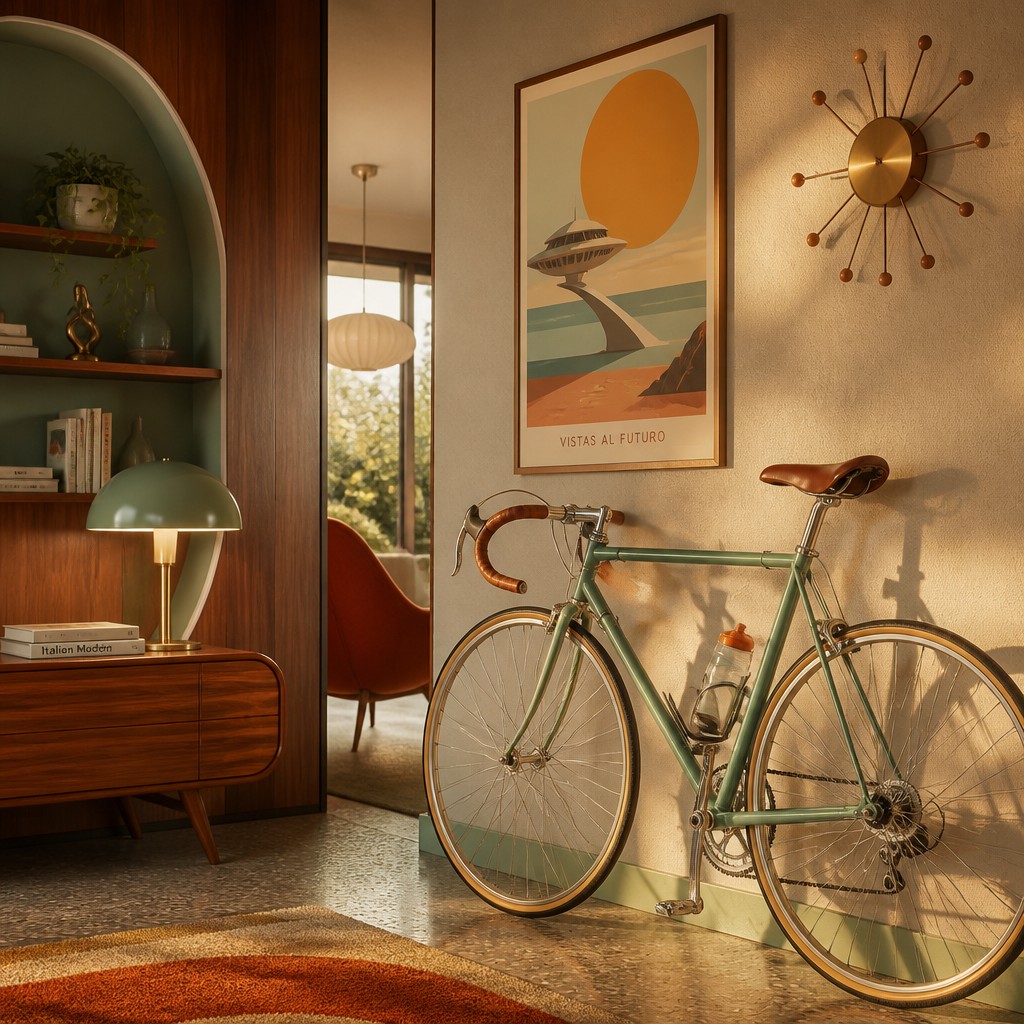
Optimistic retro-futurism
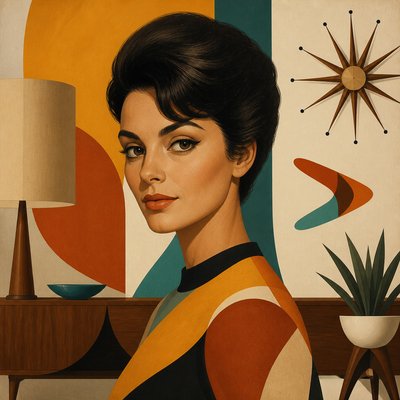
The overall effect is modern but not severe, with a playful confidence typical of the postwar era. Sculptural lighting, boomerang motifs, and atomic-era references often reinforce this mood.
Try It
Create Videos in Mid-Century Modern Interior Design
Styles aren't just for stills — describe a scene or animate an image and get a short video rendered in Mid-Century Modern Interior Design. Press play to see this pond come to life.
Make a VideoMid-Century Modern Interior Design Prompt Ideas
Start from an idea — each one opens the generator with the style ready to go. See all 40 Mid-Century Modern Interior Design prompts →

“close-up portrait of an elderly person with expressive weathered features”
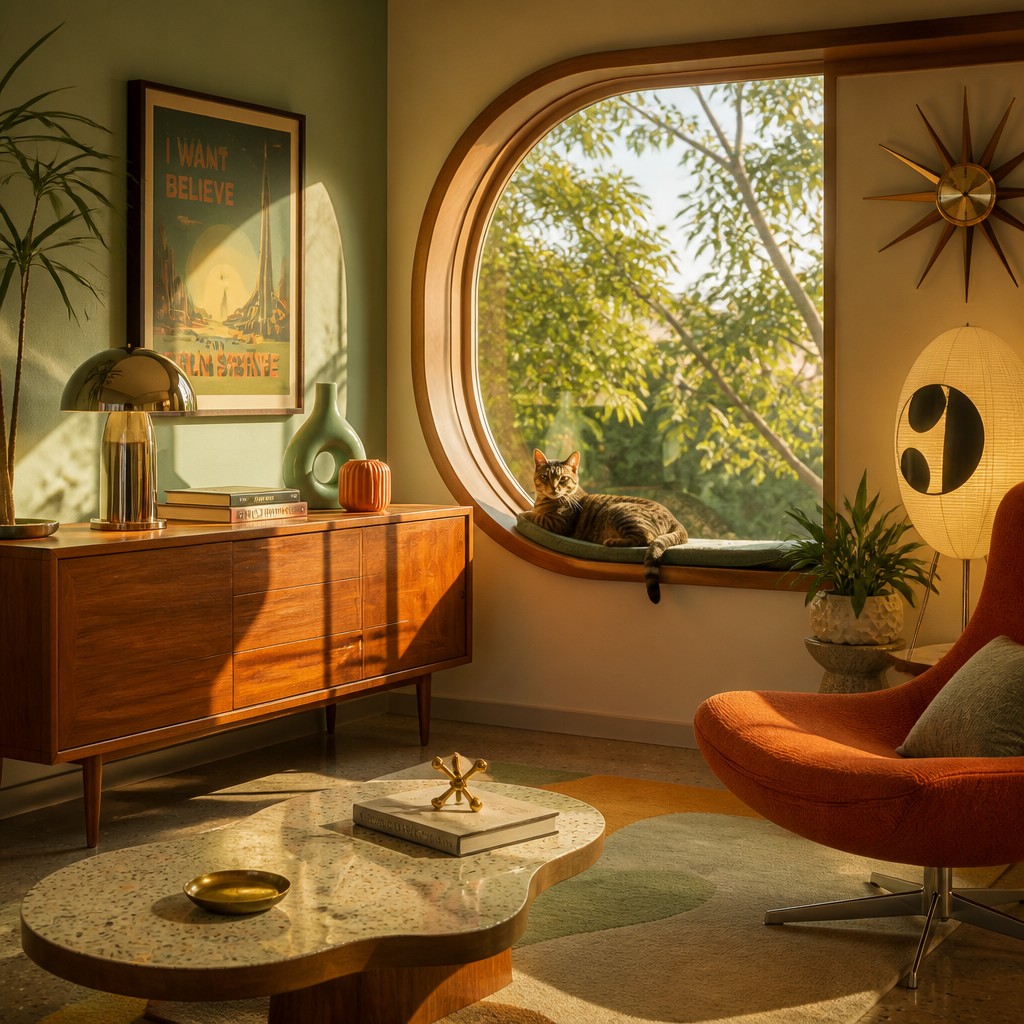
“a cat lounging in a sunlit window”
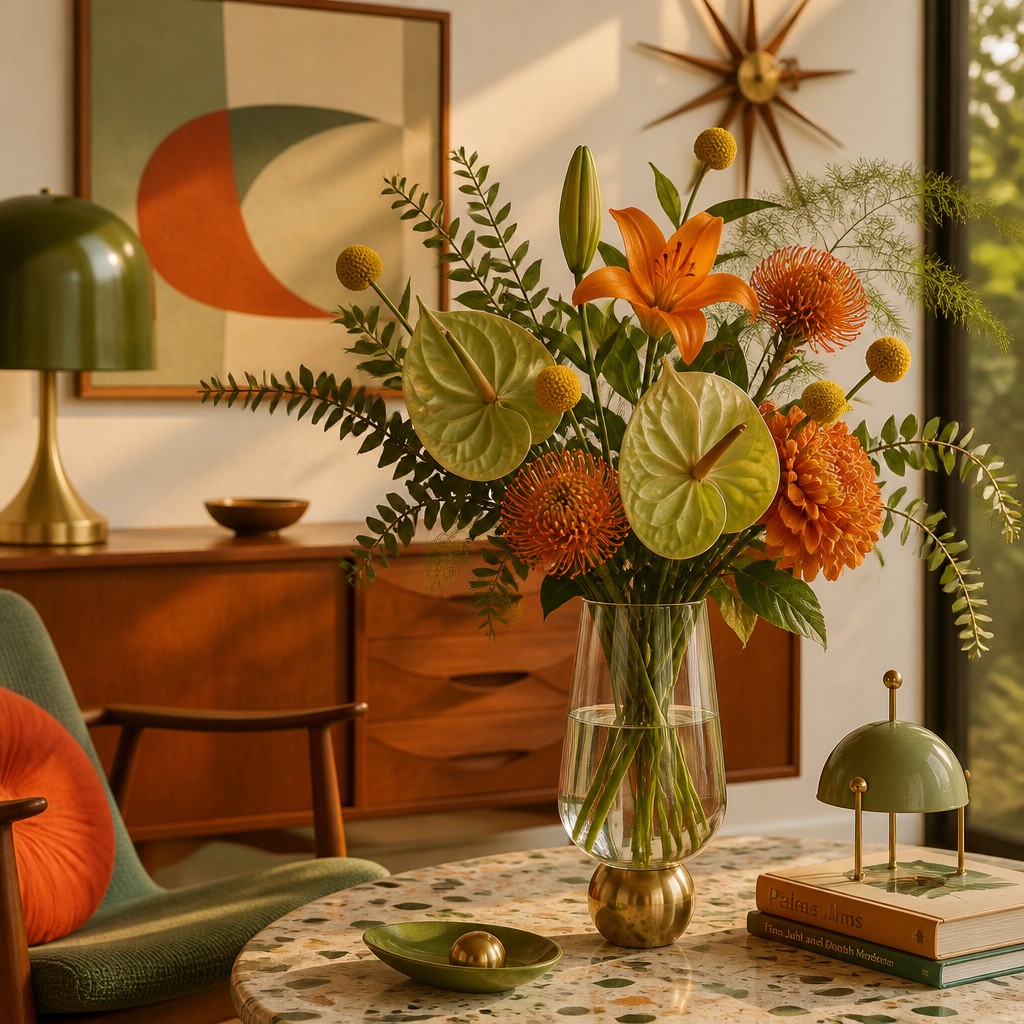
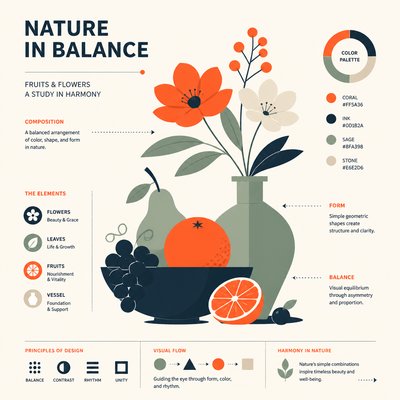
“bouquet of flowers in a glass vase”
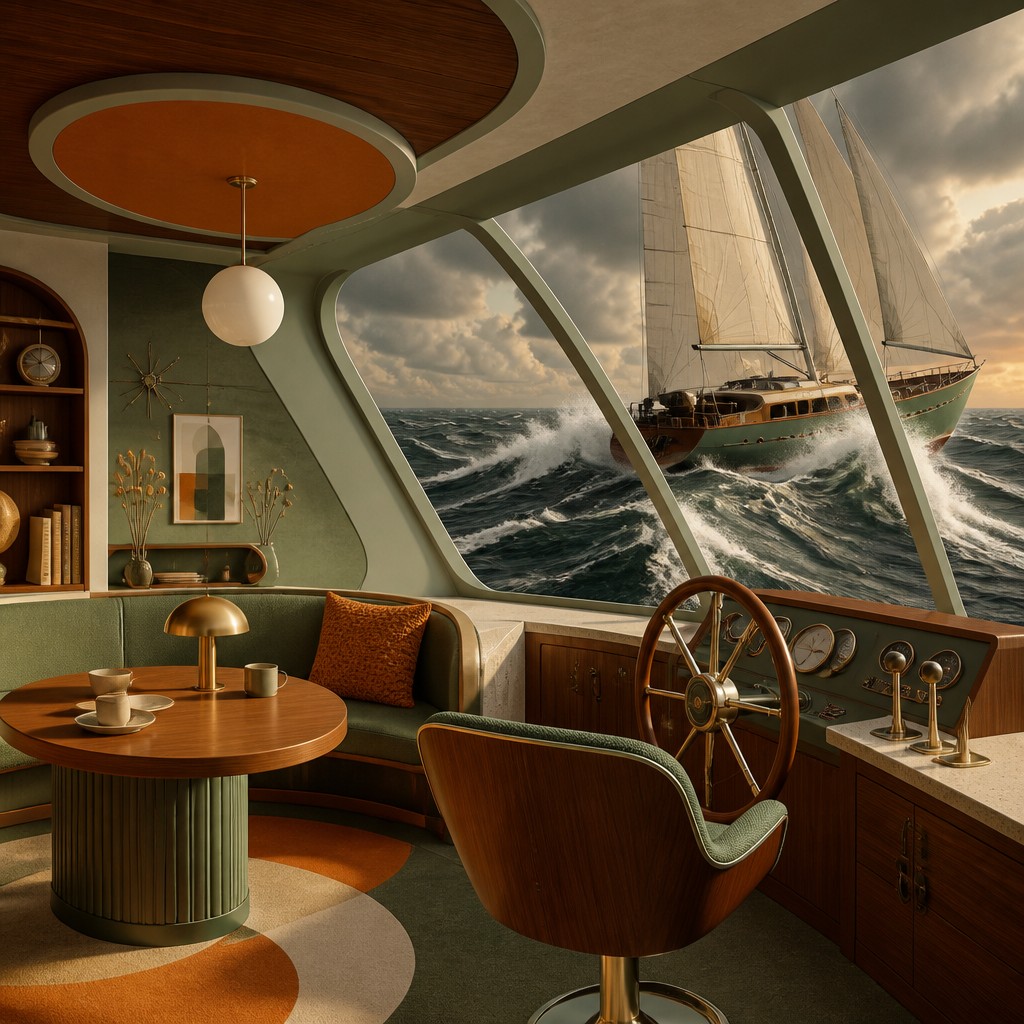
“sailing ship on a stormy sea”
How to Create Mid-Century Modern Interior Design Art
Master the craft step by step — or skip straight to creating. Read the full guide →
- 1
Start with the architecture of the room
Use open sightlines, simple wall planes, and a balanced furniture layout before adding decoration. In drawing or digital work, block in the major masses first so the composition feels spacious and intentional.
- 2
Choose a wood-led palette
Build most surfaces around walnut or teak tones, then add one or two muted accent colors. Keep saturation controlled so the room feels era-appropriate rather than purely nostalgic.
- 3
Mix curves with straight lines
Pair rectangular storage and shelving with rounded chairs, tulip tables, or softly arched lamps. That contrast between geometry and organic form is one of the strongest signals of the style.
- 4
Use tactile surface variation
Show fabric weave, matte wood grain, and a few reflective details such as brass or chrome. In digital rendering or prompt-based generation, include material cues like nubby textile, polished metal, and smooth veneer.
- 5
Light it warmly and naturally
Favor late-afternoon sun, incandescent bulbs, and soft shadows over dramatic contrast. Warm light brings out the wood tones and makes the room feel lived-in rather than stark.
- 6
For prompt-based generation, specify the era clearly
Include furniture types, materials, and mood words such as low-profile sofa, teak credenza, brass floor lamp, geometric rug, open-plan living room, and warm retro optimism. Avoid overloading the prompt with too many decorative adjectives, which can push the result away from the style’s restrained clarity.
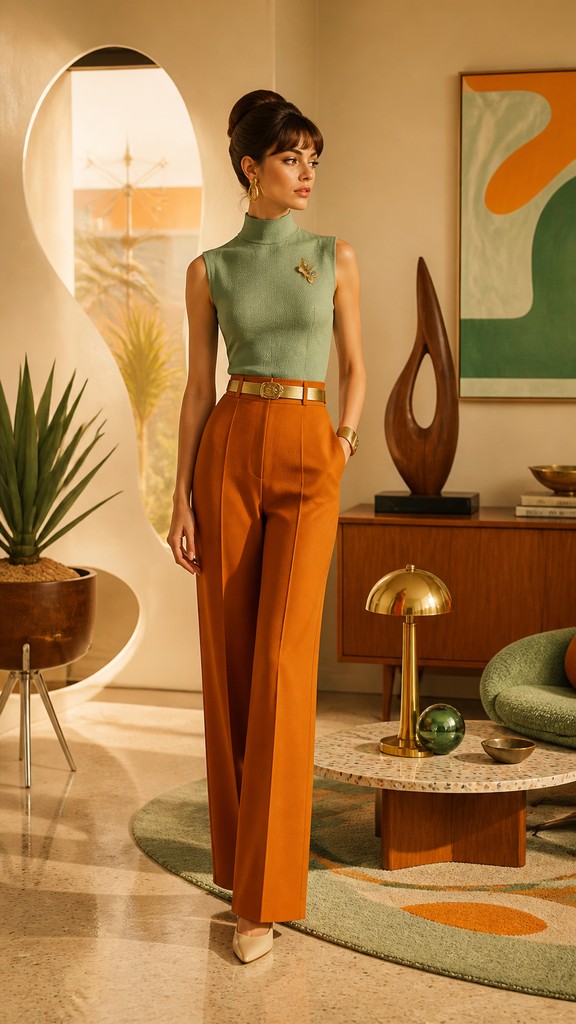
The Story
History & Origins of Mid-Century Modern Interior Design
Mid-Century Modern interior design developed in the middle decades of the 20th century, especially from the late 1940s through the 1960s. It was shaped by postwar housing needs, new industrial materials, and the broader modernist movement’s emphasis on function, simplicity, and honest construction. In the United States, it became associated with leading furniture designers and architects of the postwar period, especially those known for molded plywood, shell chairs, integrated storage, and refined modern interiors, whose furniture and interiors helped define the look.
Its lineage includes Bauhaus and Scandinavian modern design, with added influence from American suburban architecture, optimistic consumer culture, and advances in molded plywood, fiberglass, and metal framing. Over time, the style became synonymous with open-plan living, indoor-outdoor continuity, and elegant domestic modernity, and it remains one of the most recognizable interior languages of the 20th century.
Influences: Mid-Century Modern interiors draw from Bauhaus functionalism, Scandinavian modernism, and the broader International Style, while also incorporating the softer domestic warmth of American postwar design. In furniture and spatial planning, they are closely associated with leading postwar furniture designers and architects from the United States and Northern Europe, including major practitioners behind molded-plywood seating, sculptural shell chairs, refined lounge furniture, and streamlined storage systems, whose work helped establish the era’s blend of utility, craftsmanship, and streamlined form.

Frequently Asked Questions
What defines Mid-Century Modern Interior Design?
It is defined by simple forms, warm wood, tapered legs, and a carefully controlled palette with bold accent colors. The style emphasizes functionality, visual clarity, and a light, open feeling rather than ornament.
Is Mid-Century Modern the same as Scandinavian modern?
They overlap, but they are not identical. Scandinavian modern tends to be lighter, more restrained, and more focused on pale woods and minimal ornament, while Mid-Century Modern interiors often use richer walnut tones and stronger accent colors.
What colors work best in this style?
Muted, nature-based tones work best: olive, sage, seafoam, ochre, mustard, burnt orange, tan, cream, and warm gray. These colors should usually support the wood and furniture rather than overpower them.
What furniture pieces are most associated with this style?
Low sofas, tapered-leg chairs, walnut credenzas, tulip tables, credenzas, sculptural lounge chairs, and simple sideboards are all characteristic. Lighting also matters a great deal, especially arc lamps, cone shades, and globe fixtures.
How do I make a room look authentically mid-century modern?
Focus on proportion, material quality, and restraint. Use a few well-chosen statement pieces, keep the layout open, and avoid clutter, heavy ornament, or overly glossy finishes.
Where is this style commonly used today?
It is common in residential interiors, hospitality spaces, branding, and set design because it reads as both nostalgic and timeless. People use it when they want a room to feel sophisticated, warm, and distinctly 20th-century modern.
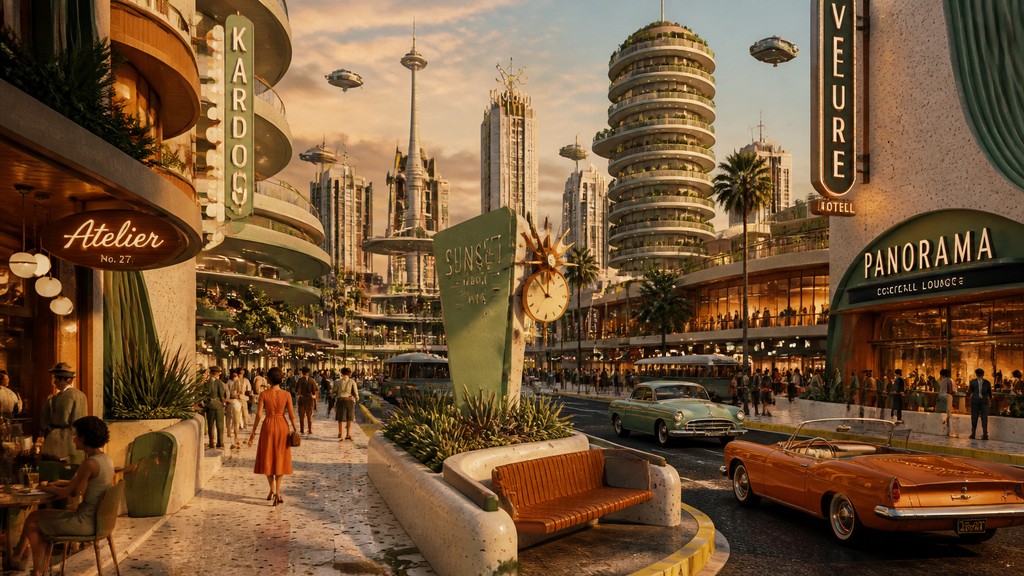
Create your first Mid-Century Modern Interior Design artwork
Describe anything — or upload a photo — and see it in Mid-Century Modern Interior Design in seconds.
Make Something with Mid-Century Modern Interior Design
Compare Mid-Century Modern Interior Design
Related Styles
Discover similar art styles