Mid-Century Modern Interior Design vs Scandinavian Interior Design: What's the Difference?
Mid-Century Modern Interior Design is a 1950s–60s style shaped by clean lines, low-profile furniture, warm woods like walnut and teak, and bold accent colors. It often feels optimistic and slightly retro-futuristic, balancing simplicity with visual warmth and playful geometry.
Scandinavian Interior Design comes from Nordic design traditions and emphasizes light wood, soft neutrals, natural light, and functional forms. People compare the two because both value simplicity, uncluttered spaces, and comfort, but they create that feeling through different materials, color palettes, and atmospheres.
Same Prompt, Both Styles
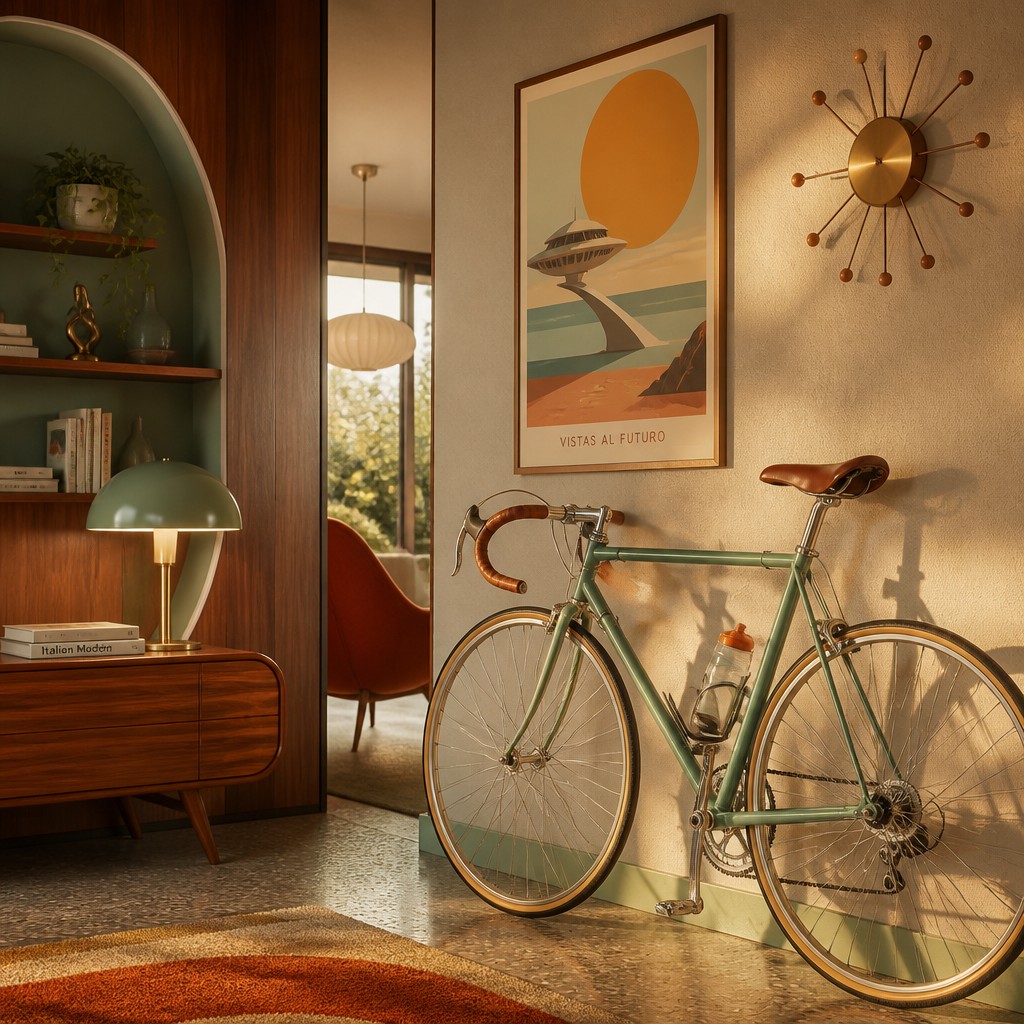
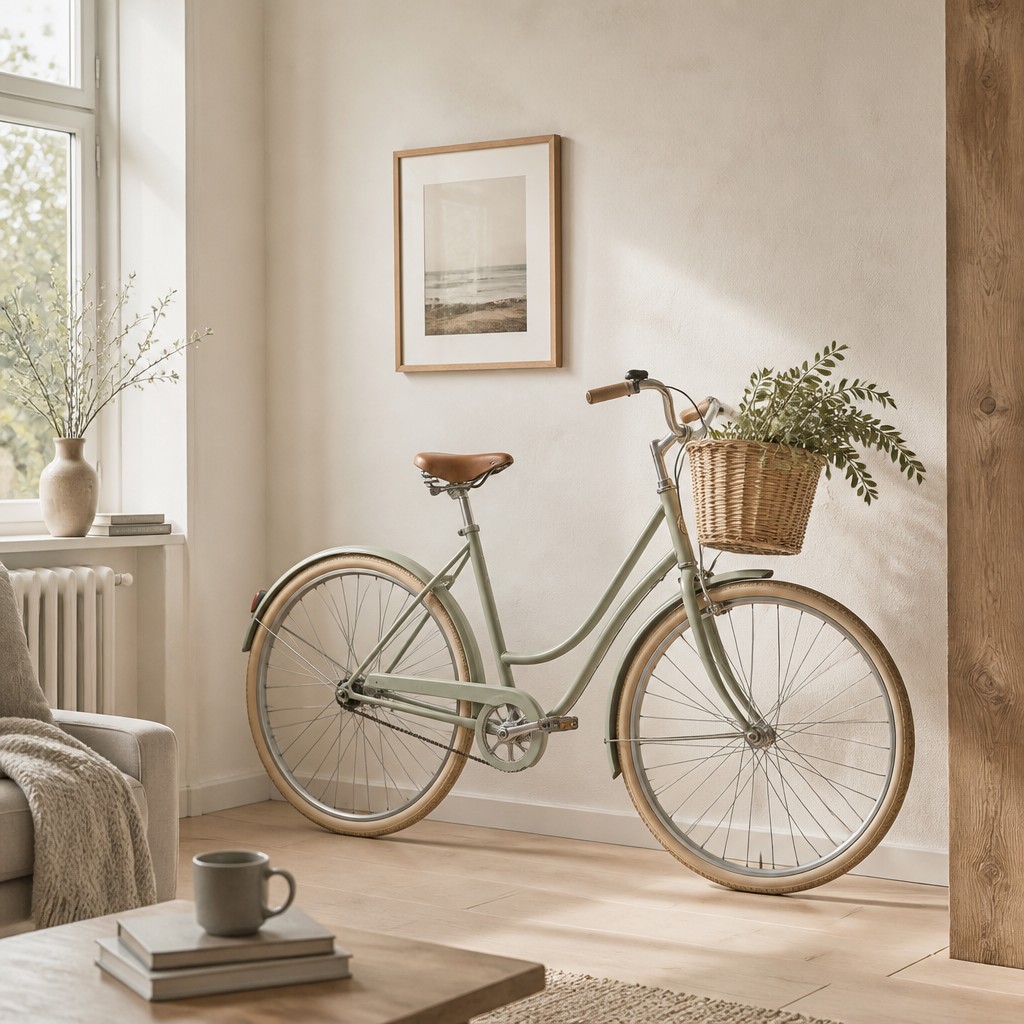
Each pair below was generated from the identical prompt — only the style changed.
“portrait of two people together”


“wide landscape with natural scenery”
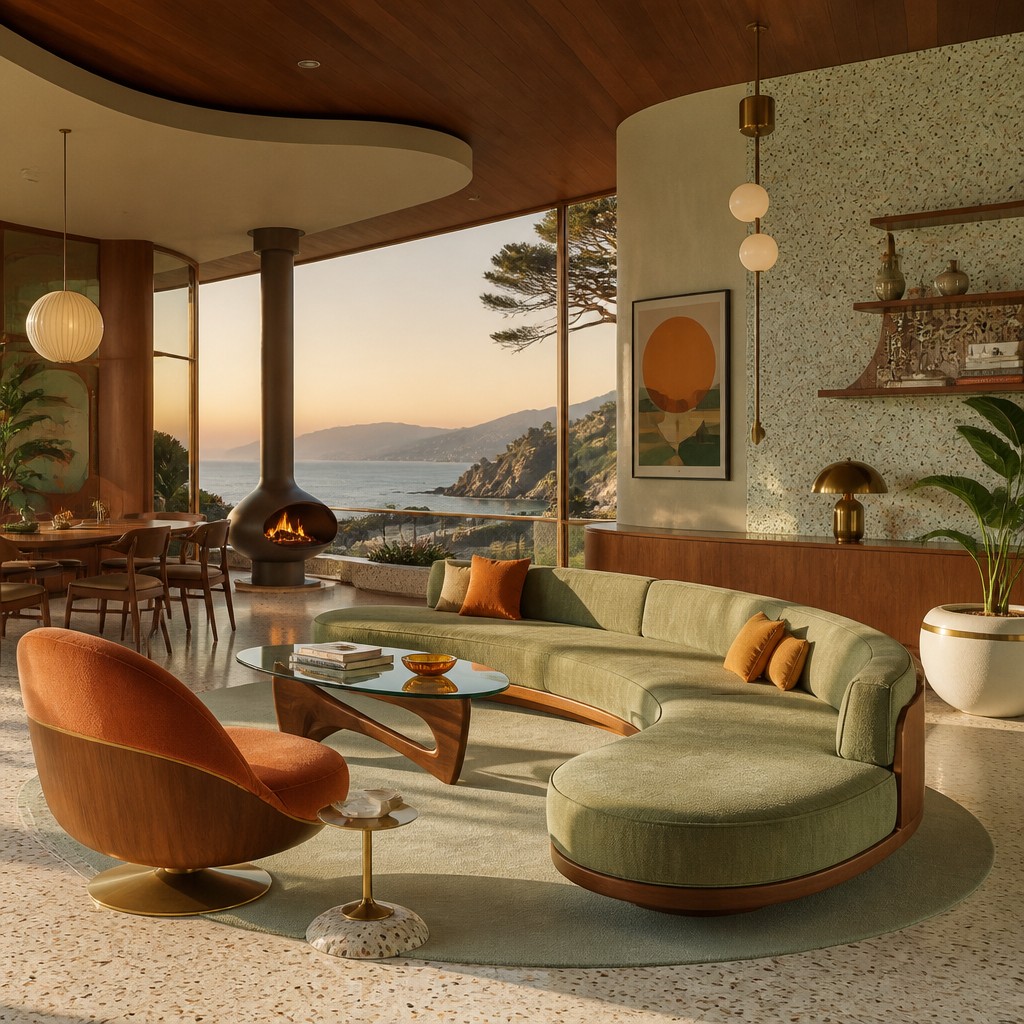
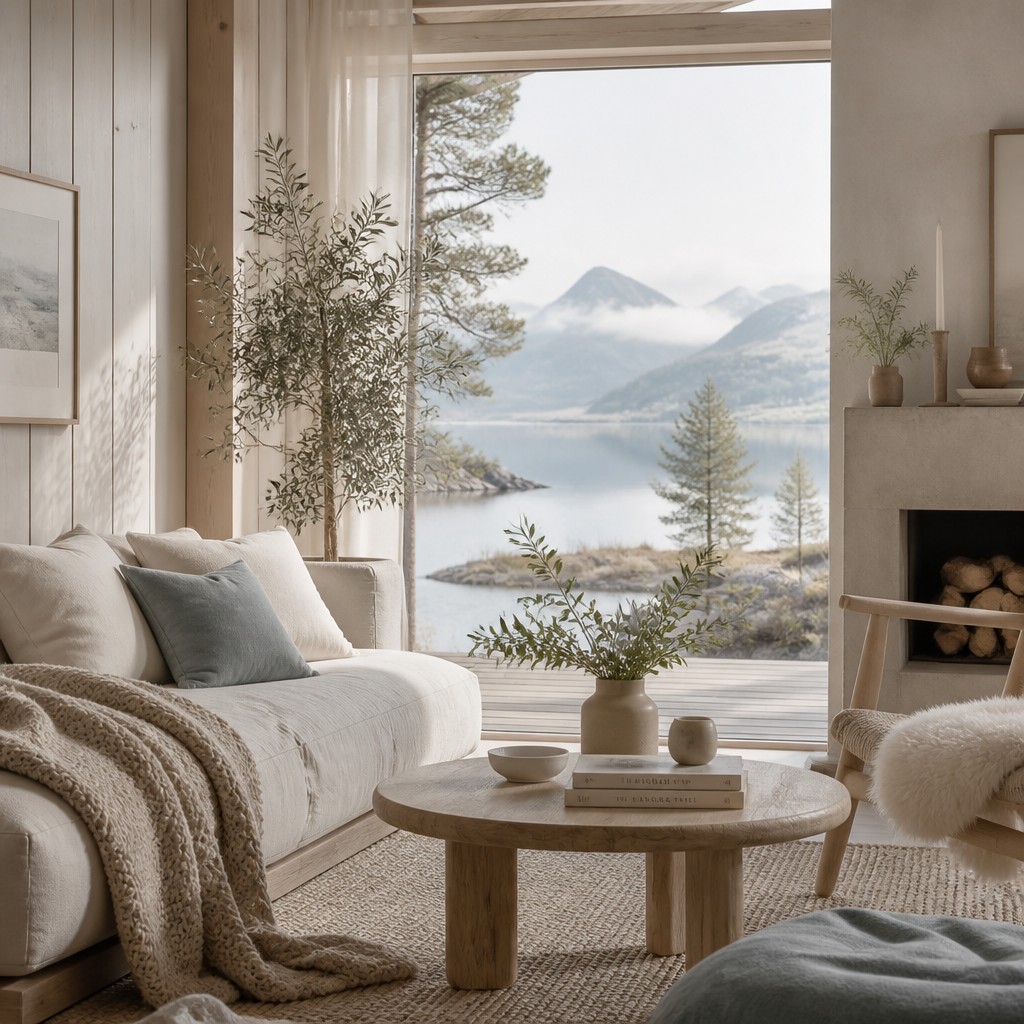
“still life with everyday objects”
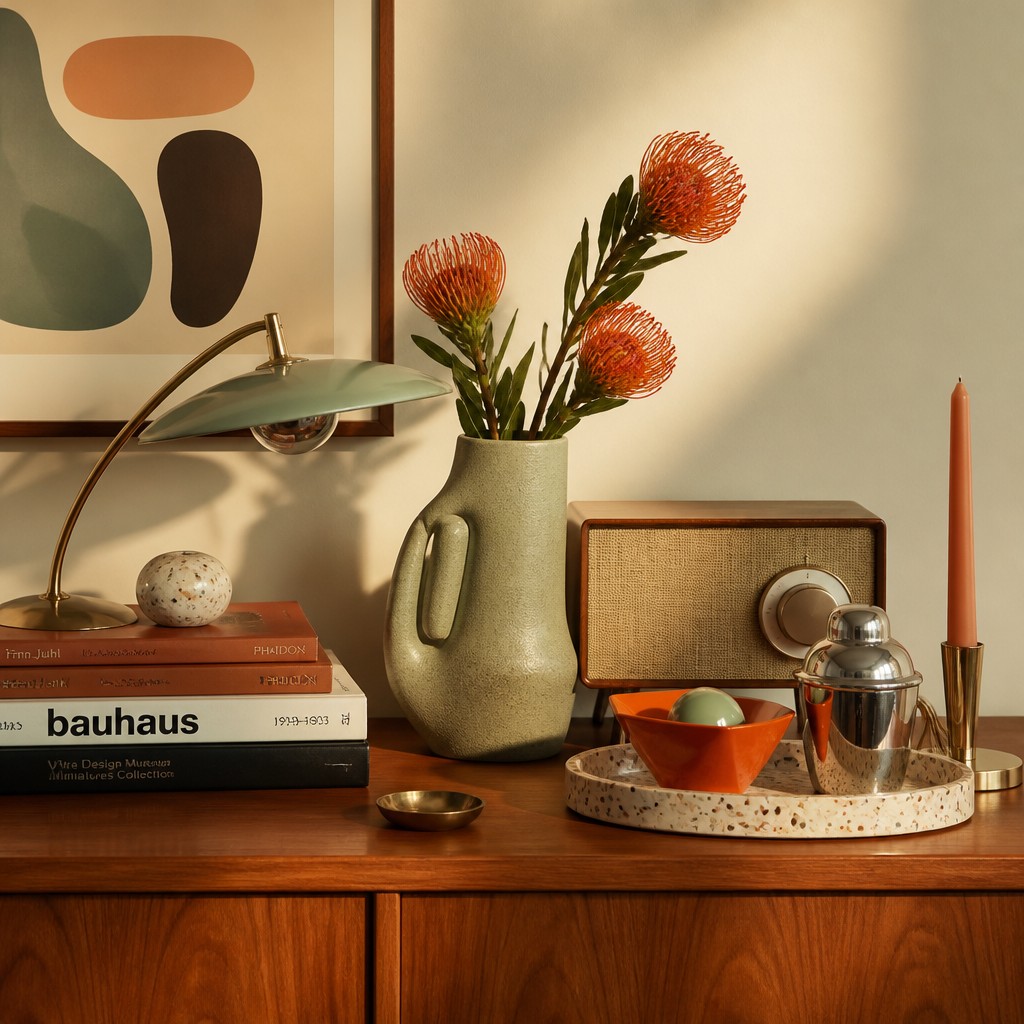
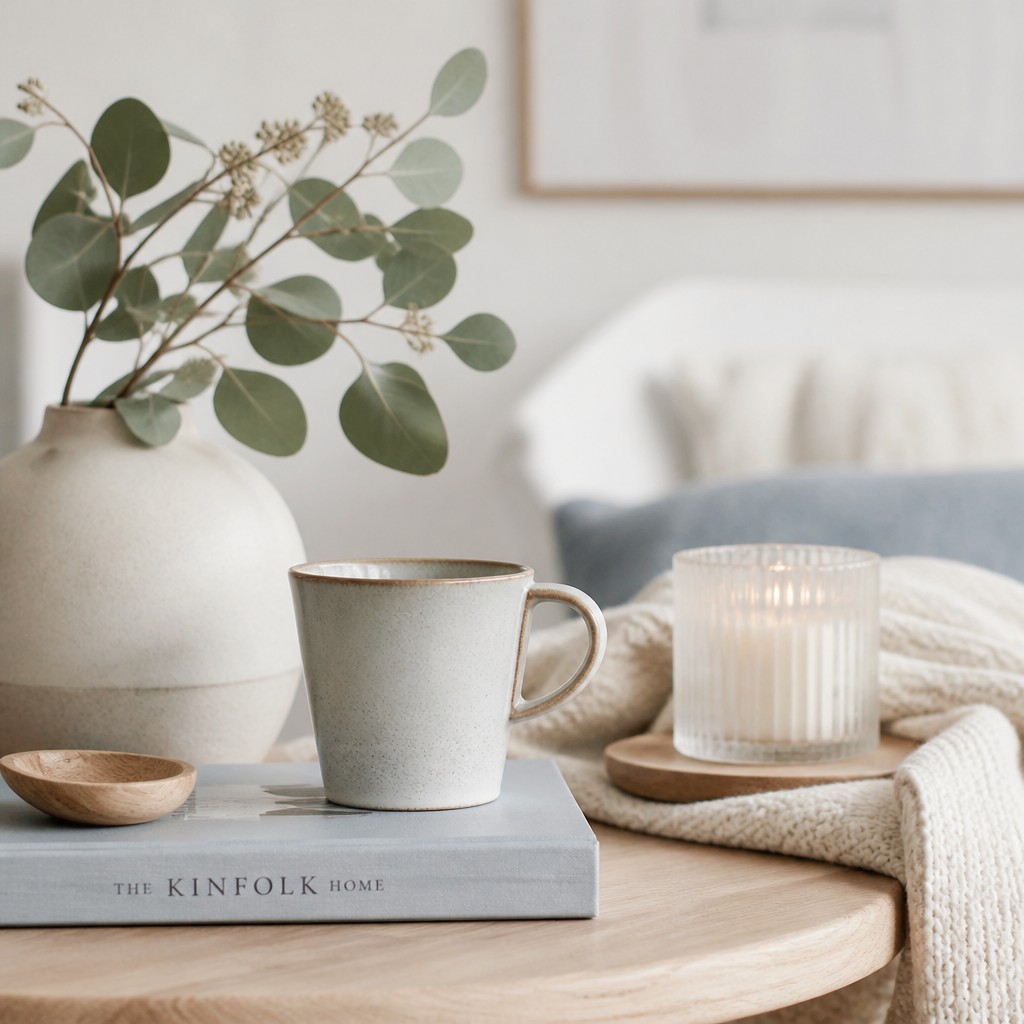
“bicyle resting against a wall”
Key Differences
| Mid-Century Modern Interior Design | Scandinavian Interior Design | |
|---|---|---|
| Mood | Warm, lively, and retro-futuristic. | Calm, airy, and quietly cozy. |
| Color palette | Walnut tones with bold accent colors. | Pale neutrals, whites, grays, and muted tones. |
| Wood finish | Darker woods such as walnut and teak. | Lighter woods like pine, ash, and oak. |
| Line & form | Clean lines with sculptural, angular silhouettes. | Clean lines with softer, simpler functional forms. |
| Texture & comfort | Smooth surfaces balanced by selective tactile contrast. | Layered textiles and soft textures for hygge comfort. |
| Light and atmosphere | Uses contrast and color to create warmth indoors. | Maximizes natural light to keep spaces bright. |
| Mood | nostalgic, clean, welcoming, playful, optimistic | calm, cozy, airy, restrained, welcoming |
| Energy | balanced | calm |
| Detail level | moderate | moderate |
| Color | warm woods with bold retro accents | light neutrals, pale wood, soft muted accents |
| Texture | smooth veneers, soft fabrics, crisp finishes | soft wool, linen, smooth wood, tactile warmth |
| Origin | 1950s-60s United States interior design | 20th-century Nordic countries |
| Best for | living rooms, brand spaces, posters, editorial spreads, set design, product staging | home interiors, lifestyle branding, catalog spreads, magazine layouts, product mockups |
| Difficulty | moderate | beginner-friendly |
Which Should You Choose?
Choose Mid-Century Modern if you want a warmer, more graphic look with richer wood tones, statement furniture, and a bit of nostalgic character. Choose Scandinavian if you prefer a brighter, softer, more minimal space that feels restful, practical, and easy to live in. If you like both, mix them by keeping the Scandinavian light palette and adding a few Mid-Century pieces for contrast.
Frequently Asked Questions
Are Mid-Century Modern and Scandinavian design the same?
No. They overlap in their love of simplicity and function, but they differ in mood and materials. Mid-Century Modern usually feels warmer and bolder, while Scandinavian design is lighter and more subdued.
Which style works better in small rooms?
Scandinavian design often works especially well in small rooms because its light colors and emphasis on natural light can make spaces feel larger. Mid-Century Modern can also work in small rooms if you keep furniture streamlined and avoid heavy visual clutter.
Can I mix these two styles in one home?
Yes. A common approach is to use Scandinavian foundations such as light walls, simple layouts, and soft textiles, then add Mid-Century Modern wood furniture or accent pieces. The key is to keep the overall palette controlled.
Which style feels cozier?
Both can feel cozy, but in different ways. Scandinavian design usually leans into softness, warmth, and hygge comfort, while Mid-Century Modern feels cozy through rich wood tones and inviting, lived-in warmth.