Contemporary Interior Design
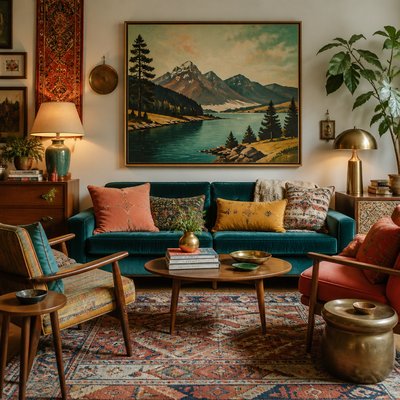
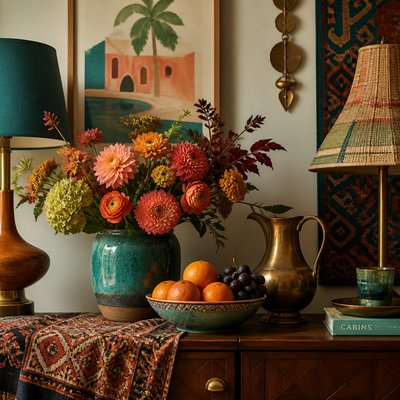
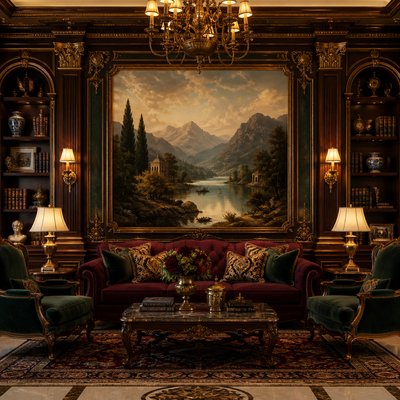
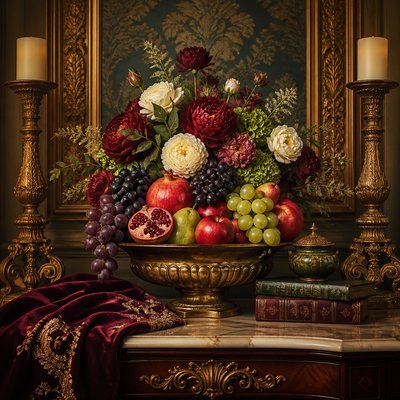
Neutral palettes, mixed textures, and elegant comfort define contemporary interior design in today’s homes and visual references.
Instantly rendered in Contemporary Interior Design — or transform a photo

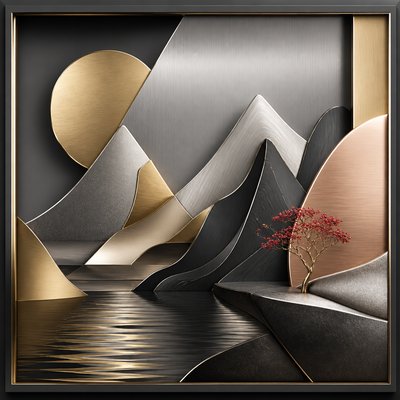
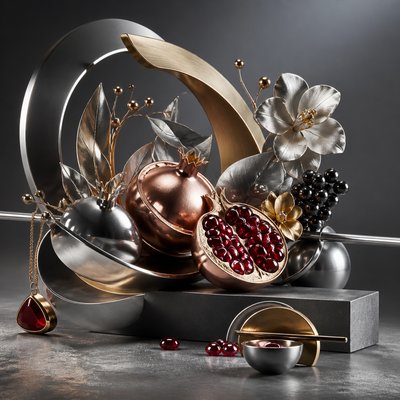
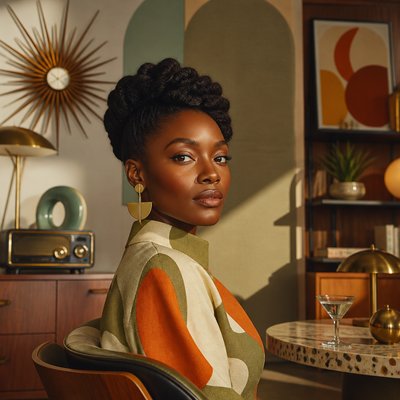
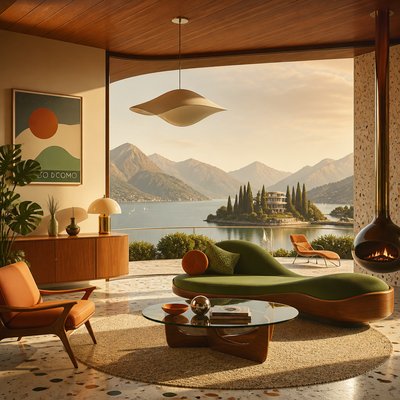
Contemporary Interior Design Gallery
Tap any artwork to explore it

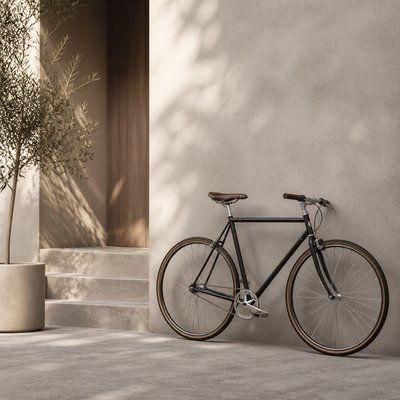
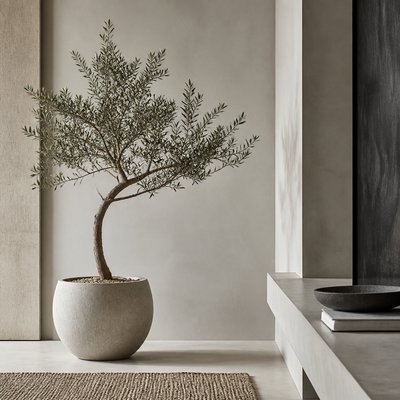
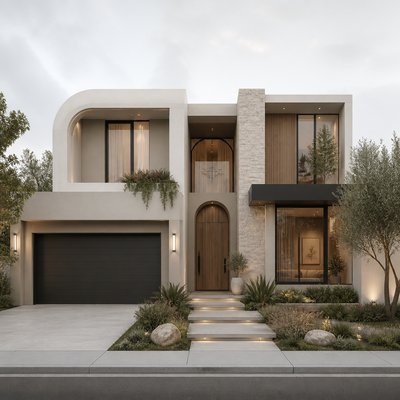
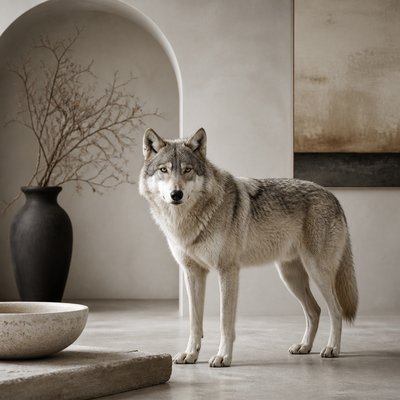
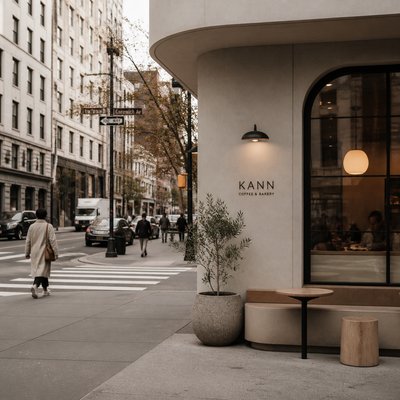
What is Contemporary Interior Design?
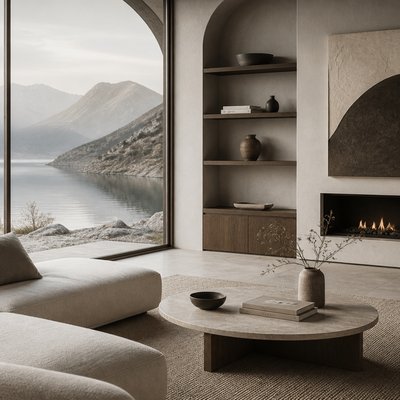
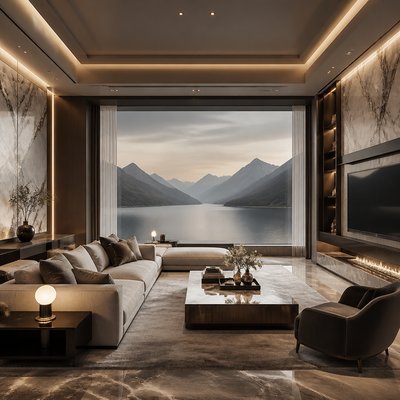
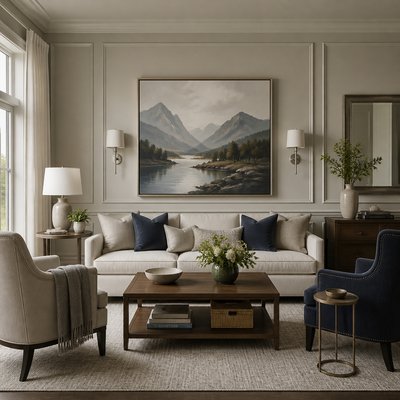
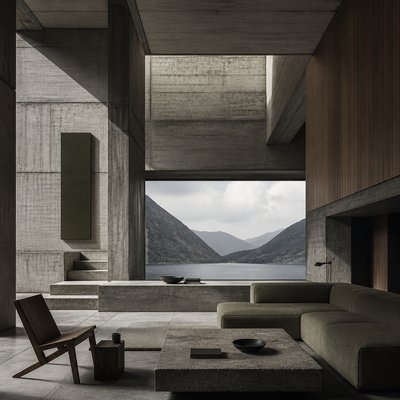
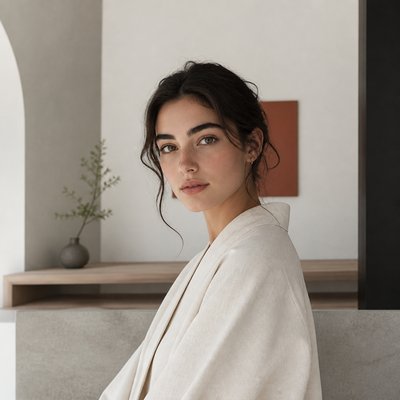
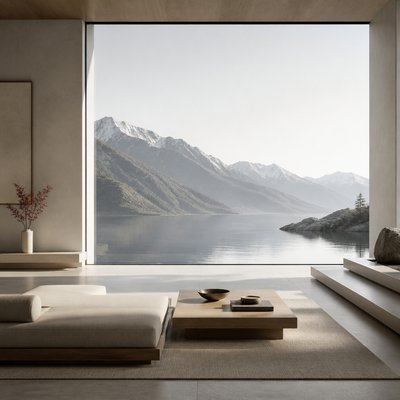
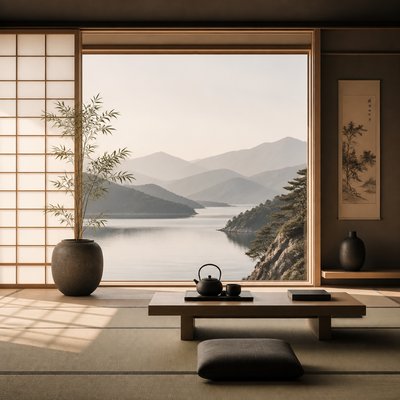
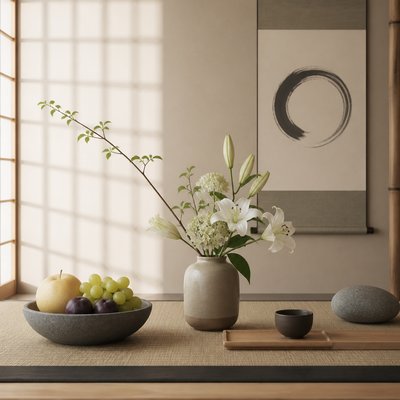
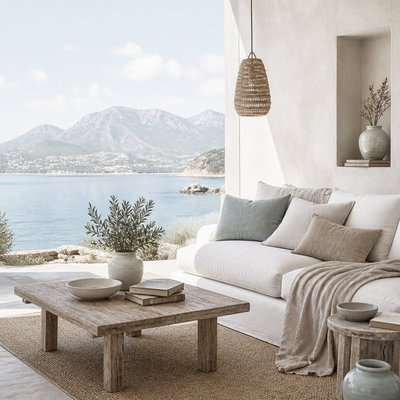
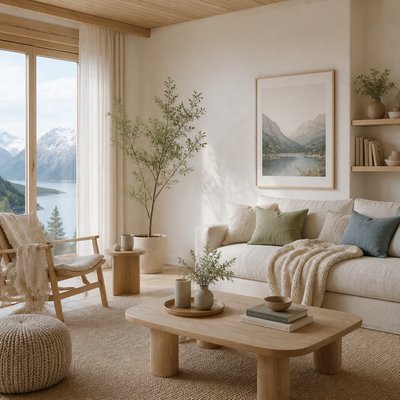
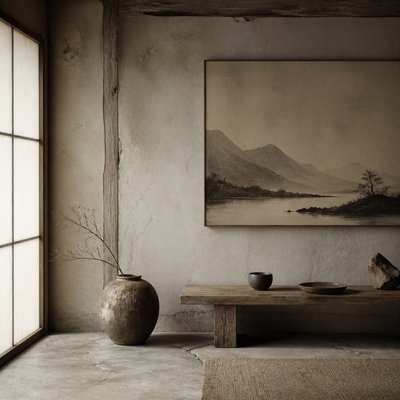
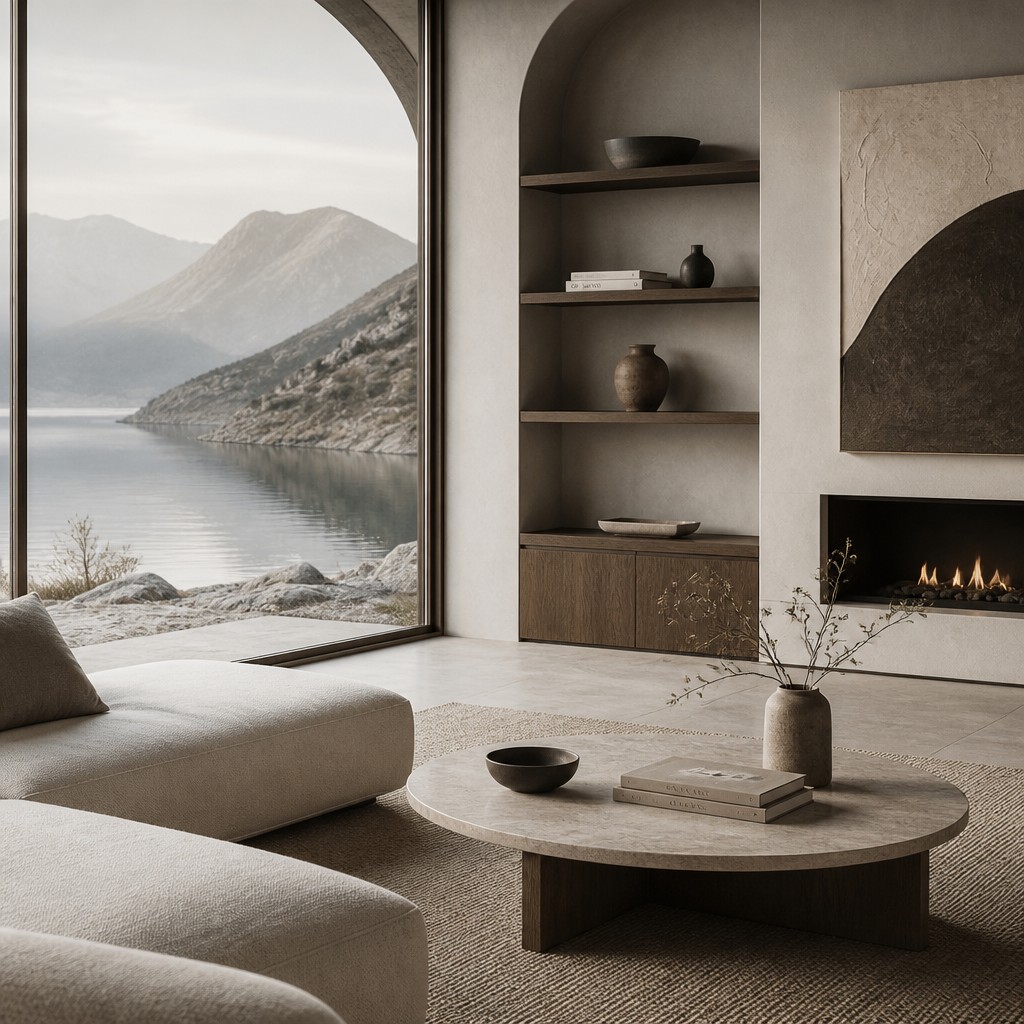
Contemporary interior design is the current language of residential and commercial space-making: calm, adaptable, and visually restrained, yet rarely severe. It favors open layouts, clean architectural lines, and a limited palette of warm whites, soft beiges, greys, and charcoal, then introduces interest through texture, subtle contrast, and carefully chosen furnishings. The result is an atmosphere of comfortable elegance rather than ornament or historic revival.
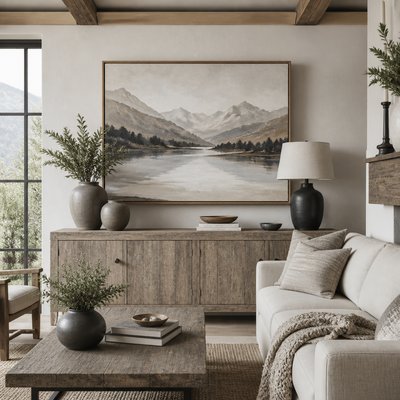
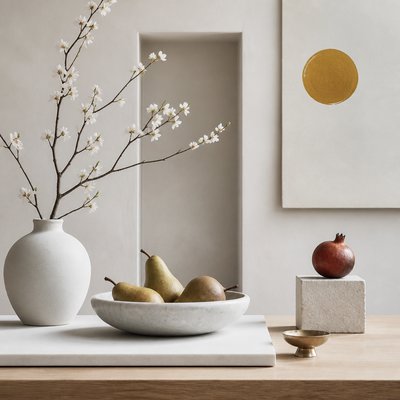
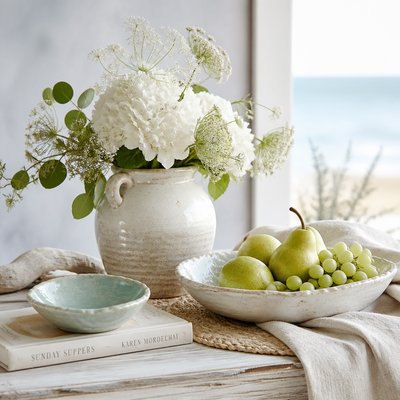
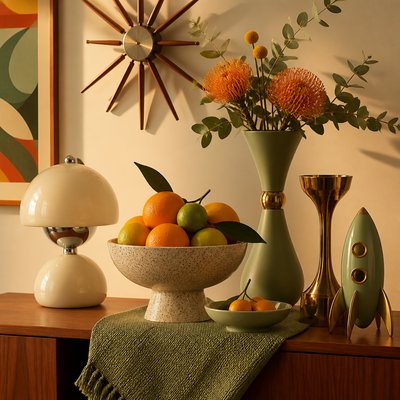
Its visual identity comes from balance. Smooth matte walls may sit beside natural wood grain, boucle, linen, stone, brushed metal, or ribbed glass; hard edges are often softened by rounded forms, low-slung seating, organic silhouettes, and generous negative space. Light is typically diffused rather than dramatic, which helps surfaces read as calm and tactile. The style looks the way it does because it prioritizes livability, visual clarity, and a sense of quiet refinement over overt decoration.
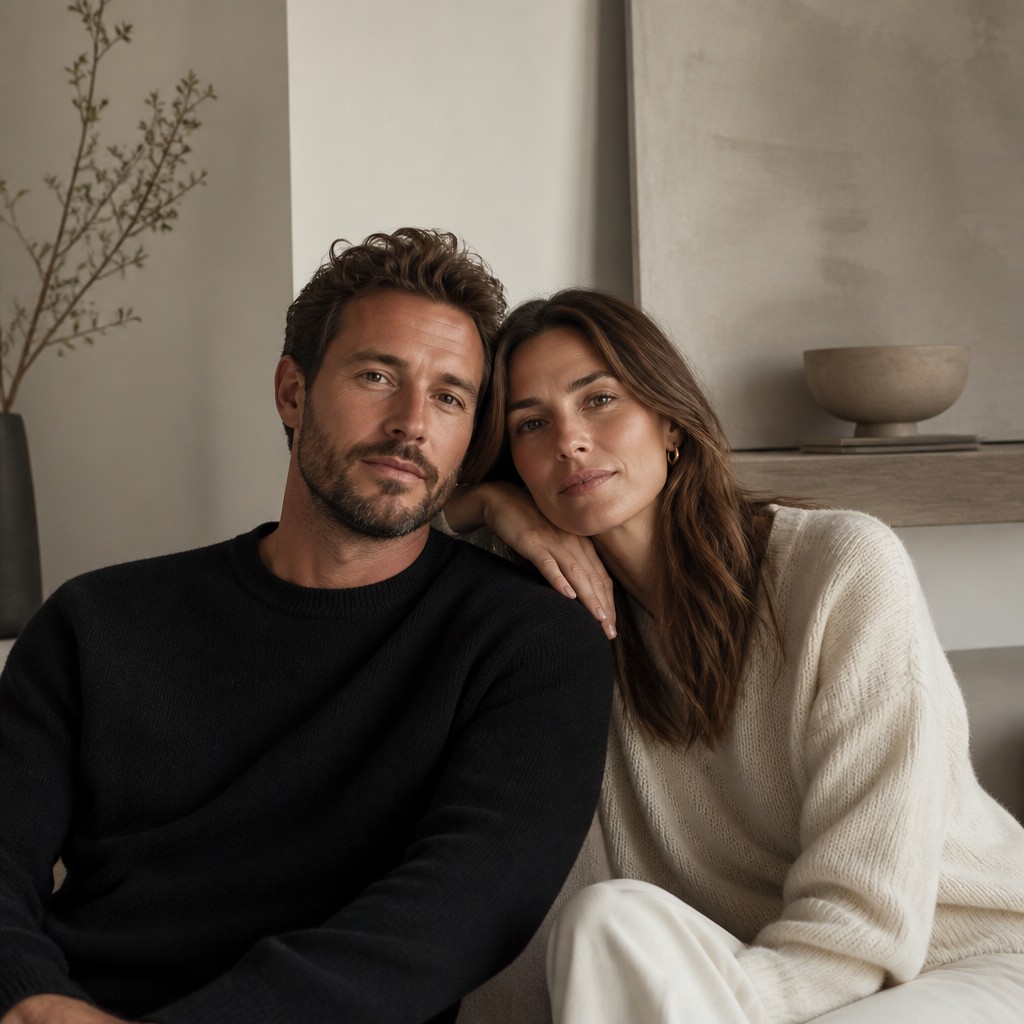
Try It On Your Photos
Upload any photo and convert it into Contemporary Interior Design — drag the sliders to compare before and after.
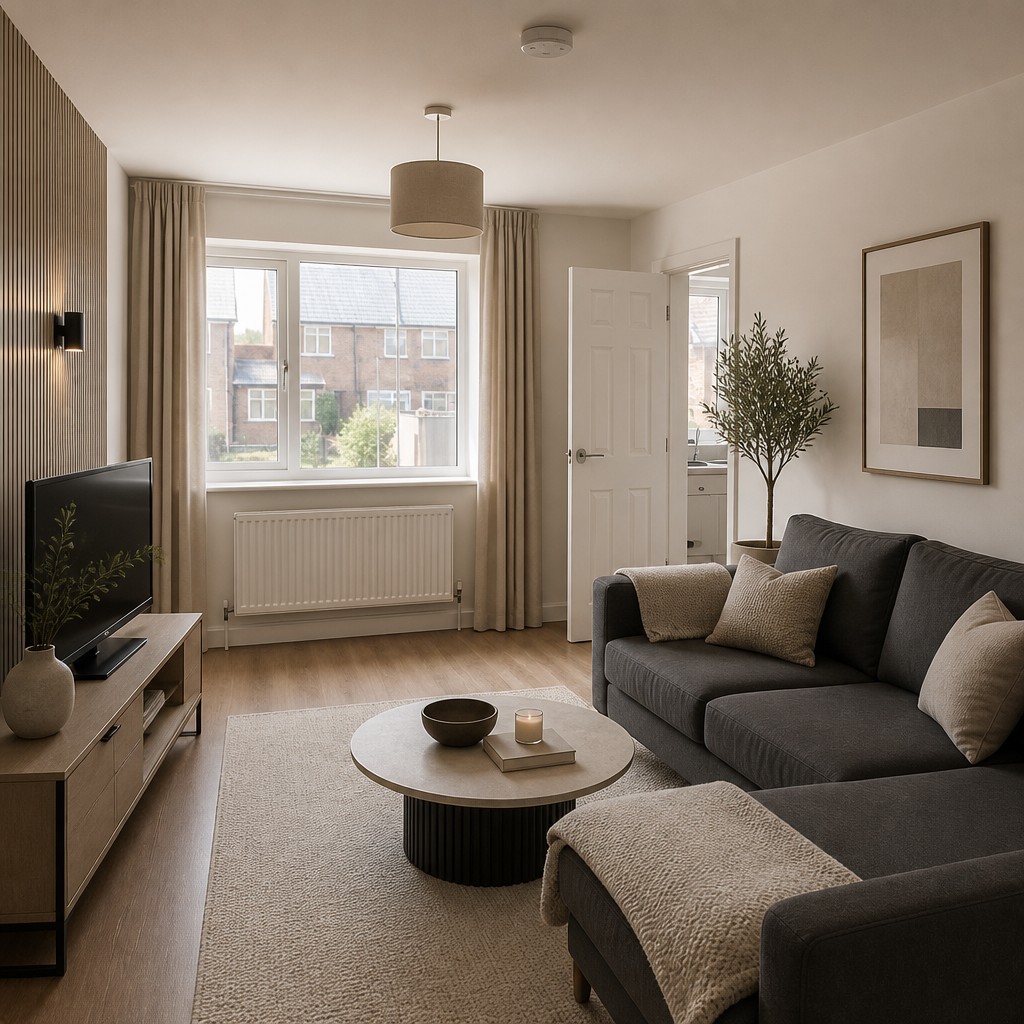
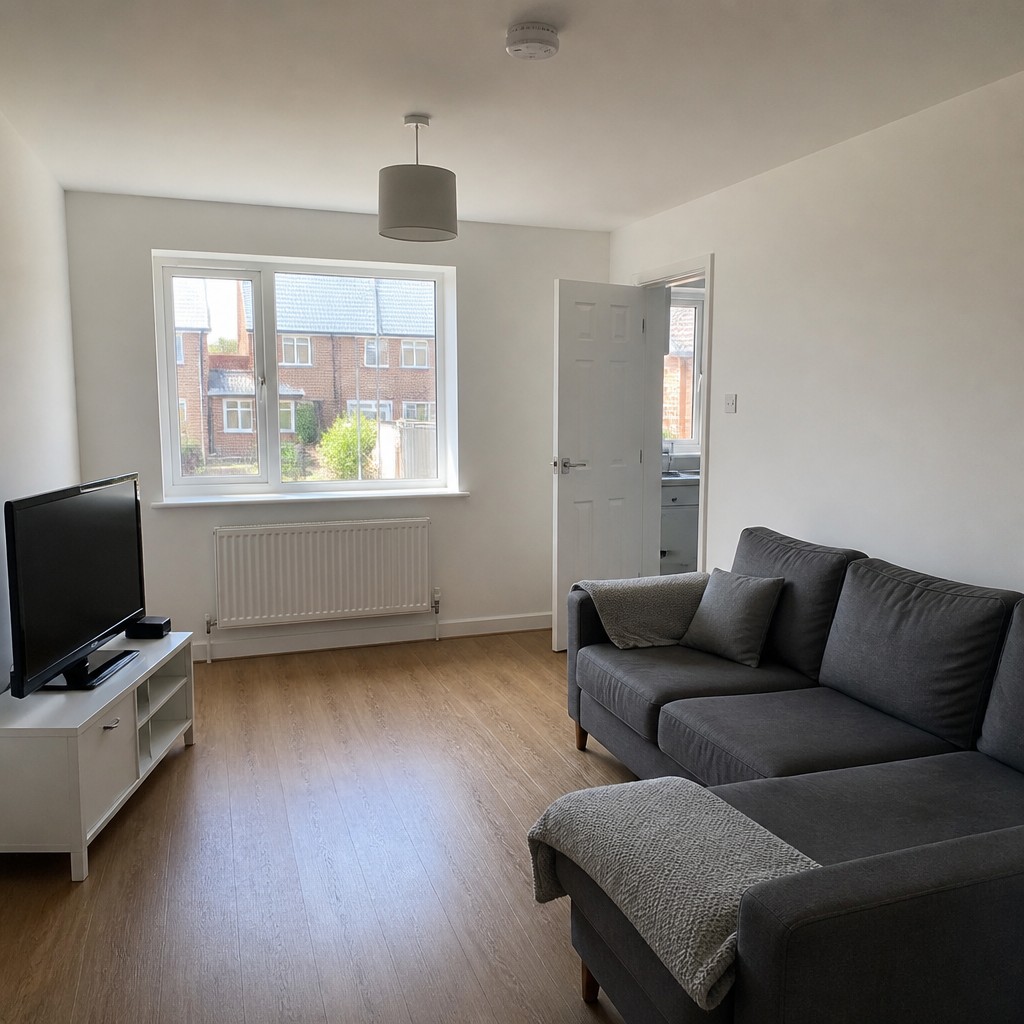


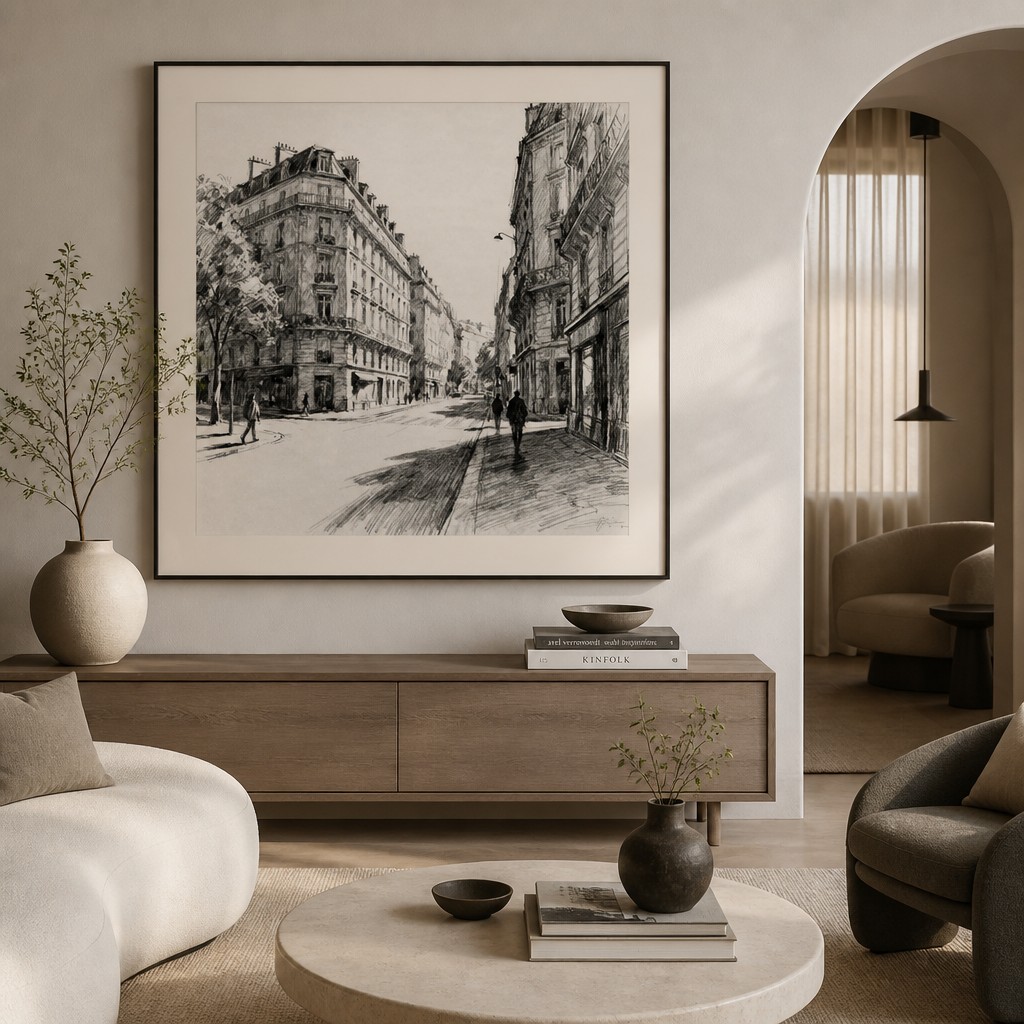

What Defines Contemporary Interior Design
The signature details, up close
Neutral color palette
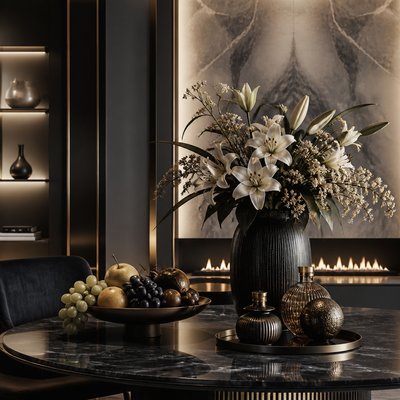
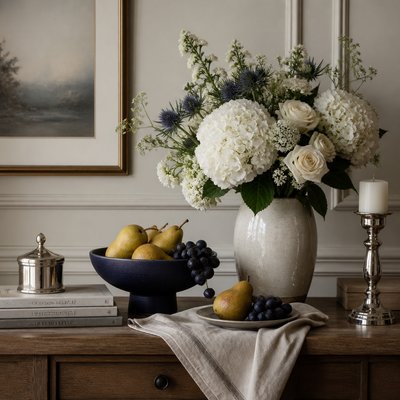
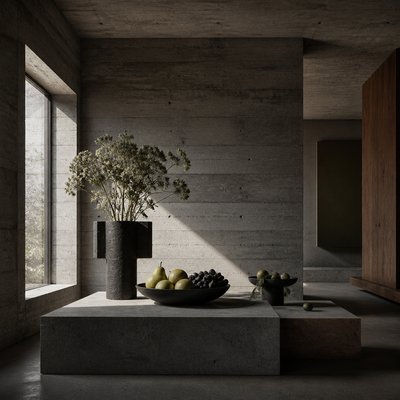
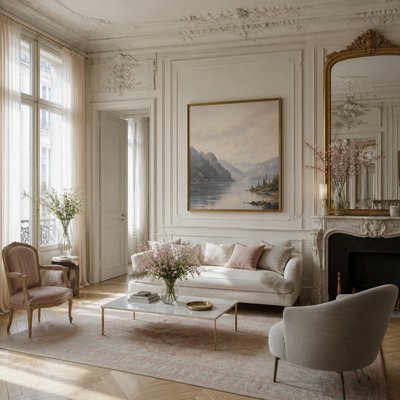
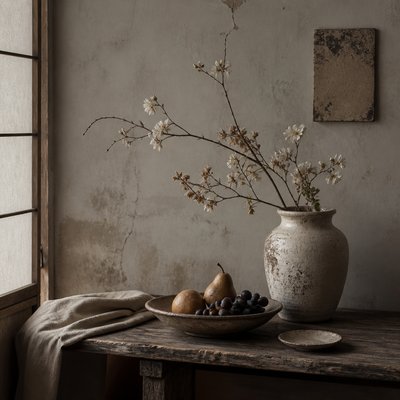
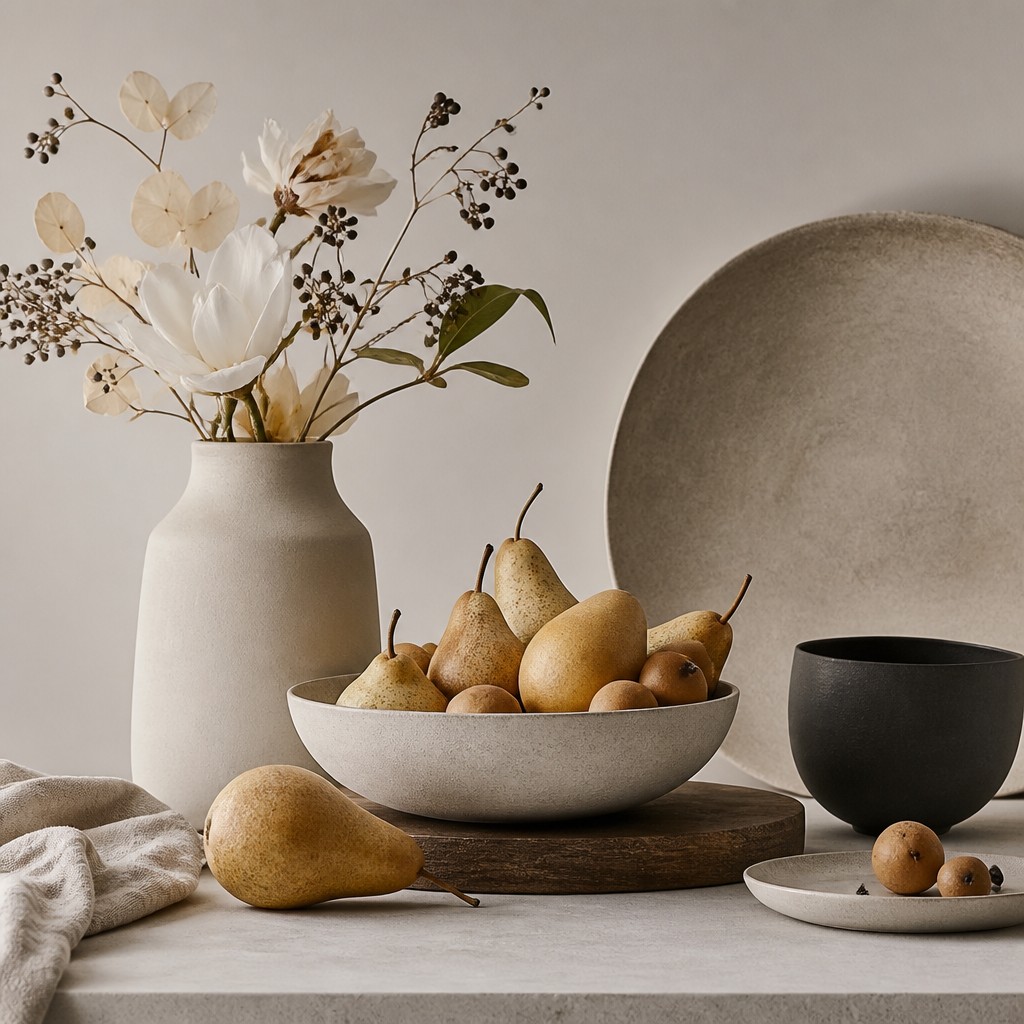
Warm whites, taupes, beige, greige, stone, and charcoal form the base of the room. Color is usually restrained so that shape, proportion, and material quality become more noticeable.
Layered tactile materials
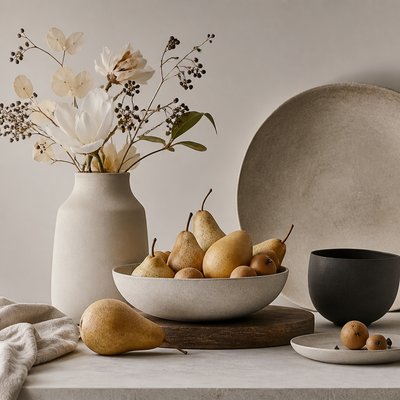
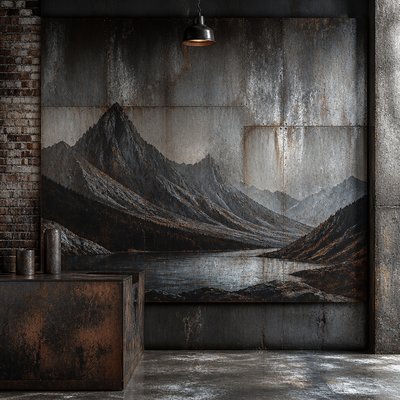
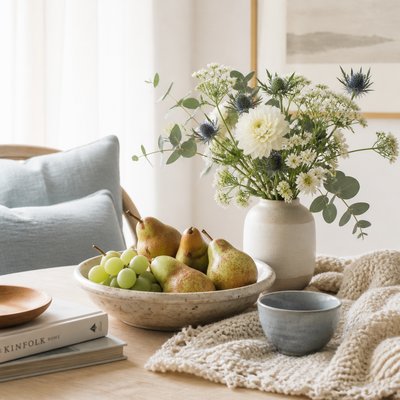
Texture does much of the visual work: linen, wool, boucle, oak, walnut, travertine, plaster, and matte lacquer are often combined. These surfaces create depth without requiring strong pattern or vivid color.
Clean lines with softened edges
Furniture and architectural details tend to be simple and uncluttered, but rarely harsh. Rounded corners, curved seating, arched forms, and sculptural accessories introduce softness.
Balanced asymmetry
Rooms often feel composed without being perfectly symmetrical. Objects are grouped in quiet, intentional ways that preserve openness and avoid visual clutter.
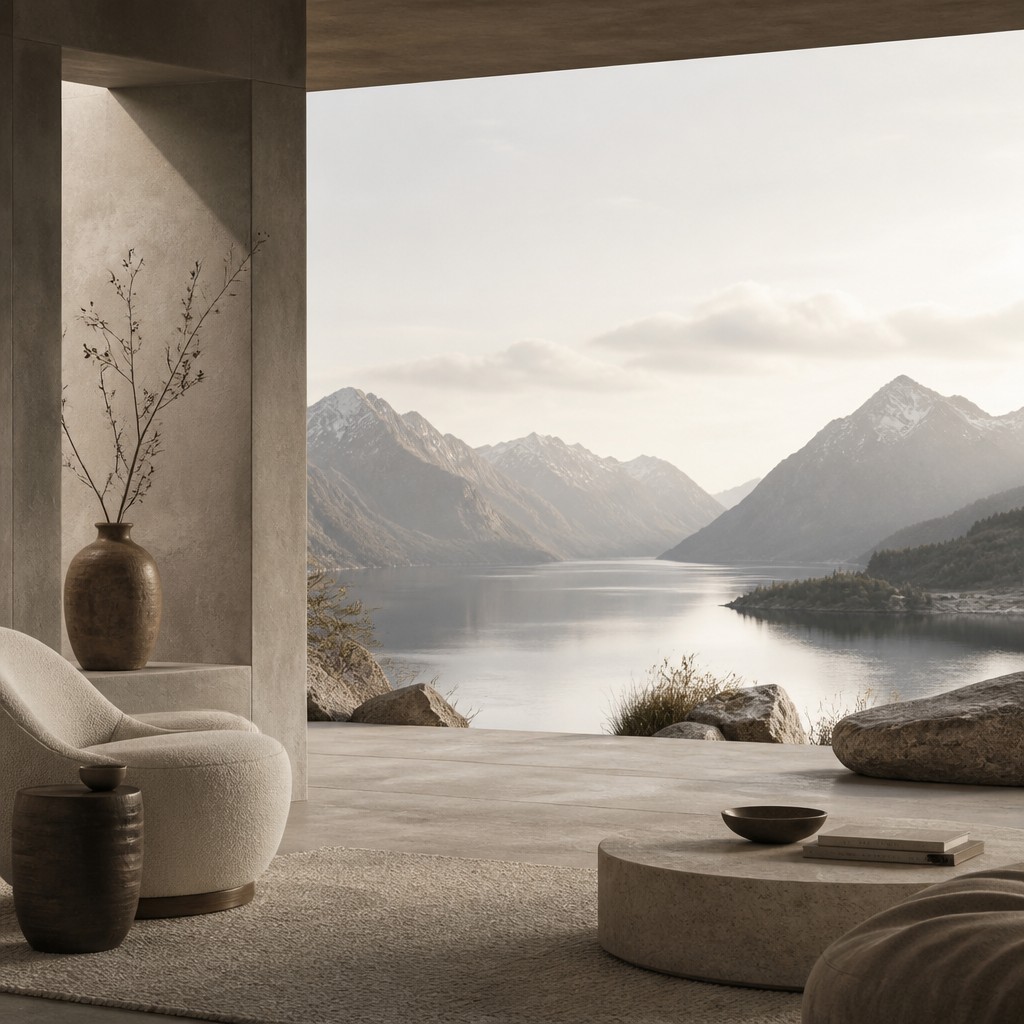
Comfortable elegance
The style aims for a polished but livable atmosphere. Seating is inviting, surfaces feel accessible, and the overall effect is refined without appearing formal or decorative.
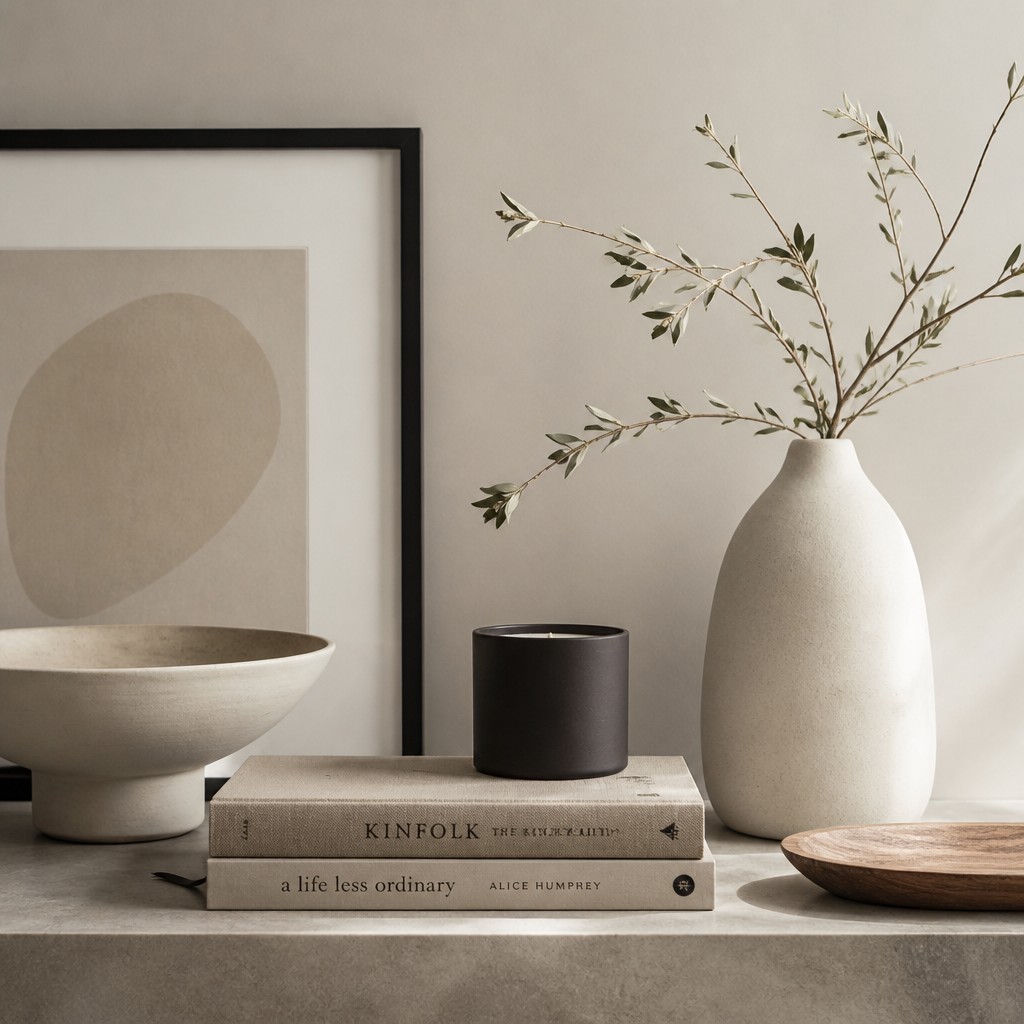
Diffused lighting and shadow
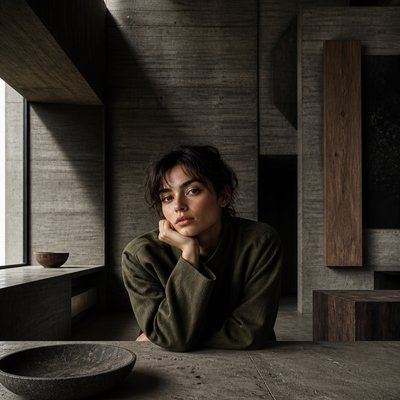
Natural daylight, sheer window treatments, concealed fixtures, and softly glowing lamps create gentle shadows. Strong contrast is minimized so the room reads as calm and airy.
Try It
Create Videos in Contemporary Interior Design
Styles aren't just for stills — describe a scene or animate an image and get a short video rendered in Contemporary Interior Design. Press play to see this pond come to life.
Make a VideoContemporary Interior Design Prompt Ideas
Start from an idea — each one opens the generator with the style ready to go. See all 40 Contemporary Interior Design prompts →
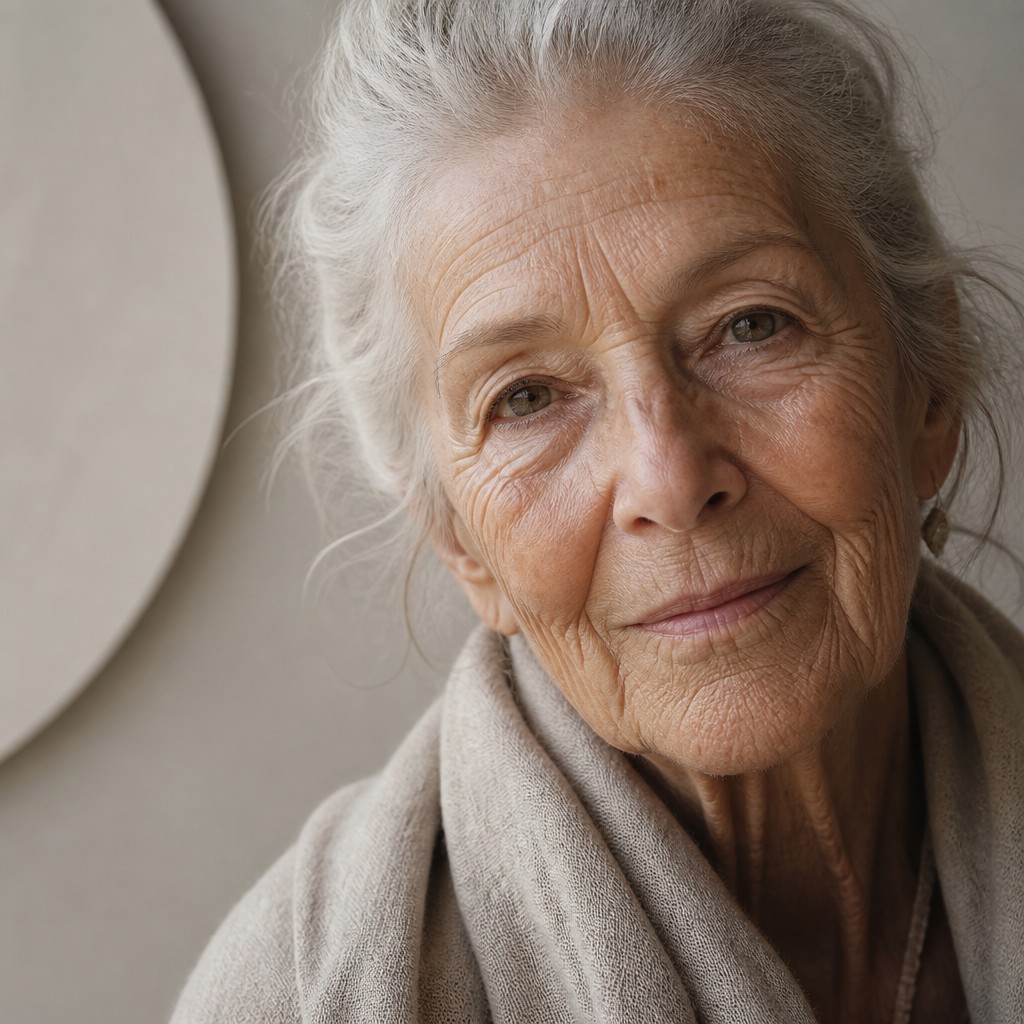
“close-up portrait of an elderly person with expressive weathered features”
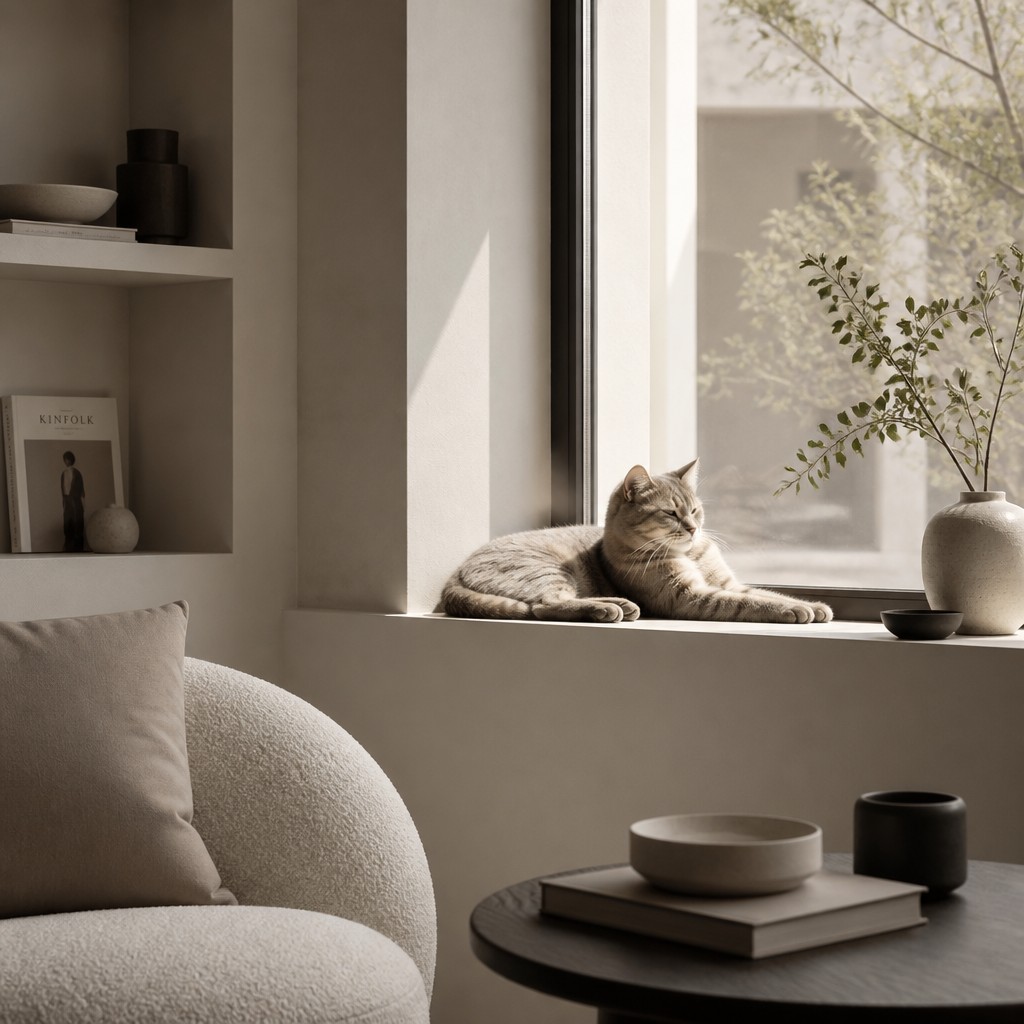
“a cat lounging in a sunlit window”
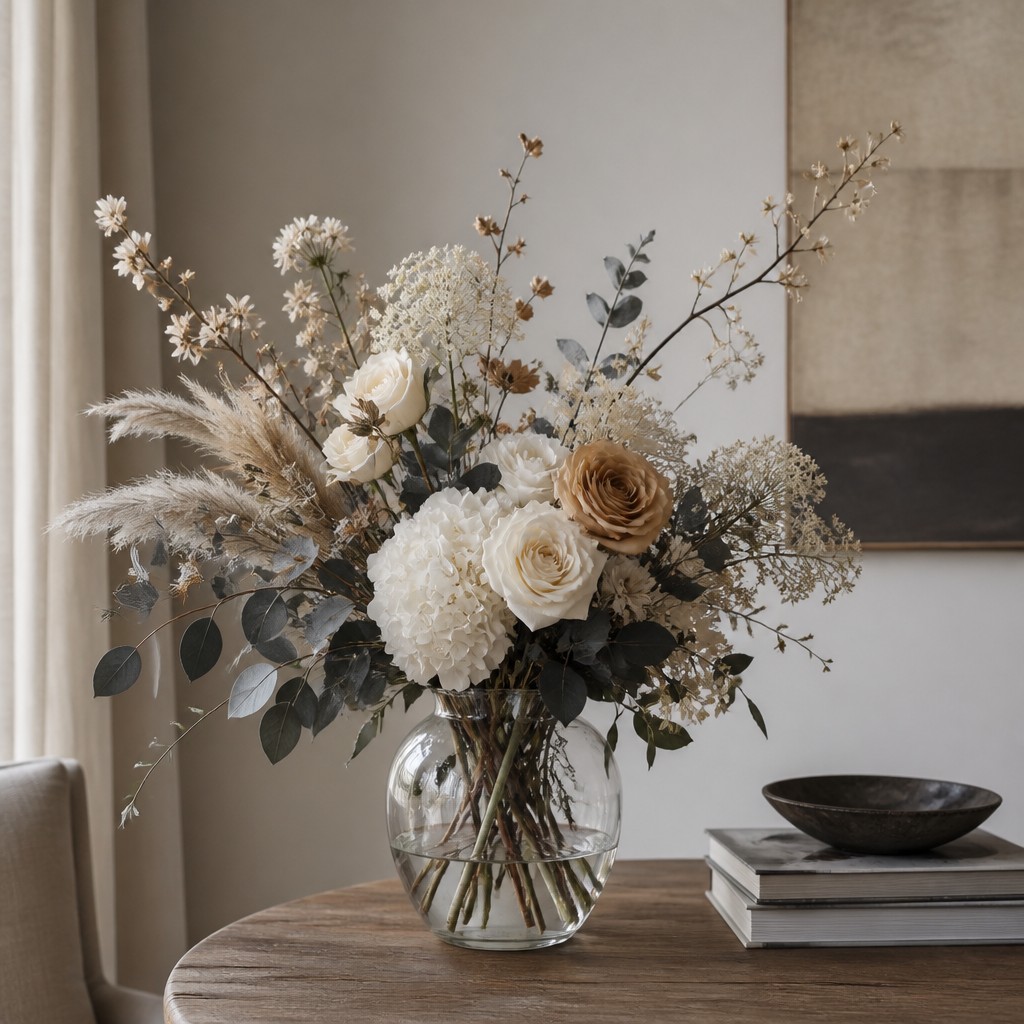
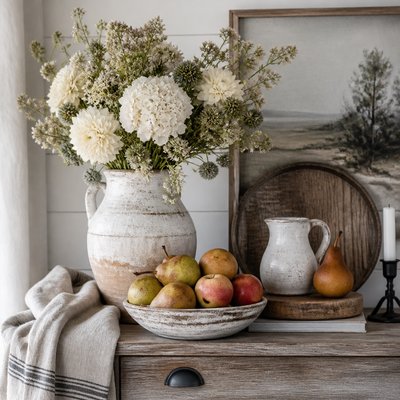
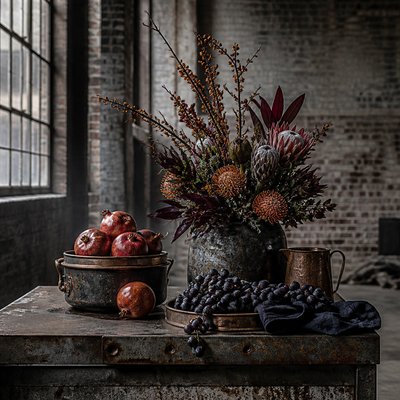
“bouquet of flowers in a glass vase”

“sailing ship on a stormy sea”
How to Create Contemporary Interior Design Art
Master the craft step by step — or skip straight to creating. Read the full guide →
- 1
Start with a restrained base
Choose a limited palette of off-white, warm grey, sand, and black accents, then keep large surfaces visually quiet. In a drawing or render, block in the major planes first so the room’s proportions and negative space stay clear.
- 2
Build interest through texture
Combine smooth and tactile finishes such as plaster walls, wood veneer, stone, woven fabric, and brushed metal. In digital work, vary material roughness and surface response to light so the scene feels layered rather than flat.
- 3
Use simple, confident forms
Select furniture with clean silhouettes, low profiles, and softened corners, avoiding excessive ornament. If creating by hand, simplify the shapes before adding detail; if generating with prompts, describe the forms in precise, material-specific language.
- 4
Control the light
Favor soft daylight, indirect illumination, and gentle shadows to emphasize calm and realism. When prompting an image, specify diffused ambient light, subtle shadow falloff, and a serene interior atmosphere.
- 5
Leave breathing room
Avoid filling every corner; contemporary interiors depend on negative space to look deliberate and expensive. Compose the scene with a few carefully placed objects, letting the architecture and spacing do part of the design work.
- 6
Prompt for mood, not just objects
A successful generation prompt should mention the spatial qualities as well as the furnishings, such as warm neutrals, tactile textiles, organic curves, and understated elegance. For image-to-image, preserve the room layout while simplifying clutter and unifying the color temperature.
The Story
History & Origins of Contemporary Interior Design
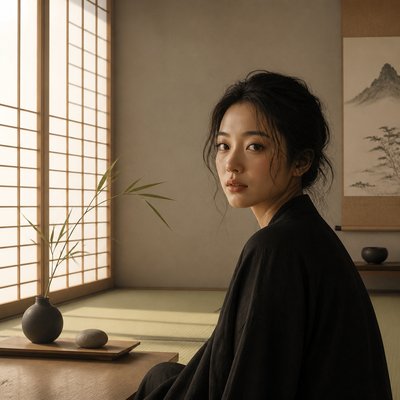
Contemporary interior design is not a single historical movement with a fixed origin date, but a shifting style that emerged from late 20th-century modernism, minimalism, and the practical demands of postwar domestic design. Its stripped-back forms inherit from modernist design principles associated with influential architects and designers who championed disciplined geometry, tubular simplicity, and sculptural restraint, along with later Danish and Japanese-influenced interiors that emphasized light, proportion, and functional simplicity.
From the 1990s onward, contemporary interiors developed as a response to both high-gloss luxury and the austerity of earlier minimalism. The style absorbed elements from Scandinavian design, warm modernism, and hospitality-focused interiors, replacing stark white emptiness with layered neutrals, tactile fabrics, and a more relaxed domestic sensibility. Today it remains fluid and current by definition, continually adapting to new materials, spatial planning ideals, and contemporary tastes.
Influences: Contemporary interior design draws from modernism, minimalism, Scandinavian design, and Japanese spatial aesthetics, while also borrowing from hospitality interiors and editorial photography. Its emphasis on functional clarity recalls disciplined modernist architecture, while its warmth and material tactility align more closely with influential Scandinavian design figures and, more broadly, the softened minimalism seen in later 20th-century interiors. It also overlaps with the calm, edited look of architectural photography and styling.
Frequently Asked Questions
What defines contemporary interior design?
It is defined by current, non-historic styling that emphasizes clean lines, neutral colors, tactile materials, and comfortable simplicity. The look is calm and refined rather than ornate, with a strong focus on proportion, light, and livability.
How is contemporary interior design different from modern interior design?
Modern interior design usually refers to the early- to mid-20th-century modernist tradition, while contemporary design means what is current now. In practice, contemporary interiors often borrow modernist elements but soften them with warmer materials, curved forms, and more relaxed furnishing choices.
Is contemporary interior design always minimal?
No. It often looks minimal, but it is not defined by emptiness alone. Contemporary design can be layered and comfortable as long as the composition remains clear, edited, and visually cohesive.
What colors are most common in contemporary interiors?
The most common colors are warm whites, beige, greige, soft grey, stone, and charcoal. Accent colors are usually muted and used sparingly so the materials and lighting remain central to the design.
Where is contemporary interior design commonly used?
It is widely used in homes, apartments, hotels, showrooms, offices, and staged real-estate spaces. Its flexibility makes it suitable for both small urban interiors and larger open-plan layouts.
How do I create this look in a photo or image prompt?
Use clear interior subjects, a neutral palette, layered textures, and soft ambient lighting. Describe the furniture and materials specifically, and avoid overly ornate decor, saturated colors, or harsh contrast.
Create your first Contemporary Interior Design artwork
Describe anything — or upload a photo — and see it in Contemporary Interior Design in seconds.
Make Something with Contemporary Interior Design
Related Styles
Discover similar art styles