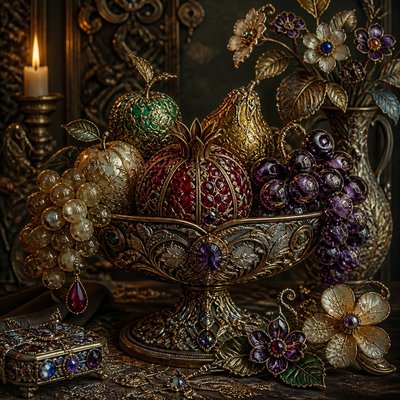
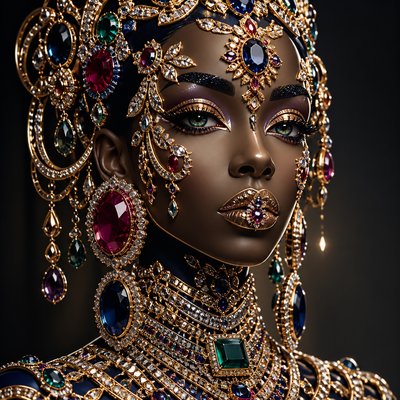
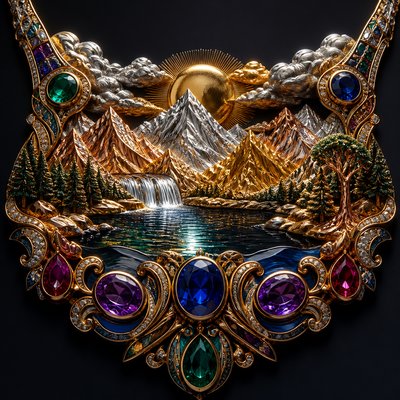
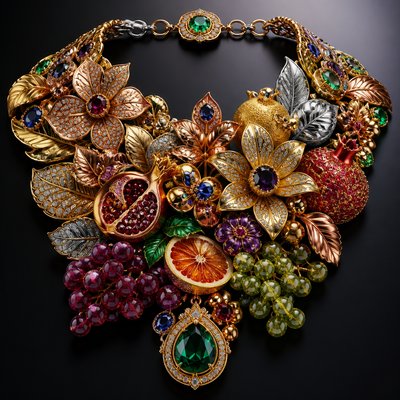
Modern Contemporary Jewelry Design
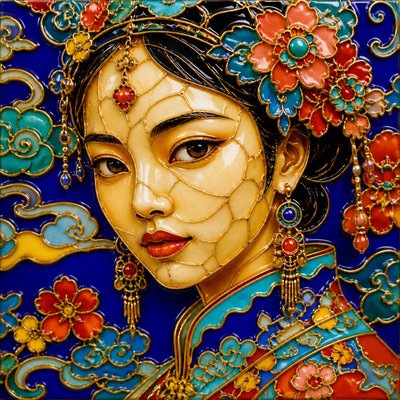
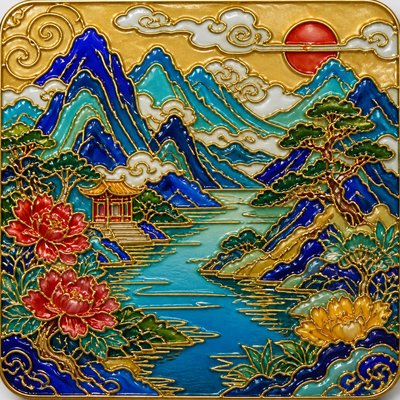
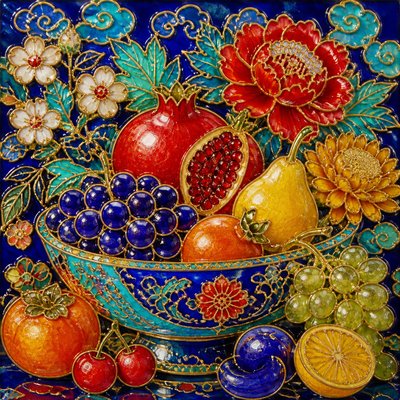
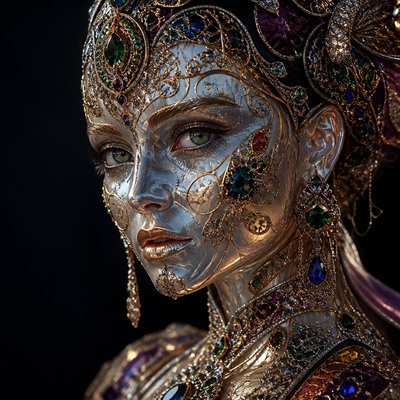
Modern contemporary jewelry design: asymmetrical luxury, mixed metals, sculptural forms, and refined contrast in current jewelry aesthetics.
Instantly rendered in Modern Contemporary Jewelry Design — or transform a photo
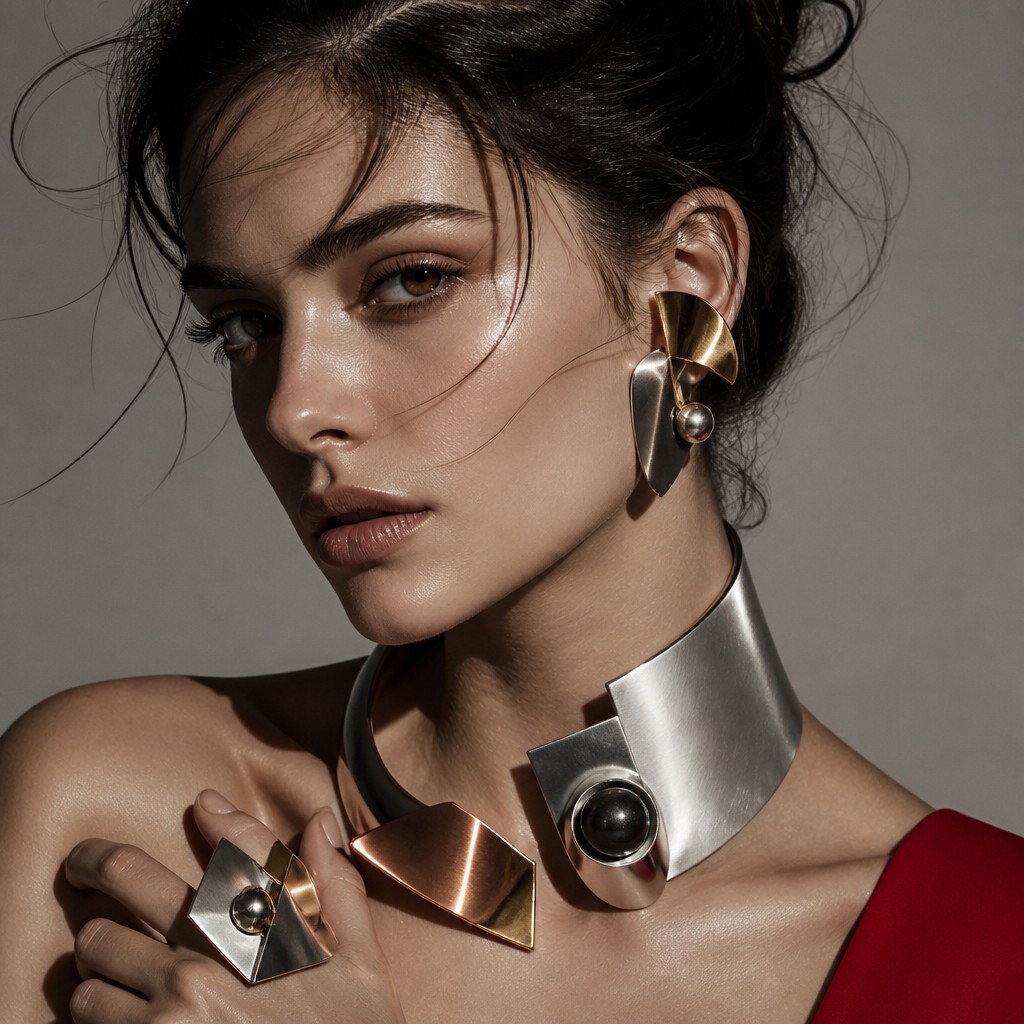
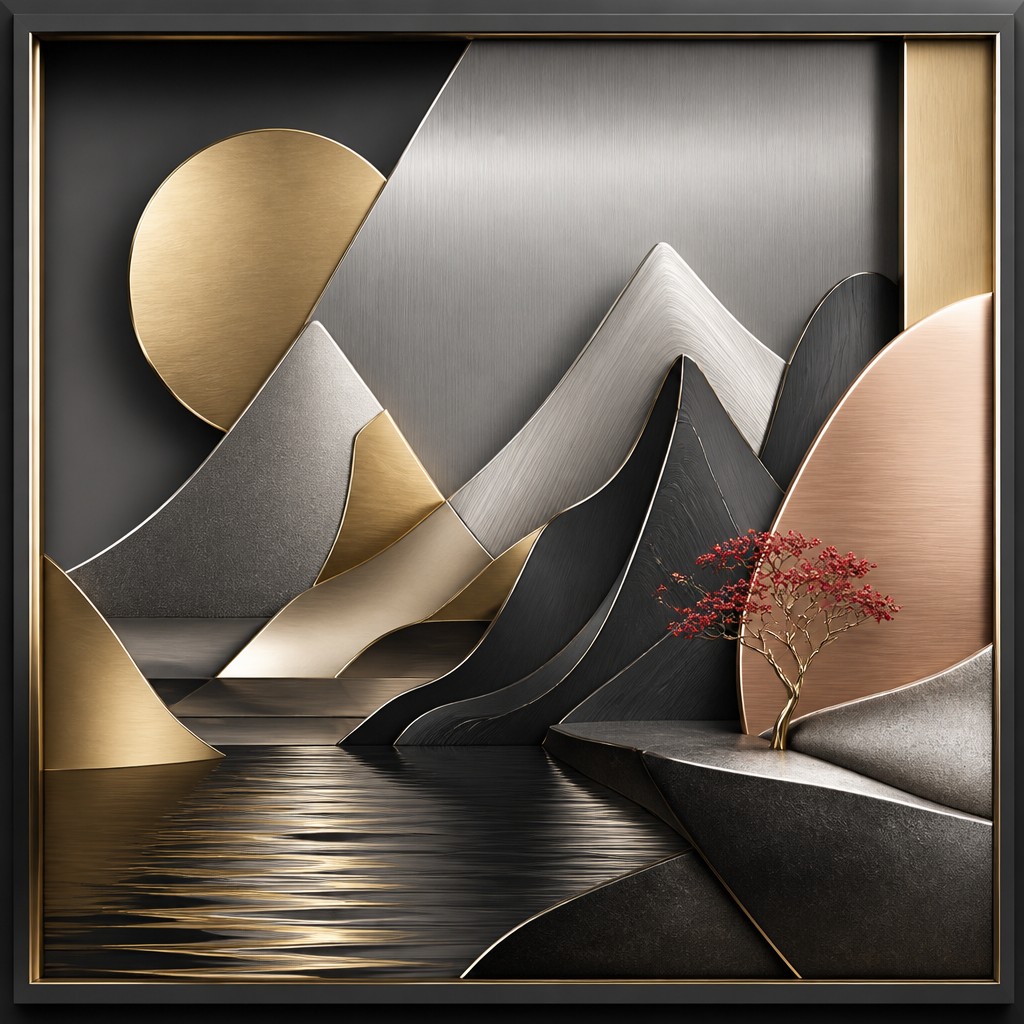
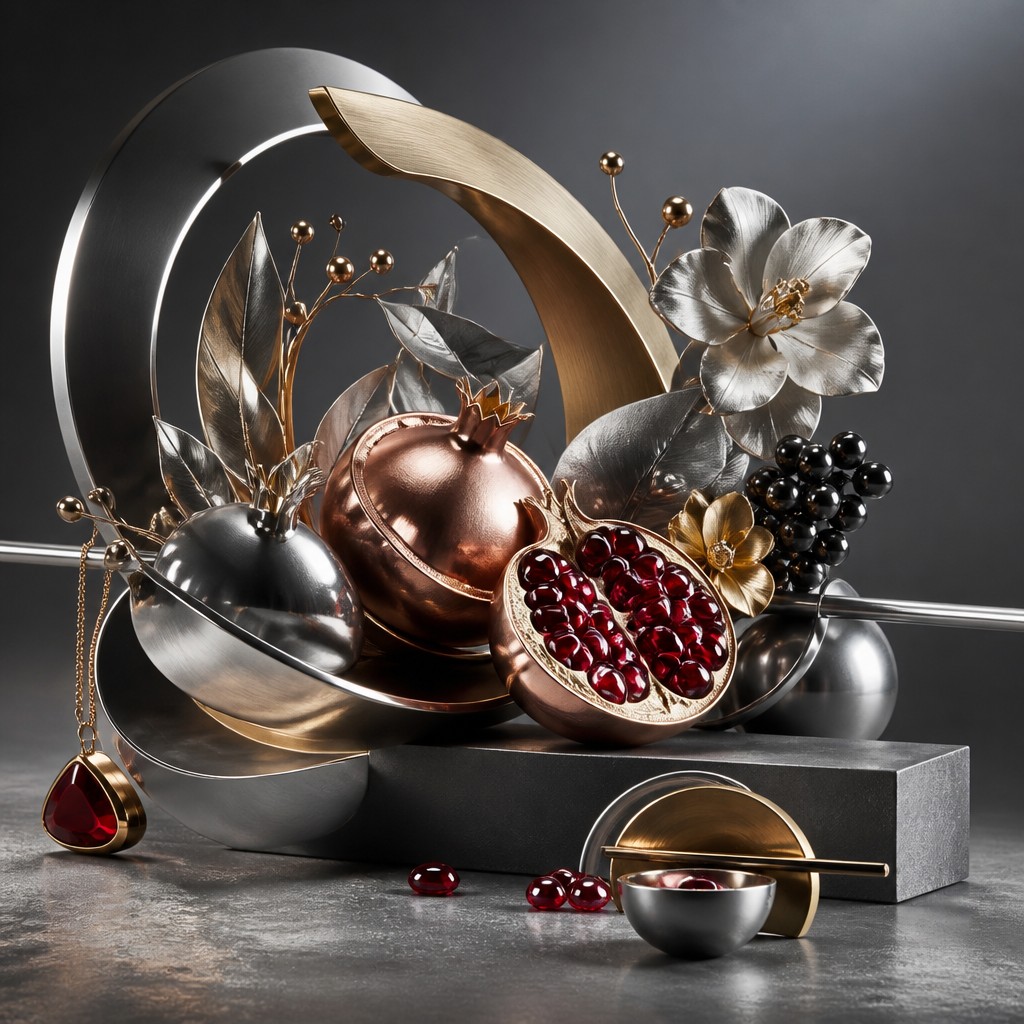
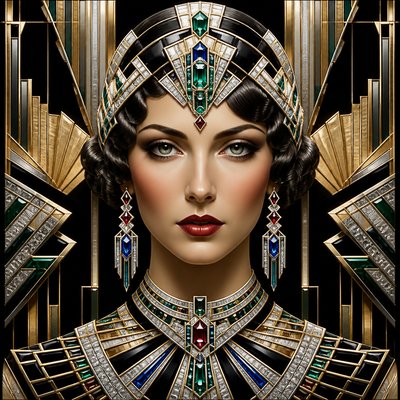
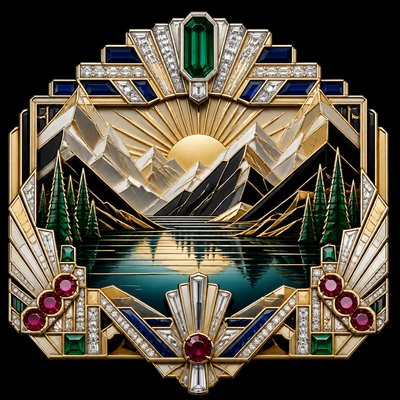
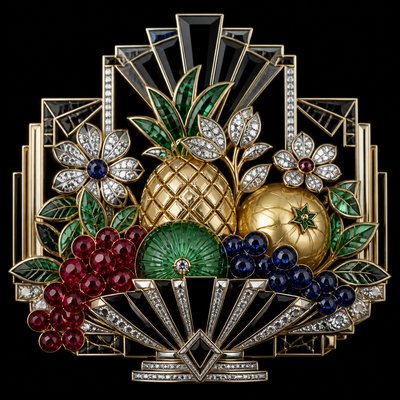
Modern Contemporary Jewelry Design Gallery
Tap any artwork to explore it
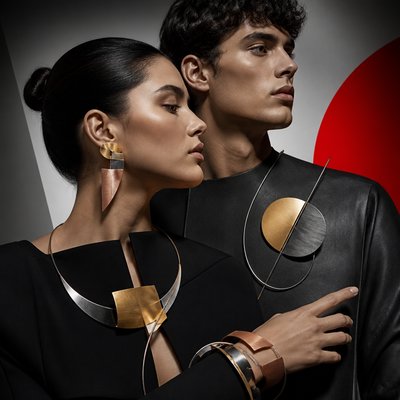
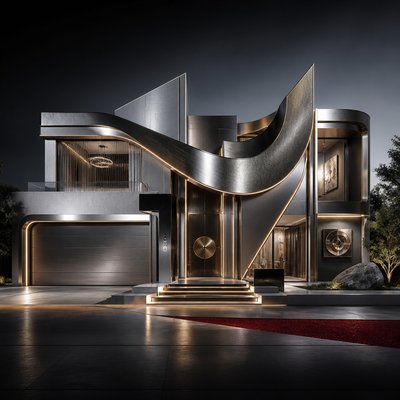
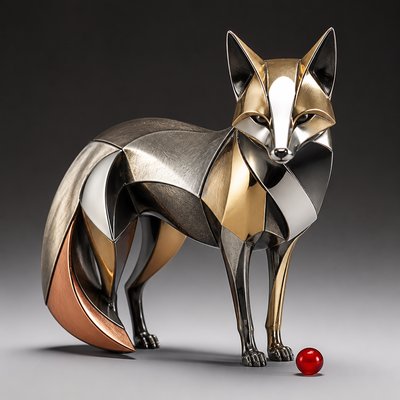
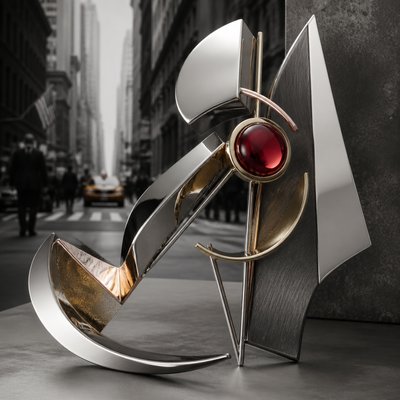
What is Modern Contemporary Jewelry Design?
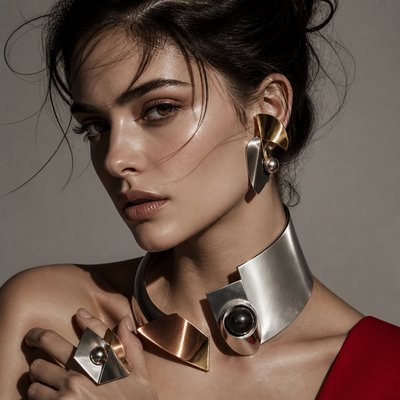
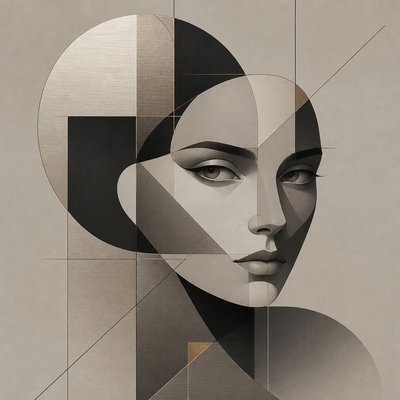
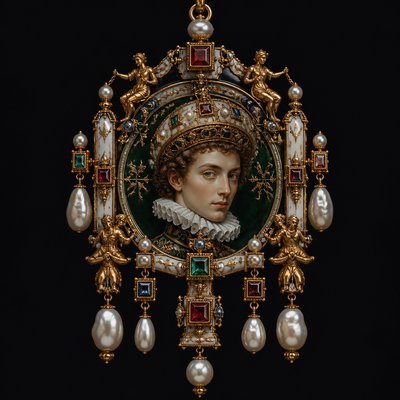
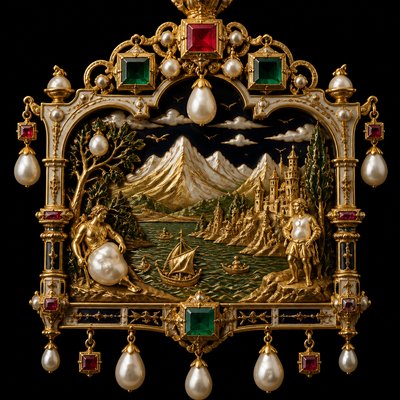
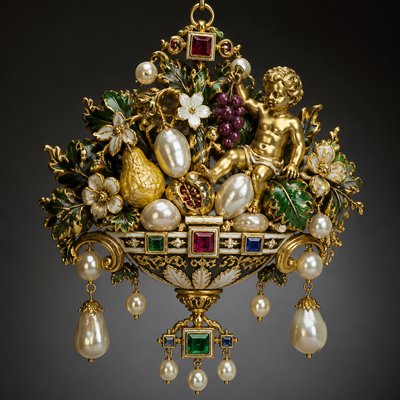
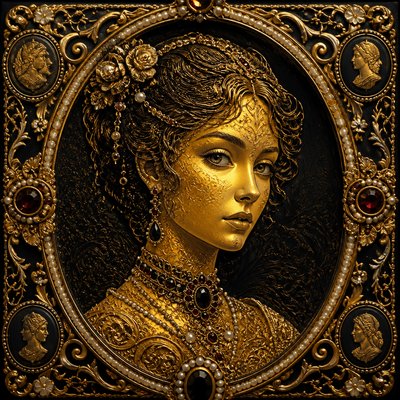
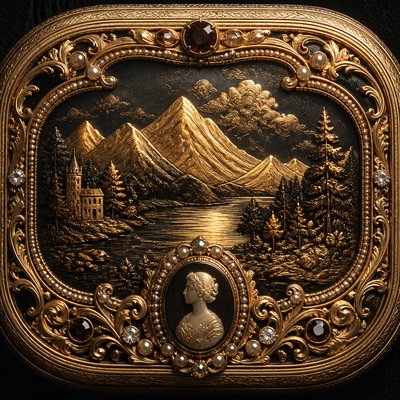
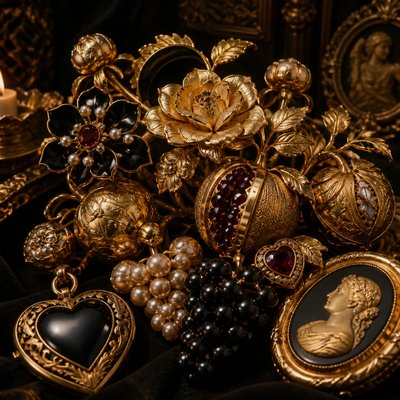
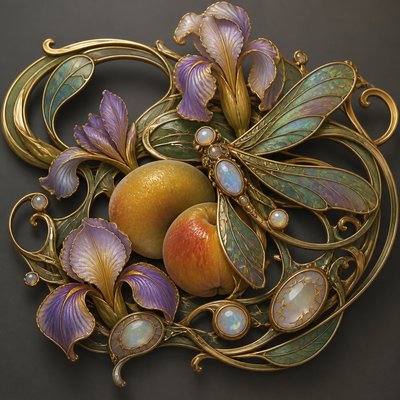
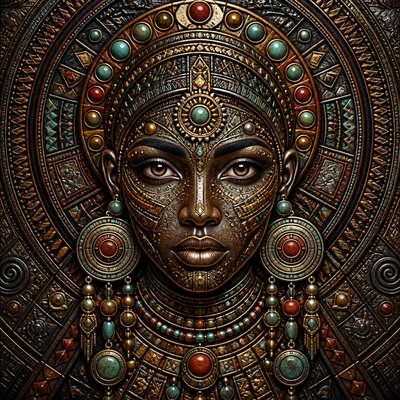
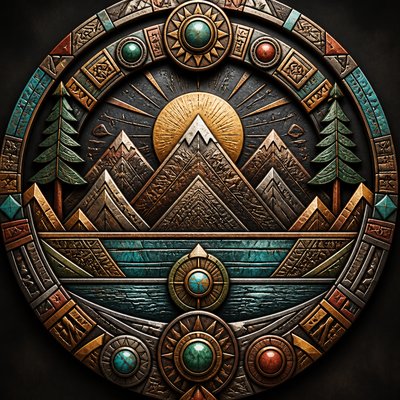
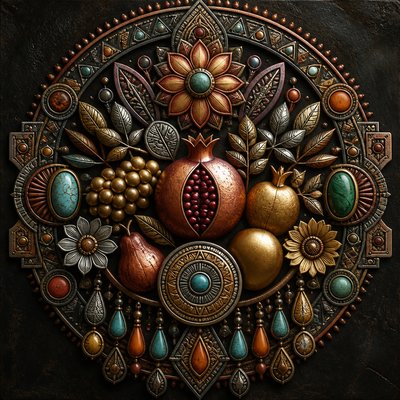
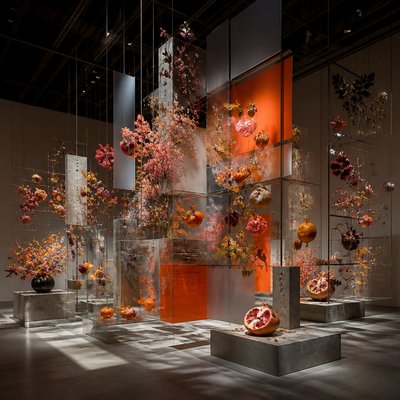
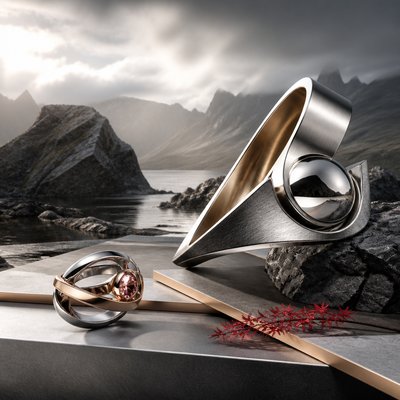
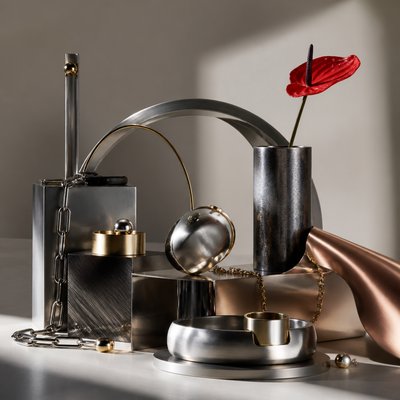
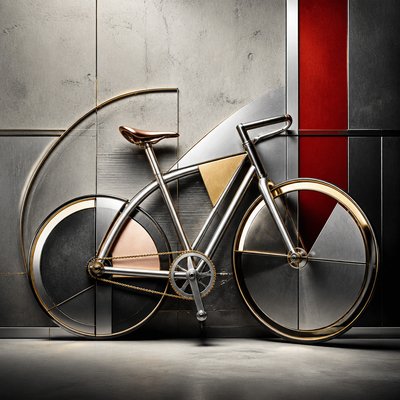
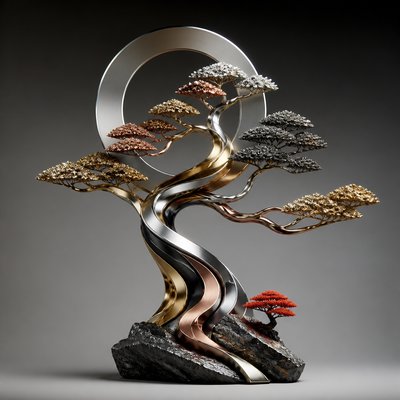
Modern contemporary jewelry design refers to current jewelry aesthetics that prioritize concept, form, and material experimentation over matched sets or strictly ornamental tradition. It is defined by sculptural silhouettes, asymmetry, refined surface treatment, and the use of metals and nontraditional materials in ways that make each piece feel like a small work of wearable art.
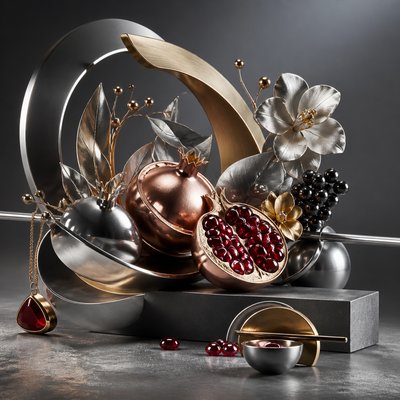
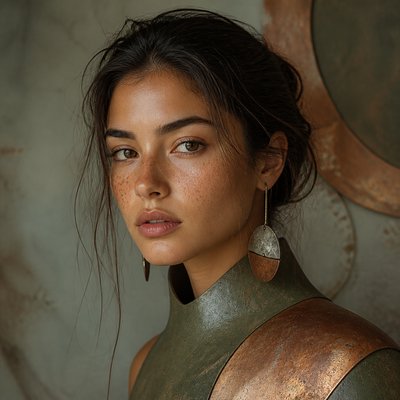
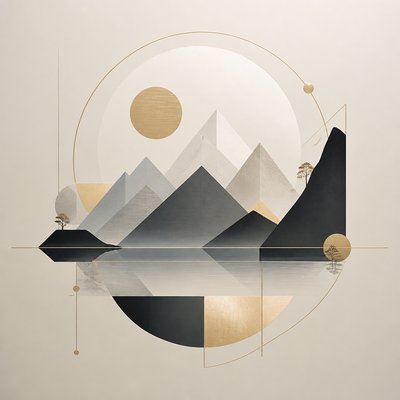
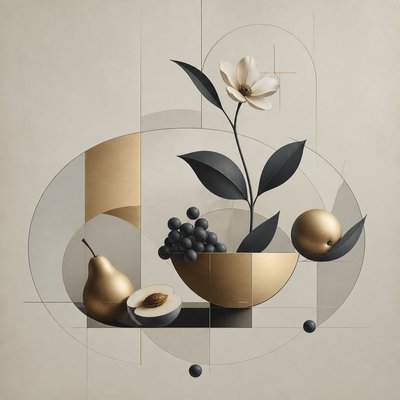
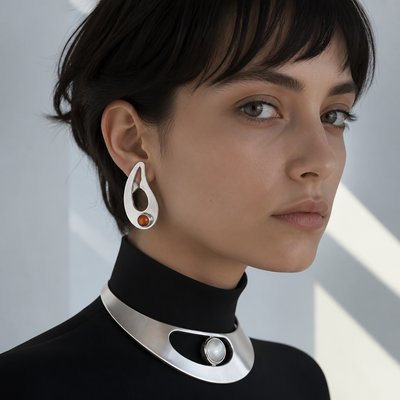
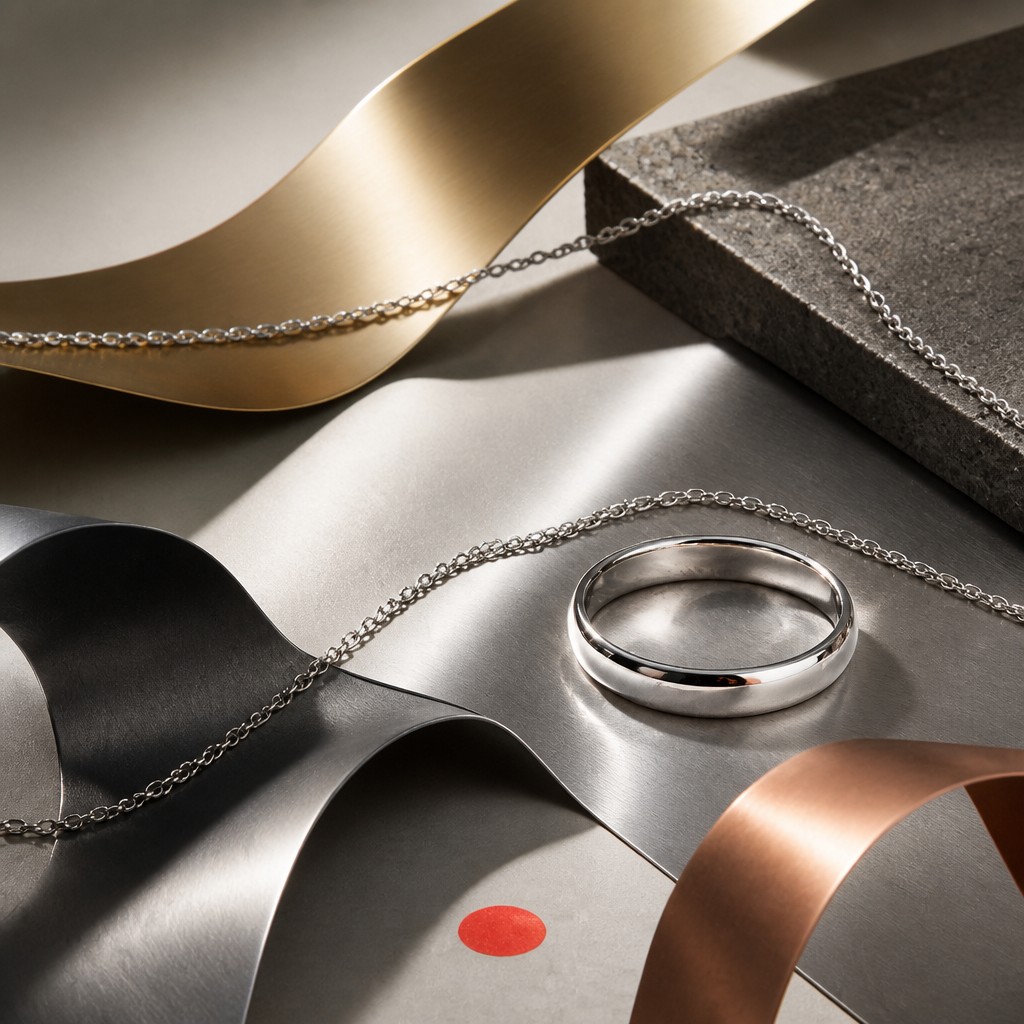
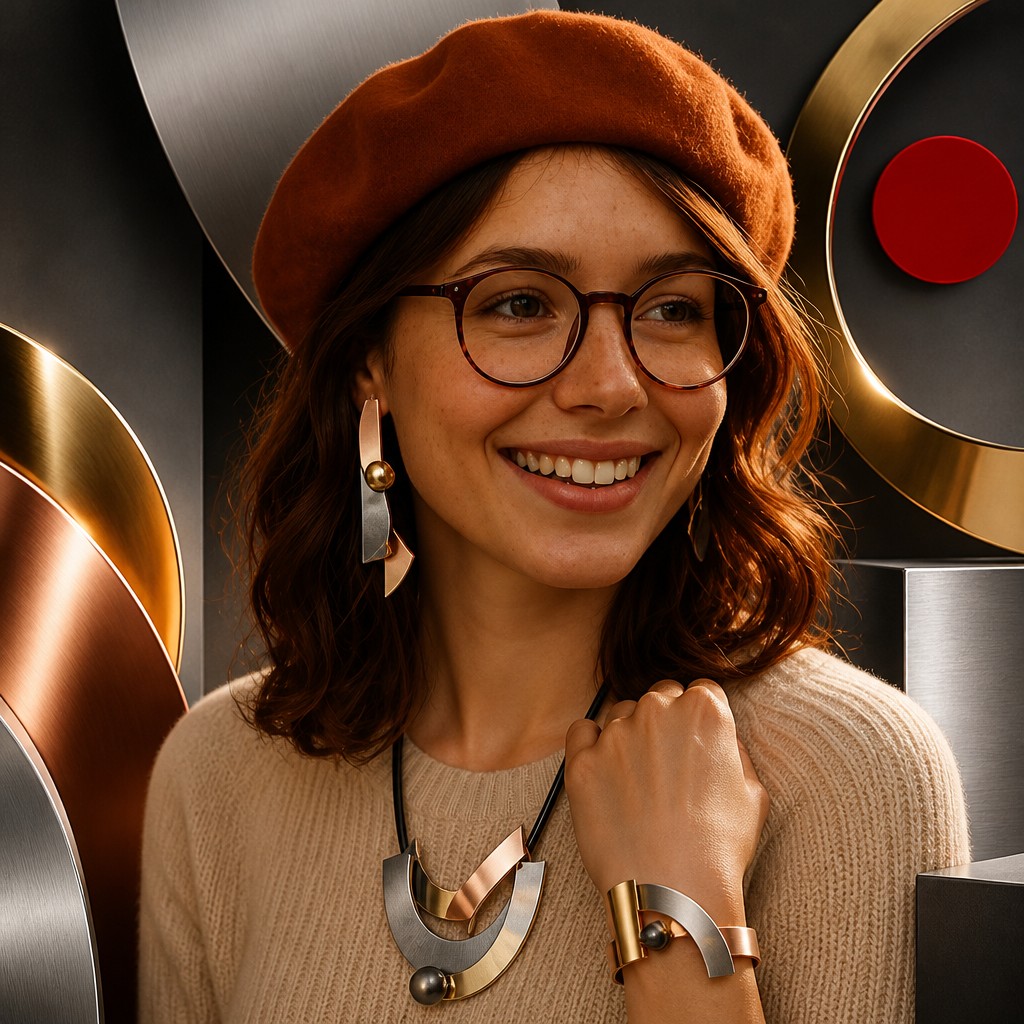
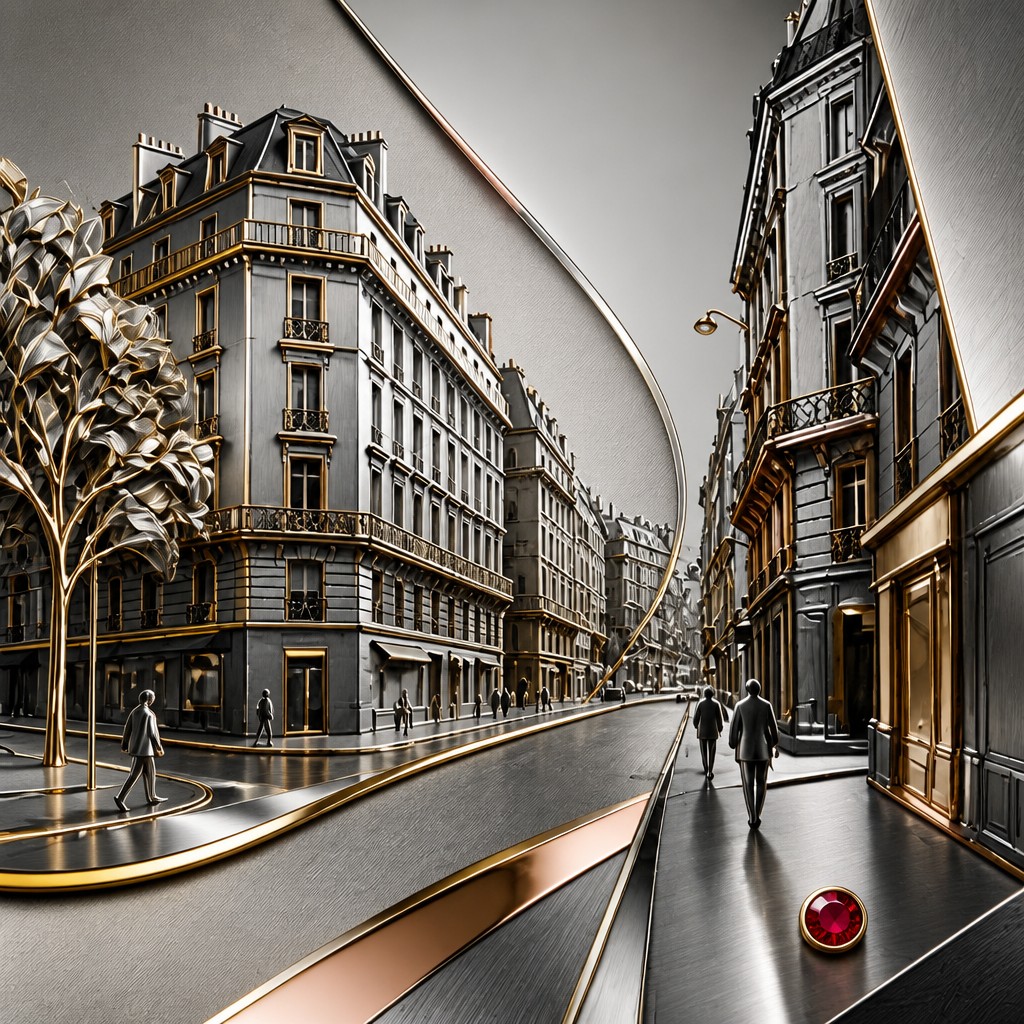
Its visual identity comes from the intersection of industrial precision and artistic expression: clean geometry may meet organic curvature, polished surfaces may contrast with oxidized or brushed finishes, and a restrained palette is often interrupted by a single colored stone or enamel accent. The result is jewelry that looks architectural, deliberate, and slightly unconventional, often emphasizing negative space, movement, and the relationship between the object and the body.
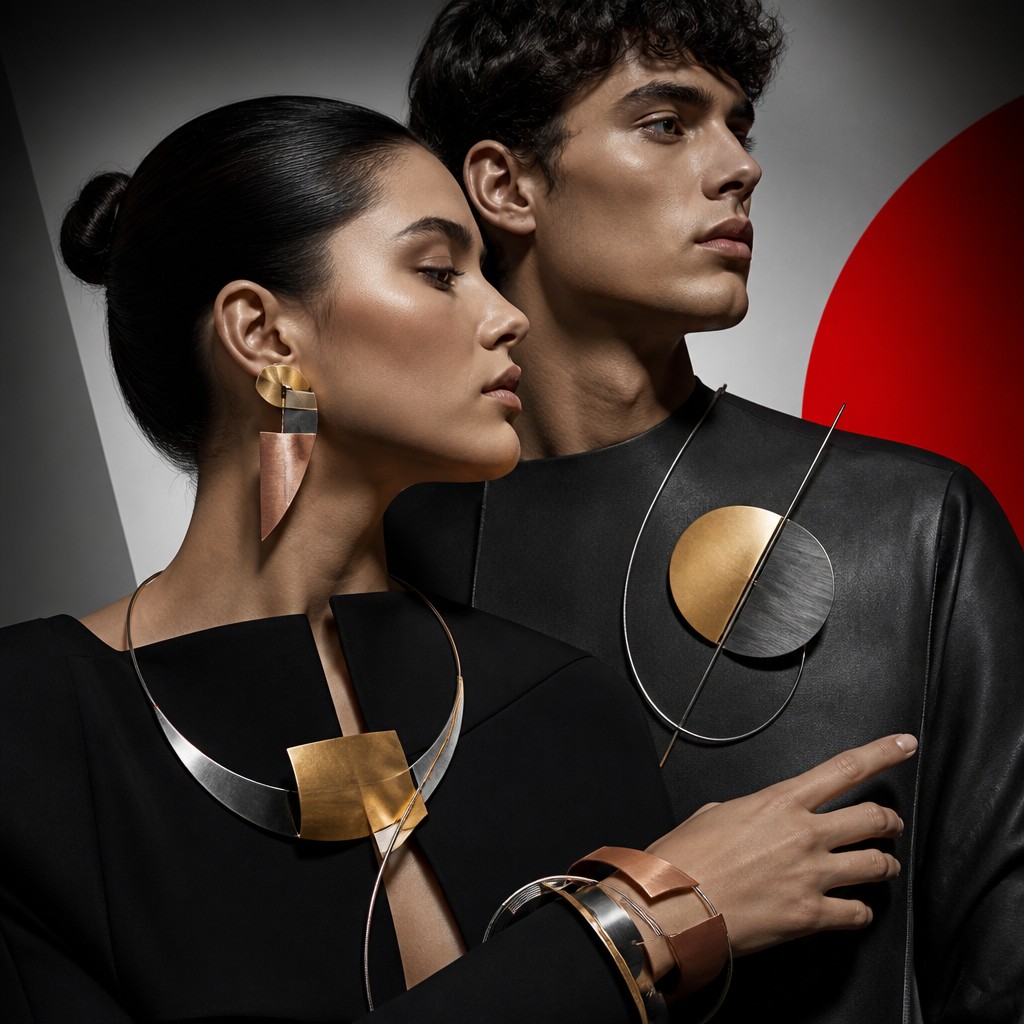
Try It On Your Photos
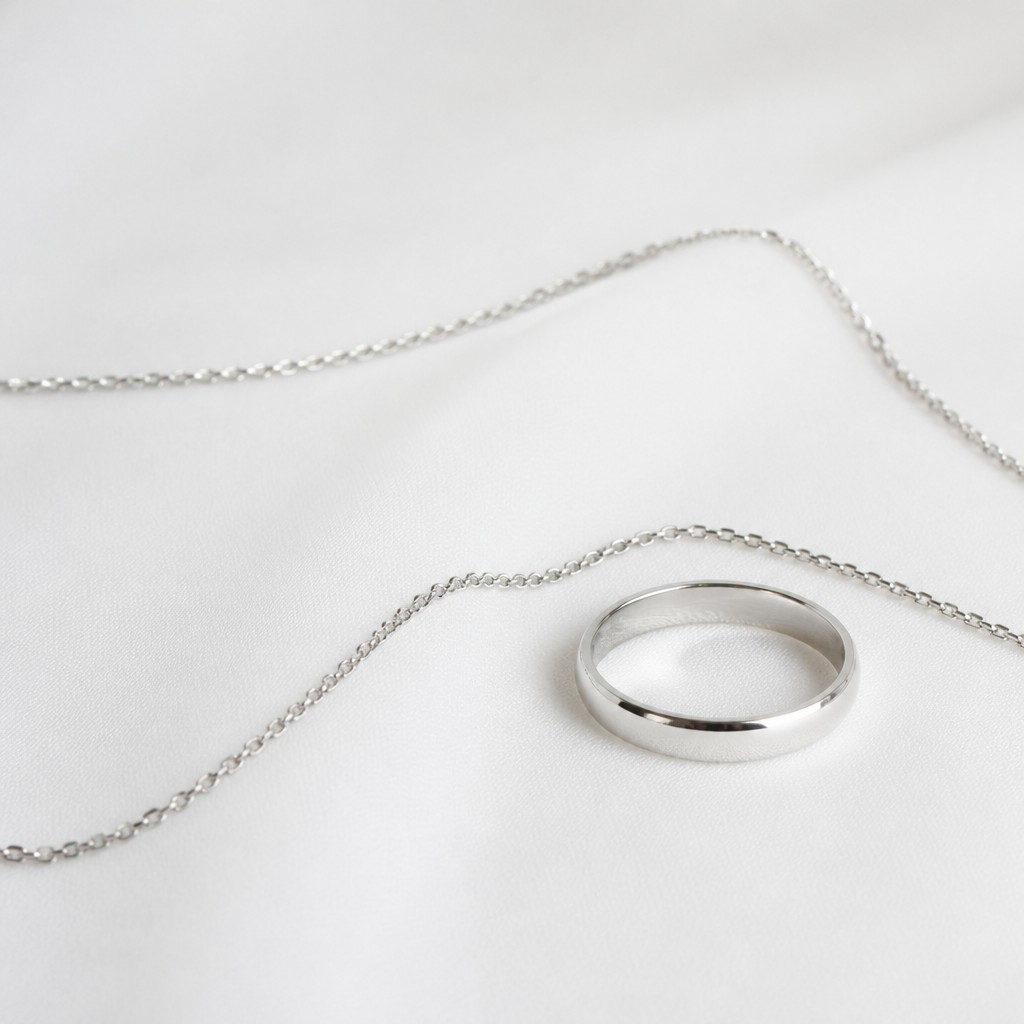
Upload any photo and convert it into Modern Contemporary Jewelry Design — drag the sliders to compare before and after.


What Defines Modern Contemporary Jewelry Design
The signature details, up close
Sculptural asymmetry
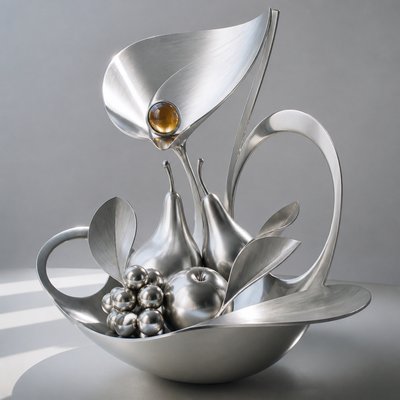
Forms are often unbalanced in a controlled way, with one side extending, folding, or suspending to create visual tension. This asymmetry makes the piece feel more dynamic and contemporary than a conventional mirrored design.
Mixed metallic finishes
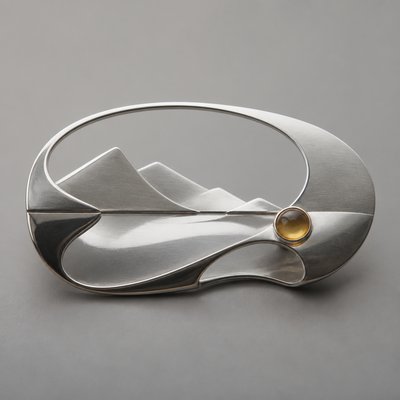
High-polish, brushed, matte, and oxidized surfaces are frequently combined in one object. The contrast between reflective and muted areas creates depth and emphasizes the object’s structural details.
Geometric and organic interplay
Sharp edges, arcs, loops, and angular intersections are often combined with flowing contours. This interplay gives the work an architectural yet tactile quality.
Negative space and openness
Empty space is used as an active design element rather than a leftover gap. Open frameworks, cutouts, and suspended components allow the body or background to complete the composition.
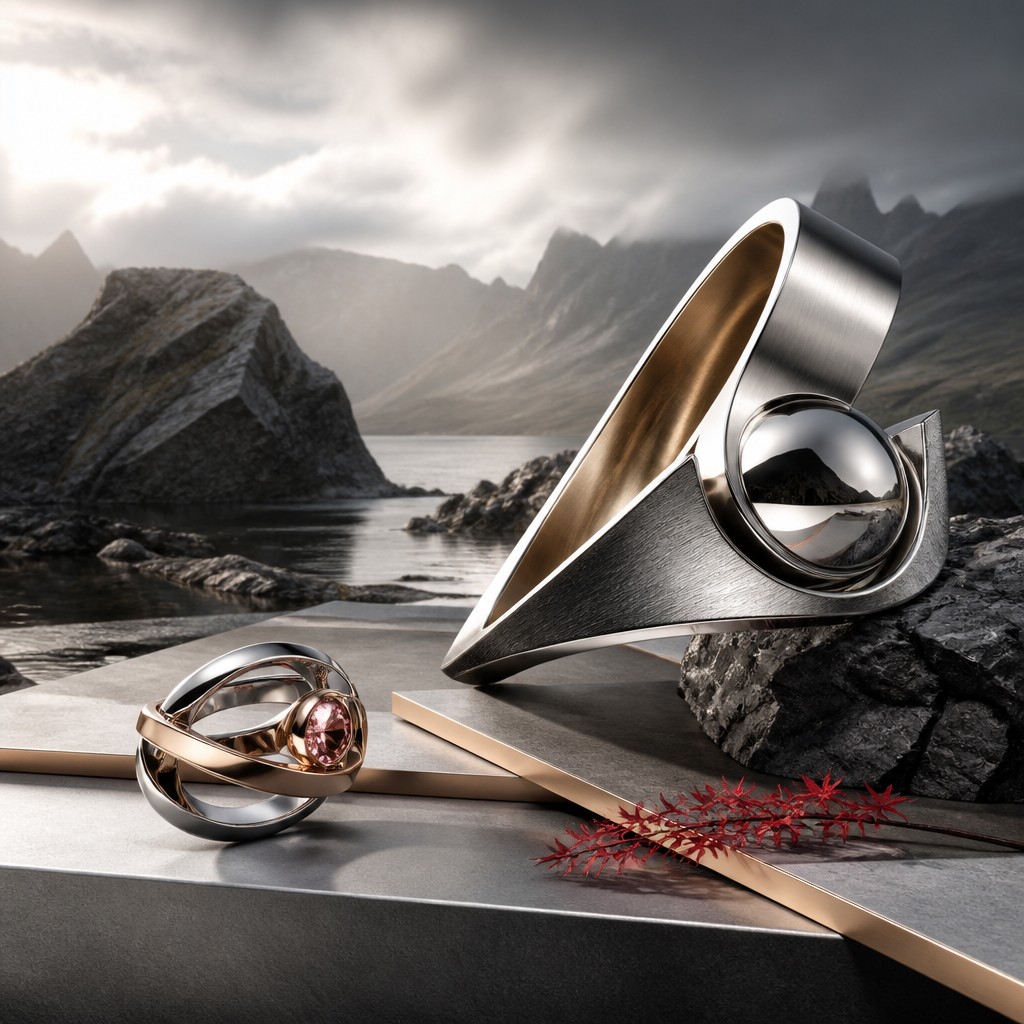
Selective color accents
The palette is typically restrained, with silver, gold, rose gold, and gunmetal dominating. A single gemstone, enamel inlay, or anodized detail may be used as a focal point.
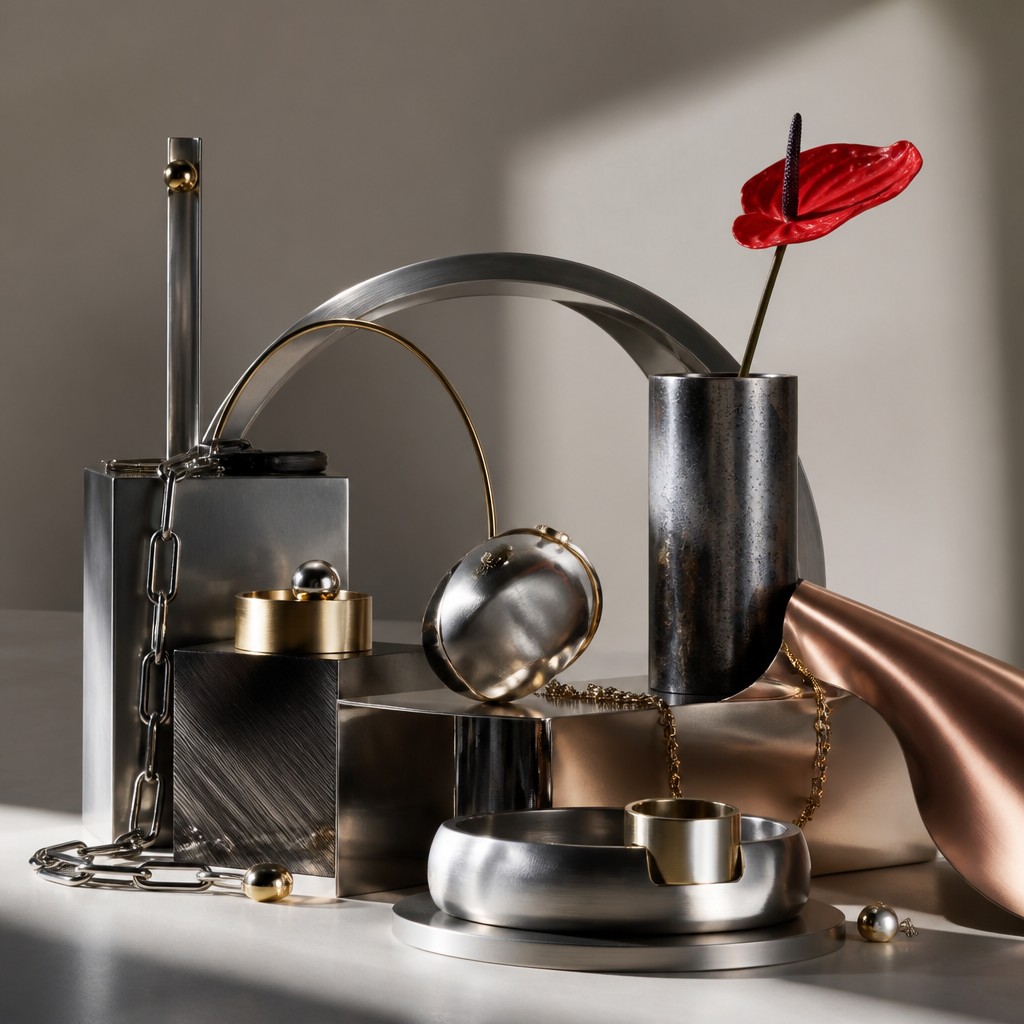
Precise surface treatment
Edges are crisp, joins are deliberate, and finishing is highly controlled. Whether the piece looks handmade or digitally fabricated, the finish usually suggests technical refinement.
Try It
Create Videos in Modern Contemporary Jewelry Design
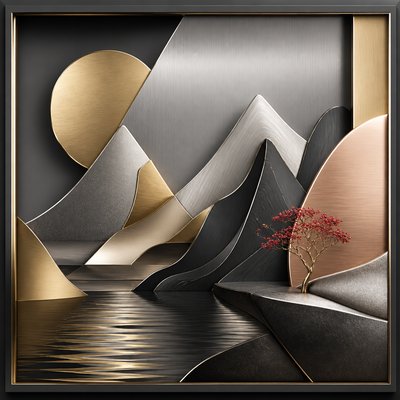
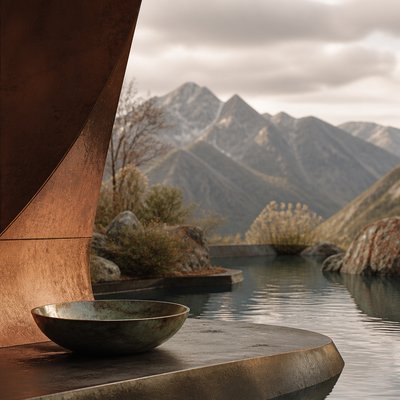
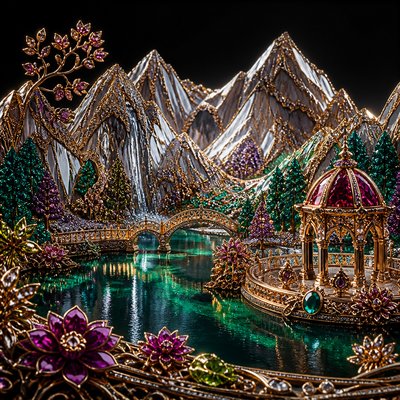
Styles aren't just for stills — describe a scene or animate an image and get a short video rendered in Modern Contemporary Jewelry Design. Press play to see this pond come to life.
Make a VideoModern Contemporary Jewelry Design Prompt Ideas
Start from an idea — each one opens the generator with the style ready to go. See all 40 Modern Contemporary Jewelry Design prompts →
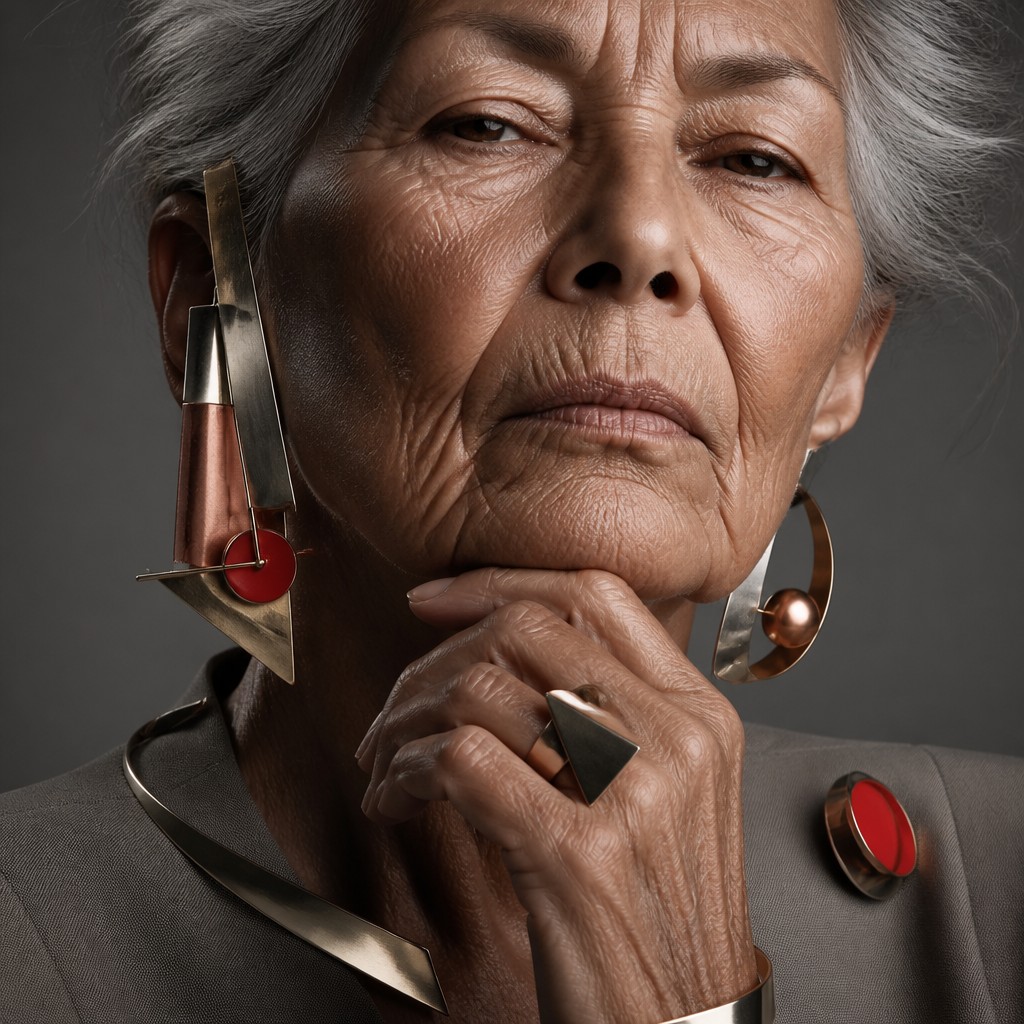
“close-up portrait of an elderly person with expressive weathered features”
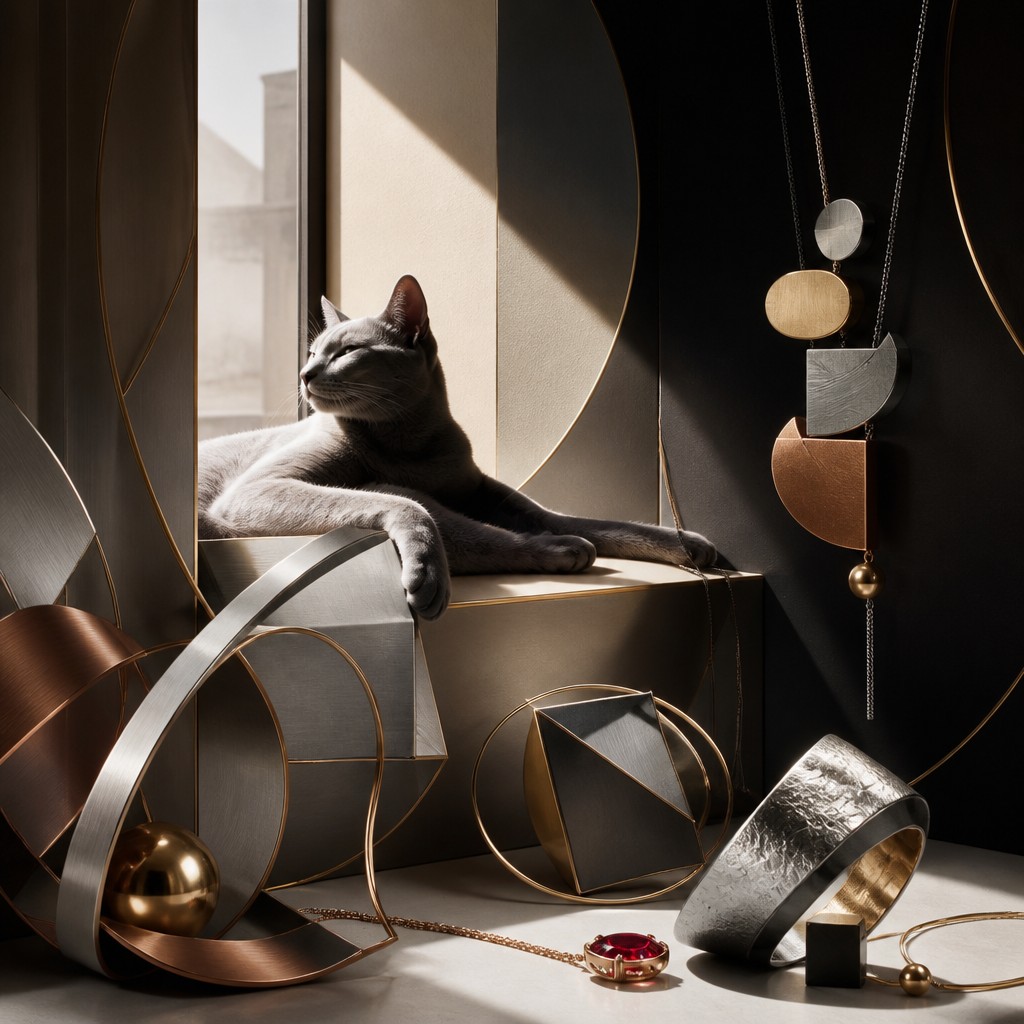
“a cat lounging in a sunlit window”
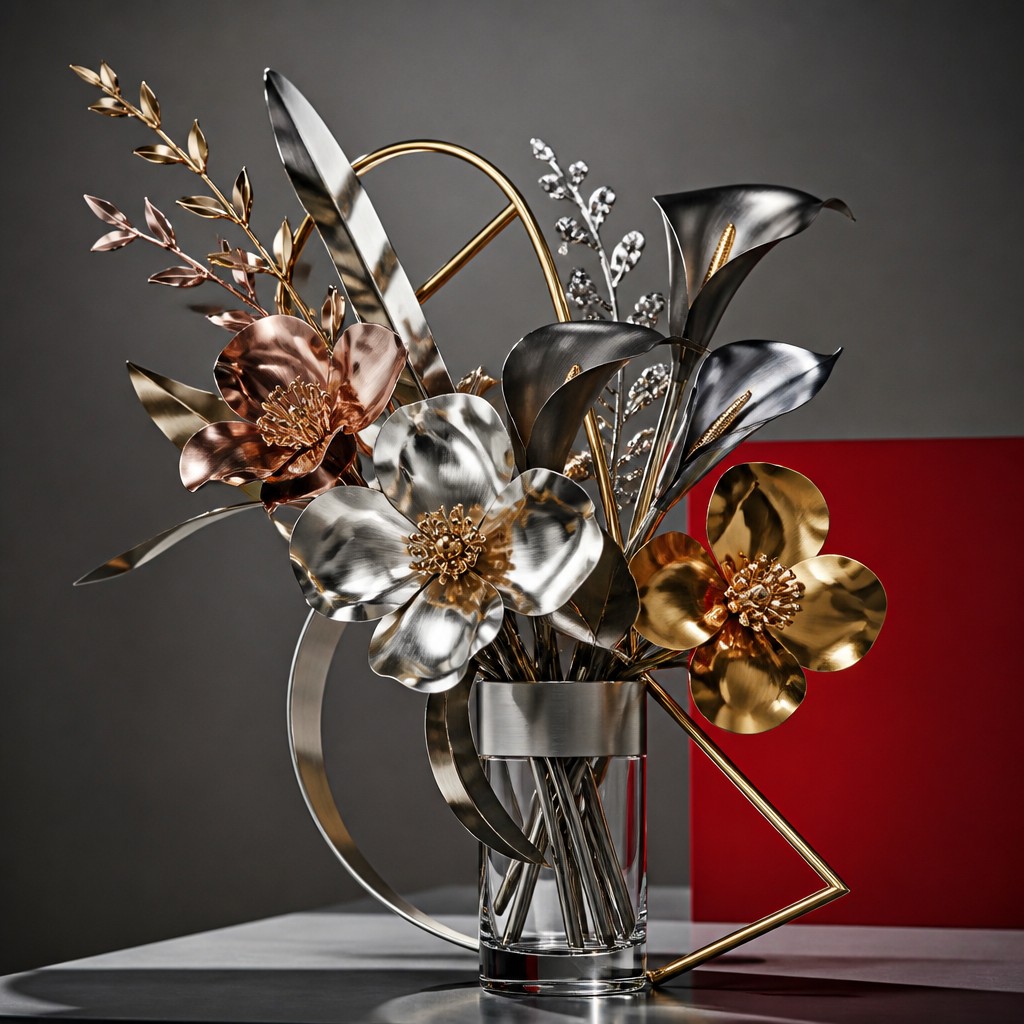
“bouquet of flowers in a glass vase”
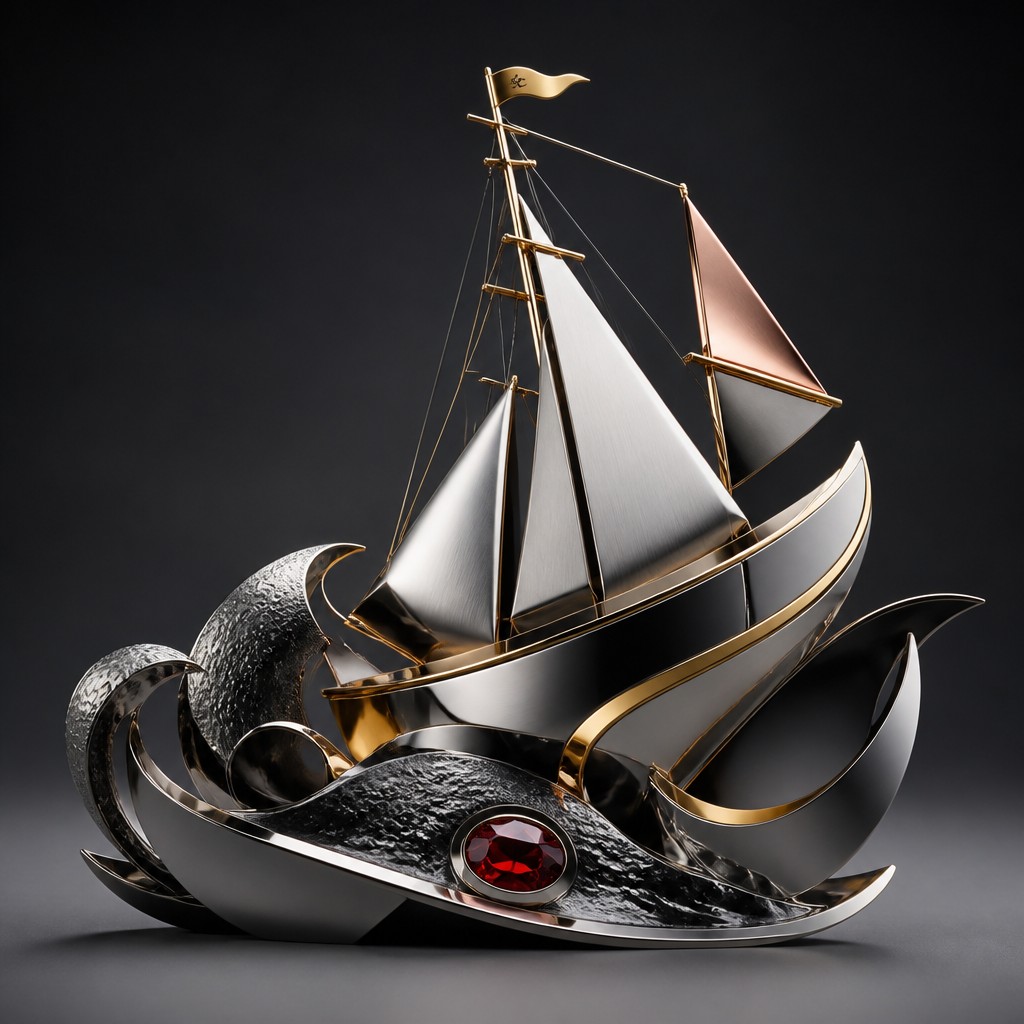
“sailing ship on a stormy sea”
How to Create Modern Contemporary Jewelry Design Art
Master the craft step by step — or skip straight to creating. Read the full guide →
- 1
Build the piece around silhouette first
Start with a strong outline in profile before adding surface detail, because this style depends on the object’s overall shape. In traditional sketching or digital modeling, test how the piece reads from multiple angles and how it sits on the body.
- 2
Contrast finishes intentionally
Combine mirror polish with brushed or oxidized areas so the viewer can read different planes and edges clearly. In rendering or photography, use directional light to separate the finishes instead of flattening them into one metallic tone.
- 3
Use asymmetry with structural logic
Avoid random imbalance; let the piece feel counterweighted, hinged, suspended, or tensioned. In prompt-based generation, include terms like 'asymmetric', 'sculptural', 'counterbalanced', and 'architectural' to keep the form coherent.
- 4
Keep the palette restrained
Limit the base materials to a few metals and introduce color sparingly through a stone, enamel line, or embedded element. This makes the accent feel intentional and preserves the style’s modern, editorial look.
- 5
Emphasize craftsmanship or fabrication clarity
Whether hand-fabricated, cast, or digitally modeled, the joins, edges, and transitions should appear purposeful. In AI prompts, specify 'precision-made', 'clean seams', 'gallery-quality object', or 'studio jewelry rendering' for a more convincing result.

The Story
History & Origins of Modern Contemporary Jewelry Design
Modern contemporary jewelry does not refer to a single historical movement with a fixed starting point. Its lineage emerges from 20th-century modernism, postwar studio jewelry, and late 20th- and early 21st-century design culture, where jewelers increasingly treated adornment as an independent sculptural medium rather than purely decorative accessory. The style draws from modern architecture, industrial design, and minimal sculpture, while also absorbing ideas from conceptual art and craft-based studio practice.
Its development has been shaped by advances in fabrication methods, including CAD modeling, laser cutting, precision casting, and experimental metal finishing, which made complex asymmetry and refined surface contrast more achievable. At the same time, contemporary jewelry makers have continued to respond to older traditions such as Art Nouveau’s organic line, Bauhaus clarity, and the hand-finished ethos of studio craft, producing a field defined by innovation rather than a single unified school.
Influences: Modern contemporary jewelry is related to modernist design, Bauhaus clarity, and postwar studio jewelry, as well as minimal sculpture and industrial design. Its organic line can recall Art Nouveau, while its disciplined geometry and material honesty echo Constructivism and the work of notable constructivist sculptors; its conceptual and object-based thinking also aligns with later contemporary art practices.
Frequently Asked Questions
What defines modern contemporary jewelry design?
It is defined by sculptural form, asymmetry, mixed metal finishes, and a focus on concept as much as ornament. The style often looks like wearable sculpture rather than conventional matching jewelry.
How is it different from classic or traditional jewelry design?
Traditional jewelry often emphasizes symmetry, gemstone display, and established motifs such as floral or bridal forms. Modern contemporary jewelry is more open to unusual silhouettes, negative space, and material experimentation.
What materials are common in this style?
Precious metals such as silver, gold, rose gold, and platinum are common, but so are gunmetal finishes, oxidized metal, enamel, resin, and carefully selected stones. The material mix matters because contrast is a core part of the visual language.
Can this style still look luxurious if it is minimalist?
Yes. Luxury in this style often comes from precision, balance, finish quality, and thoughtful material selection rather than heavy ornament. A restrained piece can feel highly refined if its proportions and surfaces are carefully controlled.
Where is modern contemporary jewelry design used?
It appears in fine jewelry, independent designer collections, runway styling, editorial fashion shoots, museum craft exhibitions, and conceptual wearable art. It is especially common where jewelry is treated as design object rather than purely decorative accessory.
How can I create this style in a digital prompt or render?
Describe the object’s form, metal finish, and lighting with specificity: mention asymmetry, polished versus matte contrast, geometric and organic shapes, and a neutral background. If generating an image, add cues for studio product photography or gallery-object presentation so the result feels controlled and precise.
Create your first Modern Contemporary Jewelry Design artwork
Describe anything — or upload a photo — and see it in Modern Contemporary Jewelry Design in seconds.
Make Something with Modern Contemporary Jewelry Design
Related Styles
Discover similar art styles