Statement Jewelry Design
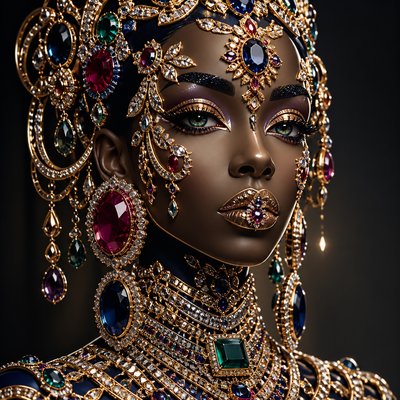
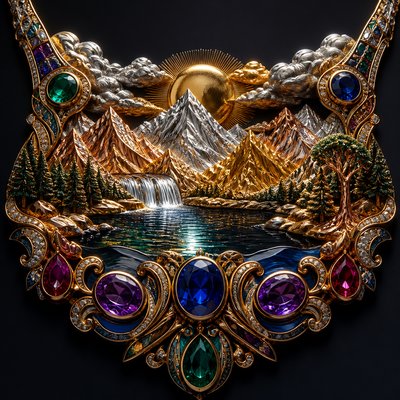
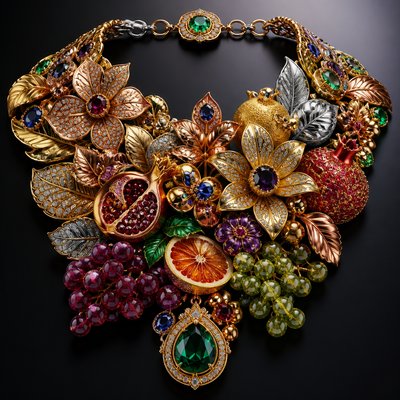
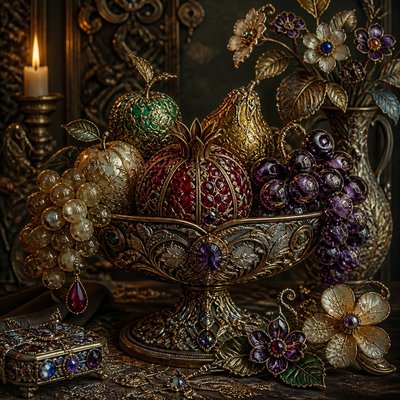
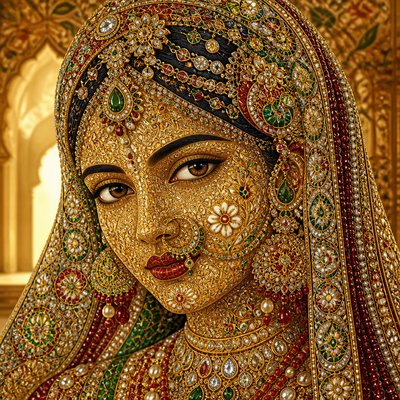
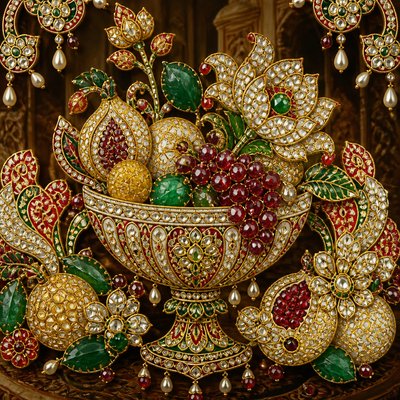
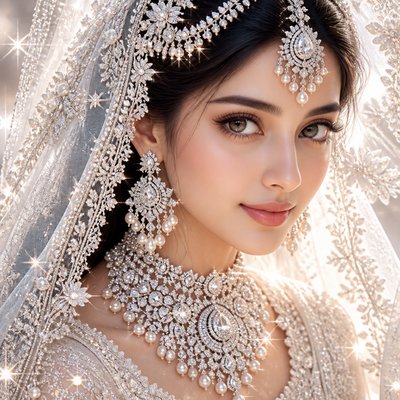
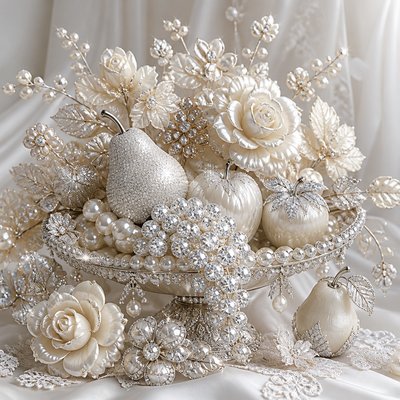
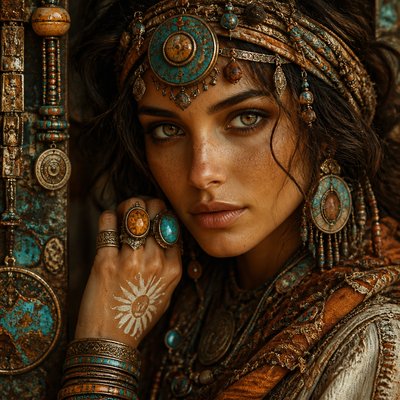
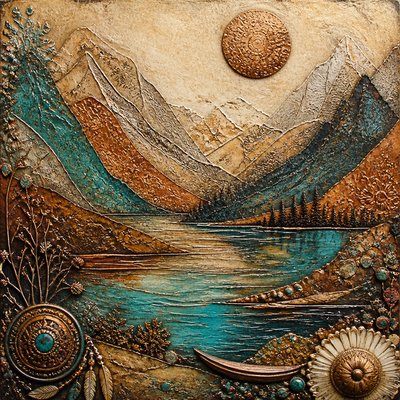
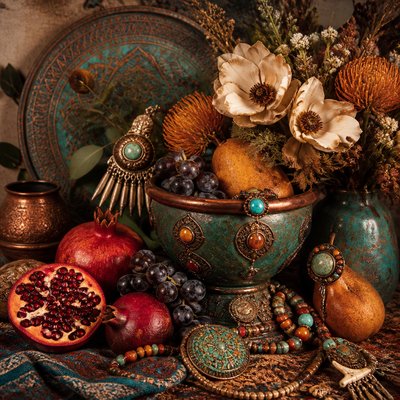
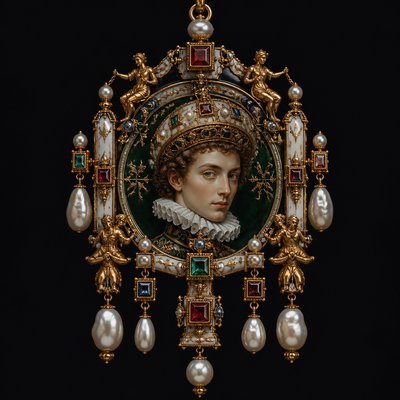
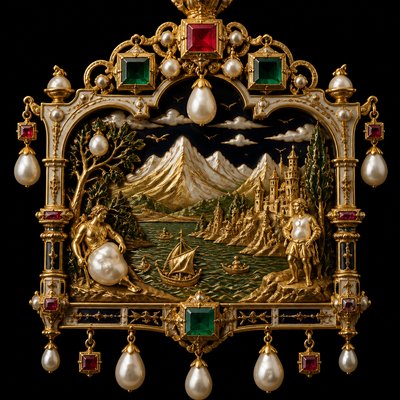
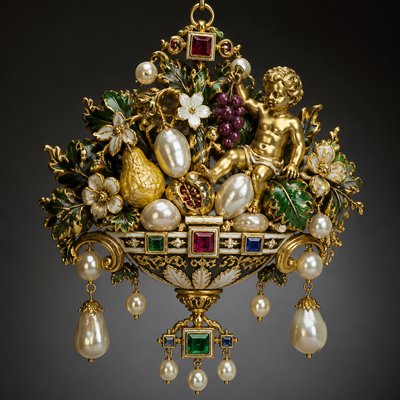
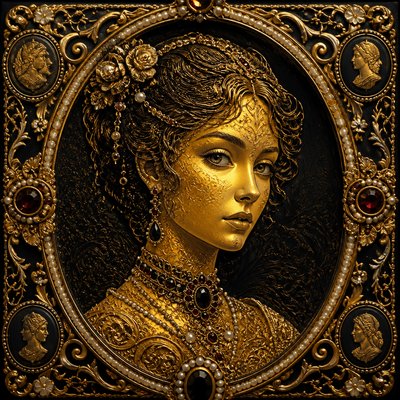
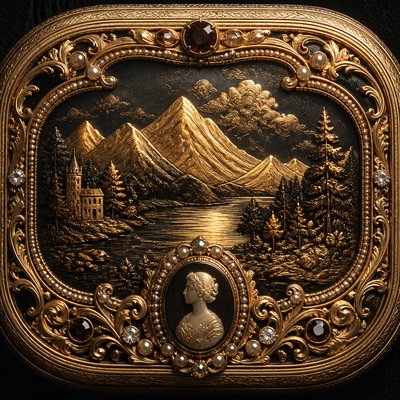
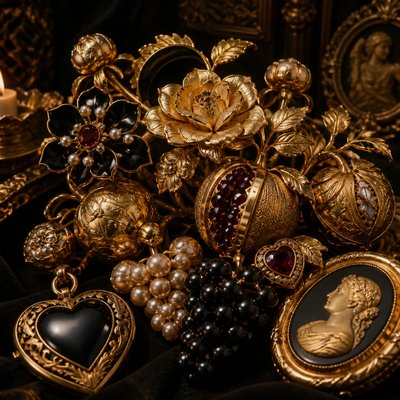
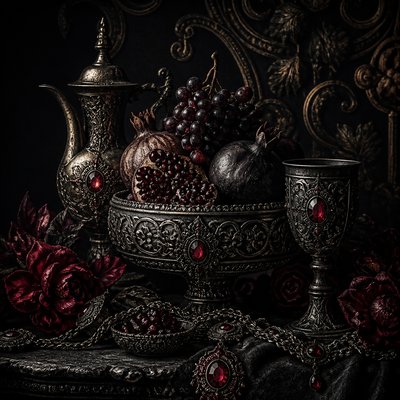
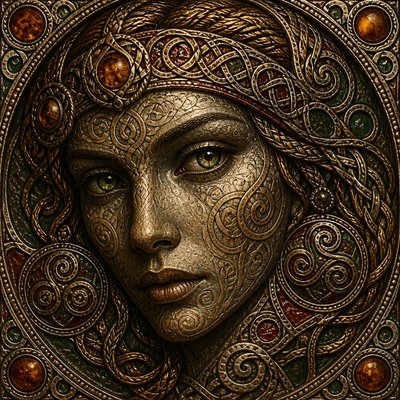
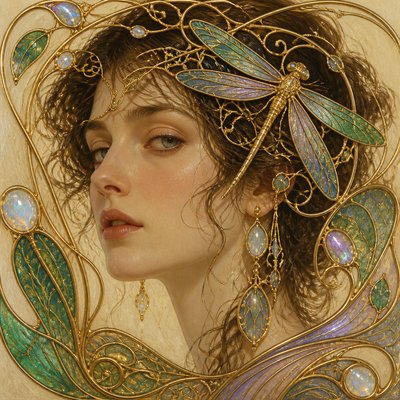
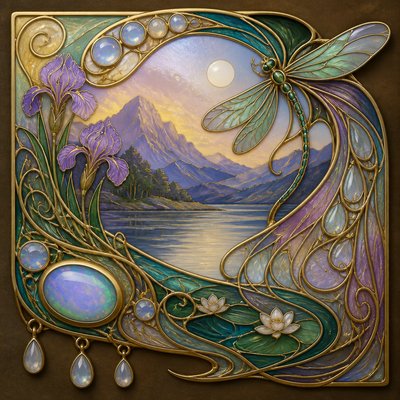
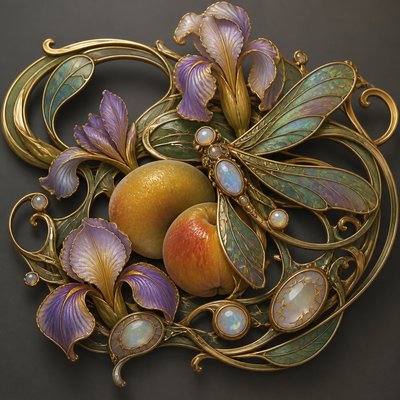
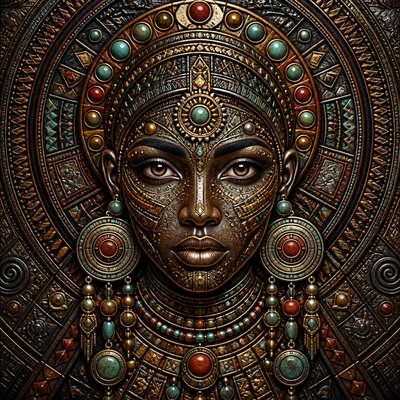
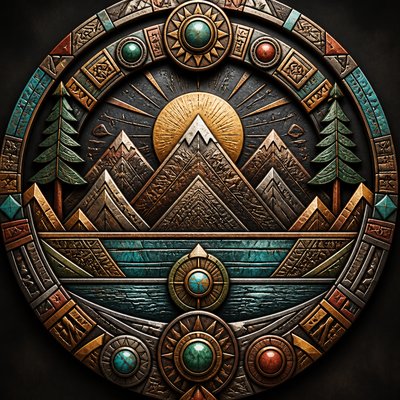
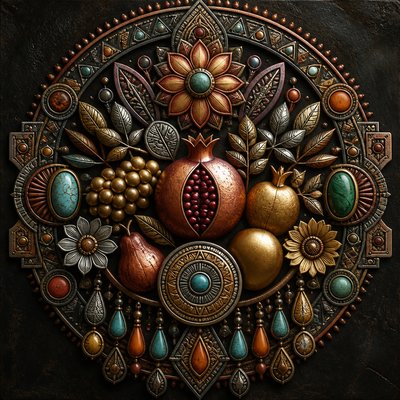
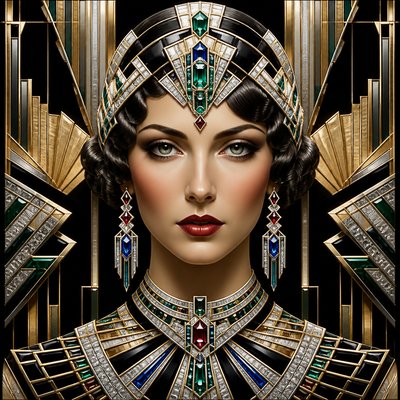
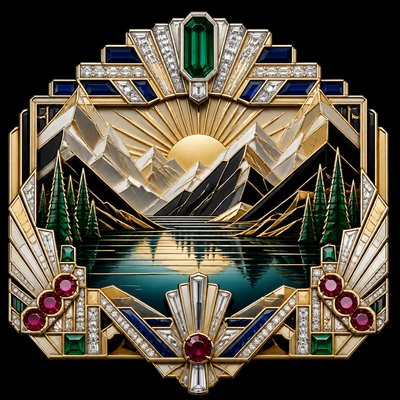
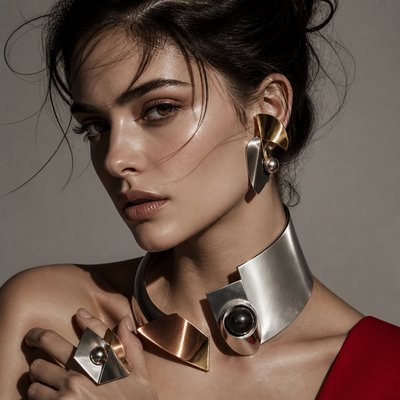
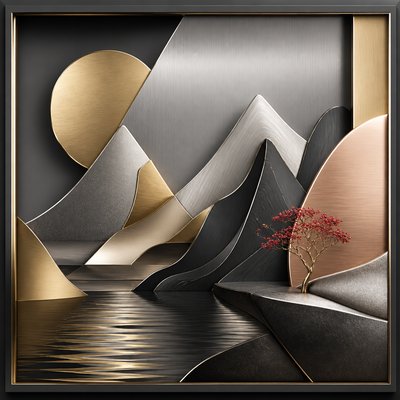
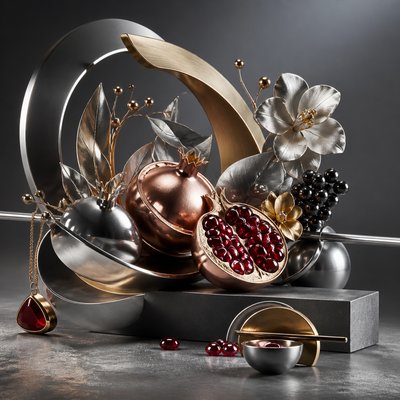
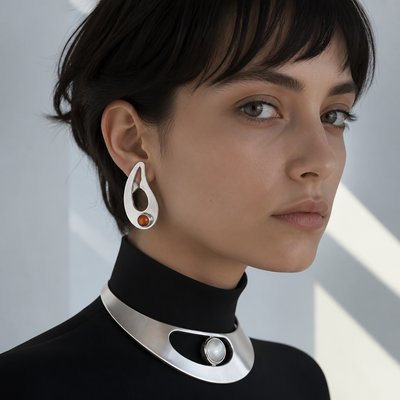
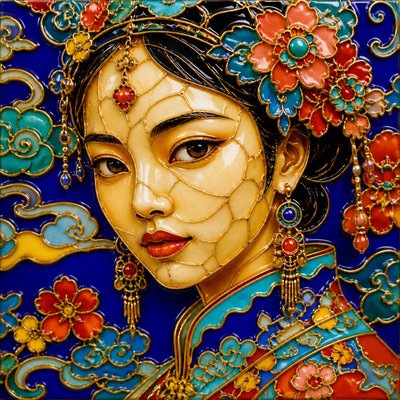
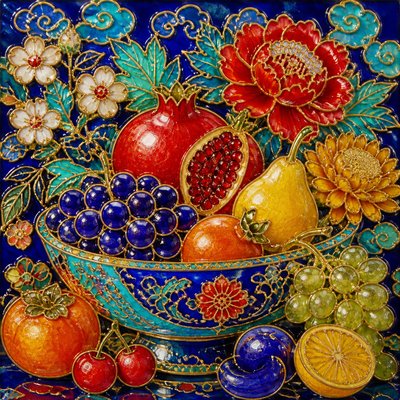
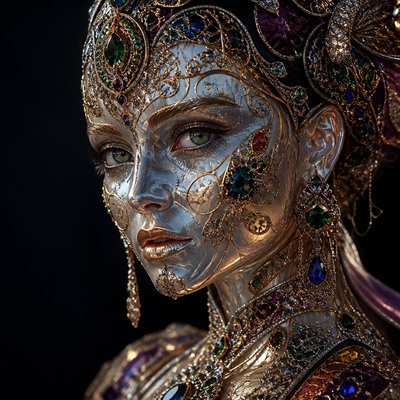
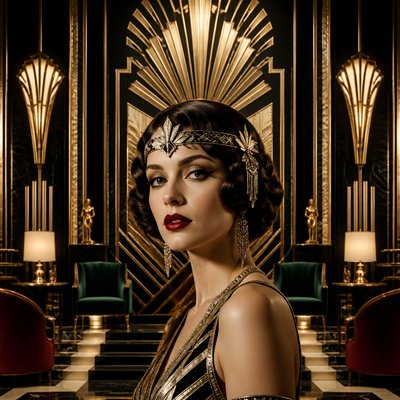
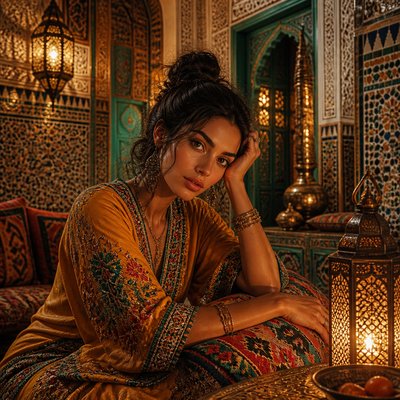
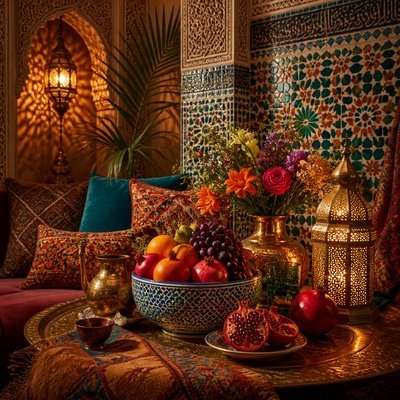
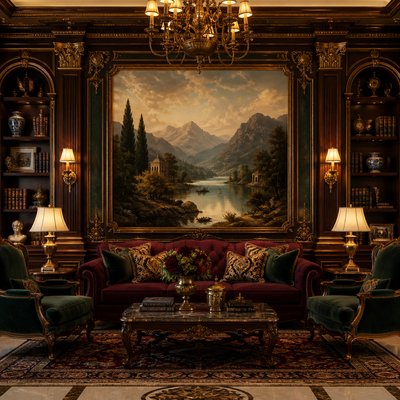
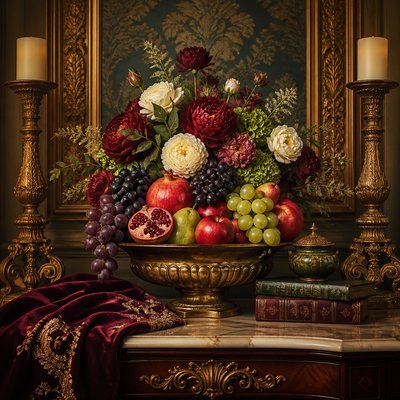
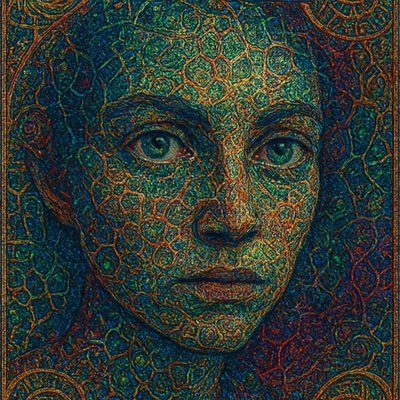
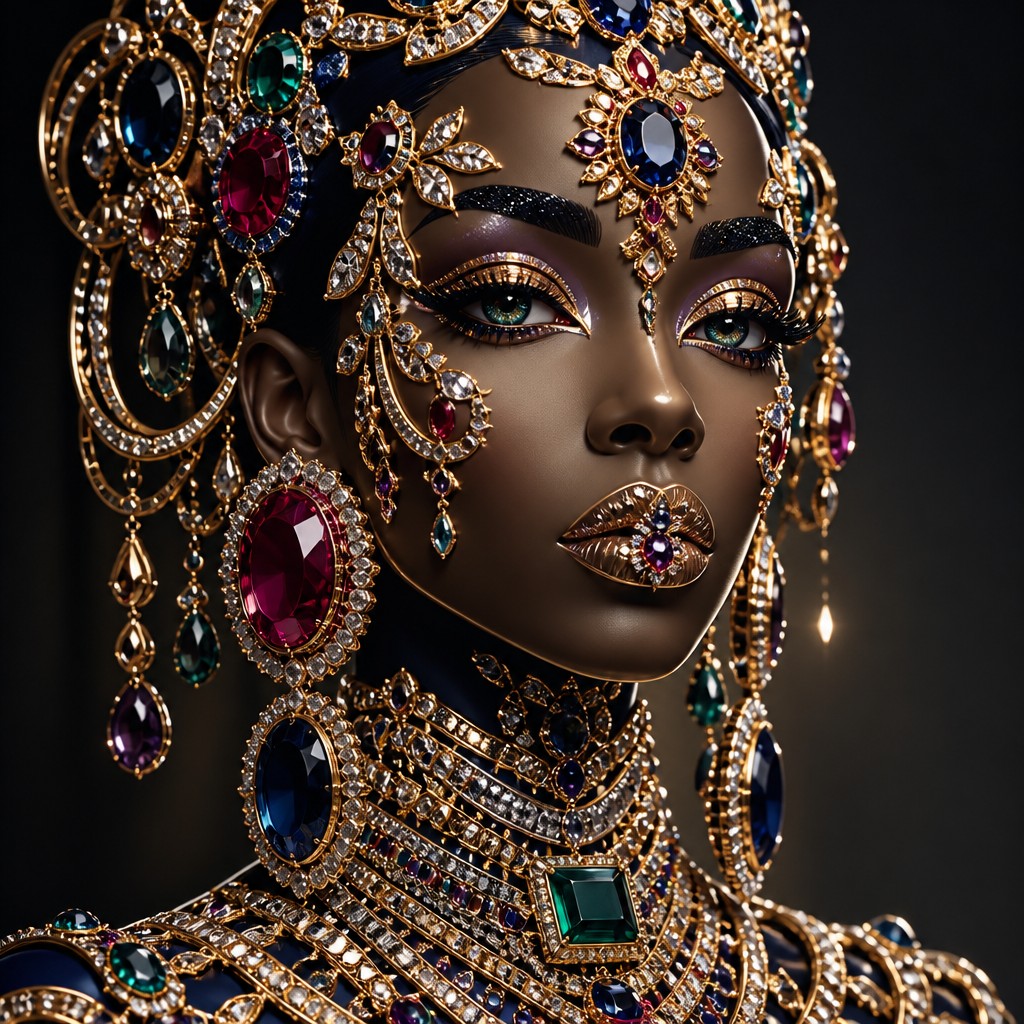
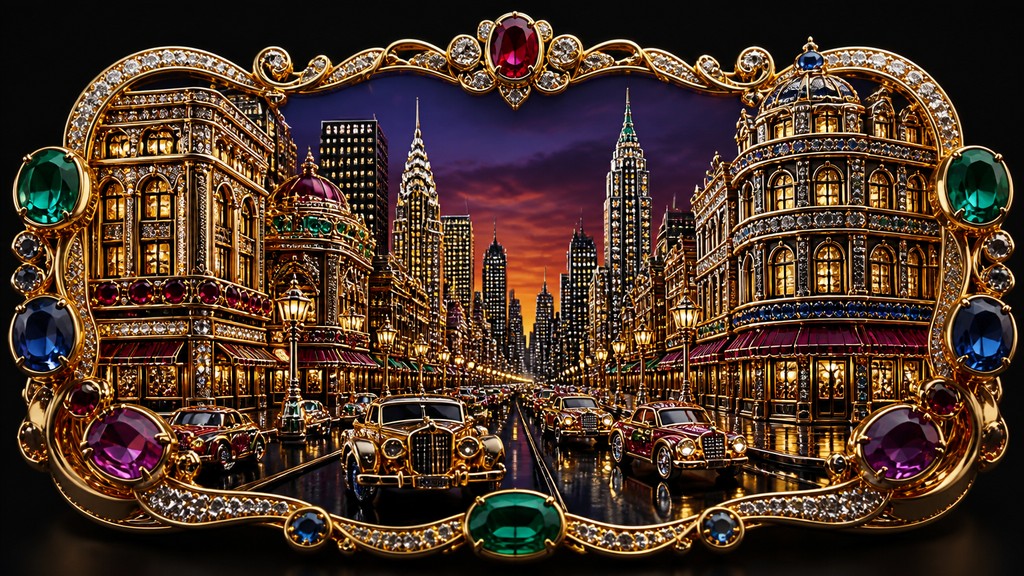
Bold oversized jewelry with jewel-toned surfaces, polished metals, and theatrical detailing designed to make a statement.
Instantly rendered in Statement Jewelry Design — or transform a photo
Statement Jewelry Design Gallery
Tap any artwork to explore it
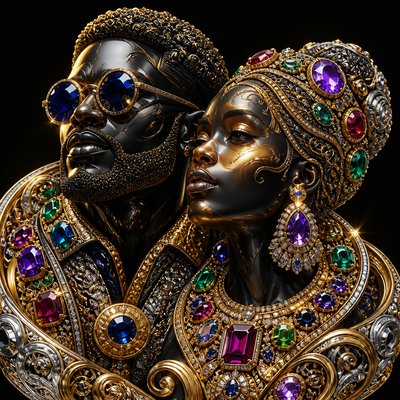
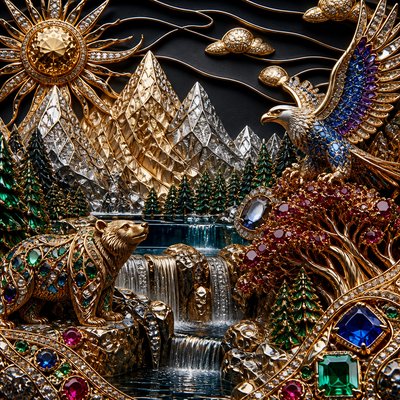
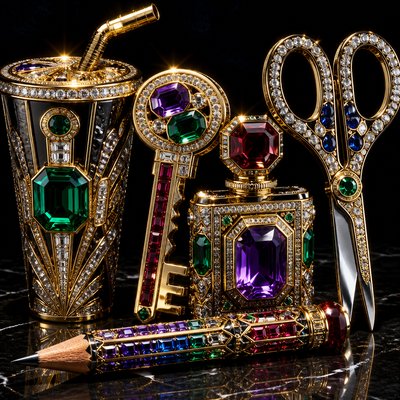
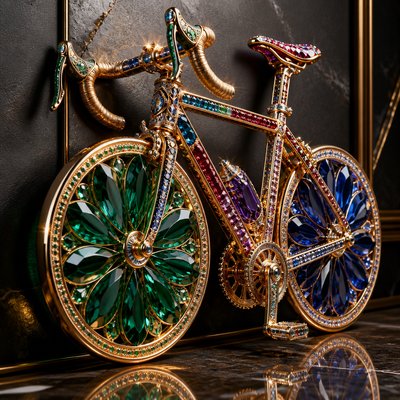
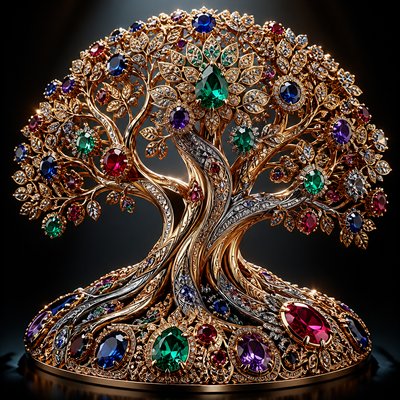
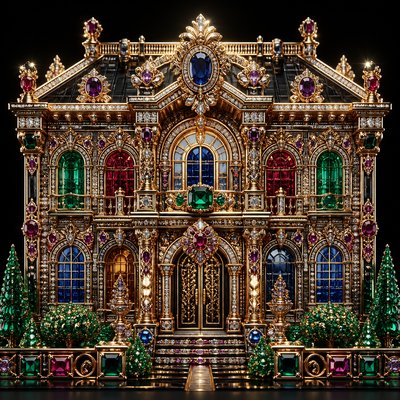
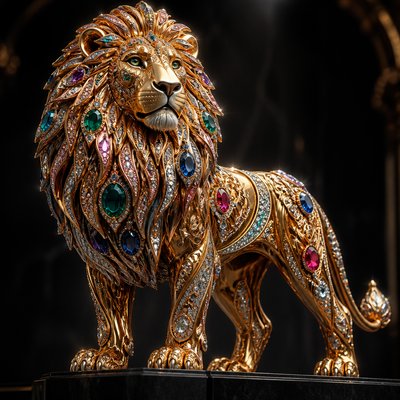
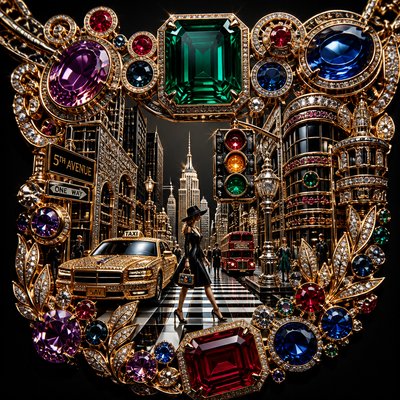
What is Statement Jewelry Design?
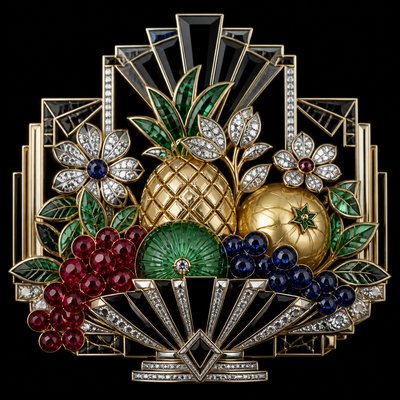
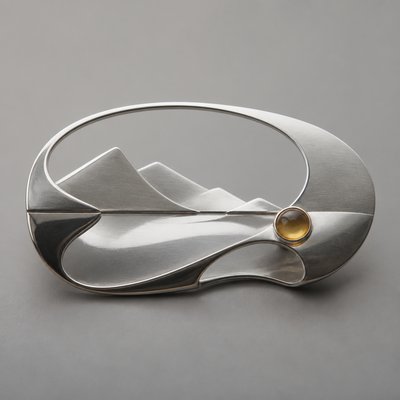
Statement jewelry design is an aesthetic built around scale, visibility, and ornament. Pieces in this style are intentionally oversized or visually dense, with forms that read immediately from a distance and retain detail up close. The look prioritizes dramatic silhouettes, luxurious materials, and a strong sense of presence, turning jewelry into the focal point of an outfit rather than a supporting accent.
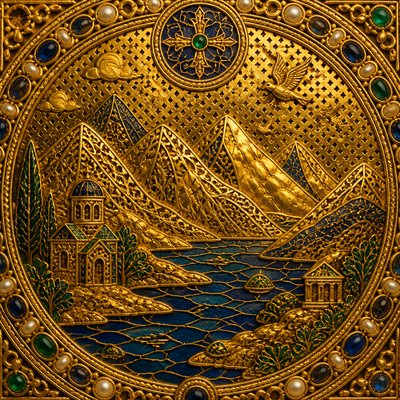
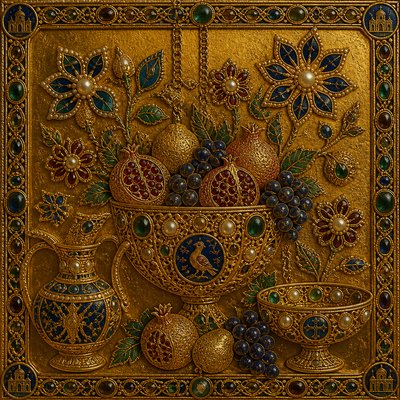
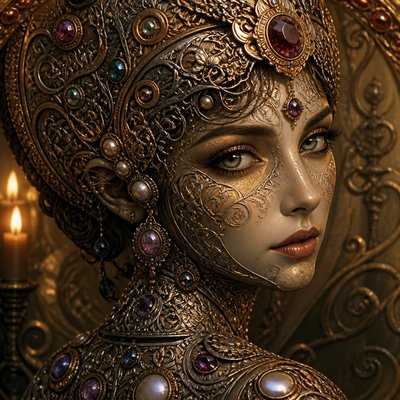
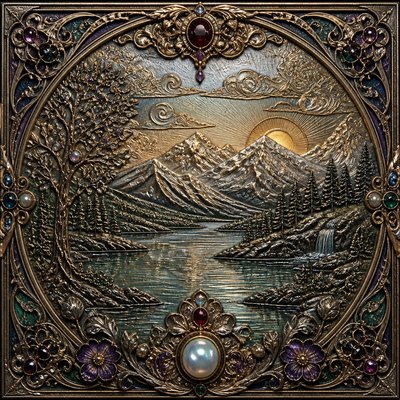
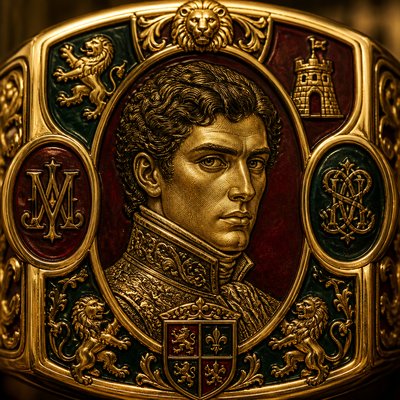
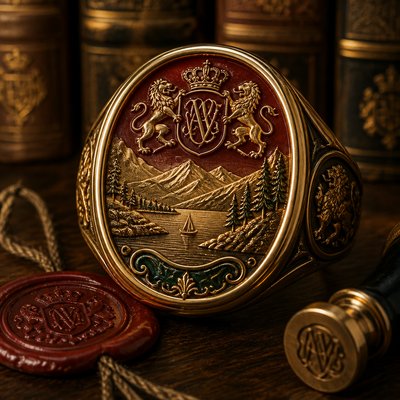
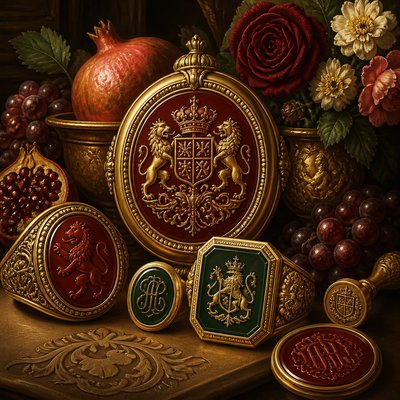
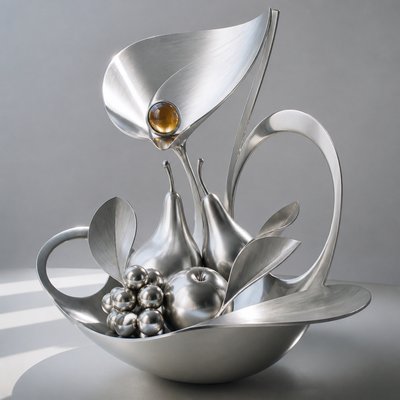
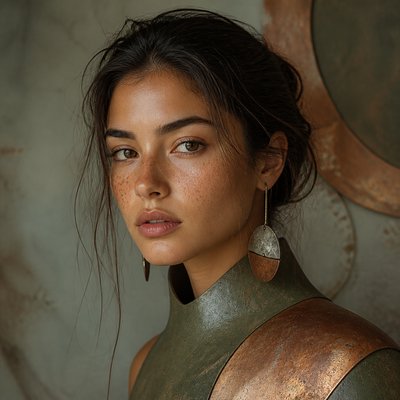
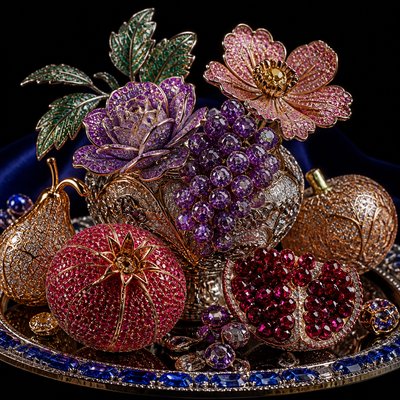
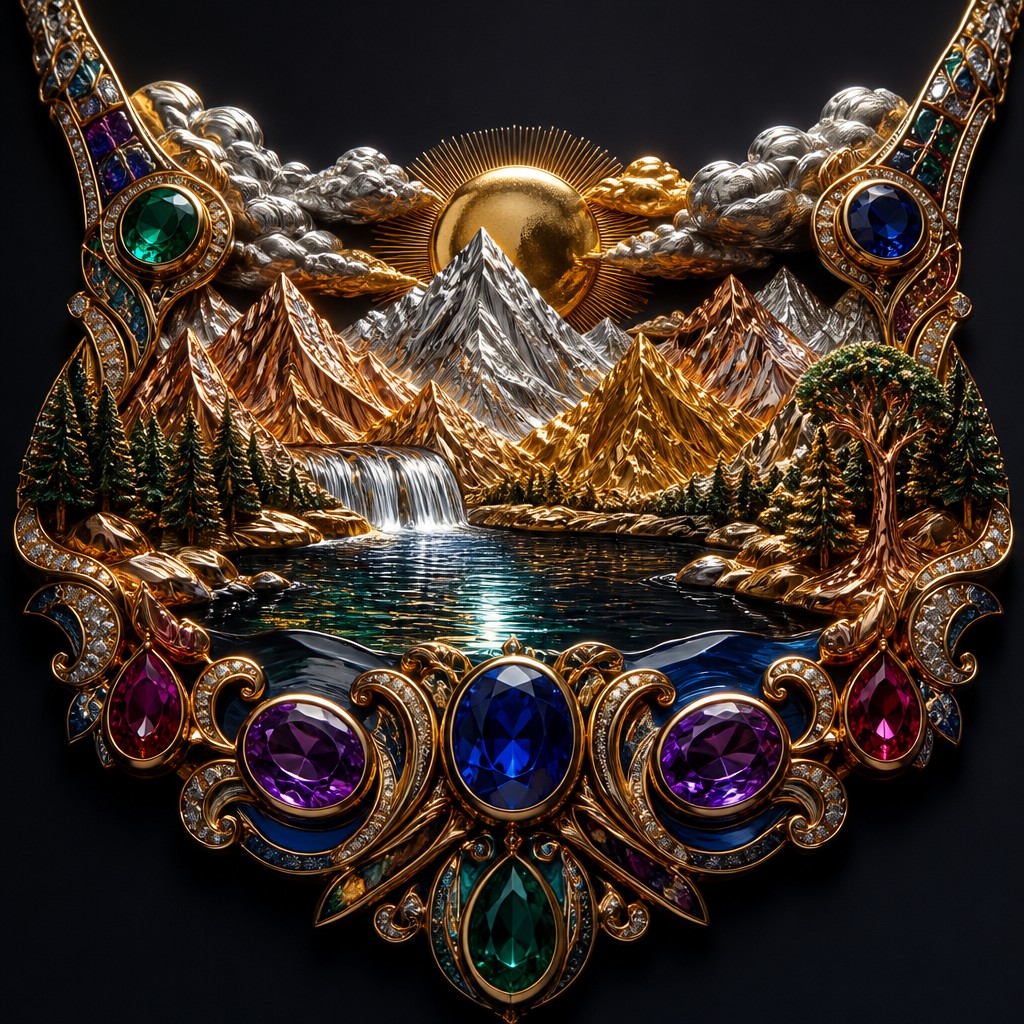
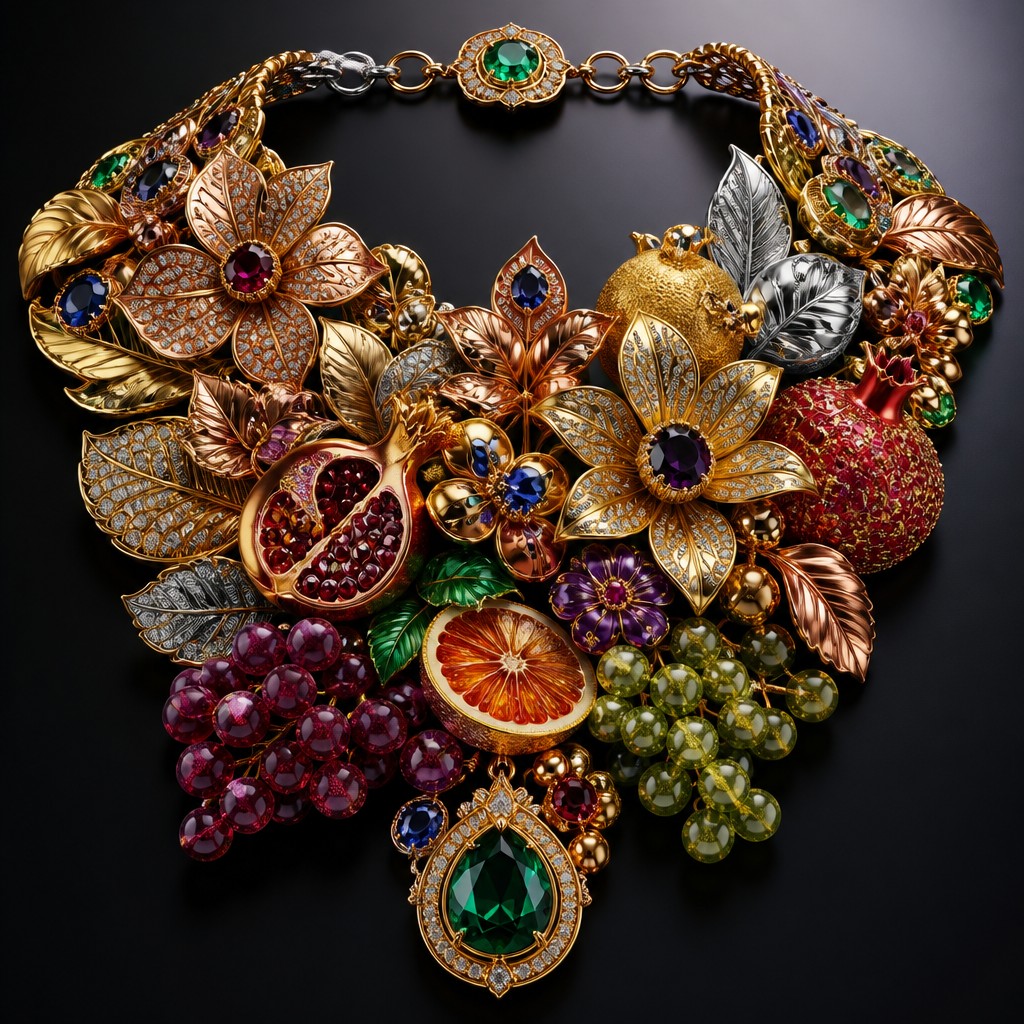
Its visual identity comes from the interplay of opulence and structure: high-polish gold, rose gold, and platinum surfaces; gemstone-like color accents in emerald, sapphire, ruby, and amethyst; and intricate decorative elements balanced against powerful, clean shapes. The style often looks theatrical because it borrows from court jewelry, couture accessories, sculptural design, and contemporary fashion editorial imagery, where light, reflection, and exaggeration are used to intensify the object’s impact.
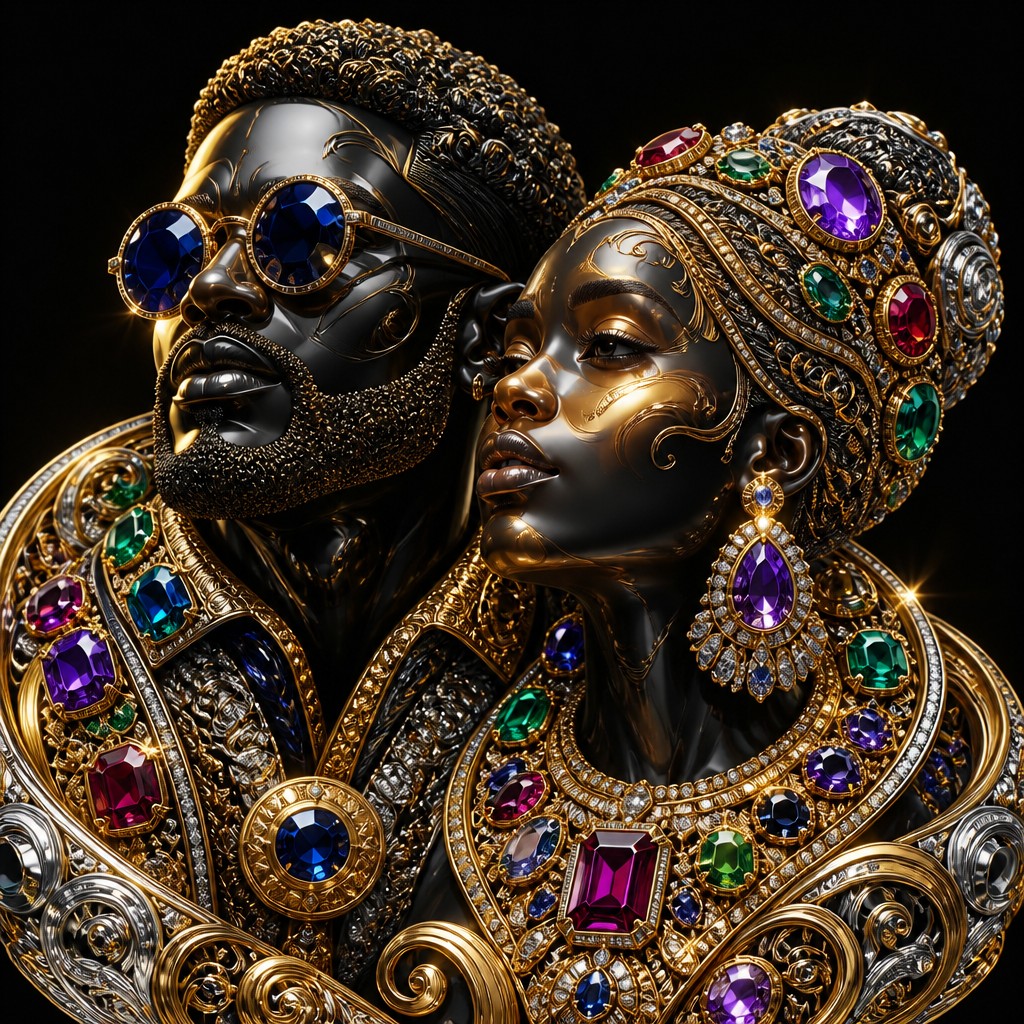
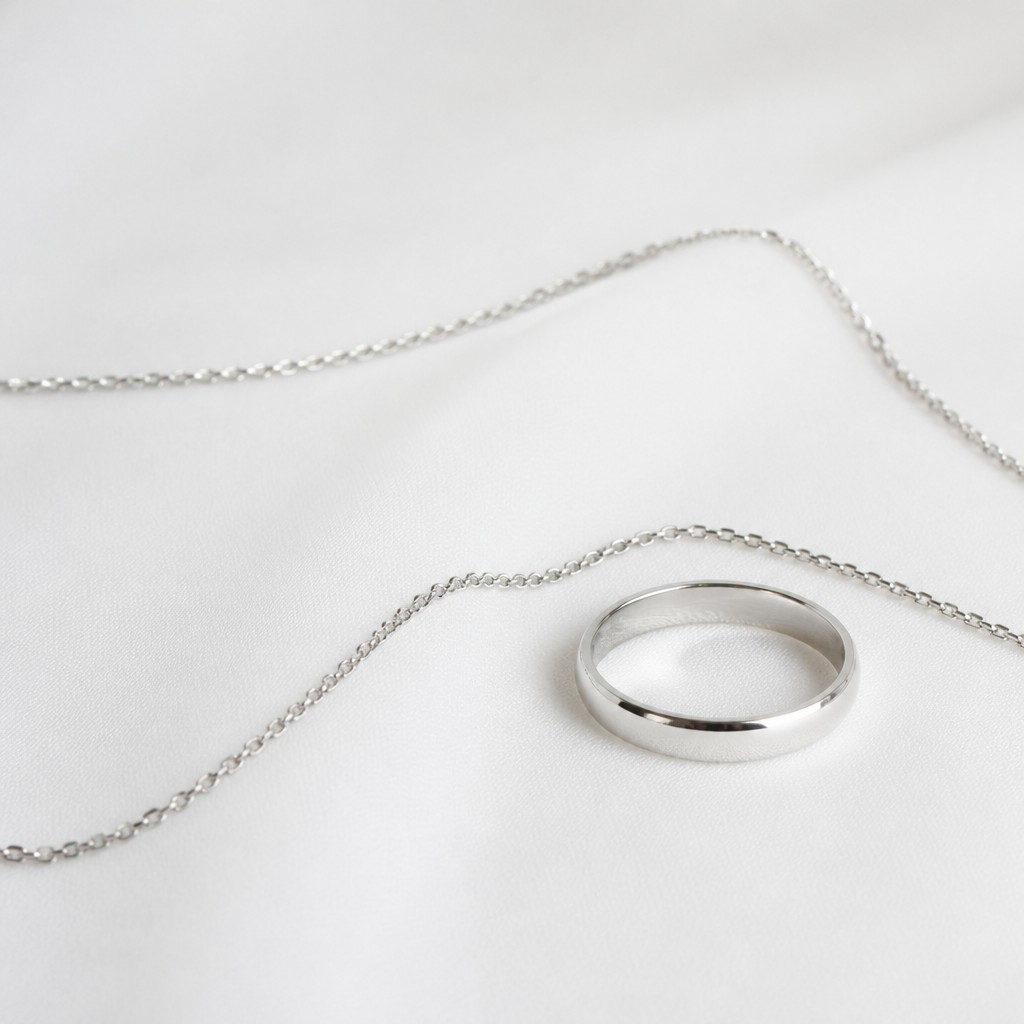
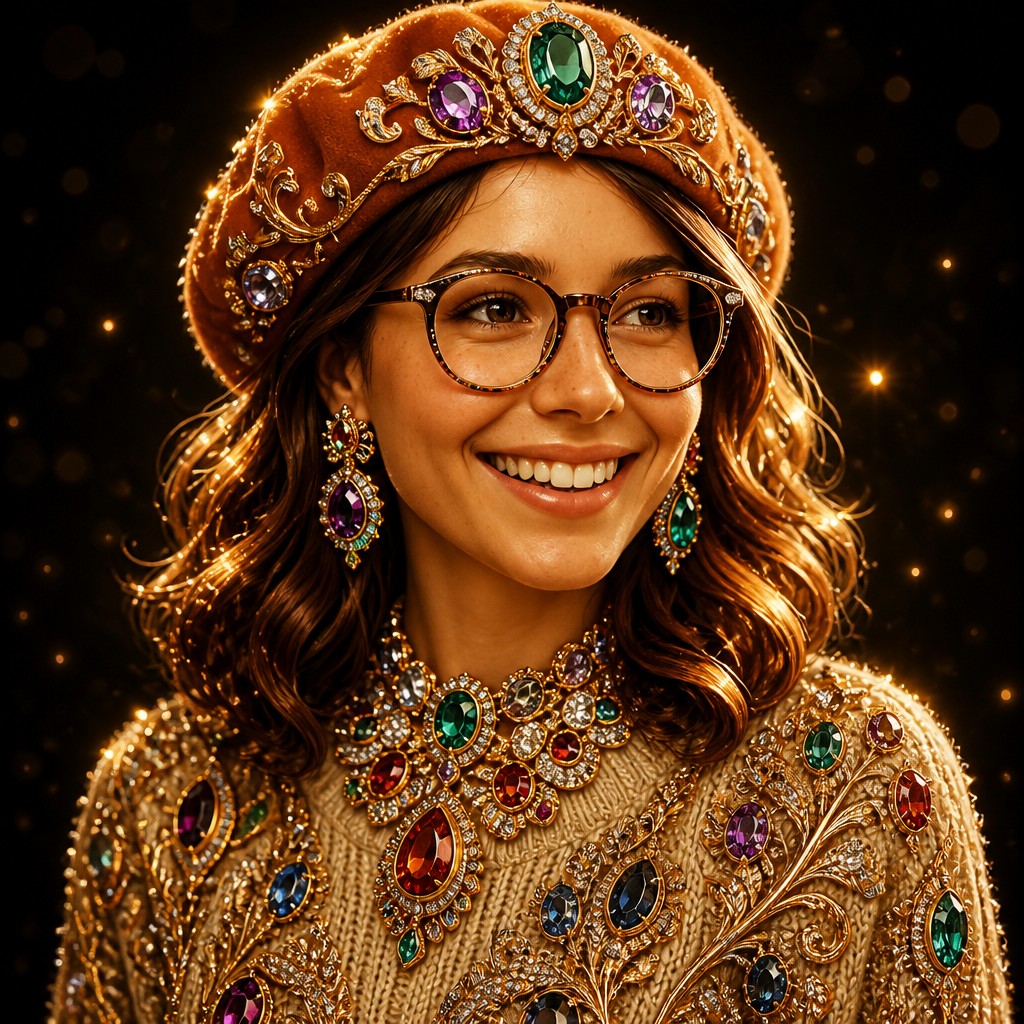
Try It On Your Photos
Upload any photo and convert it into Statement Jewelry Design — drag the sliders to compare before and after.
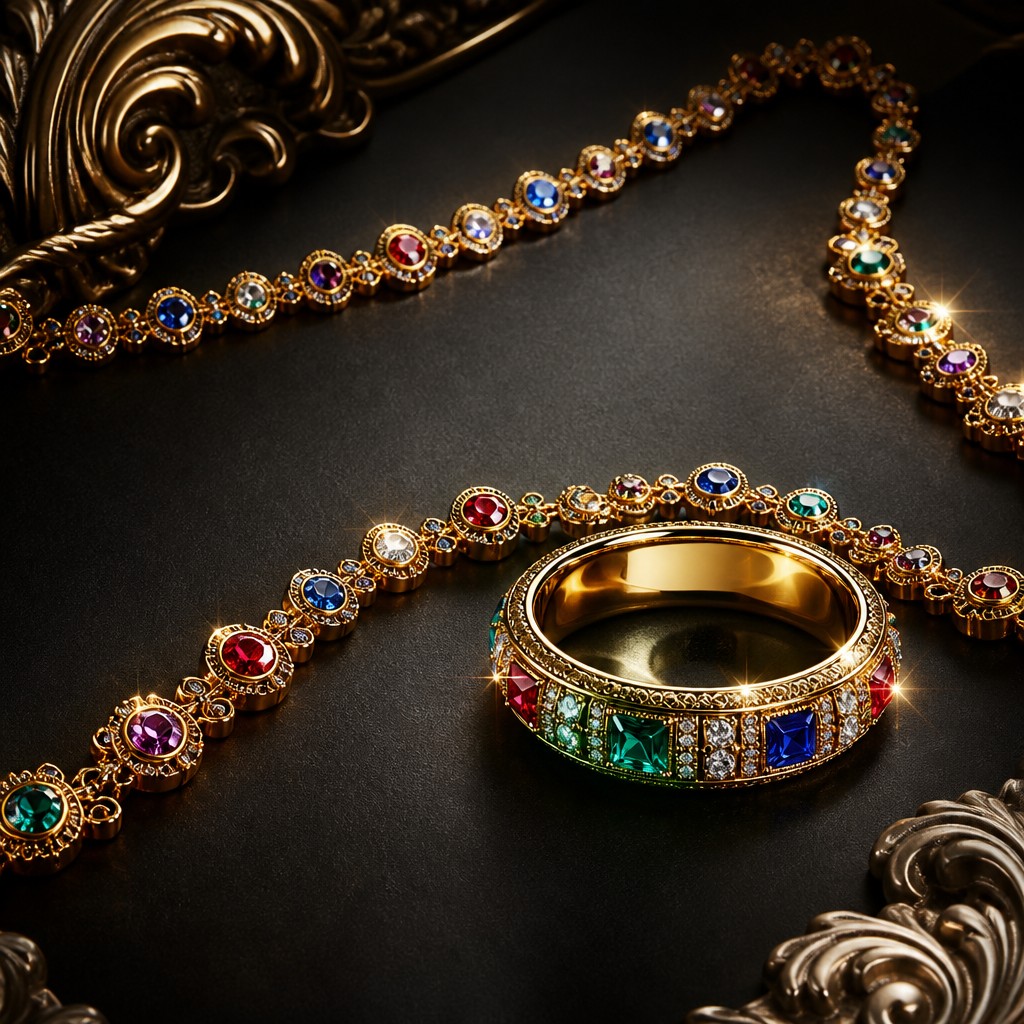

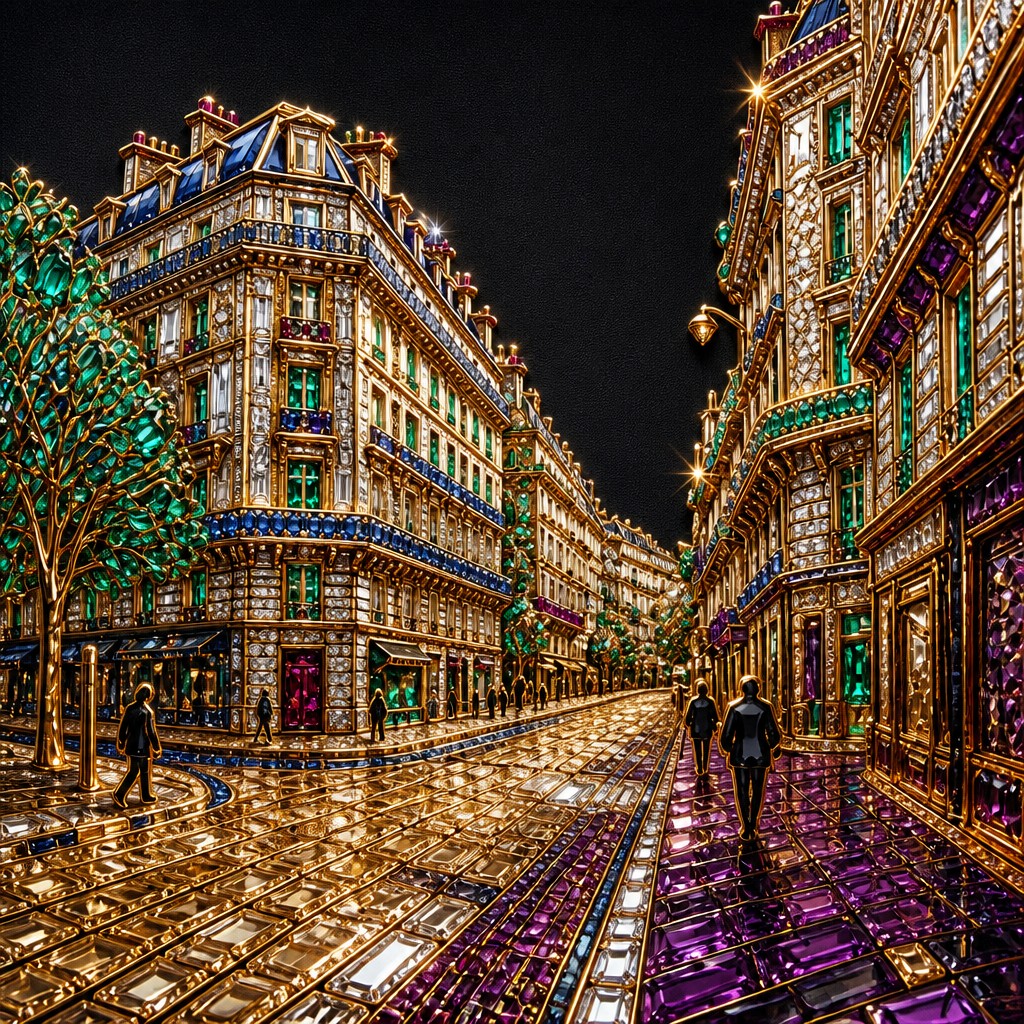

What Defines Statement Jewelry Design
The signature details, up close
Oversized scale
Pieces are deliberately large, often extending beyond conventional proportions for rings, earrings, necklaces, or cuffs. The scale creates immediate visual dominance and makes the object read as a focal point.
High-contrast materials
Shiny metals are commonly paired with matte or shadowed passages to intensify shape and depth. This contrast helps emphasize edges, ridges, and carved details.
Gemstone color accents
Jewel tones such as emerald green, sapphire blue, ruby red, and amethyst purple are frequently used to suggest precious stones or enamel. These colors provide focal points against metallic surfaces.
Ornate detailing
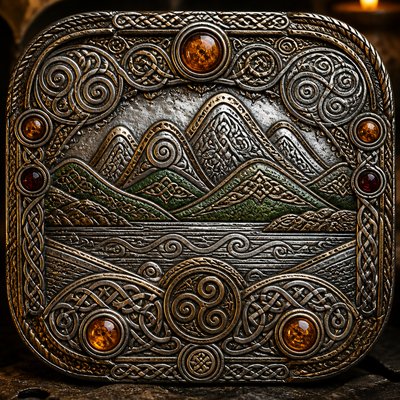
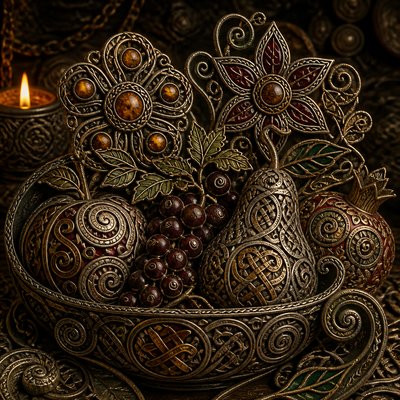
Scrollwork, filigree-like patterns, pavé effects, and engraved motifs add richness without sacrificing clarity. The detail is usually concentrated where it will enhance silhouette and light play.
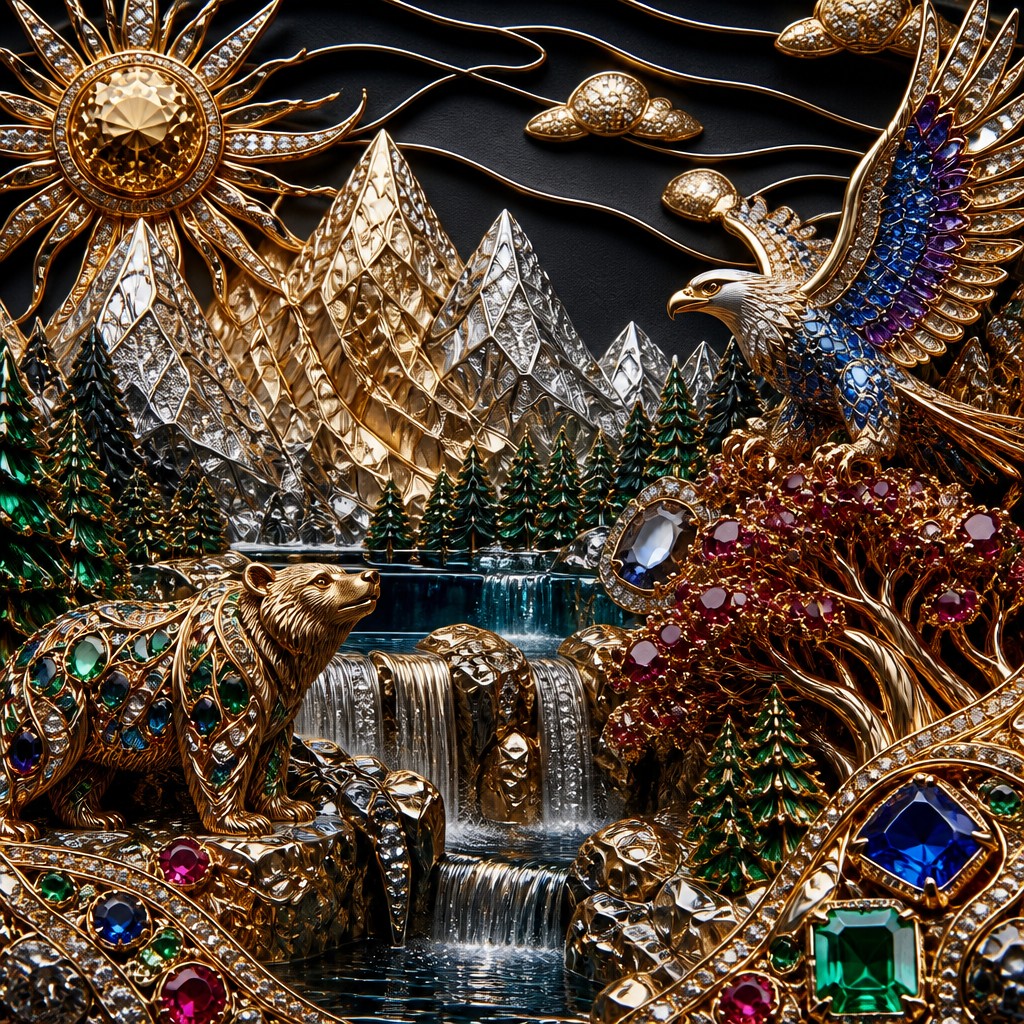
Sculptural silhouette
The overall form is strong and legible, often geometric, architectural, or organic in a highly stylized way. Even when ornate, the piece should have a clear outline.
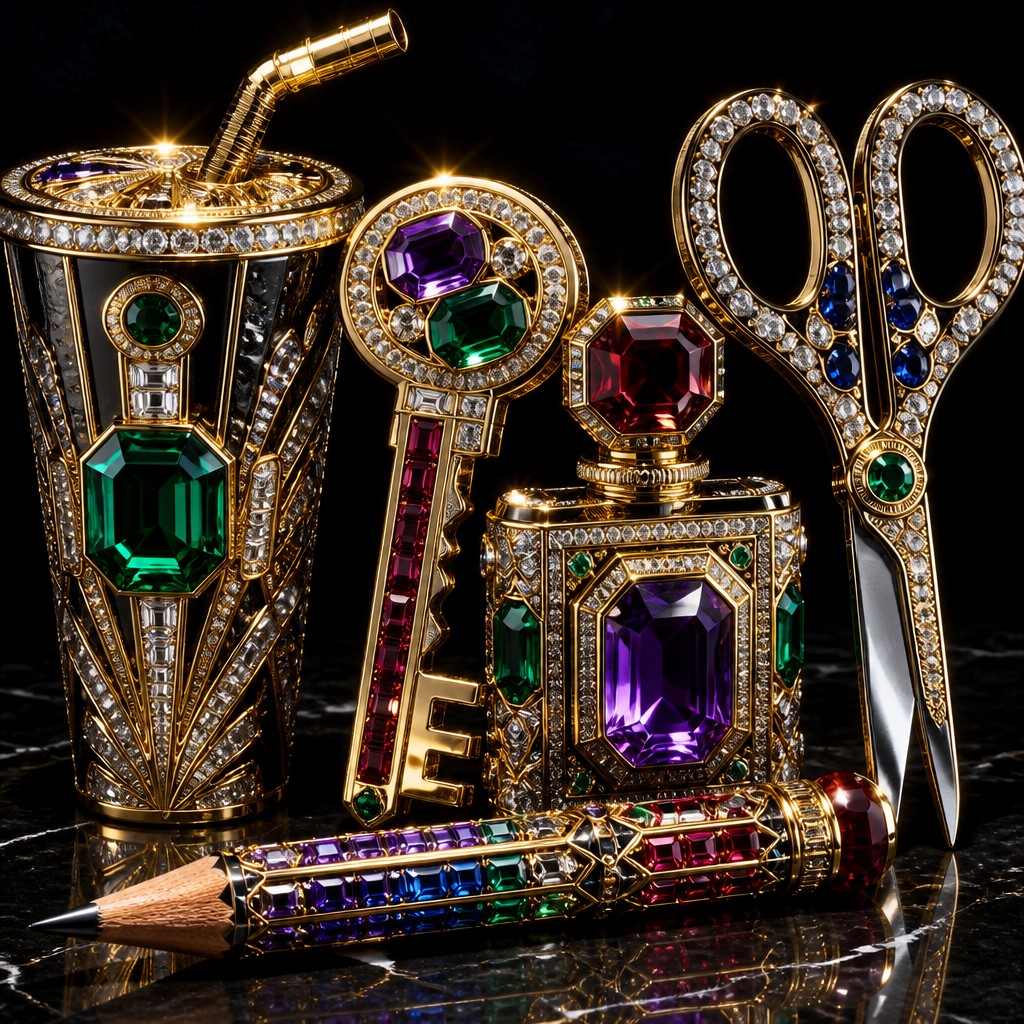
Theatrical light reflection
Specular highlights, glints, and sparkle effects are part of the style’s identity. The design depends on how light travels across polished surfaces and gemstone facets.
Try It
Create Videos in Statement Jewelry Design
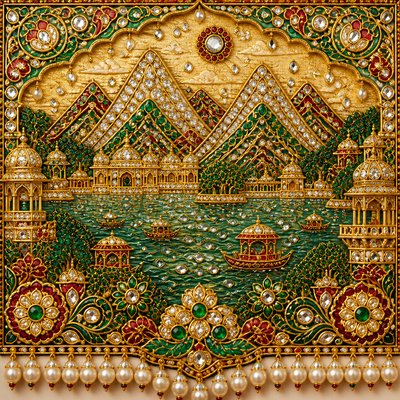
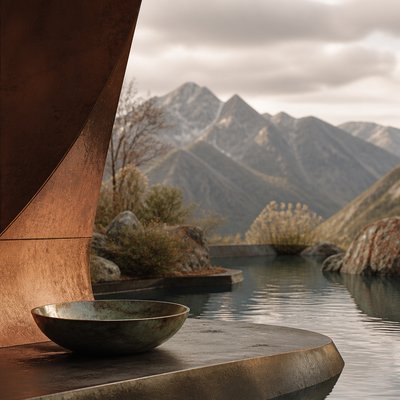
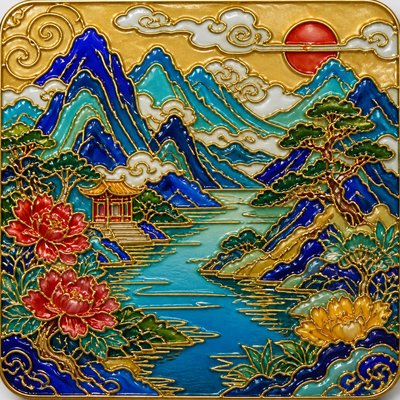
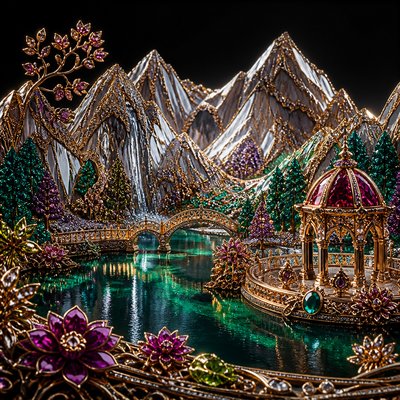
Styles aren't just for stills — describe a scene or animate an image and get a short video rendered in Statement Jewelry Design. Press play to see this pond come to life.
Make a VideoStatement Jewelry Design Prompt Ideas
Start from an idea — each one opens the generator with the style ready to go. See all 40 Statement Jewelry Design prompts →
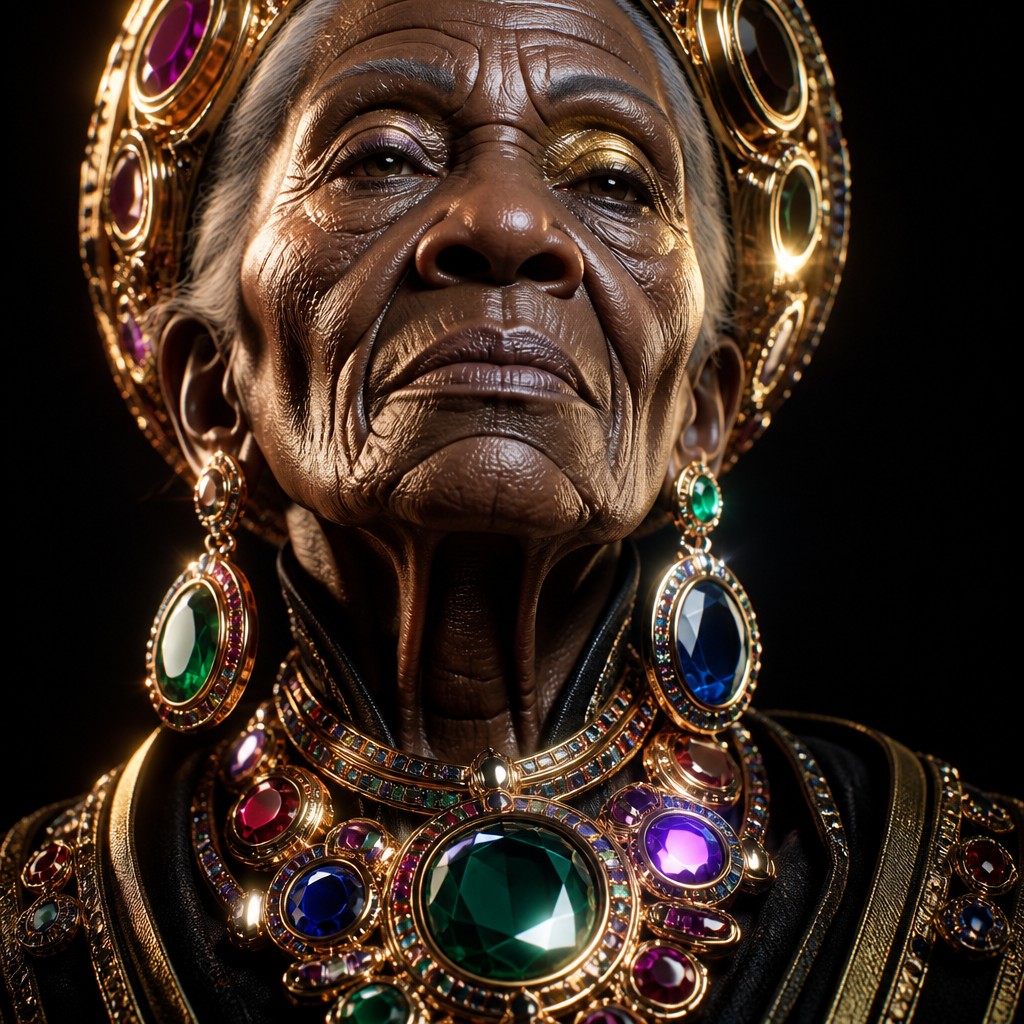
“close-up portrait of an elderly person with expressive weathered features”
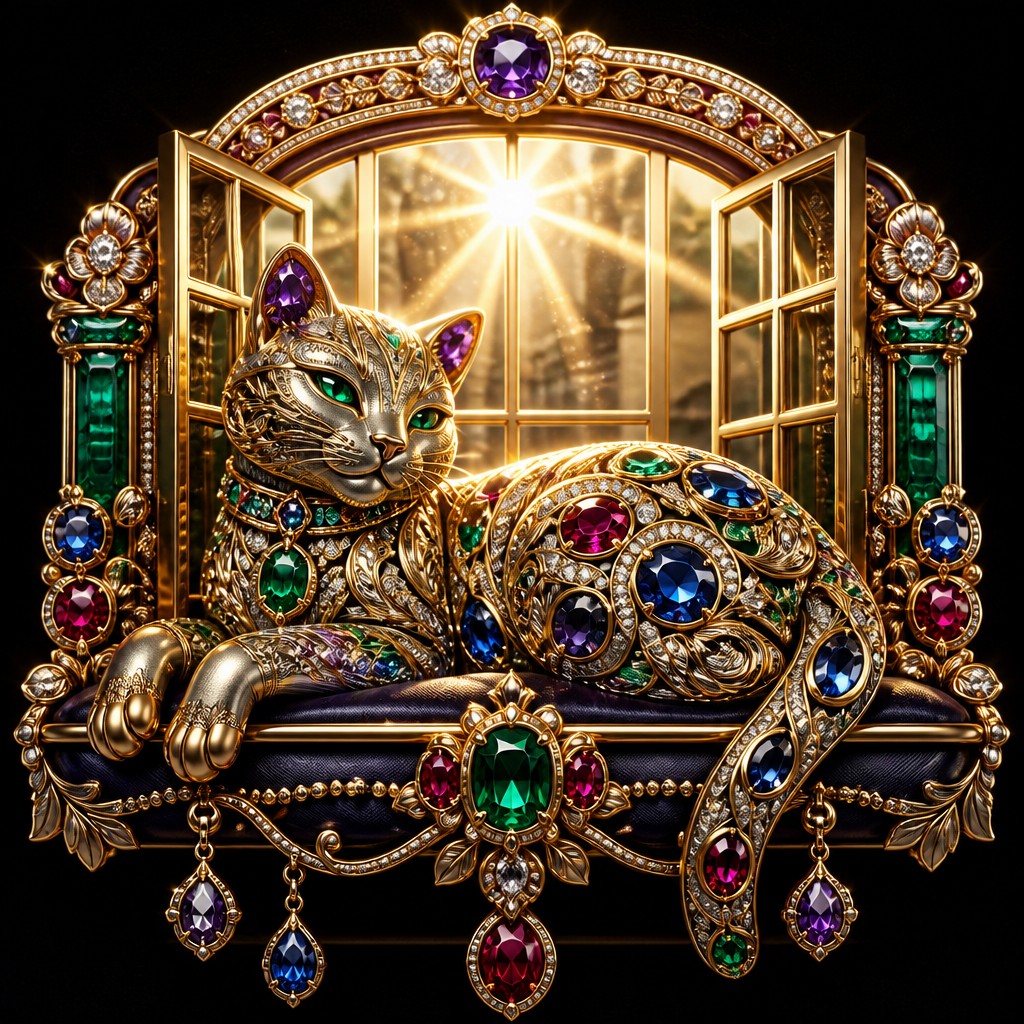
“a cat lounging in a sunlit window”
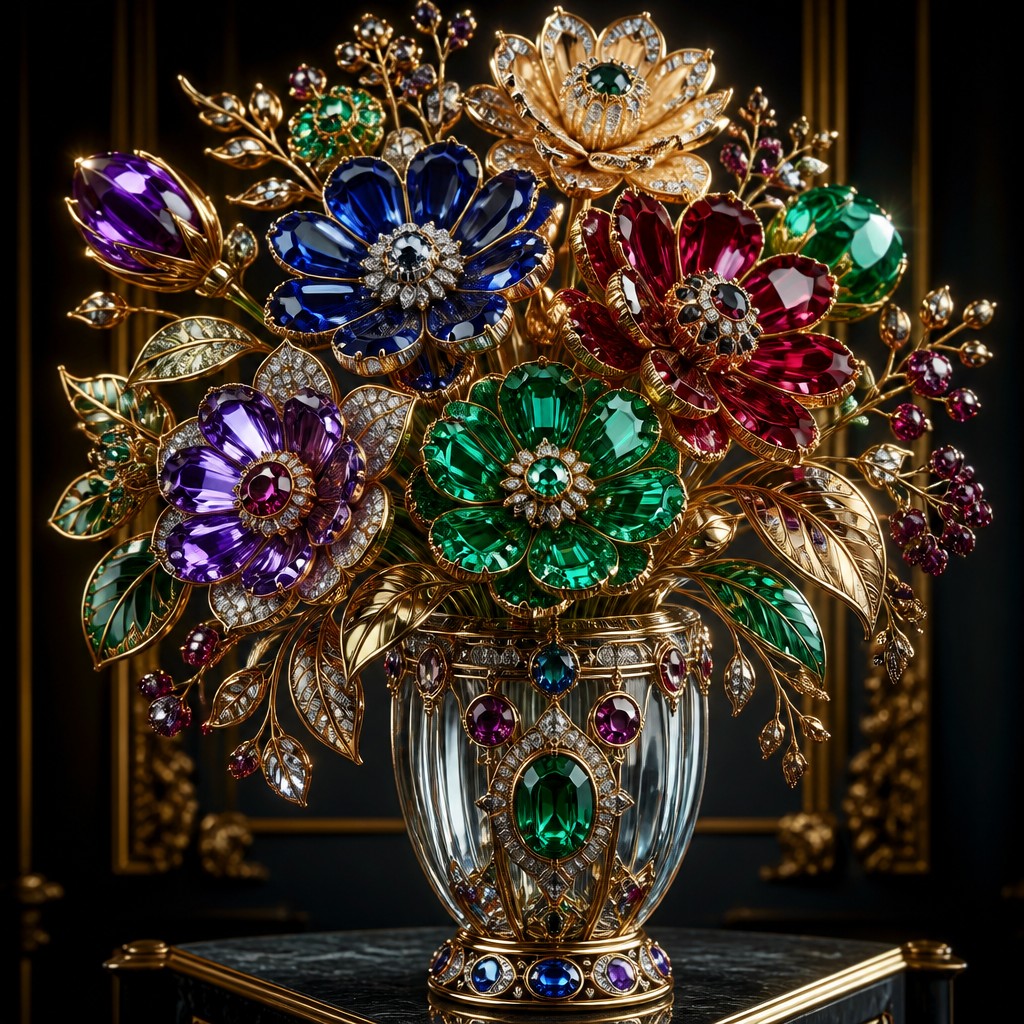
“bouquet of flowers in a glass vase”
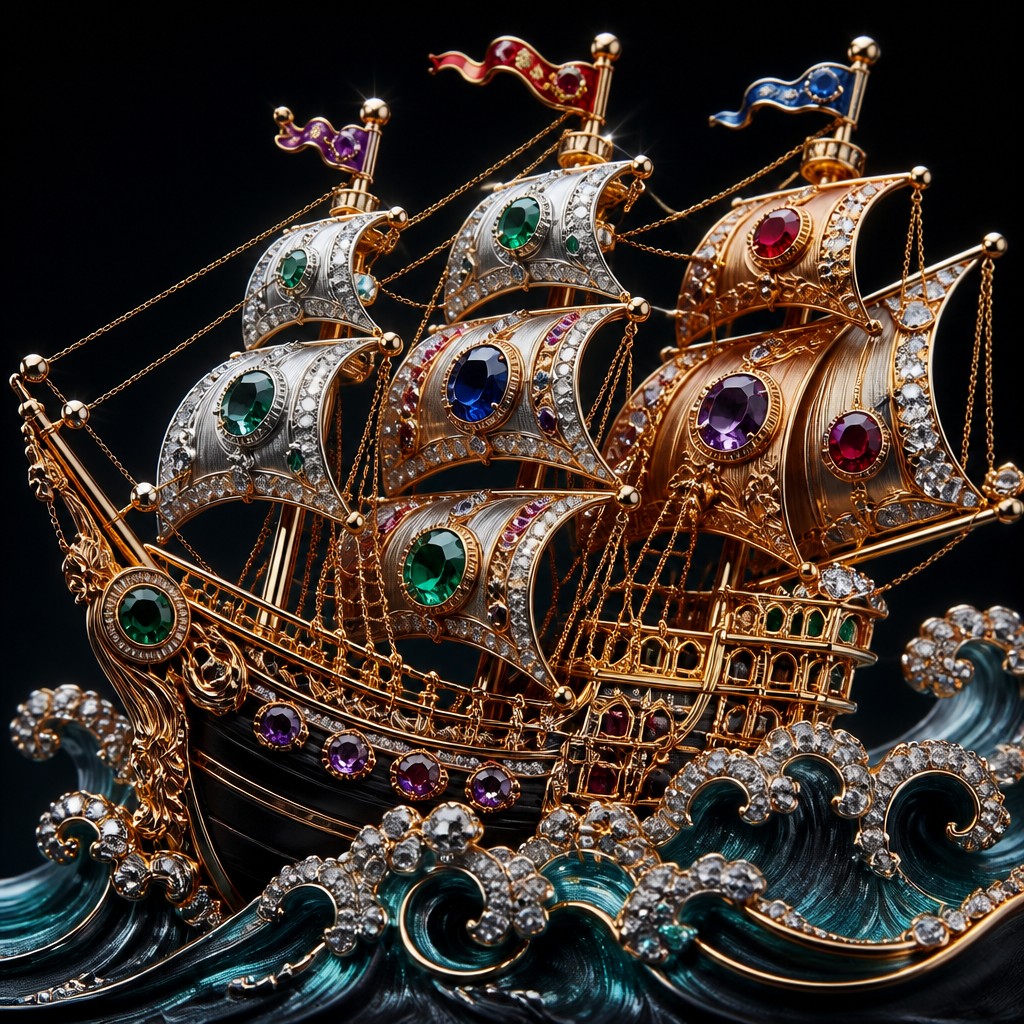
“sailing ship on a stormy sea”
How to Create Statement Jewelry Design Art
Master the craft step by step — or skip straight to creating. Read the full guide →
- 1
Build the silhouette first
Start with a bold overall shape before adding decoration. In traditional sketching, block in the outline at full size and check that it remains readable at a glance; in digital work, use flat shape layers to test proportion before detailing.
- 2
Use material contrast deliberately
Combine mirror-like metal areas with darker recesses, brushed patches, or matte accents so the form does not become visually flat. If generating with prompts, describe specific finishes such as high-polish gold, rose gold, platinum, and deep matte passages.
- 3
Limit the color palette
Keep the base materials mostly metallic and reserve saturated color for stone settings, enamel, or inset elements. A restrained palette makes the jewel tones feel more luxurious and intentional.
- 4
Emphasize faceting and sparkle
For gemstone effects, use crisp facets, sharp highlight points, and controlled reflections rather than soft blending. In generated imagery, words like faceted, sparkling, reflective, and jewel-like help preserve the object’s material logic.
- 5
Balance ornament with clarity
Add detail where it reinforces the form instead of covering every surface equally. The strongest statement pieces feel extravagant but still have a hierarchy of focal points and negative space.
- 6
Prompt for fashion-editorial presentation
When using text prompts, specify dramatic lighting, clean backgrounds, and a luxurious, maximalist presence so the jewelry reads as a designed object. Phrases such as "theatrical lighting," "reflective surfaces," and "conversation-starting accessory" help steer the composition.
The Story
History & Origins of Statement Jewelry Design
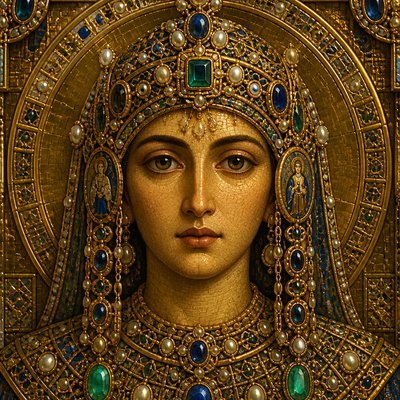
Statement jewelry is not a single historical movement but a design approach that developed from several traditions of adornment. Its roots can be traced to centuries of ceremonial jewelry, royal regalia, and decorative arts in which precious materials, large scale, and symbolic motifs communicated status, power, and occasion. In the 20th century, costume jewelry, fashion jewelry, and runway accessories expanded these ideas for modern wear, allowing designers to emphasize form, novelty, and visual impact over strict reliance on precious materials.
The contemporary statement-jewelry look also draws from late-20th- and 21st-century fashion, where accessories became central to branding and styling. Editorial photography, red-carpet culture, and sculptural product design reinforced the idea of jewelry as a conversation piece: bold enough to dominate an image, yet carefully engineered with polished finishes, gemstone effects, and ornate surfaces that reward close viewing.
Influences: Statement jewelry design draws from historical court jewelry, ceremonial regalia, and the decorative arts, as well as 20th-century costume jewelry and runway accessories. Its sculptural ambitions also connect it to Art Nouveau’s flowing ornament, Art Deco’s geometric luxury, and contemporary fashion design, though it is not limited to any single movement. In image-making, its visual language often overlaps with product photography, luxury advertising, and high-fashion editorial styling.

Frequently Asked Questions
What defines statement jewelry design?
It is defined by bold scale, strong silhouette, and decorative intensity. The piece is meant to be noticed immediately and to function as the visual centerpiece of an outfit or image.
How is it different from everyday jewelry?
Everyday jewelry often prioritizes subtlety, comfort, and versatility, while statement jewelry prioritizes impact and visual presence. It may be less restrained in size, color, and ornament.
Is statement jewelry always expensive or made from precious materials?
No. The style can be expressed in fine jewelry, costume jewelry, or digital renderings that only suggest precious materials. What matters most is the design language of luxury, scale, and drama.
What shapes work best in this style?
Large geometric forms, layered organic motifs, collars, cuffs, oversized drops, and structured rings are especially effective. Clear silhouettes help the piece remain legible even when heavily ornamented.
Where is statement jewelry design commonly used?
It appears in fashion editorials, runway styling, luxury branding, concept art, product design, and special-event accessories. It is especially effective when an image needs a single dominant focal object.
How do I make a design feel luxurious rather than cluttered?
Use a controlled palette, strong material contrast, and a clear focal hierarchy. Luxury usually comes from precision and deliberate emphasis, not from covering every surface with detail.
Create your first Statement Jewelry Design artwork
Describe anything — or upload a photo — and see it in Statement Jewelry Design in seconds.
Make Something with Statement Jewelry Design
Compare Statement Jewelry Design
Related Styles
Discover similar art styles