Luxury High Jewelry Design vs Statement Jewelry Design: What's the Difference?
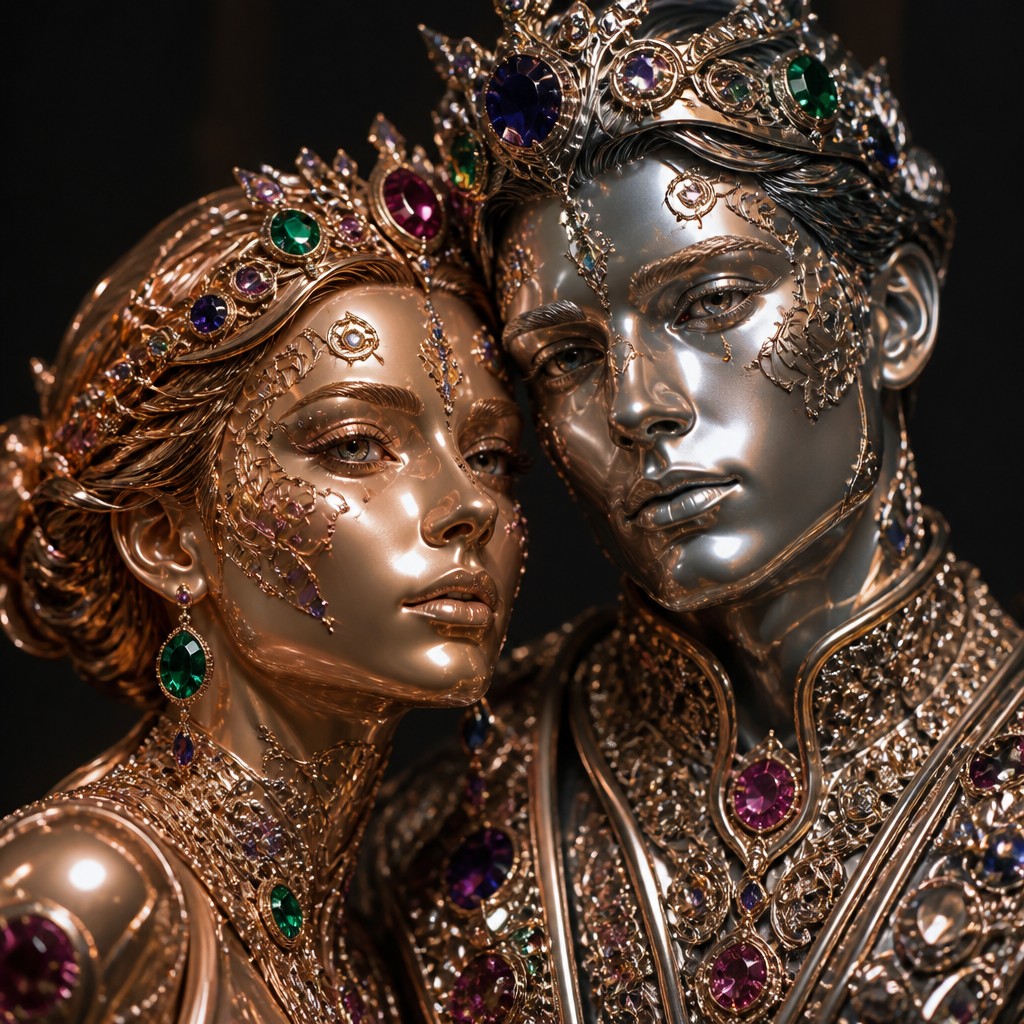
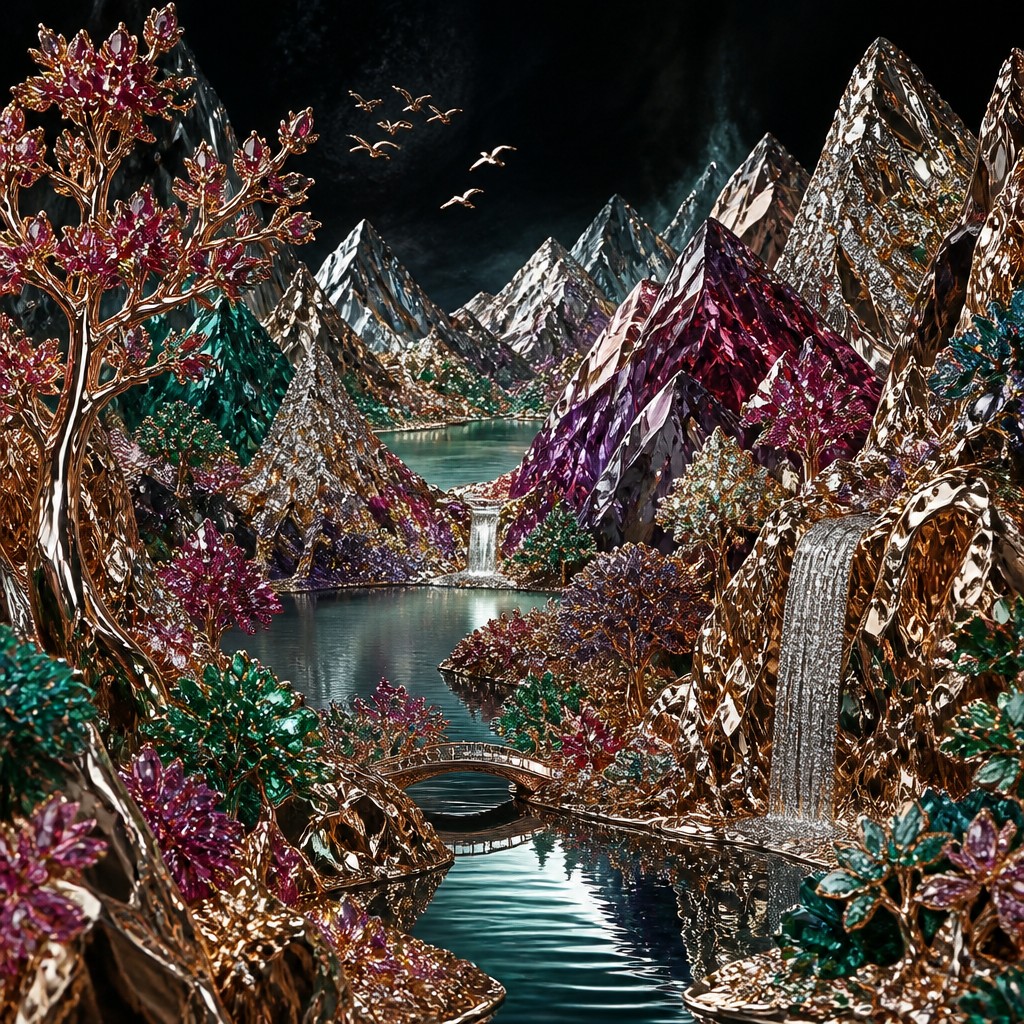
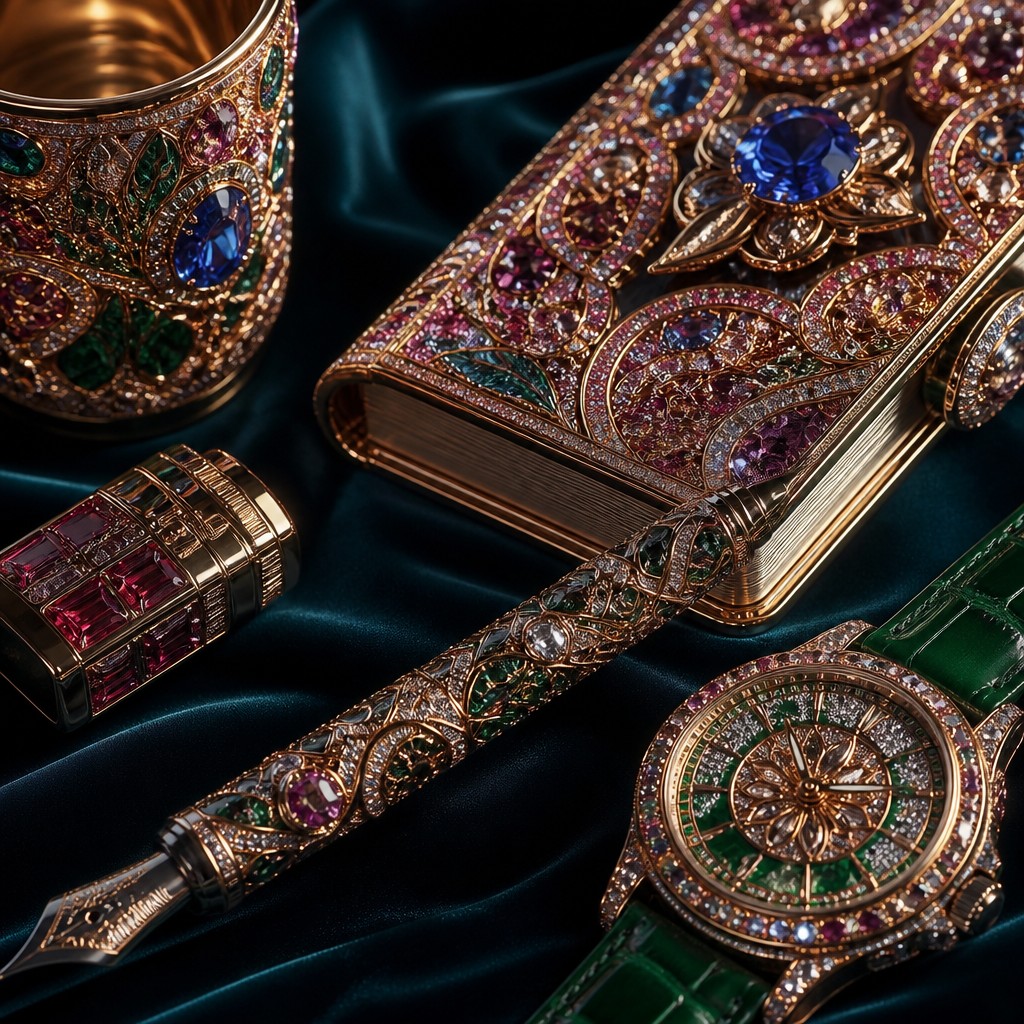
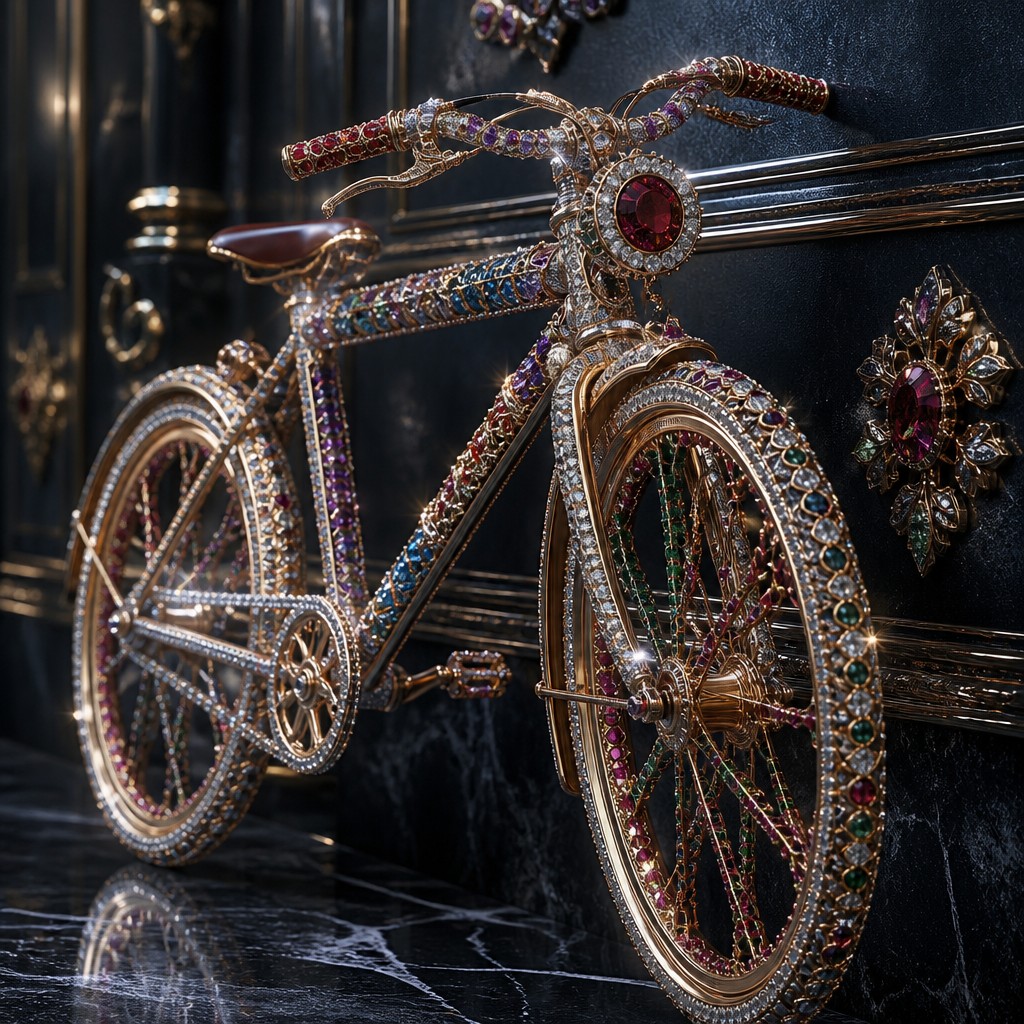
Luxury High Jewelry Design focuses on exceptional materials, intricate craftsmanship, and a refined, often formal aesthetic. It typically features rare gemstones, platinum or other precious metals, delicate filigree, and carefully balanced proportions that emphasize brilliance, precision, and exclusivity. The overall effect is polished, elegant, and associated with gala settings or heirloom-quality pieces.
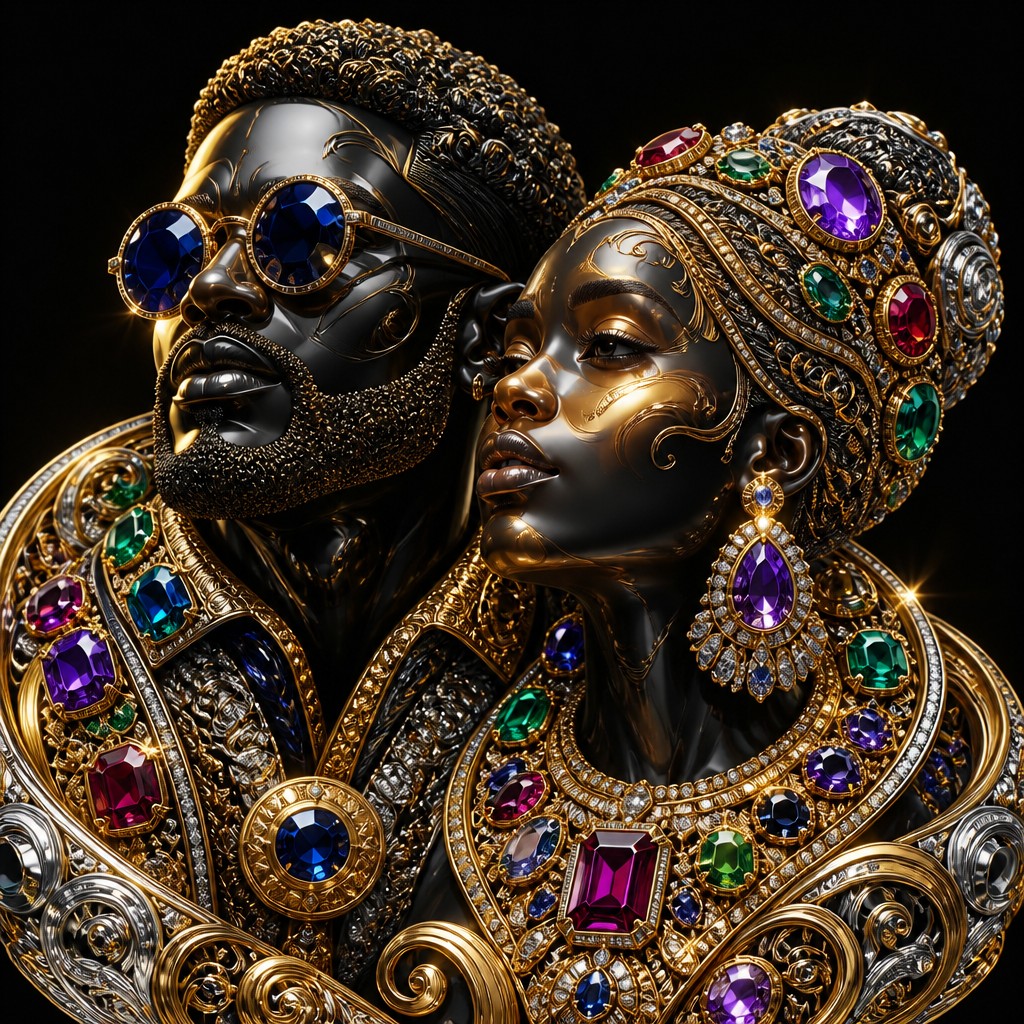
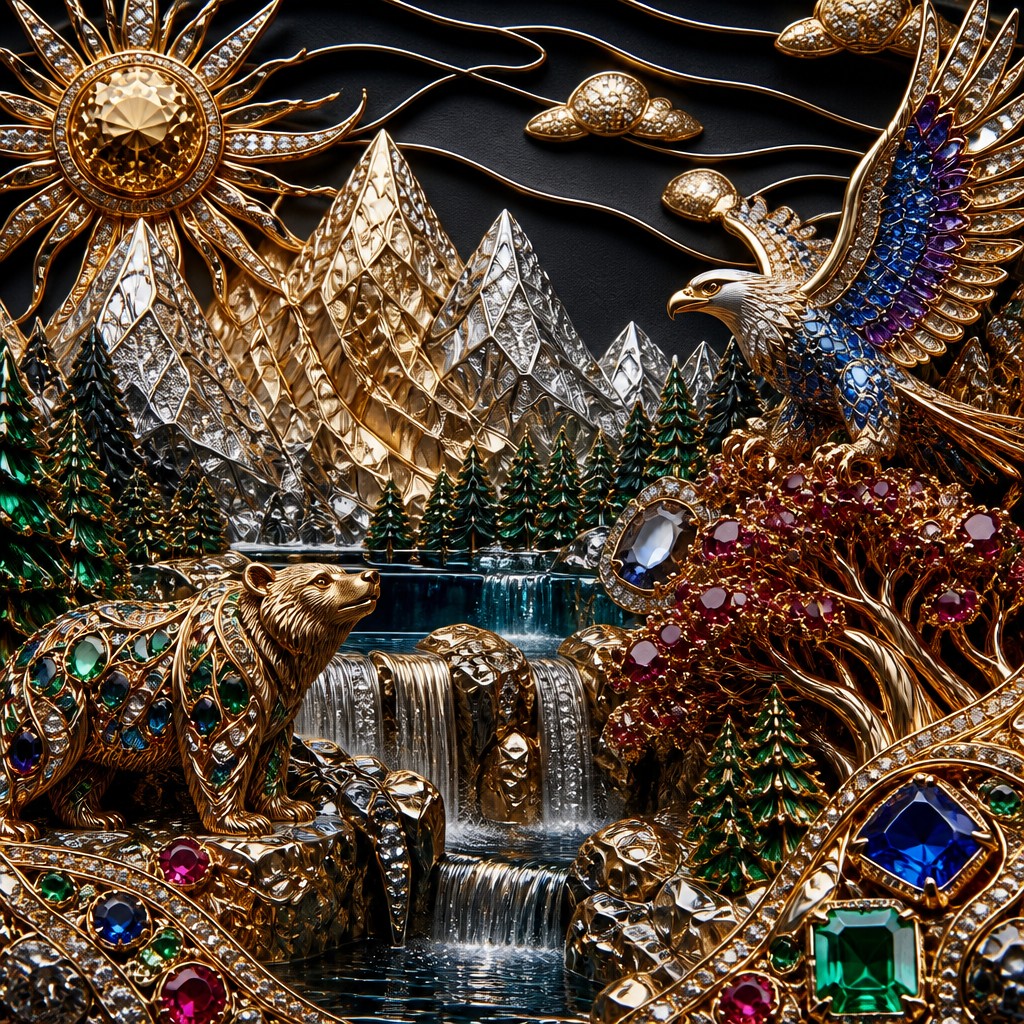
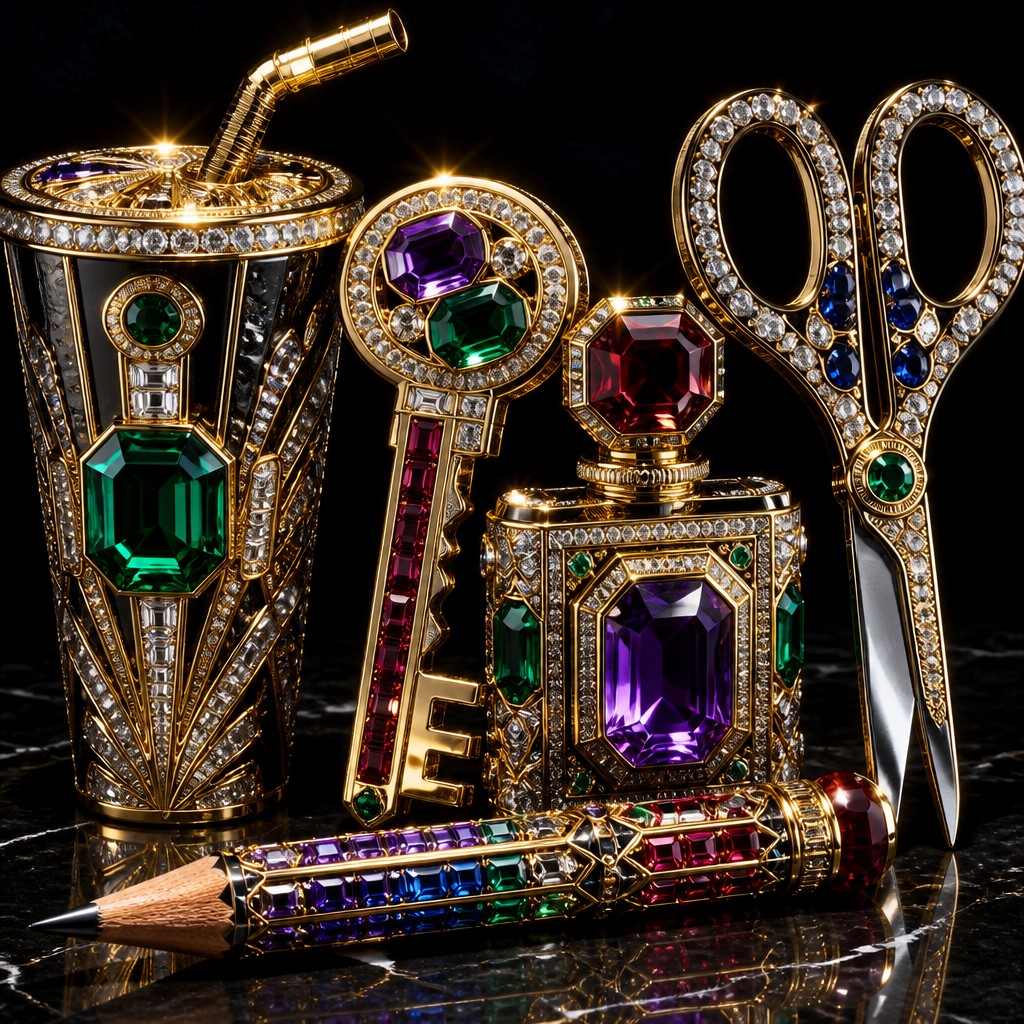
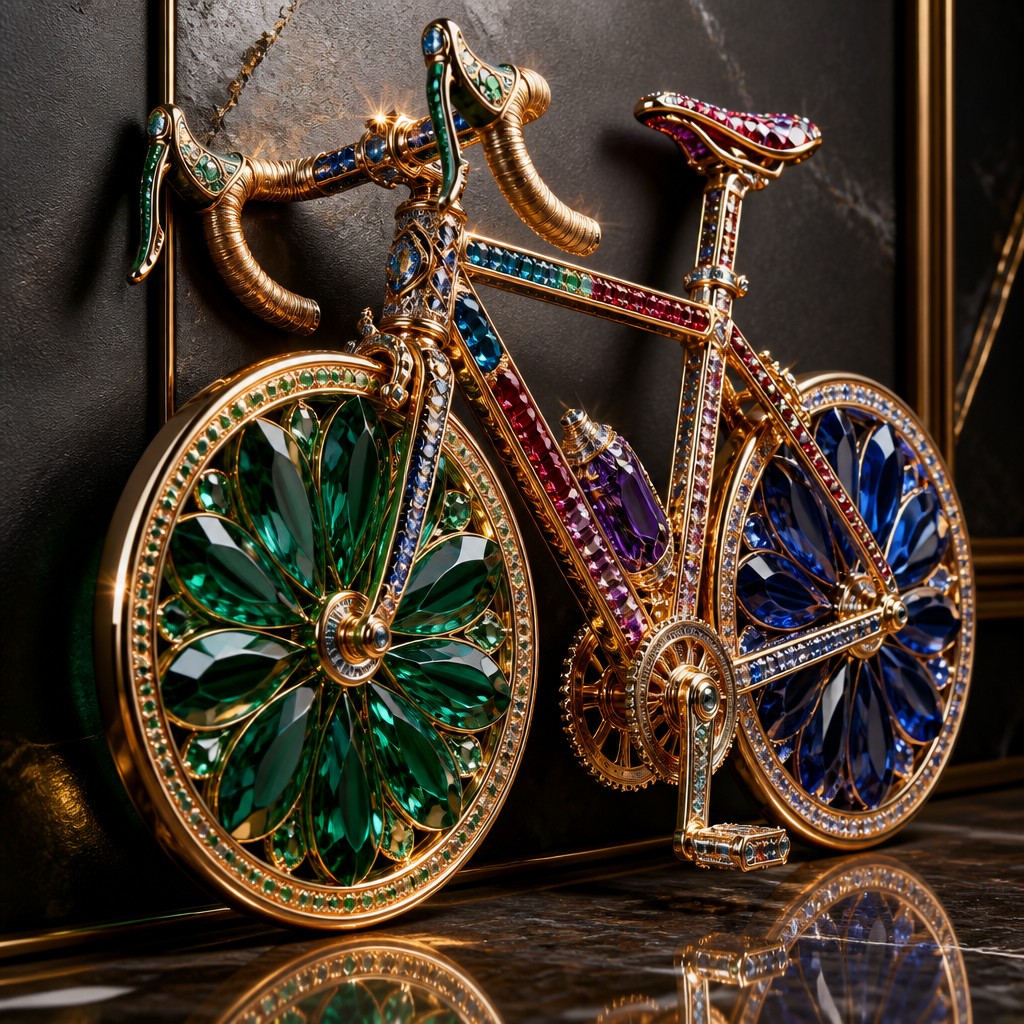
Statement Jewelry Design is built to stand out quickly and dramatically. It uses oversized forms, vivid jewel-toned surfaces, polished metals, and theatrical details to create visual impact from a distance. People compare the two styles because both can be glamorous and precious, but they differ in purpose: one prioritizes refined luxury and technical delicacy, while the other prioritizes bold presence and expressive flair.
Same Prompt, Both Styles
Each pair below was generated from the identical prompt — only the style changed.
“portrait of two people together”
“wide landscape with natural scenery”
“still life with everyday objects”
“bicyle resting against a wall”
Key Differences
| Luxury High Jewelry Design | Statement Jewelry Design | |
|---|---|---|
| Scale | Often smaller, finer, and more precisely proportioned. | Usually oversized and intentionally attention-grabbing. |
| Materials | Rare gemstones, platinum, and high-value precious metals. | Bold stones, polished metals, and mixed decorative materials. |
| Surface & finish | Mirror-like polish with delicate sparkle and subtle texture. | High-gloss surfaces with stronger color contrast and shine. |
| Detailing | Filigree, micro-setting, and intricate craftsmanship. | Theatrical accents, chunky forms, and visible ornament. |
| Visual message | Conveys refinement, rarity, and quiet prestige. | Conveys confidence, drama, and expressive style. |
| Typical setting | Best suited to formal events and high-society occasions. | Works for fashion-forward looks and statement-making moments. |
| Mood | opulent, refined, radiant, glamorous | bold, glamorous, dramatic, opulent, attention-grabbing |
| Energy | balanced | intense |
| Detail level | intricate | detailed |
| Color | jewel tones, white metal, luminous highlights | rich metals, gemstones, high-contrast accents |
| Texture | polished metal, faceted sparkle, smooth luxury | polished, faceted, highly reflective |
| Origin | European court and luxury atelier traditions | 20th century fashion and luxury jewelry |
| Best for | editorial fashion, luxury ads, red carpet visuals, brand campaigns, jewelry catalogs | runway styling, editorial photography, special events, album covers, advertising campaigns, fashion lookbooks |
| Difficulty | advanced | advanced |
Which Should You Choose?
Pick Luxury High Jewelry Design if you want craftsmanship to feel precise, refined, and timeless, especially for formal occasions or investment-level pieces. Pick Statement Jewelry Design if you want your jewelry to become the focal point of an outfit and communicate bold personality through scale, color, and drama. In short, choose A for elegance and exclusivity; choose B for impact and self-expression.
Frequently Asked Questions
Which style is more formal?
Luxury High Jewelry Design is generally more formal because it emphasizes rare materials, fine detailing, and understated elegance. Statement Jewelry can still be formal, but it is usually more theatrical and attention-forward.
Which style is more versatile for everyday wear?
Statement Jewelry can be more adaptable when scaled down, but its oversized forms are often still occasion-focused. Luxury High Jewelry is usually reserved for special events or highly polished looks.
Are both styles considered luxurious?
Yes, but in different ways. Luxury High Jewelry signals value through rarity and craftsmanship, while Statement Jewelry signals luxury through boldness, finish, and visual impact.
Can a piece combine both styles?
Yes. A design can use high-value materials and meticulous craftsmanship while still appearing large and dramatic. The balance of scale, detailing, and color determines which style feels dominant.