Sustainable Eco Jewelry Design
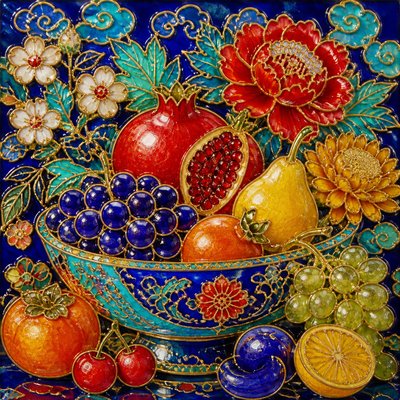
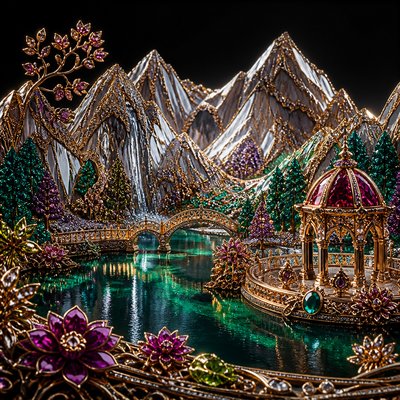
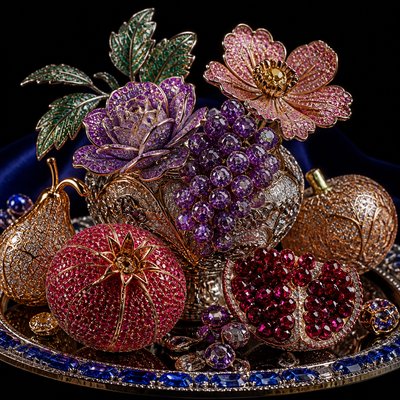
Eco-luxury jewelry with recycled metals, ethical stones, organic forms, and handcrafted textures rooted in sustainable design.
Instantly rendered in Sustainable Eco Jewelry Design — or transform a photo
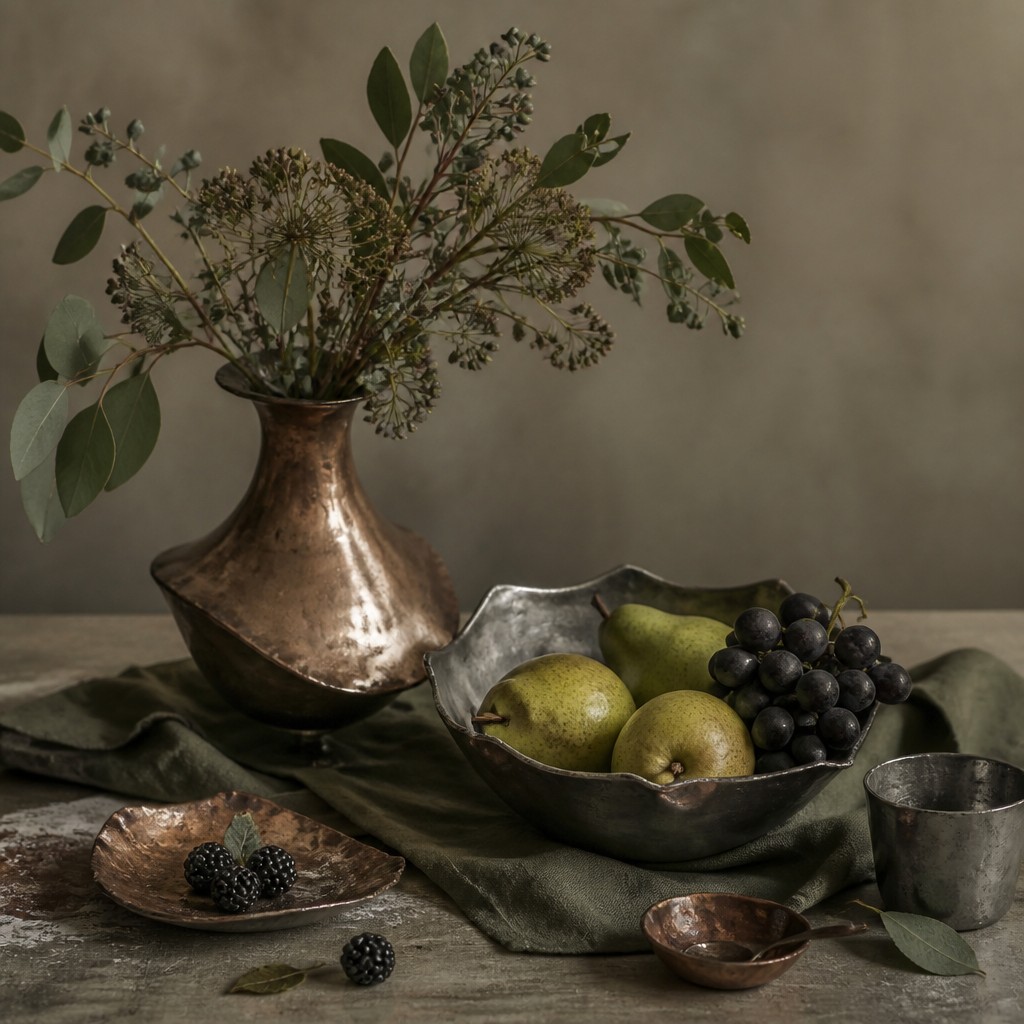
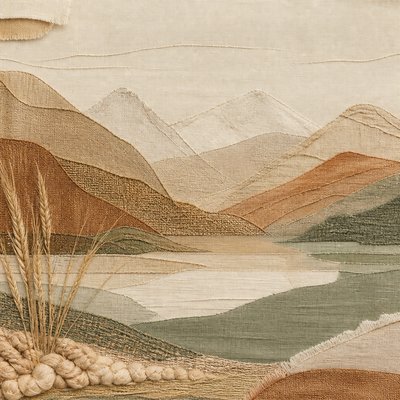
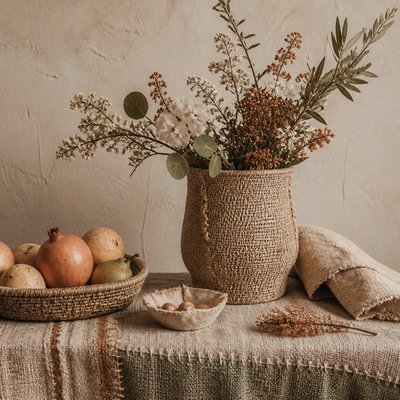
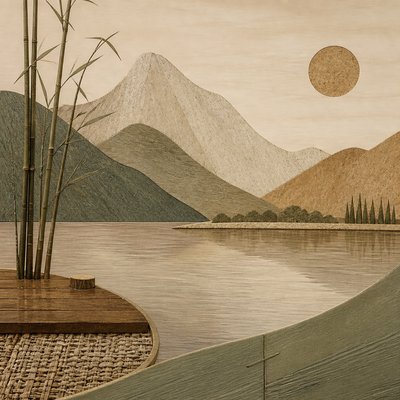
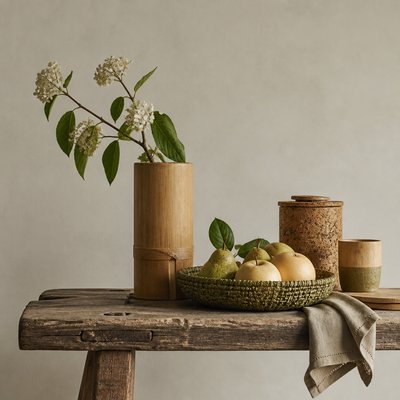
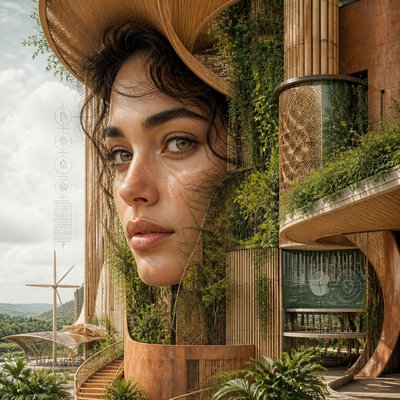
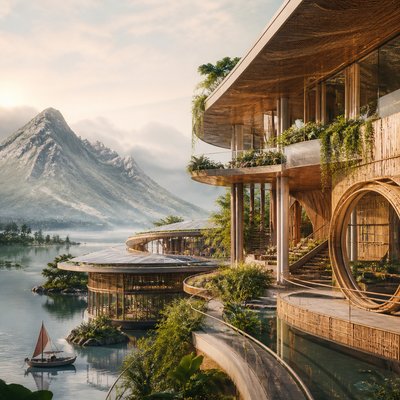
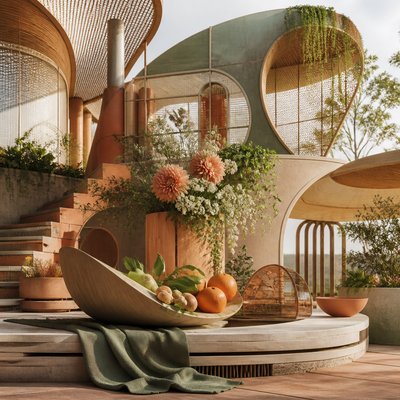
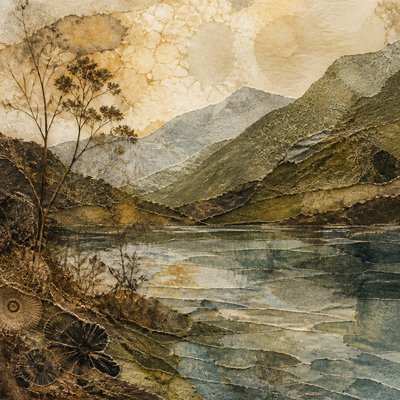
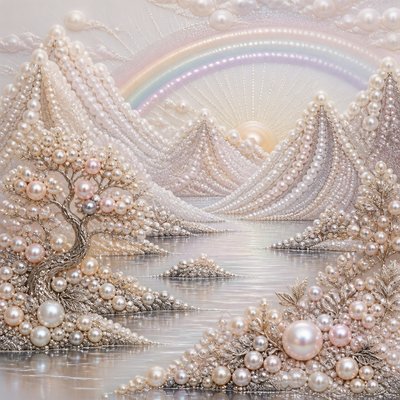
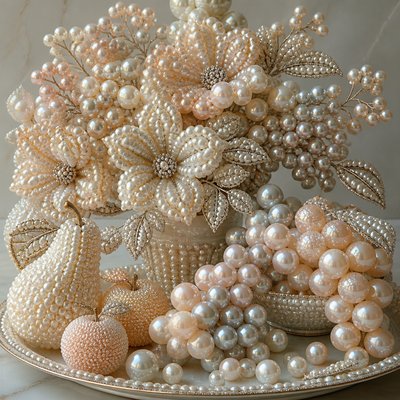
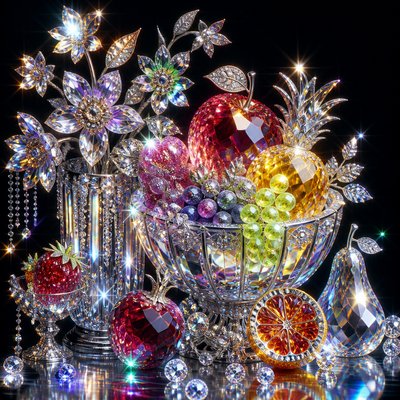
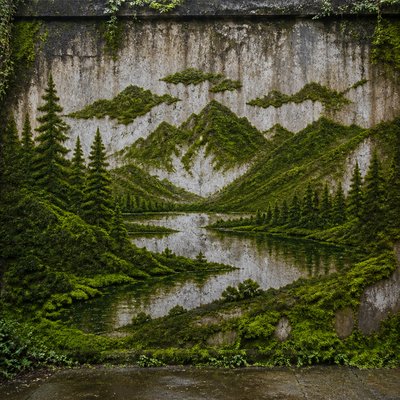
Sustainable Eco Jewelry Design Gallery
Tap any artwork to explore it
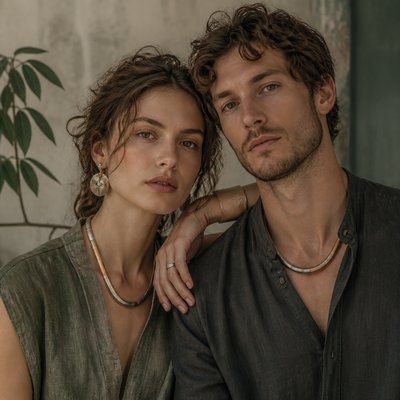
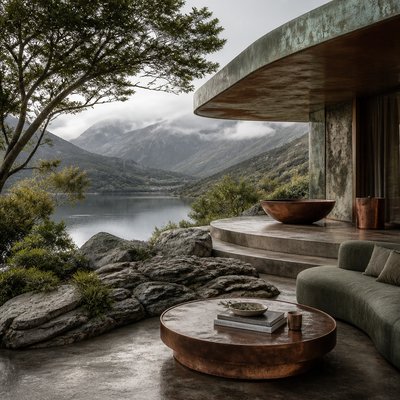
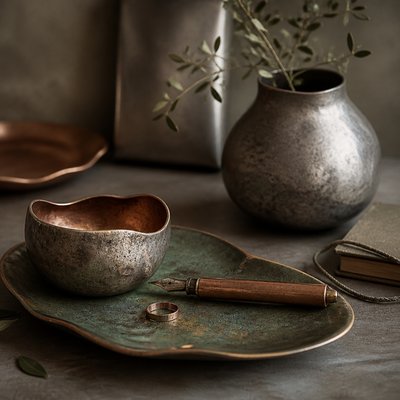
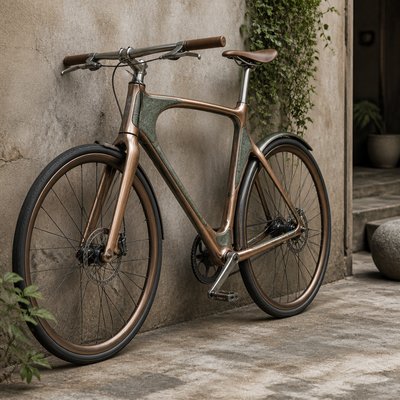
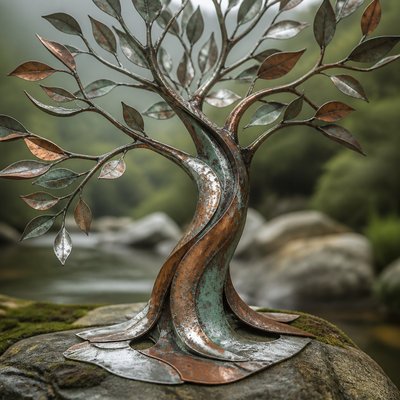
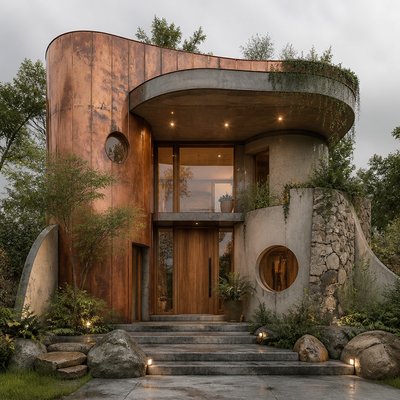
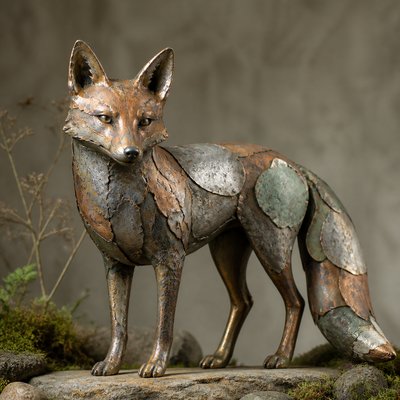
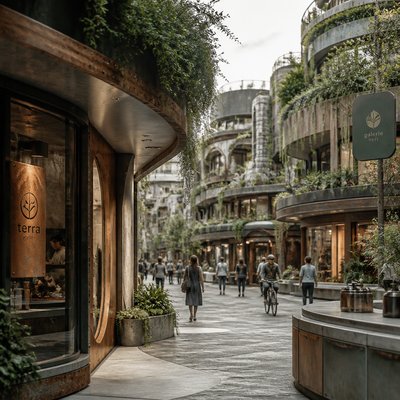
What is Sustainable Eco Jewelry Design?
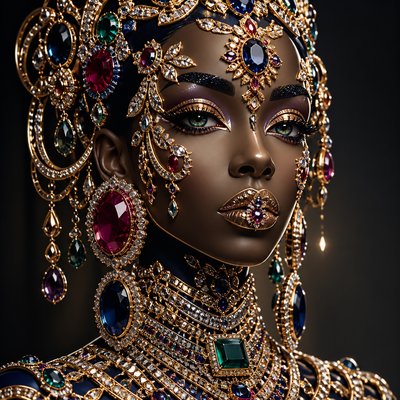
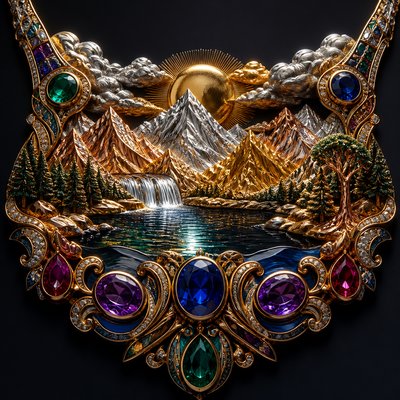
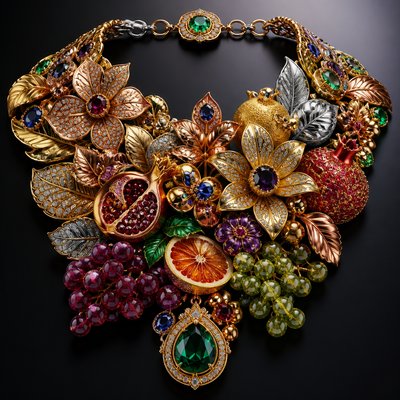
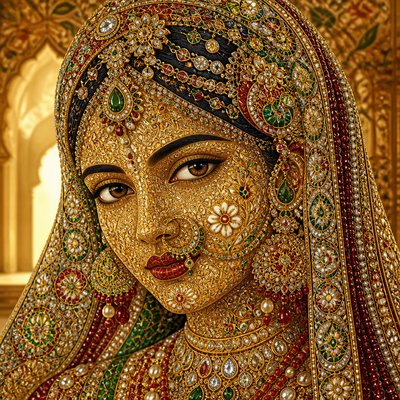
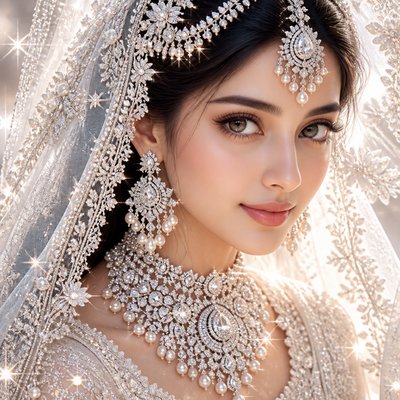
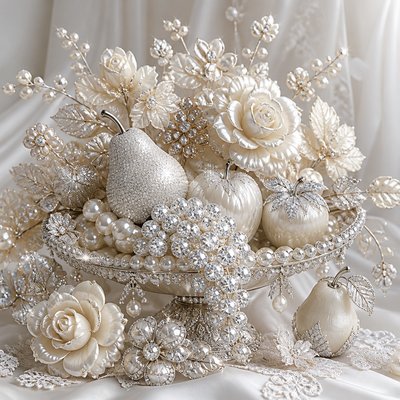
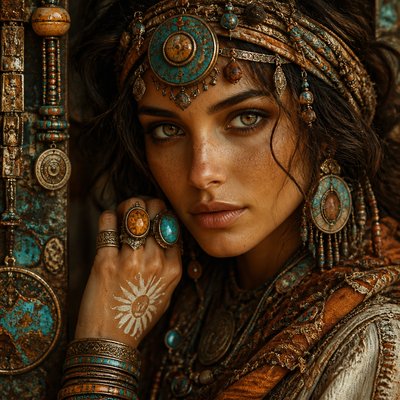
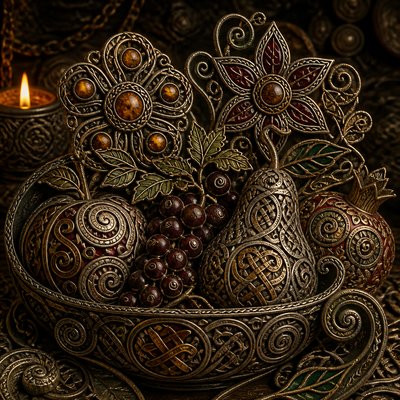
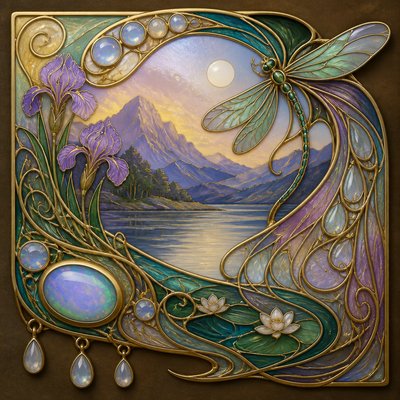
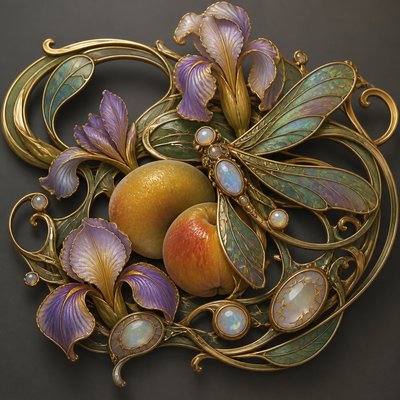
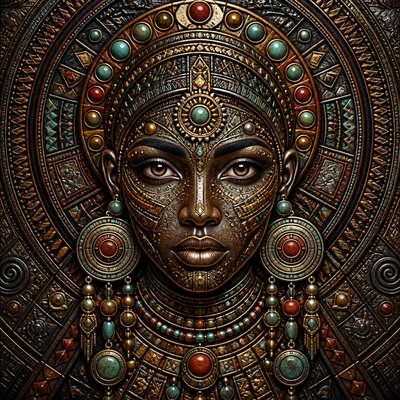
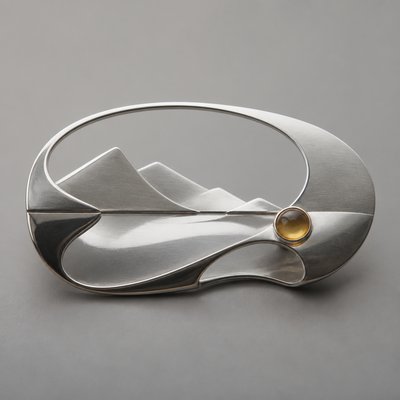
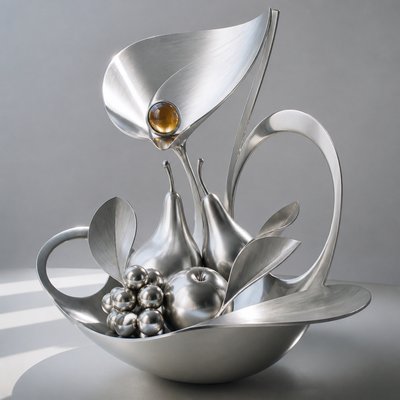
Sustainable Eco Jewelry Design is a contemporary jewelry aesthetic centered on environmental responsibility, material honesty, and restrained luxury. It emphasizes recycled metals, ethically sourced stones, reclaimed components, and low-waste making practices, while presenting finished pieces with a refined, modern sensibility. The look is neither rustic nor purely utilitarian: it balances conscious production with a polished visual language suited to fine jewelry, statement accessories, and collectible design objects.
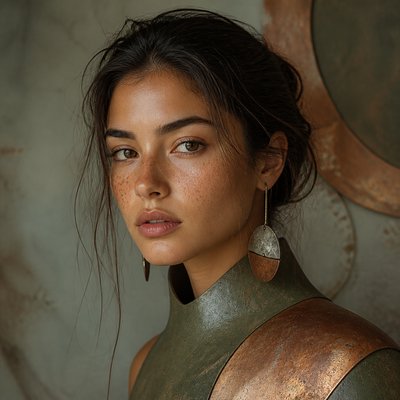
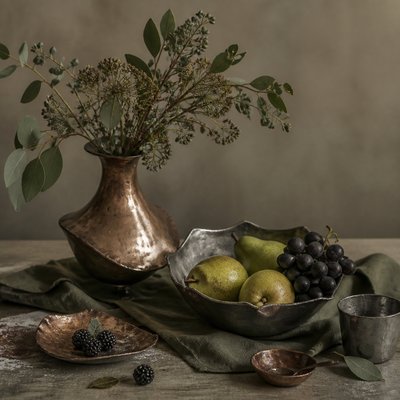
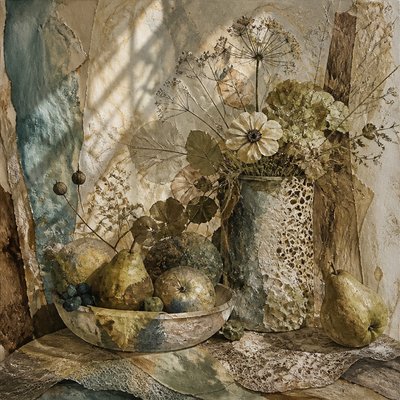
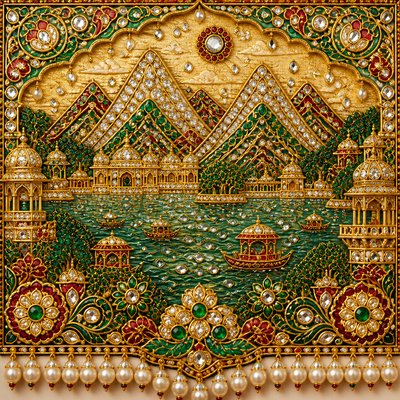
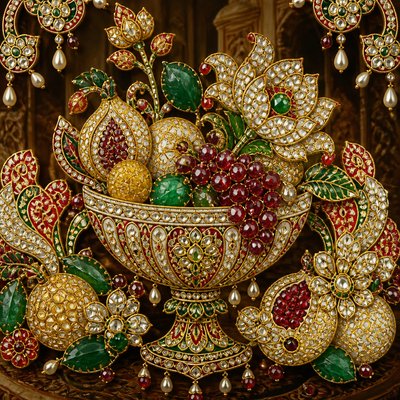
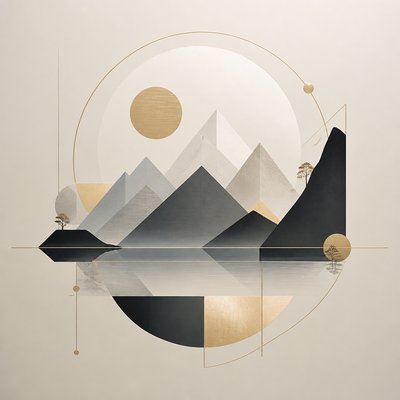
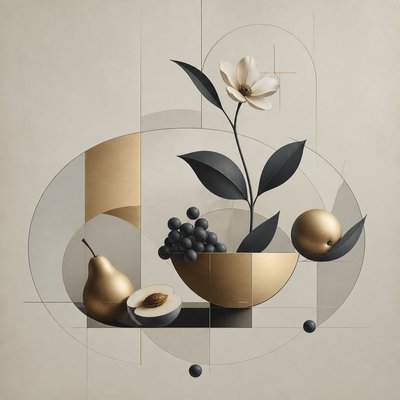
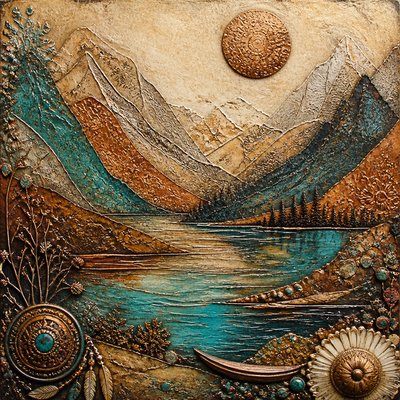
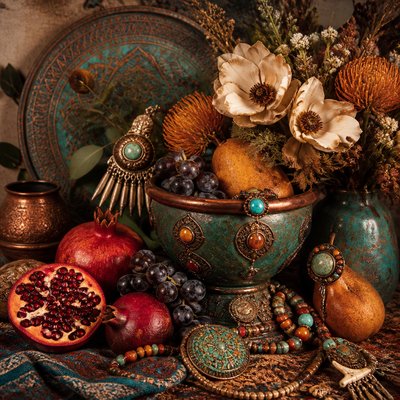
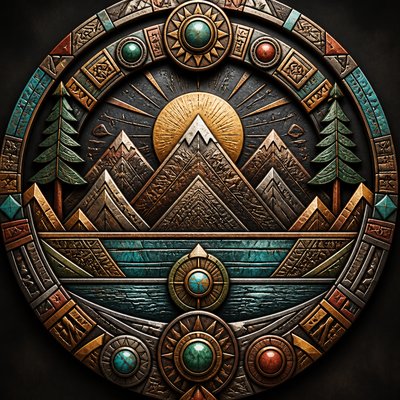
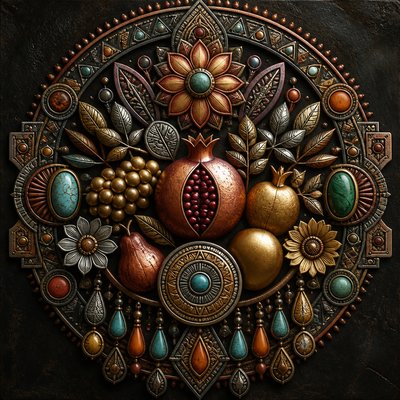
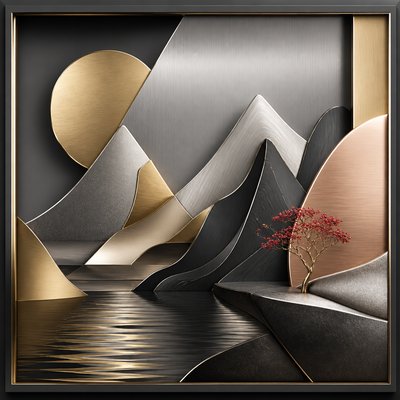
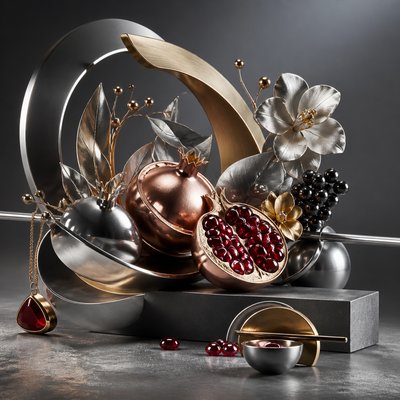
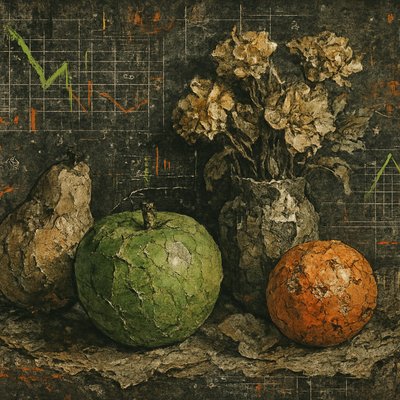
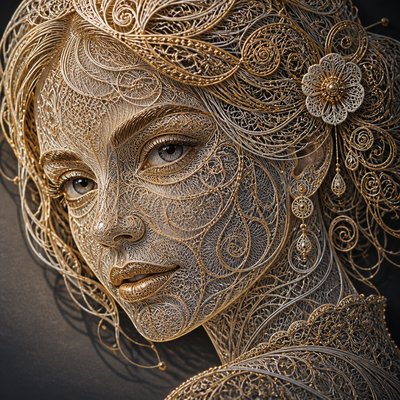
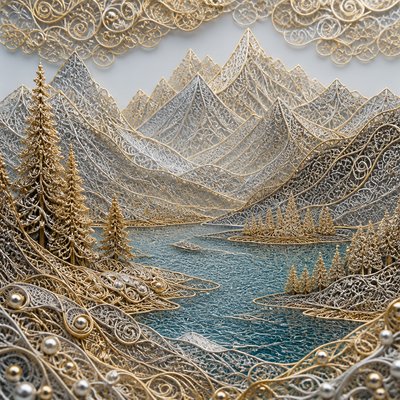
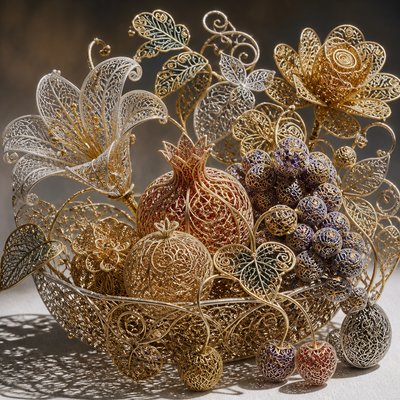
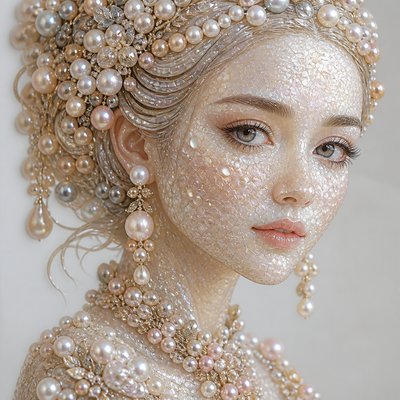
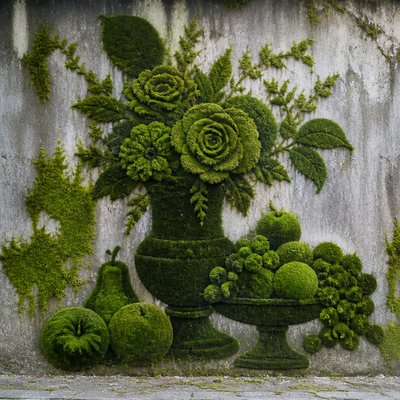
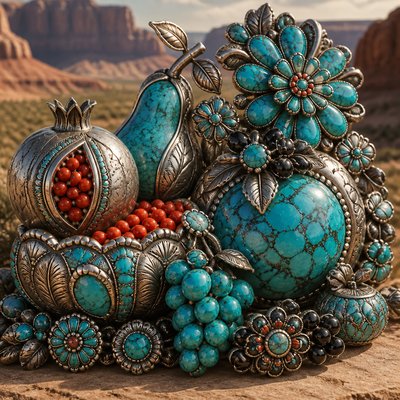
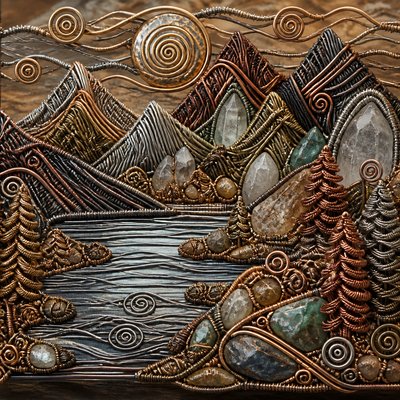
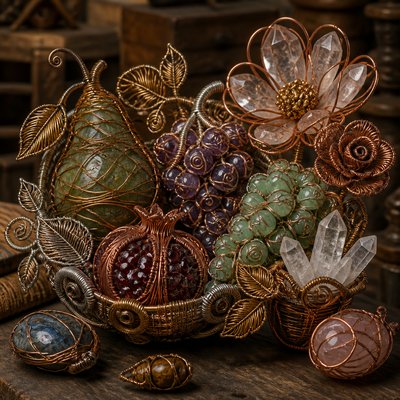
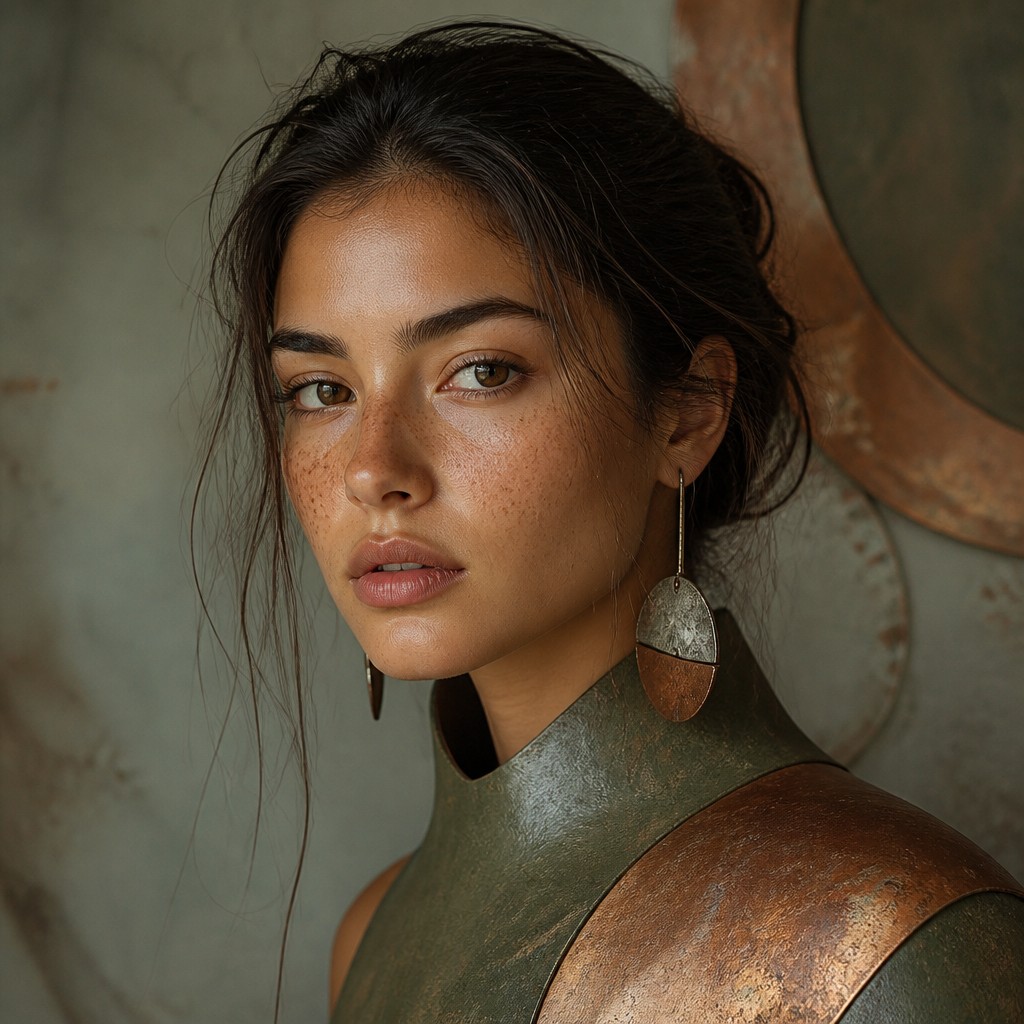
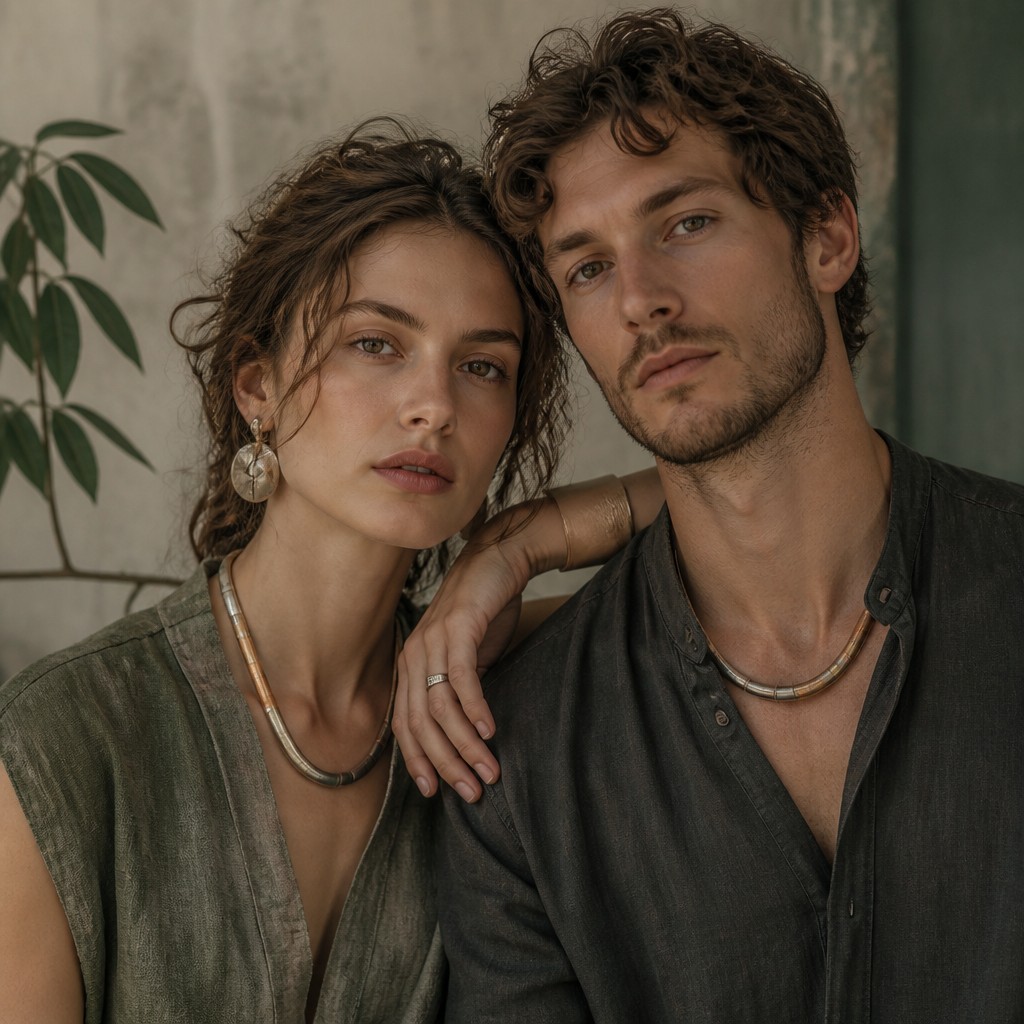
Visually, the style is defined by organic forms, asymmetrical balance, soft curves, and tactile surfaces that preserve the character of the material. Brushed, matte, oxidized, and lightly patinated finishes are common, often contrasted with small polished accents that catch the light. Earth-toned metals and natural color palettes—copper, silver, sage, stone gray, muted green, sand, and charcoal—reinforce the sense of material integrity. The result is an eco-luxury aesthetic that looks handcrafted, contemporary, and intentionally understated rather than ornate.
Try It On Your Photos
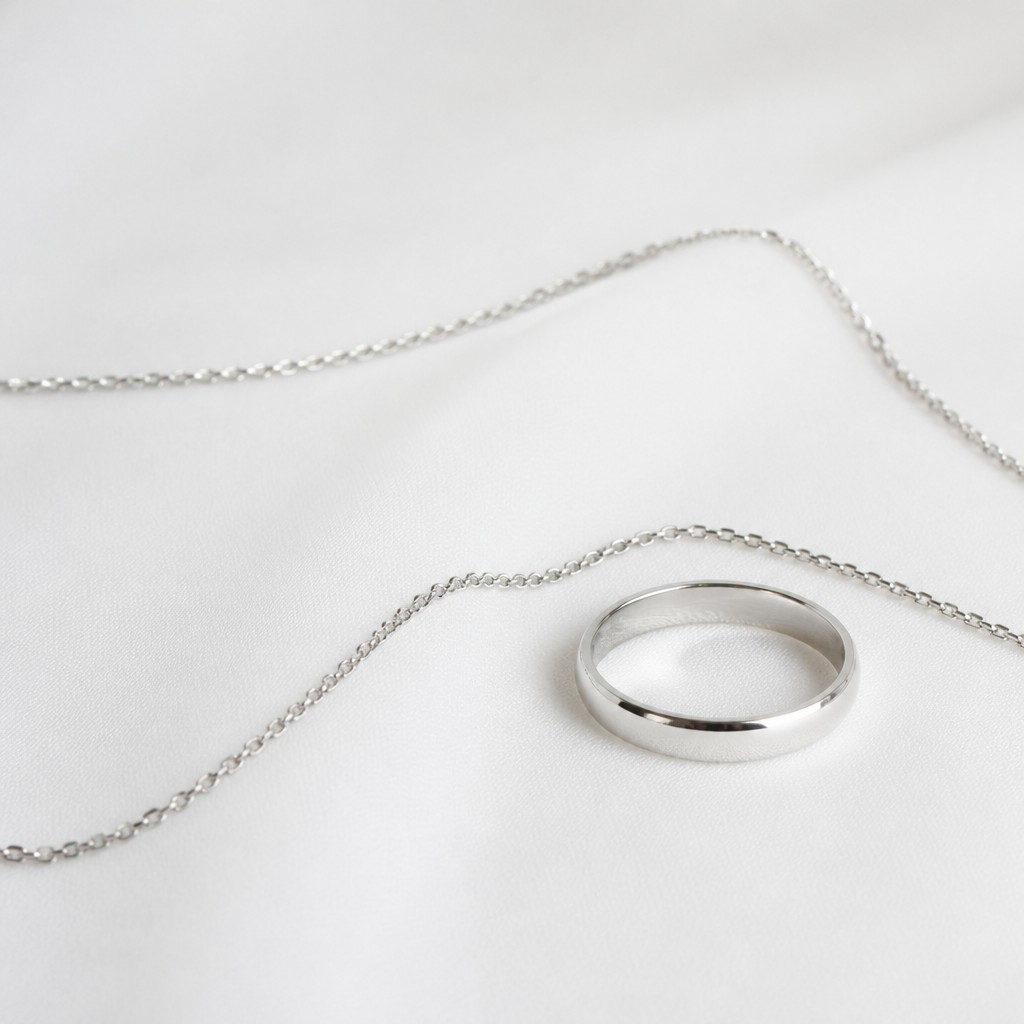
Upload any photo and convert it into Sustainable Eco Jewelry Design — drag the sliders to compare before and after.


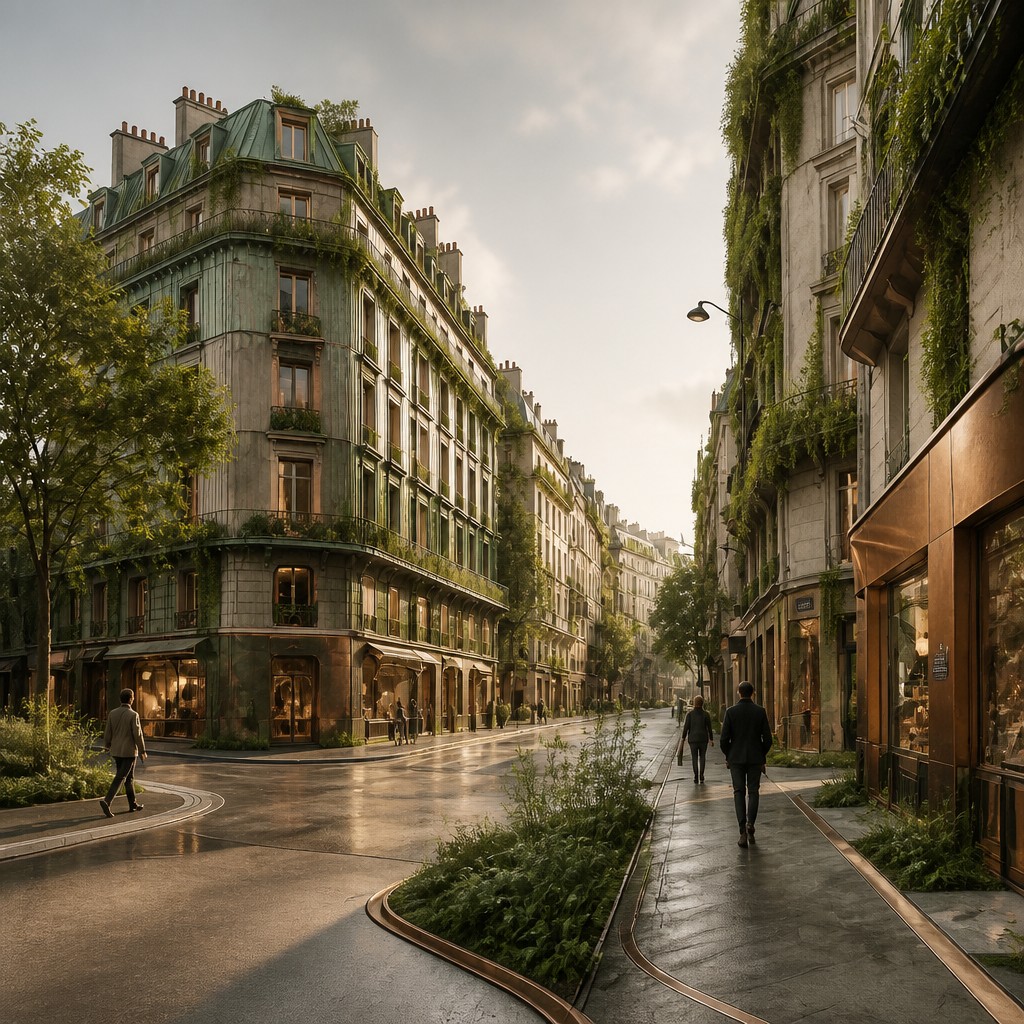

What Defines Sustainable Eco Jewelry Design
The signature details, up close
Recycled and reclaimed materials
Metals, stones, glass, and composite elements are often recycled, reclaimed, or traceable. The material origin is part of the aesthetic message, not just the production method.
Organic, asymmetrical forms
Shapes tend to flow, curve, and avoid rigid symmetry. The silhouette often echoes shells, leaves, pebbles, vines, water, or eroded stone.
Matte and brushed surfaces
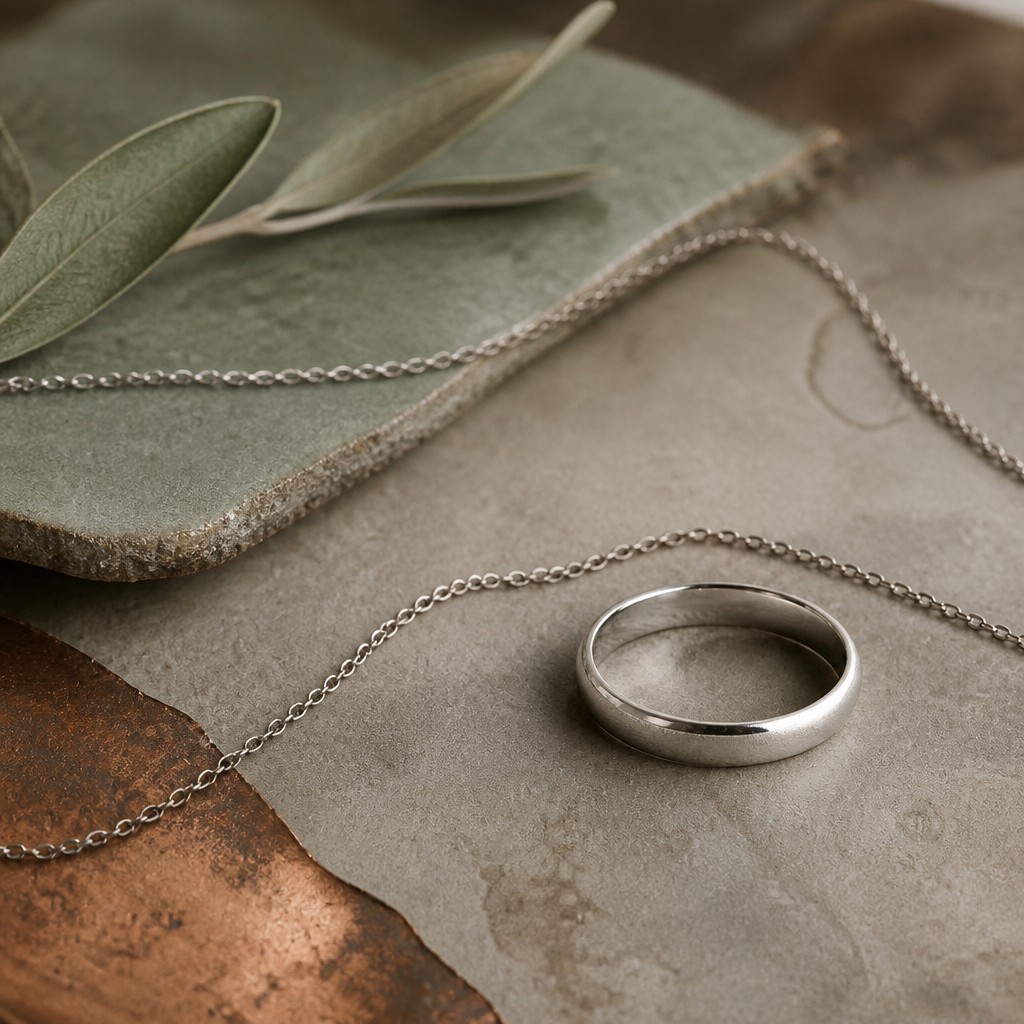
Instead of highly uniform polish, finishes often retain grain, tool marks, patina, or soft abrasion. This gives the piece a tactile, hand-made presence.
Selective highlights
Small polished edges, bezels, or raised details provide contrast against muted surfaces. The effect is subtle luxury rather than high sparkle.
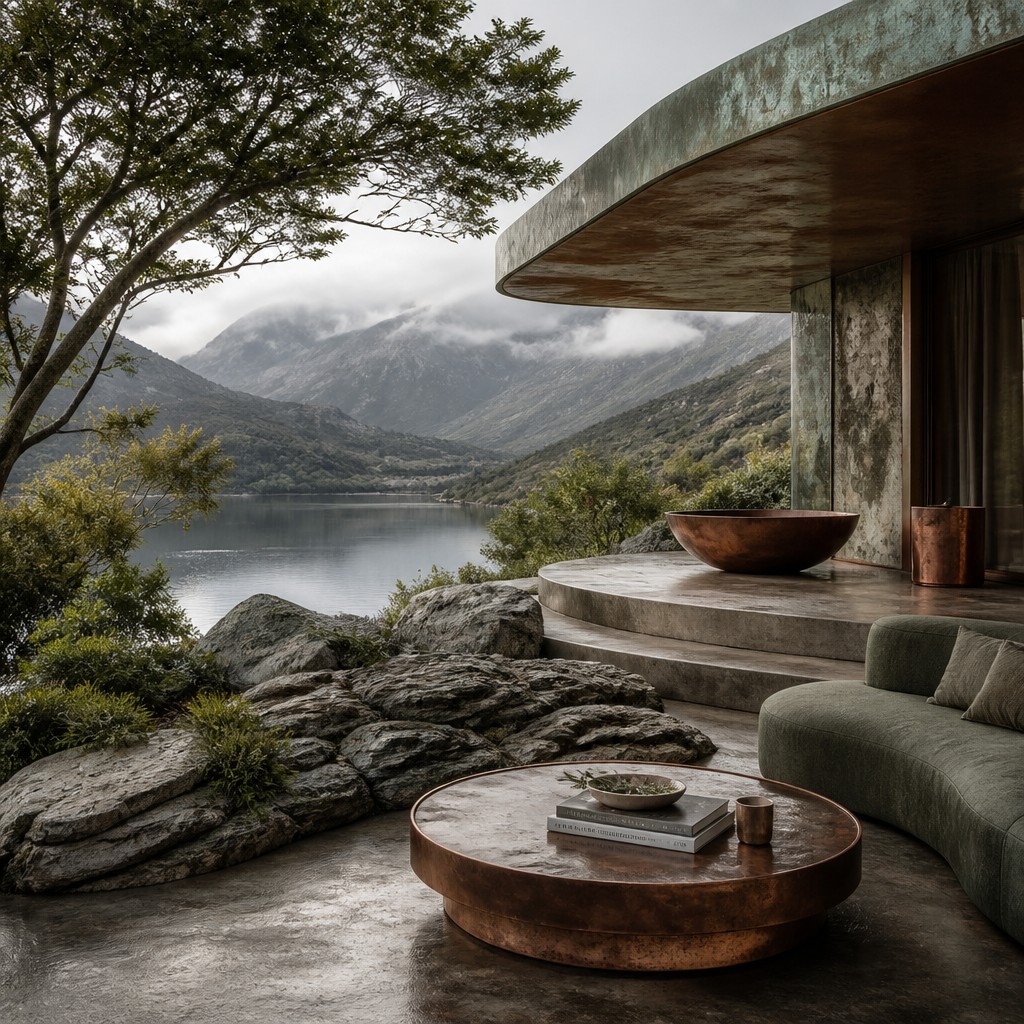
Earth-led color palette
Coppers, oxidized silvers, warm grays, olive greens, moss tones, and mineral neutrals dominate. Gem accents are usually restrained and natural-looking.
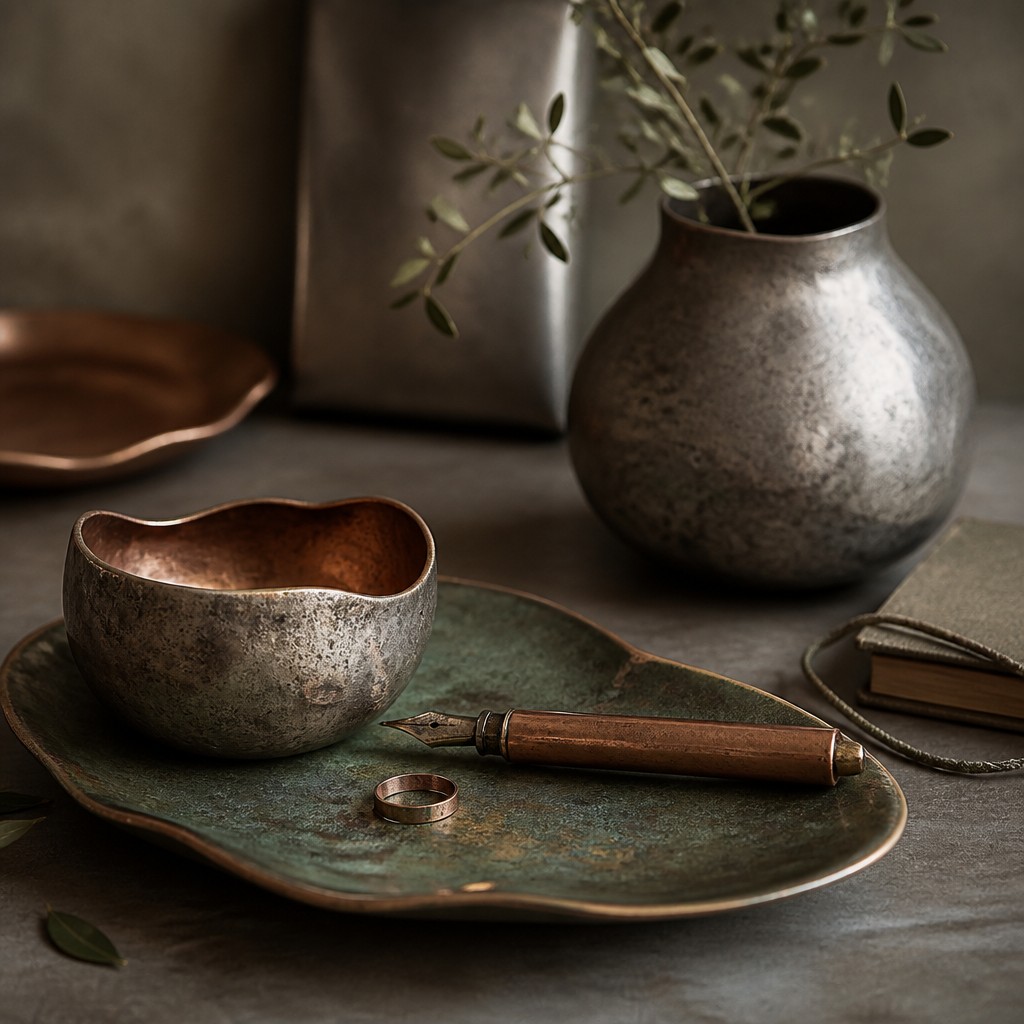
Handcrafted imperfections
Slight irregularities in thickness, texture, and alignment are often preserved. These details signal human making and reduce the sense of factory uniformity.
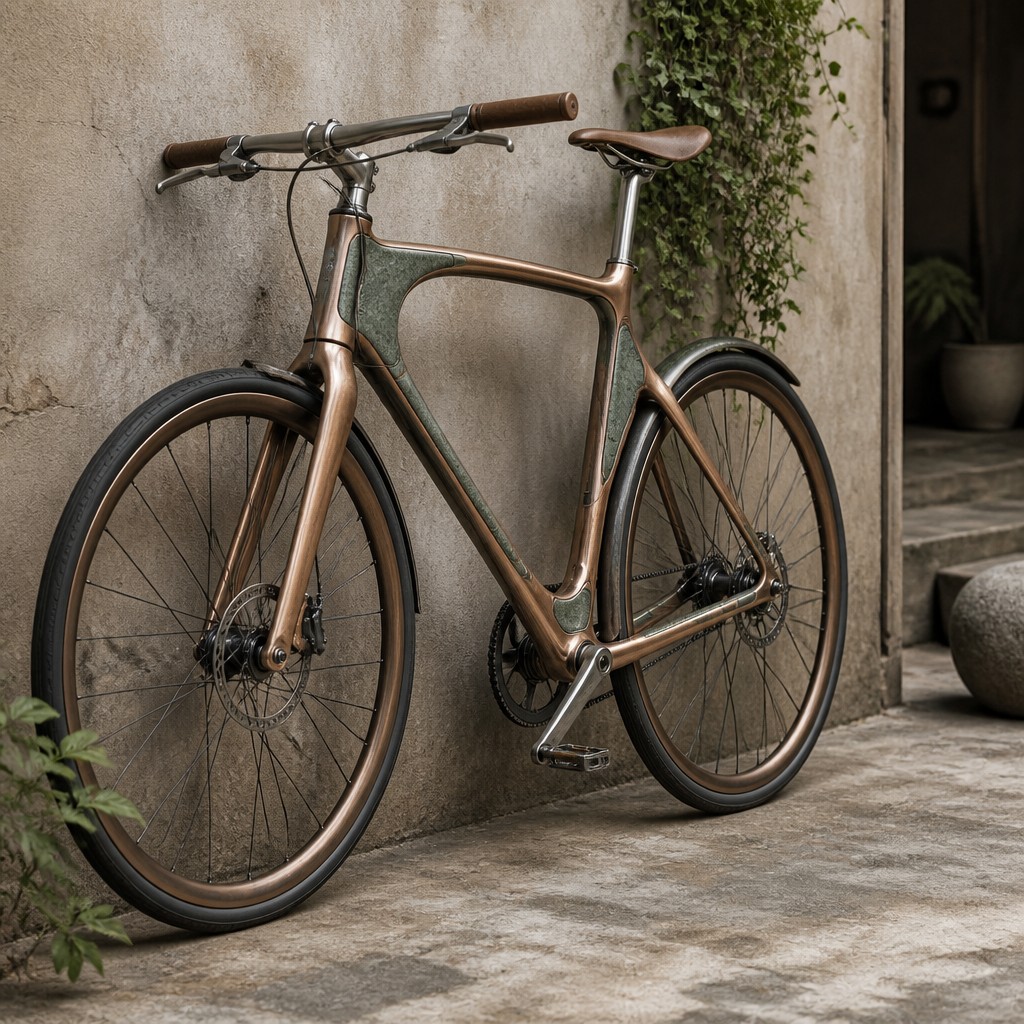
Understated eco-luxury
The overall impression is refined but quiet, with emphasis on quality, ethics, and touch. Ornament is minimized in favor of material intelligence and form.
Try It
Create Videos in Sustainable Eco Jewelry Design
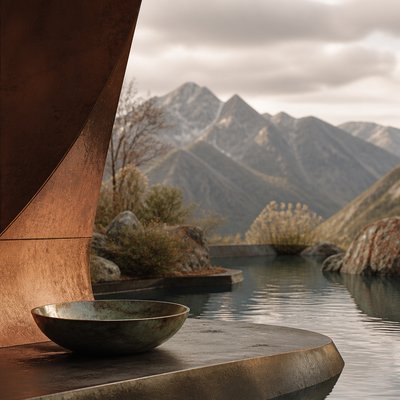
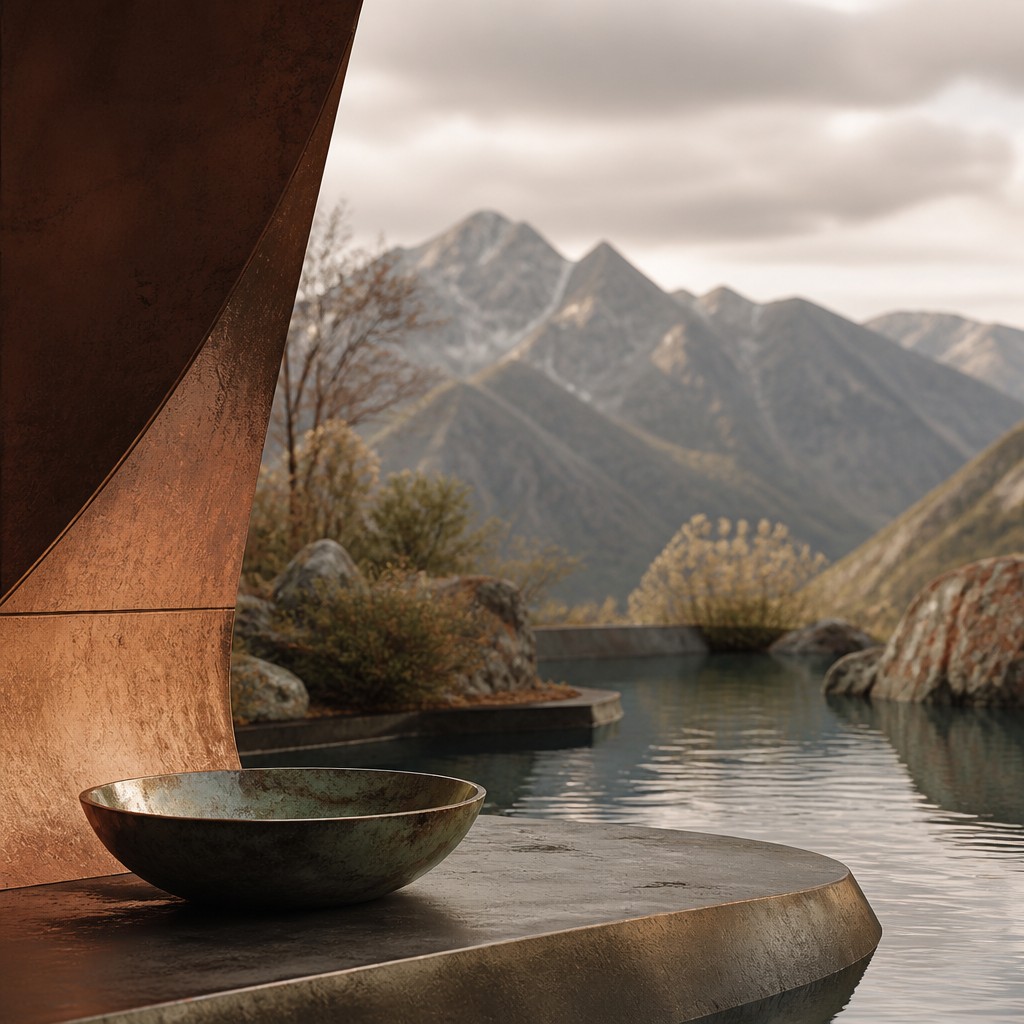
Styles aren't just for stills — describe a scene or animate an image and get a short video rendered in Sustainable Eco Jewelry Design. Press play to see this pond come to life.
Make a VideoSustainable Eco Jewelry Design Prompt Ideas
Start from an idea — each one opens the generator with the style ready to go. See all 40 Sustainable Eco Jewelry Design prompts →

“close-up portrait of an elderly person with expressive weathered features”
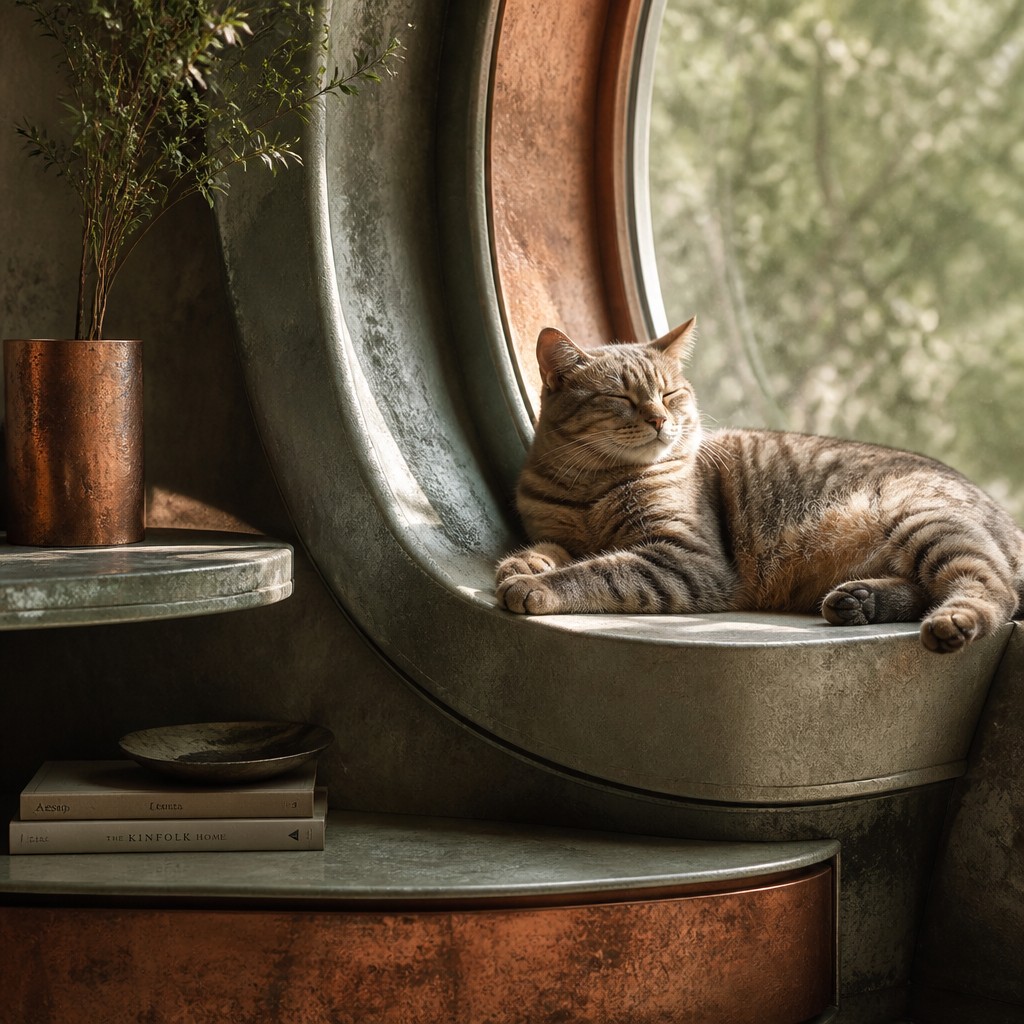
“a cat lounging in a sunlit window”
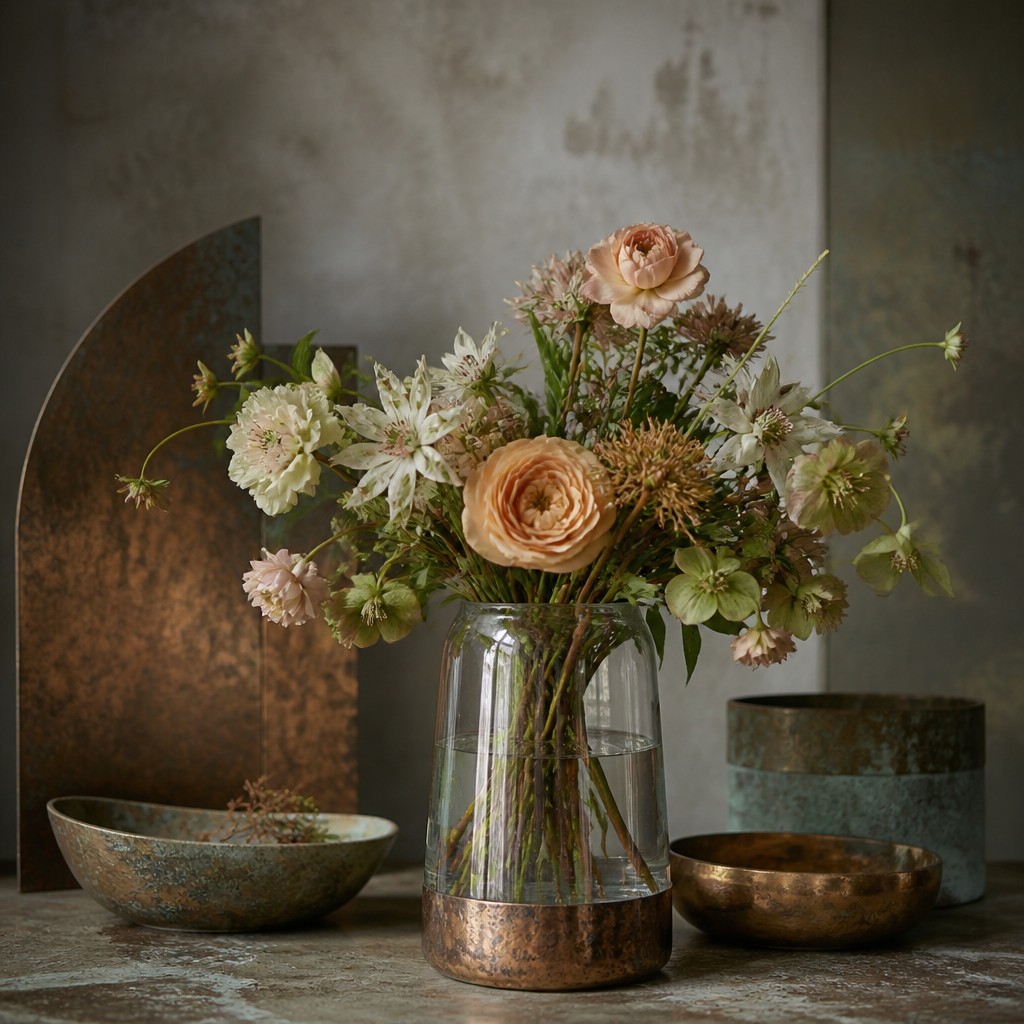
“bouquet of flowers in a glass vase”

“sailing ship on a stormy sea”
How to Create Sustainable Eco Jewelry Design Art
Master the craft step by step — or skip straight to creating. Read the full guide →
- 1
Choose sustainable-looking materials first
In physical work, start with recycled sterling silver, fair-trade gold, reclaimed brass, or responsibly sourced stones and shells. In digital work, describe those material cues explicitly so the result reads as environmentally conscious rather than simply organic.
- 2
Build forms around natural asymmetry
Sketch pieces as if they were grown or eroded rather than mechanically mirrored. Keep one side slightly different from the other, and let negative space follow an organic rhythm.
- 3
Use texture to communicate honesty
Preserve tool marks, brushed grain, and subtle patina instead of over-smoothing every surface. In rendering, ask for visible micro-texture, softened reflections, and handcrafted imperfections.
- 4
Restrict the palette and accents
Limit the design to a few earth-toned materials with one restrained focal highlight, such as a polished edge or a small ethical gemstone. The style depends on calm tonal relationships more than decoration.
- 5
Treat the piece like a designed object, not costume ornament
Compose the jewelry with attention to weight, wearability, and structure. For prompt-based generation, specify pendant, ring, cuff, earrings, or brooch with clear material and finish details, alongside soft diffused lighting and shallow depth of field.

The Story
History & Origins of Sustainable Eco Jewelry Design
Sustainable Eco Jewelry Design is an invented contemporary style rather than a historical art movement, but it grows out of several real design lineages. Its visual and material logic draws from studio craft, modernist jewelry, biomorphic design, and the broader sustainable design movement that emerged across product design and fashion in the late 20th and early 21st centuries. As concerns about mining impacts, labor ethics, and waste became more visible, jewelers increasingly turned to recycled precious metals, lab-grown or traceable stones, and reclaimed materials as both ethical choices and aesthetic drivers.
The style also inherits from artisanal traditions that value handwork, visible process, and the unique irregularities of made objects. In contemporary jewelry, this means a shift away from mass-produced uniformity toward pieces that feel individually formed, materially specific, and environmentally accountable. Its development is closely tied to independent makers, ethical luxury brands, and design practices that treat sustainability not as decoration but as the core of the object’s identity.
Influences: This style draws from studio jewelry, biomorphic modernism, and sustainable product design, while also echoing the material sensibility of Arts and Crafts craftsmanship and contemporary craft-centered design. Its organic forms relate loosely to mid-century biomorphic design, and its restraint aligns with minimalist jewelry traditions; however, its defining feature is the ethical and material framework rather than any single historical school. The emphasis on handwork and texture recalls the ethos of modern sculptural jewelry by mid-century abstract artists and, more broadly, the craft-led approach associated with studio practice.
Frequently Asked Questions
What defines Sustainable Eco Jewelry Design?
It is defined by responsible materials, organic forms, and a restrained eco-luxury finish. Recycled metals, ethical stones, and visible handcrafted texture are central to the look. The style communicates sustainability through both production choices and visual cues.
Is this the same as minimalist jewelry?
Not exactly. Minimalist jewelry often focuses on simplicity of form, while sustainable eco jewelry adds a stronger emphasis on material origin, texture, and ethical production. It can be minimal, but it usually feels more tactile and materially expressive.
What materials are most associated with this style?
Common materials include recycled silver, reclaimed gold, oxidized copper, brass, lab-grown or traceable gemstones, recycled glass, ceramic, and natural fibers in mixed-media pieces. The important factor is not just the material itself but how clearly its character is preserved.
How do I make jewelry look sustainable in an image?
Use visible grain, brushed finishes, natural patina, muted earth tones, and asymmetrical organic forms. Avoid overly glossy, mass-produced, or heavily encrusted looks, which can read as conventional luxury rather than eco-conscious design.
Where is this style commonly used?
It appears in contemporary jewelry collections, ethical fashion branding, artisanal product photography, independent design portfolios, and conceptual accessory imagery. It is especially effective for brands or makers emphasizing craftsmanship and sustainability.
What should I avoid when creating this style?
Avoid excessive sparkle, uniform factory-perfect surfaces, and overly ornate decorative clutter. Strong neon colors, synthetic plastic gloss, and rigid symmetry can weaken the eco-luxury feel and make the work appear disconnected from its sustainable intent.

Create your first Sustainable Eco Jewelry Design artwork
Describe anything — or upload a photo — and see it in Sustainable Eco Jewelry Design in seconds.
Make Something with Sustainable Eco Jewelry Design
Related Styles
Discover similar art styles