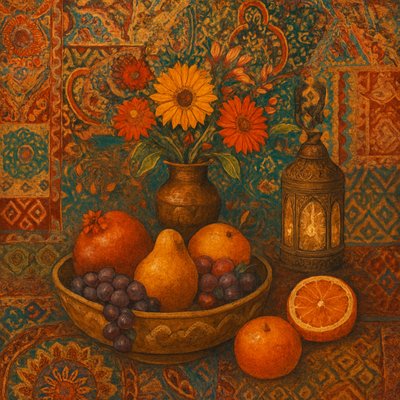
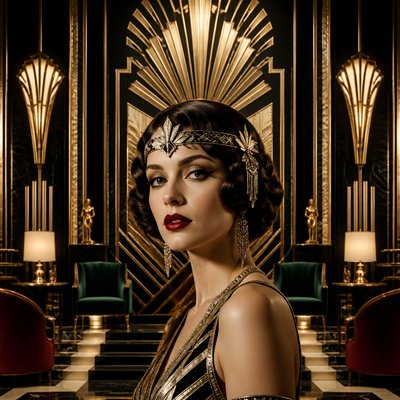
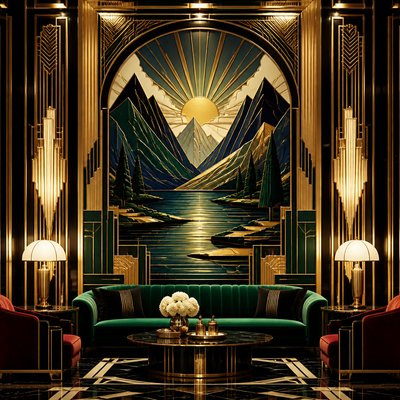
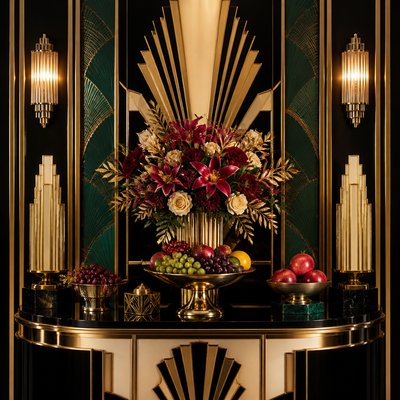
Vintage Jewelry Design
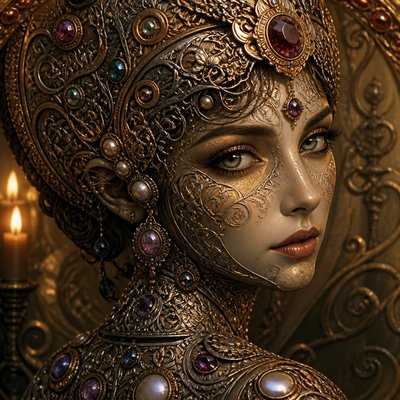
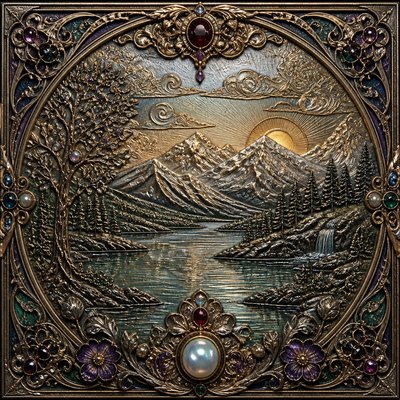
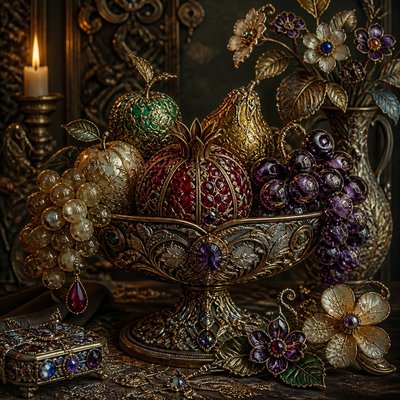
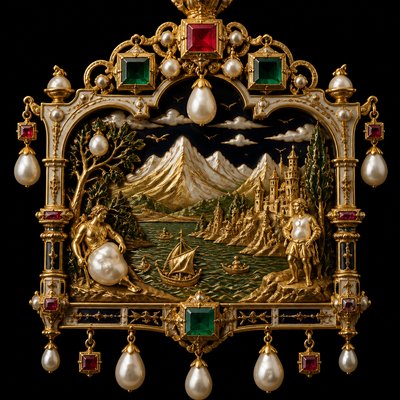
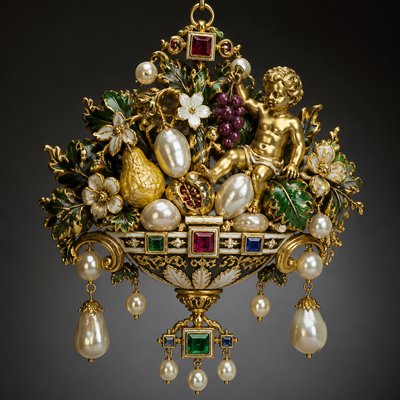
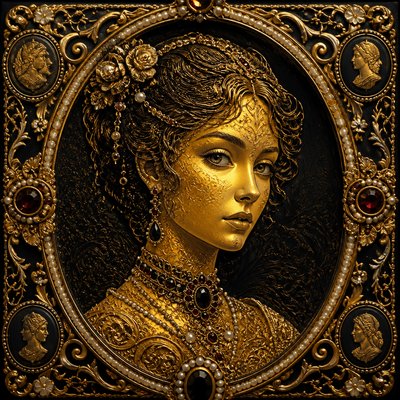
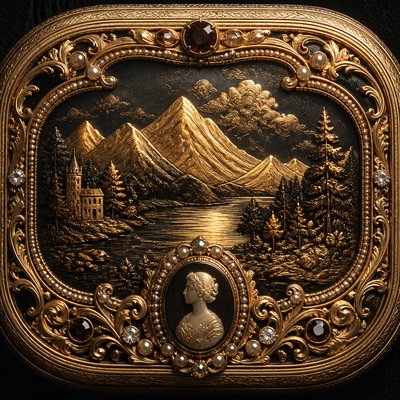
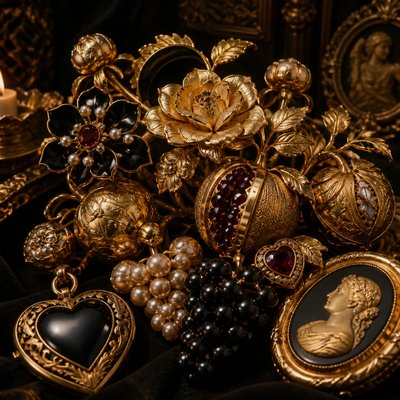
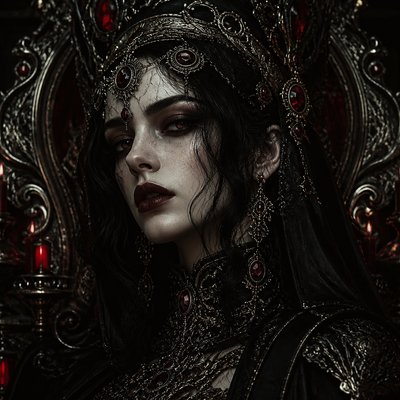
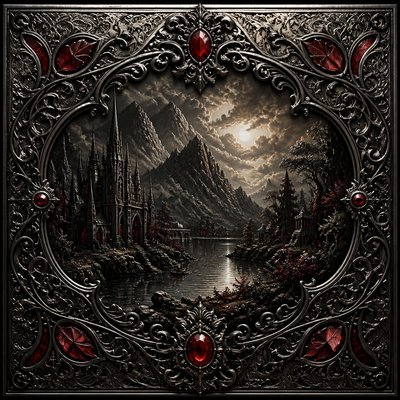
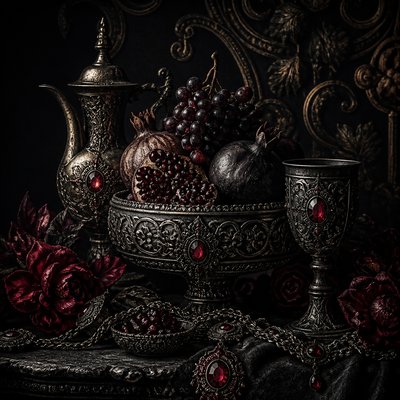
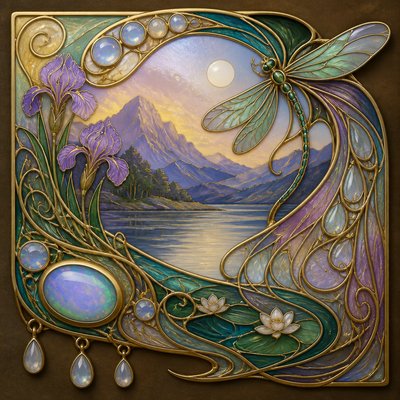
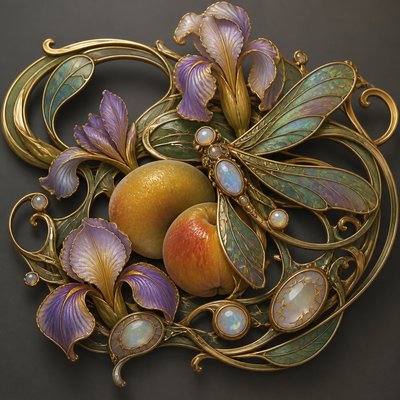
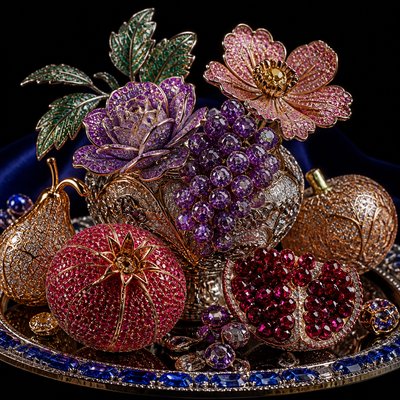
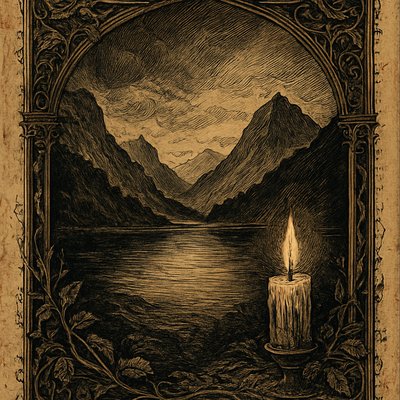
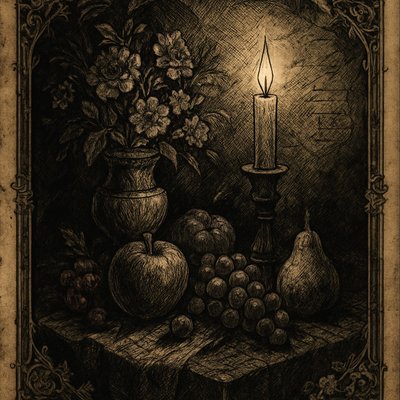
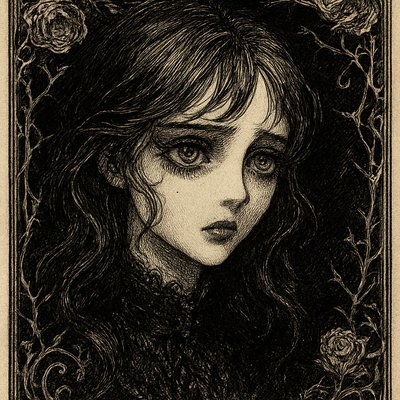
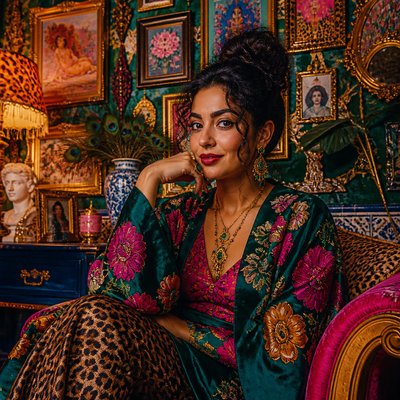
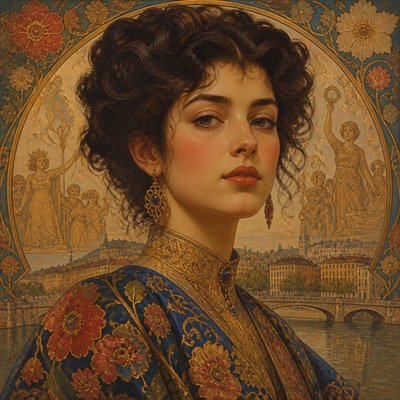
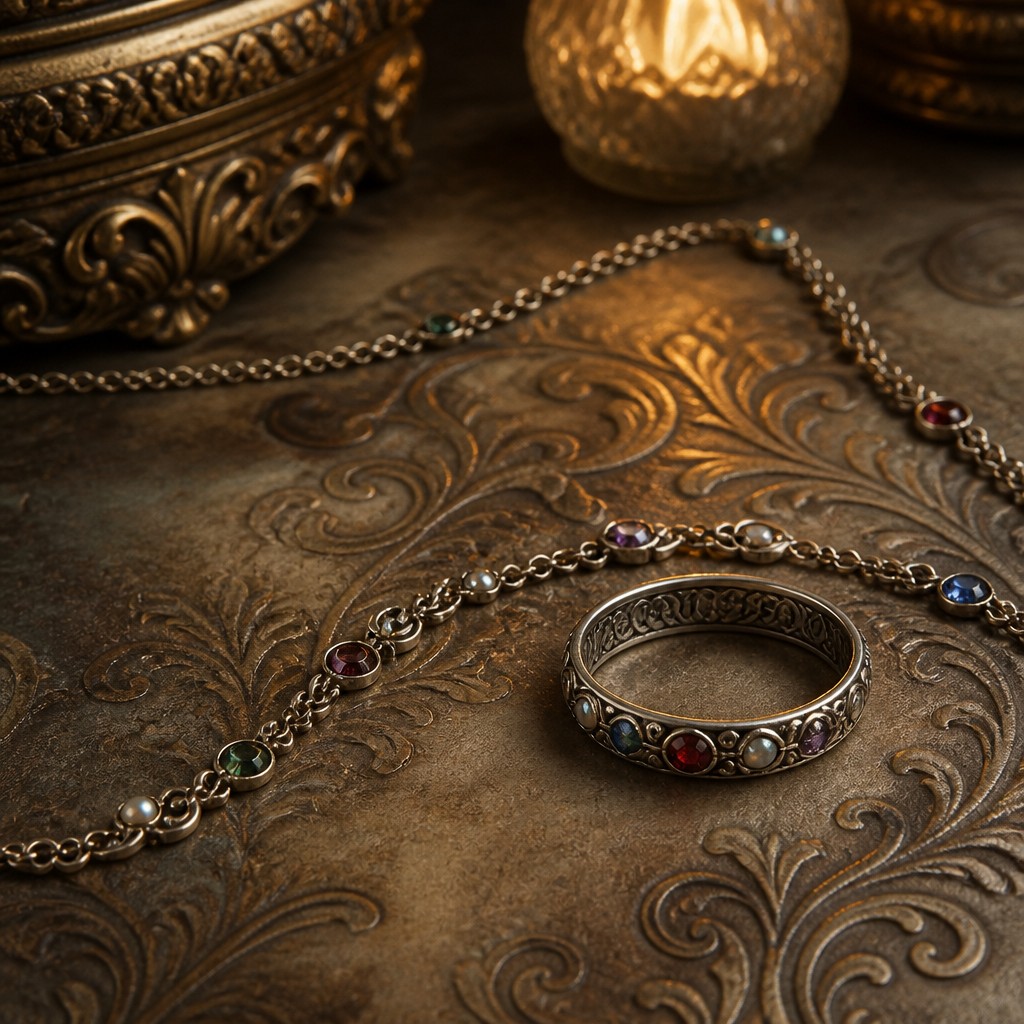
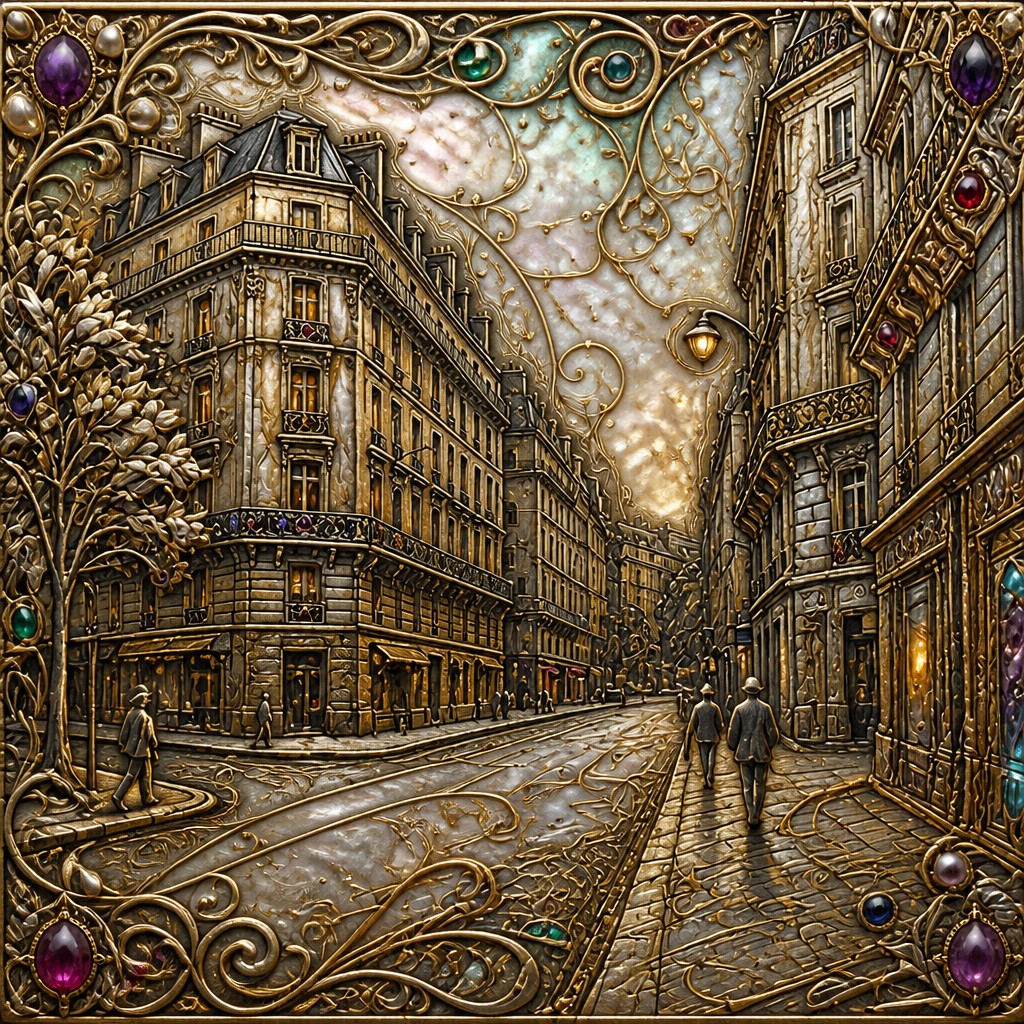
Ornate antique-inspired jewelry with filigree, engraved metalwork, pearls, gemstones, and romantic Victorian-Era detail.
Instantly rendered in Vintage Jewelry Design — or transform a photo
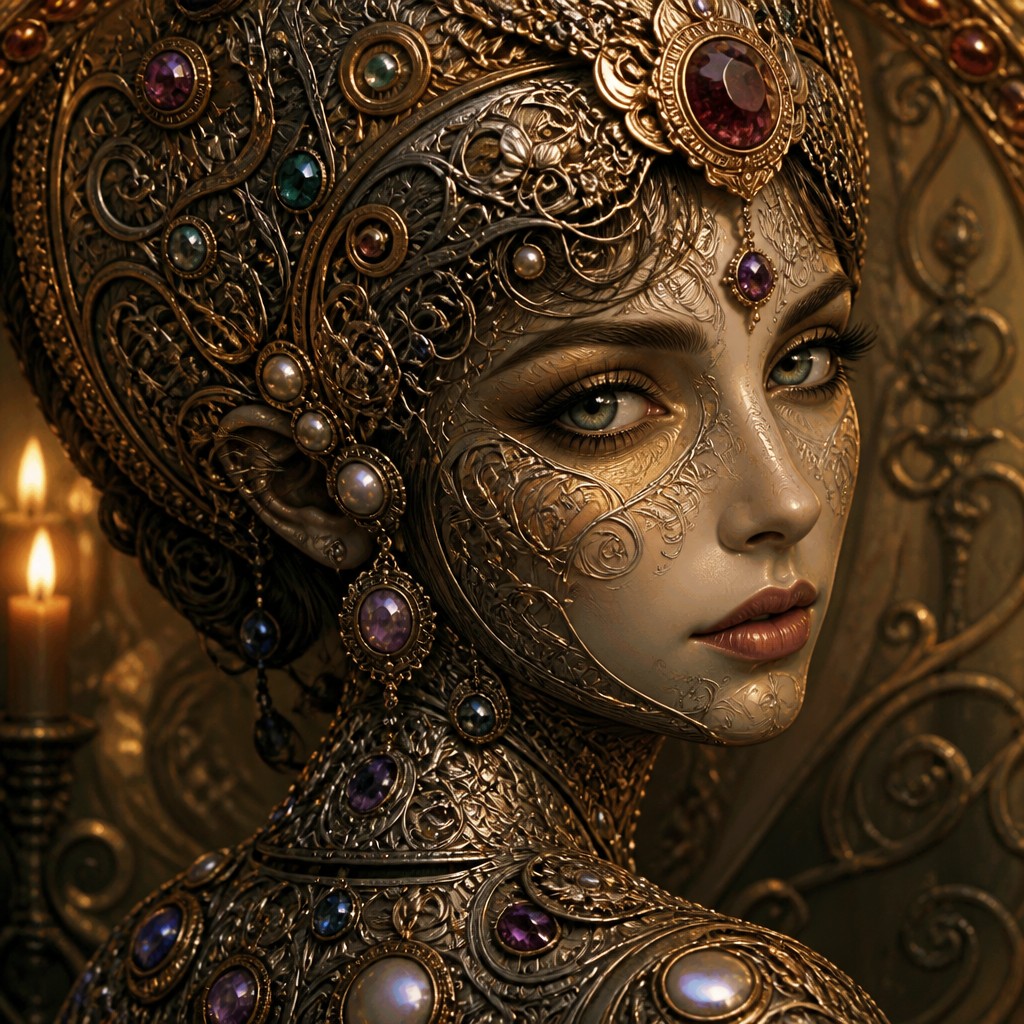
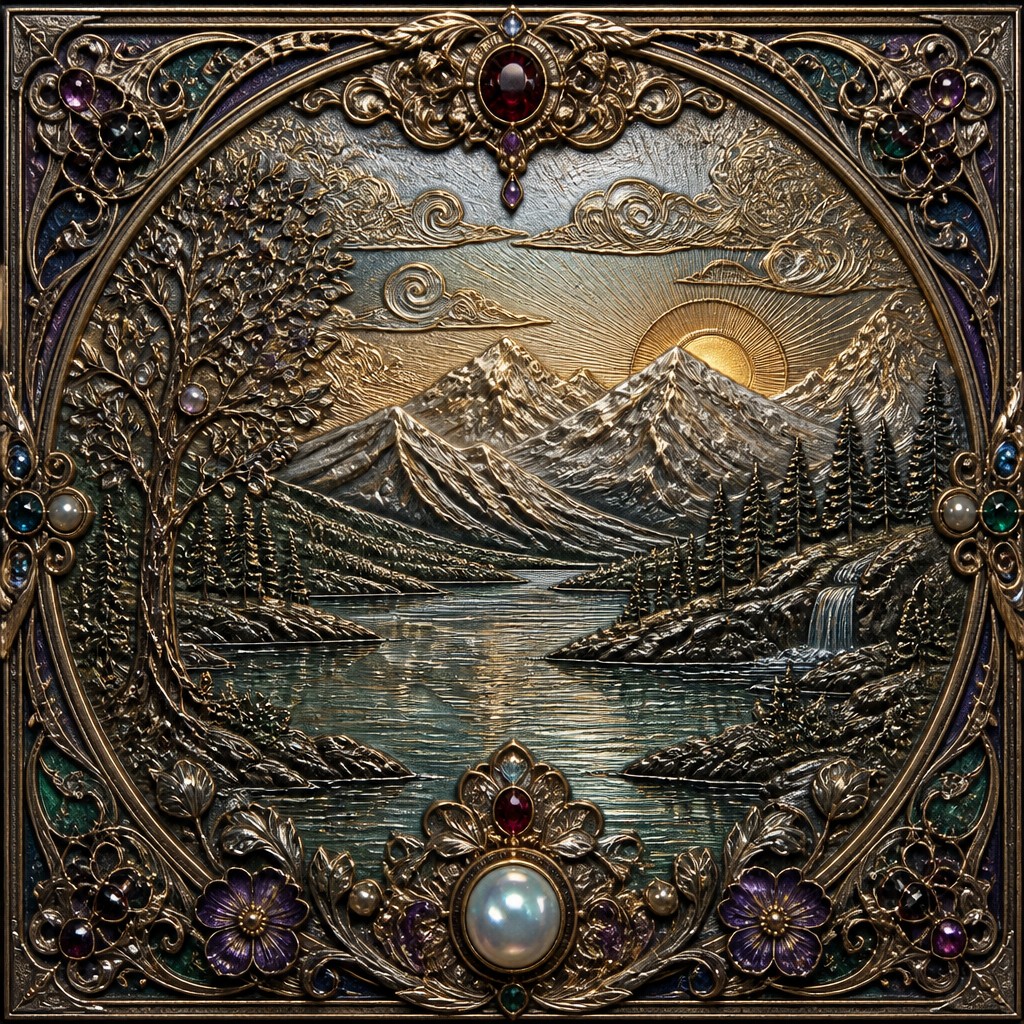
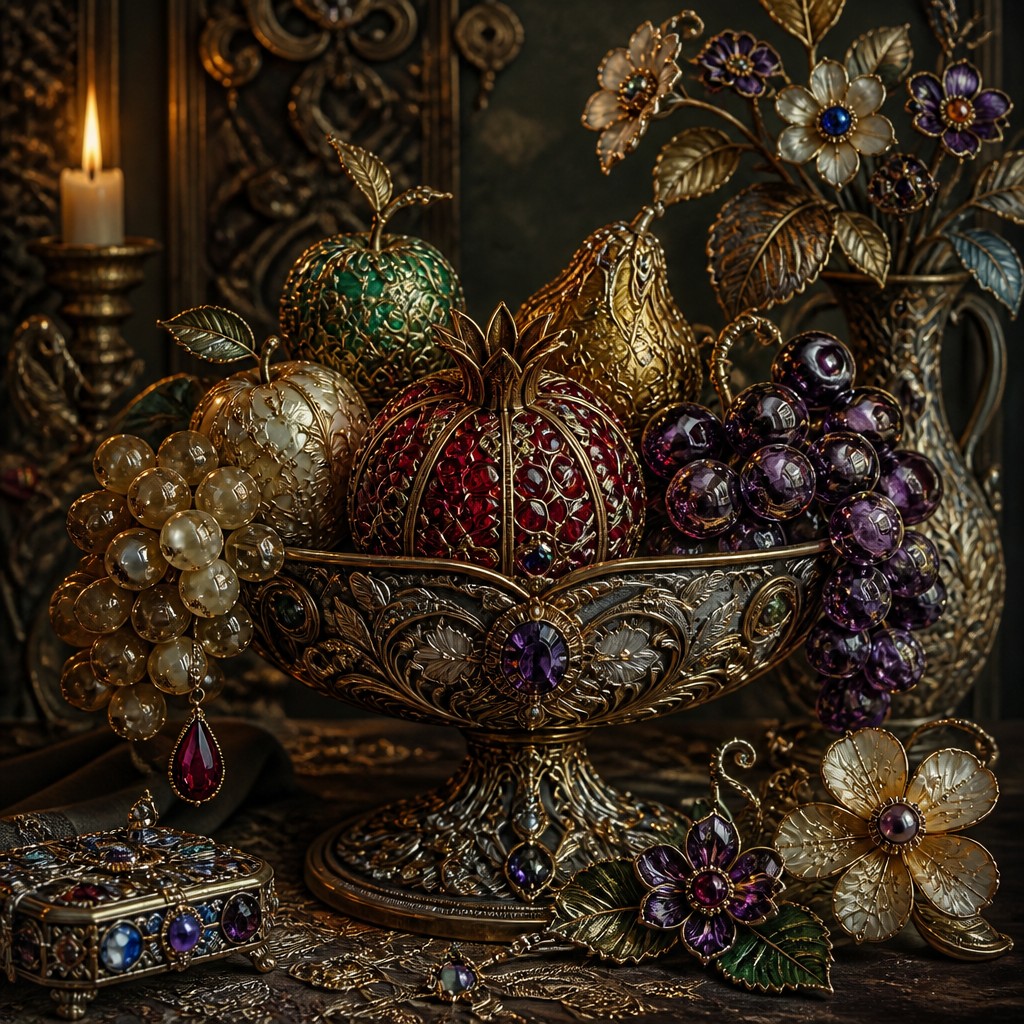
Vintage Jewelry Design Gallery
Tap any artwork to explore it
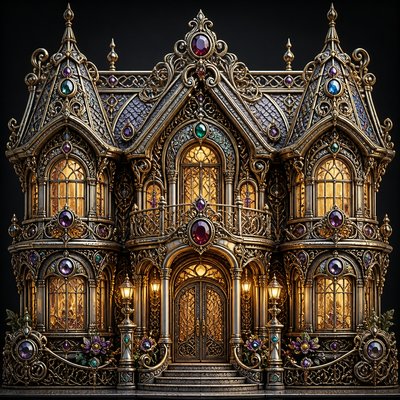
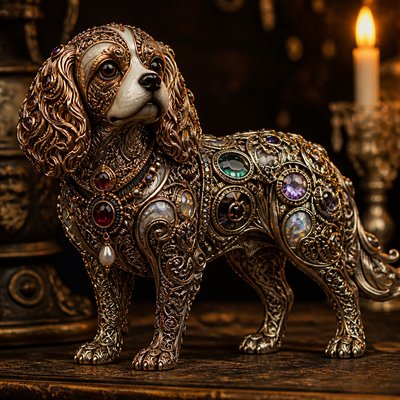
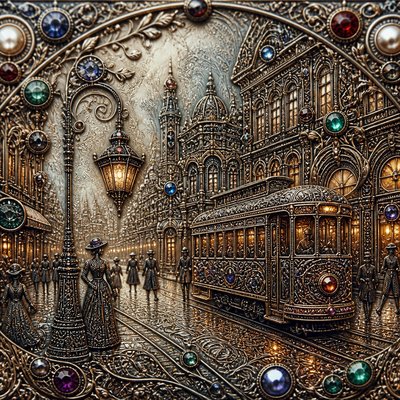
What is Vintage Jewelry Design?
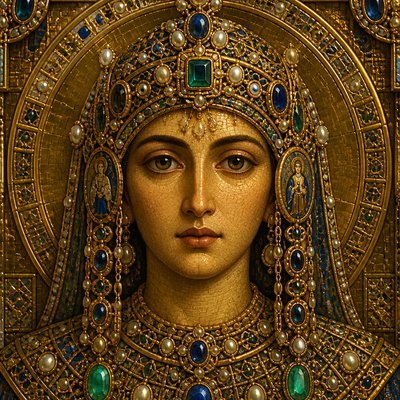
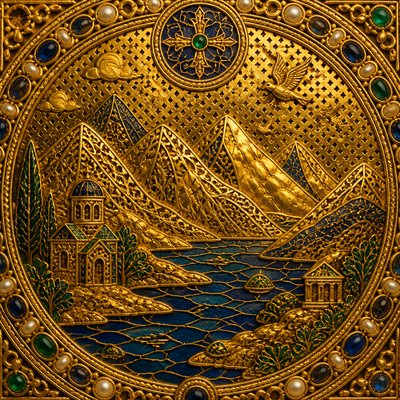
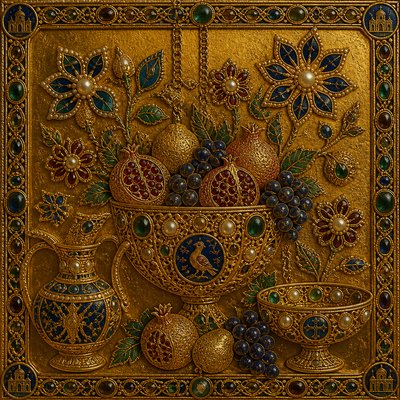
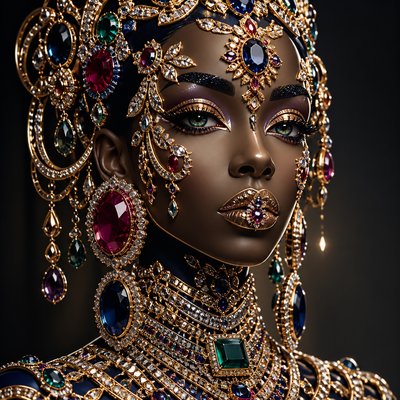
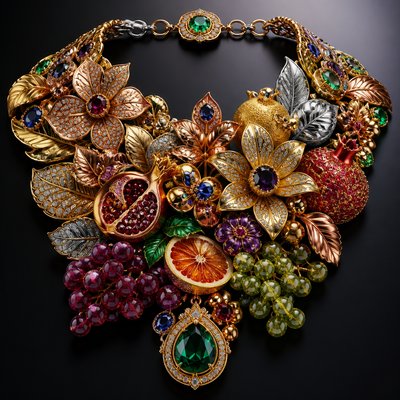
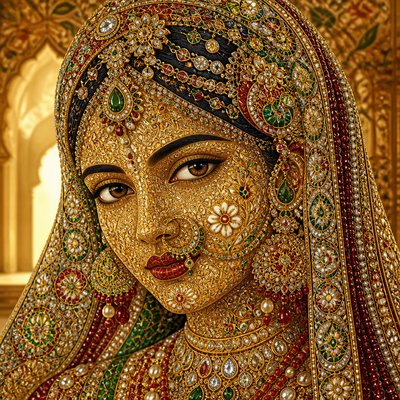
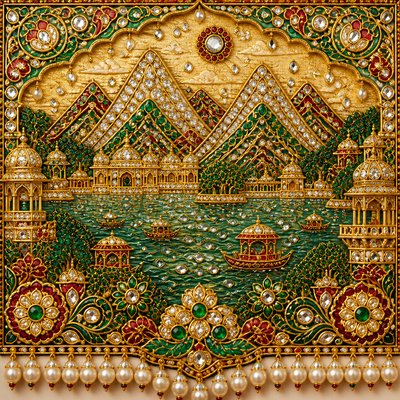
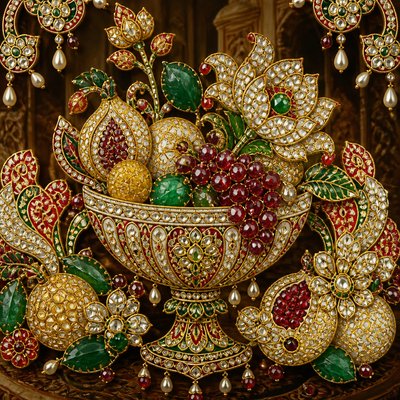
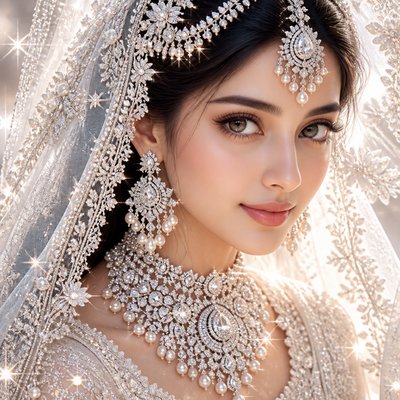
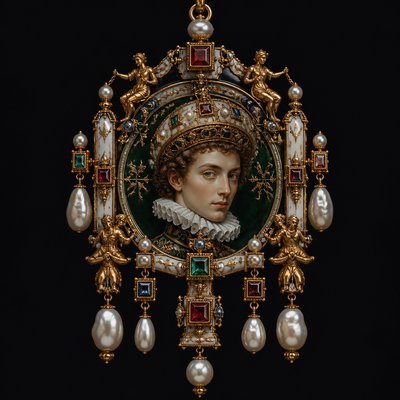
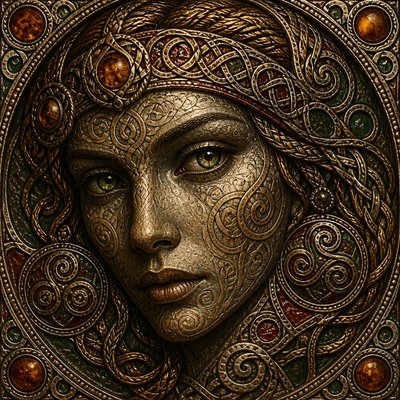
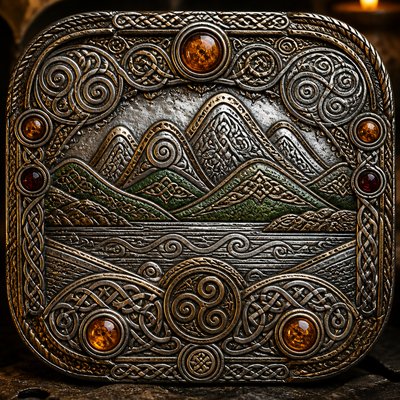
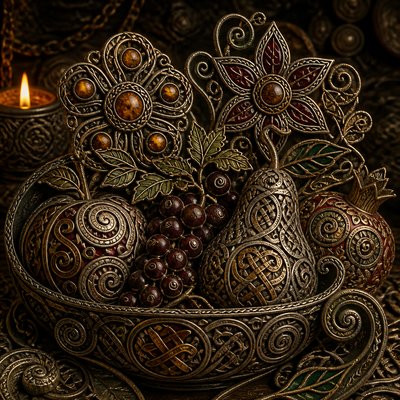
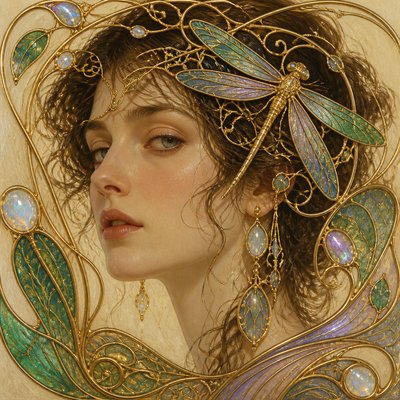
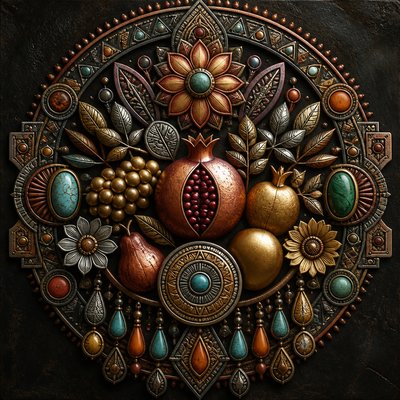
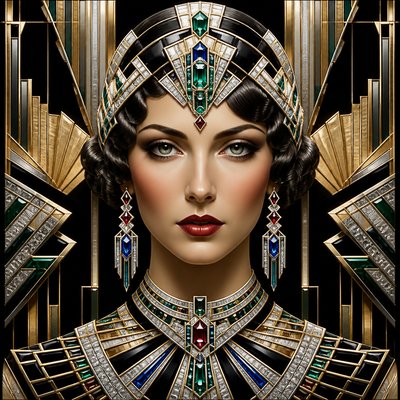
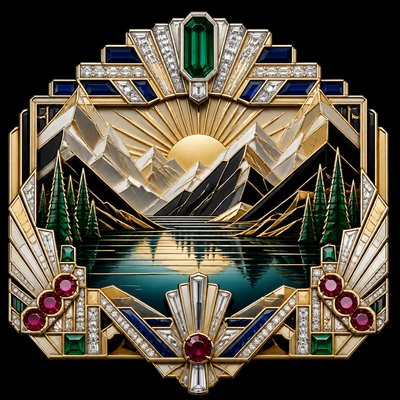
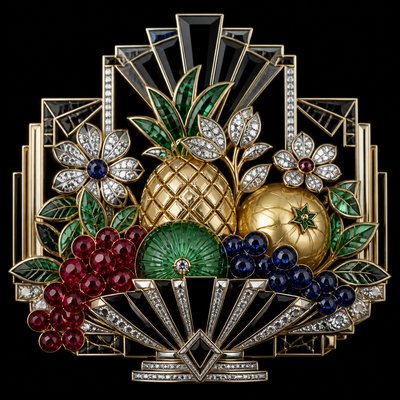
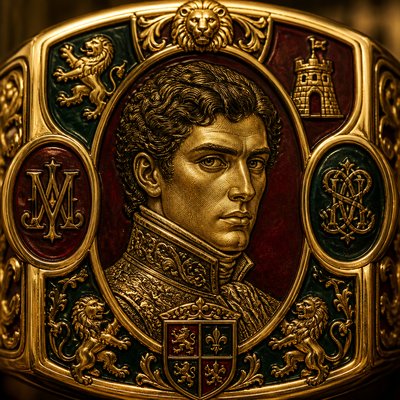
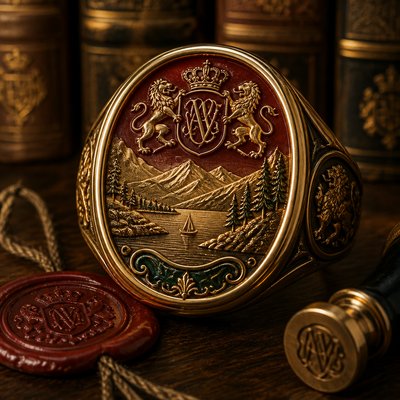
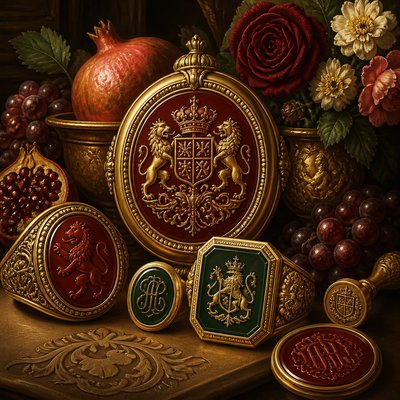
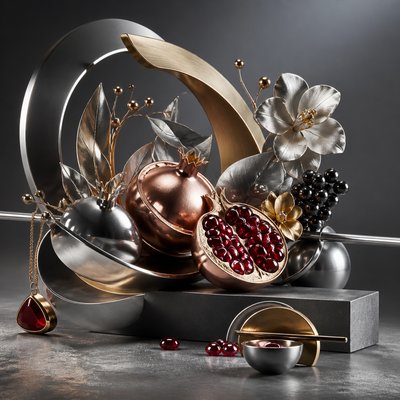
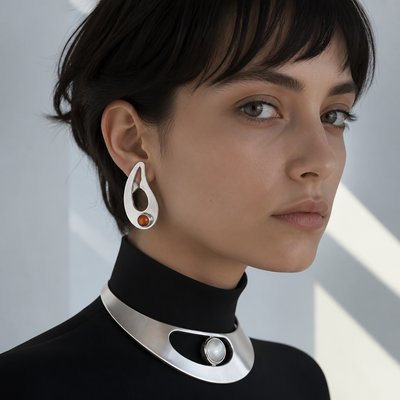
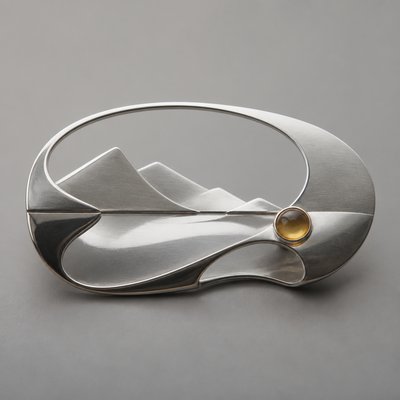
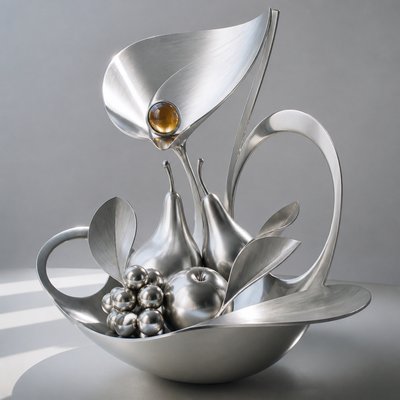
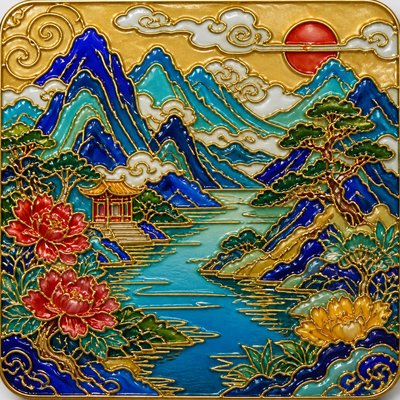
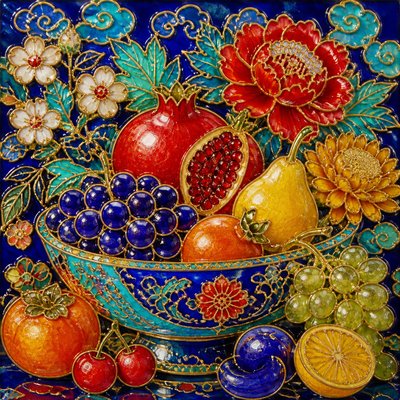
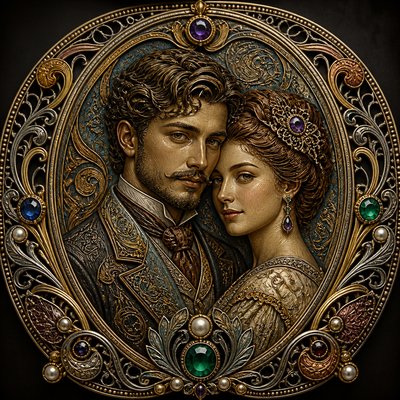
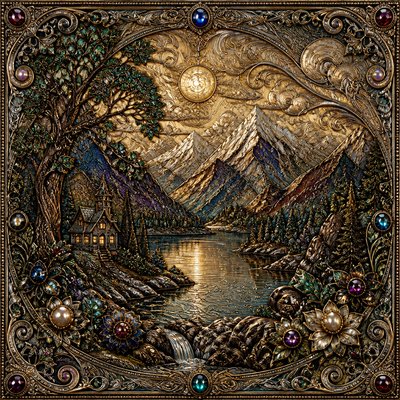
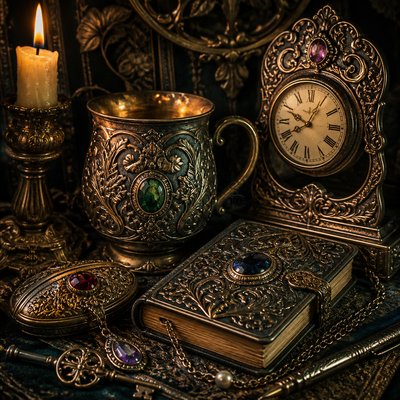
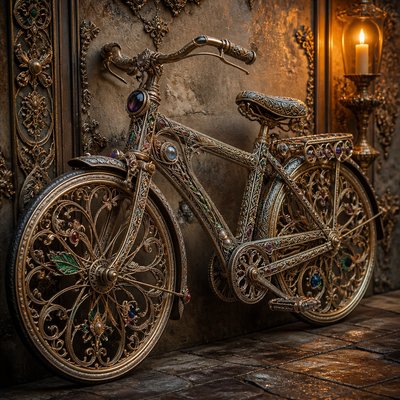
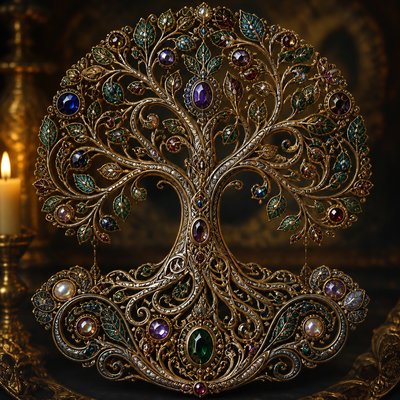
Vintage Jewelry Design is an antique-inspired decorative style centered on the craftsmanship of fine adornment: filigree, engraved metal, gemstone settings, pearl accents, and romantic symbolic motifs. It evokes the visual language of Victorian, Edwardian, and Art Nouveau jewelry, where structure and ornament are closely intertwined and every surface is given minute, deliberate detail.
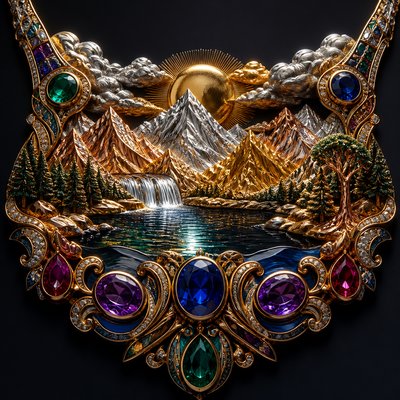
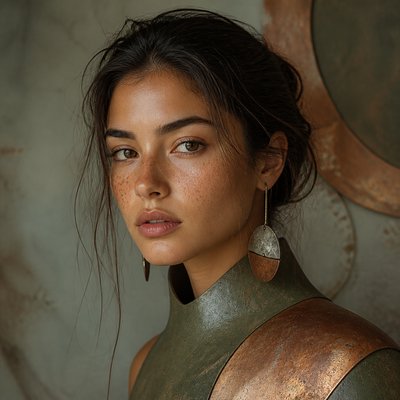
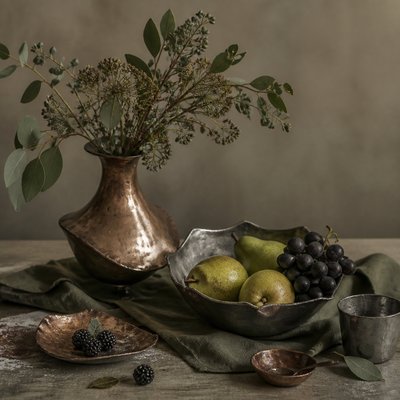
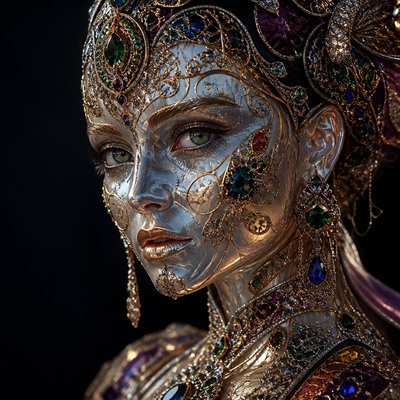
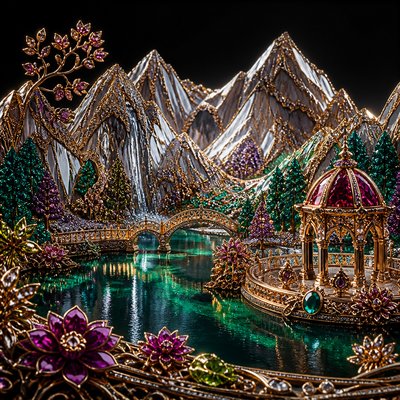
Its appeal comes from the way materials are rendered. Aged gold, tarnished silver, oxidized copper, enamel, and jewel-toned stones create contrast between luster and patina, while lace-like openwork and scrolling arabesques keep the forms airy rather than heavy. The style often feels intimate and heirloom-like because it suggests handcrafted luxury, ceremonial meaning, and the tactile evidence of age.
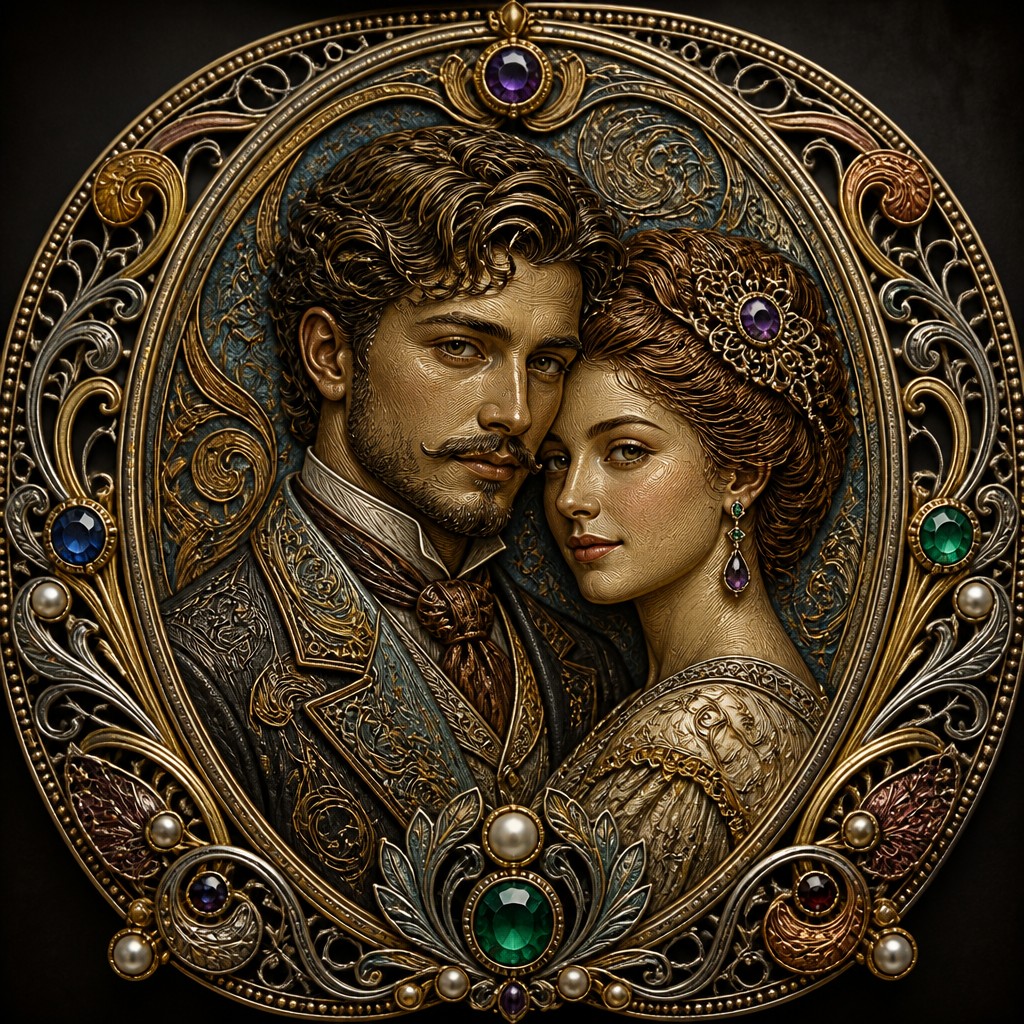
Try It On Your Photos
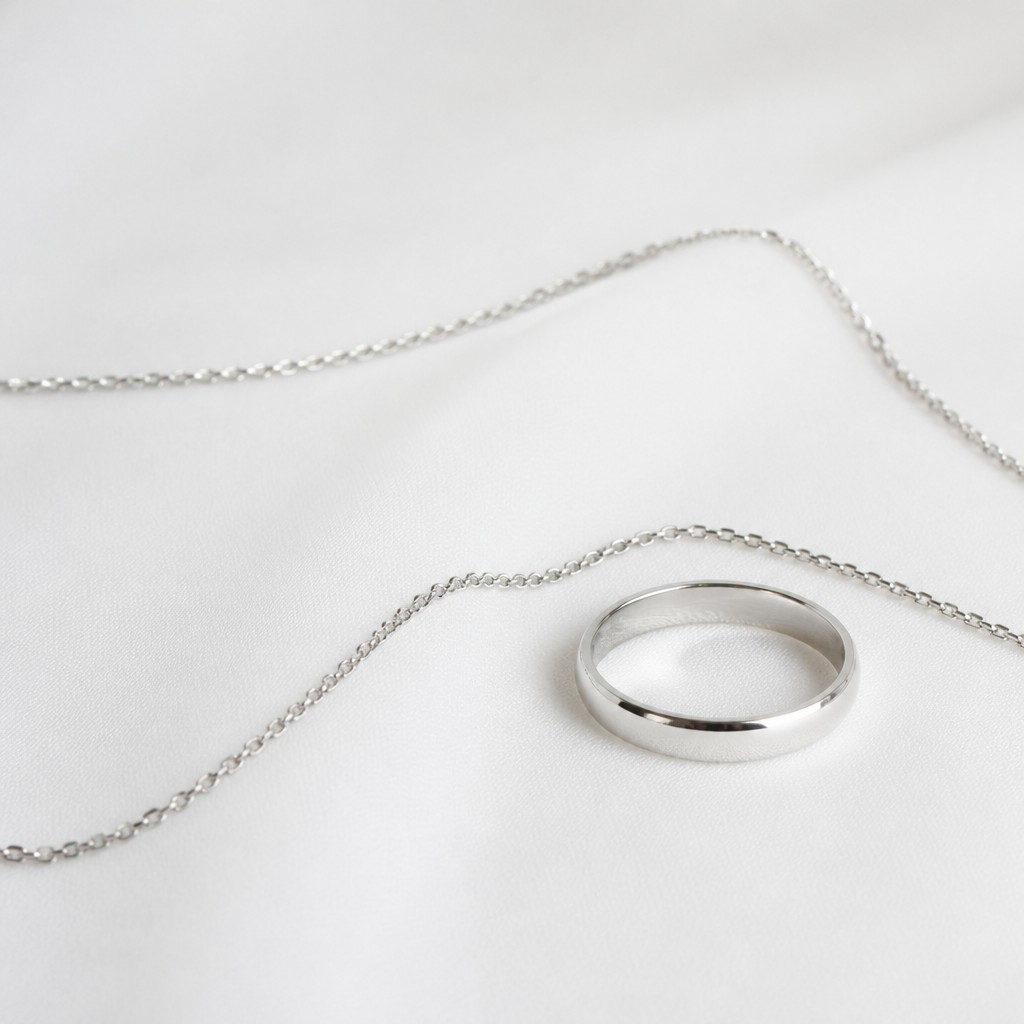
Upload any photo and convert it into Vintage Jewelry Design — drag the sliders to compare before and after.



What Defines Vintage Jewelry Design
The signature details, up close
Intricate filigree
Thin, curling metalwork forms open lace-like patterns that make the piece feel delicate and handcrafted. This is one of the clearest markers of the style.
Aged precious metals
Gold, silver, and copper are usually shown with patina, soft tarnish, or worn highlights rather than mirror-bright polish. The age effect gives the design an heirloom quality.
Gemstone-rich accents
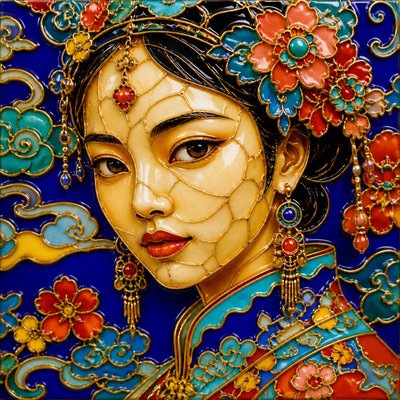
Small but vivid stones such as garnet, emerald, sapphire, amethyst, and pearl are used as focal points. Their saturated color contrasts with the muted metal tones.
Engraved ornament
Scrolls, floral etching, milgrain edges, and tiny repoussé-like relief details add surface complexity. The design often rewards close inspection.
Romantic symbolism
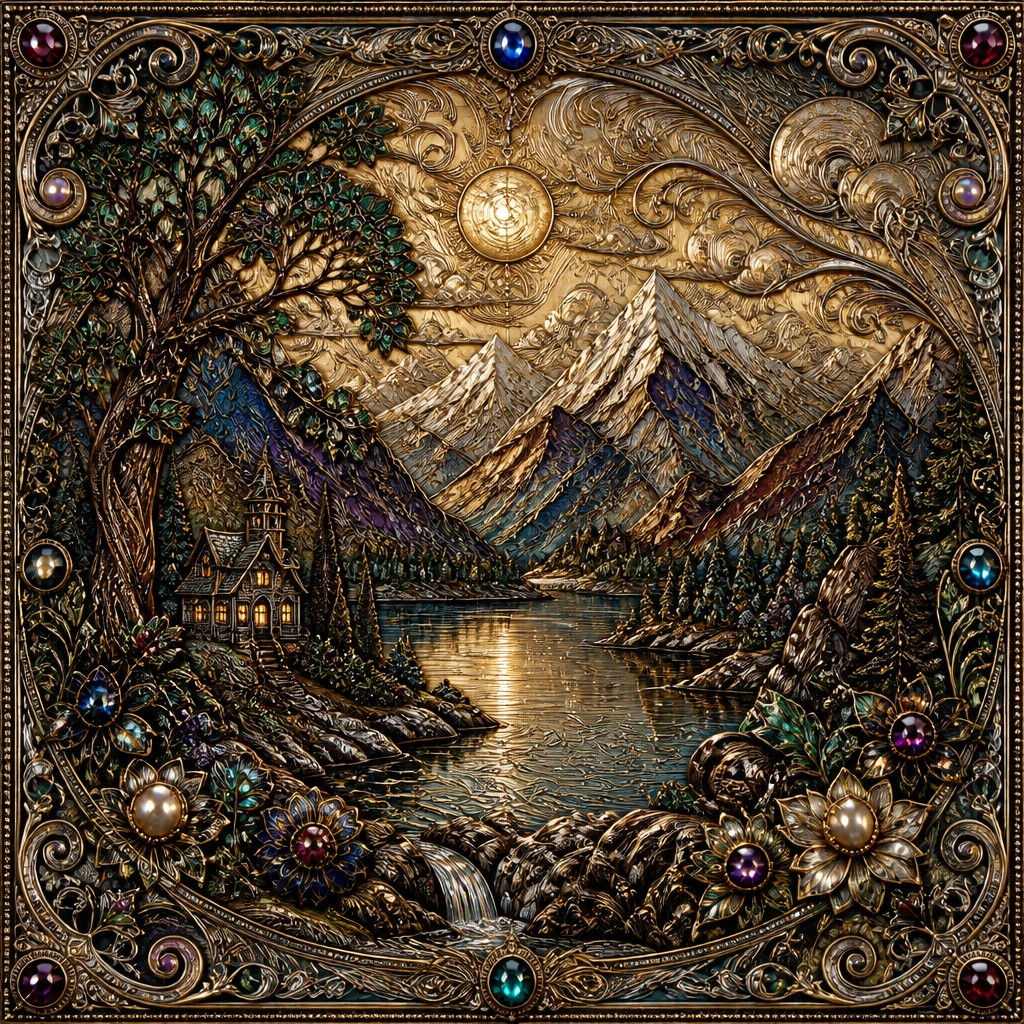
Hearts, flowers, vines, stars, bows, cameos, lockets, and moth or bird motifs frequently appear. These motifs help connect the object to Victorian sentiment and Art Nouveau naturalism.
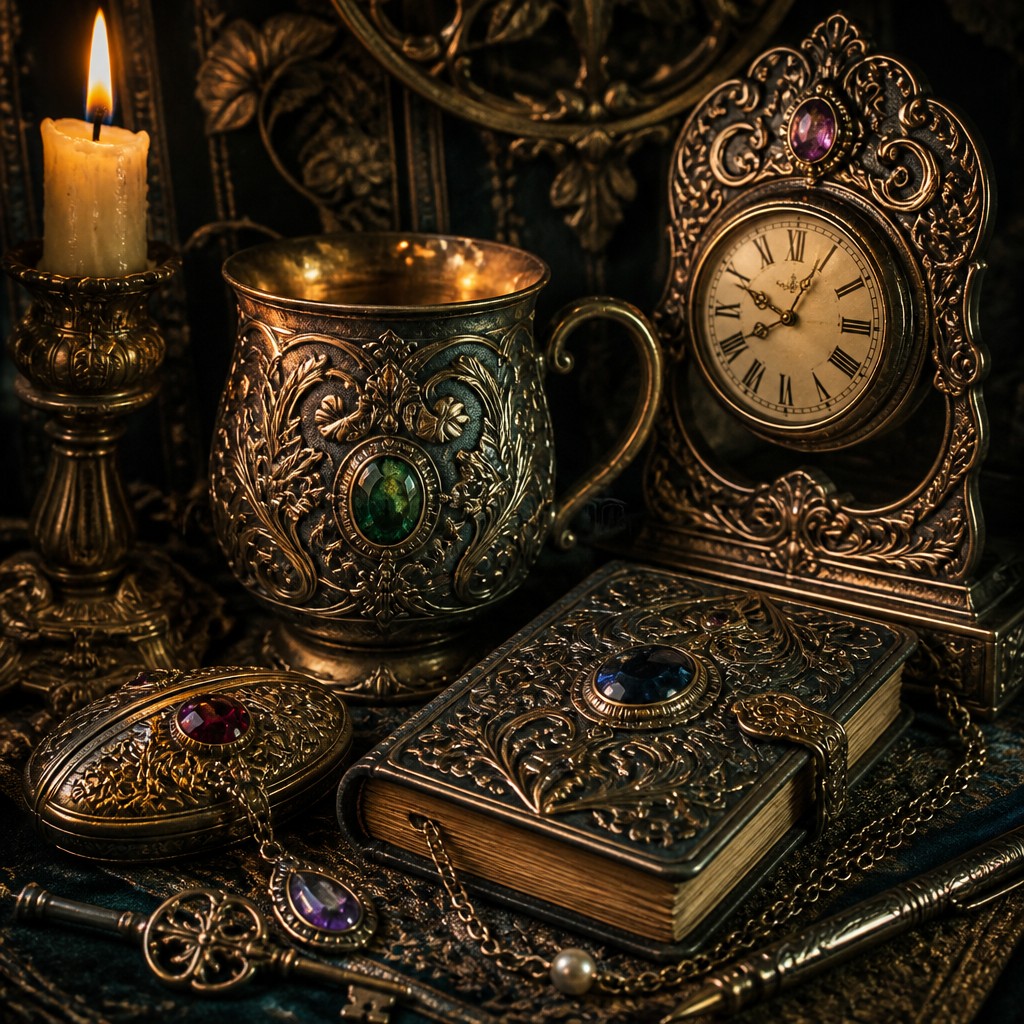
Soft dimensional lighting
Warm light catches raised edges and gemstones while shadows settle into recesses and openwork. The result is a sense of depth, tactility, and luxury.
Try It
Create Videos in Vintage Jewelry Design
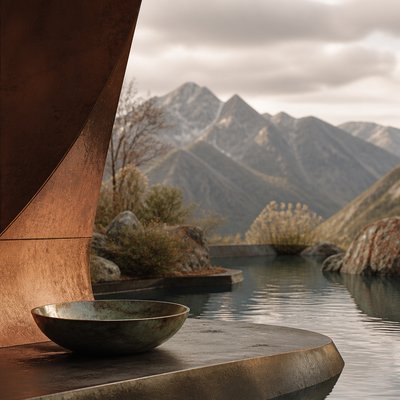
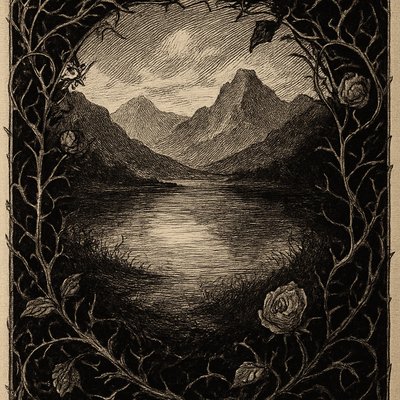
Styles aren't just for stills — describe a scene or animate an image and get a short video rendered in Vintage Jewelry Design. Press play to see this pond come to life.
Make a VideoVintage Jewelry Design Prompt Ideas
Start from an idea — each one opens the generator with the style ready to go. See all 40 Vintage Jewelry Design prompts →
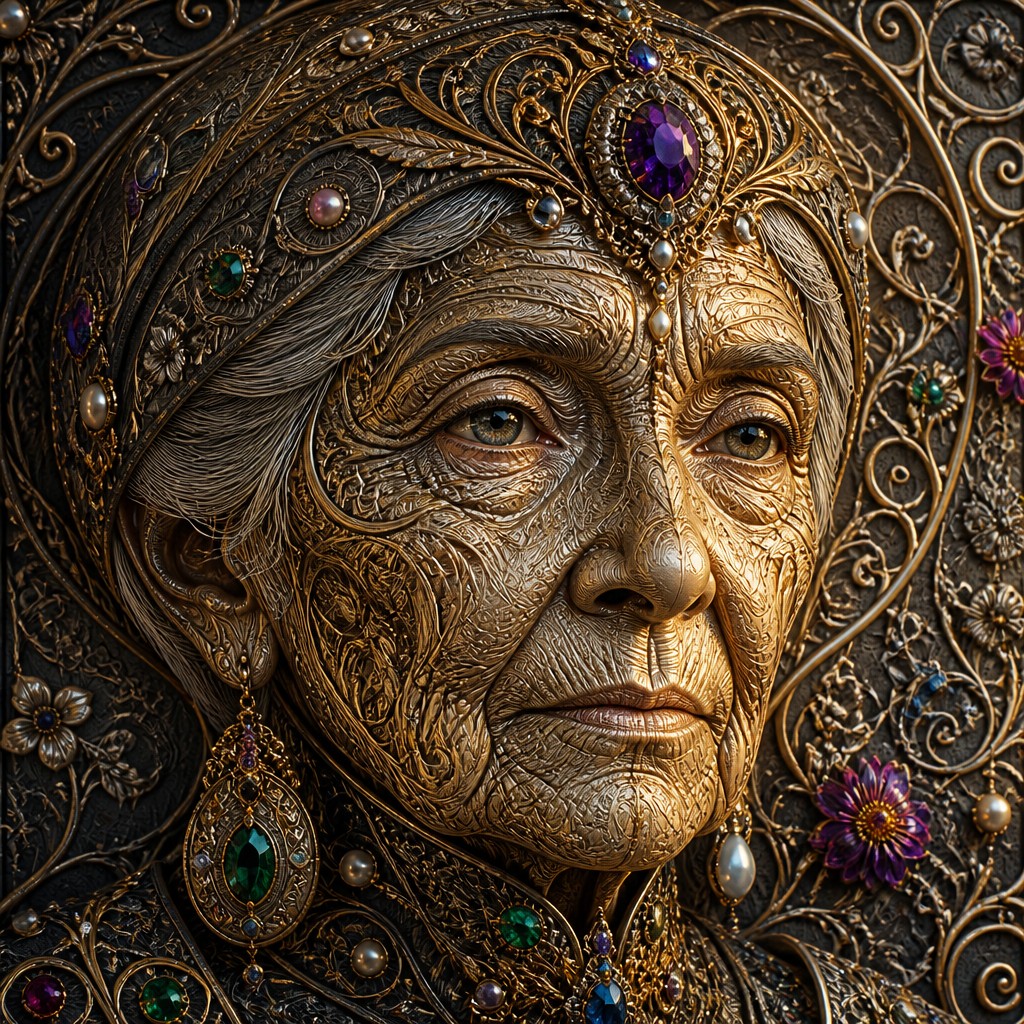
“close-up portrait of an elderly person with expressive weathered features”
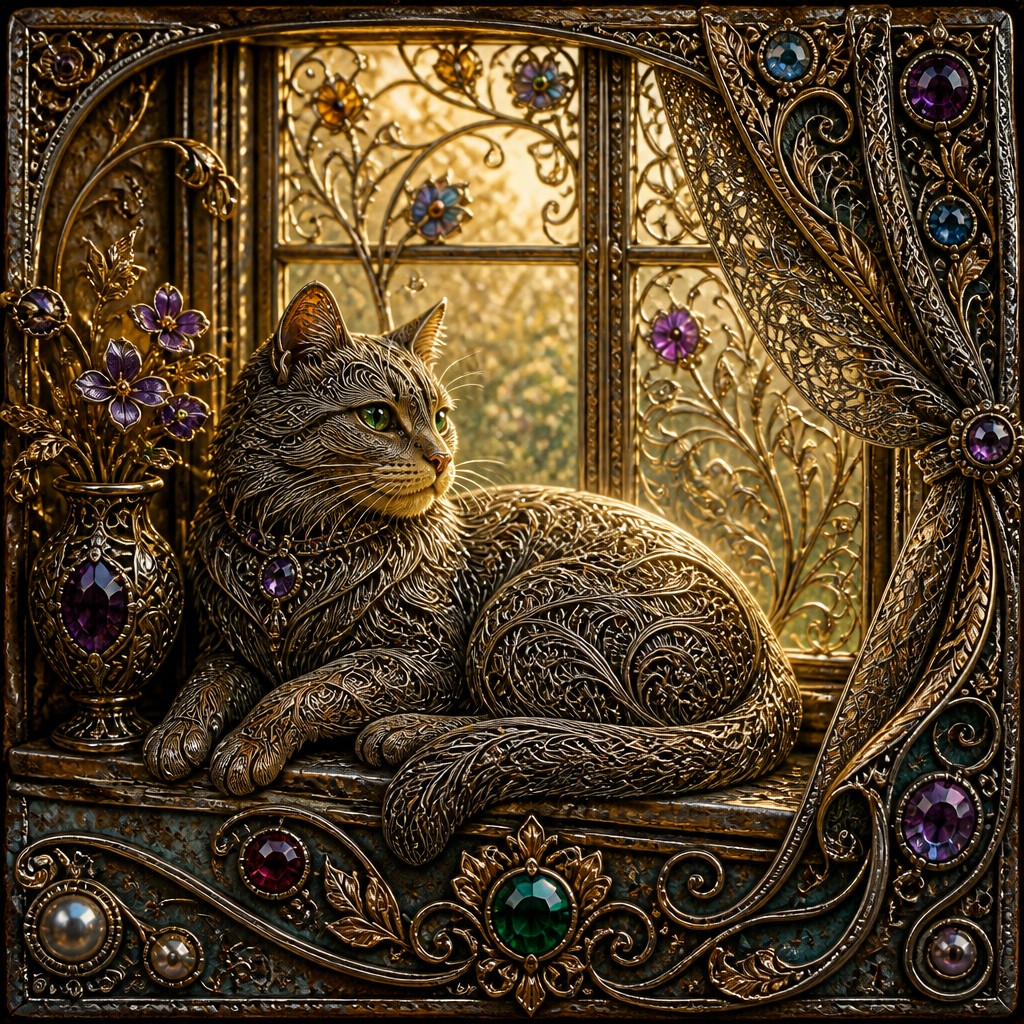
“a cat lounging in a sunlit window”
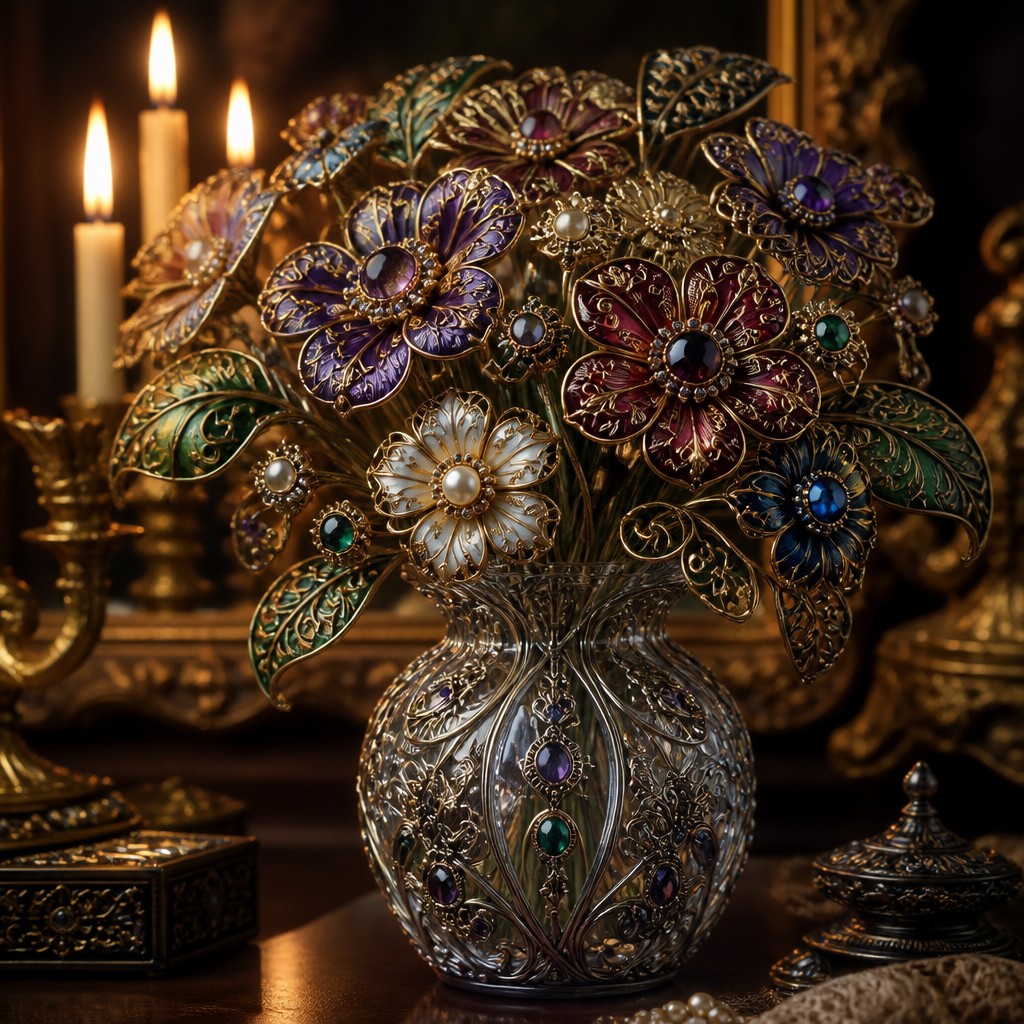
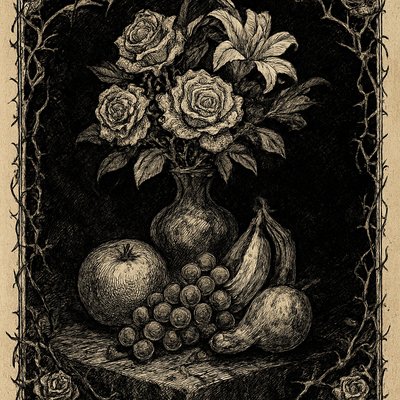
“bouquet of flowers in a glass vase”
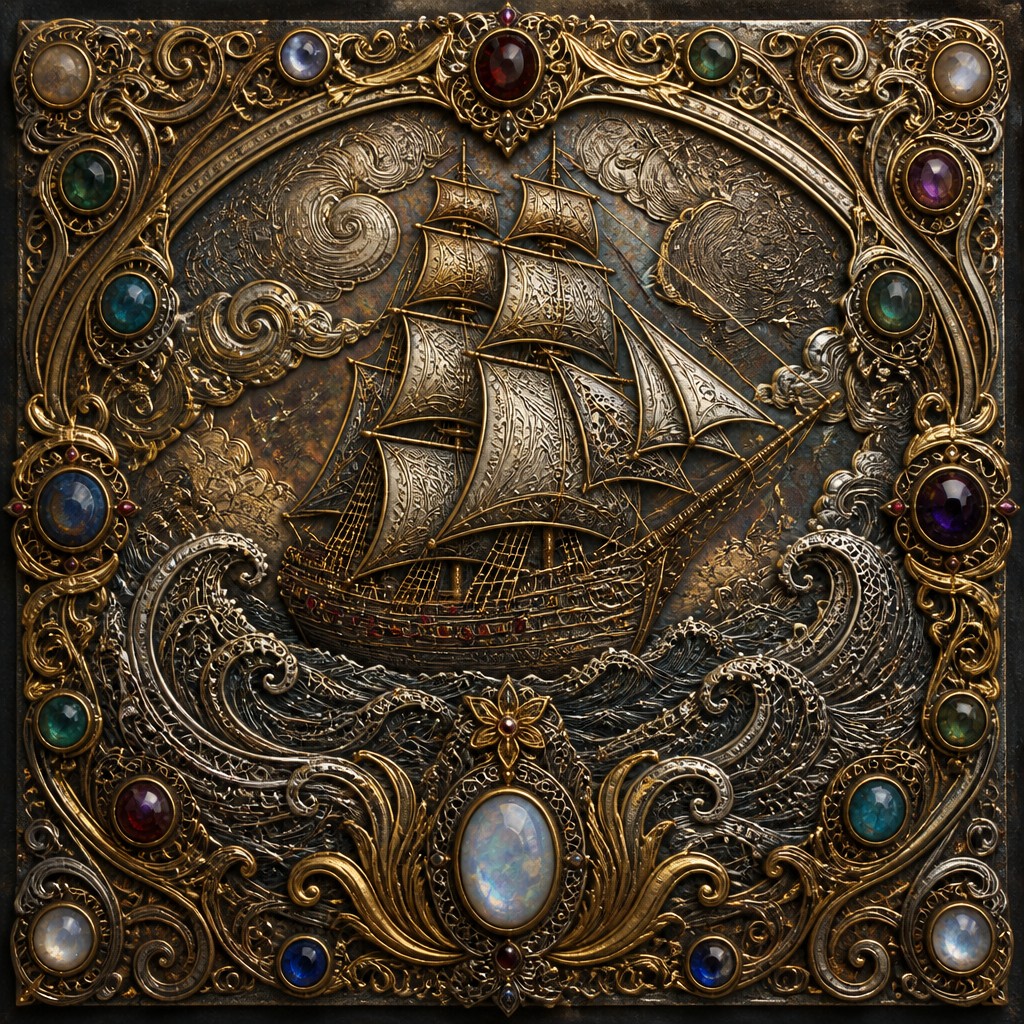
“sailing ship on a stormy sea”
How to Create Vintage Jewelry Design Art
Master the craft step by step — or skip straight to creating. Read the full guide →
- 1
Build the form around metal structure first
Start with the silhouette of a pendant, brooch, ring, or tiara, then lay in the metal framework before adding decoration. In traditional media, use fine linework and stippling; in digital work, separate the base form, raised details, and shadow layers so the ornament reads clearly.
- 2
Use filigree and repeating micro-motifs
The style depends on controlled repetition: curls, leaves, petals, beading, and scrolls should echo each other without looking mechanical. Vary line thickness slightly to mimic hand-tooled metal and avoid a flat ornamental pattern.
- 3
Balance brilliance with patina
Keep the brightest highlights on gemstone edges and polished metal ridges, but let the recesses remain darker and slightly tarnished. A subtle age layer is essential; pristine surfaces will make the piece feel modern rather than vintage.
- 4
Choose historically resonant motifs
If you want a Victorian mood, lean into lockets, cameos, roses, hearts, and mourning jewelry cues; for Edwardian elegance, use garlands, bows, pearls, and lighter latticework; for Art Nouveau, favor irises, lilies, vines, and asymmetrical flowing curves.
- 5
Render materials with clear contrast
Make metal look different from enamel, pearl, and gemstones by changing edge sharpness, reflectivity, and texture. When generating from text, specify aged gold or tarnished silver, jewel-toned stones, soft pearl iridescence, and warm candlelight to get the right surface behavior.
The Story
History & Origins of Vintage Jewelry Design
Vintage jewelry design is not a single historical movement but a visual synthesis drawn from several periods of European jewelry history, especially the Victorian era, the Edwardian period, and Art Nouveau. Victorian jewelry often emphasized sentiment, symbolism, and elaborate ornament; Edwardian design refined that richness into lighter, more delicate compositions using platinum, diamonds, garlands, and lace-like settings; Art Nouveau introduced flowing organic curves, botanical motifs, and an emphasis on expressive line.
In contemporary visual culture, the style survives as a decorative shorthand for romance, heirloom value, and antique craftsmanship. It appears in fashion illustration, product design, fantasy art, branding, and collectible objects because it communicates age, refinement, and material richness immediately, even when rendered digitally.
Influences: Vintage jewelry design draws primarily from Victorian jewelry, Edwardian jewelry, and Art Nouveau ornament. Its curving botanical forms and asymmetry recall influential Art Nouveau artists and designers associated with that movement, while its sentimental symbolism and elaborate craftsmanship reflect the broader decorative culture of the 19th and early 20th centuries. It also intersects with cameo carving, repoussé metalwork, enameling, and luxury accessory design.
Frequently Asked Questions
What defines vintage jewelry design visually?
It is defined by ornate metalwork, filigree, engraved details, gemstone accents, and a romantic antique finish. The style usually combines delicate structure with rich material contrast, especially aged metals against bright stones and pearls.
Is this the same as Victorian jewelry?
Not exactly. Victorian jewelry is a historical period with its own conventions, while vintage jewelry design is a broader style label that also includes Edwardian delicacy and Art Nouveau curves. In practice, the look often borrows from all three.
How is it different from Art Deco jewelry?
Art Deco tends to emphasize geometry, symmetry, sharp lines, and a more modern machine-age feel. Vintage jewelry design in this sense is usually more ornamental, floral, curvilinear, and handcrafted-looking.
What subjects work well in this style?
Jewelry objects themselves work best, including rings, necklaces, brooches, lockets, bracelets, and tiaras. Motifs like roses, cameos, keys, moons, birds, and insects also suit the style because they fit its romantic and symbolic vocabulary.
How do I make it look authentically antique?
Use softened highlights, subtle wear, and slightly uneven patina rather than perfect shine. Add fine engraving, small ornamental borders, and historically plausible motifs so the piece feels crafted rather than mass-produced.
Where is this style commonly used today?
It appears in fashion accessories, wedding and luxury branding, fantasy illustration, collectible design, and decorative concept art. It is especially popular anywhere a sense of romance, nostalgia, or heirloom value is desired.
Create your first Vintage Jewelry Design artwork
Describe anything — or upload a photo — and see it in Vintage Jewelry Design in seconds.
Make Something with Vintage Jewelry Design
Compare Vintage Jewelry Design
Related Styles
Discover similar art styles