Vintage Jewelry Design vs Gothic Jewelry Design: What's the Difference?
Vintage Jewelry Design and Gothic Jewelry Design both draw on historical references, rich ornamentation, and dramatic craftsmanship, which is why they are often compared. Each style uses decorative detail to create a strong identity, but they express very different moods: one leans elegant, romantic, and heirloom-like, while the other feels dark, symbolic, and more theatrical.
People compare them because they share visual elements like filigree, engraved metalwork, and gemstone emphasis, yet they diverge in color, symbolism, and emotional tone. Vintage Jewelry Design usually evokes antique luxury and soft femininity, while Gothic Jewelry Design emphasizes mystery, contrast, and a rebellious romantic edge.
Same Prompt, Both Styles
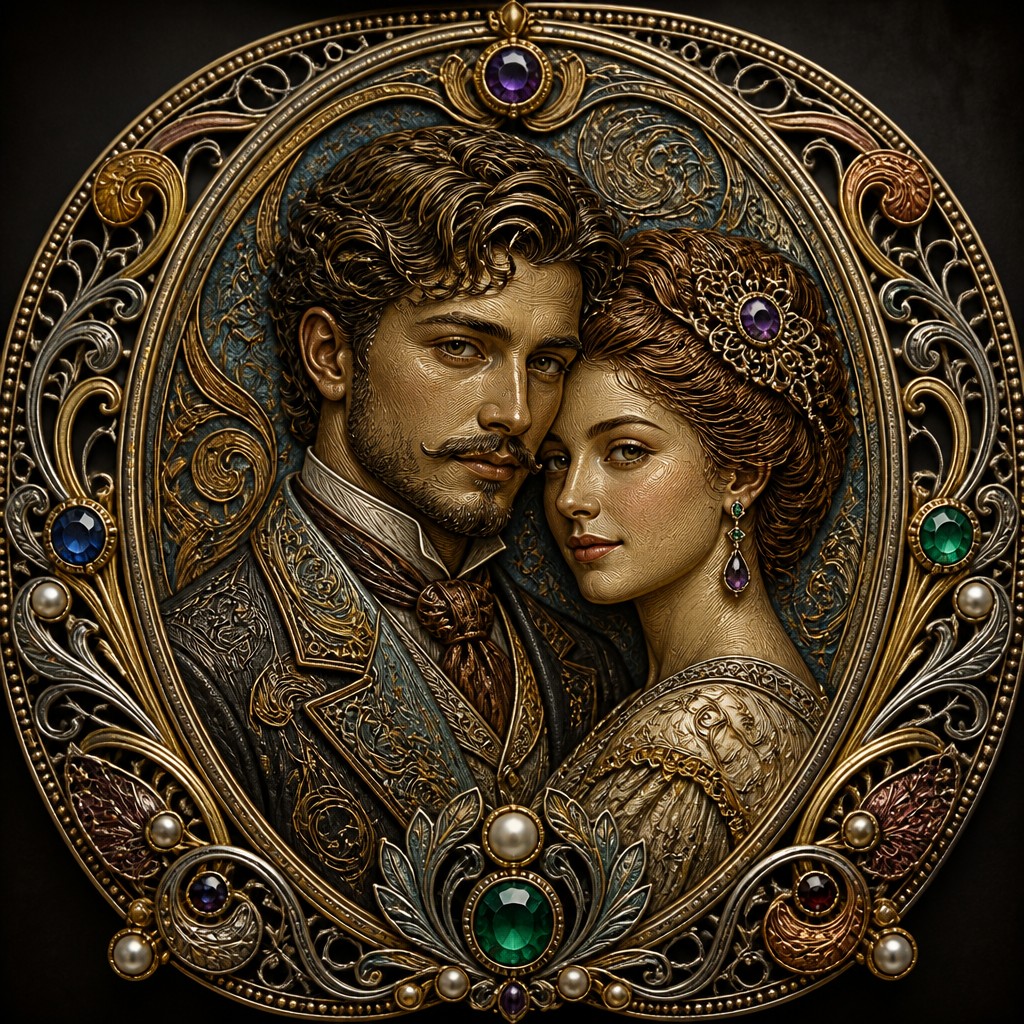
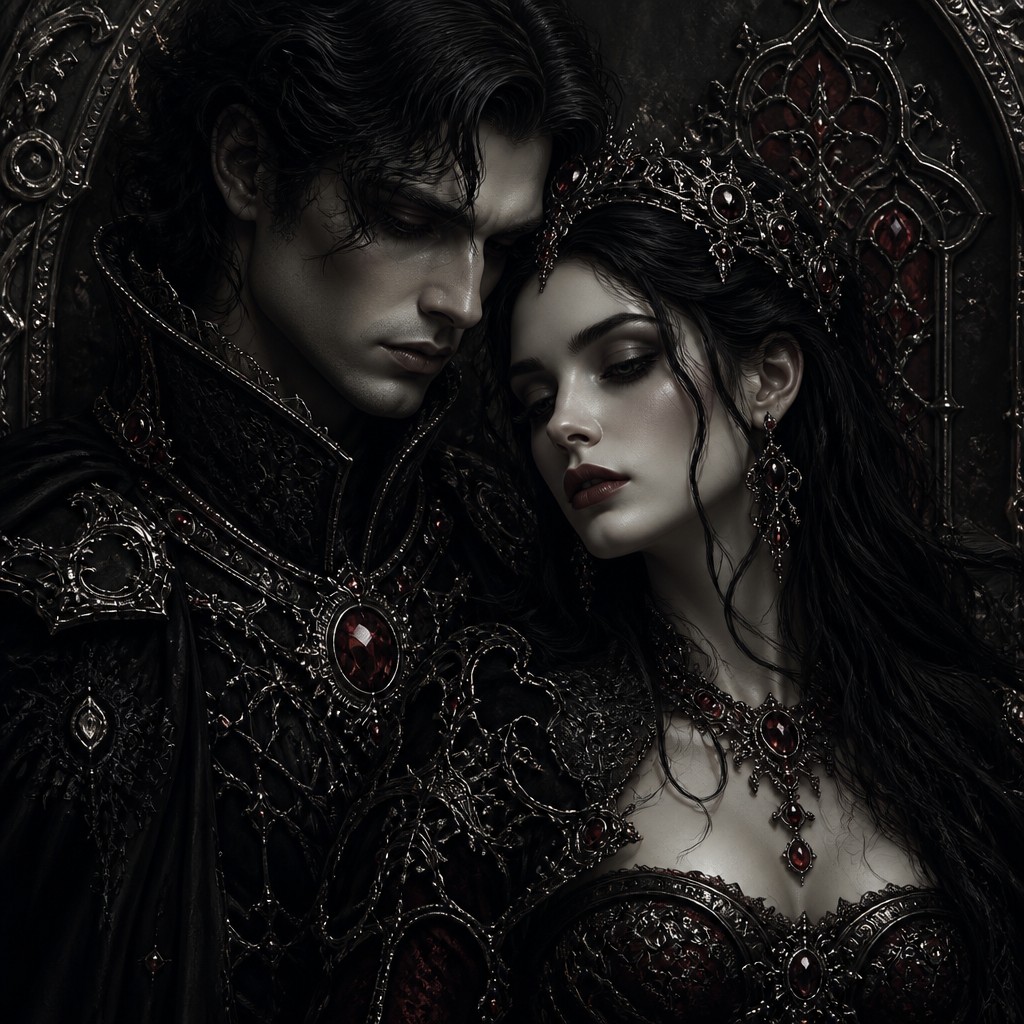
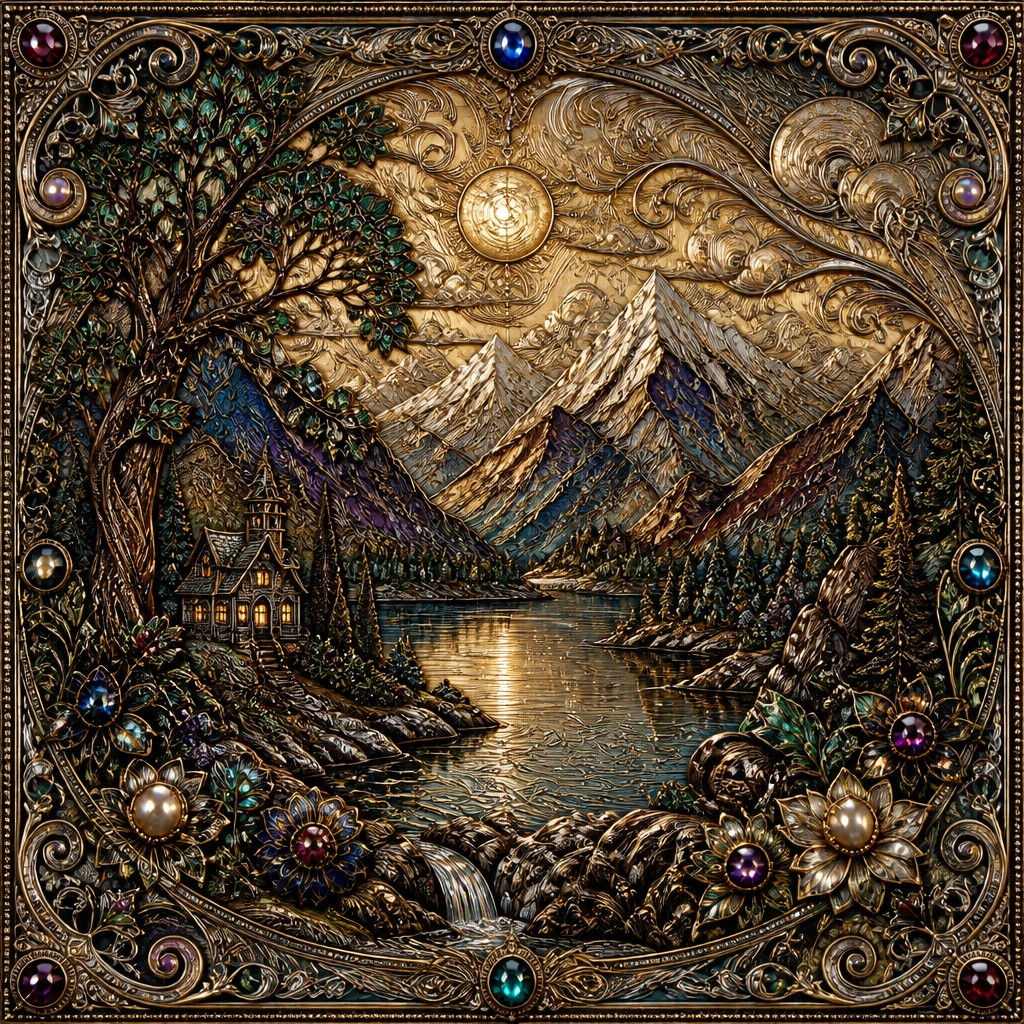
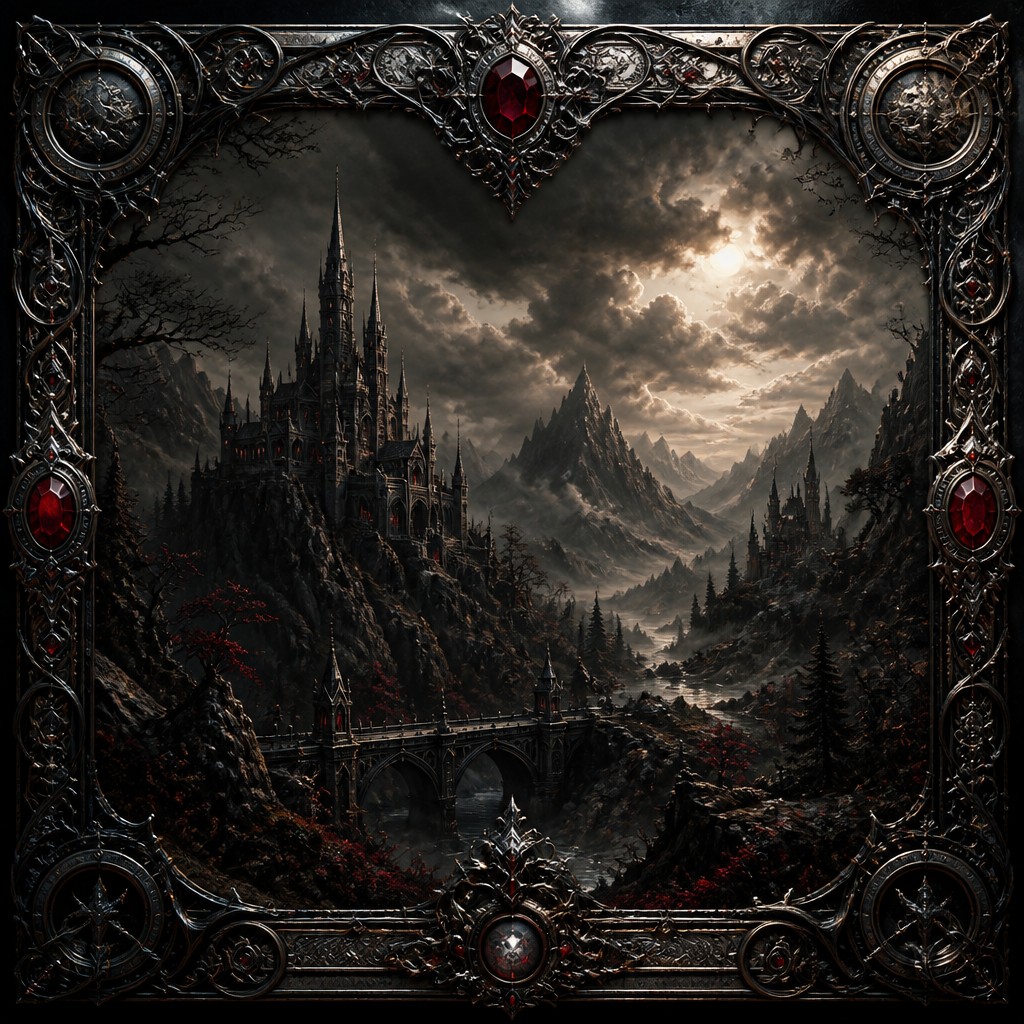
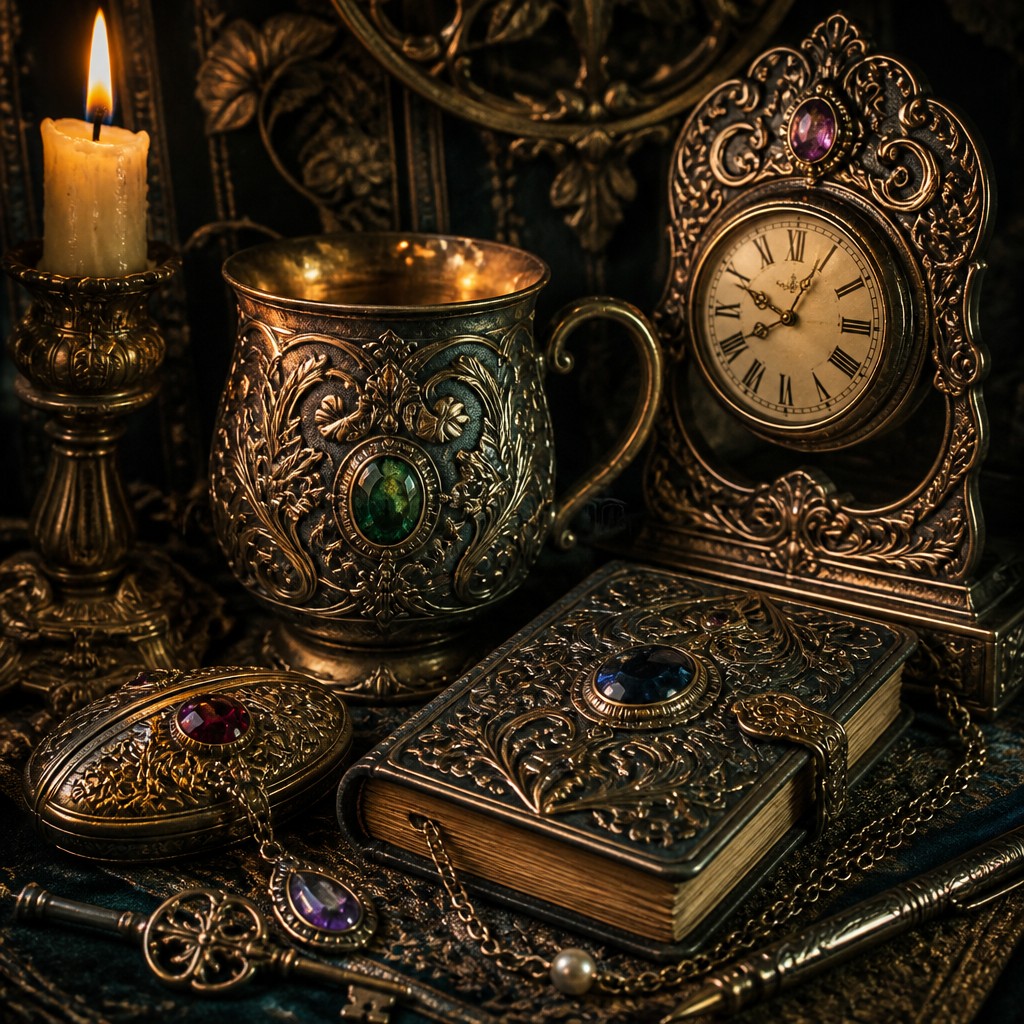
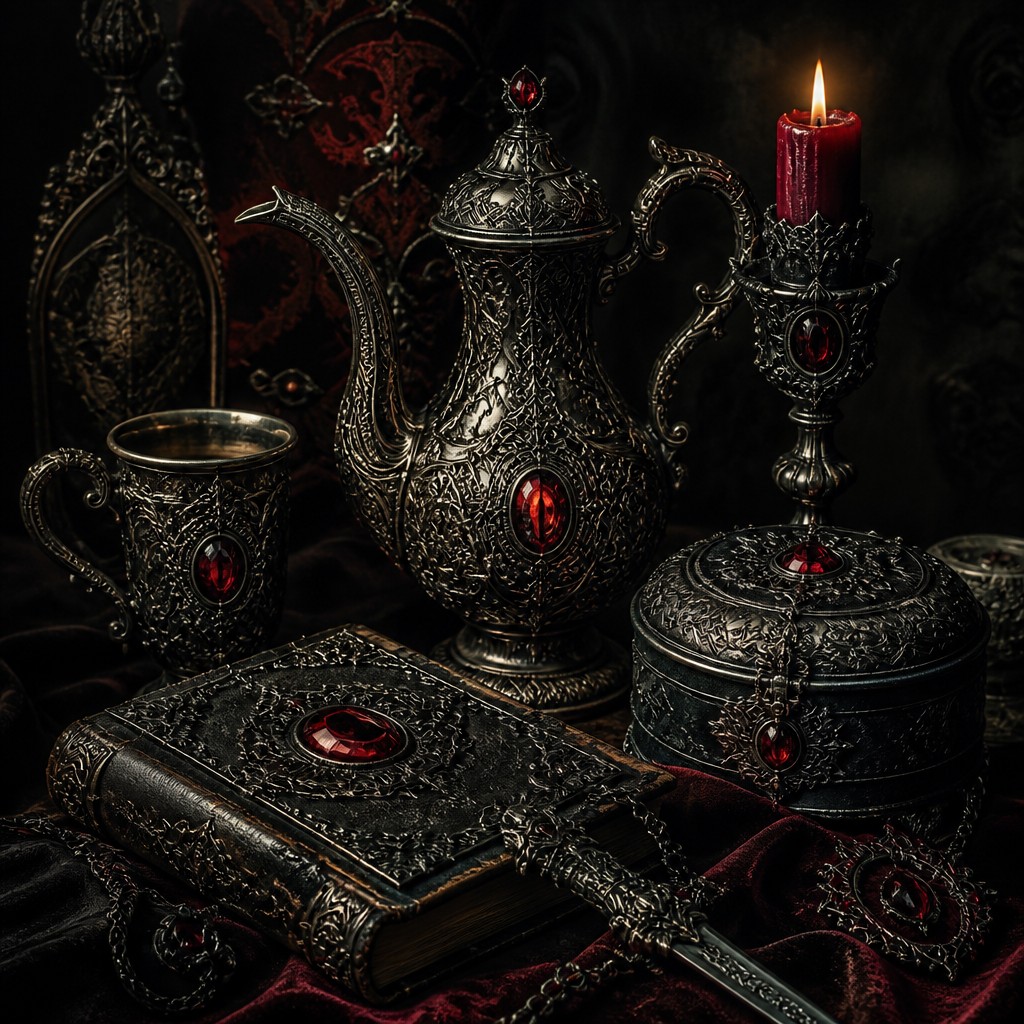
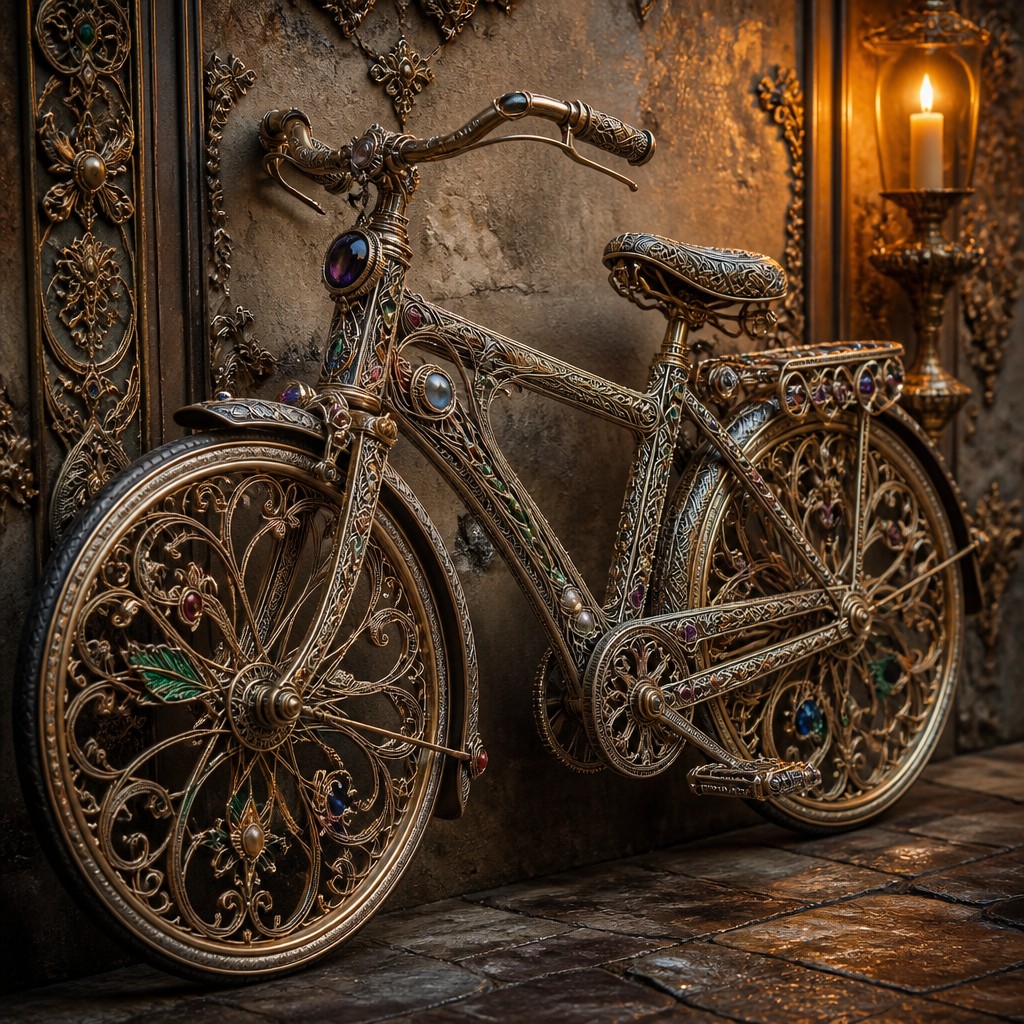
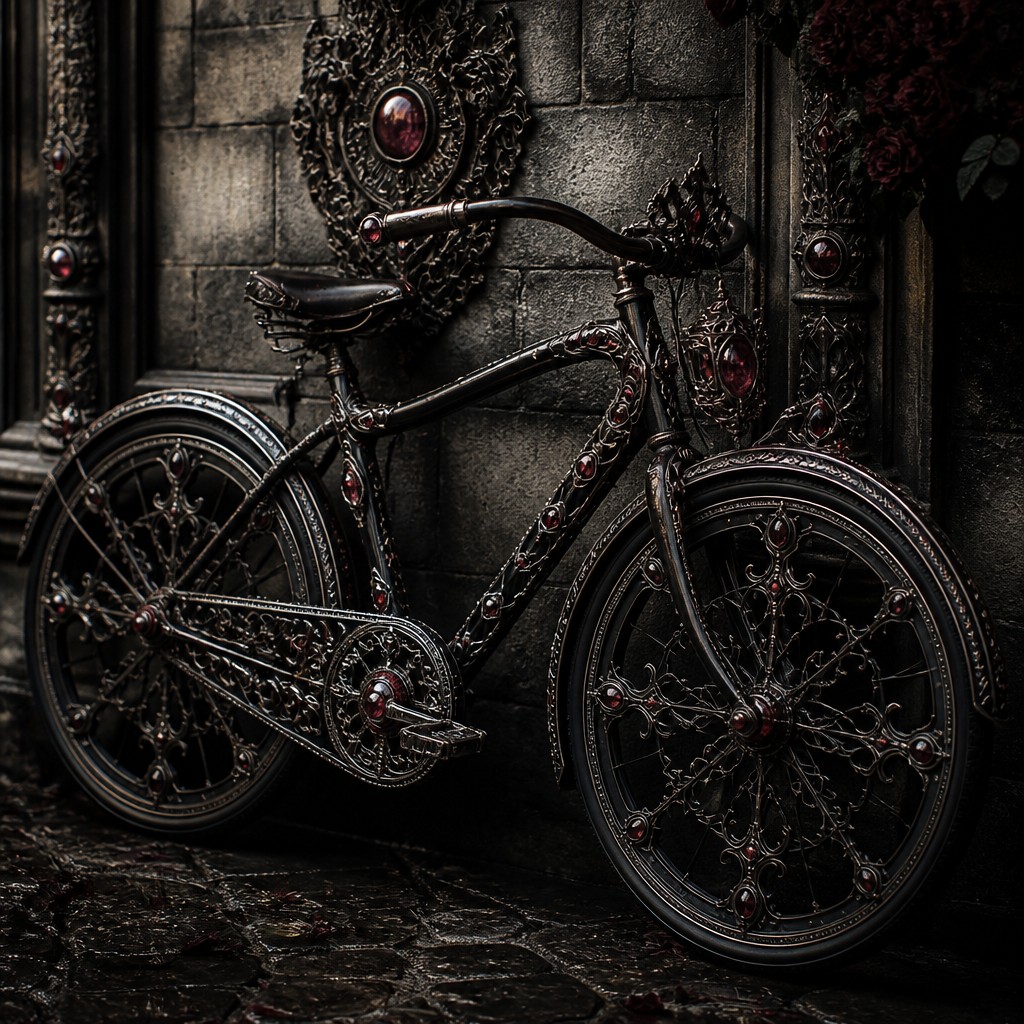
Each pair below was generated from the identical prompt — only the style changed.
“portrait of two people together”
“wide landscape with natural scenery”
“still life with everyday objects”
“bicyle resting against a wall”
Key Differences
| Vintage Jewelry Design | Gothic Jewelry Design | |
|---|---|---|
| Mood | Romantic, refined, and heirloom-like. | Dark, dramatic, and mysterious. |
| Materials & finish | Polished metals, pearls, and bright gemstones. | Blackened metal, oxidized surfaces, and crimson stones. |
| Motifs | Floral scrolls, lace-like filigree, and engraved detailing. | Crosses, skulls, medieval symbols, and heavy filigree. |
| Color palette | Soft metallics, ivory, silver, gold, and pastel gems. | Black, deep red, silver, and high-contrast accents. |
| Silhouette | Delicate, symmetrical, and ornamental. | Bold, angular, and visually weighty. |
| Emotional message | Elegance, nostalgia, and timeless romance. | Intensity, individuality, and dark romanticism. |
| Mood | romantic, ornate, nostalgic, refined | dark, romantic, ominous, ceremonial |
| Energy | calm | intense |
| Detail level | intricate | intricate |
| Color | gold, ivory, pearl, soft gemstone tones | black metal, tarnished silver, blood-red accents |
| Texture | polished metal, filigree, engraved, luminous | polished metal, aged patina, faceted gemstones |
| Origin | 19th–early 20th century Europe | 19th-century Europe |
| Best for | wedding invitations, luxury branding, fashion accessories, heritage packaging, editorial embellishment, decorative emblems | jewelry, album covers, fashion accessories, fantasy props, brand marks |
| Difficulty | advanced | advanced |
Which Should You Choose?
Choose Vintage Jewelry Design if you want a softer, more classic look that pairs easily with formalwear, bridal styling, or anyone drawn to antique charm. Choose Gothic Jewelry Design if you want a stronger visual statement with darker symbolism, higher contrast, and a moodier romantic aesthetic. If you like historical detail but prefer elegance over edge, pick A; if you want mystery, drama, and a bolder identity, pick B.
Frequently Asked Questions
Do these styles ever overlap?
Yes. Both can use filigree, intricate metalwork, and historical motifs, so they may share a similar level of craftsmanship. The main difference is the mood: Vintage tends to feel refined and luminous, while Gothic feels darker and more intense.
Which style is more formal?
Vintage Jewelry Design is usually more formal because it often features pearls, symmetrical ornamentation, and classic precious-metal finishes. Gothic Jewelry Design can also be formal, but it more often reads as statement-making or unconventional.
Which style uses darker colors more often?
Gothic Jewelry Design uses darker colors far more often, especially black metal and deep red stones. Vintage Jewelry Design usually favors lighter, brighter, or softer tones, even when it includes rich metals.
Can someone like both styles?
Absolutely. Many people enjoy vintage-inspired detail and gothic symbolism for different occasions or outfits. If you want a versatile collection, you can choose pieces from both styles depending on whether you want elegance or drama.