Gothic Jewelry Design
Dark romantic jewelry with crosses, skulls, black metal, crimson stones, filigree, and medieval motifs.
Instantly rendered in Gothic Jewelry Design — or transform a photo
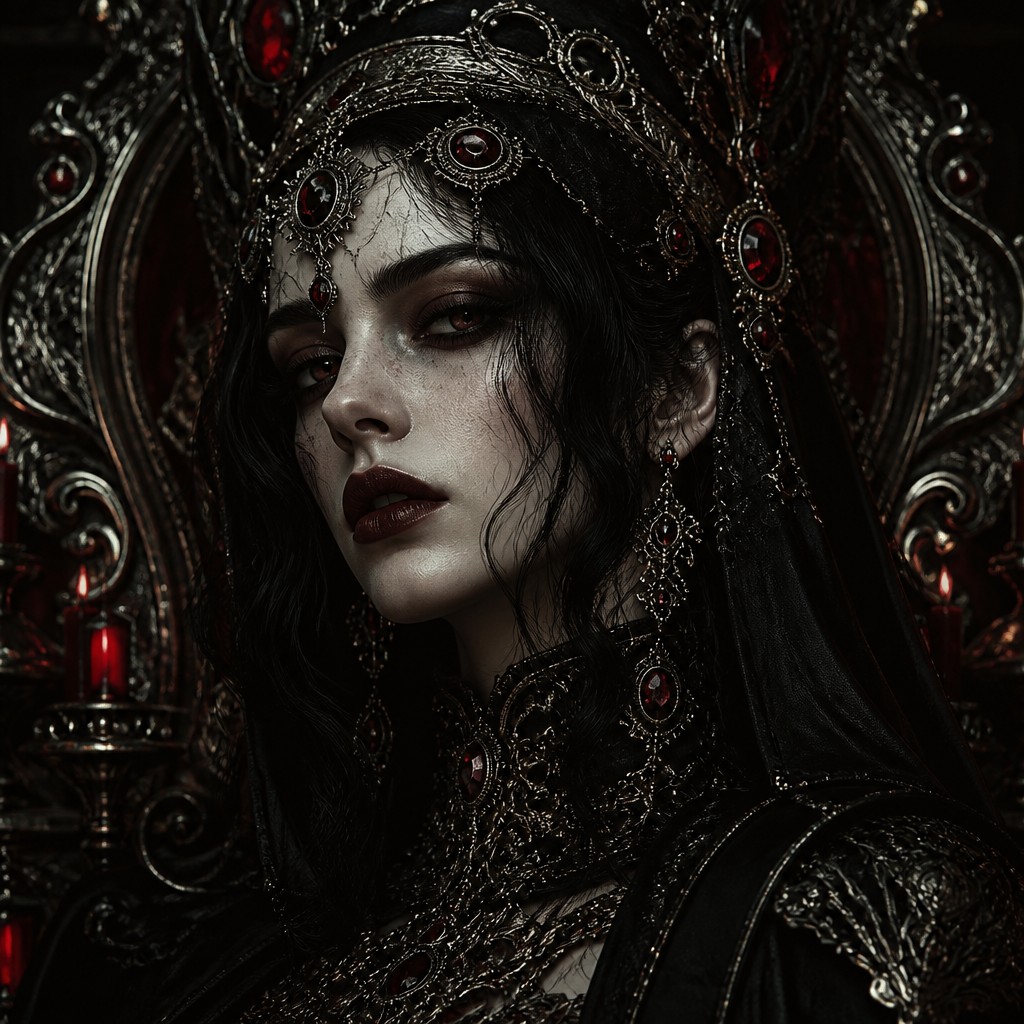
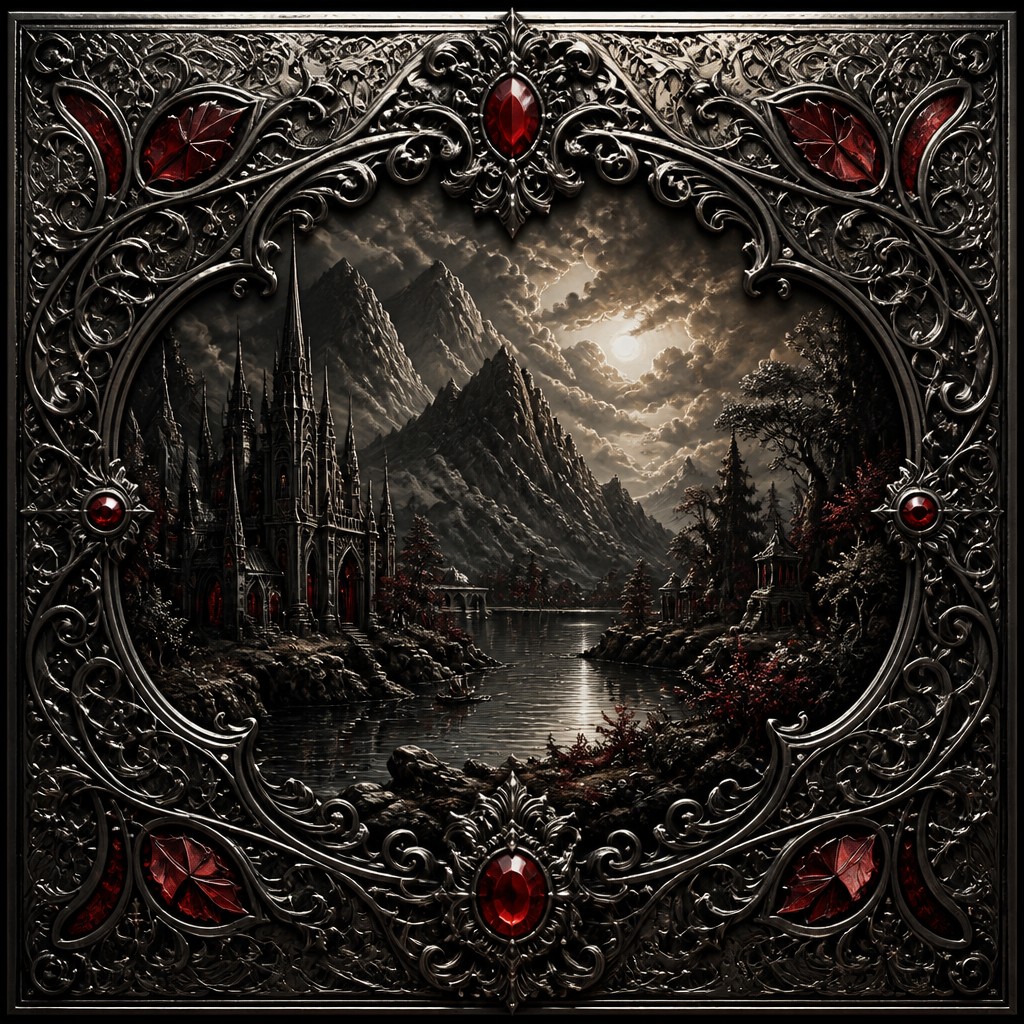
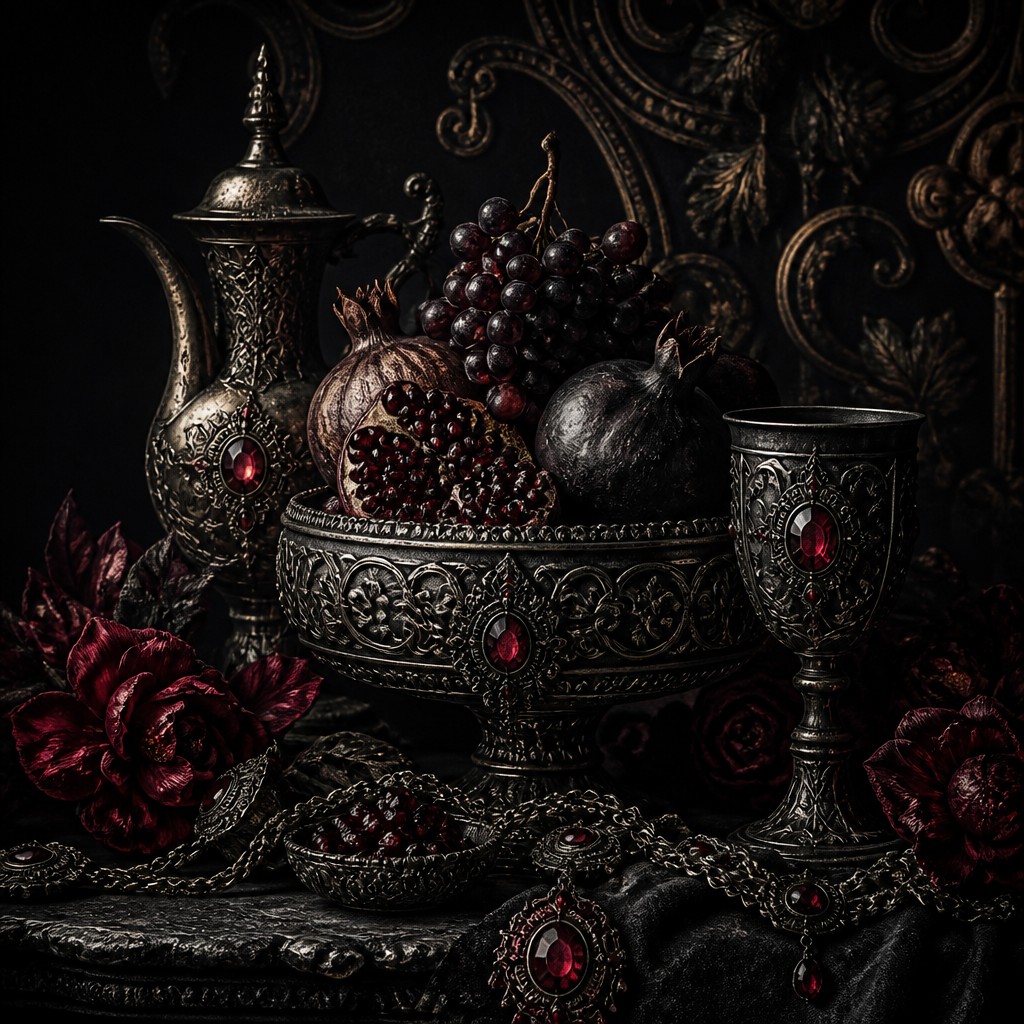
Gothic Jewelry Design Gallery
Tap any artwork to explore it
What is Gothic Jewelry Design?
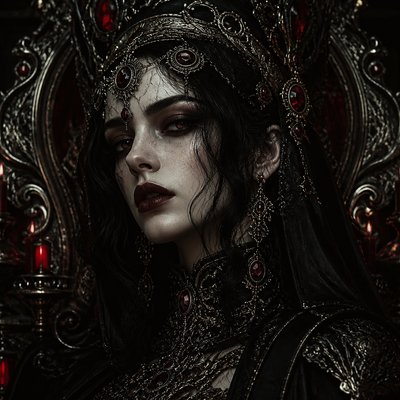
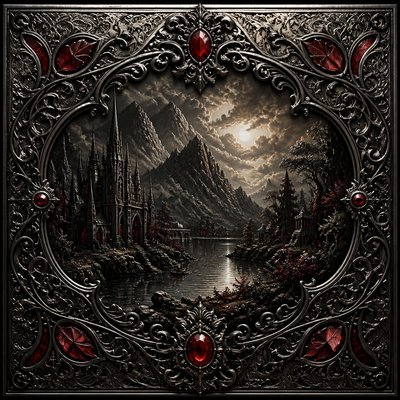
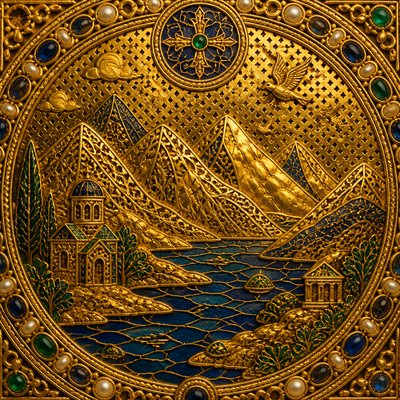
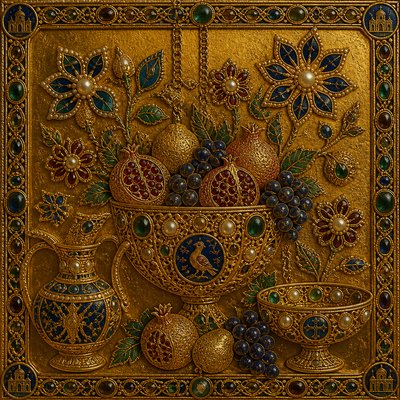
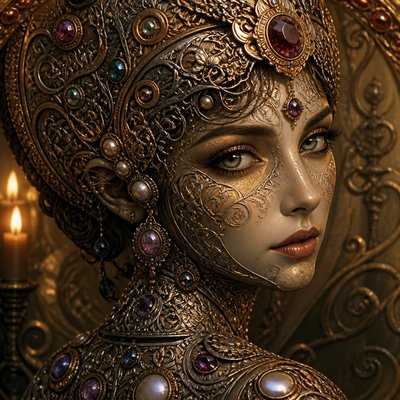
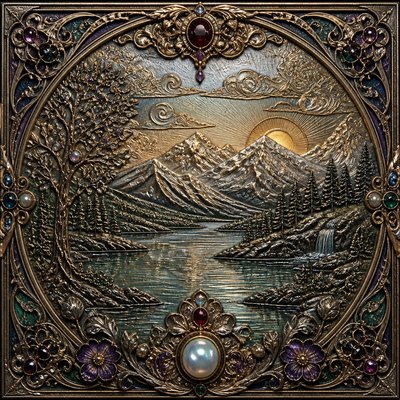
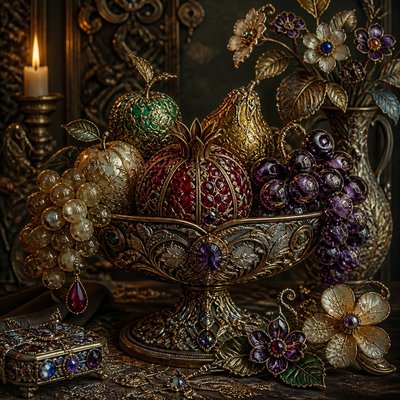
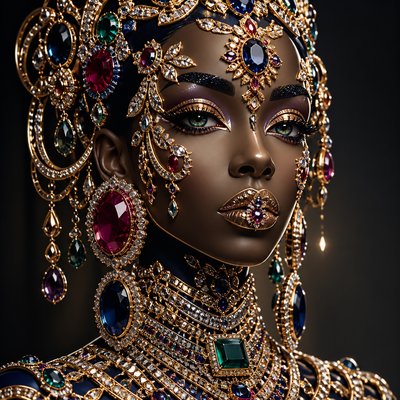
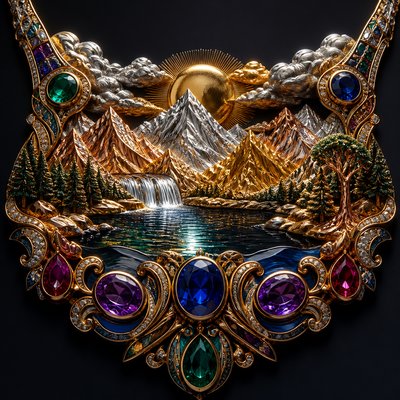
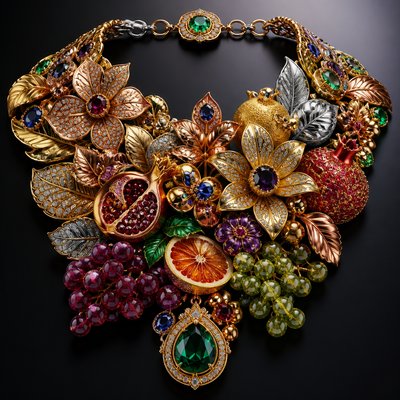
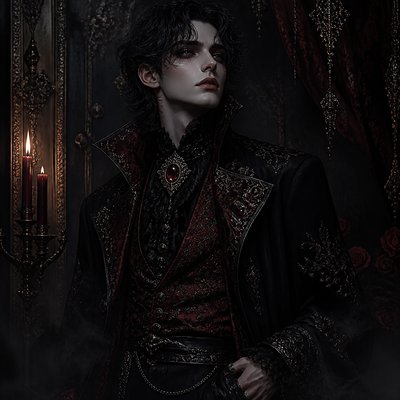
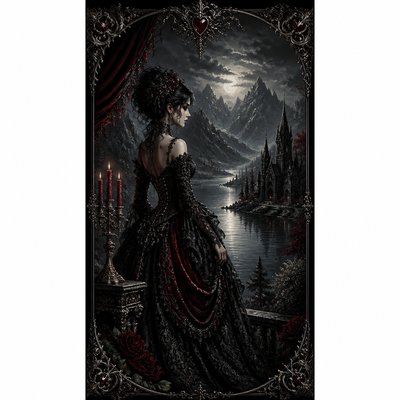
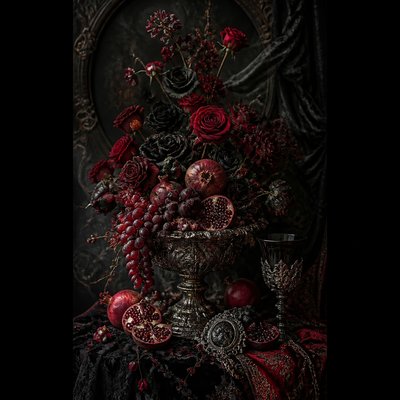
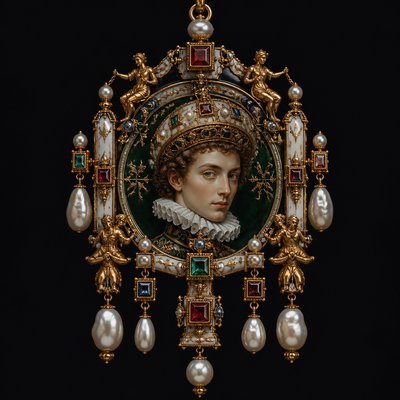
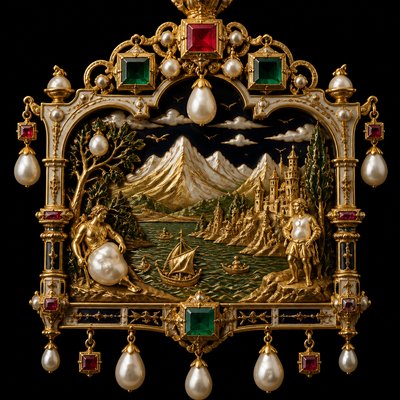
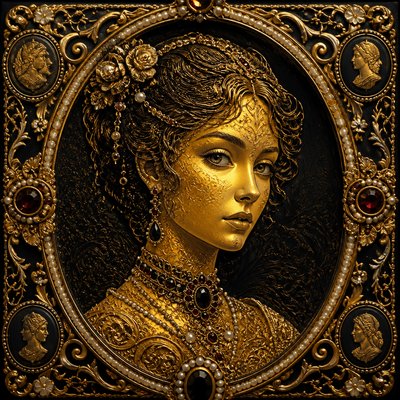
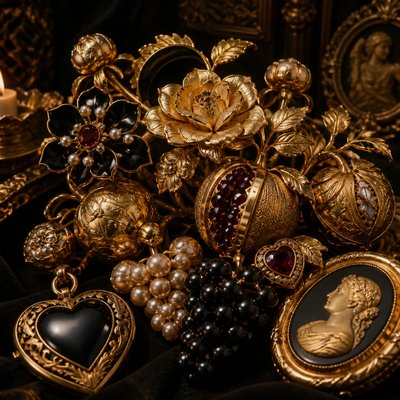
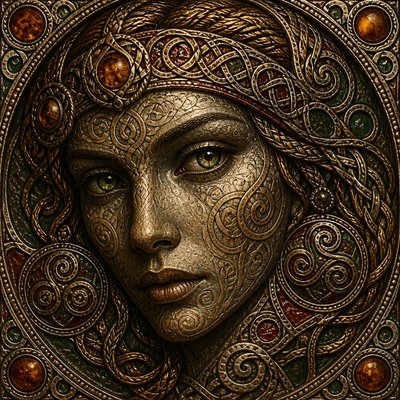
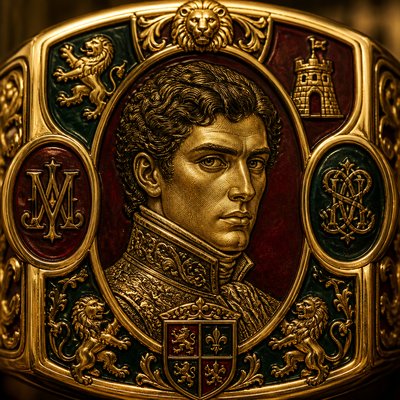
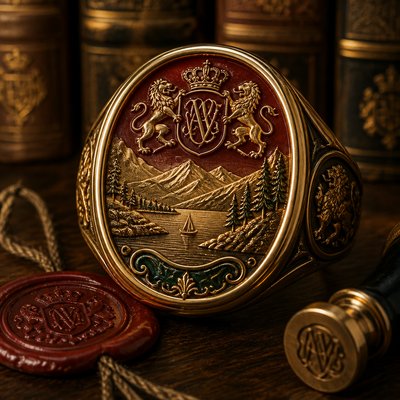
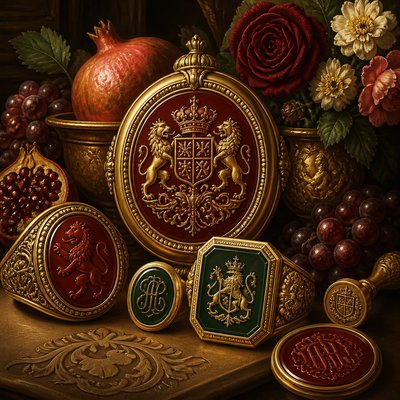
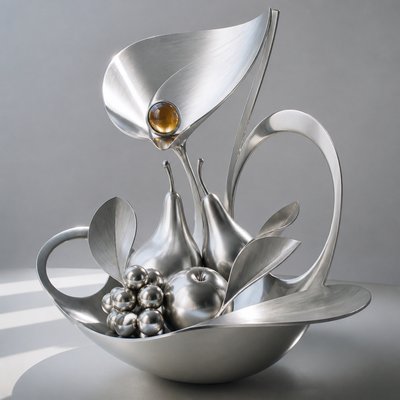
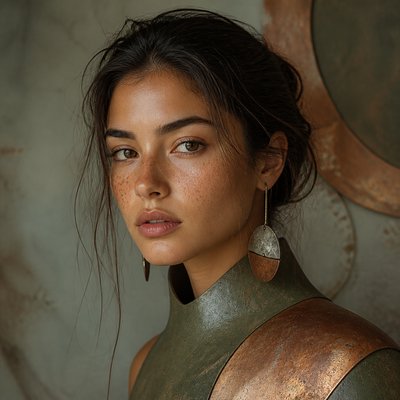
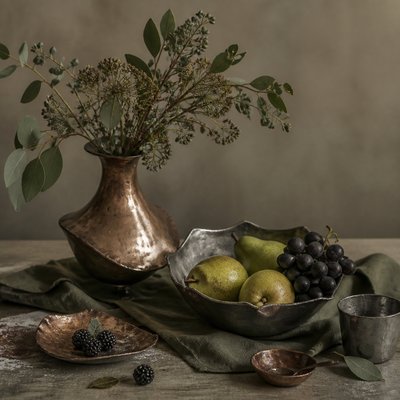
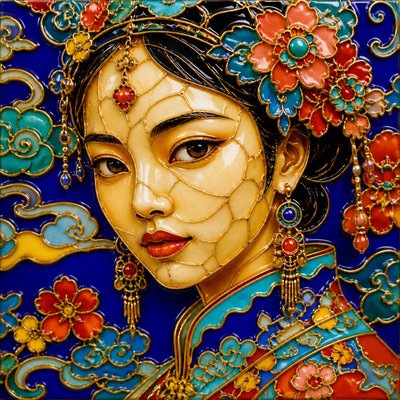
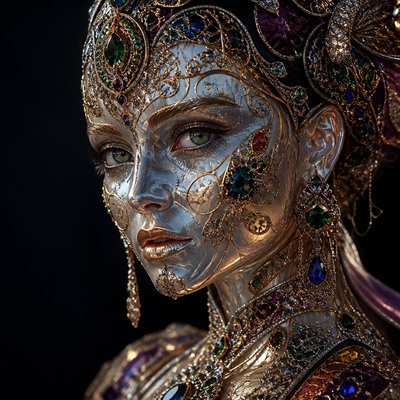
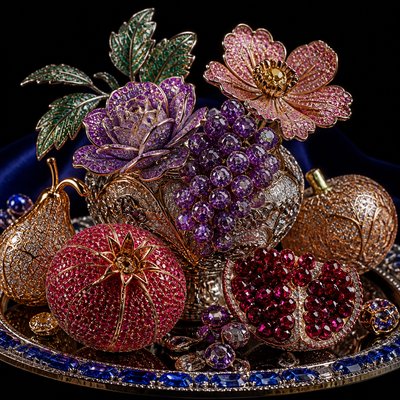
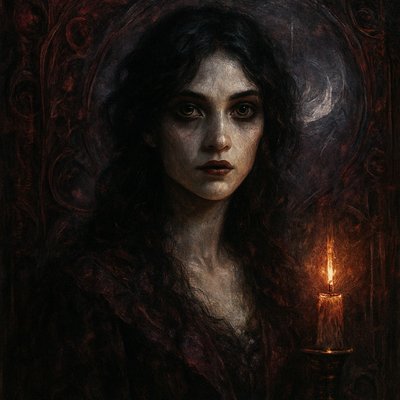
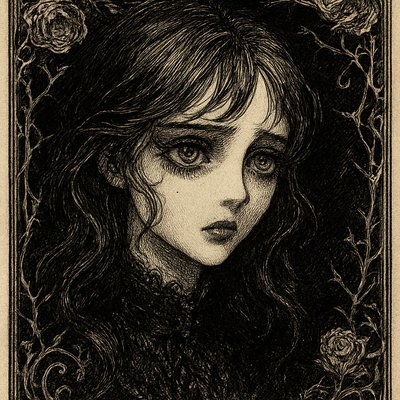
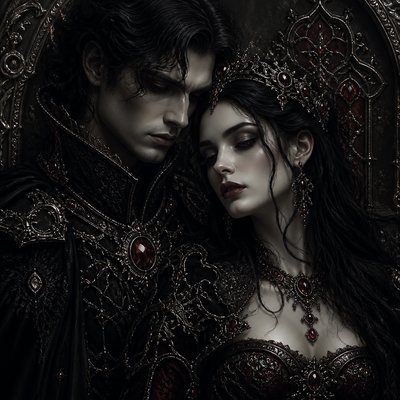
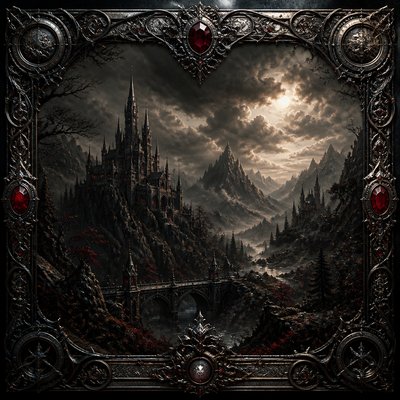
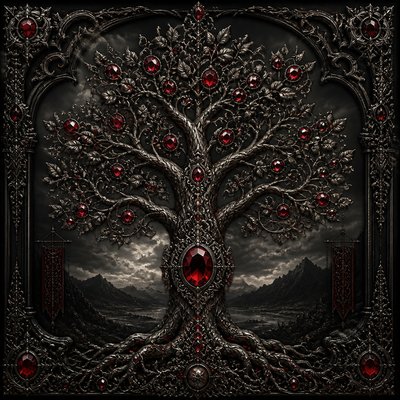
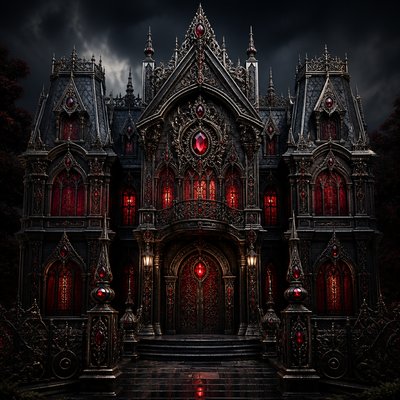
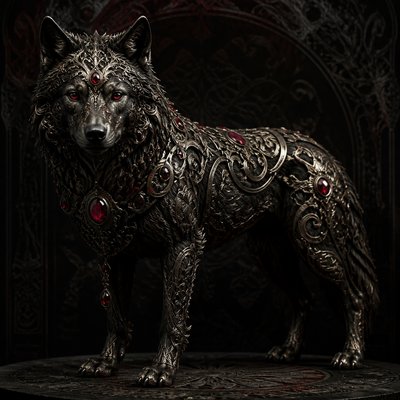
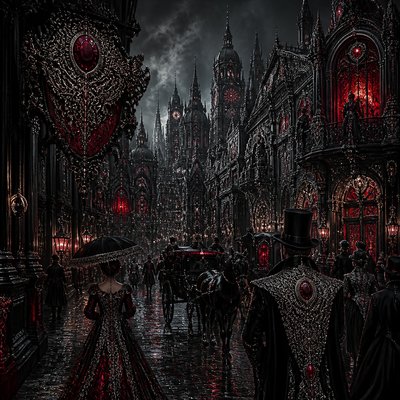
Gothic Jewelry Design is a dark-romantic ornamental style built around symbolic forms such as crosses, skulls, bats, roses, daggers, and medieval tracery. It typically uses oxidized black metal, tarnished silver, and blood-red gemstones to create a look that feels ceremonial, luxurious, and faintly ominous. The style is as much about silhouette and surface as it is about symbolism: sharp contours, dense filigree, and a tension between gleaming highlights and matte shadow give the objects their brooding presence.
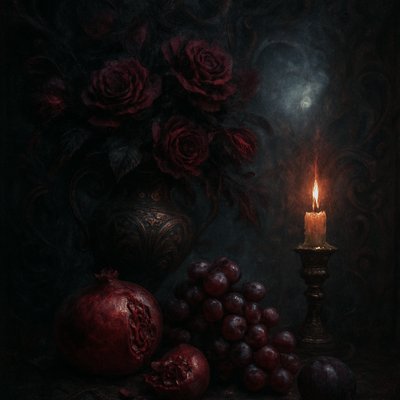
Its visual identity comes from the fusion of historical gothic revival ornament, medieval ecclesiastical imagery, and later subcultural fashion associated with punk, metal, and Victorian mourning aesthetics. The result is jewelry that appears ancient and handcrafted even when newly made. Chiaroscuro, aged patina, and jewel-like color accents intensify the sense of depth and drama, making each piece read as both an accessory and a small symbolic object.
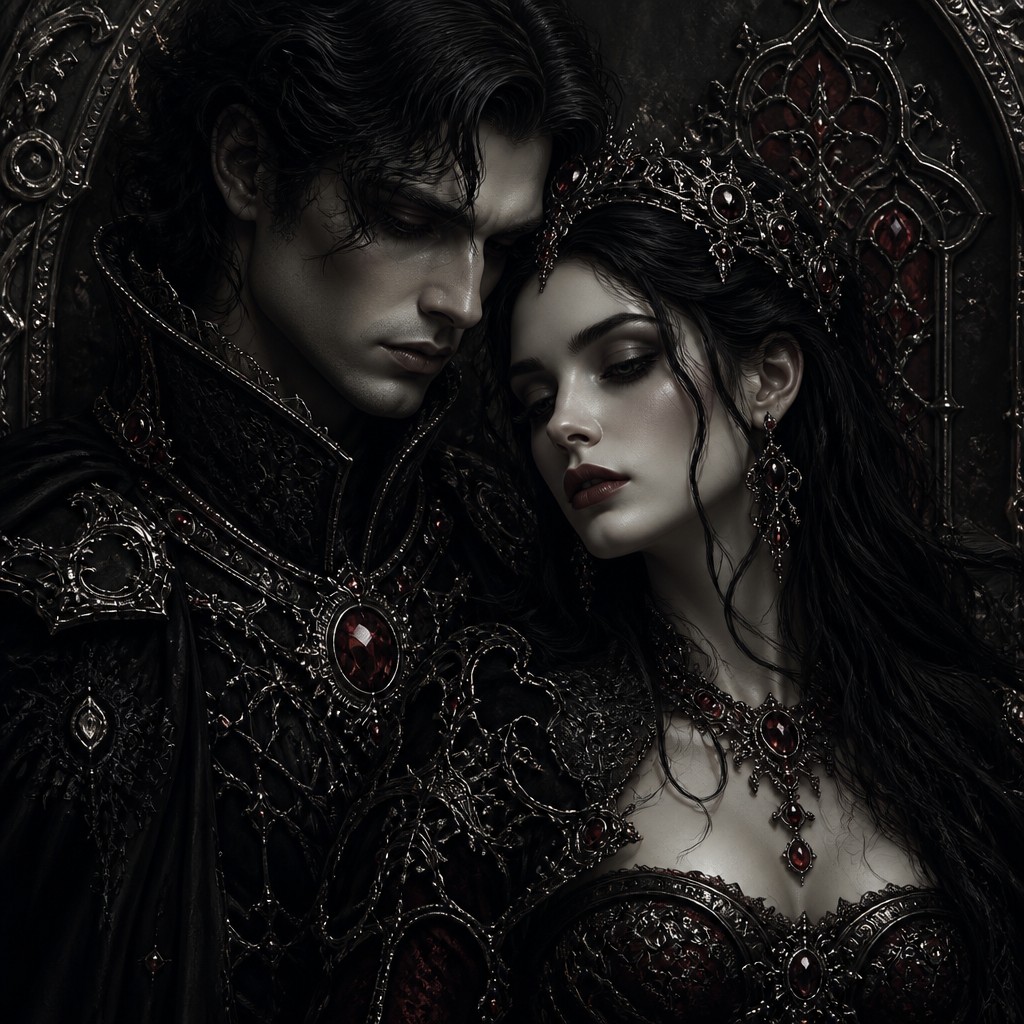
Try It On Your Photos
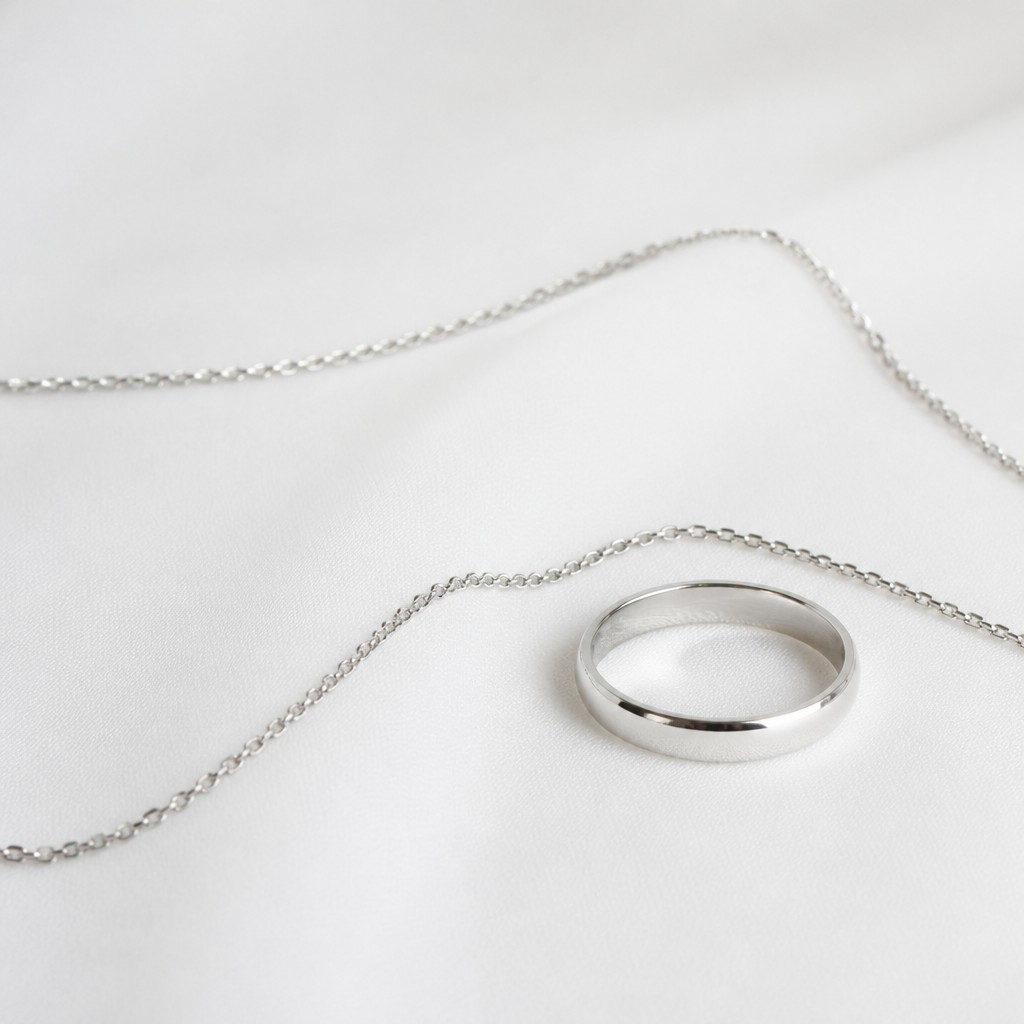
Upload any photo and convert it into Gothic Jewelry Design — drag the sliders to compare before and after.
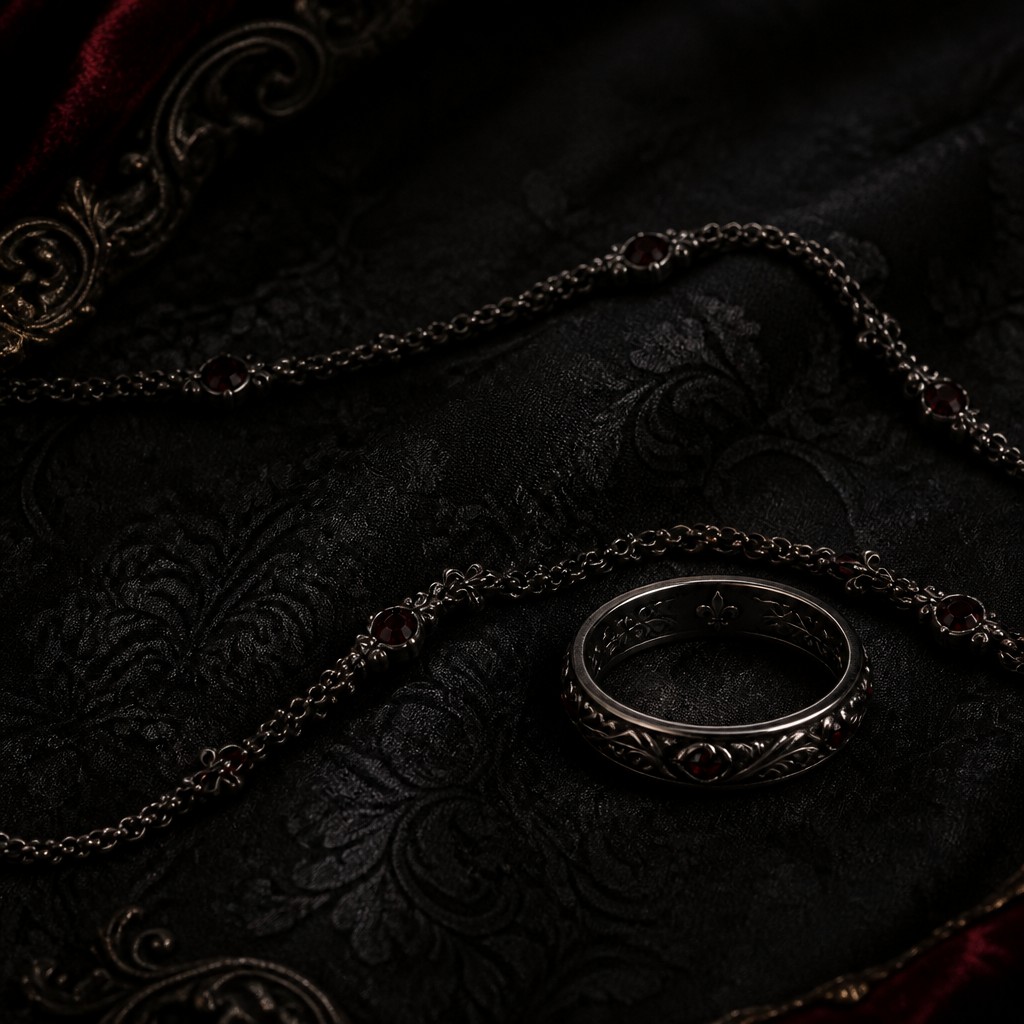


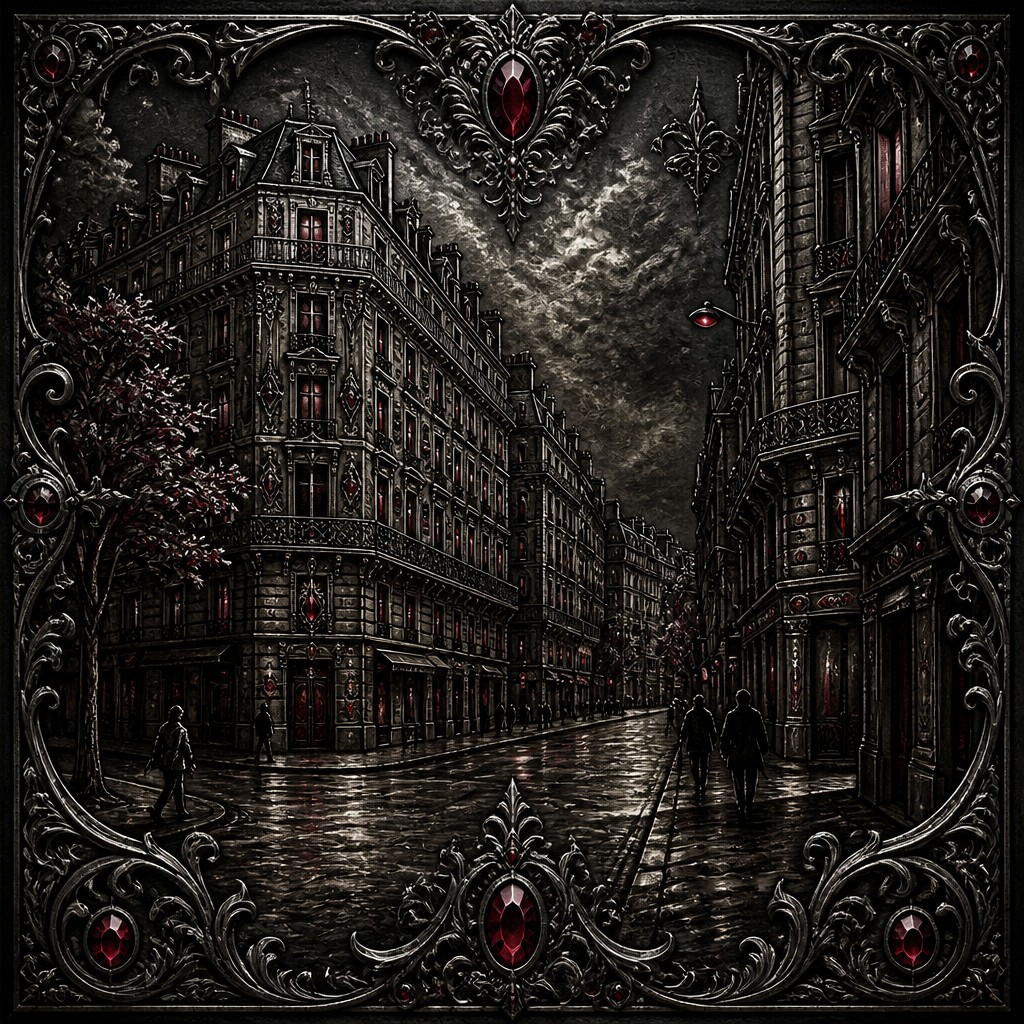

What Defines Gothic Jewelry Design
The signature details, up close
Blackened and tarnished metals
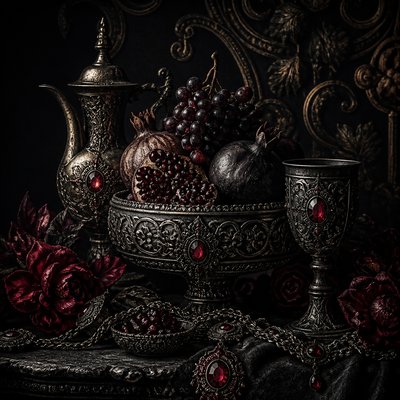
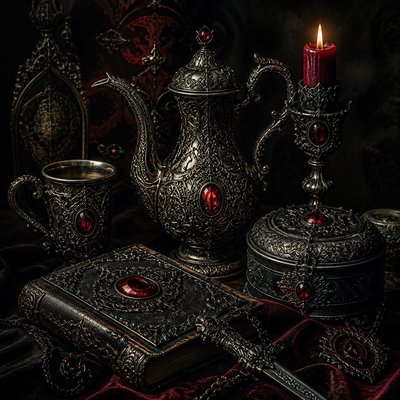
The most recognizable material cue is oxidized black or tarnished silver, often contrasted with small polished highlights. This gives the jewelry a weathered, ritualistic appearance instead of a bright commercial finish.
Crimson gemstone accents
Deep red stones, especially garnet-like or ruby-like settings, are used as focal points. Their saturated color provides a blood-red glow that heightens the style’s dark-romantic mood.
Medieval and ecclesiastical motifs
Crosses, arches, heraldic forms, rosaries, and cathedral-like tracery appear frequently. These references connect the jewelry to sacred art, chivalric symbolism, and gothic architecture.
Skulls, thorns, and macabre symbolism
Skulls, bones, serpents, daggers, bats, and thorn motifs introduce mortality imagery. They are often stylized rather than literal, so the piece remains elegant rather than merely horror-themed.
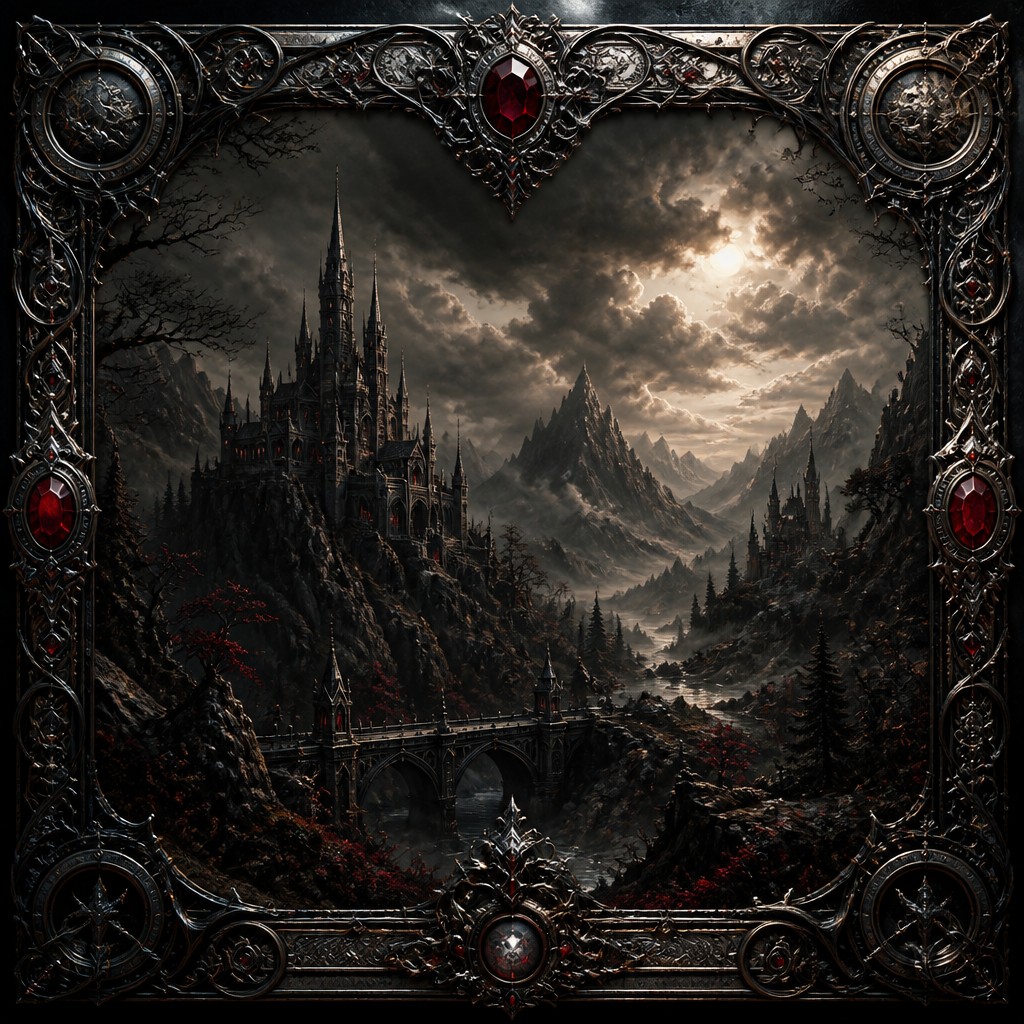
Filigree and ornamental density
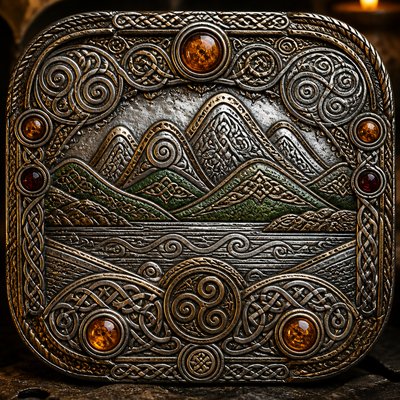
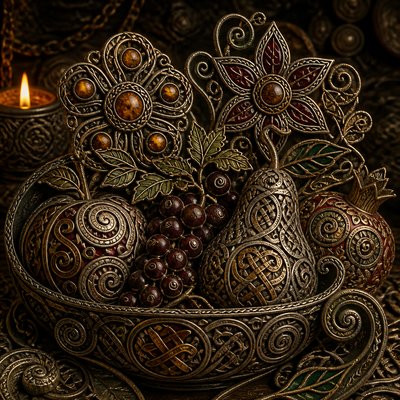
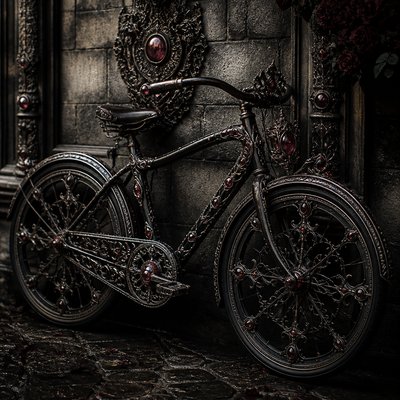
Fine scrollwork, lace-like metalwork, and layered embellishment create visual richness. The surfaces often feel crowded with detail, echoing the intricacy of antique devotional objects.
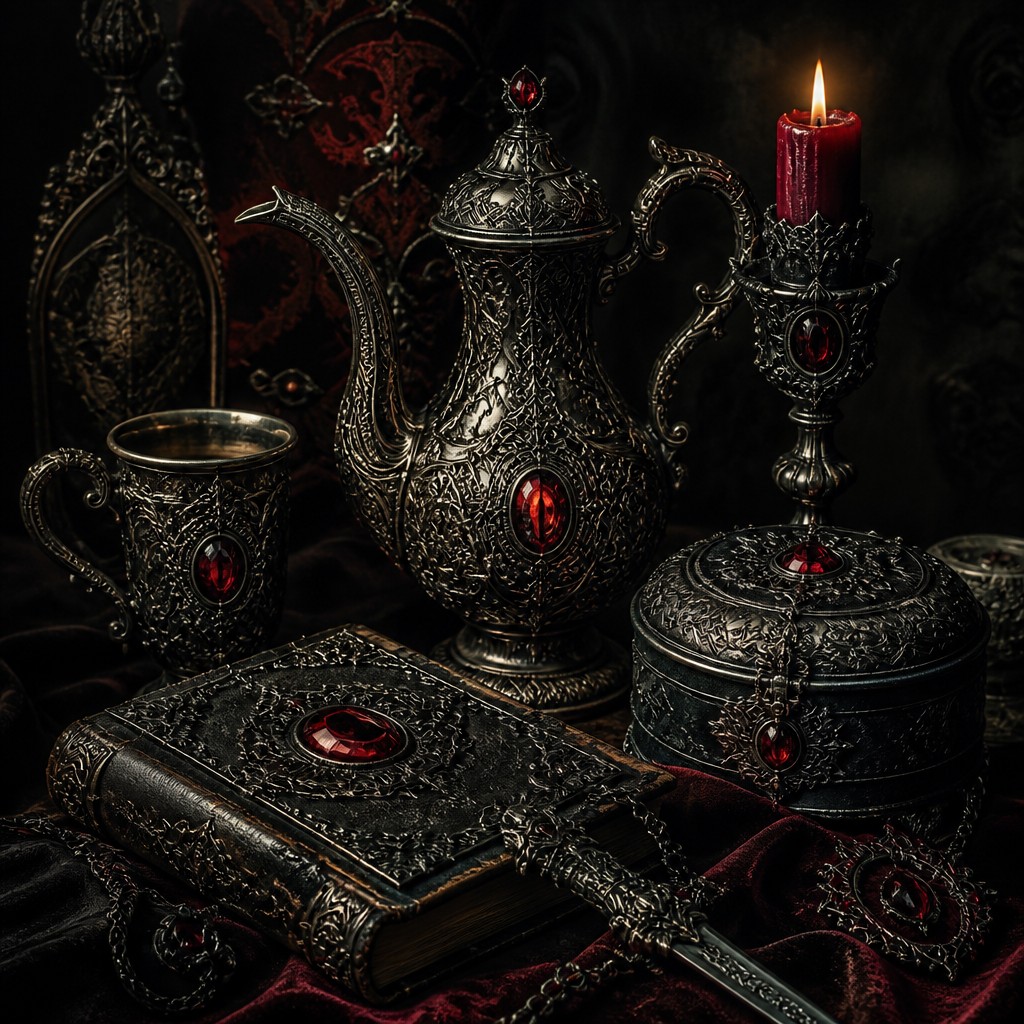
Chiaroscuro and dramatic presentation
Strong contrast between light and shadow is essential to the look. Even in a small object, the design is staged to feel dimensional, theatrical, and ceremonial.
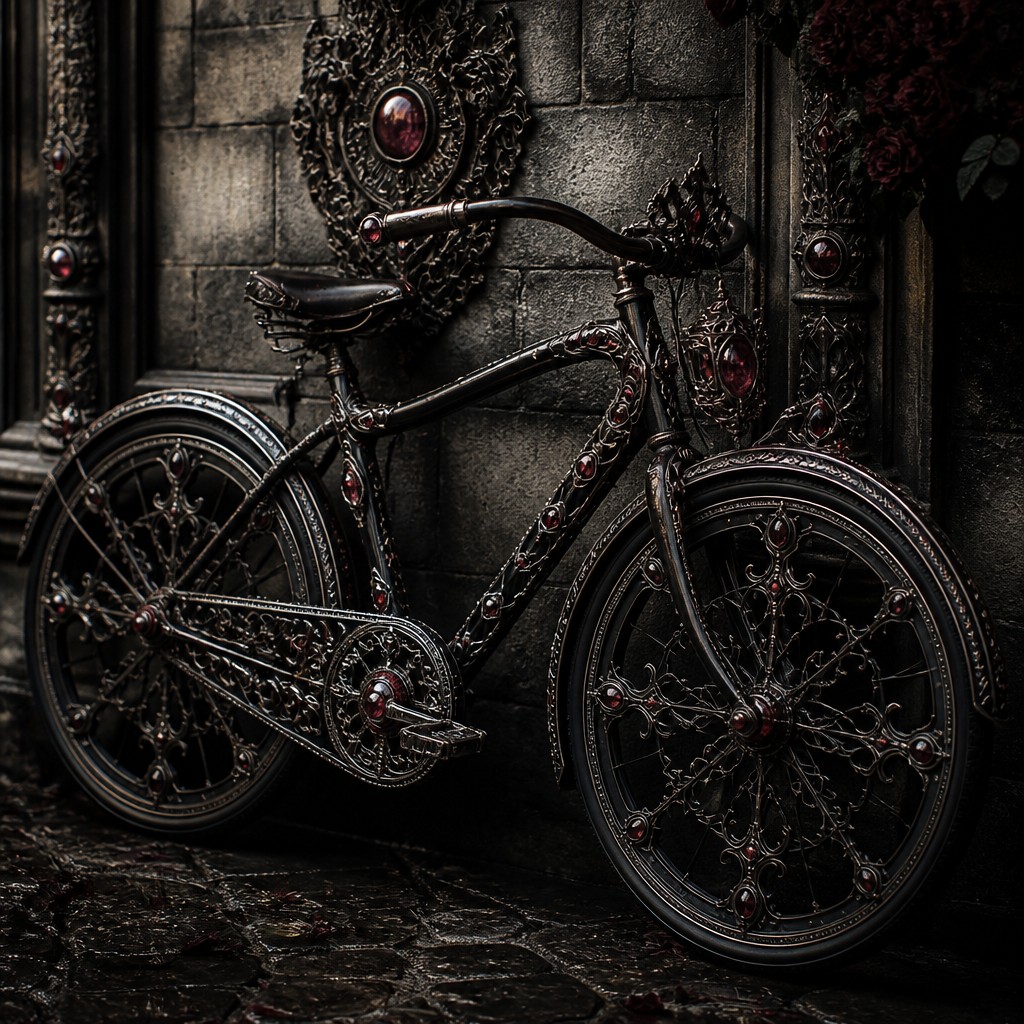
Aged patina and handcrafted character
Subtle wear, uneven coloration, and hand-forged irregularities suggest age and artisanal labor. This helps the piece feel like a relic or heirloom rather than a mass-produced accessory.
Try It
Create Videos in Gothic Jewelry Design
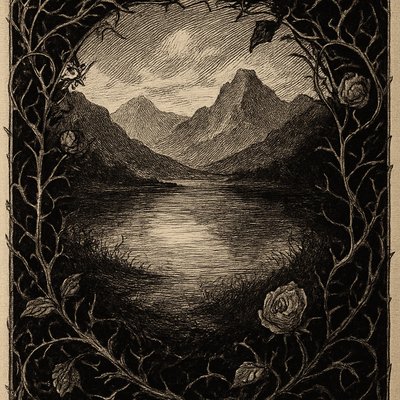
Styles aren't just for stills — describe a scene or animate an image and get a short video rendered in Gothic Jewelry Design. Press play to see this pond come to life.
Make a VideoGothic Jewelry Design Prompt Ideas
Start from an idea — each one opens the generator with the style ready to go. See all 40 Gothic Jewelry Design prompts →
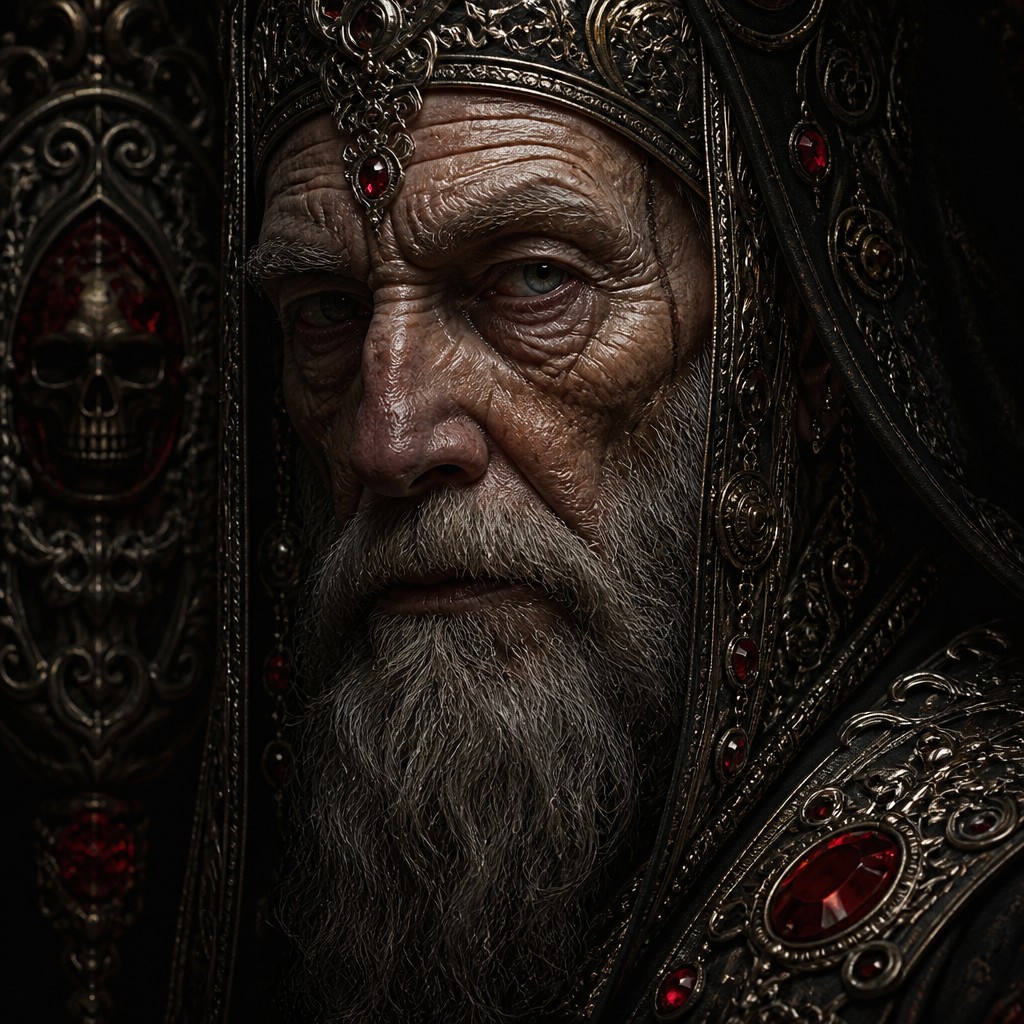
“close-up portrait of an elderly person with expressive weathered features”
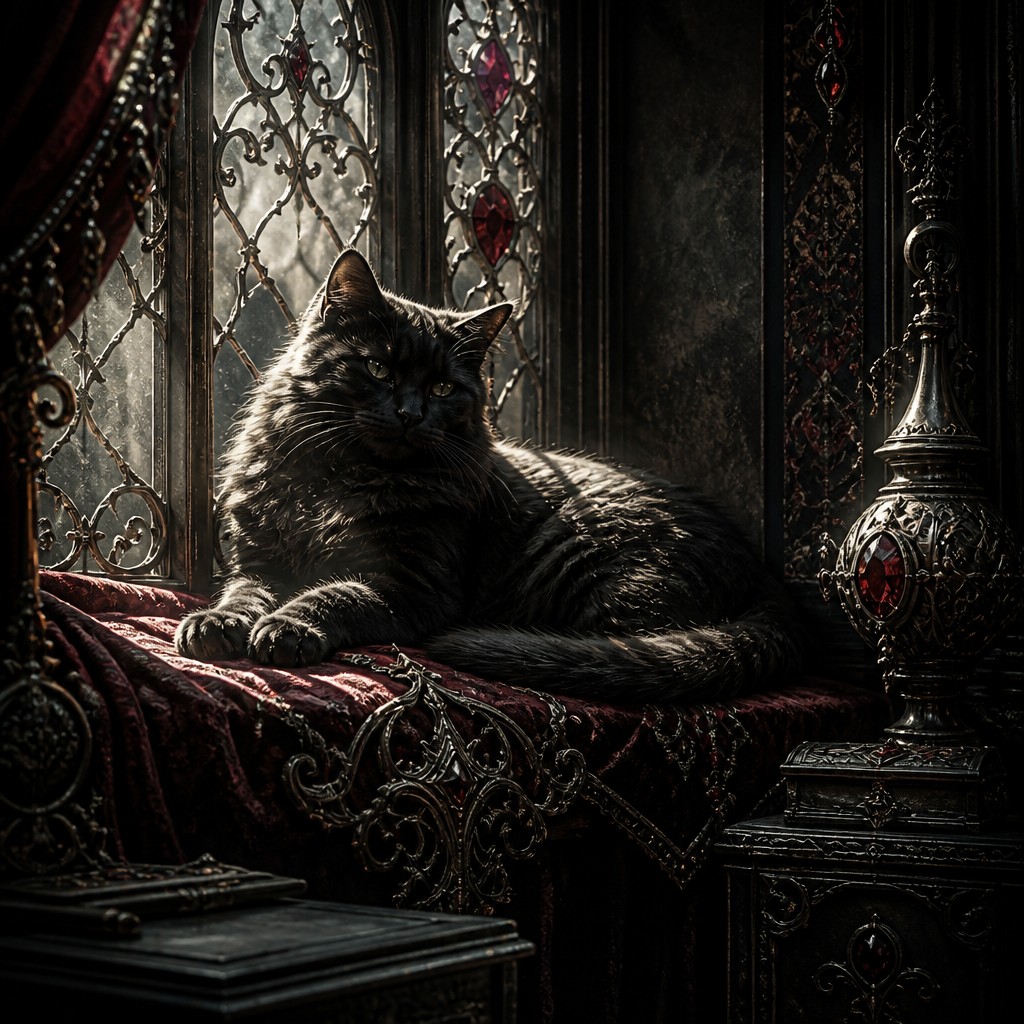
“a cat lounging in a sunlit window”
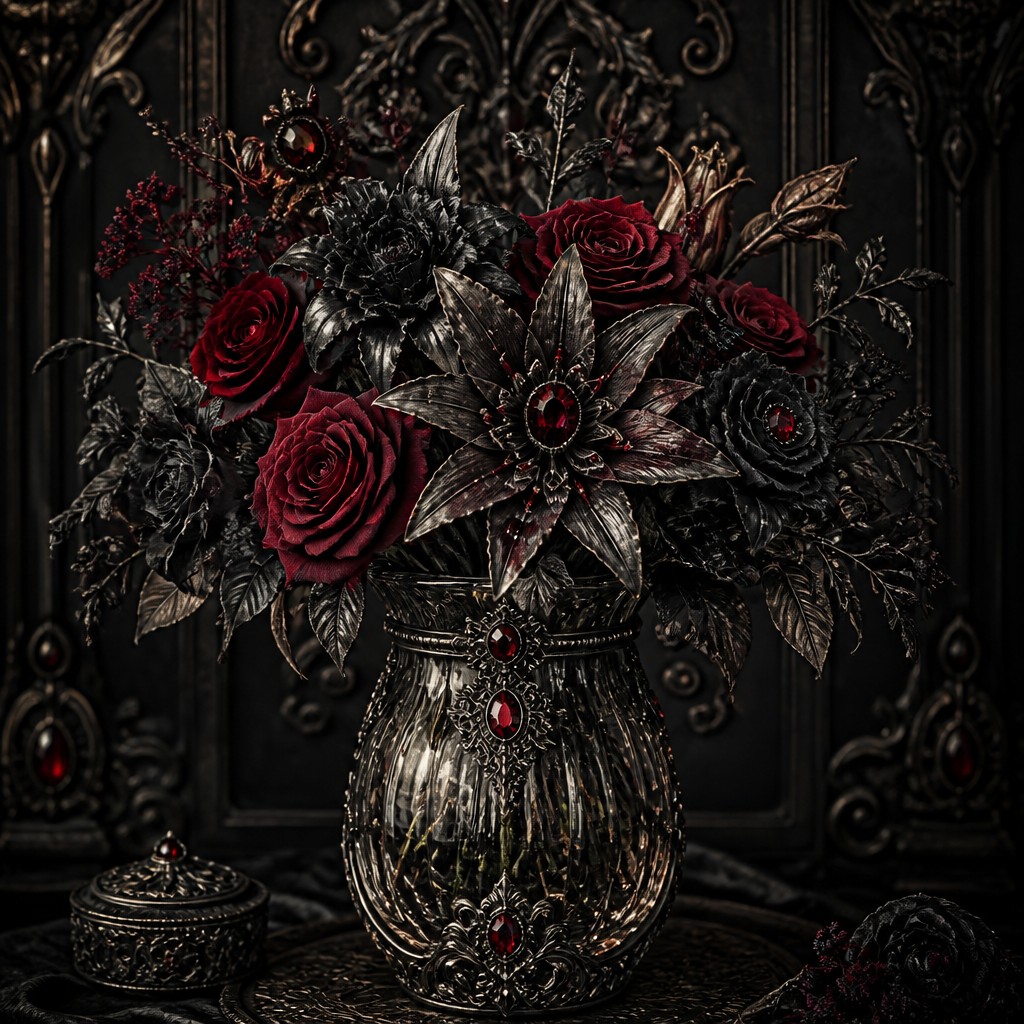
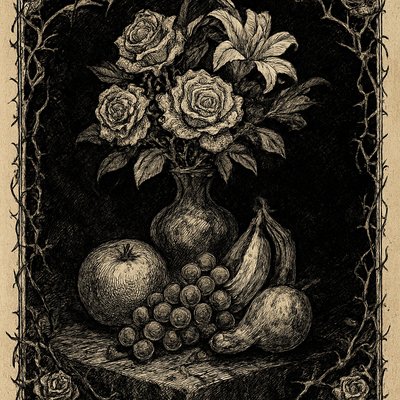
“bouquet of flowers in a glass vase”
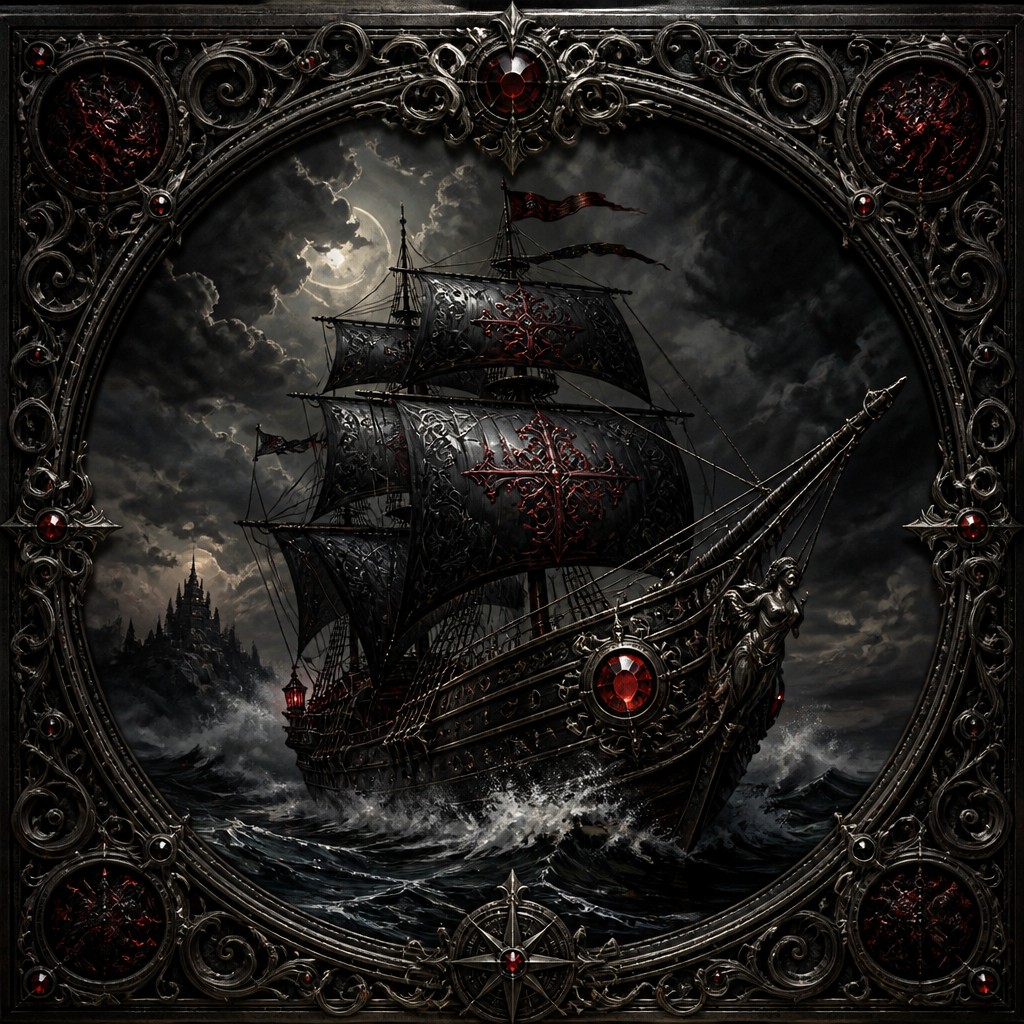
“sailing ship on a stormy sea”
How to Create Gothic Jewelry Design Art
Master the craft step by step — or skip straight to creating. Read the full guide →
- 1
Start with a strong symbolic silhouette
Design the overall shape first: a pendant, ring, brooch, or cuff should read clearly at a distance. Use one dominant motif, such as a cross or skull, and let smaller details support it rather than compete with it.
- 2
Use restrained color with one deep accent
Build the piece from blackened silver, gunmetal, or oxidized brass, then add a single jewel tone such as garnet red. The limited palette keeps the work elegant and makes the accent stone feel luminous.
- 3
Layer ornament carefully
Combine filigree, scrolls, beadwork, and carved relief, but preserve negative space so the object does not become visually muddy. In traditional media, this can be sketched with crisp linework; in digital work, use strong edge contrast and controlled highlights to separate layers.
- 4
Emphasize finish and material contrast
Alternate matte and polished surfaces to mimic cast metal, enamel, stone, and tarnish. This contrast is crucial in both hand-rendered illustration and 3D or digital rendering because it makes the form feel tactile.
- 5
Reference gothic and Victorian sources without copying one object
Look at medieval reliquaries, Victorian mourning jewelry, and gothic revival ornaments for motif ideas and proportions. When prompting or art-directing an image, describe the object, the metal treatment, the gemstone, and the atmosphere separately for more precise results.
- 6
Prompt for atmosphere as well as object
When generating digitally, include words that specify lighting, finish, and mood: low-key lighting, ceremonial presentation, aged patina, intricate filigree, crimson jewel accents. A strong prompt should define both the jewelry itself and the dark-romantic context around it.

The Story
History & Origins of Gothic Jewelry Design
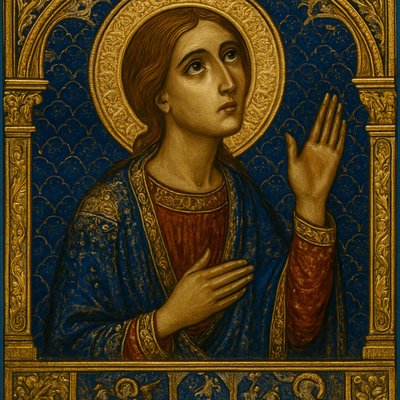
Gothic Jewelry Design is not a single historical movement so much as a contemporary aesthetic lineage. Its roots can be traced to medieval metalwork and devotional objects, which supplied crosses, reliquary forms, scrolls, and architectural tracery; to the Gothic Revival of the 19th century, which reintroduced medieval forms into decorative arts; and to Victorian mourning jewelry, which favored jet, onyx, black enamel, hairwork, and solemn symbolism. These traditions established many of the materials and motifs that remain central to the style.
In the late 20th century, the look was reinforced by goth subculture, heavy metal imagery, and alternative fashion, where blackened metals, skulls, and red stones became shorthand for romantic darkness and rebellion. Contemporary designers also draw from fantasy illustration, dark academia, and luxury costume design, combining antique references with polished finish work and dramatic presentation. In digital and AI-assisted image making, the style is often synthesized from these historical sources rather than tied to a single canon of jewelry makers.
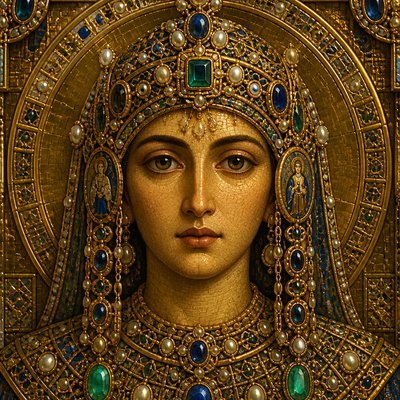
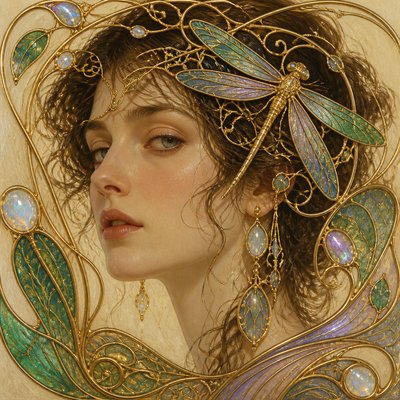
Influences: This aesthetic draws from medieval metalwork, Gothic architecture, and ecclesiastical ornament, as well as the 19th-century Gothic Revival and Victorian mourning jewelry. It also overlaps with later goth and metal subcultures, whose visual language popularized skulls, crosses, black surfaces, and crimson accents. In broader decorative-art terms, it shares a taste for dense ornament and symbolic luxury with Art Nouveau metalwork and with the handcrafted richness of historical revival styles, though its mood is more austere and funerary than organic.

Frequently Asked Questions
What defines Gothic Jewelry Design?
It is defined by dark-romantic symbolism, especially crosses, skulls, medieval motifs, and richly ornamental metalwork. Blackened or tarnished metals and deep red stones are central to the look, along with a sense of age and ceremony. The style balances elegance with menace, so it feels luxurious rather than simply spooky.
Is this style the same as Victorian mourning jewelry?
Not exactly. Victorian mourning jewelry is a historical category tied to bereavement customs and specific materials such as jet, onyx, and hairwork, while Gothic Jewelry Design is a broader modern aesthetic that borrows from mourning jewelry as one of several influences. Gothic jewelry usually adds more overt gothic symbols, heavier ornament, and a stronger subcultural edge.
What materials look best in this style?
Blackened silver, oxidized brass, gunmetal, enamel, onyx, garnet, ruby-like stones, and dark glass all work well. Materials should look substantial and slightly aged, with controlled highlights that bring out the shape. Even in illustration, these finishes can be suggested through contrast, sheen, and patina.
Where is Gothic Jewelry Design commonly used?
It appears in fashion accessories, album art, fantasy and horror visual design, editorial illustration, character design, and themed branding. It is also popular in costume design and in digital concept art for characters with aristocratic, occult, or melancholic identities. The style works especially well when the object itself needs to communicate personality and symbolism quickly.
How can I make an image look authentic in this style?
Focus on the relationship between symbolism, material, and light. Use a narrow palette, add engraved or filigreed detail, and make sure the piece has believable metal construction and gemstone settings. For image generation, specify the object type, the metal finish, the stone color, and the lighting so the result feels designed rather than generic.

Create your first Gothic Jewelry Design artwork
Describe anything — or upload a photo — and see it in Gothic Jewelry Design in seconds.
Make Something with Gothic Jewelry Design
Compare Gothic Jewelry Design
Related Styles
Discover similar art styles