Gothic Architecture Art
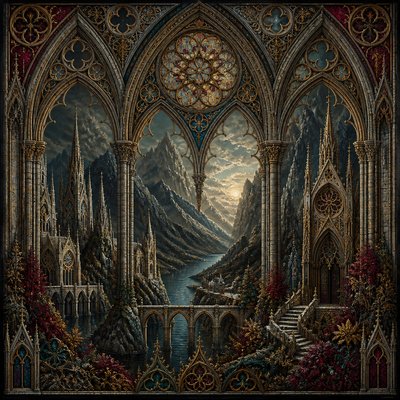
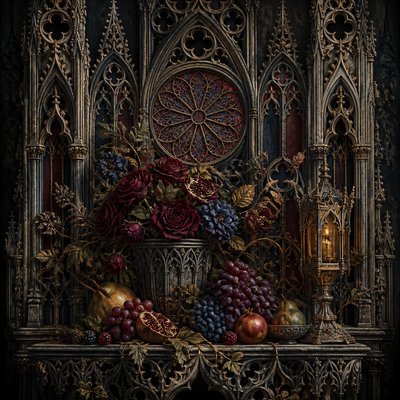
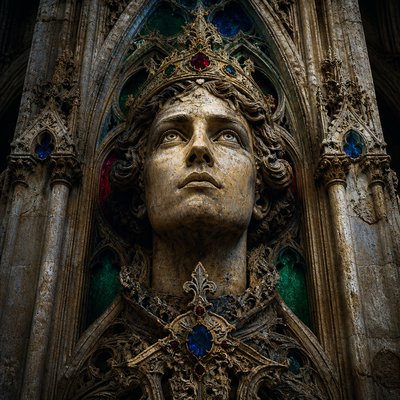
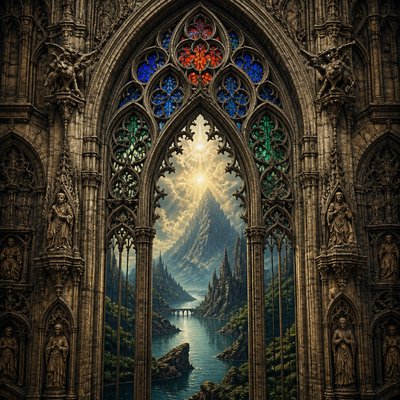
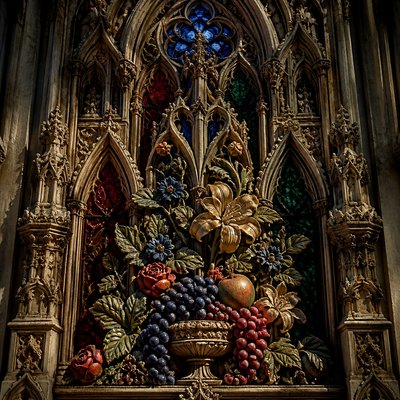
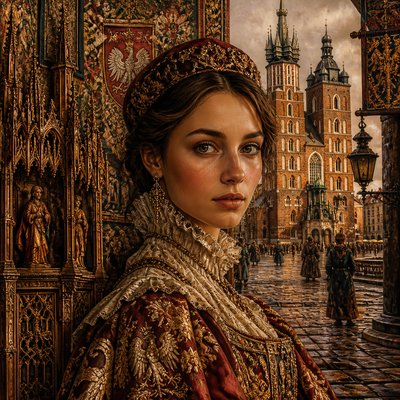
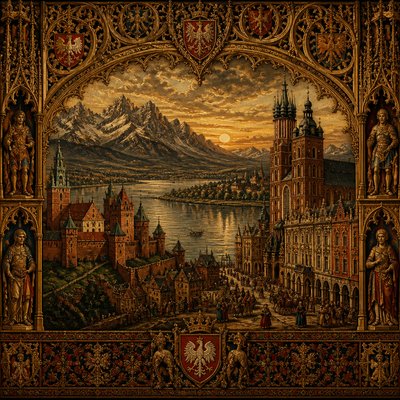
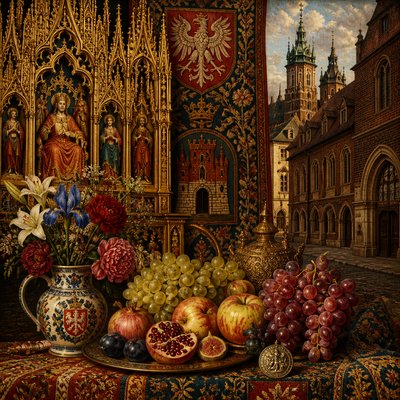
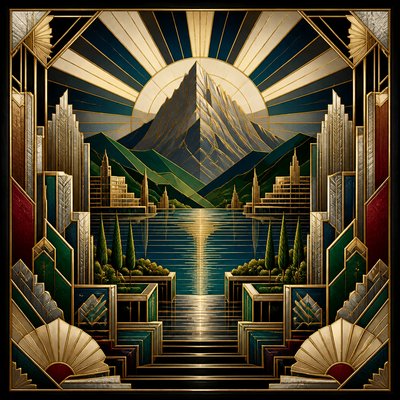
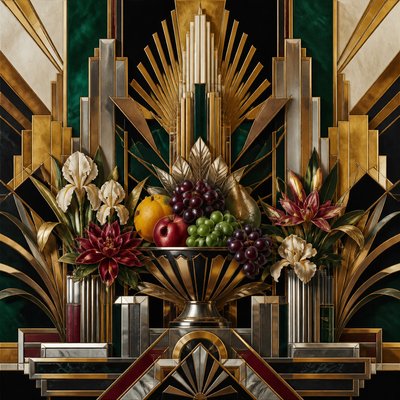
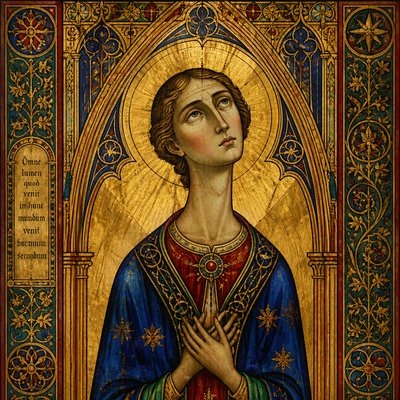
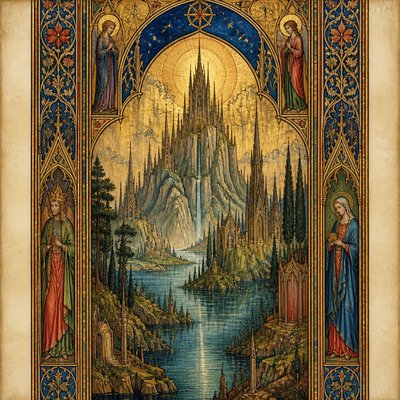
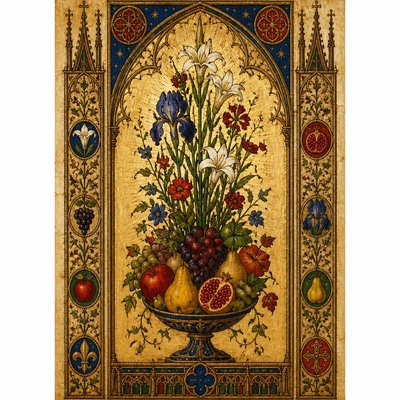
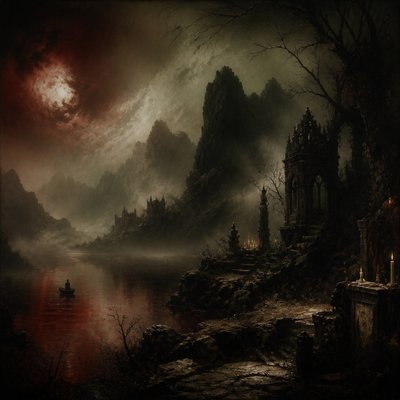
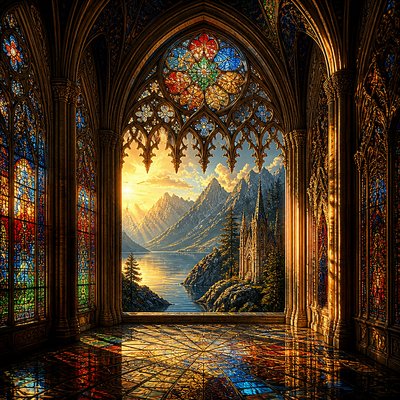
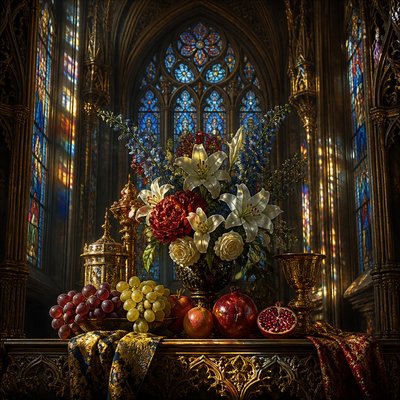
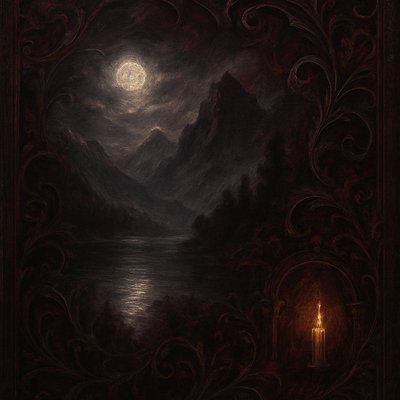
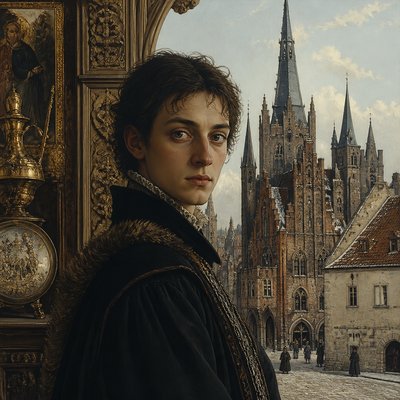
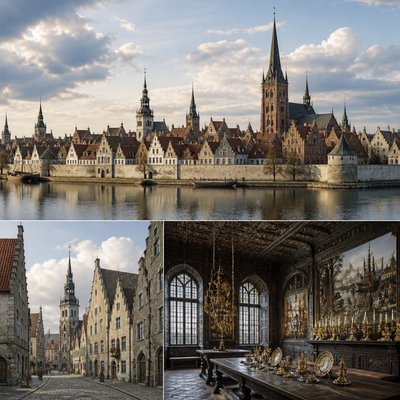
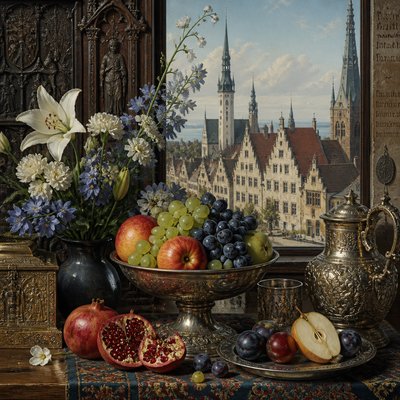
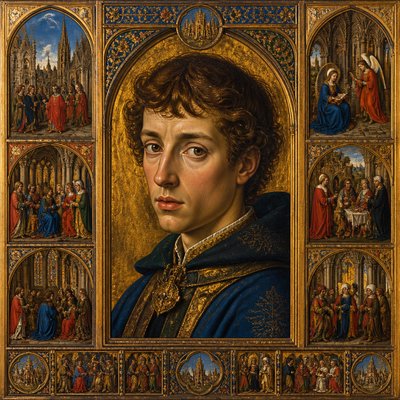
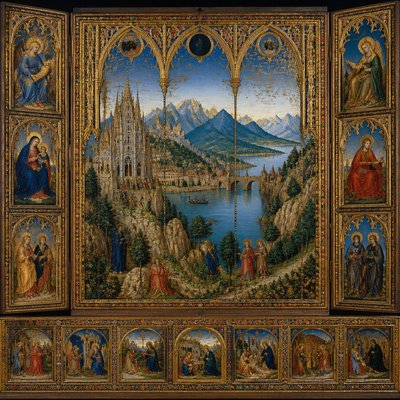
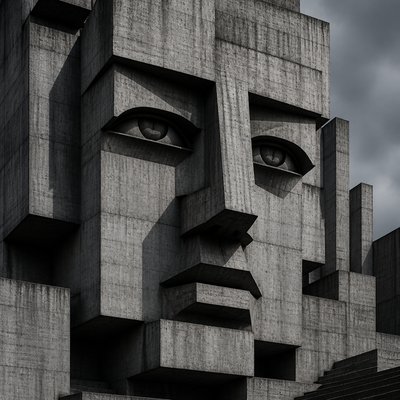
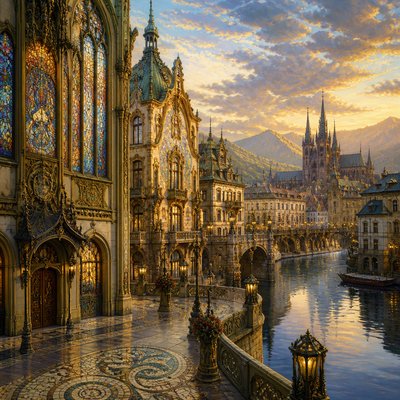
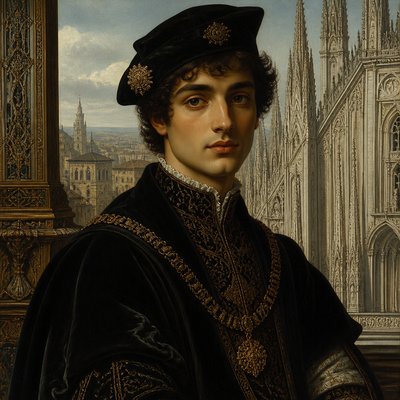
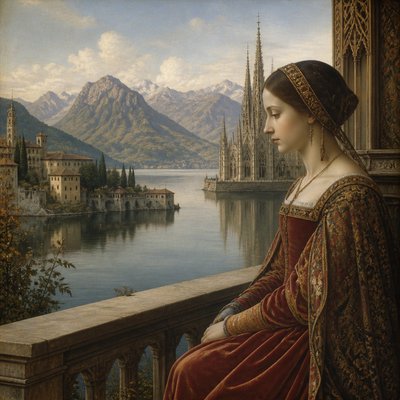
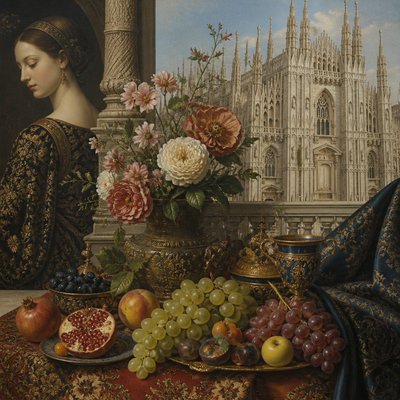
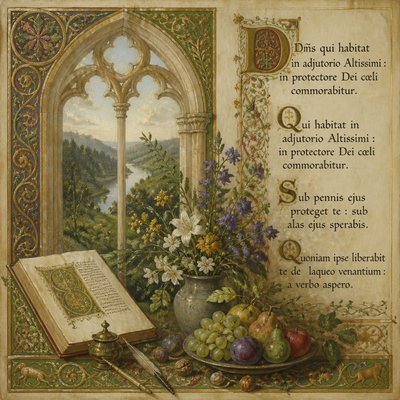
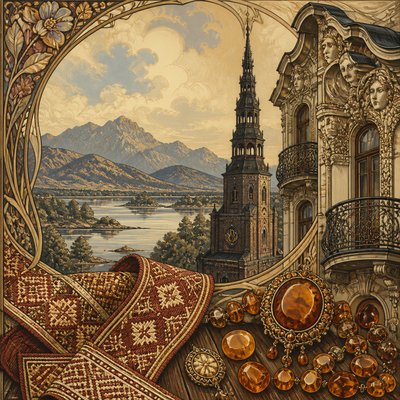
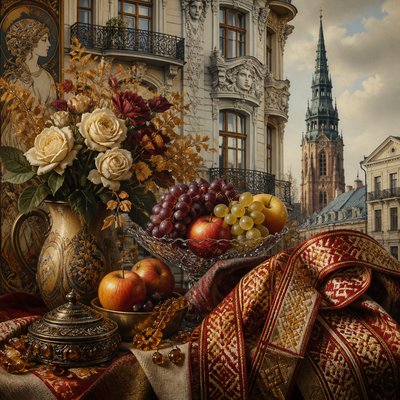
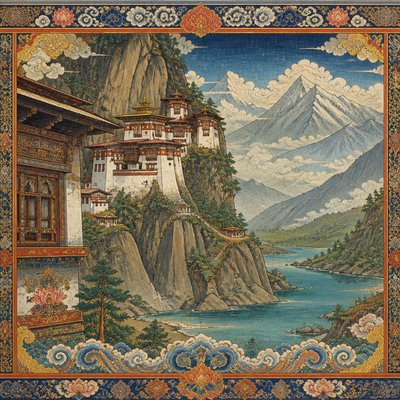
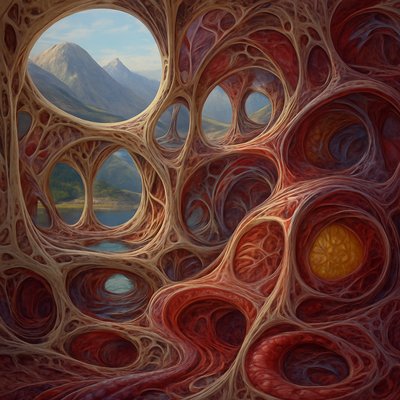
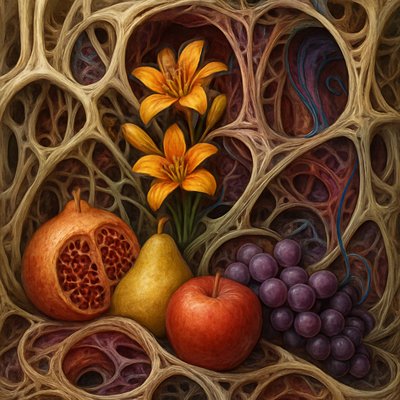
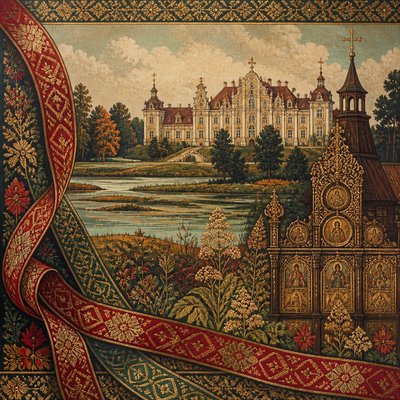
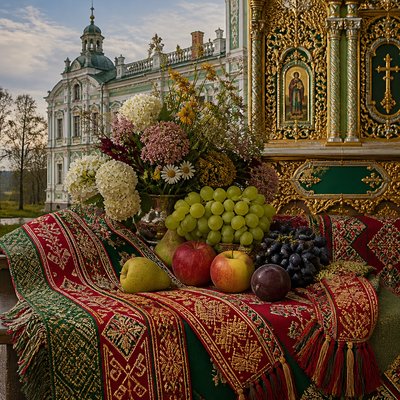
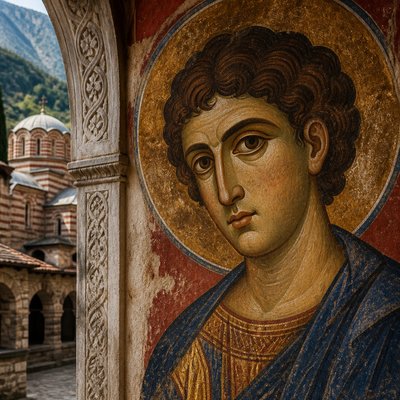
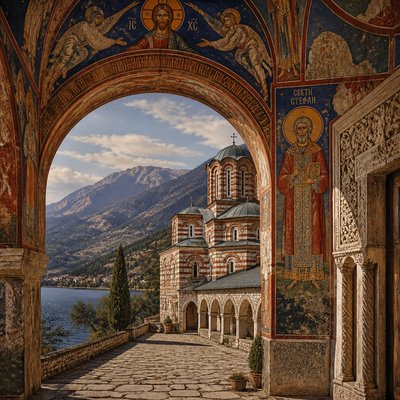
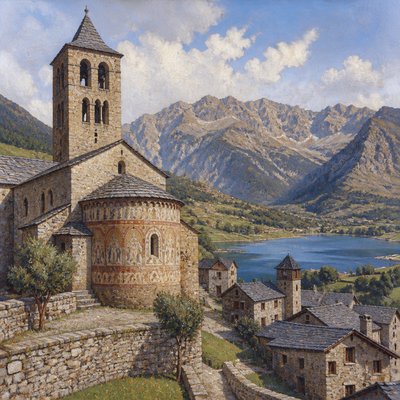
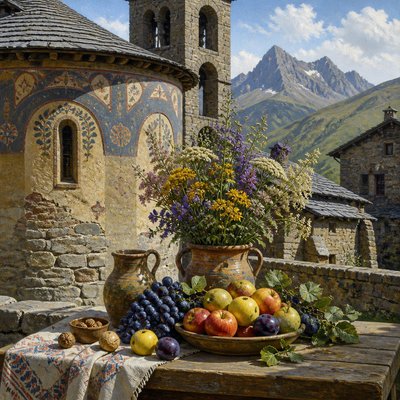
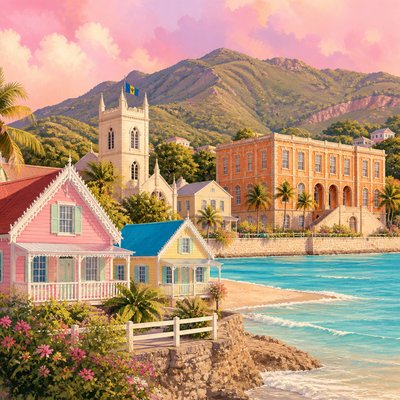
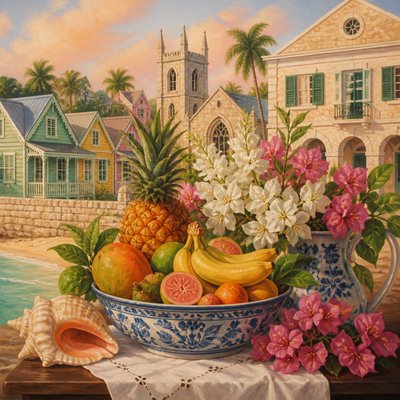
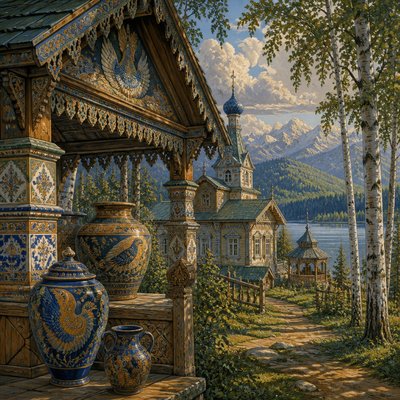
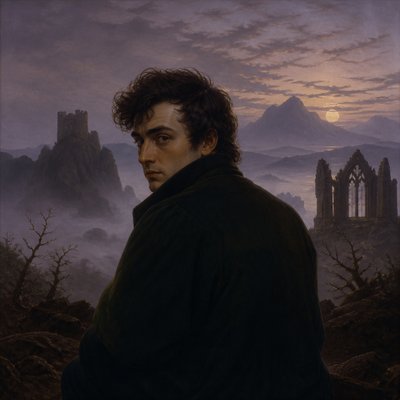
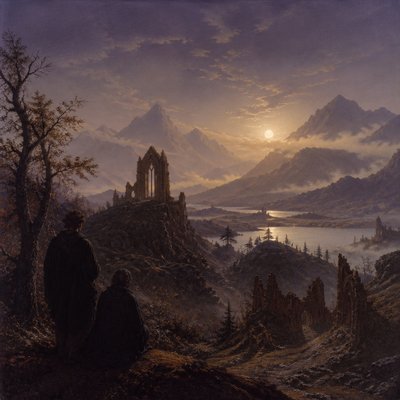
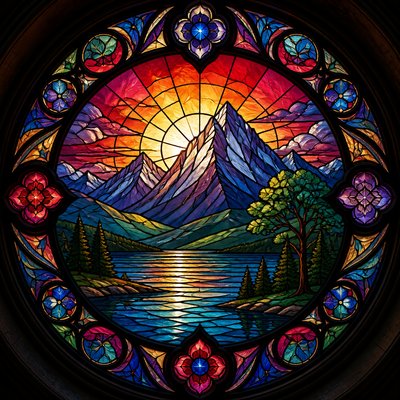
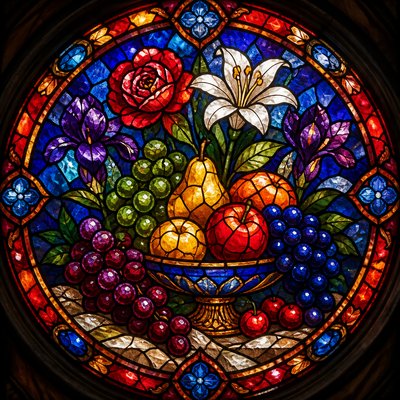
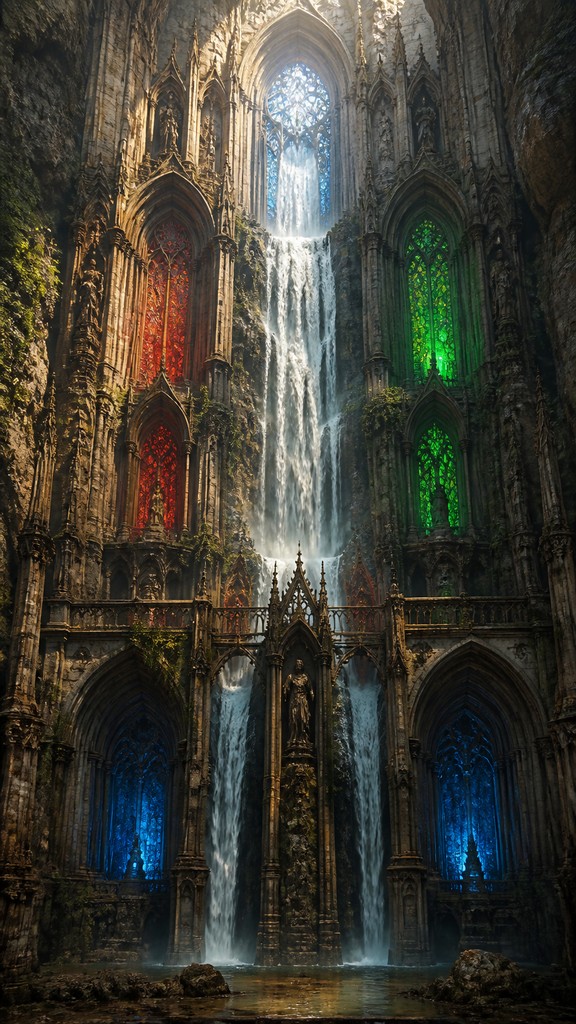
Medieval European architecture with pointed arches, flying buttresses, spires, and ornate stonework, shaped by verticality and light.
Instantly rendered in Gothic Architecture — or transform a photo
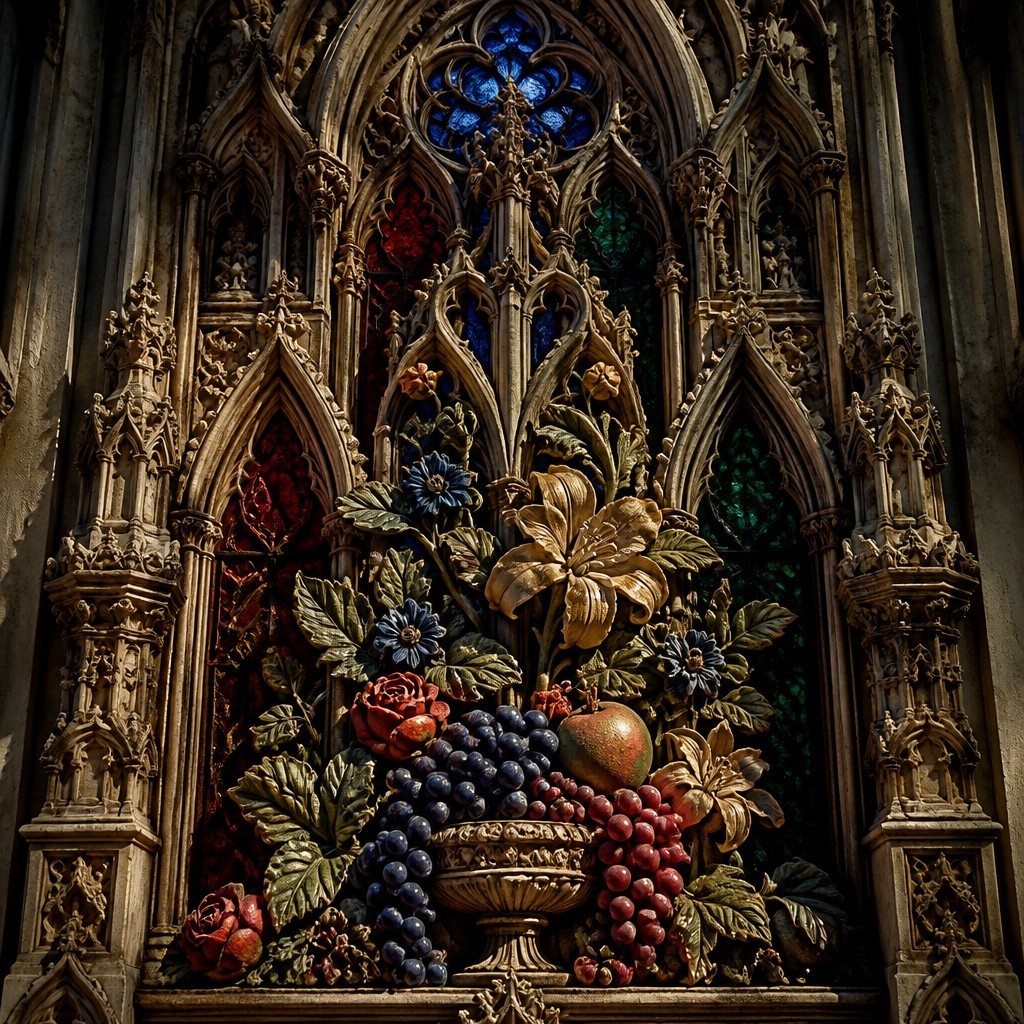
Gothic Architecture Gallery
Tap any artwork to explore it
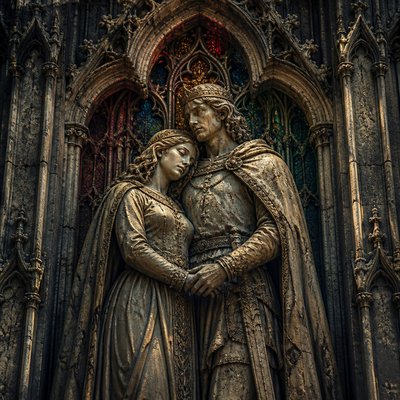
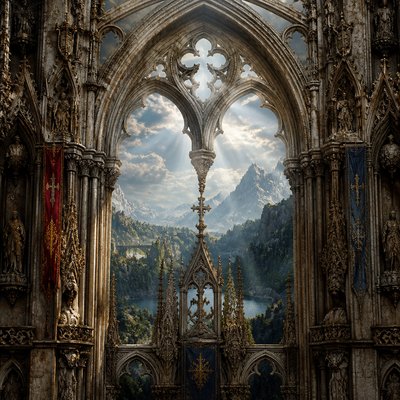
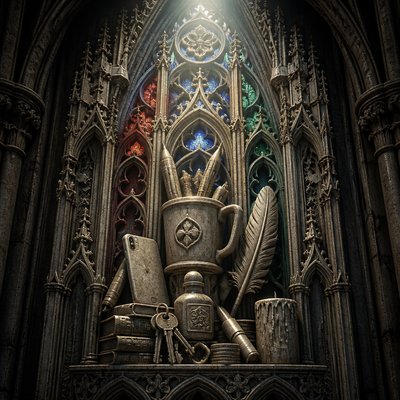
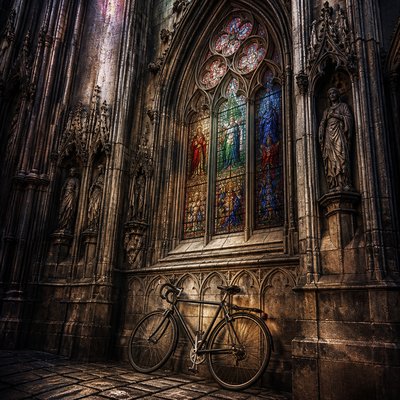
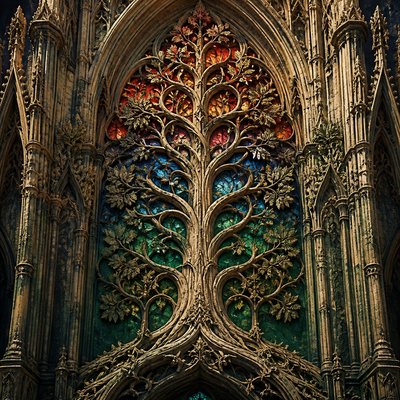
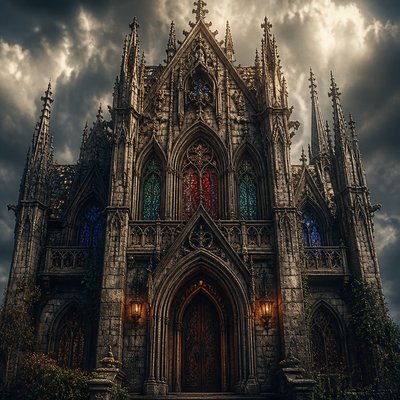
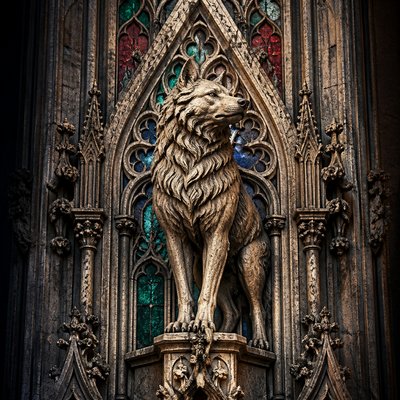
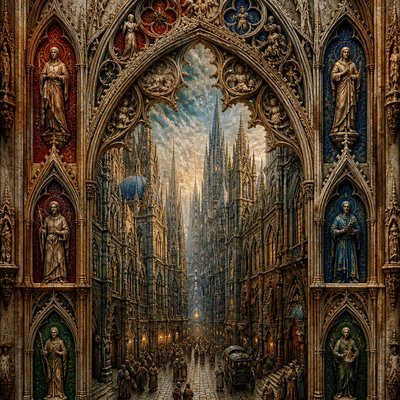
What is Gothic Architecture Art?
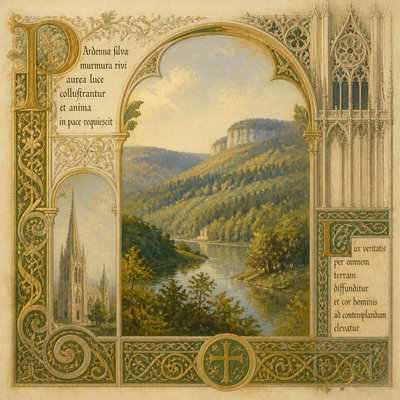
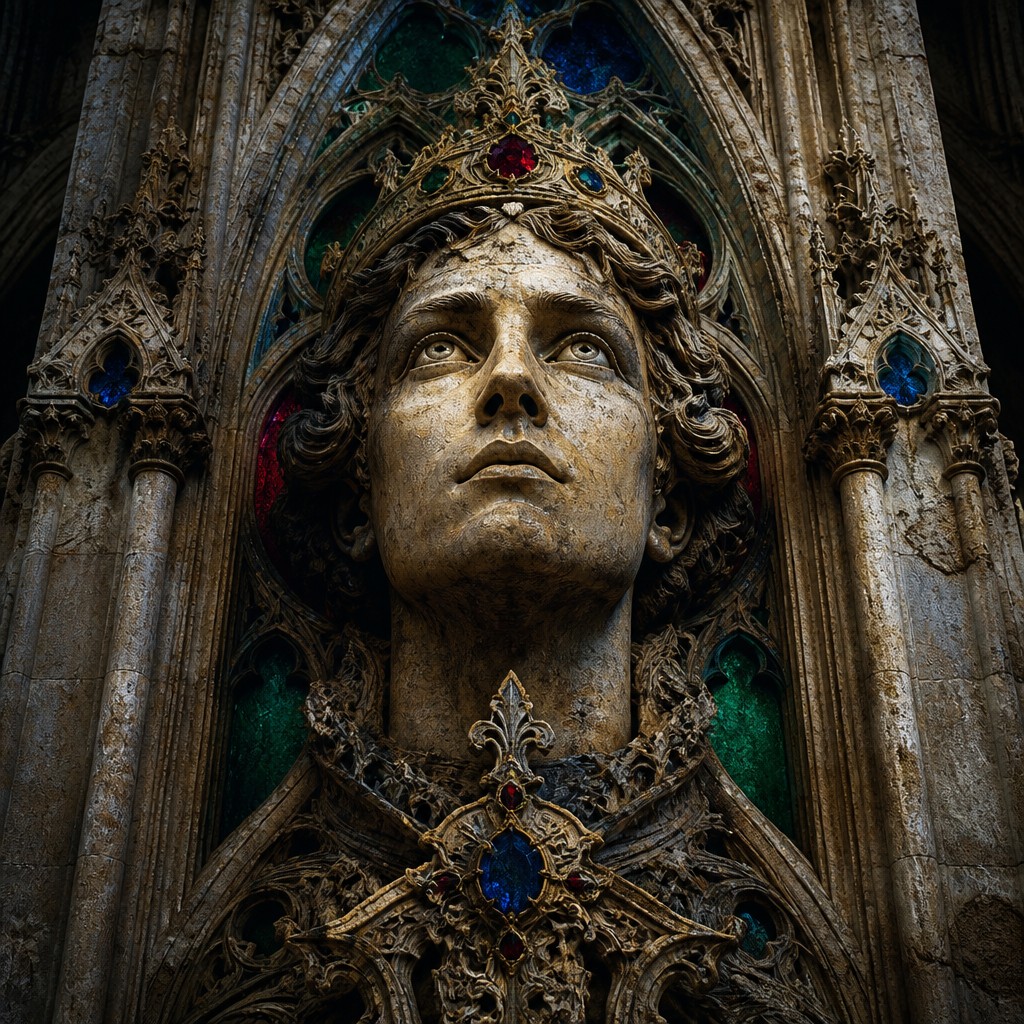
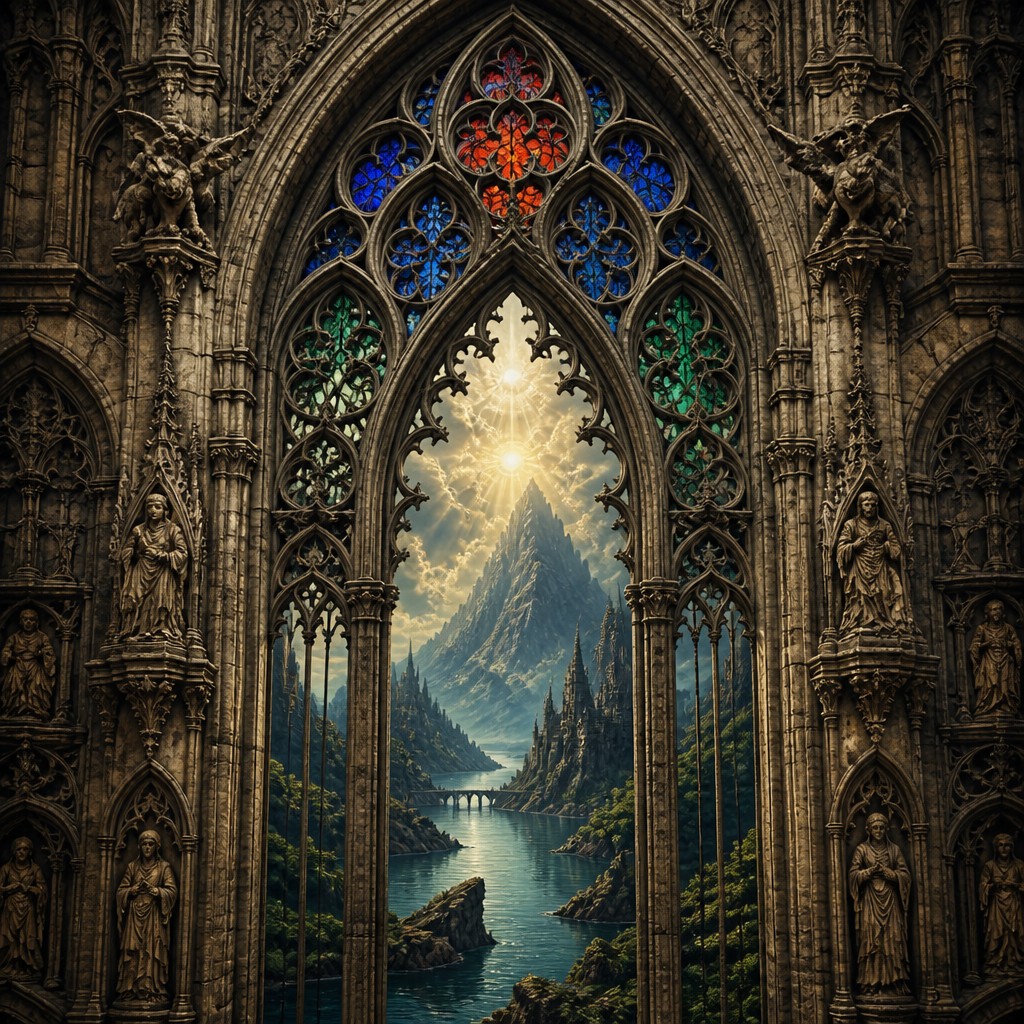
Gothic Architecture Art refers to the visual language of medieval European architecture from roughly the 12th to the 16th centuries, especially cathedrals, abbeys, churches, and civic buildings. Its defining features include pointed arches, ribbed vaults, flying buttresses, rose windows, lancet openings, pinnacles, and dense carved ornament. The style is immediately recognizable for its emphasis on verticality: structures seem to rise, narrow, and strain upward, creating an effect of spiritual aspiration and monumental weight at the same time.
Its appearance is not only decorative but structural. Gothic builders used innovations in stone engineering to distribute loads outward and downward, allowing walls to become taller and more perforated with stained glass. The result is an architecture of both skeleton and skin: exposed structural lines, deep shadowed recesses, and luminous surfaces that change with weather and light. In artistic depictions, these qualities often translate into dramatic contrast, intricate detail, and a solemn, cathedral-like sense of scale.
Try It On Your Photos
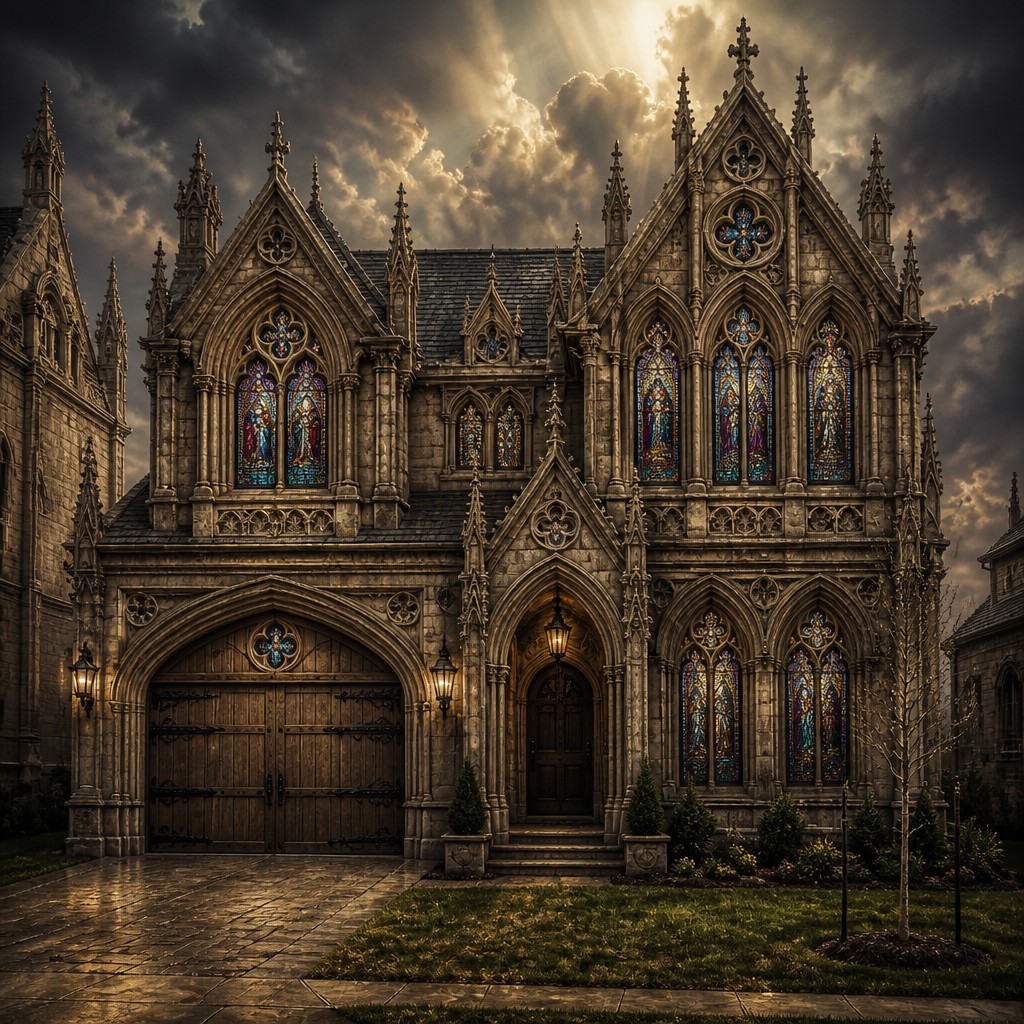
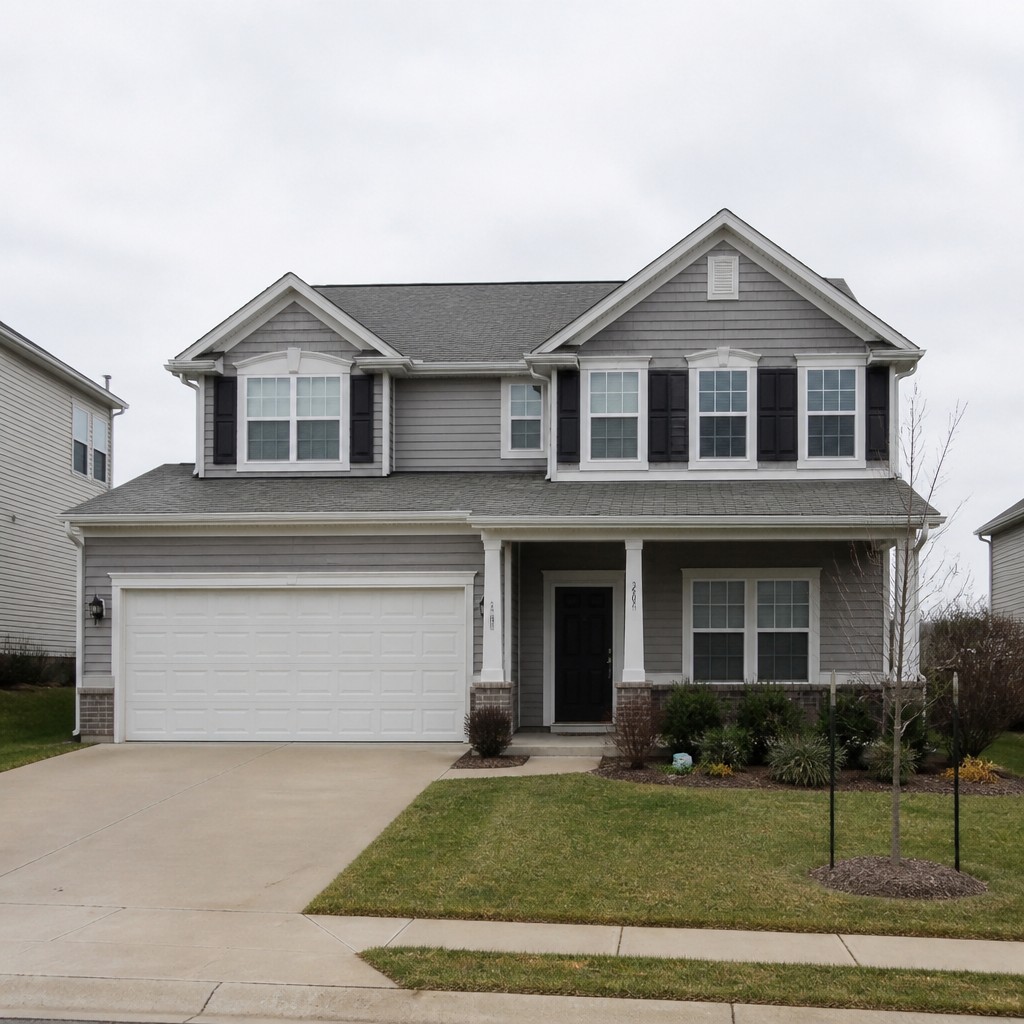
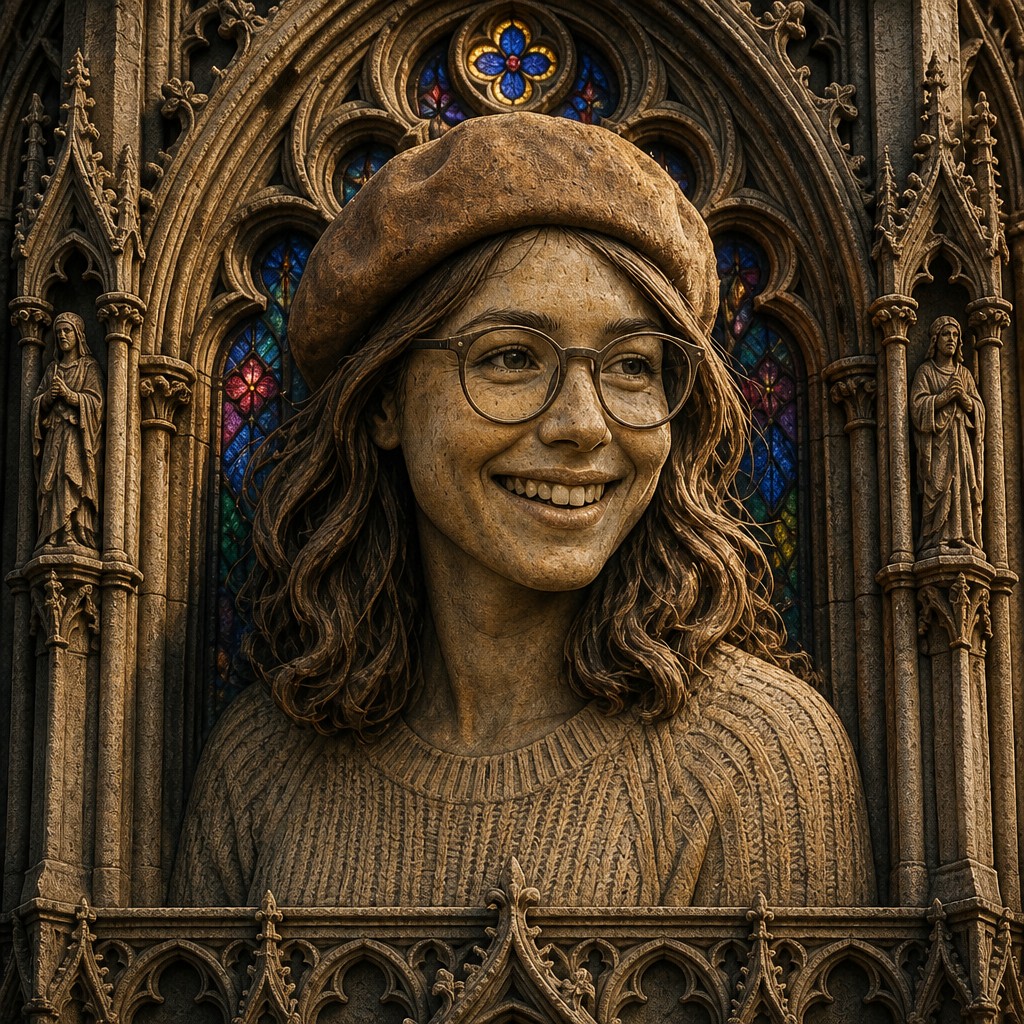
Upload any photo and convert it into Gothic Architecture Art — drag the sliders to compare before and after.


What Defines Gothic Architecture Art
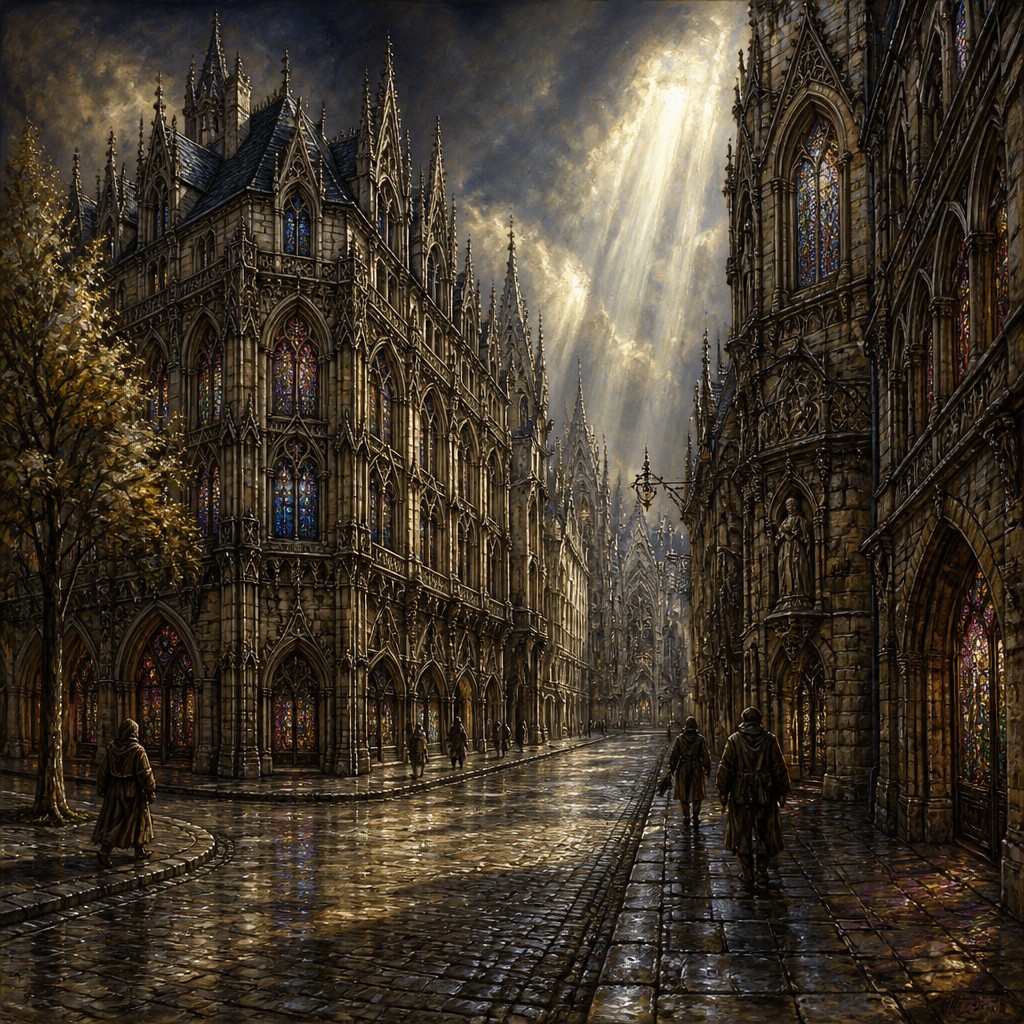
The signature details, up close
Pointed arches
The pointed arch is the most recognizable structural and visual motif. It reduces lateral thrust and gives openings a sharper, more upward-directed silhouette than the Romanesque round arch.
Vertical emphasis
Towers, spires, clustered columns, and tall windows all direct the eye upward. The composition often feels aspirational and sky-bound, even when the building is massive and grounded.
Ribbed vaulting and tracery
Interlacing stone ribs and delicate window tracery create a lace-like framework. These details organize surfaces into readable geometries and add a sense of engineered complexity.
Flying buttresses
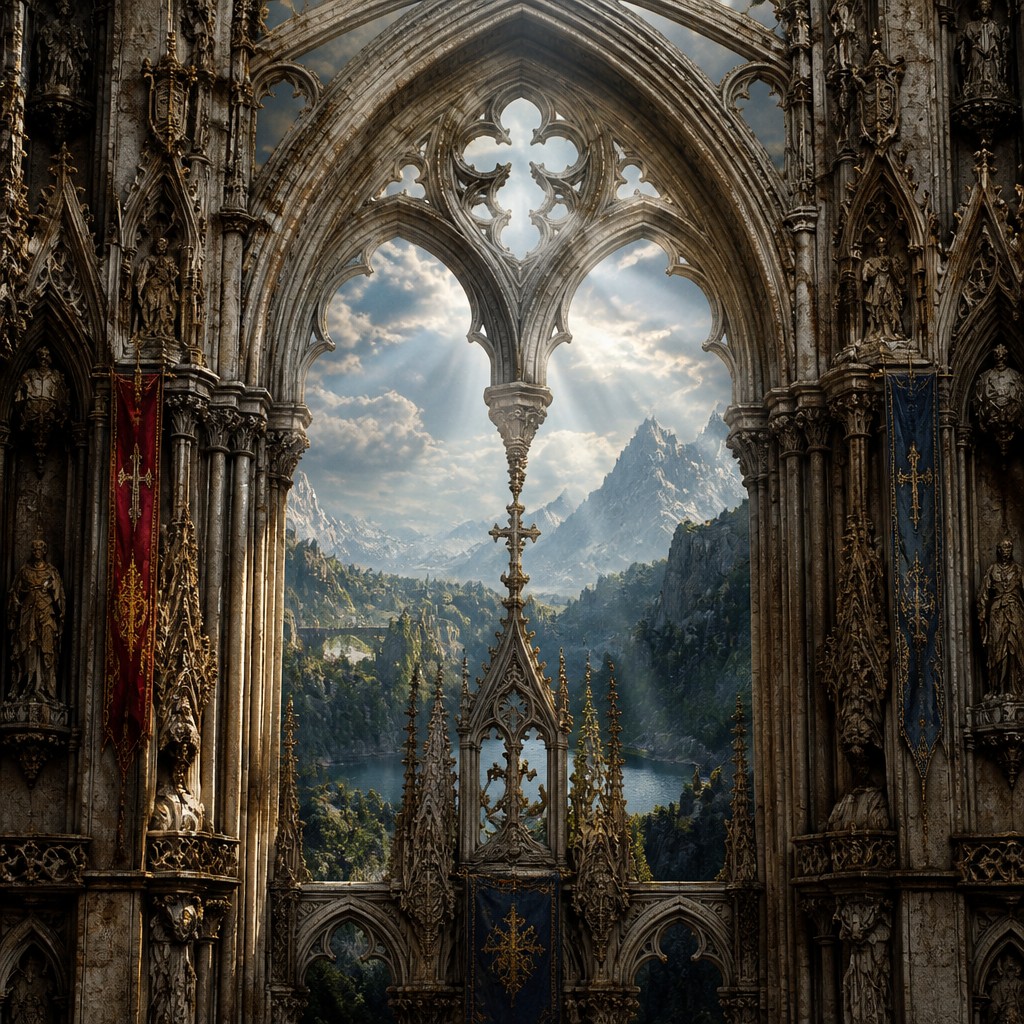
External supports transfer weight away from the walls and permit greater height and glass area. Visually, they create dramatic silhouettes and layered depth around the exterior.
Ornate stone carving
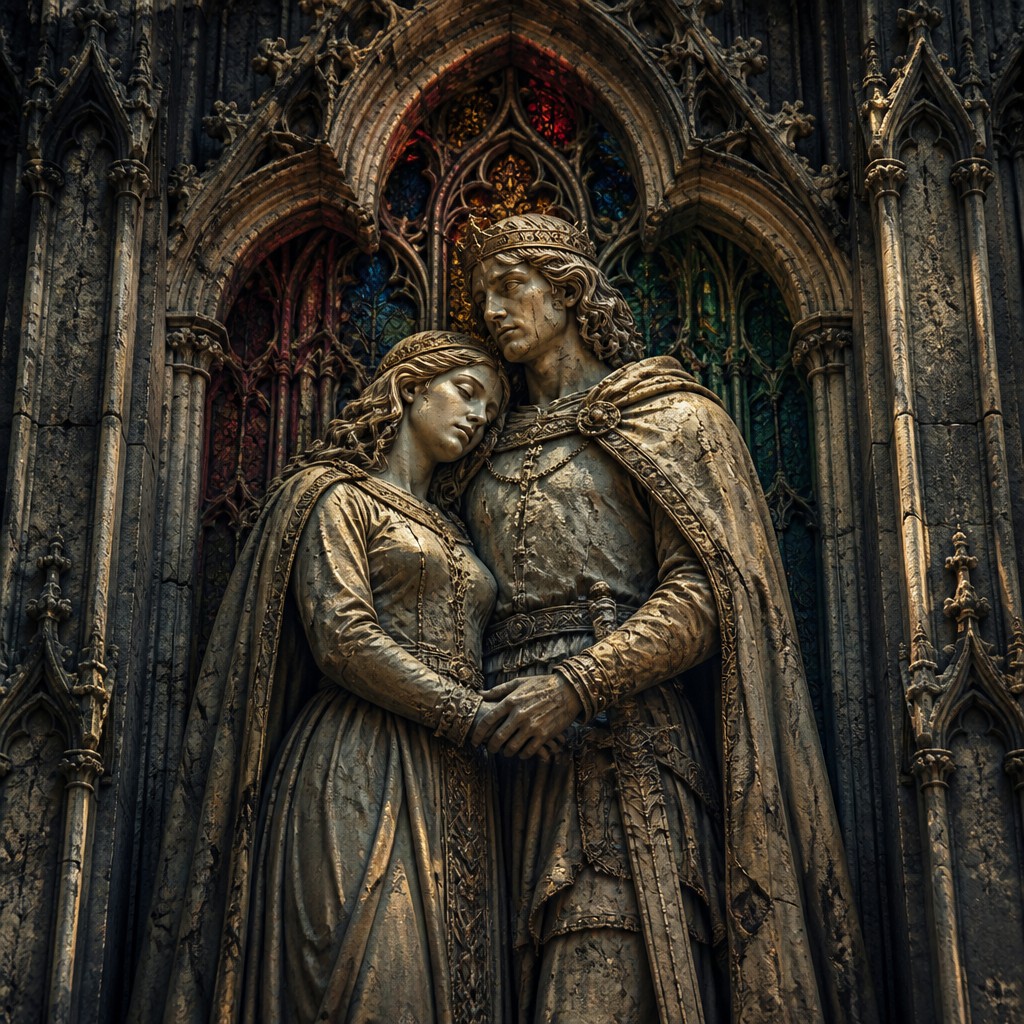
Gargoyles, crockets, finials, capitals, and figural reliefs add narrative and texture. The hand-carved surface often appears weathered, with centuries of erosion and patina.
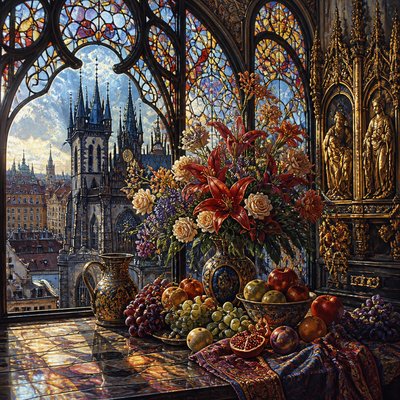
Chiaroscuro and stained light
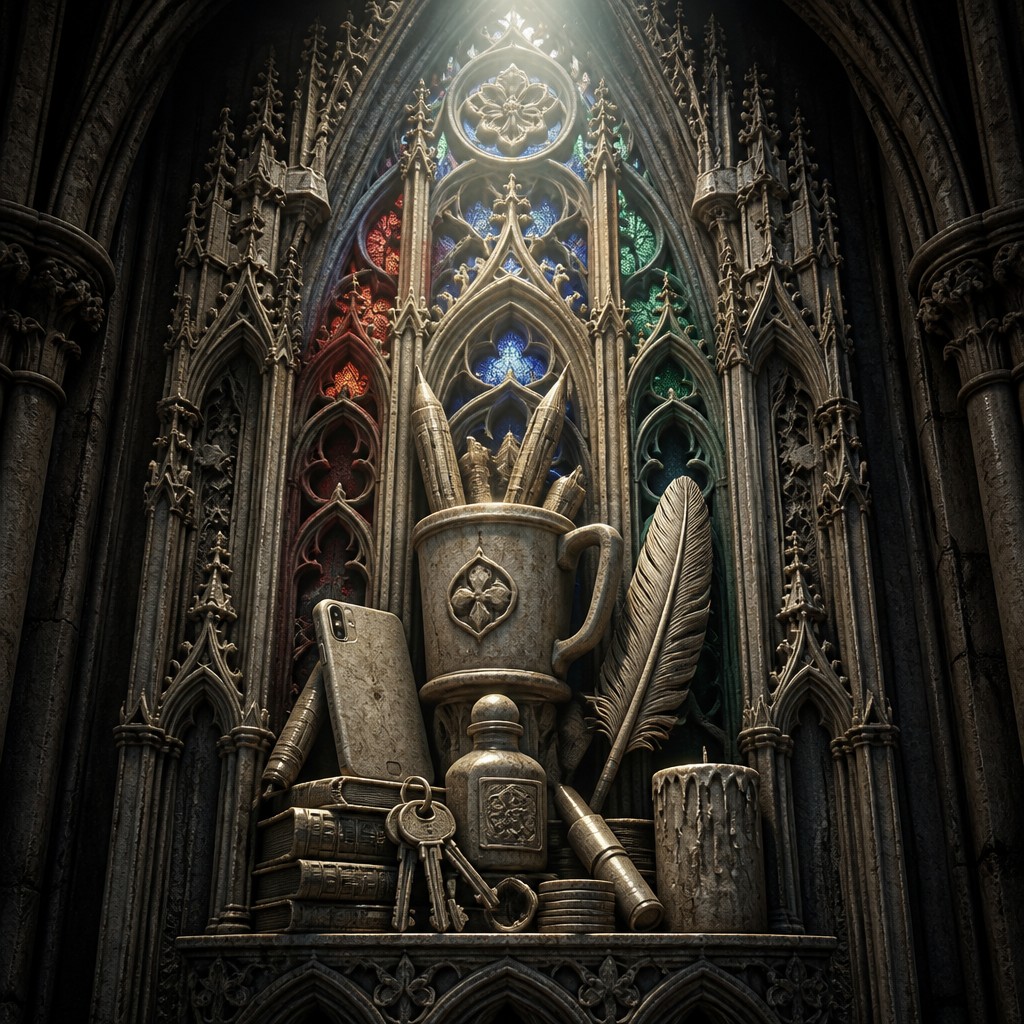
Deep shadow in recesses contrasts with colored light from stained glass or imagined celestial illumination. This interplay produces a sacred, theatrical atmosphere.
Try It
Create Videos in Gothic Architecture Art
Styles aren't just for stills — describe a scene or animate an image and get a short video rendered in Gothic Architecture. Press play to see this pond come to life.
Make a VideoGothic Architecture Prompt Ideas
Start from an idea — each one opens the generator with the style ready to go. See all 40 Gothic Architecture prompts →
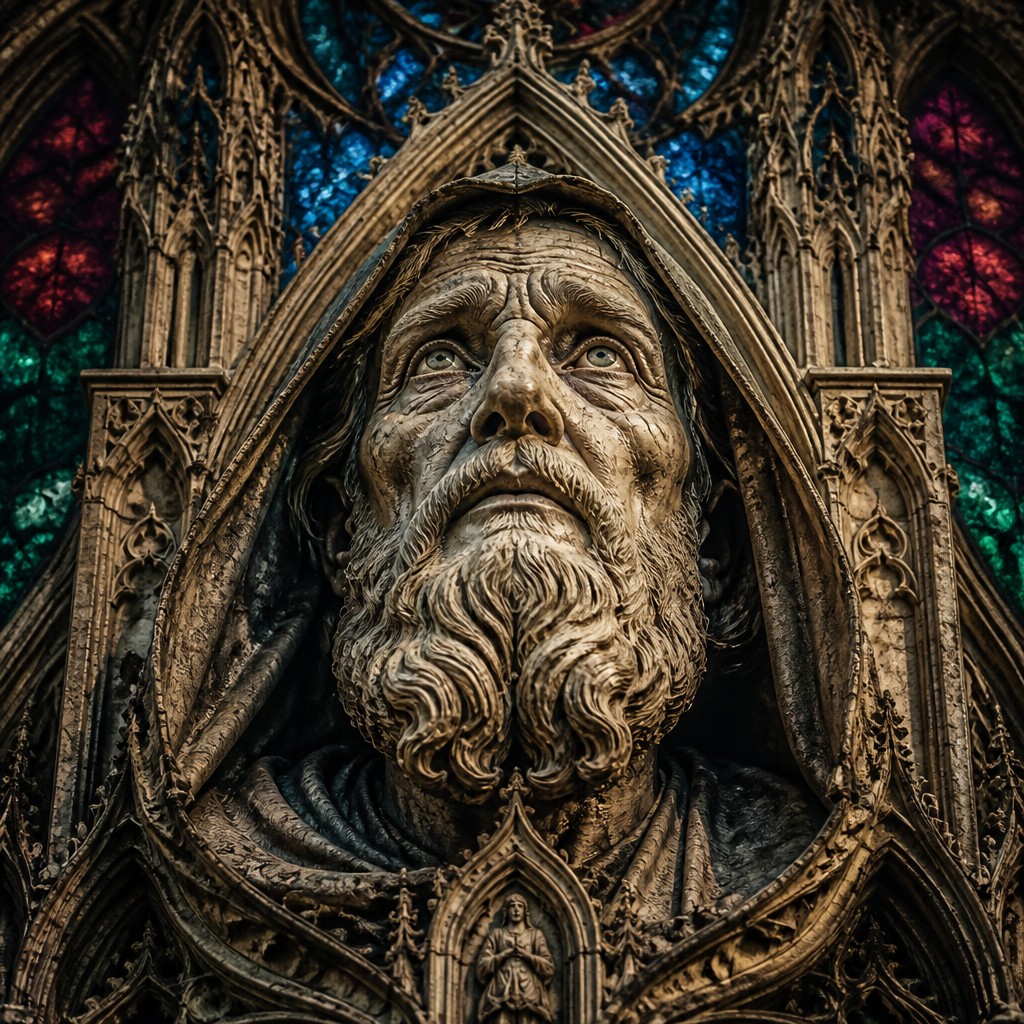
“close-up portrait of an elderly person with expressive weathered features”
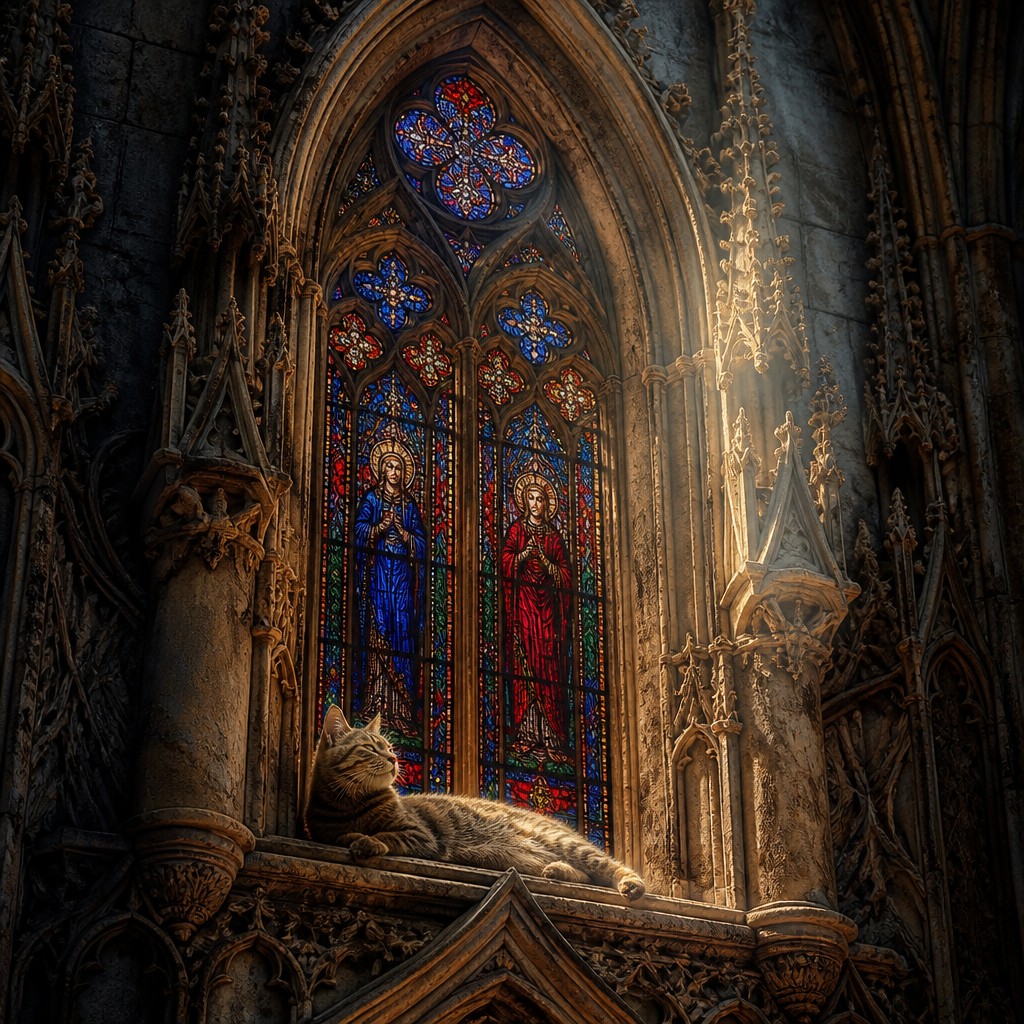
“a cat lounging in a sunlit window”
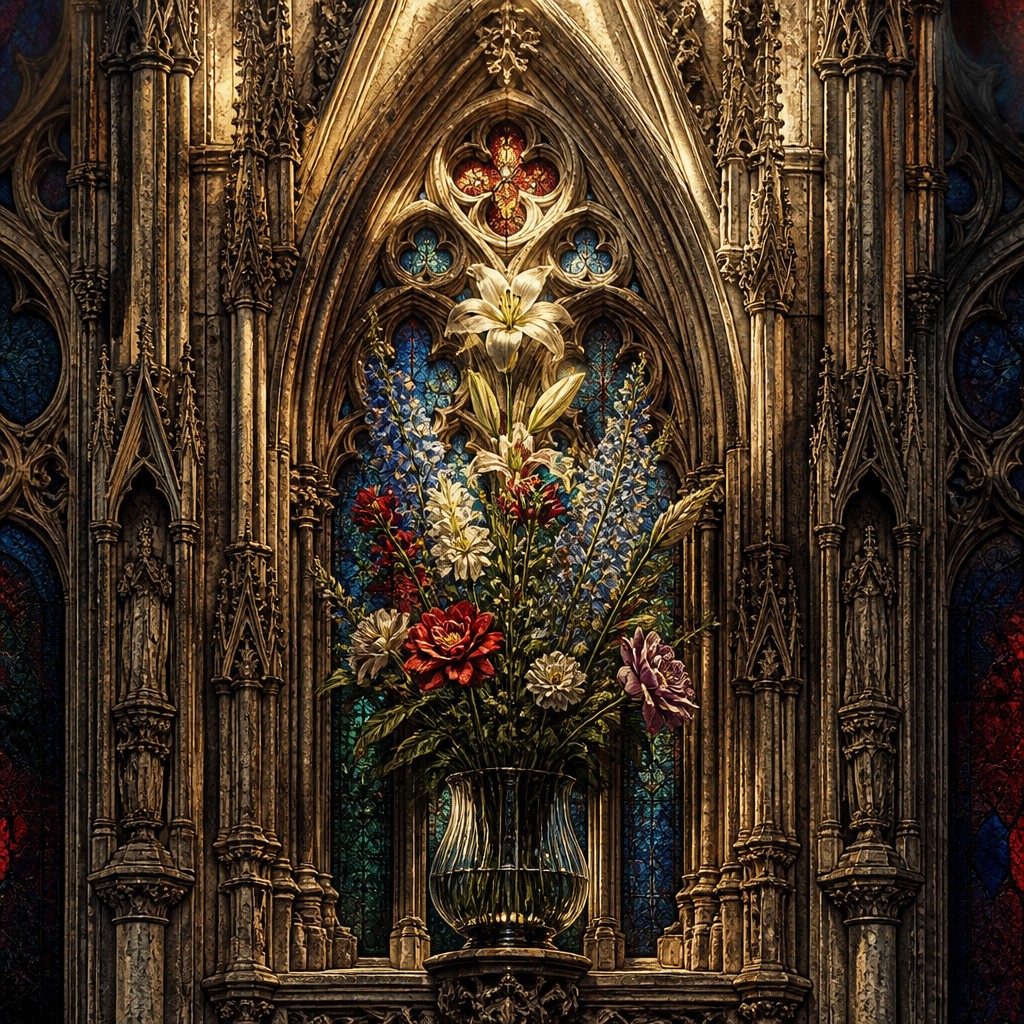
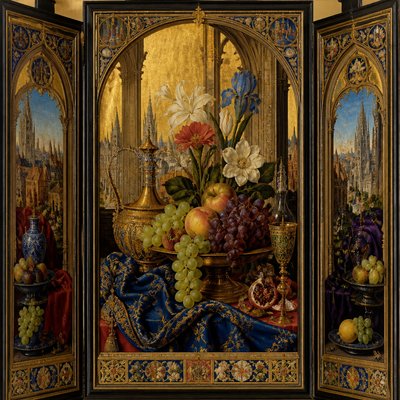
“bouquet of flowers in a glass vase”
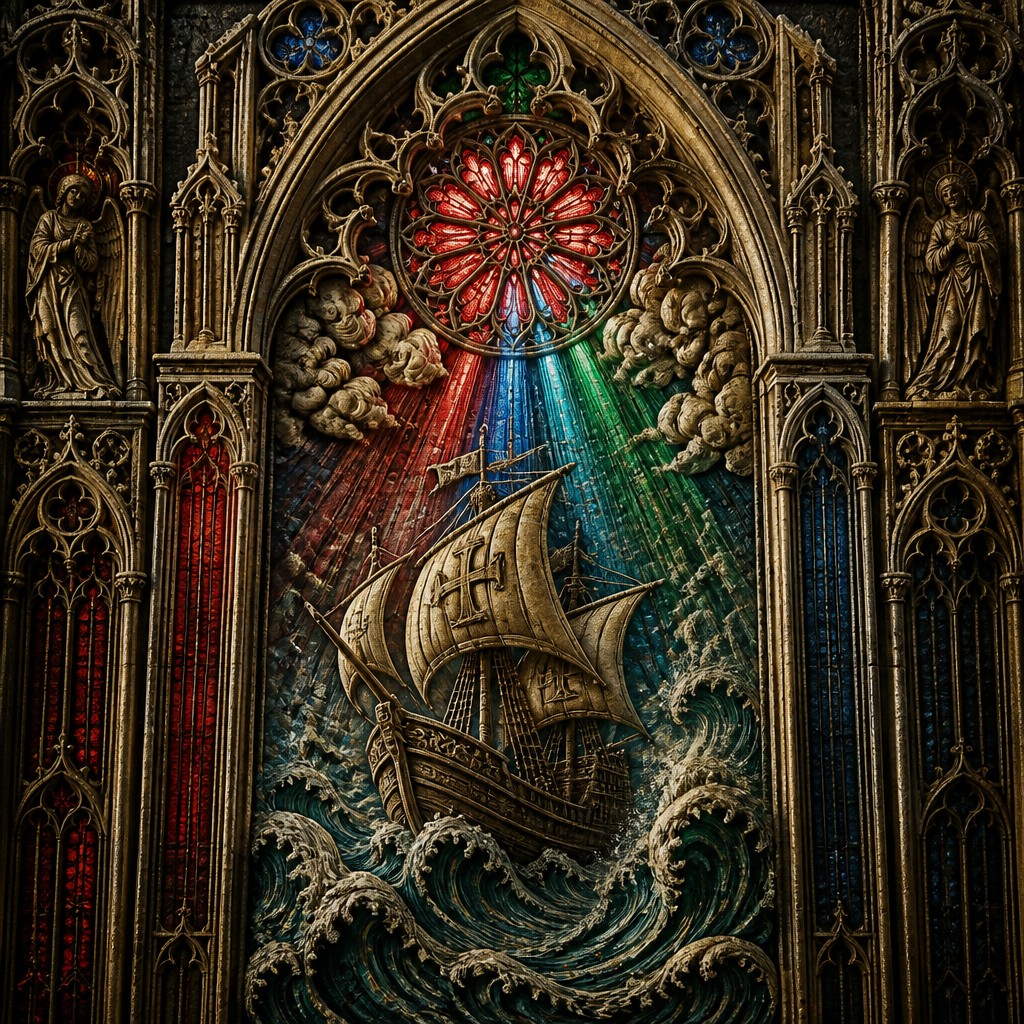
“sailing ship on a stormy sea”
How to Create Gothic Architecture Art
Master the craft step by step — or skip straight to creating. Read the full guide →
- 1
Build the composition vertically
Use a tall frame, strong perspective lines, and a clear upward movement in the silhouette. In traditional drawing, block in the large masses first; in digital work, keep the main structure readable before adding ornament.
- 2
Design with structural logic
Make arches, vaults, buttresses, and window bays feel load-bearing rather than merely decorative. Even in imaginative scenes, Gothic forms look convincing when their engineering makes visual sense.
- 3
Layer ornament over a solid stone body
Reserve intricate carving for portals, capitals, cornices, and tracery, and let the larger wall planes remain massive. This contrast between bulk and filigree is central to the style.
- 4
Use texture and age convincingly
Stone should show wear, chiseling, soot, rain streaks, moss, and chipped edges. Subtle irregularity helps the work feel medieval rather than cleanly modern or digitally polished.
- 5
Control light for sacred drama
Rely on strong contrast, with shadowed interiors and illuminated windows or upper openings. If generating from text, specify pointed arches, flying buttresses, carved stone, weathered limestone, and jewel-toned light.

The Story
History & Origins of Gothic Architecture
Gothic architecture emerged in northern France in the mid-12th century and spread across much of Western Europe, developing through the High, Rayonnant, and Late Gothic phases. It grew out of Romanesque architecture but replaced rounded forms with pointed arches and more flexible vaulting systems, enabling taller interiors and larger windows. Major historic centers of Gothic building include France, England, the Low Countries, Germany, Spain, and parts of Italy, each adapting the style to local materials, liturgical needs, and regional taste.
The term "Gothic" was coined later, during the Renaissance, as a critical label associated with the supposed barbarism of the Goths, though the architecture itself was a highly refined medieval tradition. Over time, its vocabulary became a lasting aesthetic reference in revival architecture, 19th-century Romantic imagery, and modern fantasy and game art. When used as an image style today, it typically draws on the medieval built environment rather than the later Gothic Revival of the 18th and 19th centuries, though the two are often visually conflated.
Influences: Gothic Architecture Art is rooted in medieval Romanesque architecture but is defined by the engineering and visual ambitions of High Gothic building in France and beyond. It also relates to the later Gothic Revival, though that movement is historically separate and belongs to the 18th and 19th centuries. In visual culture, the style connects to Romantic ruins, ecclesiastical art, and the architectural imagination seen in medieval manuscript illumination and cathedral sculpture; canonical historical associations include the builders of Chartres, Reims, Amiens, Salisbury, and Cologne rather than named individual artists.
Frequently Asked Questions
What defines Gothic Architecture Art?
It is defined by pointed arches, flying buttresses, ribbed vaults, tall spires, and intricate stone ornament. The overall effect is vertical, dramatic, and structurally expressive, with a strong sense of sacred monumentality.
Is Gothic architecture the same as Gothic Revival?
No. Gothic architecture refers to the medieval style developed from the 12th to 16th centuries, while Gothic Revival is a much later reinterpretation from the 18th and 19th centuries. Revival buildings may imitate Gothic features, but they are not medieval originals.
Why does Gothic architecture feel so tall and dramatic?
Its builders used structural innovations that made taller walls and larger windows possible. The repeated upward lines, narrow proportions, and spires create a visual rhythm that pushes the eye toward the sky.
How is Gothic different from Romanesque architecture?
Romanesque buildings usually have round arches, thicker walls, and a heavier, more compact appearance. Gothic architecture replaces many of those forms with pointed arches, taller openings, and more visible skeletal supports.
What kinds of subjects work well in this style?
Cathedrals, abbeys, cloisters, castles, reliquaries, stained-glass windows, and solemn interiors are all natural fits. The style also works well for fantasy settings, historical scenes, and atmospheric ruins.
How can I make a convincing Gothic-style image?
Prioritize architectural structure before decoration: establish the arches, vaults, and buttresses first, then add tracery and carving. Strong contrast, weathered stone textures, and tall framing help the result feel authentic.

Create your first Gothic Architecture artwork
Describe anything — or upload a photo — and see it in Gothic Architecture Art in seconds.
Make Something with Gothic Architecture
Related Styles
Discover similar art styles