Mediterranean Architecture Art
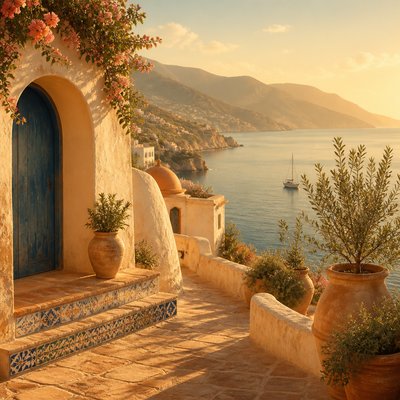
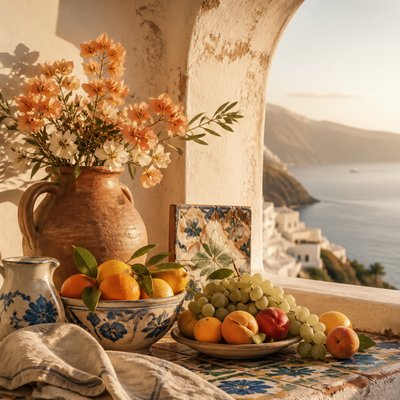
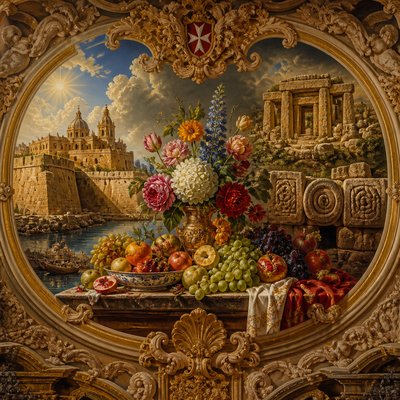
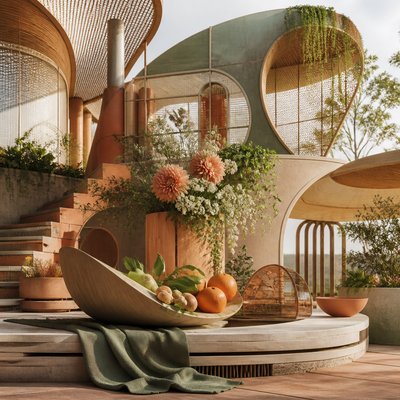
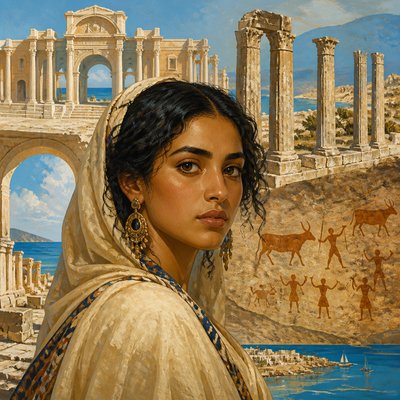
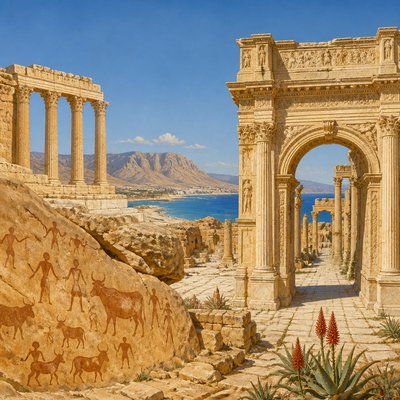
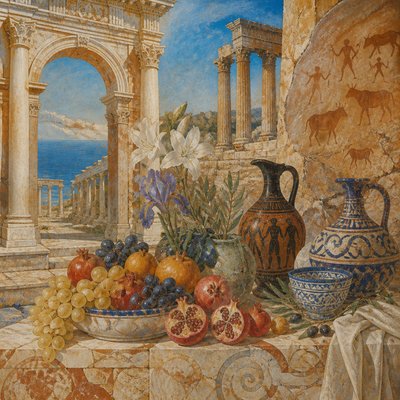
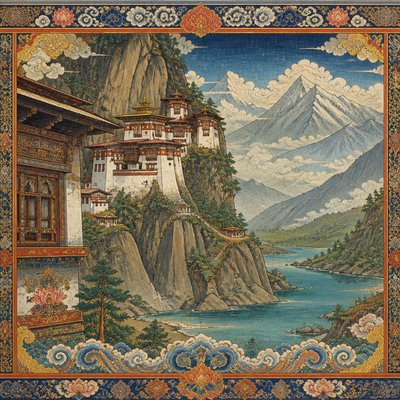
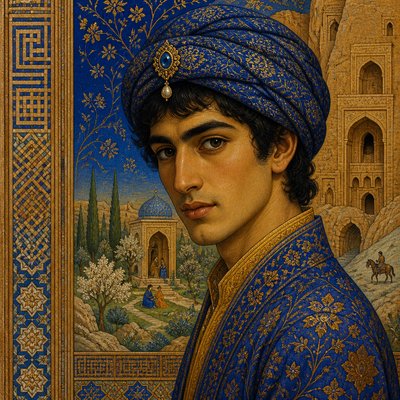
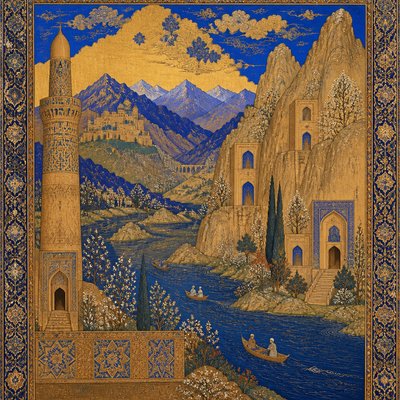
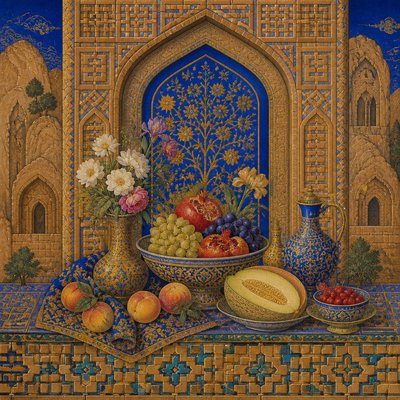
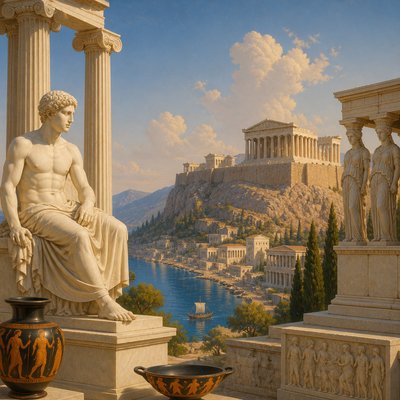
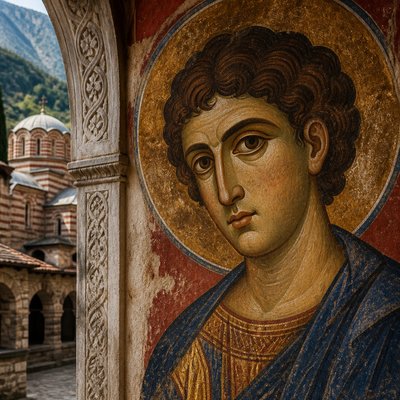
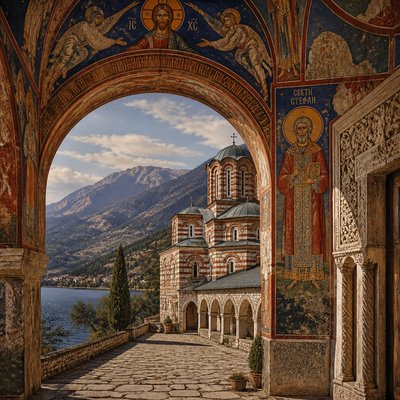
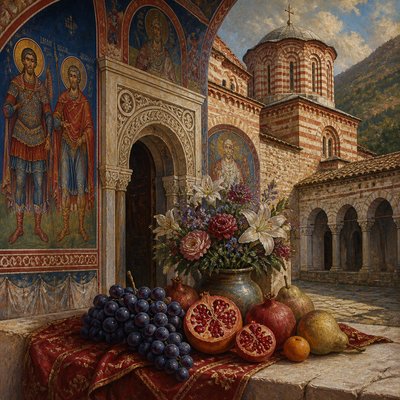
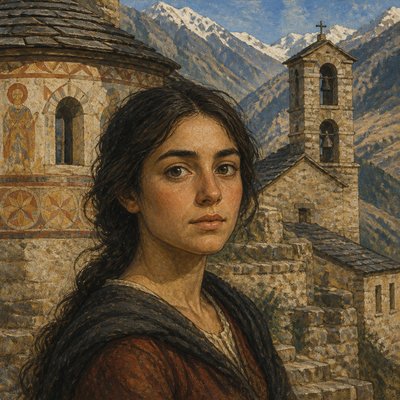
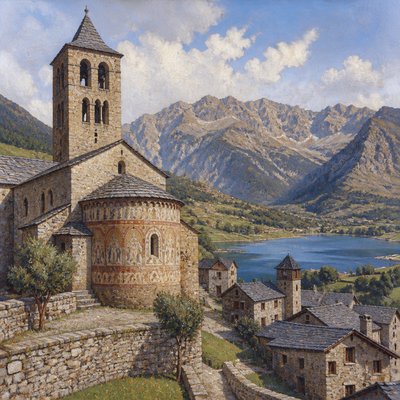
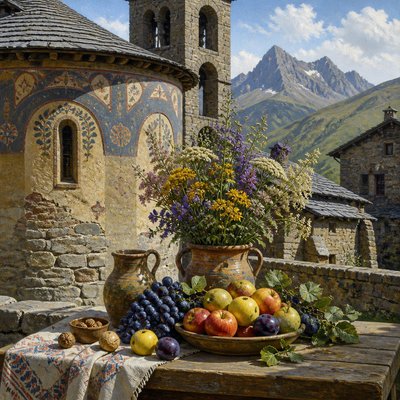
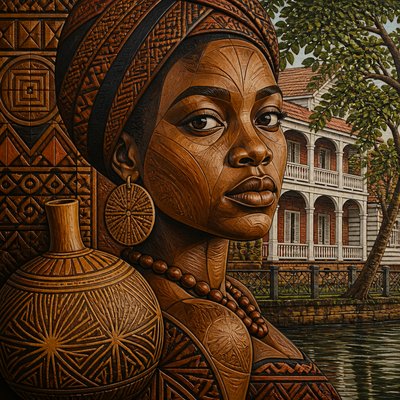
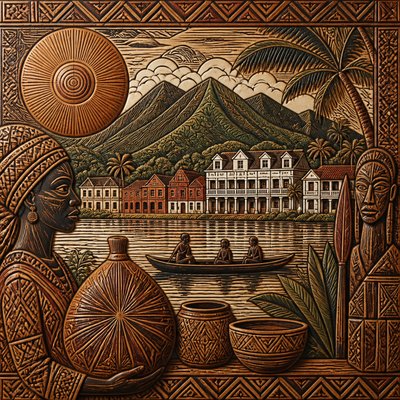
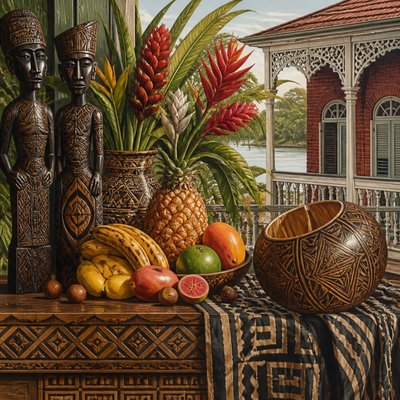
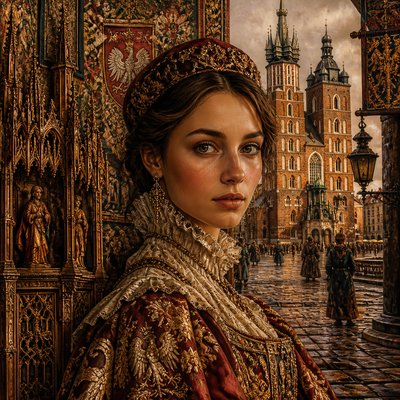
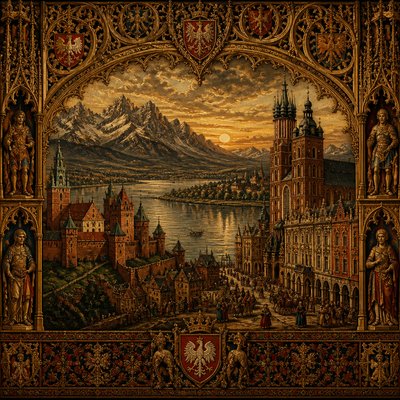
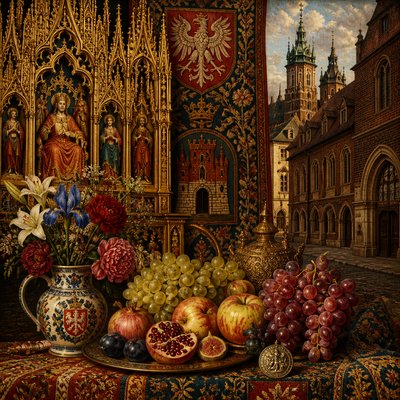
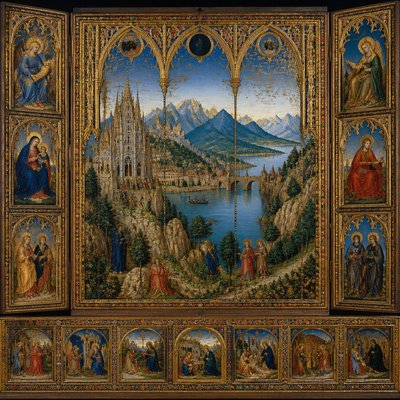
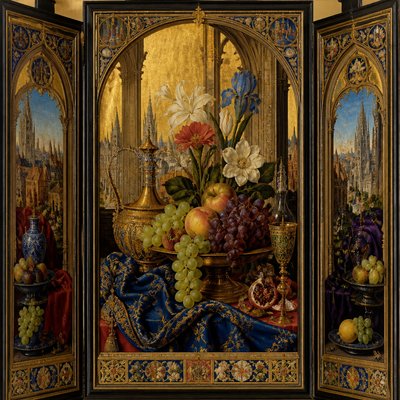
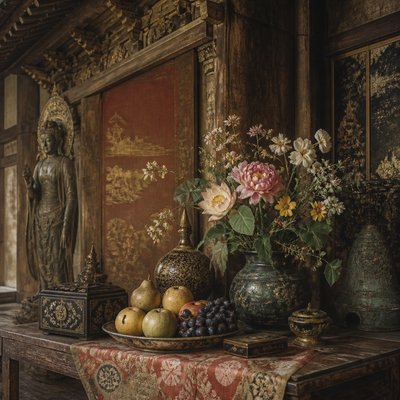
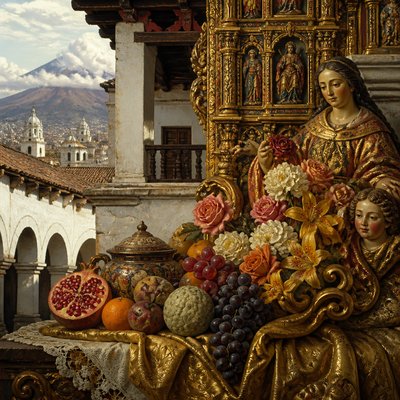
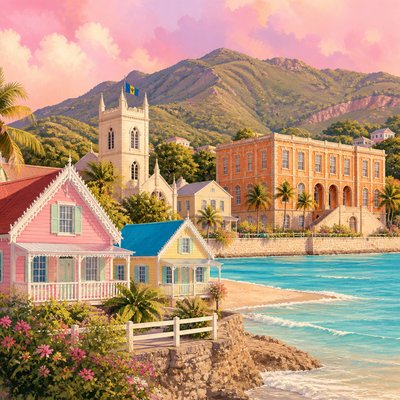
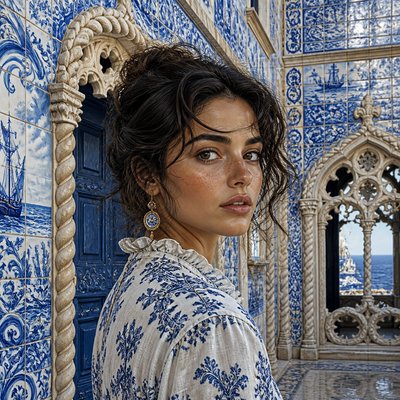
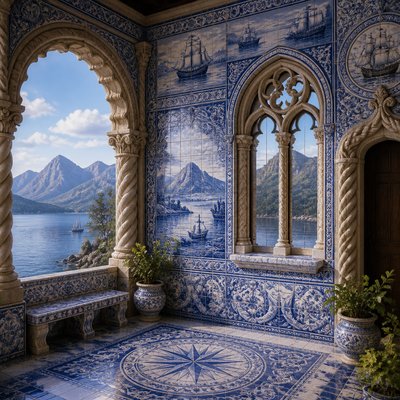
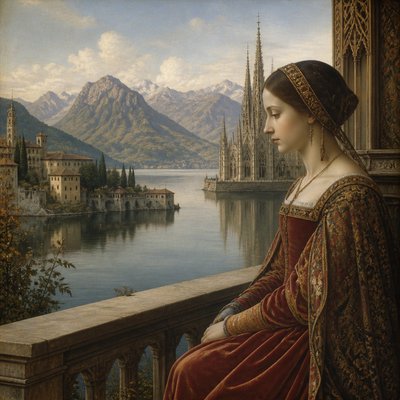
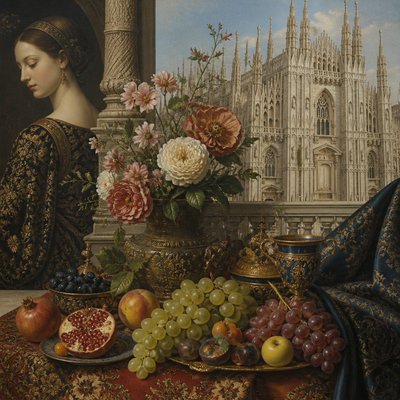
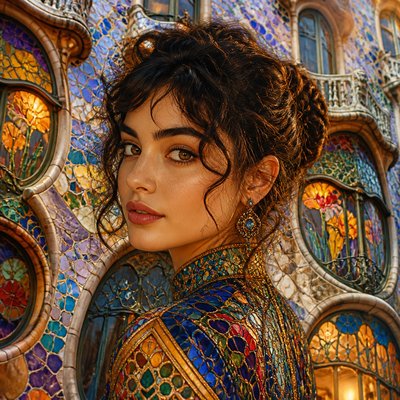
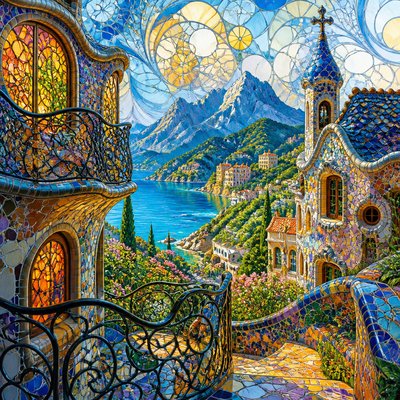
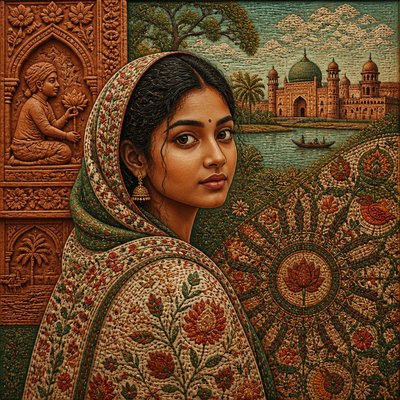
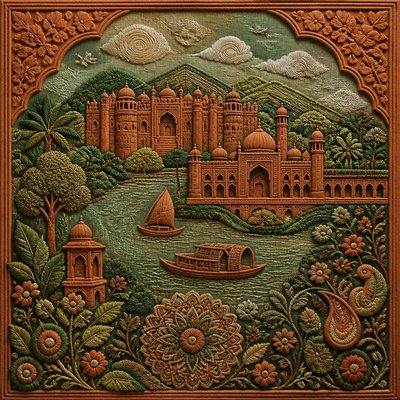
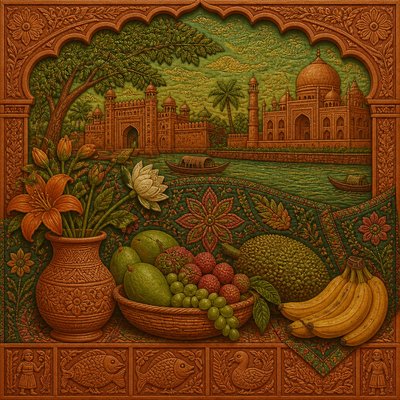
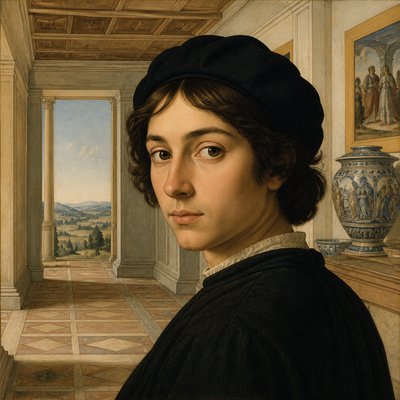
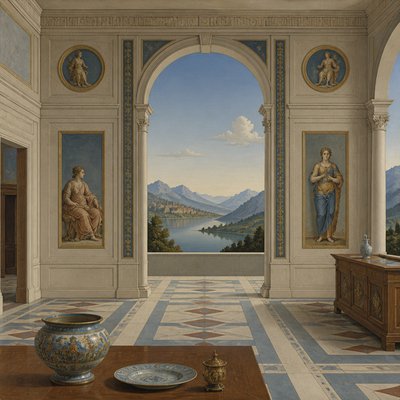
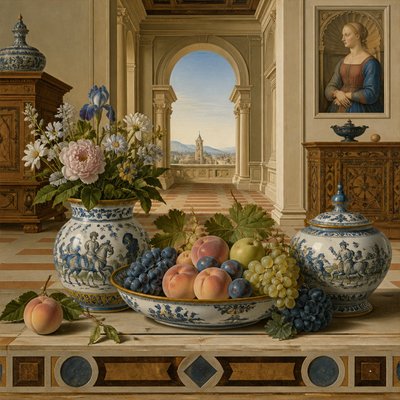
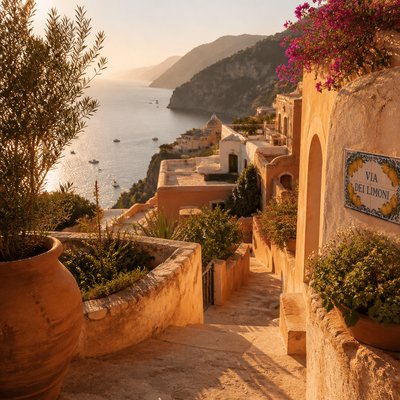
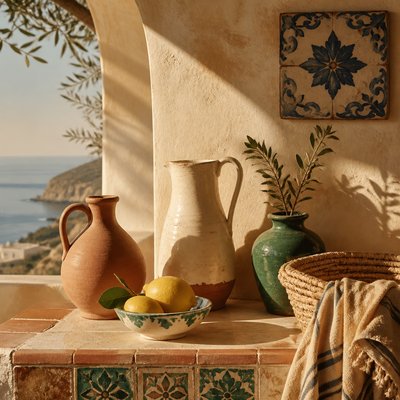
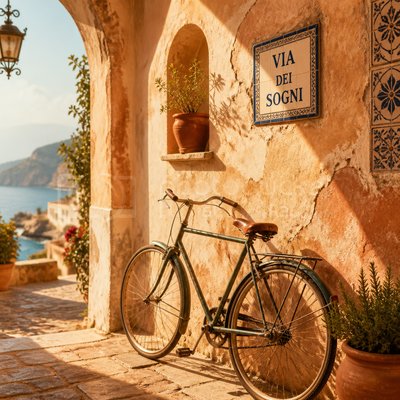
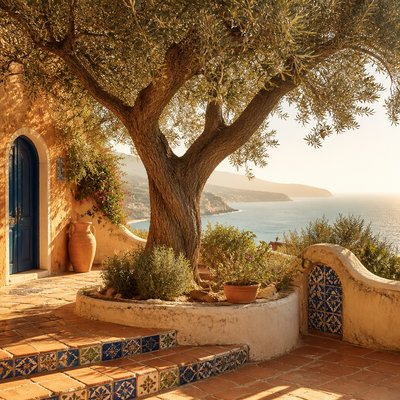
Sunlit coastal buildings with stucco walls, terracotta roofs, arches, and warm Mediterranean color and texture.
Instantly rendered in Mediterranean Architecture — or transform a photo

Mediterranean Architecture Gallery
Tap any artwork to explore it

What is Mediterranean Architecture Art?
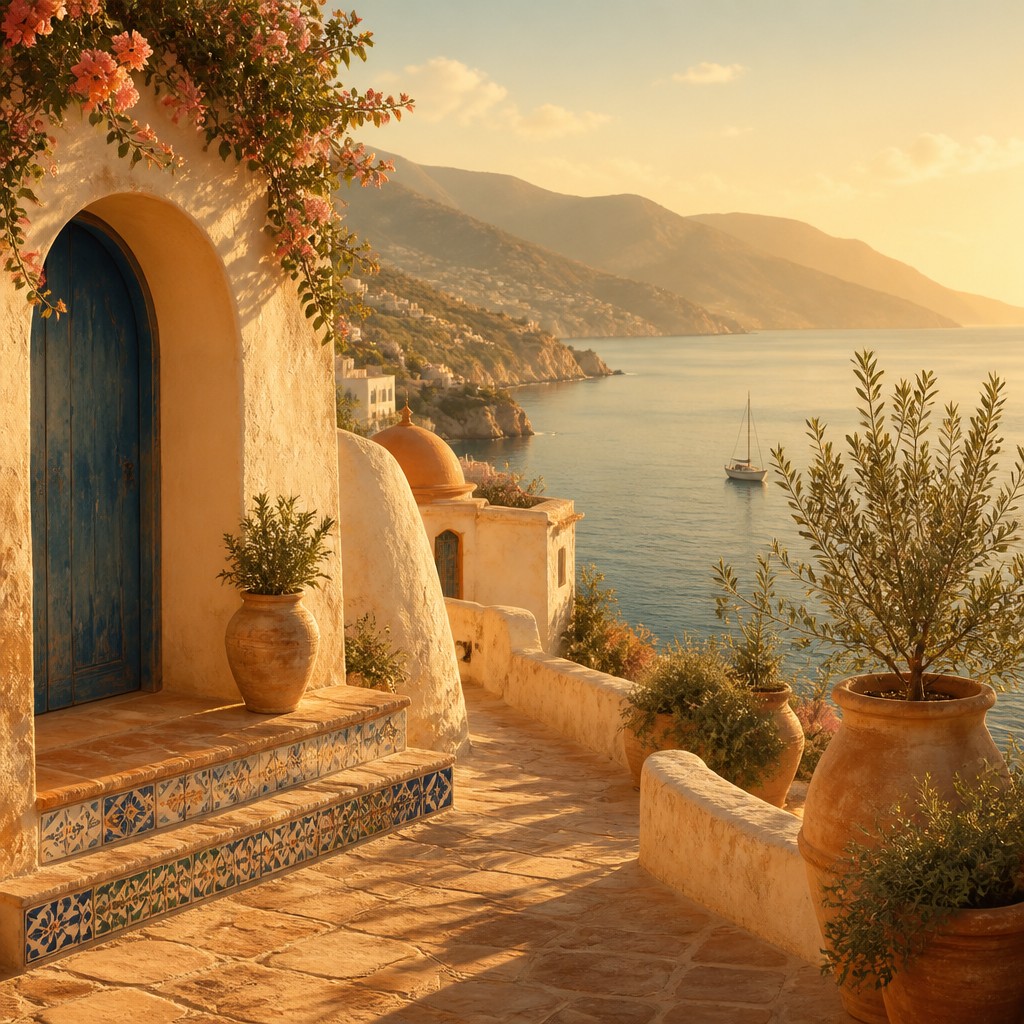
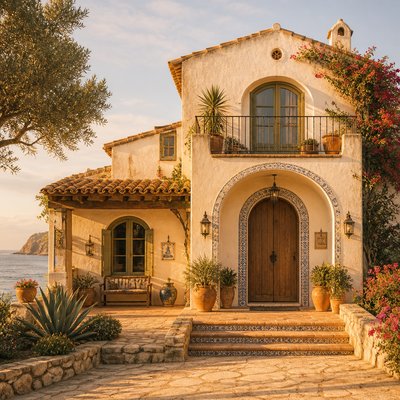
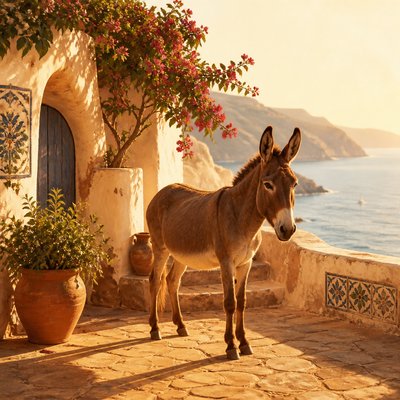
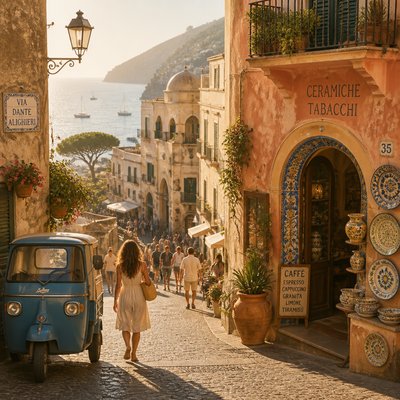
Mediterranean Architecture Art is a descriptive style centered on the built environments of the Mediterranean coast, especially the whitewashed villages, seaside towns, and villa exteriors associated with Spanish, Italian, and Greek traditions. It emphasizes sun-bleached stucco, terracotta roof tiles, arched openings, balconies, courtyards, and ceramic accents, all shaped by the region’s bright light and warm climate.
Visually, the style is defined by earthy color, softened geometry, and weathered surfaces. Walls often appear hand-plastered and irregular rather than perfectly smooth; roofs are clay-red or orange; doors and shutters may be painted blue, green, or oxide red; and shadows are long, soft-edged, and deeply directional, suggesting late afternoon or golden-hour sun. The result is an image language that feels relaxed, historic, and coastal, with an emphasis on tactile materiality and atmospheric warmth rather than formal precision.

Try It On Your Photos
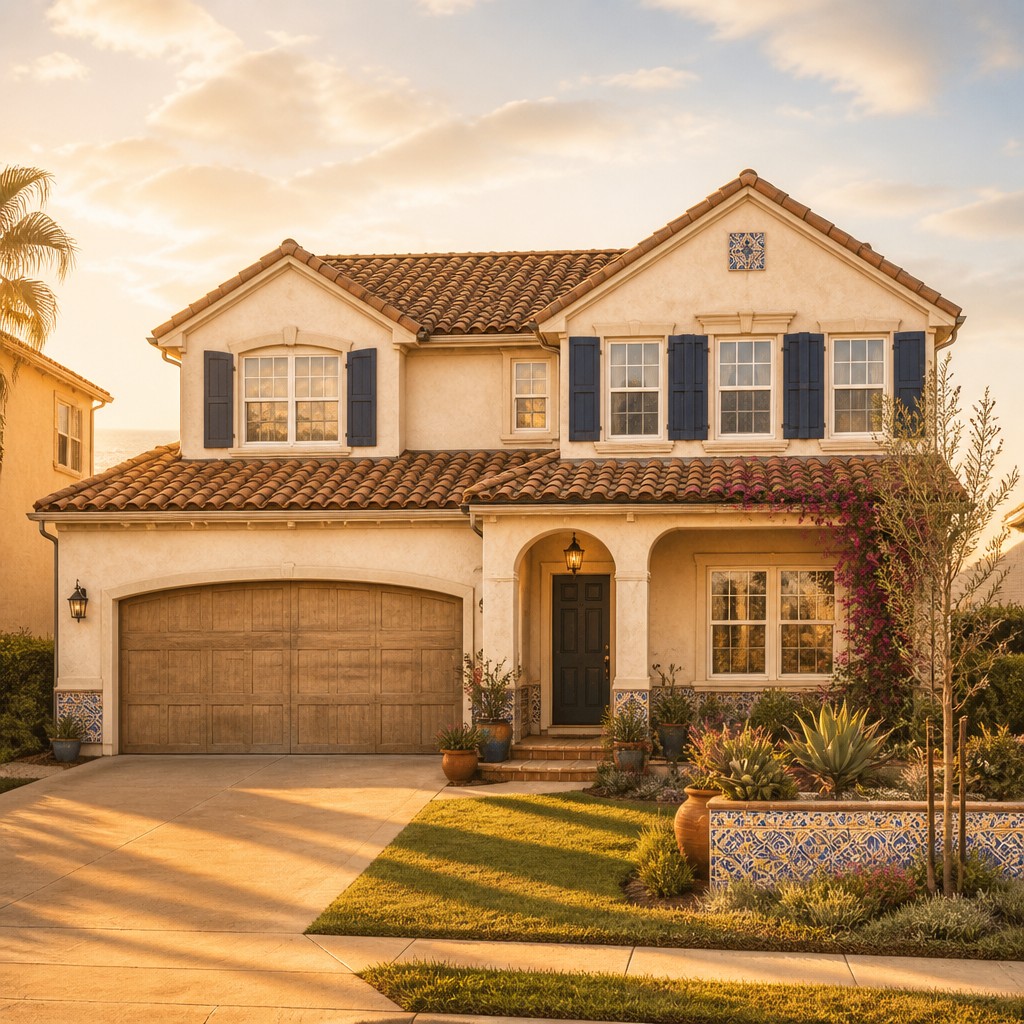
Upload any photo and convert it into Mediterranean Architecture Art — drag the sliders to compare before and after.
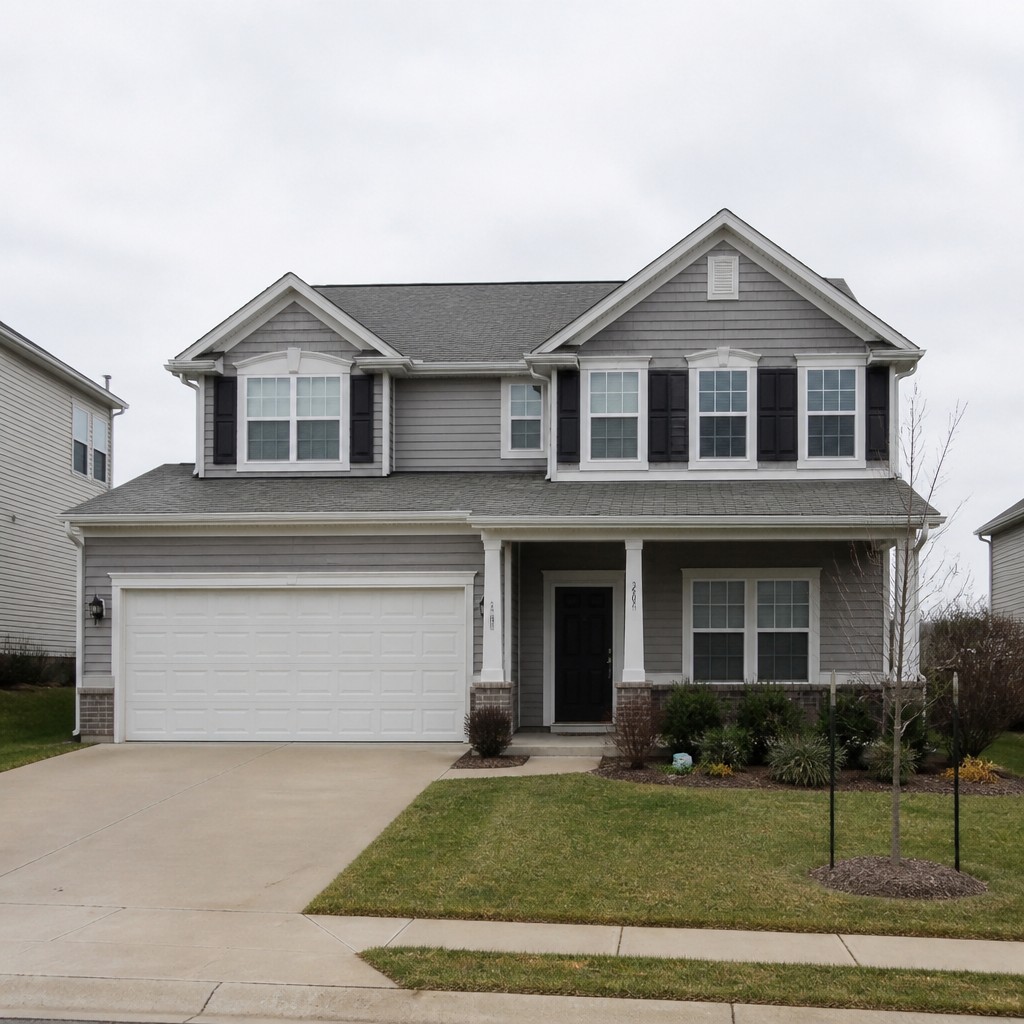


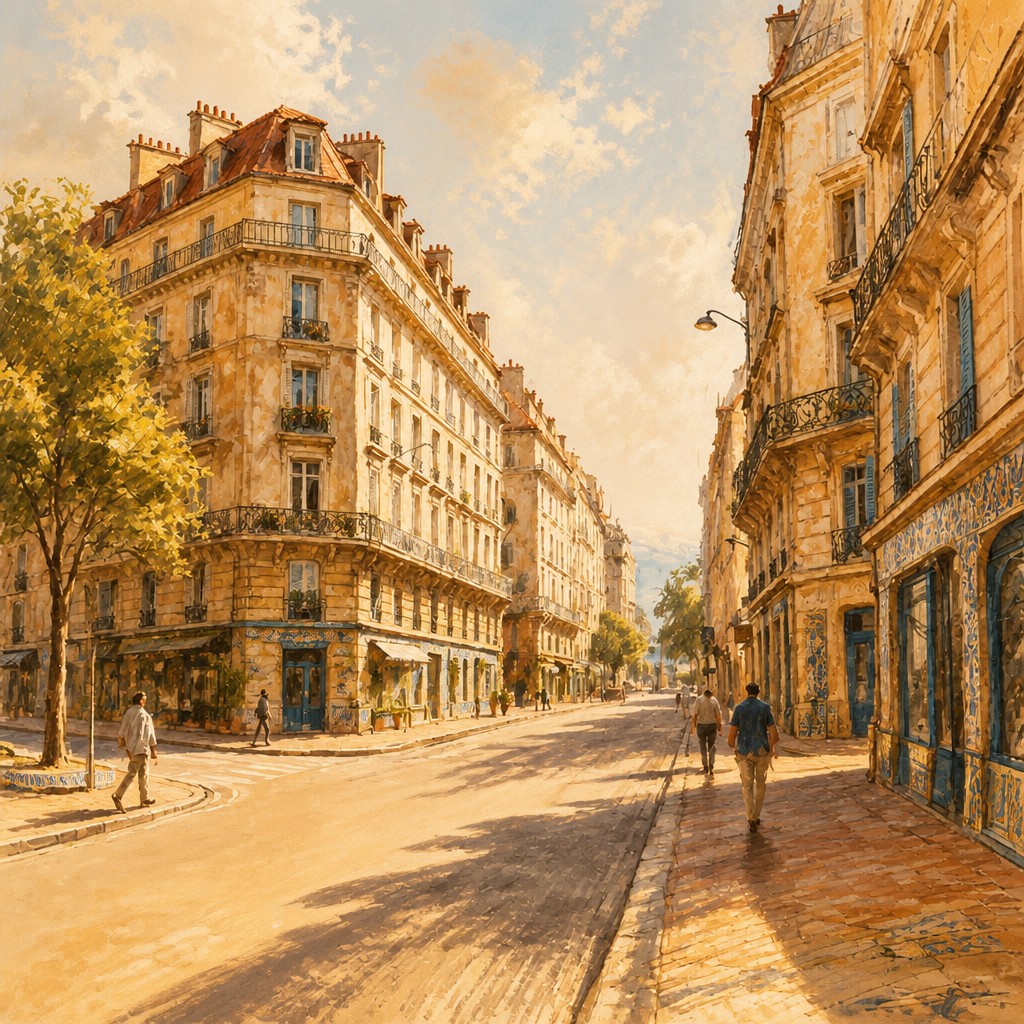

What Defines Mediterranean Architecture Art
The signature details, up close
Stucco and limewashed walls
Exterior walls are usually rendered in dusty white, cream, or pale ochre with a rough, hand-finished surface. Imperfections, patches, and sun wear are part of the look rather than defects.
Terracotta rooflines
Clay roof tiles or warm red-brown roofing create one of the strongest visual cues of the style. Roof edges often appear layered, curved, and slightly irregular, reinforcing the handmade quality.
Arches and rounded openings
Doorways, arcades, windows, and porticos often use soft arches or rounded corners. These shapes create a calm rhythm and visually echo classical and vernacular Mediterranean precedents.
Cobalt and ceramic accents
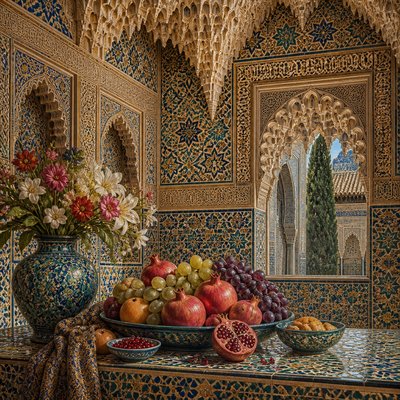
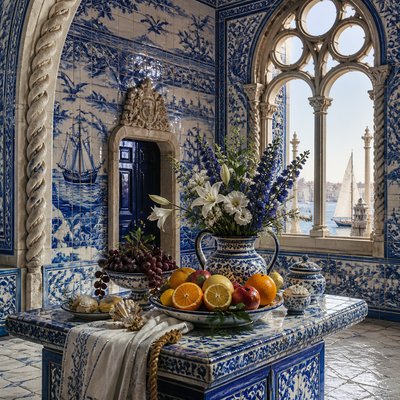
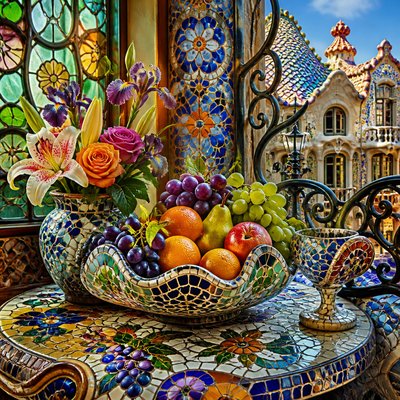
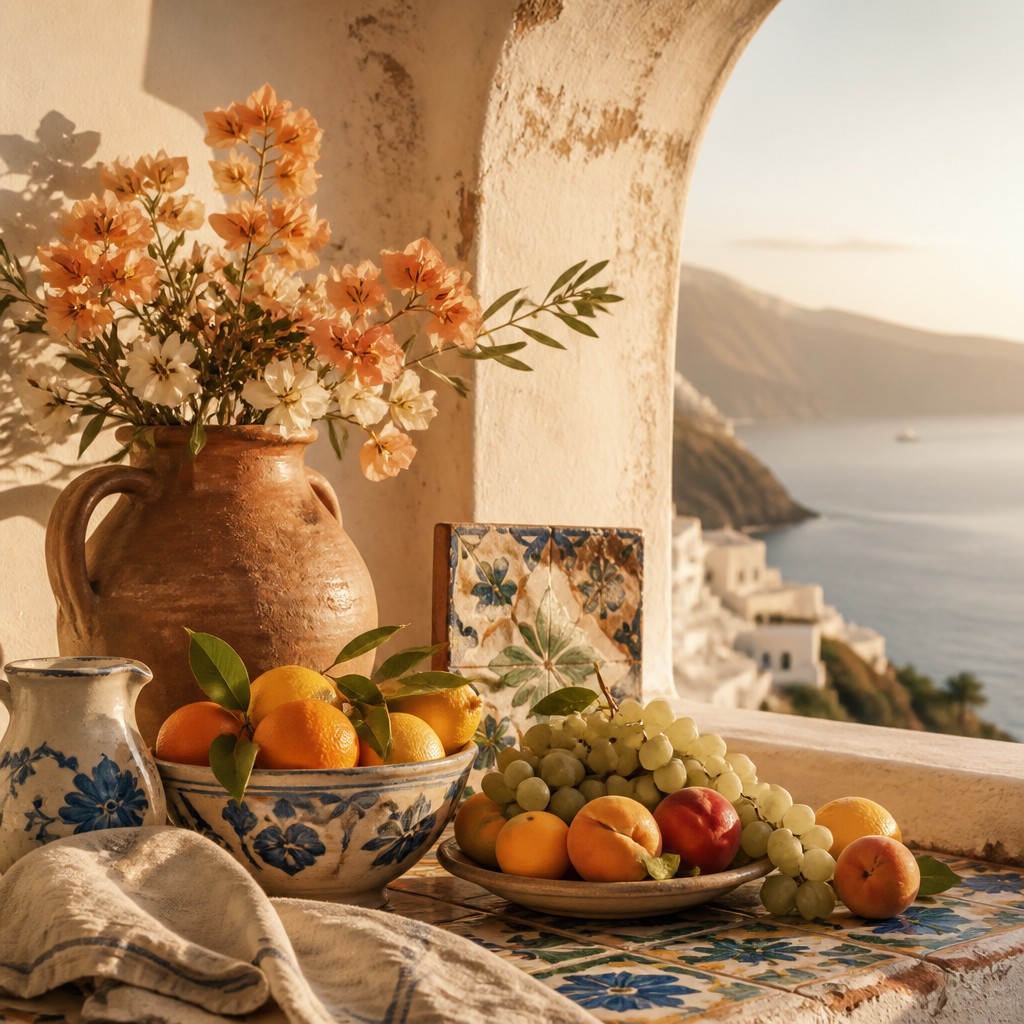
Small but vivid details such as painted shutters, tile borders, pottery, or wrought-iron ornament often add cobalt blue, emerald green, or deep turquoise. These accents break up the warm palette without overwhelming it.
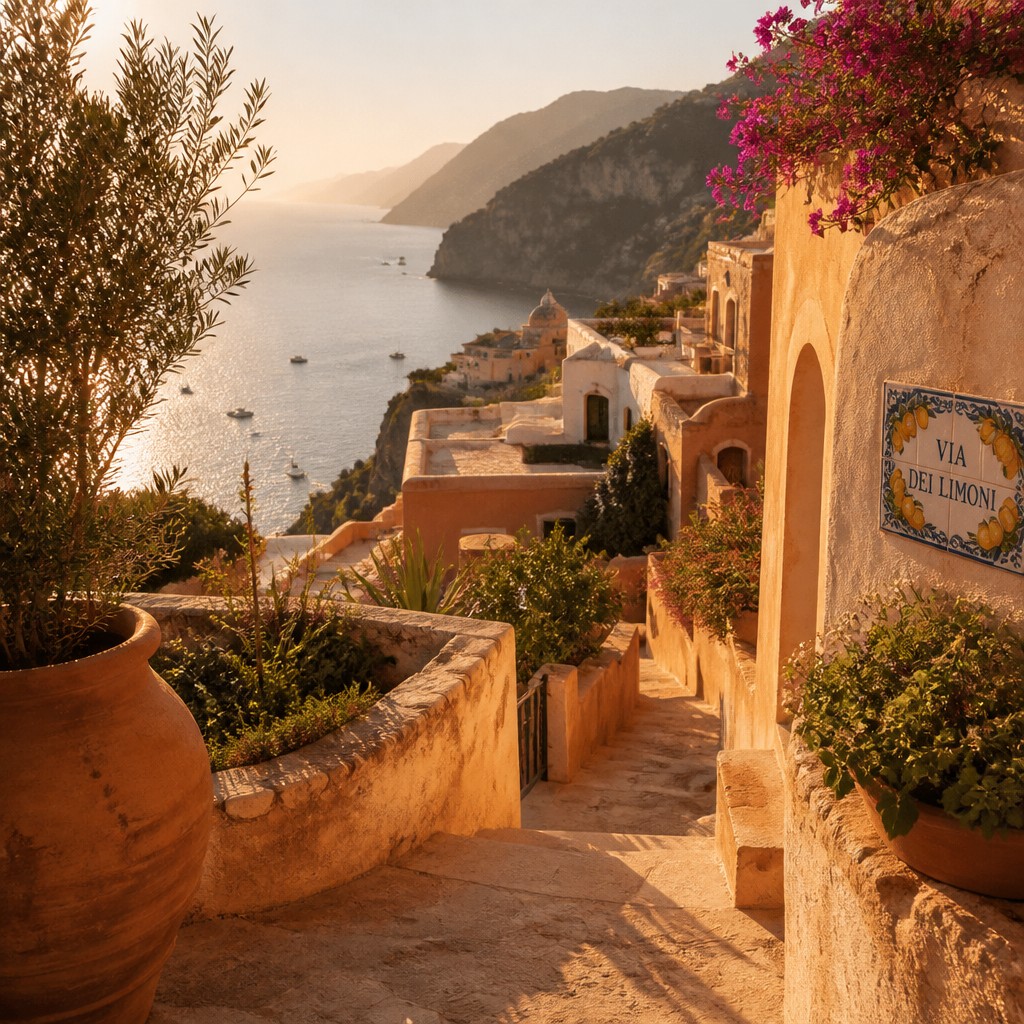
Sun-bleached surface texture
The surfaces look faded by intense sunlight and coastal air, with chipped plaster, worn stone, and matte finishes. Texture is important because it communicates age, climate, and material authenticity.
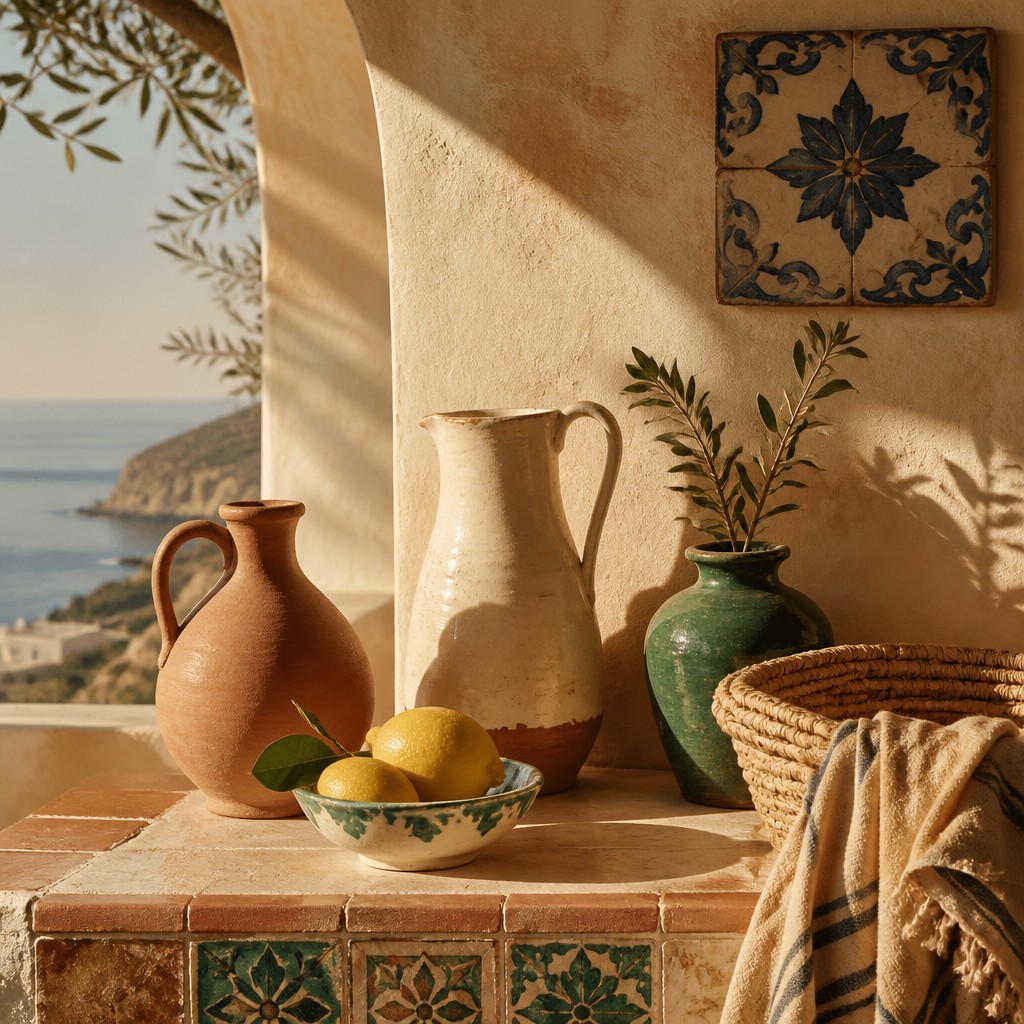
Golden-hour atmosphere
Light tends to be low, directional, and warm, producing long shadows and a hazy glow. This lighting is essential to the style’s mood of quiet warmth and timelessness.
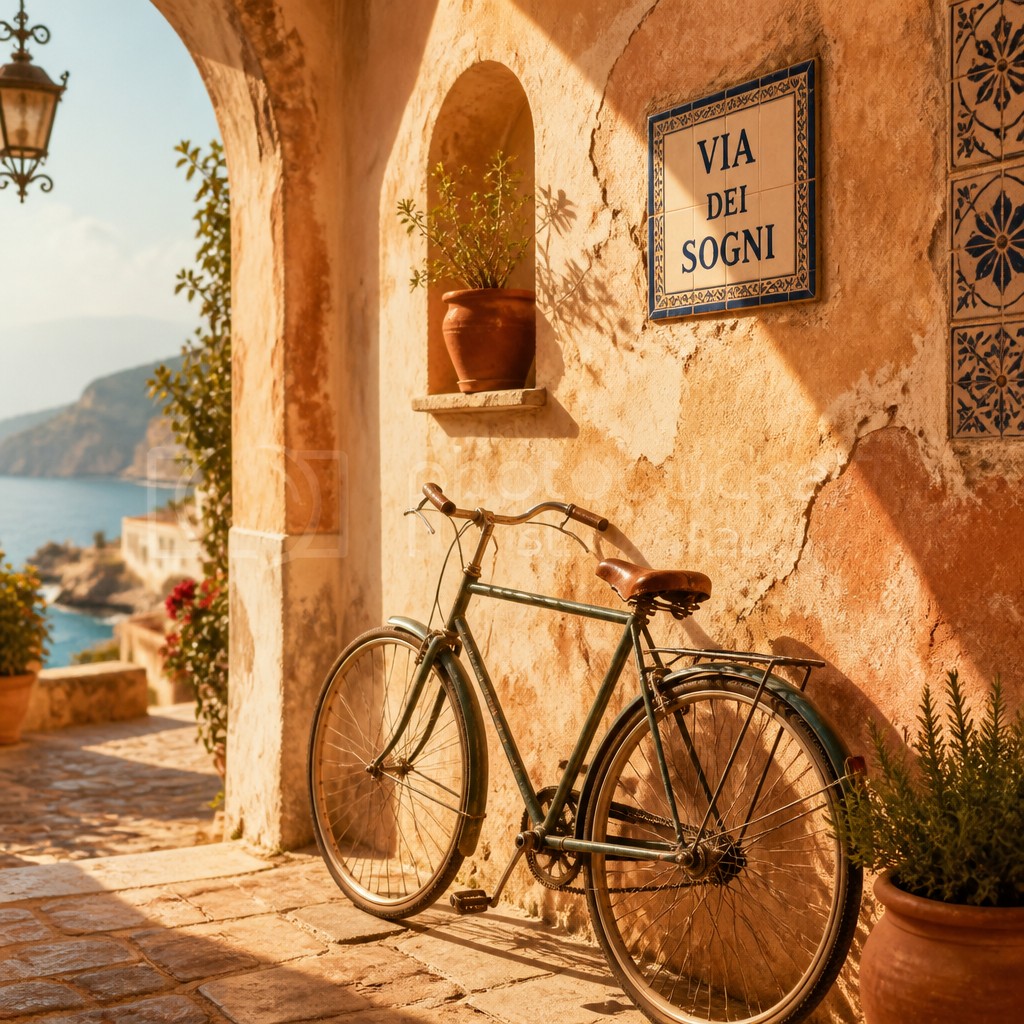
Courtyards, terraces, and balconies
Spatial elements are often intimate and outdoor-oriented, with patios, loggias, narrow stairways, and sea-facing balconies. These features emphasize domestic life linked to climate and outdoor circulation.
Try It
Create Videos in Mediterranean Architecture Art
Styles aren't just for stills — describe a scene or animate an image and get a short video rendered in Mediterranean Architecture. Press play to see this pond come to life.
Make a VideoMediterranean Architecture Prompt Ideas
Start from an idea — each one opens the generator with the style ready to go. See all 40 Mediterranean Architecture prompts →
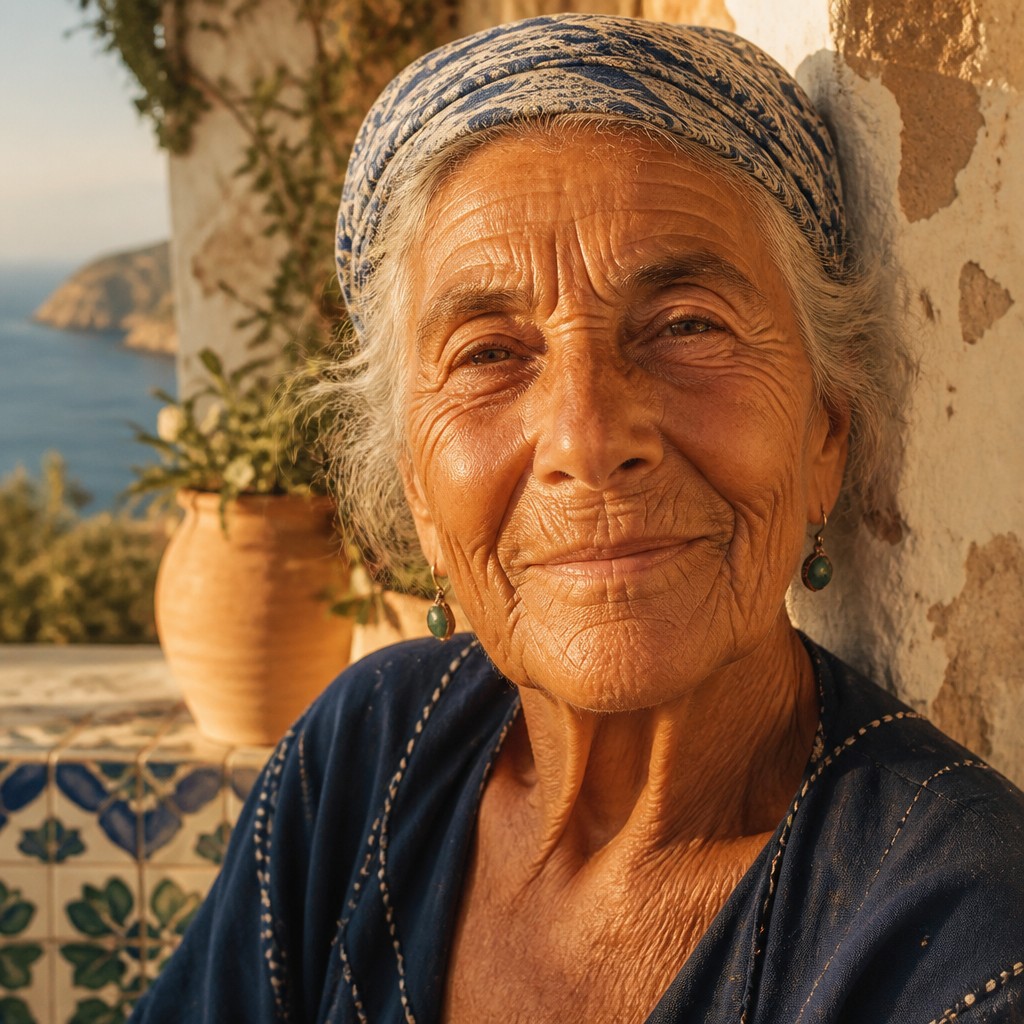
“close-up portrait of an elderly person with expressive weathered features”
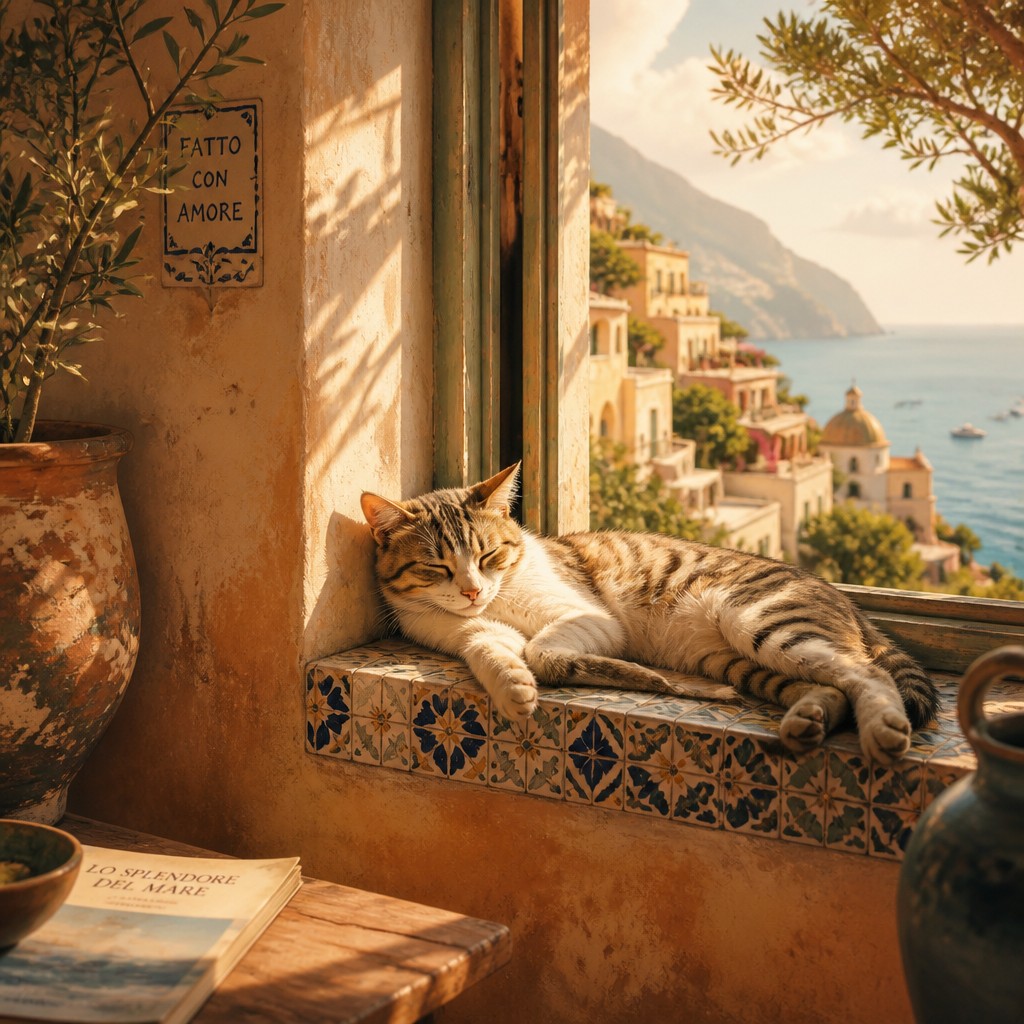
“a cat lounging in a sunlit window”
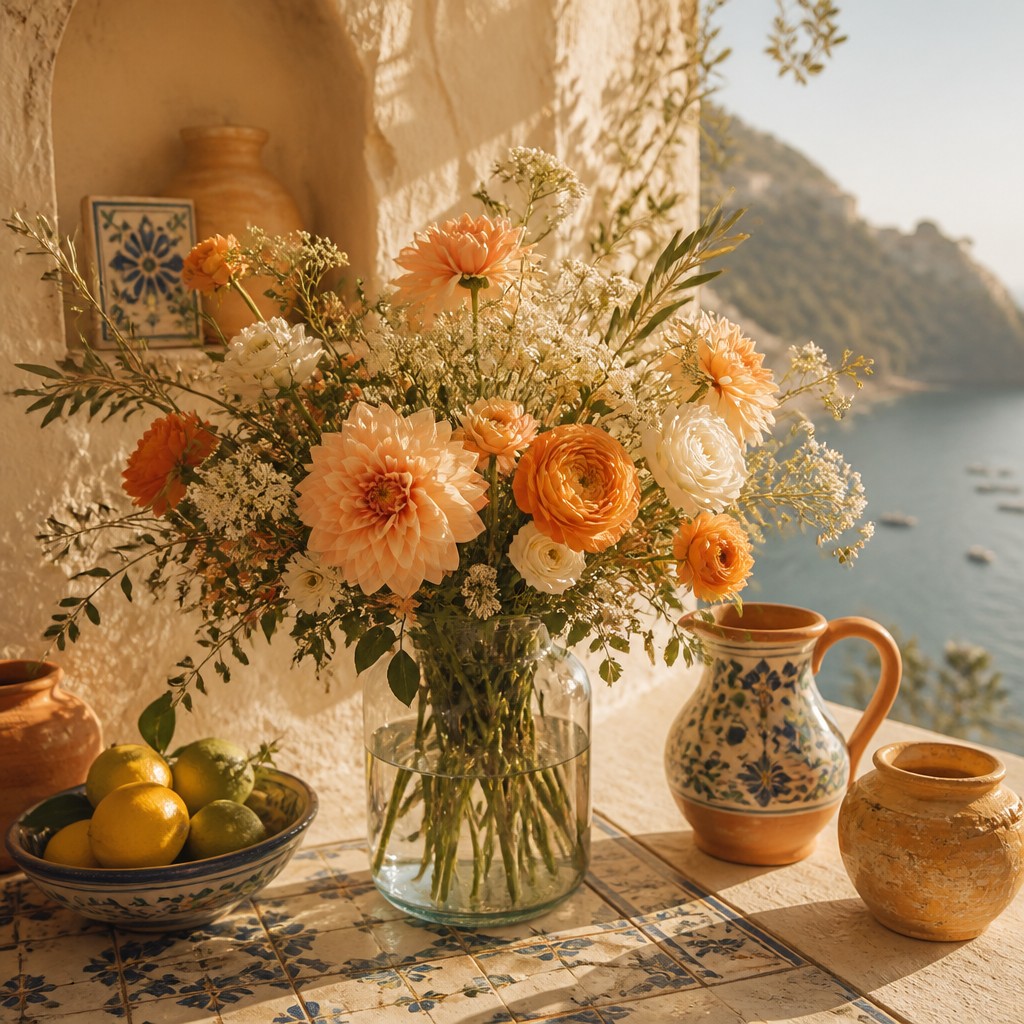
“bouquet of flowers in a glass vase”
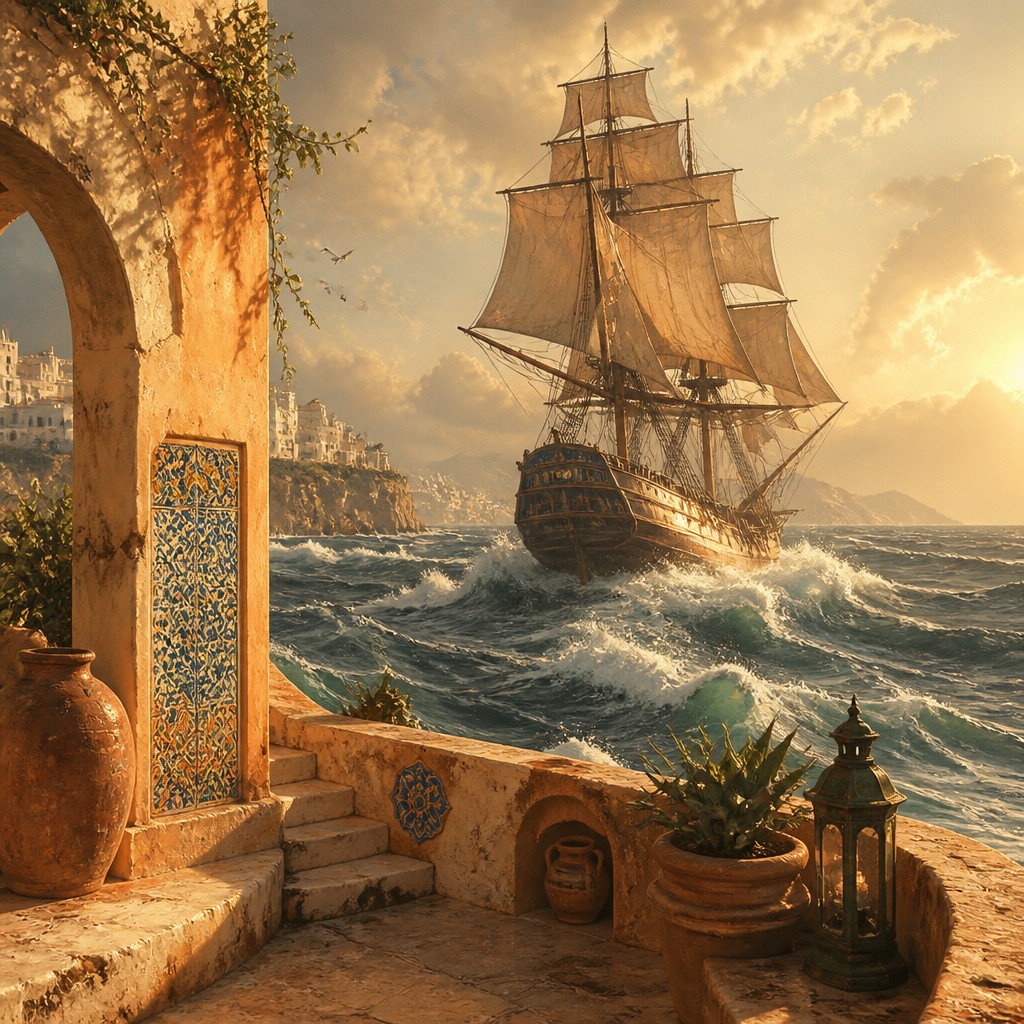
“sailing ship on a stormy sea”
How to Create Mediterranean Architecture Art
Master the craft step by step — or skip straight to creating. Read the full guide →
- 1
Build the architecture from simple, climate-responsive forms
Start with compact volumes, thick walls, and openings that feel proportioned for shade and airflow. Add arches, terraces, tiled roofs, and courtyards to keep the silhouette rooted in Mediterranean vernacular design.
- 2
Use a restrained warm palette with selective cool accents
Base the image in terracotta, ochre, dusty white, cream, and sun-faded beige, then introduce cobalt or emerald sparingly in tiles, shutters, or ceramics. The contrast should feel decorative and regional, not neon or high-tech.
- 3
Emphasize material weathering and hand-built texture
In painting or digital work, vary the stucco surface, let edges soften, and include chipped plaster, irregular brushwork, and worn stone. These details give the scene its lived-in, coastal character.
- 4
Shape the light before the details
Set the scene in strong golden-hour light with long soft shadows and luminous haze. If the lighting is correct, even a simple composition will read as Mediterranean.
- 5
For prompt-based generation, specify architecture, climate, and light
Combine the subject with cues like whitewashed walls, terracotta tiles, arched doorway, seaside courtyard, and sun-drenched coastal atmosphere. The most reliable prompts mention both materials and lighting so the style emerges clearly.
- 6
Avoid overmodernization unless you want a contemporary hybrid
Glass curtain walls, steel grids, and stark minimalism can pull the image away from the intended look. If modern elements are included, keep them secondary so the Mediterranean character remains dominant.

The Story
History & Origins of Mediterranean Architecture
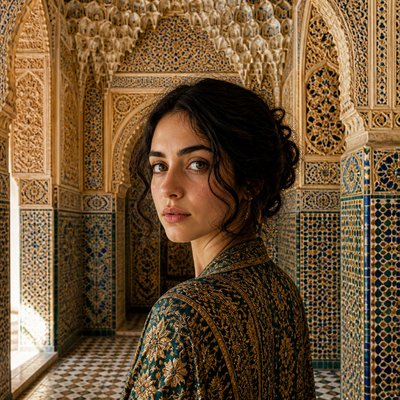
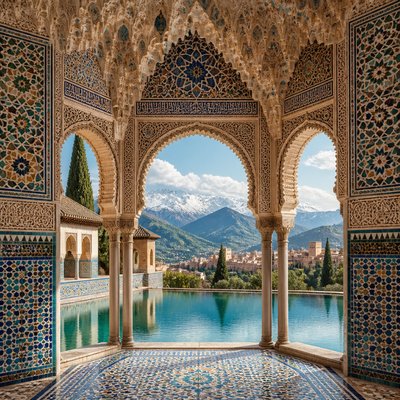
This is not a single formal art movement but an architectural and visual tradition drawn from the vernacular and classical building languages of the Mediterranean basin. Its roots include whitewashed coastal housing, Roman and Renaissance masonry traditions, Islamic-influenced courtyard design in Spain, and the practical adaptation of buildings to heat, glare, and sea air. In visual culture, it is often associated with the landscapes of the Amalfi Coast, the Greek islands, Andalusia, southern Italy, and the Balearics.
In modern image-making, the style is often interpreted through painting, illustration, and photography that foregrounds light, texture, and place. Contemporary representations may also draw from travel poster design, plein-air landscape painting, and architectural visualization, but the core lineage remains vernacular Mediterranean architecture: simple massing, thick walls, arched forms, terracotta roofing, and weathered finishes shaped by climate and craft.
Influences: This aesthetic draws from vernacular Mediterranean building traditions across Spain, Italy, Greece, and the eastern Mediterranean, along with Roman and classical architectural vocabularies that normalized arches, arcades, and masonry massing. It also shares a visual kinship with landscape painting and architectural illustration that prioritize atmosphere, especially plein-air approaches and travel imagery. Contemporary interpretations often borrow the clarity and regional specificity of documentary photography while retaining the warmth and painterly softness associated with coastal light.

Frequently Asked Questions
What defines Mediterranean Architecture Art?
It is defined by sun-washed coastal buildings with stucco or limewashed walls, terracotta roofs, arches, and warm earthy colors. The style also relies heavily on atmospheric lighting, weathered textures, and a relaxed outdoor spatial feel.
Is this the same as Mediterranean Revival architecture?
Not exactly. Mediterranean Revival is a specific early-20th-century architectural movement, while Mediterranean Architecture Art is a broader visual style that draws from multiple coastal traditions across Spain, Italy, Greece, and nearby regions. The art style can include historic, contemporary, illustrative, or cinematic interpretations.
What colors work best in this style?
The strongest palette includes terracotta, ochre, dusty white, cream, sand, faded beige, and warm stone gray. Small accents of cobalt blue, turquoise, and emerald green help evoke ceramics, shutters, and coastal decoration.
What kind of lighting should I use?
Golden-hour sunlight is the most characteristic choice because it creates warm highlights and long soft shadows. Bright midday light can also work if you want a more heat-soaked, high-contrast seaside look, but it should still feel sun-drenched rather than cool or overcast.
How is this style different from generic rustic architecture?
Rustic architecture can refer to many rural building traditions, while Mediterranean Architecture Art has specific visual markers tied to coastal climate and regional materials. Arches, stucco, terracotta roof tiles, pale limewash, and ceramic color accents are especially important here.
Where is this style commonly used?
It appears in architectural illustration, travel and tourism imagery, landscape painting, interior design mood boards, and cinematic concept art. It is also common in branding for hospitality, coastal real estate, and lifestyle projects that want a warm, timeless, European seaside feeling.
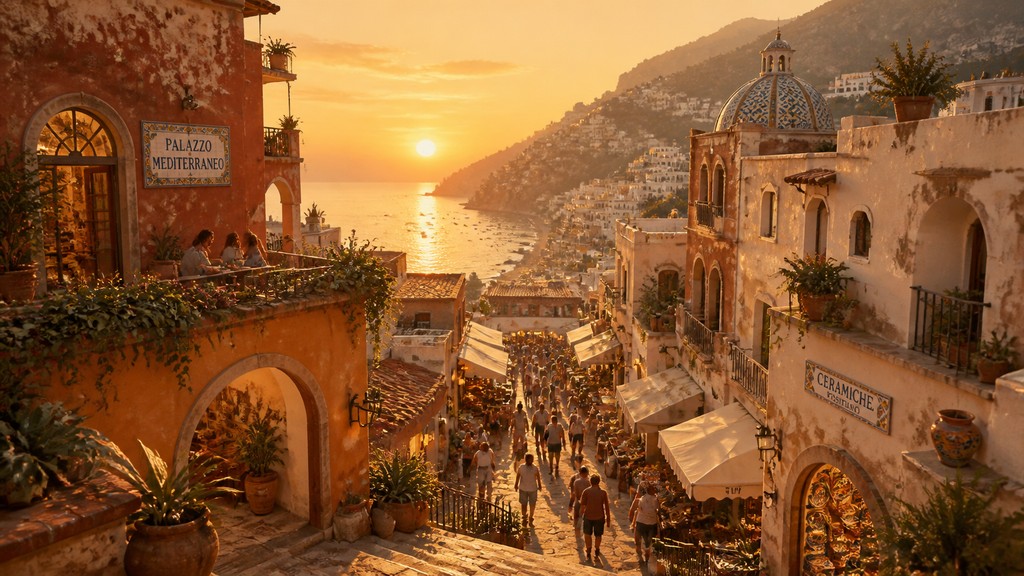
Create your first Mediterranean Architecture artwork
Describe anything — or upload a photo — and see it in Mediterranean Architecture Art in seconds.
Make Something with Mediterranean Architecture
Related Styles
Discover similar art styles