Victorian Architecture Art
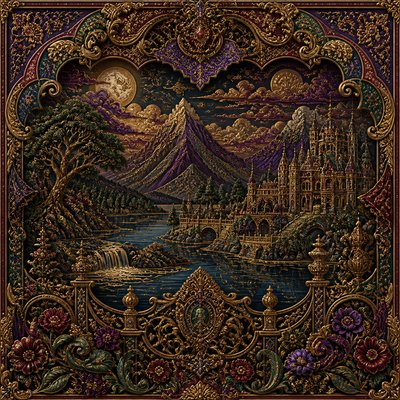
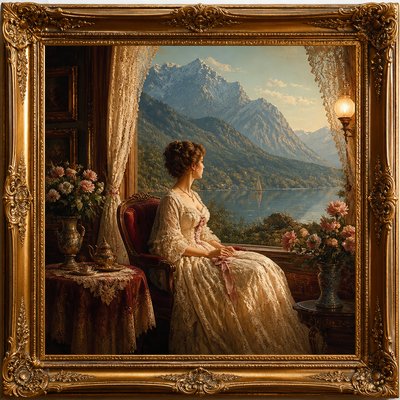
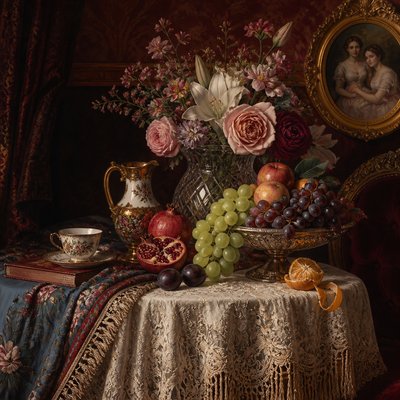
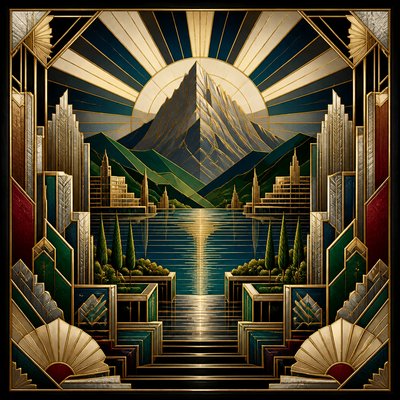
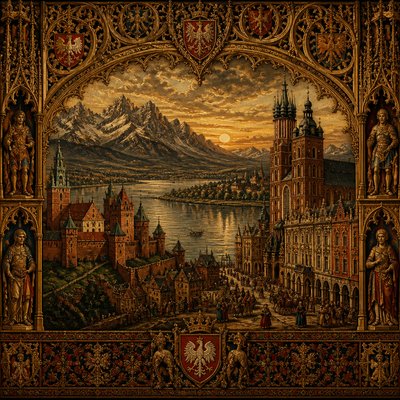
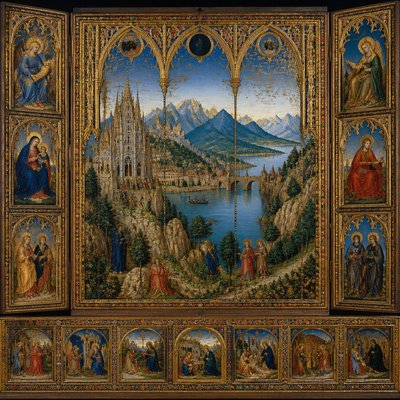
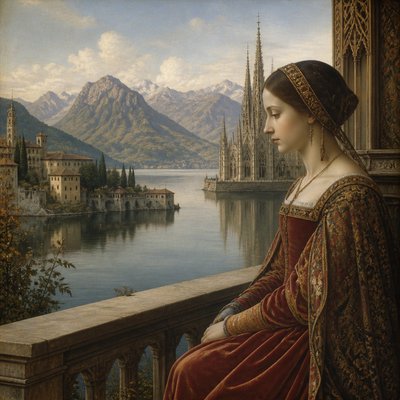
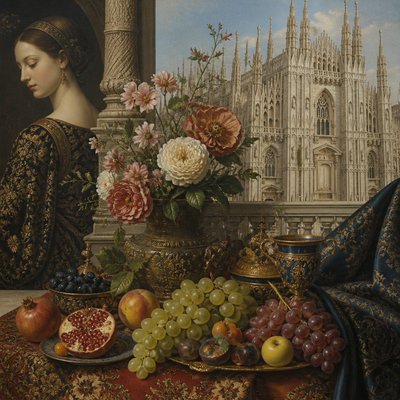
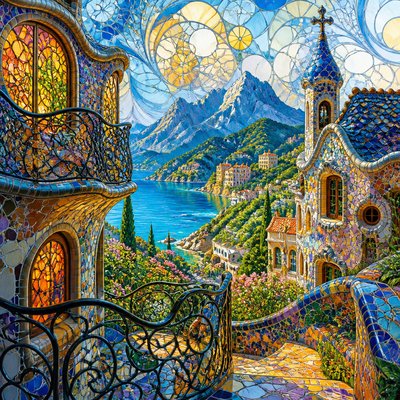
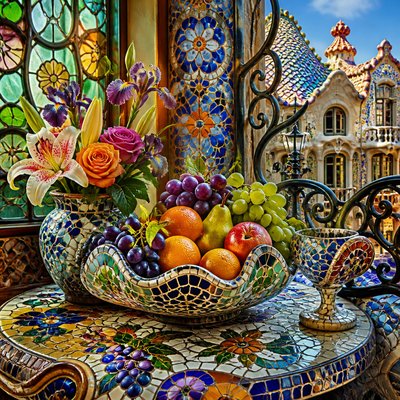
Ornate 19th-century houses with turrets, bay windows, decorative trim, and vivid painted details from the Victorian era.
Instantly rendered in Victorian Architecture — or transform a photo



Victorian Architecture Gallery
Tap any artwork to explore it




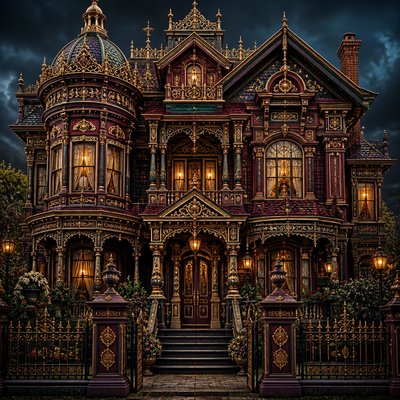

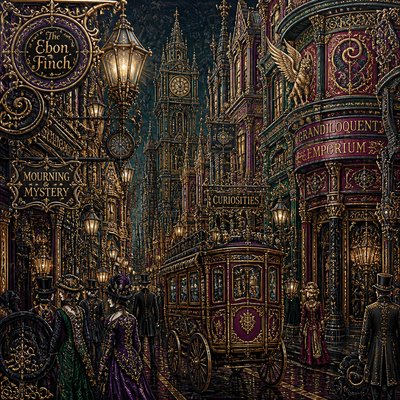
What is Victorian Architecture Art?
Victorian Architecture Art refers to the visual language of late-19th-century architecture associated with the Victorian period, especially residential buildings that emphasize ornament, asymmetry, and layered surface detail. It is most recognizable in houses with steep rooflines, projecting bay windows, decorative bargeboards, wraparound porches, turrets, spindlework, patterned shingles, and brightly painted trim that highlights every edge and junction.
The style looks the way it does because it grows out of a period of rapid industrial production, expanding urban wealth, and revived historical tastes. New materials and machine-cut ornament made elaborate decoration more accessible, while pattern books and architectural magazines spread ideas widely. The result is architecture that often feels picturesque and highly articulated: facades are designed to be read in sections, with contrasting colors and textures used to emphasize volume, depth, and craftsmanship.

Try It On Your Photos
Upload any photo and convert it into Victorian Architecture Art — drag the sliders to compare before and after.
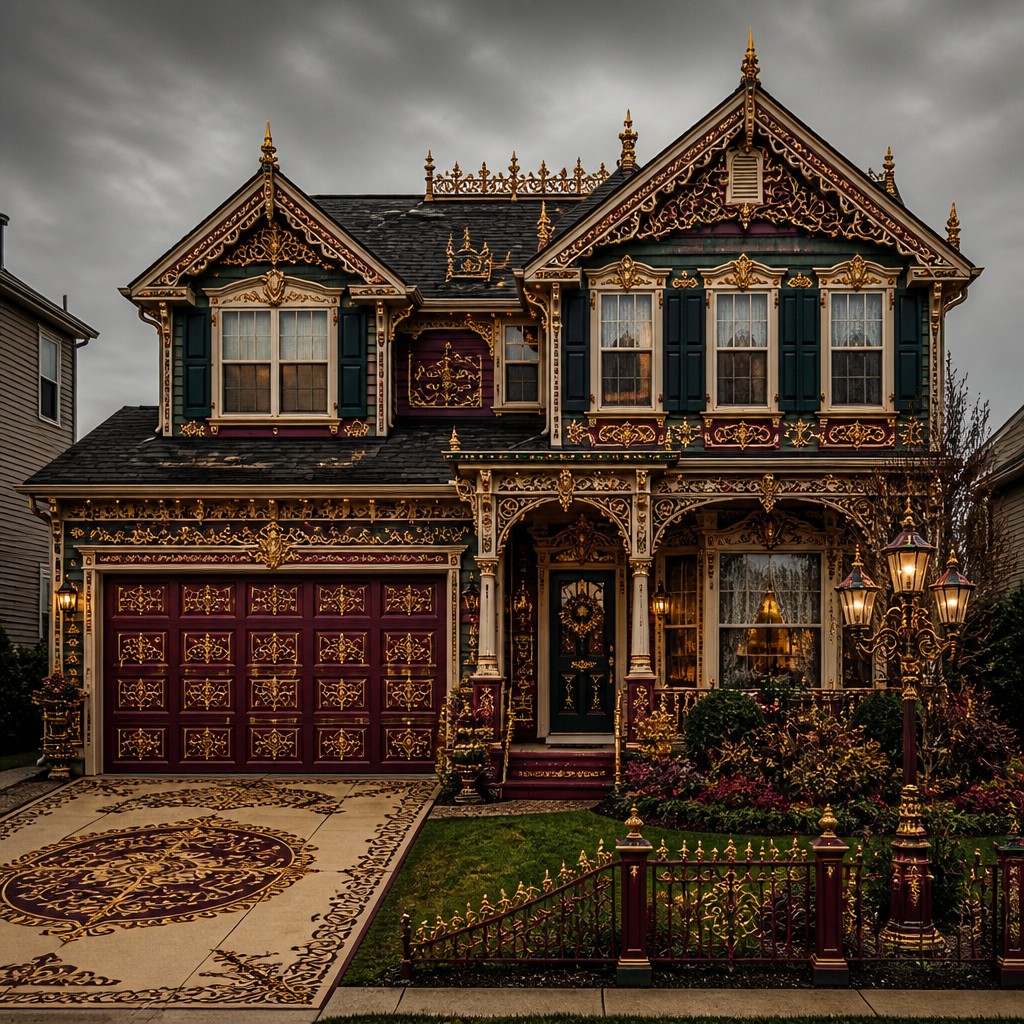
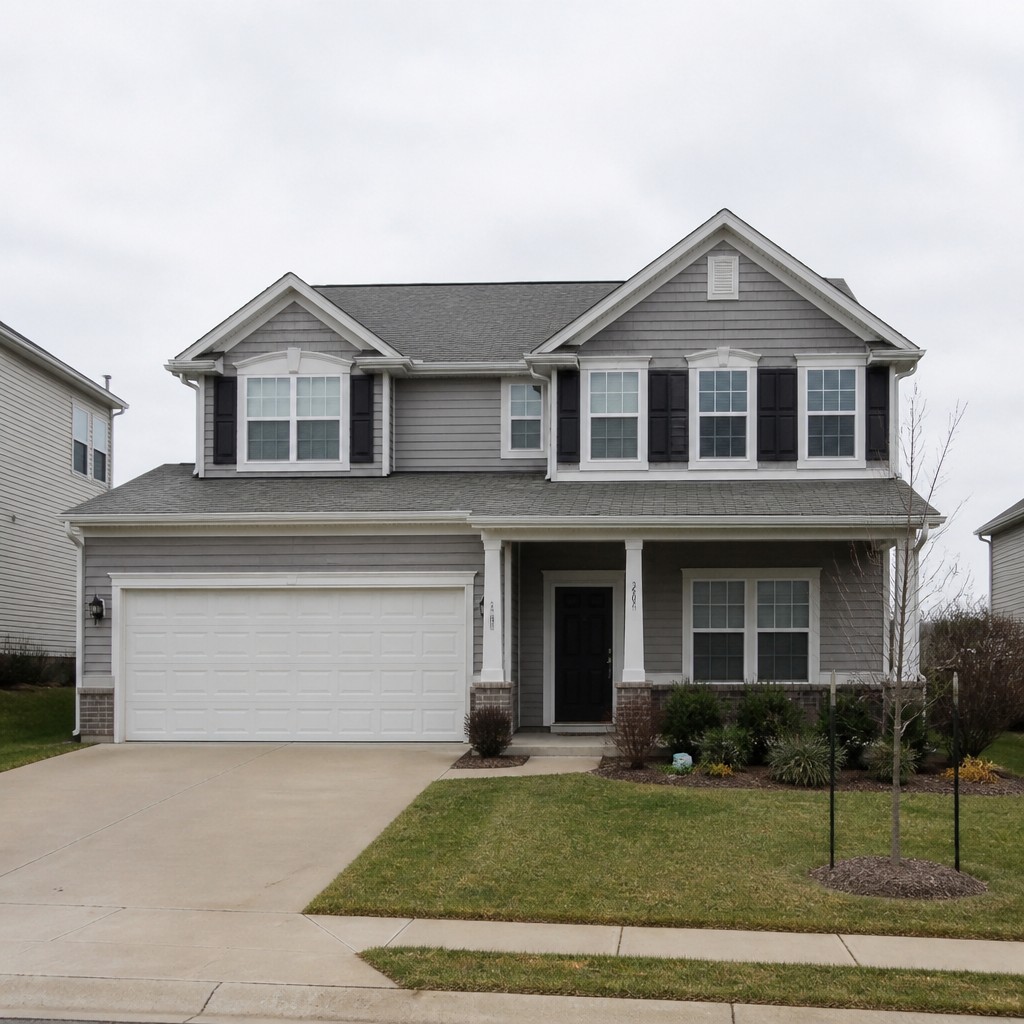


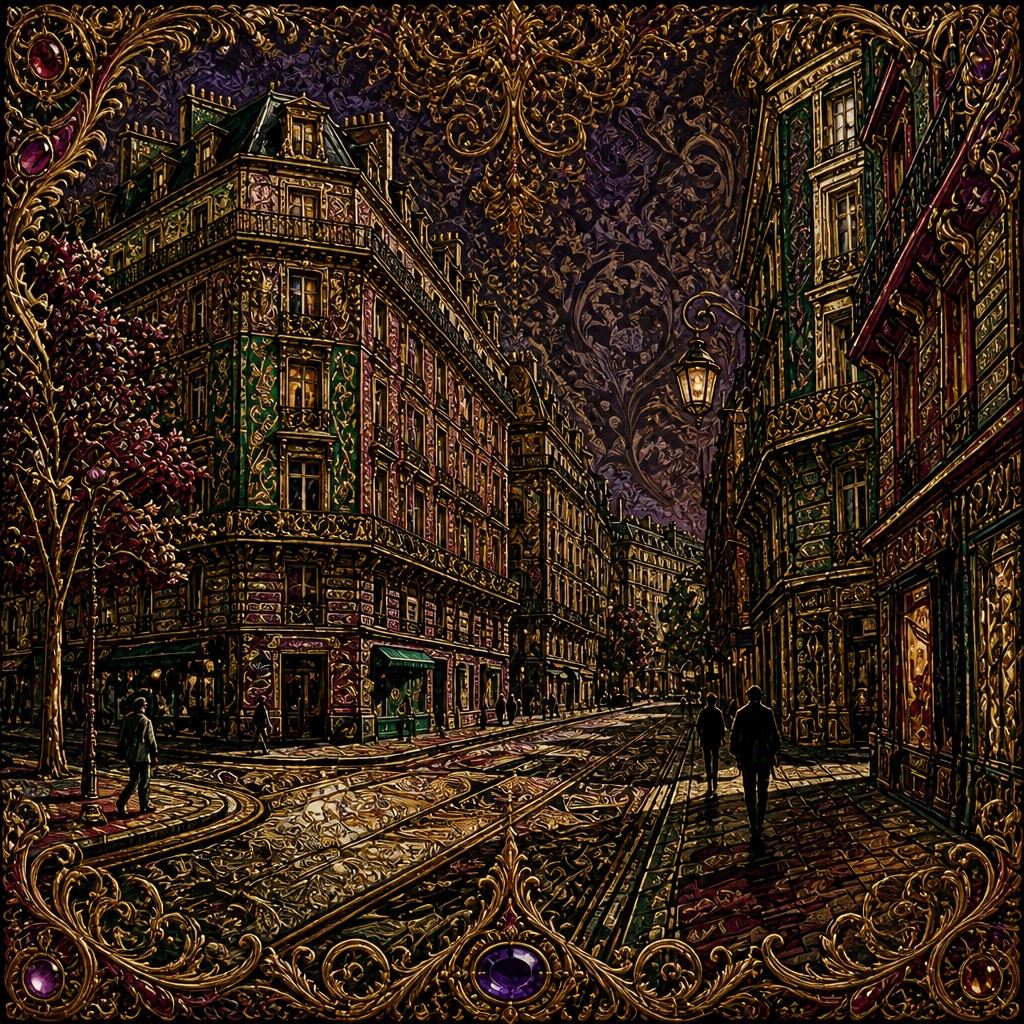

What Defines Victorian Architecture Art
The signature details, up close
Asymmetrical massing
Victorian buildings often avoid simple boxlike forms in favor of projecting bays, varied roof heights, wings, and towers. This creates a picturesque silhouette with constant visual change from one side to the other.
Turrets, bay windows, and porches
Round or polygonal turrets, stacked bay windows, and deep porches are common features that add depth and vertical emphasis. They also give the facade a layered, three-dimensional character.
Decorative trim and spindlework
Wooden trim, brackets, turned posts, fretwork, and spindle friezes are used as surface ornament. These details often accumulate around eaves, porches, window frames, and gables.
Patterned surfaces
Shingles, panels, and siding may be varied to create textures and visual rhythm across the exterior. Repeating motifs and shaped cutouts help break up large wall planes.

Polychrome paint schemes
Multiple colors are often used to separate architectural parts and highlight ornament. Trim, sash, shingles, and moldings are commonly painted in contrasting but coordinated tones.

Steep roofs and gables
Complex rooflines with steep pitches, cross gables, dormers, and elaborate bargeboards are characteristic. These elements contribute to the dramatic profile associated with the style.
Try It
Create Videos in Victorian Architecture Art
Styles aren't just for stills — describe a scene or animate an image and get a short video rendered in Victorian Architecture. Press play to see this pond come to life.
Make a VideoVictorian Architecture Prompt Ideas
Start from an idea — each one opens the generator with the style ready to go. See all 40 Victorian Architecture prompts →
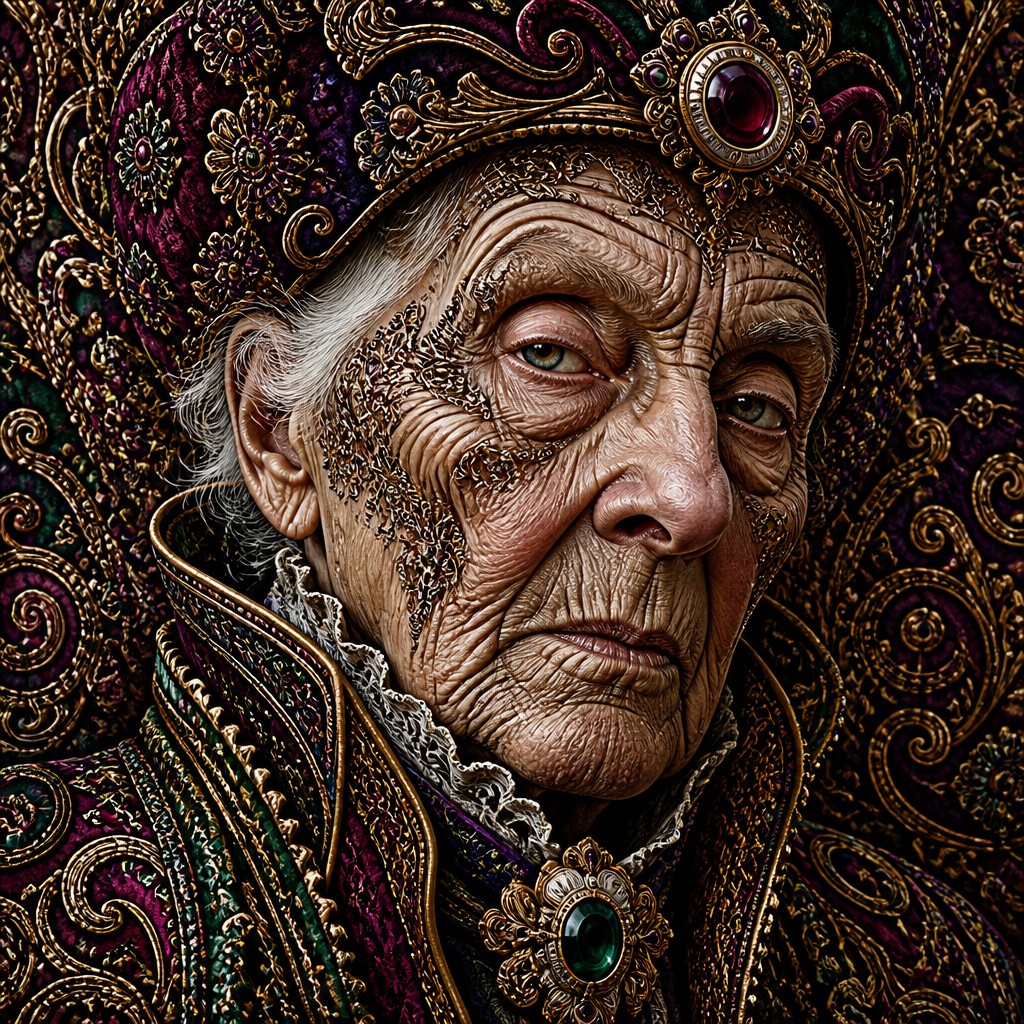
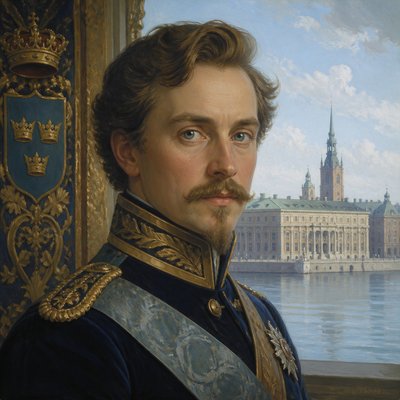
“close-up portrait of an elderly person with expressive weathered features”
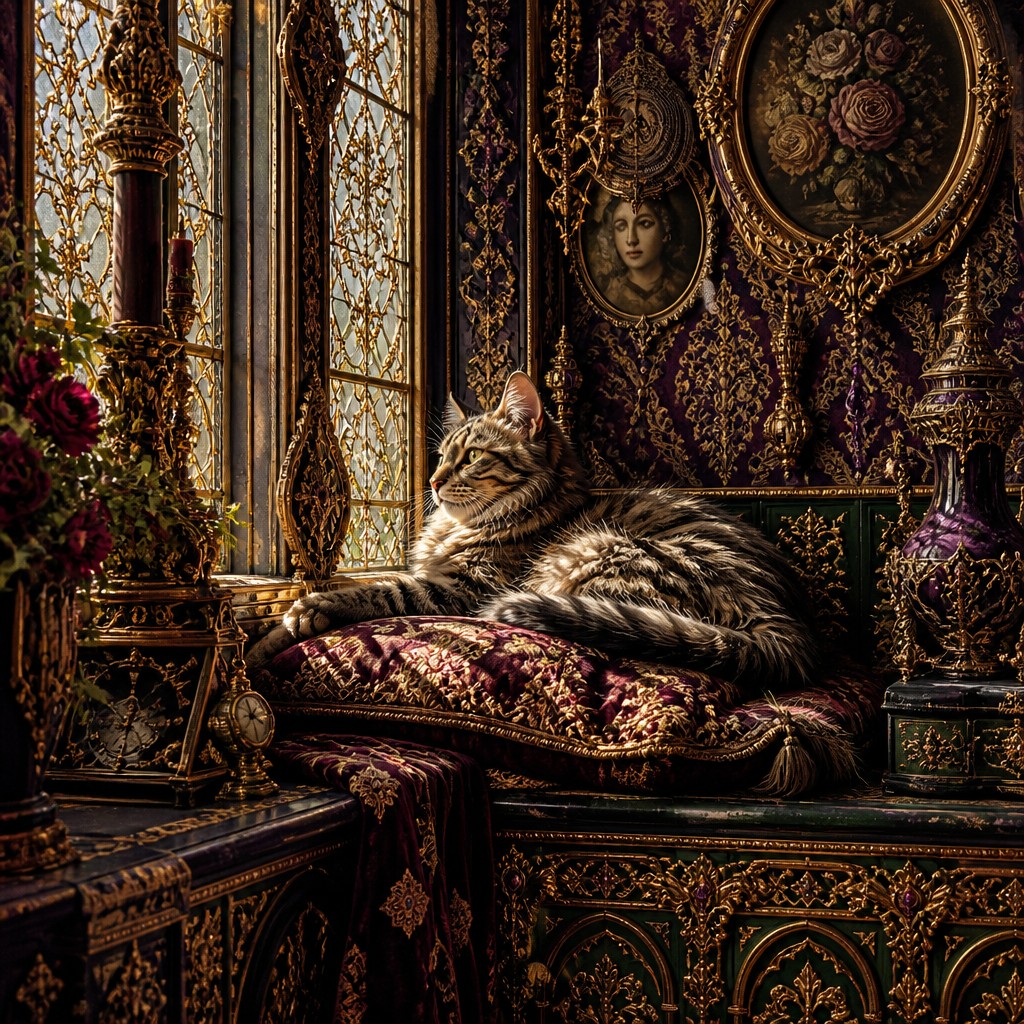
“a cat lounging in a sunlit window”

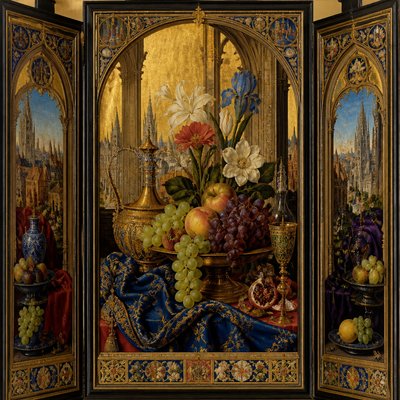
“bouquet of flowers in a glass vase”

“sailing ship on a stormy sea”
How to Create Victorian Architecture Art
Master the craft step by step — or skip straight to creating. Read the full guide →
- 1
Build a readable silhouette first
Start with a complex but balanced massing plan: one main volume, then add a turret, bay, porch, or wing to break symmetry. In drawing or 3D work, establish the roofline and major projections before adding ornament.
- 2
Layer ornament by architectural hierarchy
Place the heaviest detail at focal points such as gables, porches, and window surrounds, then repeat smaller motifs elsewhere. This keeps the facade ornate without becoming visually random.
- 3
Use color to separate parts
Choose a limited but contrasting palette for siding, trim, sash, and decorative panels. Digital painters can emphasize edges with crisp value breaks; traditional painters can mimic historic polychrome schemes with controlled contrasts.
- 4
Emphasize texture and craftsmanship
Render shingles, clapboards, carved brackets, and turned wood with distinct surface treatment so the building feels constructed from many parts. Even in stylized work, avoid flat fills that erase the style's layered quality.
- 5
For prompt-based generation, describe the structure precisely
Include architectural features, materials, and color cues such as 'asymmetrical wooden house with turret, wraparound porch, carved gingerbread trim, patterned shingles, and multicolored painted details.' Mention atmosphere separately if you want dusk lighting, fog, winter snow, or a period street setting.
- 6
Balance period accuracy with mood
If transforming a photo, preserve the underlying building form while adding Victorian details to windows, roof edges, porches, and trim. For digital illustration, use chiaroscuro or warm late-afternoon light to enhance the depth of ornament without obscuring it.

The Story
History & Origins of Victorian Architecture
Victorian architecture is not a single style but a broad family of 19th-century architectural modes developed during Queen Victoria's reign (1837-1901). In Britain and the United States it included Gothic Revival, Italianate, Second Empire, Queen Anne, Stick Style, Eastlake, and related picturesque domestic forms. These styles drew from medieval, Renaissance, and vernacular precedents while also responding to industrial building methods, mass-produced ornament, and middle-class demand for expressive homes.
The residential Victorian house became especially prominent in expanding cities and new suburbs, where builders combined practical layouts with conspicuous exterior detail. In North America, the style flourished from the mid-19th century into the early 20th century, leaving a lasting image of colorful painted woodwork, complex rooflines, and highly decorated facades. Today the term often refers to that ornate domestic look as much as to the broader historical period.
Influences: Victorian Architecture Art is rooted in Gothic Revival, Italianate, Queen Anne, Eastlake, and Stick Style architecture, with additional influence from pattern-book design and industrially produced ornament. Key historical associations include leading pattern-book architects and influential domestic design theorists in the broad development of 19th-century domestic architecture, though the style itself is more a family of related forms than a single authored movement.

Frequently Asked Questions
What defines Victorian architecture art?
It is defined by ornate 19th-century building forms with decorative trim, complex rooflines, turrets, bay windows, porches, and colorful painted details. The overall effect is asymmetrical, layered, and highly textured.
Is Victorian architecture the same as Queen Anne?
No. Queen Anne is one important subtype within the broader Victorian period, especially in North America and Britain. Victorian architecture can also include Gothic Revival, Italianate, Stick Style, Eastlake, and other related domestic modes.
Why are Victorian houses often painted in multiple colors?
Polychrome paint schemes were used to separate architectural parts and emphasize ornament, trim, and surface changes. Different colors make moldings, shingles, and brackets easier to read visually, which suits the style's layered design.
What materials are most associated with this style?
Wood is especially associated with domestic Victorian architecture in North America, because it allowed intricate cut trim and easy repainting. Brick, stone, cast iron, and slate also appear, particularly in urban and more formal buildings.
How is Victorian architecture different from Gothic Revival?
Gothic Revival is one historical source within the Victorian era and emphasizes pointed arches, tracery, steep gables, and medieval references. Victorian architecture is broader and may include much more ornament, different roof types, and mixed historical influences.
Where is Victorian architecture most commonly seen today?
It is still visible in preserved historic neighborhoods in the United Kingdom, the United States, Canada, Australia, and other places shaped by British architectural influence. Many examples are found in residential districts, especially older urban streets and 19th-century suburbs.
Create your first Victorian Architecture artwork
Describe anything — or upload a photo — and see it in Victorian Architecture Art in seconds.
Make Something with Victorian Architecture
Compare Victorian Architecture
Related Styles
Discover similar art styles