Victorian Architecture vs Gothic Architecture: What's the Difference?
Victorian Architecture Art depicts the ornate houses and urban buildings of the 19th century, especially those with turrets, bay windows, decorative trim, patterned roofs, and lively painted accents. It often emphasizes domestic scale, rich ornament, and a sense of warmth or variety, reflecting the era’s fascination with detail, craftsmanship, and eclectic design.
Gothic Architecture Art focuses on medieval-inspired structures marked by pointed arches, soaring spires, rose windows, flying buttresses, and carved stone details. People compare the two because both can look highly decorative and dramatic, yet they differ strongly in mood, material, and silhouette: Victorian art tends to feel more residential and colorful, while Gothic art feels monumental, vertical, and stone-built.
Same Prompt, Both Styles
Each pair below was generated from the identical prompt — only the style changed.
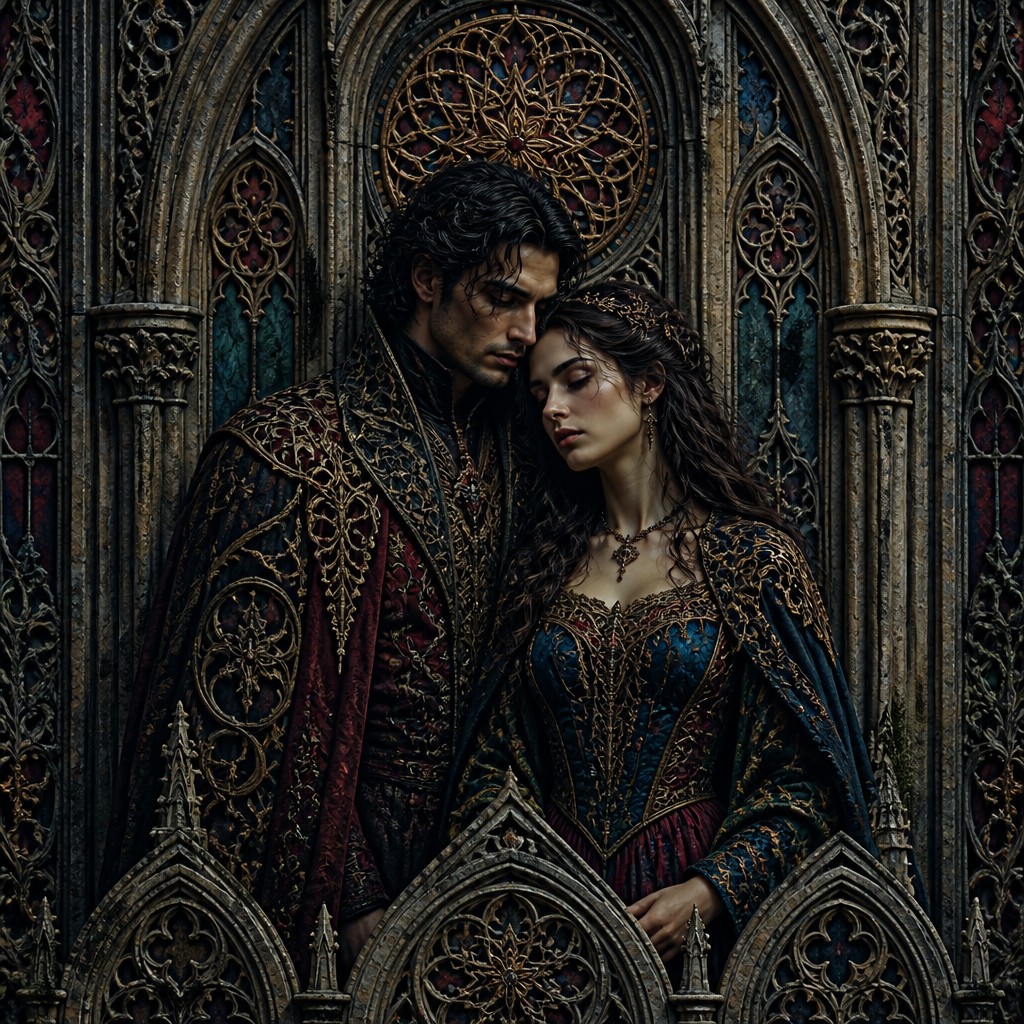
“portrait of two people together”

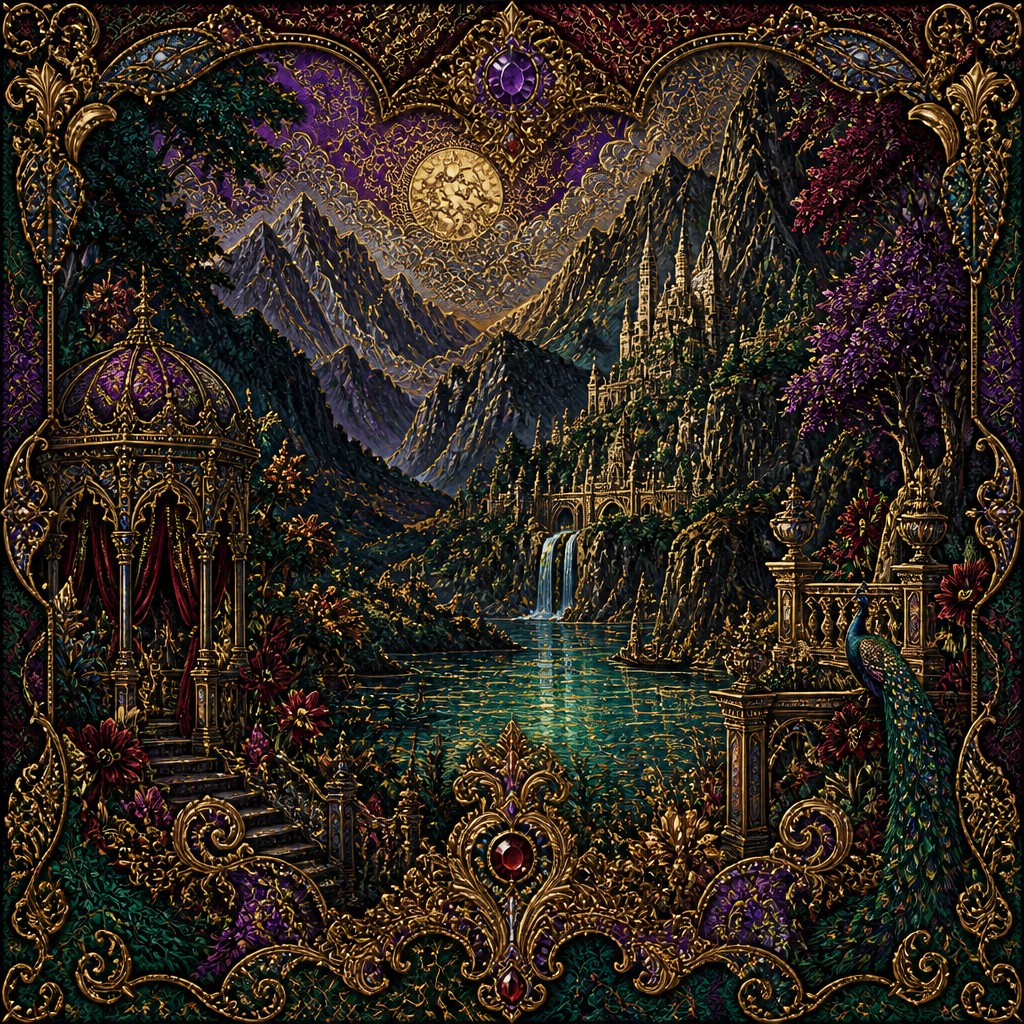
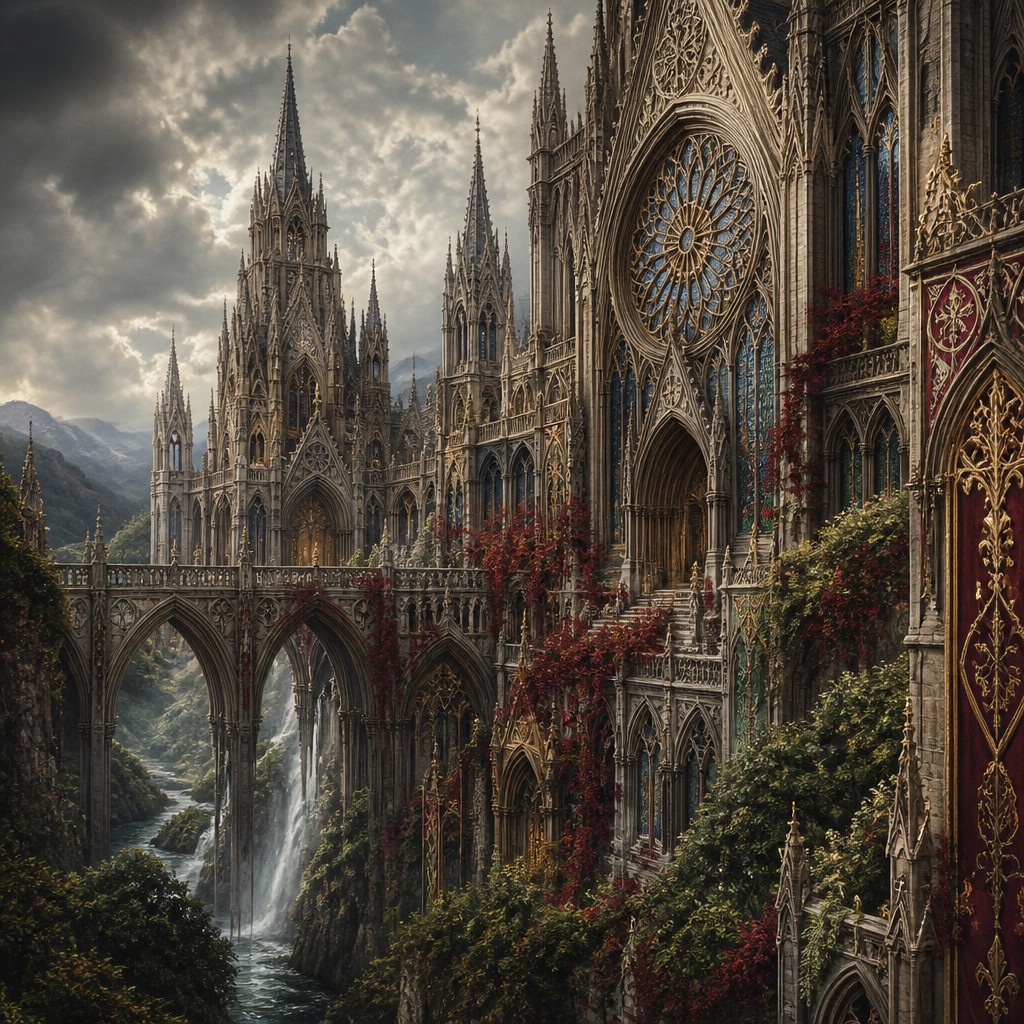
“wide landscape with natural scenery”
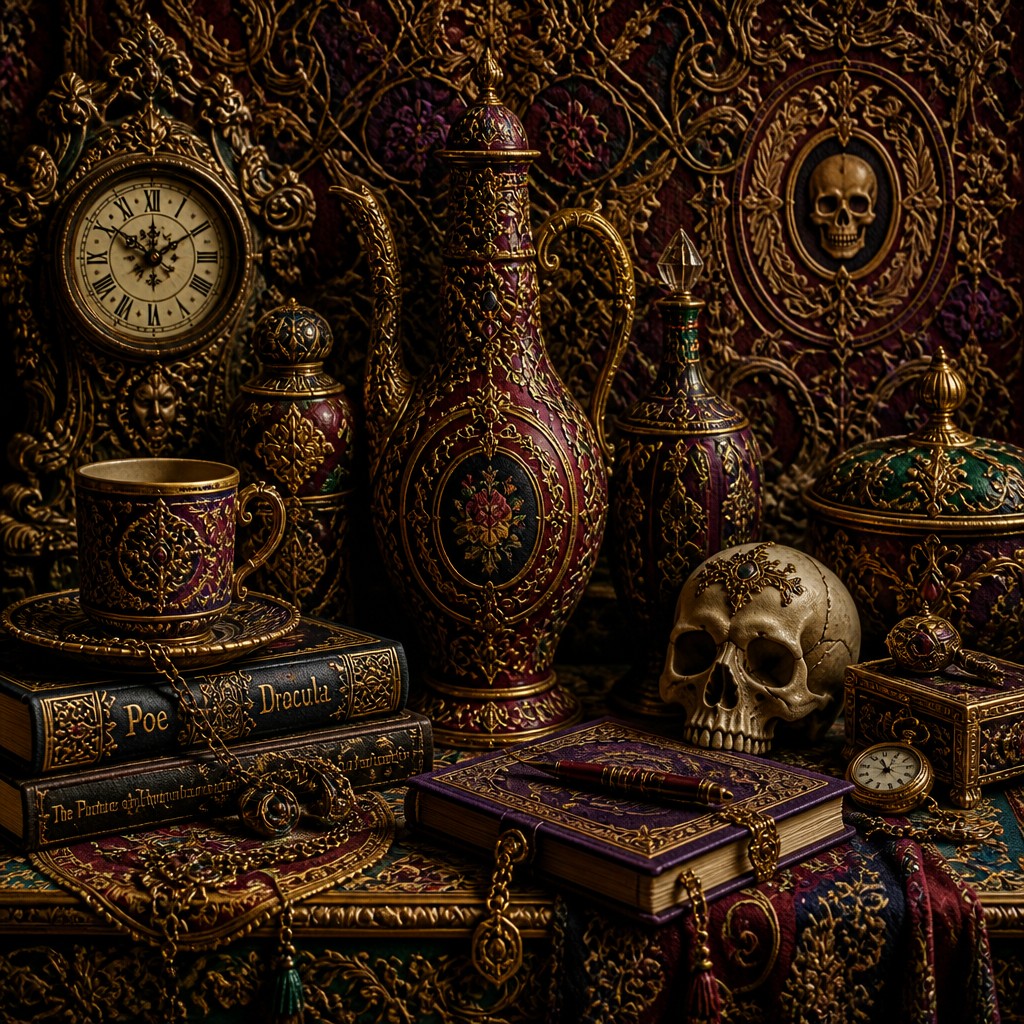
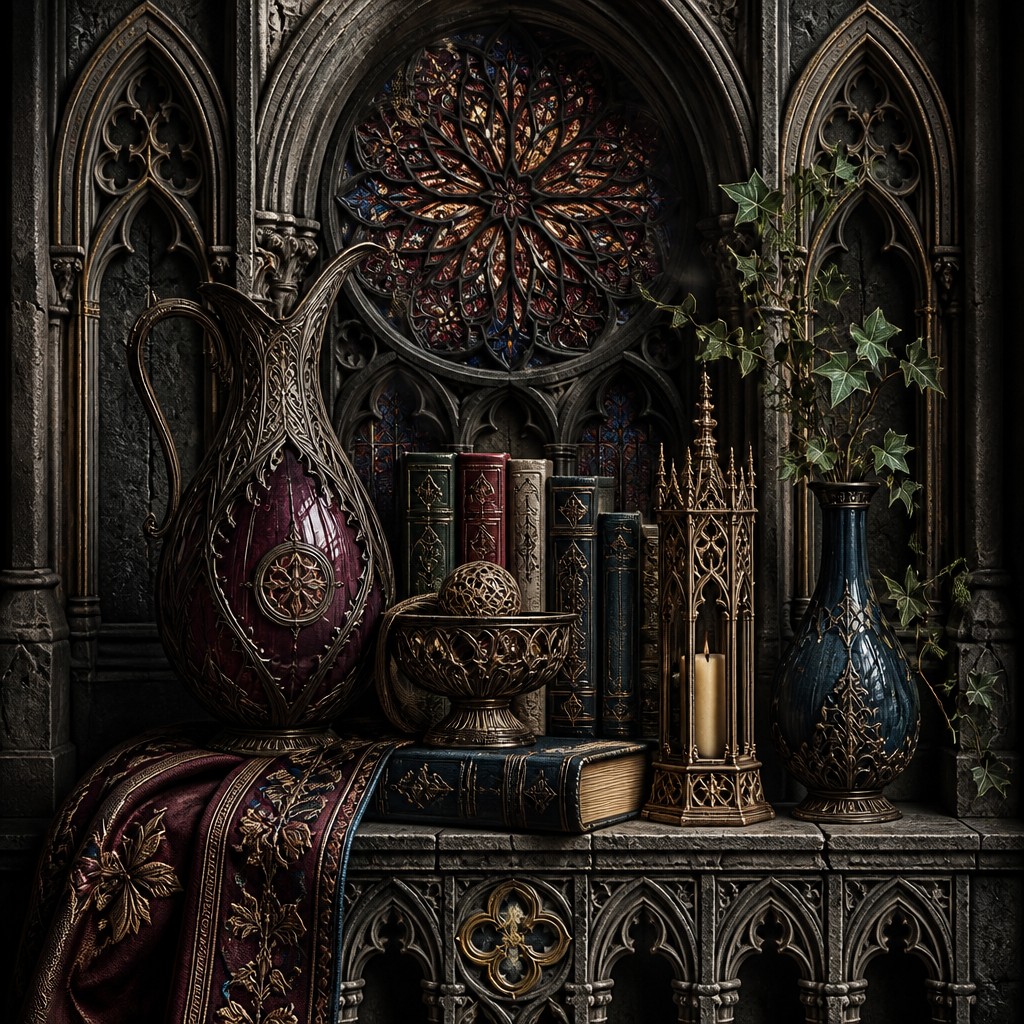
“still life with everyday objects”
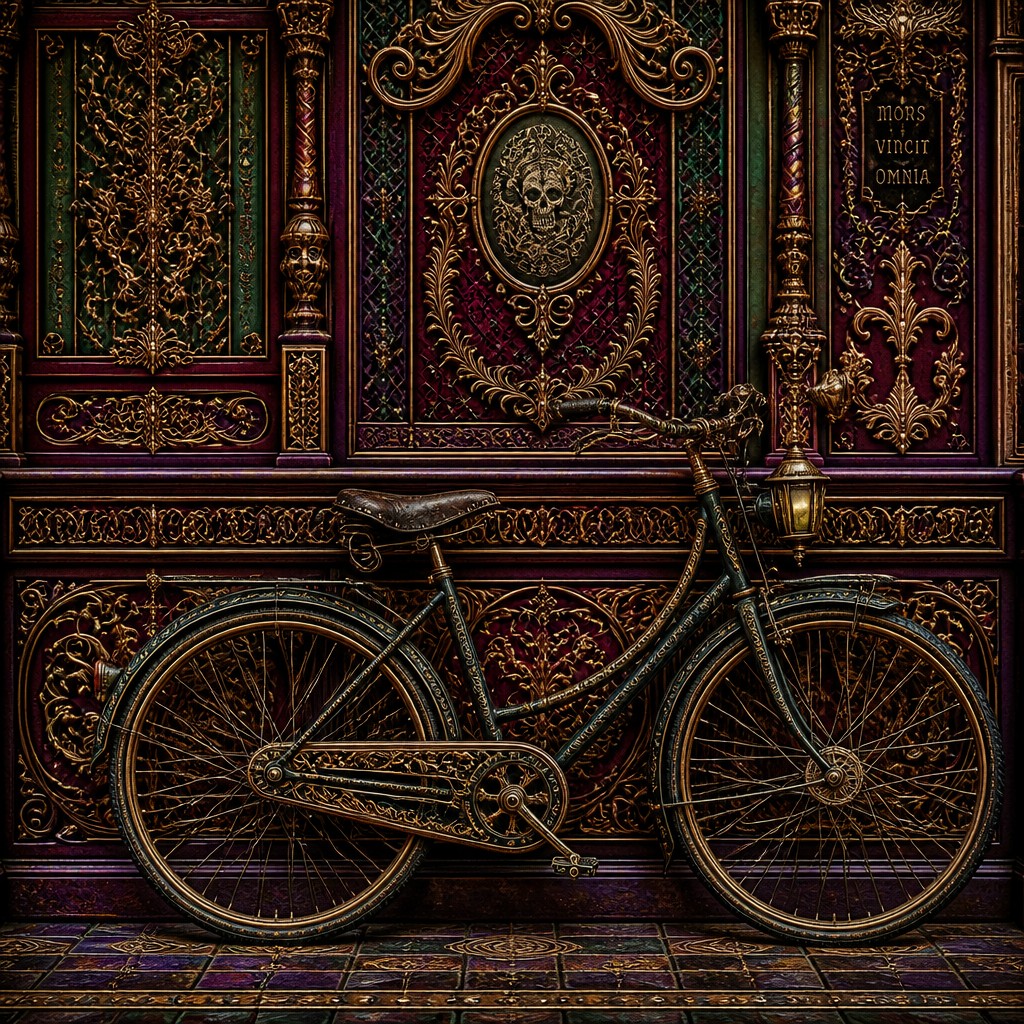
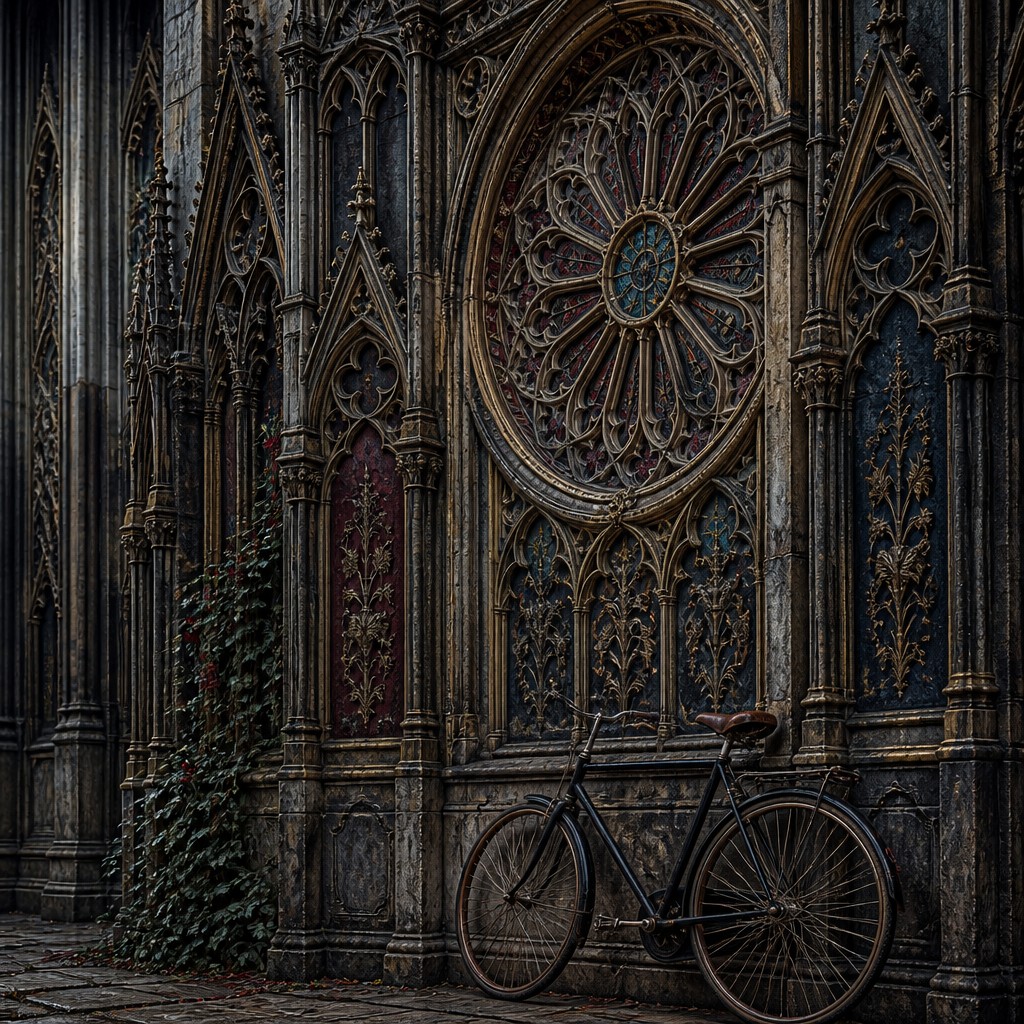
“bicyle resting against a wall”
Key Differences
| Victorian Architecture | Gothic Architecture | |
|---|---|---|
| Primary scale | Often portrays houses and smaller civic buildings. | Often portrays cathedrals and large monumental structures. |
| Silhouette | Irregular rooflines, turrets, and projecting bays. | Tall, upward-reaching forms with spires and pinnacles. |
| Decorative details | Wood trim, brackets, shingles, and painted ornament. | Carved stone tracery, arches, and sculpted façades. |
| Mood | Charming, elaborate, and often cozy or picturesque. | Dramatic, solemn, and awe-inspiring. |
| Color treatment | Frequently uses varied, vivid exterior colors. | Usually relies on muted stone tones and strong contrast. |
| Structural emphasis | Highlights surface decoration and asymmetrical house design. | Highlights verticality, buttresses, and structural grandeur. |
| Mood | ornate, nostalgic, grand, whimsical, refined | awe-inspiring, solemn, elevated, mysterious, reverent |
| Energy | balanced | intense |
| Detail level | intricate | intricate |
| Color | rich jewel tones, creams, earthy accents | stone gray, muted earth, stained-glass jewel tones |
| Texture | layered trim, carved wood, patterned surfaces | carved stone, weathered masonry, ornate tracery |
| Origin | late 19th-century Victorian-era Britain and America | medieval Europe, 12th-16th centuries |
| Best for | architectural studies, period posters, storybook covers, heritage brochures, historical scene illustrations | cathedral illustrations, historical posters, fantasy worldbuilding, book covers, museum exhibits, architectural studies |
| Difficulty | advanced | advanced |
Which Should You Choose?
Pick Victorian Architecture Art if you want a scene that feels residential, ornate, and colorful, especially for houses with intricate trim and varied rooflines. Choose Gothic Architecture Art if you want a more dramatic, cathedral-like composition with strong vertical lines, stone detail, and a sense of height and reverence.
Frequently Asked Questions
Are Victorian and Gothic architecture the same thing?
No. They are different historical styles, though both can be highly decorative. Victorian architecture is generally associated with 19th-century houses and eclectic ornament, while Gothic architecture is defined by medieval forms such as pointed arches and spires.
Which style is more colorful?
Victorian Architecture Art is usually more colorful, with painted trim and varied exterior palettes. Gothic Architecture Art more often emphasizes the natural color of stone and a restrained, dramatic look.
Which style looks taller and more dramatic?
Gothic Architecture Art typically appears taller because of its vertical lines, spires, and buttresses. Victorian Architecture Art is often more visually busy, but its forms usually stay lower and more domestic.
Can a building combine both styles?
Yes, some buildings show a mix of influences, especially in later revival periods. In comparison art, though, Victorian is usually identified by houses, decorative woodwork, and painted detail, while Gothic is identified by stone arches, tracery, and vertical emphasis.