Installation Modern Art Style
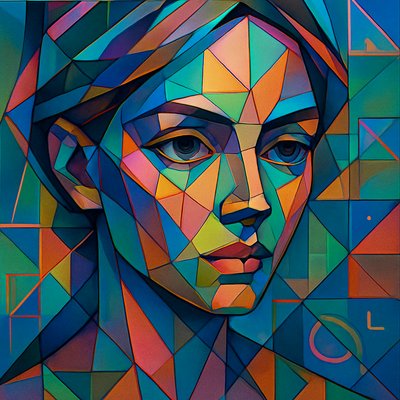
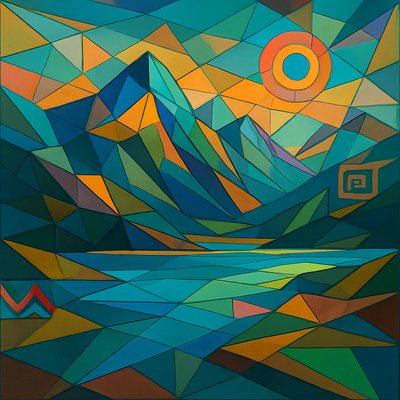
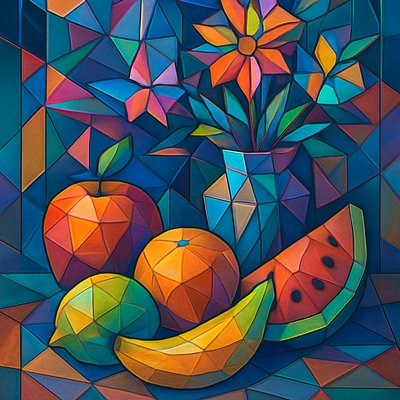
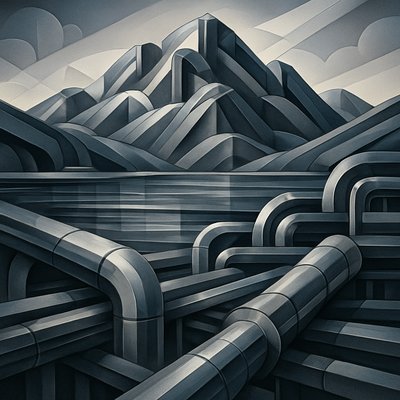
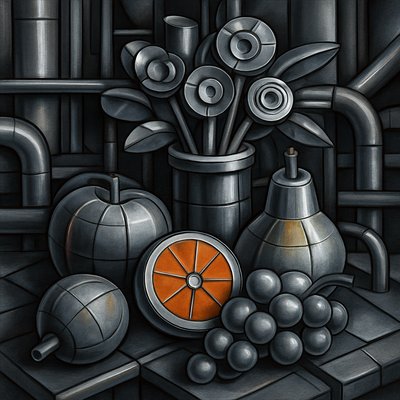
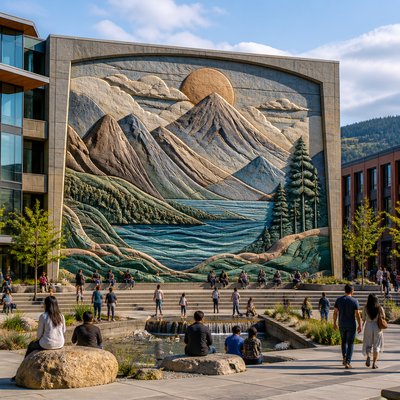
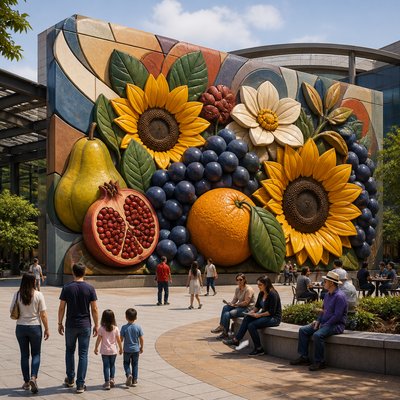
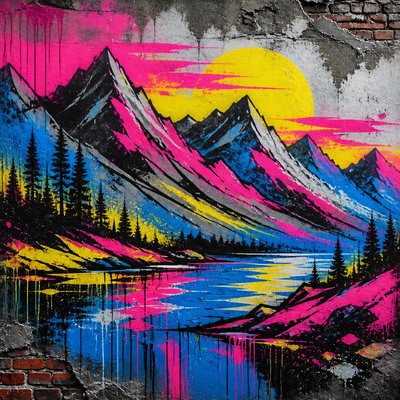
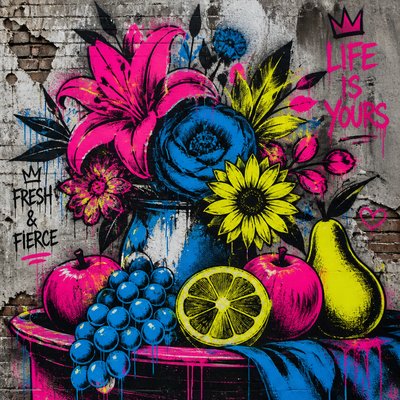
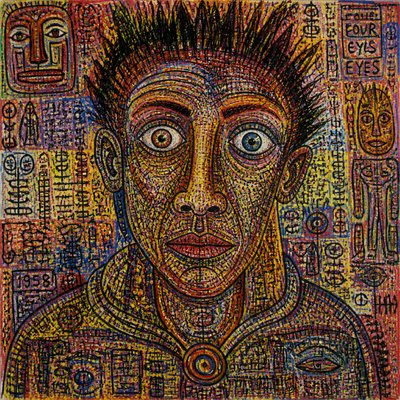
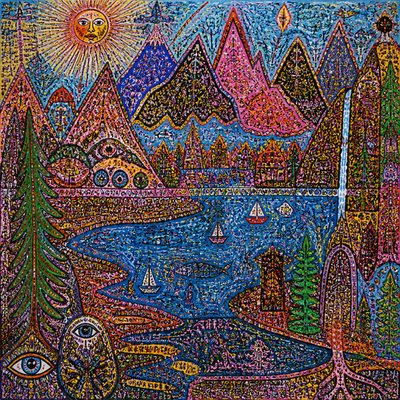
Immersive space-based art using modular forms, mixed materials, dramatic lighting, and site-specific installation design.
Instantly rendered in Installation Modern — or transform a photo
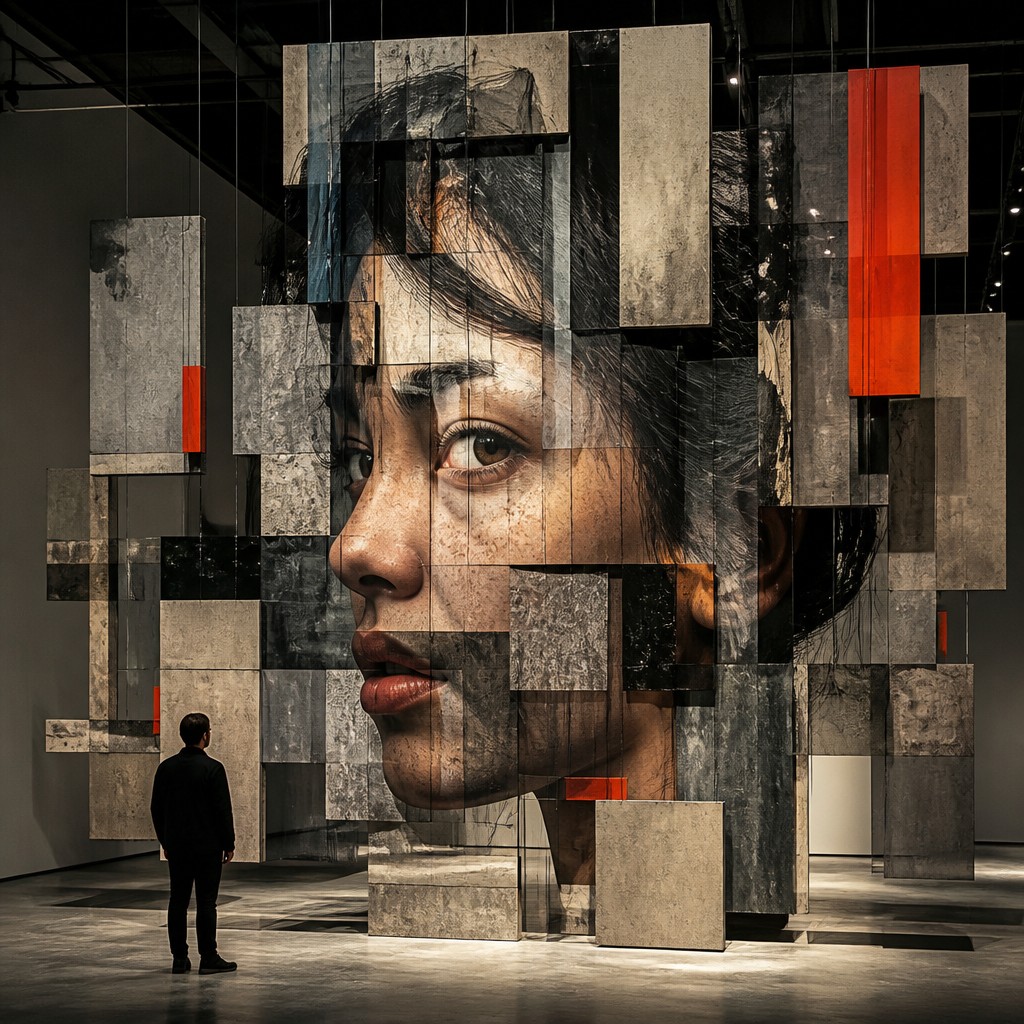
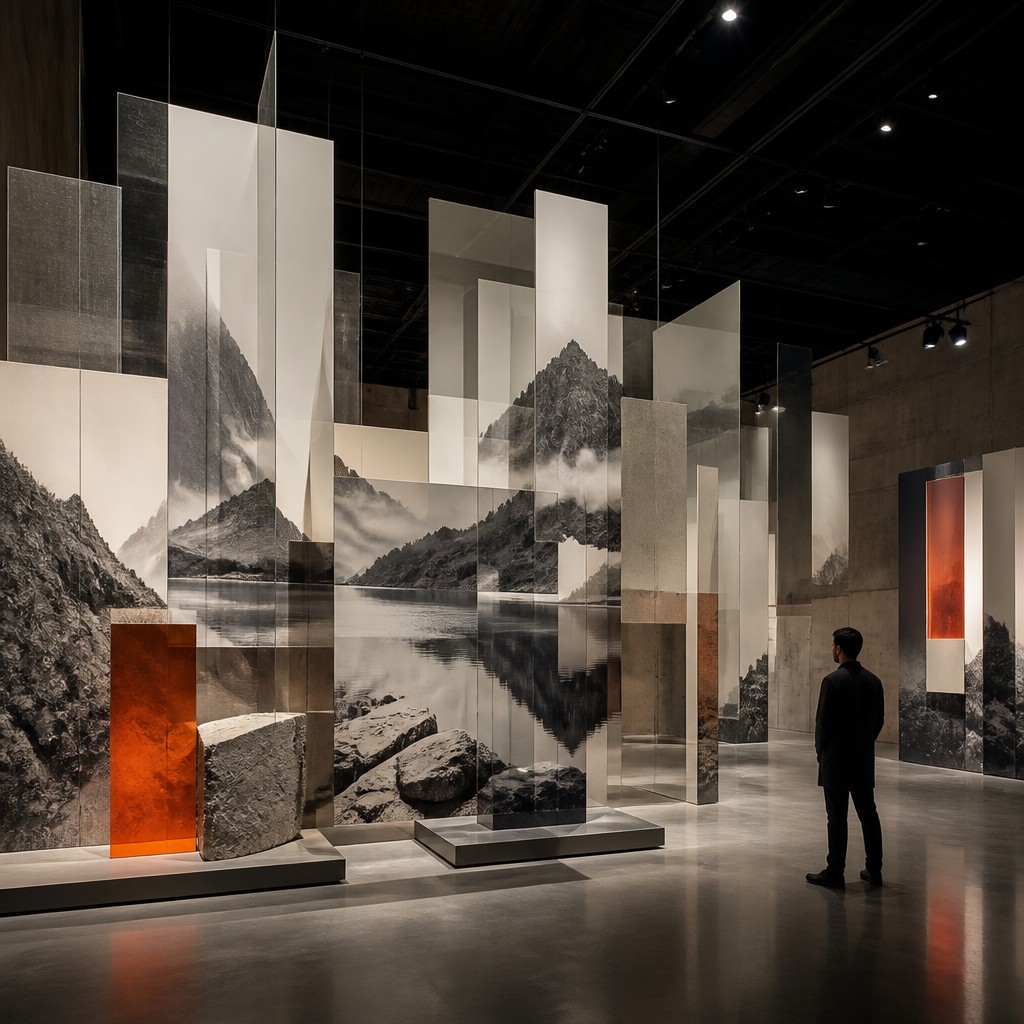
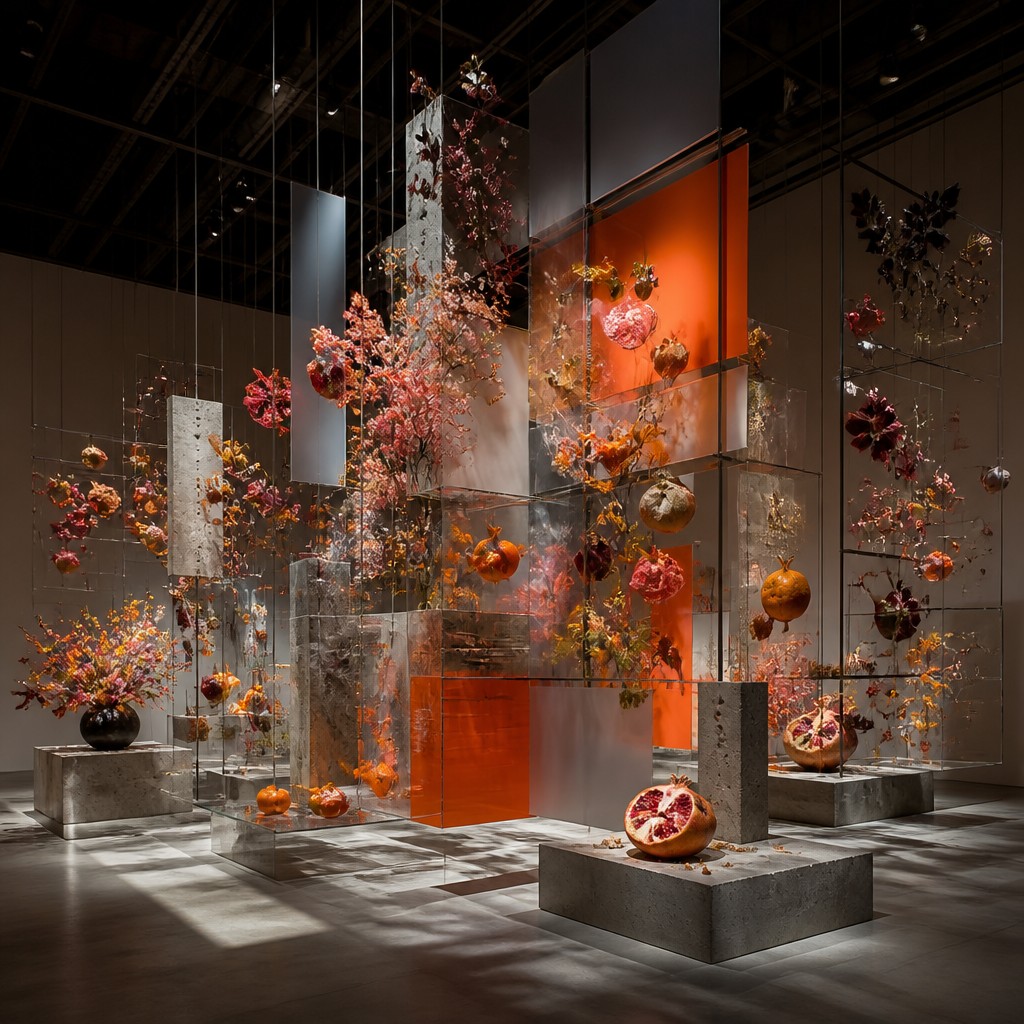
Installation Modern Gallery
Tap any artwork to explore it
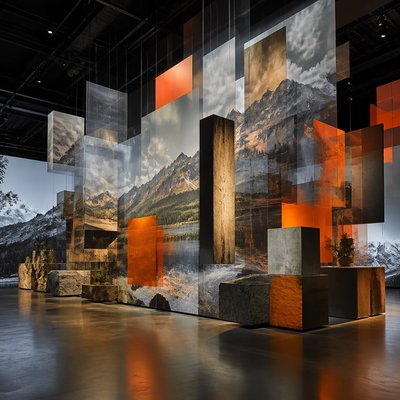
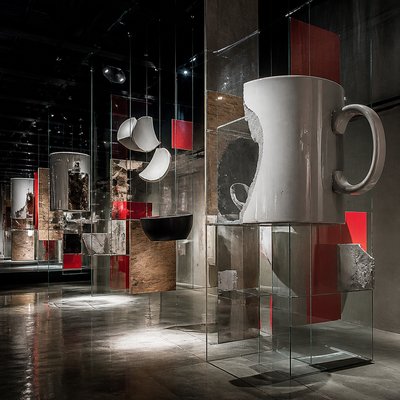
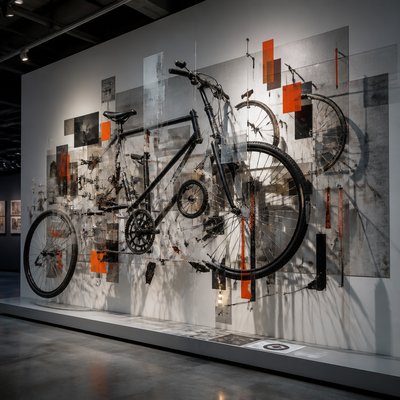
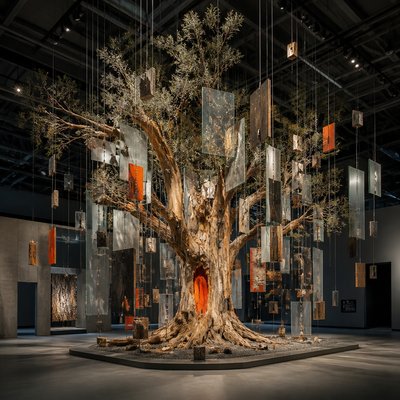
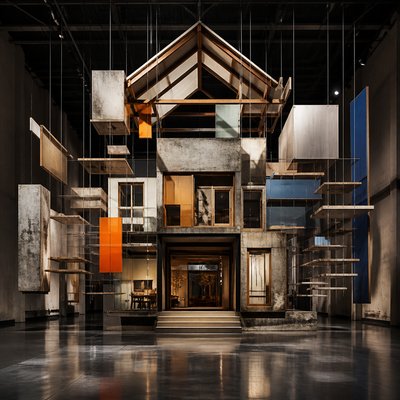
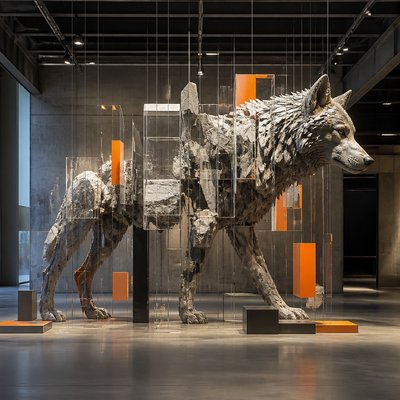
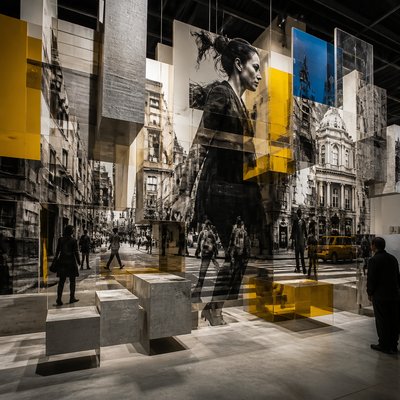
What is Installation Modern Art Style?
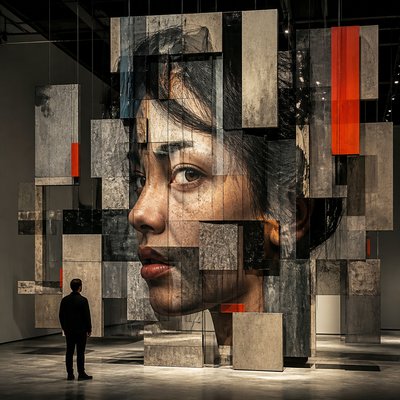
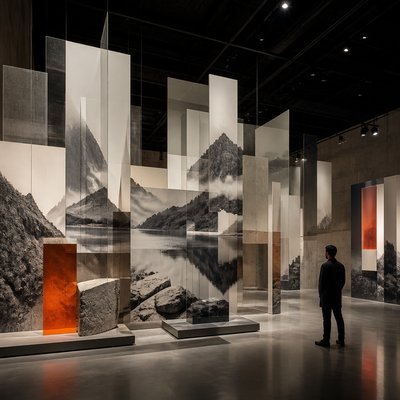
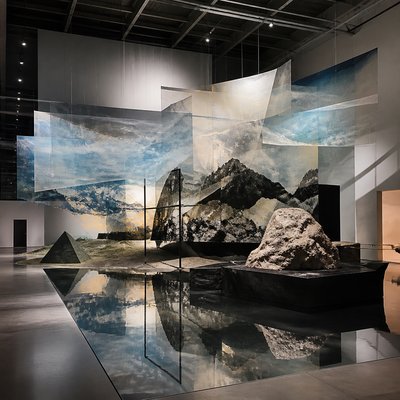
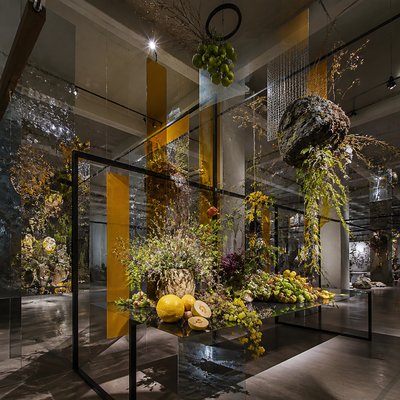
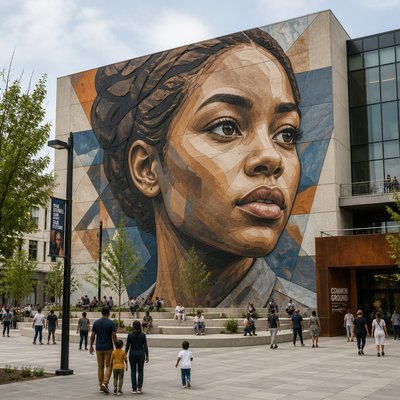
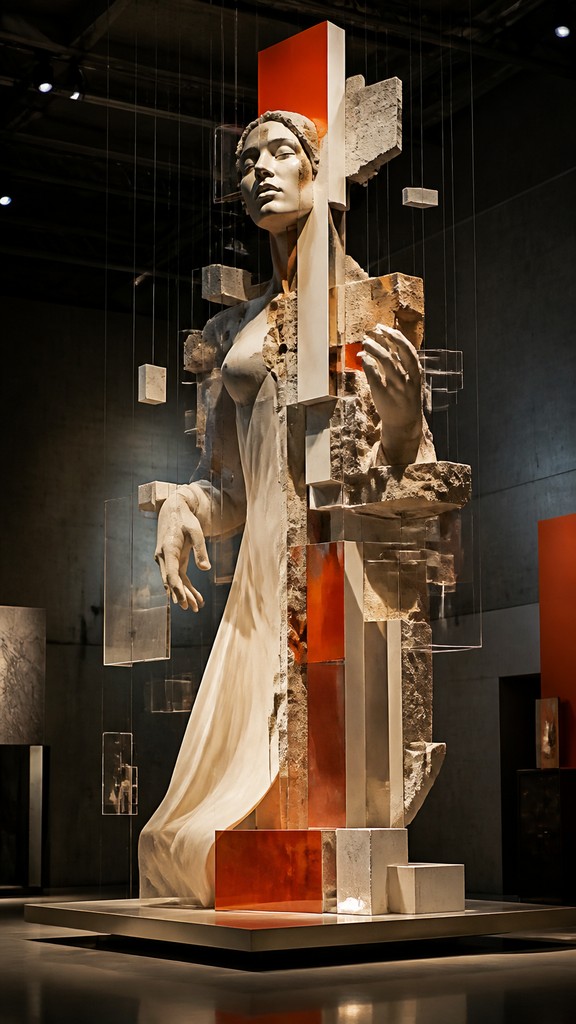
Installation modern art style is a space-centered contemporary aesthetic in which the artwork is not a single object but an environment. Rather than presenting a composition on a flat surface, it organizes fragments, structures, materials, and light across the room so the viewer experiences the piece by moving through it. The look often combines deconstructed forms, modular repetition, and a balance between raw industrial elements and polished finishes.
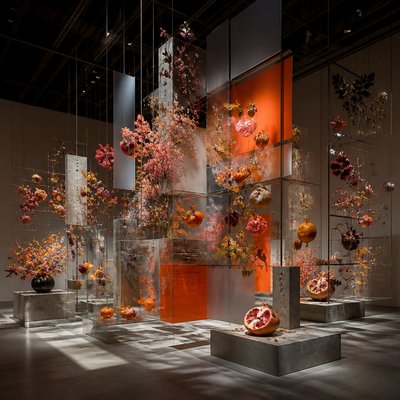
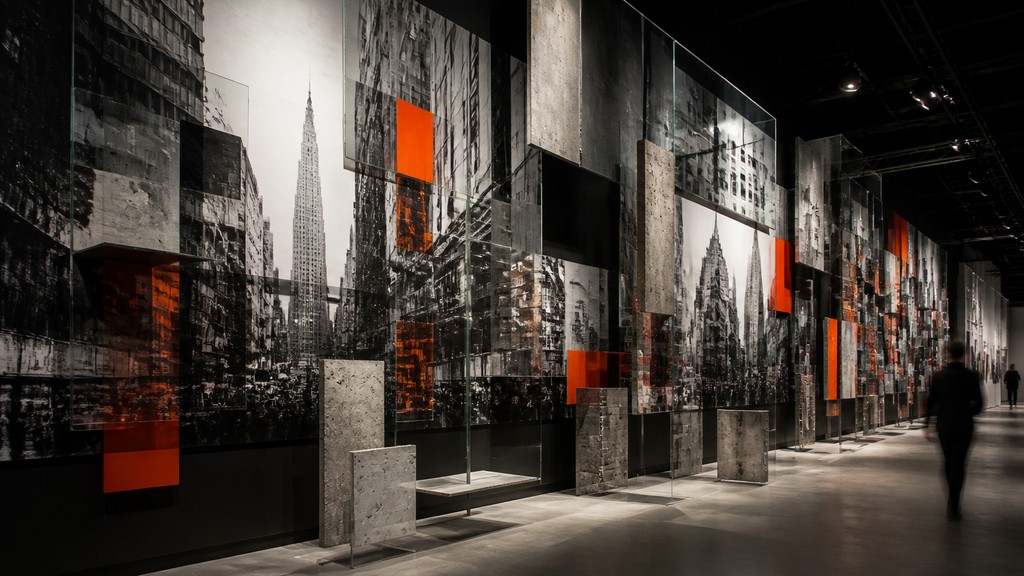
Its visual identity comes from the logic of installation art, modern sculpture, and contemporary exhibition design. Surfaces may include metal, acrylic, fabric, glass, wood, projected light, or found materials, arranged to create depth, tension, and spatial rhythm. The result feels architectural and immersive: bold shadows, glowing focal points, and carefully controlled asymmetry give the impression of an environment that has been constructed as much for perception as for depiction.
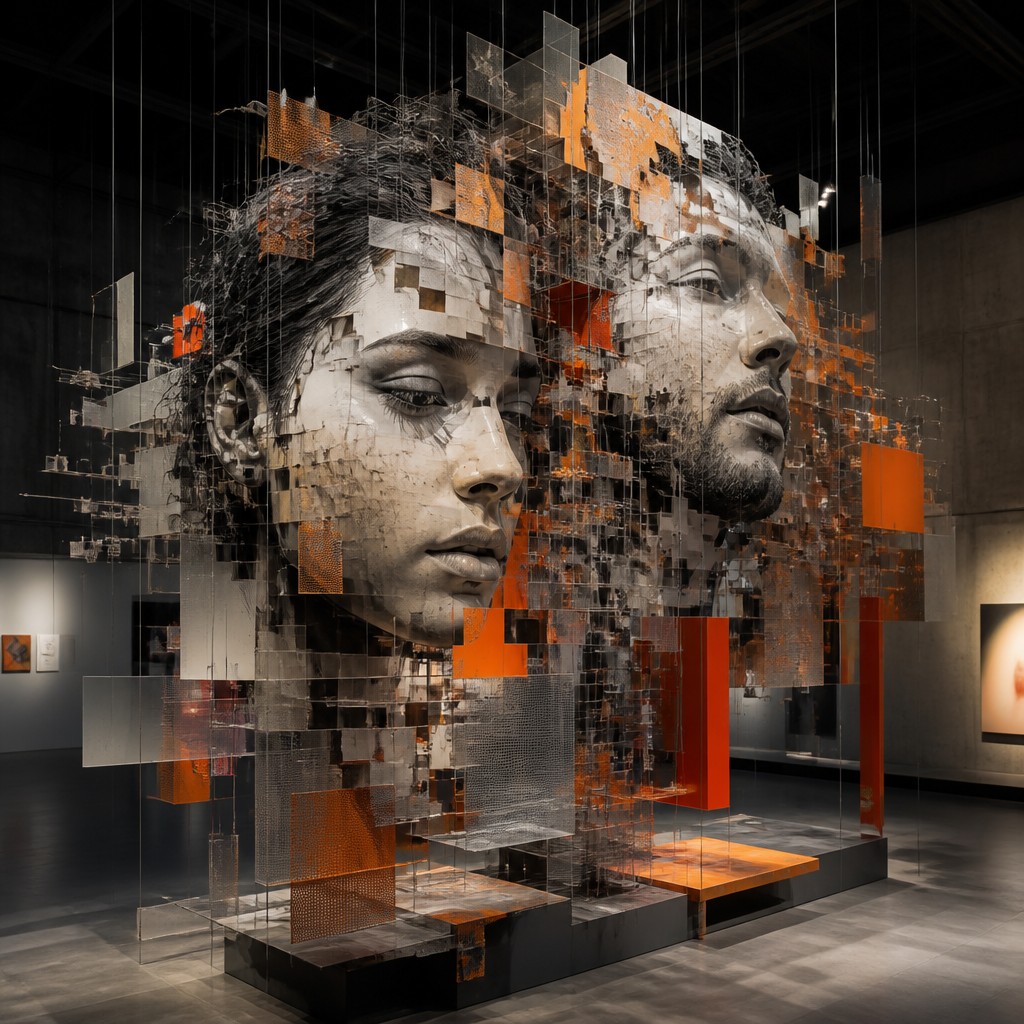
Try It On Your Photos
Upload any photo and convert it into Installation Modern Art Style — drag the sliders to compare before and after.
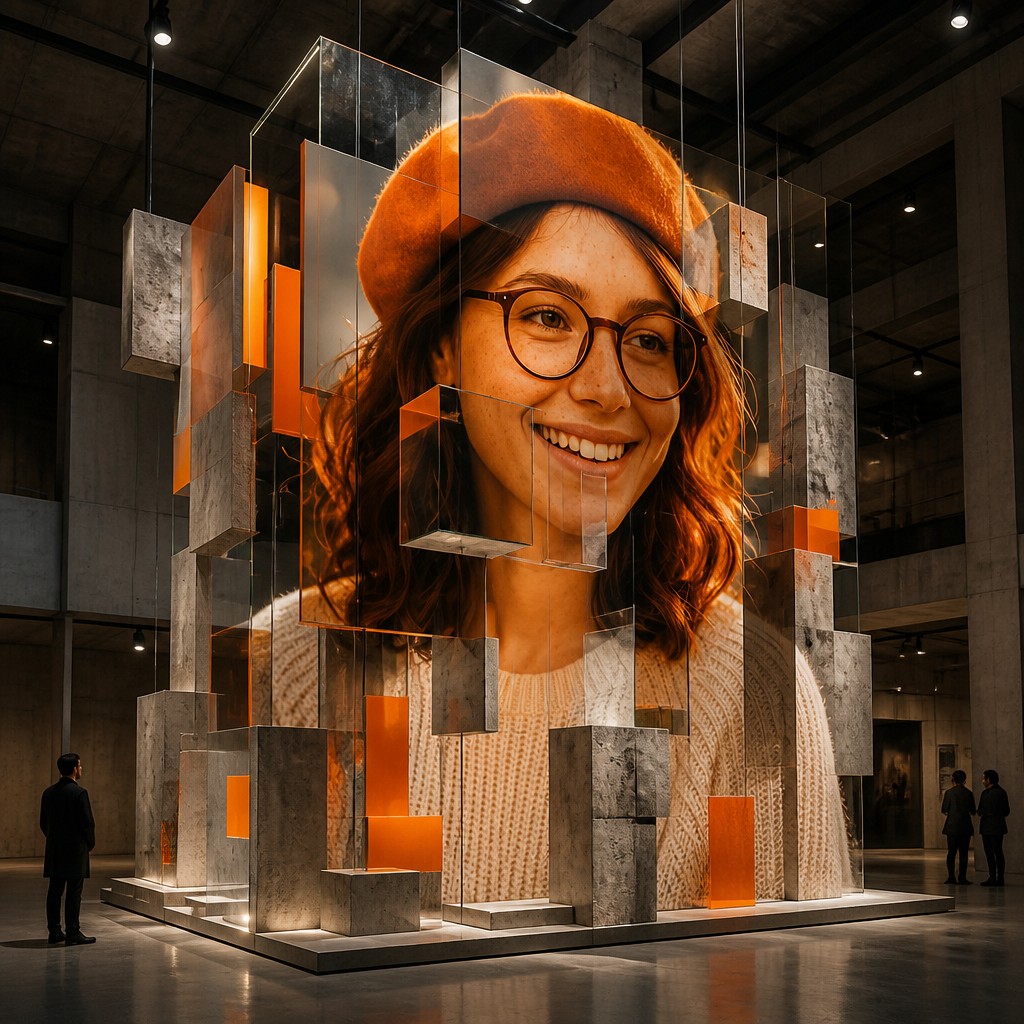

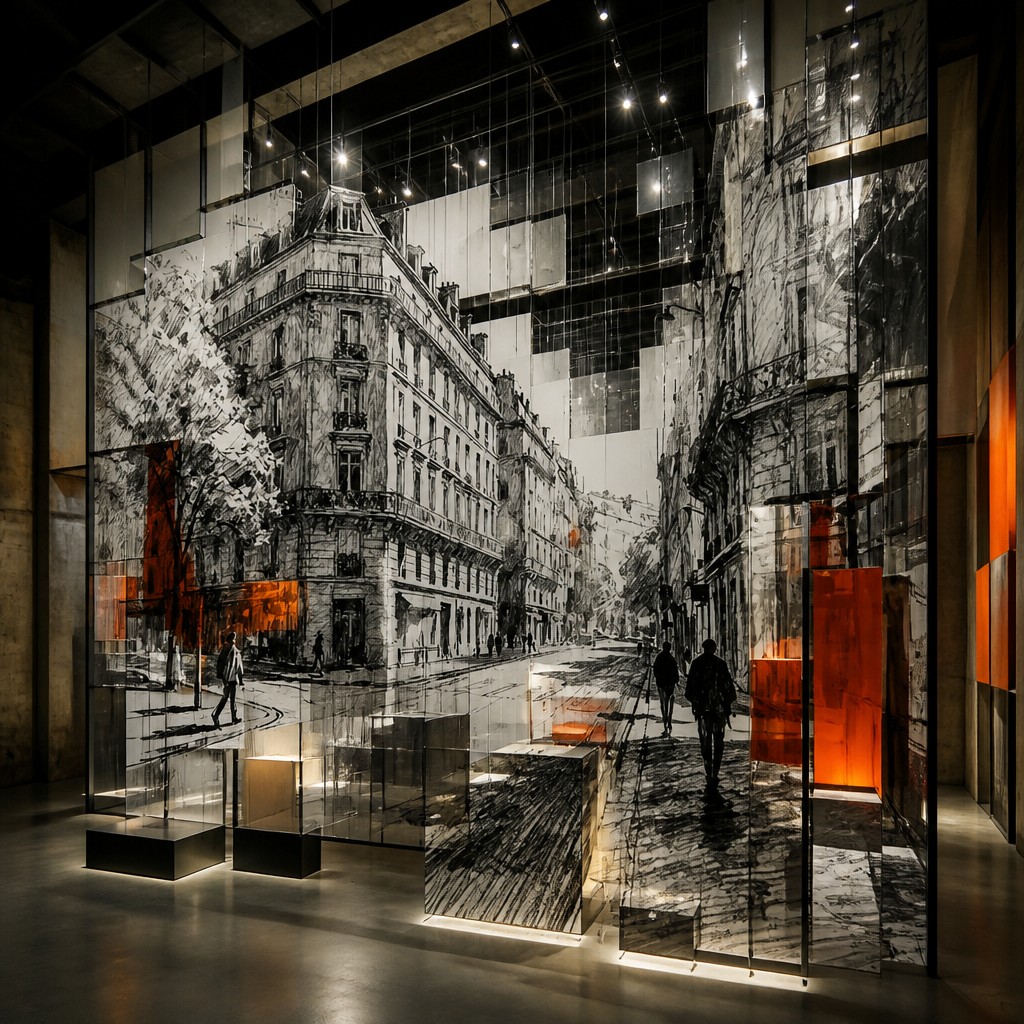

What Defines Installation Modern Art Style
The signature details, up close
Immersive spatial composition
The artwork is designed as an environment rather than a framed image. Viewers are meant to imagine walking around or through it, so depth and spatial relationships are central.
Fragmented and suspended forms
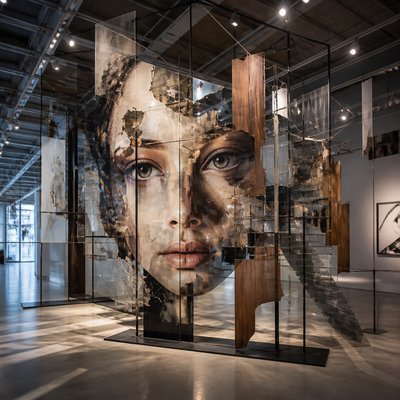
Subjects are often broken into parts, floated, or arranged in pieces across space. This creates a sense of deconstruction, motion, and suspended tension.
Mixed-material surfaces
The style frequently combines translucent, opaque, matte, and reflective materials. This contrast emphasizes tactile difference and makes the installation feel physically layered.
Architectural lighting
Light is treated as a structural element, not just illumination. Strong shadows, spotlit focal points, and glow effects shape the viewer’s reading of the space.
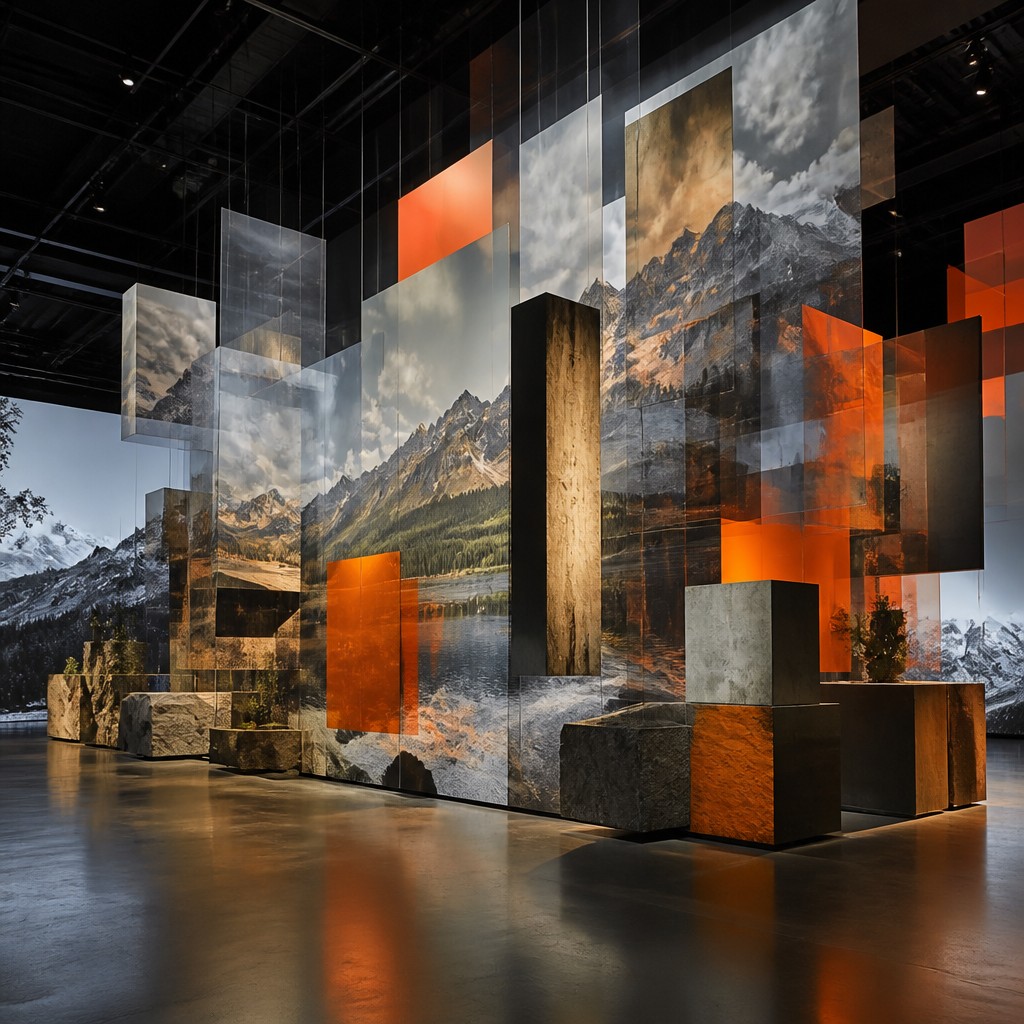
Industrial-modern palette
Neutral tones such as gray, black, white, concrete, and metal are common, often interrupted by controlled blocks of vivid color. The palette supports a contemporary gallery atmosphere.
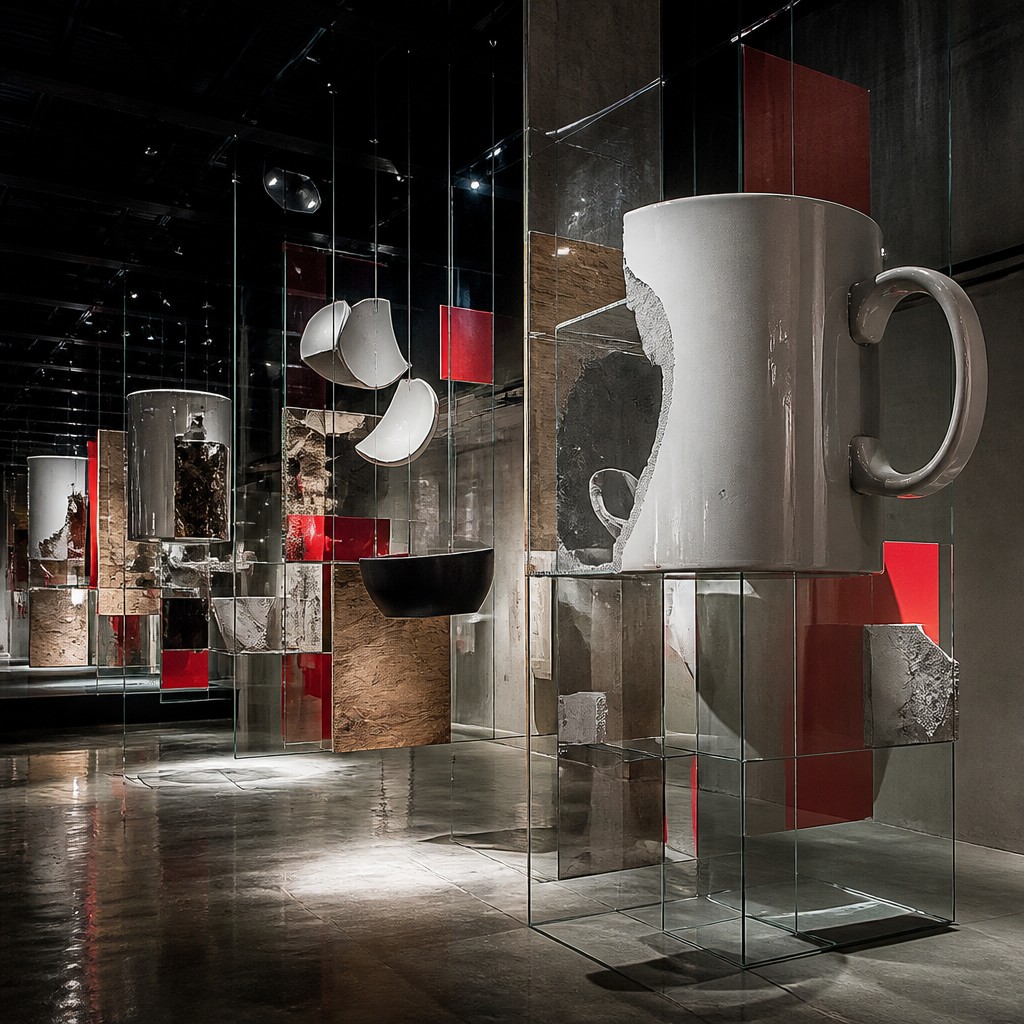
Monumental modular rhythm
Repeated units, panels, frames, or blocks create visual order at large scale. The regularity gives the installation a designed, engineered quality even when the forms are fragmented.
Try It
Create Videos in Installation Modern Art Style
Styles aren't just for stills — describe a scene or animate an image and get a short video rendered in Installation Modern. Press play to see this pond come to life.
Make a VideoInstallation Modern Prompt Ideas
Start from an idea — each one opens the generator with the style ready to go. See all 40 Installation Modern prompts →
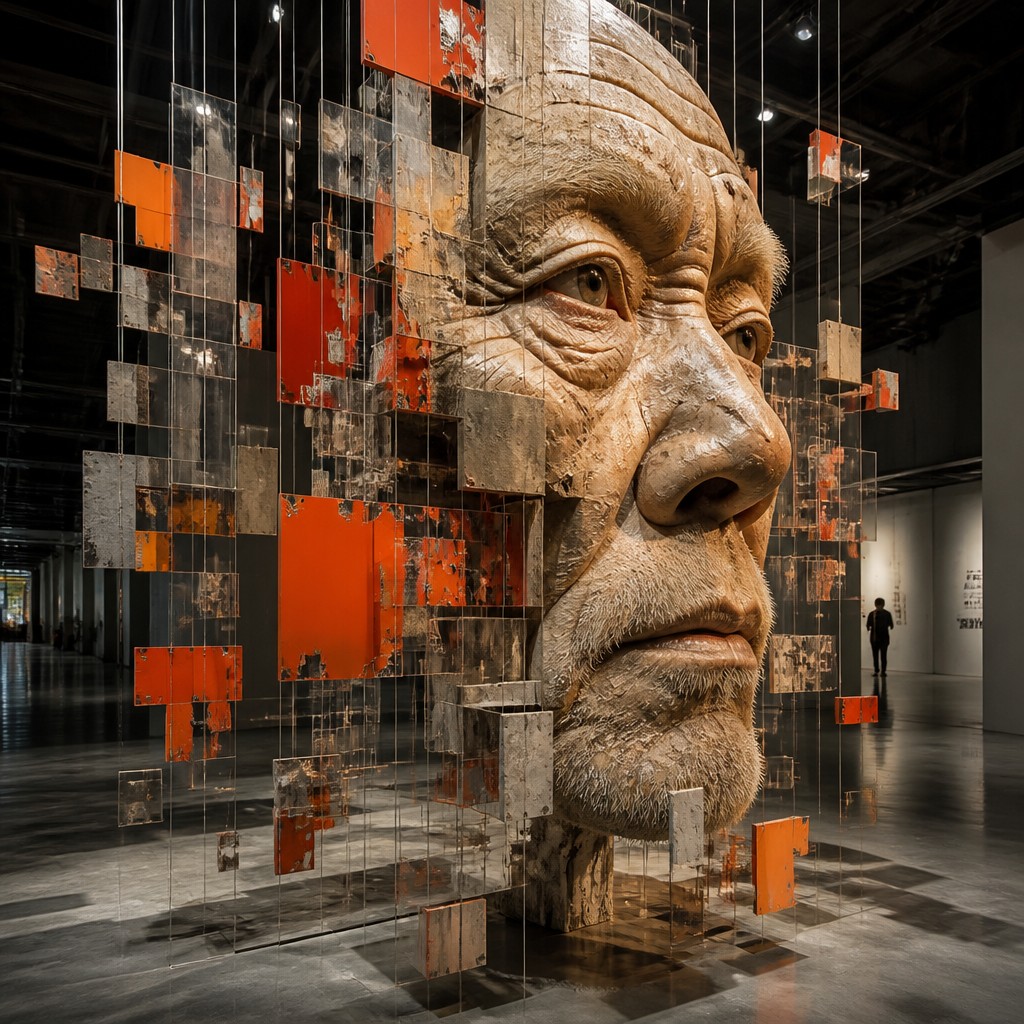
“close-up portrait of an elderly person with expressive weathered features”
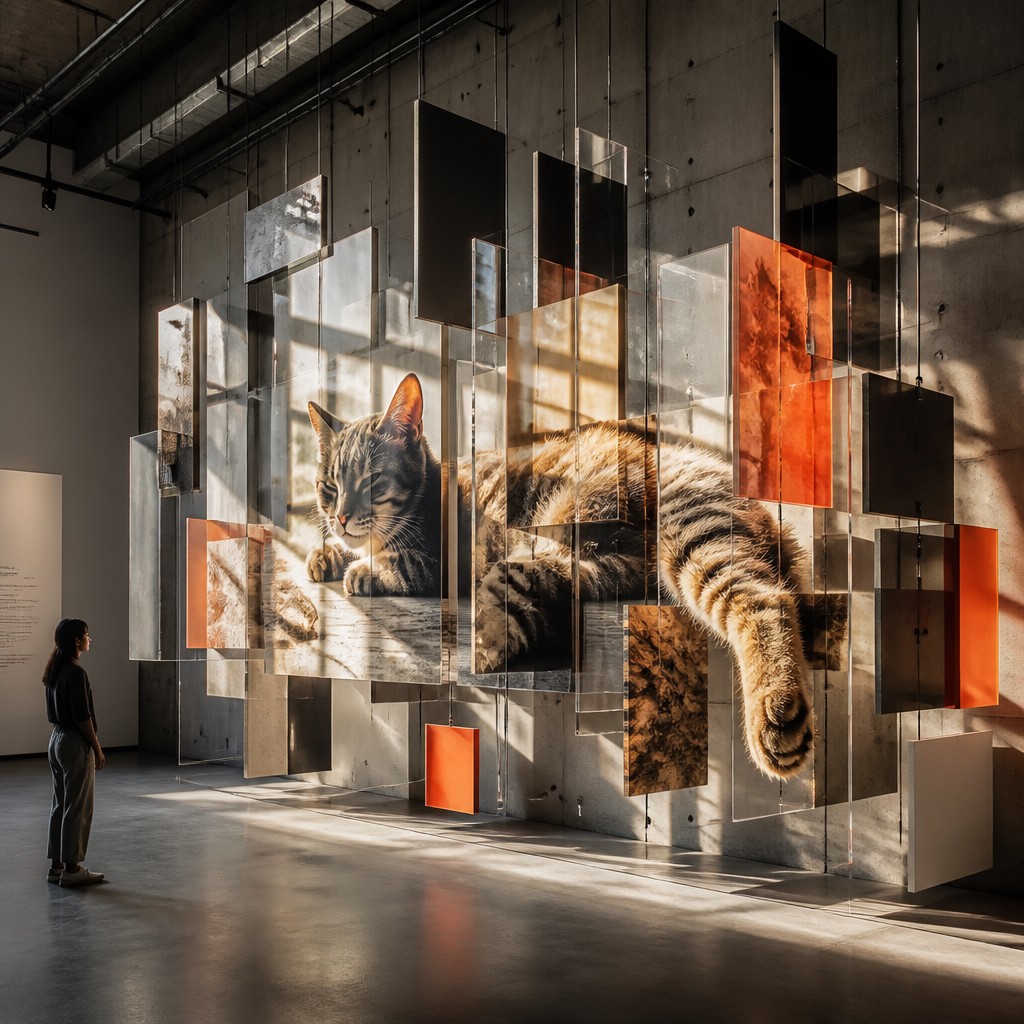
“a cat lounging in a sunlit window”
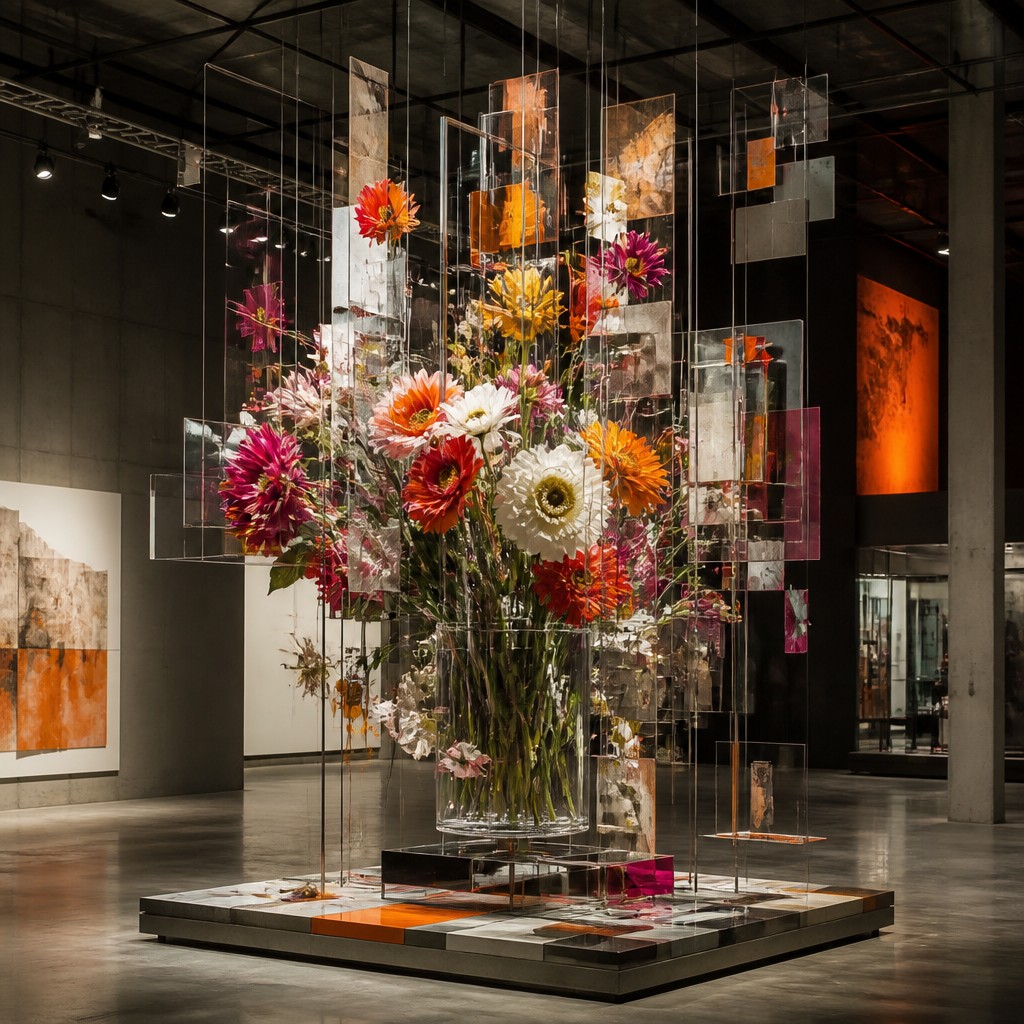
“bouquet of flowers in a glass vase”
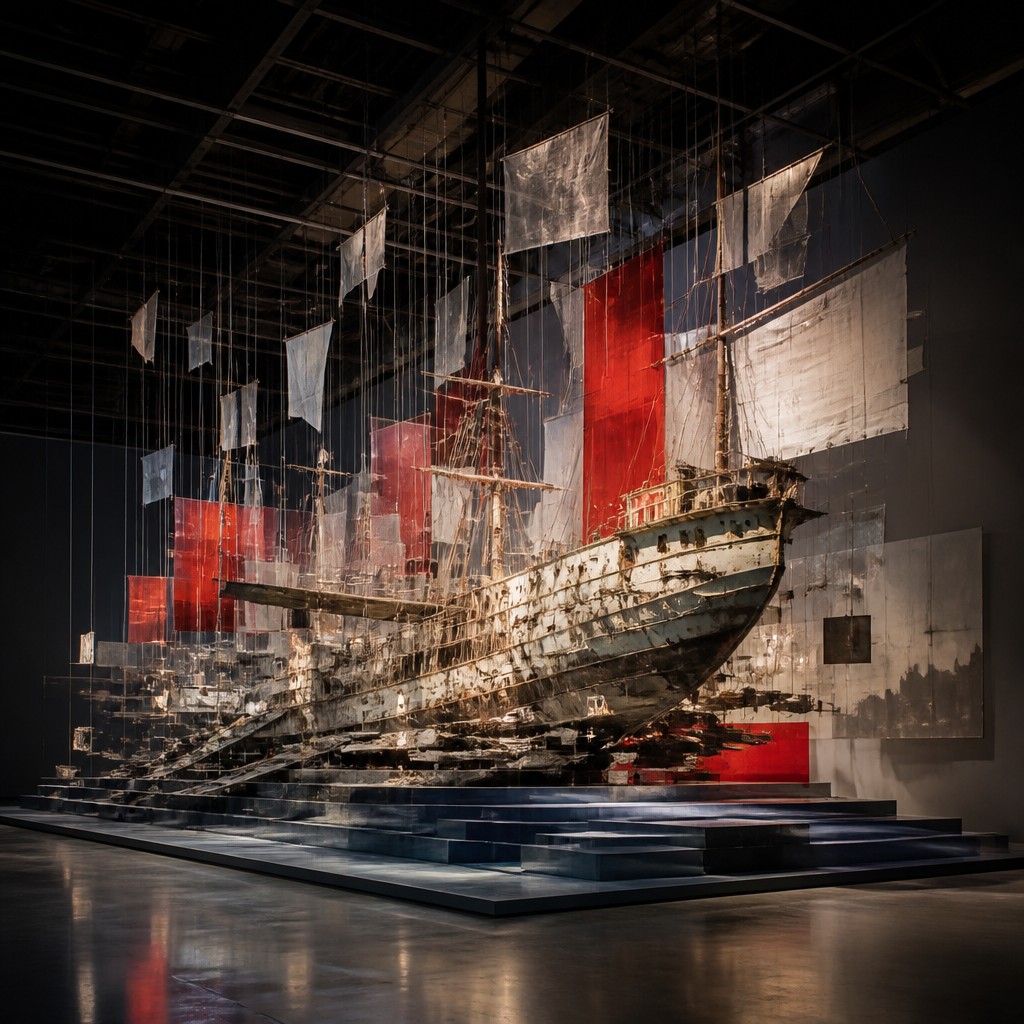
“sailing ship on a stormy sea”
How to Create Installation Modern Art
Master the craft step by step — or skip straight to creating. Read the full guide →
- 1
Build the work around space, not a frame
Start by thinking of the environment as the composition: floor, walls, ceiling, and viewer pathways all matter. In a physical setup, use scale and placement to guide movement; in digital work, describe the room, the camera position, and the spatial arrangement clearly.
- 2
Combine contrasting materials
Pair rough and refined surfaces to create visual tension, such as concrete with glass, exposed structure with polished acrylic, or fabric with brushed metal. This contrast is a core part of the style’s modern exhibition feel.
- 3
Use modular structure and fragmentation
Break the subject into repeated units, panels, or suspended parts rather than a single continuous object. Modularity helps the piece feel architectural, while fragmentation gives it the deconstructed quality associated with the style.
- 4
Design light as part of the sculpture
Plan for dramatic directional lighting, strong shadow shapes, and one or two glowing focal zones. In digital generation, specify gallery lighting, hard-edged shadows, and accent illumination so the environment reads as intentional and immersive.
- 5
Keep the palette controlled
Use mostly neutral industrial tones, then introduce a limited accent color for emphasis. This keeps the image cohesive and prevents the installation from becoming visually noisy.
- 6
If generating from text, specify the spatial and documentary look
Mention immersive gallery installation, wide-angle contemporary documentary viewpoint, suspended fragments, layered materials, and architectural lighting. If transforming a photo, simplify the original subject into structural elements and let the new space, materials, and lighting dominate the result.
The Story
History & Origins of Installation Modern
Installation art emerged in the second half of the 20th century as artists increasingly treated the gallery, museum, or public site as part of the work itself. It developed alongside assemblage, minimalism, conceptual art, environmental art, and later relational and site-specific practices. Early innovators of participatory and event-based work helped define the shift away from discrete objects toward immersive situations, while later installation artists expanded the field through large-scale material experimentation, light, and spatial choreography.
The “modern” quality in this style comes from its visual inheritance rather than from a single historical movement. It draws on the clean geometry and industrial materials of modernism, the anti-illusionism of minimal art, and the fragmented, hybrid logic of contemporary sculpture and exhibition design. In digital and image-generation contexts, the style often synthesizes these influences into a coherent visual language of modular construction, layered transparency, and gallery-like presentation.
Influences: This style is closely related to installation art, minimalism, assemblage, conceptual art, and environmental sculpture. It also borrows from modernist abstraction, industrial design, and contemporary exhibition architecture; artists often associated with the broader lineage include major early installation artists, influential minimal sculptors, a leading steel sculptor, and a pioneering serial-form sculptor, though the exact look here is a synthesized contemporary visual language rather than one historical movement.

Frequently Asked Questions
What defines installation modern art style?
It is defined by the idea that the artwork occupies and transforms a space instead of staying on a canvas or pedestal. The visual language emphasizes modular construction, fragmented forms, mixed materials, and dramatic lighting. The viewer’s relationship to the room is part of the experience.
Is this the same as installation art?
It is related, but this style emphasizes a contemporary modern aesthetic within installation practice. That usually means cleaner geometry, industrial materials, controlled color accents, and a gallery-documentary presentation. Traditional installation art can be more varied, conceptual, or materially chaotic.
How is it different from minimalism?
Minimalism often prioritizes reduction, serial repetition, and objecthood, while this style is more immersive and materially layered. It may use minimal forms, but it usually adds spatial depth, fragmentation, and lighting effects to create a more theatrical environment.
What kinds of subjects work well in this style?
Architectural forms, human figures, objects, landscapes, and symbols can all be translated into this language if they are reworked as spatial fragments or modular structures. Subjects with clear silhouette and strong geometry are especially effective because they can be deconstructed while still remaining legible.
How do artists make this style in real life?
They often use site-specific planning, found materials, custom-built frames, lighting design, and careful installation across a room or gallery. The key is to think like a sculptor, architect, and set designer at once, so the environment itself becomes the artwork.
Can this style be used for digital art or photo transformation?
Yes. In digital work, the main task is to simulate the spatial logic of an installation: fragments in three-dimensional space, layered surfaces, and museum-style lighting. For photo transformation, the source image is often abstracted into structural parts while preserving enough identity to read the original subject.
Create your first Installation Modern artwork
Describe anything — or upload a photo — and see it in Installation Modern Art Style in seconds.
Make Something with Installation Modern
Related Styles
Discover similar art styles