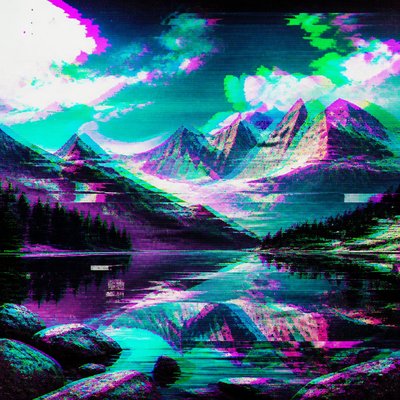
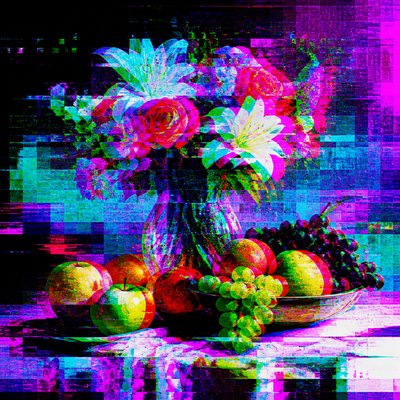
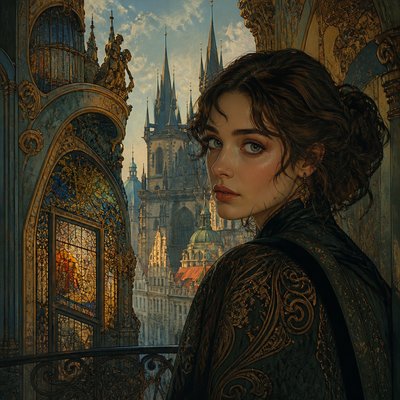
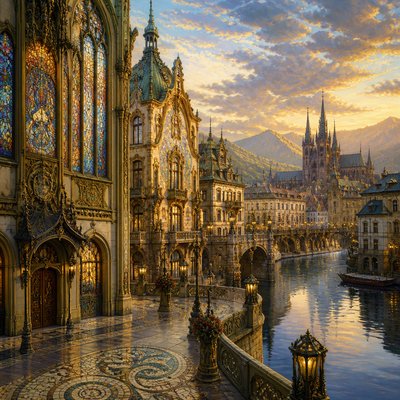
Modern Gothic Art
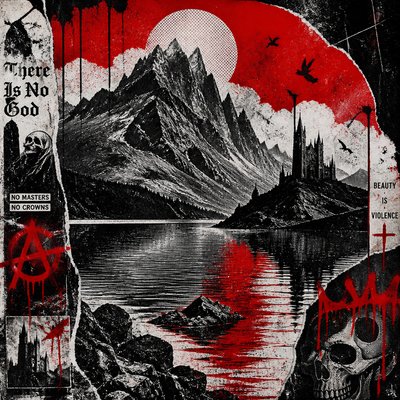
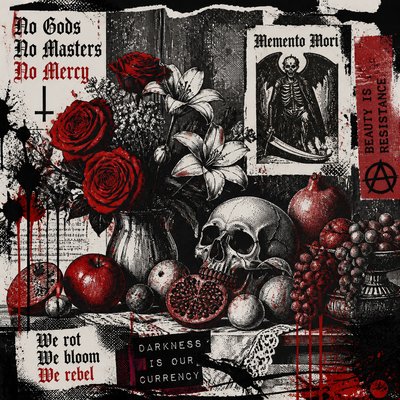
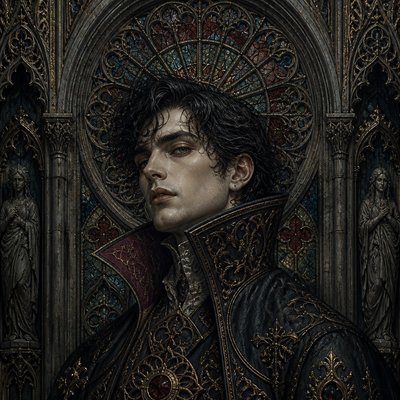
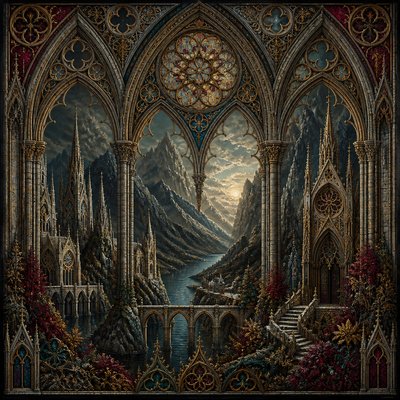
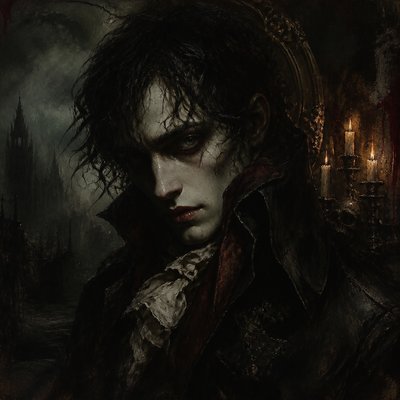
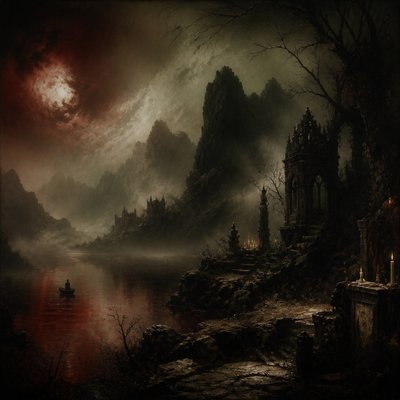
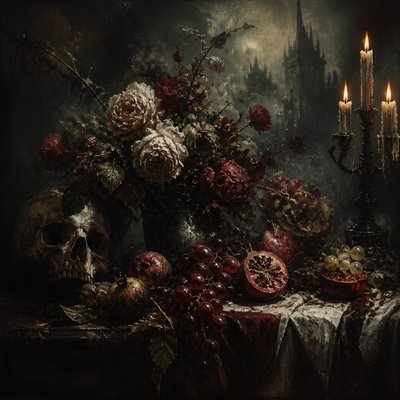
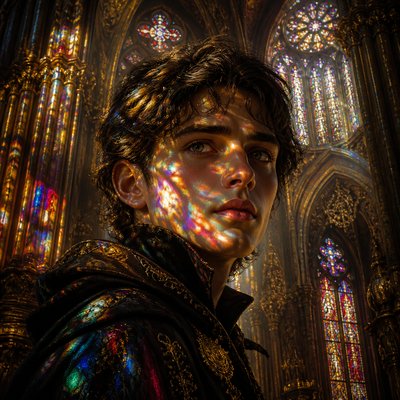
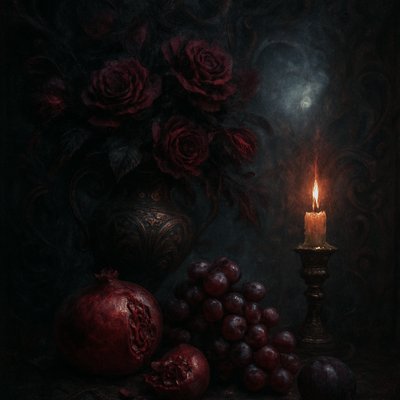
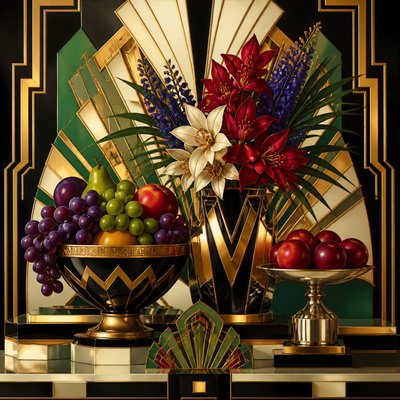
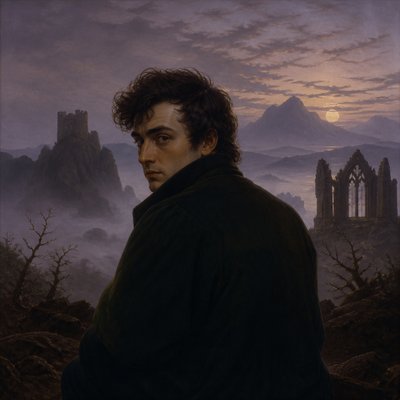
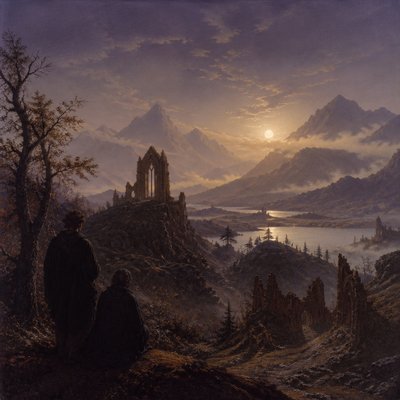
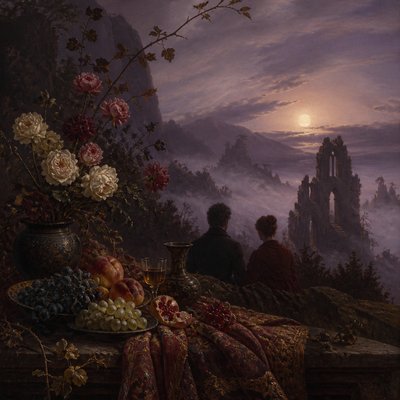
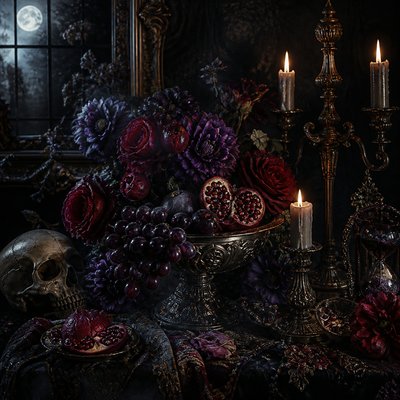
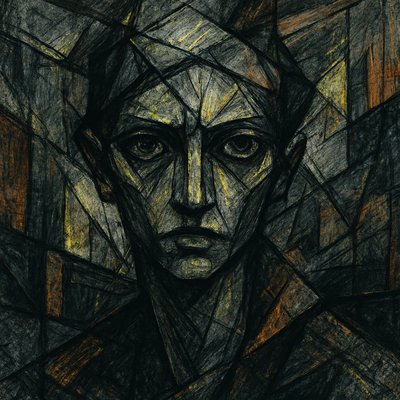
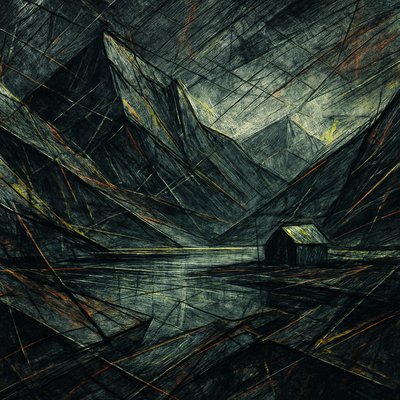
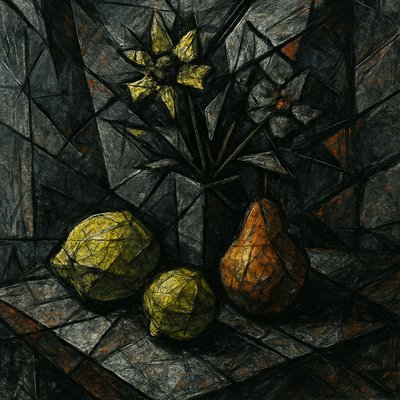
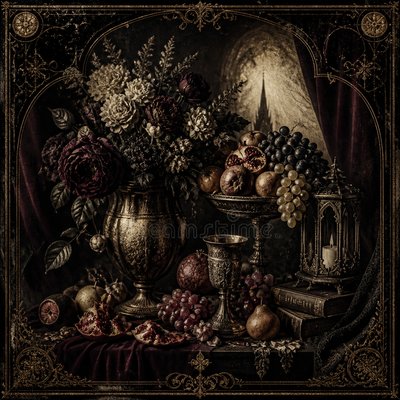
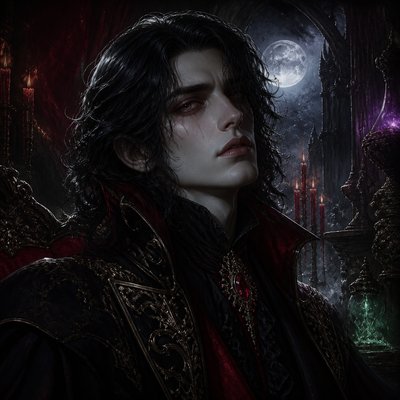
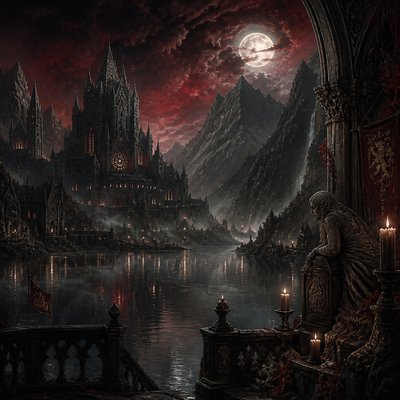
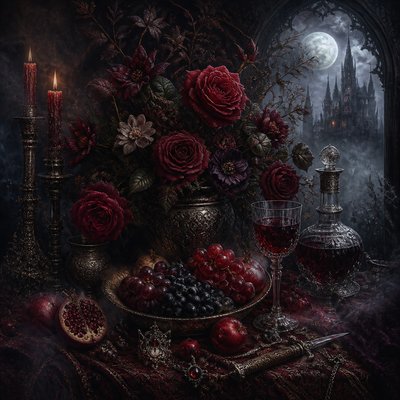
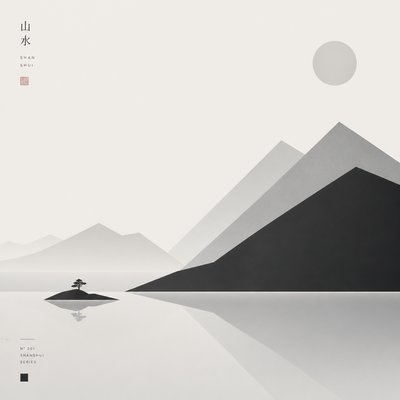
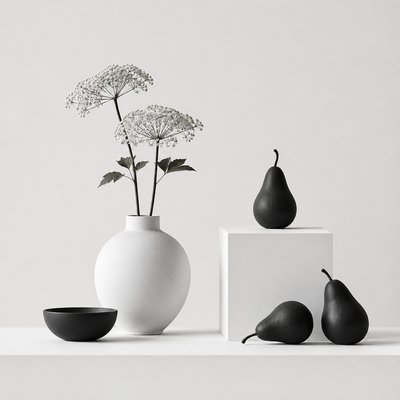
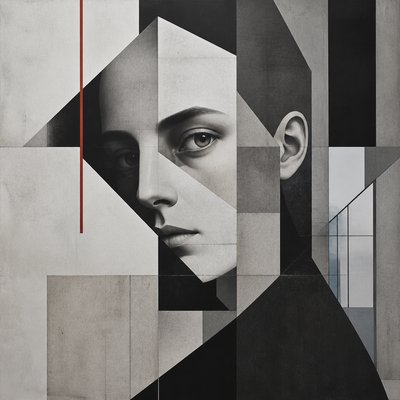
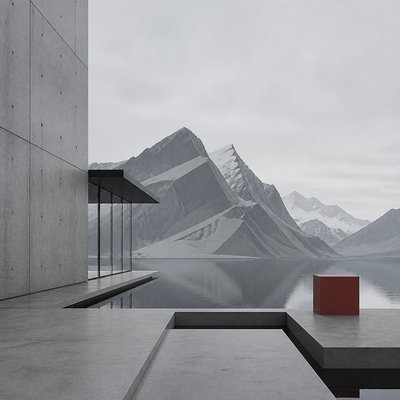
Dark romantic contemporary style with chiaroscuro, gothic detail, silver accents, and melancholic beauty.
Instantly rendered in Modern Gothic — or transform a photo
Modern Gothic Gallery
Tap any artwork to explore it
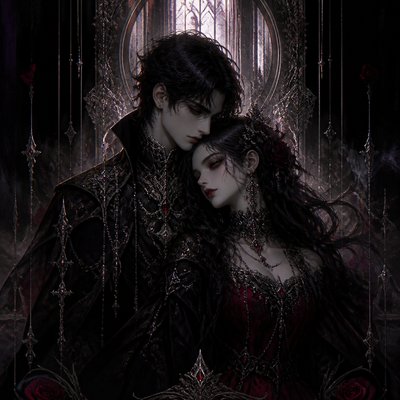
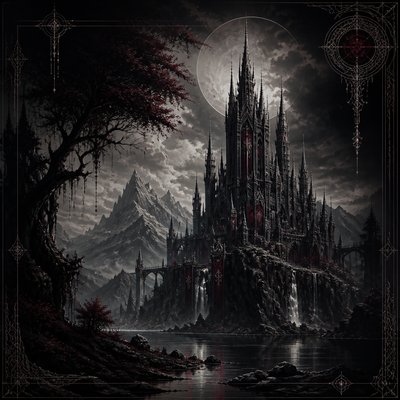
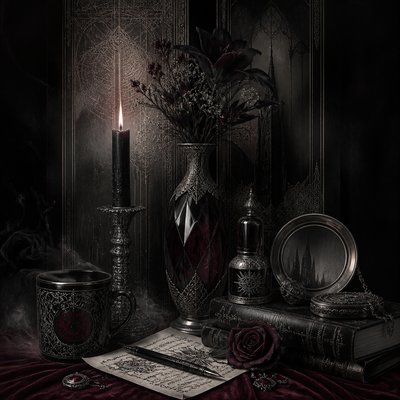
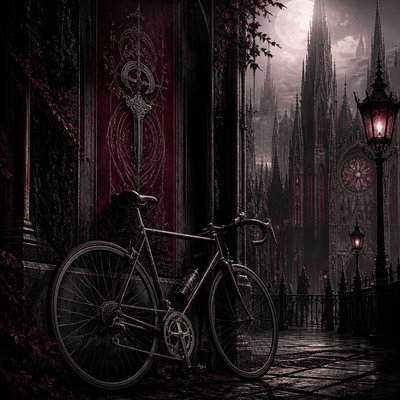
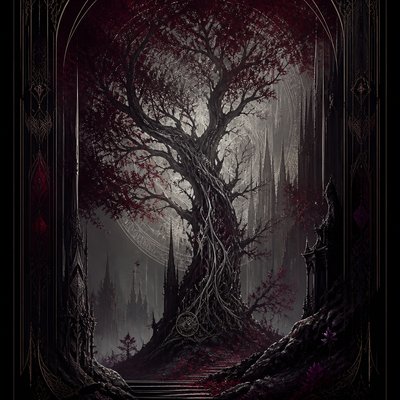
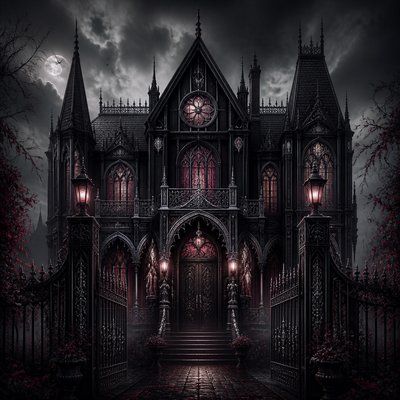
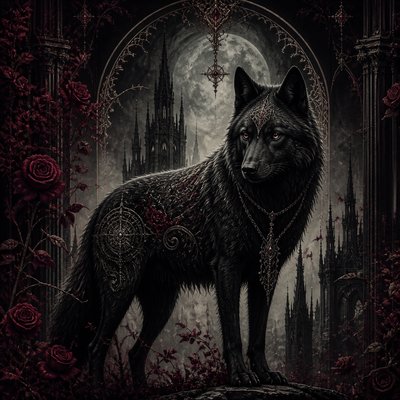
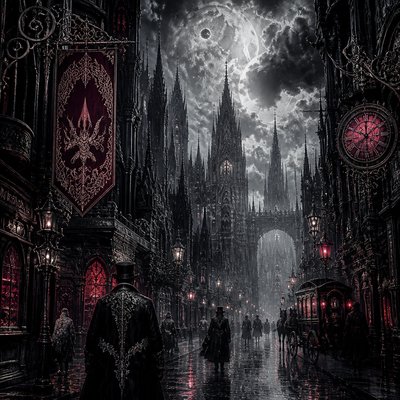
What is Modern Gothic Art?
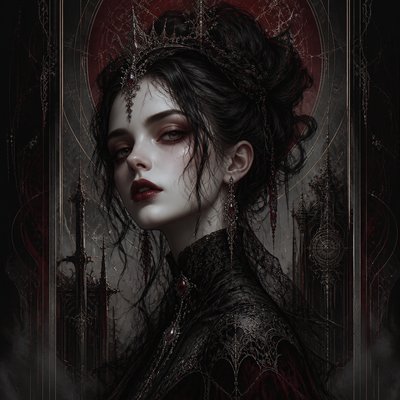
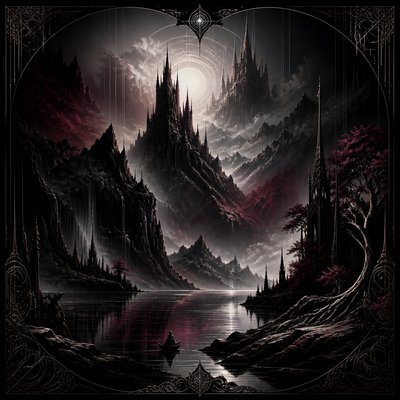
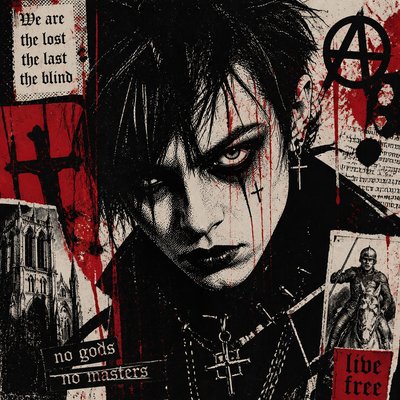
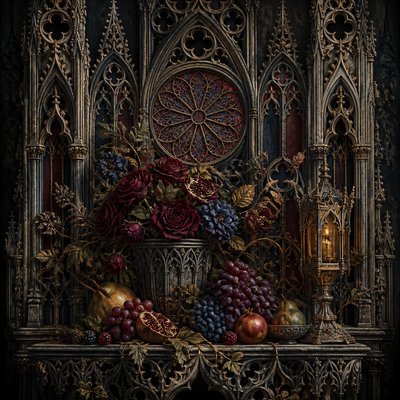
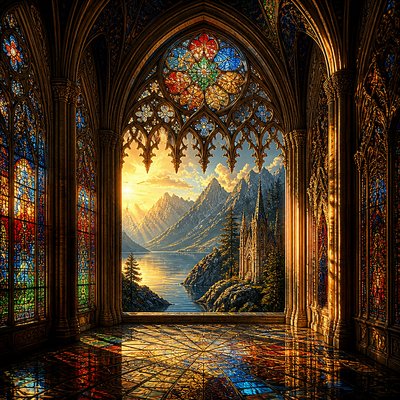
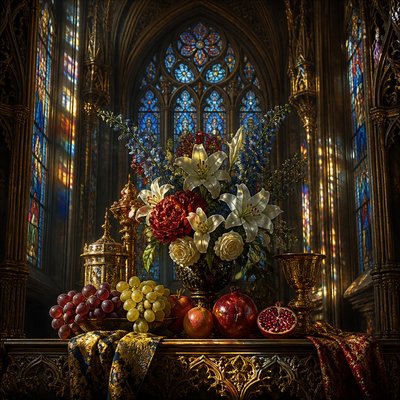
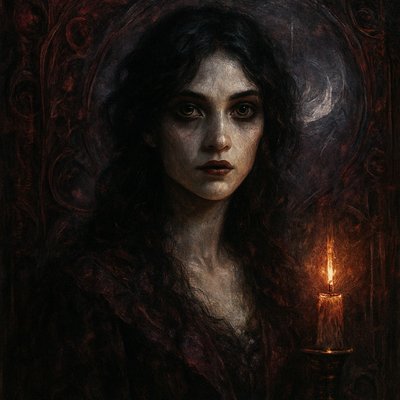
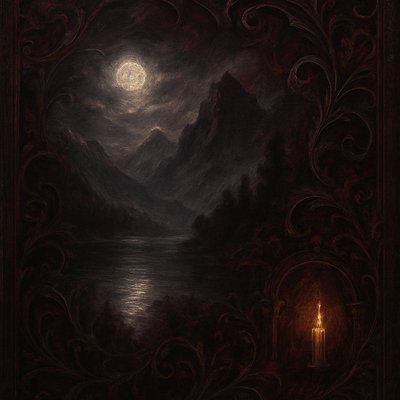
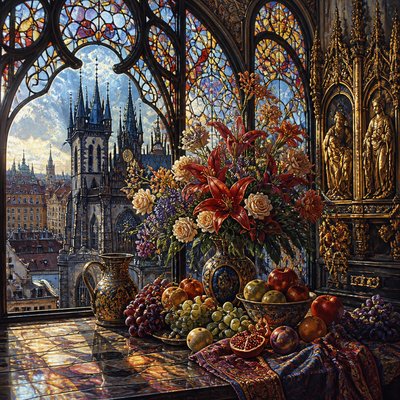
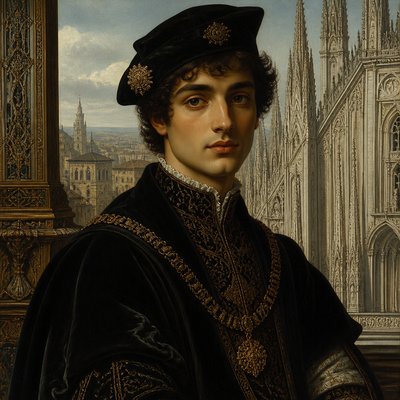
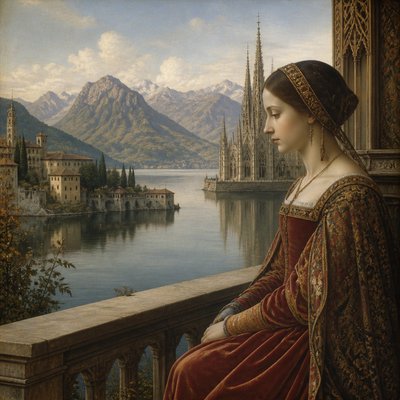
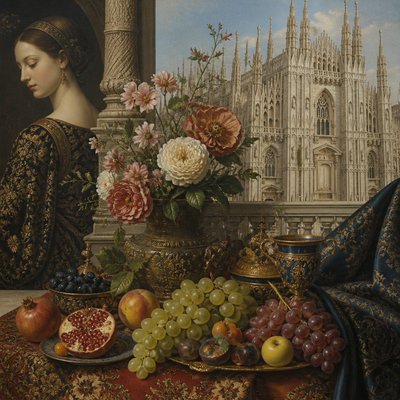
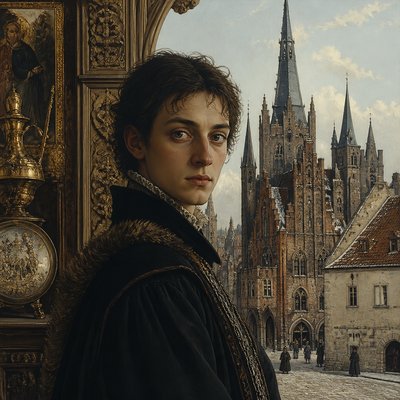
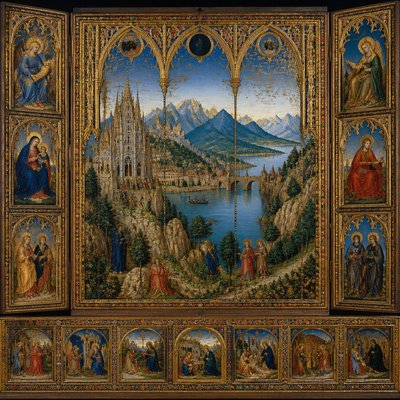
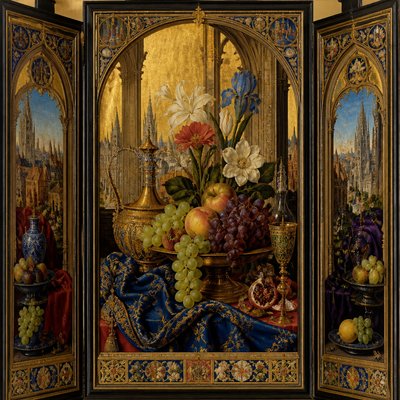
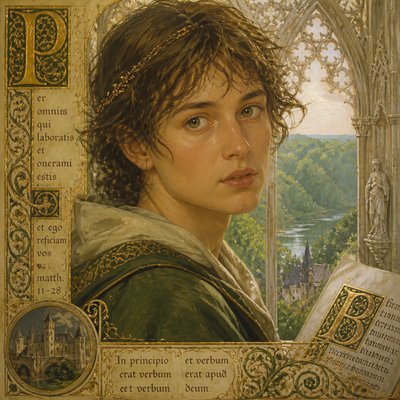
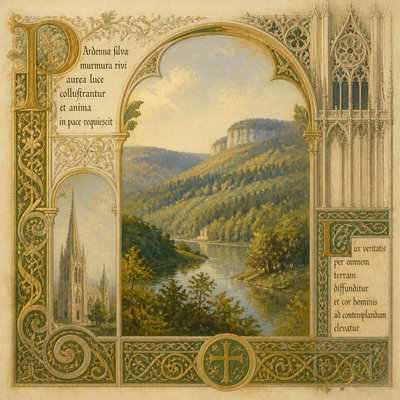
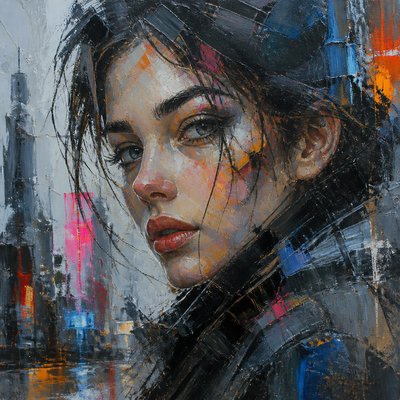
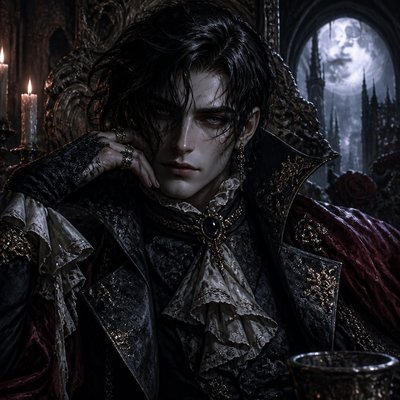
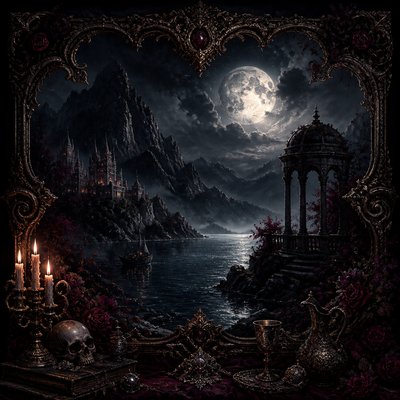
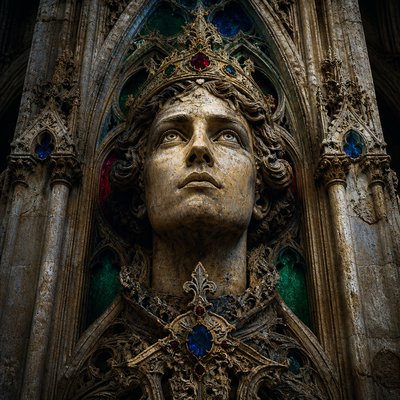
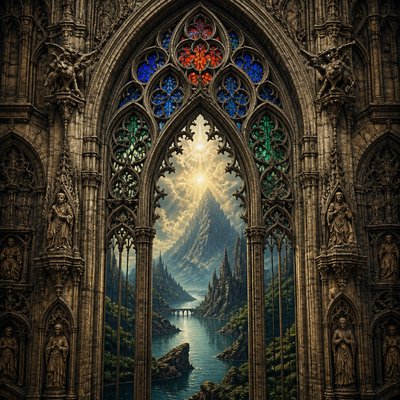
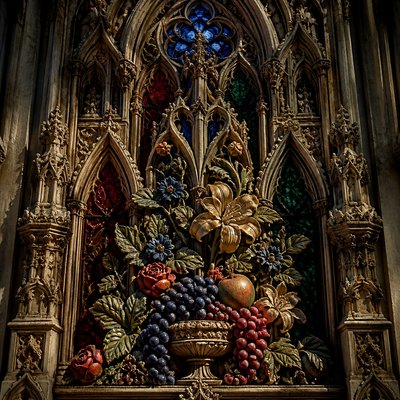
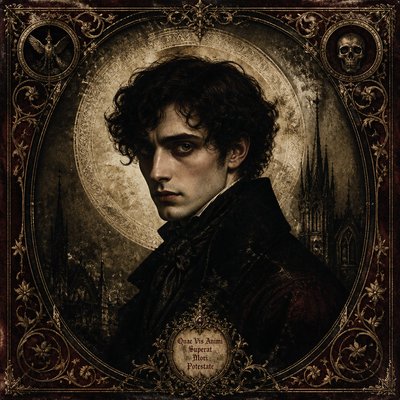
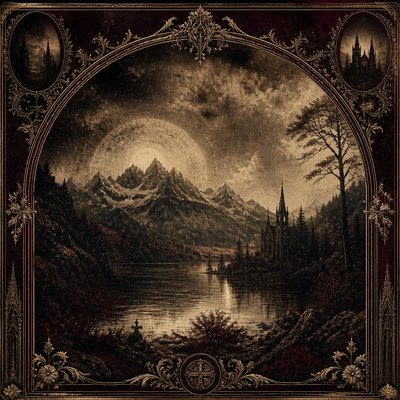
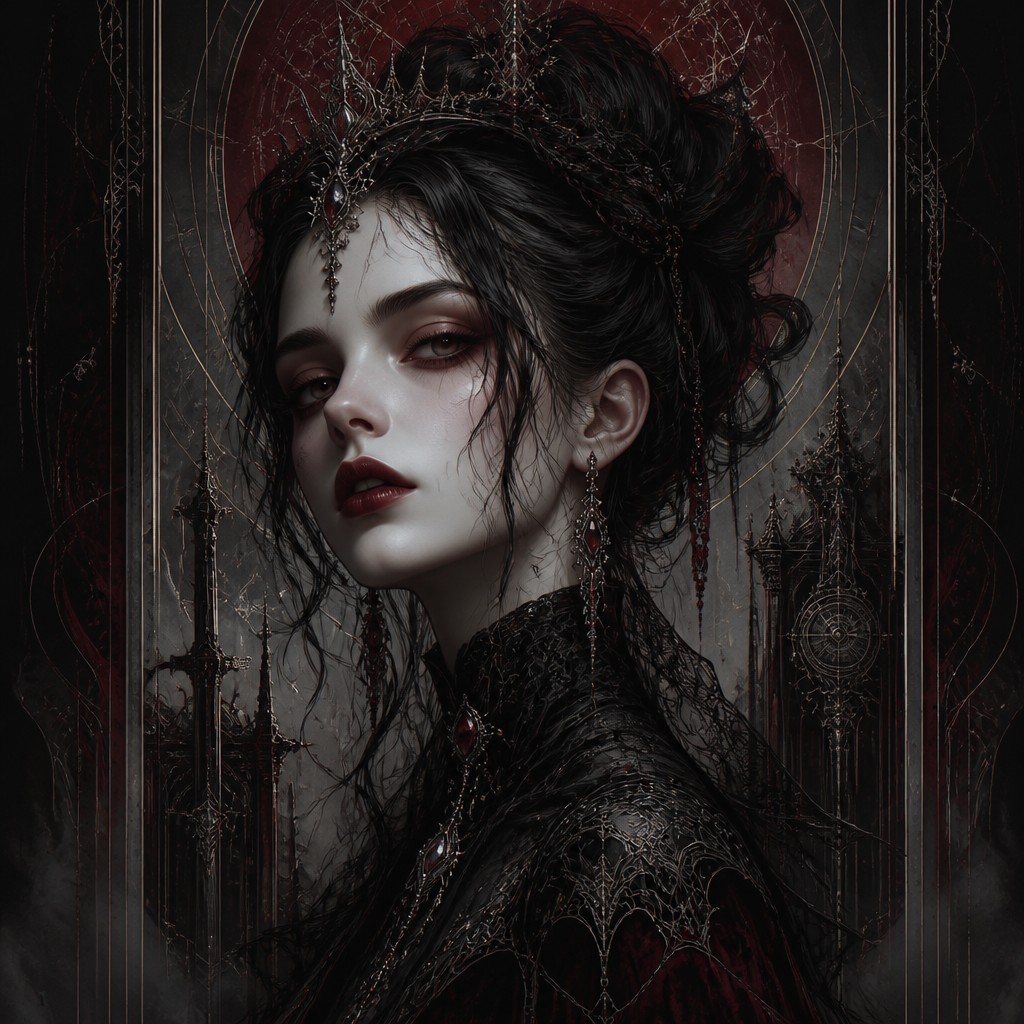
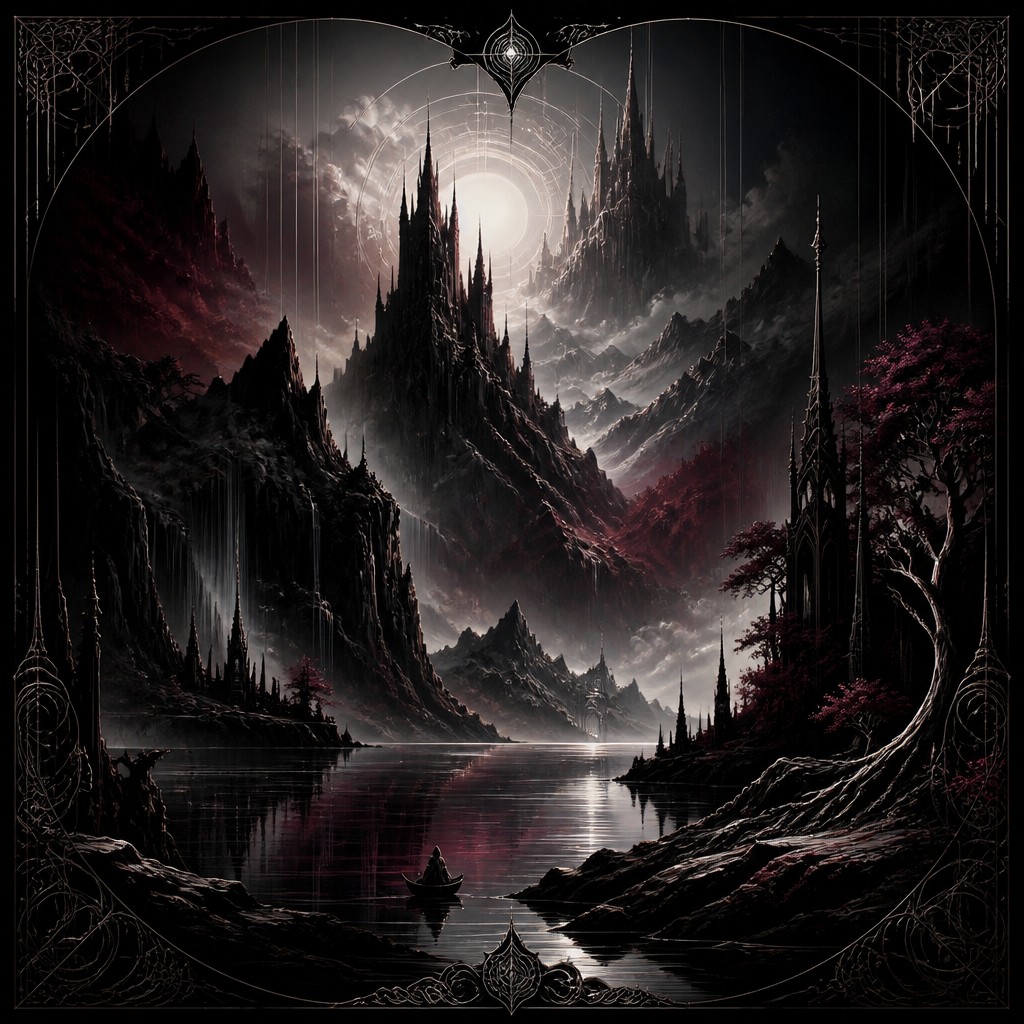
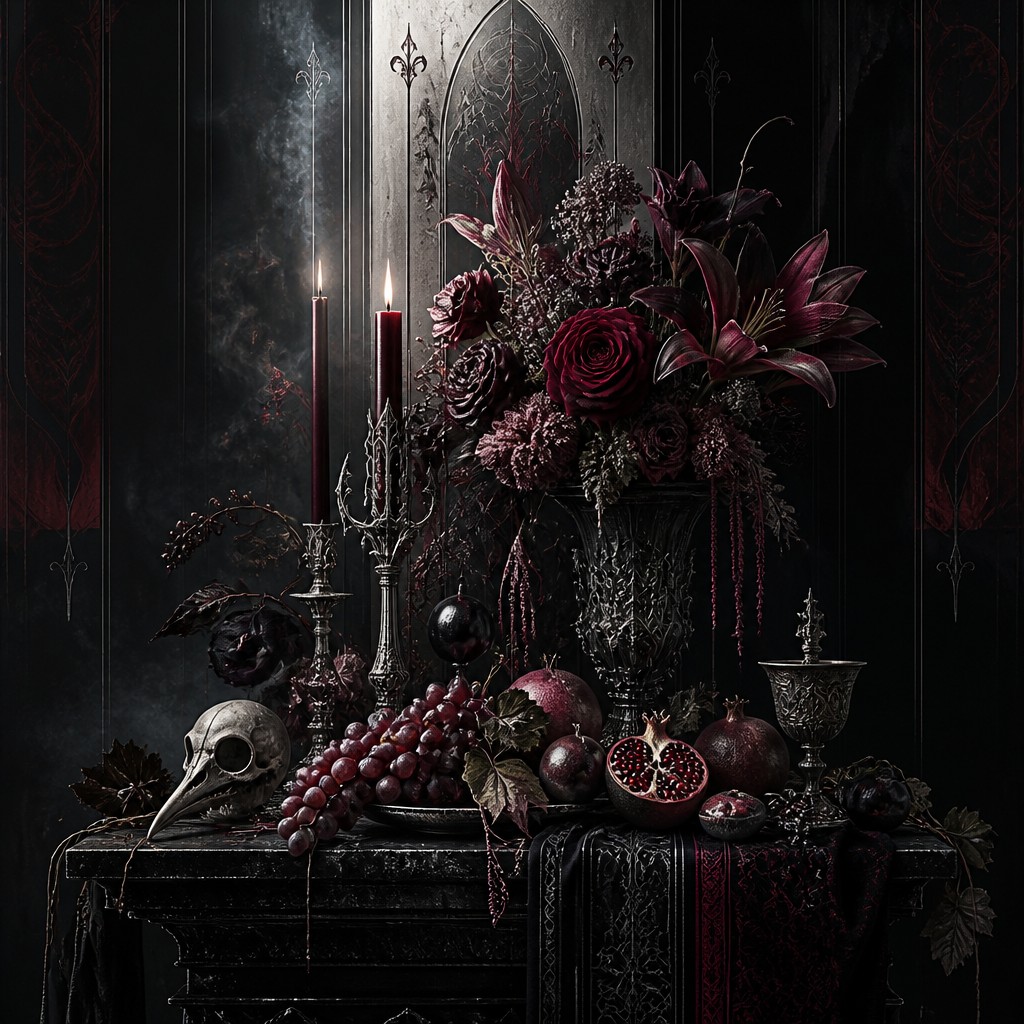
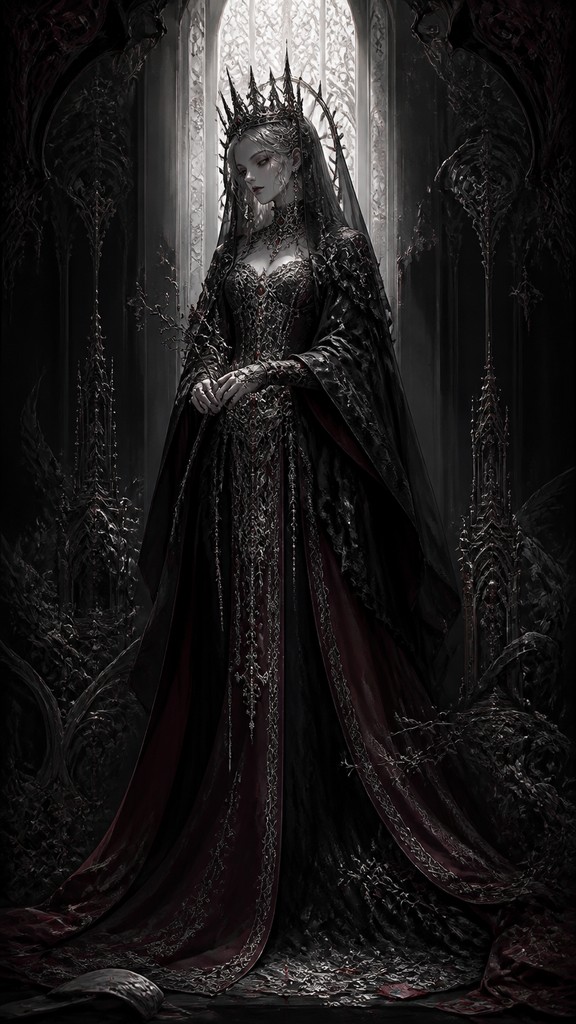
Modern Gothic Art is a contemporary visual style that reinterprets Gothic themes through current artistic methods while preserving the mood of darkness, mystery, and romantic intensity associated with the historic Gothic tradition. It combines dramatic light and shadow, ornate detail, vertical composition, and a sense of melancholy beauty with modern sensibilities such as cleaner design, sharper contrast, and hybrid media treatment.
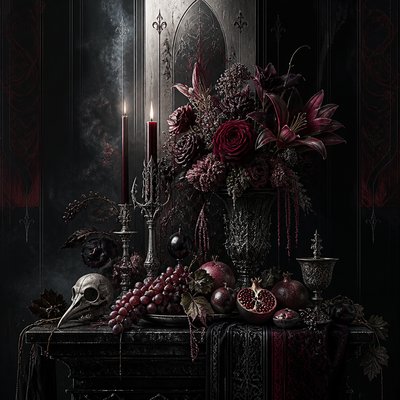
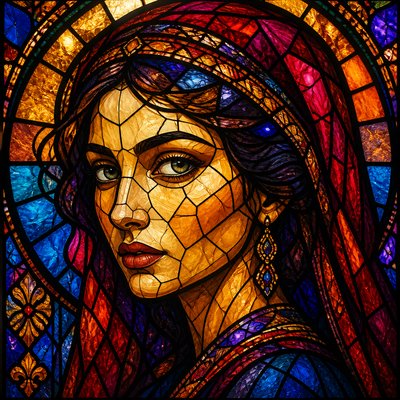
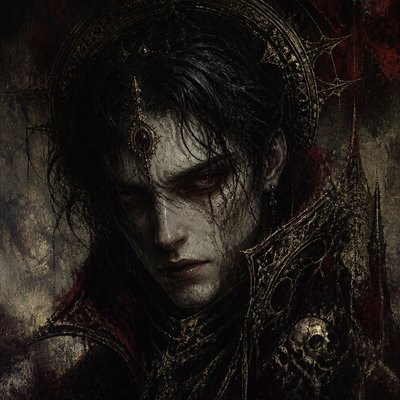
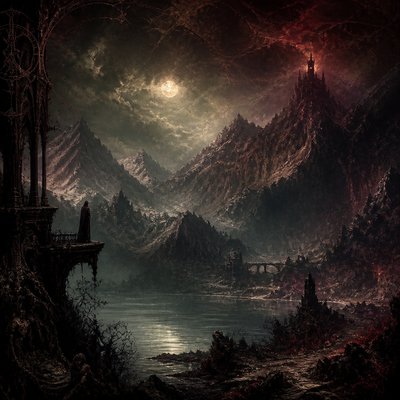
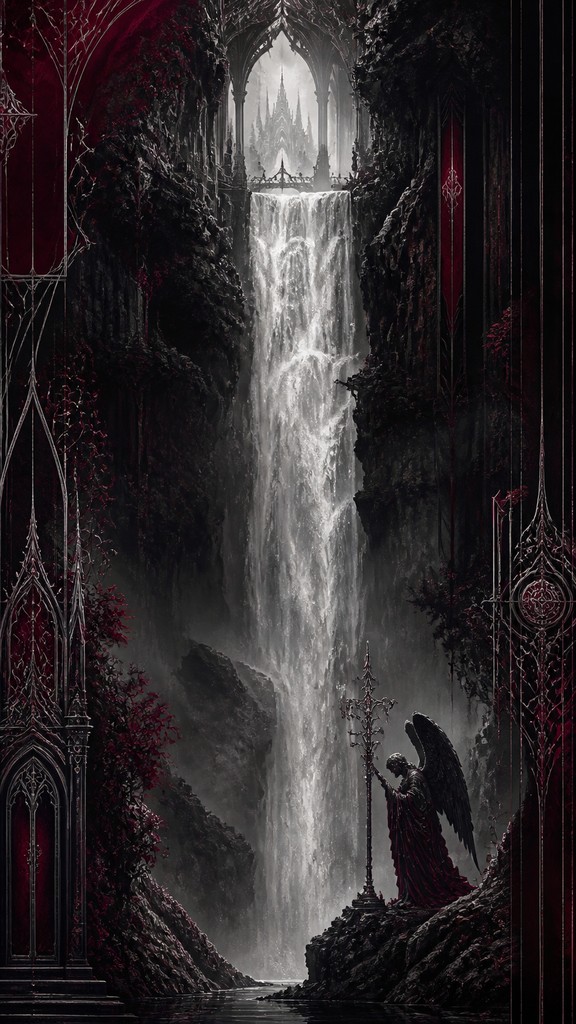
Its visual identity is shaped by stark chiaroscuro, pale luminous highlights, and a restrained palette dominated by black, burgundy, silver, and occasional crimson or violet accents. The style often feels simultaneously architectural and organic: pointed forms, tracery-like linework, and elongated silhouettes evoke cathedrals and stained glass, while flowing curves, mist, and delicate filigree soften the image into something atmospheric and romantic.
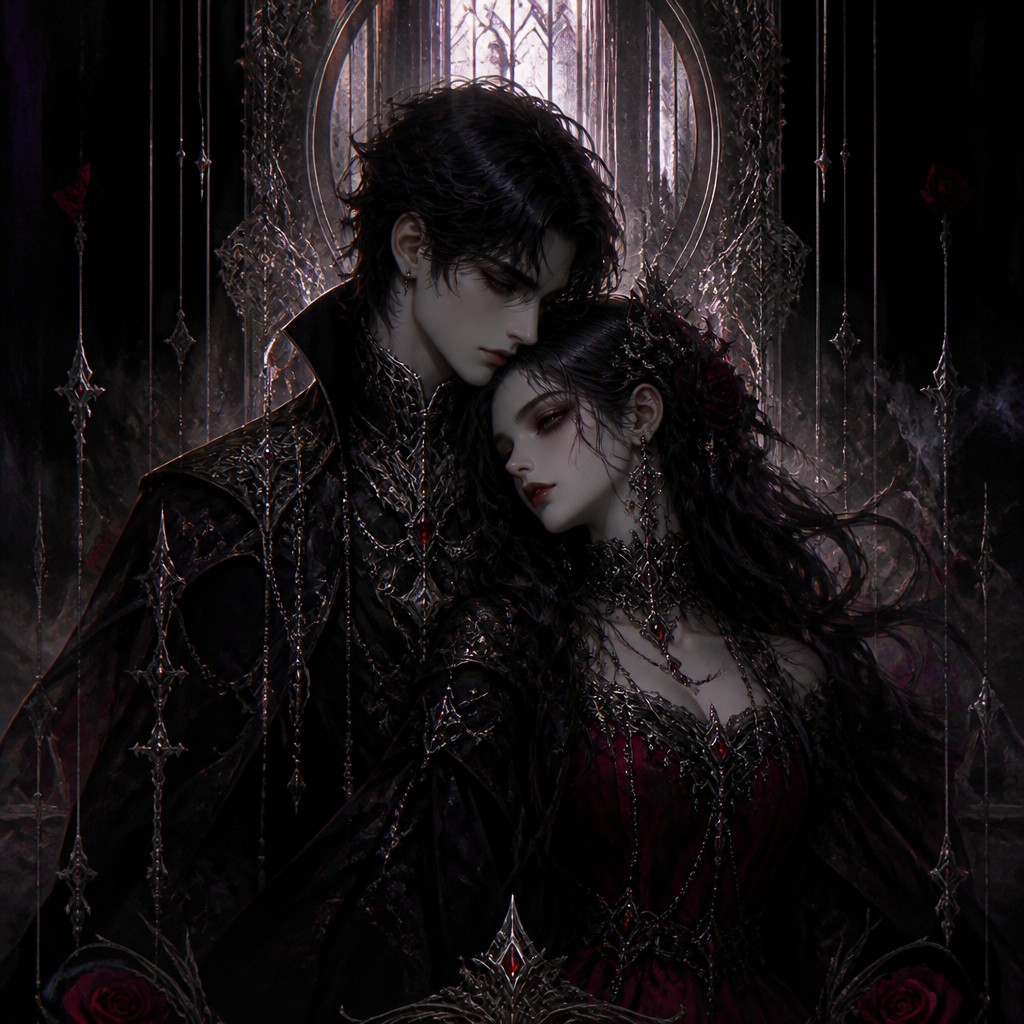
Try It On Your Photos
Upload any photo and convert it into Modern Gothic Art — drag the sliders to compare before and after.


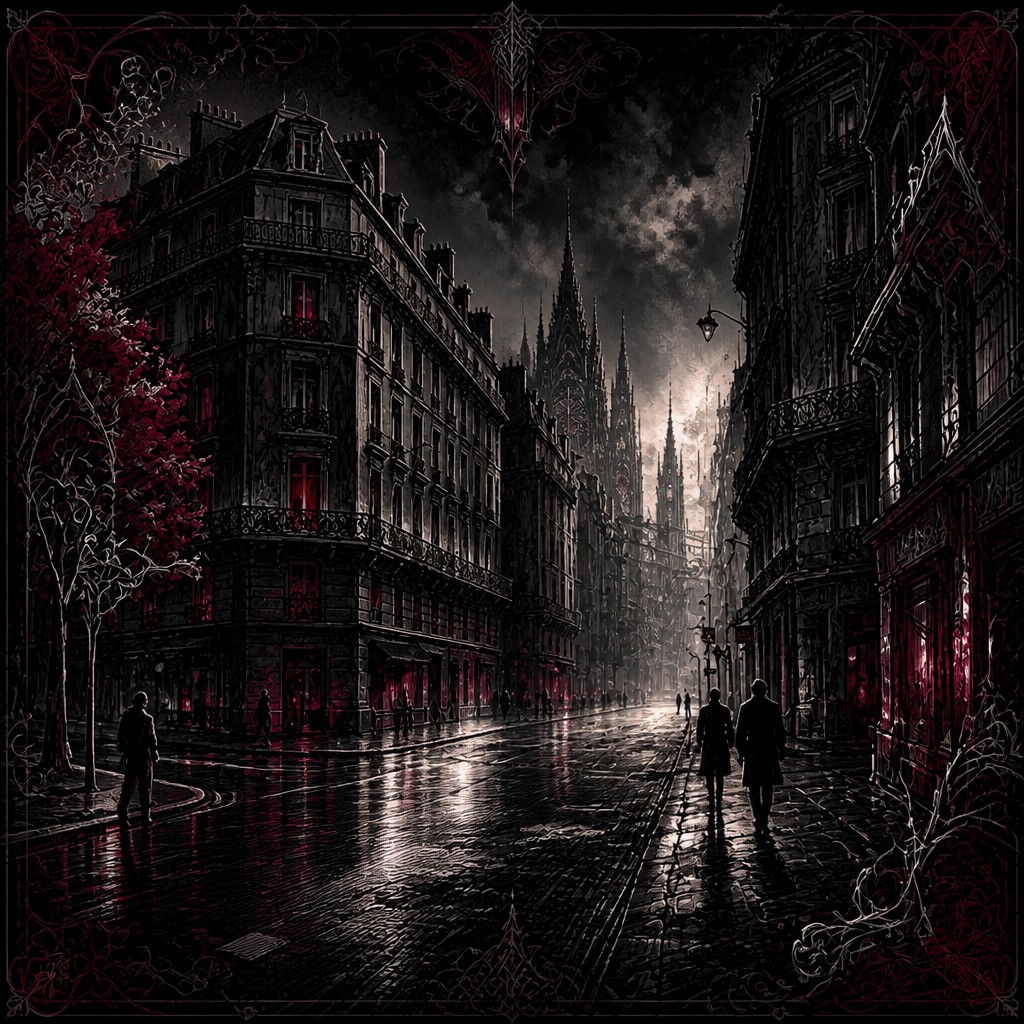

What Defines Modern Gothic Art
The signature details, up close
Dramatic chiaroscuro
Strong contrast between deep shadows and pale highlights creates theatrical depth and a sense of mystery. This lighting is one of the main devices that gives the style its solemn, intimate mood.
Dark romantic palette
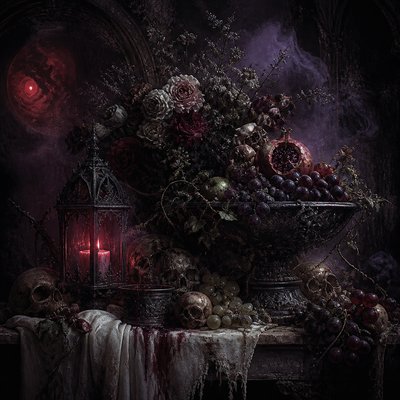
Black, burgundy, silver, charcoal, and muted violet or crimson dominate the color scheme. Color is used sparingly so that small luminous accents feel weighty and symbolic.
Ornamental linework
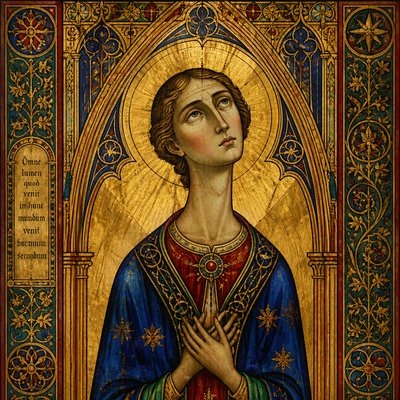
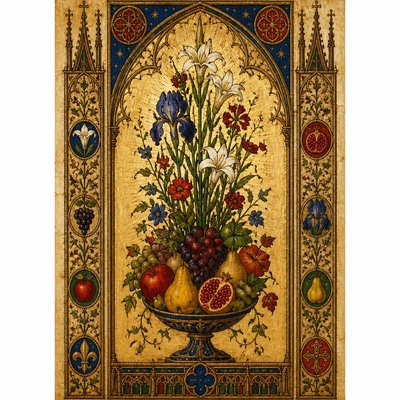
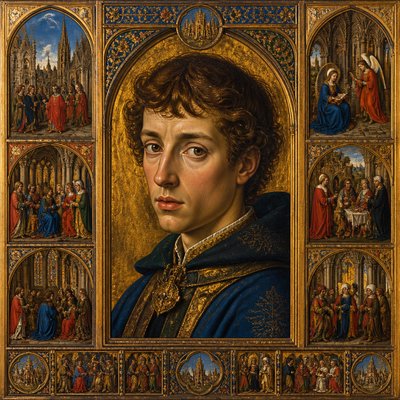
Fine, engraving-like lines, filigree, tracery, and lace-like detail appear in clothing, architecture, or framing elements. These details help connect the style to Gothic ornament and historical craft traditions.
Vertical, architectural composition
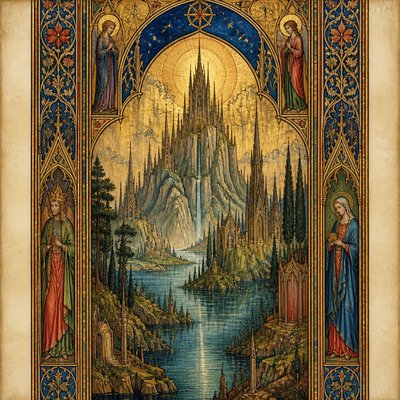
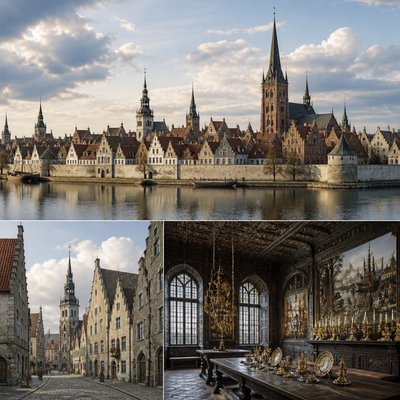
Tall silhouettes, spires, arches, windows, and column-like forms create an upward pull in the image. Even portrait subjects are often staged to echo cathedral architecture.
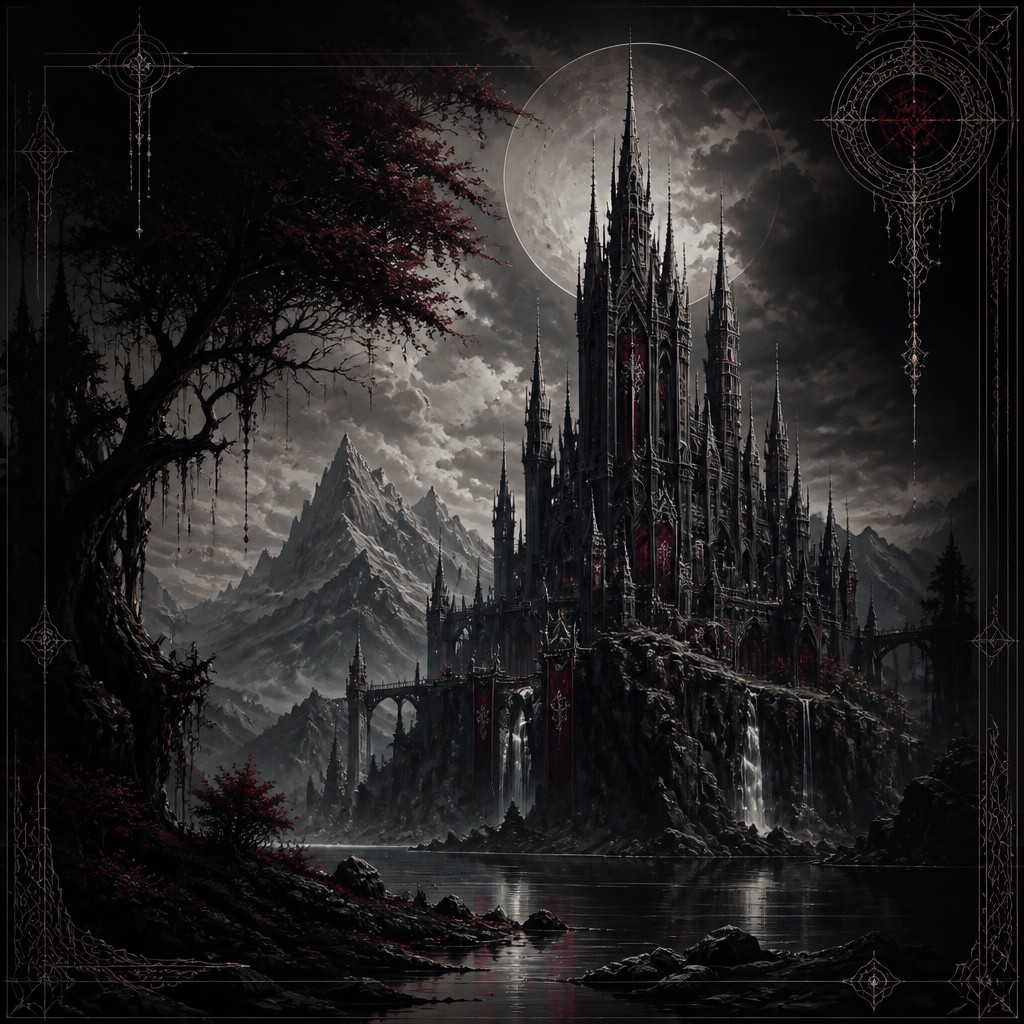
Fusion of sharp and organic forms
Angular geometry and pointed edges meet flowing curves, drapery, smoke, hair, and vines. This tension between severity and softness is central to the style’s visual character.
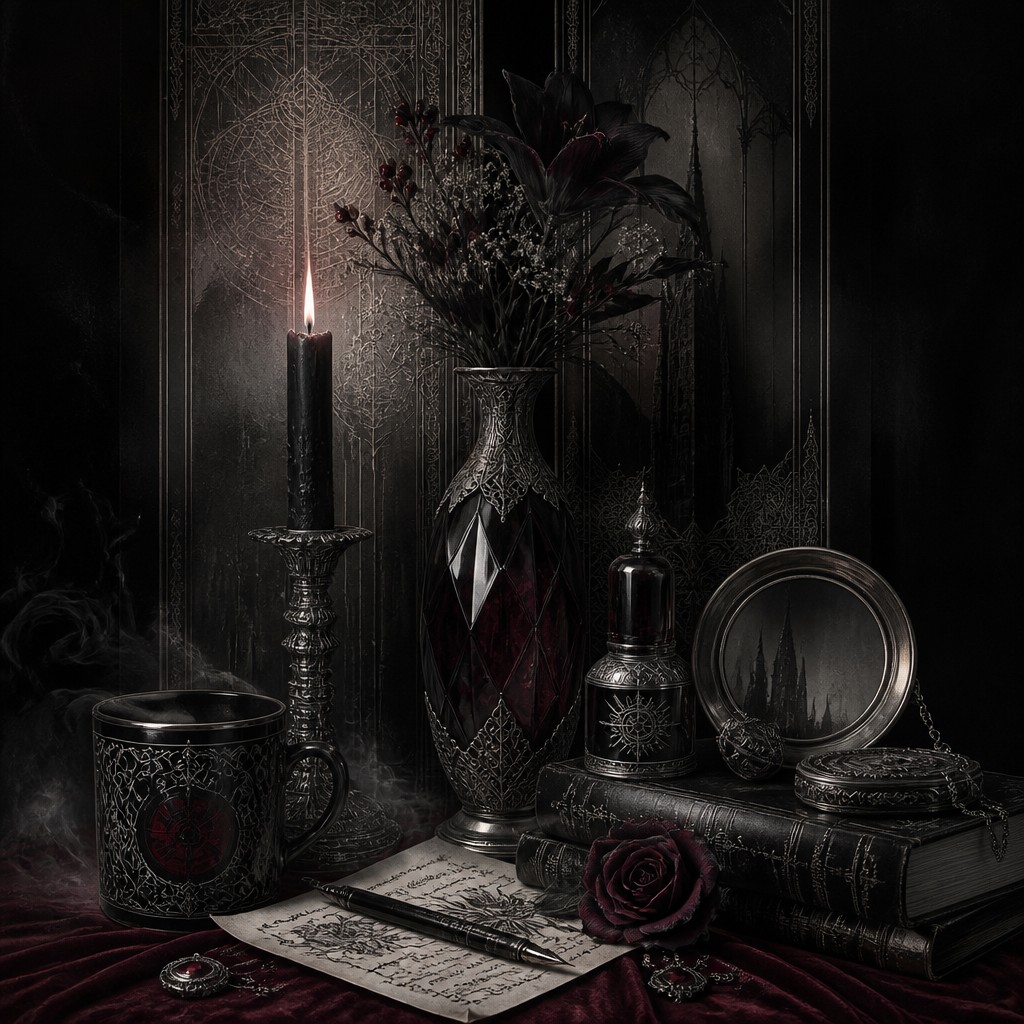
Atmospheric haze and melancholy mood
Mist, fog, smoke, and soft diffusion reduce clarity at the edges and contribute to a haunted atmosphere. The emotional tone is usually reflective rather than violent, emphasizing beauty, loss, or solemnity.
Try It
Create Videos in Modern Gothic Art
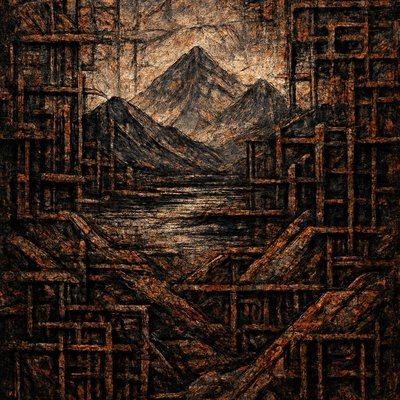
Styles aren't just for stills — describe a scene or animate an image and get a short video rendered in Modern Gothic. Press play to see this pond come to life.
Make a VideoModern Gothic Prompt Ideas
Start from an idea — each one opens the generator with the style ready to go. See all 40 Modern Gothic prompts →
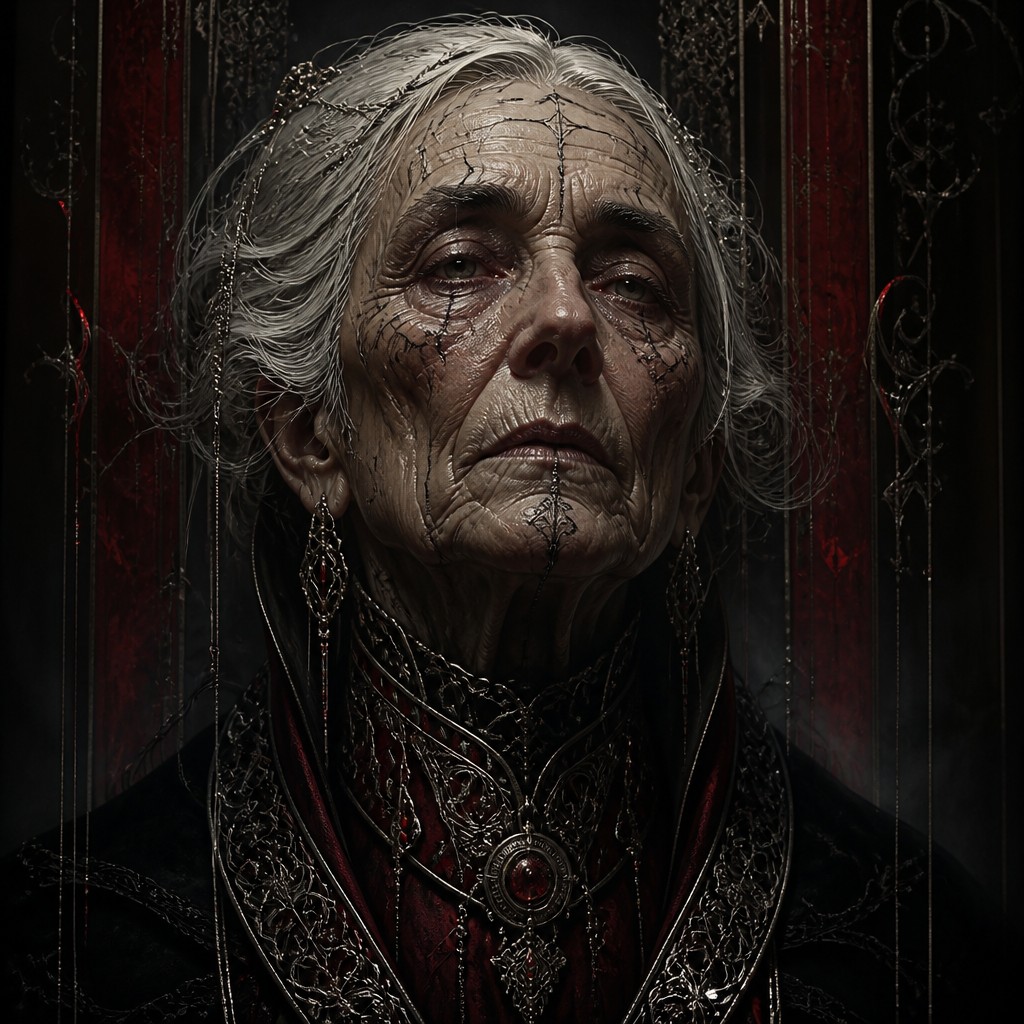
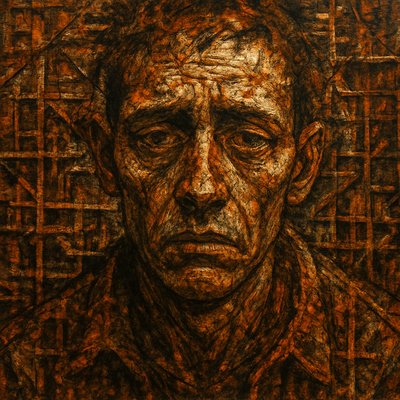
“close-up portrait of an elderly person with expressive weathered features”
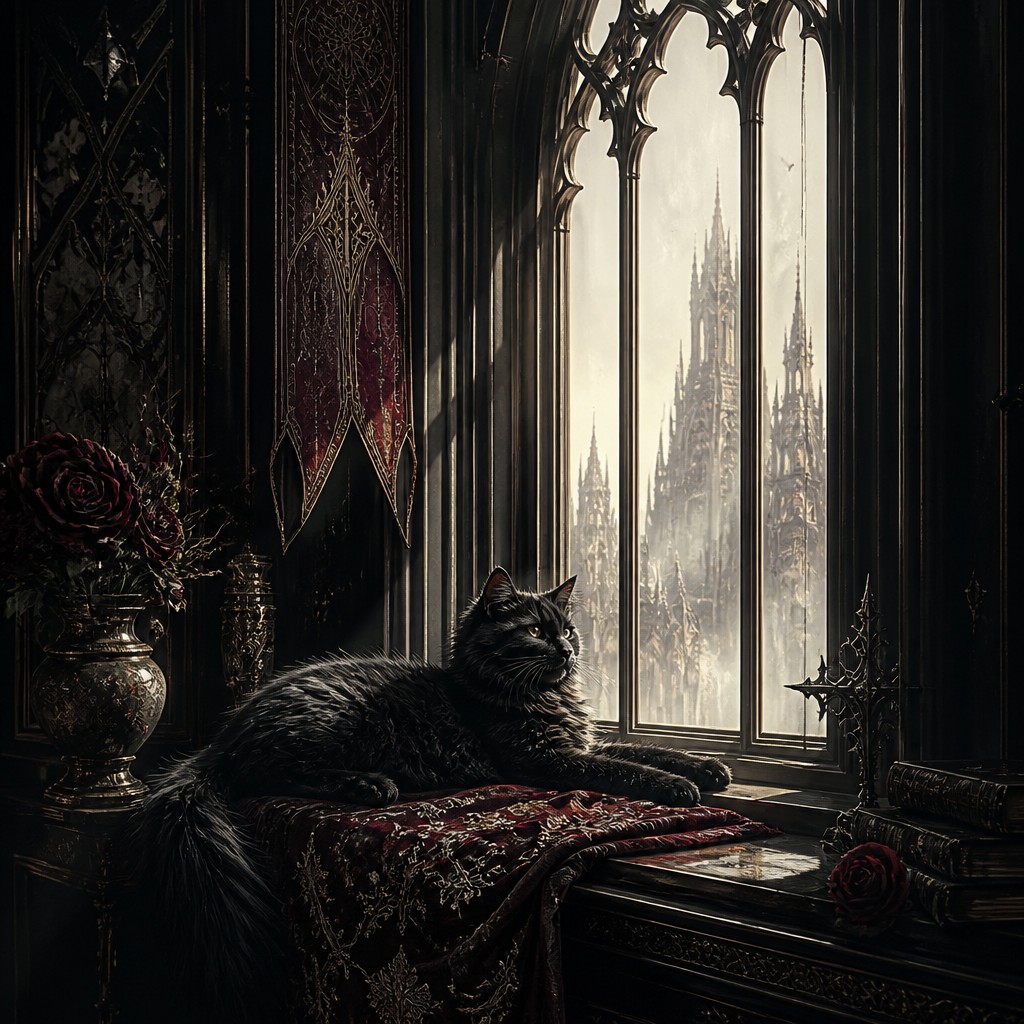
“a cat lounging in a sunlit window”
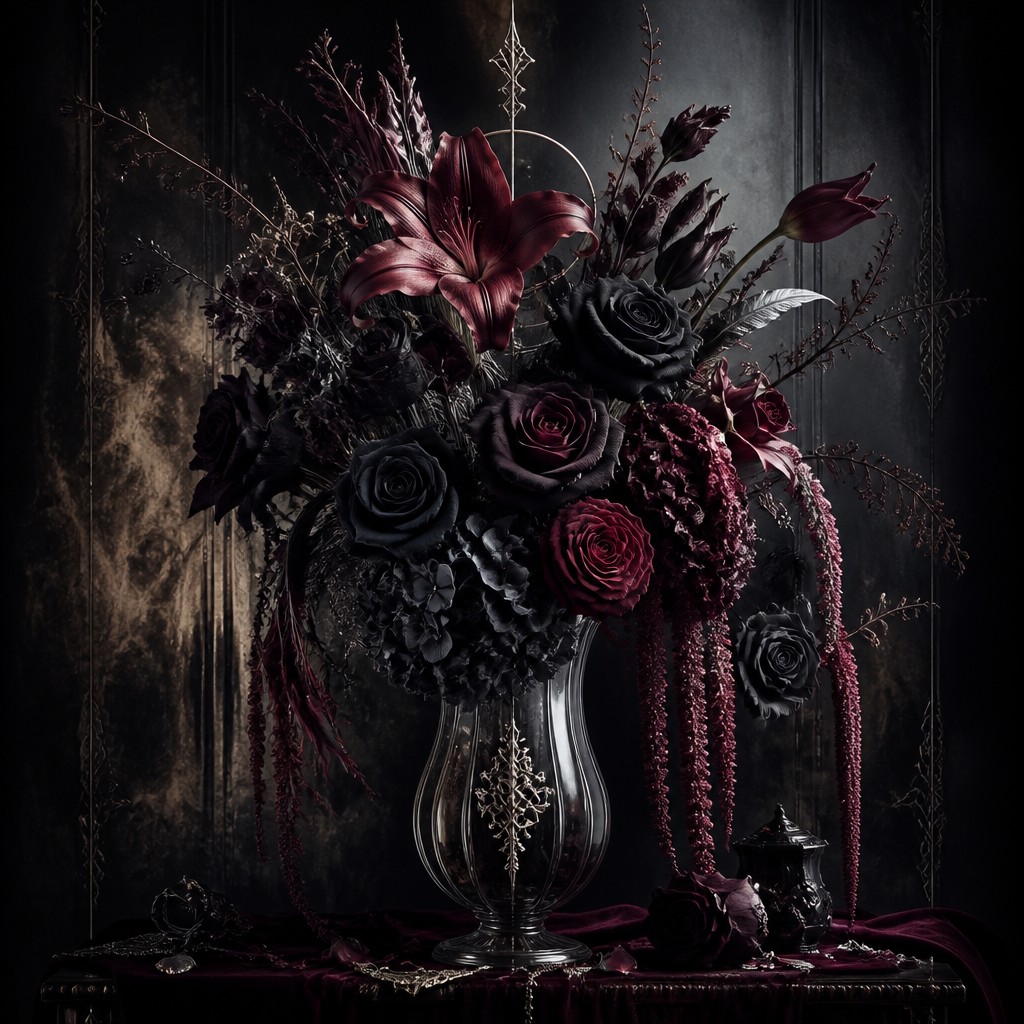
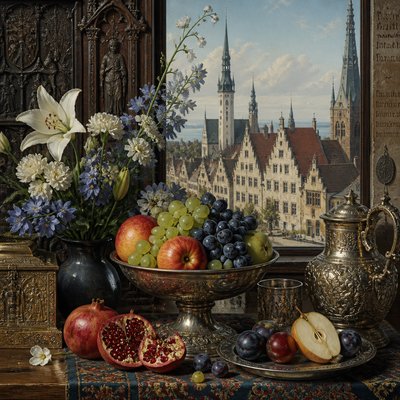
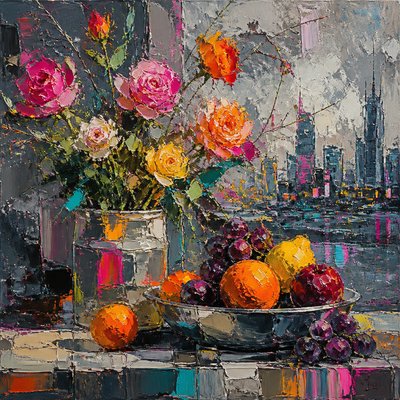
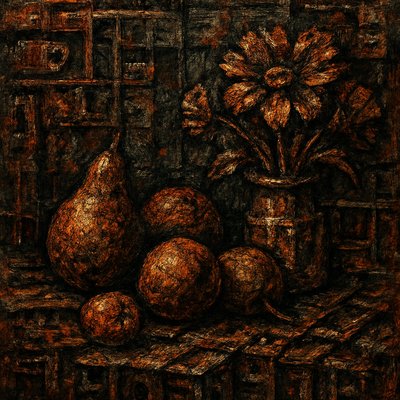
“bouquet of flowers in a glass vase”
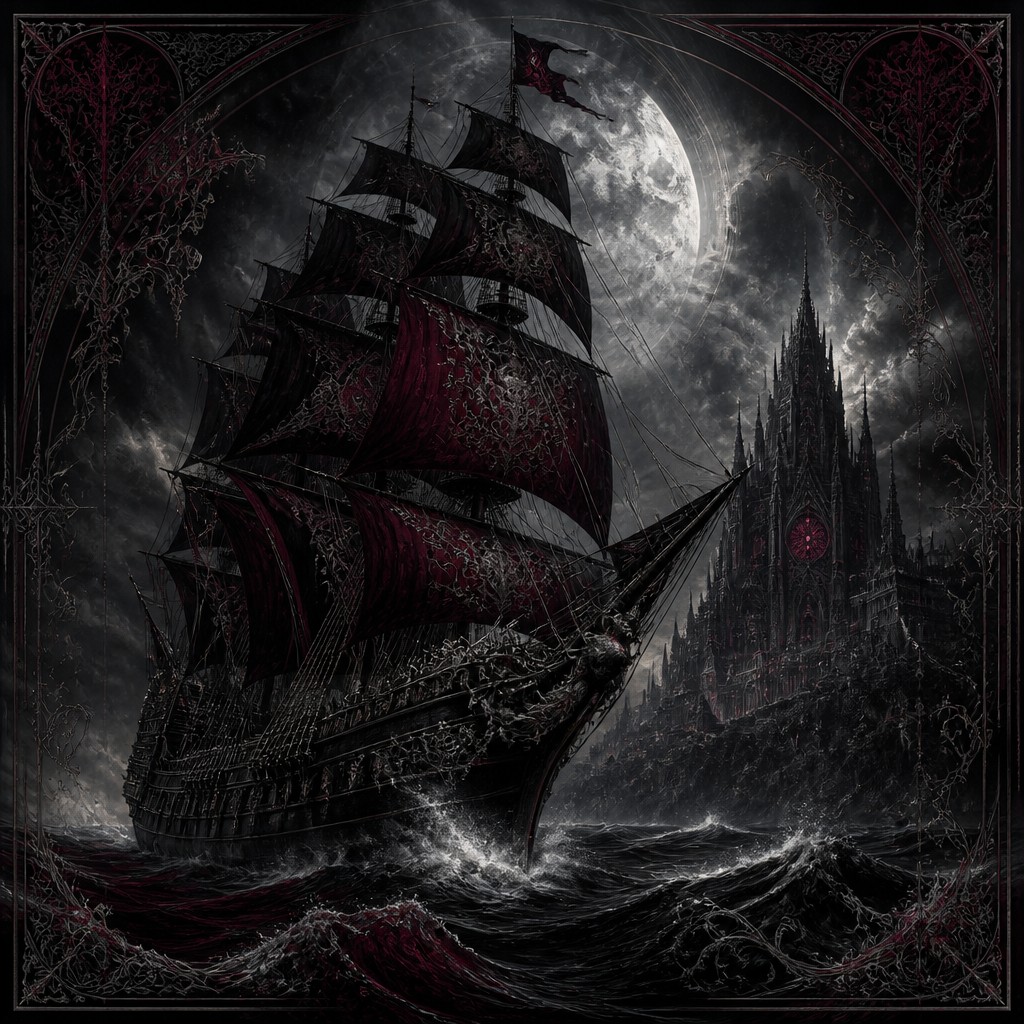
“sailing ship on a stormy sea”
How to Create Modern Gothic Art
Master the craft step by step — or skip straight to creating. Read the full guide →
- 1
Build the image around light and shadow
Start with a strong chiaroscuro structure: place one main light source and let the rest of the scene fall into controlled darkness. In painting or drawing, preserve deep blacks and reserve highlights for faces, metal, glass, or fabric edges.
- 2
Use Gothic motifs selectively
Choose a few clear references such as arches, stained glass, wrought iron, lace, candles, ravens, or cathedral interiors instead of overcrowding the image. The style works best when ornament feels intentional and symbolic rather than decorative for its own sake.
- 3
Limit the palette
Restrict most of the composition to near-black neutrals, then introduce burgundy, silver, and one or two accent hues for emphasis. In digital work, subtle gradients and metallic accents can help suggest richness without breaking the dark tonal structure.
- 4
Combine sharp structure with soft atmosphere
Use crisp edges for architecture, jewelry, or decorative linework, then soften backgrounds with haze, blur, or layered glazes. This contrast helps the subject feel both sculptural and dreamlike.
- 5
Reference historical detail without copying a period piece
Study Gothic architecture, Victorian mourning dress, manuscript ornament, and Romantic painting, then reinterpret them in a contemporary composition. The goal is a modern image that feels historically resonant, not a costume reconstruction.
- 6
For prompt-based generation, specify mood, lighting, and material cues
Describe the subject first, then add terms for dramatic chiaroscuro, dark romantic palette, filigree detail, vertical composition, and misty atmosphere. If using image-to-image or digital tools, guide the result with a clear source image and reinforce the desired mood through precise lighting and texture language.
The Story
History & Origins of Modern Gothic
Modern Gothic Art is best understood as an aesthetic lineage rather than a single historical movement. It draws from the Gothic art and architecture of medieval Europe, the Gothic Revival of the 18th and 19th centuries, Romanticism’s fascination with ruins, mortality, and the sublime, and later visual cultures such as dark fantasy illustration, fashion photography, album art, and contemporary concept art. In the present era, it has been adapted across illustration, design, photography, and digital painting, where artists combine historical ornament with modern composition and rendering techniques.
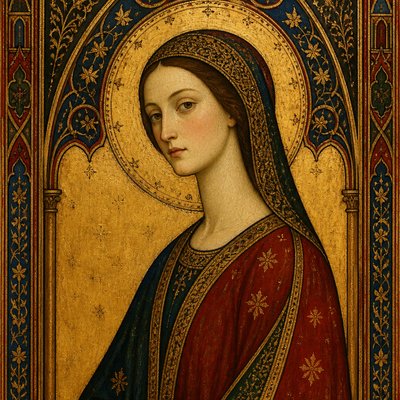
Unlike historical Gothic art, which refers to a broad medieval style in architecture, sculpture, manuscript illumination, and stained glass, Modern Gothic Art is defined by recombination. It uses Gothic motifs—arches, spires, tracery, candlelit interiors, ecclesiastical symbolism, mourning dress, and solemn figures—but filters them through contemporary aesthetics such as minimal color systems, cinematic lighting, and high-detail digital finish. The result is less a revival of one period than a curated visual language of dark romanticism.
Influences: Modern Gothic Art draws from medieval Gothic architecture and decorative arts, the Gothic Revival, Romanticism, and darker strands of 19th-century literature and visual culture. In painting and illustration, it often overlaps with the chiaroscuro traditions of major Baroque masters and Dutch Golden Age painters, while its ornate detail and atmospheric melancholy echo the work of leading Romantic landscape artists and, in a later symbolic register, influential 19th-century engravers. Contemporary fashion photography, dark fantasy illustration, and alternative design culture also strongly shape its modern form.
Frequently Asked Questions
What defines Modern Gothic Art?
It is defined by dark romantic mood, dramatic contrast, and Gothic-inspired ornament rendered with contemporary visual techniques. Look for black-and-burgundy palettes, pale highlights, filigree detail, vertical composition, and an atmosphere of solemn beauty.
How is it different from historical Gothic art?
Historical Gothic art refers to a medieval European style found in architecture, sculpture, stained glass, and manuscript illumination. Modern Gothic Art is a contemporary aesthetic that borrows those motifs and emotional qualities, but uses modern composition, materials, and digital or mixed-media rendering.
How is it different from gothic fashion or dark academia?
Gothic fashion is primarily about clothing and subcultural dress, while Modern Gothic Art is a broader image style that can include portraits, interiors, architecture, and fantasy scenes. Dark academia tends to emphasize scholarly, bookish, and sepia-toned atmospheres, whereas Modern Gothic Art is usually darker, more ornate, and more theatrical.
What subjects work best in this style?
Portraits, cathedral interiors, candles, ravens, ruins, candles, gothic architecture, mourning dress, and fantasy figures all suit it well. Any subject that can support strong shadow, vertical structure, and a melancholic mood will translate effectively.
How can I make my artwork feel more gothic without making it too busy?
Use a limited palette and choose a few strong Gothic cues rather than filling every surface with ornament. One or two highly detailed focal areas, supported by darkness and negative space, often feels more elegant than constant decoration.
Can this style be used for modern subjects?
Yes. Contemporary portraits, street scenes, album covers, fashion editorials, and even technology or city imagery can be reinterpreted through its lighting and palette. The style is especially effective when modern subjects are framed with solemn composition and symbolic detail.

Create your first Modern Gothic artwork
Describe anything — or upload a photo — and see it in Modern Gothic Art in seconds.
Make Something with Modern Gothic
Related Styles
Discover similar art styles