Medieval Gothic Art
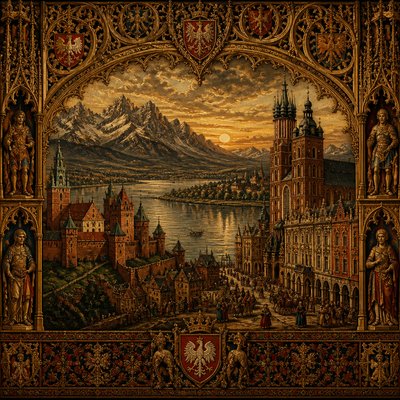
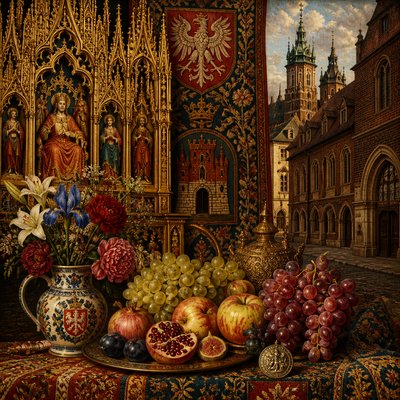
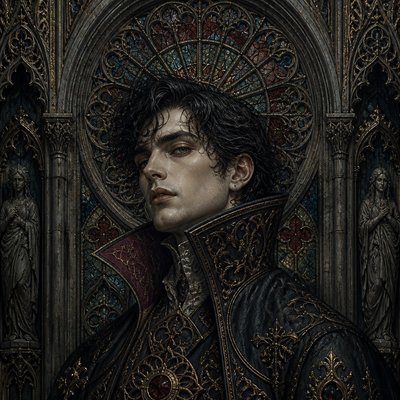
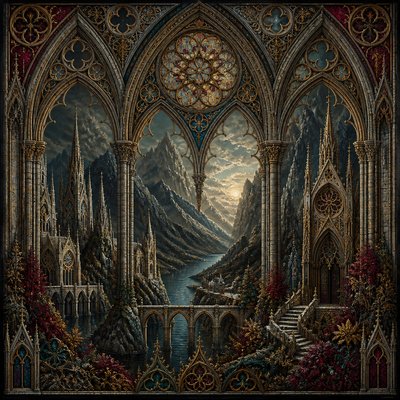
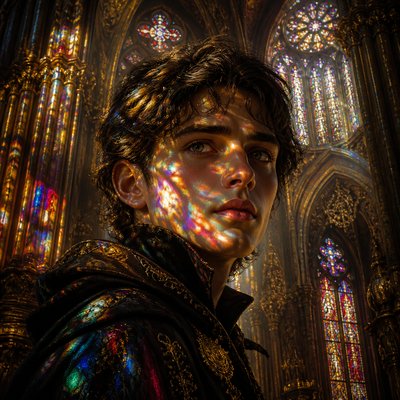
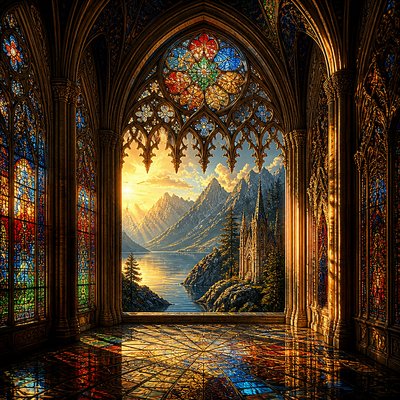
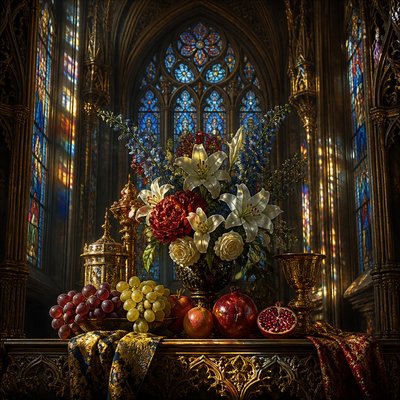
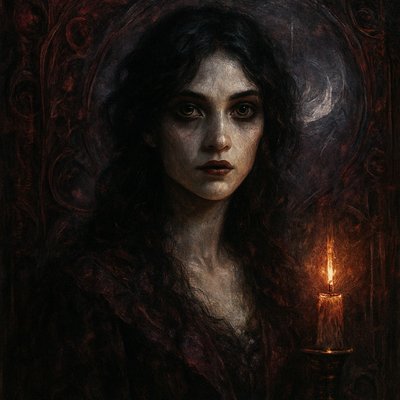
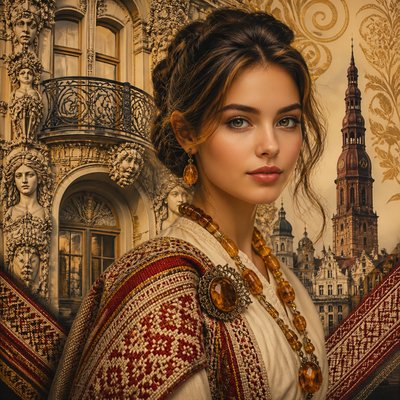
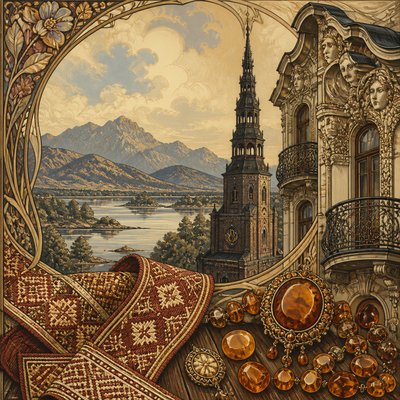
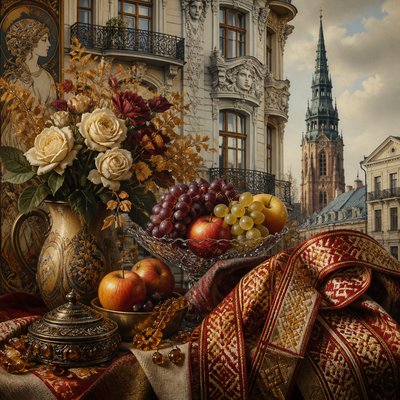
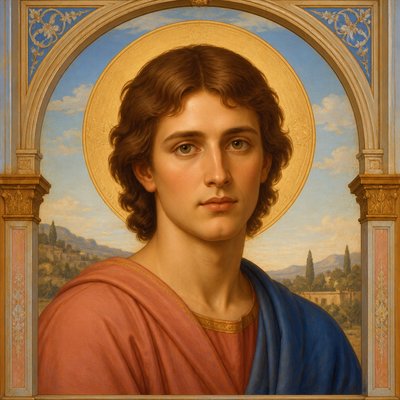
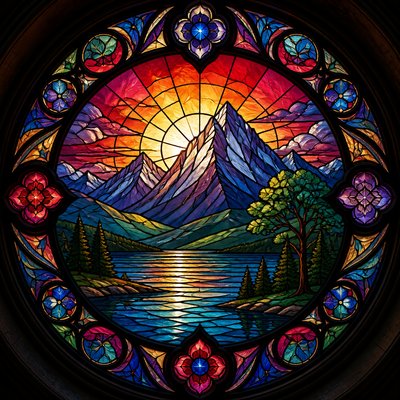
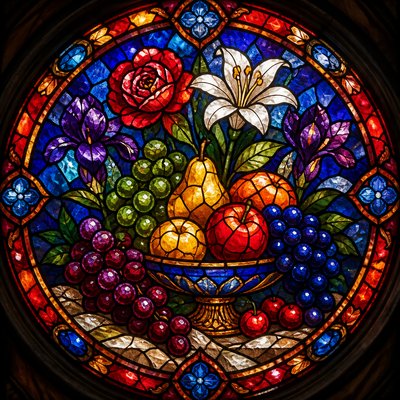
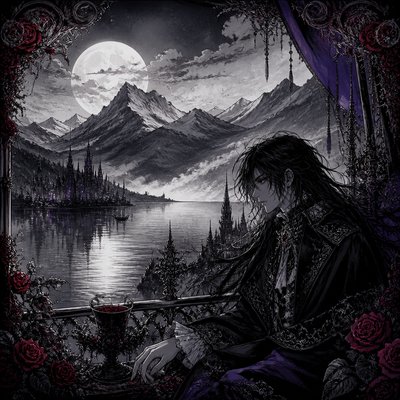
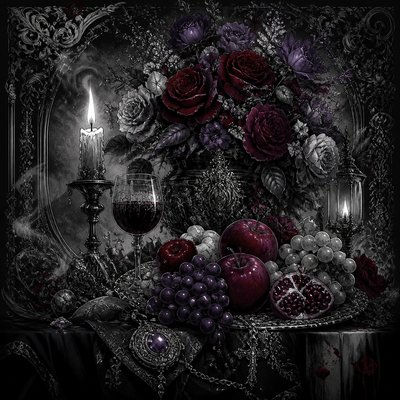
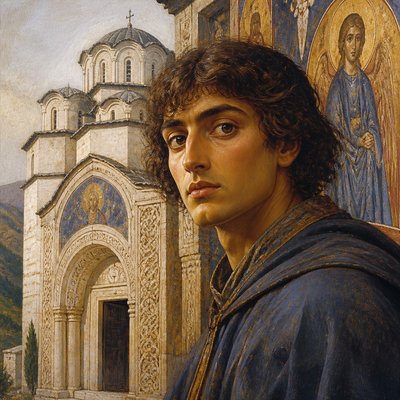
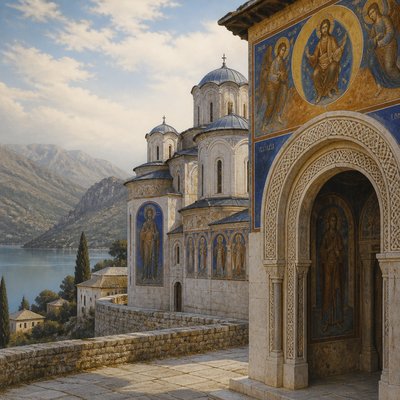
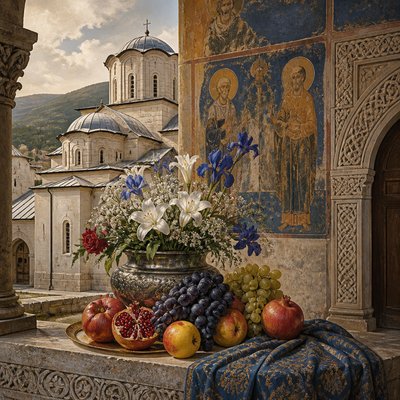
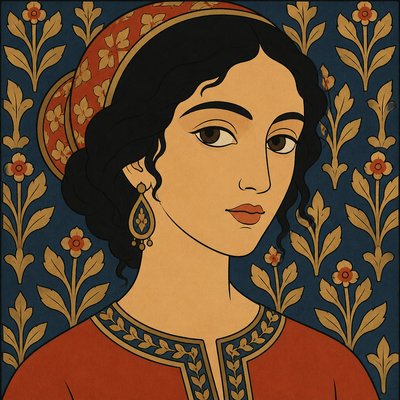
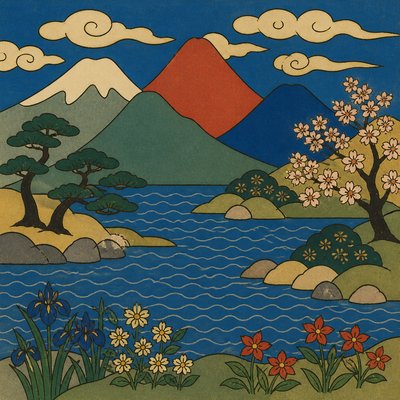
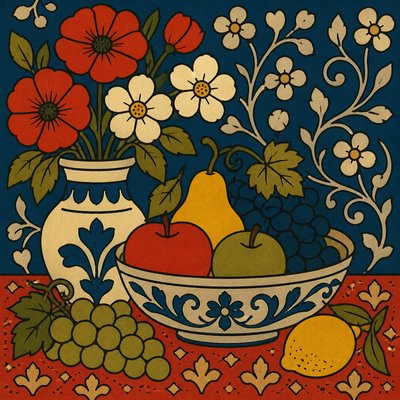
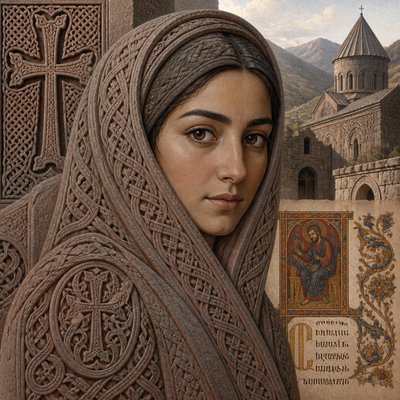
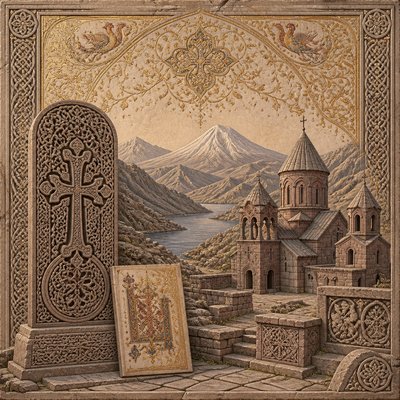
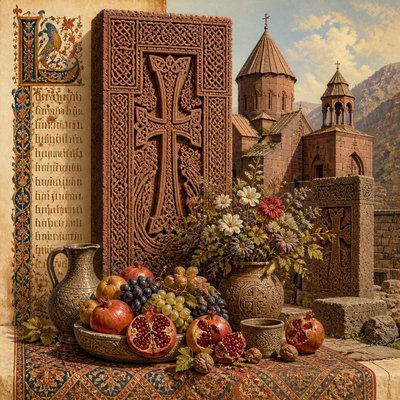
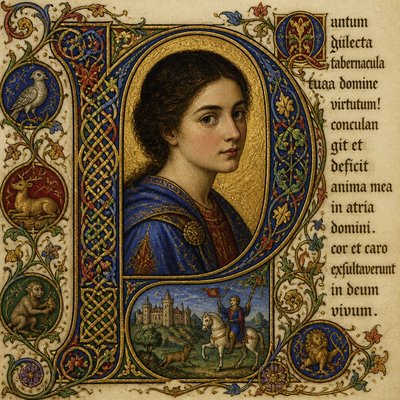
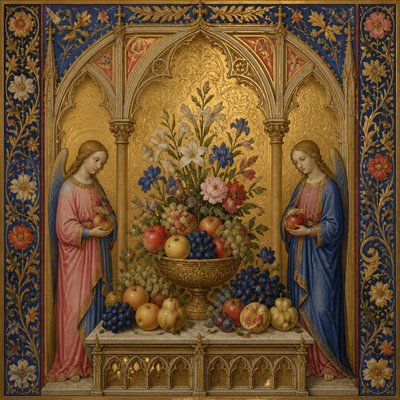
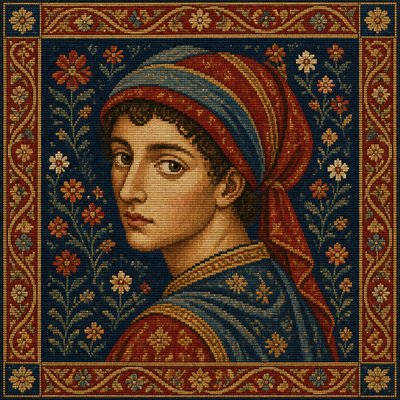
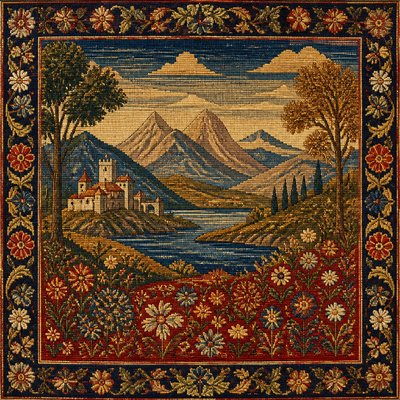
Medieval Gothic art: 12th–15th century European religious imagery with elongated figures, gold leaf, and ornate cathedral manuscript detail.
Instantly rendered in Medieval Gothic — or transform a photo
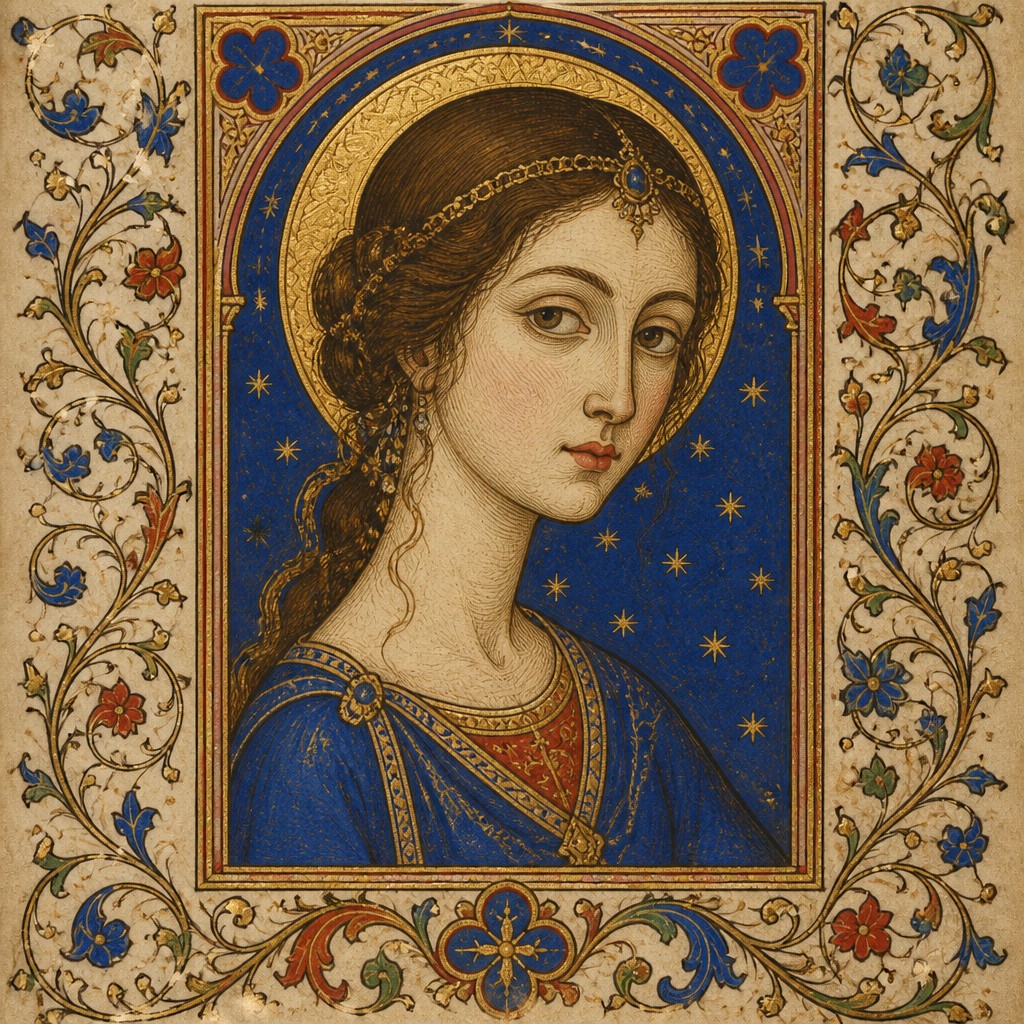
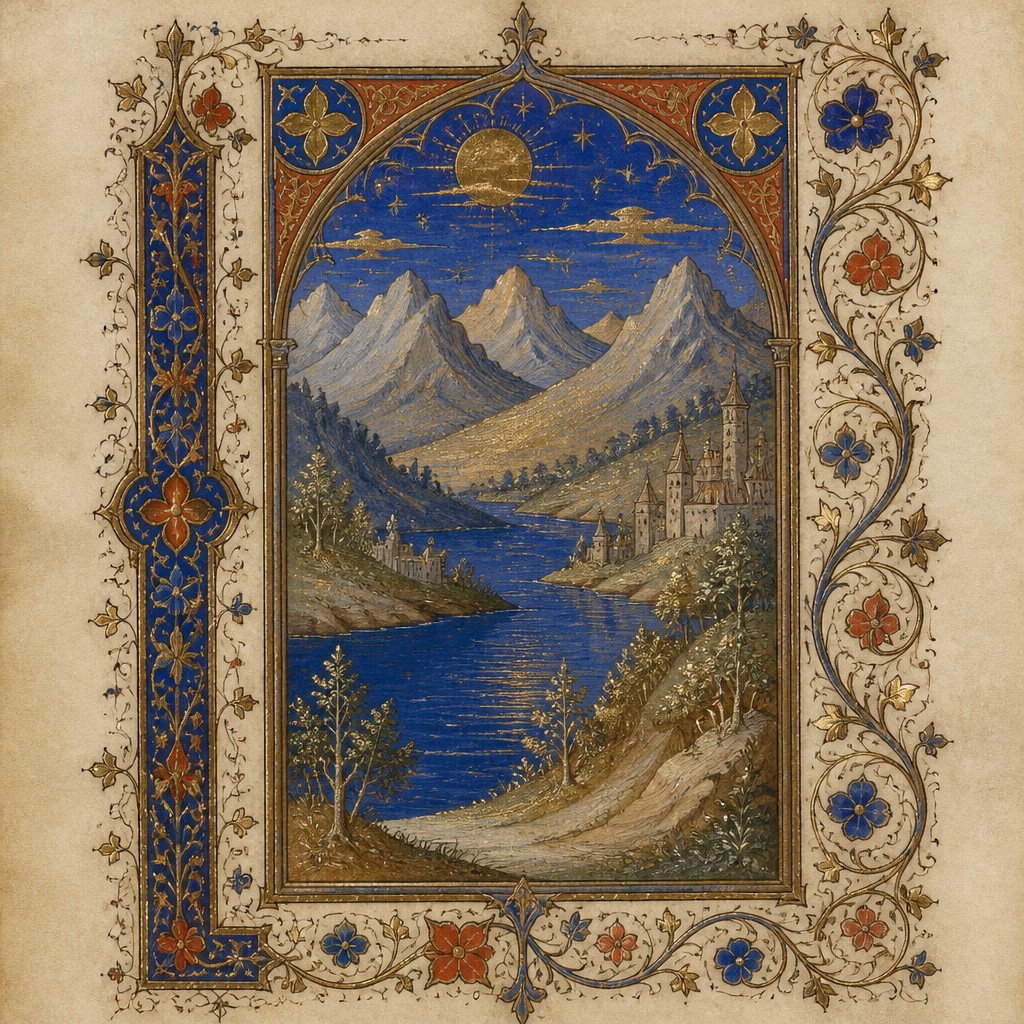
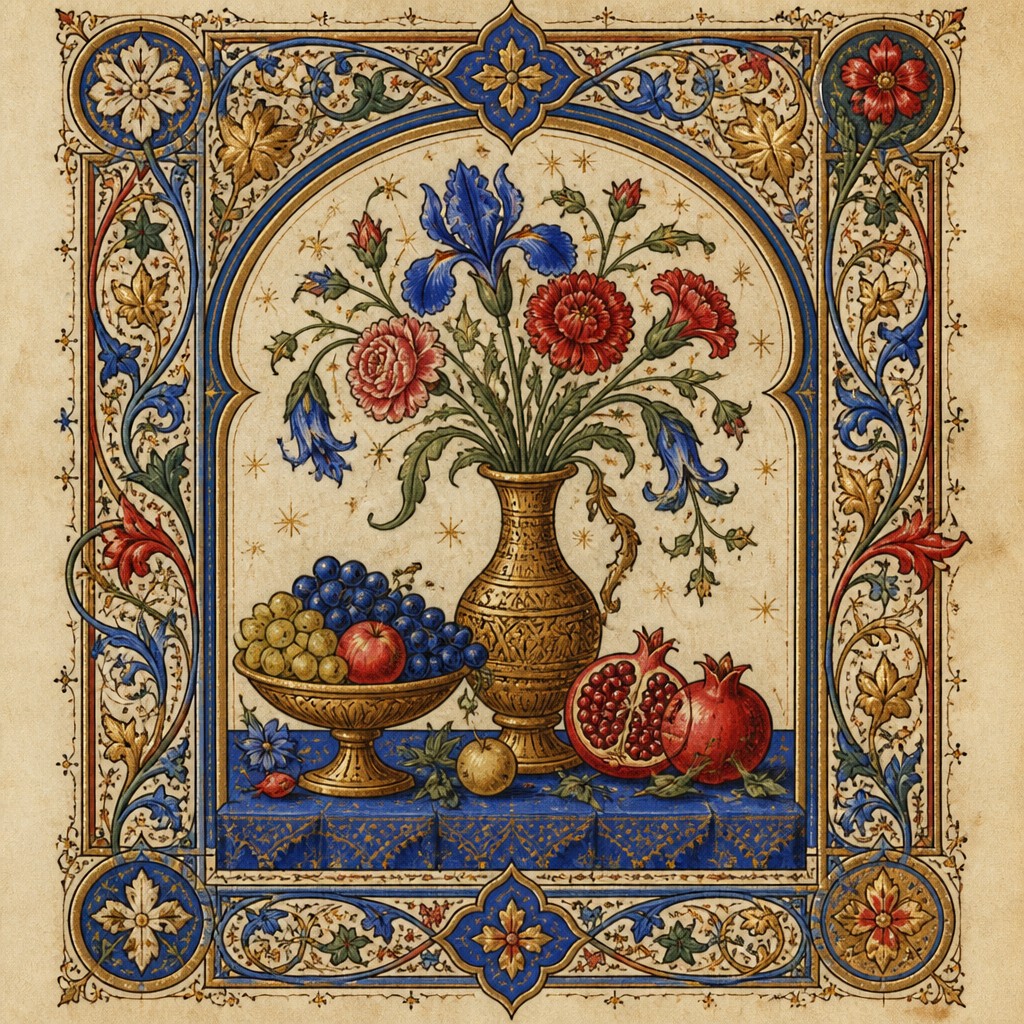
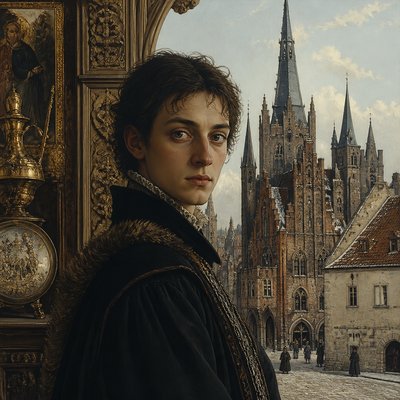
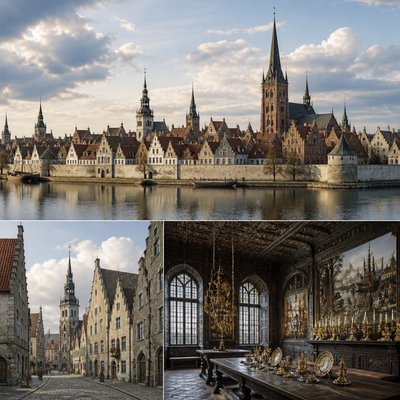
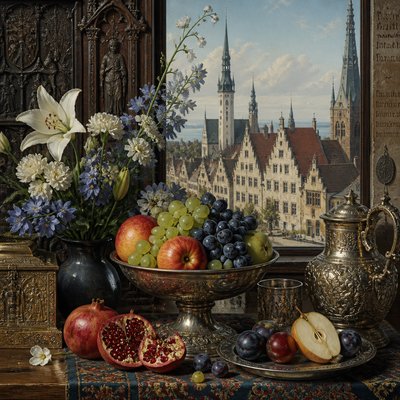
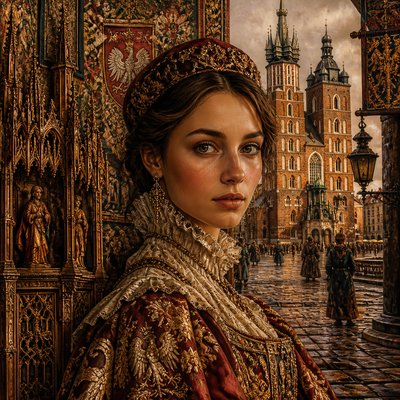
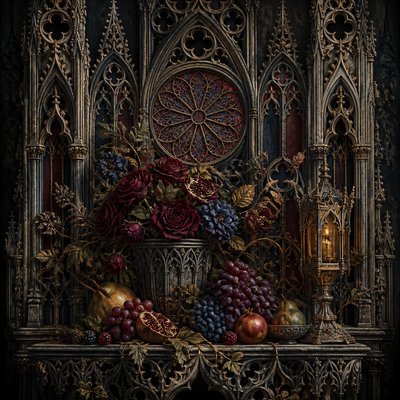
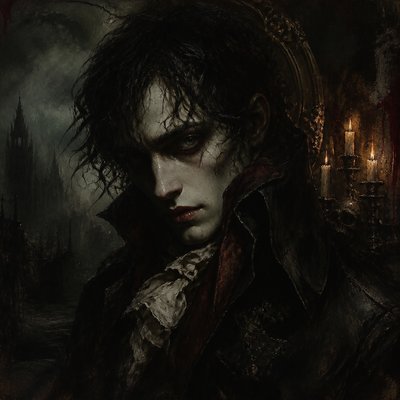
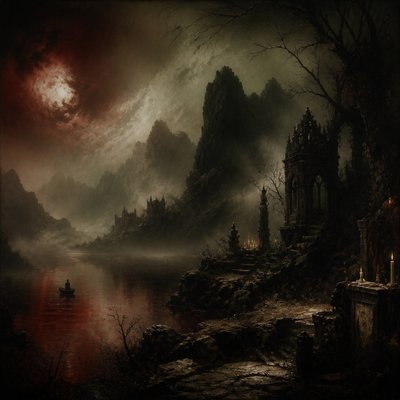
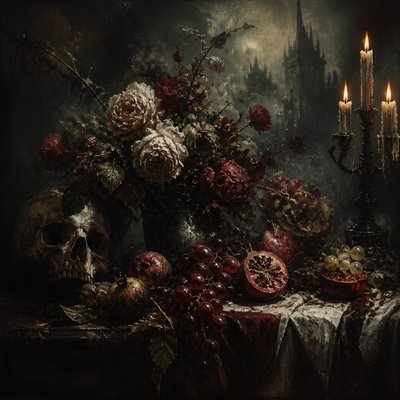
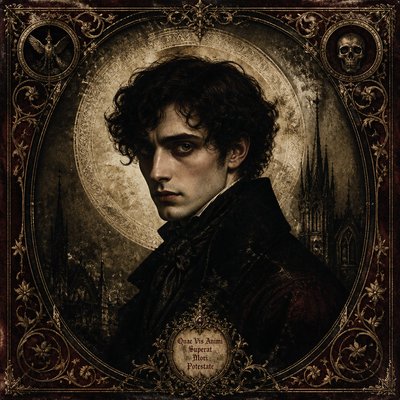
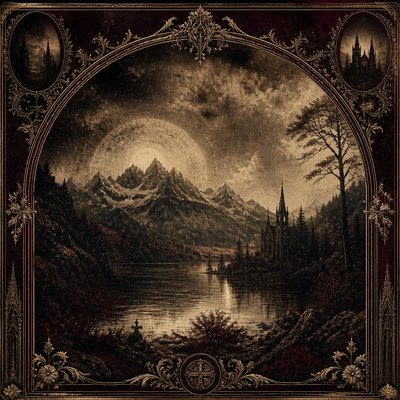
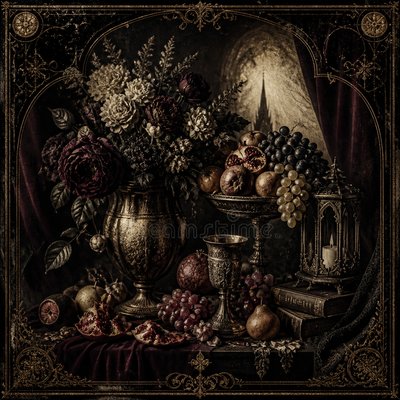
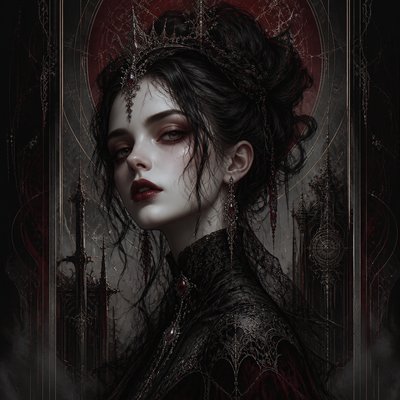
Medieval Gothic Gallery
Tap any artwork to explore it
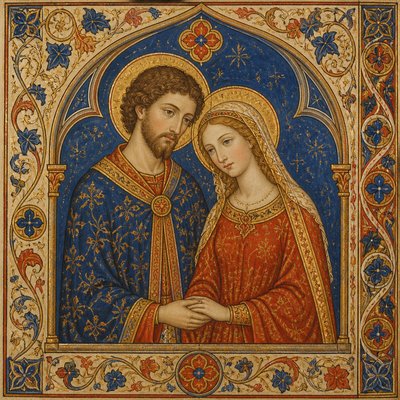
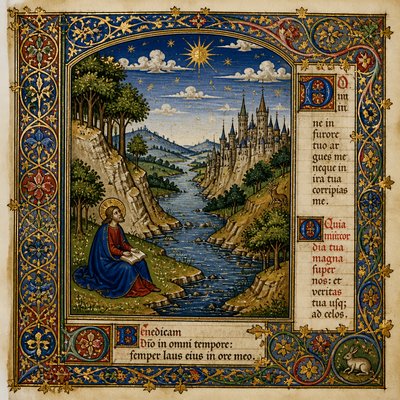
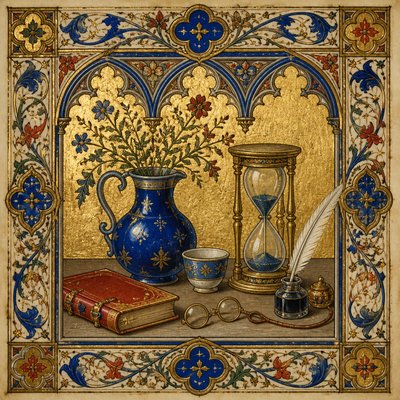
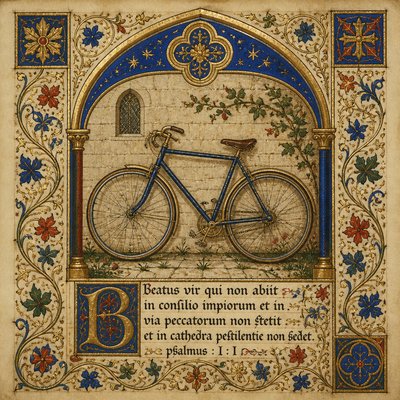
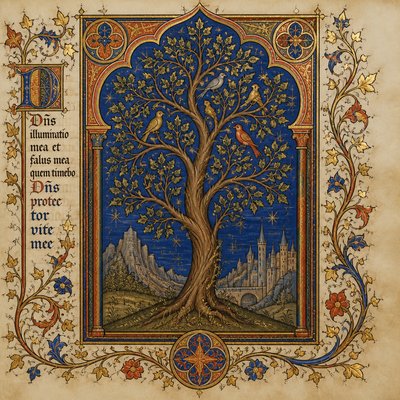
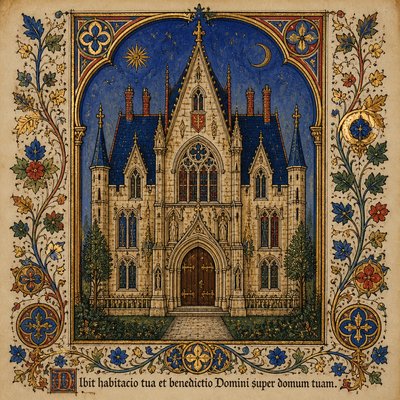
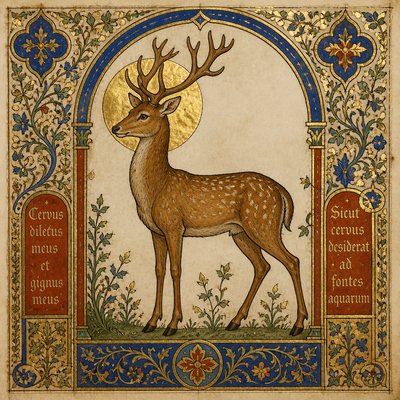
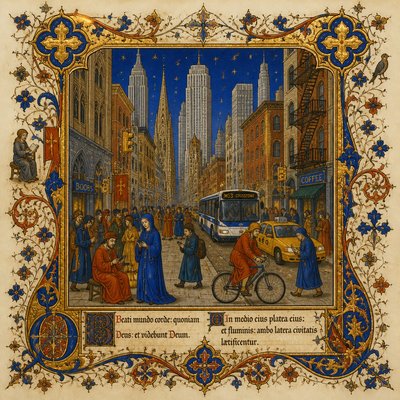
What is Medieval Gothic Art?
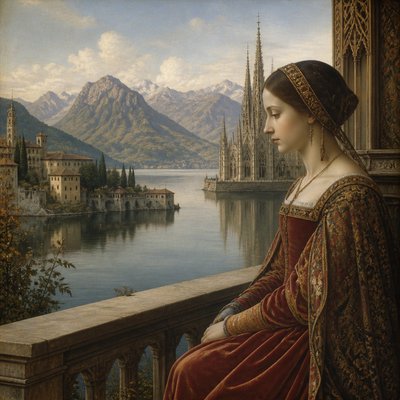
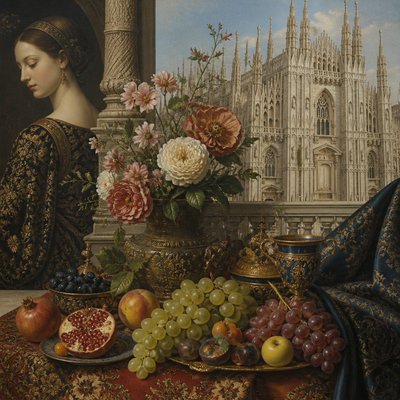
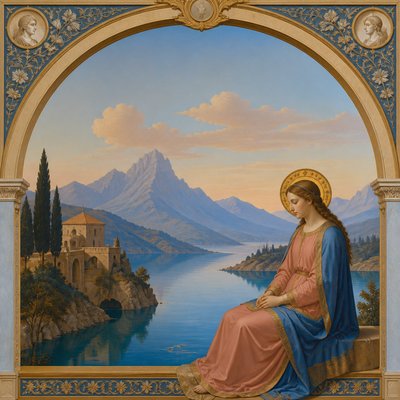
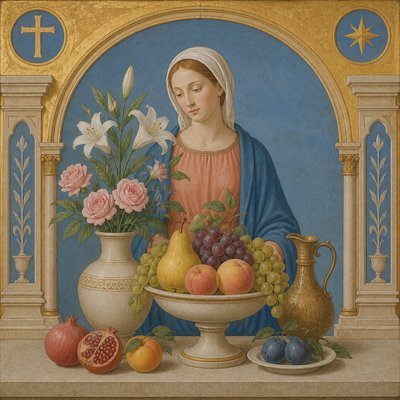
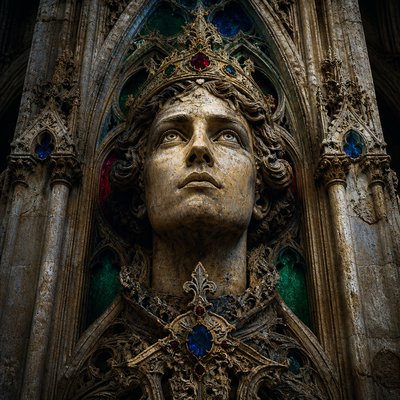
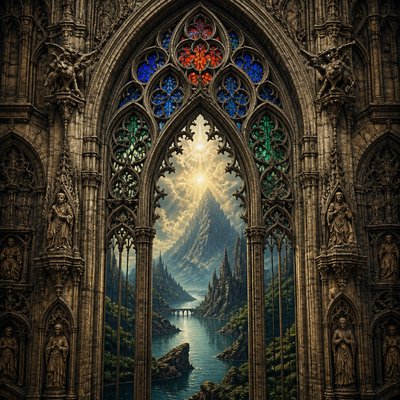
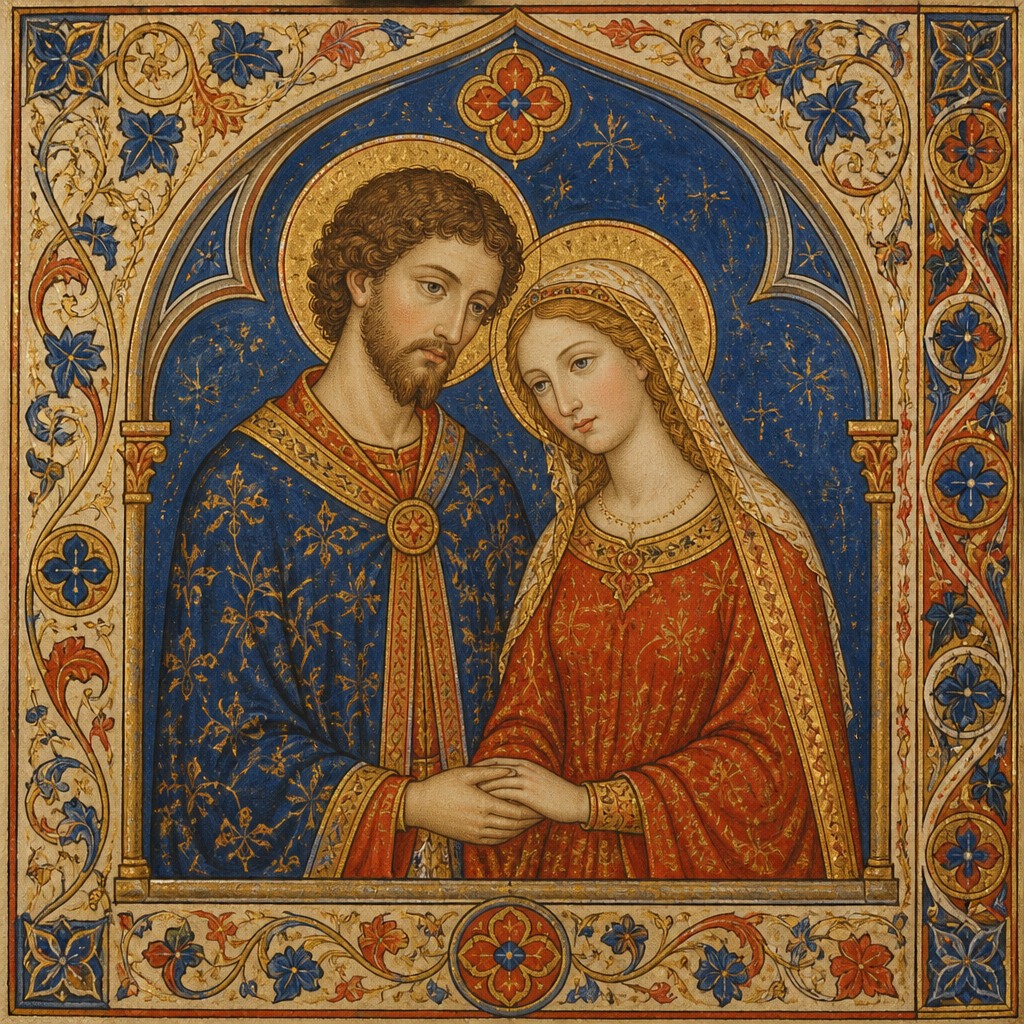
Medieval Gothic art is the visual language of European Christian art from roughly the 12th to the 15th century, especially in manuscripts, panel painting, stained glass, sculpture, and architecture-linked decoration. It is most often associated with devotional subjects: saints, Madonnas, Christological scenes, angels, biblical narratives, and courtly allegories. Its imagery is formal and symbolic rather than naturalistic, emphasizing sacred meaning over optical realism.
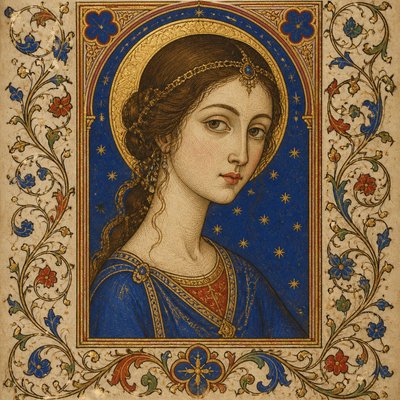
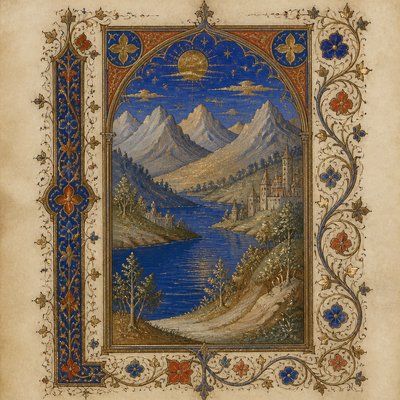
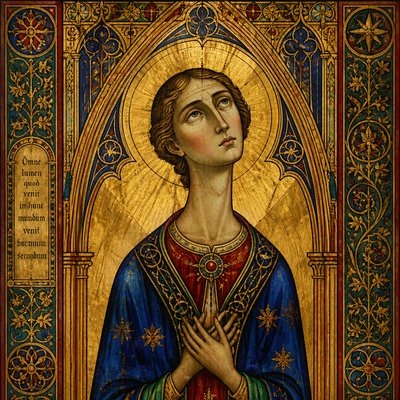
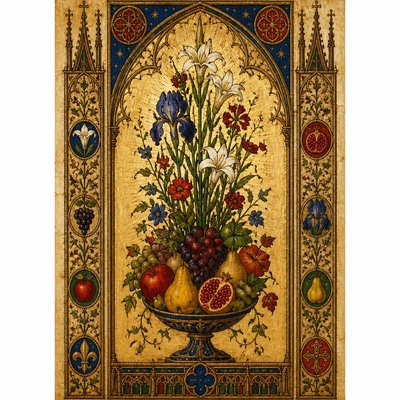
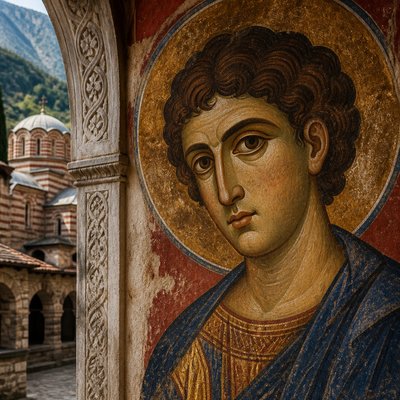
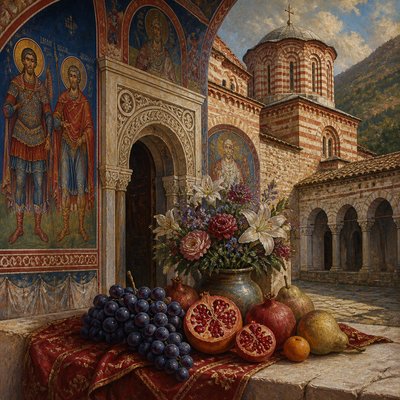
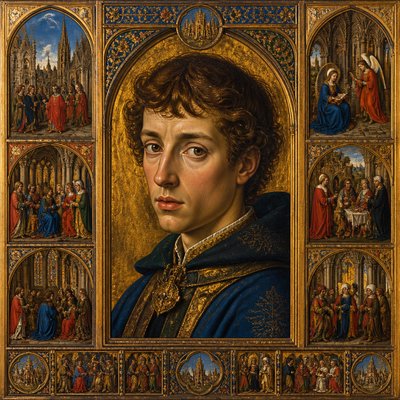
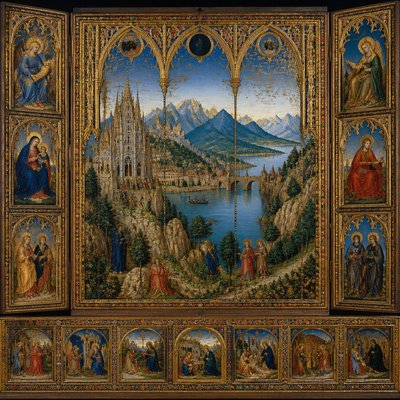
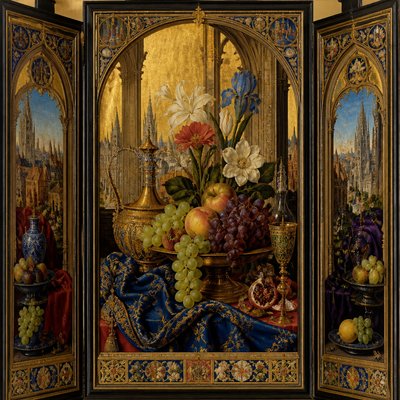
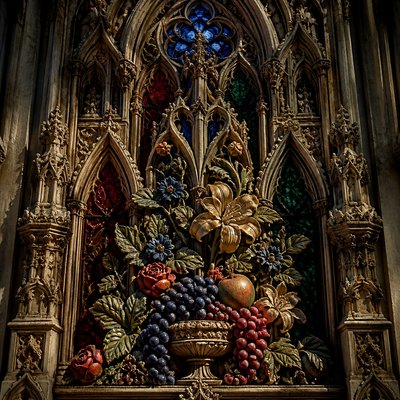
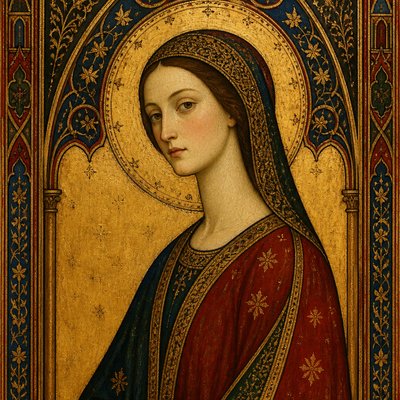
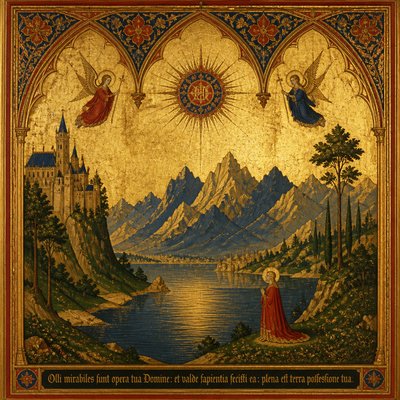
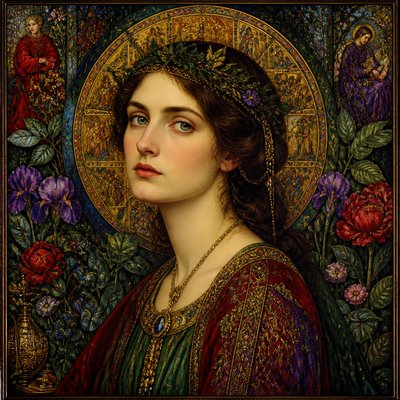
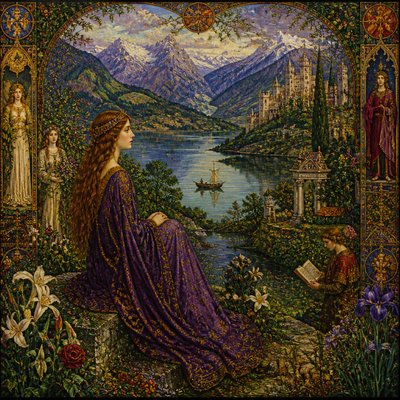
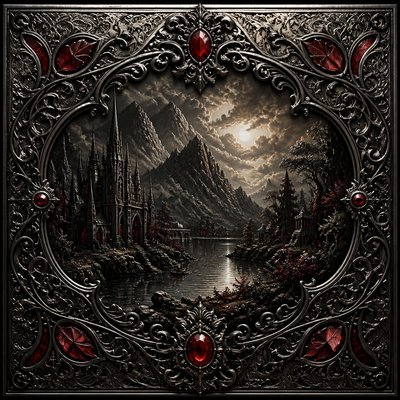
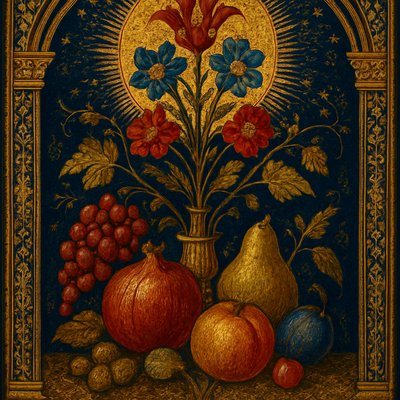
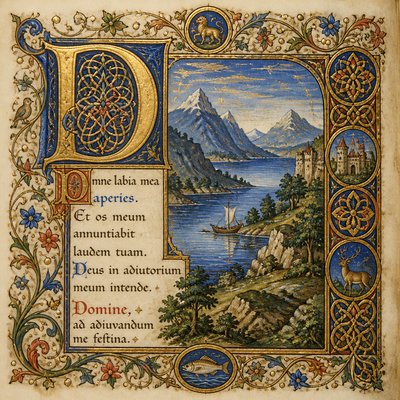
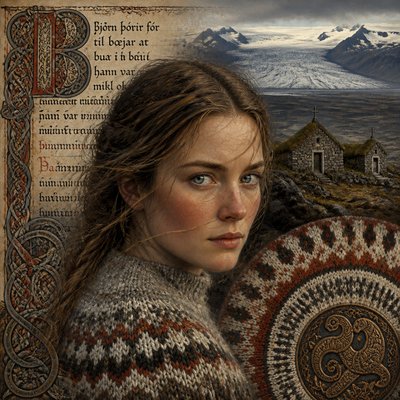
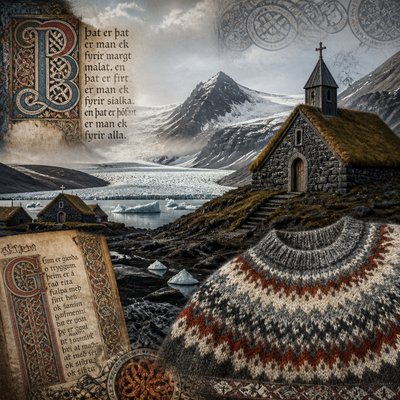
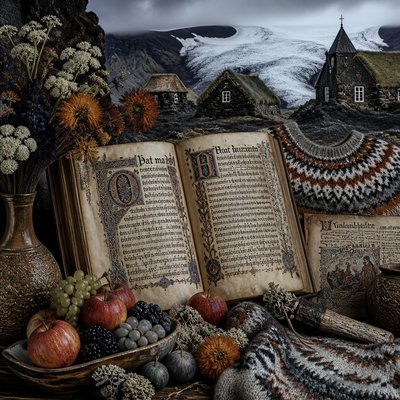
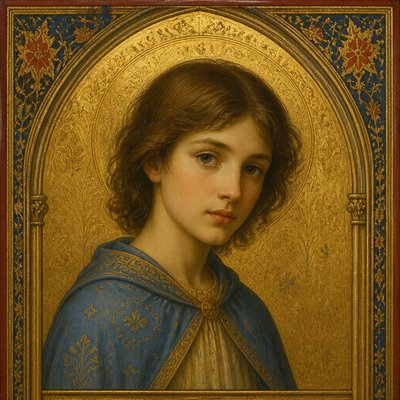
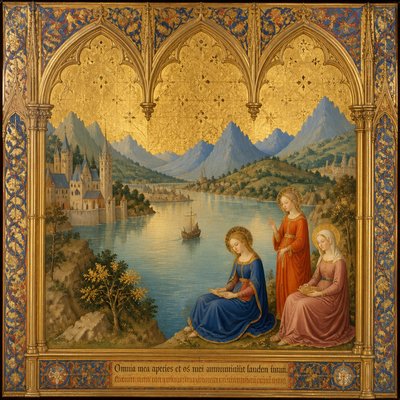
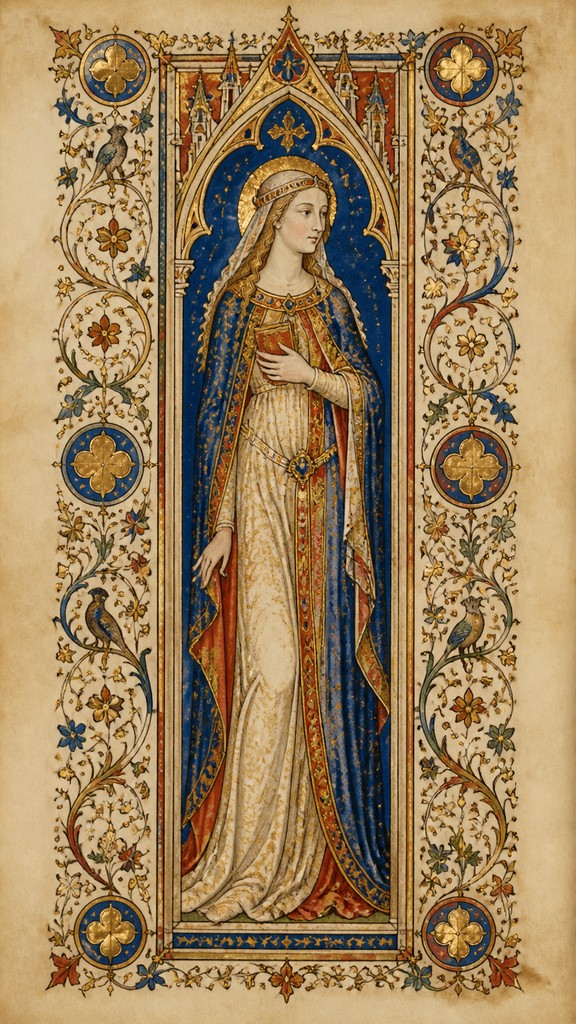
The style is recognized by elongated bodies, elegant linear rhythms, stylized drapery, flat or shallow space, and lavish ornament. Backgrounds may be plain parchment, patterned gold, or filled with decorative foliage, quatrefoils, and architectural frames. The look developed in close connection with cathedral culture and manuscript illumination, where artists used tempera, ink, and gold leaf to create luminous images that read clearly in a devotional setting and conveyed spiritual solemnity.
Try It On Your Photos
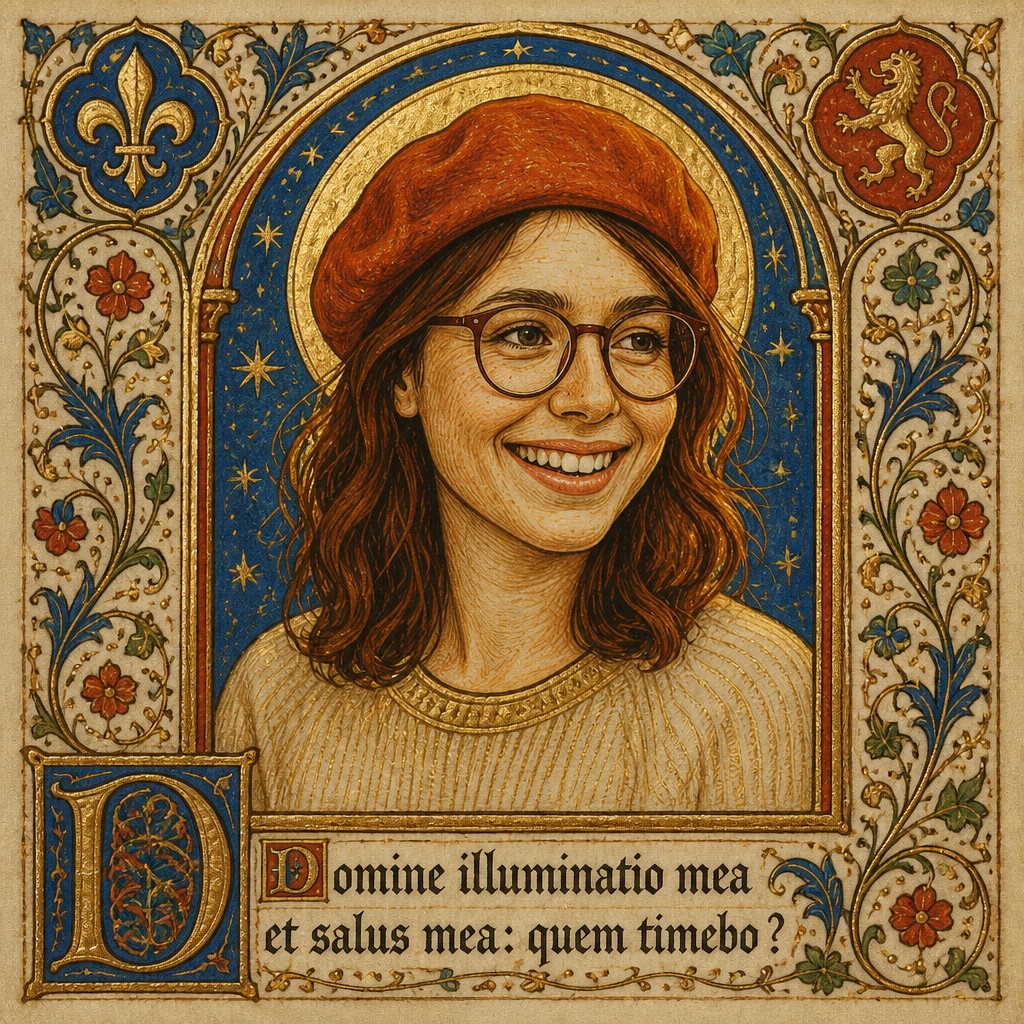
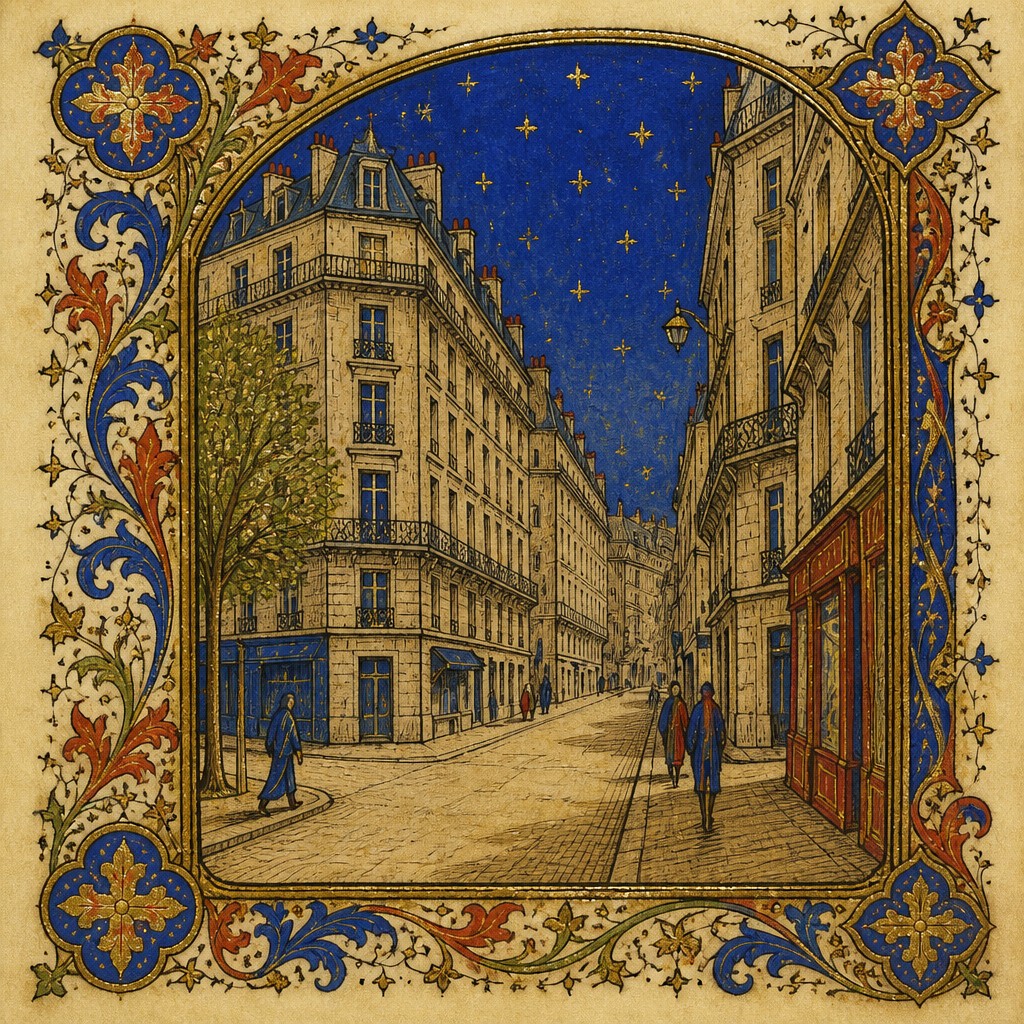
Upload any photo and convert it into Medieval Gothic Art — drag the sliders to compare before and after.


What Defines Medieval Gothic Art
The signature details, up close
Elongated, graceful figures
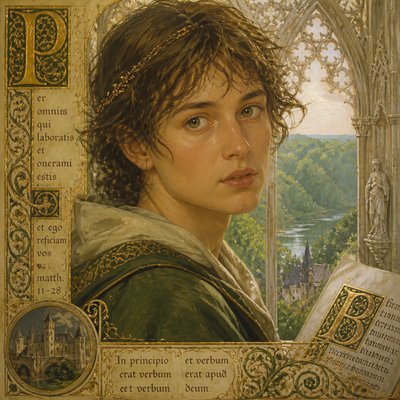
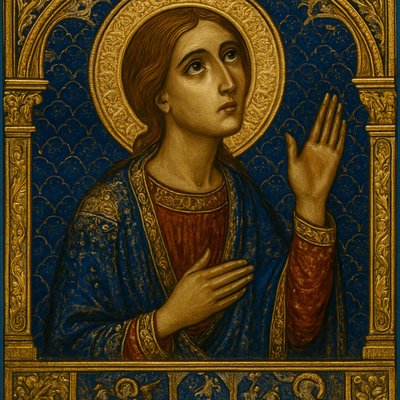
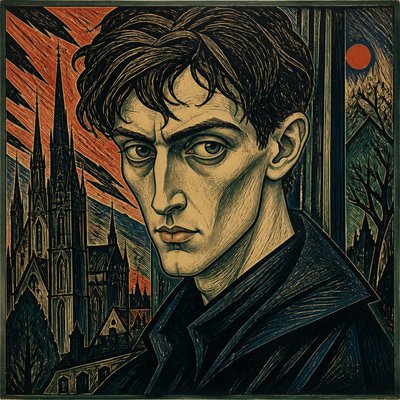
Bodies are often slender with extended proportions, small heads, and flowing gestures. This creates an ethereal, devotional presence rather than anatomical realism.
Luminous color and gold leaf
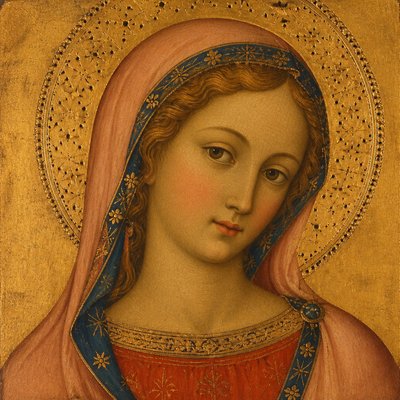
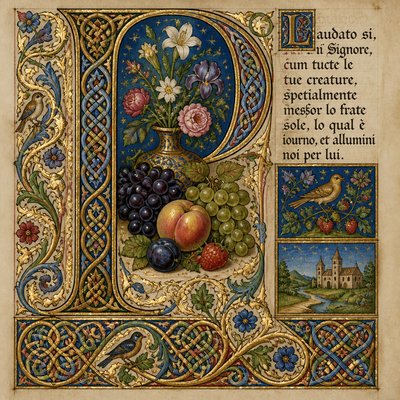
Ultramarine, vermillion, crimson, green, and gilded highlights produce a jewel-like effect. Gold leaf suggests sacred light and increases the sense of preciousness.
Flat or hierarchical space
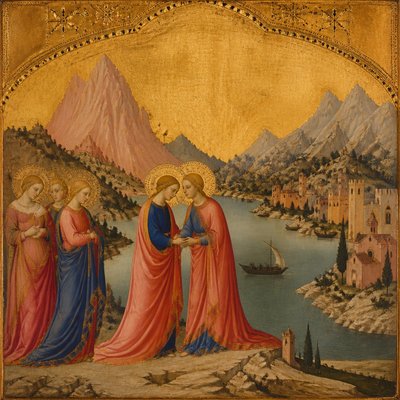
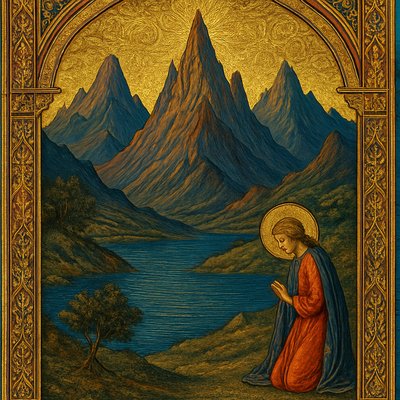
Depth is often compressed, symbolic, or secondary to the arrangement of figures. Important subjects may be made larger or placed centrally to emphasize spiritual meaning.
Precise contour and fine line
Clear dark outlines define forms, and delicate hatching or stippling adds texture. Line is often more important than modeling in creating the image.
Ornamental borders and frames
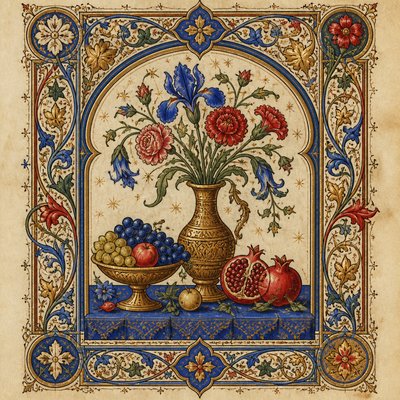
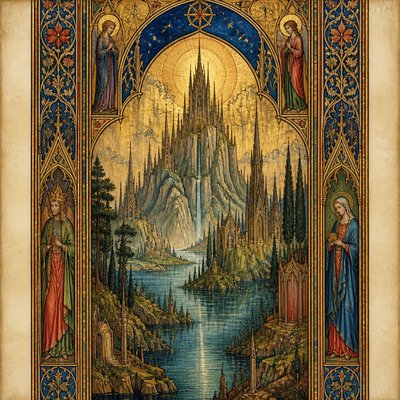
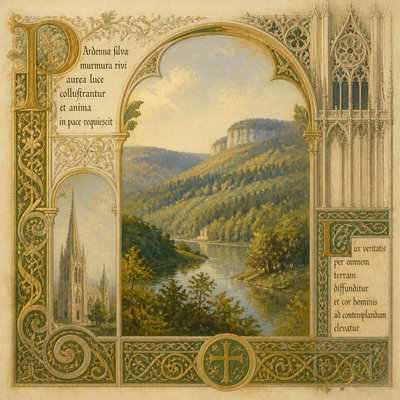
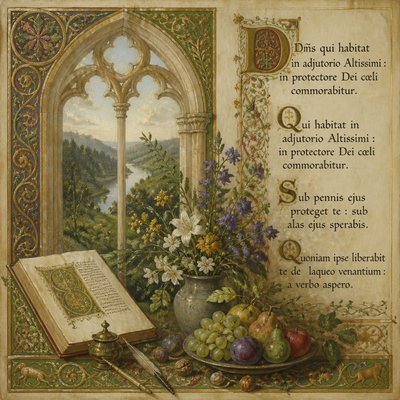
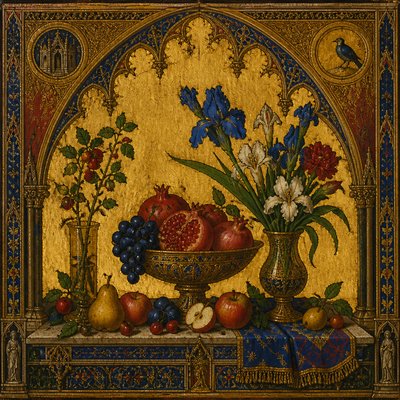
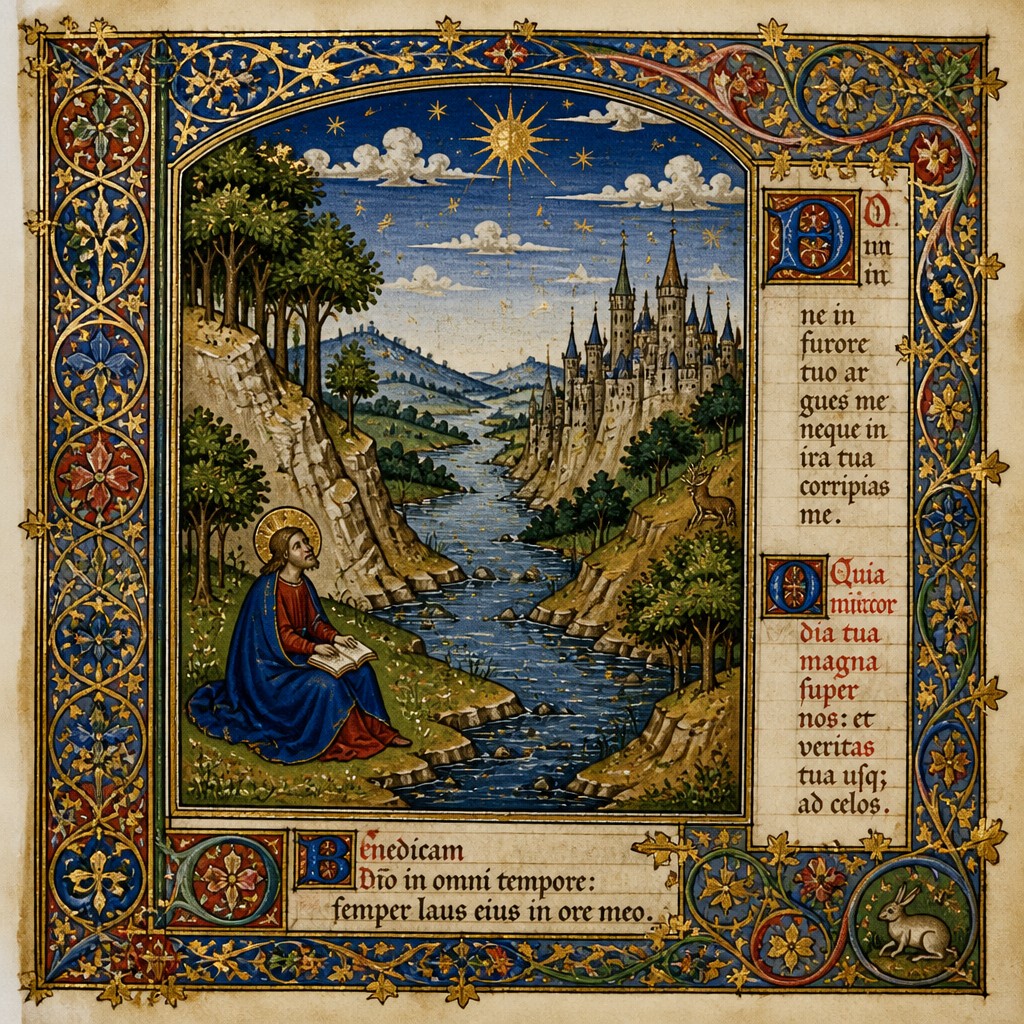
Scenes are commonly enclosed by vines, fleurons, quatrefoils, crockets, and architectural motifs. These details echo cathedral decoration and manuscript design.
Devotional and narrative subject matter
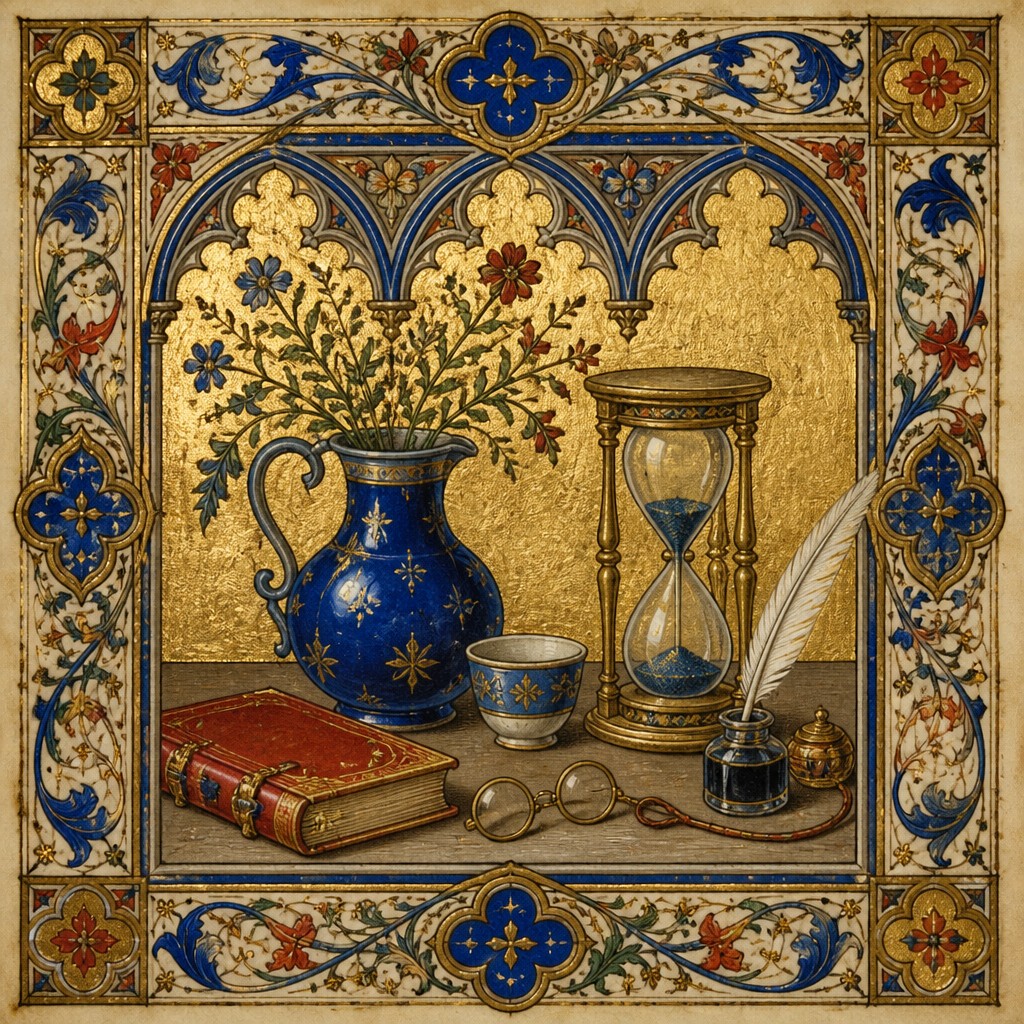
The style favors saints, biblical episodes, Marian imagery, martyrdom, and courtly-religious allegories. Even secular subjects often retain a ceremonial, emblematic tone.
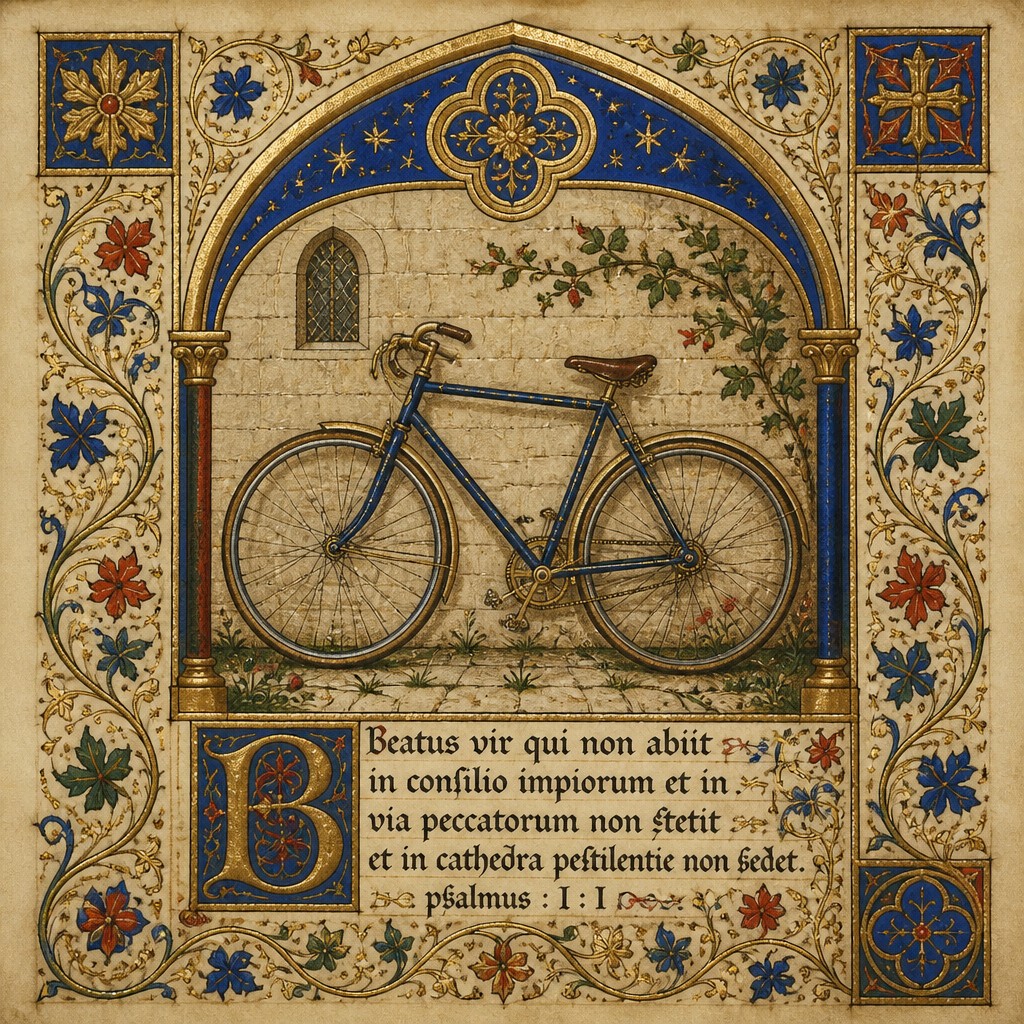
Patterned surfaces and textiles
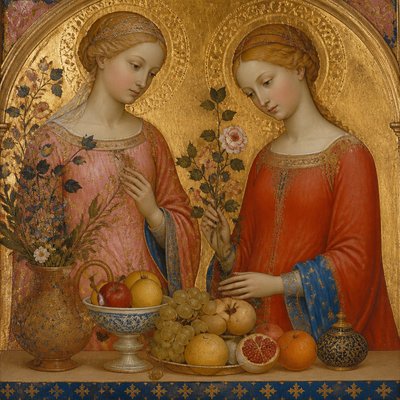
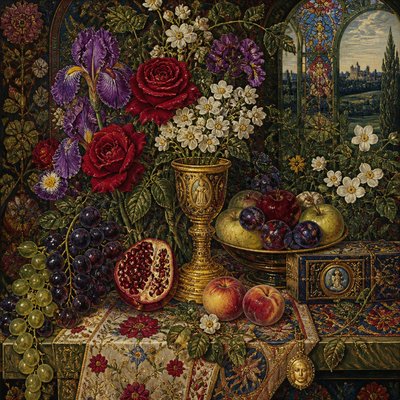
Fabrics, halos, backgrounds, and architectural details are rendered with rich patterning. Surface beauty is a central part of the image’s meaning.
Try It
Create Videos in Medieval Gothic Art
Styles aren't just for stills — describe a scene or animate an image and get a short video rendered in Medieval Gothic. Press play to see this pond come to life.
Make a VideoMedieval Gothic Prompt Ideas
Start from an idea — each one opens the generator with the style ready to go. See all 40 Medieval Gothic prompts →
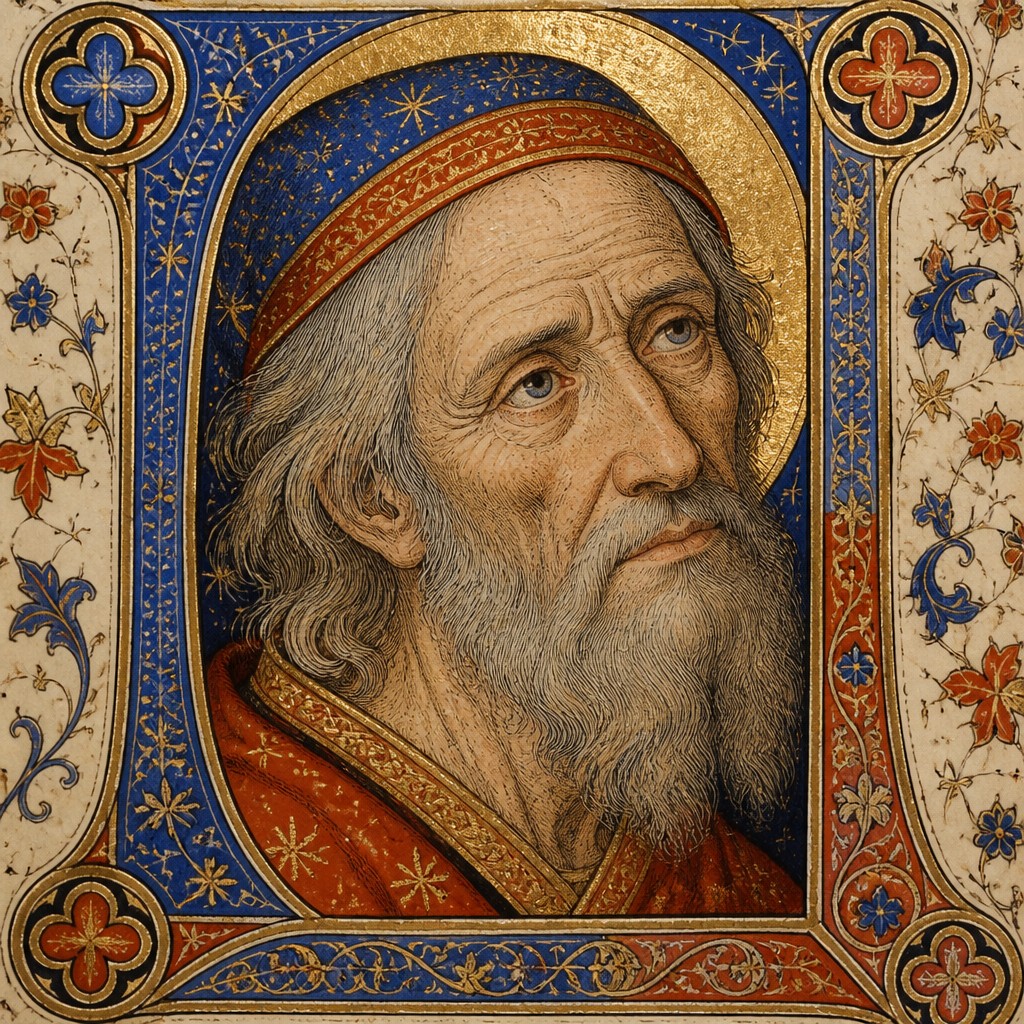
“close-up portrait of an elderly person with expressive weathered features”
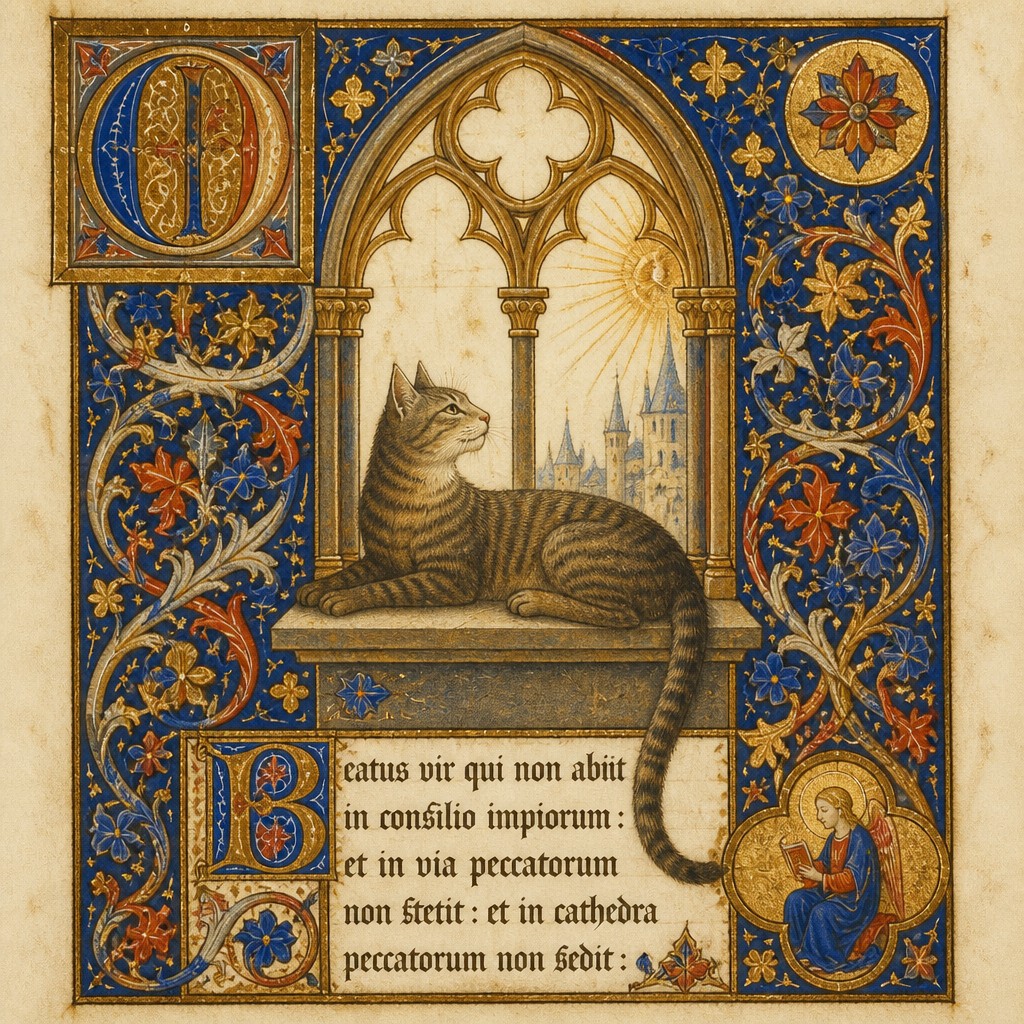
“a cat lounging in a sunlit window”
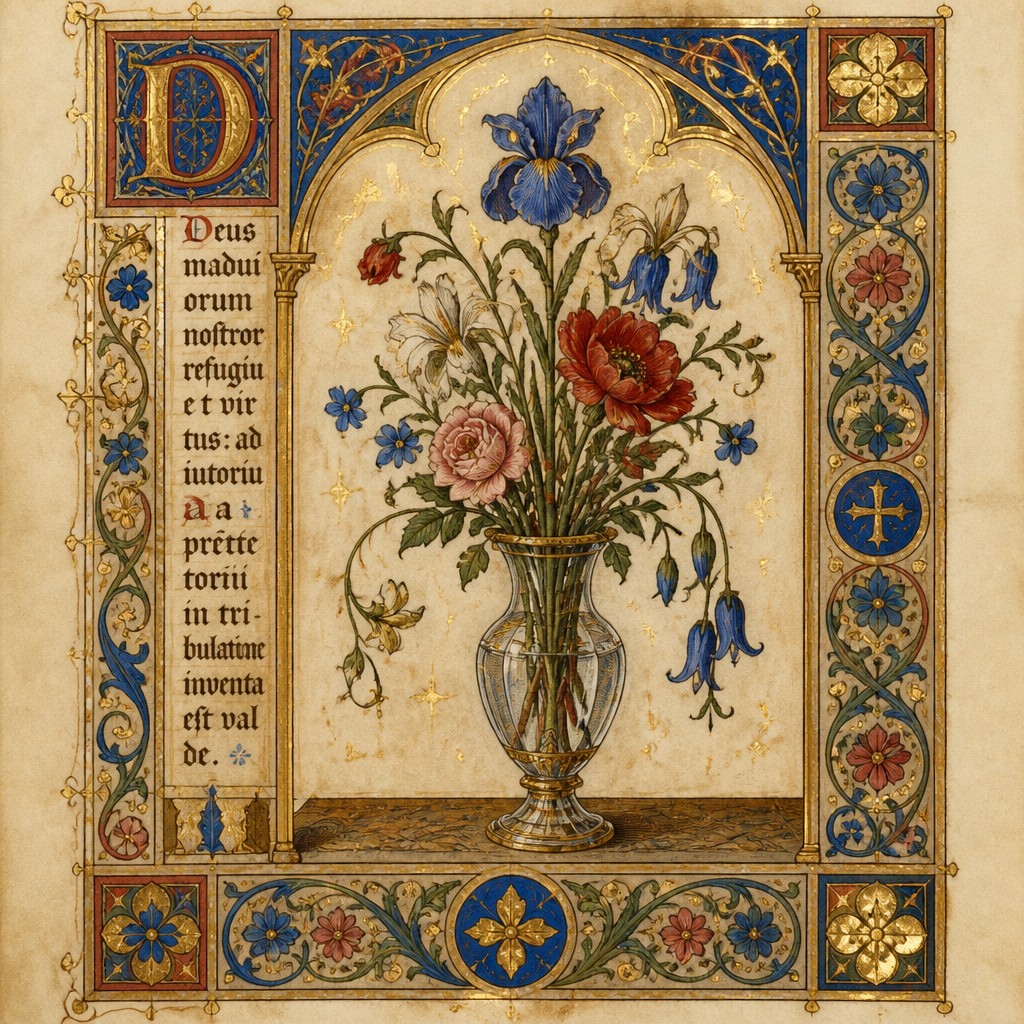
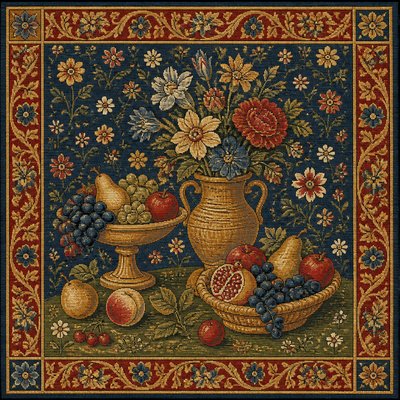
“bouquet of flowers in a glass vase”
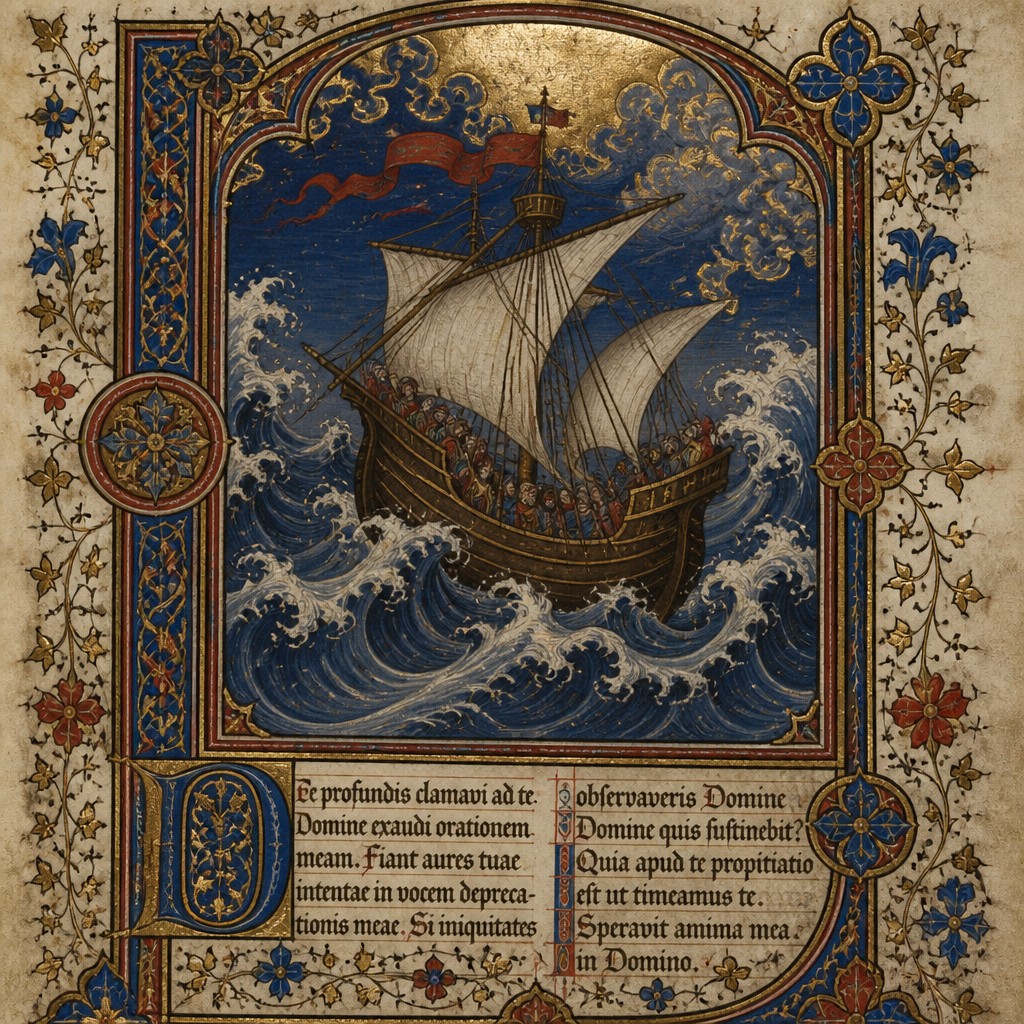
“sailing ship on a stormy sea”
How to Create Medieval Gothic Art
Master the craft step by step — or skip straight to creating. Read the full guide →
- 1
Use tempera-like color handling
Build color in flat or semi-transparent layers with crisp boundaries, then reserve highlights for gold, white, and saturated jewel tones. If working digitally, mimic the matte finish and slight opacity of egg tempera rather than glossy blending.
- 2
Design with linear elegance
Draw figures with elongated proportions, flowing drapery folds, and expressive contour lines. Avoid heavy realism; prioritize clarity, symbolic pose, and decorative rhythm.
- 3
Simplify space intentionally
Use a pale ground, shallow perspective, or a hierarchical arrangement to keep the image legible and iconic. Architectural settings can be stylized as pointed arches, tracery, and patterned interiors rather than fully accurate environments.
- 4
Add manuscript ornament
Frame the scene with vine borders, quatrefoils, illuminated initials, and gold accents. Small decorative motifs can transform an ordinary composition into something that reads like a page from a devotional codex.
- 5
Write prompts around sacred atmosphere
For text-to-image generation, specify subjects, materials, and compositional traits: tempera on vellum, burnished gold leaf, pale parchment, elongated figures, ornate borders, and solemn devotional lighting. Mention the narrative or saintly subject clearly, since the style works best with iconographic themes.
- 6
Match the style in photo transformations
Choose portraits with centered compositions, calm expressions, and limited background clutter so the face and silhouette can be reinterpreted convincingly. Strong outlines, gold ornament, and medieval textiles help the transformation preserve recognizable features while adopting the Gothic aesthetic.
The Story
History & Origins of Medieval Gothic
Gothic art emerged in northern France in the mid-12th century and spread across Europe during the High and Late Middle Ages. It grew out of Romanesque art, but introduced greater linear elegance, more expressive gesture, and increasingly elaborate ornament. In manuscript illumination especially, artists refined a highly decorative vocabulary of borders, initials, and figured scenes that could serve liturgical, devotional, and aristocratic patronage.
By the 13th and 14th centuries, Gothic art diversified into regional schools, including French, English, Italian, German, and International Gothic traditions. Italian painters such as leading Sienese and Florentine Trecento masters, along with later fourteenth-century narrative painters, helped bridge Gothic elegance with greater narrative depth and spatial awareness, while artists in the International Gothic style, such as major manuscript illuminators from the Burgundian Netherlands and a prominent Italian painter of richly patterned altarpieces, developed courtly refinement, rich color, and sumptuous surface detail. The style gradually gave way in the 15th century to Renaissance naturalism, though many Gothic visual habits persisted in manuscript work and devotional art.
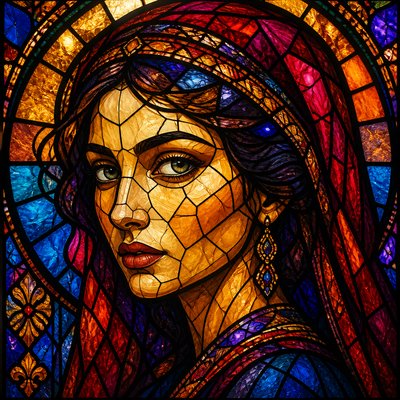
Influences: Medieval Gothic art is rooted in Romanesque manuscript and monumental traditions, then refined through the liturgical culture of cathedrals and monasteries. Its later phases overlap with the International Gothic style and with courtly manuscript illumination in France, the Burgundian Netherlands, and England; canonical artists associated with those developments include leading Italian Trecento painters, a major Sienese court painter, the notable brothers active in Burgundian manuscript illumination, and a prominent late medieval Italian painter of elegant altarpieces. It also shares visual logic with stained glass, altarpiece painting, and decorative metalwork, all of which reinforced the style’s luminous, symbolic character.

Frequently Asked Questions
What defines Medieval Gothic art visually?
The style is defined by elongated figures, decorative line, gold accents, patterned surfaces, and a sacred, symbolic approach to space. It often feels elegant and otherworldly rather than naturalistic. Ornate borders and manuscript-like composition are especially characteristic.
How is Gothic art different from Romanesque art?
Romanesque art is typically heavier, more compact, and more rigid in form, with simpler drapery and less linear refinement. Gothic art becomes taller, more graceful, and more ornamented, with a stronger emphasis on elegance and luminous detail. It also shows greater emotional expressiveness in later periods.
How is it different from Renaissance art?
Renaissance art seeks realistic anatomy, coherent perspective, and natural light, while Gothic art often prioritizes symbolic scale, decorative surface, and spiritual resonance. Gothic figures may appear elongated or stylized on purpose. The mood is more devotional and emblematic than observational.
What materials are associated with this style?
Manuscript illumination commonly used tempera, ink, and gold leaf on vellum or parchment. Panel paintings could use tempera and gilding as well. The material finish is important because the style depends on matte color, crisp line, and reflective gold.
Where was Medieval Gothic art used?
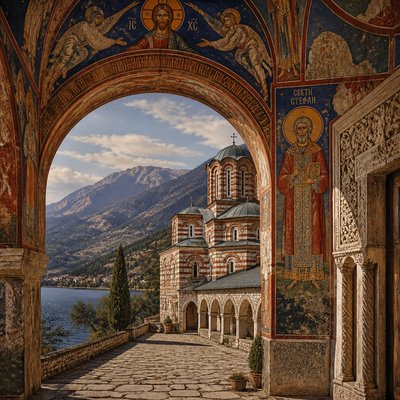
It appeared in illuminated manuscripts, altar panels, stained glass, wall painting, sculpture, and ecclesiastical decoration. It was especially common in churches, monasteries, and elite court settings. Many surviving examples are religious books and devotional objects.
Can this style be used for modern subjects?
Yes, as long as the visual grammar remains Gothic: elongated forms, ornamental framing, rich pigments, and a solemn, icon-like presentation. Modern subjects can be translated into a medieval visual vocabulary, but the result should still feel like a sacred or illuminated image rather than a contemporary illustration.

Create your first Medieval Gothic artwork
Describe anything — or upload a photo — and see it in Medieval Gothic Art in seconds.
Make Something with Medieval Gothic
Related Styles
Discover similar art styles