Byzantine Jewelry Design
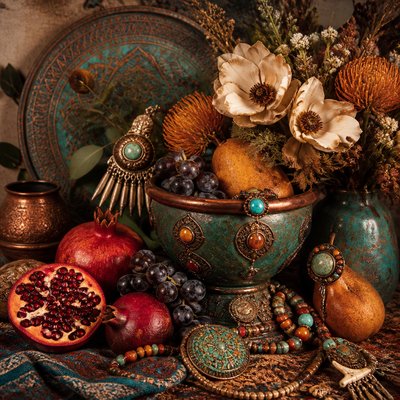
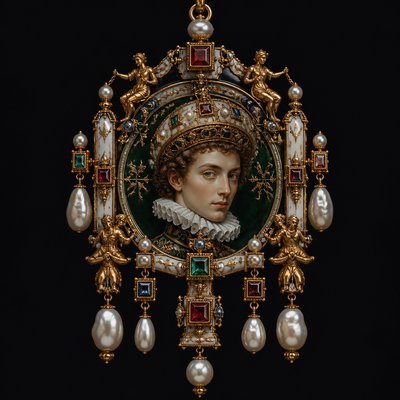
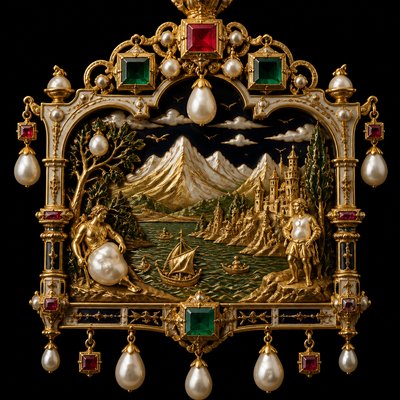
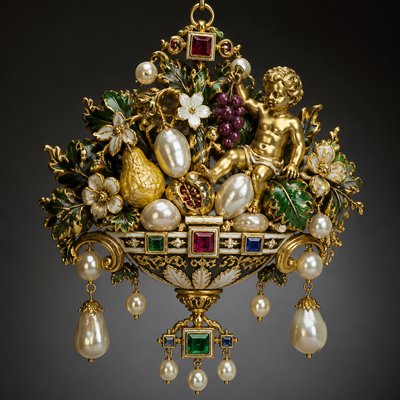
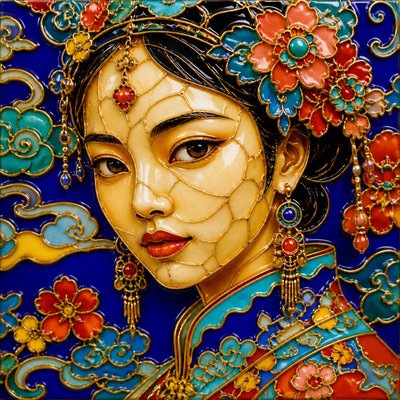
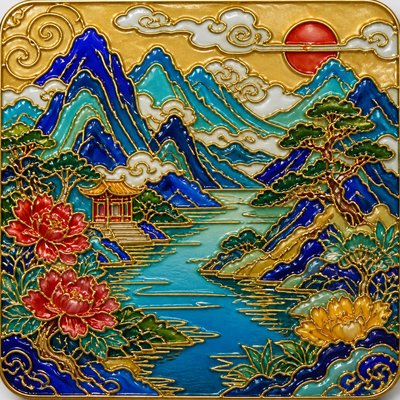
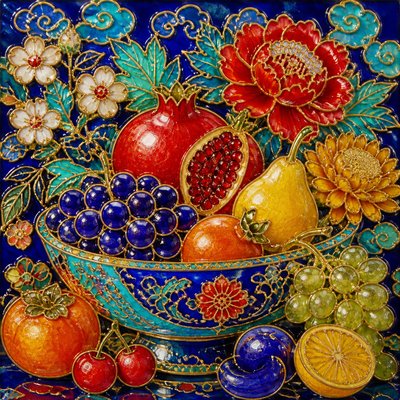
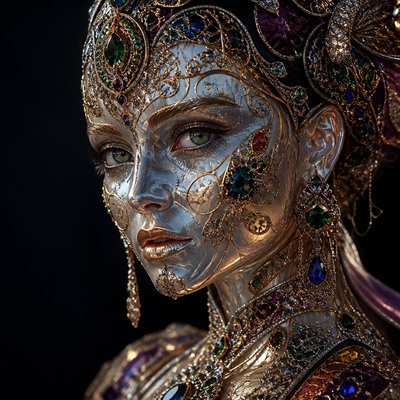
Imperial gold, cabochon gems, and cloisonné icons: the solemn, mosaic-like splendor of Byzantine jewelry design.
Instantly rendered in Byzantine Jewelry Design — or transform a photo
Byzantine Jewelry Design Gallery
Tap any artwork to explore it
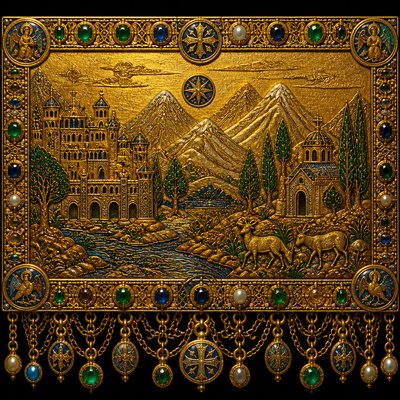
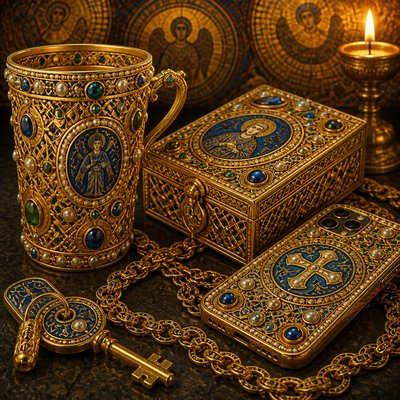
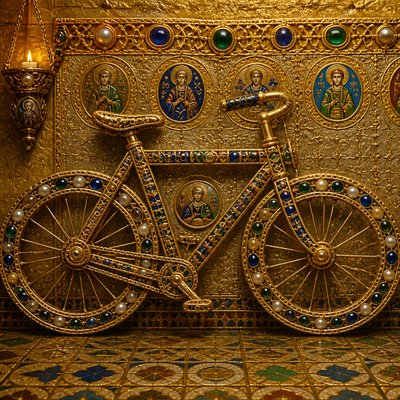
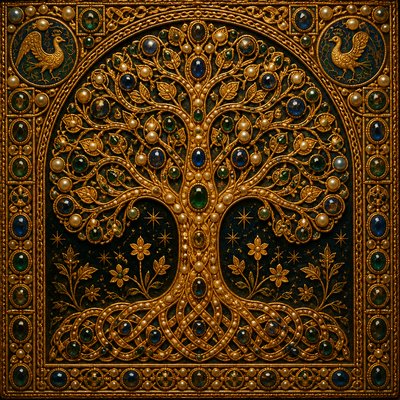
What is Byzantine Jewelry Design?
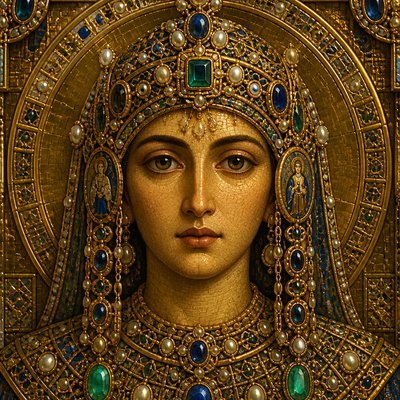
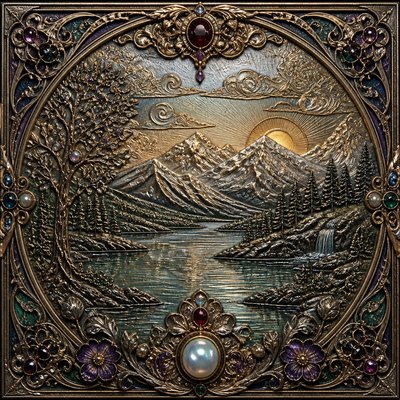
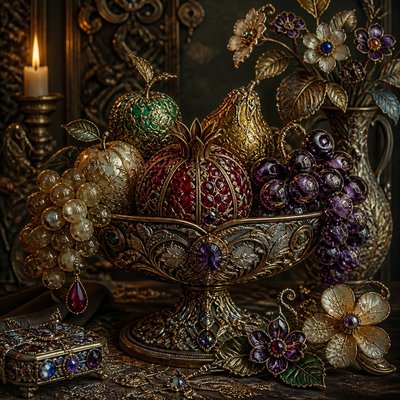
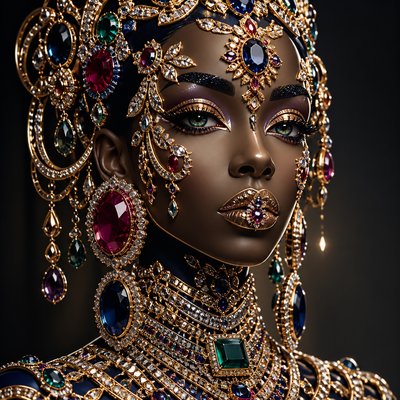
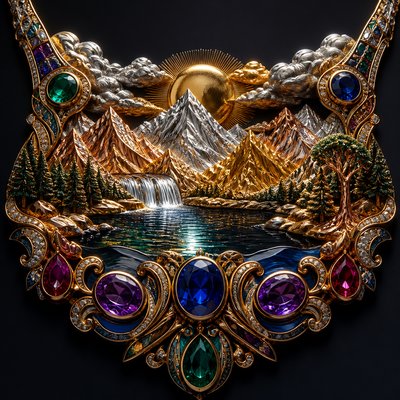
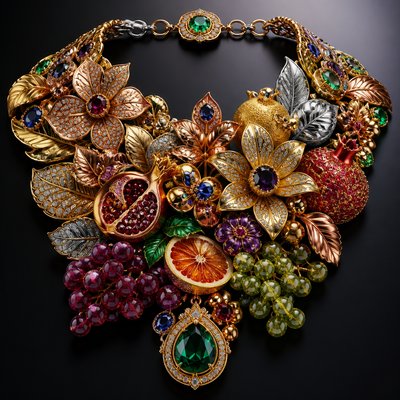
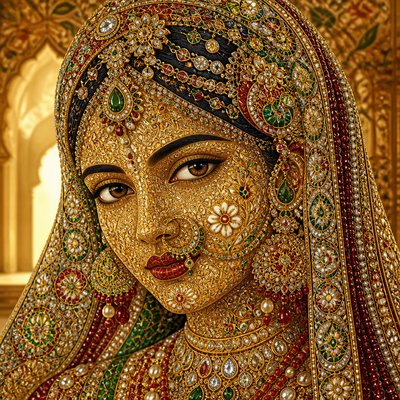
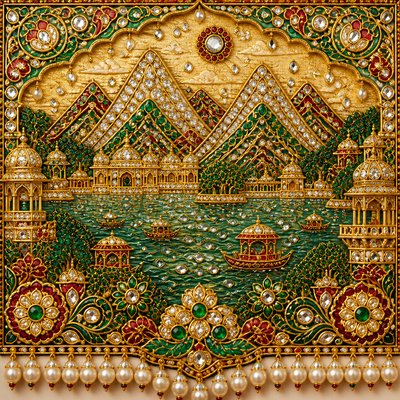
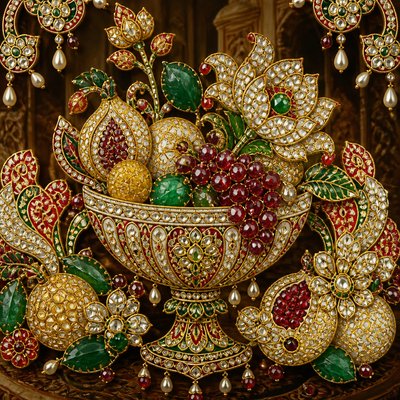
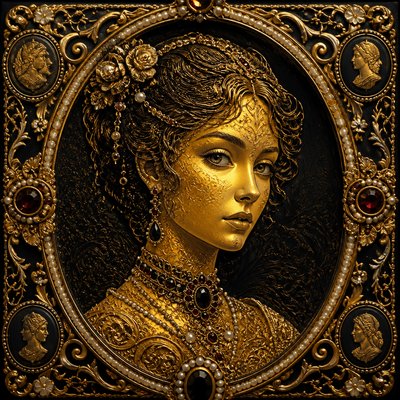
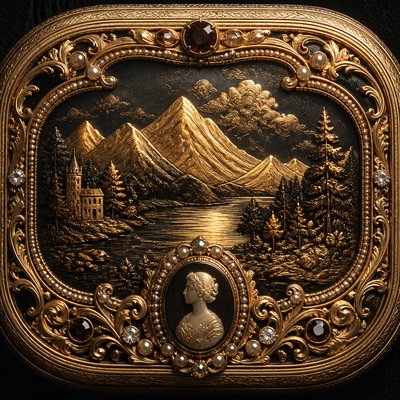
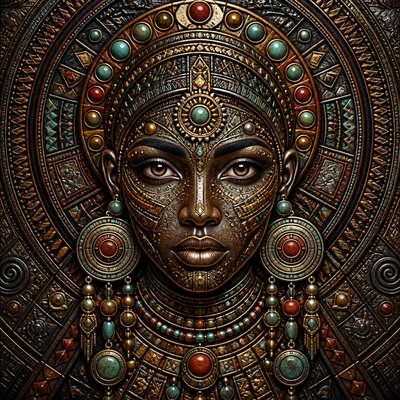
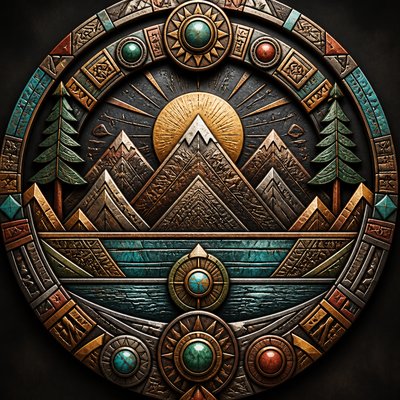
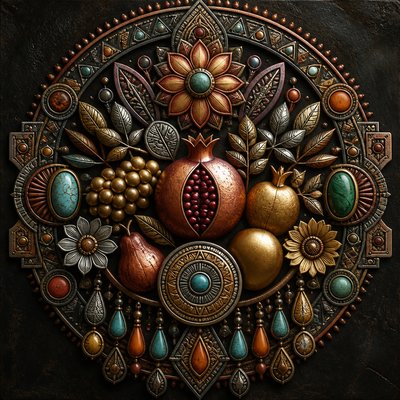
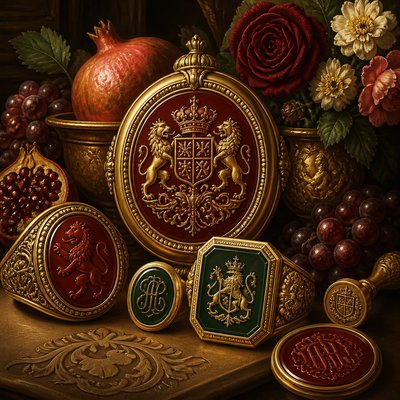
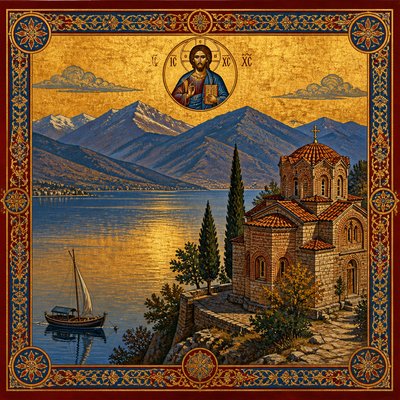
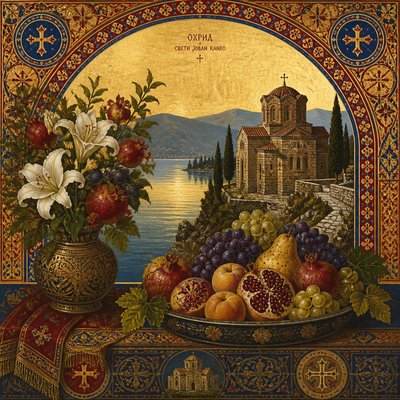
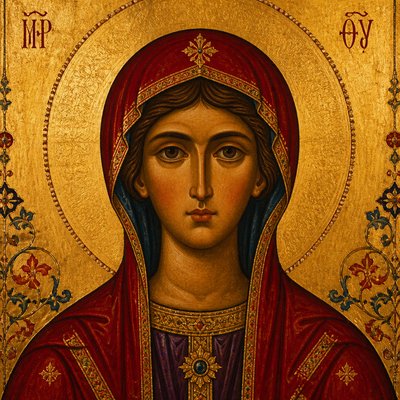
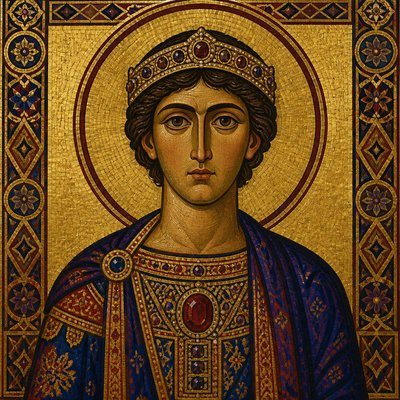
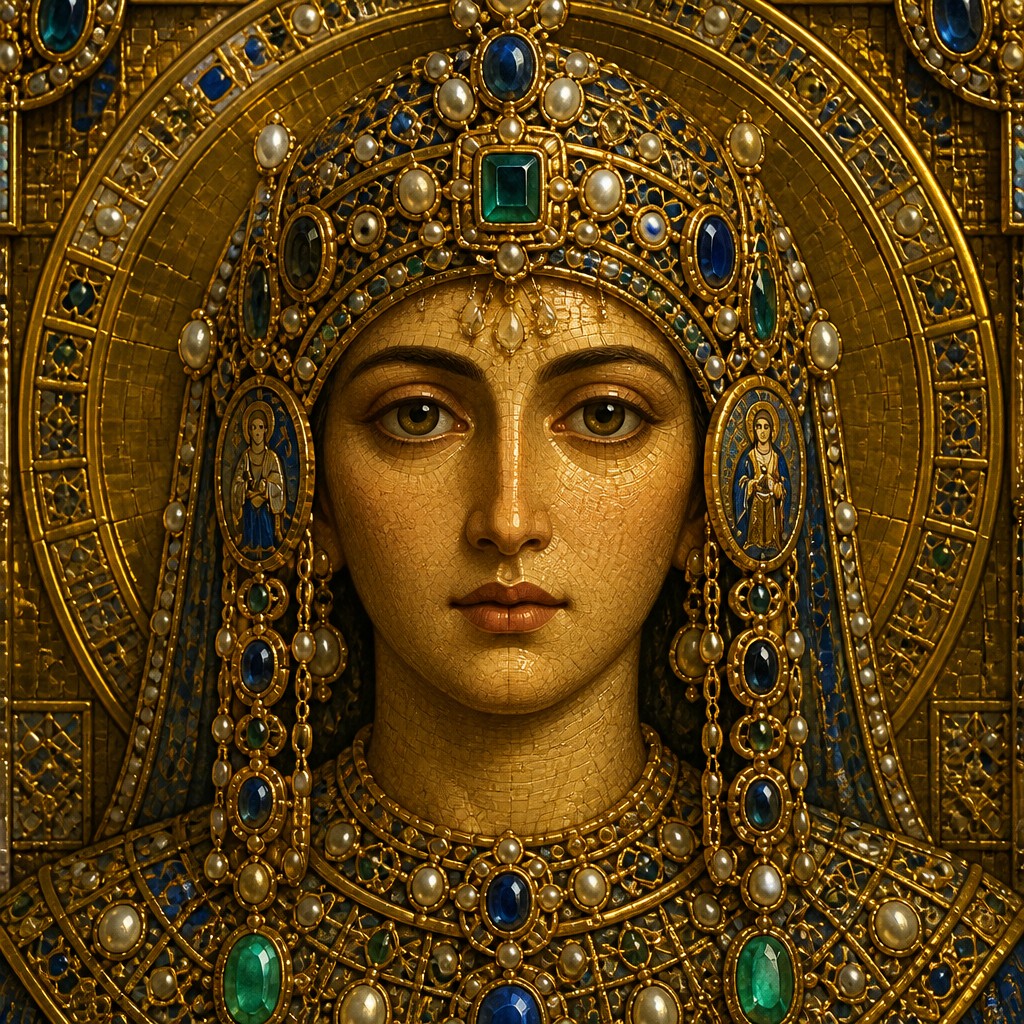
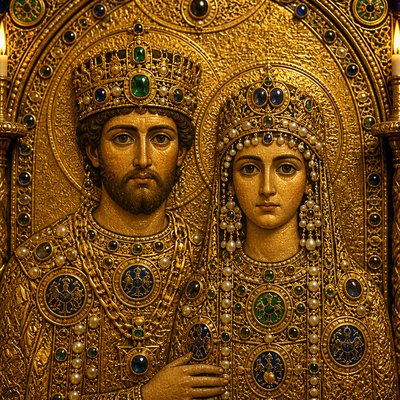
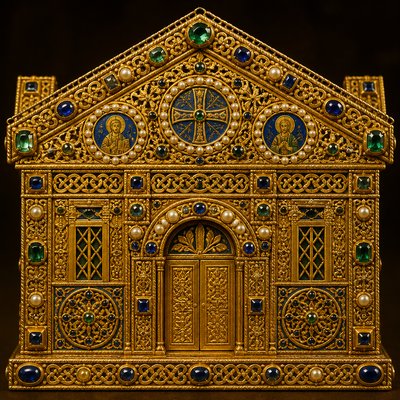
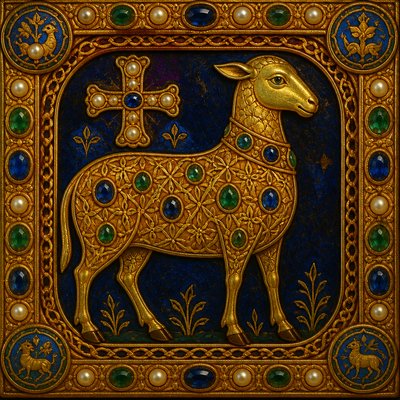
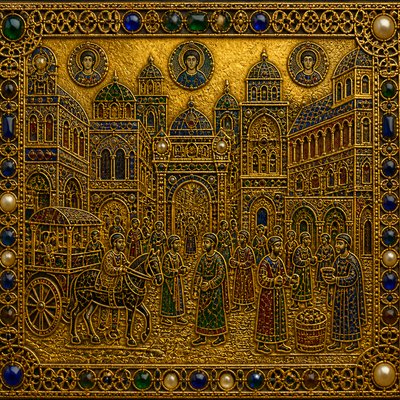
Byzantine jewelry design is an ornamental style associated with the eastern Roman Empire from late antiquity through the medieval period, especially from the 4th to 15th centuries. It is defined by rich goldwork, frontal symmetry, cabochon gemstones, pearl accents, and colored enamel that often appears icon-like or mosaic-like in effect. The look is solemn and ceremonial rather than naturalistic, emphasizing status, sanctity, and imperial authority.
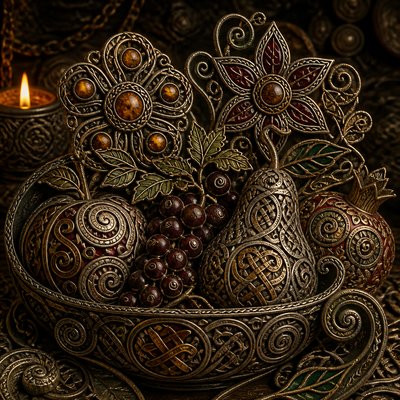
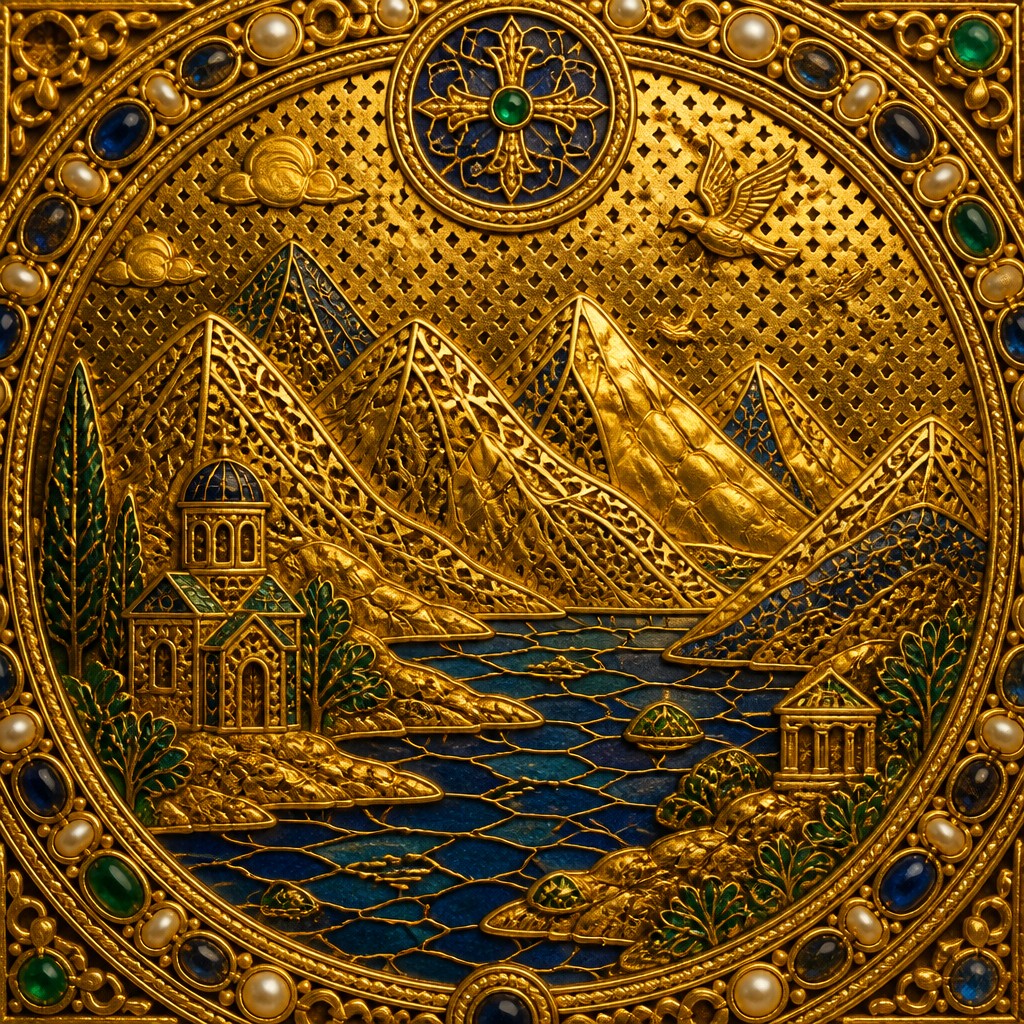
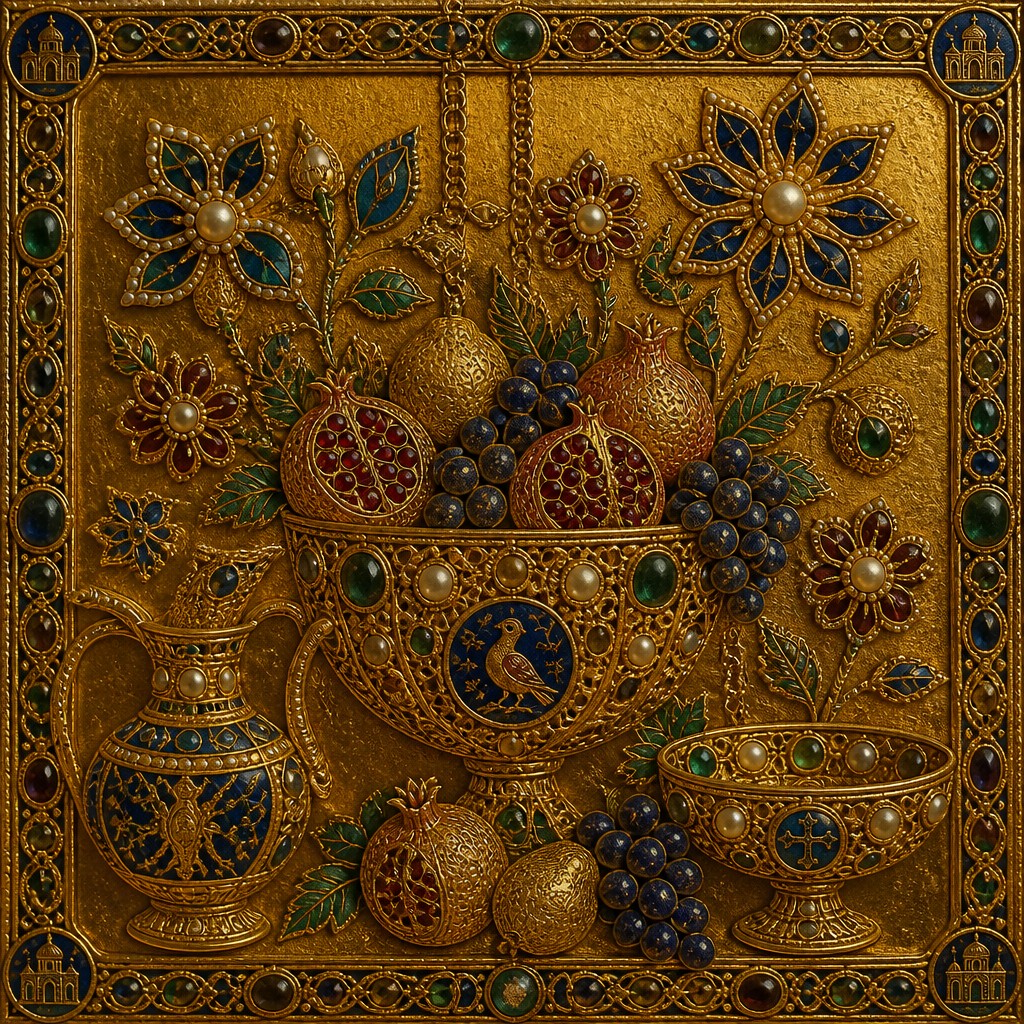
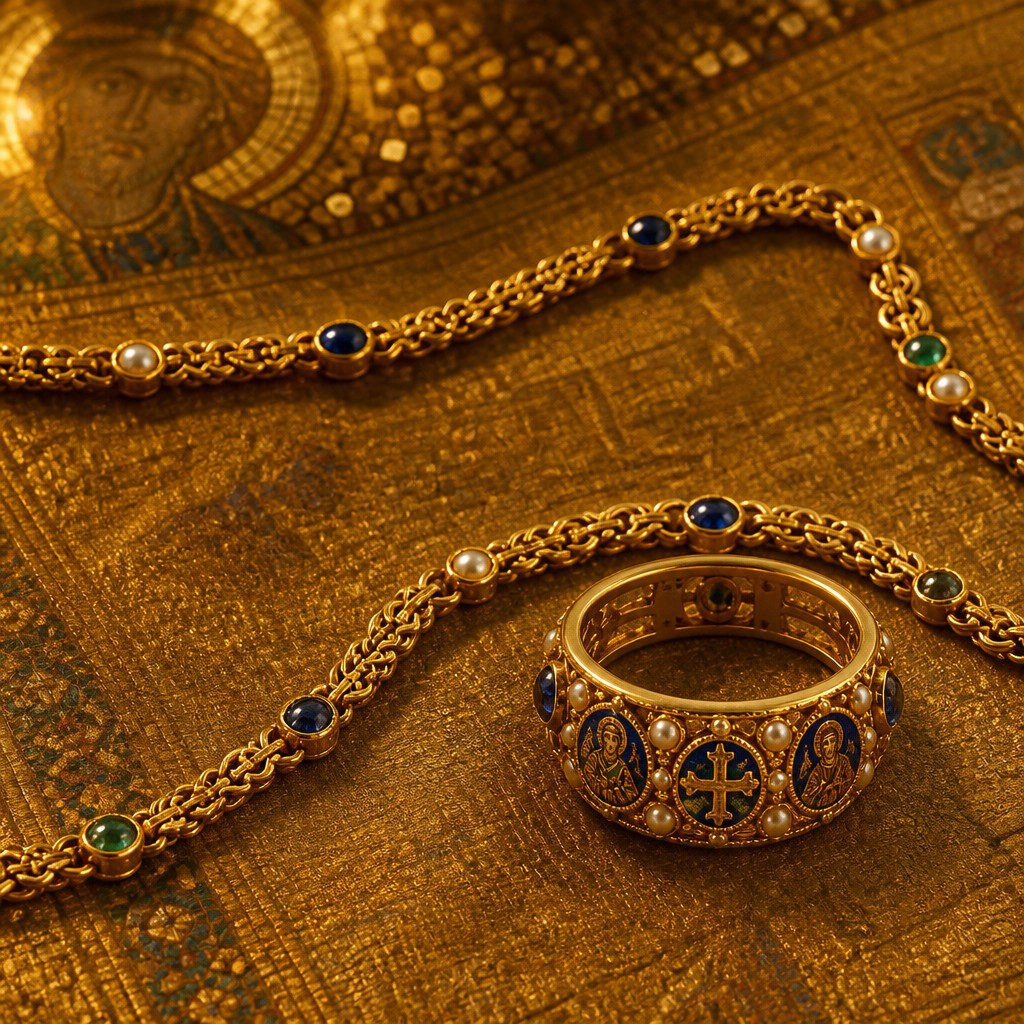
Visually, the style favors high-karat yellow gold, pierced openwork, loop-in-loop chains, raised settings, and jewel surfaces that catch light in compact, luminous points. Forms are often frontal and hieratic, with medallions, crosses, pendants, and rosettes arranged in balanced compositions. The aesthetic developed from a blend of late Roman goldsmithing, Christian iconography, and eastern Mediterranean luxury traditions, producing objects that feel at once devotional, regal, and intensely decorative.
Try It On Your Photos
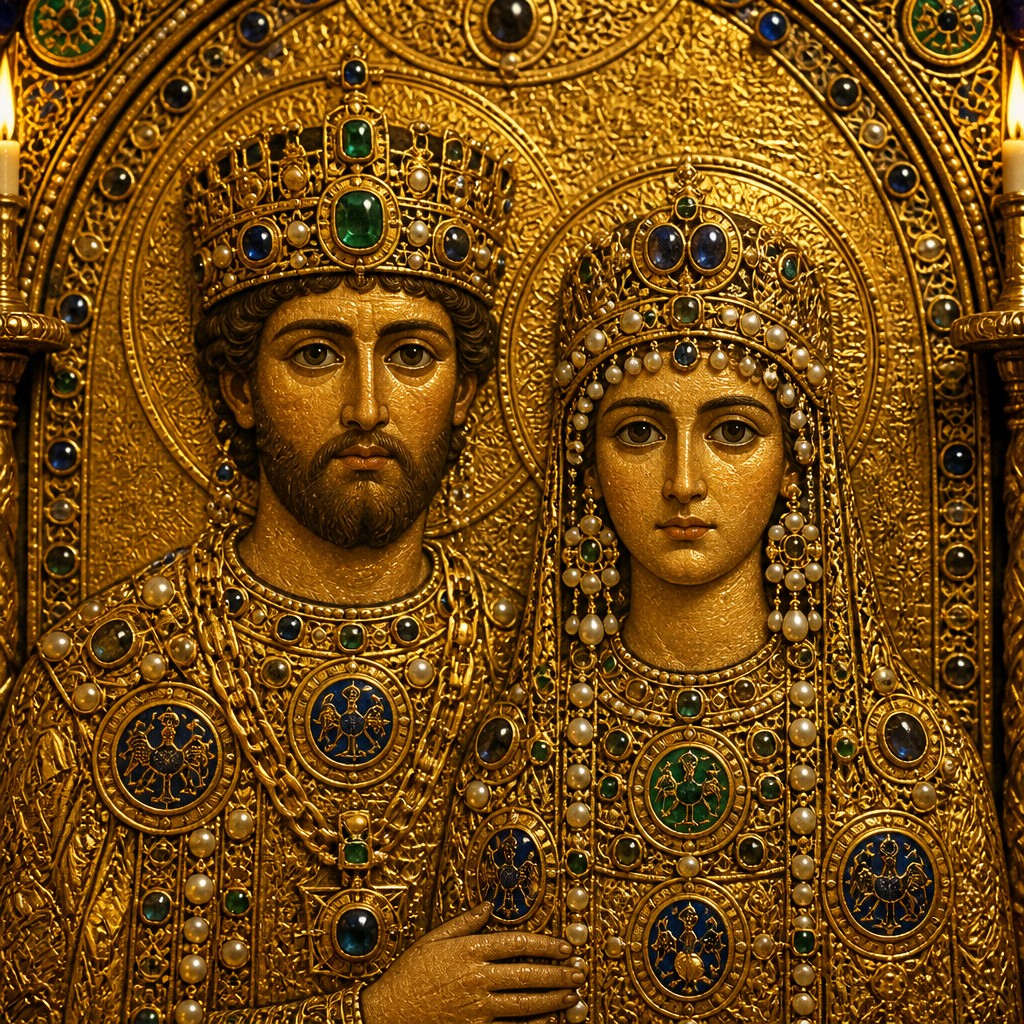
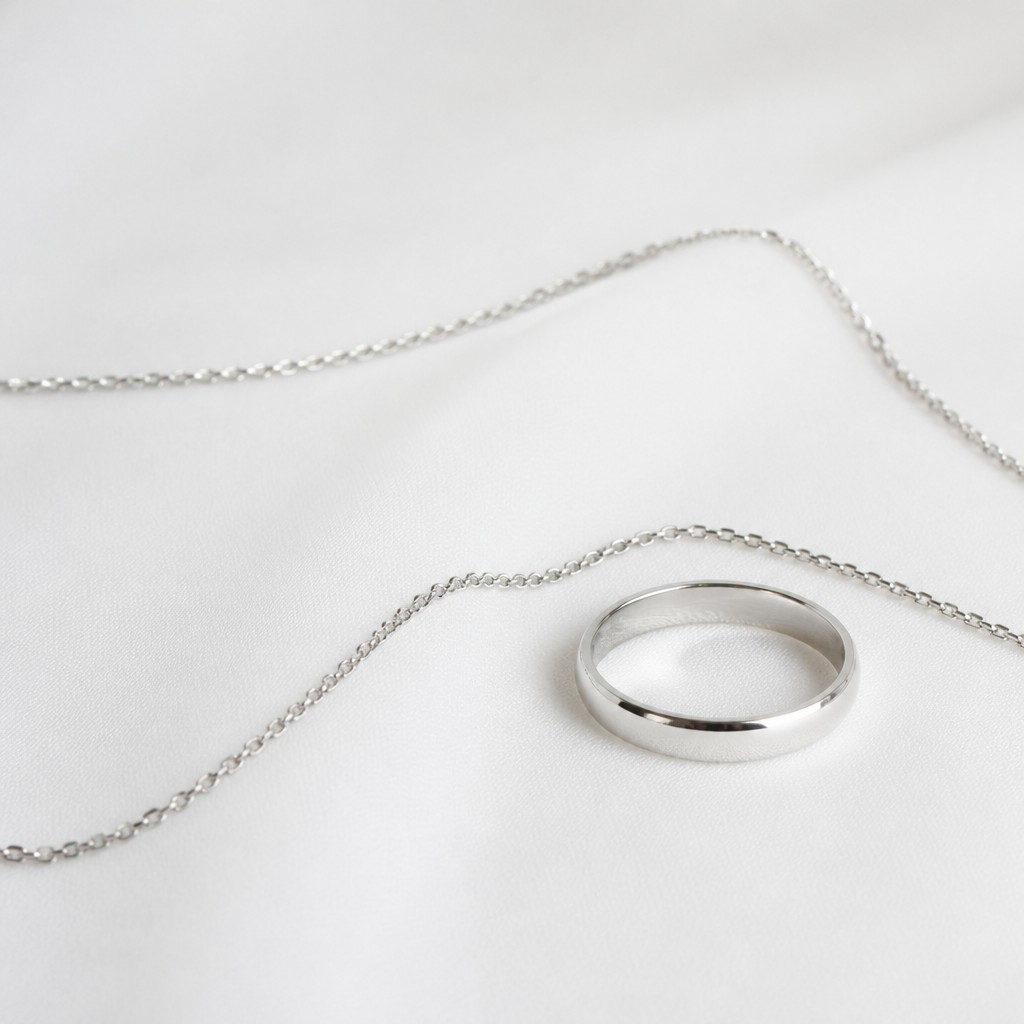
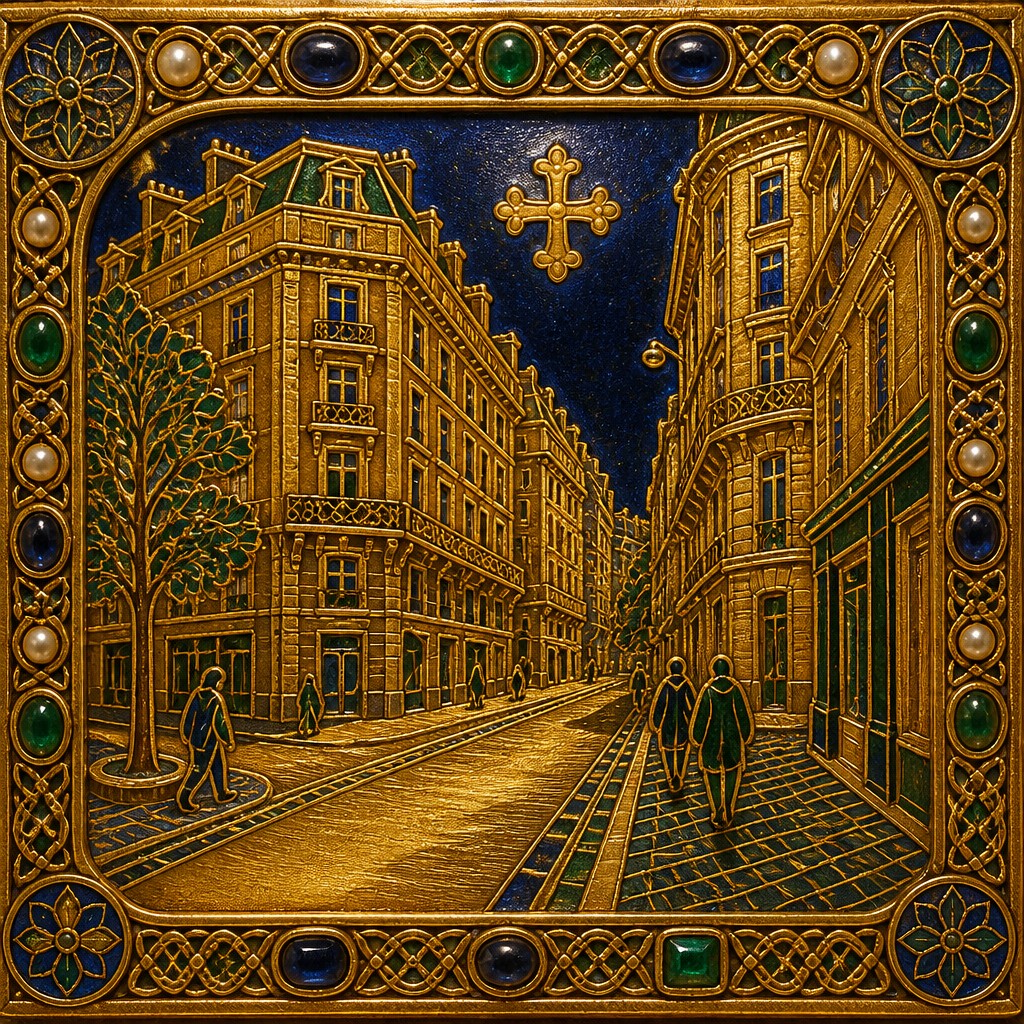
Upload any photo and convert it into Byzantine Jewelry Design — drag the sliders to compare before and after.



What Defines Byzantine Jewelry Design
The signature details, up close
Imperial Gold Presence
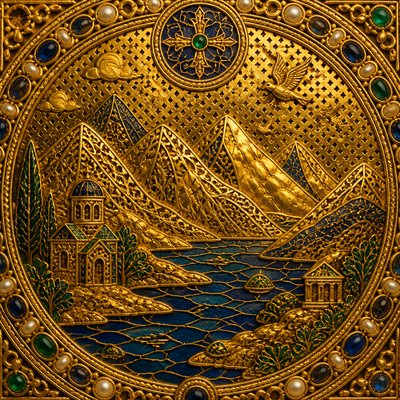
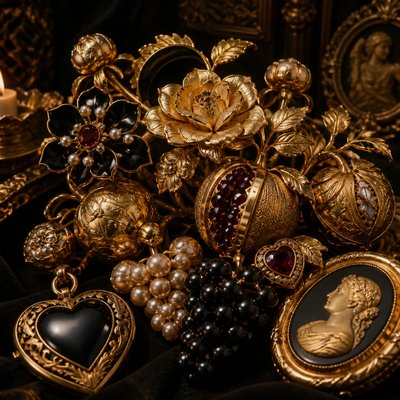
The dominant material is yellow gold, usually presented as dense, luminous, and ceremonial. Surfaces often appear hammered, polished, or perforated to maximize light and richness.
Cabochon Gem Settings
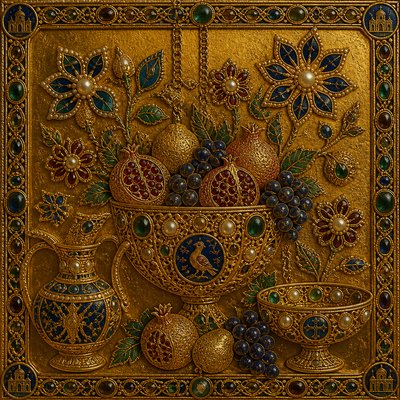
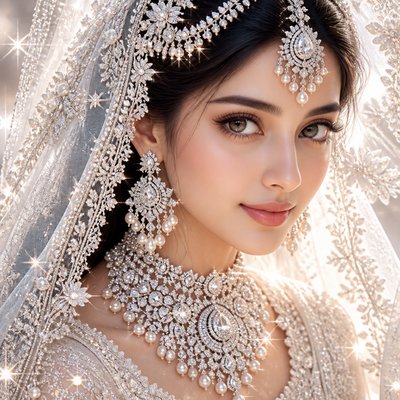
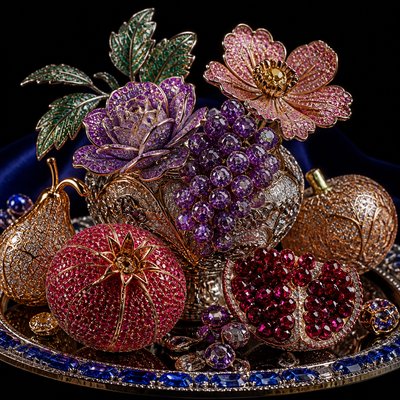
Stones are typically smooth and domed rather than faceted, especially sapphires, emeralds, garnets, and pearls. They are often set in raised collets or clustered in rhythmic rows.
Cloisonné and Enamel Icons
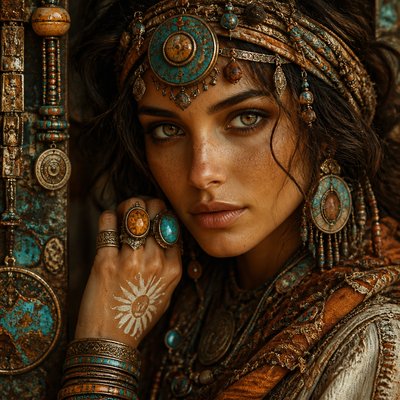
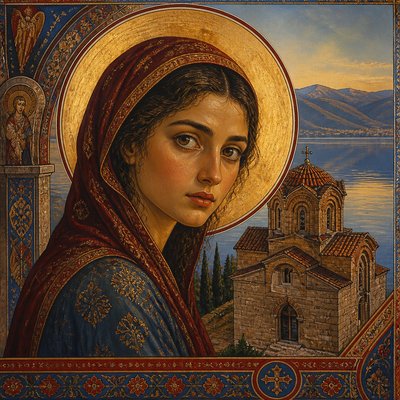
Small enamel medallions and icon-like inserts introduce saturated color and sacred imagery. These details reinforce the style’s resemblance to church mosaics and devotional objects.
Frontal Symmetry
Compositions are usually balanced, centered, and ceremonial, with little interest in motion or asymmetry. The design feels formal, stable, and processional.
Pierced and Woven Metalwork
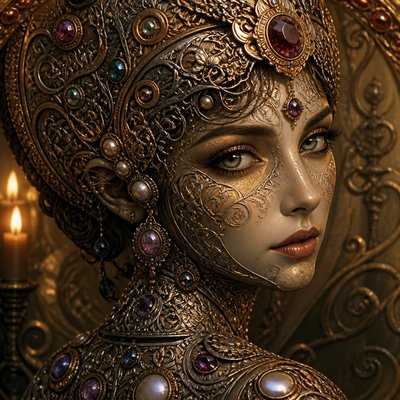
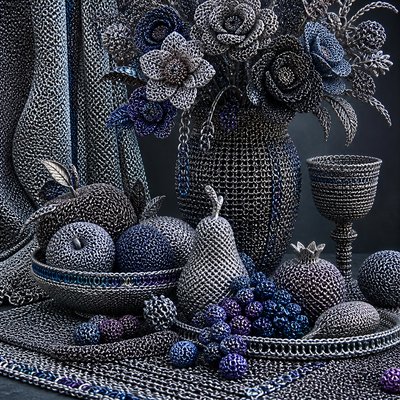
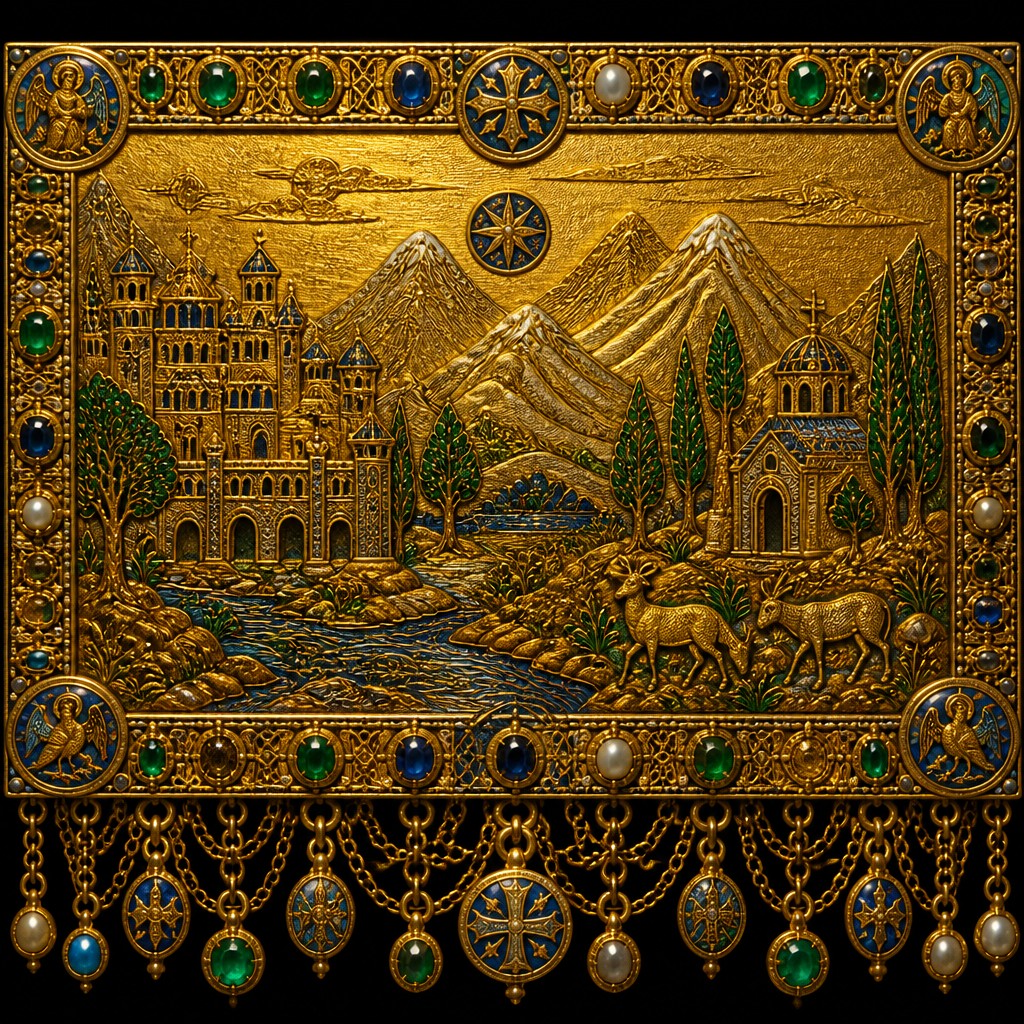
Openwork, filigree, and loop-in-loop chains add intricacy without sacrificing the heavy imperial feel. The metal often reads as both architectural and textile-like.
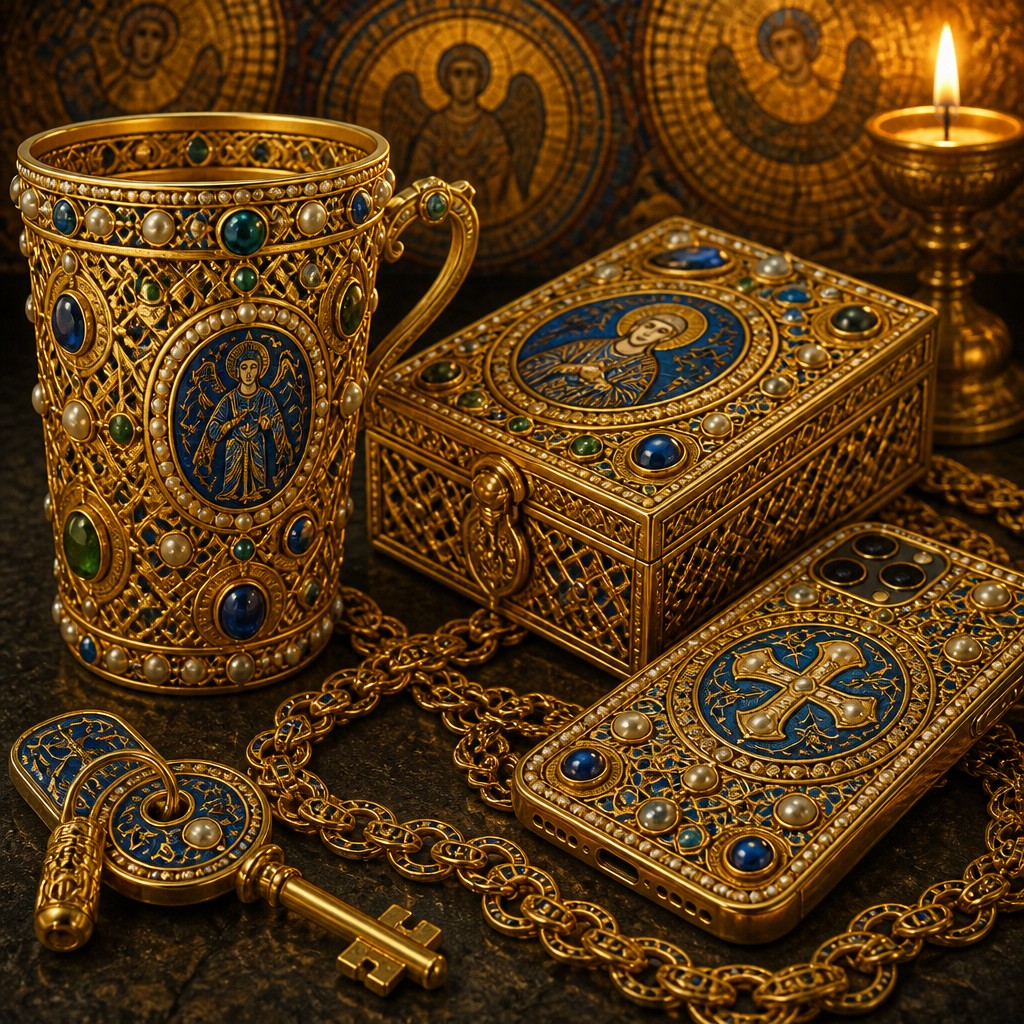
Sacred Radiance
Light is part of the design language, especially candlelight or icon-light glinting off gold and stones. The overall effect is subdued grandeur rather than sparkle for its own sake.
Try It
Create Videos in Byzantine Jewelry Design
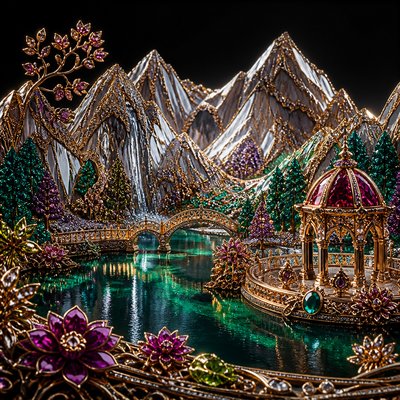
Styles aren't just for stills — describe a scene or animate an image and get a short video rendered in Byzantine Jewelry Design. Press play to see this pond come to life.
Make a VideoByzantine Jewelry Design Prompt Ideas
Start from an idea — each one opens the generator with the style ready to go. See all 40 Byzantine Jewelry Design prompts →
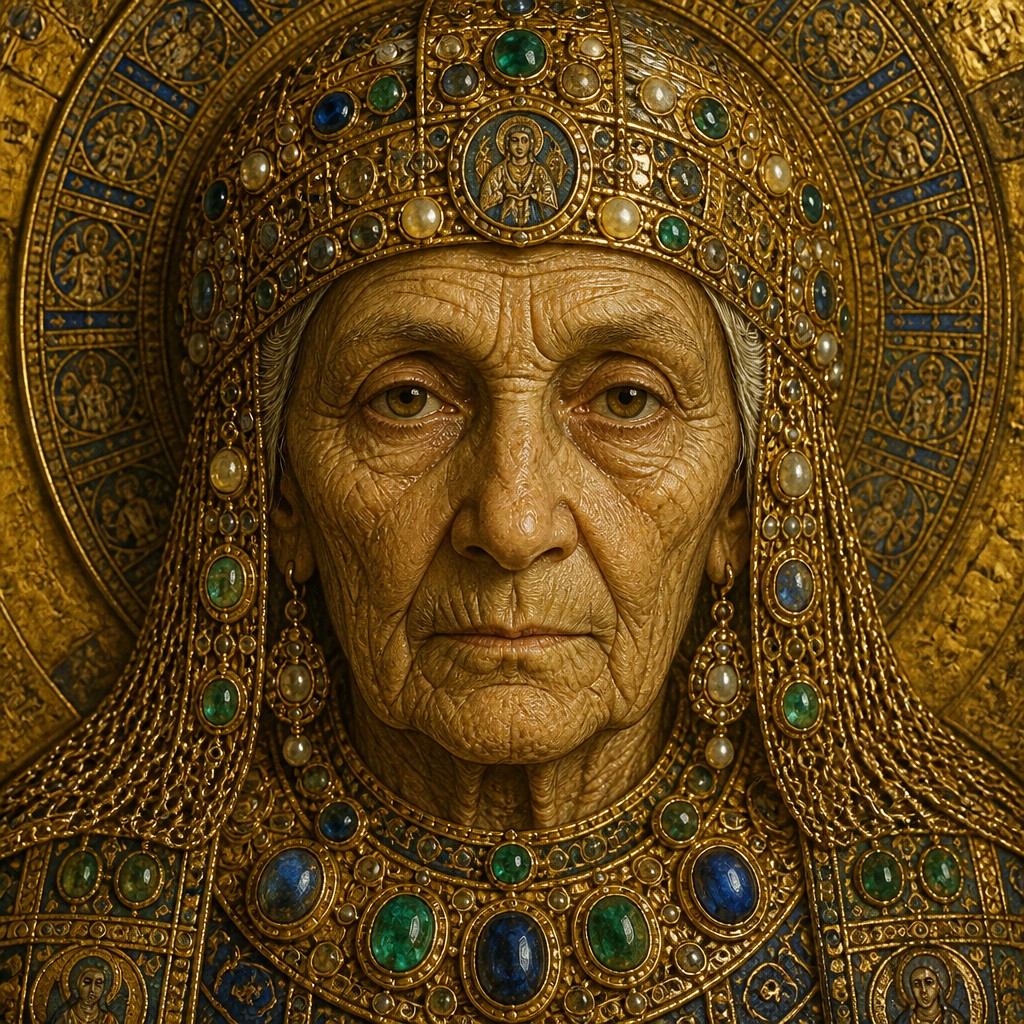
“close-up portrait of an elderly person with expressive weathered features”
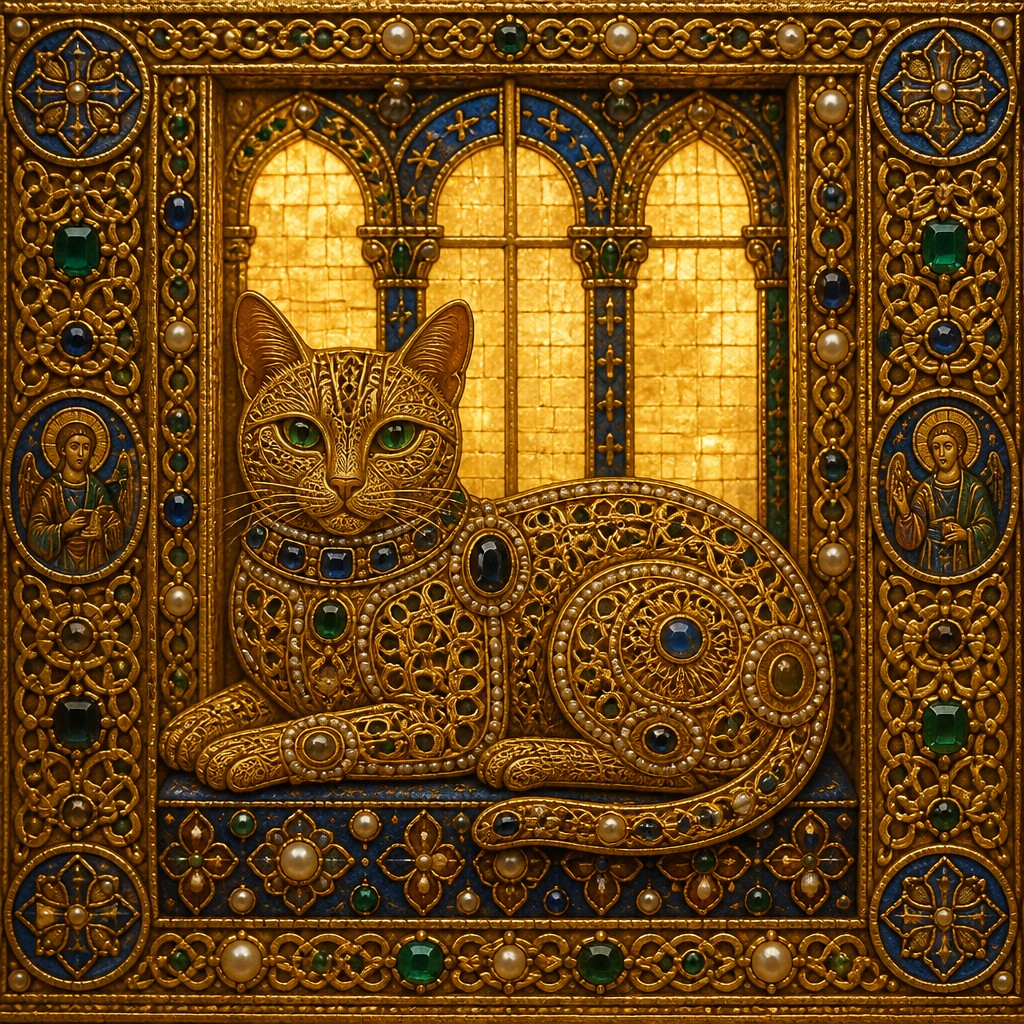
“a cat lounging in a sunlit window”
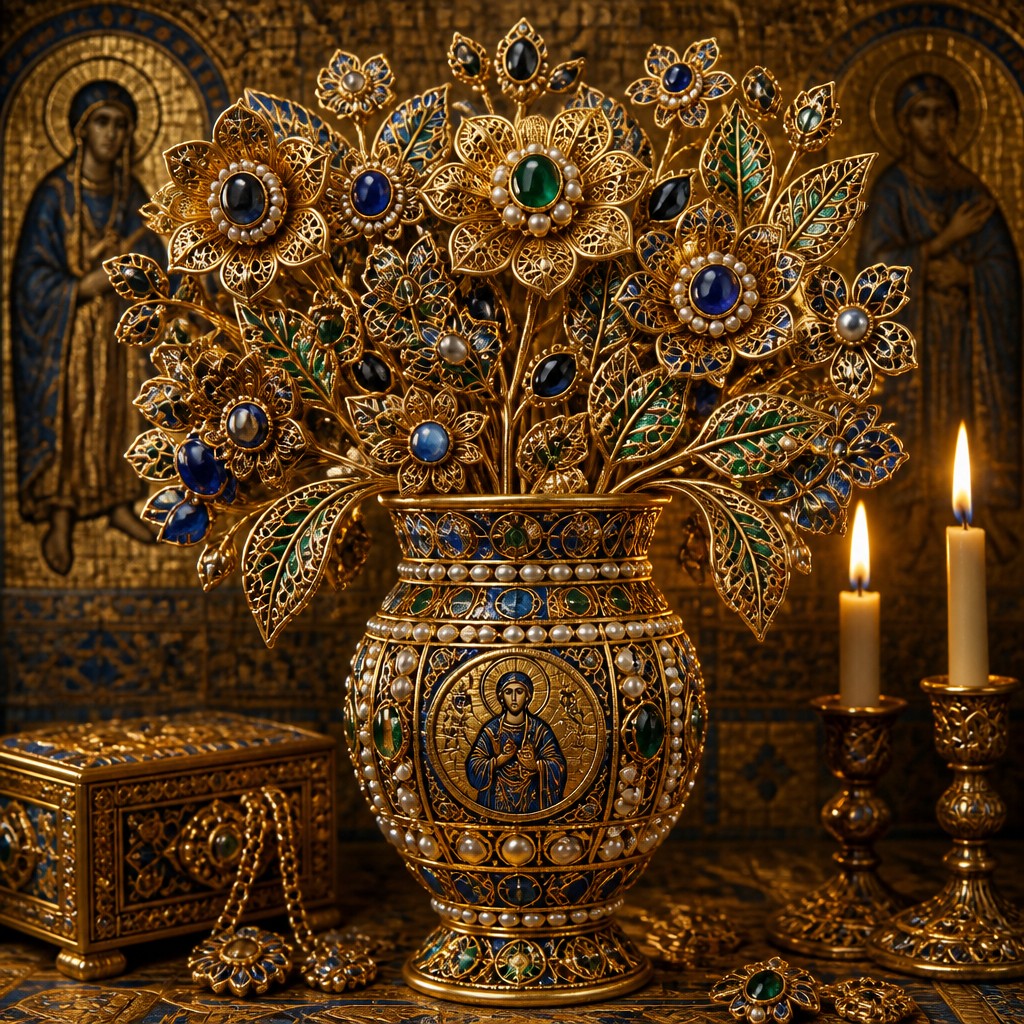
“bouquet of flowers in a glass vase”
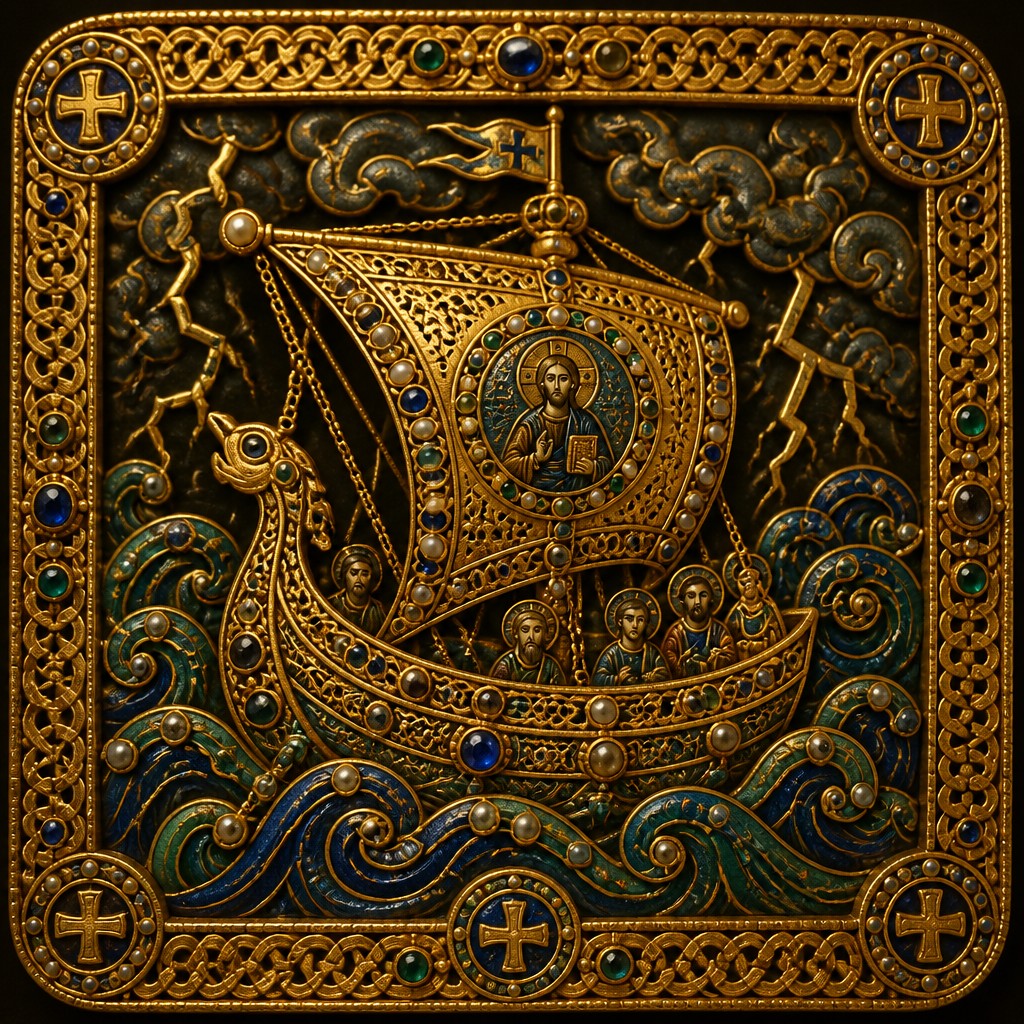
“sailing ship on a stormy sea”
How to Create Byzantine Jewelry Design Art
Master the craft step by step — or skip straight to creating. Read the full guide →
- 1
Choose a Hieratic Composition
Start with a centered pendant, brooch, diadem, or cross-shaped arrangement that reads clearly from the front. Keep the silhouette symmetrical and ceremonial so the piece feels rooted in Byzantine visual order.
- 2
Use Gold as the Primary Field
Build the piece in warm yellow gold with layered texture, pierced ornament, and raised settings. Avoid overly white or modern minimalist metal finishes, since the style depends on the warmth and density of gold.
- 3
Place Cabochons Deliberately
Set smooth gems in small clusters or rows, allowing gold prongs or collets to frame each stone. A restrained palette of sapphire blue, emerald green, pearl white, and garnet red will feel especially authentic.
- 4
Add Enamel and Iconic Motifs
Introduce tiny medallions, crosses, rosettes, or saintly silhouettes in cloisonné enamel or mosaic-like color blocks. These details should feel embedded in the metal rather than printed on top.
- 5
Balance Historical Texture with Clarity
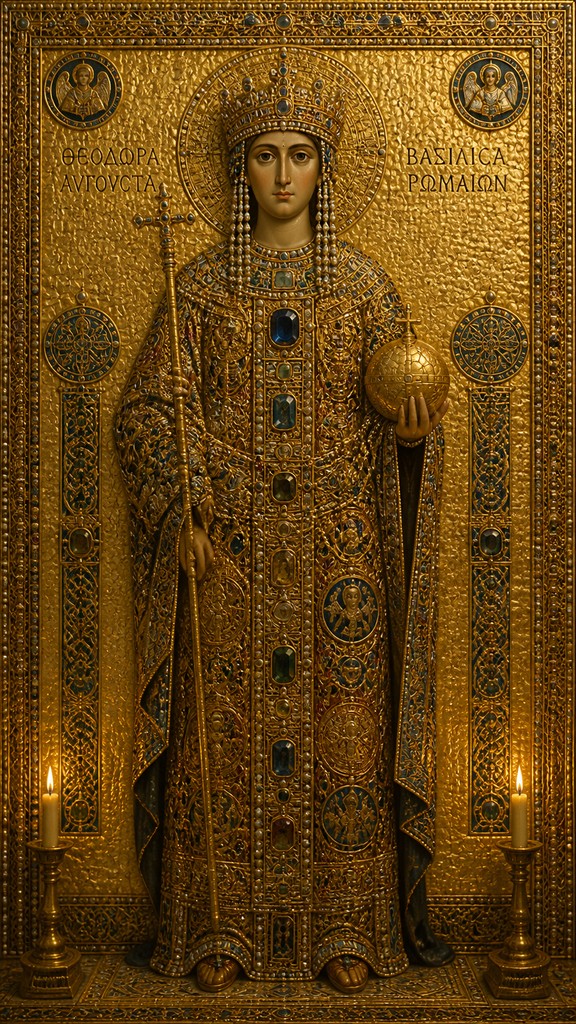
For digital or AI-based creation, specify imperial goldwork, loop-in-loop chains, opus interrasile patterning, raised gemstone settings, and candlelit church-mosaic glow. Keep the object readable, frontal, and richly detailed so the style does not dissolve into generic fantasy ornament.
The Story
History & Origins of Byzantine Jewelry Design
Byzantine jewelry emerged within the broader artistic culture of the Byzantine Empire, which inherited Roman goldsmithing techniques and transformed them through Christian symbolism and courtly ceremony. Luxury objects from the empire and its sphere of influence often used cloisonné enamel, granulation, filigree, and gemstone settings to create vivid surfaces suited to portable display and religious prestige. Because much of Byzantine art emphasized frontal images, gold backgrounds, and spiritual radiance, jewelry often echoed the same visual language as mosaics and icons.
Rather than belonging to a single named modern movement, Byzantine jewelry design is a historical decorative tradition that developed over centuries and spread through trade, diplomacy, and imitation across the Mediterranean and eastern Europe. Its legacy can be seen in later Orthodox metalwork, medieval royal regalia, and revivalist jewelry that borrows Byzantine forms such as medallions, cross pendants, and enamel icons.
Influences: Byzantine jewelry design grows from late Roman luxury metalwork, eastern Mediterranean goldsmithing, and Christian icon culture, especially the frontal, luminous logic also seen in Byzantine mosaics and icons. It shares affinities with Orthodox devotional objects, medieval treasury art, and later revival styles that admired its combination of gold, enamel, and gemmed solemnity. Canonical artists are generally not documented for most surviving pieces, since many works were made by anonymous court workshops rather than signed makers.

Frequently Asked Questions
What defines Byzantine jewelry design?
It is defined by imperial gold, cabochon gemstones, enamel medallions, and a solemn frontal composition. The style is less about delicate sparkle than about sacred authority, rich surface pattern, and icon-like symmetry.
Is Byzantine jewelry the same as medieval jewelry?
Not exactly. Byzantine jewelry is a specific eastern Roman and Orthodox luxury tradition within the medieval world, with its own emphasis on enamel, gold, and Christian symbolism. Many medieval regions were influenced by it, but not all medieval jewelry is Byzantine in style.
What materials are most associated with this style?
High-karat yellow gold is the most characteristic material, often paired with cabochon sapphires, emeralds, garnets, pearls, and colored enamel. Openwork gold and woven chains also help define the look.
How is it different from Gothic or Renaissance jewelry?
Byzantine jewelry is usually flatter, more frontal, and more icon-like than Gothic or Renaissance work. It favors ceremonial symmetry and mosaic-like color rather than the naturalism and spatial complexity associated with later European styles.
Where is this style used today?
It appears in heritage jewelry, ecclesiastical ornaments, historical costume design, fantasy worldbuilding, and luxury pieces that reference Orthodox or imperial aesthetics. It is also common in visual art that seeks a sacred, antique, or regal atmosphere.
How can I make a modern image feel Byzantine without copying a specific artifact?
Use the core vocabulary of the style: gold dominance, cabochons, enamel medallions, frontal balance, and candlelit luminosity. You can apply those features to contemporary subjects while keeping the ornamentation formal and devotional in spirit.
Create your first Byzantine Jewelry Design artwork
Describe anything — or upload a photo — and see it in Byzantine Jewelry Design in seconds.
Make Something with Byzantine Jewelry Design
Related Styles
Discover similar art styles