Contemporary Luxe Interior Design
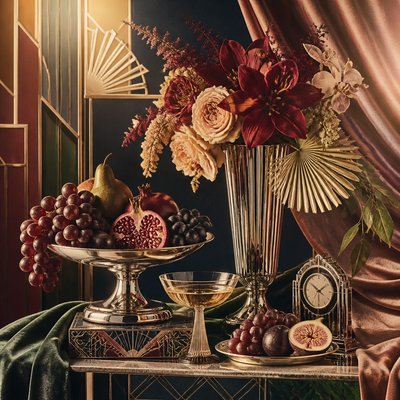
Polished modern luxury interiors with marble, champagne tones, velvet textures, and quiet hotel-suite lighting.
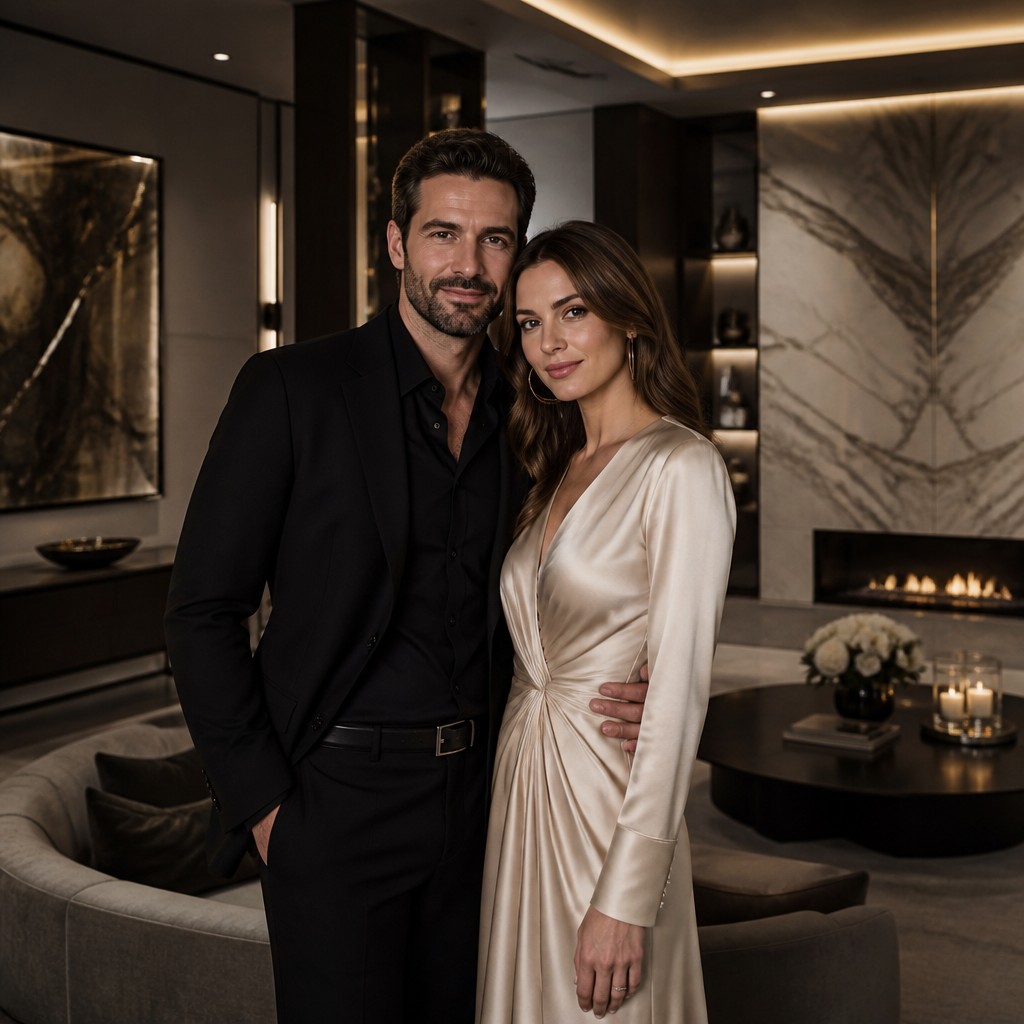
Instantly rendered in Contemporary Luxe Interior Design — or transform a photo
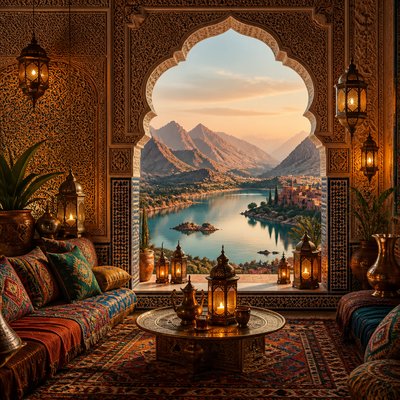
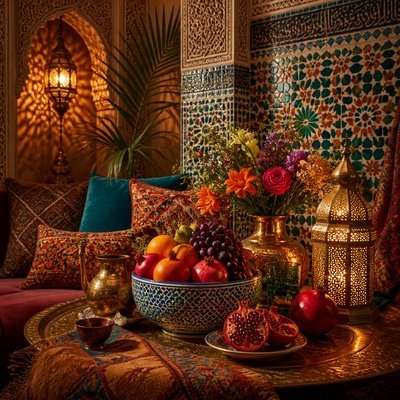
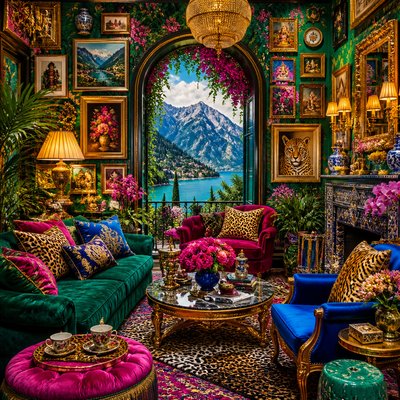
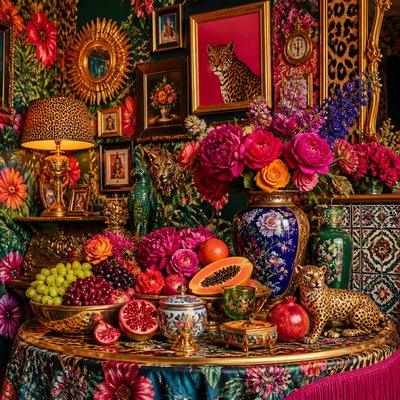
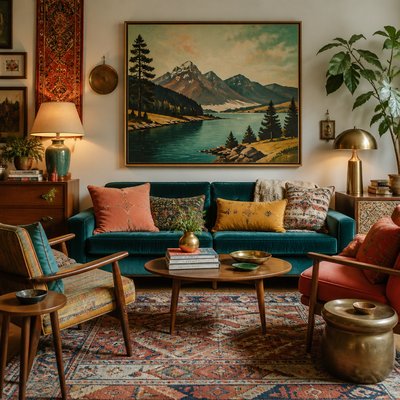
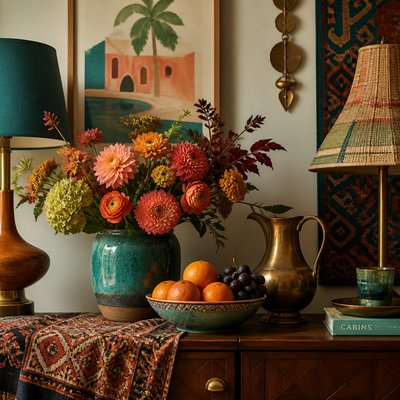
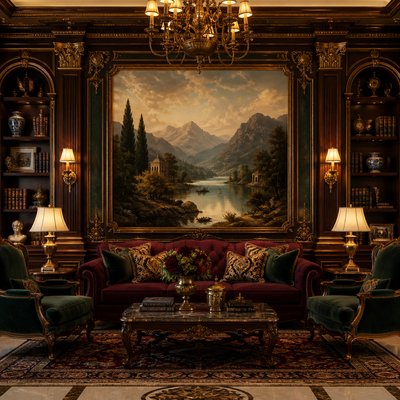
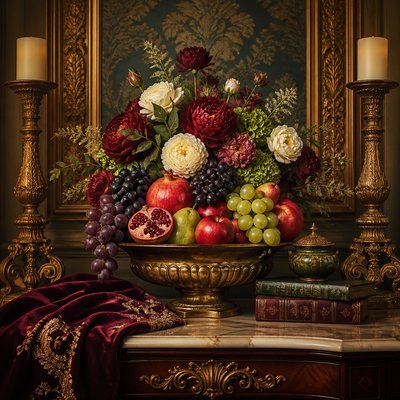
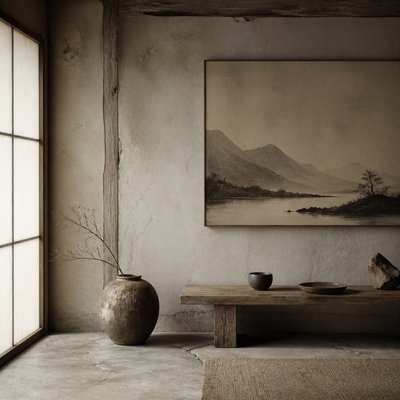
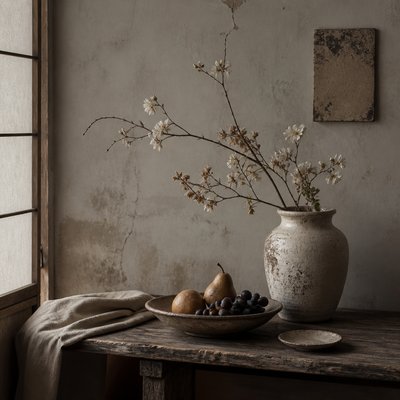
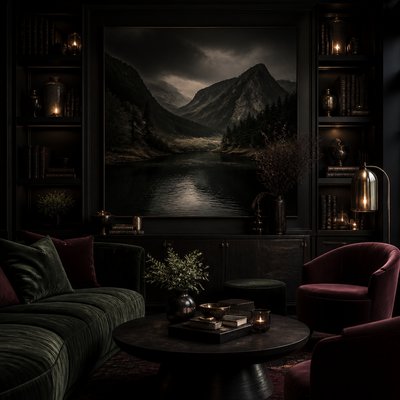
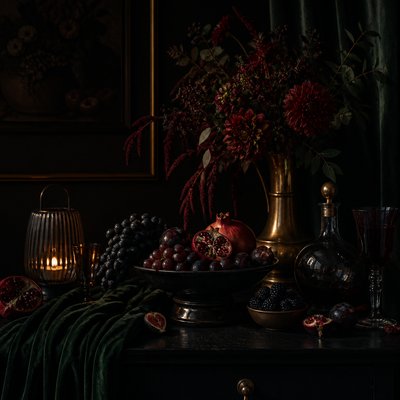
Contemporary Luxe Interior Design Gallery
Tap any artwork to explore it
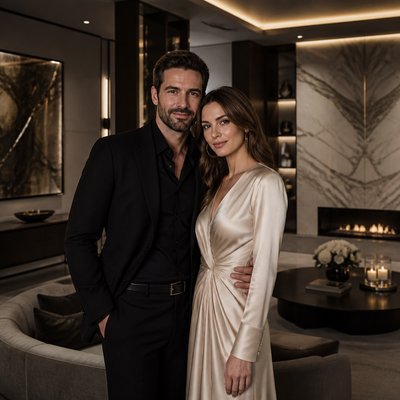
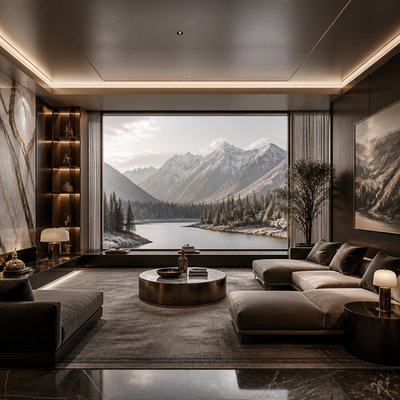
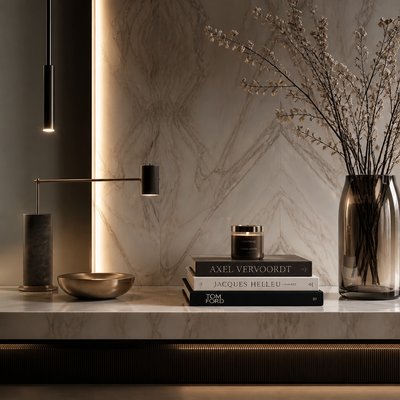
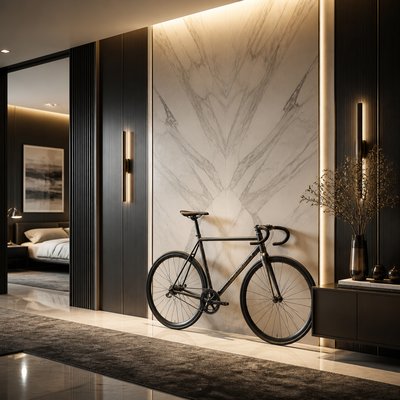
What is Contemporary Luxe Interior Design?
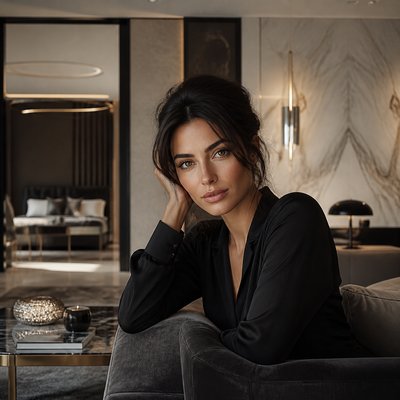
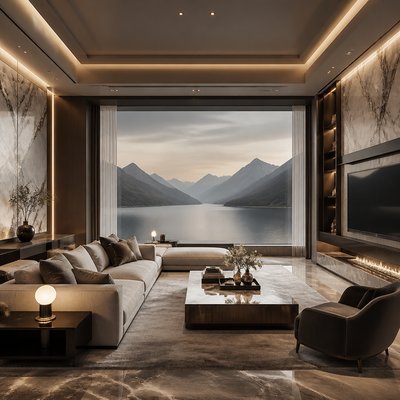
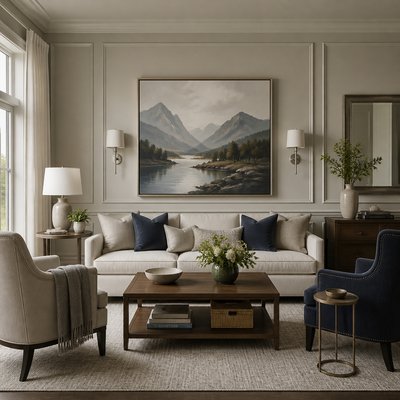
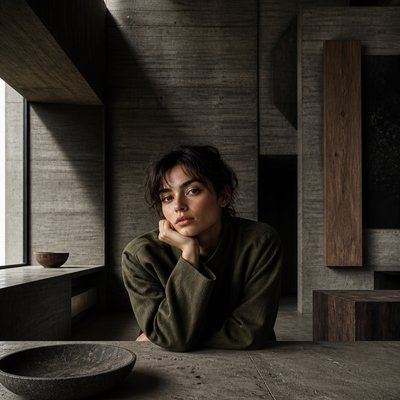
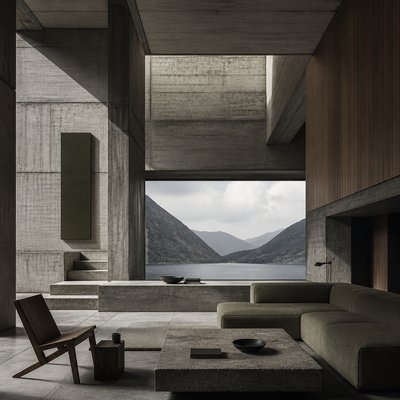
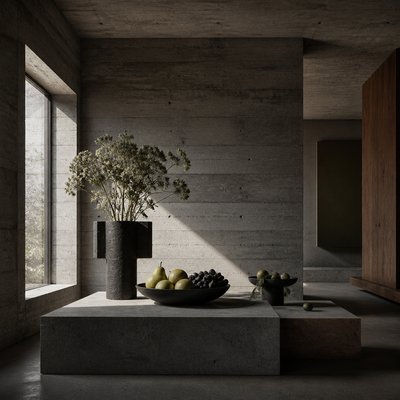
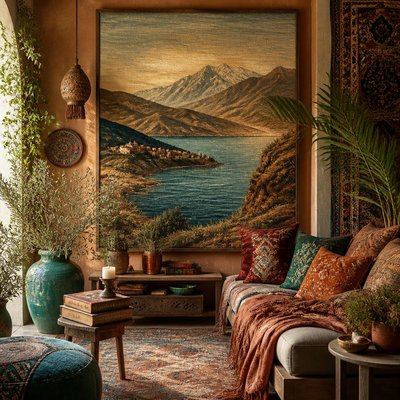
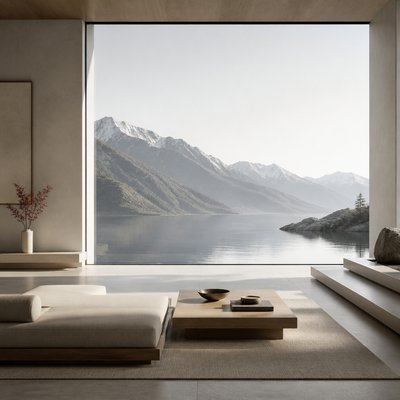
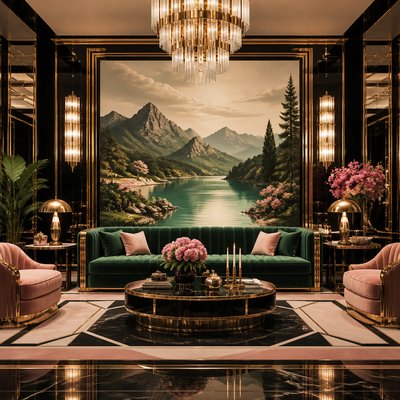
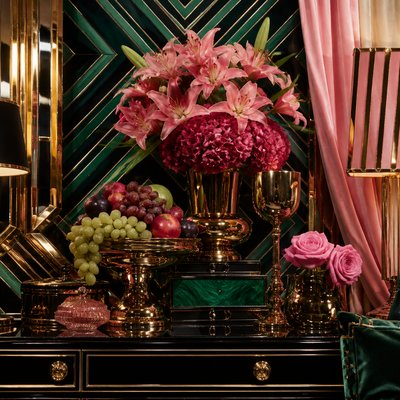
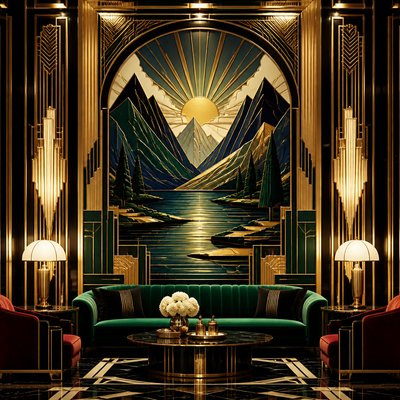
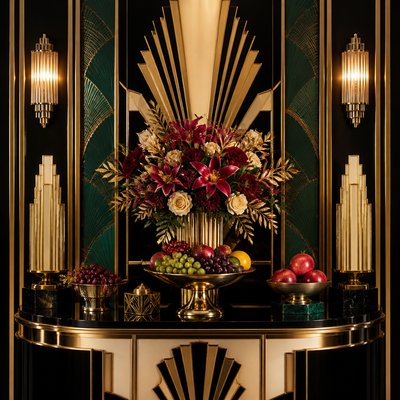
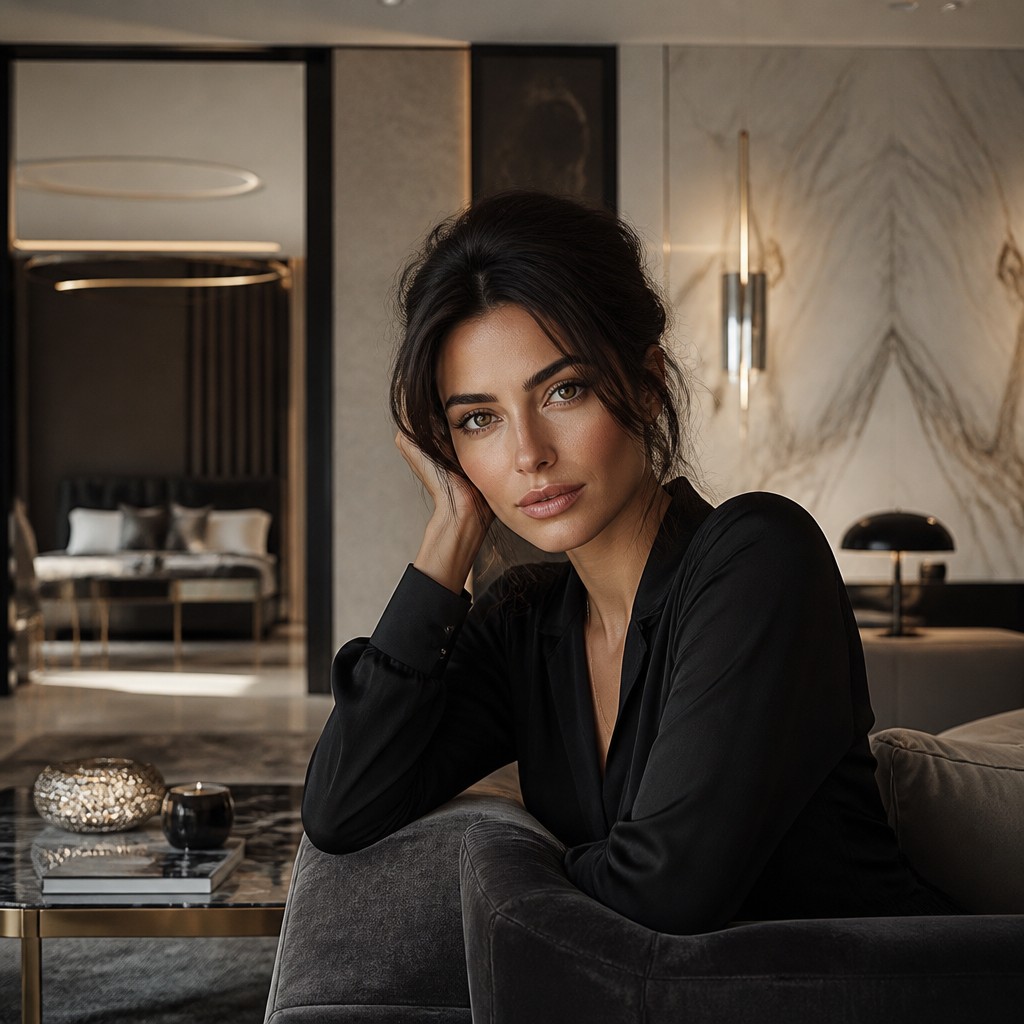
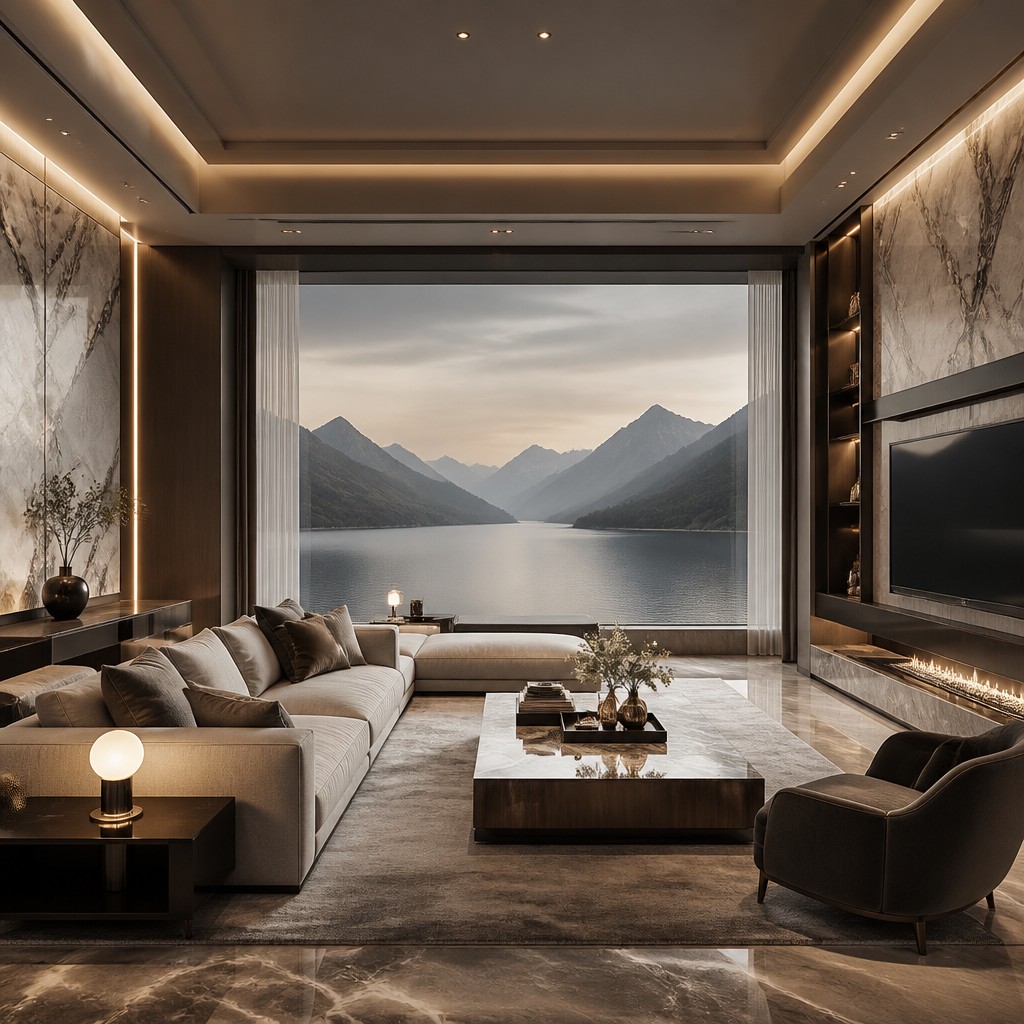
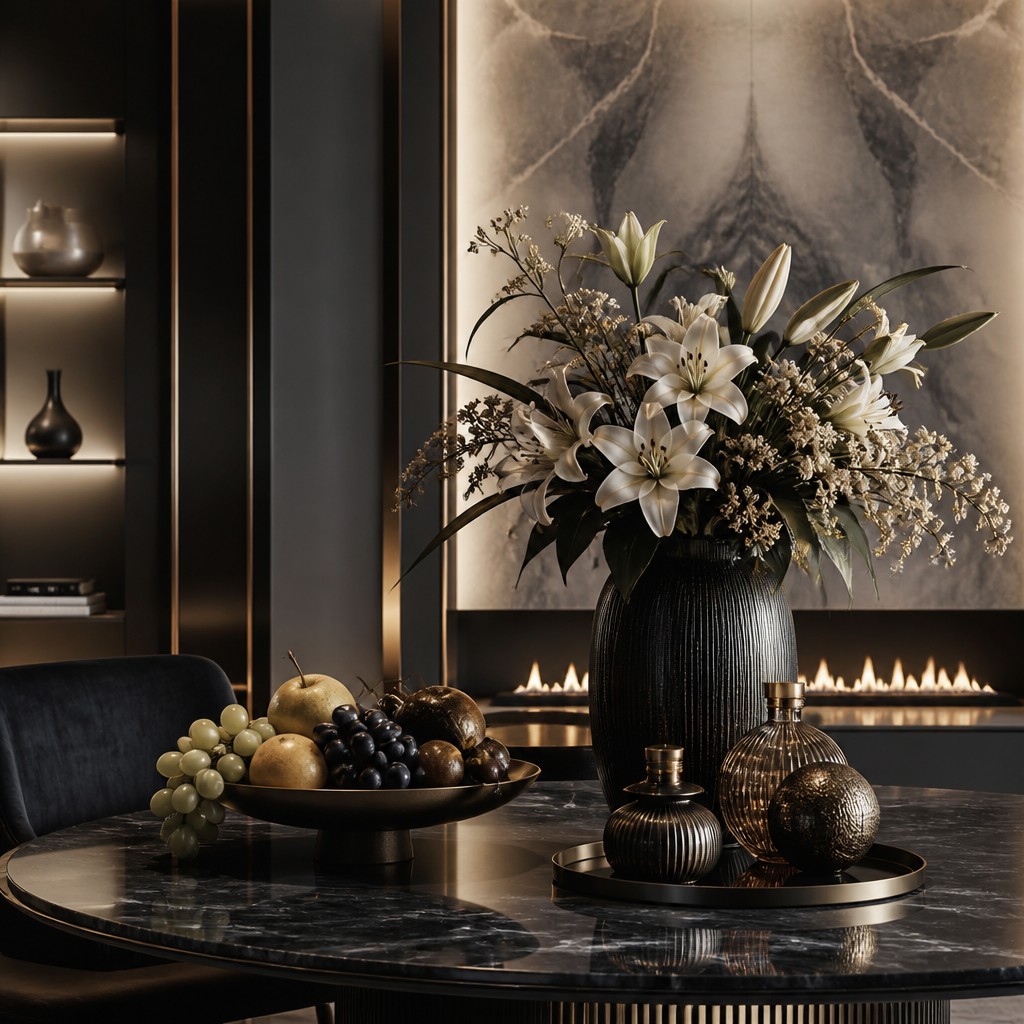
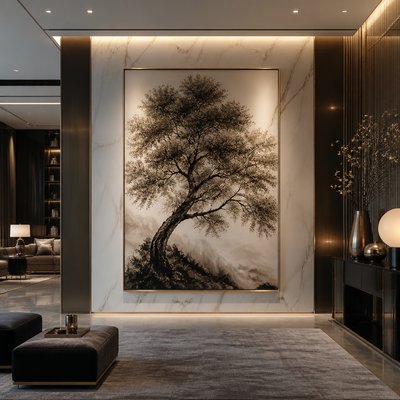
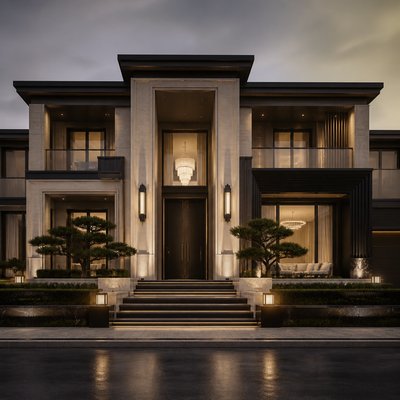
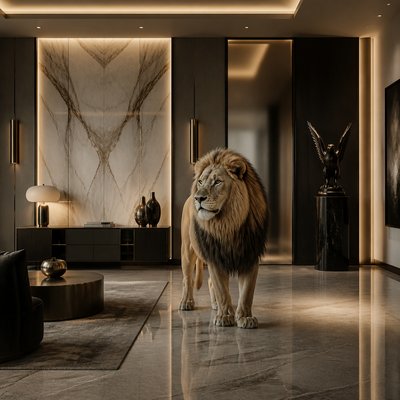
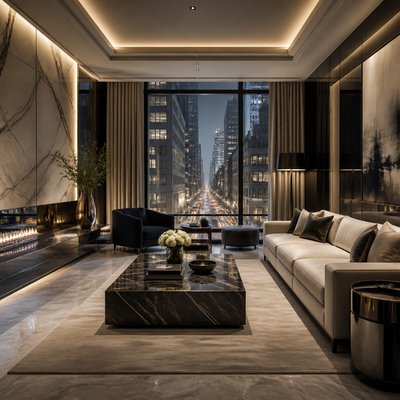
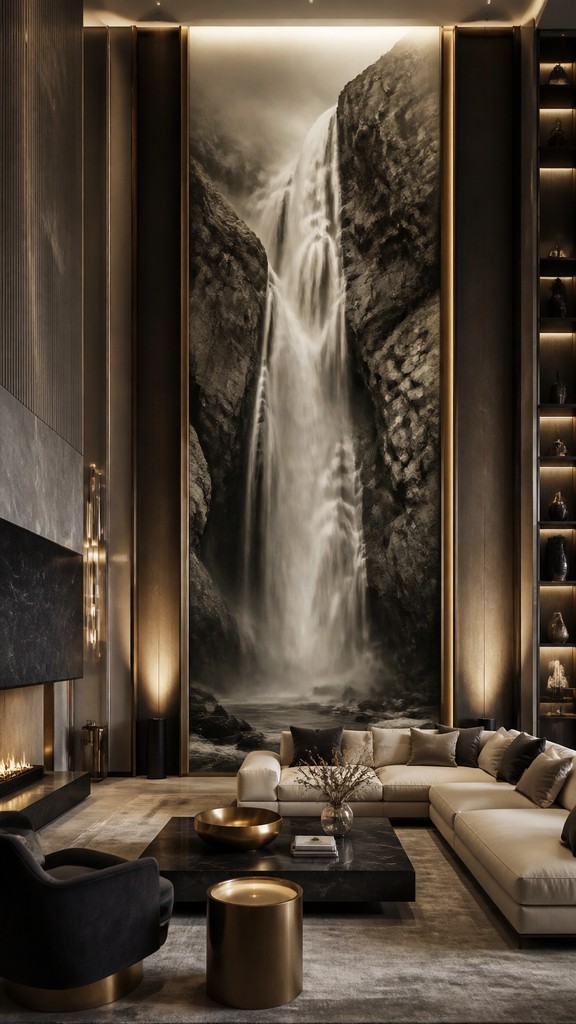
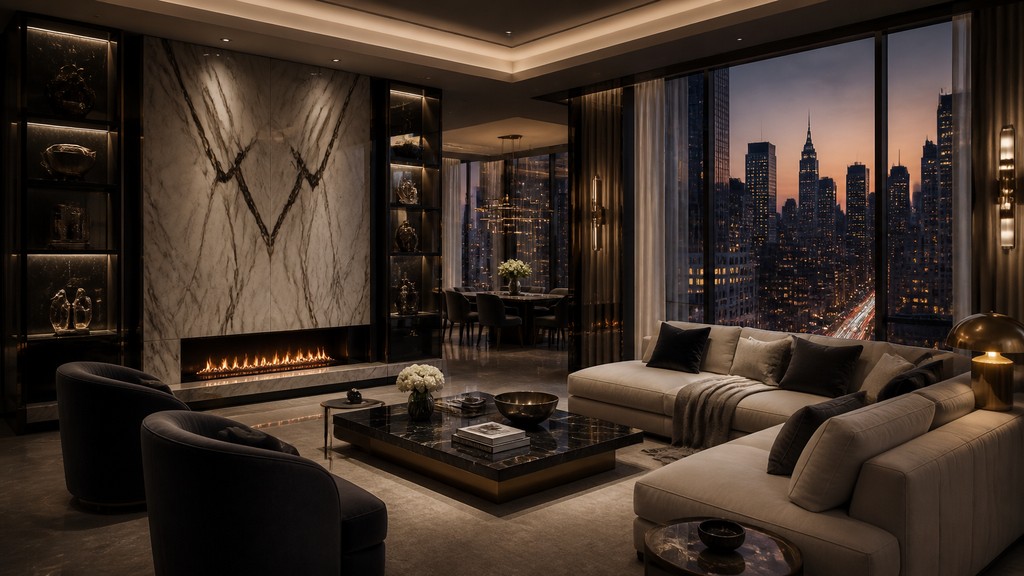
Contemporary Luxe Interior Design is a modern luxury aesthetic built around restraint, material richness, and calm. It typically combines a pared-back composition with high-end finishes such as book-matched marble, brushed metal, lacquer, velvet, and soft leather, all arranged in a space that feels uncluttered and deliberate. The palette usually stays within charcoal, ivory, champagne, smoked bronze, and other muted metallic or neutral tones, allowing texture and light to carry the visual interest.
The style looks the way it does because it borrows from hospitality interiors, executive residential design, and contemporary minimalism rather than from ornament-heavy historical luxury. Its emphasis is on atmosphere: soft-gloss reflections, recessed ambient lighting, sculptural accents, and carefully controlled contrast create a sense of quiet opulence. Instead of maximal decoration, the room communicates prestige through proportion, finish quality, symmetry, and a polished, hotel-suite serenity.
Try It On Your Photos
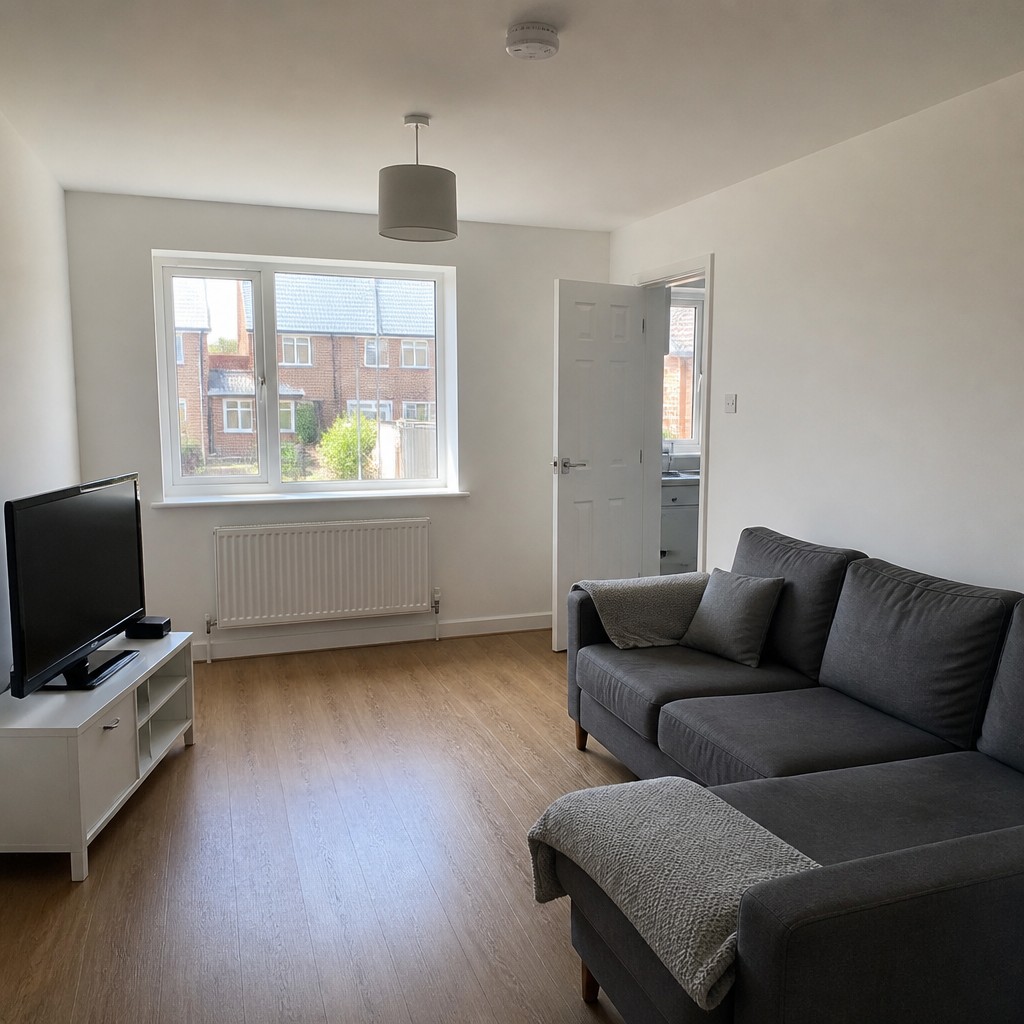
Upload any photo and convert it into Contemporary Luxe Interior Design — drag the sliders to compare before and after.
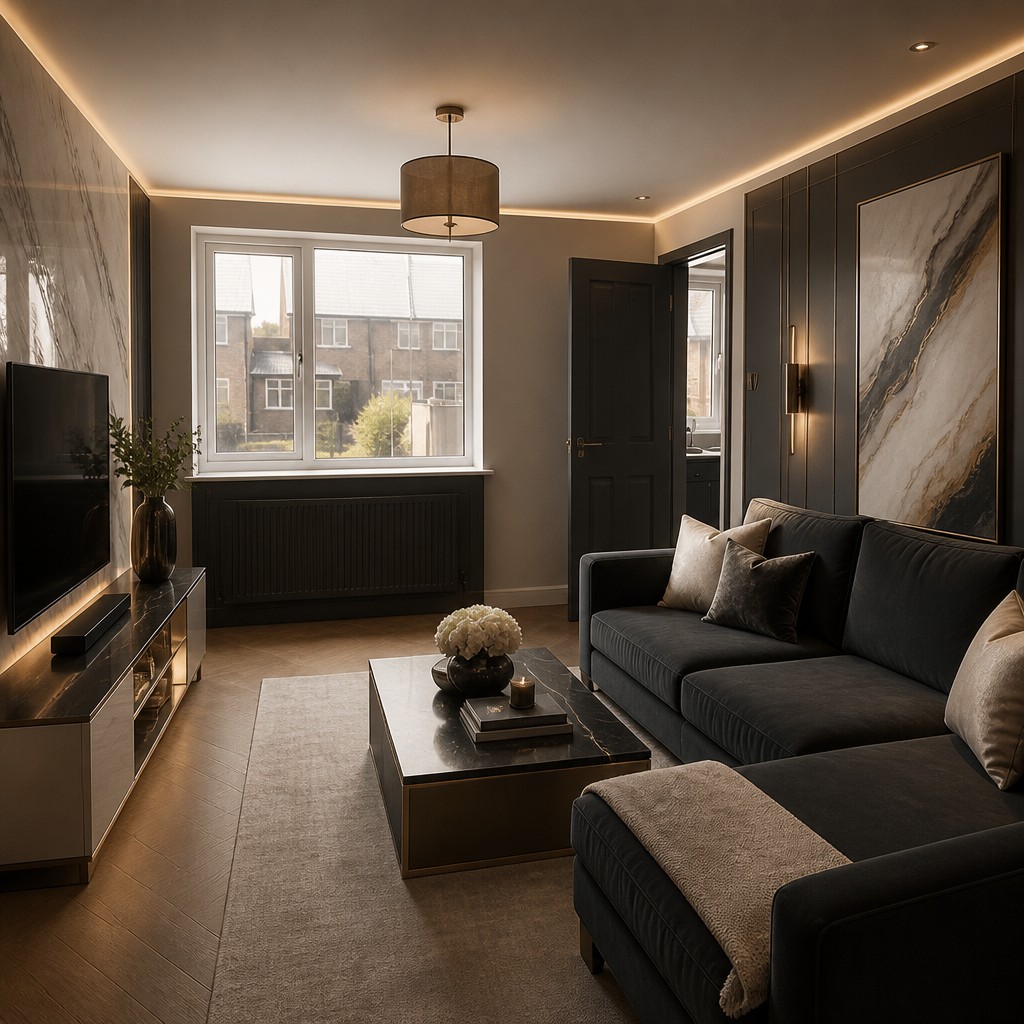
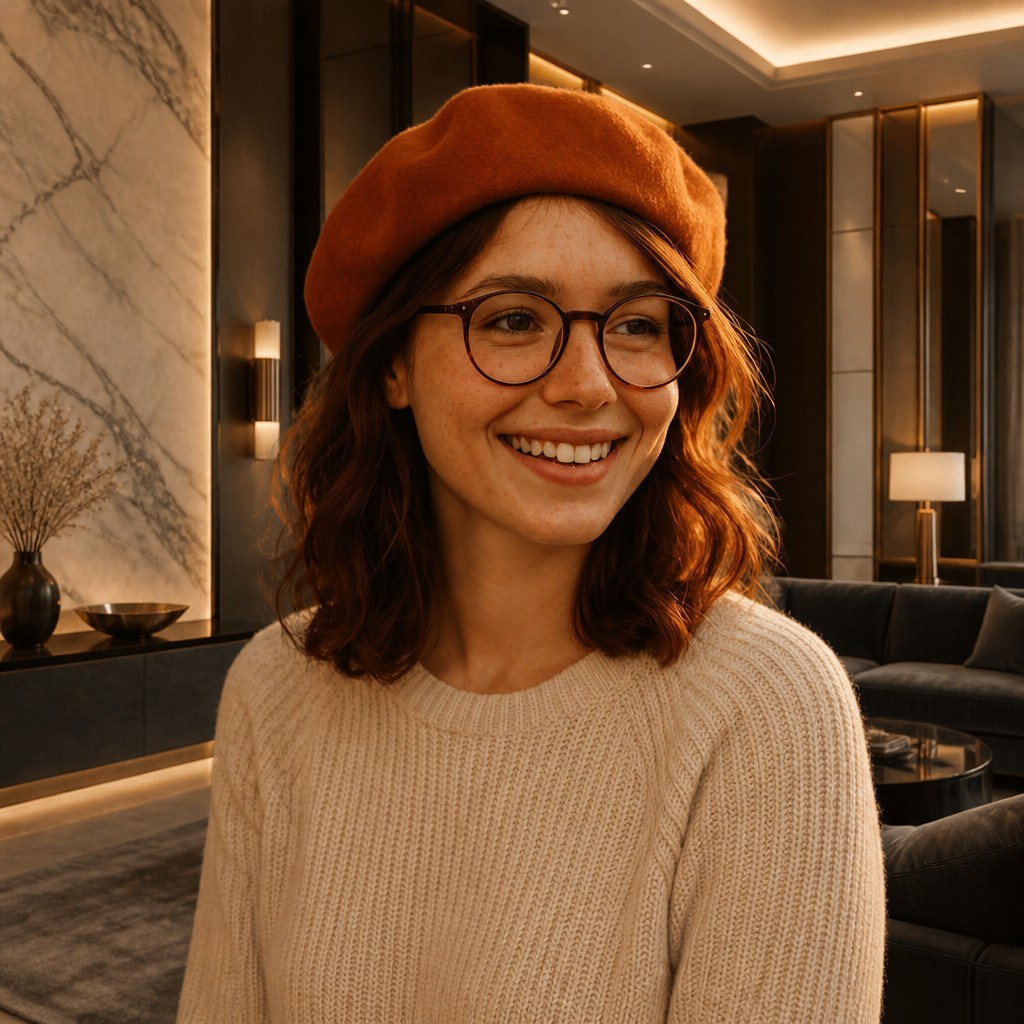

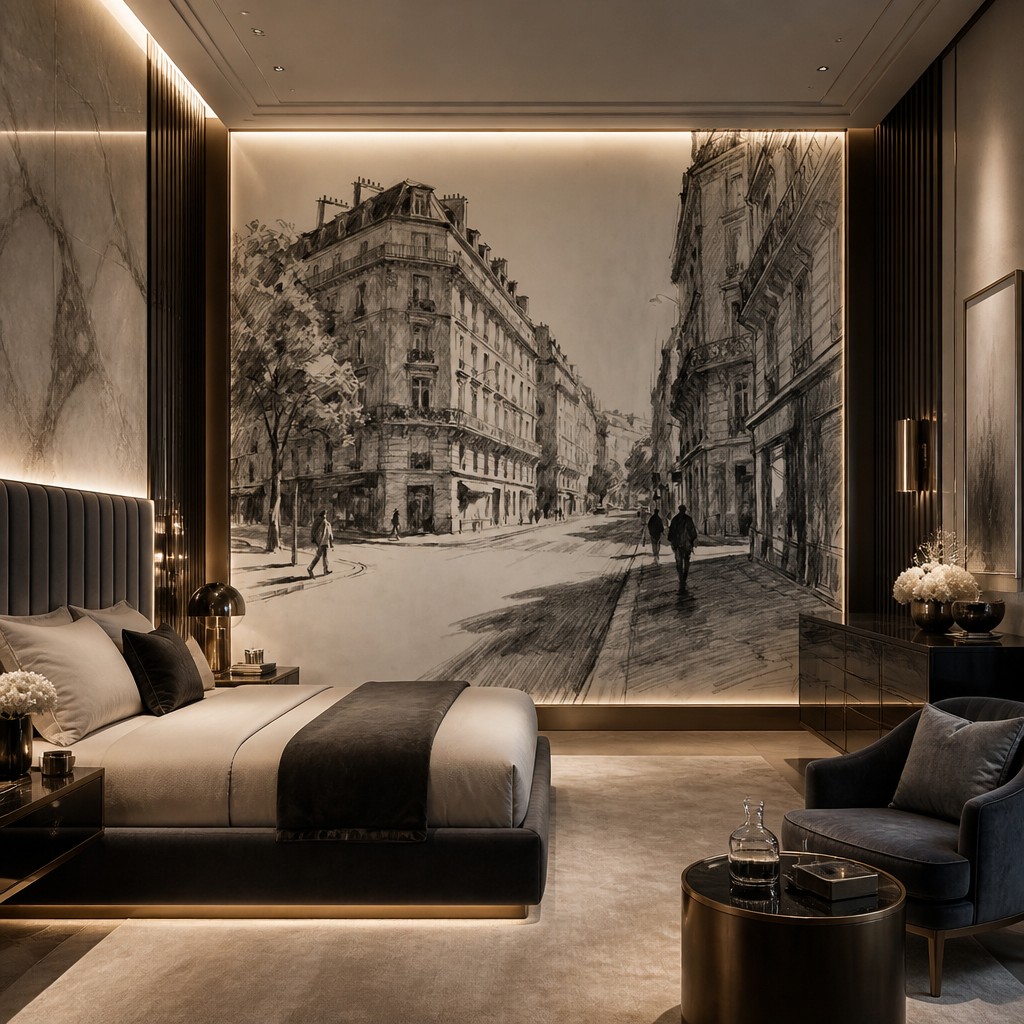

What Defines Contemporary Luxe Interior Design
The signature details, up close
Muted luxury palette
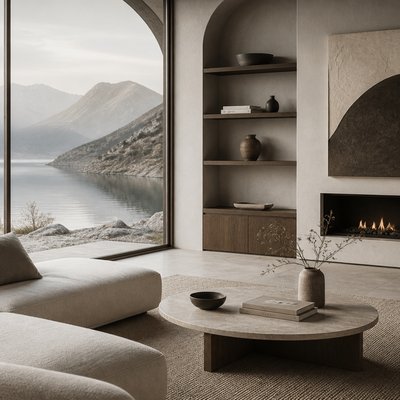
The color scheme usually centers on ivory, champagne, taupe, charcoal, bronze, and soft black. These tones keep the room calm while allowing reflective materials and lighting to stand out.
Marble and stone surfaces
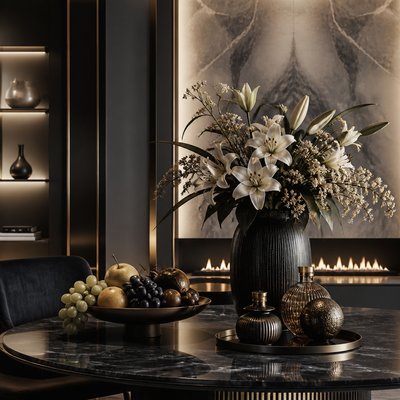
Book-matched marble, polished stone, and veined slabs often serve as focal points on walls, fireplaces, countertops, or tables. The stone adds instant visual weight and signals refinement through material quality rather than ornament.
Velvet, lacquer, and soft sheen
Upholstery and casework often mix matte softness with controlled gloss. Velvet, satin finishes, and lacquered panels create a layered surface vocabulary that feels expensive and tactile.
Hotel-suite composure
Spaces are staged to feel serene, symmetrical, and highly edited, with minimal clutter and generous negative space. The result is more like a luxury suite than a lived-in family room.
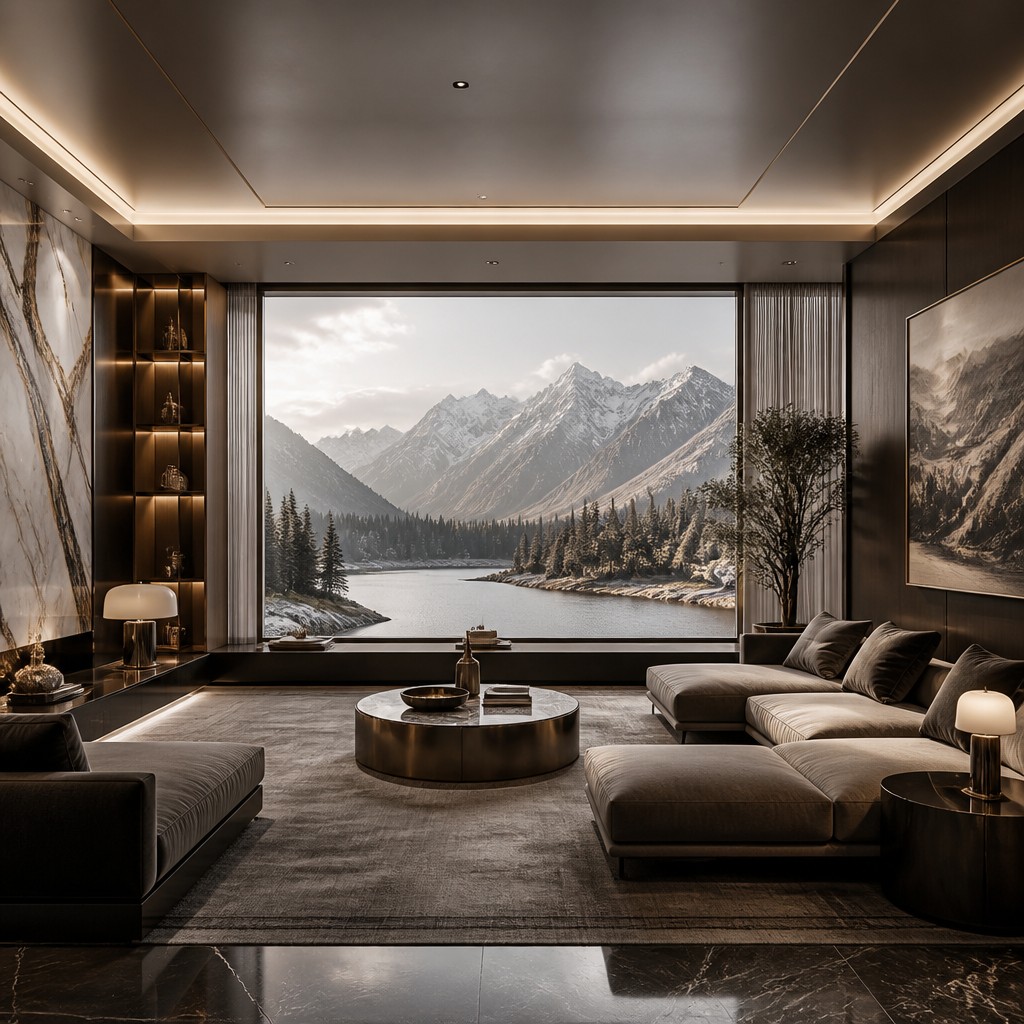
Ambient architectural lighting
Recessed cove lighting, concealed LEDs, and sculptural fixtures create soft gradients rather than harsh illumination. Light is used to emphasize material edges, depth, and a quiet cinematic atmosphere.
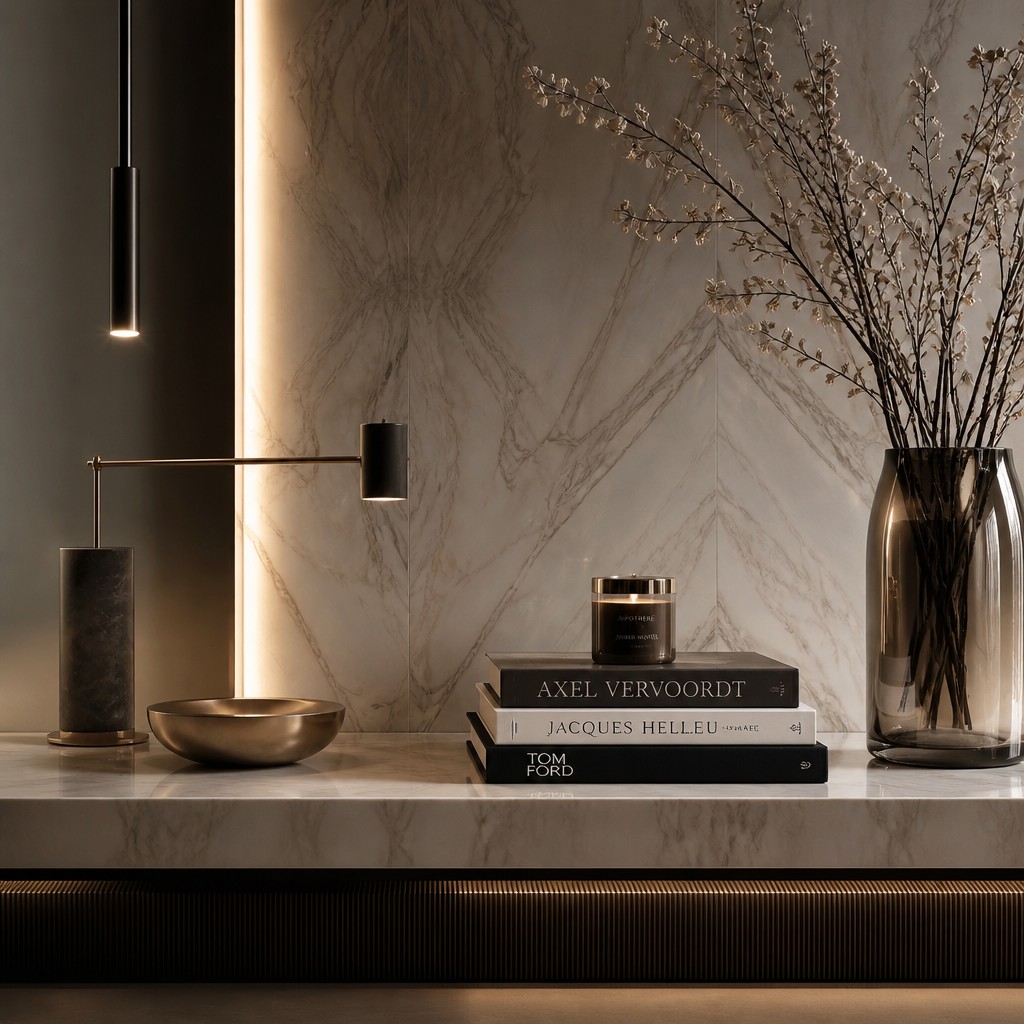
Sculptural accents
Decor is limited, but what remains is usually highly intentional: a statement chair, a stone pedestal, a bronze lamp, or an abstract object. Each piece reads as a designed focal point rather than casual decoration.
Try It
Create Videos in Contemporary Luxe Interior Design
Styles aren't just for stills — describe a scene or animate an image and get a short video rendered in Contemporary Luxe Interior Design. Press play to see this pond come to life.
Make a VideoContemporary Luxe Interior Design Prompt Ideas
Start from an idea — each one opens the generator with the style ready to go. See all 40 Contemporary Luxe Interior Design prompts →
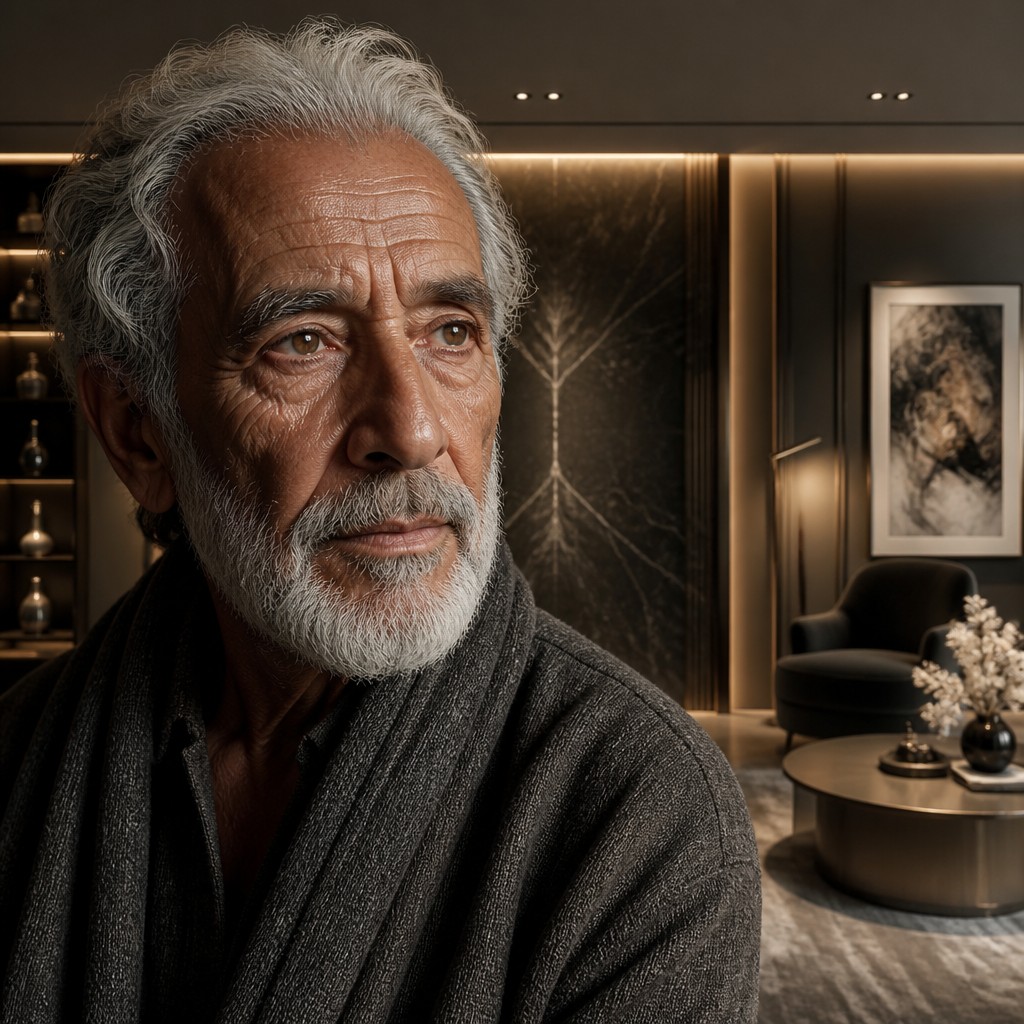
“close-up portrait of an elderly person with expressive weathered features”
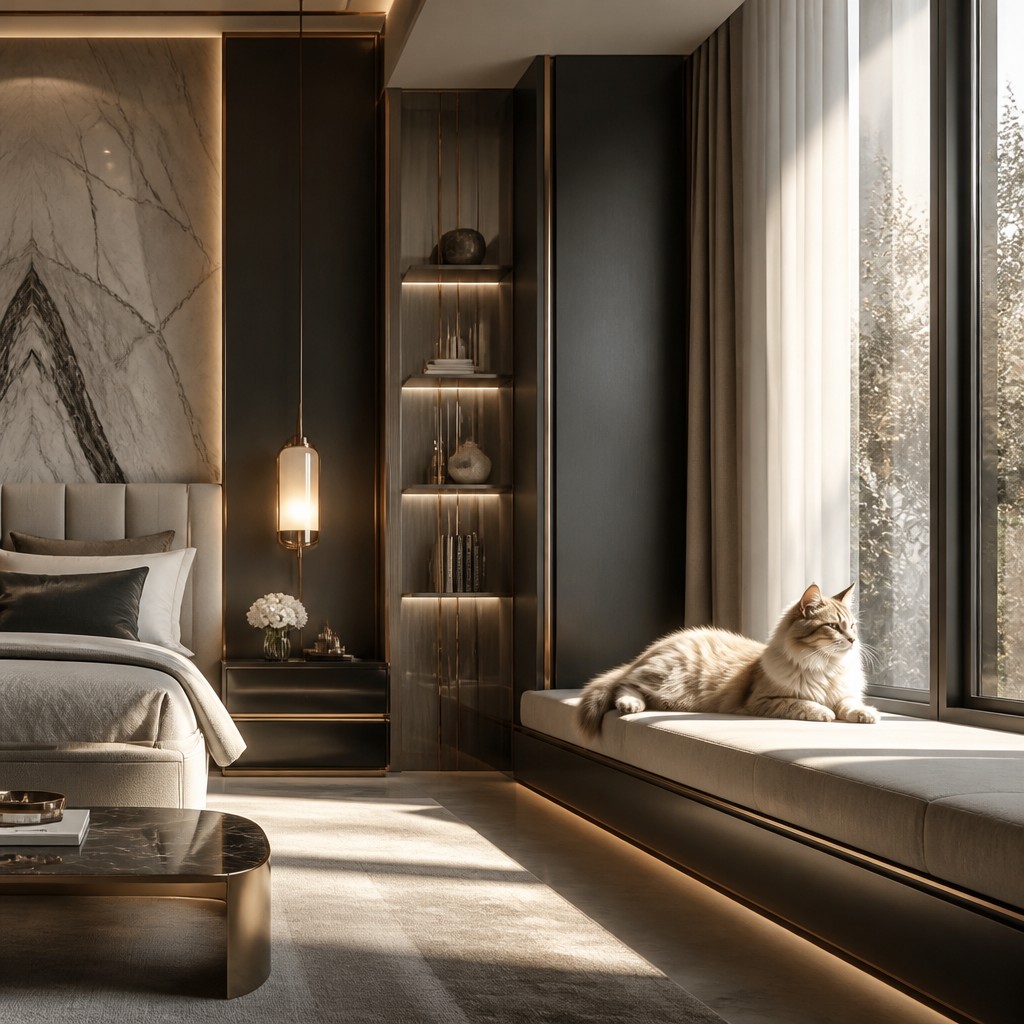
“a cat lounging in a sunlit window”
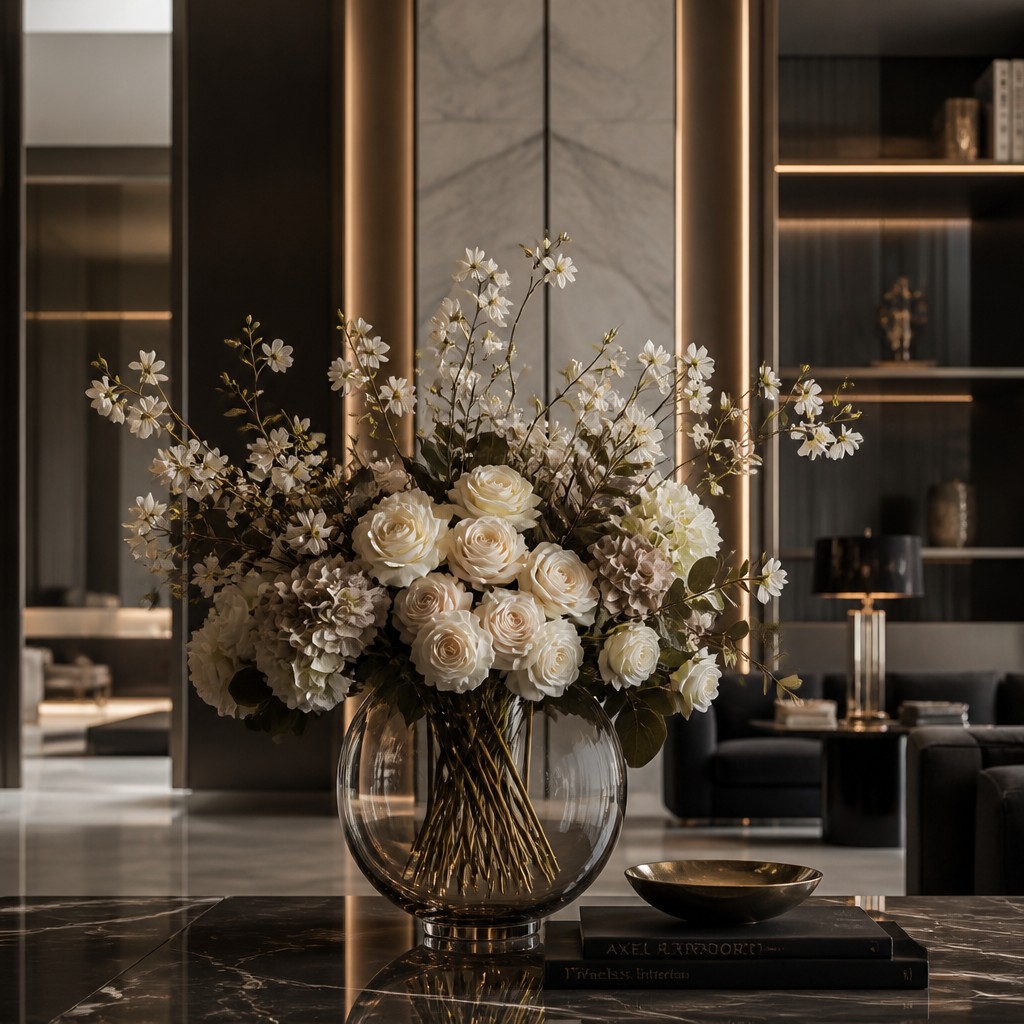
“bouquet of flowers in a glass vase”
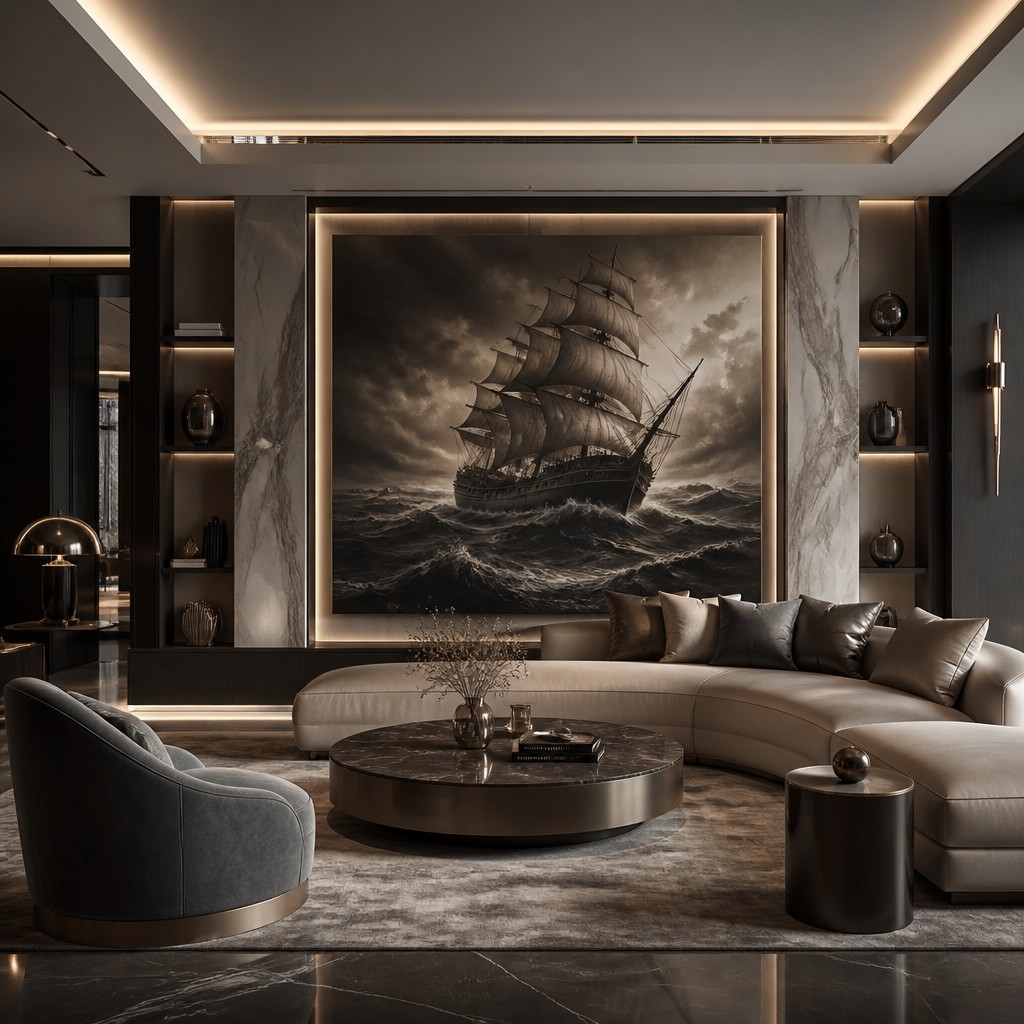
“sailing ship on a stormy sea”
How to Create Contemporary Luxe Interior Design Art
Master the craft step by step — or skip straight to creating. Read the full guide →
- 1
Start with a restrained palette
Build the space around neutrals with one or two metallic or deep accent tones, then limit saturation elsewhere. In a prompt, specify champagne, ivory, charcoal, smoked bronze, or warm gray to keep the result aligned with the style.
- 2
Use premium materials as the main visual language
In traditional concept art or digital rendering, emphasize marble veining, brushed metal, velvet, and lacquer with distinct surface behavior. For image generation, name the materials and finishes so the model prioritizes texture over ornament.
- 3
Control composition and negative space
Design the room with clear sightlines, balanced proportions, and minimal surface clutter. Prompt for an expansive, uncluttered interior with clean geometry so the composition reads as calm and expensive.
- 4
Shape the lighting carefully
Use soft ambient sources, indirect glow, and selective highlights instead of flat bright lighting. Mention recessed lighting, sculptural accent lamps, and cinematic soft light to produce the polished hotel-suite mood.
- 5
Mix matte and gloss for depth
A successful luxe interior depends on contrast between plush textiles and reflective hard surfaces. When creating digitally, make sure some areas absorb light while others catch it, so the room feels layered rather than sterile.
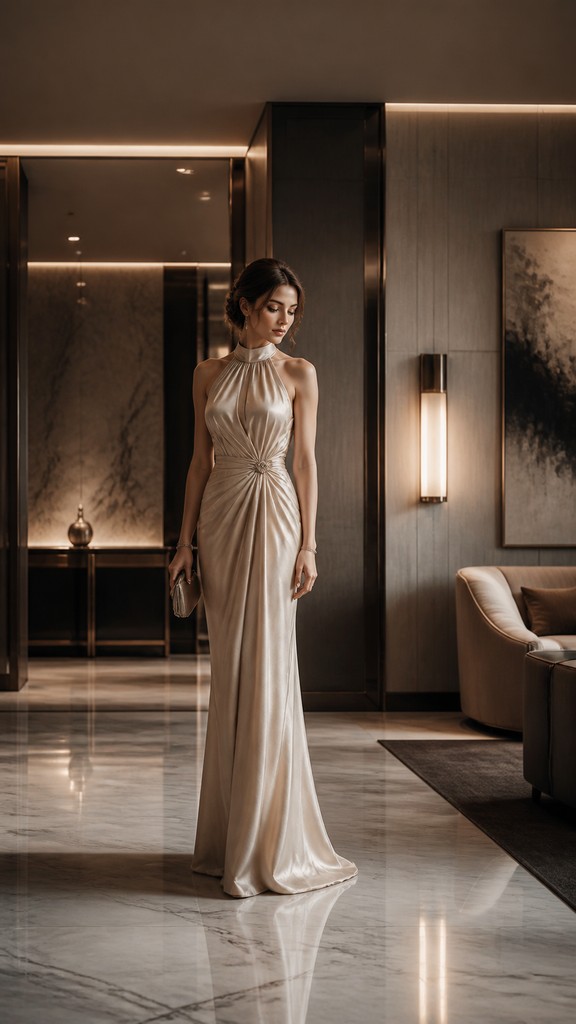
The Story
History & Origins of Contemporary Luxe Interior Design
Contemporary Luxe Interior Design is not a historical movement with a single origin point; it is an aesthetic lineage that developed from late 20th- and early 21st-century luxury residential and hospitality design. Its visual language draws on modernist spatial clarity, the material sophistication of high-end commercial interiors, and the polished neutrality associated with boutique hotels, penthouses, and private clubs.
Its closest antecedents include minimalism, contemporary architecture, and the long tradition of luxury interiors that privilege craftsmanship and expensive materials. Over time, designers increasingly paired clean lines with tactile surfaces and subdued metallic accents, producing a style that reads as opulent without appearing ornate. In digital image culture, this has become a recognizable shorthand for aspirational, serene, high-end domestic space.
Influences: Contemporary Luxe Interior Design draws from modernist minimalism, contemporary architecture, and hospitality design, while also borrowing the tactile material emphasis seen in high-end residential interiors. Its clean surfaces and reduction of ornament echo the legacy of minimalist artists and designers, but its opulence comes from the long history of decorative arts centered on marble, polished metal, and fine upholstery. For real historical antecedents, the broader culture of modern luxury interiors can be connected to modernism and to designers such as Mies van der Rohe and Philippe Starck, though the style itself is best understood as a contemporary synthesis rather than a single authored movement.
Frequently Asked Questions
What defines Contemporary Luxe Interior Design?
It is defined by a calm, upscale look built from refined materials, muted colors, and minimal clutter. Marble, velvet, brushed metal, and soft-gloss finishes are typical, along with lighting that creates a quiet, cinematic atmosphere.
Is this style the same as modern minimalism?
Not exactly. Modern minimalism focuses primarily on simplicity and reduction, while Contemporary Luxe adds visible material richness and a more polished, hotel-like sense of comfort. The spaces are still restrained, but they feel more tactile and opulent.
Where is this style commonly used?
It is common in luxury apartments, penthouses, boutique hotels, executive offices, lounges, and upscale hospitality spaces. It also appears frequently in editorial interior photography and aspirational home design visuals.
How do I make a room look luxurious without making it busy?
Choose a limited palette, use a few premium materials, and keep the composition open. Luxury in this style comes from quality, symmetry, and lighting rather than from lots of decoration.
What lighting works best for this style?
Soft ambient lighting, concealed LEDs, and sculptural fixtures work best because they flatten harsh shadows and make surfaces glow. Warm, directional light is especially useful for marble, bronze, and velvet textures.
What should I avoid if I want this look?
Avoid overly saturated colors, visual clutter, rustic textures, and excessive ornament. Strong pattern mixing or casual, eclectic accessories can break the calm, composed feeling that defines the style.
Create your first Contemporary Luxe Interior Design artwork
Describe anything — or upload a photo — and see it in Contemporary Luxe Interior Design in seconds.
Make Something with Contemporary Luxe Interior Design
Related Styles
Discover similar art styles