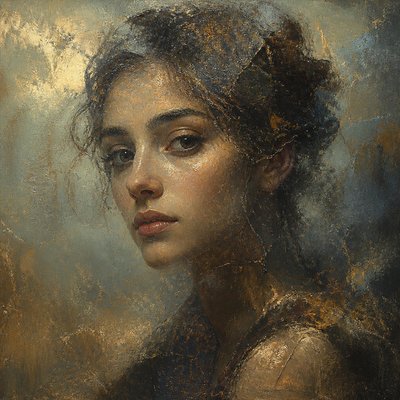
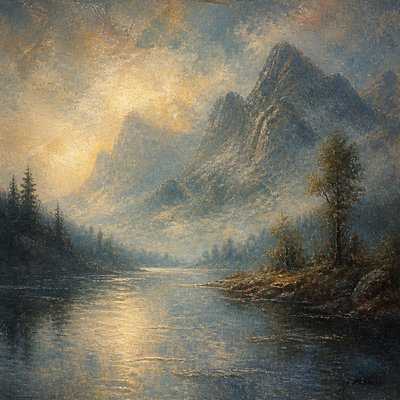
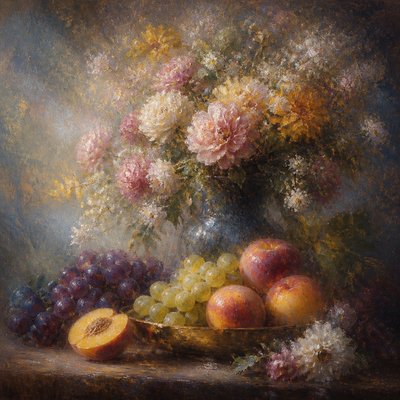
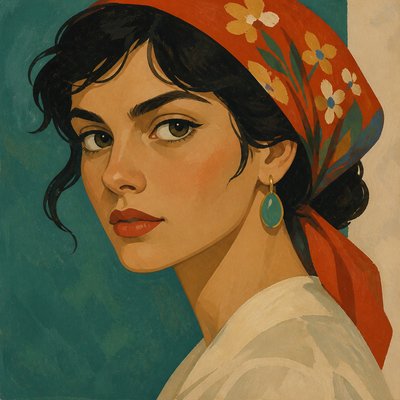
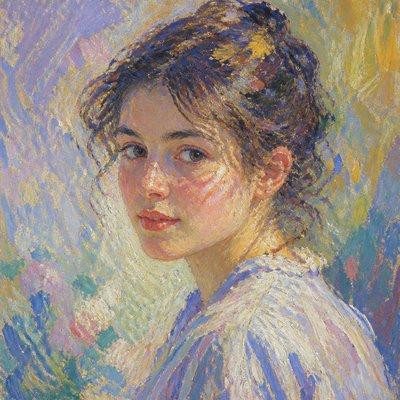
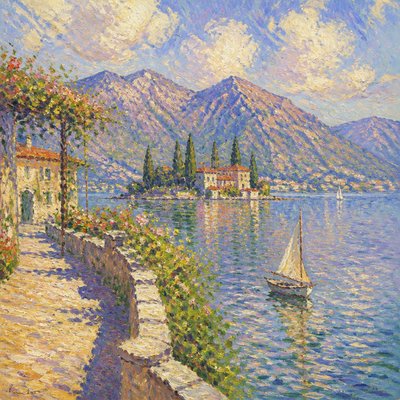
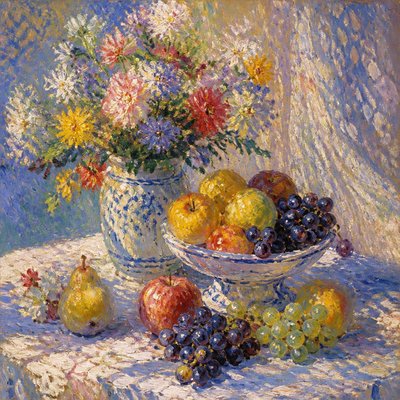
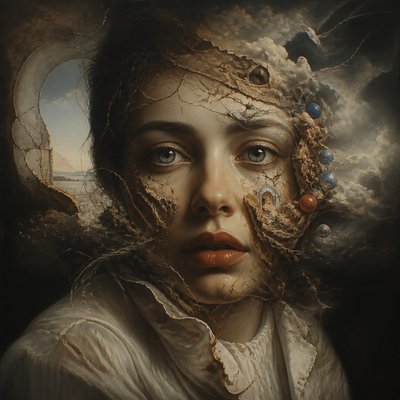
Interior Scene Painting Style
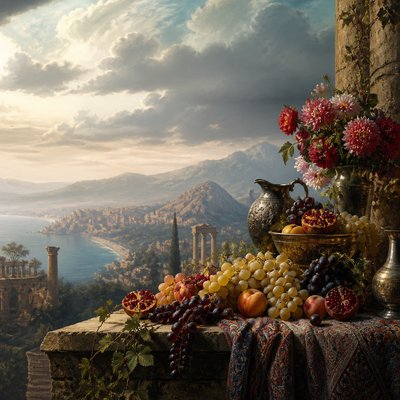
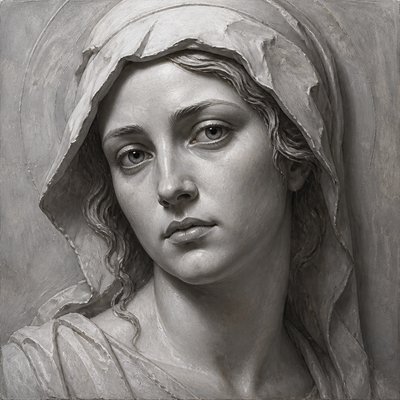
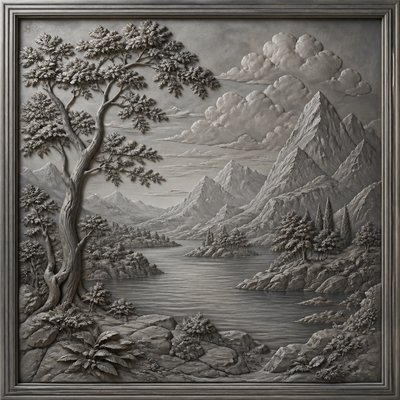
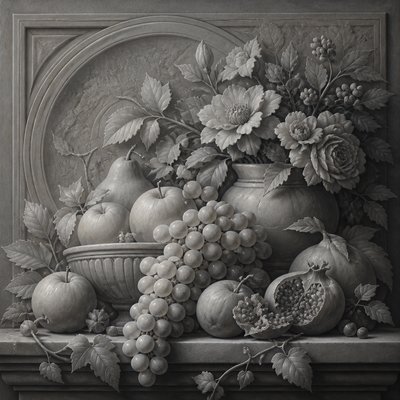
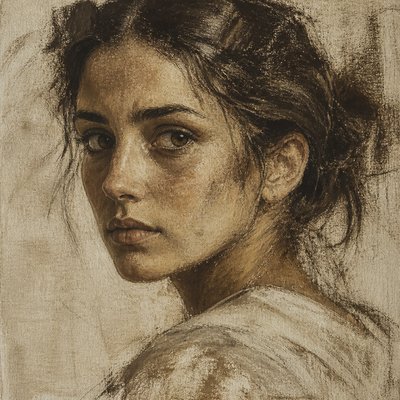
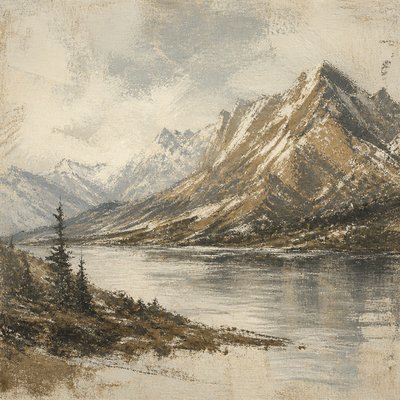
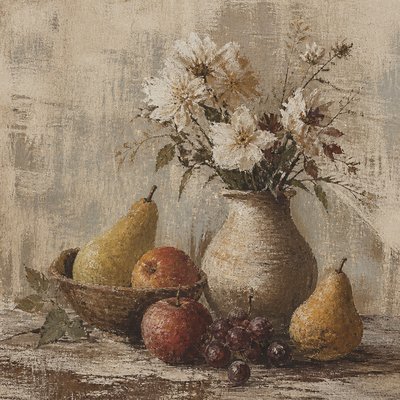
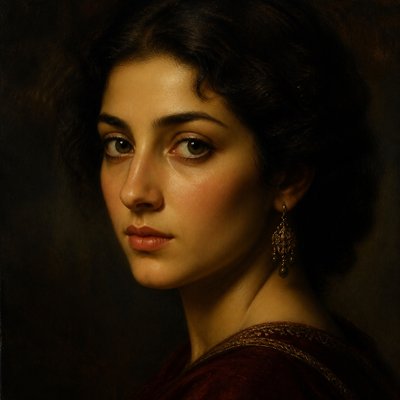
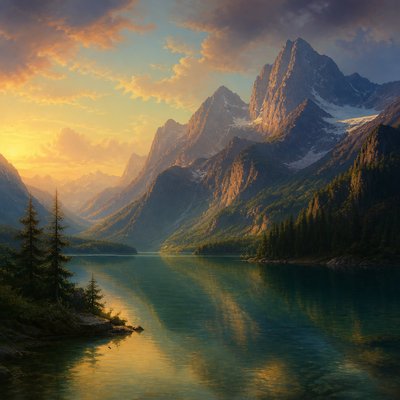
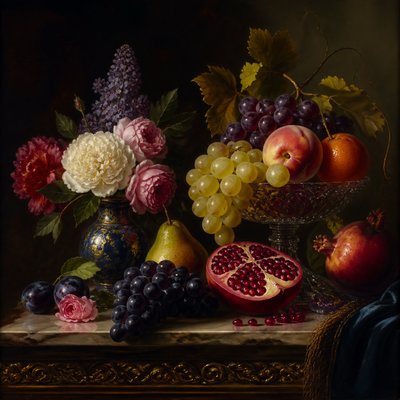
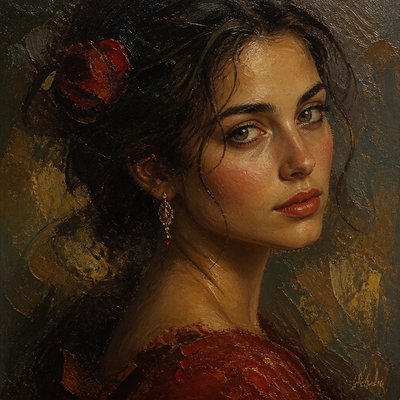
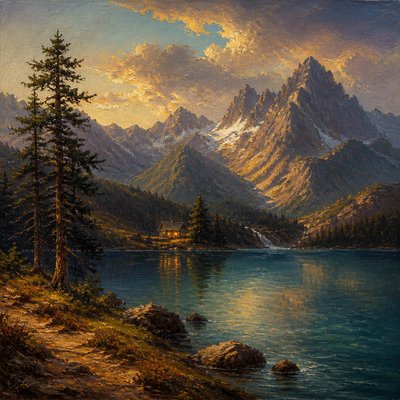
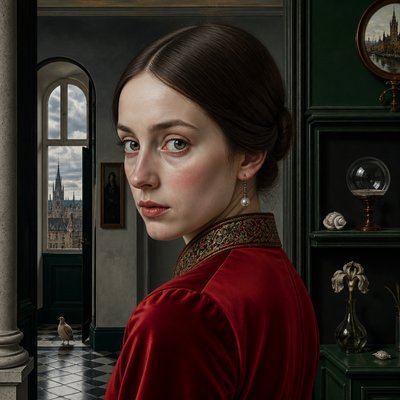
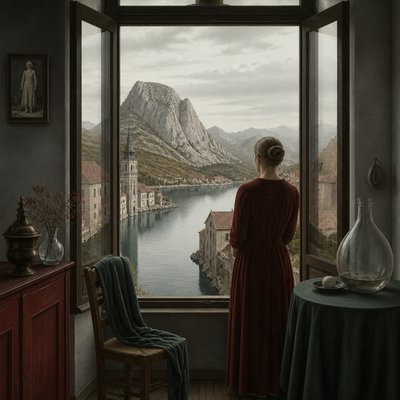
Explore Interior Scene Painting Style: sunlit rooms, open doorways, muted color, and contemplative stillness shaped by domestic painting traditions.
Instantly rendered in Interior Scene Painting — or transform a photo
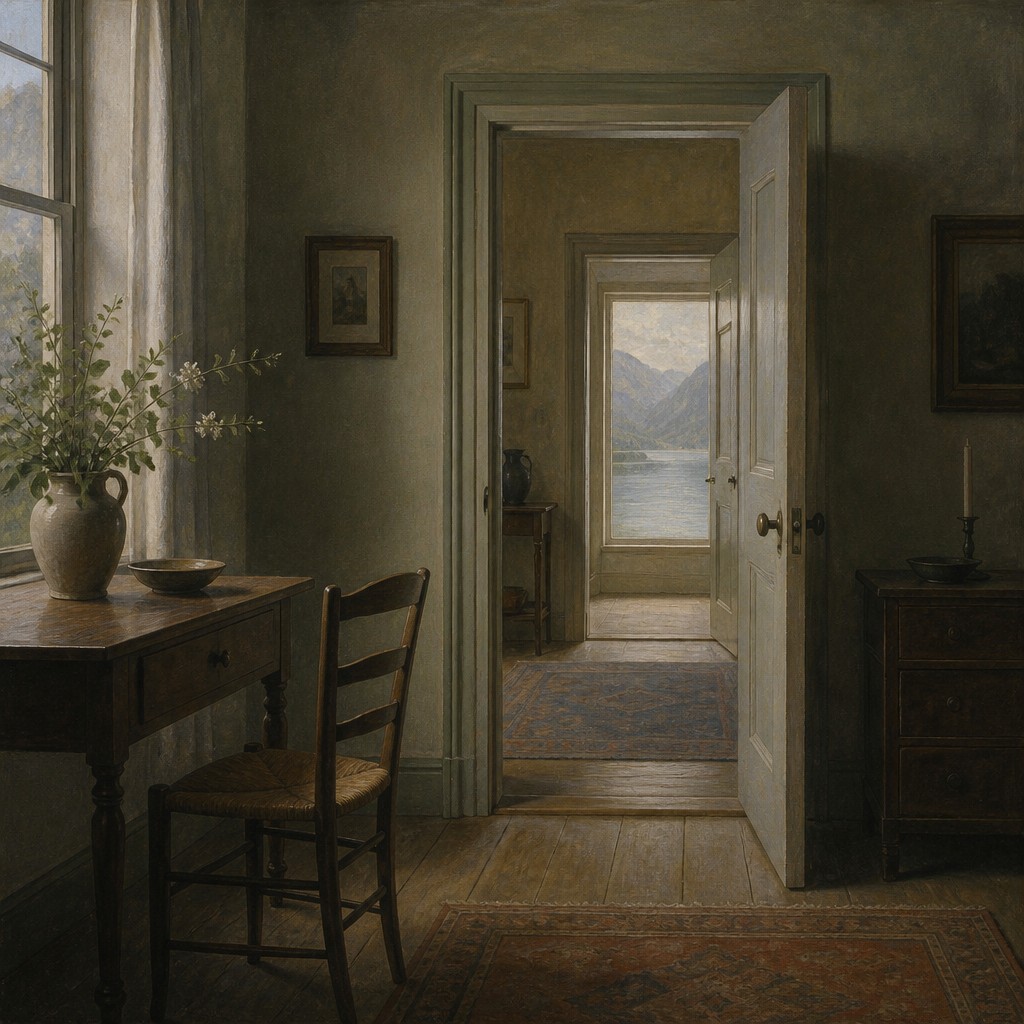
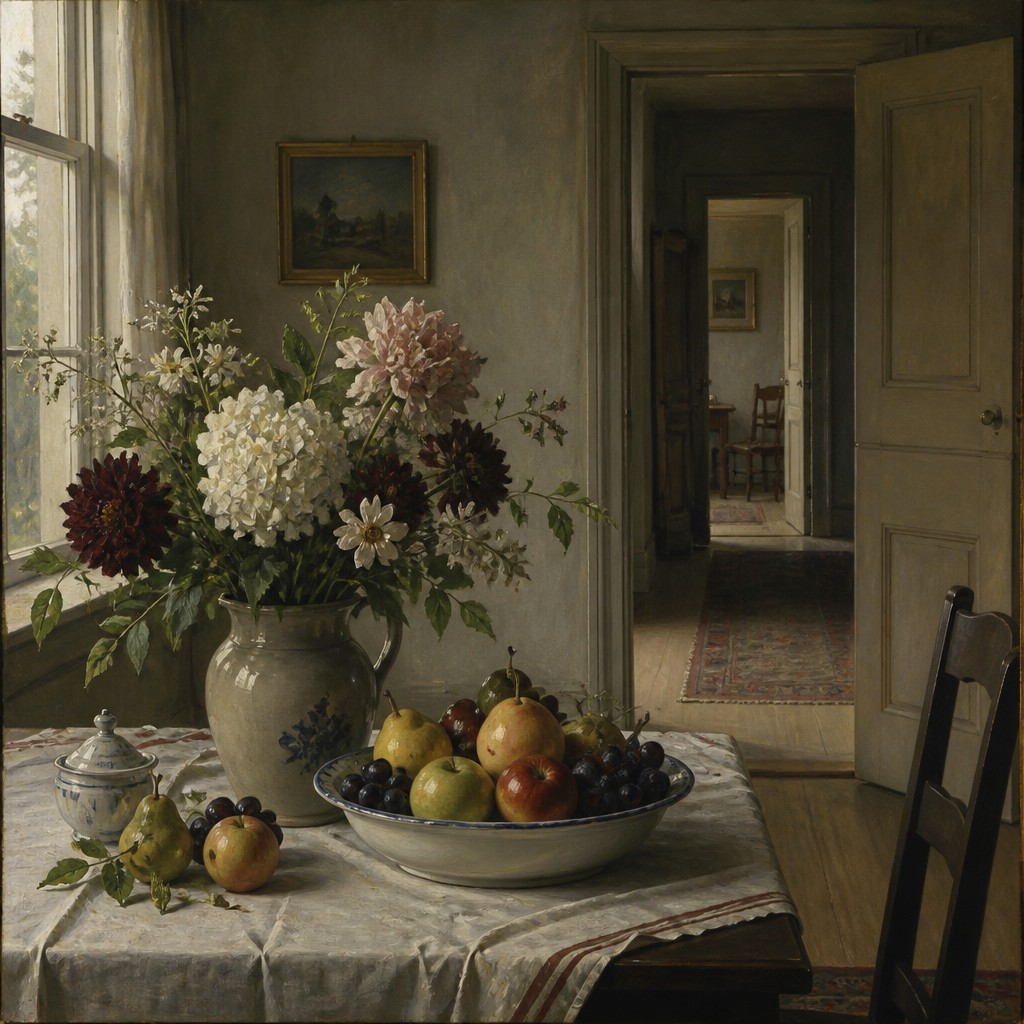
Interior Scene Painting Gallery
Tap any artwork to explore it
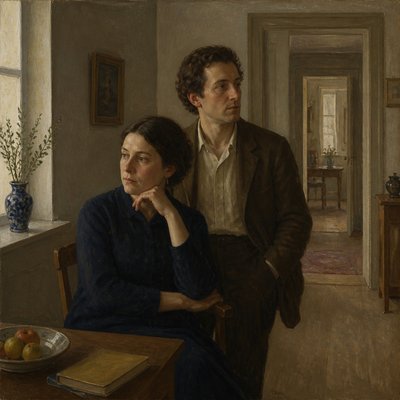
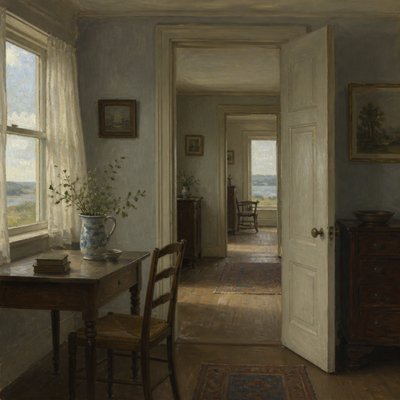
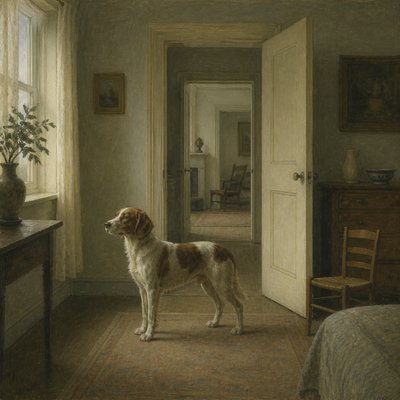
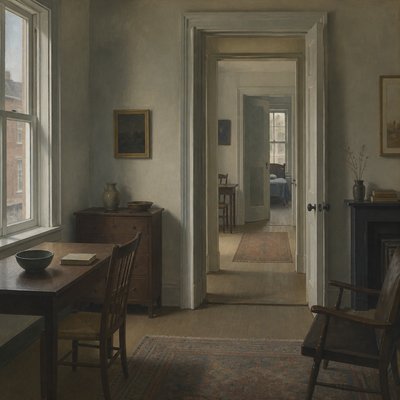
What is Interior Scene Painting Style?
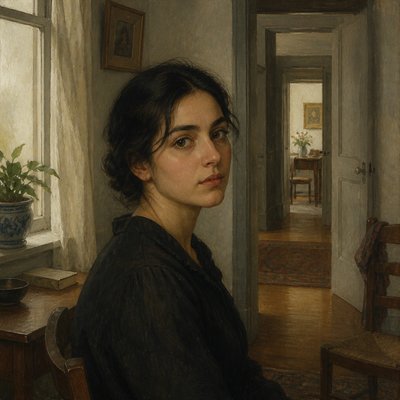
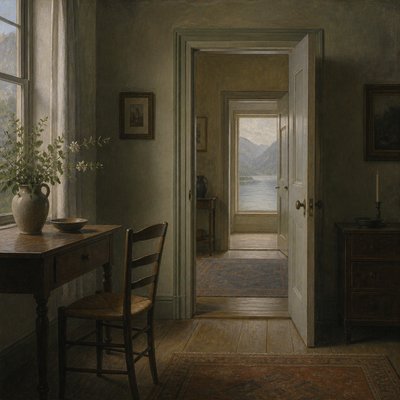
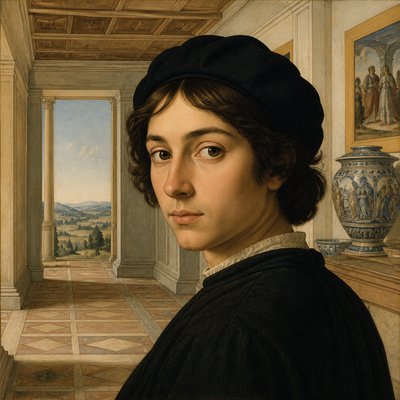
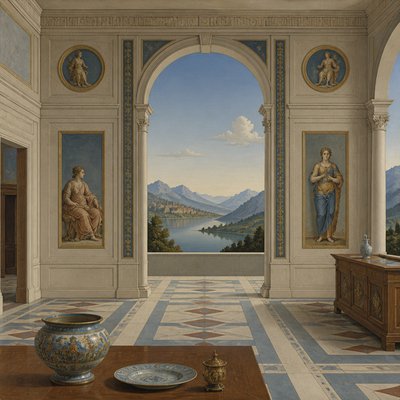
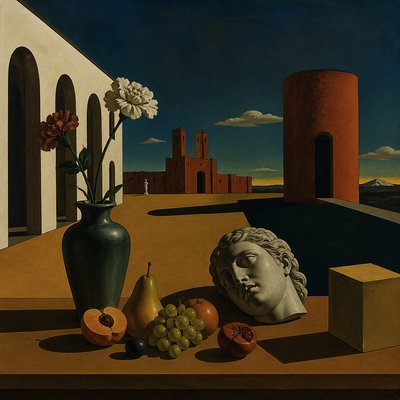
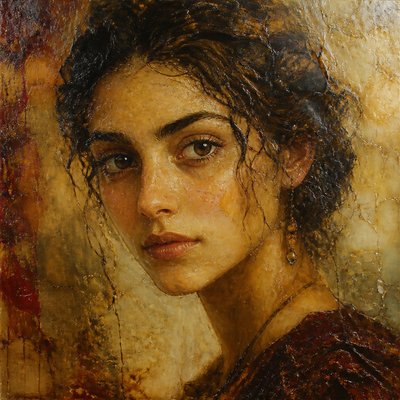
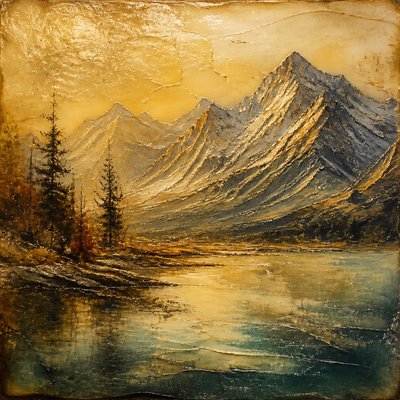
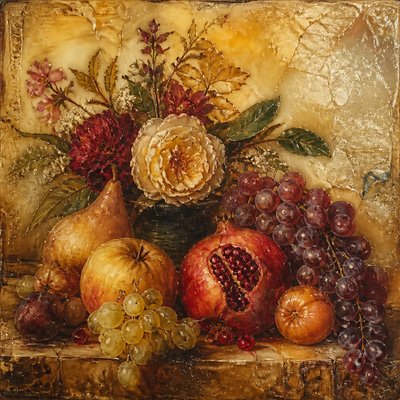
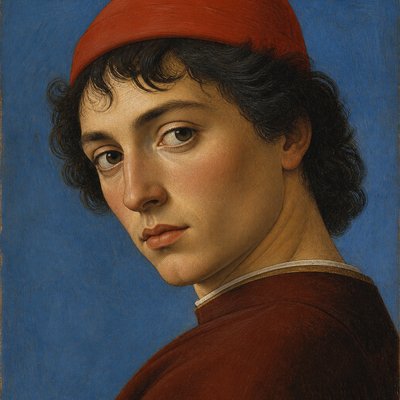
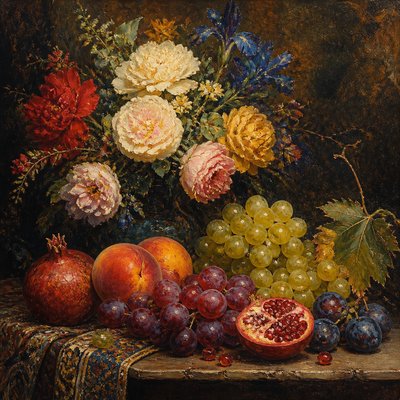
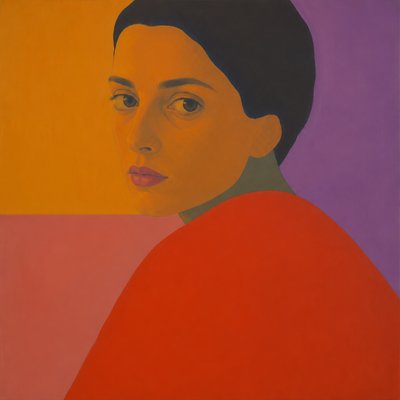
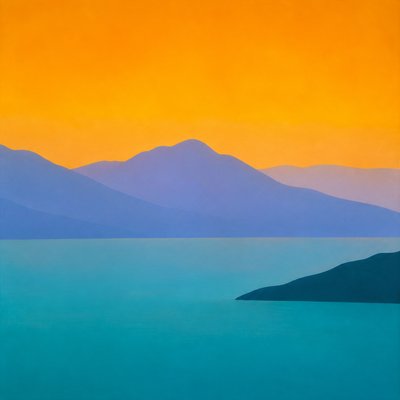
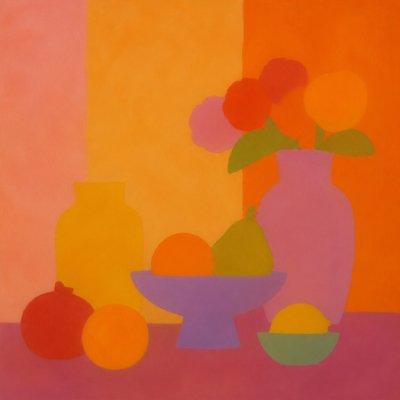
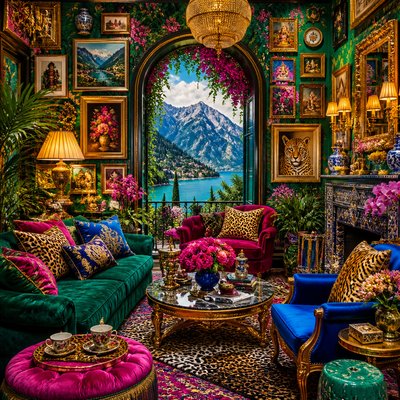
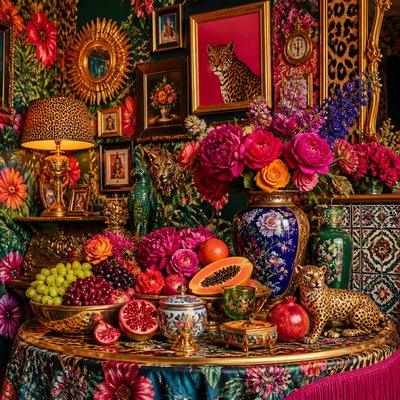
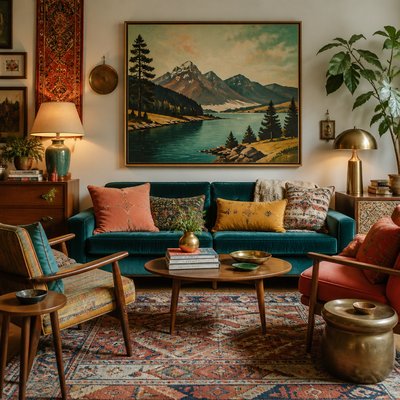
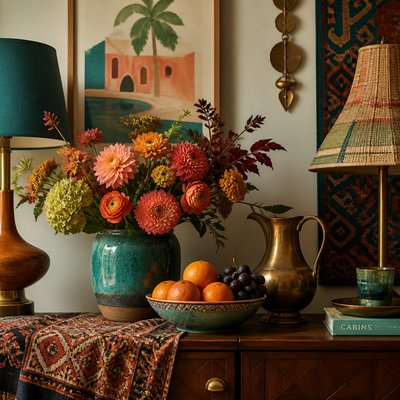
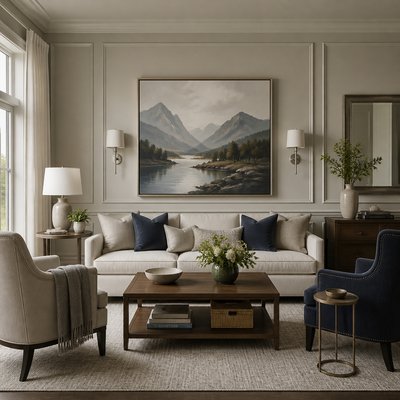
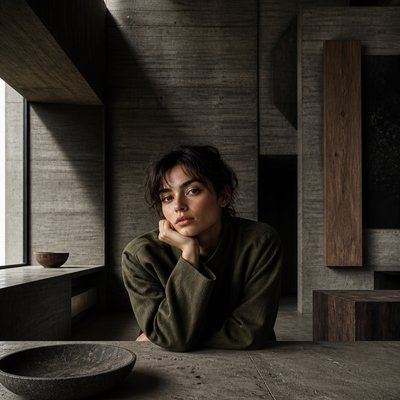
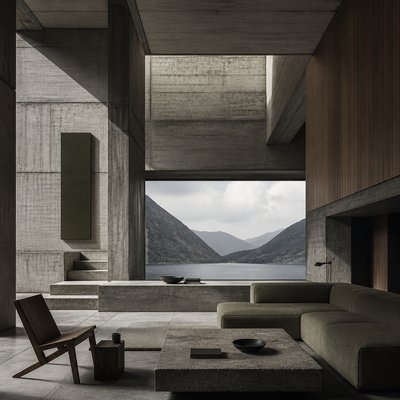
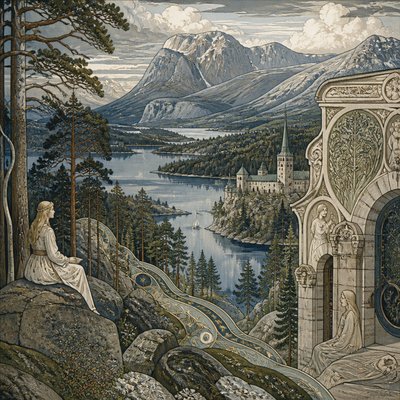
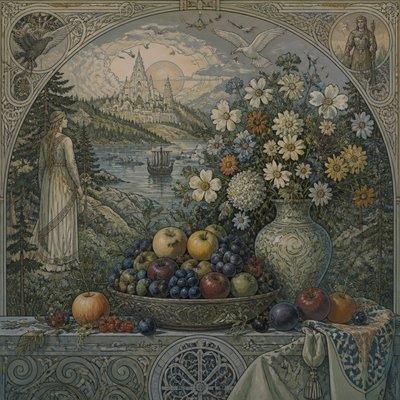
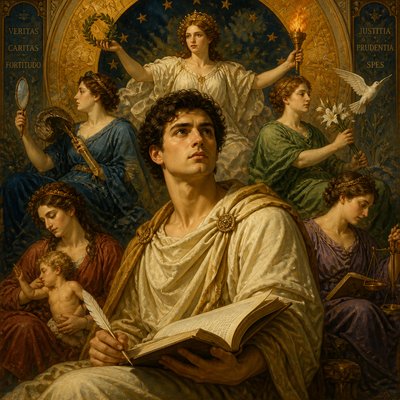
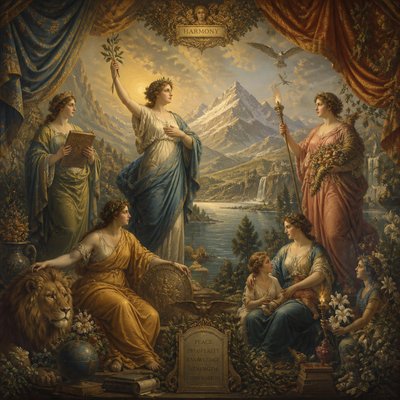
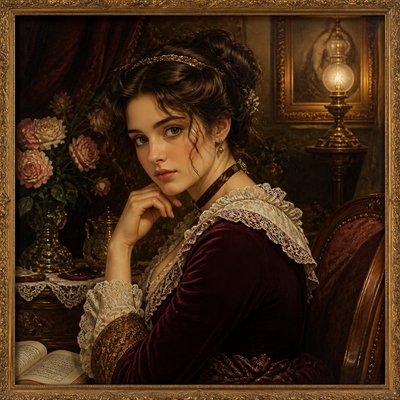
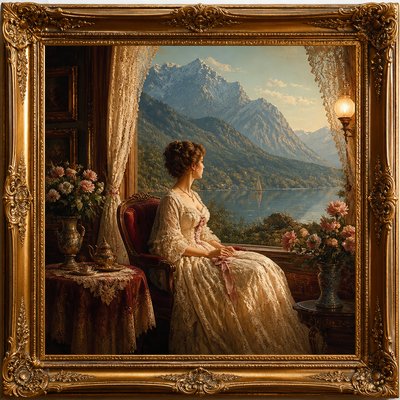
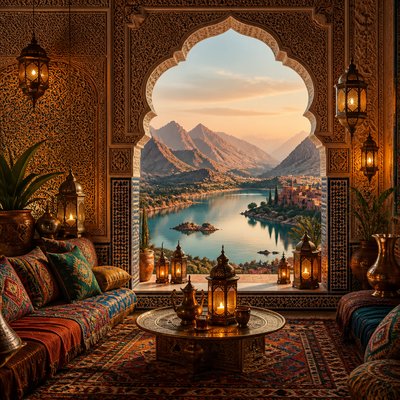
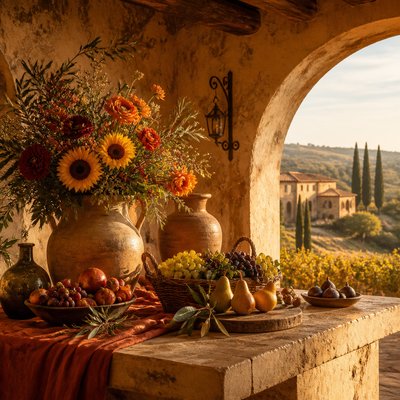
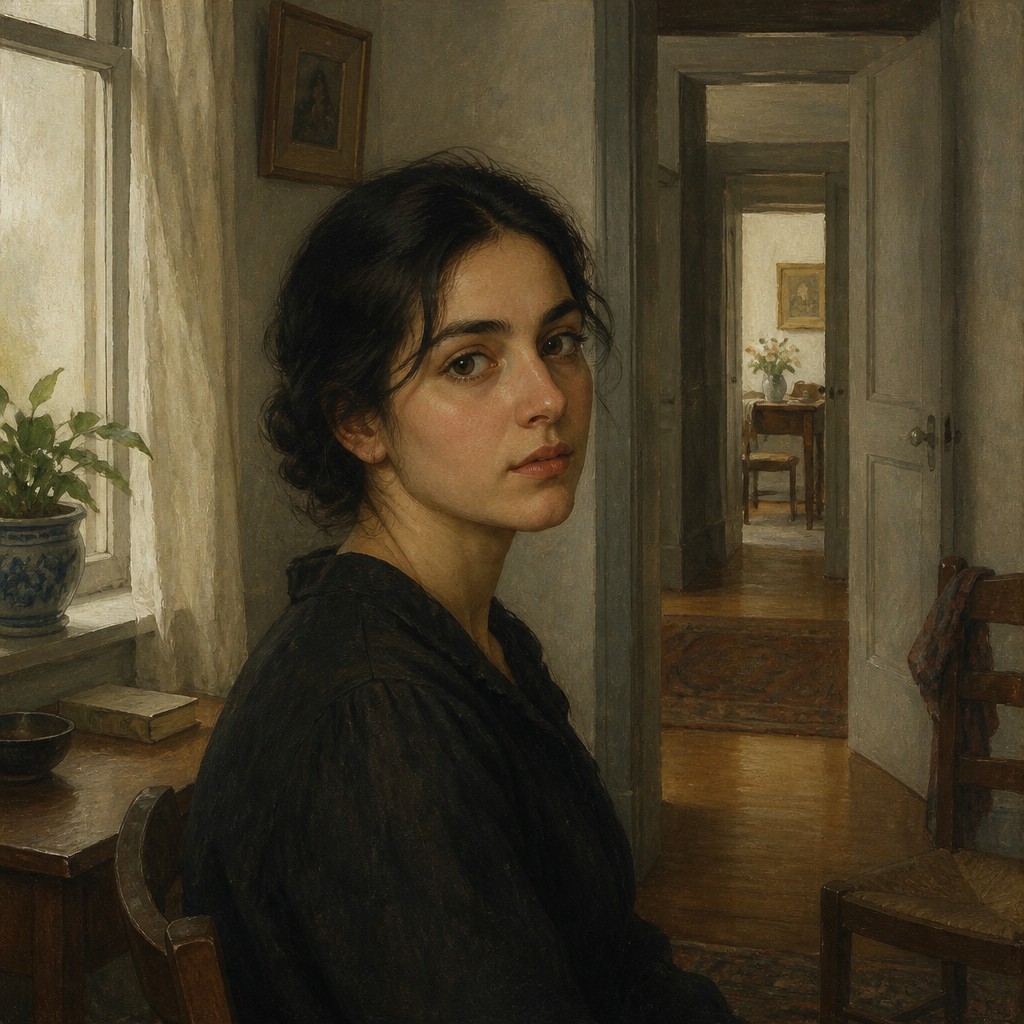
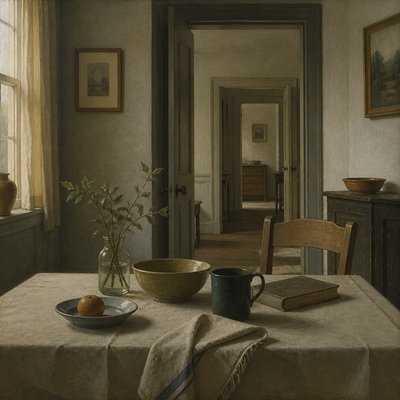
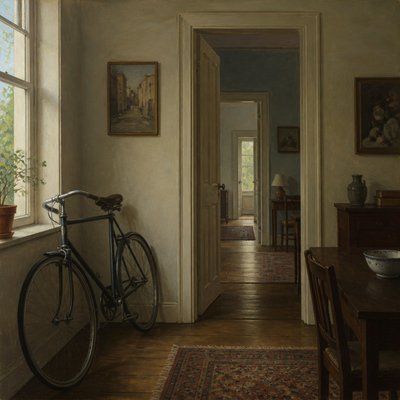
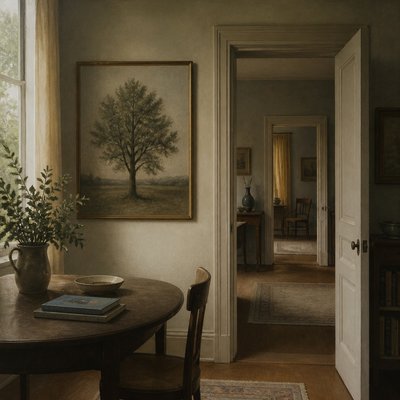
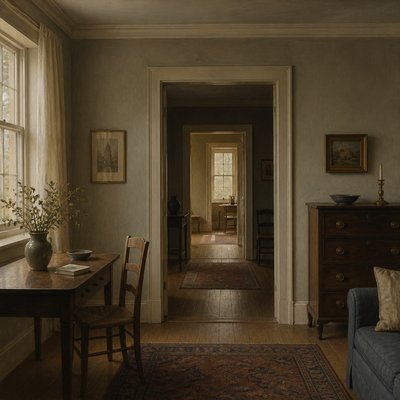
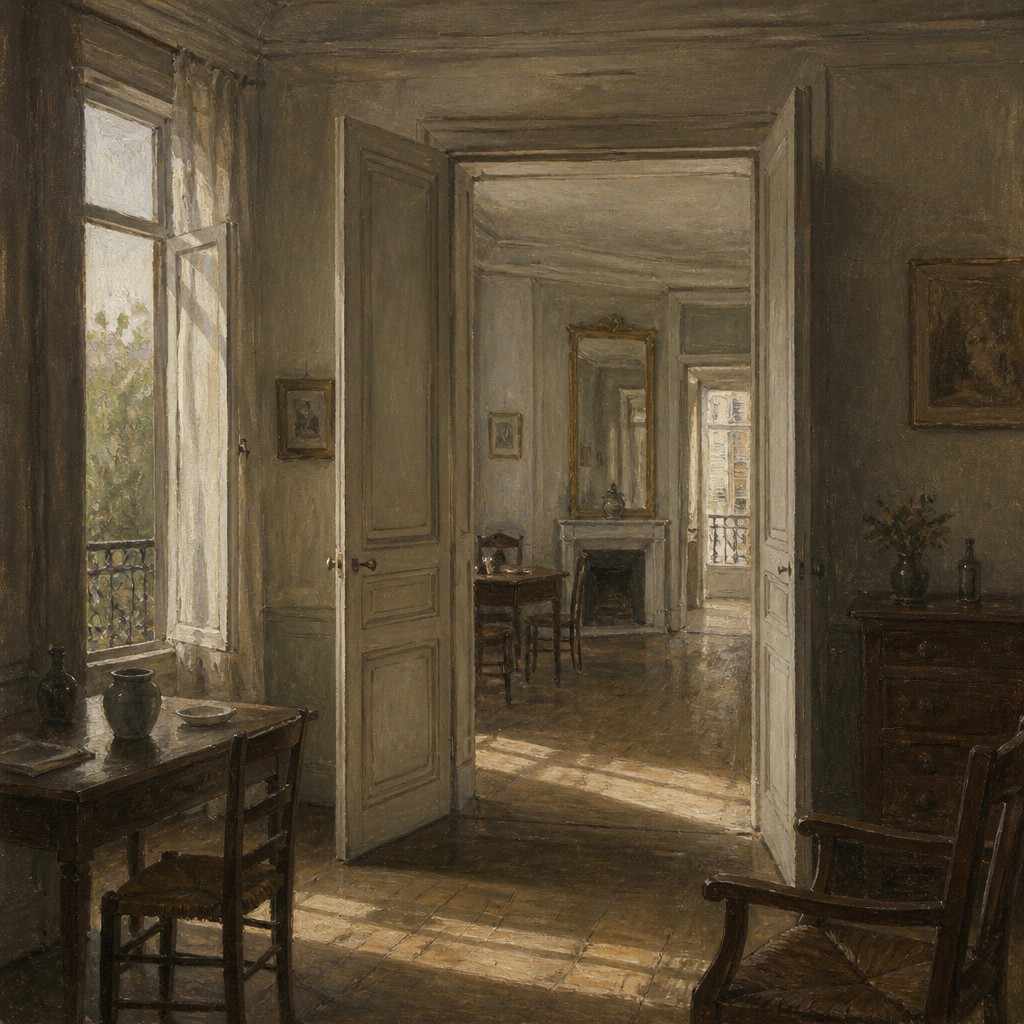
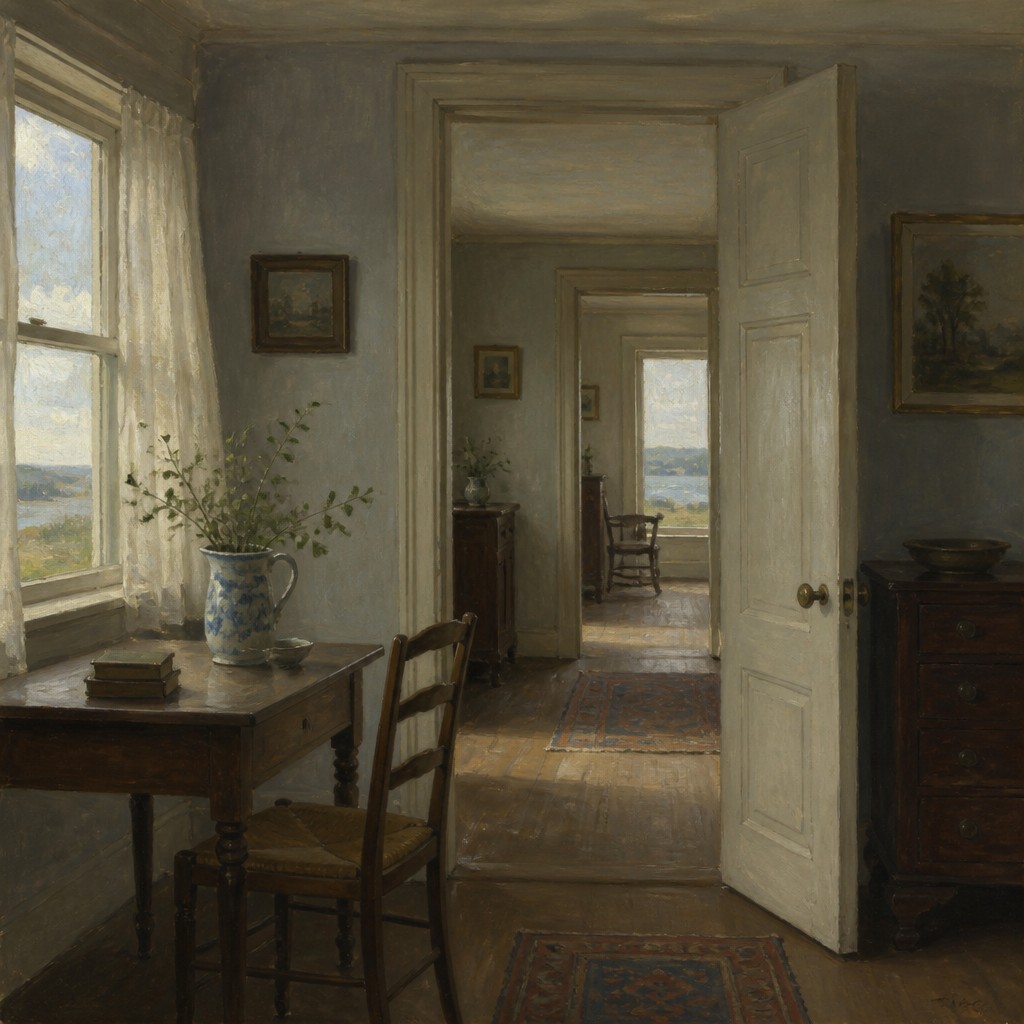
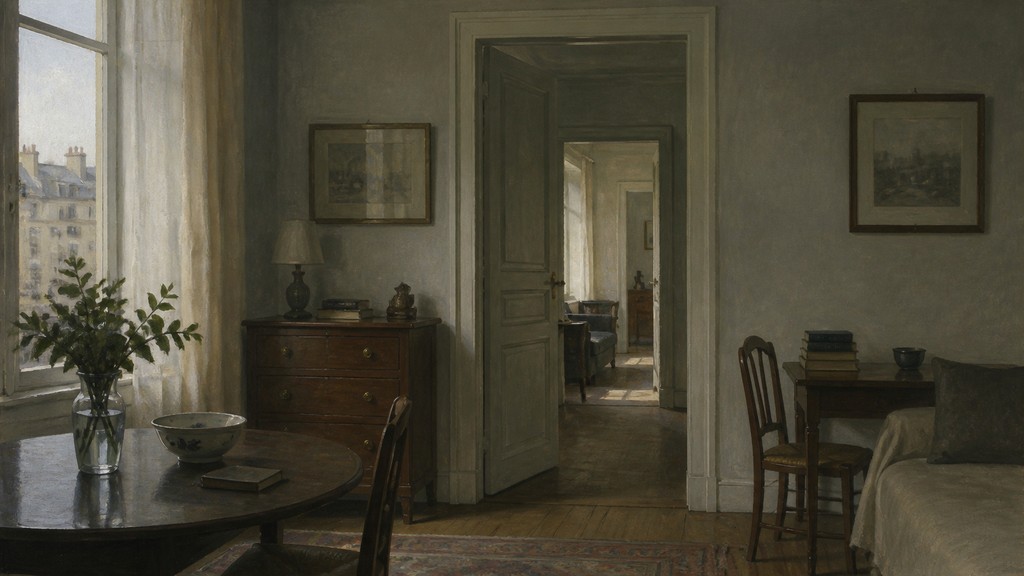
Interior Scene Painting Style presents quiet domestic spaces as subjects of contemplation rather than mere settings. Its typical image shows a room touched by soft side light, with furniture held in still arrangement and open doors or thresholds leading into dimmer adjoining spaces. The emphasis is on atmosphere, proportion, silence, and the subtle passage of light across walls and floors.
This is a descriptive contemporary style rather than a formally codified historical movement. Its visual identity depends on restrained composition, muted harmonious color, softened edges, and carefully observed architectural depth. By limiting activity and visual noise, it makes ordinary interiors feel poetic, private, and psychologically spacious.
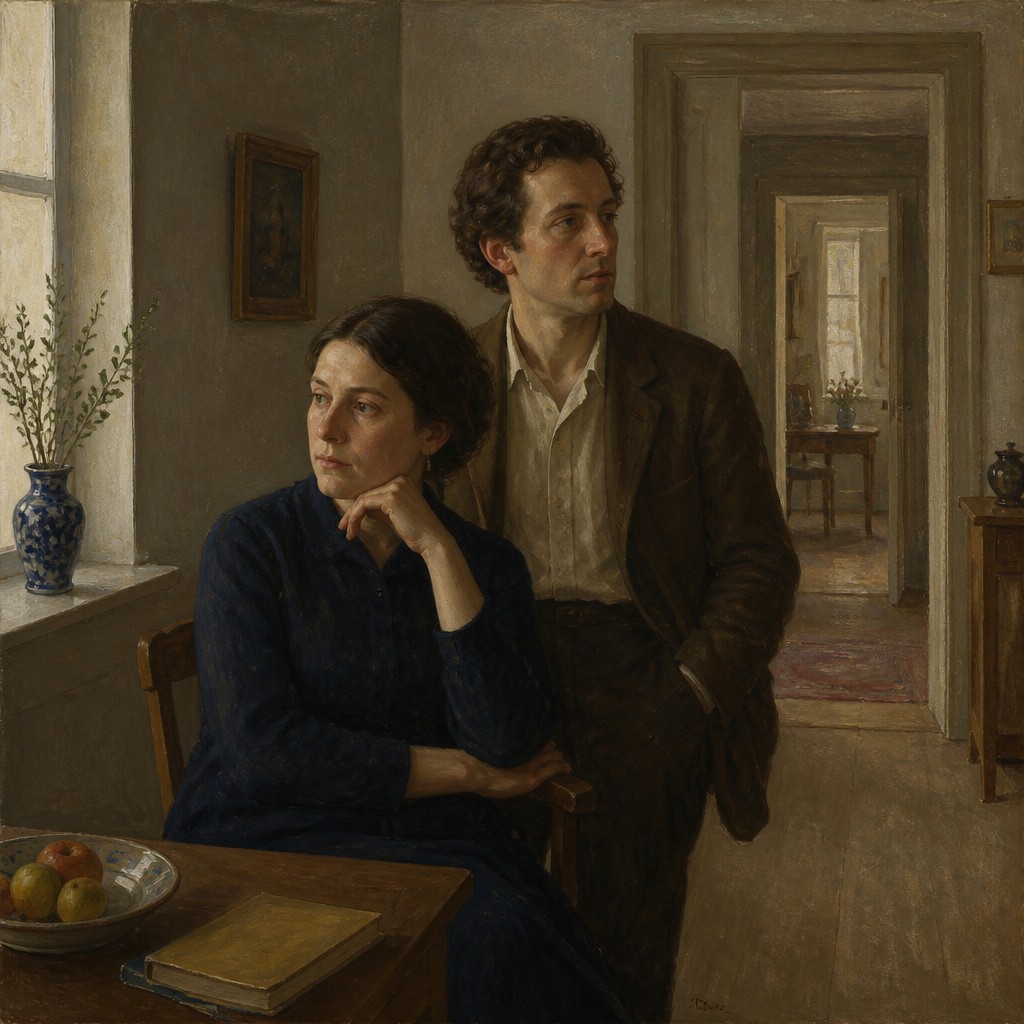
Try It On Your Photos
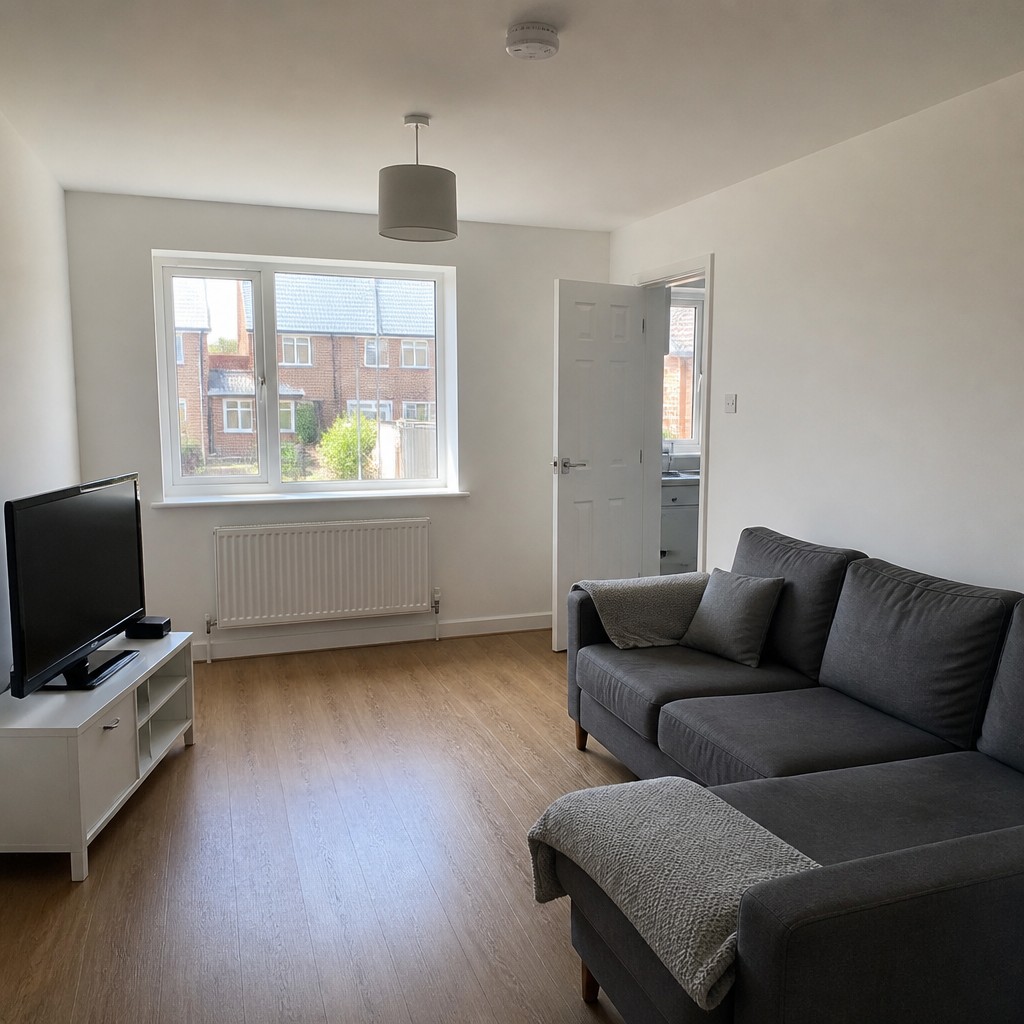
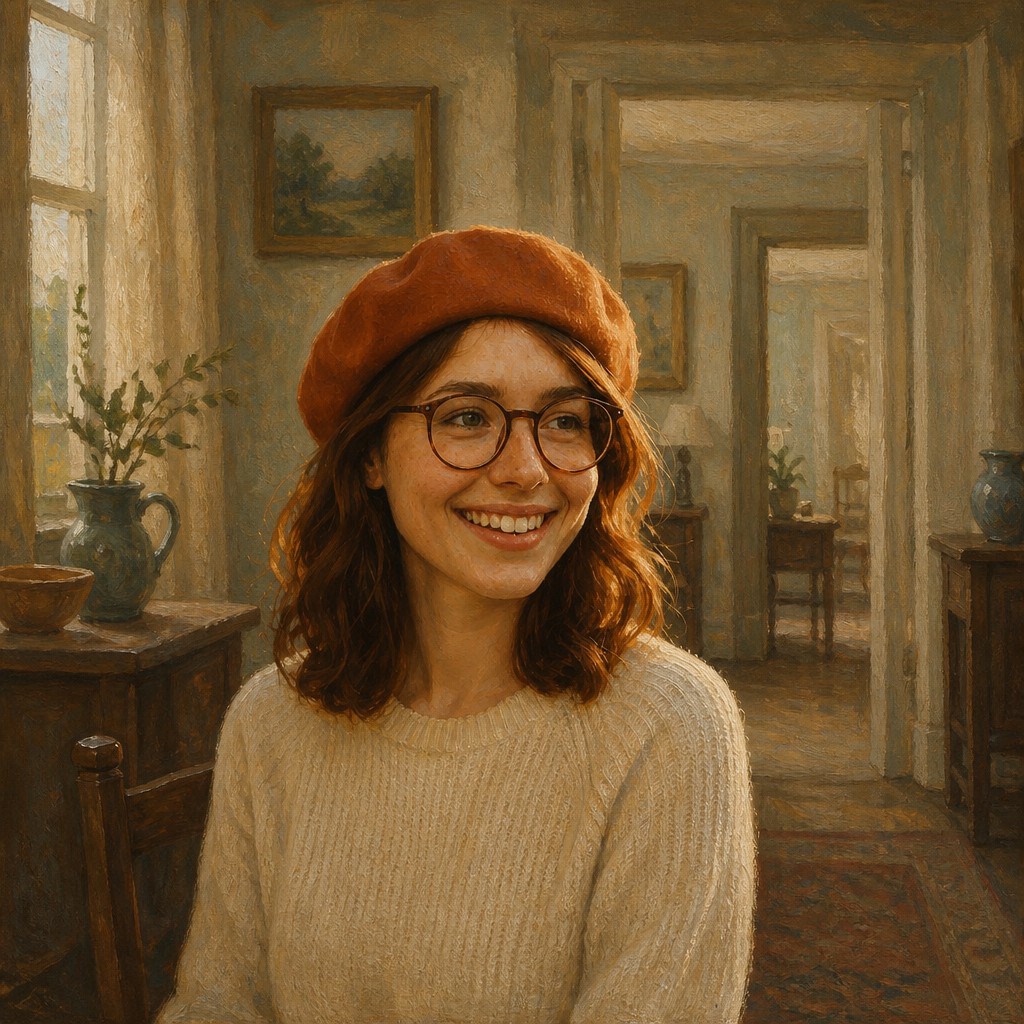
Upload any photo and convert it into Interior Scene Painting Style — drag the sliders to compare before and after.
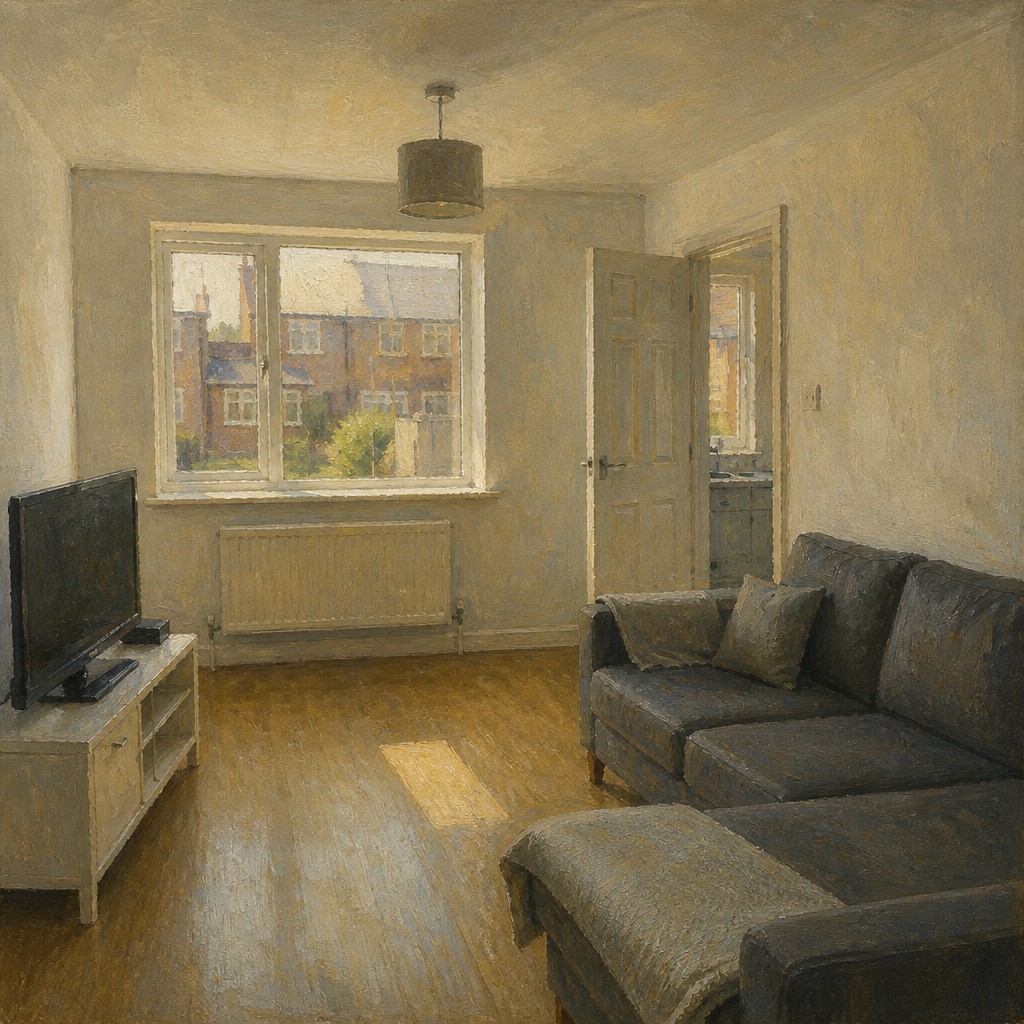


What Defines Interior Scene Painting Style
The signature details, up close
Soft directional daylight
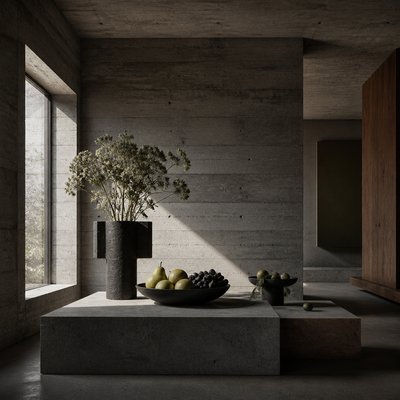
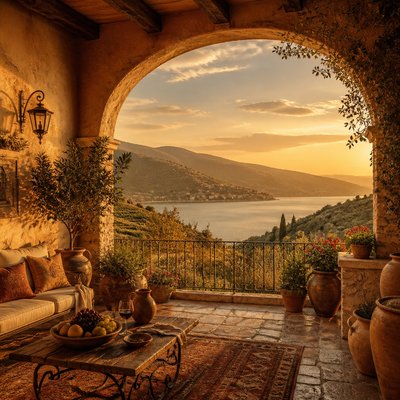
Light usually enters from a side window or partially open door, creating broad illumination rather than dramatic theatrical contrast. Its gradual falloff reveals walls, floors, and furniture with a calm, tactile softness.
Receding doorways and thresholds
Open doors, corridors, and aligned rooms establish layered depth and invite the eye beyond the foreground. These transitions often function as the central compositional device.
Muted harmonious palette
Colors tend toward warm whites, dusty greens, ochres, faded blues, umbers, and soft grays. Saturation is controlled so that light, spatial rhythm, and tonal relationships carry more weight than bright accents.
Still domestic furnishings
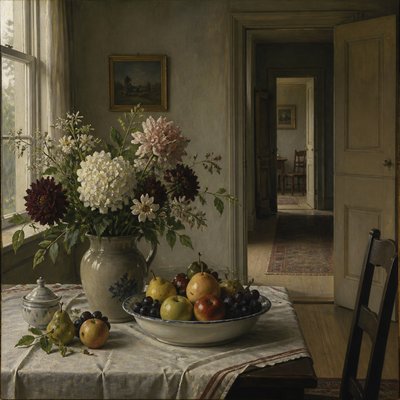
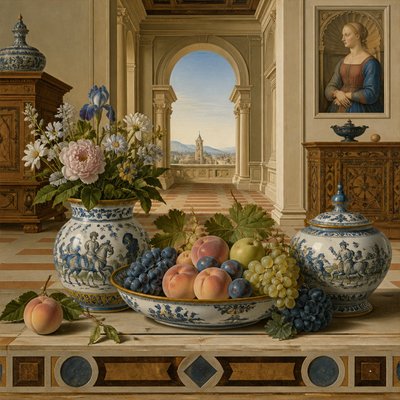
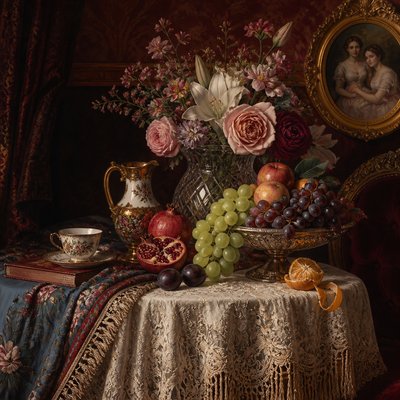
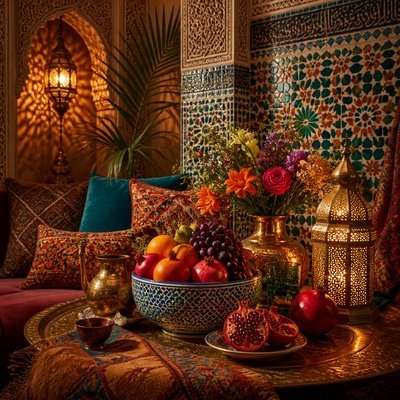
Tables, chairs, cabinets, beds, curtains, rugs, and ceramics are arranged with minimal disruption. Objects appear used but quiet, supporting the sense of lived-in pause rather than decorative abundance.
Contemplative atmosphere
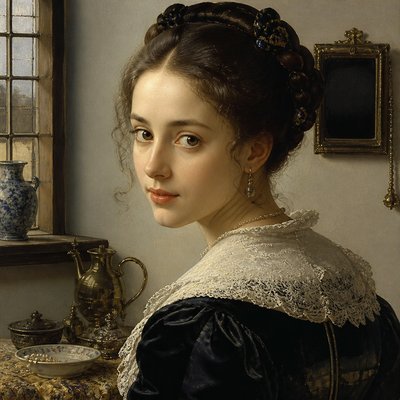
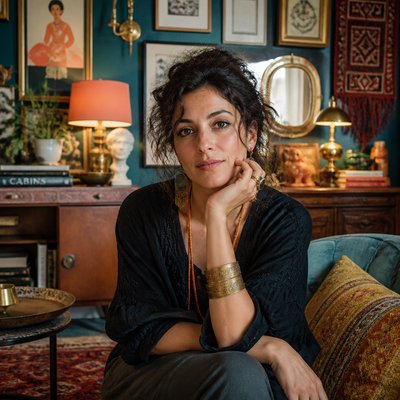
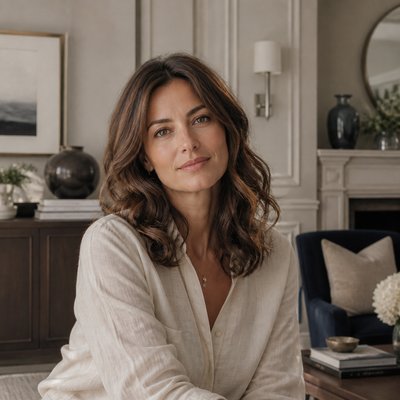
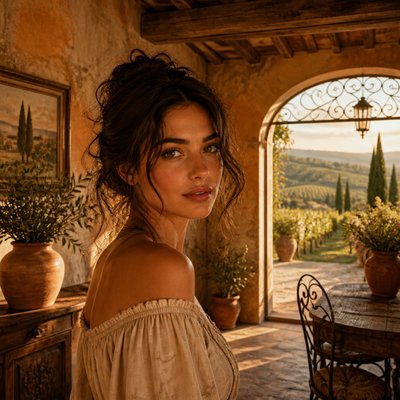
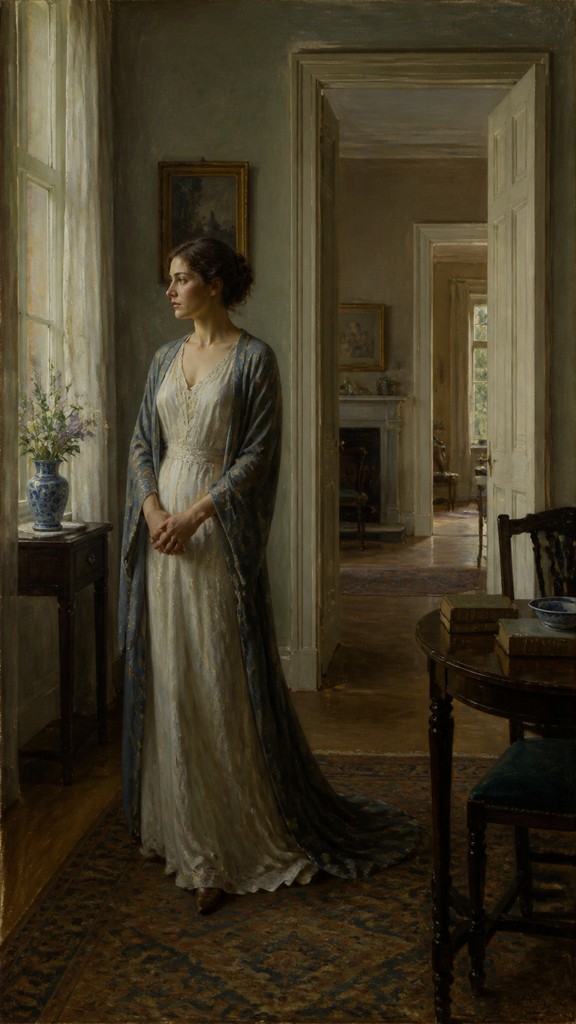
The absence of people or the presence of a single understated figure creates emotional ambiguity and spaciousness. The mood may suggest solitude, memory, anticipation, or rest without relying on narrative action.
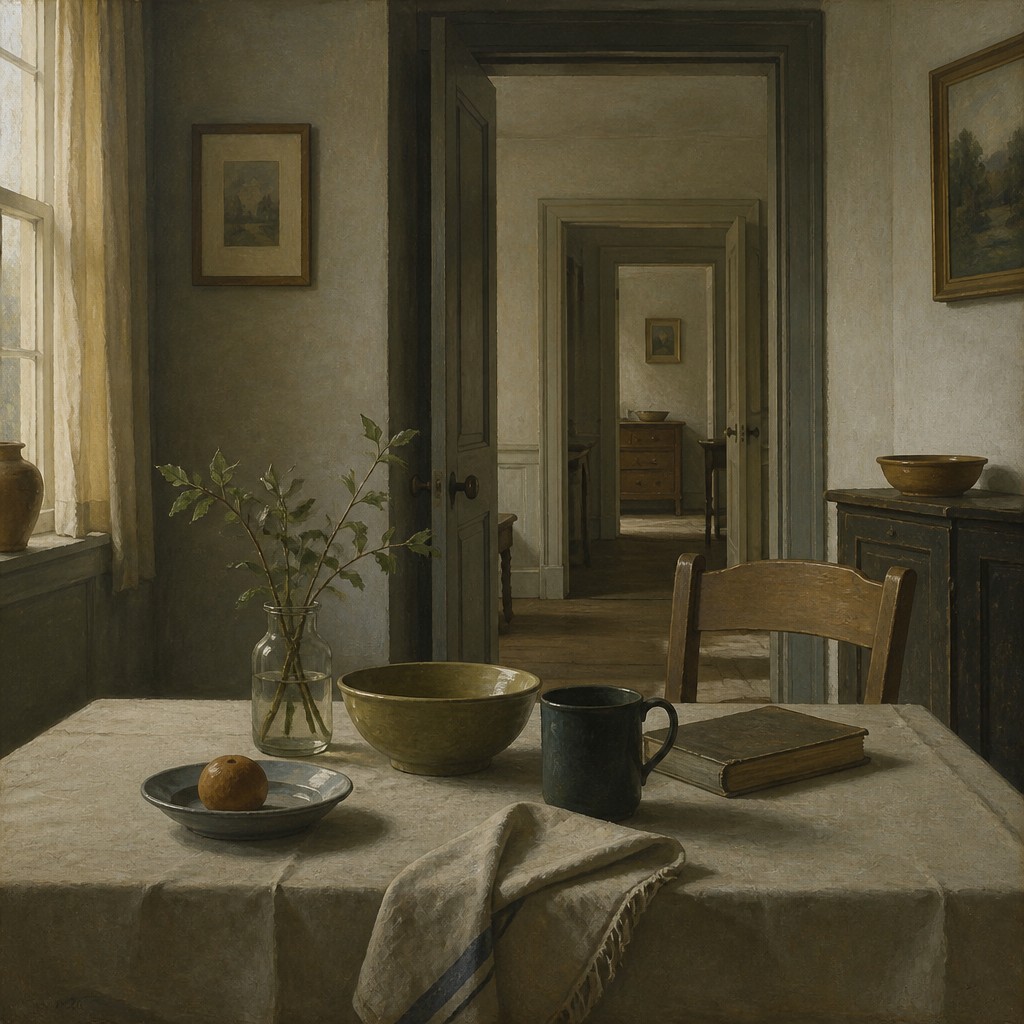
Measured architectural composition
Walls, moldings, floorboards, window frames, and door openings are organized through stable geometry and deliberate perspective. Slight irregularities can preserve the human quality of a painted room.
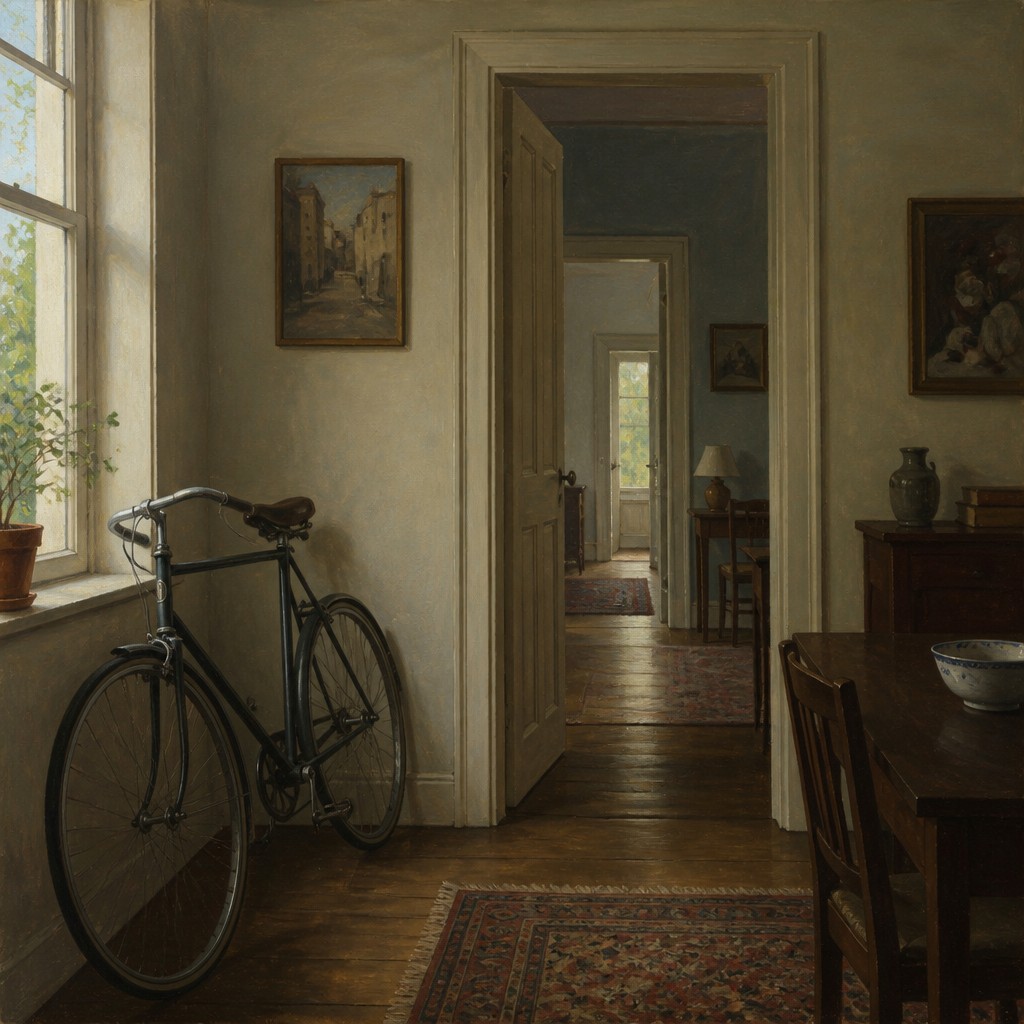
Painterly softened surfaces
Edges may dissolve selectively where light meets plaster, fabric, or shadow, while structural lines remain legible. Visible brushwork or gentle digital texture prevents the scene from becoming sterile or purely photographic.
Try It
Create Videos in Interior Scene Painting Style
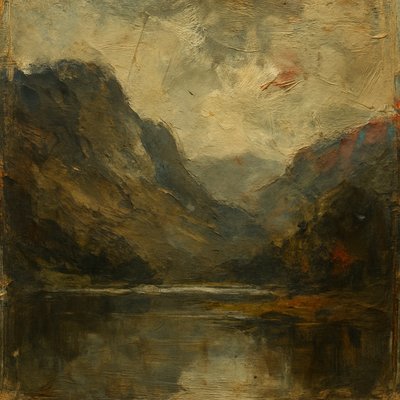
Styles aren't just for stills — describe a scene or animate an image and get a short video rendered in Interior Scene Painting. Press play to see this pond come to life.
Make a VideoInterior Scene Painting Prompt Ideas
Start from an idea — each one opens the generator with the style ready to go. See all 40 Interior Scene Painting prompts →
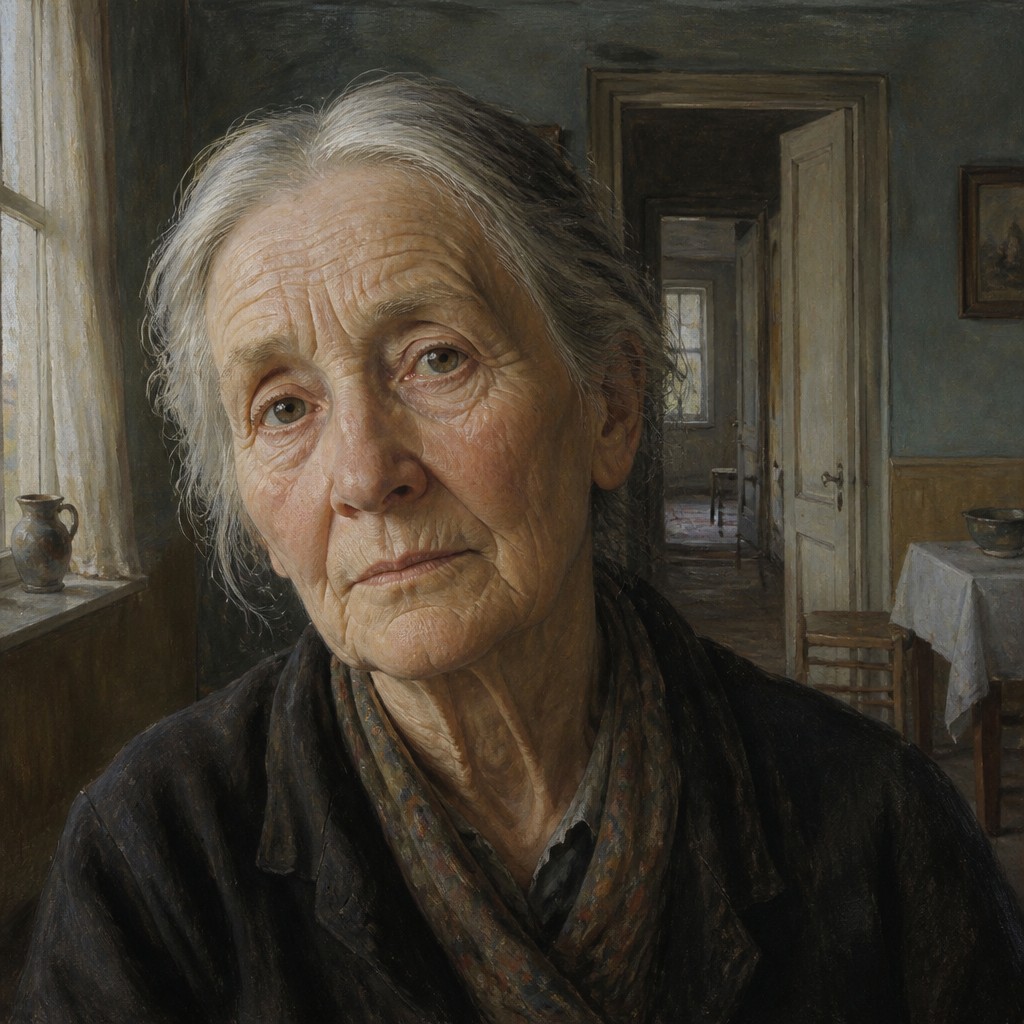
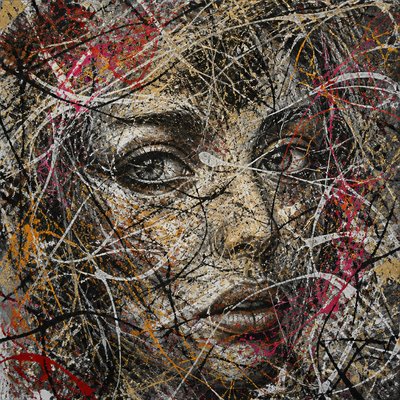
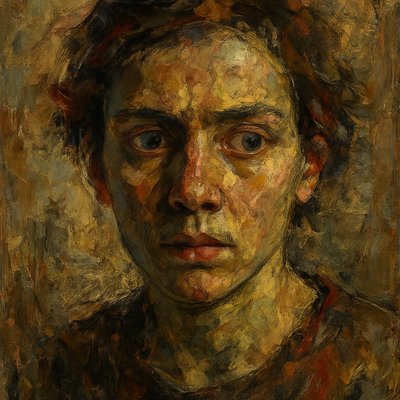
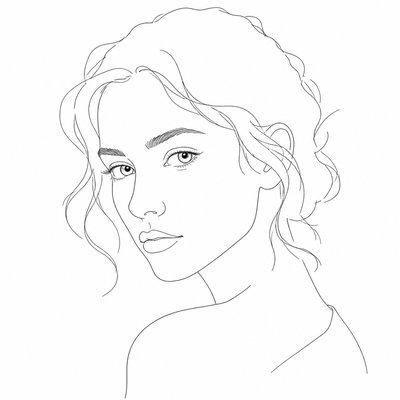
“close-up portrait of an elderly person with expressive weathered features”
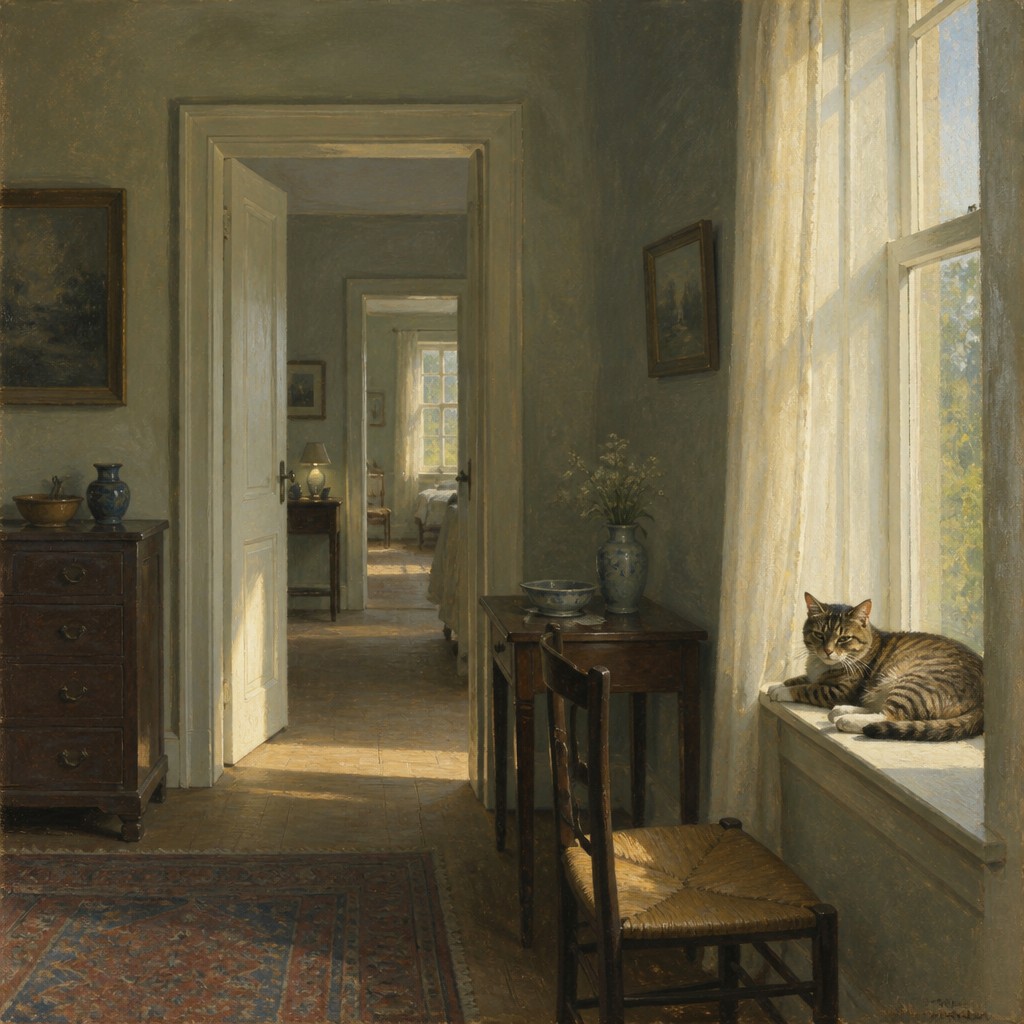
“a cat lounging in a sunlit window”
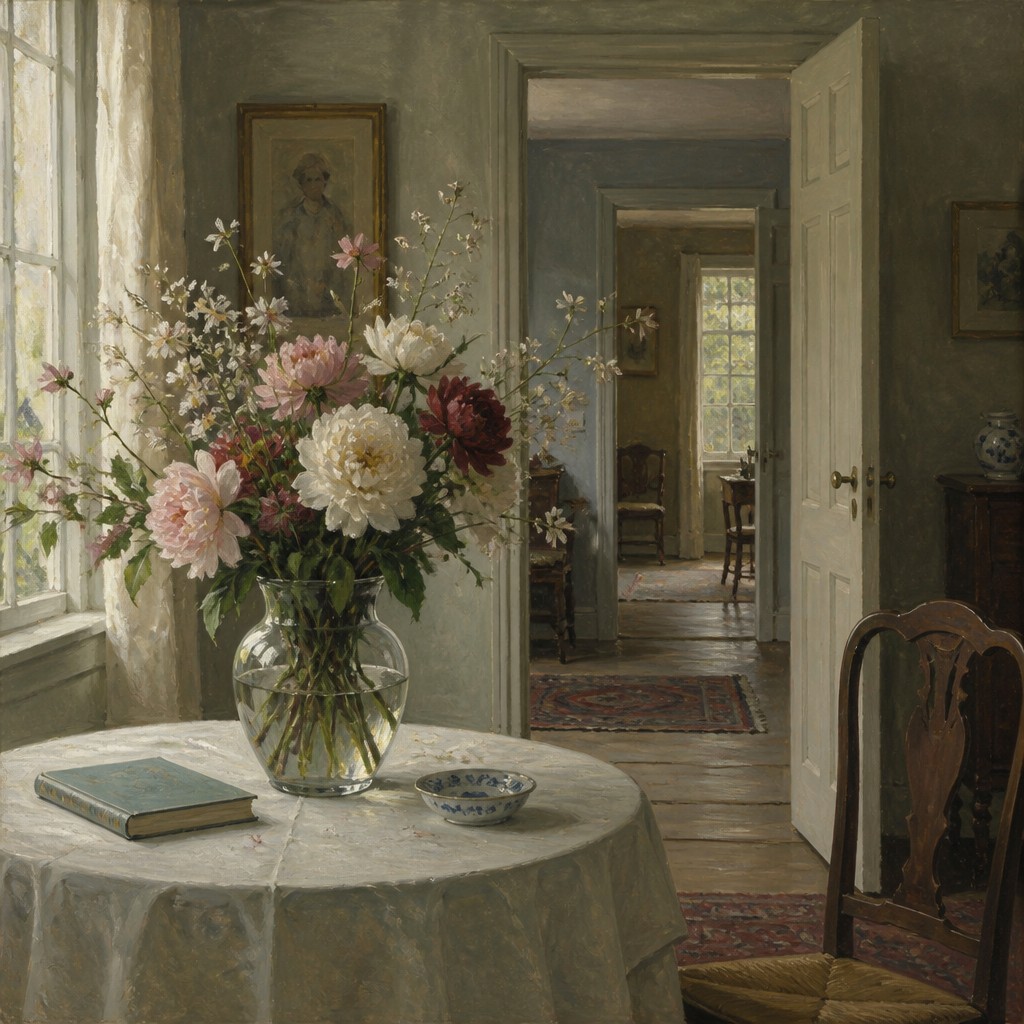
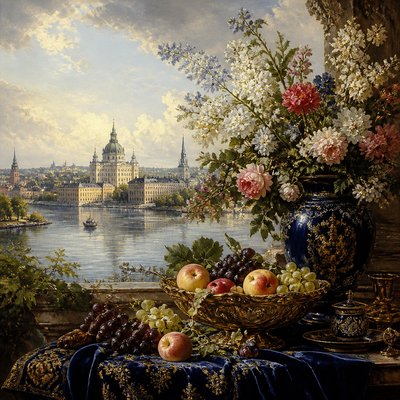
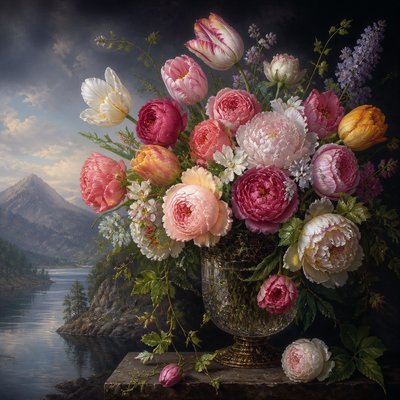
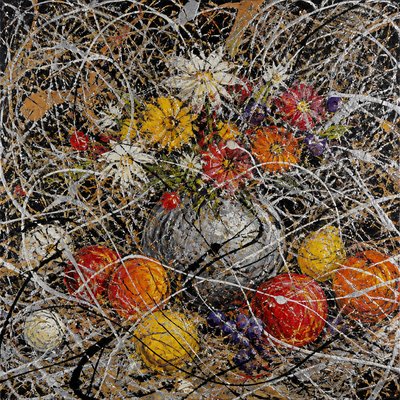
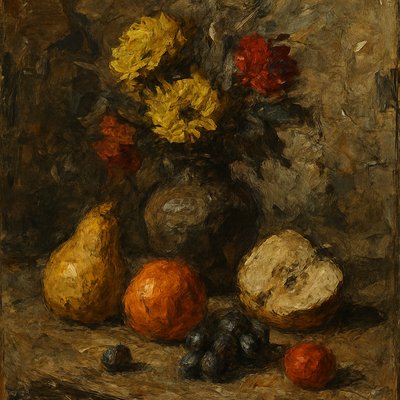
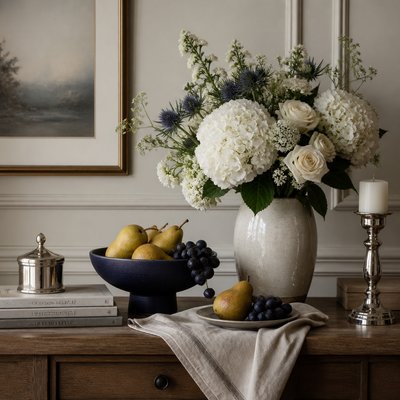
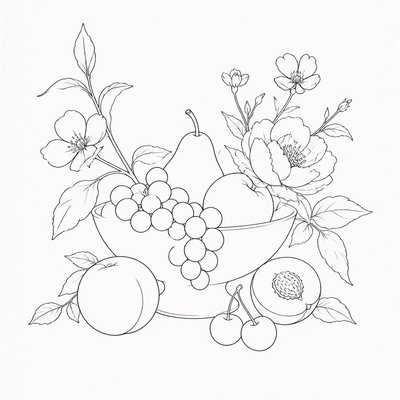
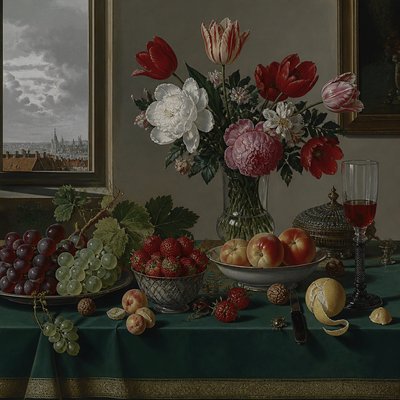
“bouquet of flowers in a glass vase”
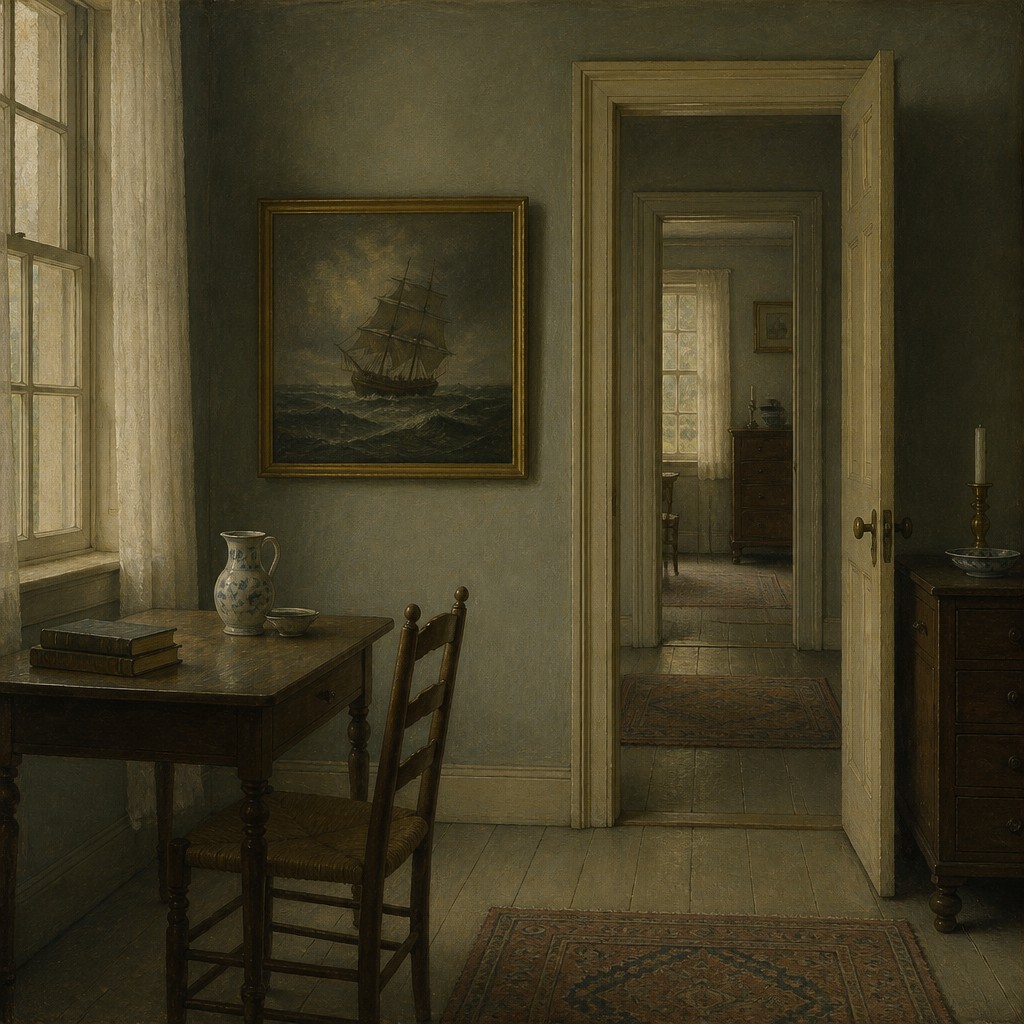
“sailing ship on a stormy sea”
How to Create Interior Scene Painting Art
Master the craft step by step — or skip straight to creating. Read the full guide →
- 1
Build the composition around a light source
Begin with a side window, skylight, or open exterior door and decide how its illumination travels through the room. Keep the brightest area relatively broad and reserve deeper tones for recesses and secondary spaces.
- 2
Use thresholds to create depth
Place one or more doorways, arches, or corridors on a clear perspective axis. Vary the value and temperature of each room so the viewer can read distance without excessive detail.
- 3
Restrict the palette
Choose a small family of desaturated hues and vary them through value, warmth, and opacity. In traditional media, layered transparent washes or thin opaque passages can produce atmospheric walls and softened shadows; digitally, use low-contrast textured brushes and restrained color grading.
- 4
Arrange objects with purposeful quiet
Select a few ordinary furnishings and give them breathing room. Avoid crowded ornament, dramatic poses, and competing focal points; the stillness should come from spacing as much as from subject matter.
- 5
Preserve painterly structure
Block in large planes of light and shadow before adding furniture details, then soften only selected edges. For digital or image-to-image work, describe the architecture, lighting direction, palette, material texture, and mood explicitly rather than relying on a style label alone.
- 6
Control generation and transformation prompts
A useful prompt specifies a quiet domestic room, soft side daylight, open doorways receding into further rooms, muted harmonious colors, still furniture, and contemplative painted surfaces. When transforming a photo, preserve the room's major geometry while reducing clutter, saturation, and hard photographic contrast.
The Story
History & Origins of Interior Scene Painting
Interior Scene Painting Style has no single origin, manifesto, or defined historical period. It is an aesthetic synthesis drawn from several traditions: seventeenth-century Northern European domestic interiors, nineteenth-century realist studies of everyday rooms, tonal landscape painting, and modernist approaches to simplified space and controlled color.
Its contemporary form reflects continued interest in domestic observation, architectural thresholds, and the emotional effects of natural light. Digital painting and image-based transformation have further encouraged the style as a flexible visual language that can be applied to bedrooms, kitchens, corridors, studios, hotels, and imagined homes without imitating one specific historical school.
Influences: The style relates to Northern European domestic interior painting, genre scenes of everyday life, nineteenth-century realist observation, tonal painting, and modernist treatments of simplified architecture. It also shares with minimalist and quiet-interior photography an interest in negative space, ordinary objects, and ambient light, while its softened surfaces and deliberate brushwork keep the image grounded in painting rather than strict documentation.
Frequently Asked Questions
What defines Interior Scene Painting Style?
It is defined by quiet domestic architecture, soft directional daylight, open thresholds, muted color, and restrained furnishings. The emotional effect comes from stillness and spatial depth rather than dramatic action or ornament.
Is Interior Scene Painting Style a historical art movement?
No. It is a contemporary descriptive category, not a movement with a fixed founding date, membership, or manifesto. Its appearance draws on several historical traditions of interior painting and modern visual culture.
How is it different from photorealistic interior imagery?
Photorealistic imagery prioritizes exact optical description, while this style permits softened edges, selective detail, visible surface texture, and emotional interpretation. Perspective remains readable, but atmosphere is usually more important than technical precision.
Does the style require an empty room?
No, although empty rooms make its contemplative quality especially clear. A single seated figure, a sleeping person, or traces of recent activity can work well when the human presence remains understated.
What subjects work well in this style?
Bedrooms, kitchens, corridors, libraries, studios, stairwells, and interconnected domestic rooms are natural subjects. The approach also suits inns, schools, workshops, and other interiors where light and architectural sequence can carry the composition.
How can I make a photograph look like this style?
Start with a simple room, reduce visual clutter, and emphasize one soft light source and a limited color range. In digital editing or image-to-image transformation, preserve the main perspective while lowering saturation, softening hard edges, and adding subtle painted texture.
Create your first Interior Scene Painting artwork
Describe anything — or upload a photo — and see it in Interior Scene Painting Style in seconds.
Related Styles
Discover similar art styles