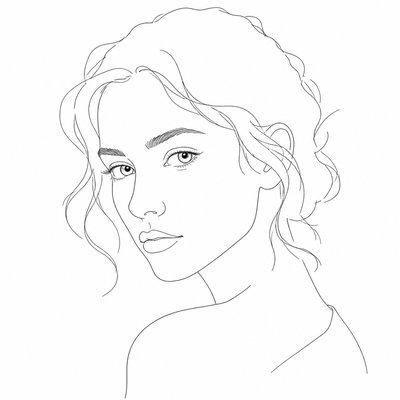
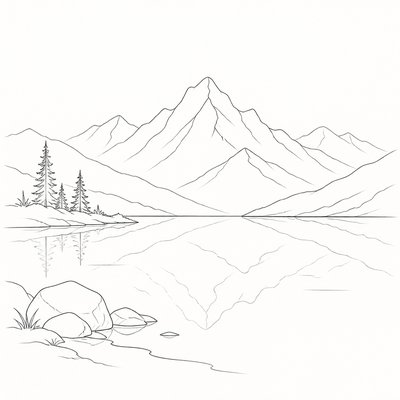
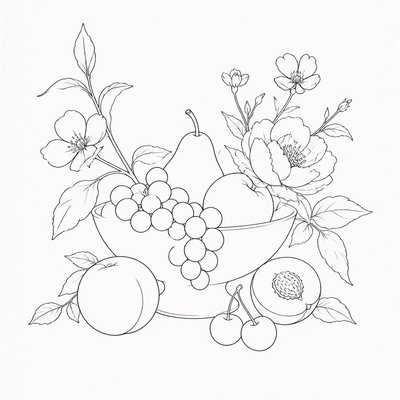
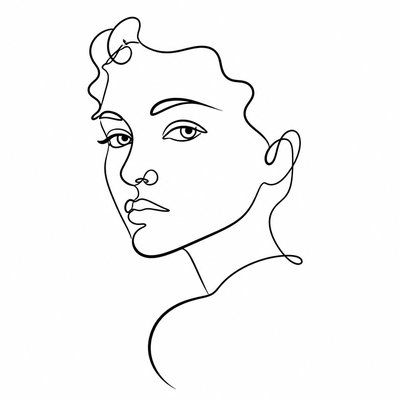
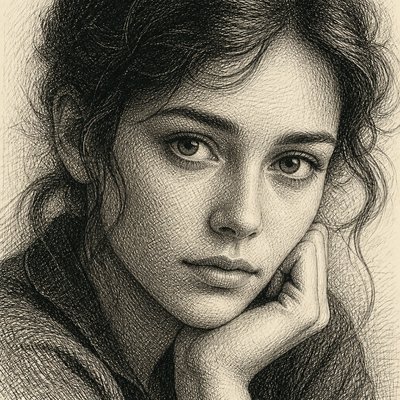
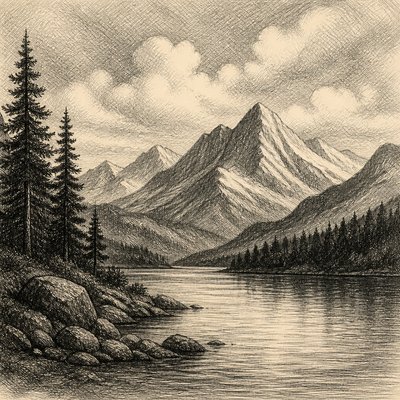
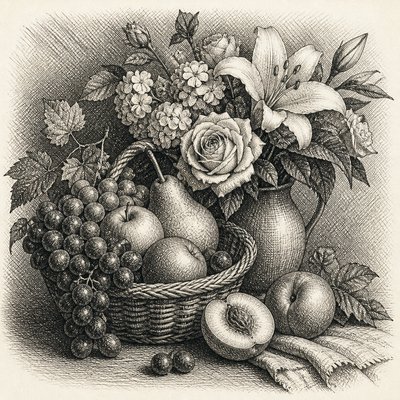
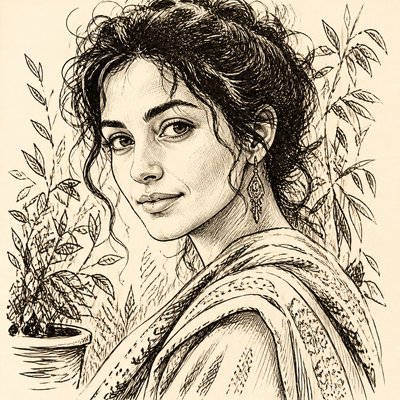
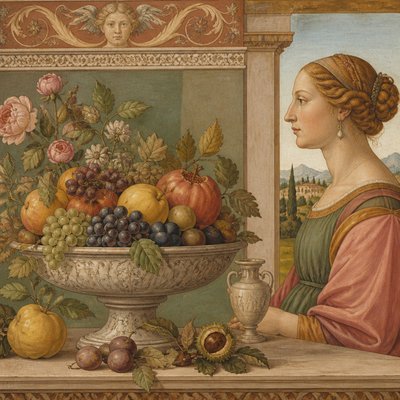
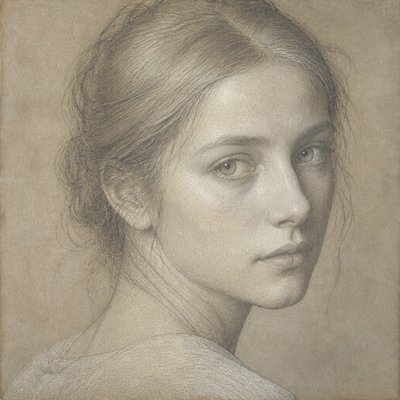
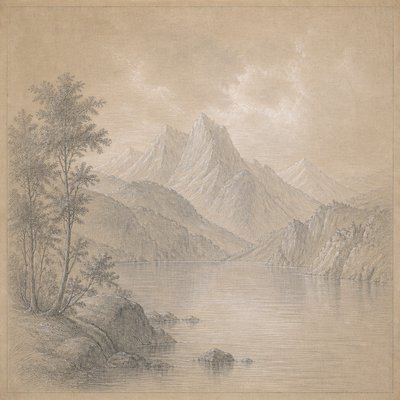
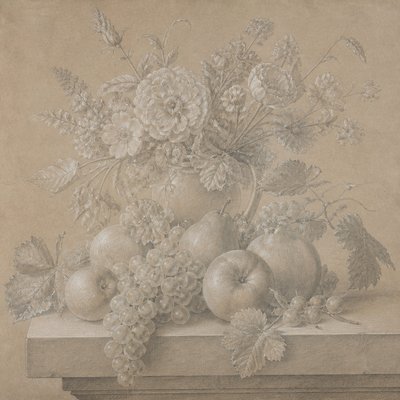
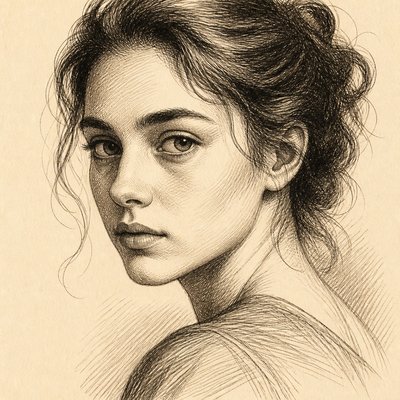
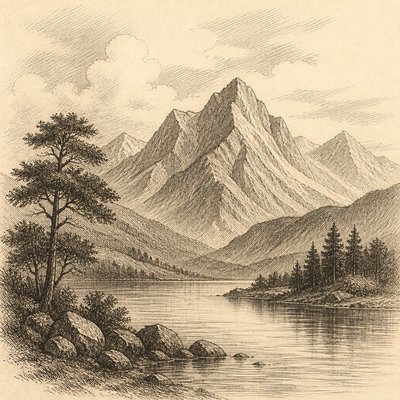
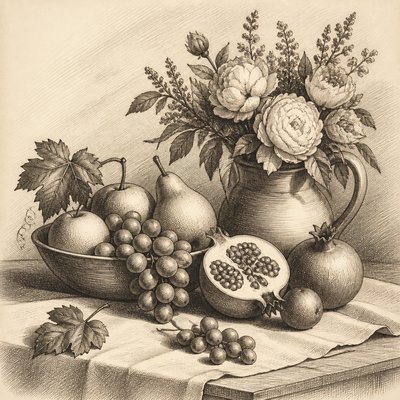
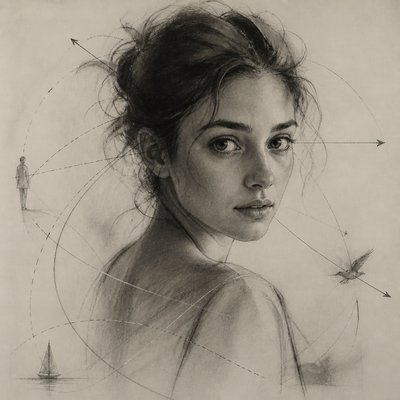
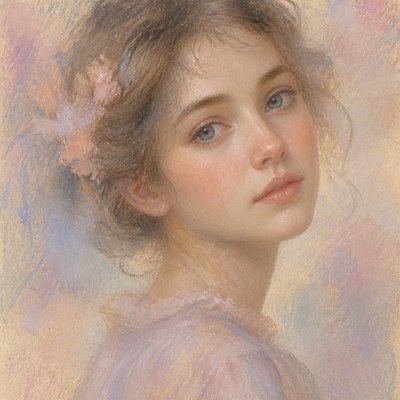
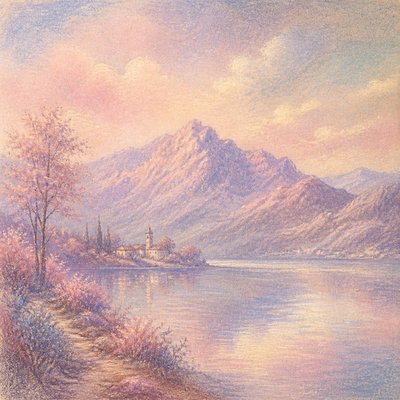
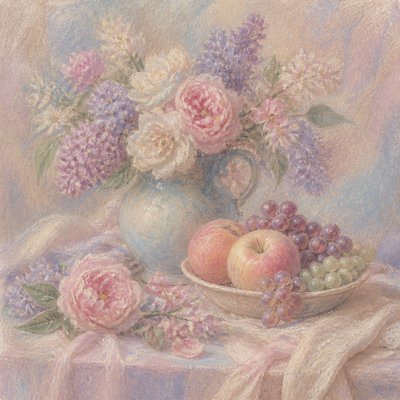
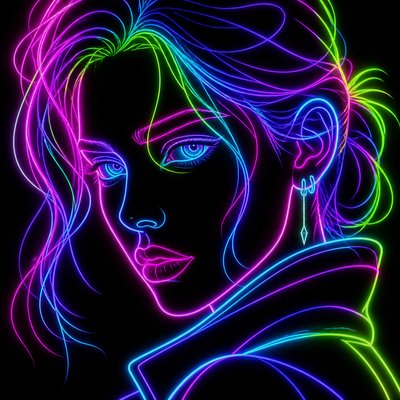
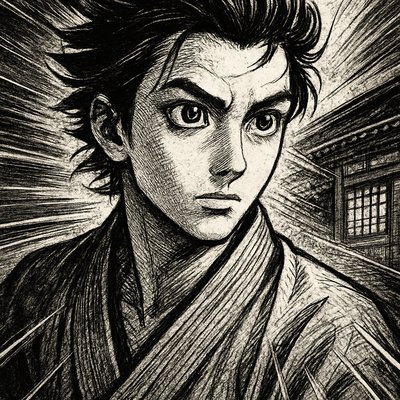
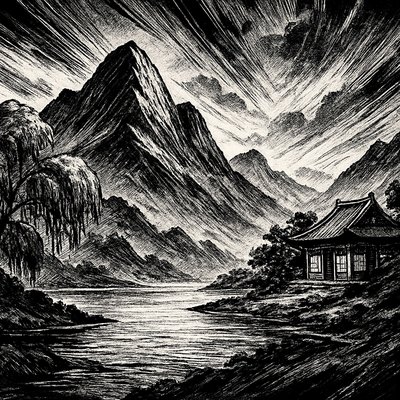
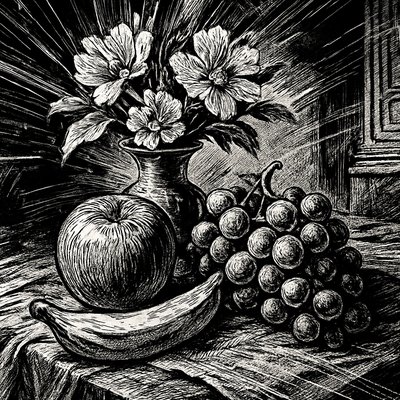
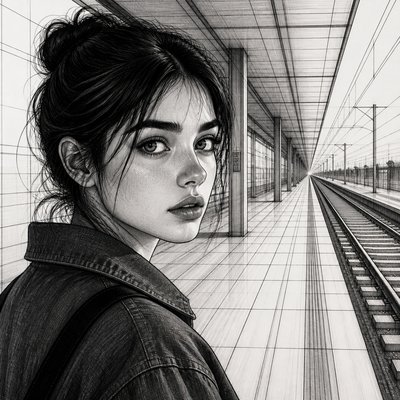
Contour Line Drawing Style
Explore contour line drawing: elegant single-line outlines, minimal interior detail, generous white space, and precise expressive form.
Instantly rendered in Contour Line Drawing — or transform a photo
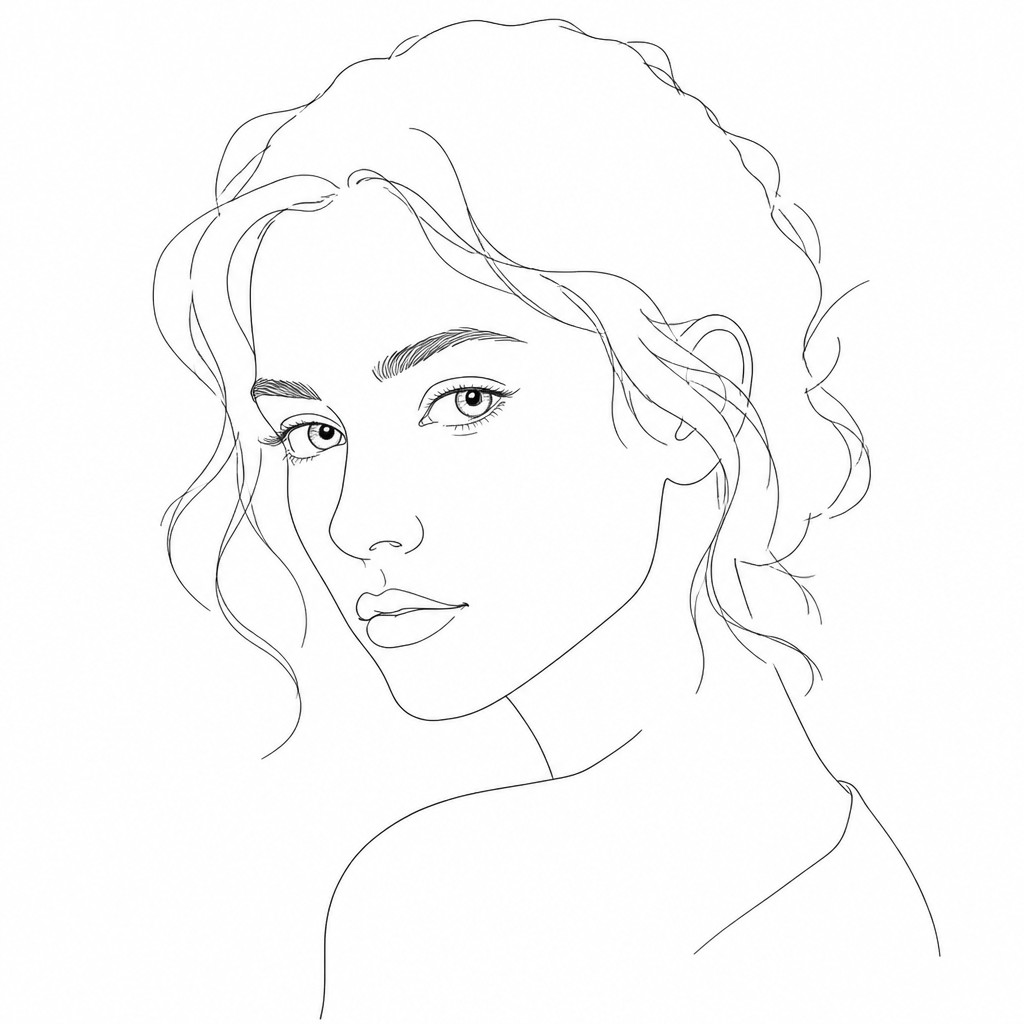
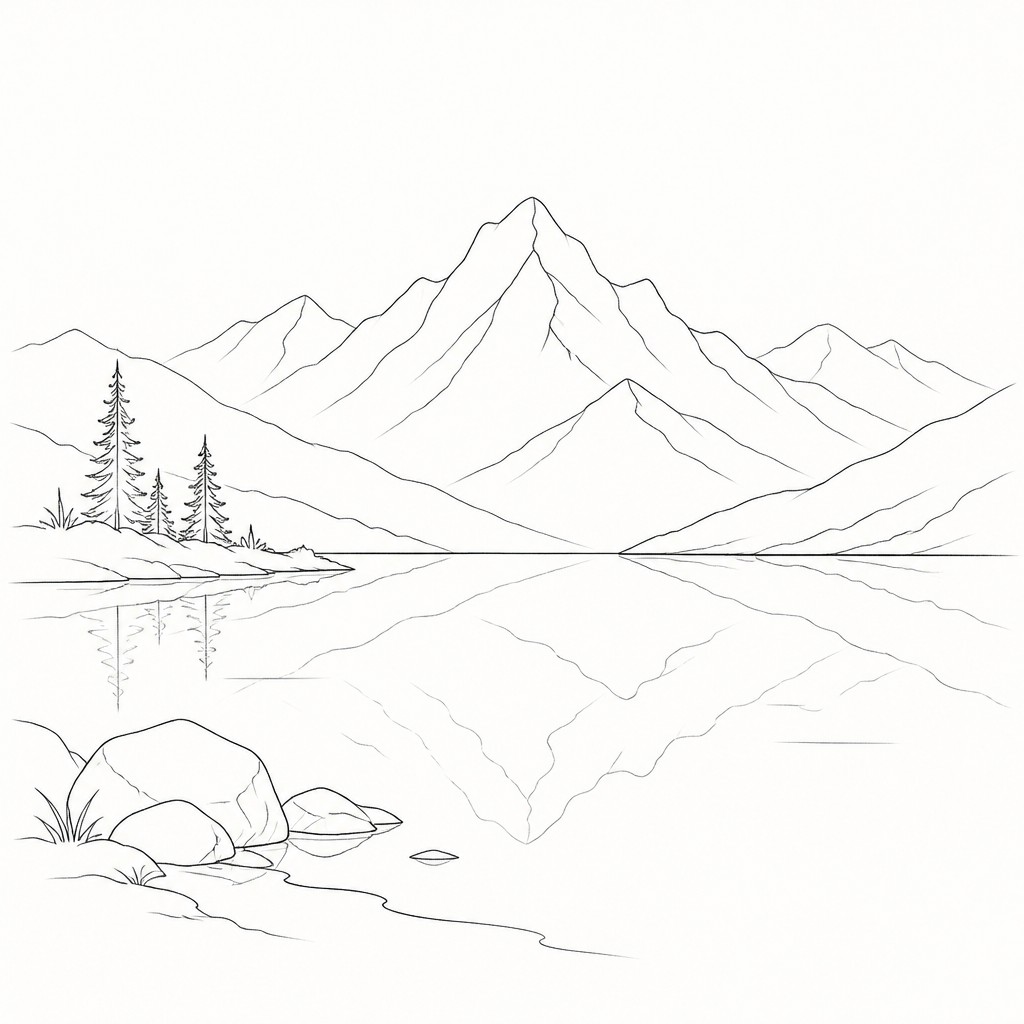
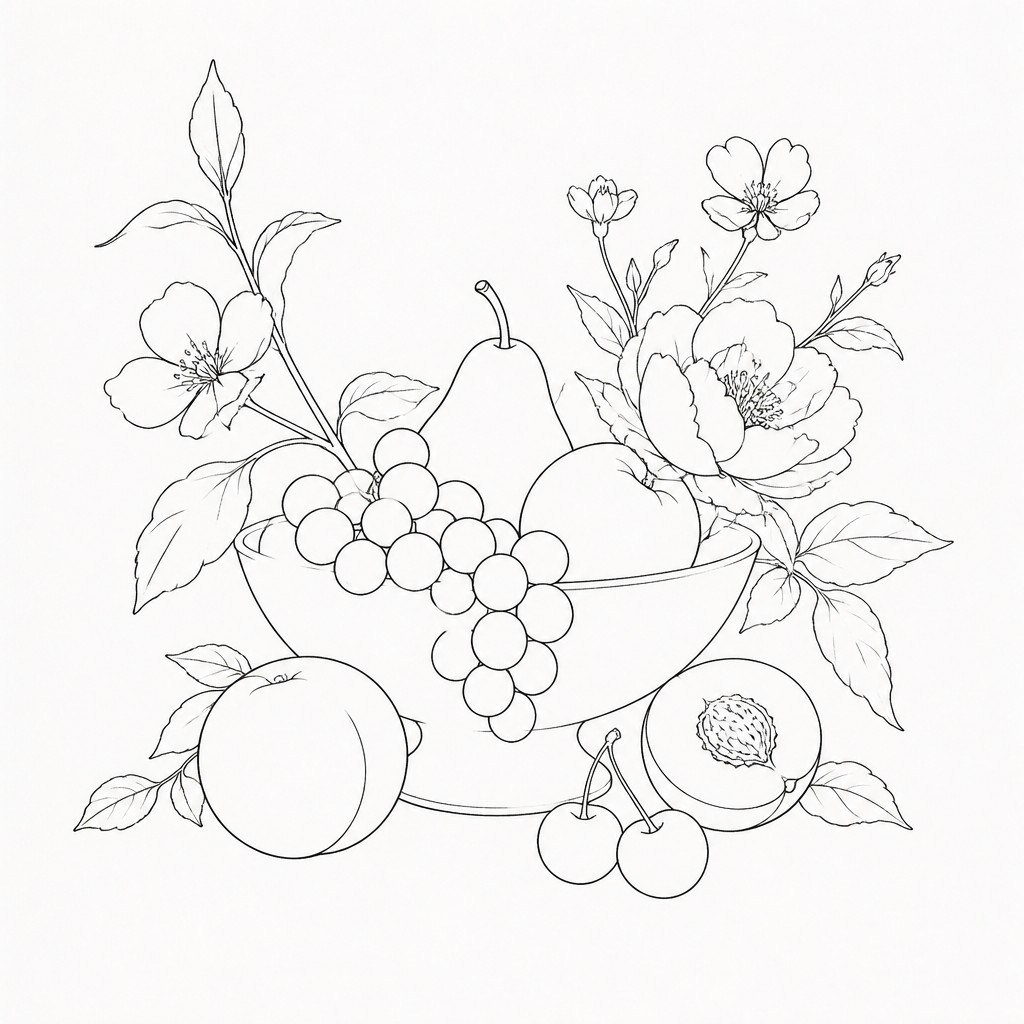
Contour Line Drawing Gallery
Tap any artwork to explore it
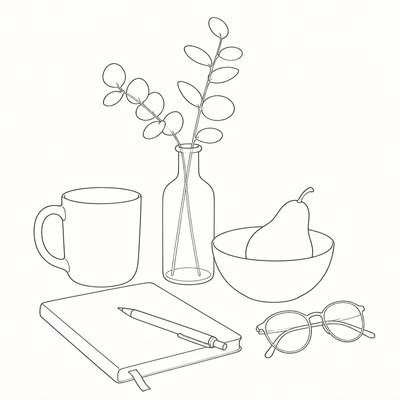
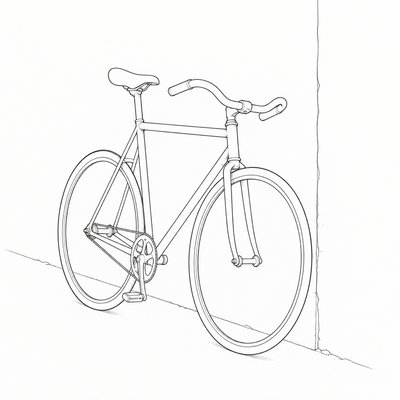
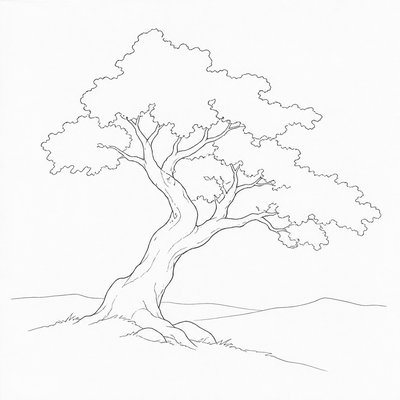
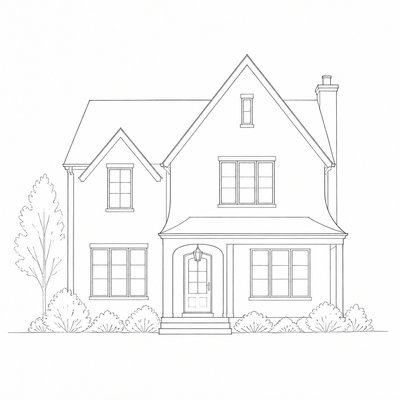
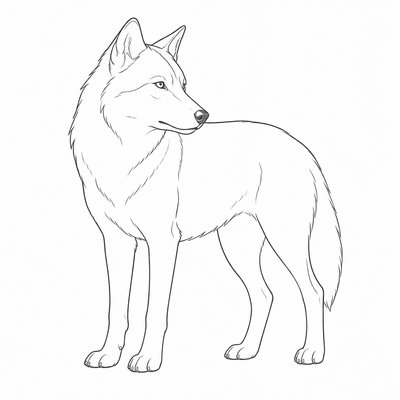
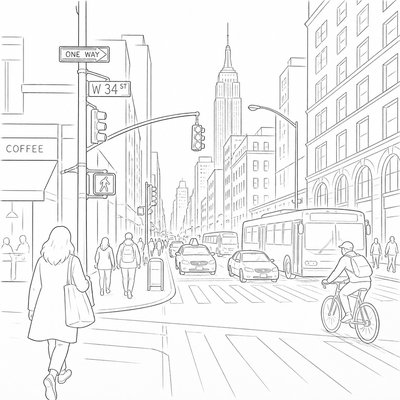
What is Contour Line Drawing Style?
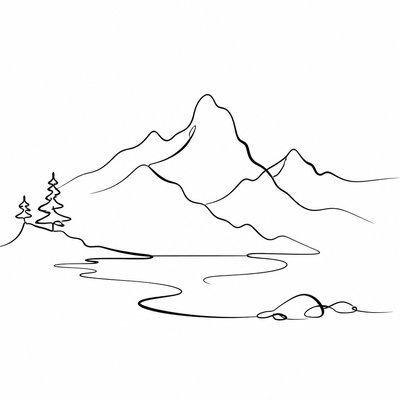
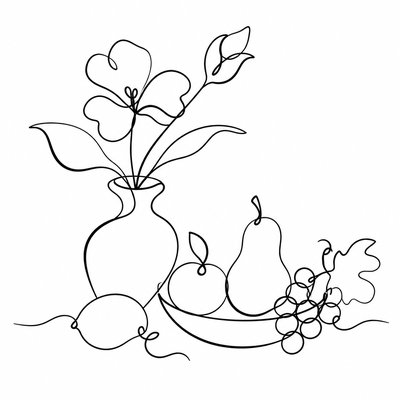
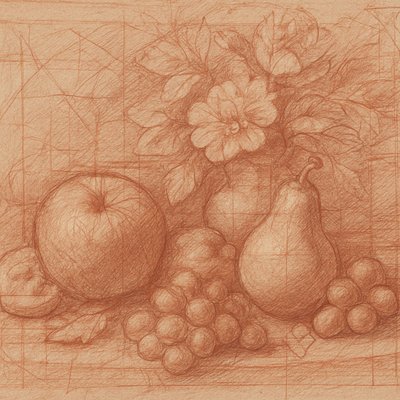
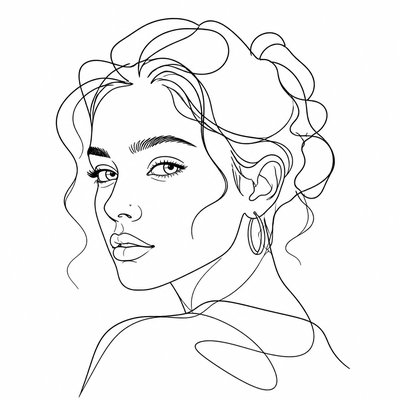
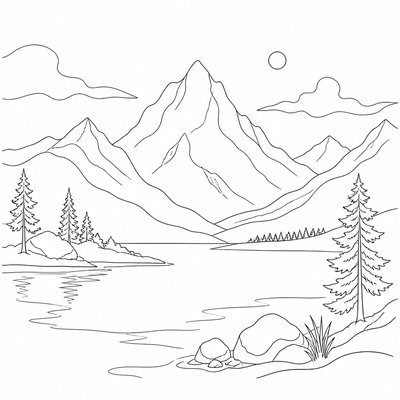
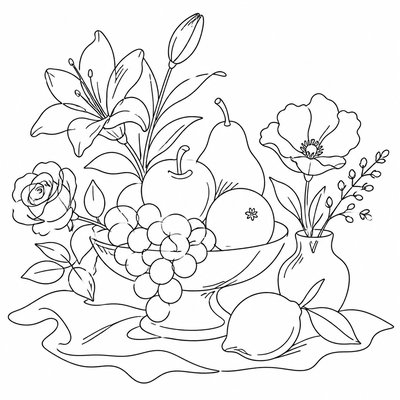
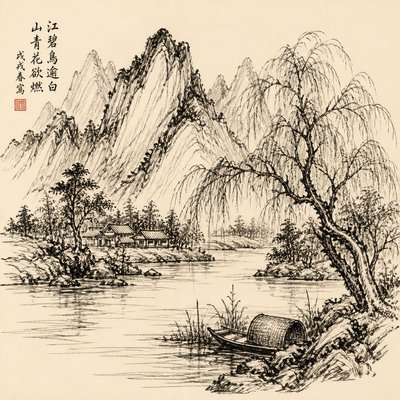
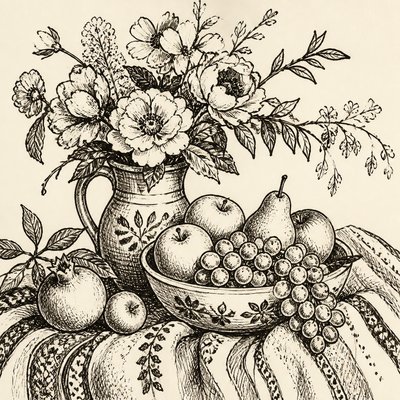
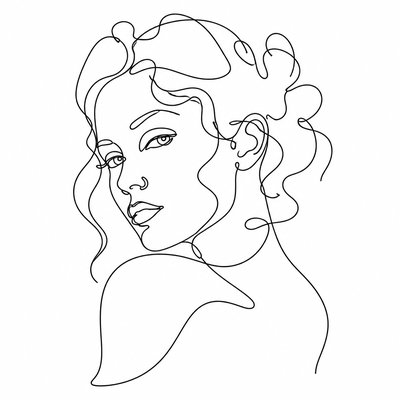
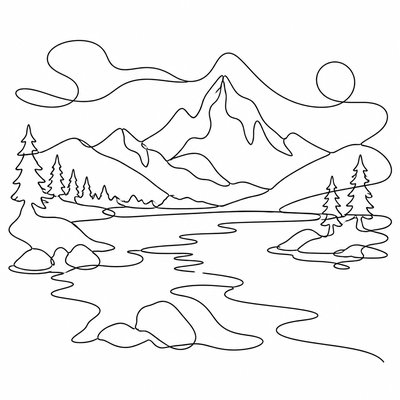
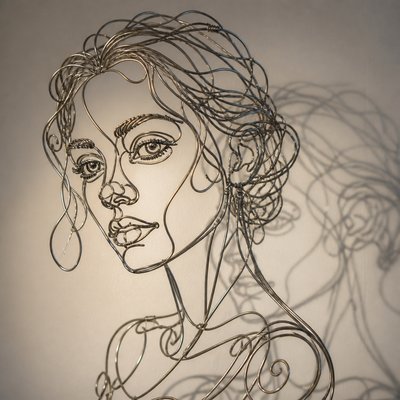
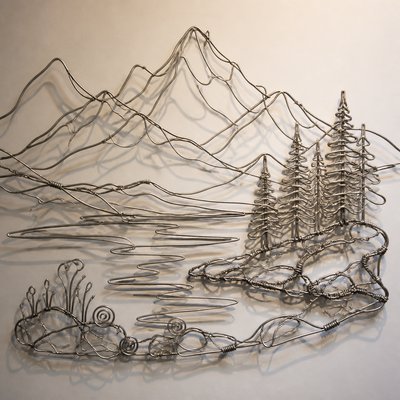
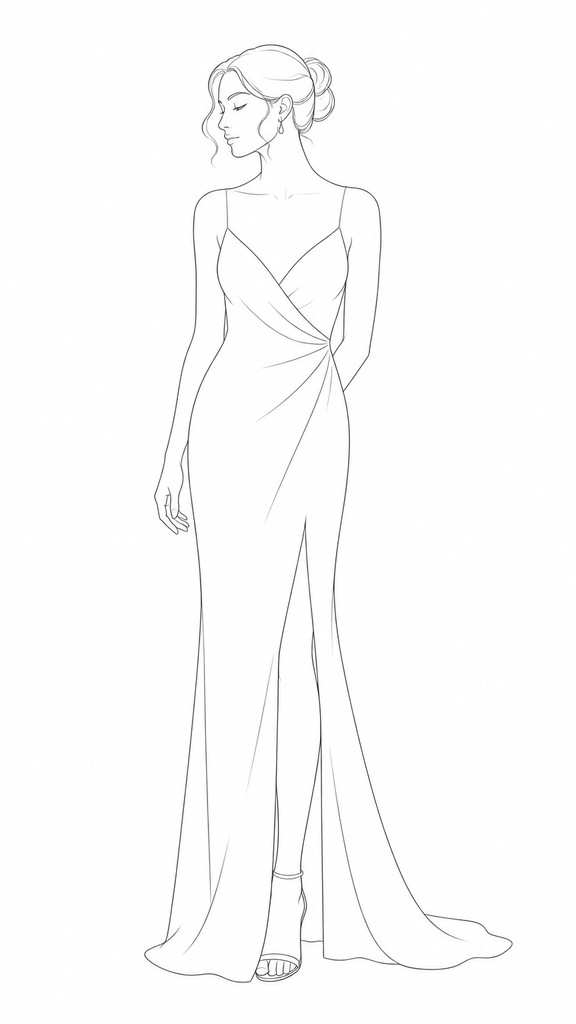
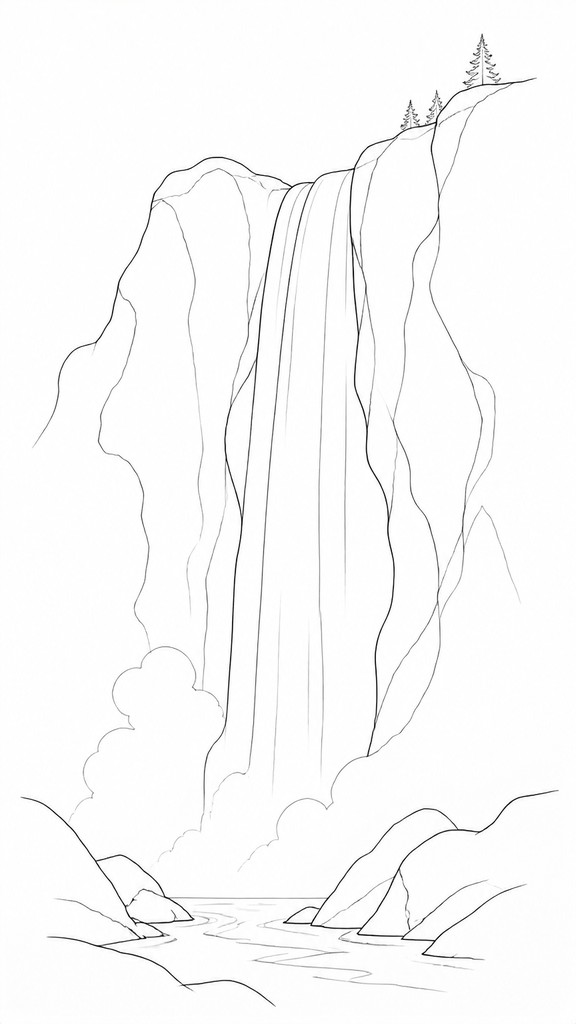
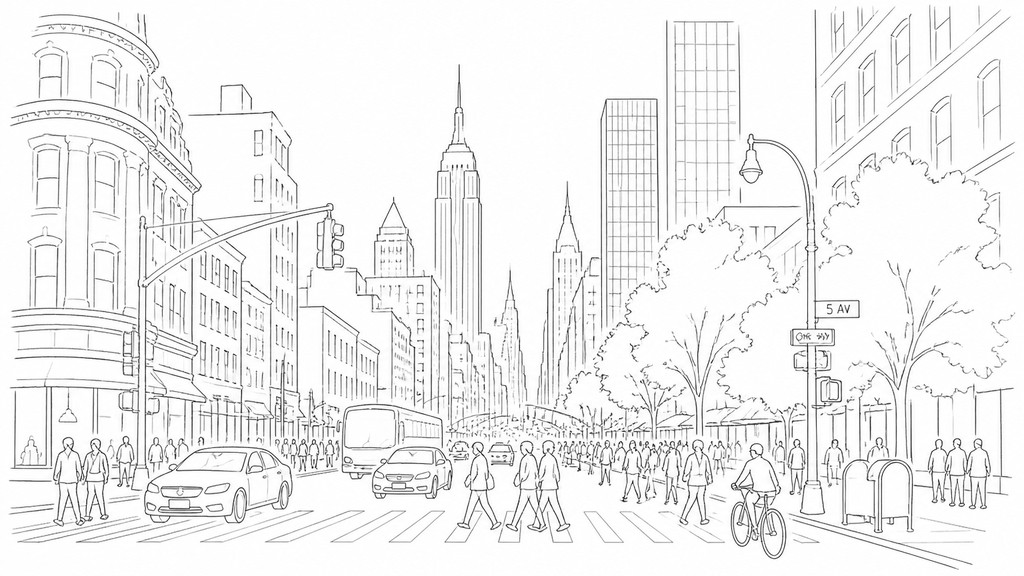
Contour line drawing is an economical visual style that describes a subject primarily through its outer edge. A clean, confident line carries the structure of a figure, object, plant, animal, or architectural form, while interior marks are reduced to only those needed to clarify folds, features, overlaps, or surface direction.
The style looks spare because it removes shading, color modeling, texture, and unnecessary detail. Its visual impact depends on proportion, rhythm, negative space, and the accuracy of a few carefully placed marks. Although often associated with a single unbroken stroke, contour line drawing can also use several connected or selectively interrupted lines while preserving the same sense of clarity and restraint.
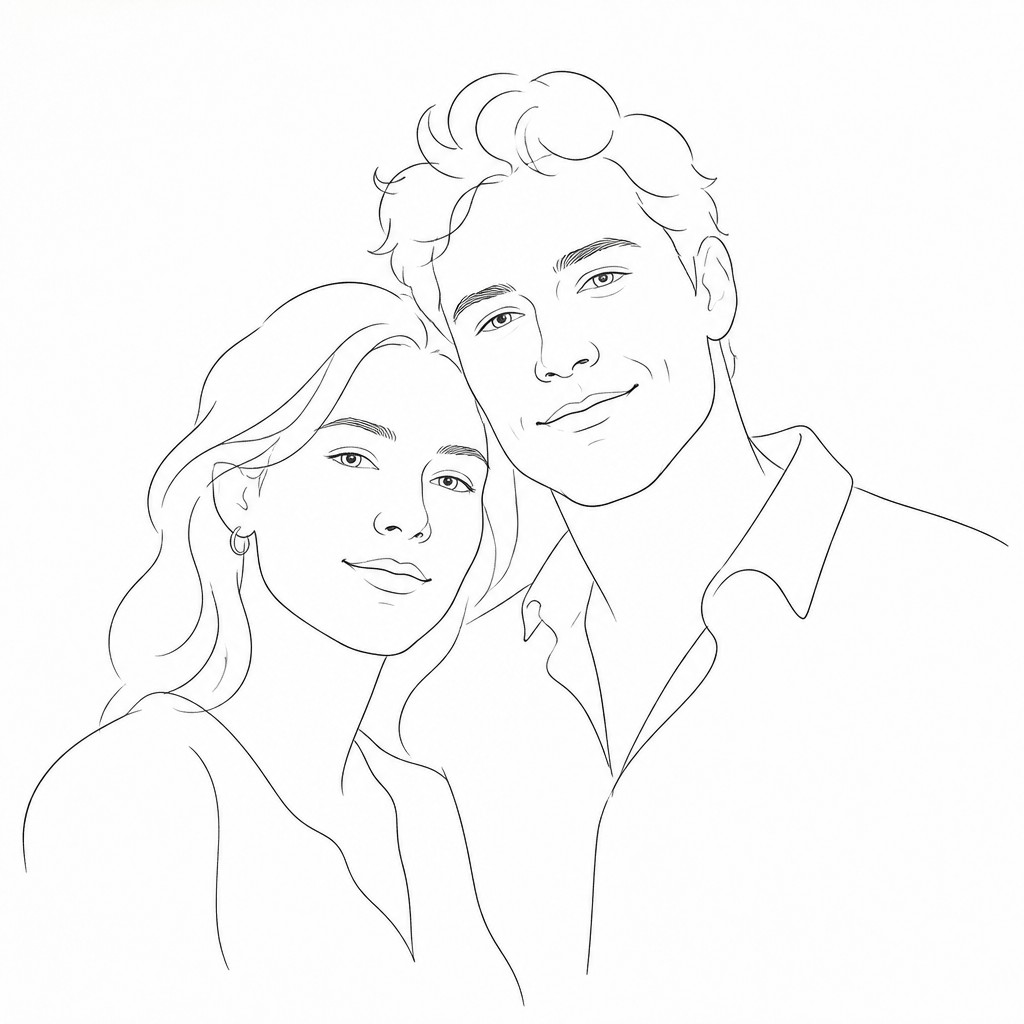
Try It On Your Photos
Upload any photo and convert it into Contour Line Drawing Style — drag the sliders to compare before and after.
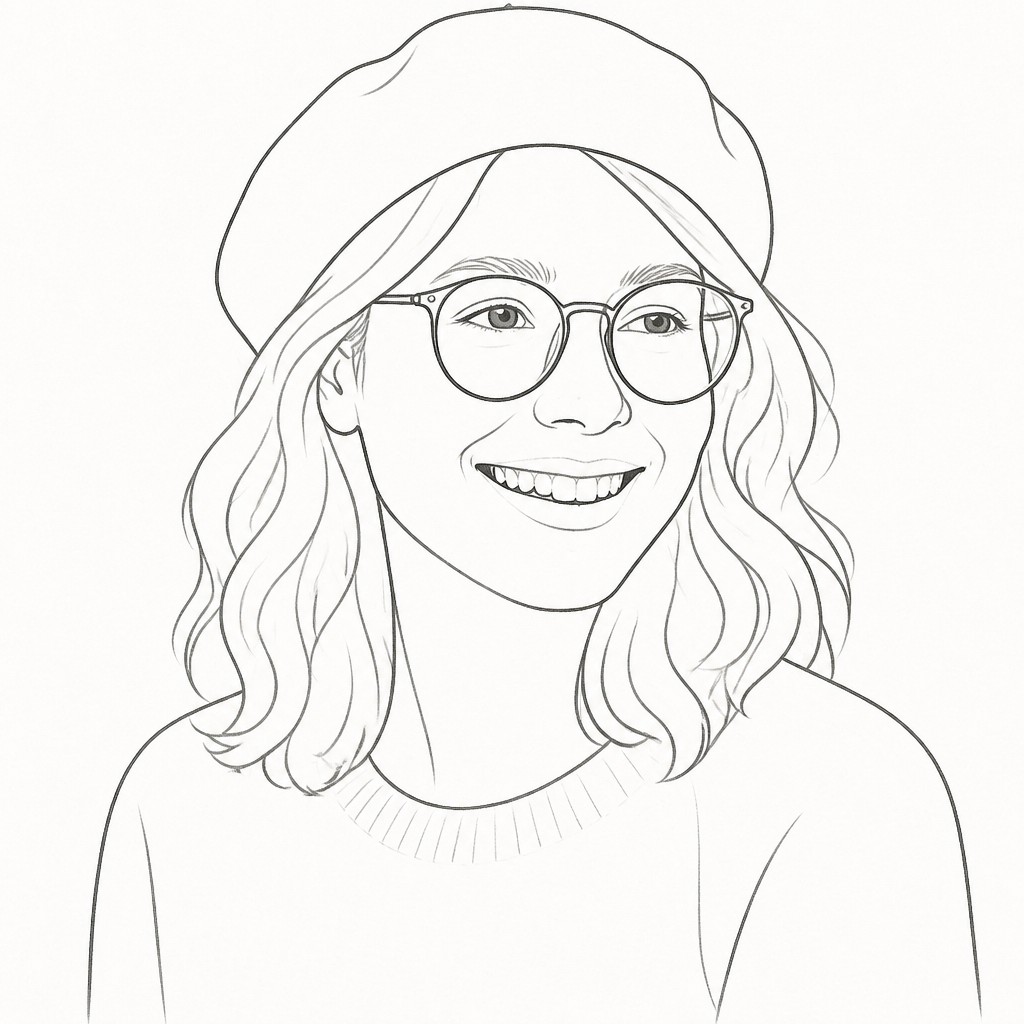


What Defines Contour Line Drawing Style
The signature details, up close
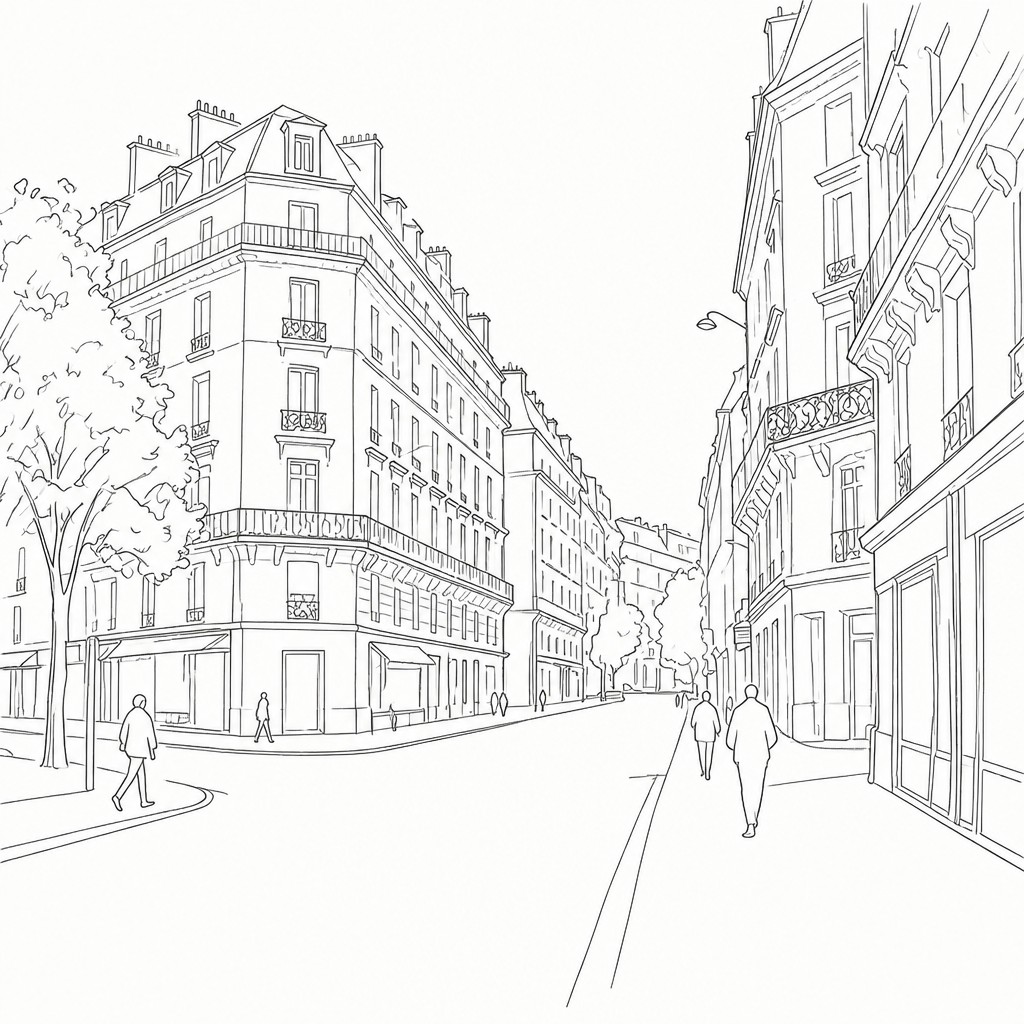
Continuous or economical outline
The subject is organized around one dominant contour, often drawn in a single flowing passage or with very few lifted lines. Every mark is expected to contribute to recognition, structure, or gesture.
Minimal interior detail
Interior lines are used sparingly for features such as facial planes, folds, overlaps, joints, or prominent surface divisions. Shading and tonal rendering are usually omitted.
Confident line quality
The line feels intentional rather than hesitant, with smooth transitions and controlled curves. Subtle thickening at turns or points of emphasis may add liveliness without breaking the spare appearance.
Emphasis on silhouette and proportion
Recognition depends on the accuracy of the outer shape, gesture, and relationship between major forms. Small proportional errors are especially visible when there is no shading to disguise them.
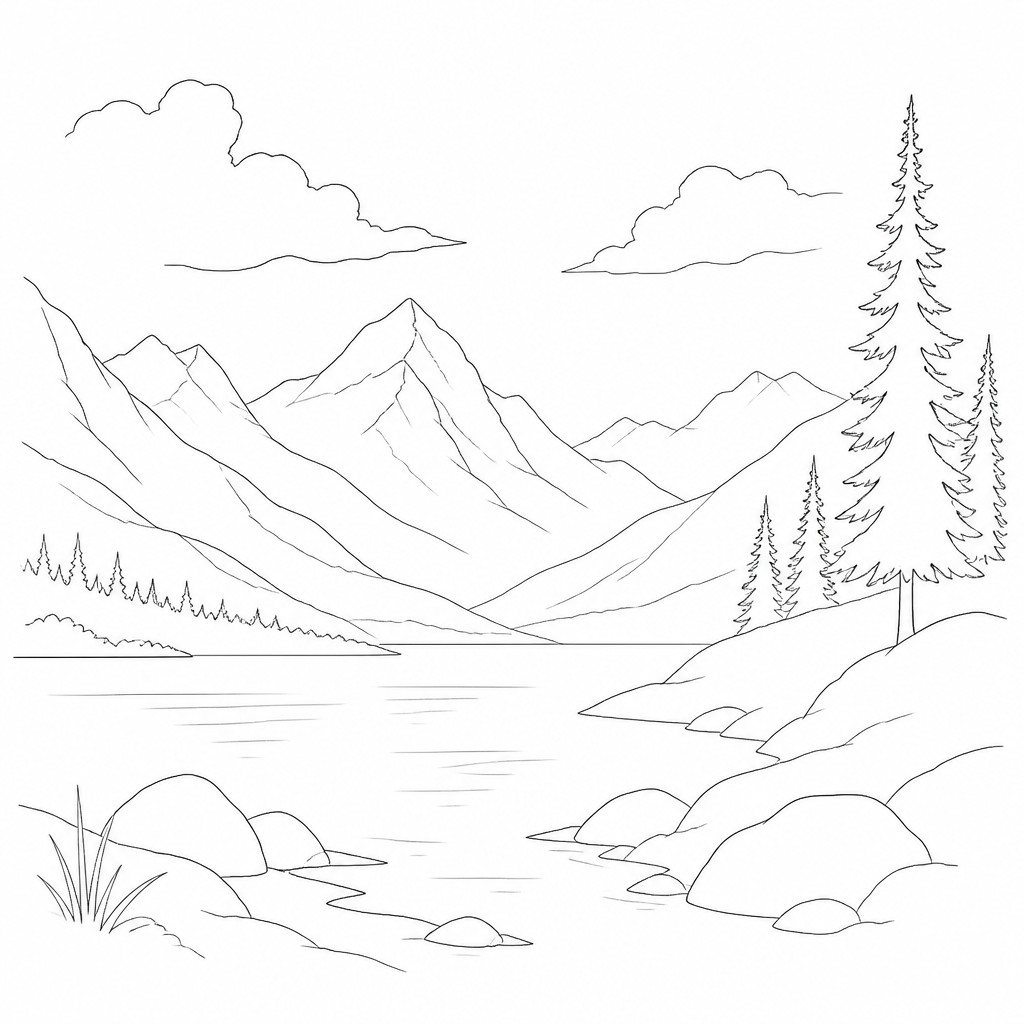
Generous negative space
Open paper or background surrounds the subject and becomes an active part of the composition. Crowding, busy texture, and decorative backgrounds are generally avoided.
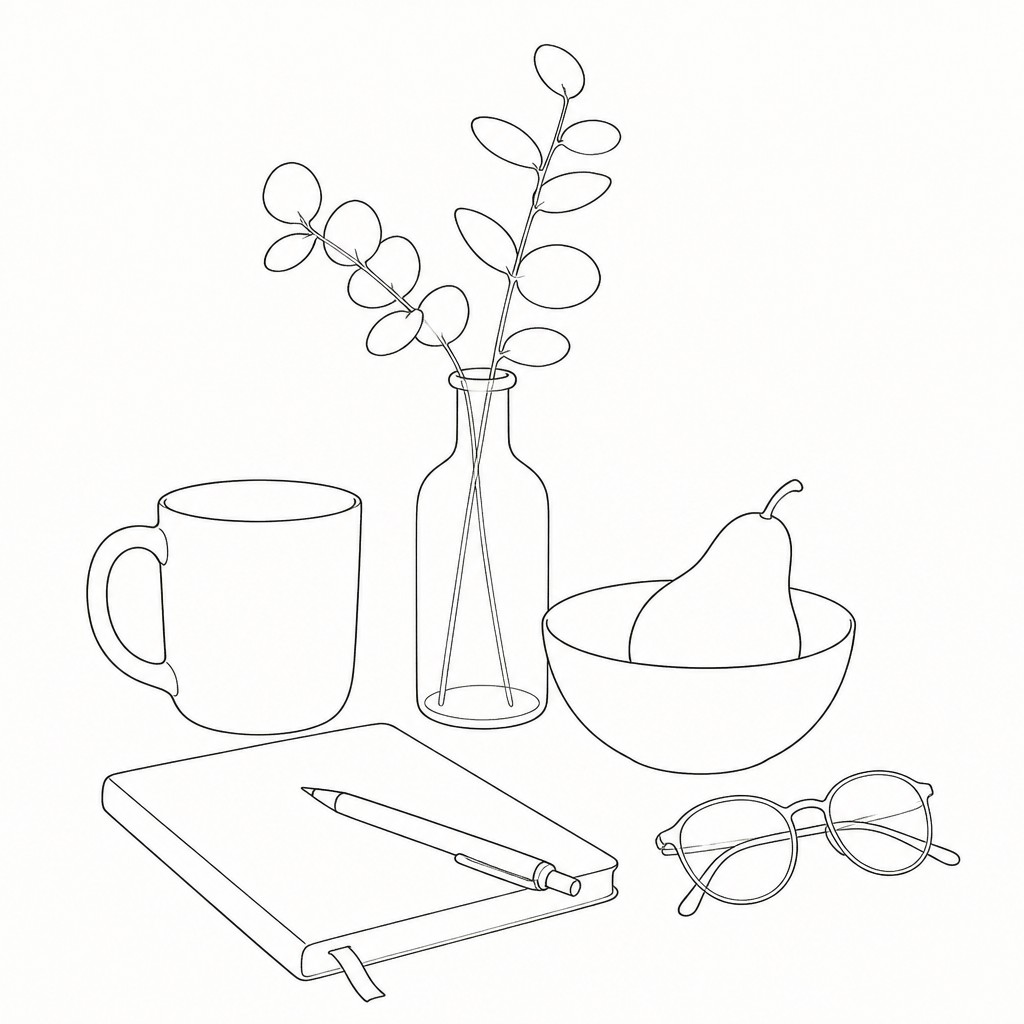
Monochrome or restrained palette
Graphite, black ink, dark charcoal, and muted single-color lines are common. Color may be added as a quiet accent, but it normally remains secondary to the contour.
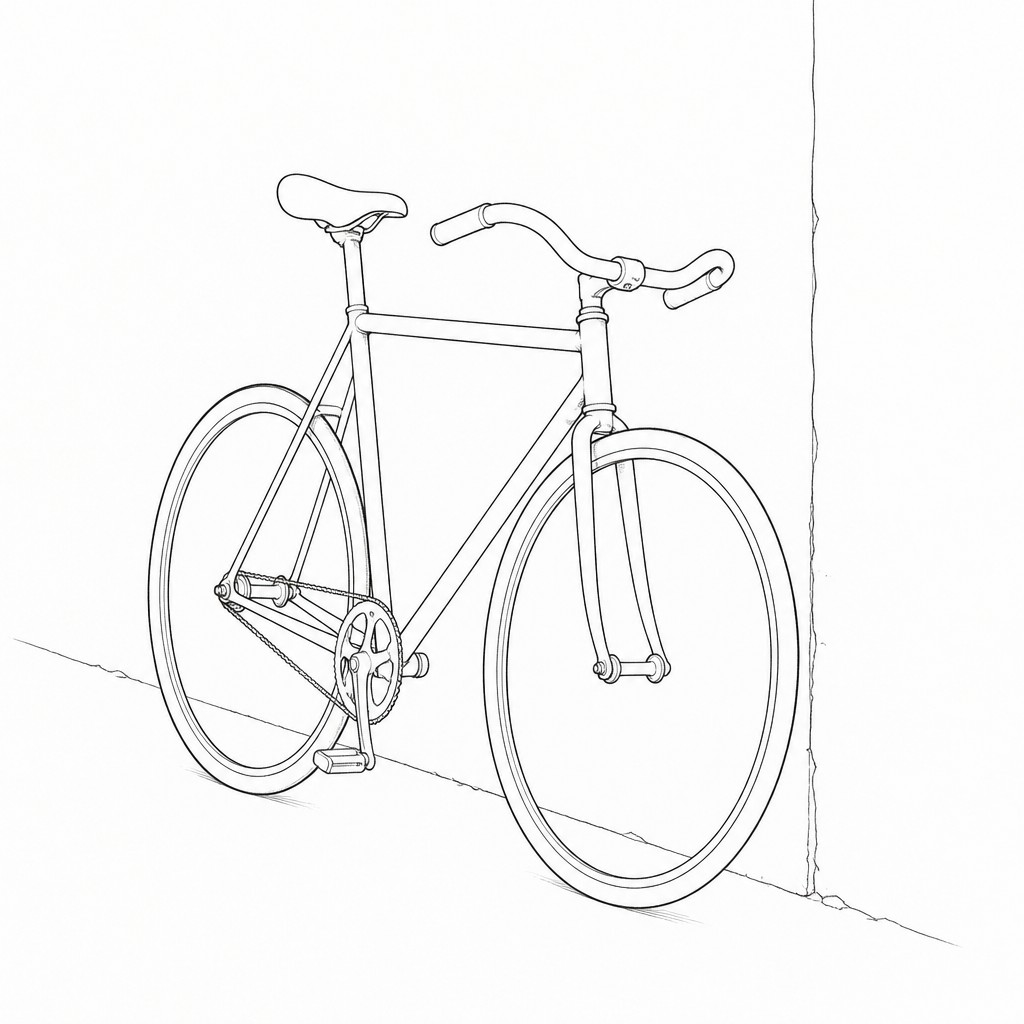
Elegant simplification
Complex subjects are reduced to their most legible structural information without becoming purely geometric. The result can feel both analytical and expressive.
Try It
Create Videos in Contour Line Drawing Style
Styles aren't just for stills — describe a scene or animate an image and get a short video rendered in Contour Line Drawing. Press play to see this pond come to life.
Make a VideoContour Line Drawing Prompt Ideas
Start from an idea — each one opens the generator with the style ready to go. See all 40 Contour Line Drawing prompts →
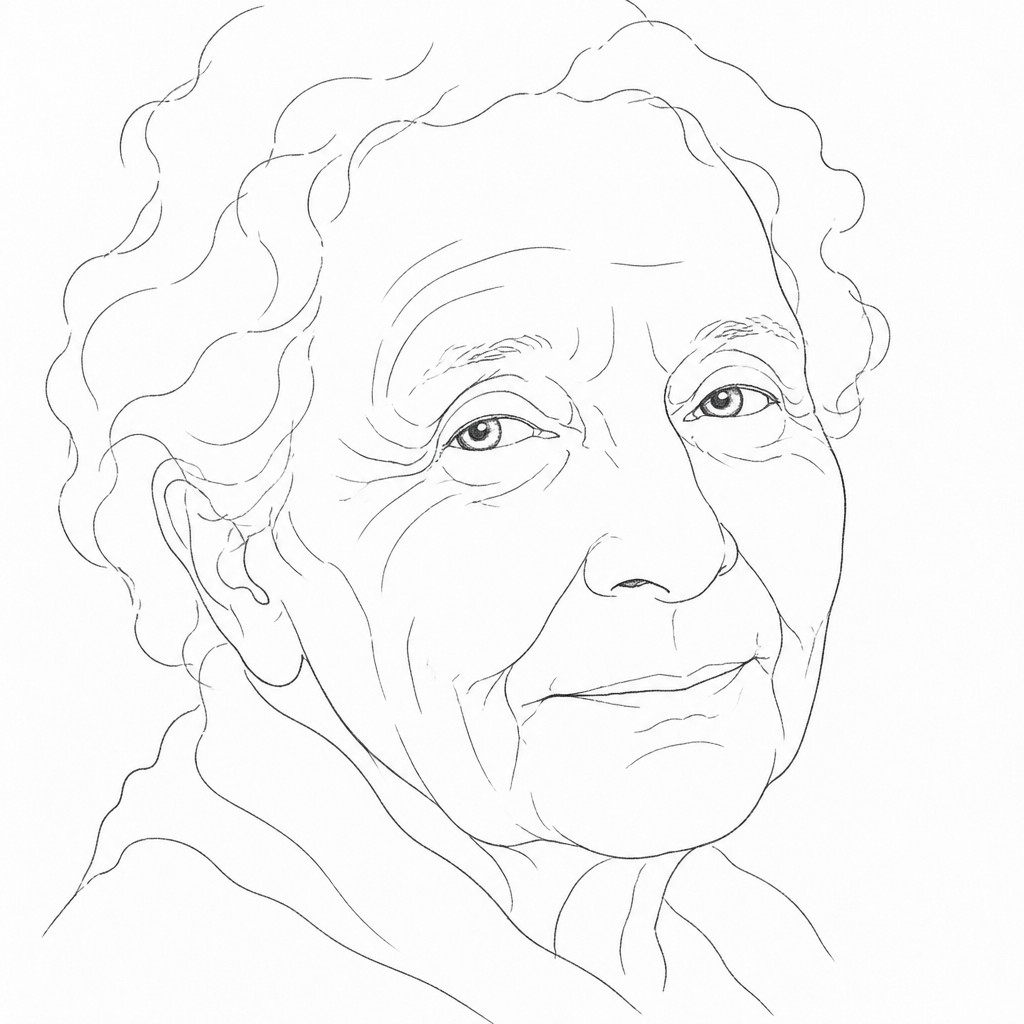
“close-up portrait of an elderly person with expressive weathered features”
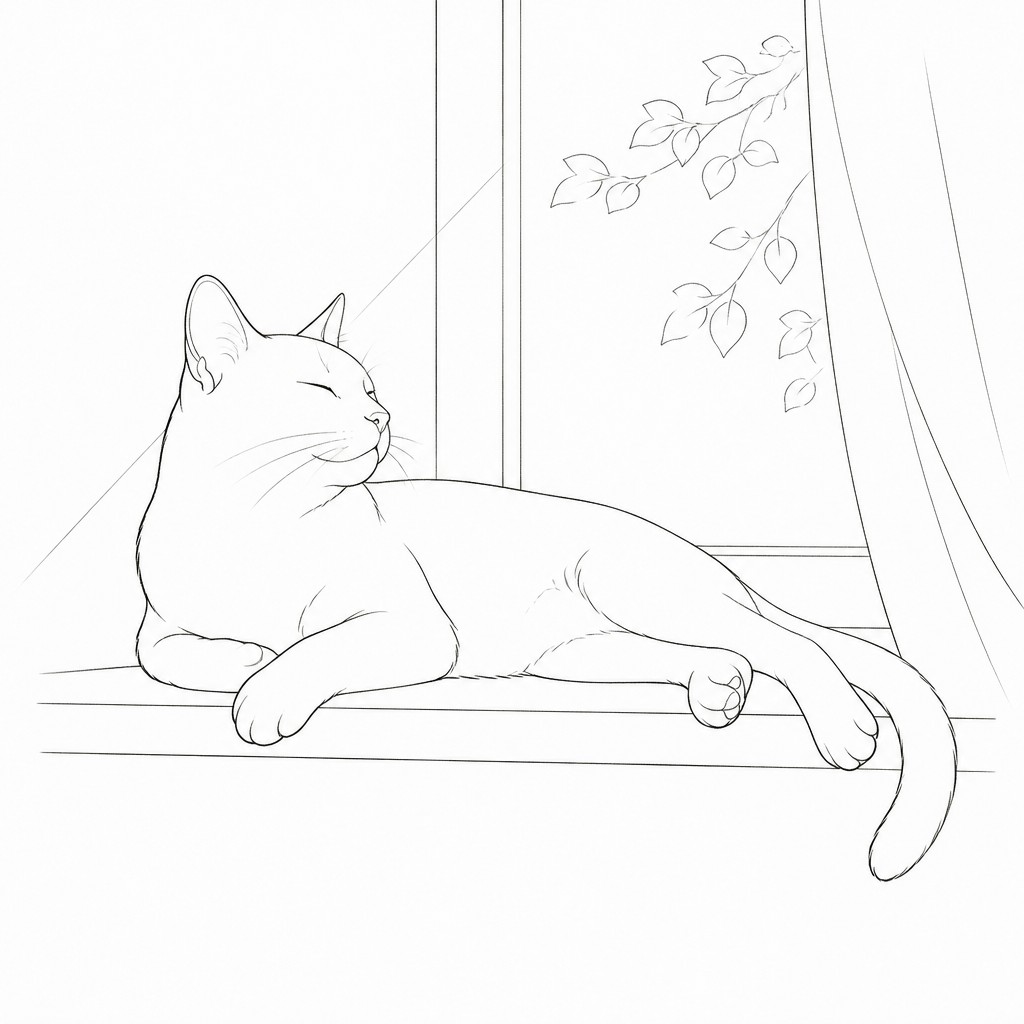
“a cat lounging in a sunlit window”
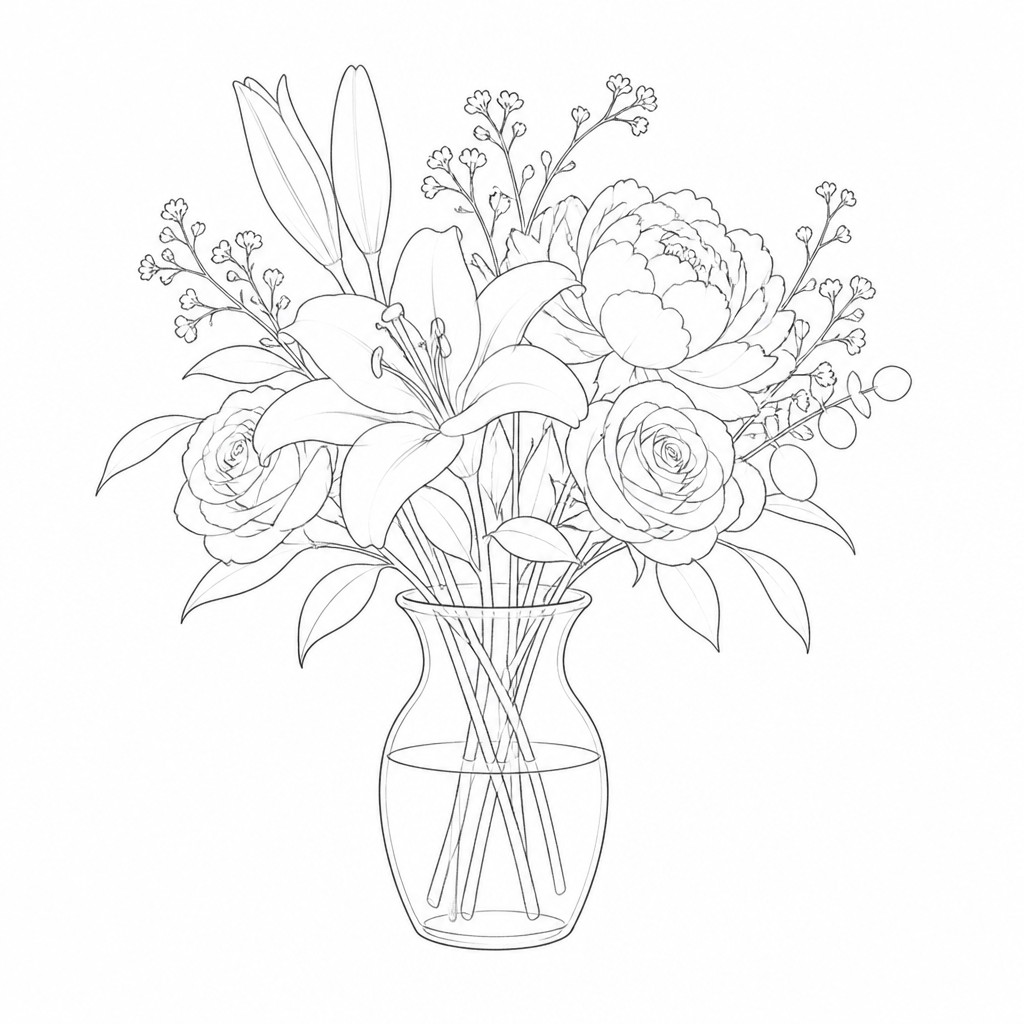
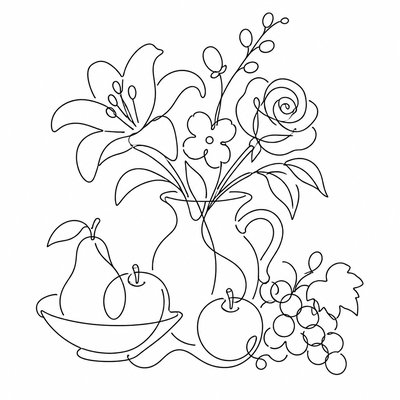
“bouquet of flowers in a glass vase”
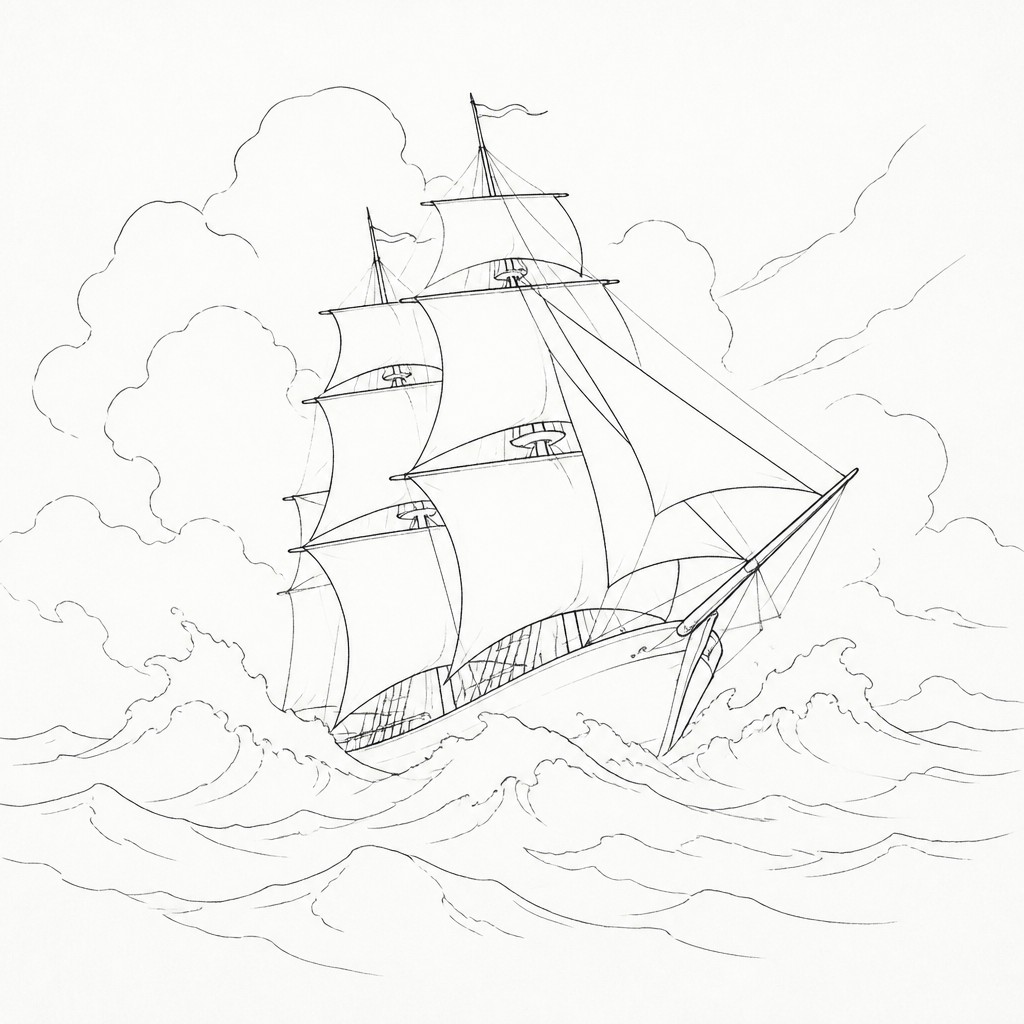
“sailing ship on a stormy sea”
How to Create Contour Line Drawing Art
Master the craft step by step — or skip straight to creating. Read the full guide →
- 1
Observe the outer structure first
Identify the subject's largest silhouette, directional axis, and points where forms overlap before drawing details. Work slowly around the perimeter and prioritize proportion over decoration.
- 2
Use a controlled continuous stroke
With ink, a fine liner, brush pen, or sharpened graphite pencil, maintain steady movement and commit to long arcs. Practice continuous-contour exercises, then refine only the lines that improve clarity.
- 3
Limit interior marks
Add an interior line only when it communicates depth, anatomy, a fold, or a recognizable feature. Leave out texture and shading unless they are essential to the subject's identity.
- 4
Design the negative space
Place the subject with ample room around it and check the balance of empty areas. A soft white, warm paper, or uncluttered digital background reinforces the style's quiet precision.
- 5
Refine digitally without sterilizing the line
Use a vector path, pressure-sensitive brush, or raster pen tool to smooth accidental wobble while preserving slight variation at curves and expressive joins. Keep line weight restrained and avoid excessive polishing.
- 6
Write precise generation prompts
Specify the subject, pose, viewpoint, clean single-weight outline, minimal interior marks, soft white paper, and generous negative space. Exclude photorealistic shading, heavy hatching, busy backgrounds, and dense color if a pure contour result is desired.
The Story
History & Origins of Contour Line Drawing
Contour line drawing is best understood as a recurring drawing method and aesthetic lineage rather than a single historical movement. It draws from observational line studies in European academic and modern art, ink traditions across East Asia, continuous-line exercises in art education, and the simplified outlines used in illustration, fashion drawing, printmaking, and graphic design.
Its contemporary form developed through the broader modernist preference for reduction and direct mark-making, as well as minimalist illustration and digital vector practice. The style is also closely related to blind-contour and continuous-contour exercises, although polished contour illustrations generally balance the spontaneity of those methods with deliberate editing and design control.
Influences: The style connects observational contour studies, blind-contour drawing exercises, European academic draftsmanship, East Asian ink-line traditions, minimalist modern illustration, fashion and editorial line drawing, printmaking, and vector-based graphic design. It shares the reduction of minimalist art and the expressive economy of gesture drawing, while remaining more descriptive than purely abstract line work.
Frequently Asked Questions
What defines contour line drawing?
It defines a subject through a dominant outline rather than through shading or color modeling. The strongest examples use accurate proportion, a confident flowing line, minimal interior marks, and substantial negative space.
Is contour line drawing always made with one unbroken line?
No. A single continuous stroke is a common approach, but the broader style also includes carefully connected or selectively interrupted outlines. What matters most is the economical use of line and the primacy of the contour.
How is it different from blind-contour drawing?
Blind-contour drawing is an observational exercise in which the artist typically avoids looking at the paper while following the subject's edge. Contour line drawing as a finished style can be more accurate, edited, and compositionally designed.
What materials work best for this style?
Fine-liner pens, technical pens, brush pens, graphite, charcoal, and digital pressure-sensitive brushes all work well. Smooth paper helps produce clean curves, while lightly textured paper can add a subtle handmade character.
Can contour line drawings include shading or color?
They can, but heavy shading, dense hatching, or saturated backgrounds move the image toward another style. A small amount of pale color, selective wash, or a few tonal accents can support the contour without competing with it.
Where is contour line drawing commonly used?
It appears in editorial illustration, logo and identity sketches, fashion and botanical illustration, packaging, posters, tattoos, educational diagrams, architectural studies, and minimalist wall art. Its clarity also makes it effective for icons and simple visual instructions.
Create your first Contour Line Drawing artwork
Describe anything — or upload a photo — and see it in Contour Line Drawing Style in seconds.
Related Styles
Discover similar art styles