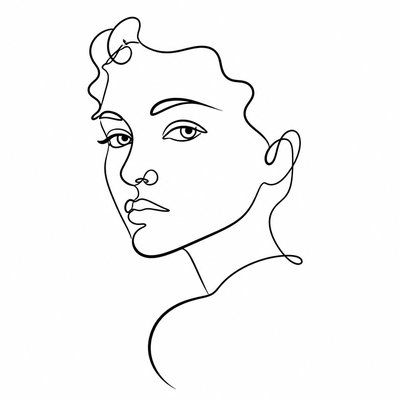
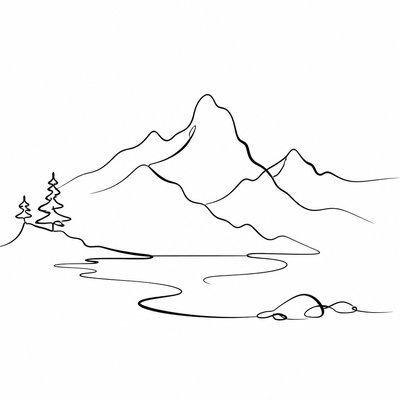
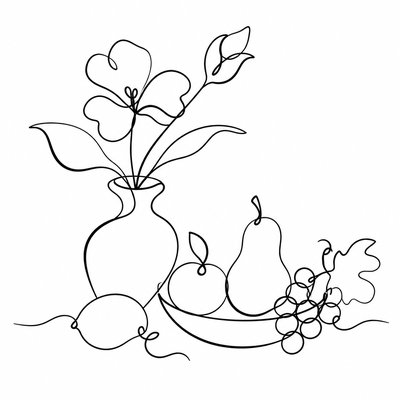
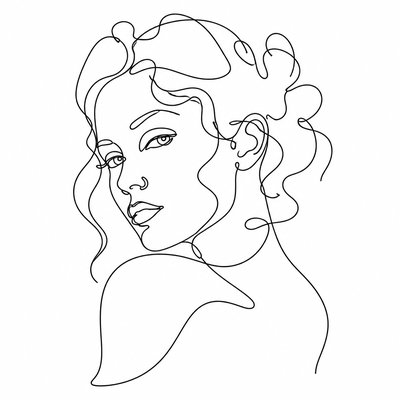
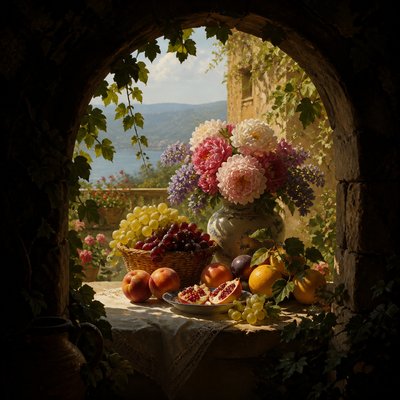
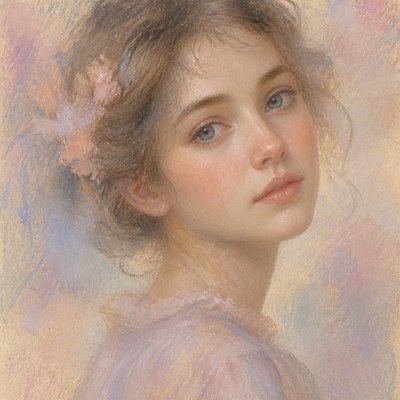
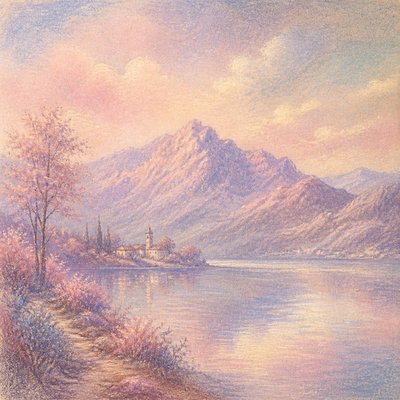
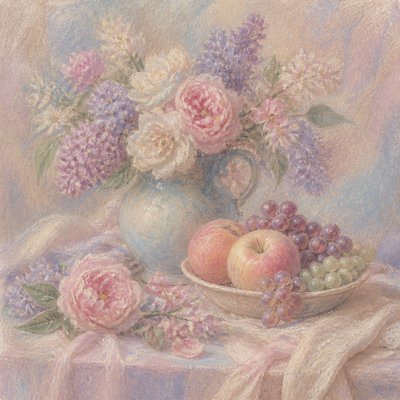
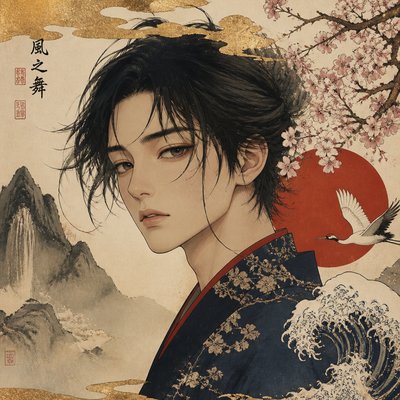
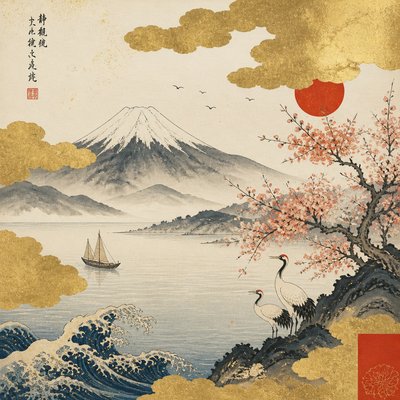
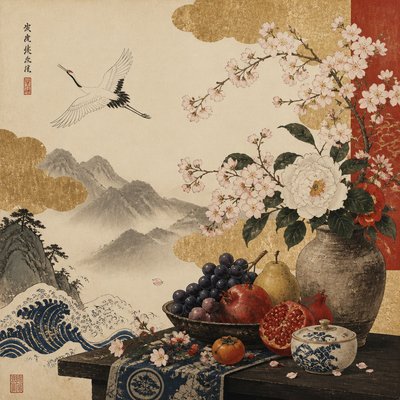
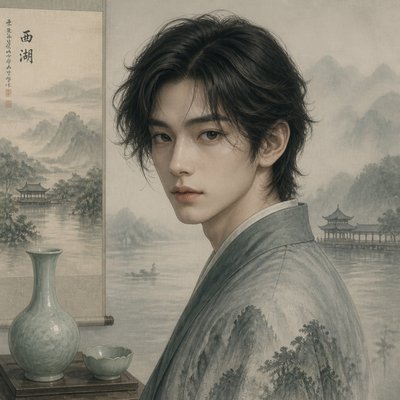
Pen and Ink Drawing Style
Explore pen and ink drawing: expressive line variation, rhythmic hatching, warm black ink, and lively marks on cream paper.
Instantly rendered in Pen and Ink Drawing — or transform a photo
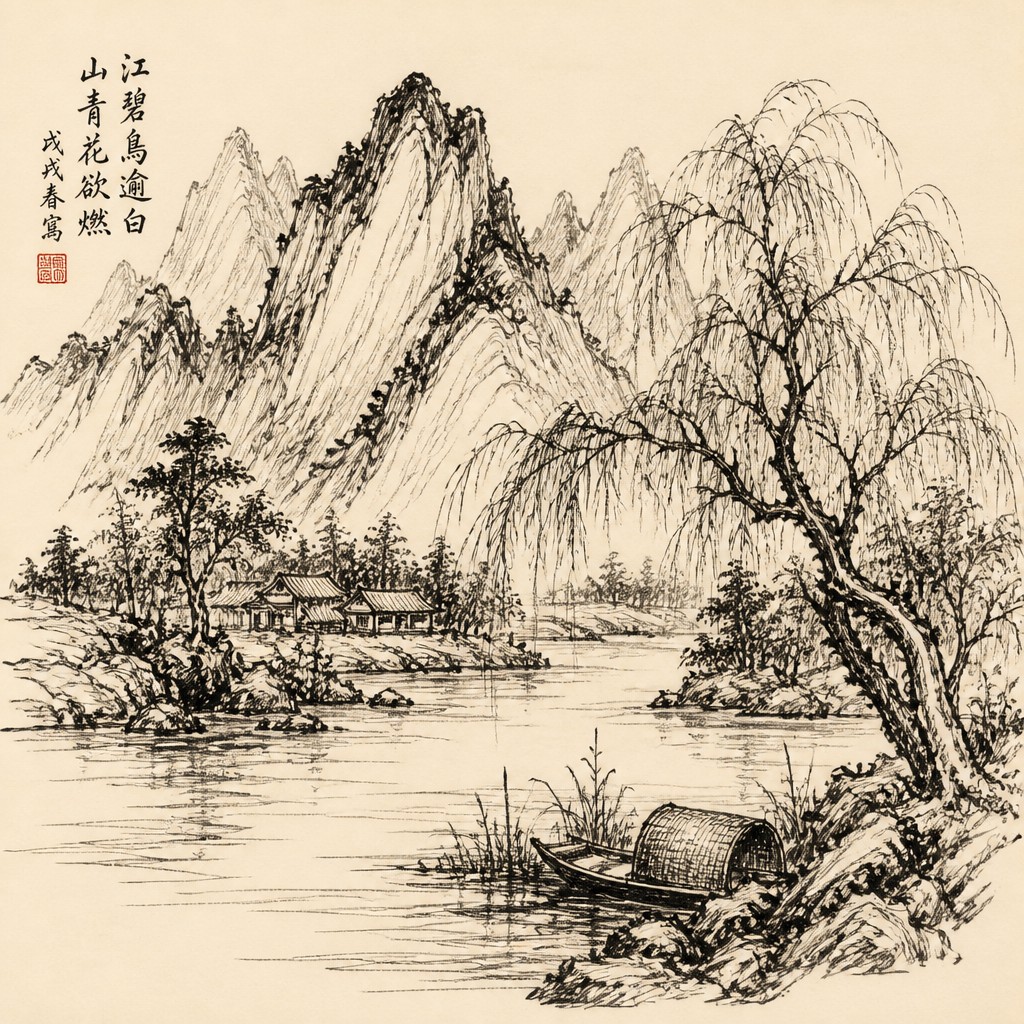
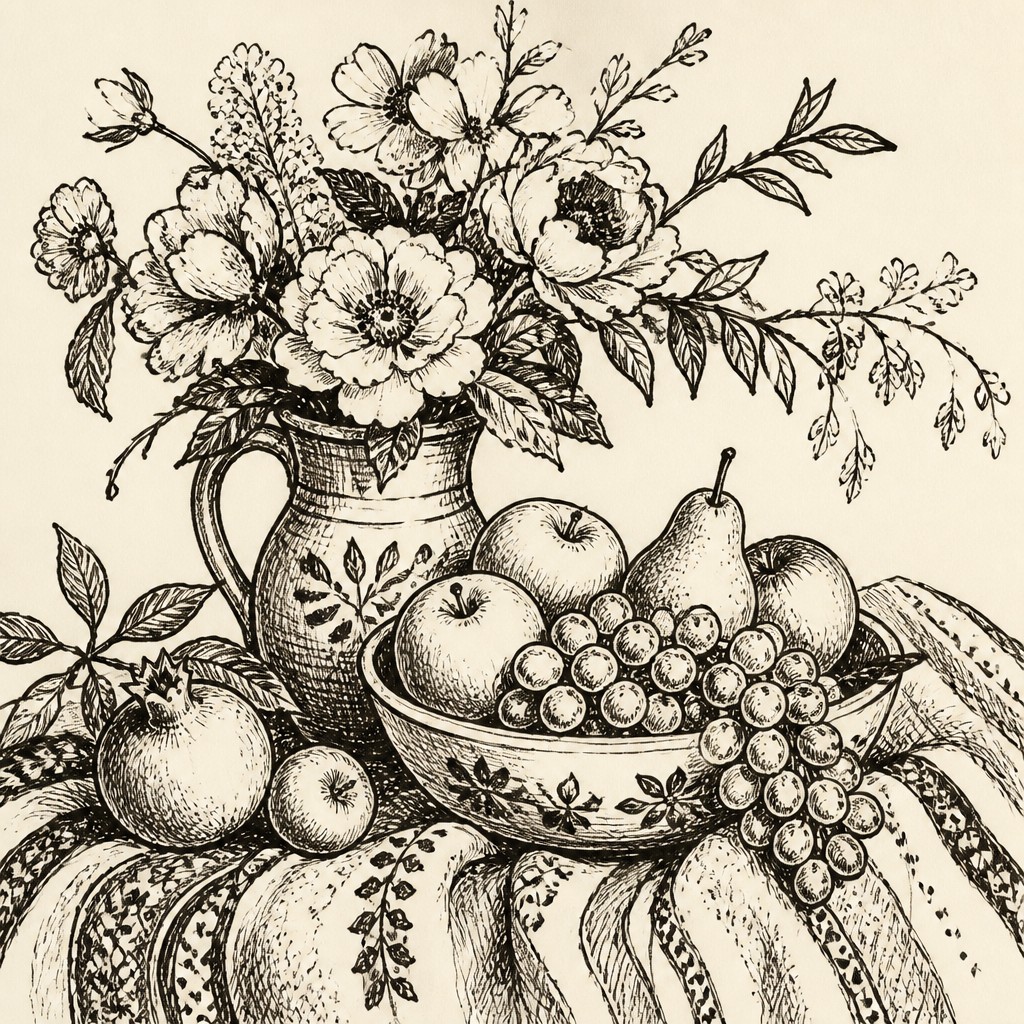
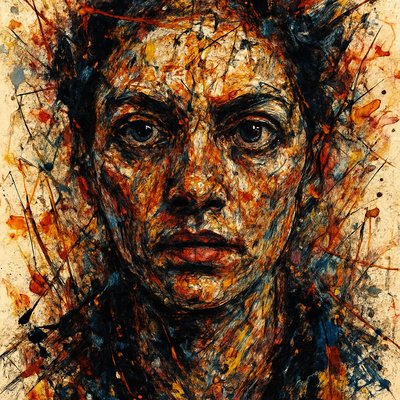
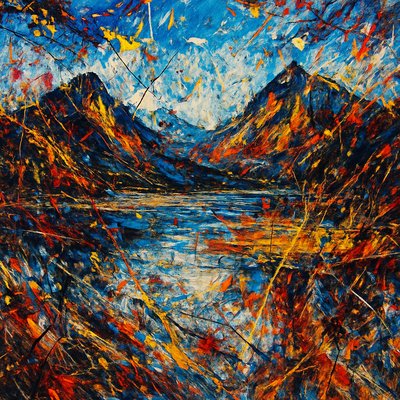
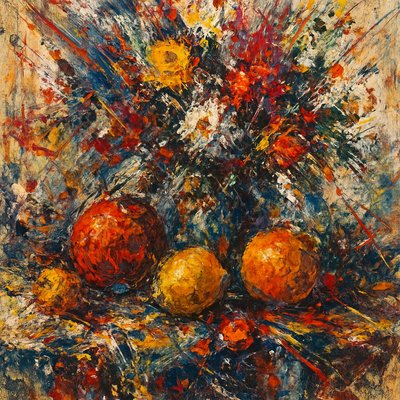
Pen and Ink Drawing Gallery
Tap any artwork to explore it
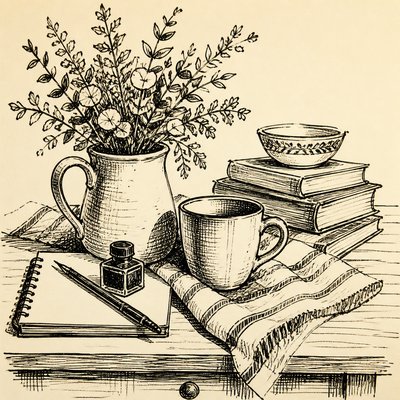
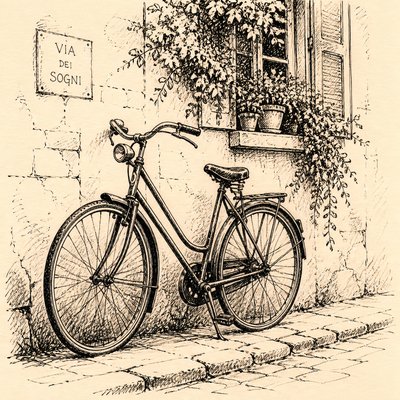
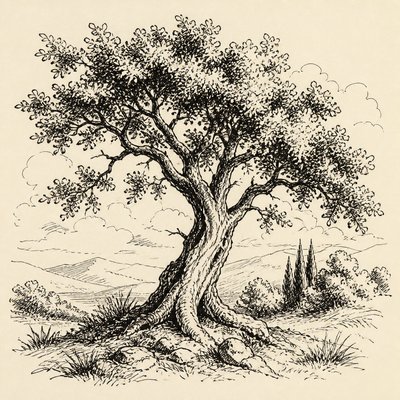
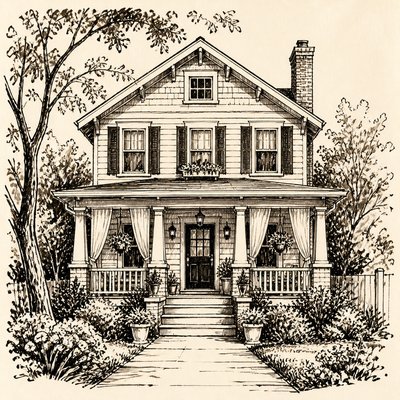
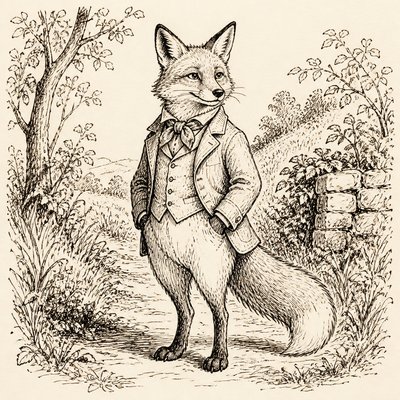
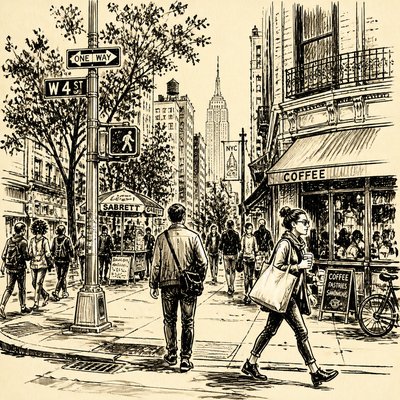
What is Pen and Ink Drawing Style?
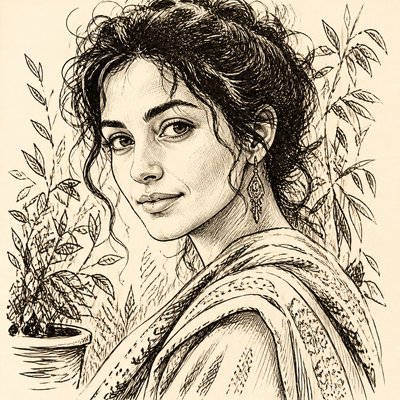
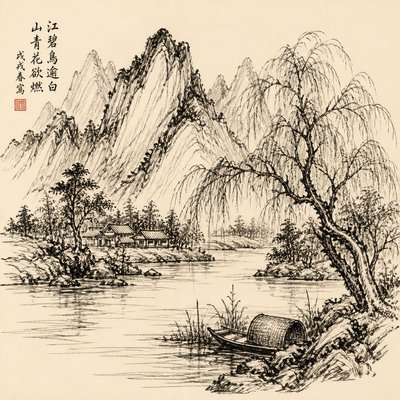
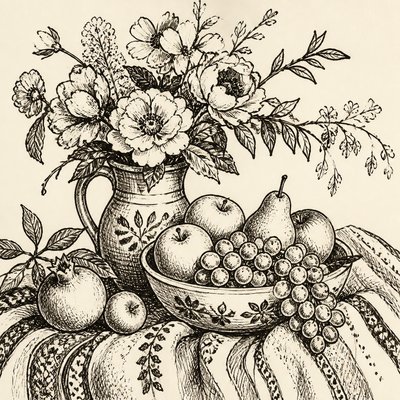
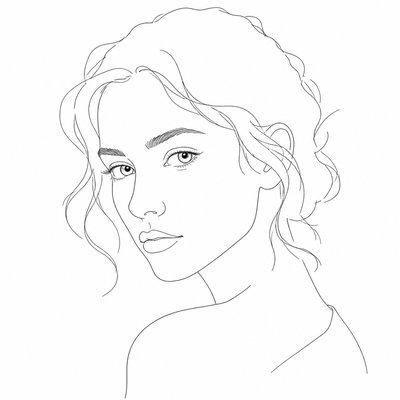
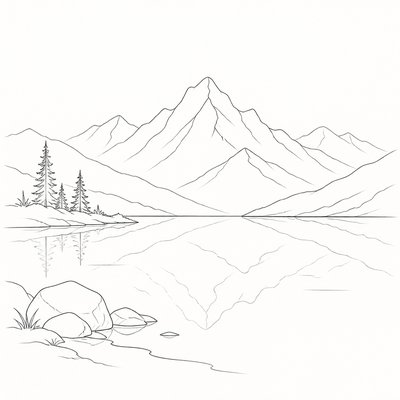
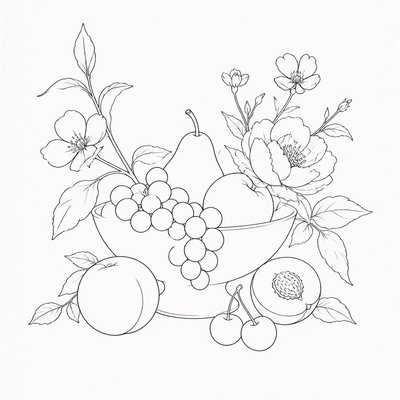
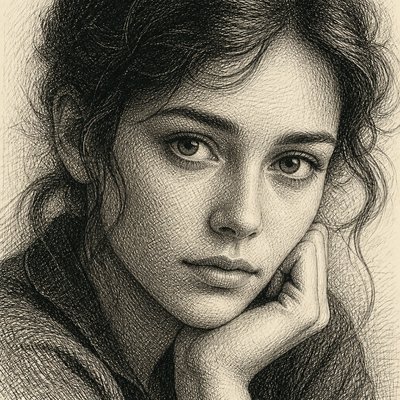
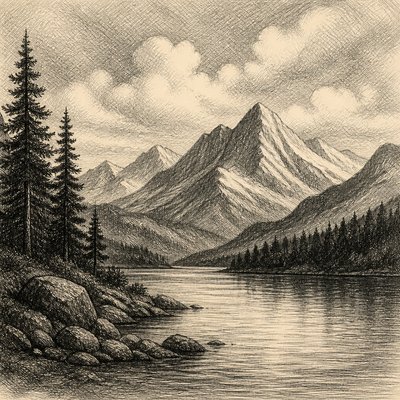
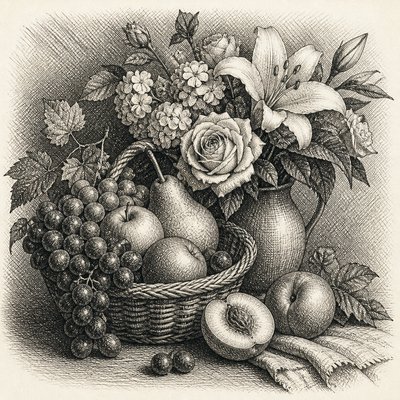
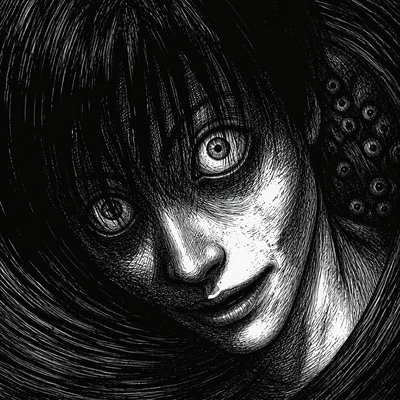
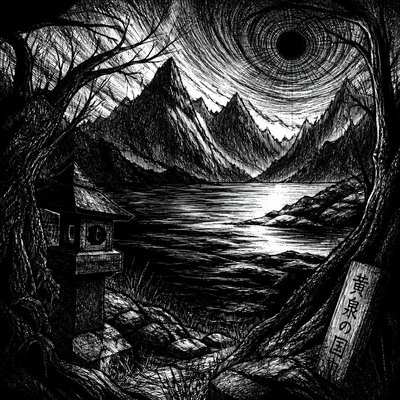
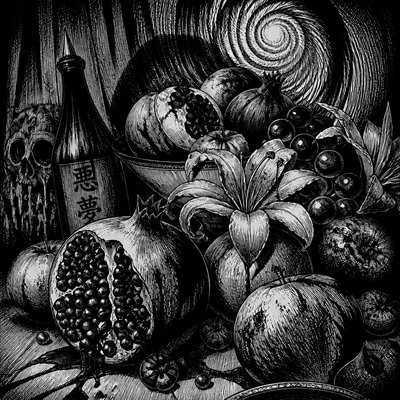
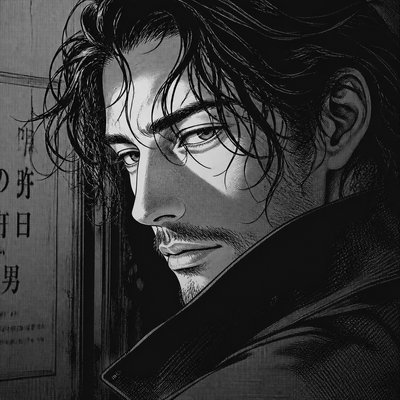
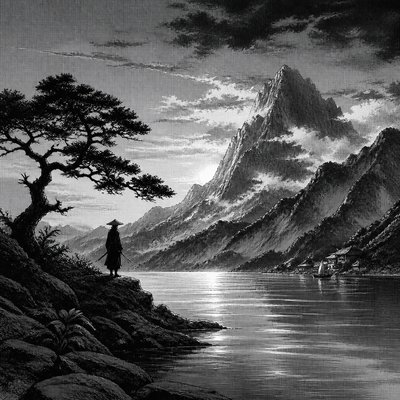
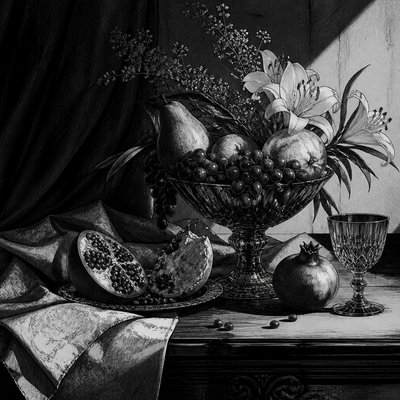
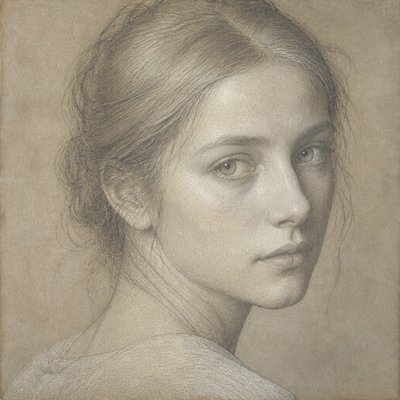
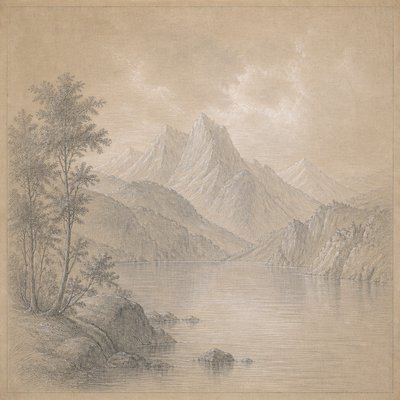
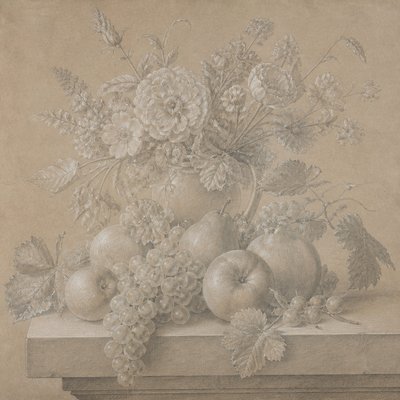
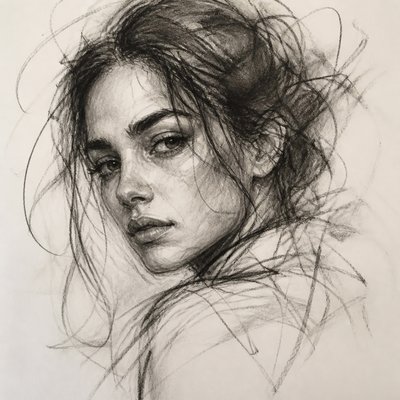
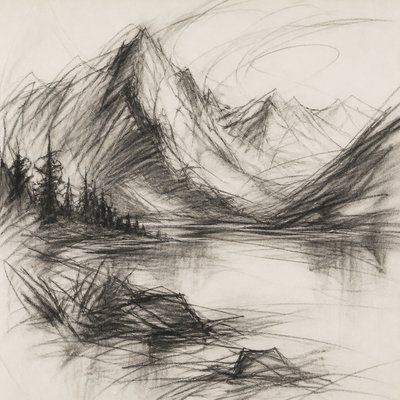
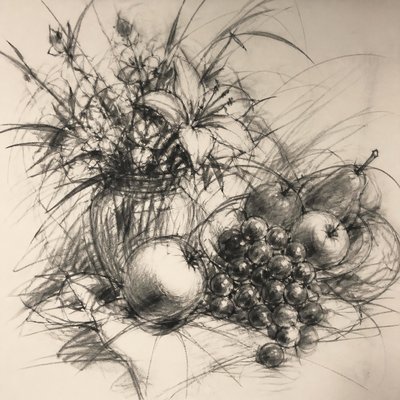
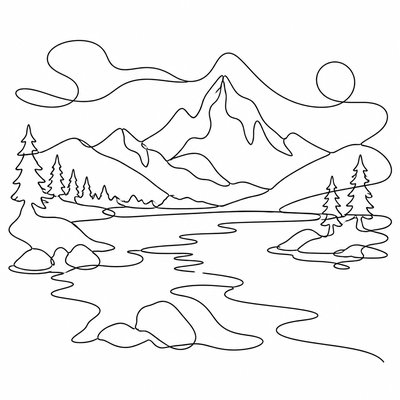
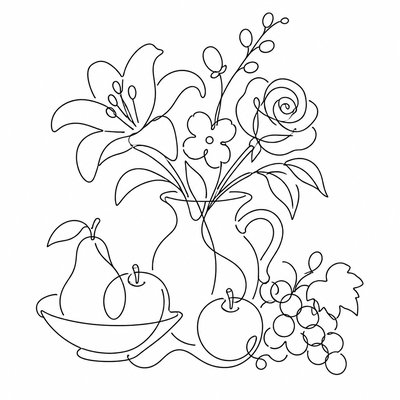
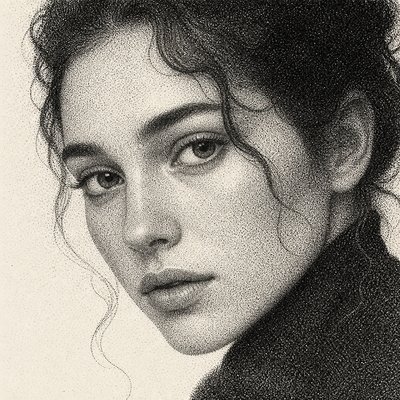
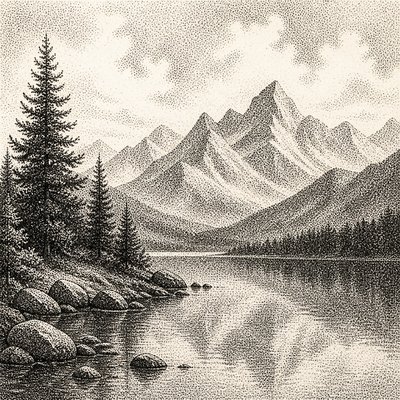
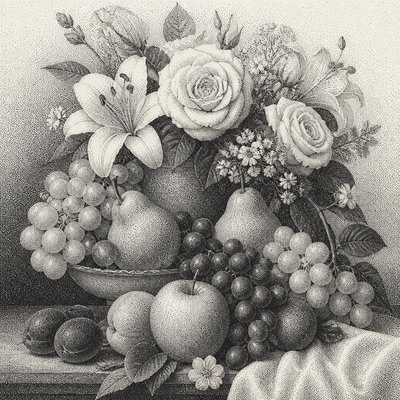
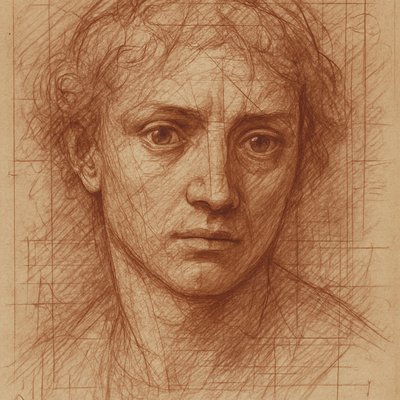
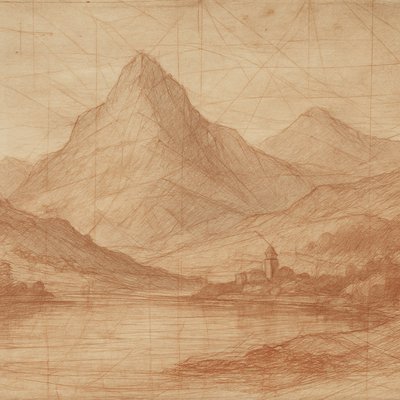
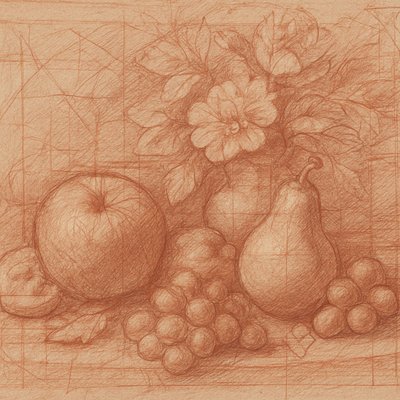
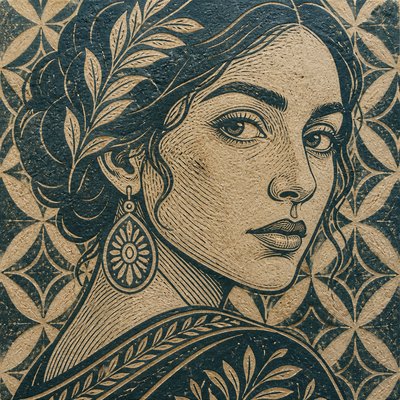
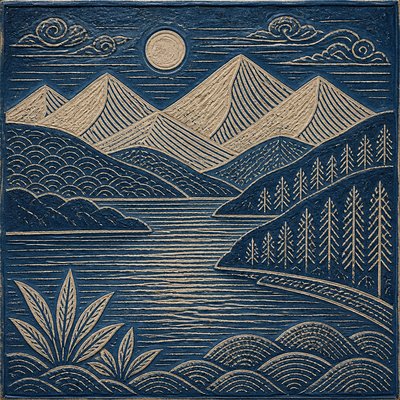
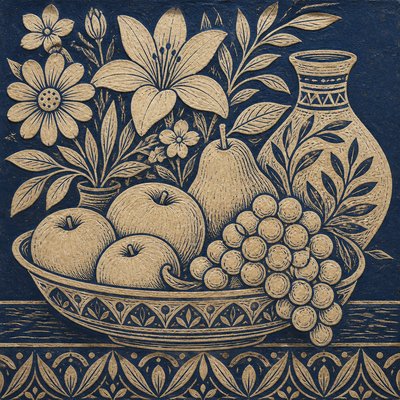
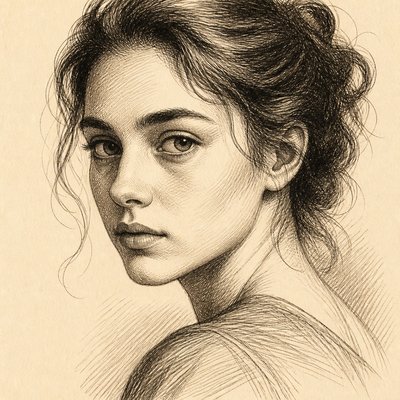
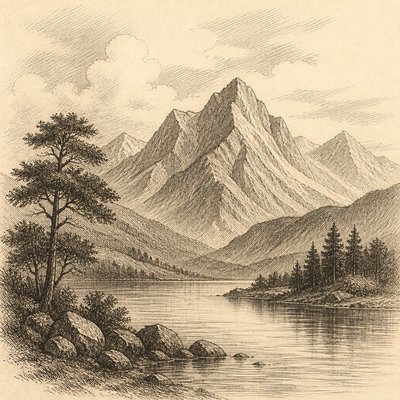
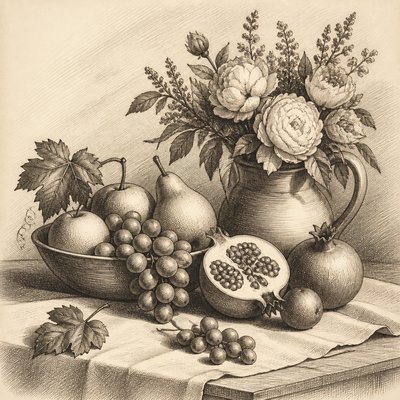
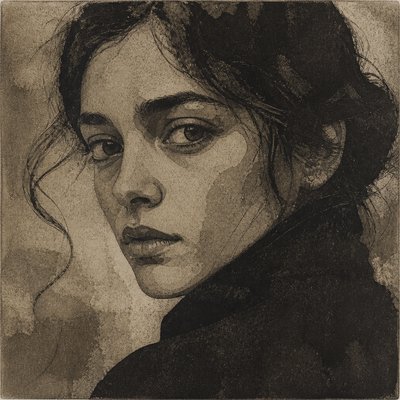
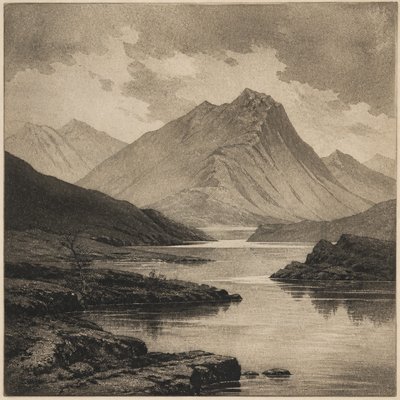
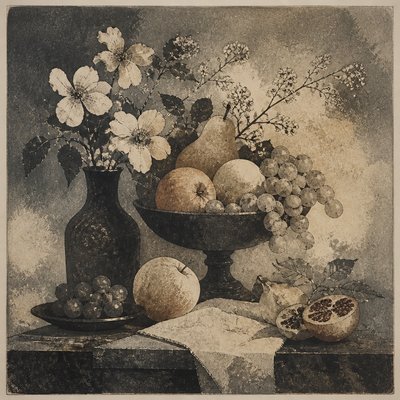
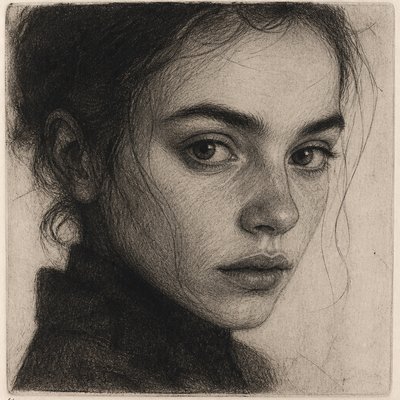
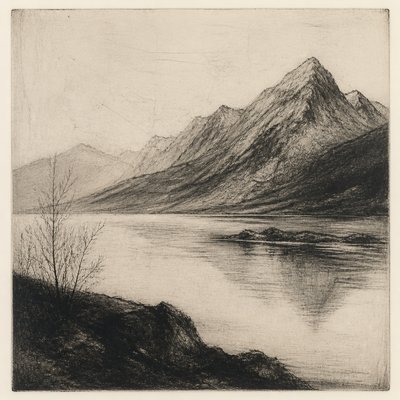
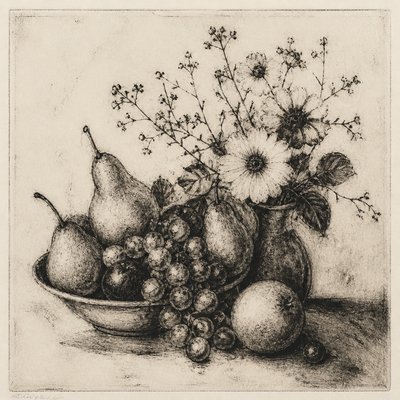
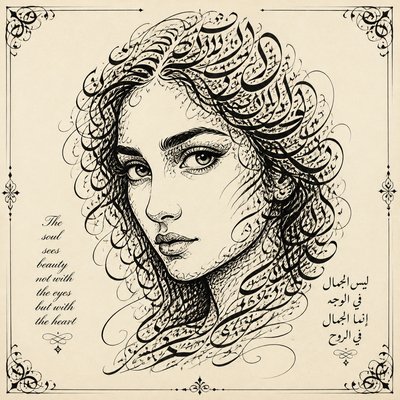
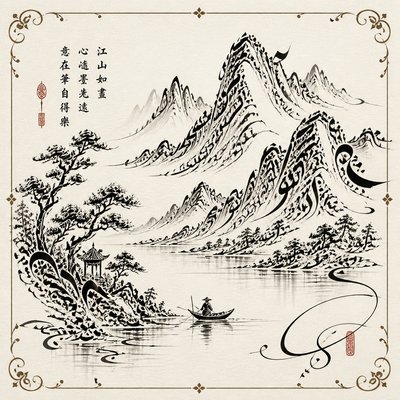
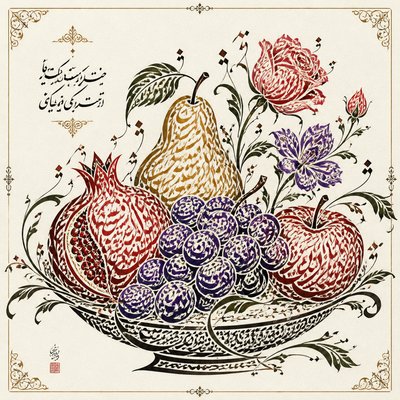
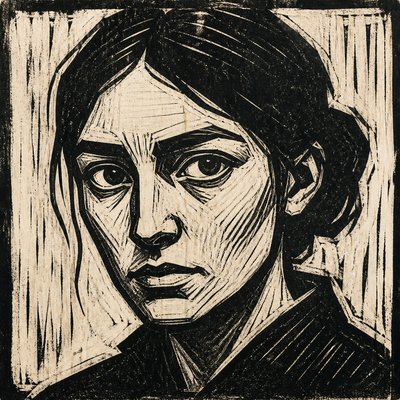
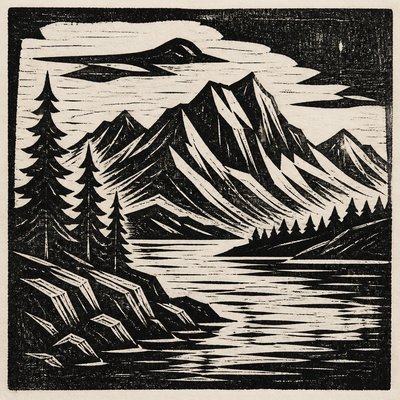
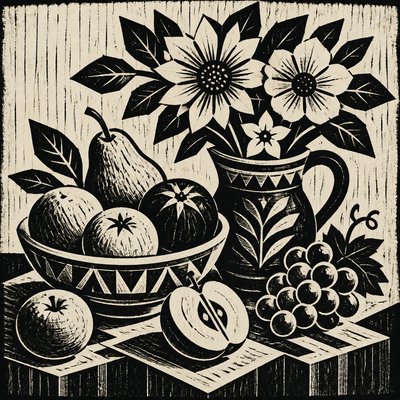
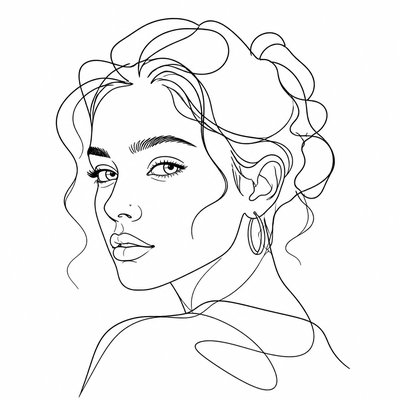
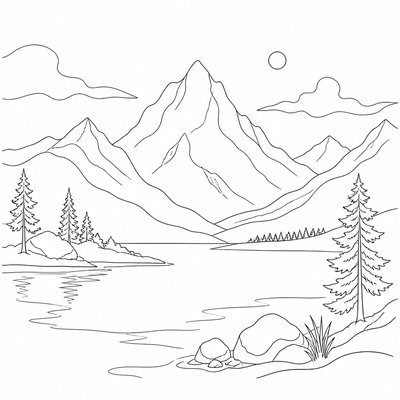
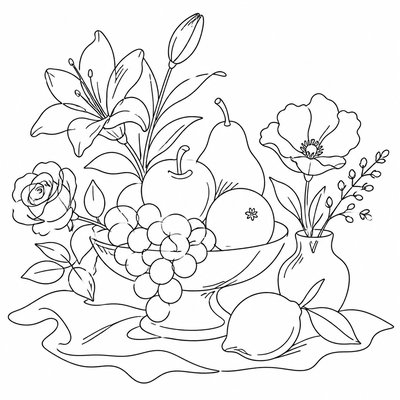
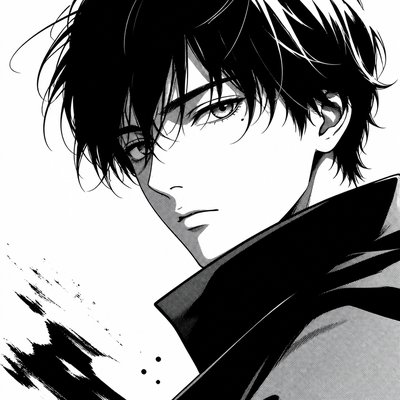
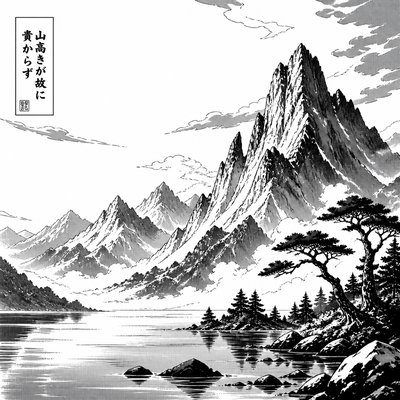
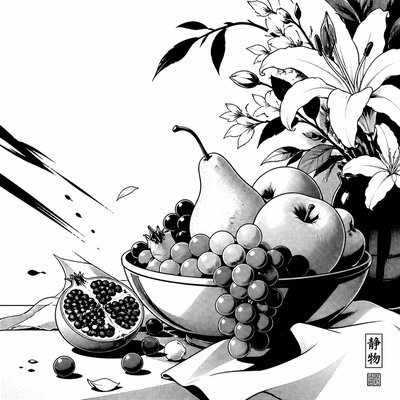
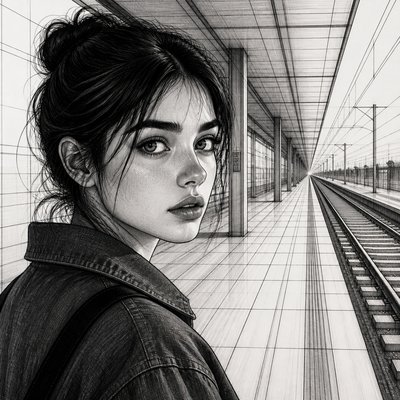
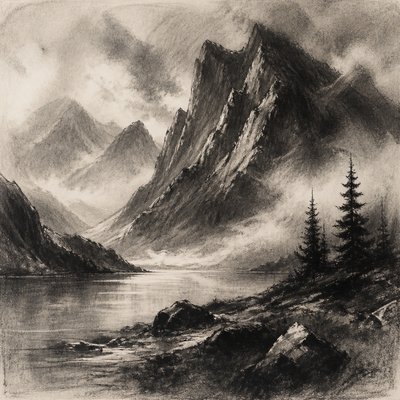
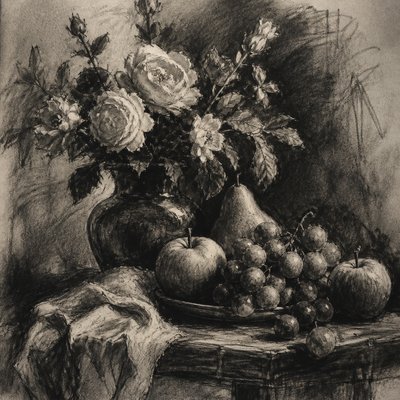
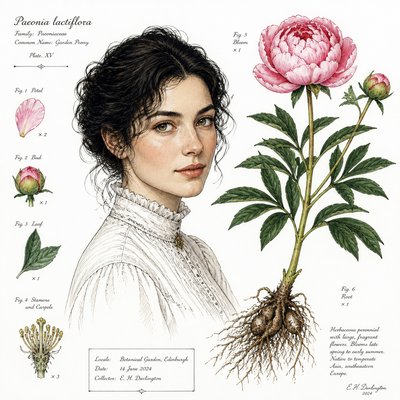
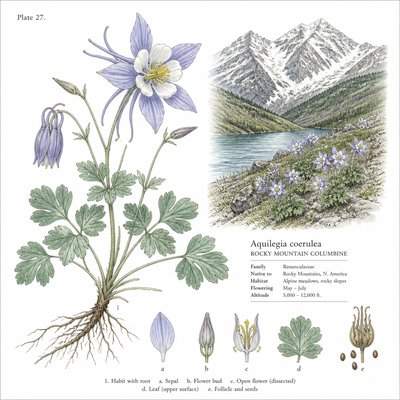
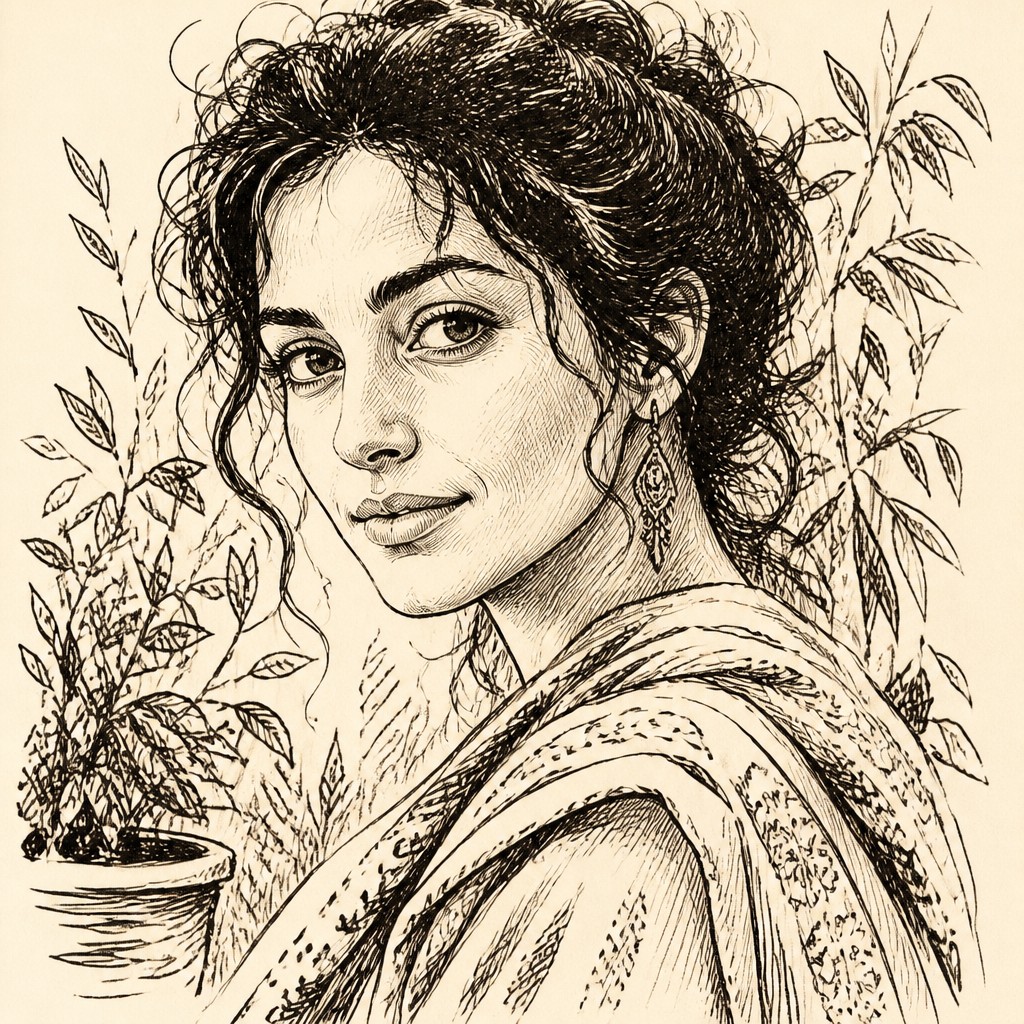
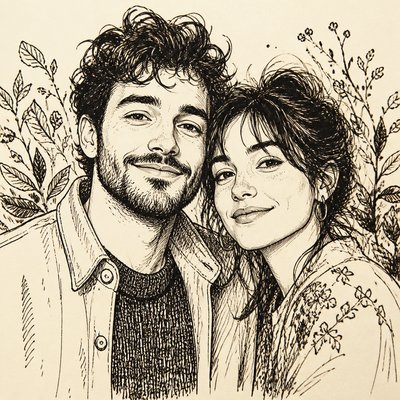
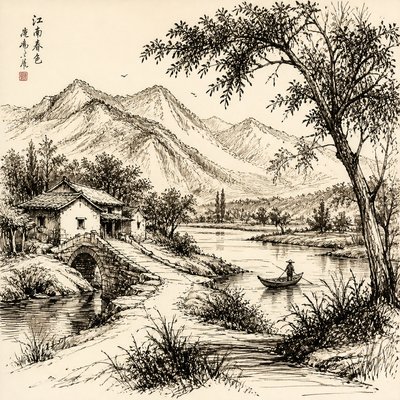
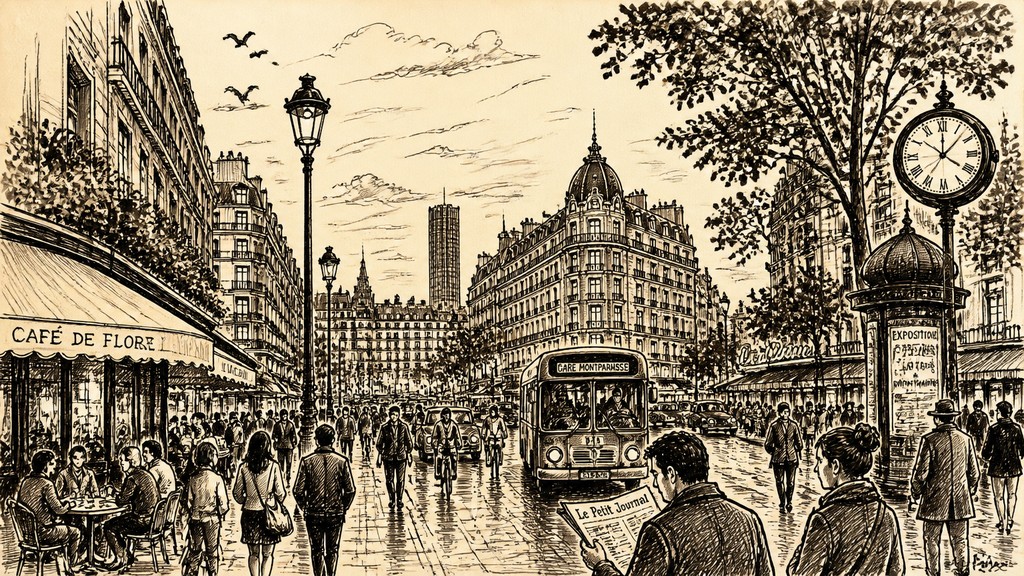
Pen and ink drawing is a mark-driven style built from lines rather than painted masses of color. Its visual identity comes from expressive dip-pen strokes, pronounced thick-and-thin variation, directional hatching, crosshatching, stippling, and patterned marks that describe form, texture, and light. A warm black ink on cream paper often gives the image a tactile, archival character.
This style looks energetic because the line remains visibly connected to the movement of the hand. Dense marks can create shadow and weight, while open paper supplies highlights and breathing room. Foliage, fabric, masonry, hair, and water are often rendered with distinct rhythmic textures, allowing a limited medium to suggest a wide range of surfaces and atmospheric depth.
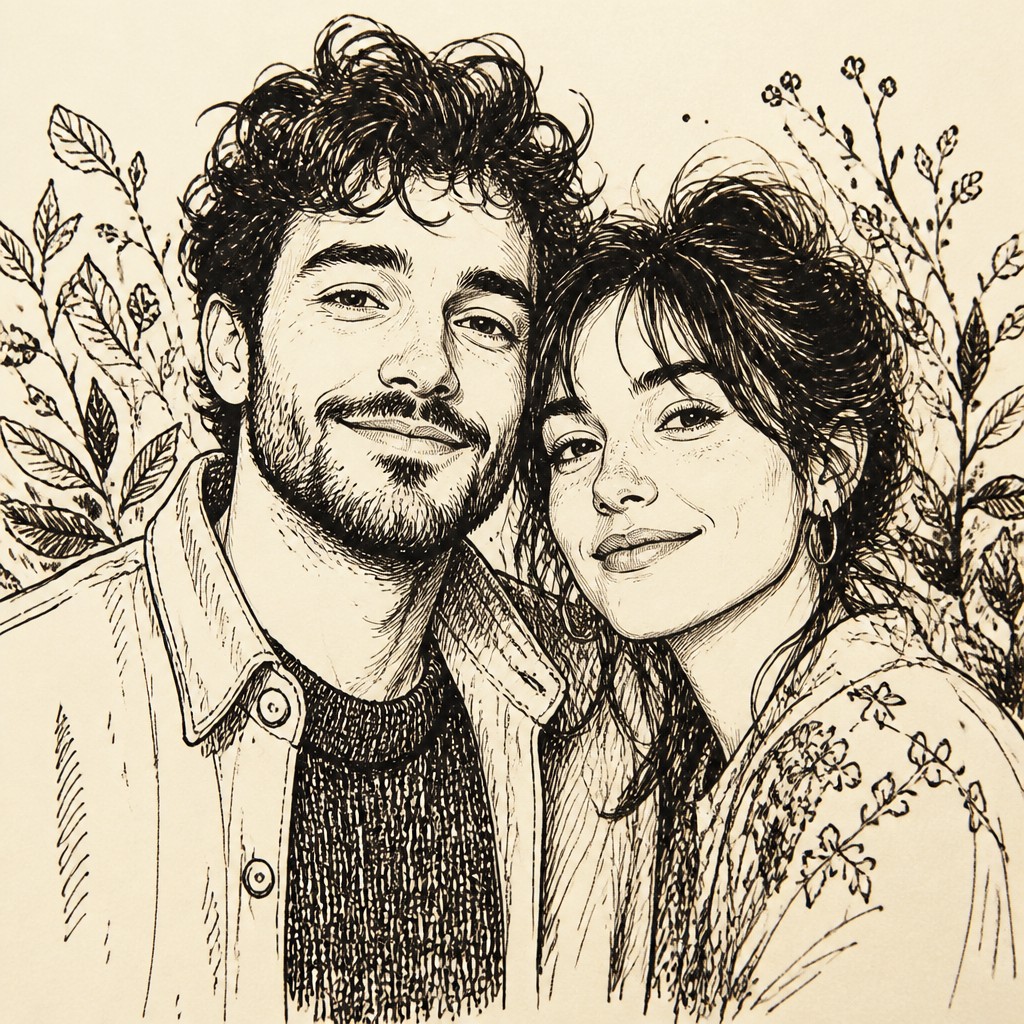
Try It On Your Photos
Upload any photo and convert it into Pen and Ink Drawing Style — drag the sliders to compare before and after.
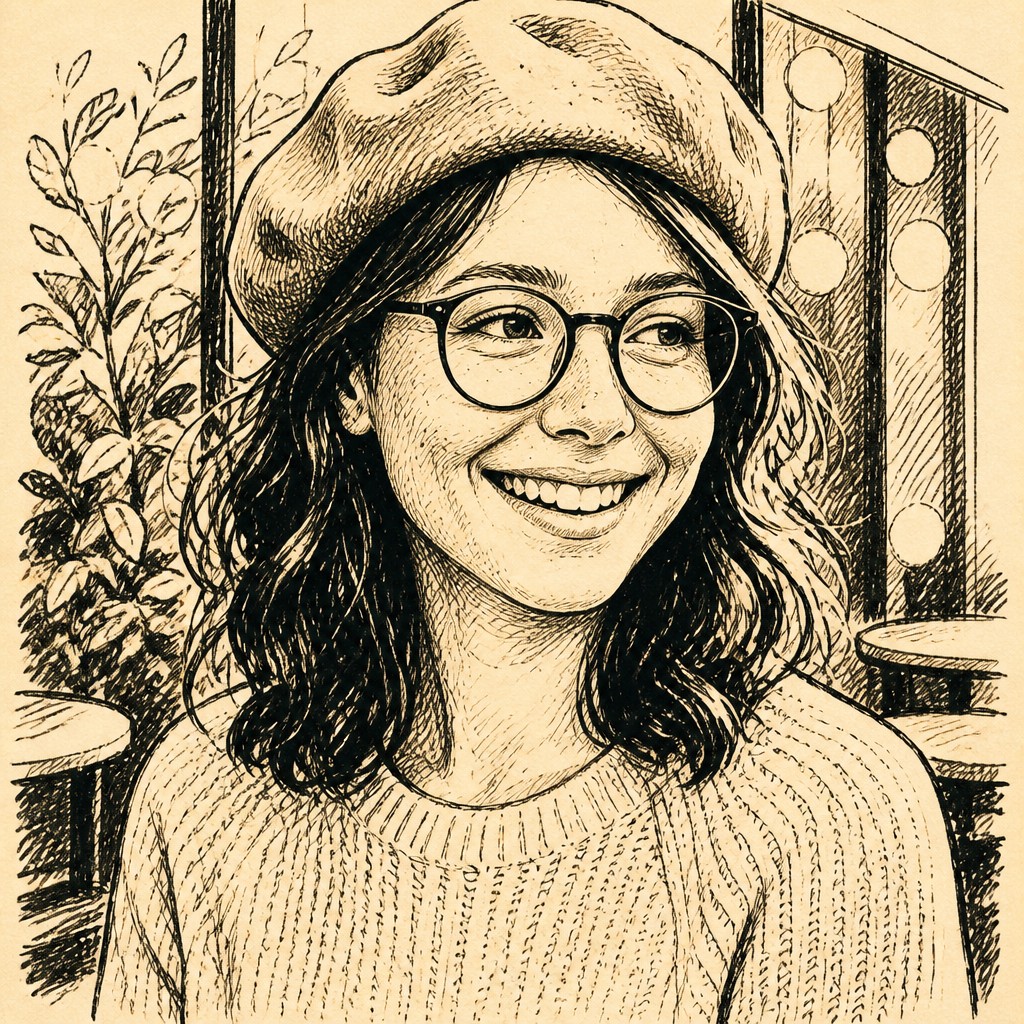

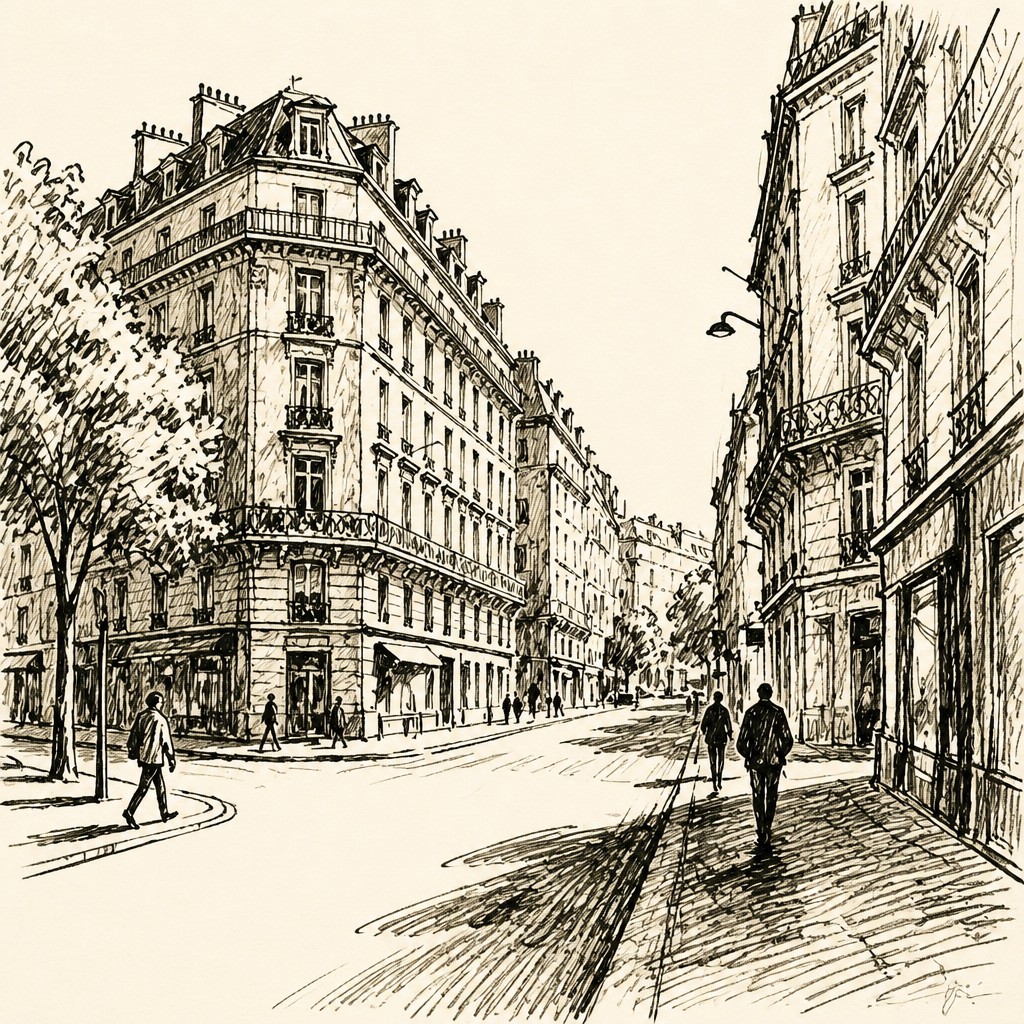

What Defines Pen and Ink Drawing Style
The signature details, up close
Thick-and-thin line variation
Pressure, nib flexibility, and stroke direction produce lines that swell, taper, and occasionally break. This variation gives contours a sense of movement and helps distinguish foreground forms from distant ones.
Expressive contour drawing
Contours are confident but not necessarily uniform or perfectly polished. Selective emphasis around important edges creates focus while preserving the lively character of a hand-drawn image.
Hatching and crosshatching
Parallel and intersecting lines build shadows, volume, and tonal transitions without relying on gray paint. The spacing, angle, and density of the marks can indicate both lighting and surface direction.
Rhythmic textural marks
Repeated strokes describe materials such as leaves, bark, cloth, stone, feathers, and rippling water. Each texture has a visual rhythm rather than a generic all-purpose pattern.
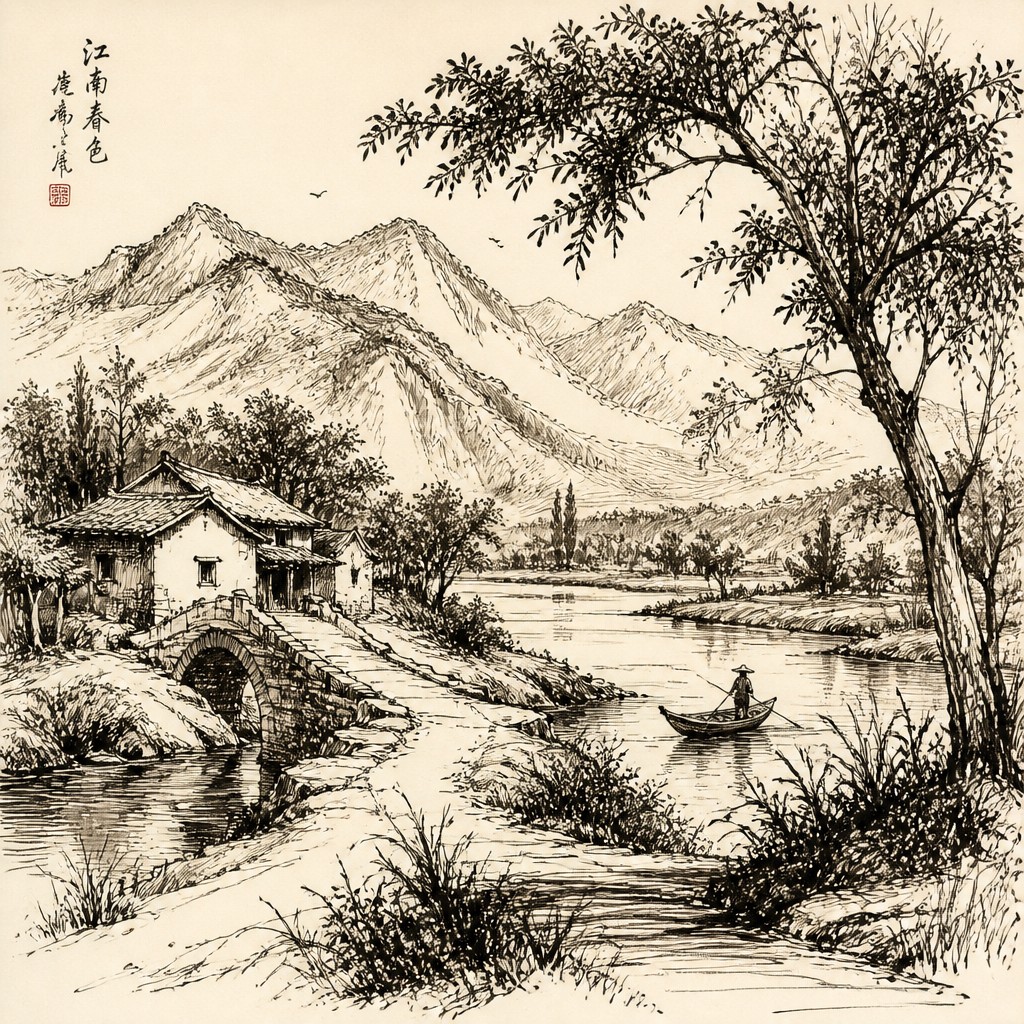
Warm black on cream
Near-black ink against an ivory or lightly aged ground softens the contrast compared with stark digital black and white. Paper grain, slight ink pooling, and uneven edges reinforce the physical impression.
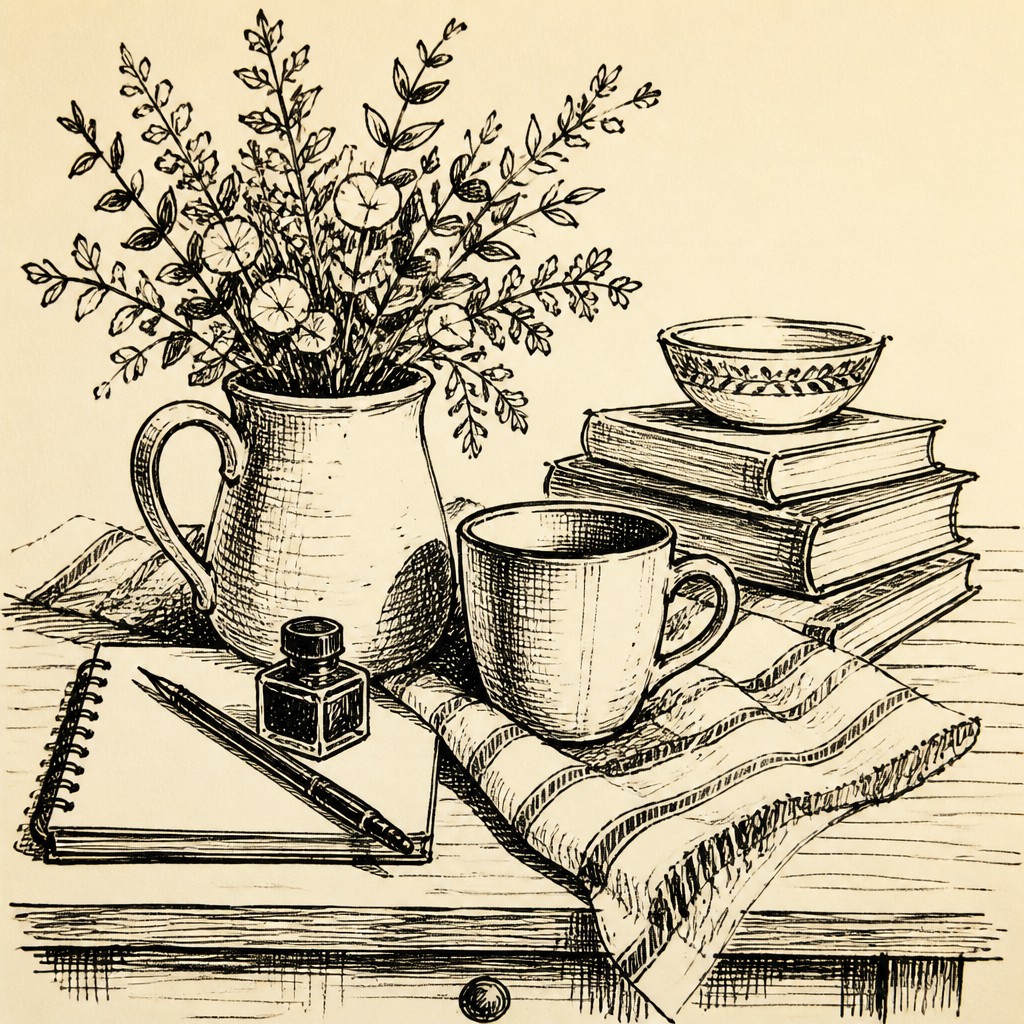
Selective white space
Unmarked paper functions as the lightest value and can define highlights, atmosphere, and composition. Leaving areas open prevents dense line work from becoming visually flat or overcrowded.
Try It
Create Videos in Pen and Ink Drawing Style
Styles aren't just for stills — describe a scene or animate an image and get a short video rendered in Pen and Ink Drawing. Press play to see this pond come to life.
Make a VideoPen and Ink Drawing Prompt Ideas
Start from an idea — each one opens the generator with the style ready to go. See all 40 Pen and Ink Drawing prompts →
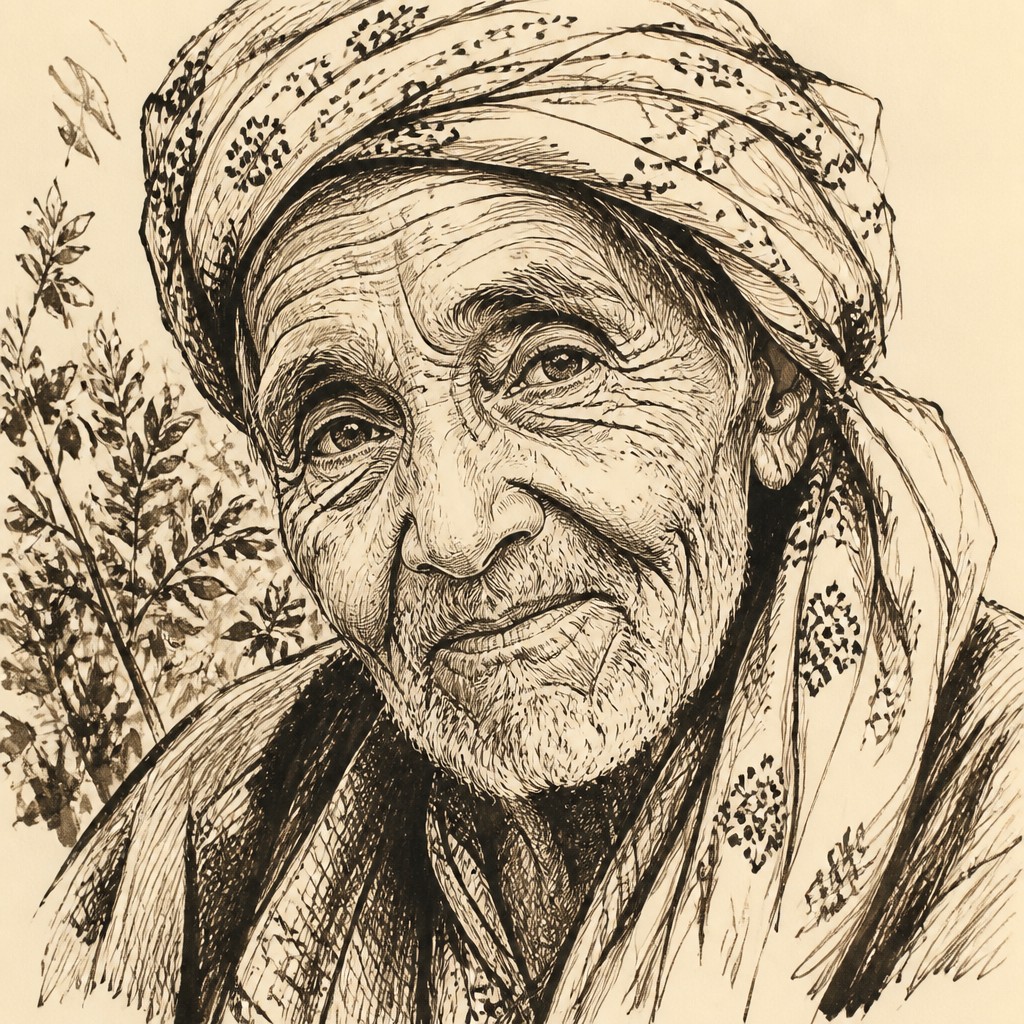
“close-up portrait of an elderly person with expressive weathered features”
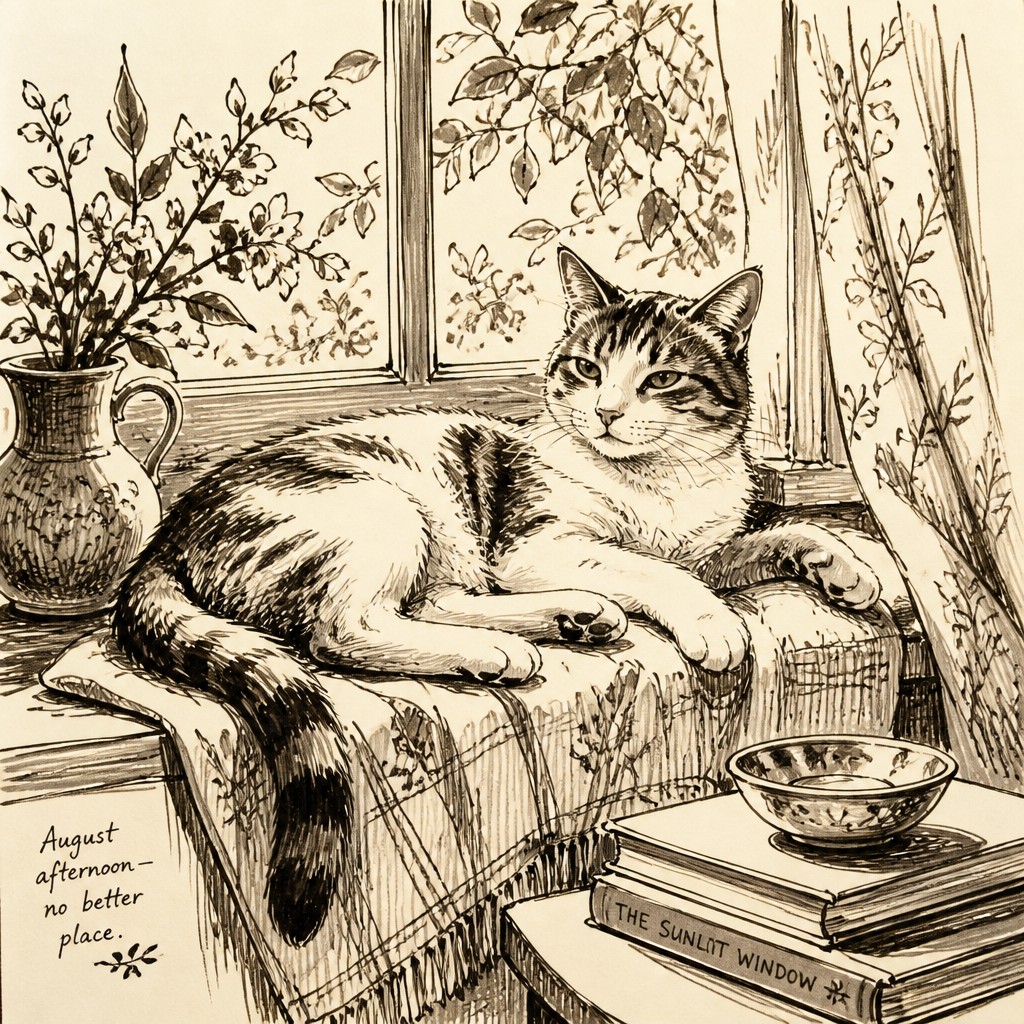
“a cat lounging in a sunlit window”
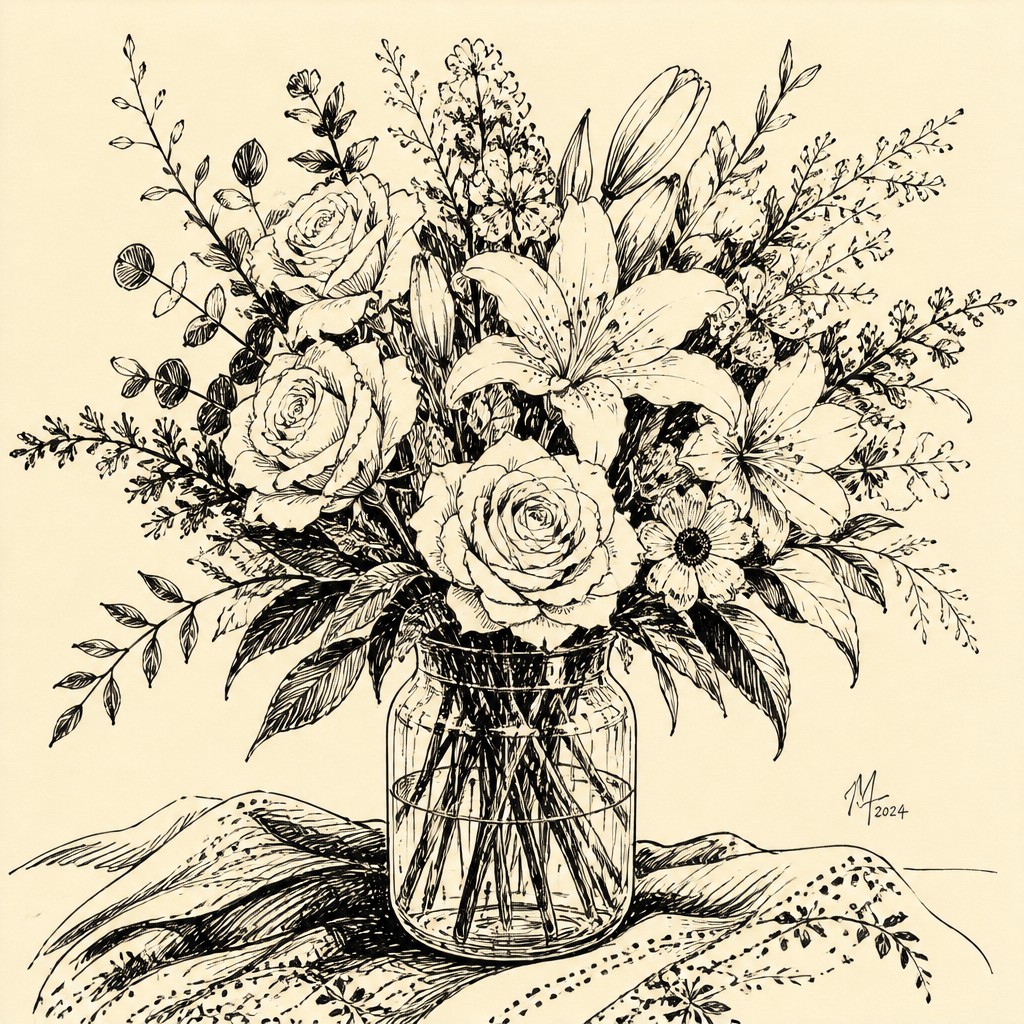
“bouquet of flowers in a glass vase”
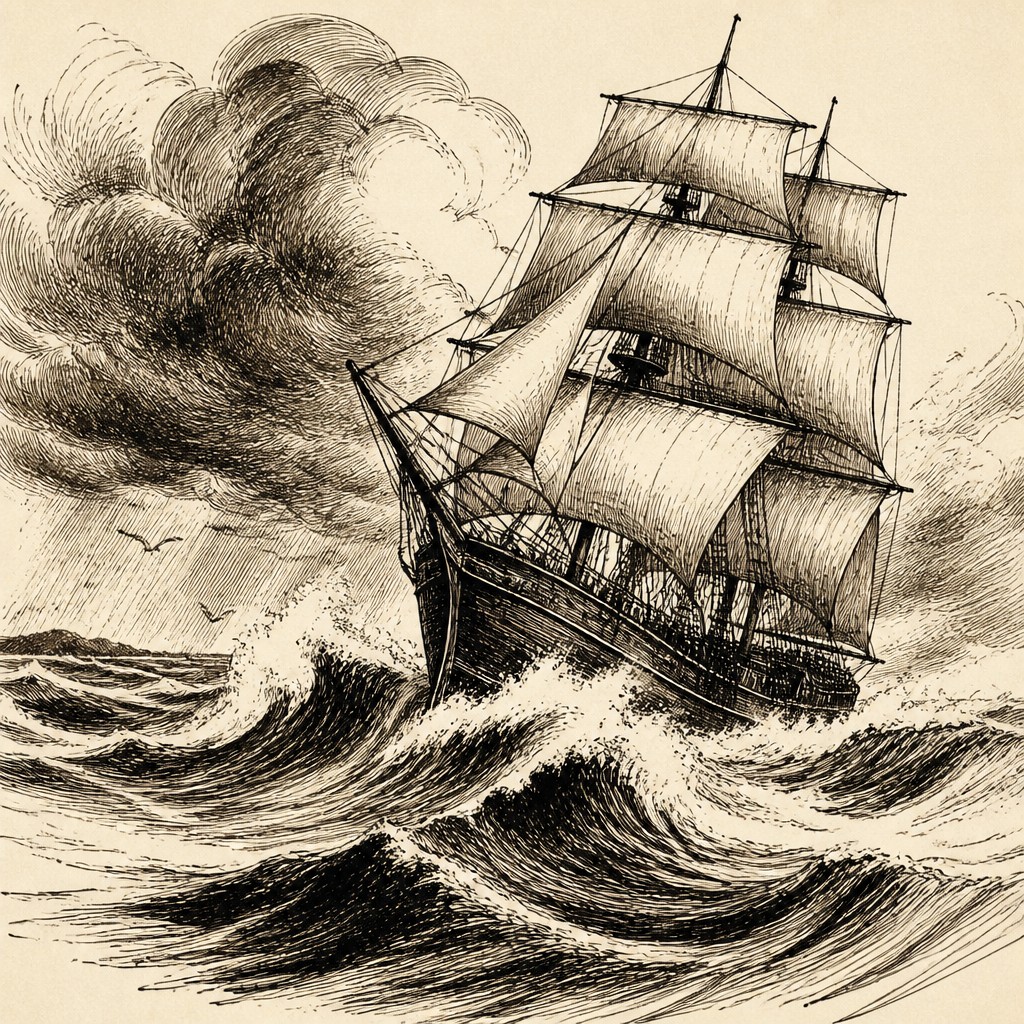
“sailing ship on a stormy sea”
How to Create Pen and Ink Drawing Art
Master the craft step by step — or skip straight to creating. Read the full guide →
- 1
Choose a flexible nib
For traditional work, use a dip pen or reed pen with waterproof black ink and vary pressure to control stroke width. Test the nib on the same paper before drawing, since absorbency strongly affects feathering and line sharpness.
- 2
Build values with marks
Establish the major light direction first, then add widely spaced hatching in light areas and layered crosshatching in deep shadow. Reserve solid black for the darkest accents so the drawing retains a broad tonal range.
- 3
Match texture to the subject
Use broken, branching marks for foliage; flowing parallel strokes for fabric; angular clusters for stone; and short directional lines for hair or fur. Avoid covering every surface with identical hatching.
- 4
Preserve the paper
Work from large shapes to small accents and keep intentional areas of cream paper untouched. A restrained contour with carefully placed texture often reads more clearly than a fully outlined, uniformly detailed subject.
- 5
Refine digitally
In drawing software, use a pressure-sensitive brush with tapered ends, slight opacity variation, and a subtle paper texture layer. Keep the palette near-black and ivory, and introduce minor irregularity so the result does not look like sterile vector art.
- 6
Write a focused generation prompt
Name the subject, composition, lighting, paper tone, line behavior, and textures you want, such as expressive dip-pen strokes, thick-and-thin contours, rhythmic foliage marks, warm black ink, and cream paper. Add exclusions like glossy color, smooth gradients, or photorealistic rendering when a cleaner line-based result is needed.

The Story
History & Origins of Pen and Ink Drawing
Pen and ink drawing has no single historical origin or fixed movement designation. Its lineage extends through manuscript illumination, architectural and scientific illustration, cartographic drafting, printmaking, editorial drawing, comics, and observational sketching. Earlier practitioners used quills and reed pens; later steel nibs and technical pens offered more controlled, repeatable lines.
The contemporary form described here combines the spontaneity of expressive dip-pen drawing with conventions developed in engraved illustration, newspaper and book graphics, travel sketching, and black-and-white sequential art. The use of cream paper, irregular contours, and varied texture emphasizes handmade presence rather than mechanical precision.
Influences: The style draws on manuscript and book illustration, European and East Asian brush-and-nib traditions, engraved and etched image-making, scientific and botanical illustration, editorial sketching, comics, architectural drafting, and travel reportage. It shares their interest in economical marks, reproducible black-and-white structure, and the descriptive power of line, while combining controlled rendering with the irregularity of handmade ink work.
Frequently Asked Questions
What defines pen and ink drawing style?
It is defined by line-based construction, expressive stroke variation, and tonal modeling through hatching, crosshatching, stippling, and solid ink. The strongest examples use texture selectively and allow the paper to act as a source of light.
How is it different from a technical ink drawing?
Technical ink drawing usually prioritizes uniform precision, measured geometry, and consistent line weights. This style permits irregular contours, visible gesture, varied pressure, and decorative texture, even when the subject is carefully observed.
Is pen and ink drawing always black and white?
No. Traditional work may include colored inks, diluted washes, or a separate watercolor layer. The version described here emphasizes warm black ink on cream paper, but restrained sepia, blue-black, or muted accent colors can also work.
What subjects work well with this style?
Subjects with clear silhouettes and varied surfaces are especially effective, including plants, animals, architecture, portraits, landscapes, interiors, and narrative scenes. Foliage, masonry, fabric, hair, and weather provide opportunities for distinctive mark patterns.
How can beginners practice this look?
Start with contour studies, then practice parallel hatching at several angles and densities. Draw the same object using different marks for wood, metal, cloth, and leaves, while reserving unmarked paper for highlights.
Can this style be created digitally or from a photo?
Yes. A pressure-sensitive brush, tapered stroke settings, and a cream paper texture can reproduce many traditional qualities digitally. When transforming a photo or generating a new image, specify the subject along with nib variation, hatching density, paper tone, and the desired level of handmade irregularity.
Create your first Pen and Ink Drawing artwork
Describe anything — or upload a photo — and see it in Pen and Ink Drawing Style in seconds.
Related Styles
Discover similar art styles