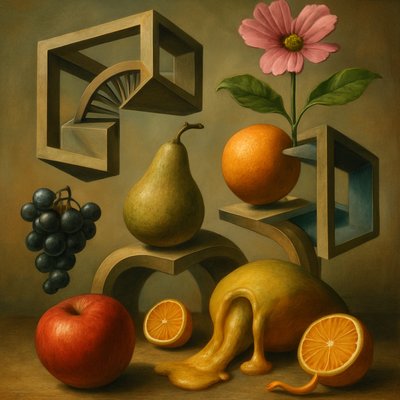
Hatching Drawing Style
Explore hatching drawing: fine parallel ink strokes, controlled density, and directional lines that build form, shadow, and classical paper texture.
Instantly rendered in Hatching Drawing — or transform a photo
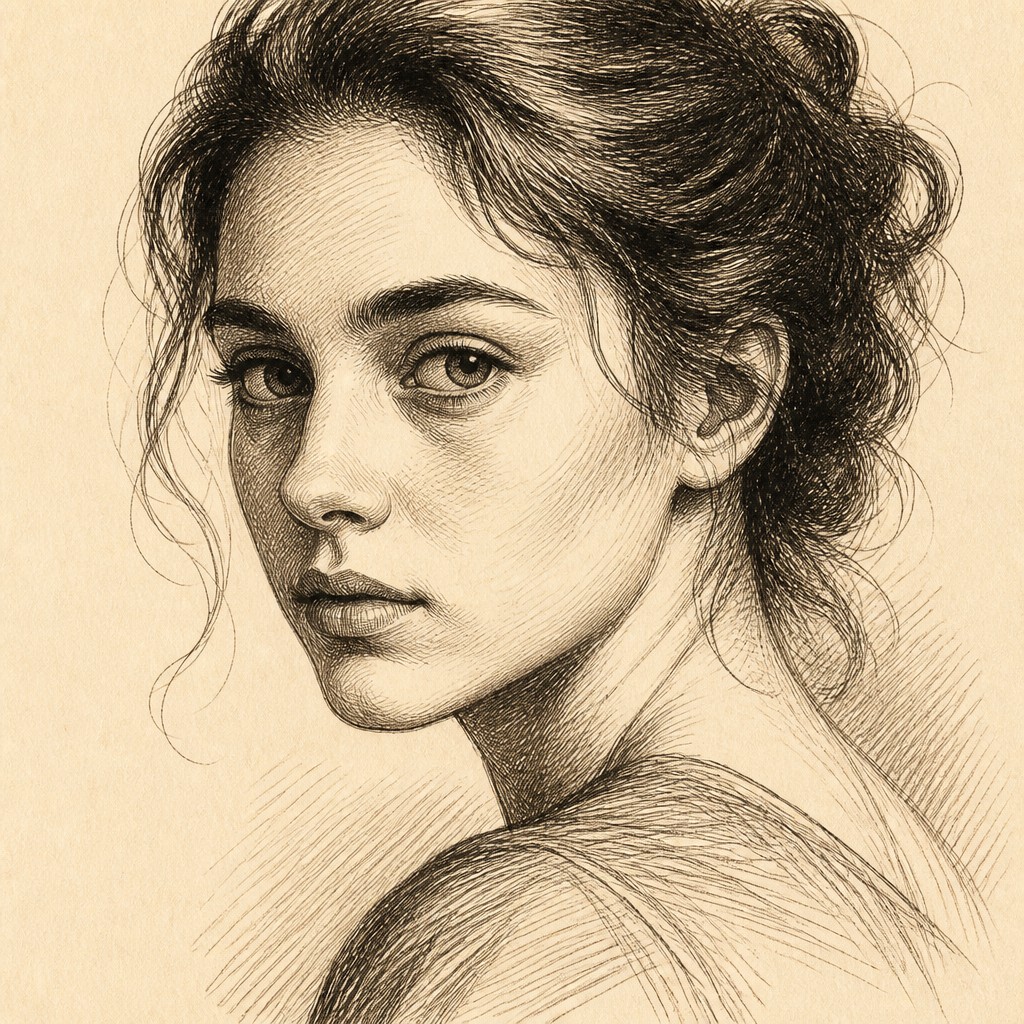
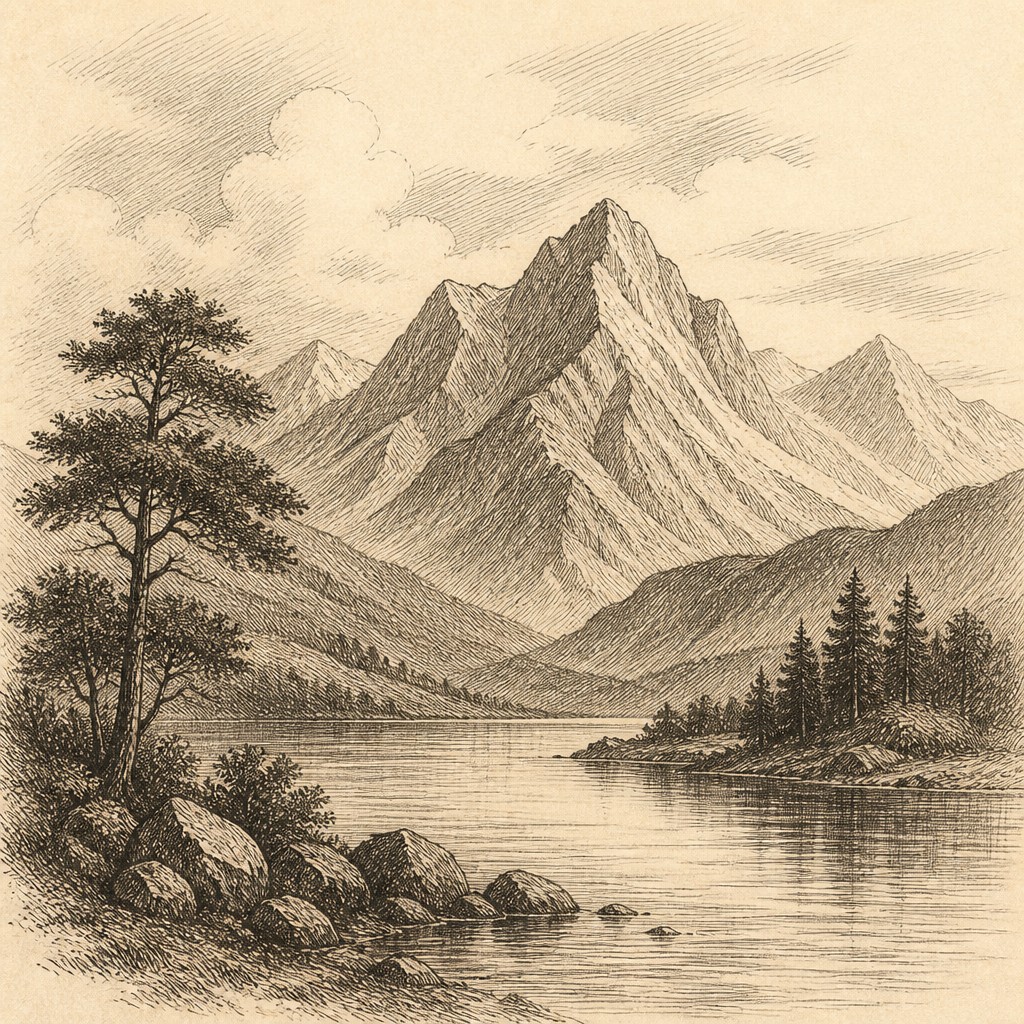
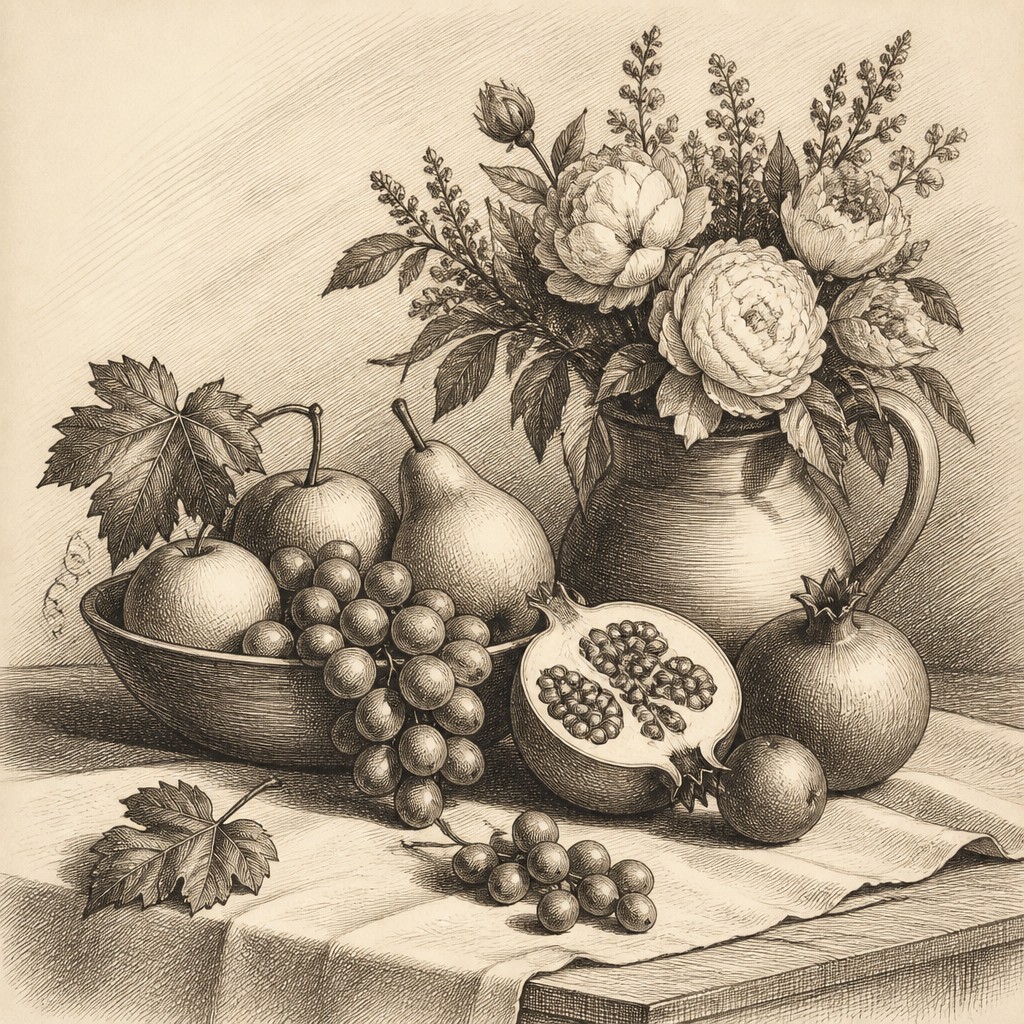
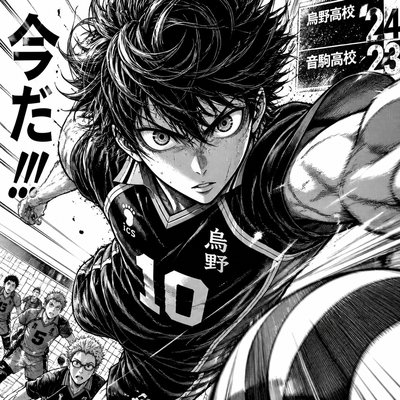
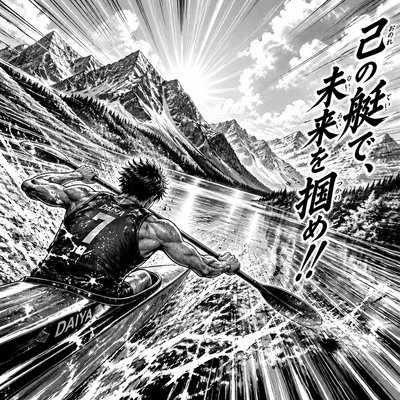
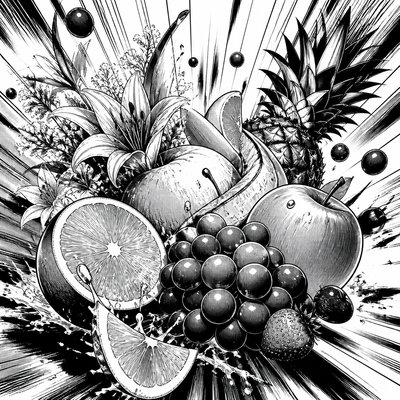
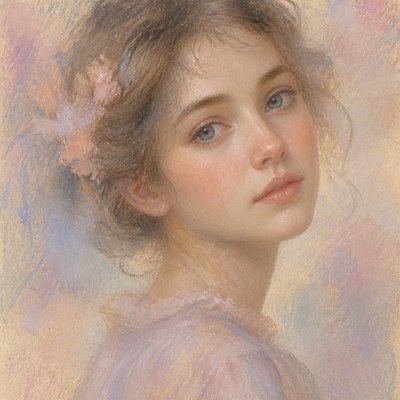
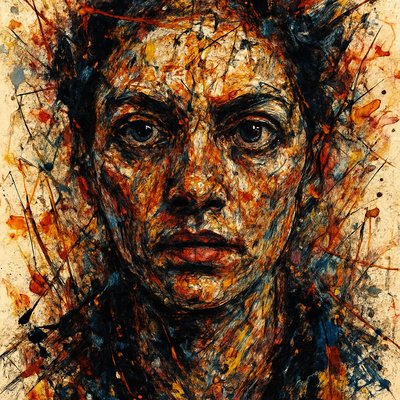
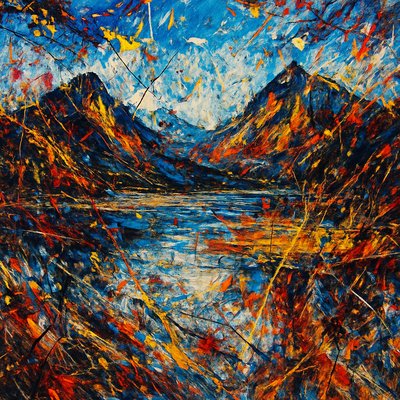
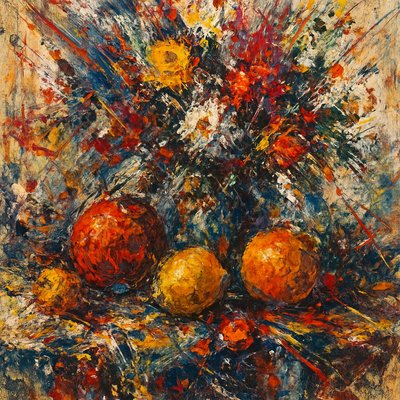
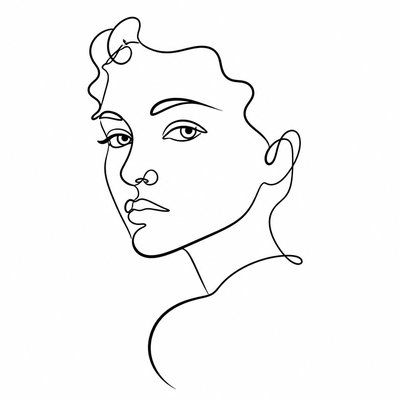
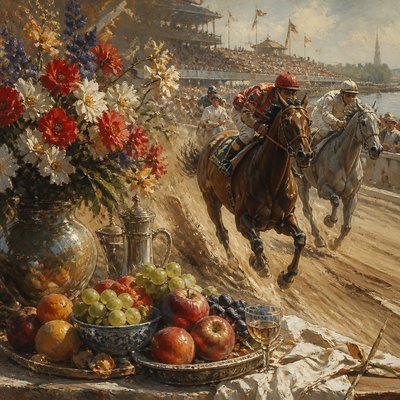
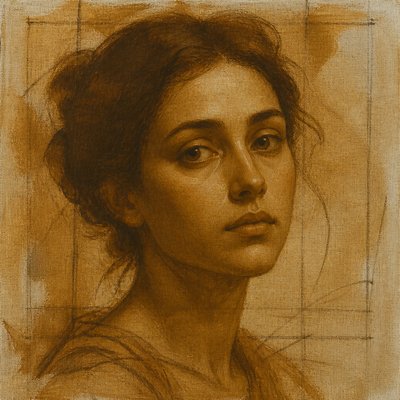
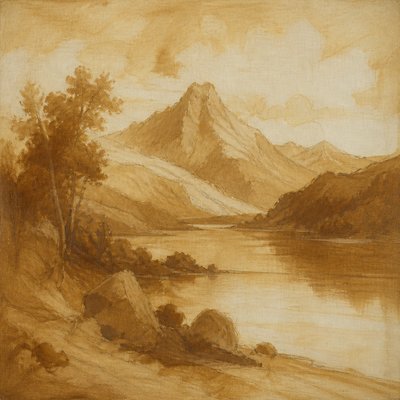
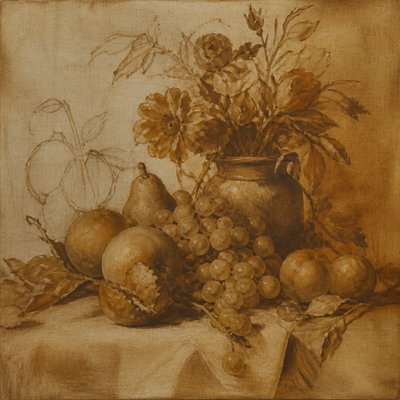
Hatching Drawing Gallery
Tap any artwork to explore it

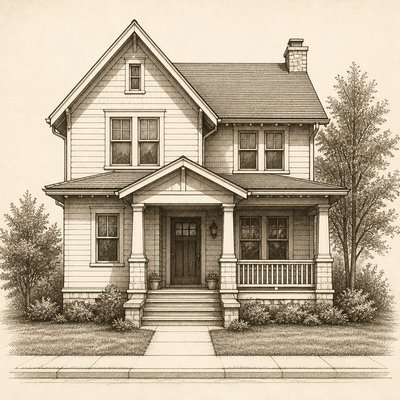
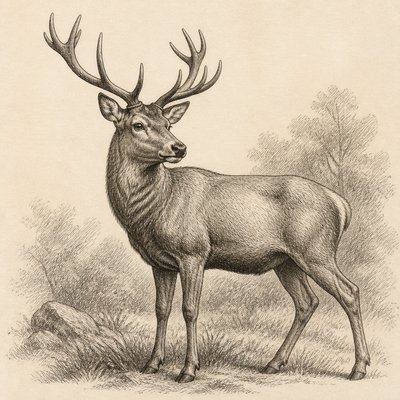
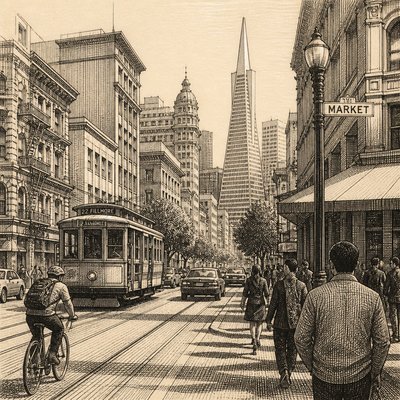
What is Hatching Drawing Style?
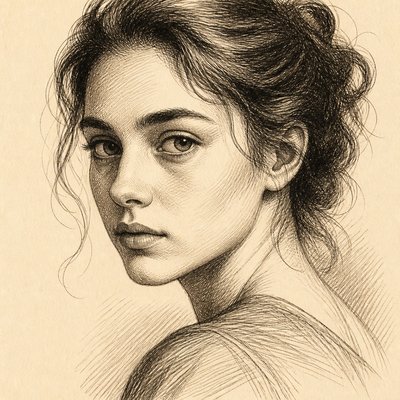
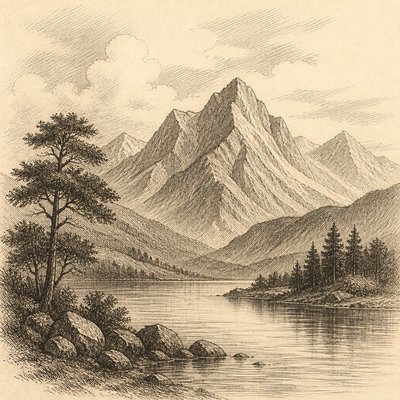
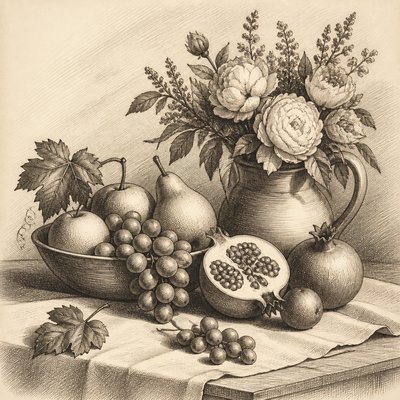
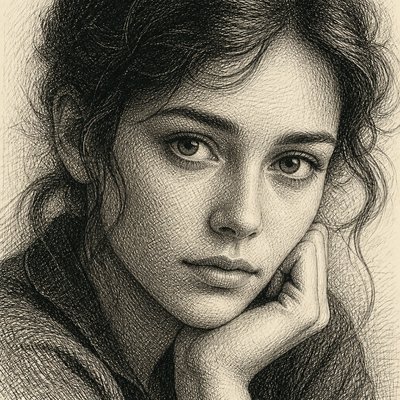
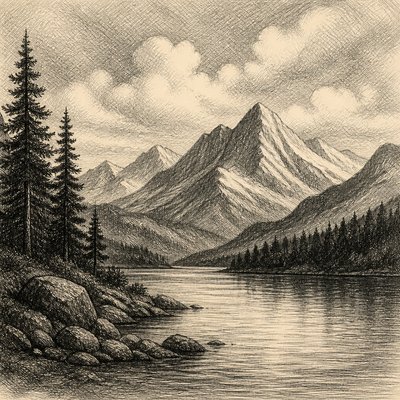
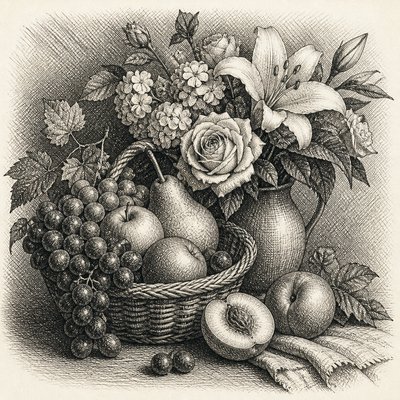
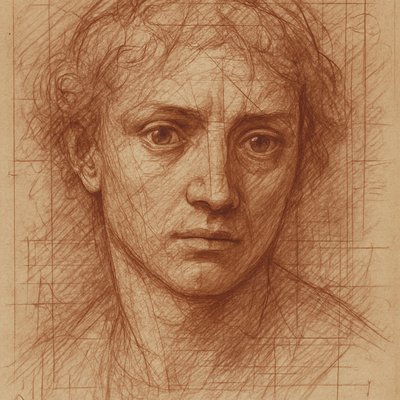
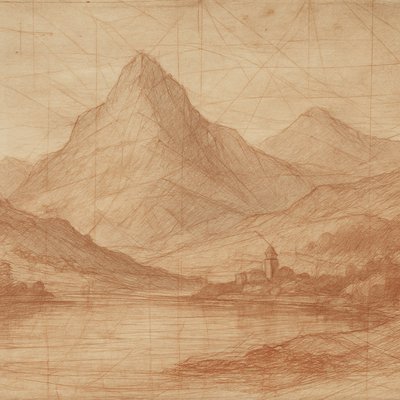
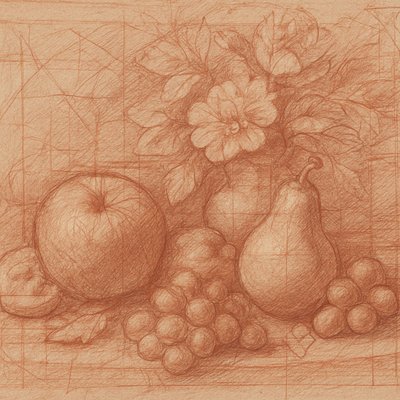
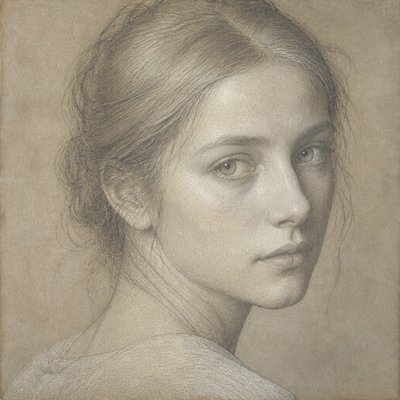
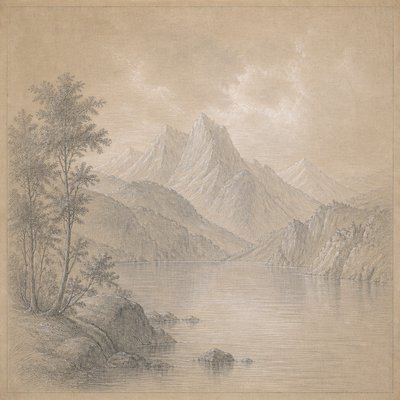
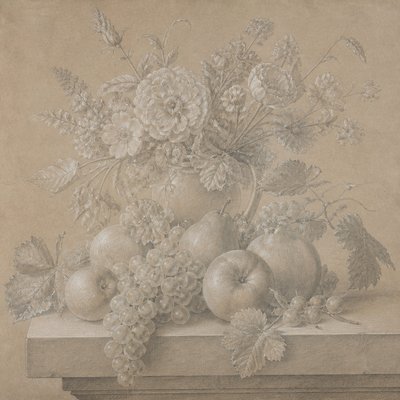
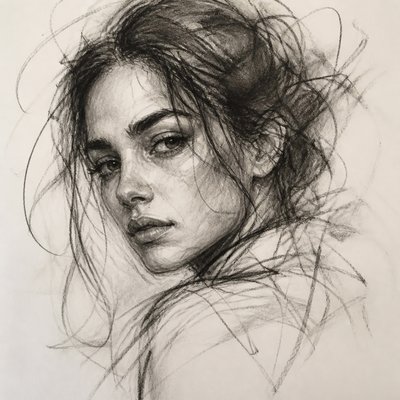
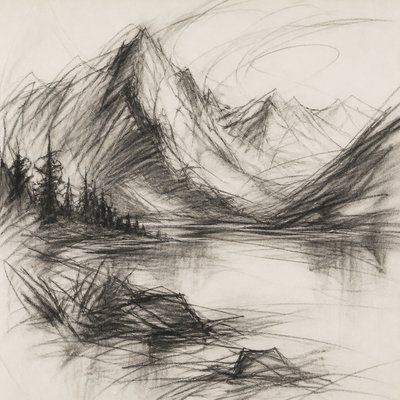
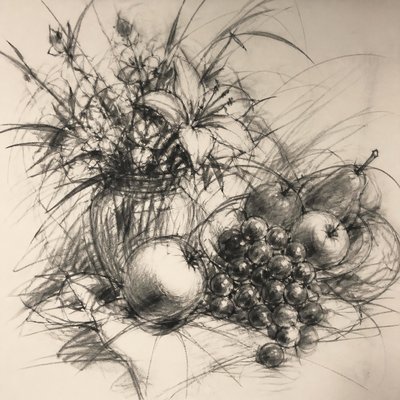
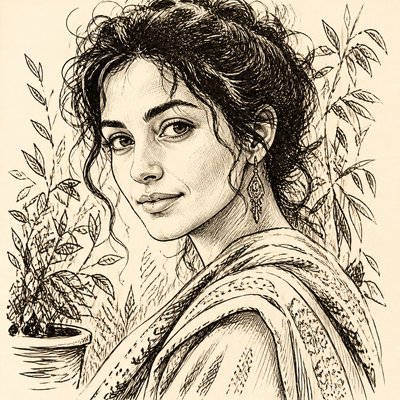
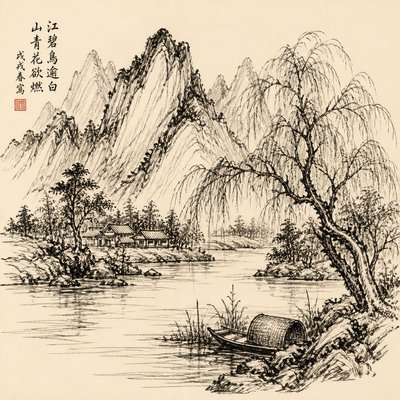
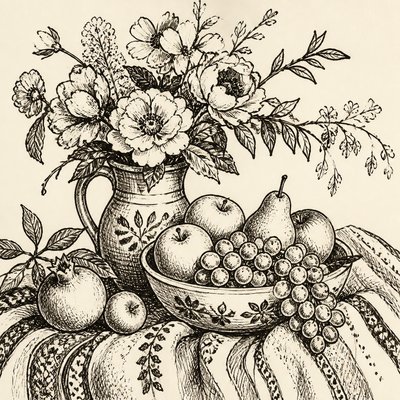
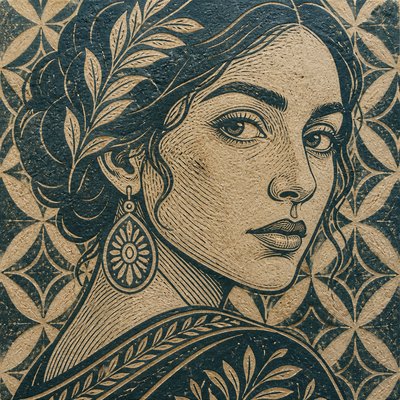
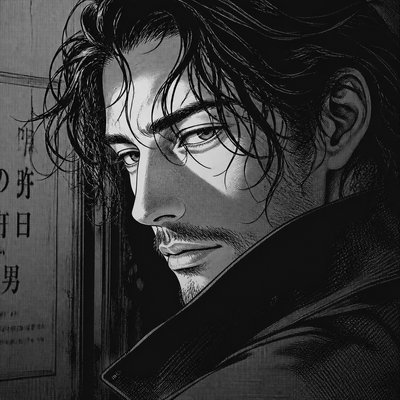
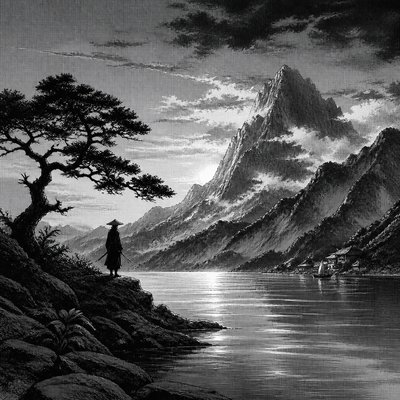
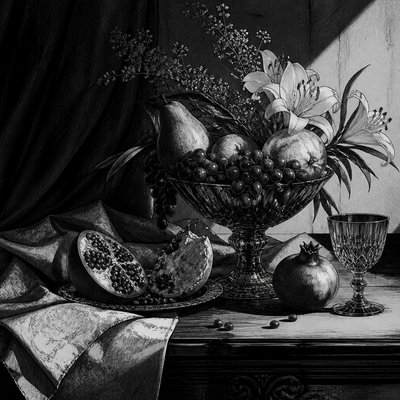
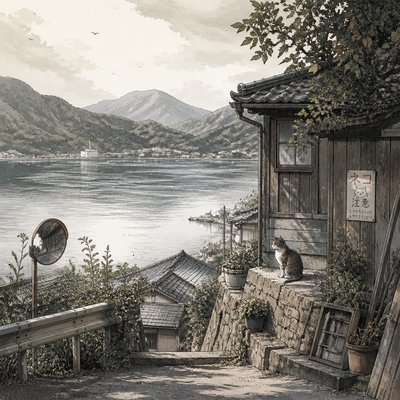
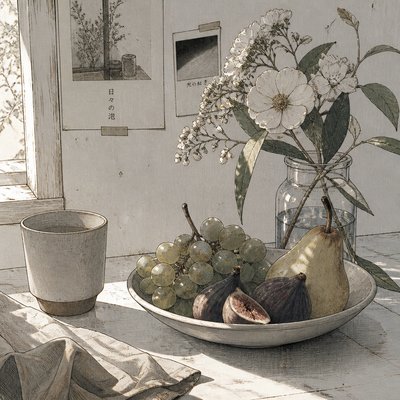
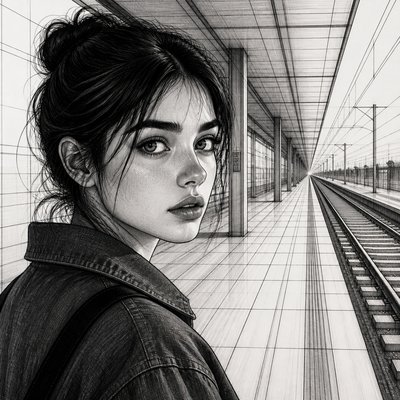
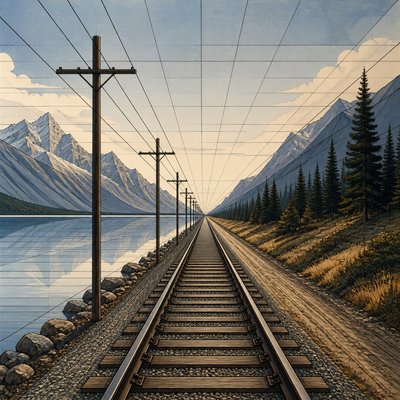
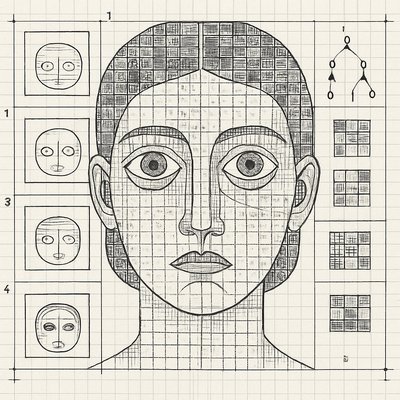
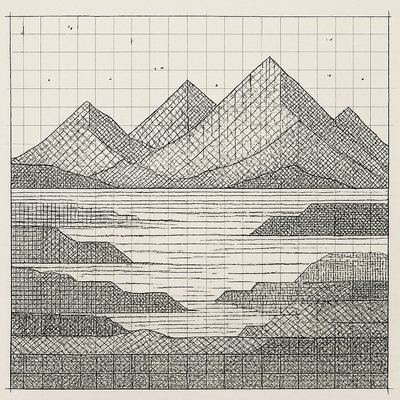
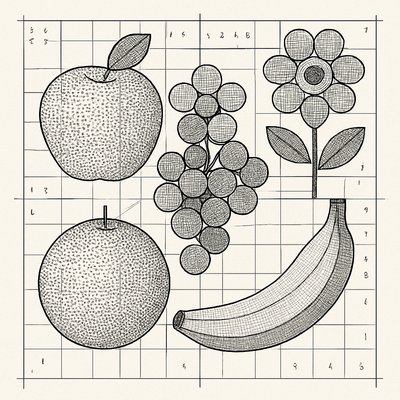
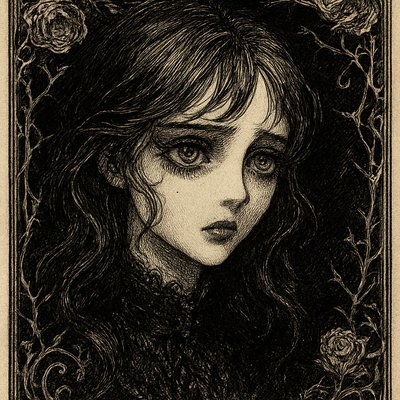
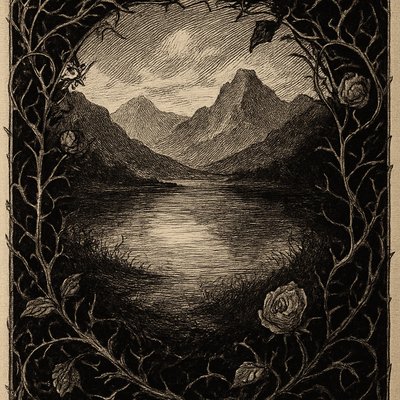
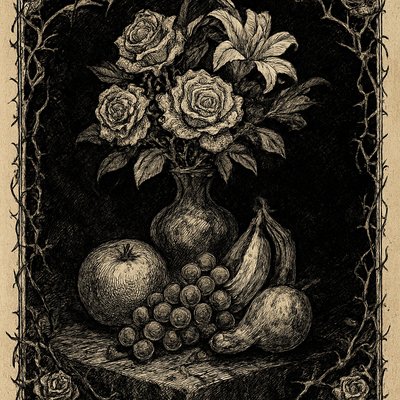
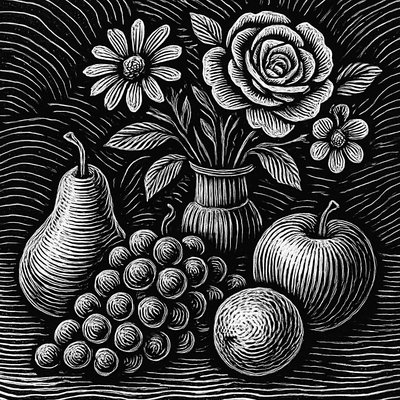
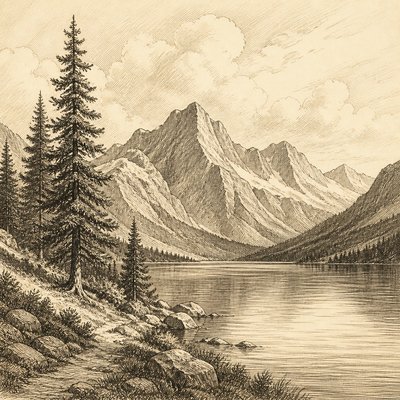
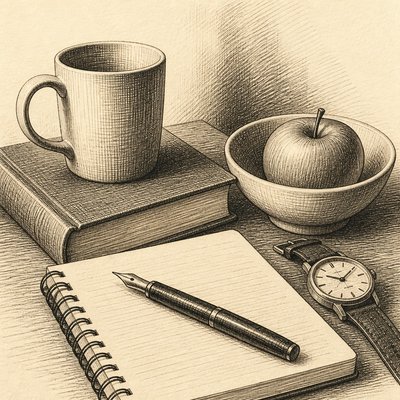
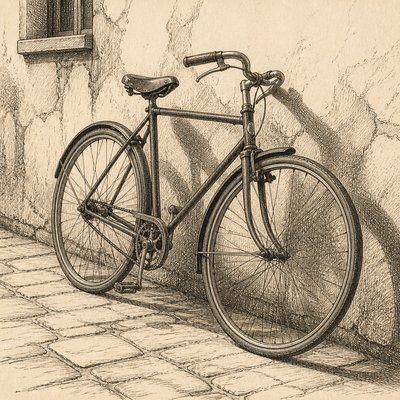
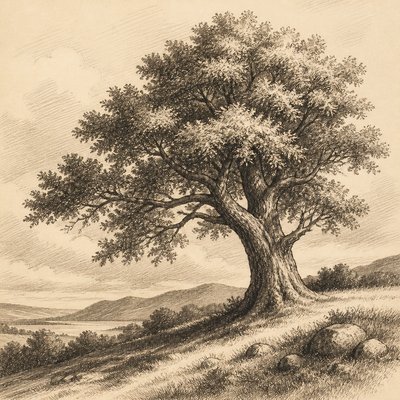
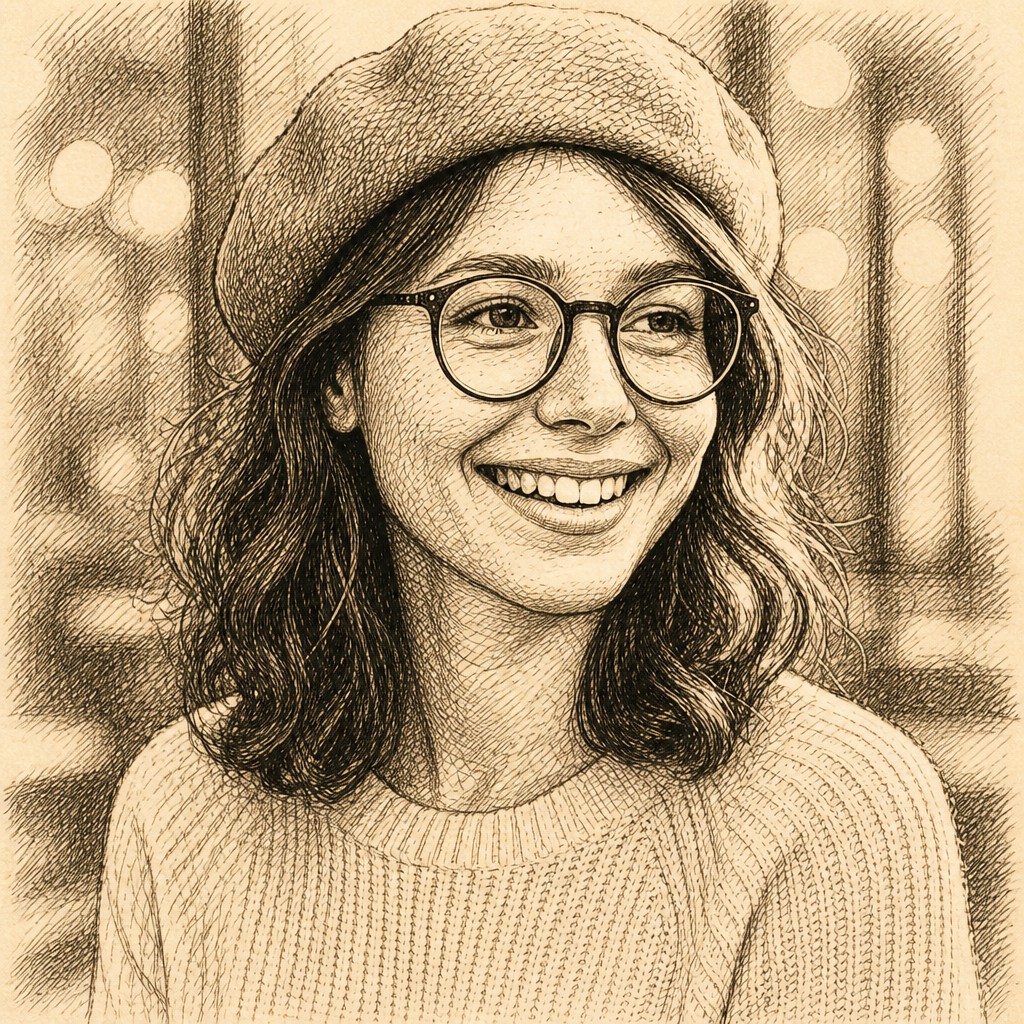
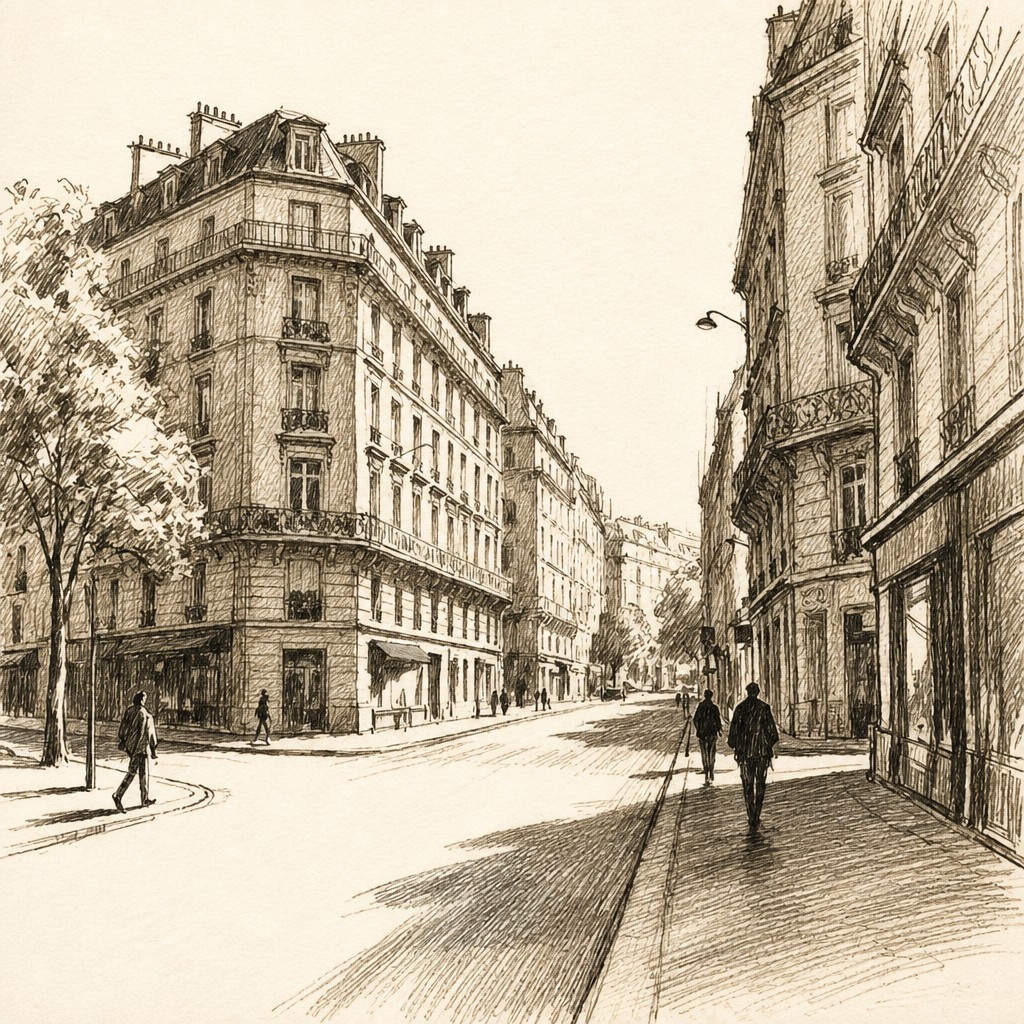
Hatching drawing is a line-based rendering technique in which parallel strokes build tone, texture, and three-dimensional form. Light areas remain largely open, while shadows become darker through closer spacing, additional layers, or changes in stroke direction. The result is a measured, tactile image whose structure remains visible rather than dissolving into smooth shading.
The style is defined by disciplined mark-making: crisp ink lines follow the contours of an object, describing its curvature and material. Warm off-white paper, sepia-black ink, restrained contrast, and careful directional control give it the appearance of a classical draft, even when applied to contemporary subjects or generated digitally.
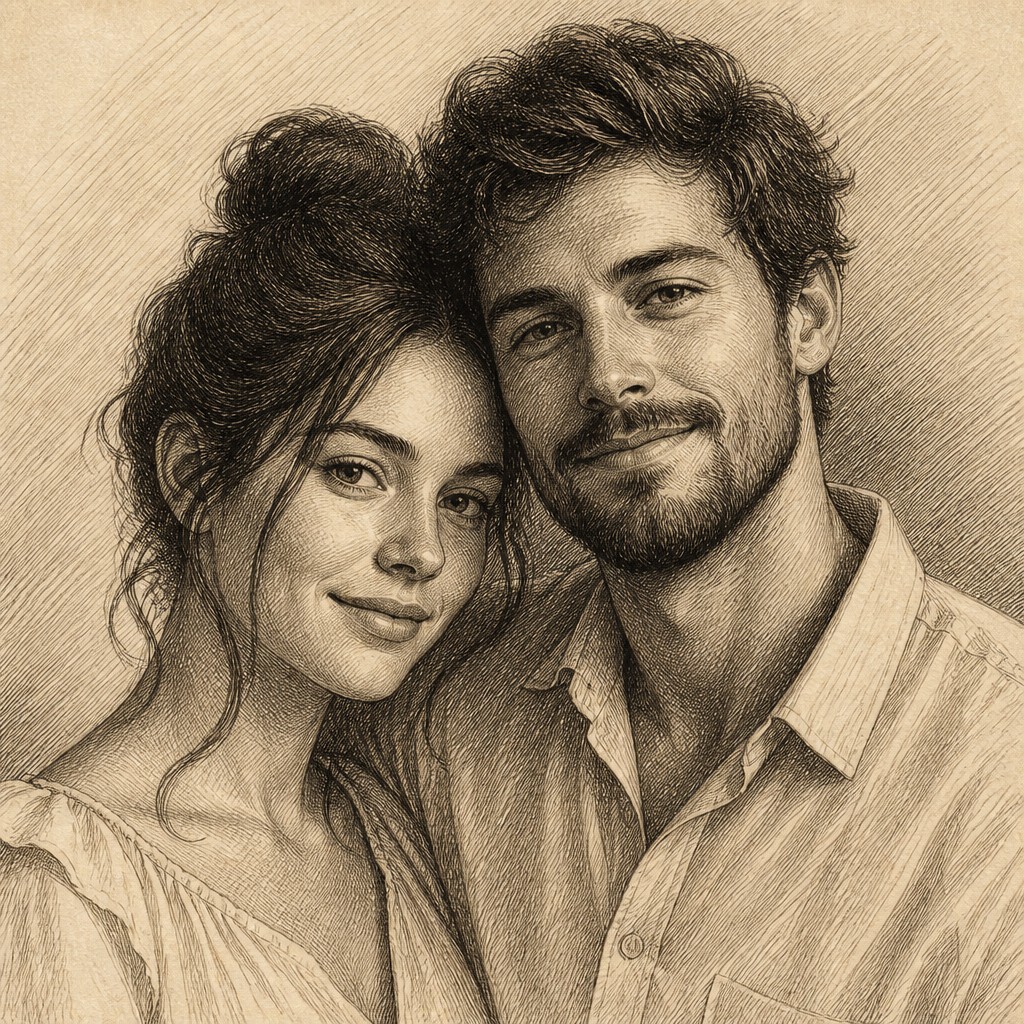
Try It On Your Photos
Upload any photo and convert it into Hatching Drawing Style — drag the sliders to compare before and after.


What Defines Hatching Drawing Style
The signature details, up close
Parallel tonal strokes
Closely spaced lines create darker values, while wider spacing preserves lighter passages. Tonal transitions are built through mark density rather than blended pigment.
Directional modeling
Strokes follow the curve, plane, or structural direction of the subject. This makes hatching describe volume as well as shade.
Crosshatching
Overlapping groups of lines at different angles deepen shadows and increase value range. Crosshatching is usually selective rather than applied uniformly across the image.
Crisp contour and interior line
Edges may be reinforced with firmer outlines, while interior hatching explains planes, folds, anatomy, or texture. Line variation can distinguish foreground detail from distant forms.
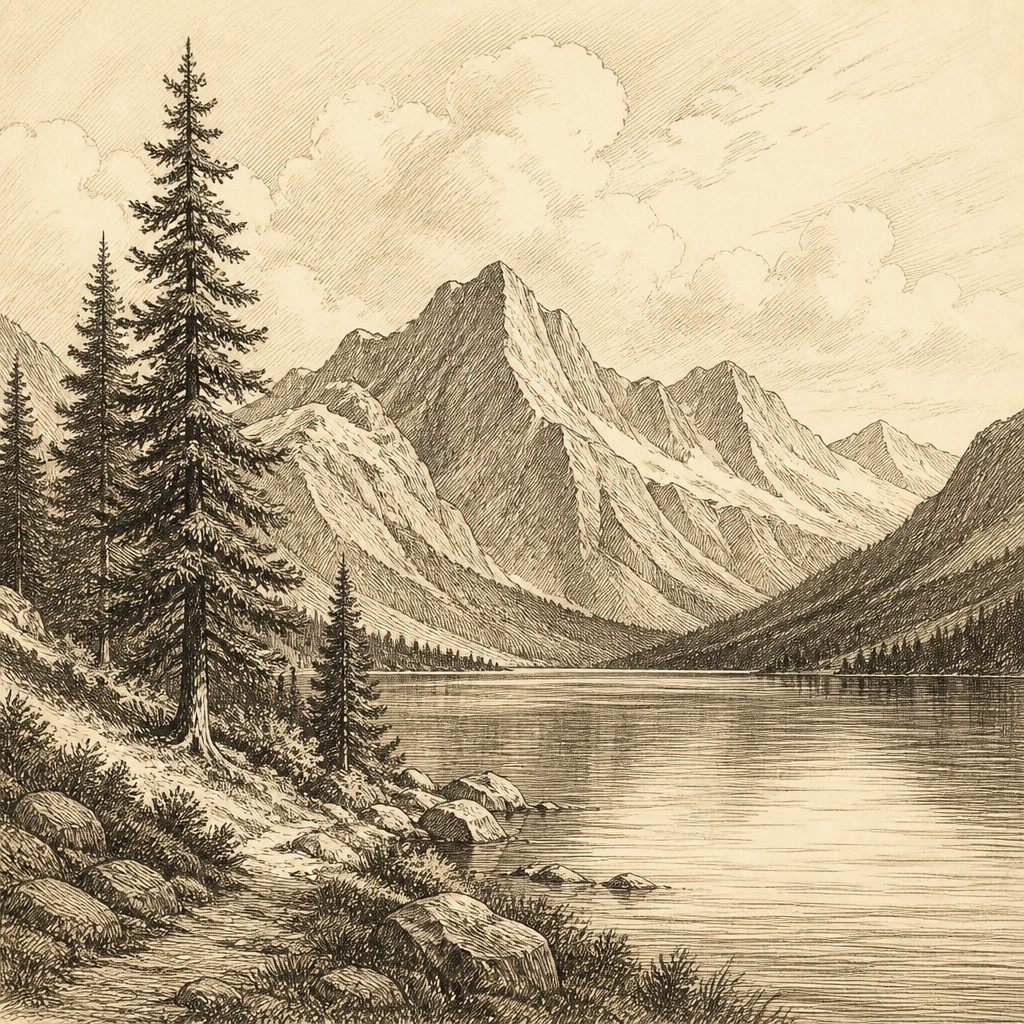
Open paper highlights
The untouched paper functions as the lightest value. Preserving clean areas gives the image air, contrast, and a strong graphic rhythm.
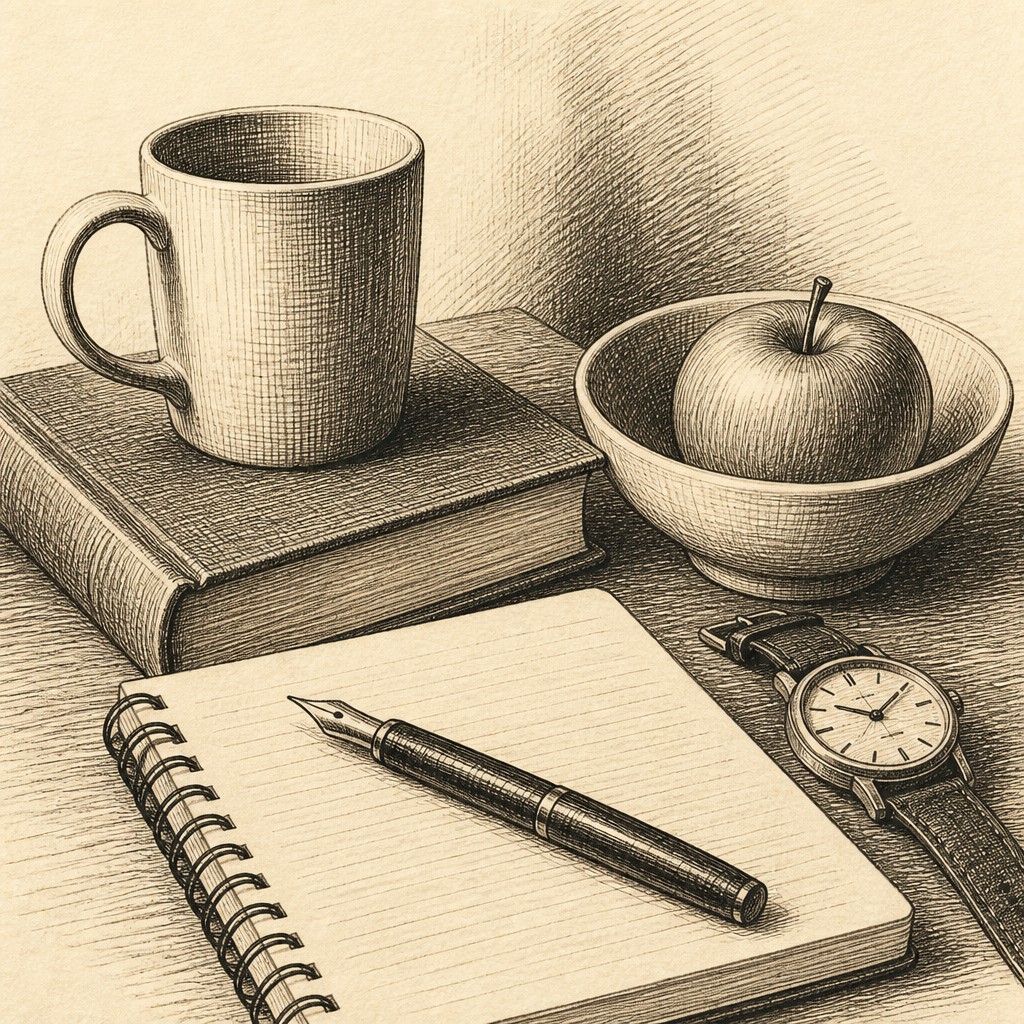
Sepia-black material palette
Traditional black ink, brown ink, graphite, or digitally tinted line work often appears against warm ivory paper. The limited palette emphasizes structure over color.
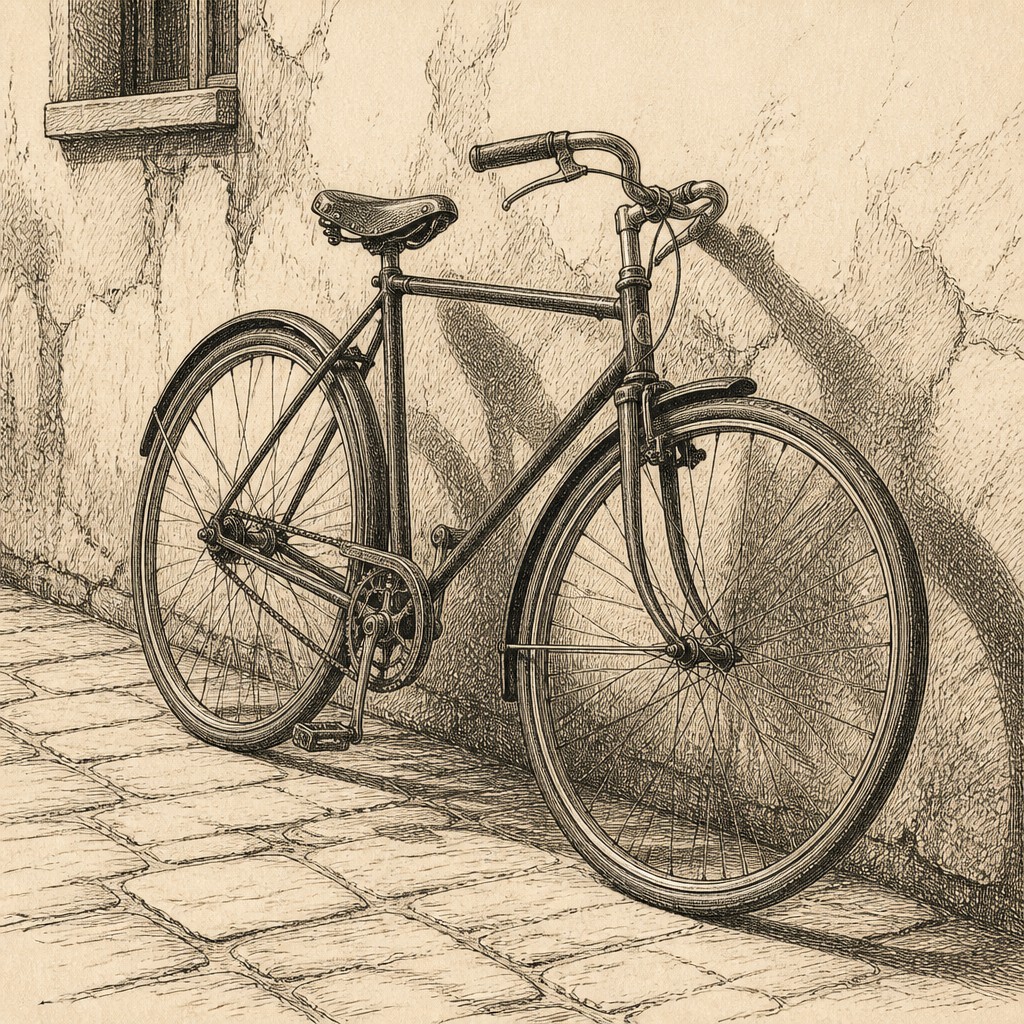
Draftsmanship and restraint
The style favors observational accuracy, deliberate construction, and visible process. Its handmade character comes from slight variation in spacing, pressure, and line length.
Try It
Create Videos in Hatching Drawing Style
Styles aren't just for stills — describe a scene or animate an image and get a short video rendered in Hatching Drawing. Press play to see this pond come to life.
Make a VideoHatching Drawing Prompt Ideas
Start from an idea — each one opens the generator with the style ready to go. See all 40 Hatching Drawing prompts →
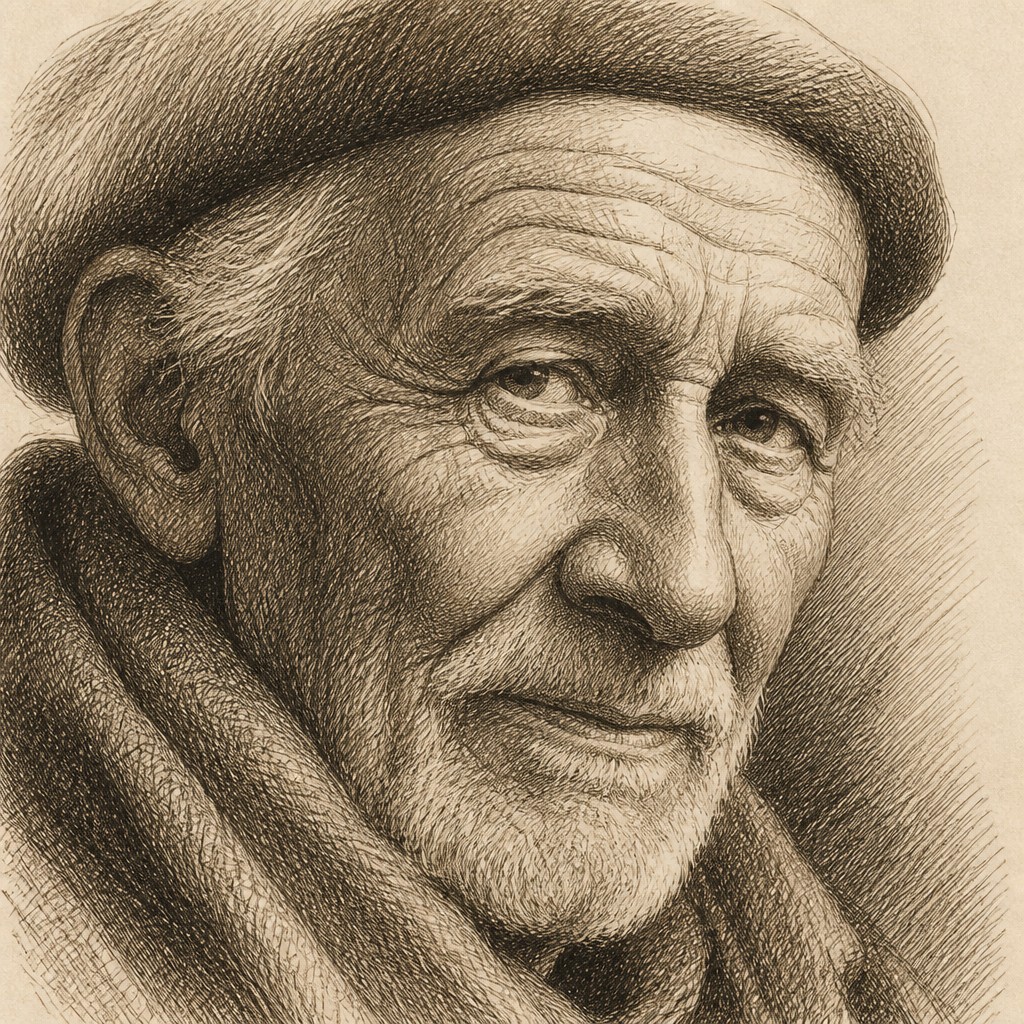
“close-up portrait of an elderly person with expressive weathered features”
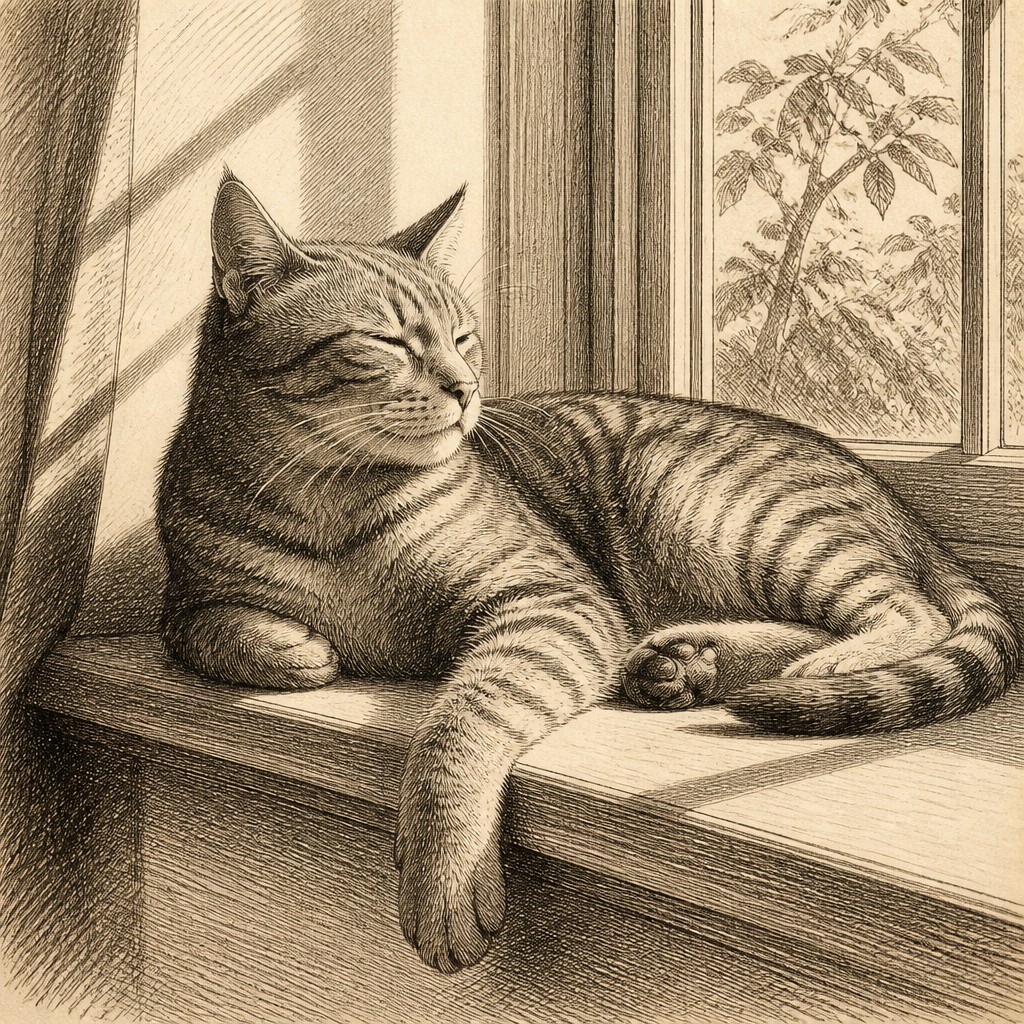
“a cat lounging in a sunlit window”
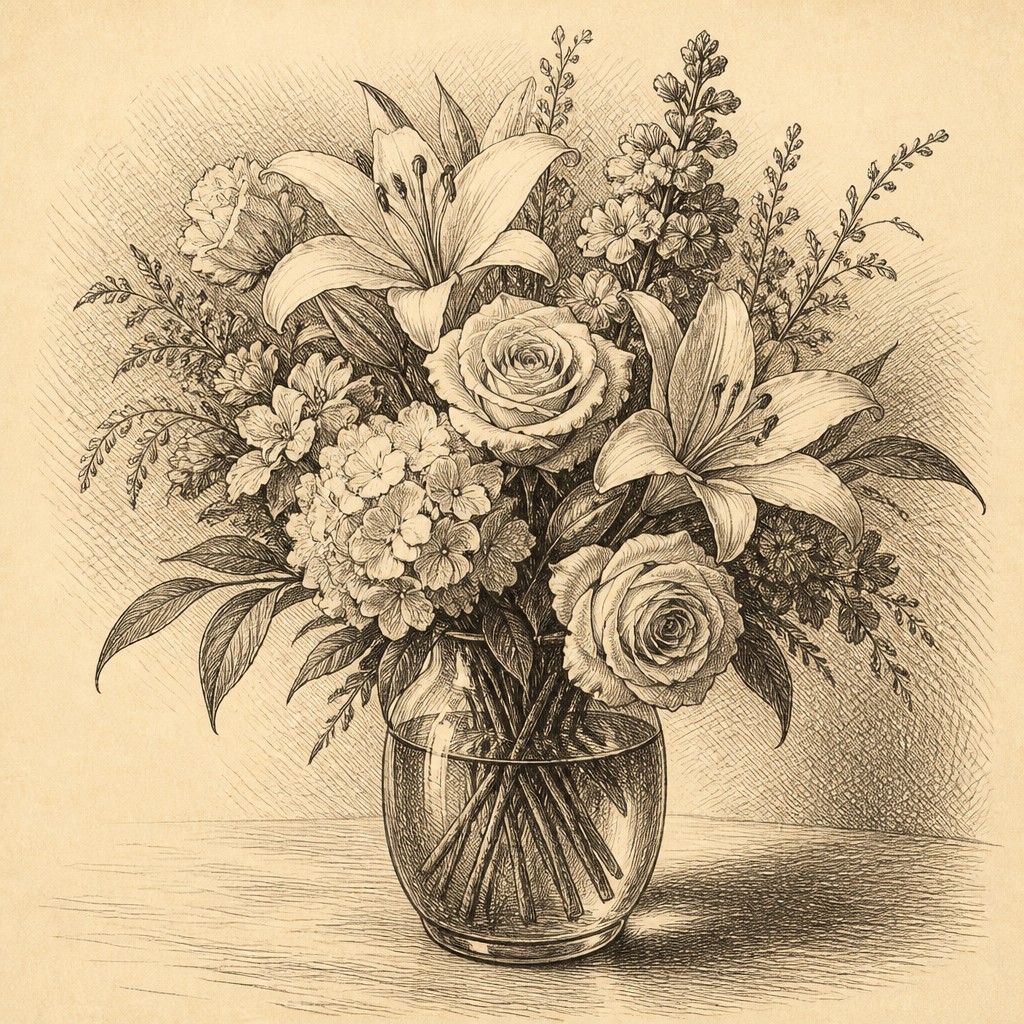
“bouquet of flowers in a glass vase”
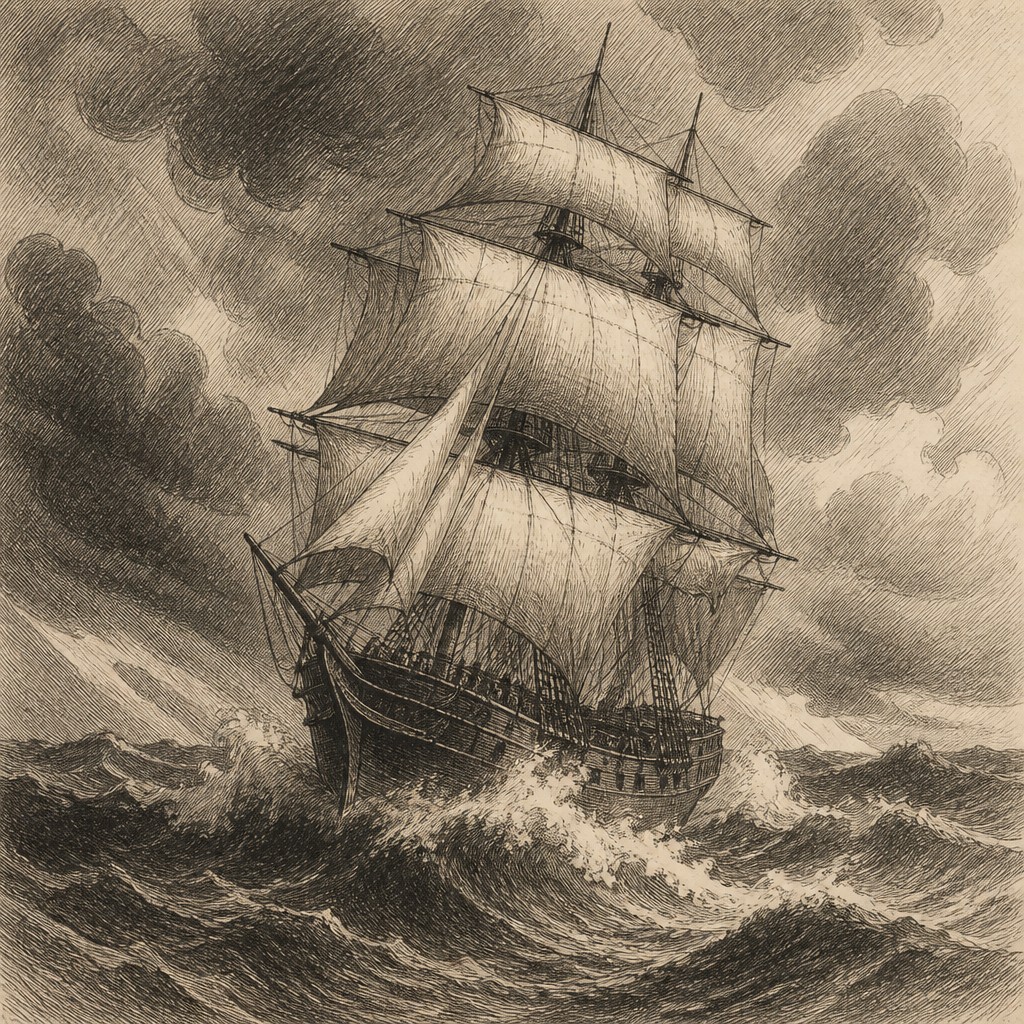
“sailing ship on a stormy sea”
How to Create Hatching Drawing Art
Master the craft step by step — or skip straight to creating. Read the full guide →
- 1
Establish the structure first
Begin with a light construction drawing and identify the major planes, silhouette, and light direction. Hatching is most convincing when the lines support an underlying three-dimensional design.
- 2
Match strokes to form
Use curved or gently bending strokes around rounded objects and straighter strokes across flat planes. Change direction only when the surface or lighting logic calls for it.
- 3
Build values gradually
Start with widely spaced lines in midtones, then add layers or tighter spacing in deeper shadows. Keep highlights mostly unmarked instead of filling every area with texture.
- 4
Control the tool and surface
Traditional results can be made with a fine nib, technical pen, dip pen, graphite, or engraving-style tools on toothy off-white paper. Digitally, use a sharp pressure-sensitive brush, a paper texture layer, and a limited sepia-black palette.
- 5
Use a focused generation brief
For prompt-based creation, specify fine parallel ink lines, directional strokes following form, denser shadow spacing, open paper highlights, warm off-white paper, and sepia-black line work. Add the subject, composition, lighting, and desired level of detail separately.
- 6
Refine generated or scanned results
Check whether the hatching follows the subject rather than appearing as random stripes. Clean broken contours, reduce excessive crosshatching, and restore paper-colored highlights to improve readability.

The Story
History & Origins of Hatching Drawing
Hatching developed as a practical system of tonal modeling in European drawing and printmaking, becoming especially important in Renaissance-era studies, copperplate engraving, and etching. Because printed media could not rely on continuous gray washes, artists used line spacing, weight, layering, and direction to represent light and volume. Crosshatching expanded this vocabulary by placing one set of strokes over another at an angle.
The method continued through scientific illustration, architectural drawing, cartography, newspaper engraving, editorial illustration, and comics. The contemporary hatching drawing style is not a single historical movement but an aesthetic lineage combining academic draftsmanship, reproductive print techniques, antique book illustration, and digitally simulated ink on paper.
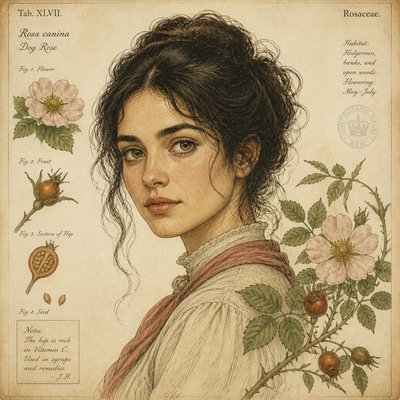
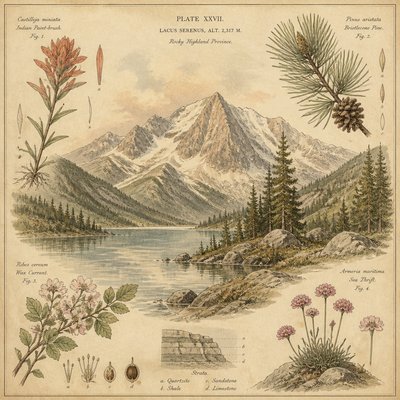
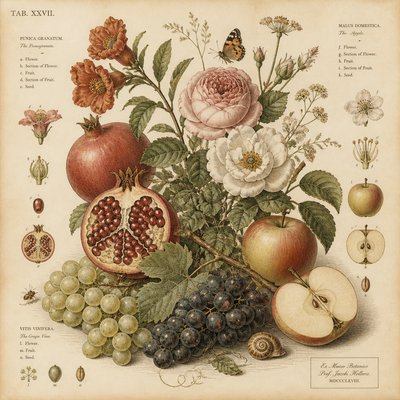
Influences: Hatching drawing is closely related to Renaissance and academic draftsmanship, European engraving and etching, copperplate book illustration, scientific and botanical illustration, architectural rendering, and newspaper line engraving. It also shares methods with crosshatched comics, pen-and-ink editorial art, cartographic relief shading, and monochrome concept art. Its warm paper and limited ink palette often evoke antique print culture, while its directional mark-making connects it to observational drawing and technical illustration.
Frequently Asked Questions
What defines hatching drawing?
It is defined by parallel lines used to construct tone and volume. The spacing, weight, layering, and direction of those lines determine the image's light, shadow, texture, and form. Open paper typically represents the brightest areas.
What is the difference between hatching and crosshatching?
Hatching uses one main family of parallel strokes, while crosshatching adds overlapping lines at different angles. Crosshatching produces darker, denser values but can reduce clarity if applied equally everywhere.
Is hatching drawing a historical art movement?
No. Hatching is primarily a technique and visual language rather than a single movement with a fixed period or manifesto. Its modern appearance draws on several centuries of drawing, printmaking, illustration, and technical image-making.
What tools are used to make hatching drawings?
Fine-nib pens, dip pens, technical pens, graphite, and engraving tools are common traditional choices. Digital artists can use a sharp line brush with pressure control, a paper-texture layer, and a restricted dark-ink palette.
How do I make hatching look three-dimensional?
First establish the light source and major planes, then orient strokes around the form. Increase density and layering in shadow, vary line curvature on rounded surfaces, and leave strategic areas of paper untouched for highlights.
Where is this style commonly used?
Hatching appears in historical prints, scientific and botanical plates, architectural drawings, maps, editorial illustration, comics, tattoo references, book design, and concept art. It is useful wherever clear structure and monochrome texture are more important than full-color rendering.
Create your first Hatching Drawing artwork
Describe anything — or upload a photo — and see it in Hatching Drawing Style in seconds.
Related Styles
Discover similar art styles