Sporting Art Style
Explore Sporting Art Style: dynamic athletes, horses, crowds, dust and vigorous brushwork that turn competition into painted motion.
Instantly rendered in Sporting — or transform a photo
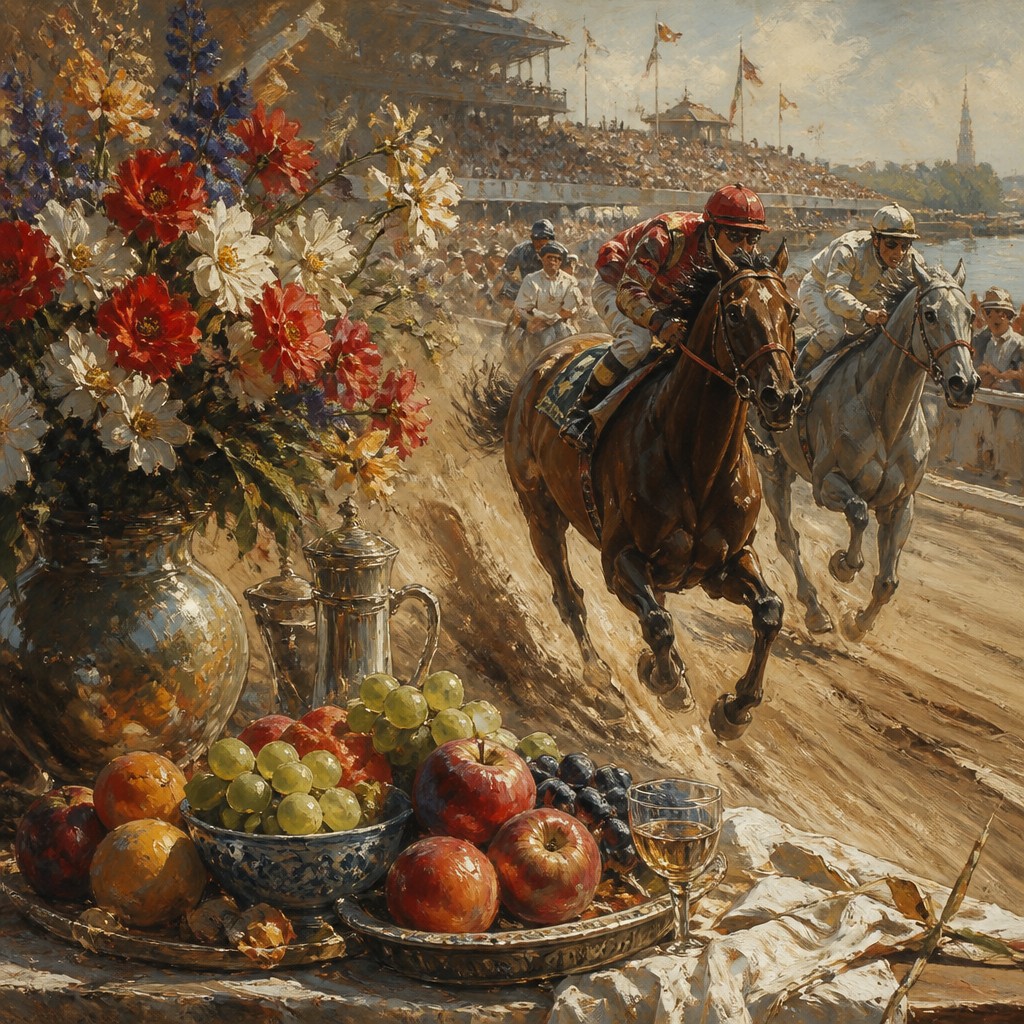
Sporting Gallery
Tap any artwork to explore it
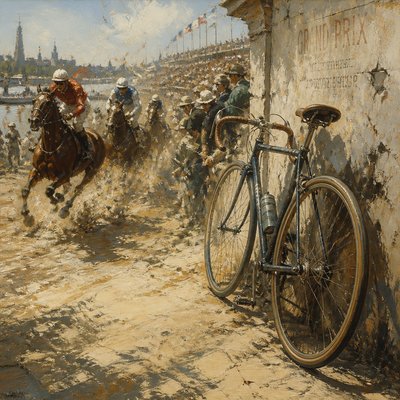
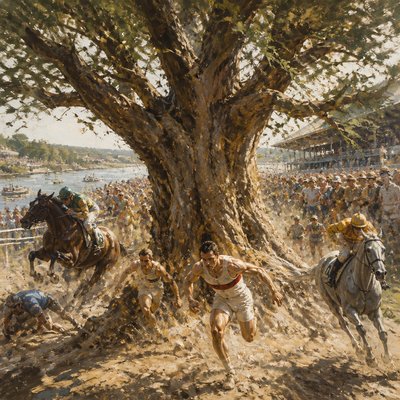
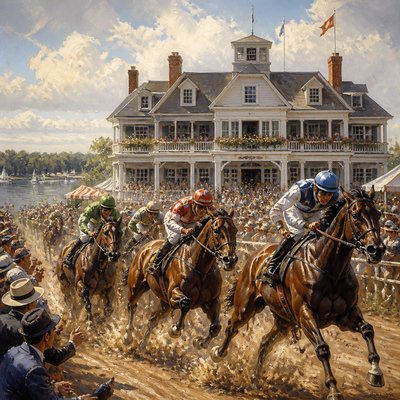
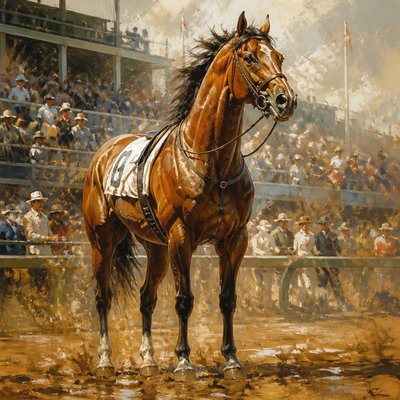
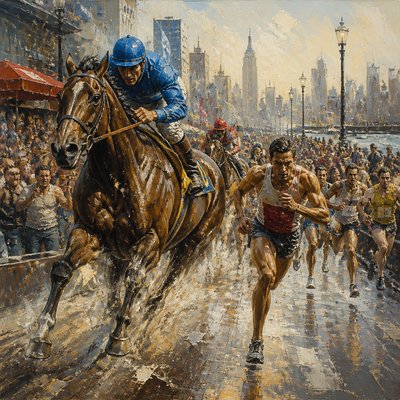
What is Sporting Art Style?
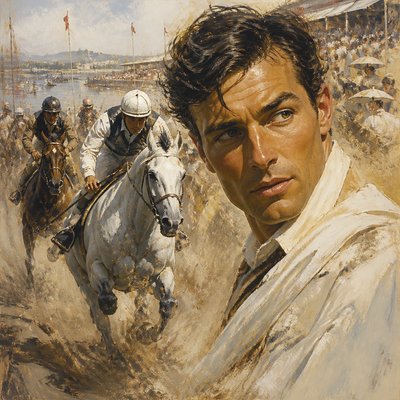
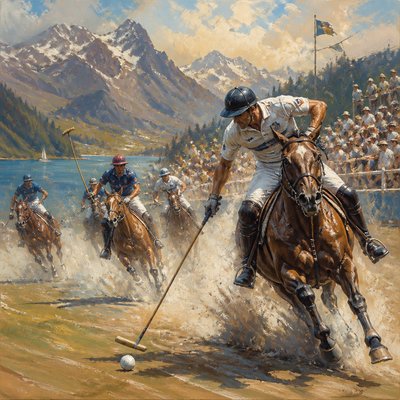
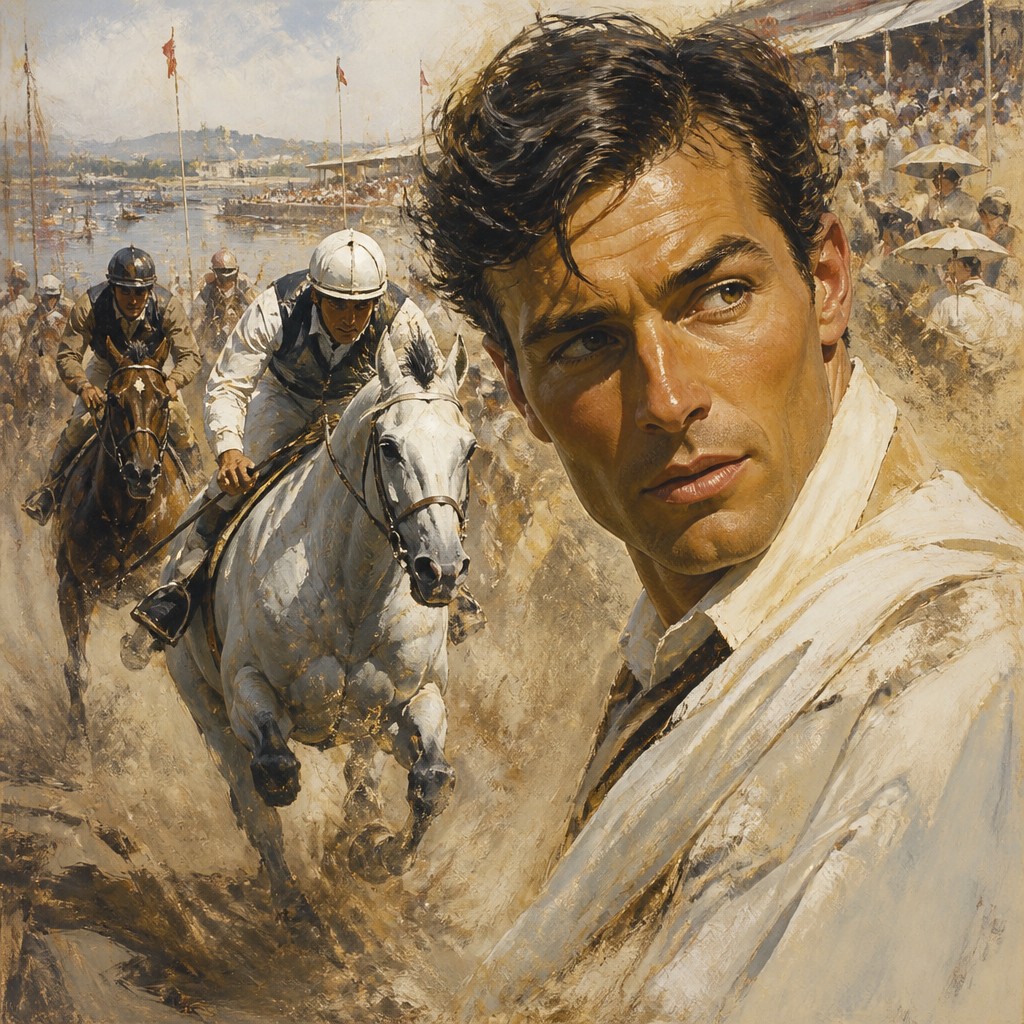
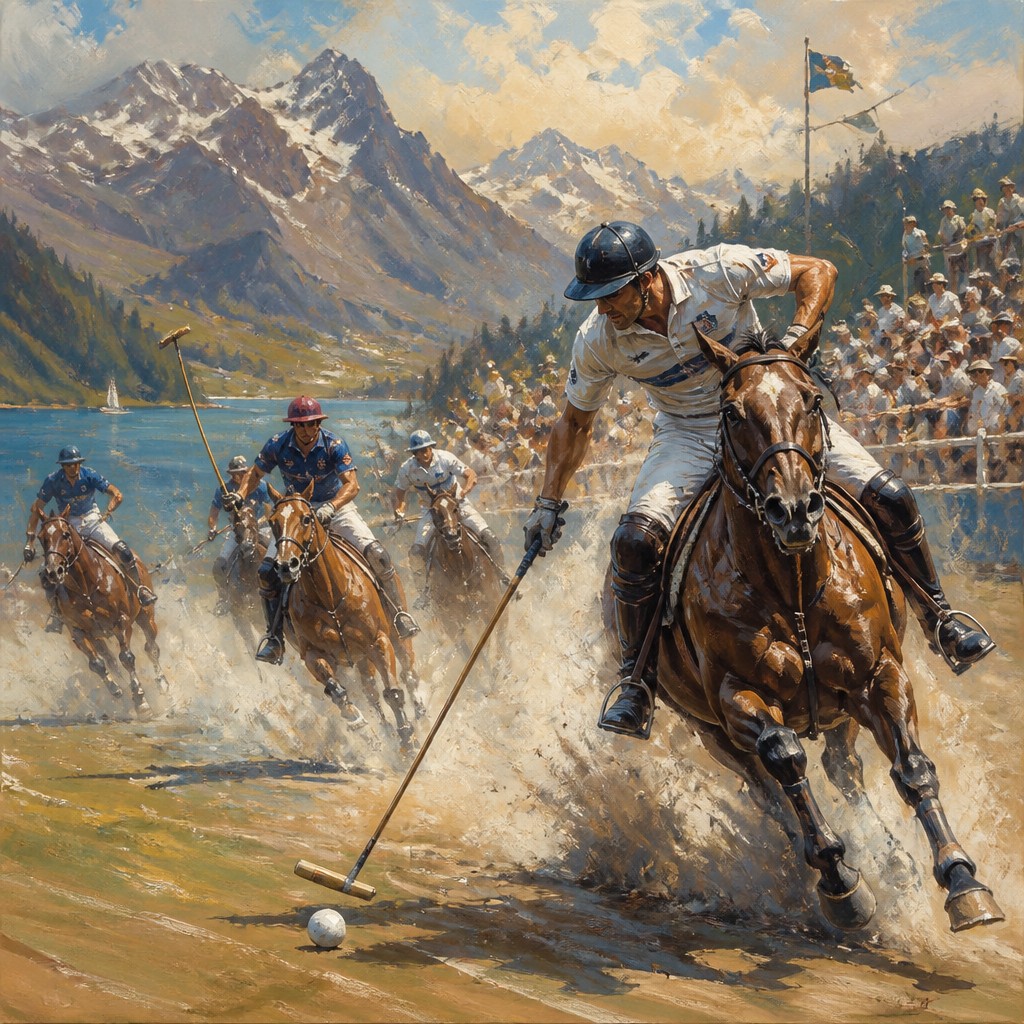
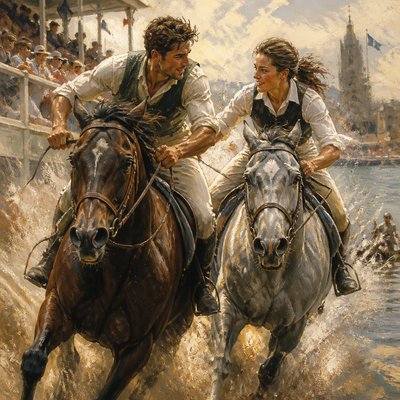
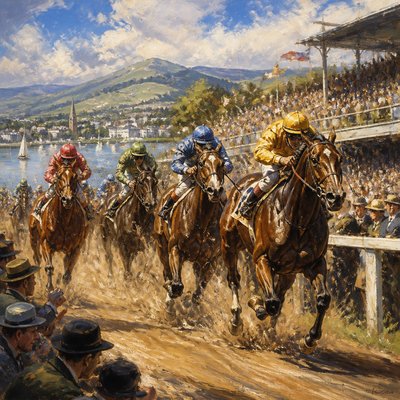
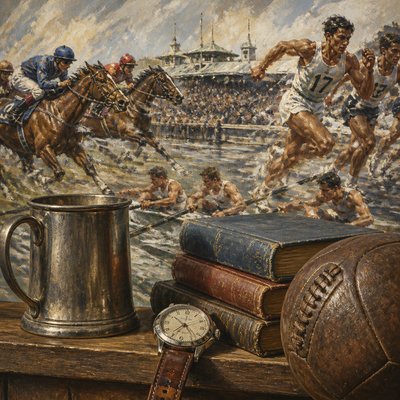
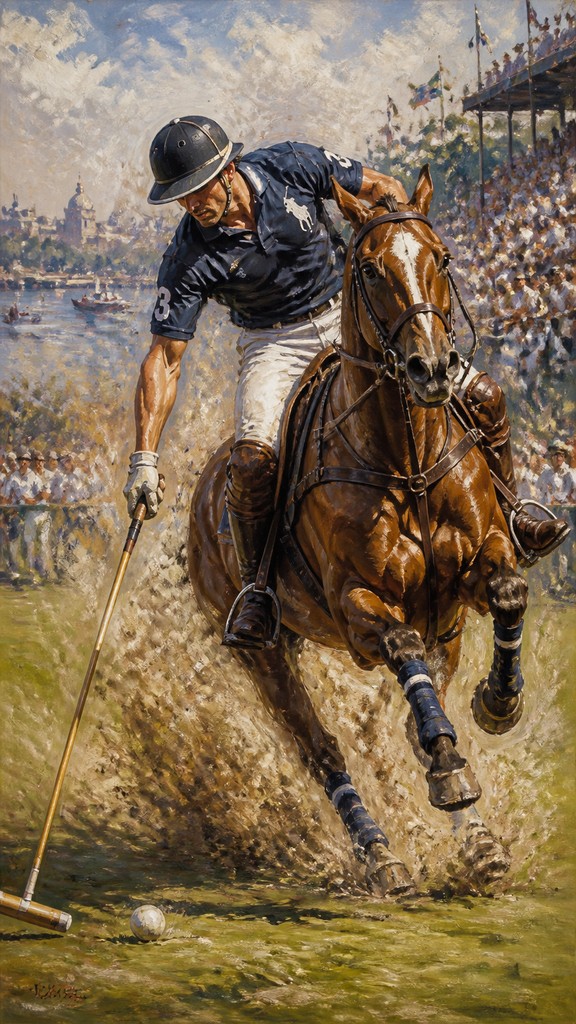
Sporting Art Style is a dynamic figurative approach centered on athletic competition, equestrian events, racing, rowing and other spectacles of physical exertion. Its subjects are shown in mid-action rather than posed: bodies lean into effort, horses stretch through a stride, equipment cuts across the frame and crowds become atmospheric bands of color and movement.
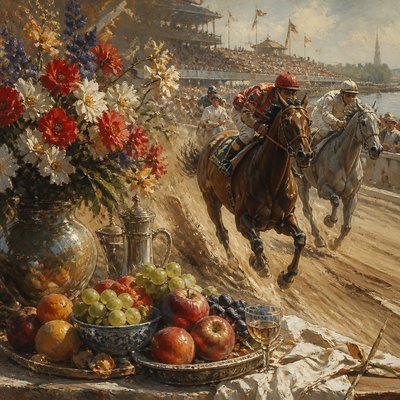
The style looks energetic because it combines muscular figure drawing with loose, directional brushwork, broken edges, vigorous highlights and selective detail. Dust, sweat, reflected light and motion blur help convey speed, while stadiums, racetracks and riverside spectators establish the social drama surrounding the event. It can range from painterly realism to expressive illustration, but it generally prioritizes momentum, immediacy and emotional intensity over static precision.
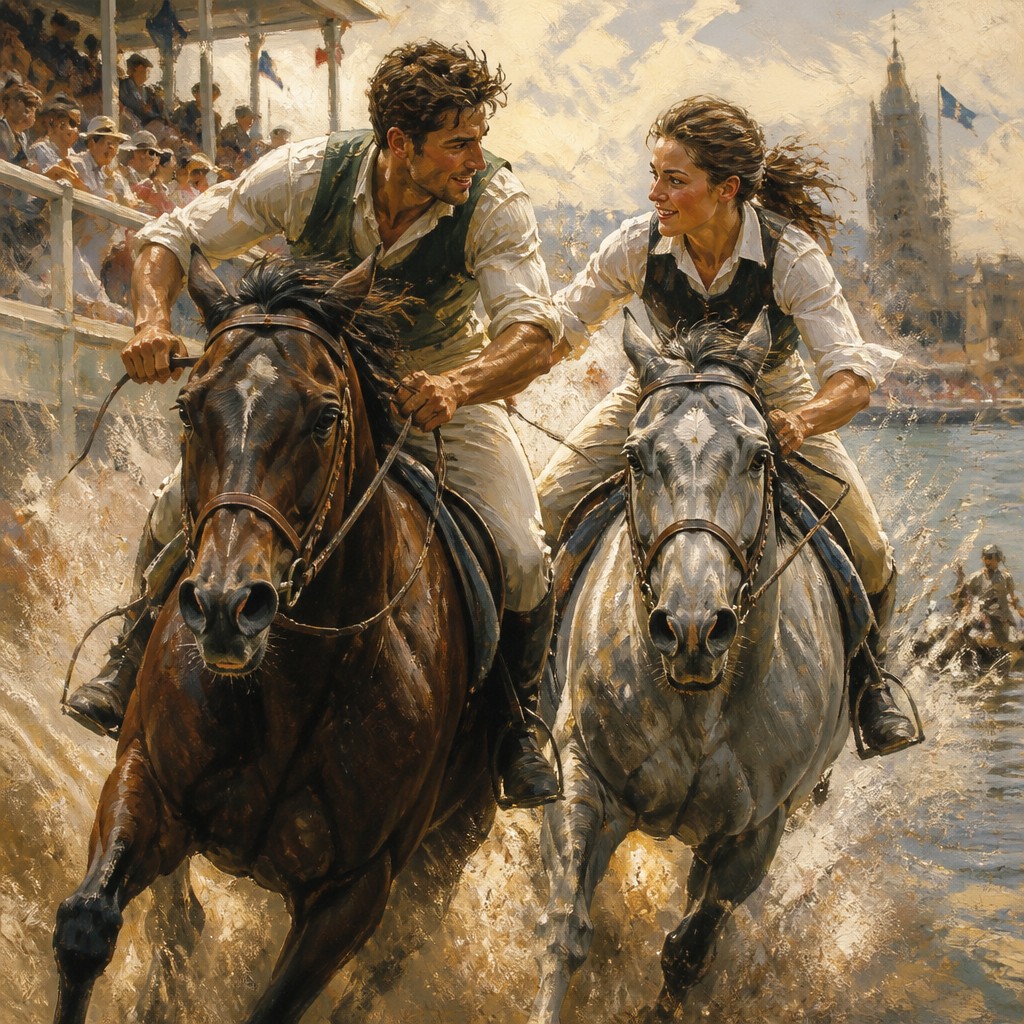
Try It On Your Photos
Upload any photo and convert it into Sporting Art Style — drag the sliders to compare before and after.
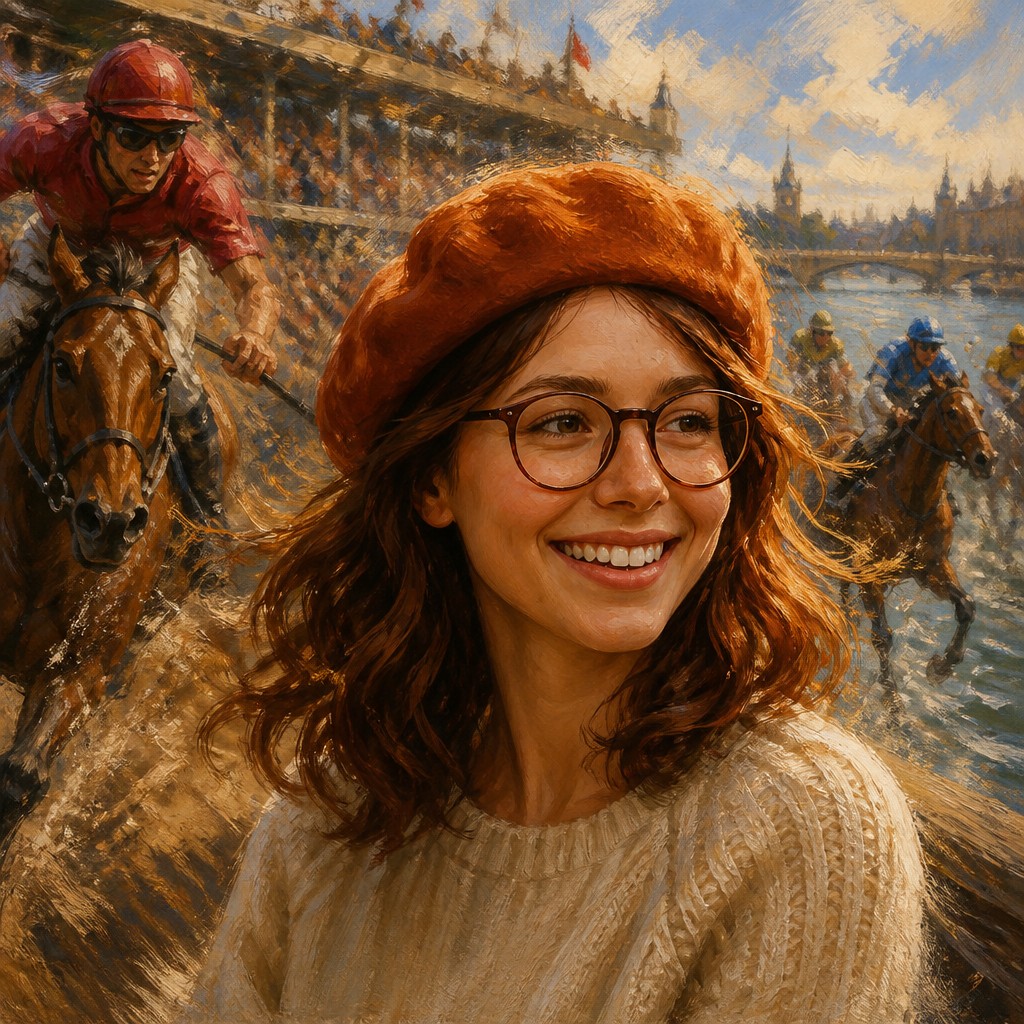

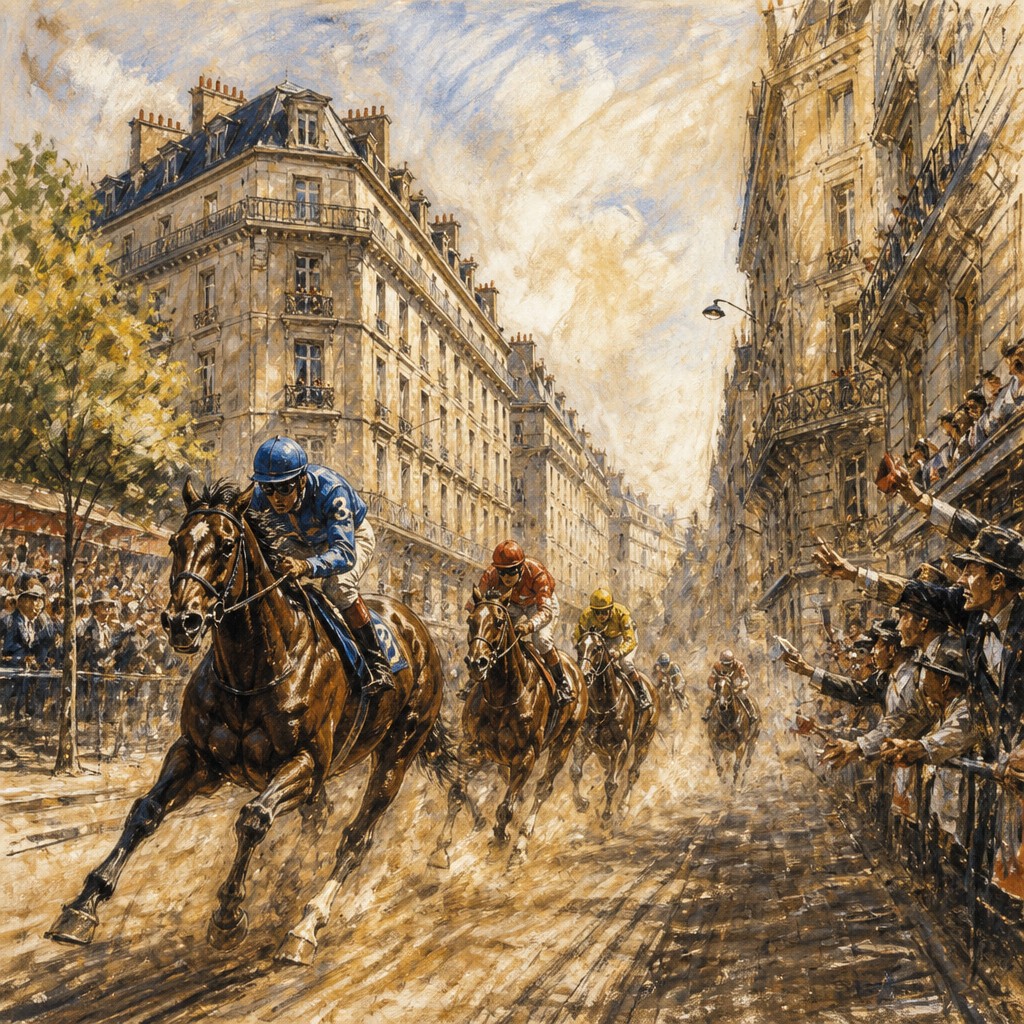

What Defines Sporting Art Style
The signature details, up close
Mid-action composition
Figures are captured at moments of maximum extension, impact or imbalance: a runner drives forward, a rider rises from the saddle or a rower pulls against the water. Cropped bodies and diagonal arrangements intensify the sense of movement.
Vigorous brushwork
Visible, directional strokes follow the movement of limbs, horses, wheels, water or dust. Edges may dissolve into energetic marks rather than remaining uniformly outlined.
Muscular figure drawing
Anatomy, posture and weight distribution are central to the image. Tensed shoulders, bent knees, gripping hands and compressed torsos communicate exertion even when facial details are minimal.
Atmospheric crowds
Spectators are often rendered as grouped shapes, broken color or soft silhouettes instead of individually described portraits. Their density and directional gaze amplify the drama of the event.
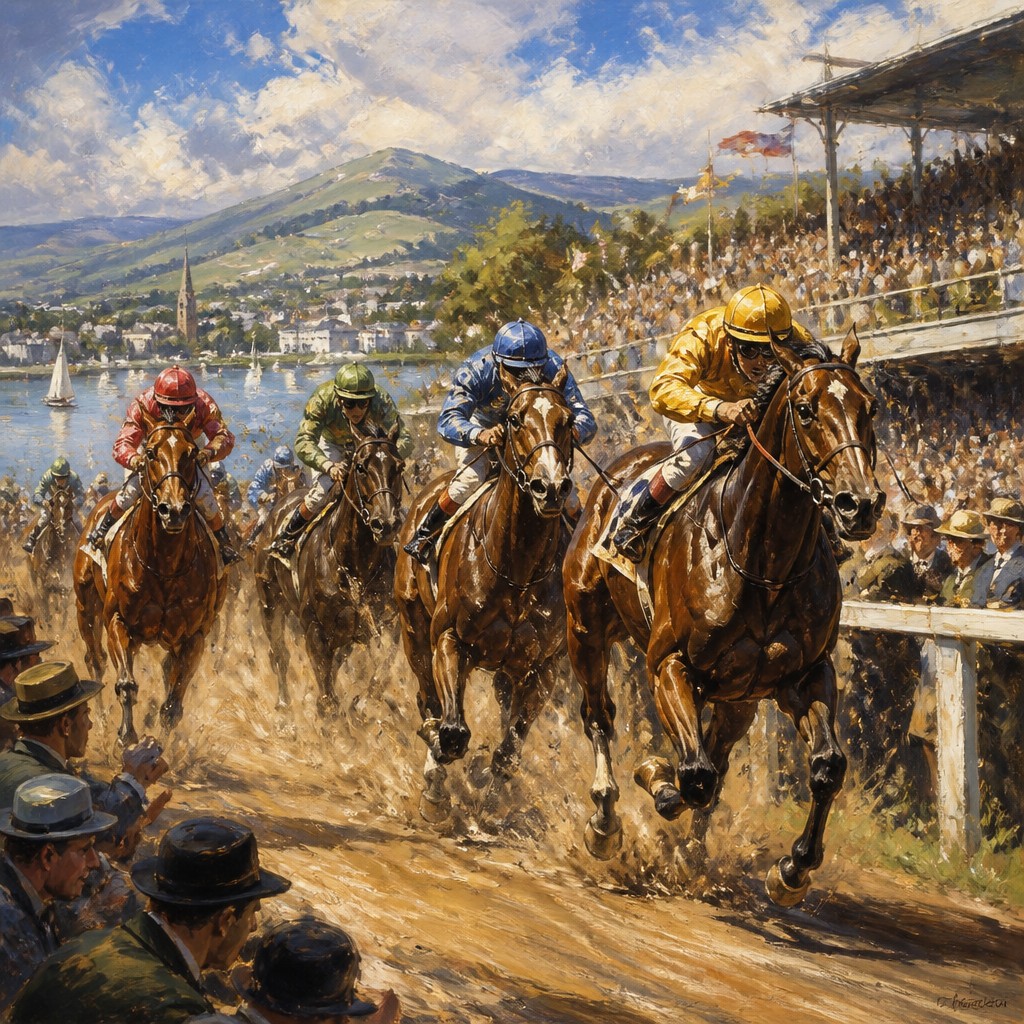
Dust, spray and sweat
Environmental particles make motion visible and add physical immediacy. Dust clouds, splashing water, damp clothing and sharp glints of perspiration also provide contrast against darker masses.
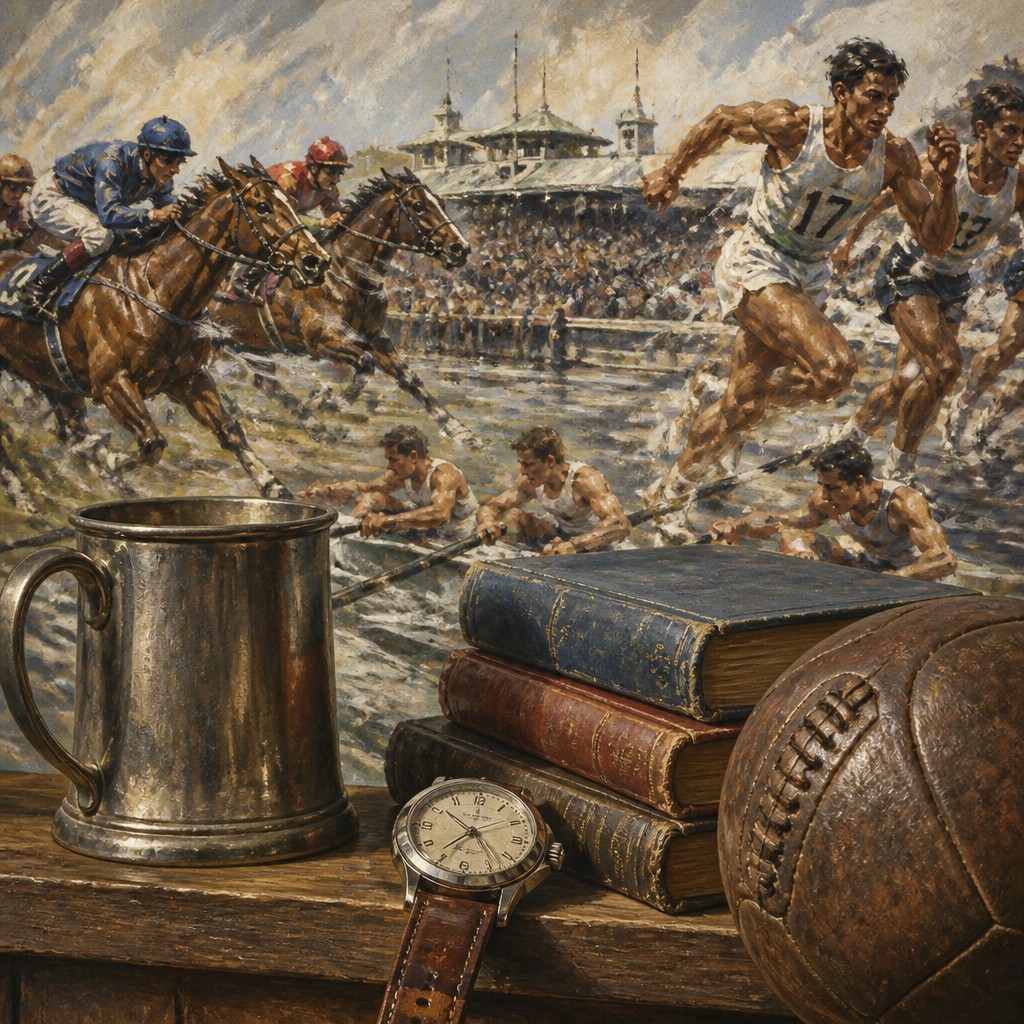
Dramatic light and color
Strong sunlight, floodlights or reflected water create bold highlights across bodies and equipment. Earth colors, vivid team accents and compressed shadows can organize the scene into clear visual rhythms.
Try It
Create Videos in Sporting Art Style
Styles aren't just for stills — describe a scene or animate an image and get a short video rendered in Sporting. Press play to see this pond come to life.
Make a VideoSporting Prompt Ideas
Start from an idea — each one opens the generator with the style ready to go. See all 40 Sporting prompts →
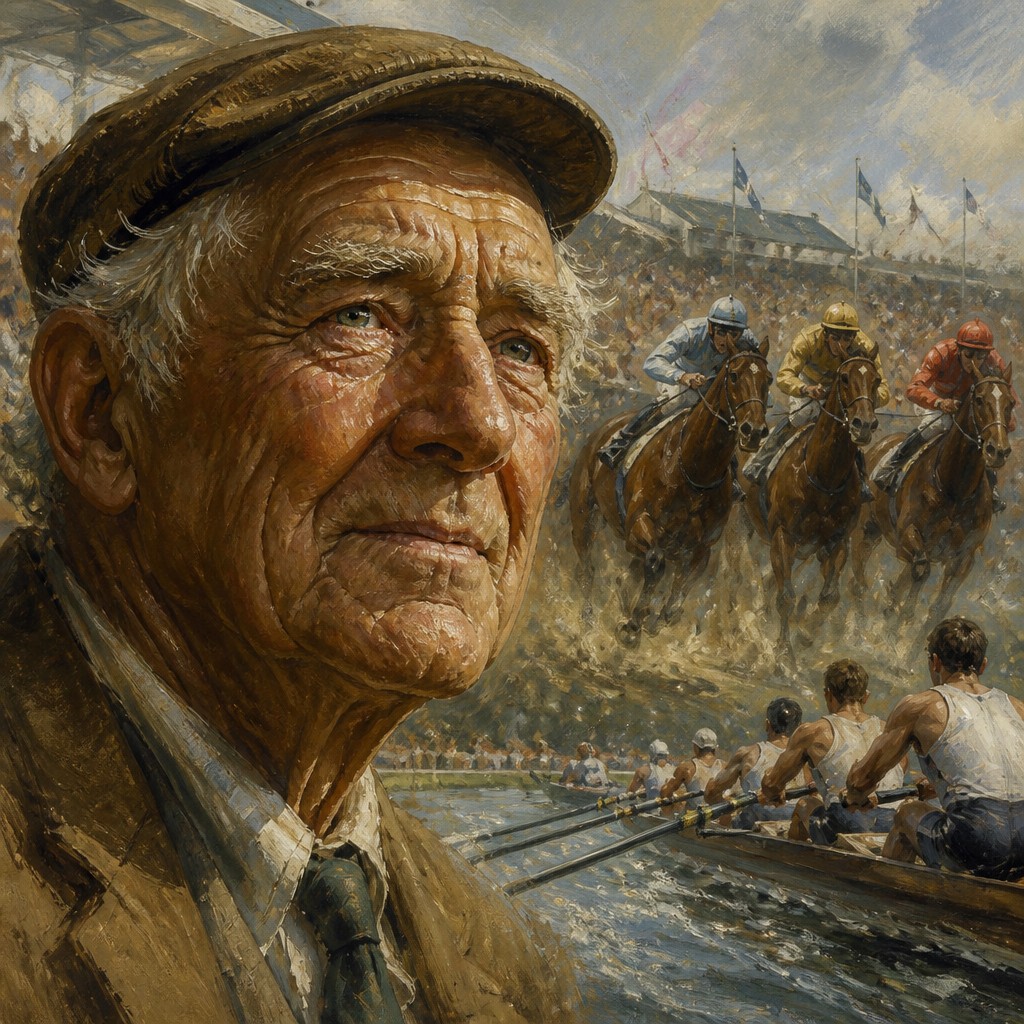
“close-up portrait of an elderly person with expressive weathered features”
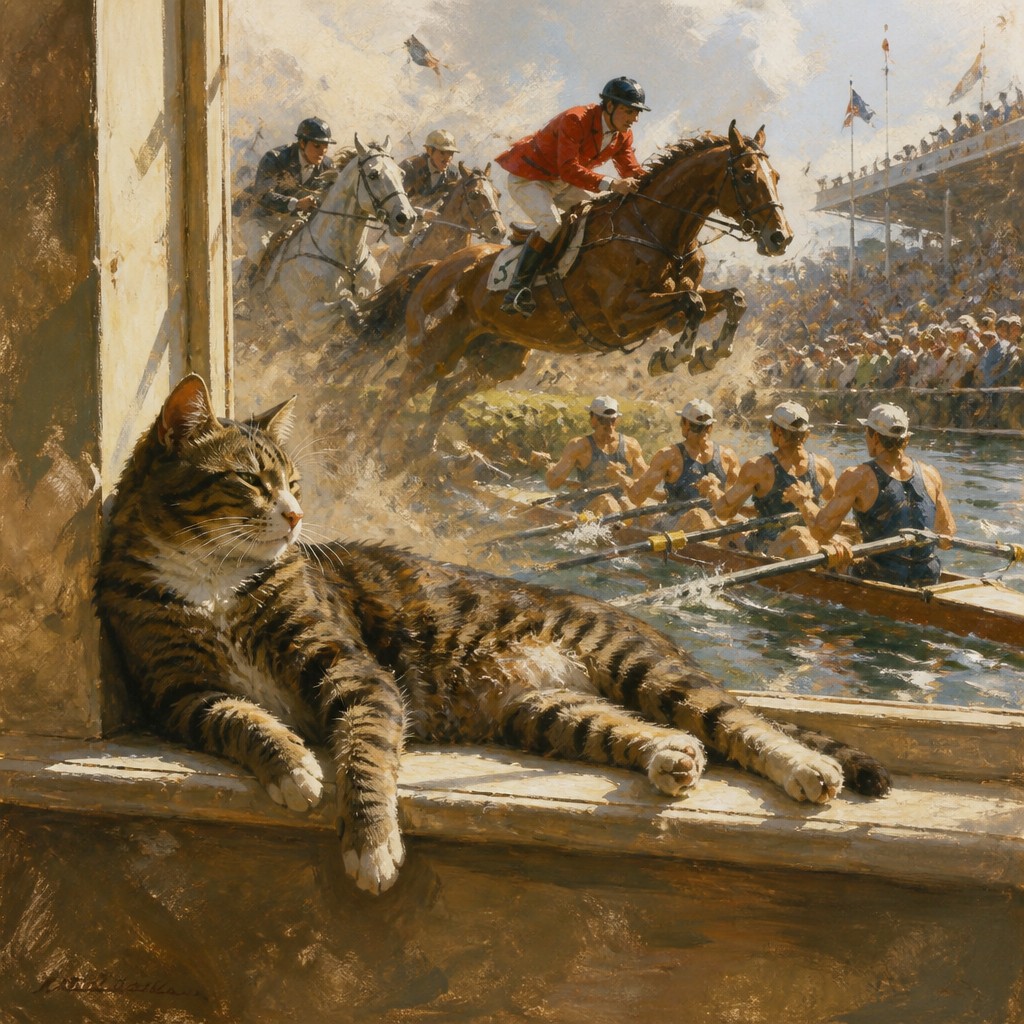
“a cat lounging in a sunlit window”
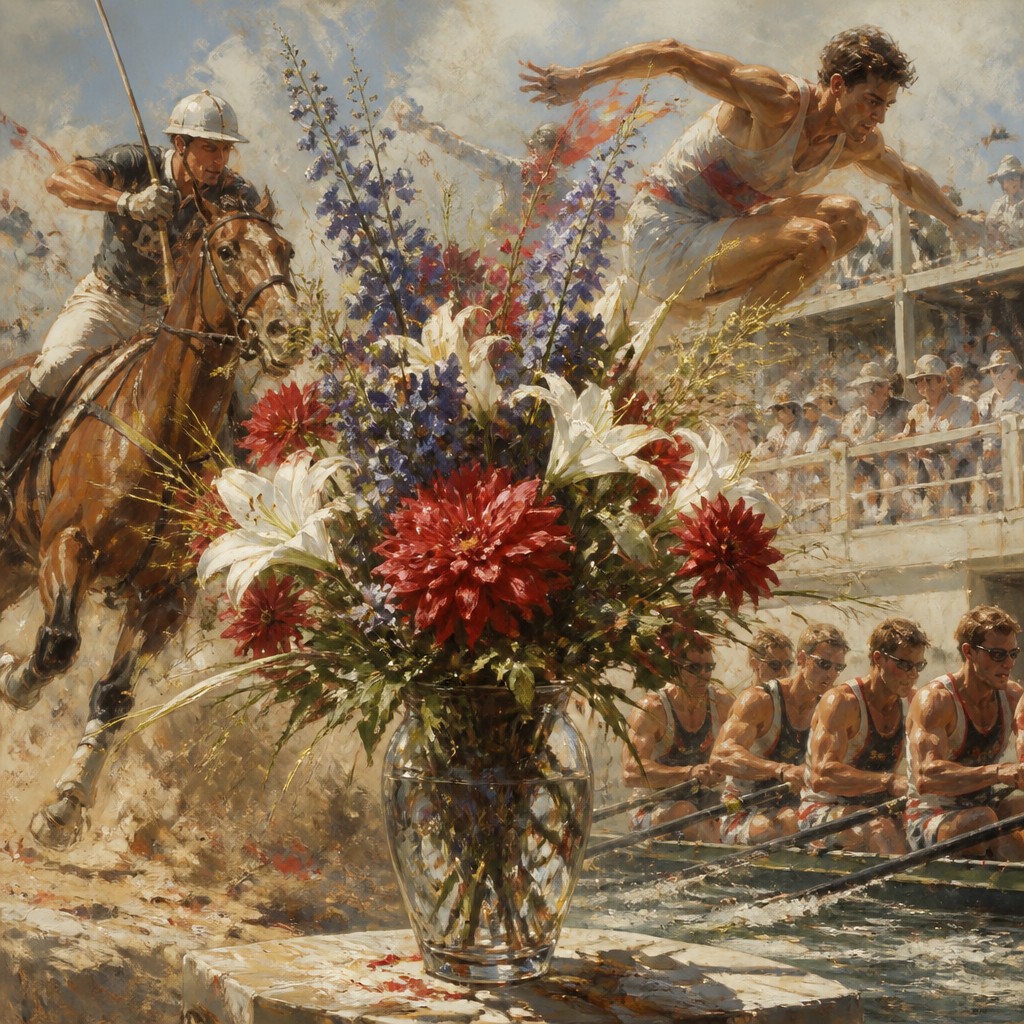
“bouquet of flowers in a glass vase”
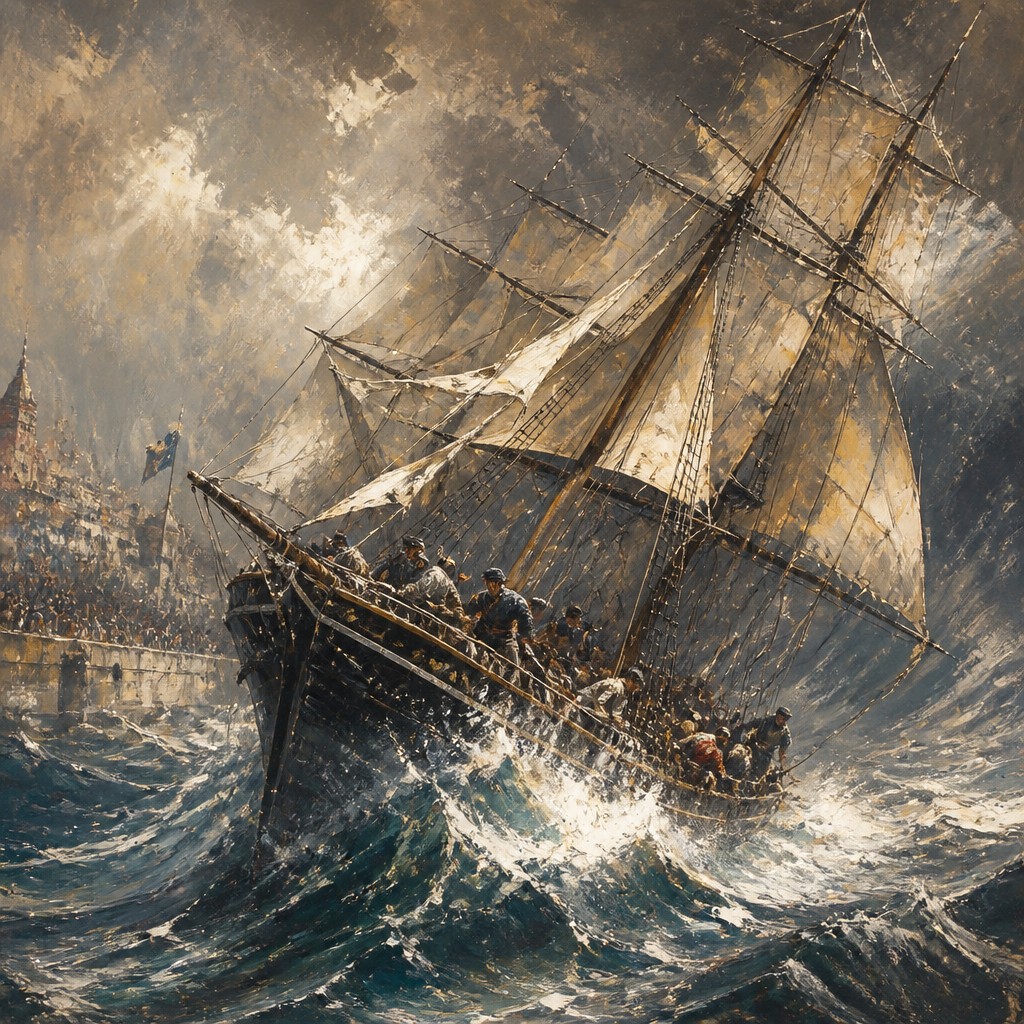
“sailing ship on a stormy sea”
How to Create Sporting Art
Master the craft step by step — or skip straight to creating. Read the full guide →
- 1
Start with the gesture
Sketch the action line, center of gravity and major diagonals before adding clothing or equipment. A quick sequence of thumbnail poses helps preserve momentum and avoids stiff anatomy.
- 2
Use directional marks
In paint, vary brush size and drag strokes along the direction of travel; in digital work, use textured brushes and selective motion blur rather than blurring the whole image. Keep faces and key contact points sharper than the surrounding movement.
- 3
Build the atmosphere in layers
Establish the crowd and venue as broad value and color masses, then add dust, spray, glare or haze over parts of the action. Reserve fine detail for the athlete, animal, tool or moment that carries the narrative.
- 4
Balance observation with exaggeration
Study real sports references for anatomy, posture, gear and physics, but strengthen the pose, crop and tonal contrast to make the action legible. Slightly elongated diagonals or intensified lighting can heighten drama without losing plausibility.
- 5
Write focused generation prompts
Specify the sport, decisive action, camera angle, setting, crowd density, lighting and surface treatment. Useful terms include muscular gesture, directional brushwork, dust haze, broken edges, painterly motion and selective sharpness; add exclusions if you want to avoid logos, extra limbs or frozen poses.
The Story
History & Origins of Sporting
Sporting art is best understood as a broad subject-based tradition rather than a single historical movement with a fixed manifesto. Its roots lie in European hunting, equestrian and military imagery, where artists studied horses, riders, anatomy and controlled movement. During the nineteenth century, the growth of organized racing, rowing, football and other public sports created new visual subjects and brought arenas, grandstands and spectators into the composition.
Modern Sporting Art Style draws on several later developments, including Impressionist interest in transient light and crowds, realist observation of anatomy and equipment, poster design's simplified impact, and action-oriented twentieth-century painting. The contemporary version is a flexible synthesis rather than a period style, adapting traditional oil-paint effects, reportage illustration and digital motion treatment to both historical and modern sports.
Influences: The style is related to European equestrian and hunting painting, nineteenth-century realism, Impressionist treatments of outdoor light and crowds, plein-air observation, sports illustration and visual reportage. It also borrows from poster design through strong silhouettes and readable compositions, from action-oriented modern painting through gestural marks, and from photography through cropped framing, decisive instants and implied motion.

Frequently Asked Questions
What defines Sporting Art Style?
It defines sport through movement, exertion and spectacle rather than through a static portrait of an athlete. Dynamic poses, muscular anatomy, directional brushwork, atmospheric crowds and dramatic light are its most recognizable features.
Is Sporting Art Style a historical art movement?
No. Sporting art is a broad subject tradition, while this named style is a contemporary synthesis of several visual approaches. It draws on equestrian painting, sports illustration, realism, Impressionist atmosphere and expressive modern brushwork.
How does it differ from realistic sports photography?
Photography records a particular instant with optical detail, whereas Sporting Art Style can compress several sensations into one image. Brushwork, color exaggeration, softened crowds and added dust or light make speed and emotion more palpable.
What subjects work best with this style?
Racing, football, athletics, rowing, cycling, polo, horse shows and other activities with clear gestures and directional movement work especially well. Scenes with spectators, weather, dust or water provide additional atmospheric material.
Can I create it with traditional materials?
Yes. Oil, acrylic, gouache, charcoal and mixed media all suit the style. Begin with a gestural drawing, establish large moving shapes, then combine sharper anatomical passages with loose marks and atmospheric overlays.
How should I describe it in an image prompt?
Name the sport and action first, then specify viewpoint, venue, crowd, lighting and surface qualities. Phrases such as vigorous painterly brushwork, muscular figure drawing, dust haze, selective motion blur and dramatic stadium atmosphere help communicate the intended result.
Create your first Sporting artwork
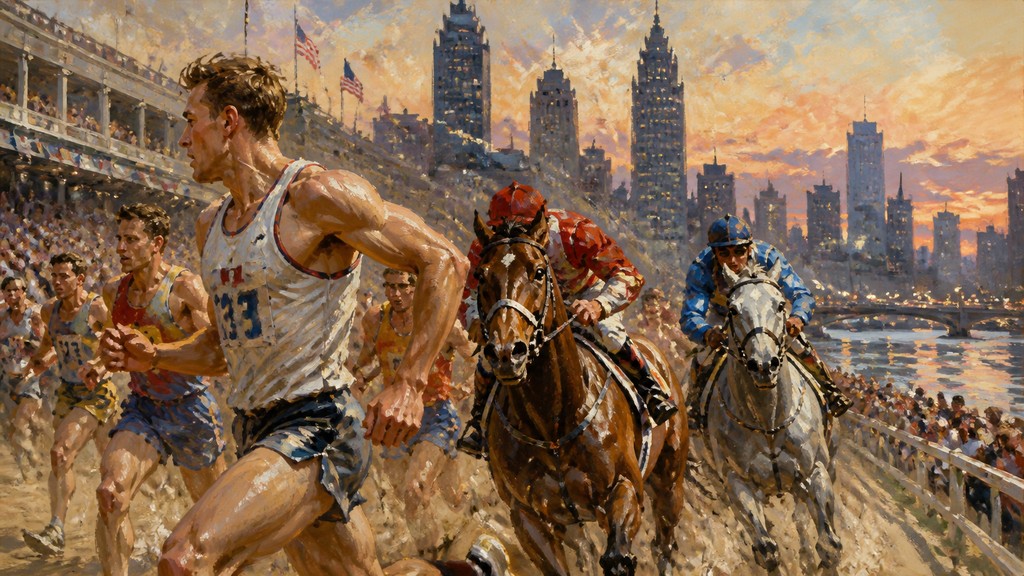
Describe anything — or upload a photo — and see it in Sporting Art Style in seconds.
Related Styles
Discover similar art styles