European Comic Art (Ligne Claire)
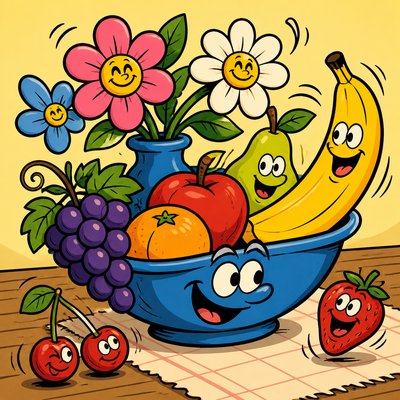
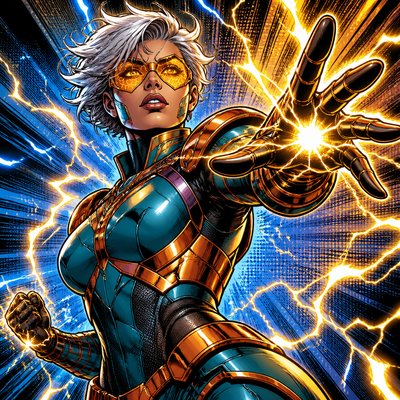
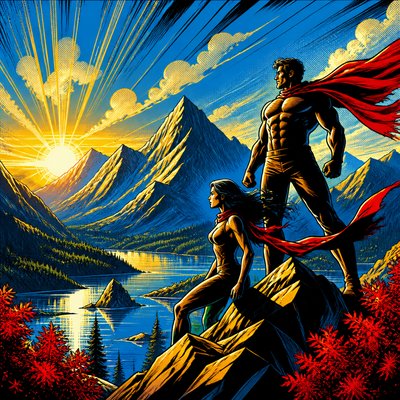
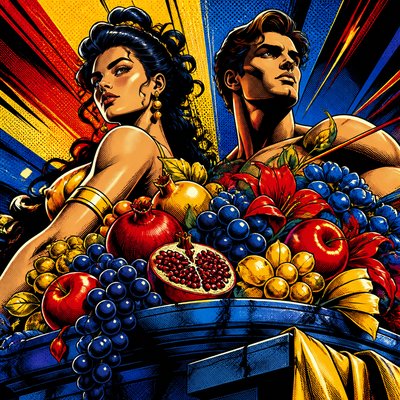
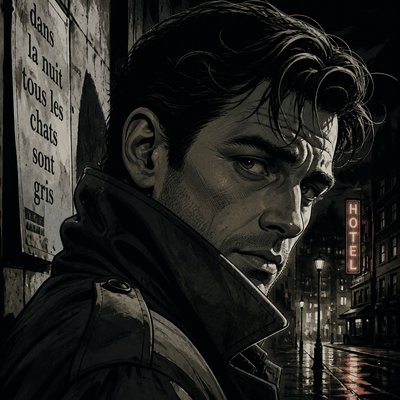
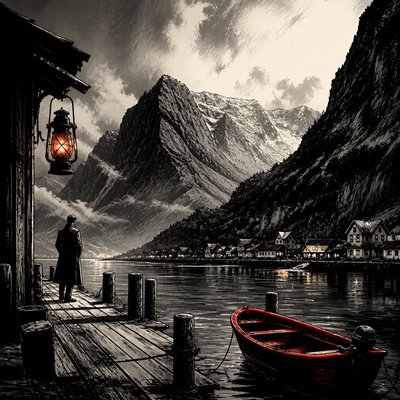
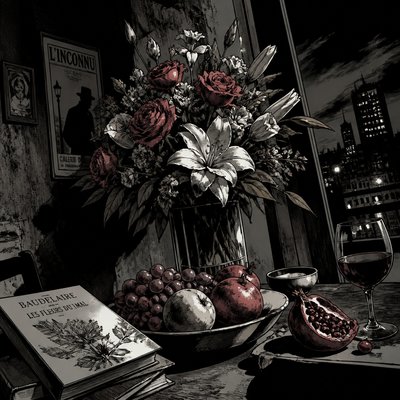
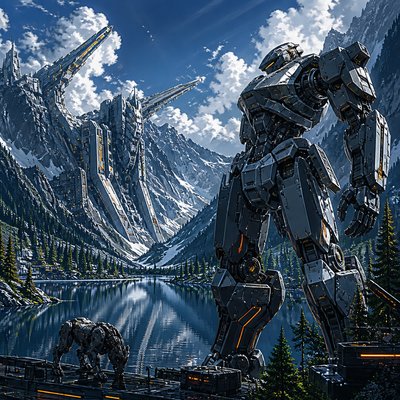
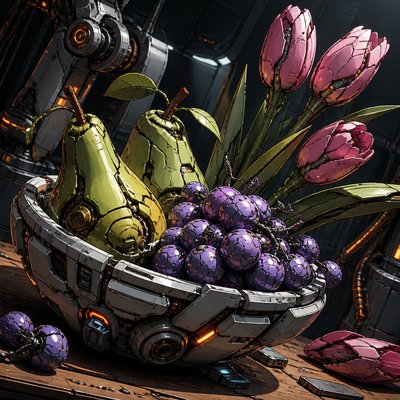
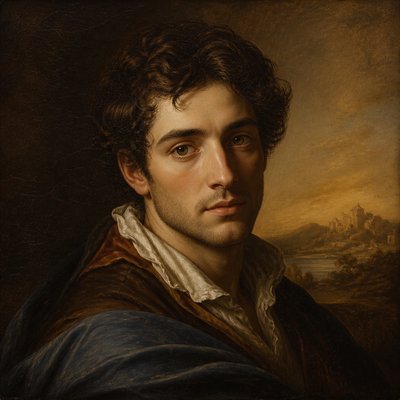
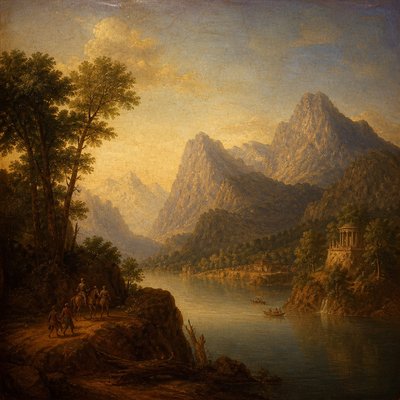
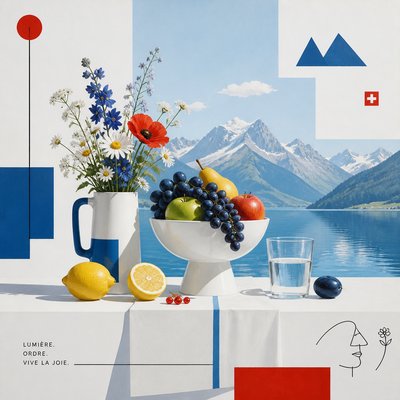
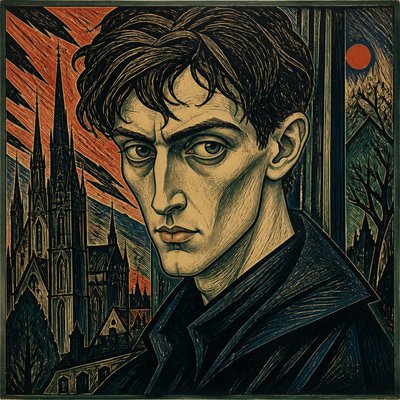
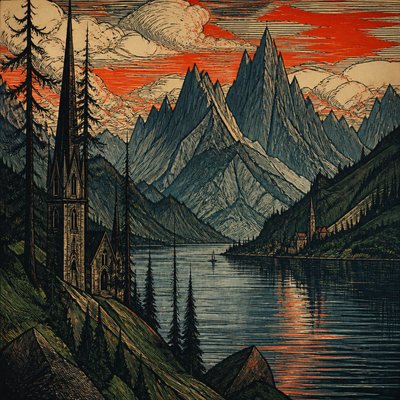
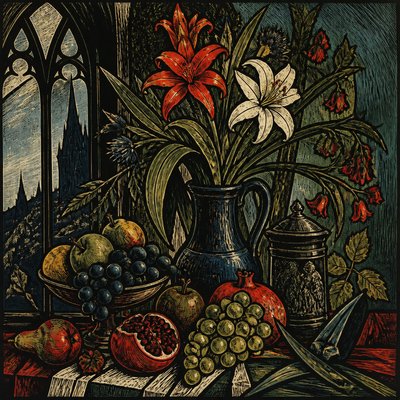
Clean-line Franco-Belgian comic style with precise outlines, flat color, detailed backgrounds, and crisp, readable storytelling.
Instantly rendered in European Comic Art (Ligne Claire) — or transform a photo

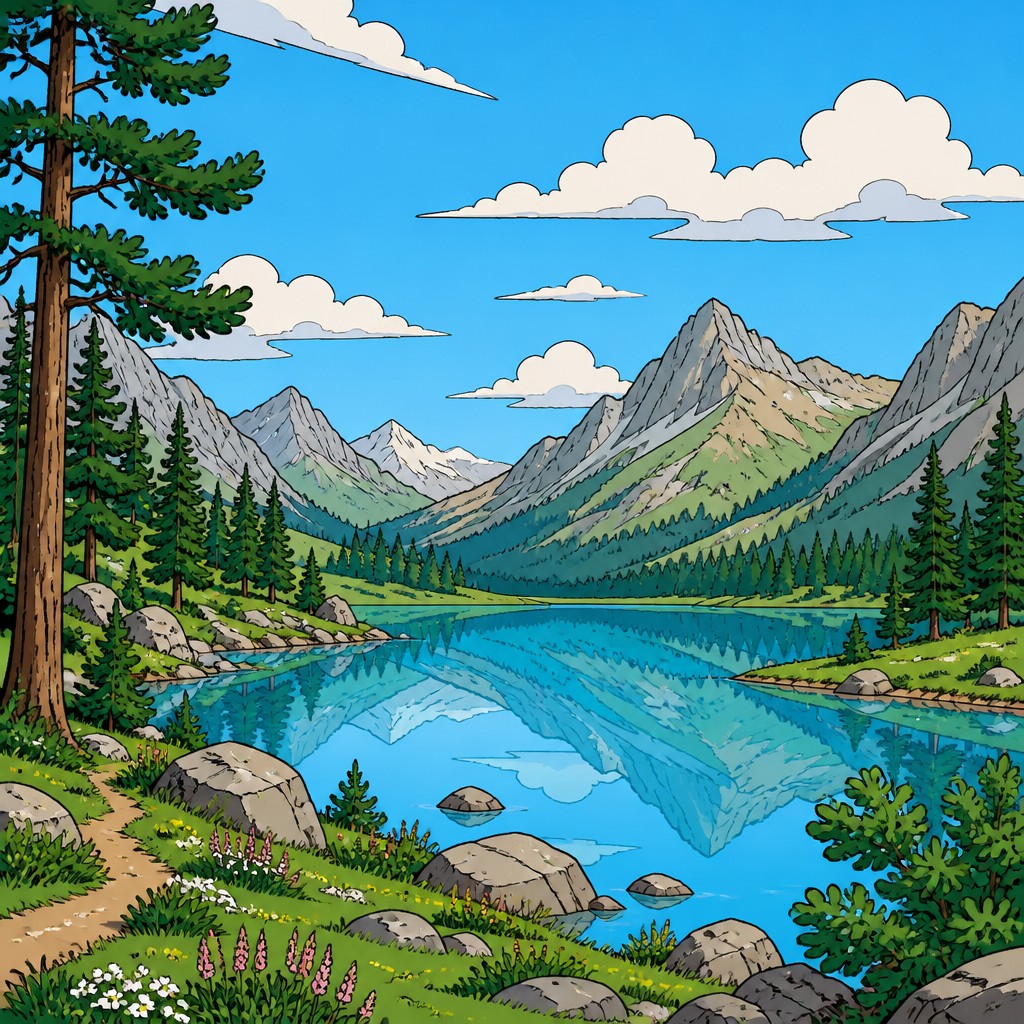
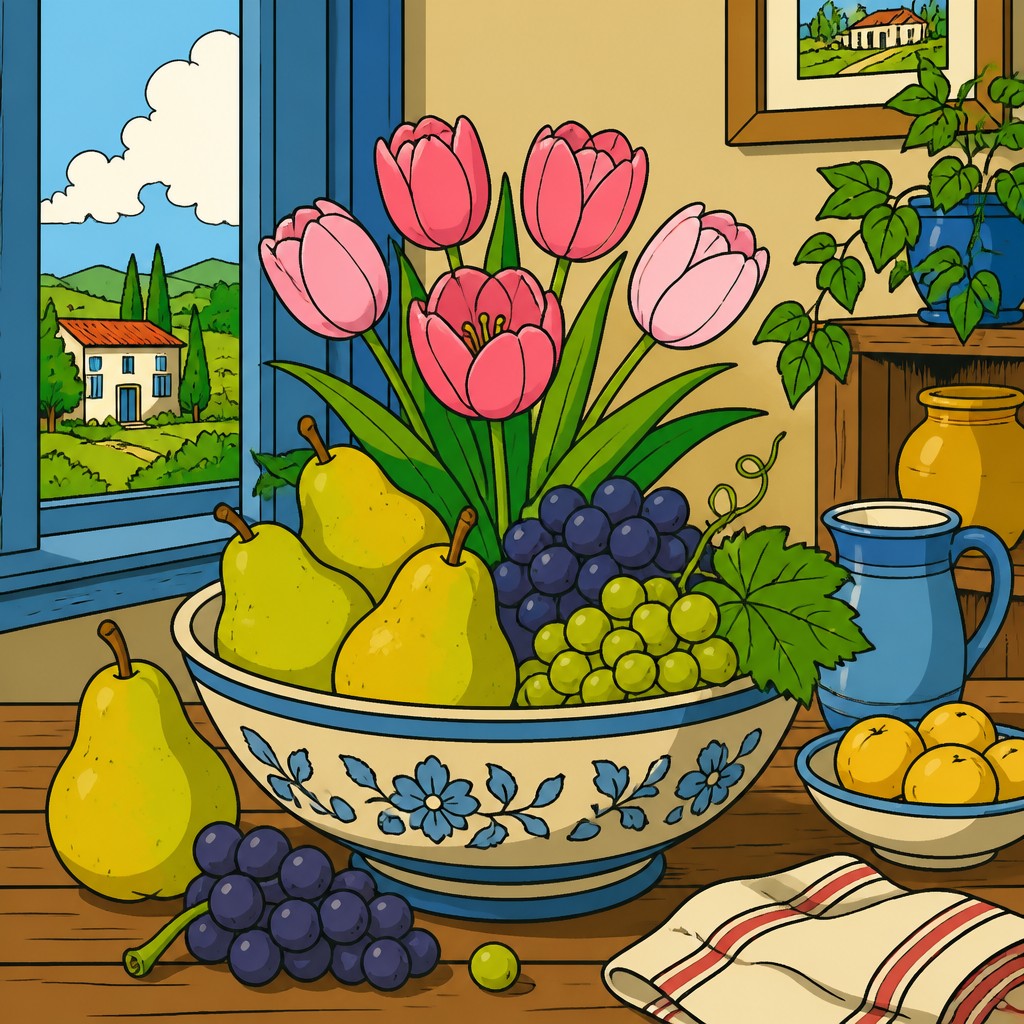
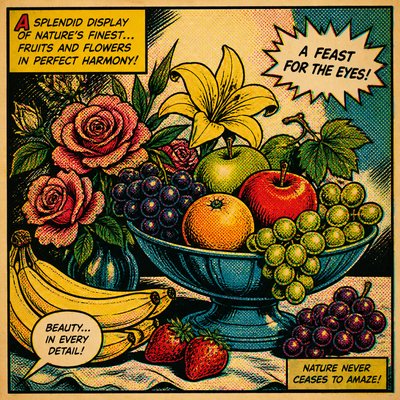
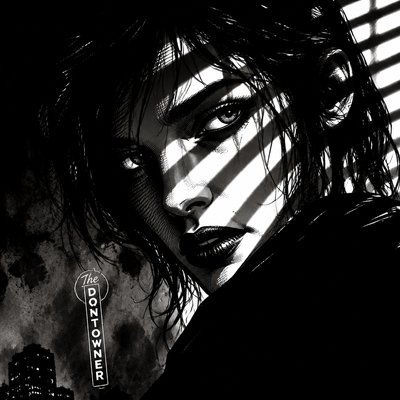
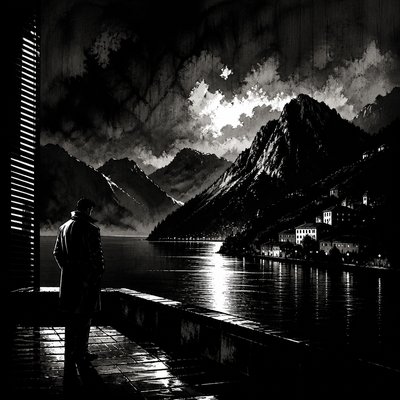
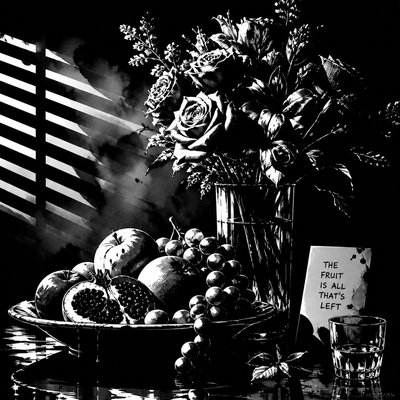
European Comic Art (Ligne Claire) Gallery
Tap any artwork to explore it

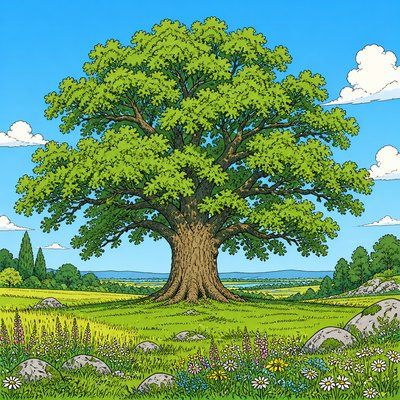
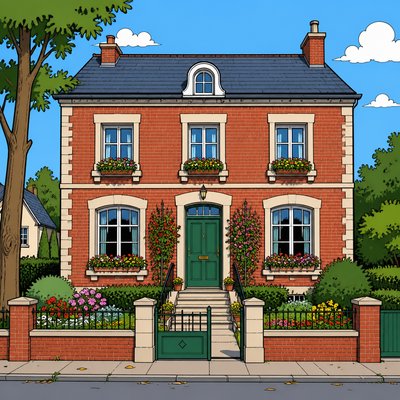
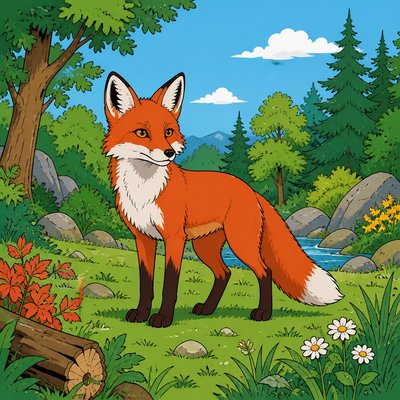
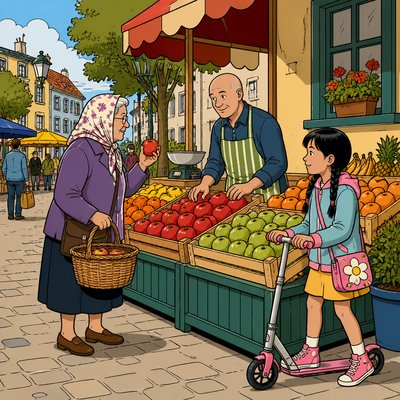
What is European Comic Art (Ligne Claire)?
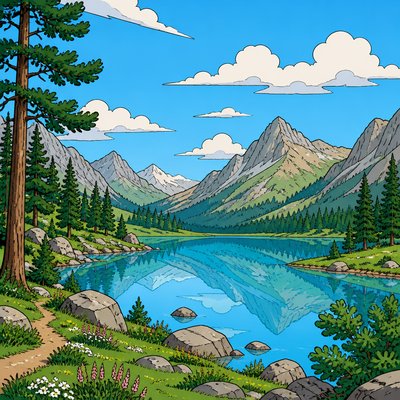
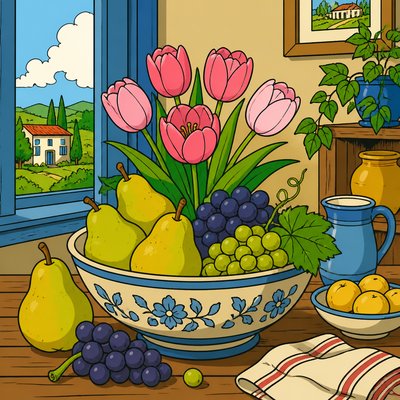
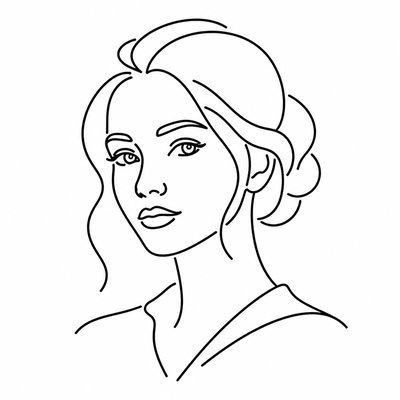
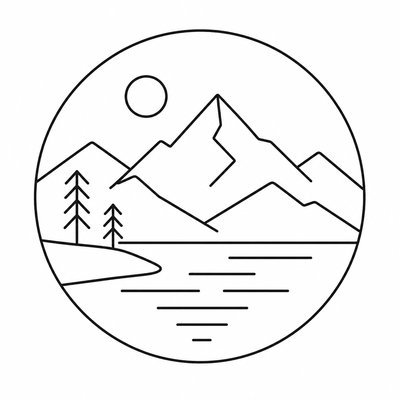
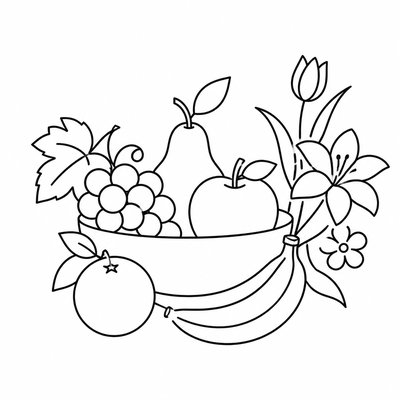
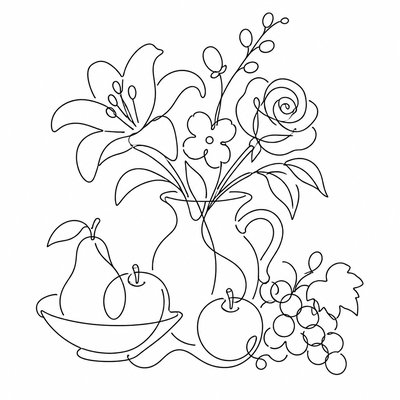
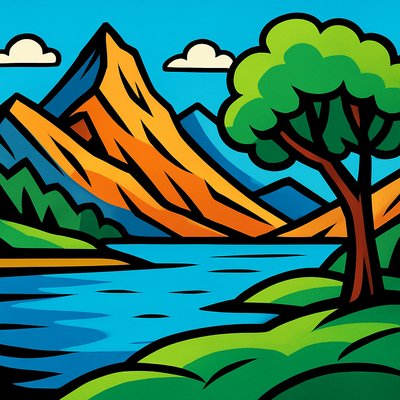
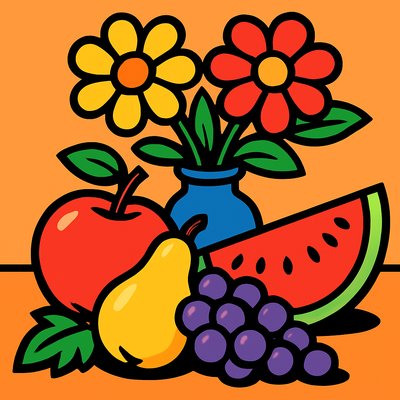
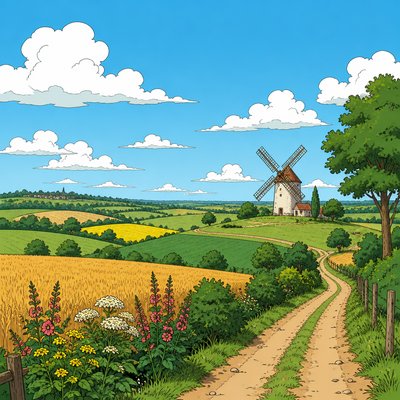
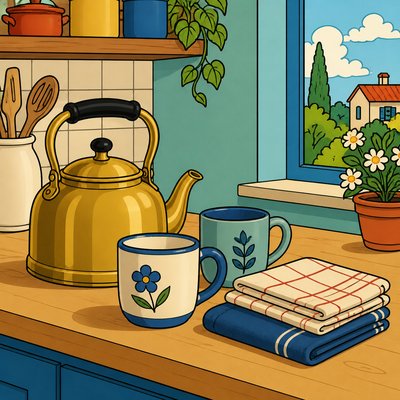
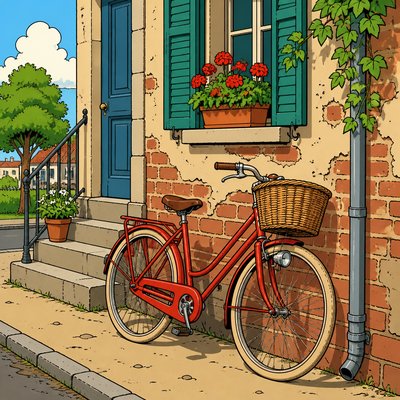
European comic art, especially the Franco-Belgian ligne claire tradition, is a clean-line illustration style built around precise contours, flat color areas, and highly legible compositions. It favors clarity over painterly texture: objects are outlined with even line weight, shadows are minimized, and each form is described with carefully controlled edges so the image reads instantly.
The style is closely associated with classic bande dessinée storytelling, where backgrounds are often richly observed but never visually cluttered. Figures, architecture, vehicles, and props are rendered with meticulous attention to detail, yet the overall page or image remains airy and orderly. This balance of graphic simplicity and documentary precision is what gives the style its recognizable character.
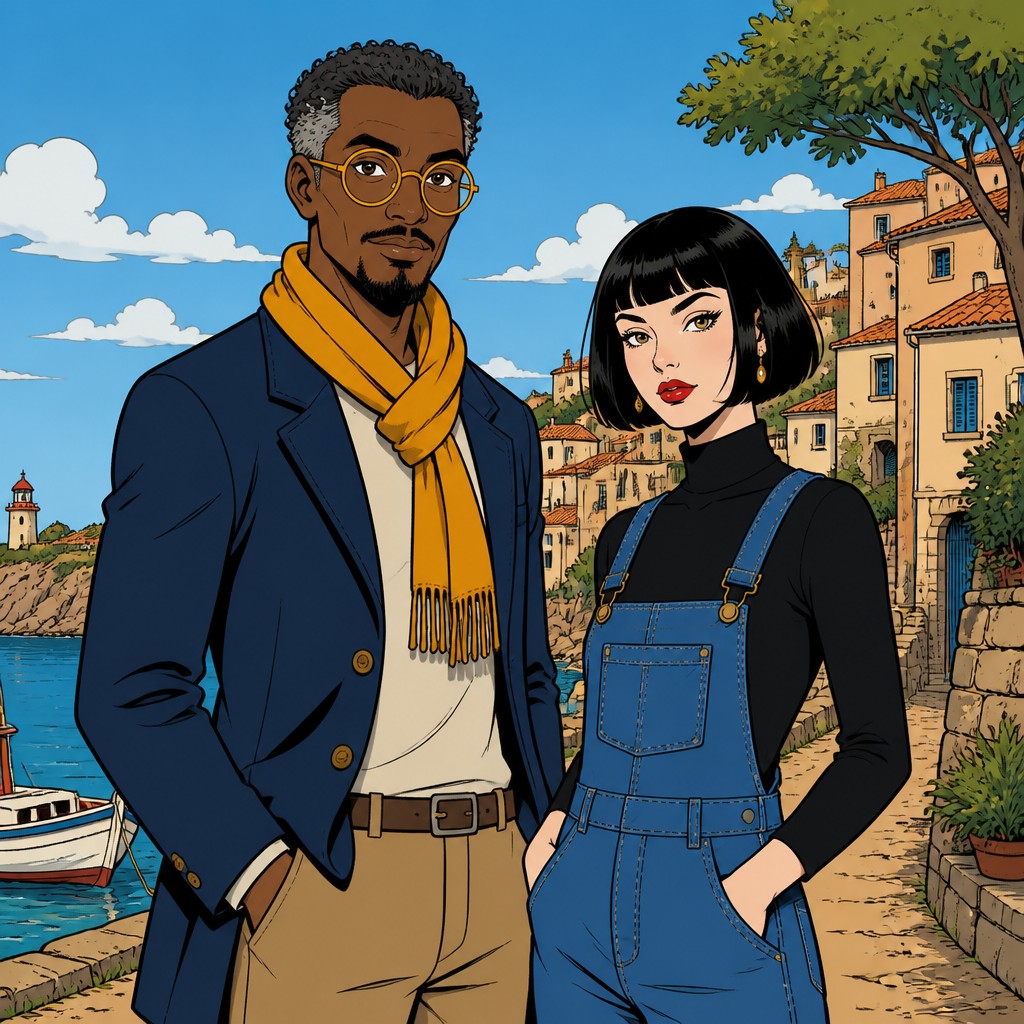
Try It On Your Photos
Upload any photo and convert it into European Comic Art (Ligne Claire) — drag the sliders to compare before and after.
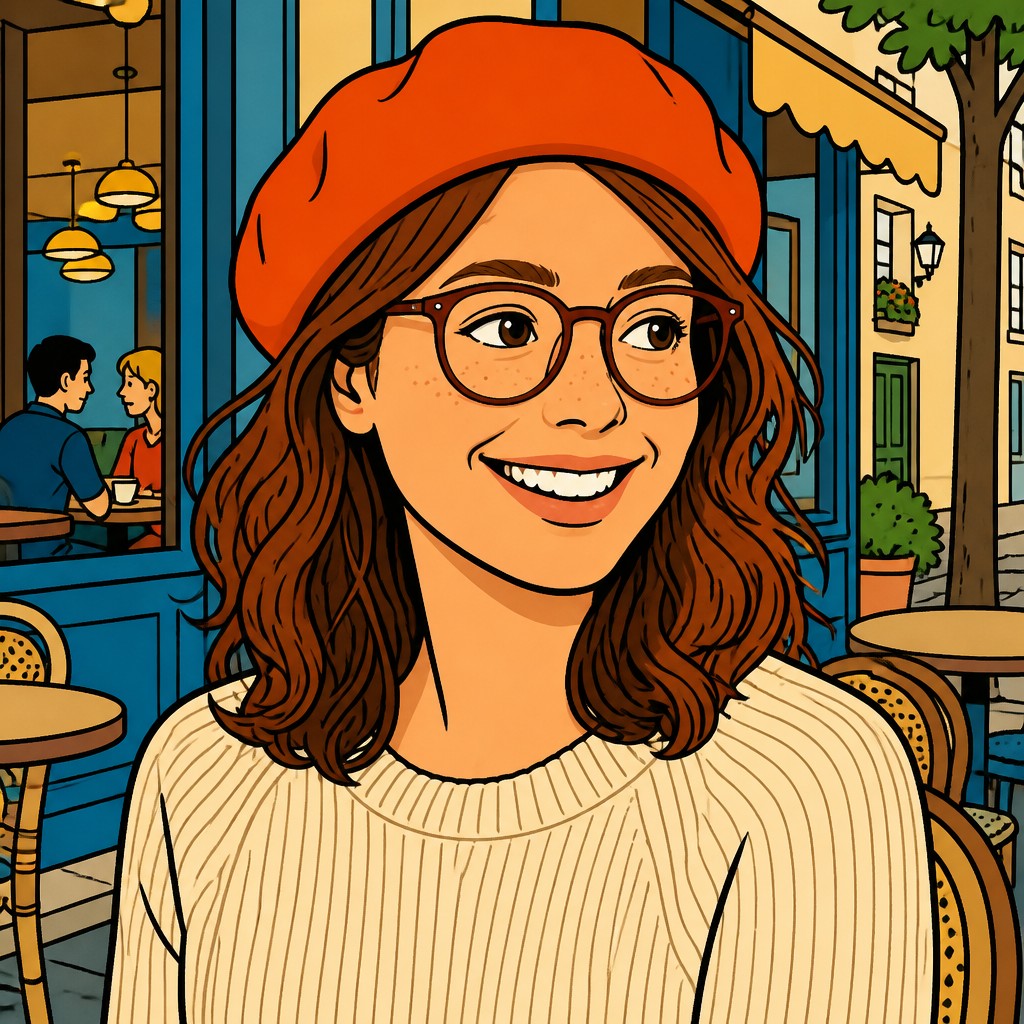

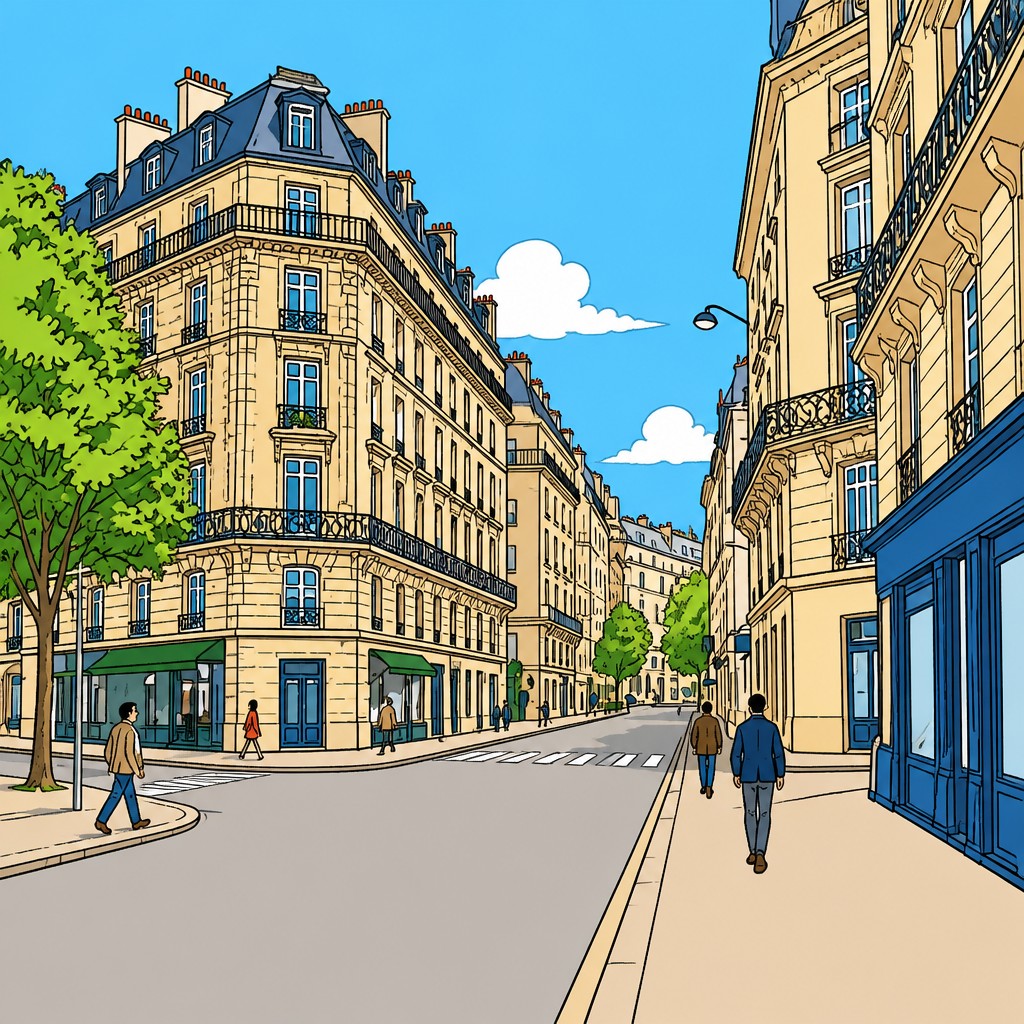

What Defines European Comic Art (Ligne Claire)
The signature details, up close
Uniform contour lines
Forms are outlined with clean, even-weight lines rather than painterly strokes or variable brush texture. These contours create a consistent graphic structure that makes every object easy to read.
Flat, even color
Color is typically applied in smooth, unbroken fields with little blending or tonal modeling. This keeps the image visually crisp and reinforces the comic-page clarity of the style.
Minimal shading
Heavy shadows, cross-hatching, and atmospheric rendering are usually avoided. When shading appears, it is restrained and schematic rather than expressive or dramatic.
Detailed but orderly backgrounds
Settings often include architecture, interiors, machines, signage, and landscape features drawn with documentary attention. Despite the detail, the composition remains controlled and uncluttered.
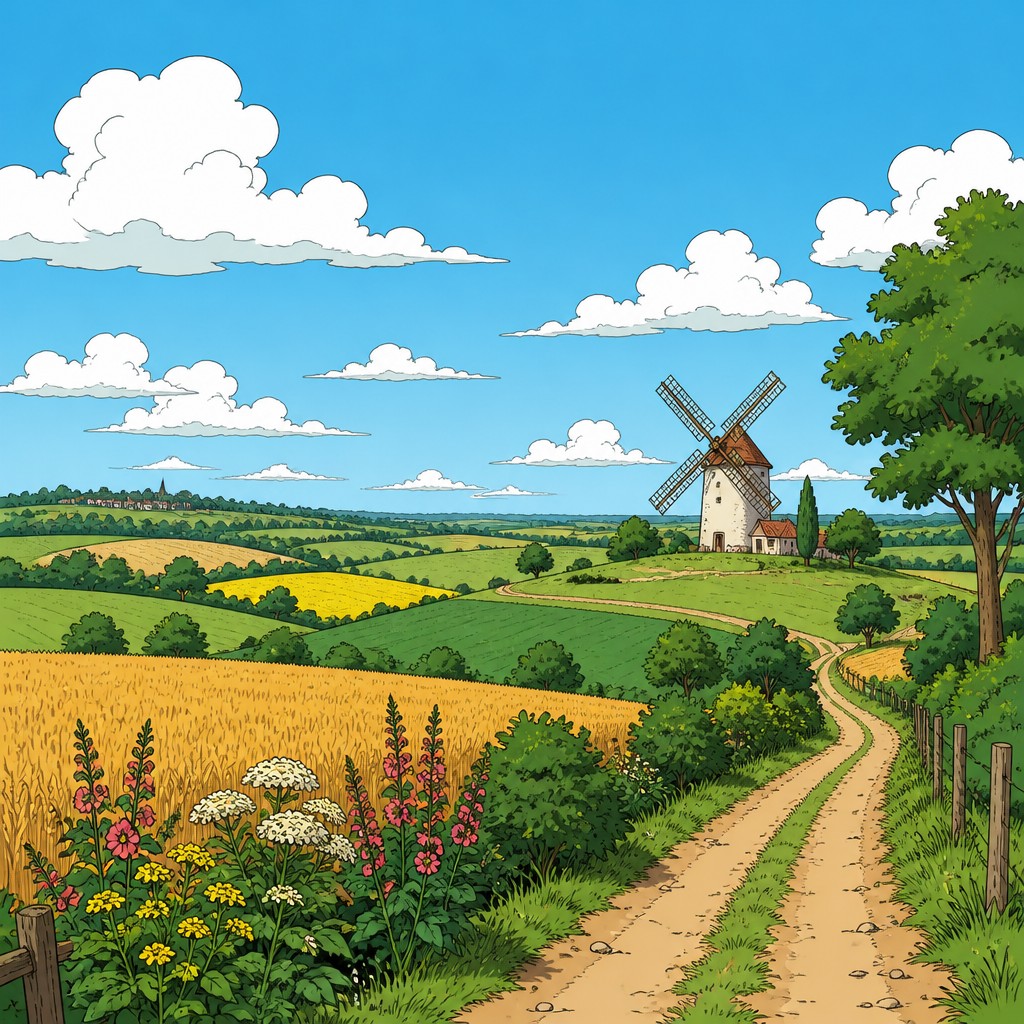
Strong readability
Figures and objects are separated clearly from one another and from the background plane. The result is immediate visual comprehension, especially important for sequential narrative art.
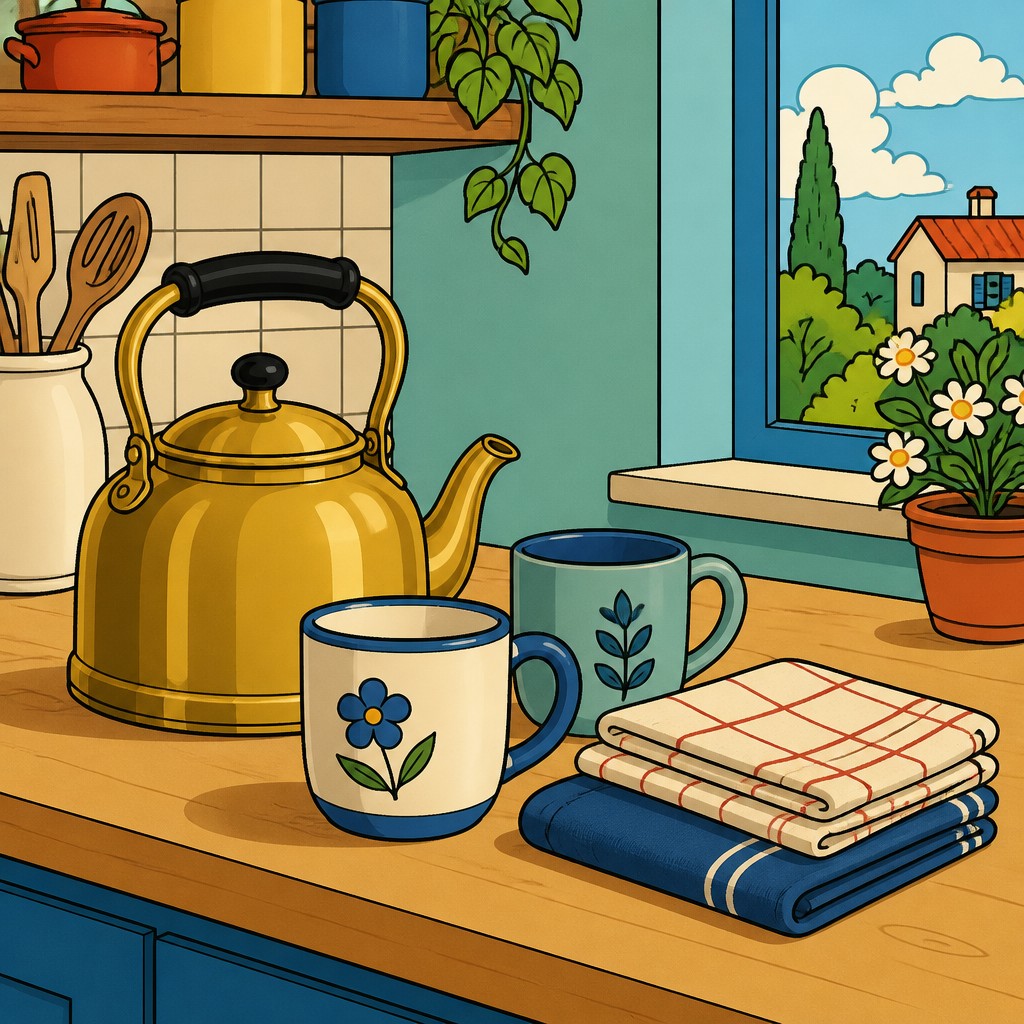
Bright, harmonious palette
Colors tend to be saturated yet balanced, with distinct blocks of hue that support form and storytelling. The palette is usually cheerful, clear, and stable rather than moody or atmospheric.
Try It
Create Videos in European Comic Art (Ligne Claire)
Styles aren't just for stills — describe a scene or animate an image and get a short video rendered in European Comic Art (Ligne Claire). Press play to see this pond come to life.
Make a VideoEuropean Comic Art (Ligne Claire) Prompt Ideas
Start from an idea — each one opens the generator with the style ready to go. See all 40 European Comic Art (Ligne Claire) prompts →
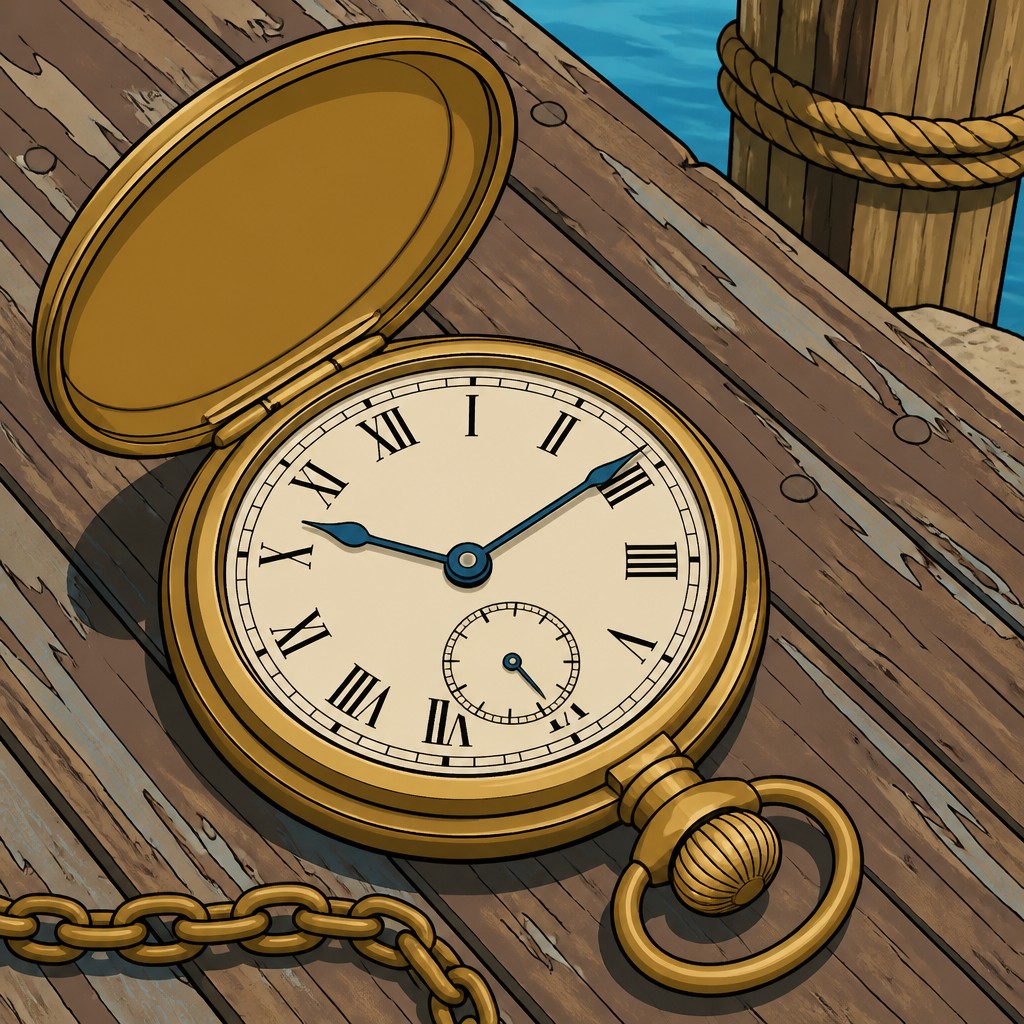
“close-up of an antique brass pocket watch on weathered wood planks, no people”
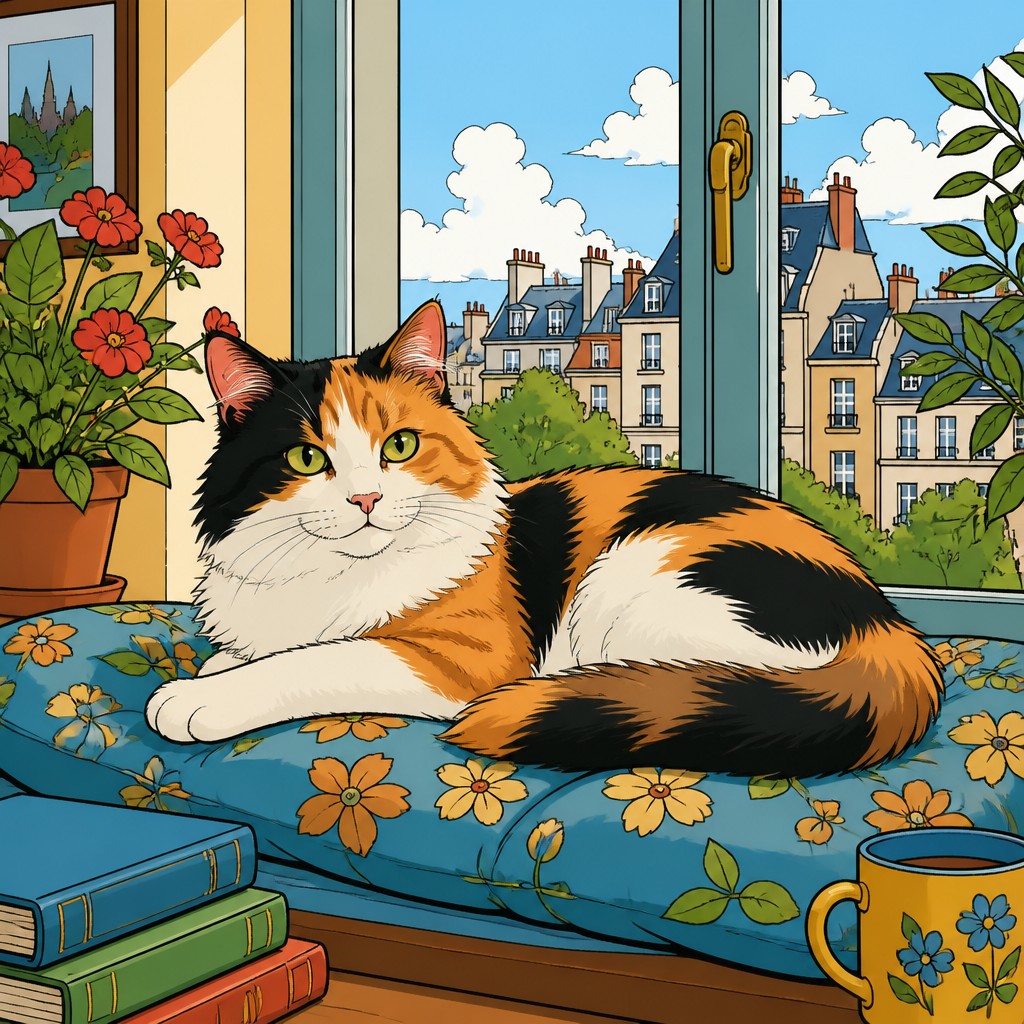
“a fluffy calico cat lounging on a cushion in a sunlit window, no people”
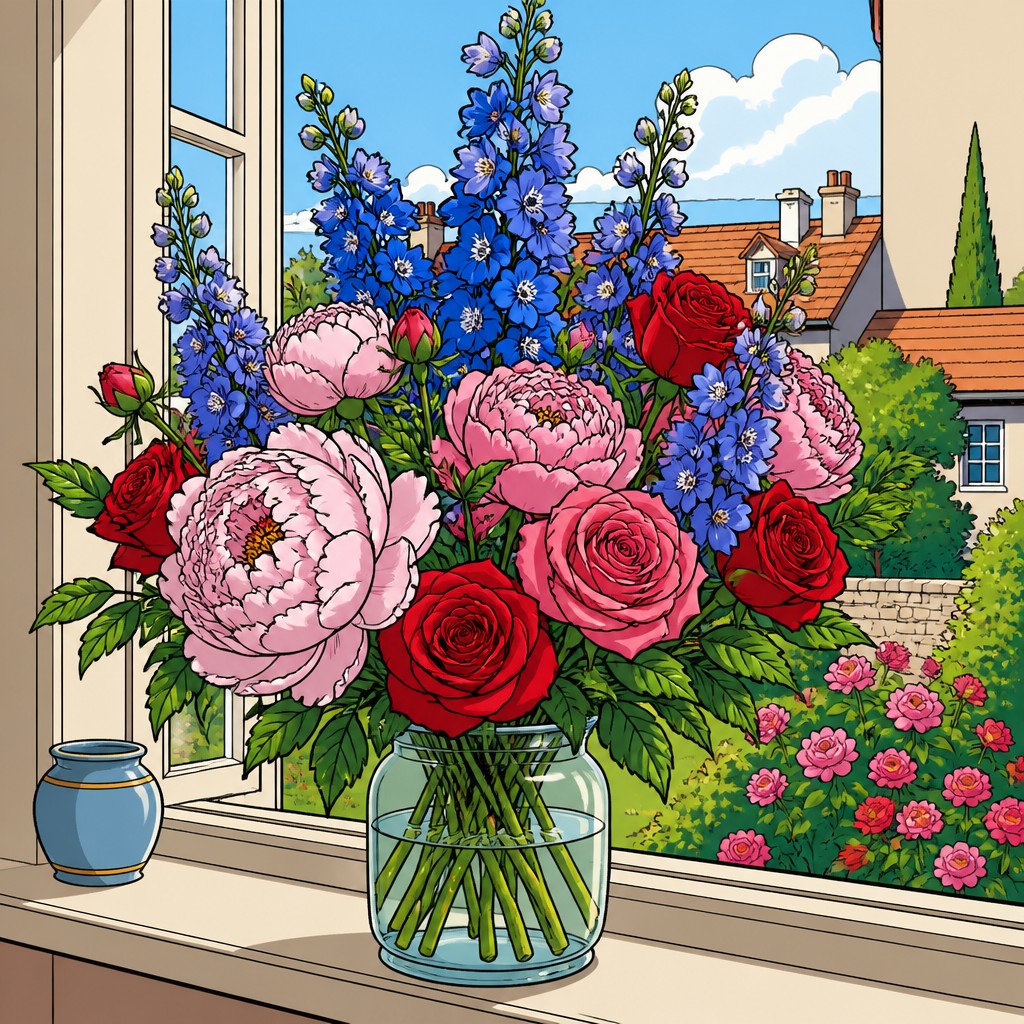
“bouquet of peonies, delphiniums and roses in a clear glass vase on a windowsill, no people”
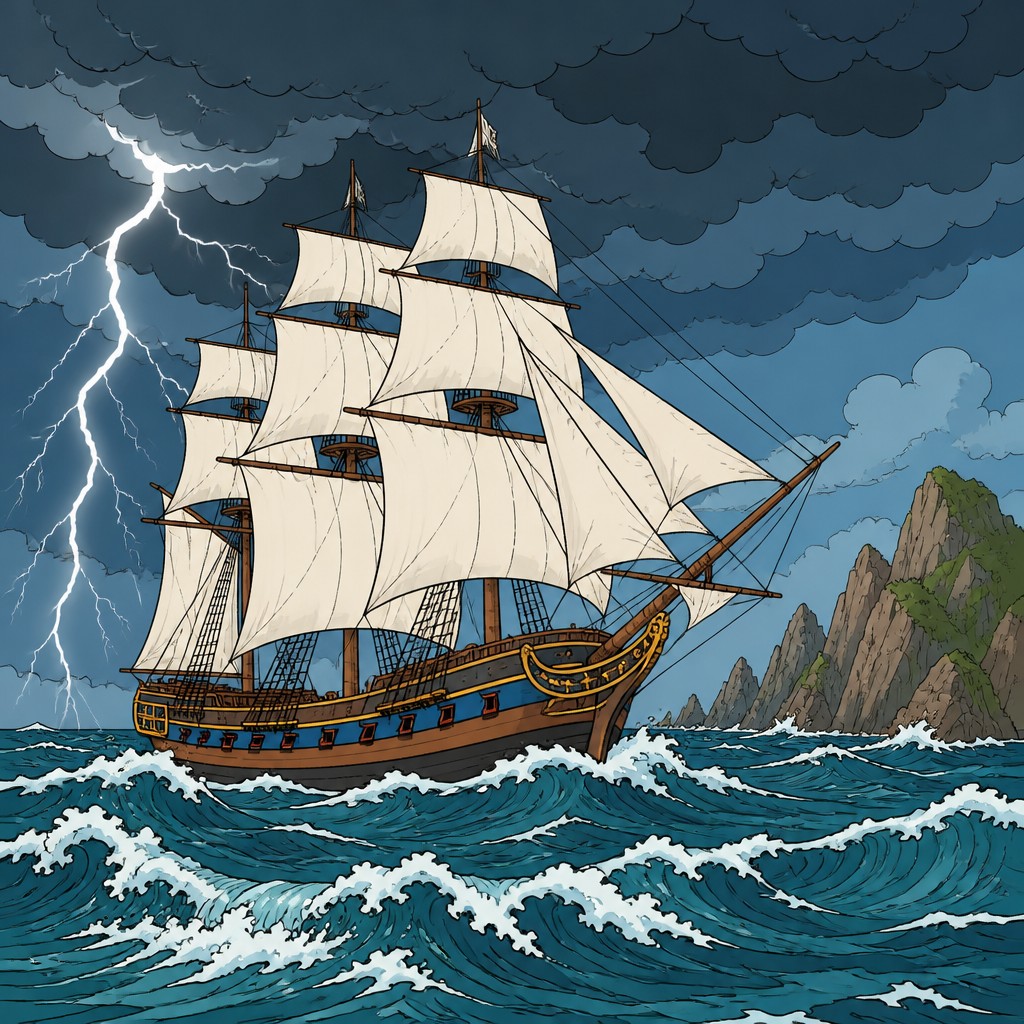
“a three-masted wooden sailing ship with white sails on a stormy sea, no crew visible on deck”
How to Create European Comic Art (Ligne Claire) Art
Master the craft step by step — or skip straight to creating. Read the full guide →
- 1
Draw with disciplined line control
Use a consistent pen, brush pen, or vector line to outline all major forms with similar thickness. Avoid sketchy construction lines in the final image, and make sure each silhouette reads cleanly at a glance.
- 2
Build the scene with clear staging
Compose figures and props so they do not overlap excessively and the action remains easy to understand. Place foreground, midground, and background elements in distinct layers, with careful perspective and tidy spacing.
- 3
Limit tonal effects
Replace heavy shading with flat fills, small accent shadows, or simple color separations. If you need depth, rely on line clarity, perspective, and color contrast rather than atmospheric rendering.
- 4
Render backgrounds precisely
Include enough environmental detail to establish place, such as buildings, vehicles, furniture, or signage, but keep the drawing organized. Think in terms of clean observation rather than loose painterly texture.
- 5
For digital or prompt-based generation, specify clarity
Ask for precise uniform linework, flat color, minimal shading, and equal crisp focus across the whole image. Mention clean readable comic illustration, detailed but uncluttered backgrounds, and a Franco-Belgian bande dessinée look.
The Story
History & Origins of European Comic Art (Ligne Claire)
The ligne claire aesthetic is most strongly associated with Belgian comics of the 20th century, particularly the work of a leading clear-line adventure creator whose albums established a visual language of unmodulated line, flattened color, and exceptional clarity. The approach developed within the broader Franco-Belgian comics tradition of bande dessinée, where strong draftsmanship, readable staging, and sequential storytelling were central values.
While that canonical creator is the best-known figure, the style also connects to mid-century European illustration, poster design, and animated storytelling that prized clean silhouettes and visual legibility. Later artists adapted or echoed its principles, but the style remains defined less by a single school than by a disciplined approach to line, space, and narrative clarity.
Influences: European comic art in the ligne claire mode is most directly linked to the Franco-Belgian bande dessinée tradition and to the classic adventure albums that established a visual language of unmodulated line, flattened color, and exceptional clarity. It also shares affinities with mid-century European illustration, editorial line drawing, and the design logic of poster art, all of which value clarity, silhouette, and readable composition over painterly effects.

Frequently Asked Questions
What defines European comic art in the ligne claire style?
Its defining features are clean, uniform outlines, flat color areas, minimal shading, and highly legible compositions. The style prioritizes narrative clarity and visual order, so every figure and object reads distinctly.
How is it different from American comic-book art?
Compared with many American comic-book styles, ligne claire usually has less dramatic lighting, less brushy texture, and less emphasis on expressive shadow. It tends to be flatter, cleaner, and more architectural in its clarity.
How is it different from anime or manga?
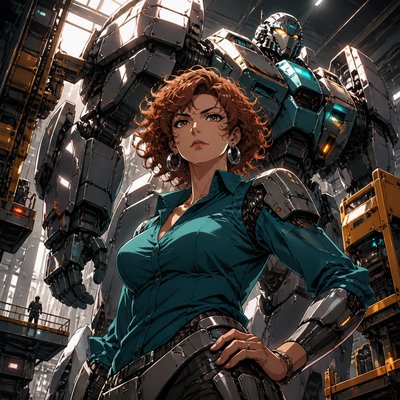
It can share clarity and simplified forms with some manga, but it usually uses a more controlled European drafting tradition and more detailed environmental rendering. Manga often relies more on dynamic paneling and expressive line variation, while ligne claire emphasizes evenness and balance.
What subjects work well in this style?
Urban scenes, adventures, travel, detective stories, architecture, vehicles, and carefully observed interiors all suit it well. Subjects benefit from the style’s ability to combine strong storytelling with precise environmental detail.
How can I make my artwork look more like this style?
Use clean, consistent outlines, keep colors flat, and reduce heavy shading. Build your scene with careful perspective and make sure the background remains detailed but easy to read.
Where is this style commonly used?
It is common in Franco-Belgian comics, graphic novels, adventure illustrations, and design-conscious editorial art. Its clarity also makes it effective for storyboards, travel scenes, and visually organized sequential work.

Create your first European Comic Art (Ligne Claire) artwork
Describe anything — or upload a photo — and see it in European Comic Art (Ligne Claire) in seconds.
Make Something with European Comic Art (Ligne Claire)
Related Styles
Discover similar art styles