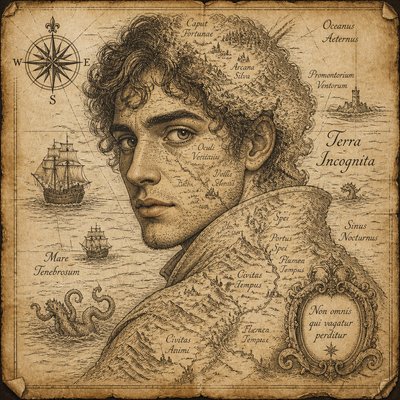
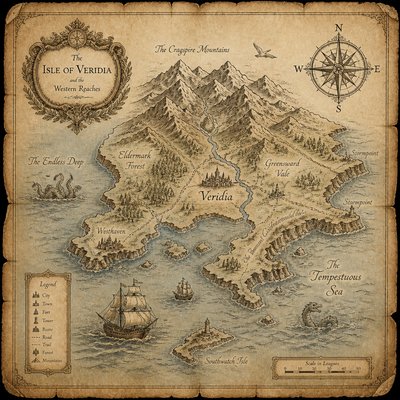
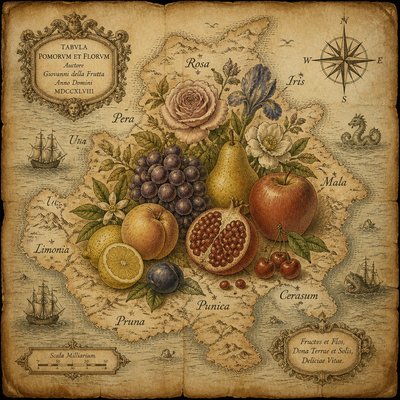
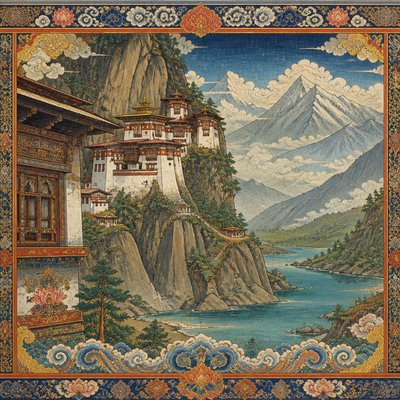
Renaissance Classical Art Style
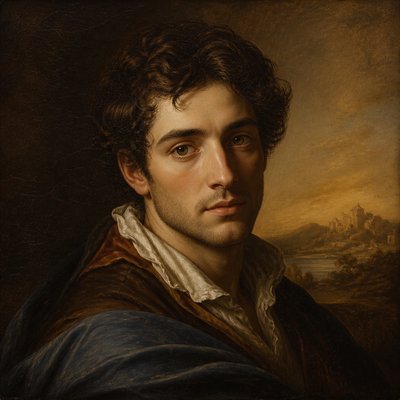
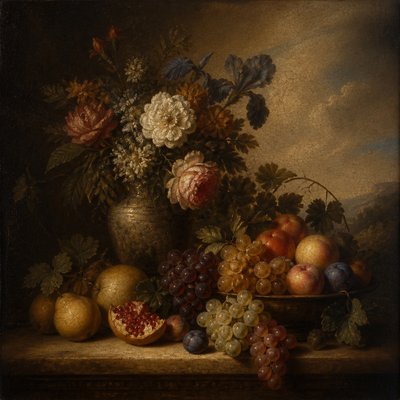
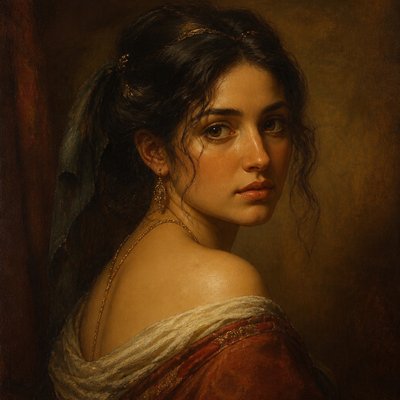
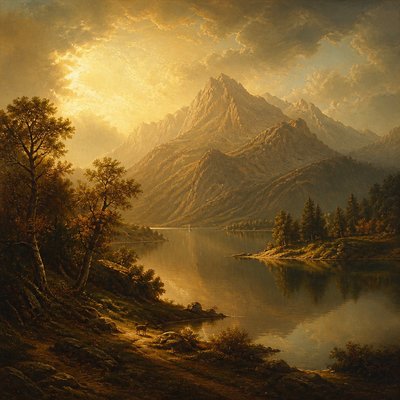
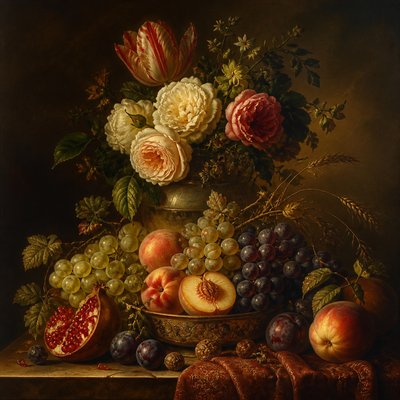
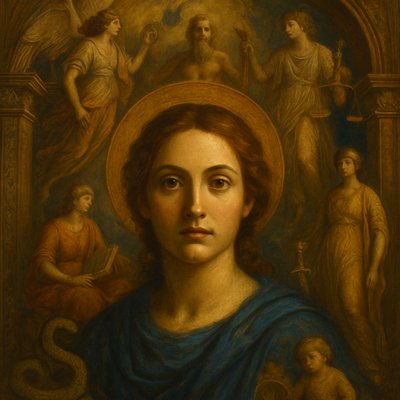
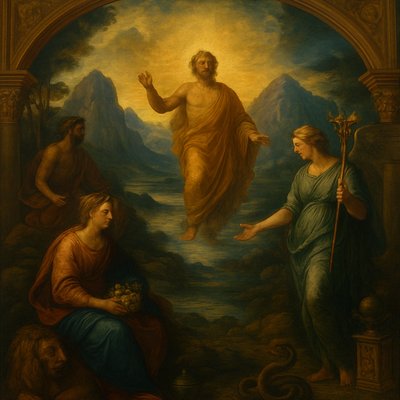
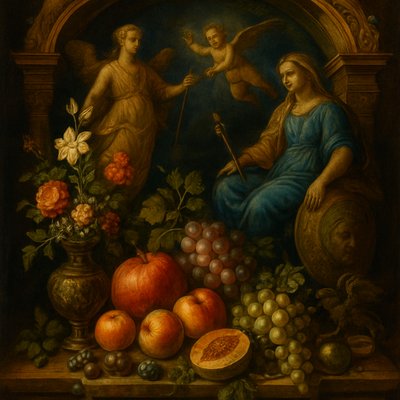
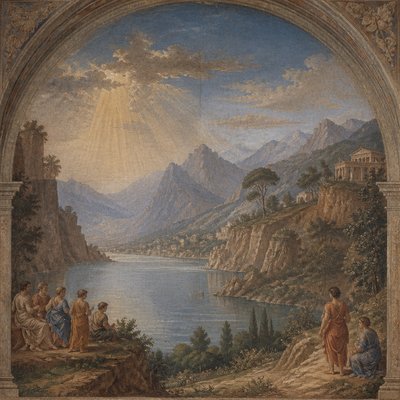
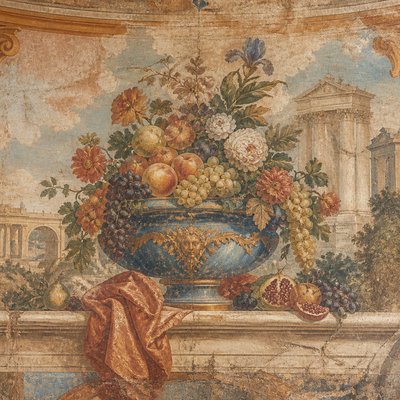
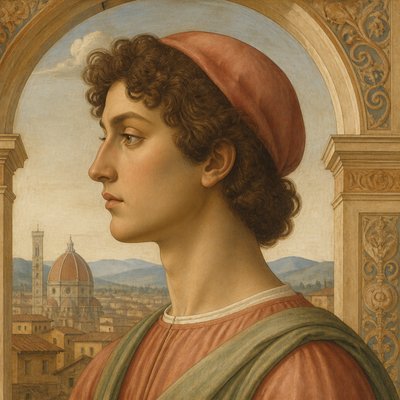
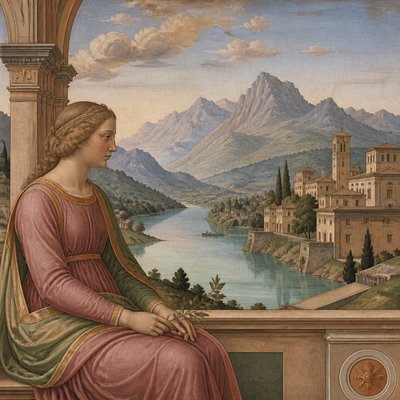
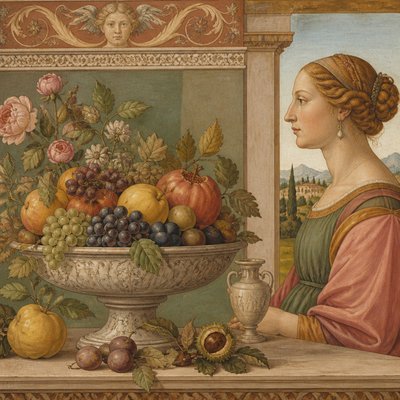
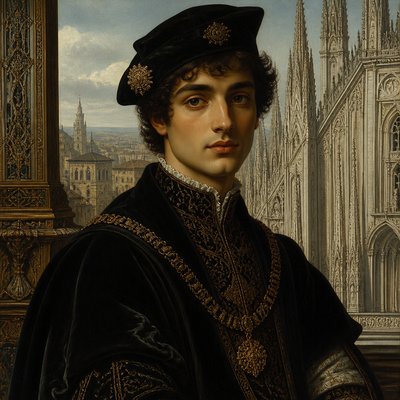
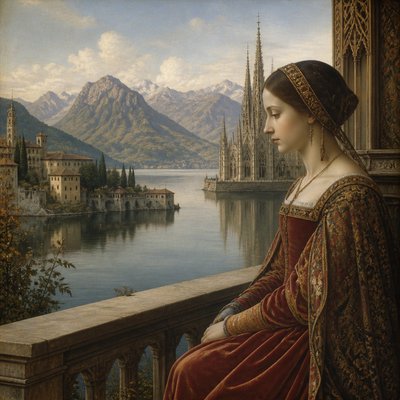
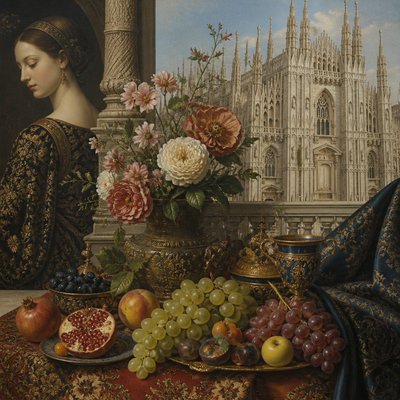
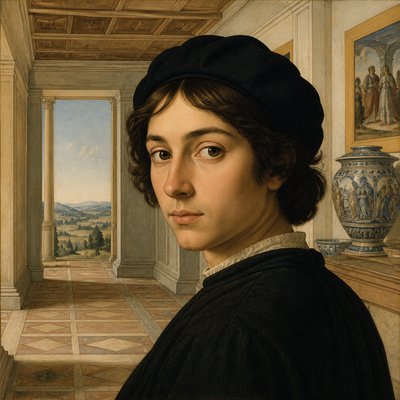
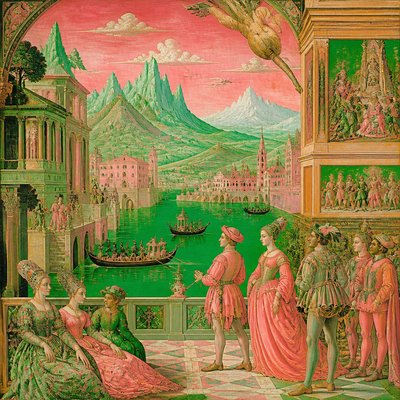
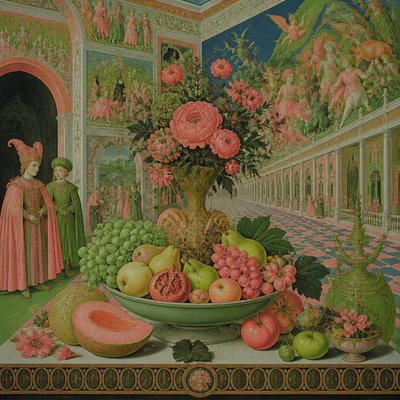
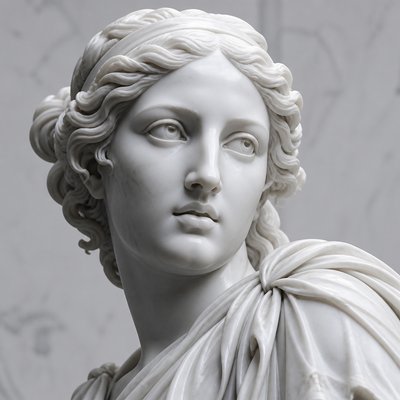
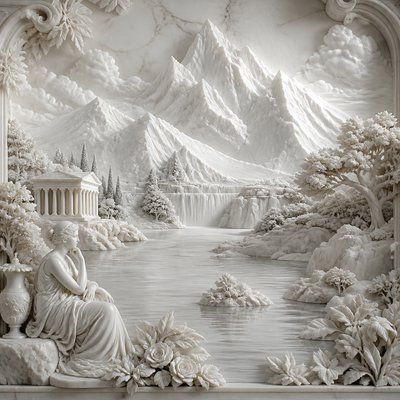
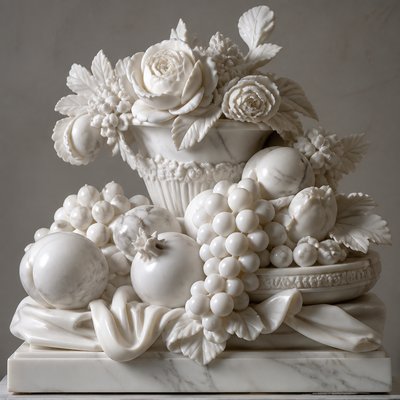
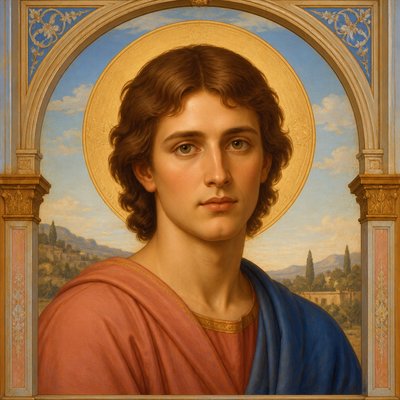
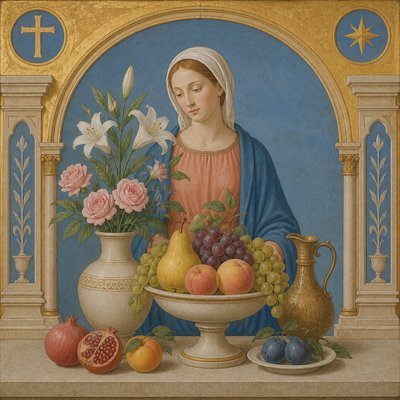
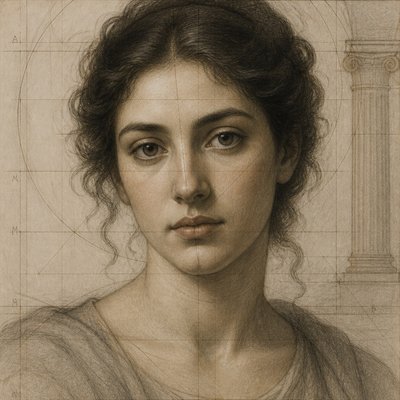
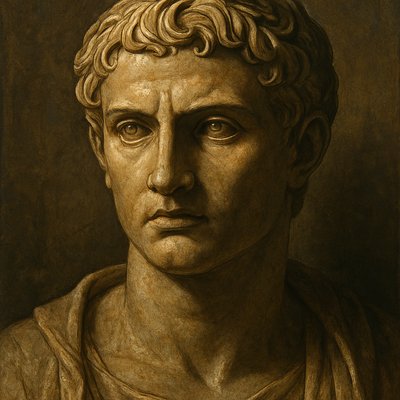
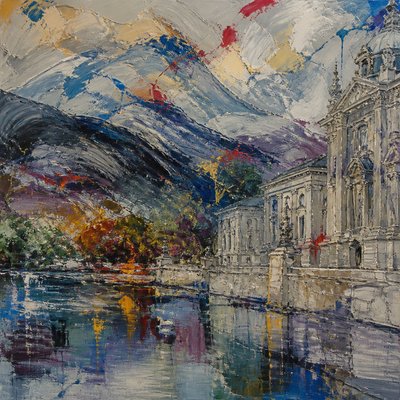
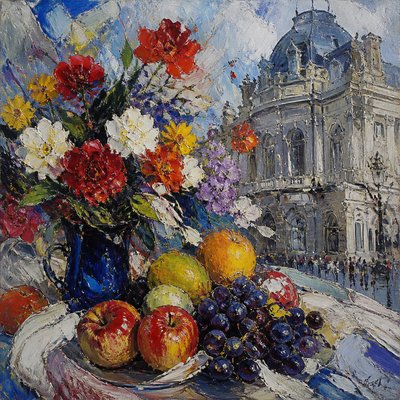
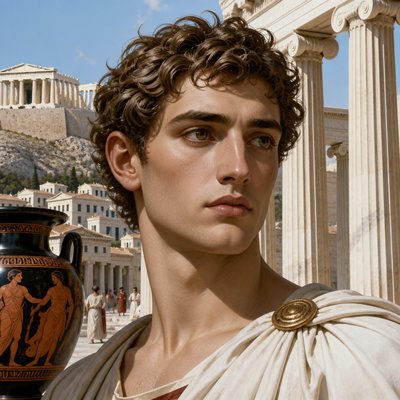
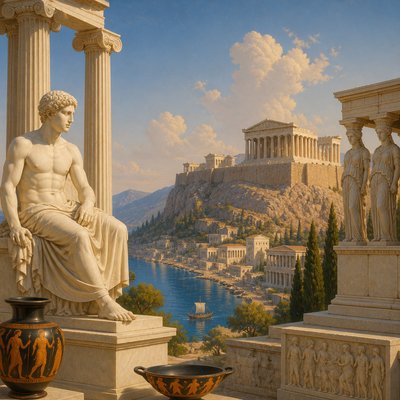
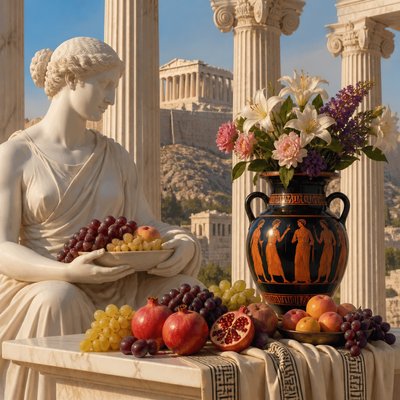
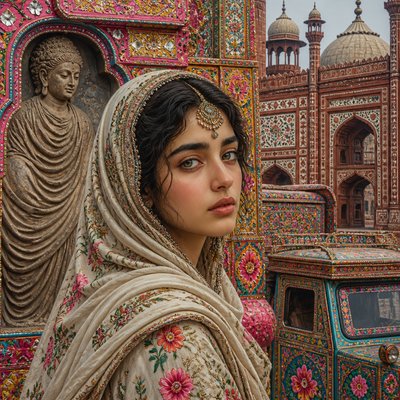
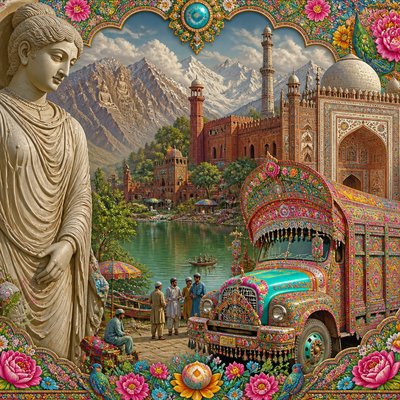
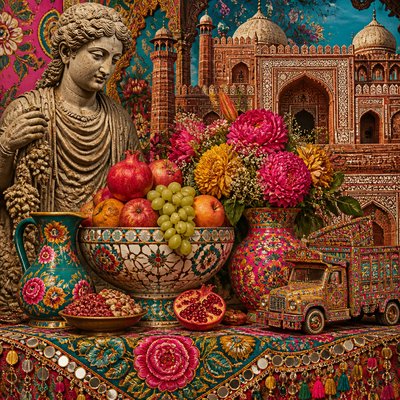
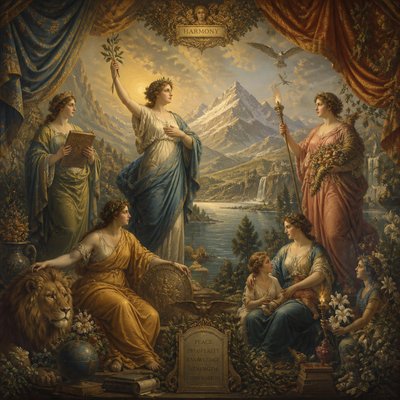
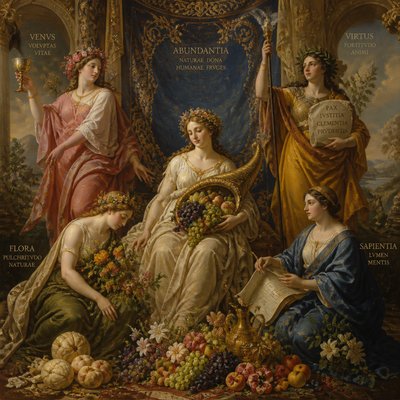
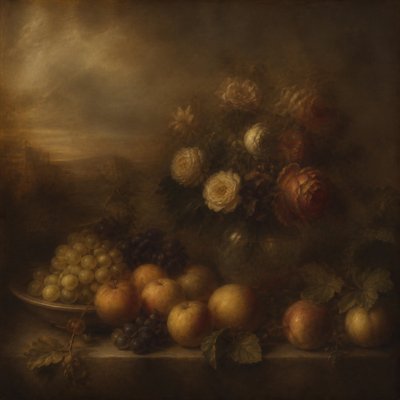
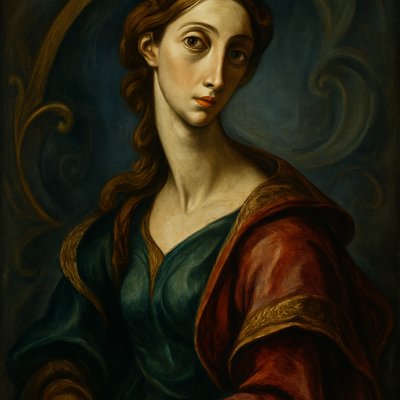
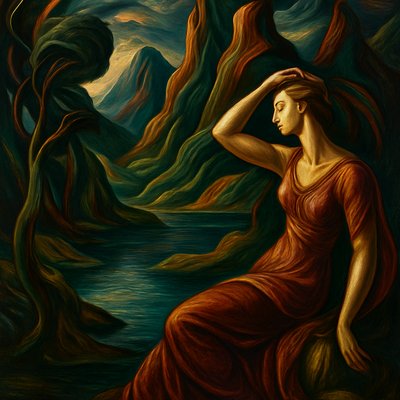
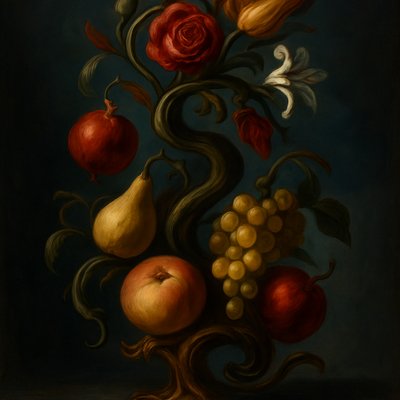
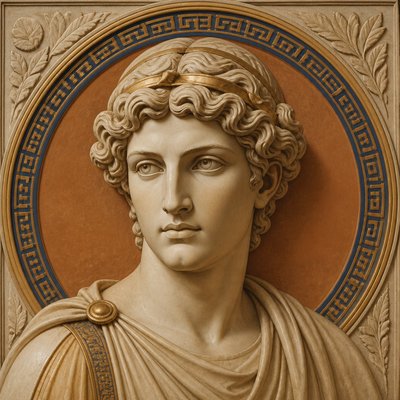
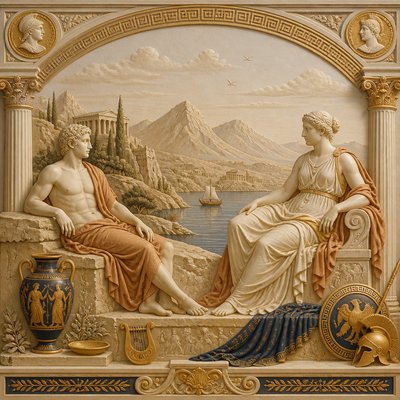
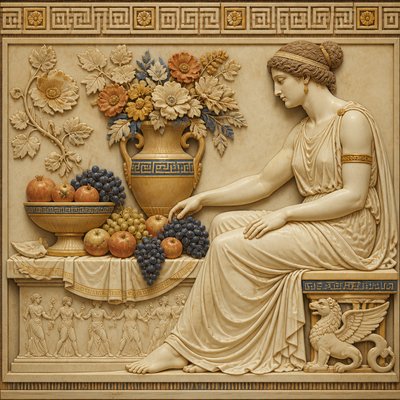
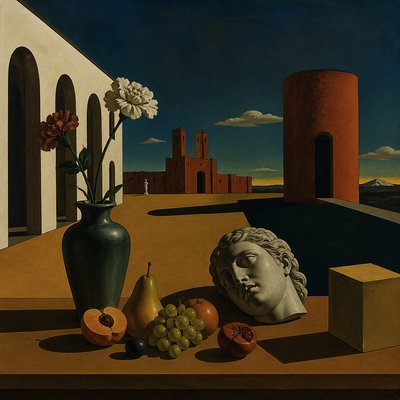
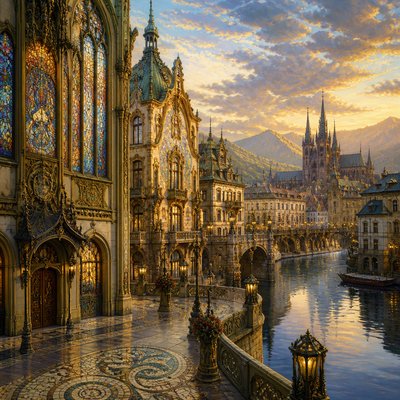
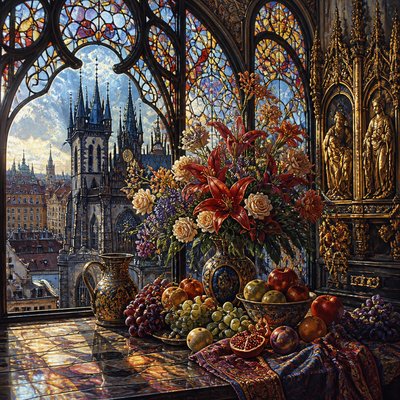
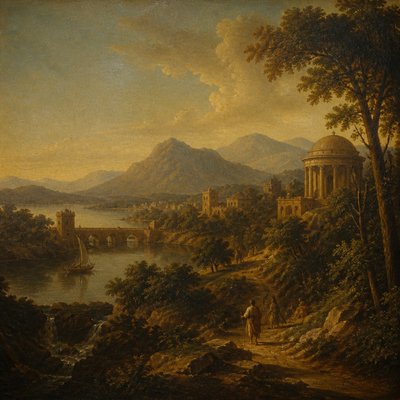
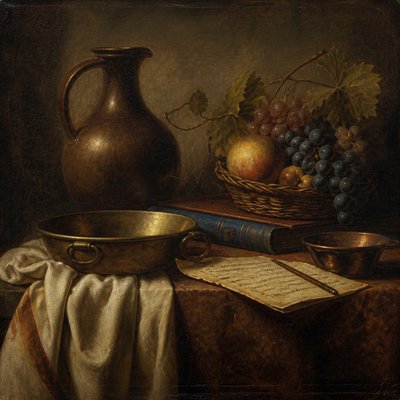
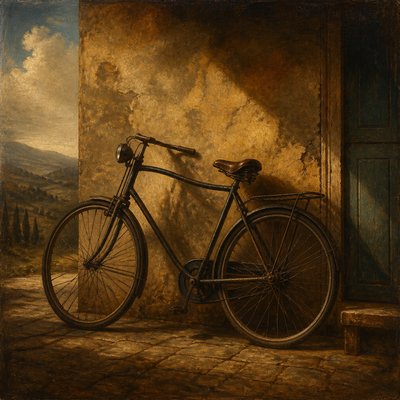
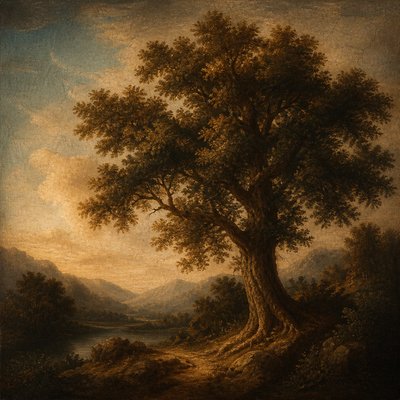
Classical Renaissance painting with sfumato, perspective, balanced compositions, and idealized figures shaped by leading Renaissance masters.
Instantly rendered in Renaissance Classical — or transform a photo
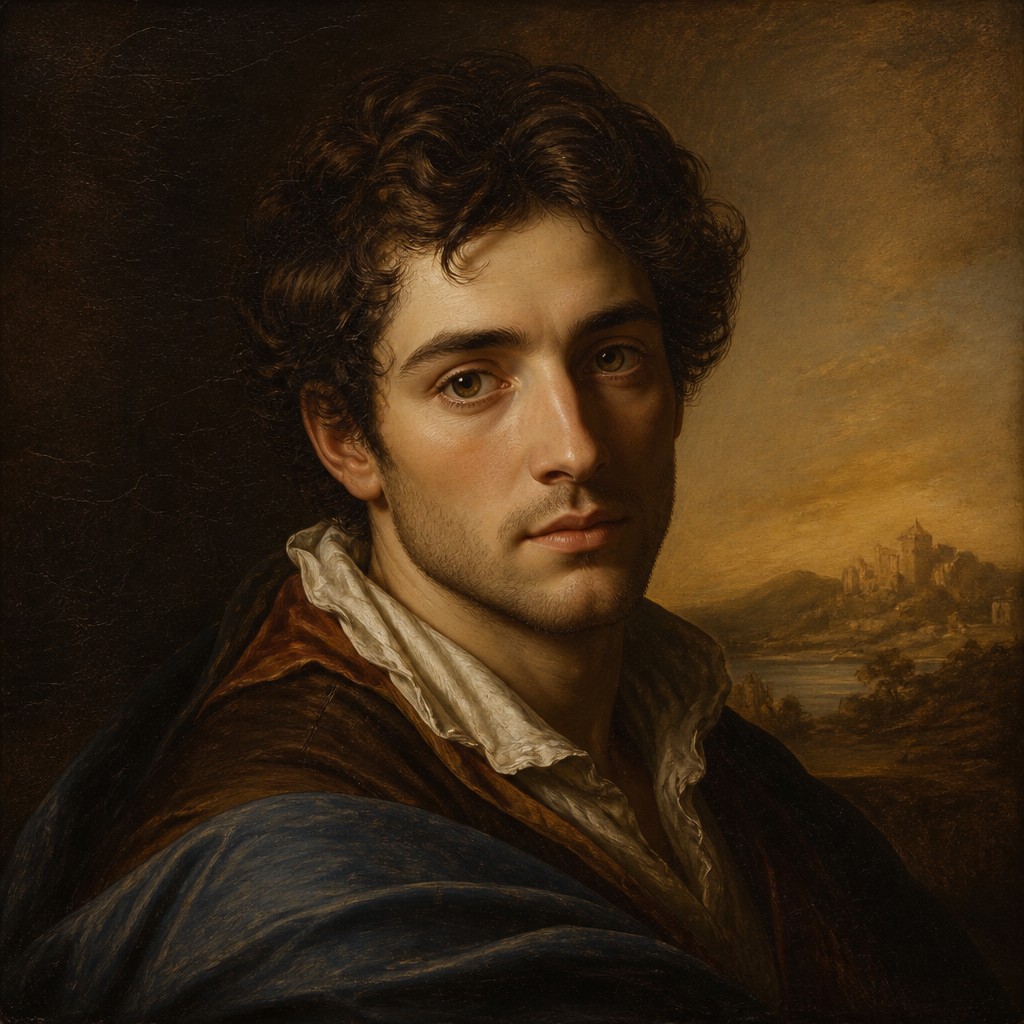
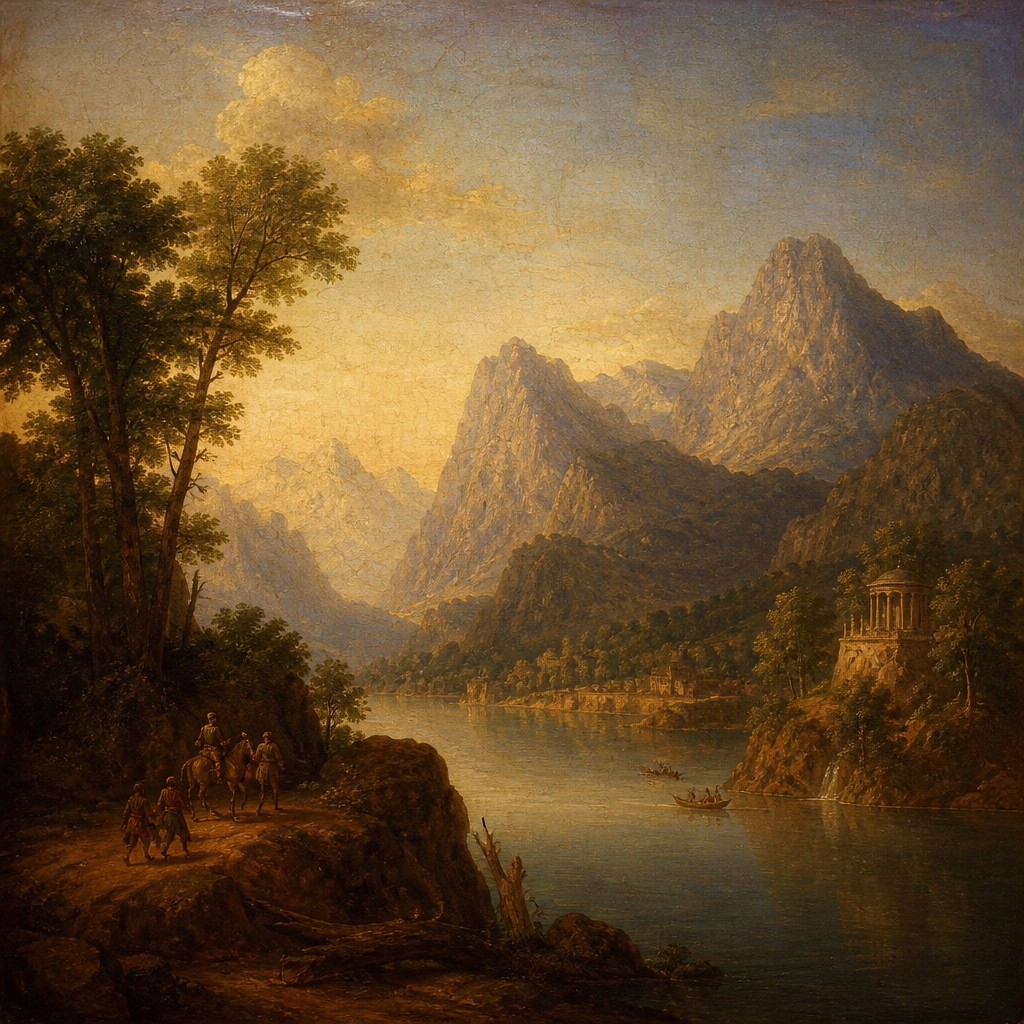
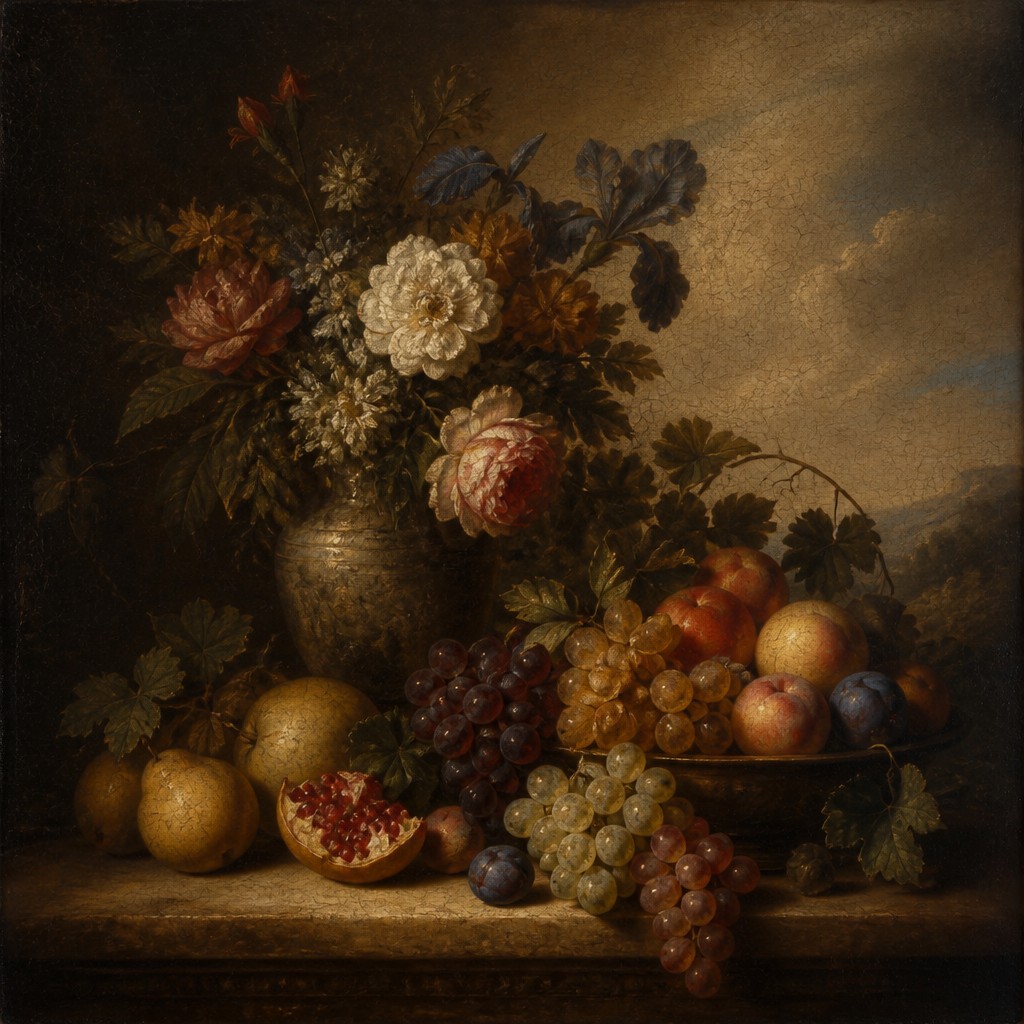
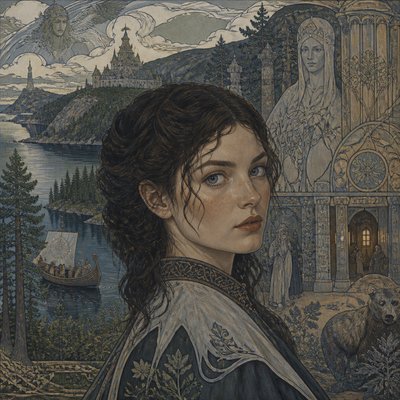
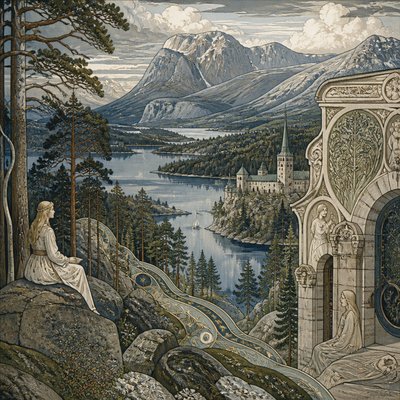
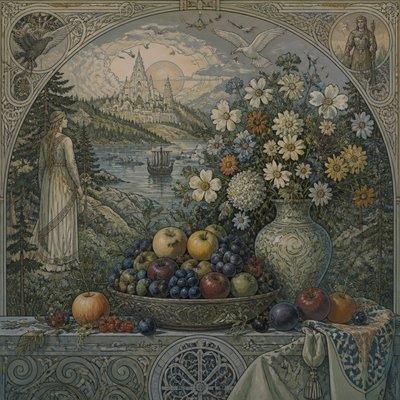
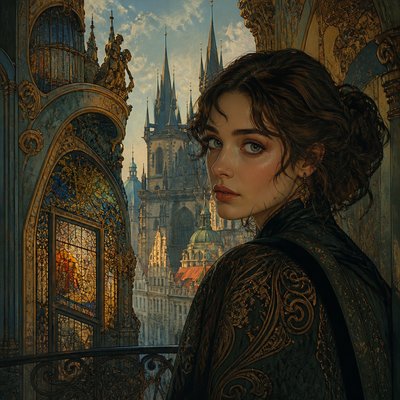
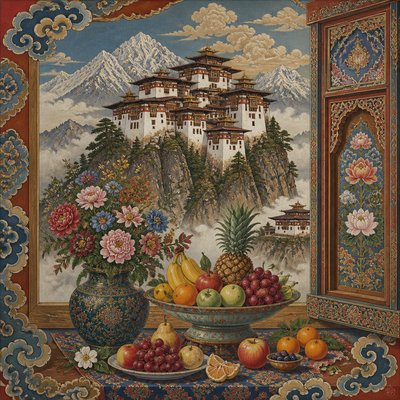
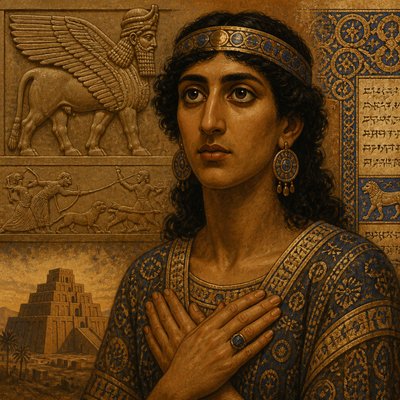
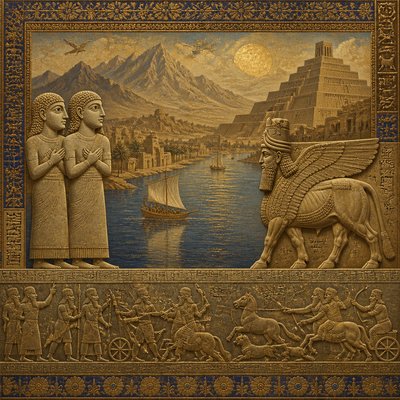
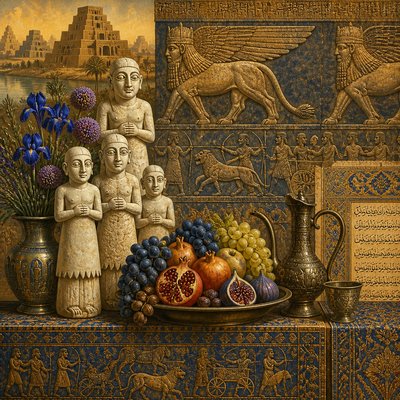
Renaissance Classical Gallery
Tap any artwork to explore it
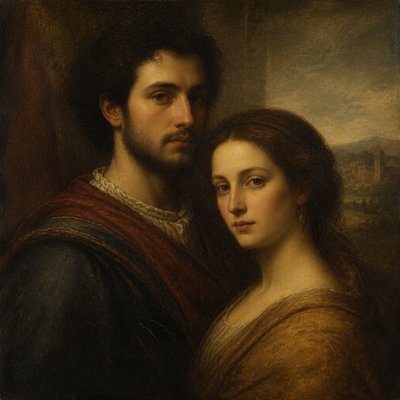
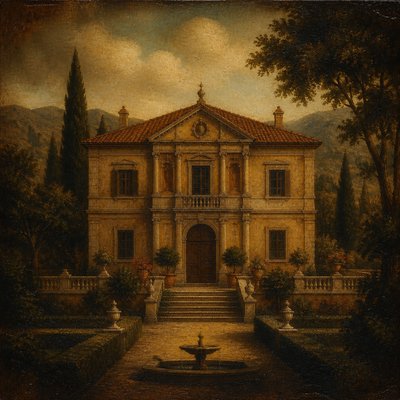

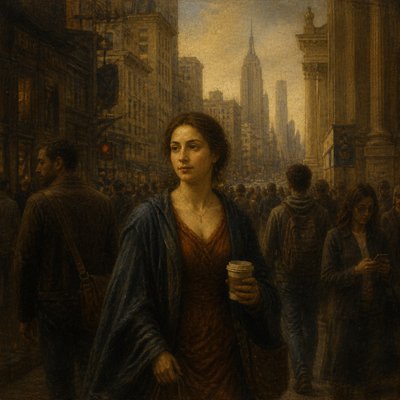
What is Renaissance Classical Art Style?
Renaissance classical art refers to the visual language developed in Italy from the 14th to 16th centuries, when painters and sculptors revived Greco-Roman ideals and pursued a more convincing representation of the natural world. Its hallmark is the union of observation and idealization: figures are anatomically grounded yet ennobled, spaces are organized by mathematical perspective, and forms are modeled with careful light and shadow rather than decorative outline.
The style is immediately recognizable by its calm symmetry, luminous oil surfaces, and a sense of dignified restraint. Artists used sfumato, chiaroscuro, proportion, and classical compositional schemes such as pyramids and balanced triads to create images that feel coherent, monumental, and timeless. The result is an art of harmony and intellectual order, shaped by humanist ideas about beauty, reason, and the central dignity of human experience.
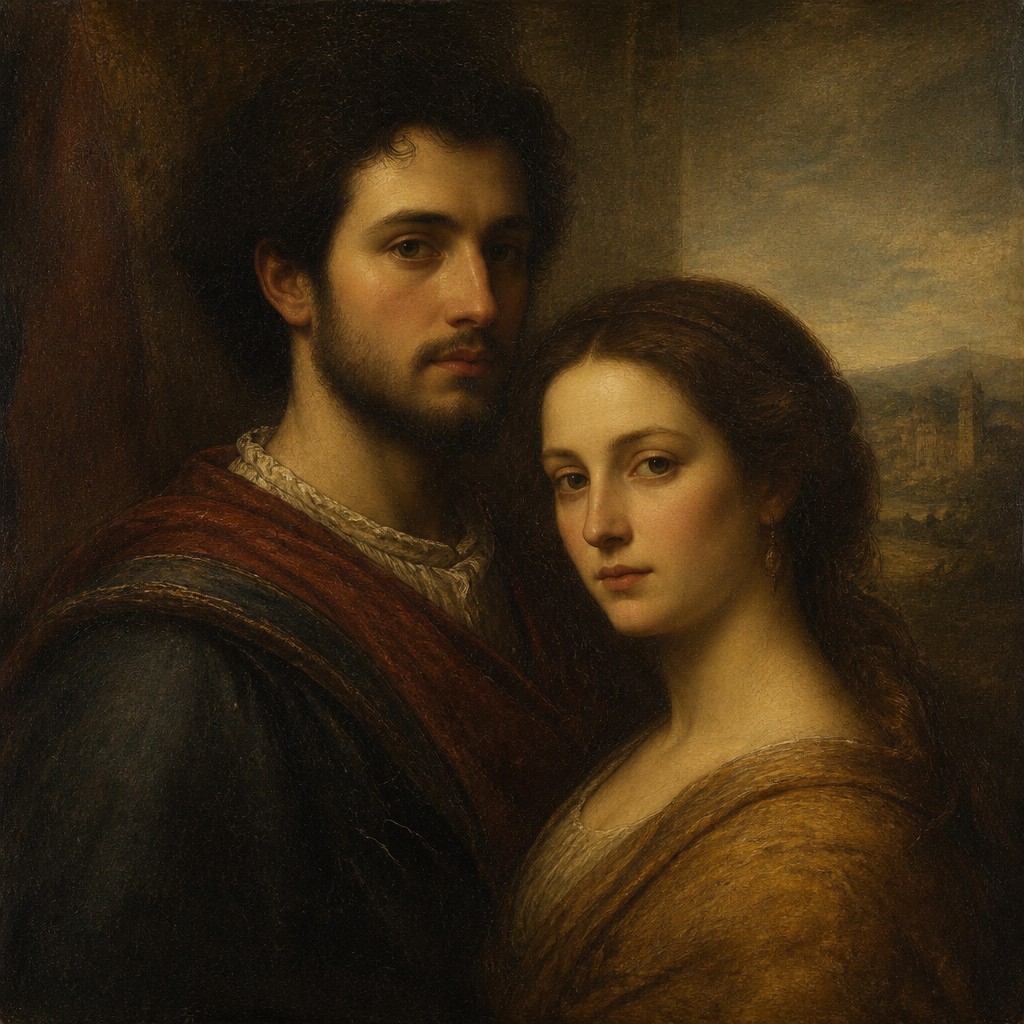
Try It On Your Photos
Upload any photo and convert it into Renaissance Classical Art Style — drag the sliders to compare before and after.
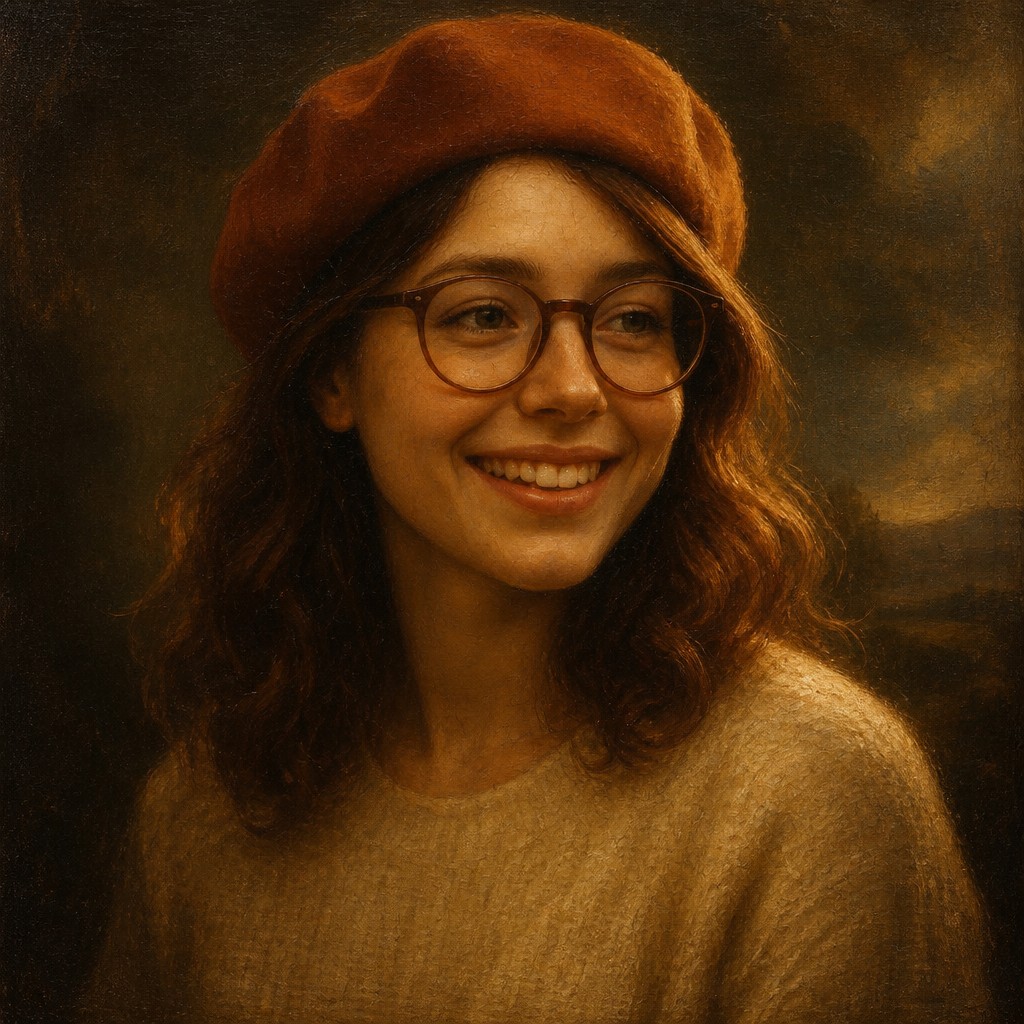

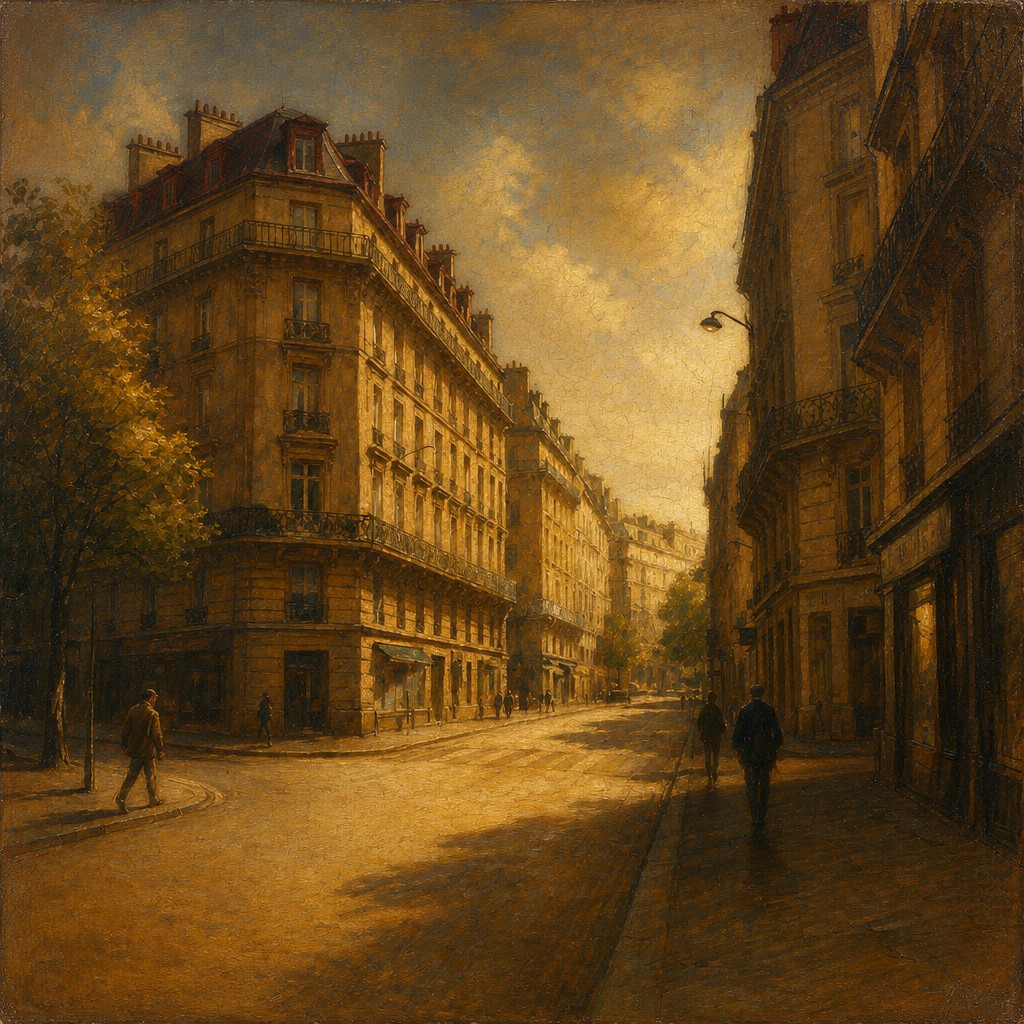

What Defines Renaissance Classical Art Style
The signature details, up close
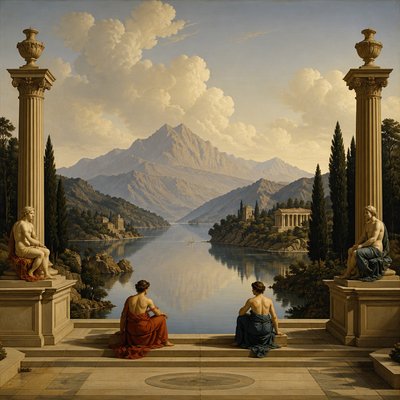
Linear perspective and coherent space
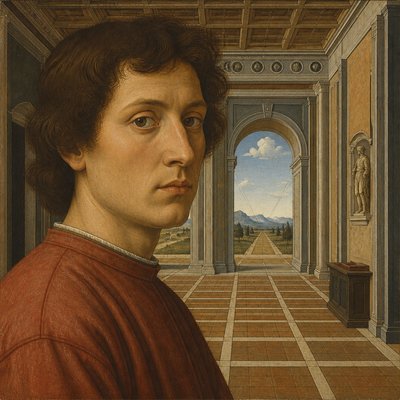
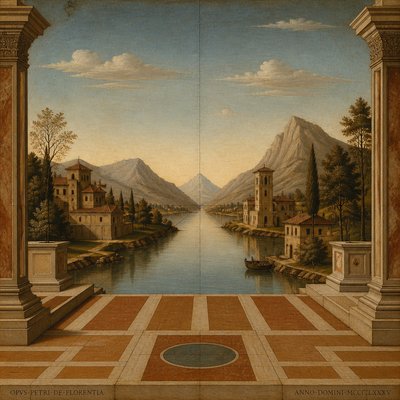
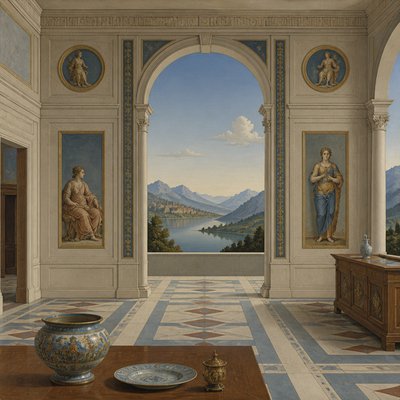
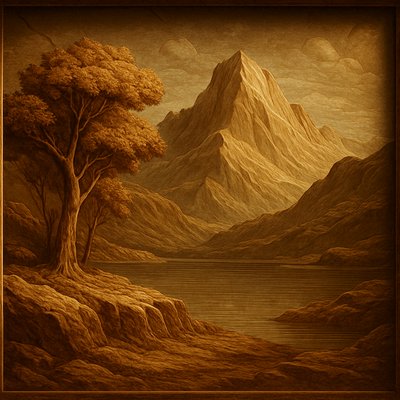
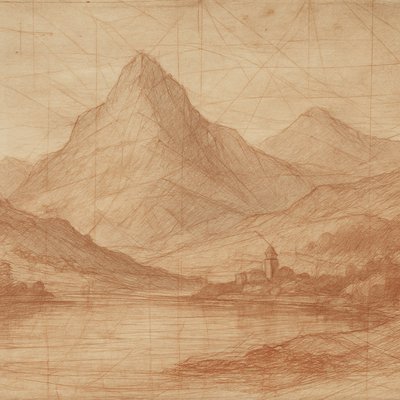
Architectural interiors, landscapes, and figure groups are arranged according to a single, believable spatial system. Orthogonals and vanishing points give the scene structural clarity and depth.
Idealized human anatomy
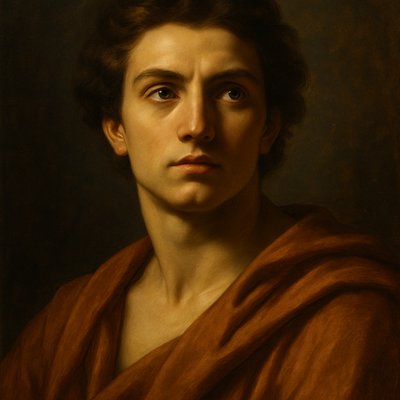
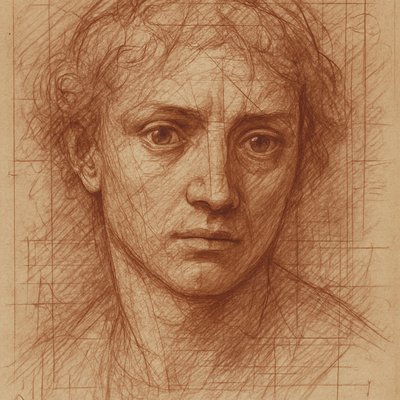
Bodies are carefully observed but refined into balanced, graceful forms. Muscles, drapery, and gestures are rendered with enough realism to feel alive without losing composure.
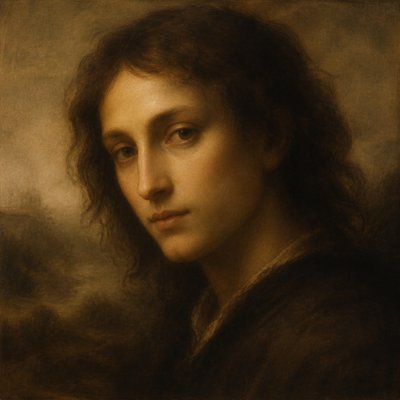
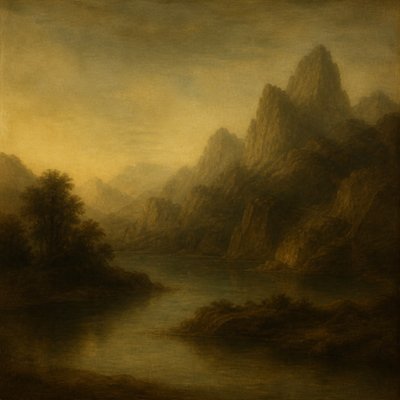
Sfumato and soft edges
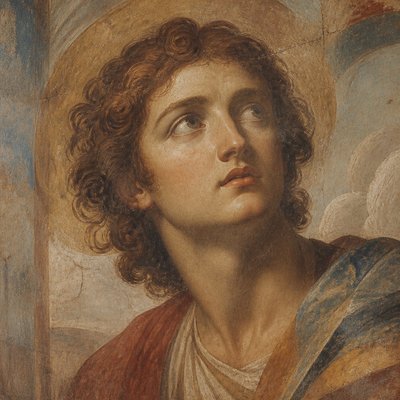
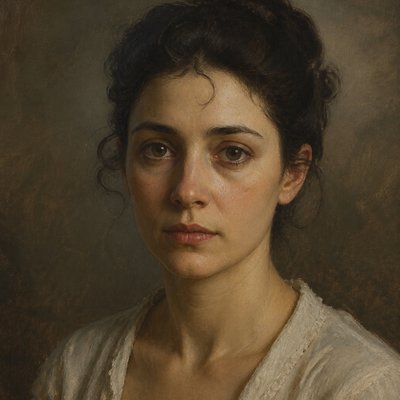
Transitions between light and shadow are gradual, with contours dissolved rather than sharply outlined. This creates atmospheric softness, especially in faces and distant forms.
Chiaroscuro modeling
Light is used to sculpt volume and direct attention to the focal point. Shadows are controlled and legible, lending figures a three-dimensional presence.
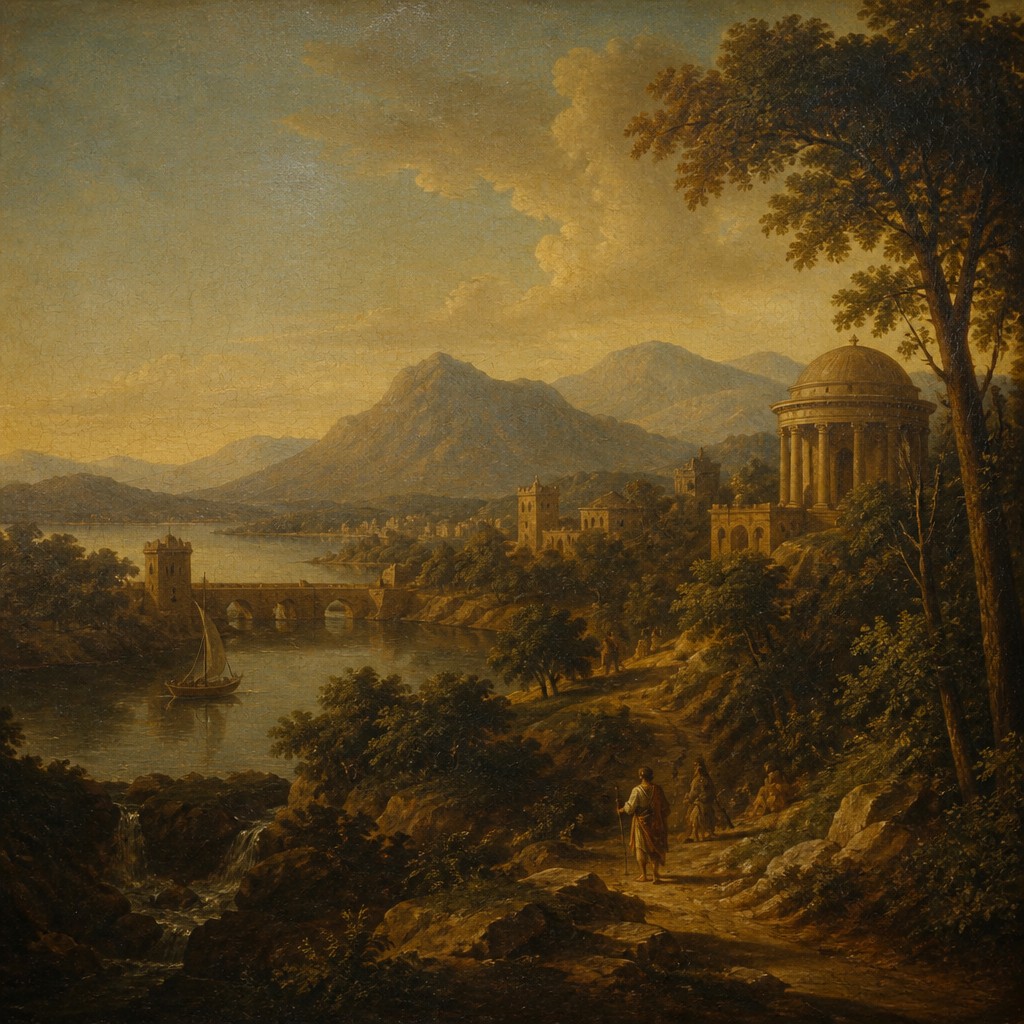
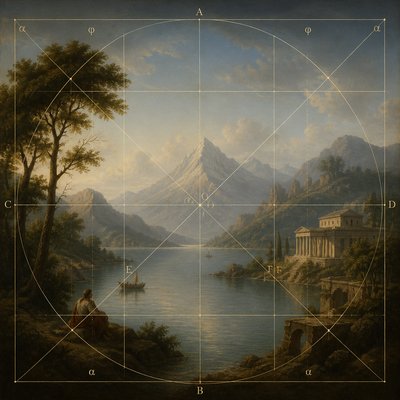
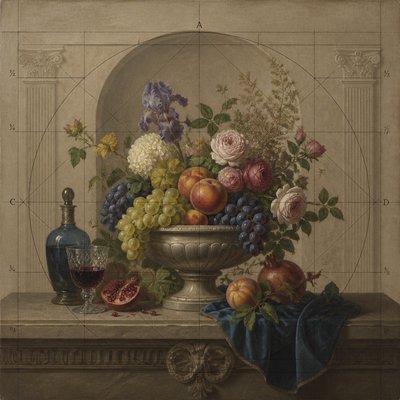
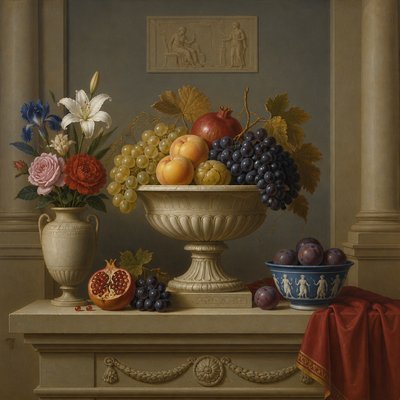
Balanced, geometric composition
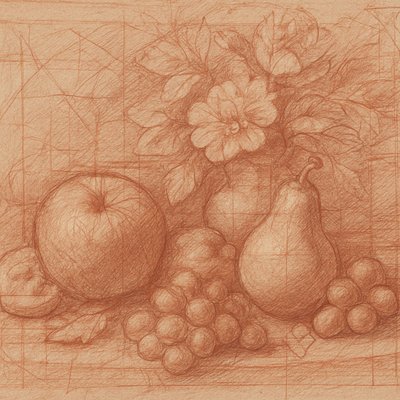
Triangular groupings, symmetrical arrangements, and golden-ratio-like proportions are common. The composition feels measured, stable, and intentional.
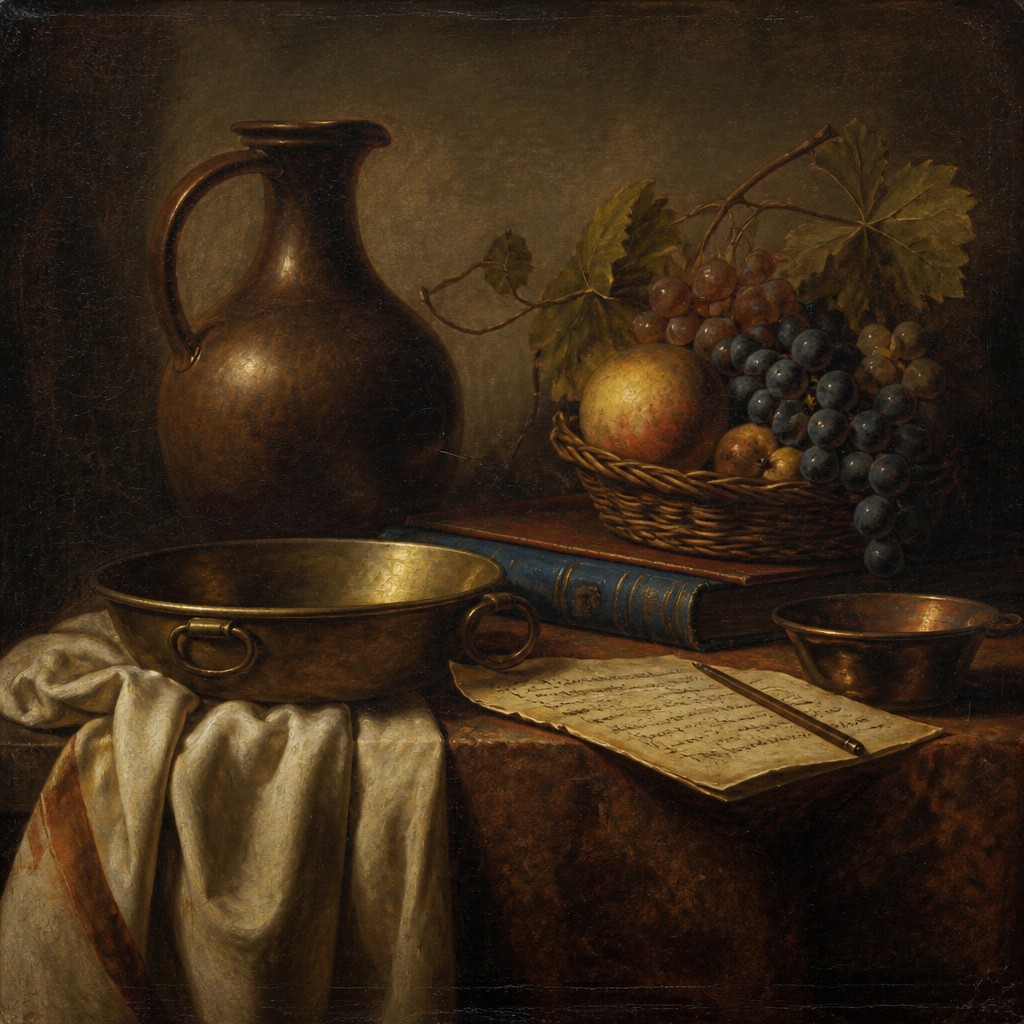
Earthy palette with jewel accents
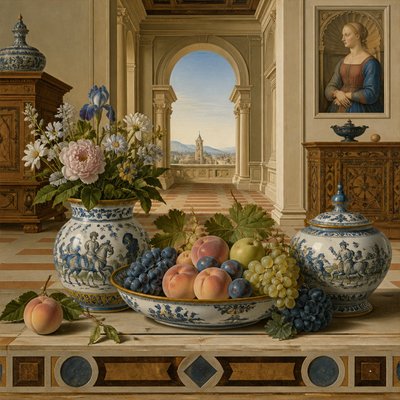
Umber, sienna, ochre, warm skin tones, and muted greens dominate, often enlivened by ultramarine or vermillion. The palette supports a restrained but luminous finish.
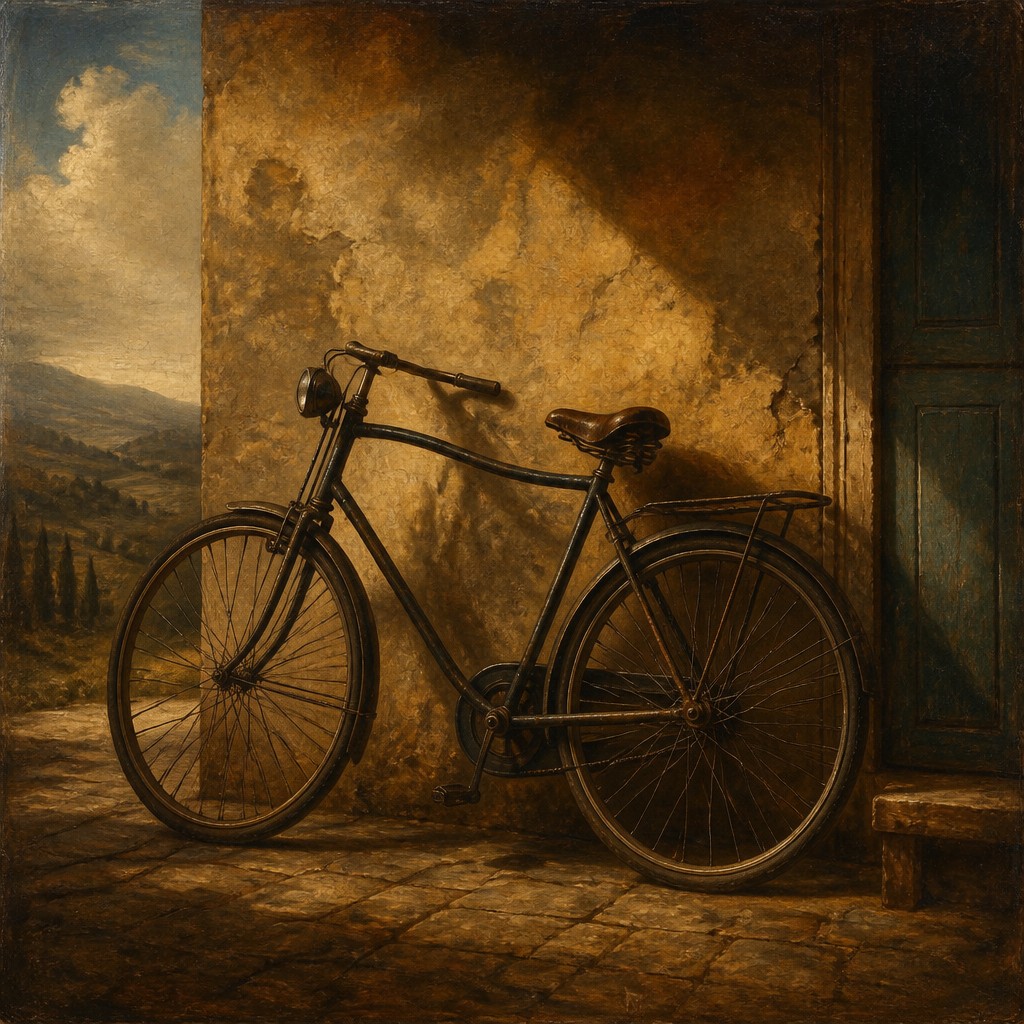
Luminous painted surface
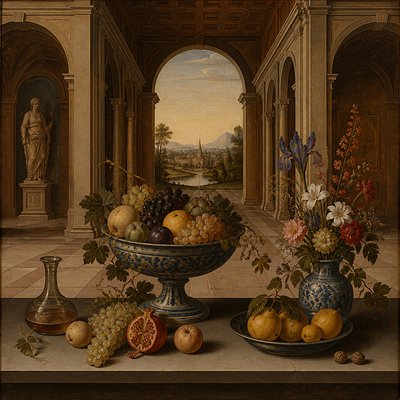
Oil glazes, thin translucent layers, and subtle highlights create depth and polish. In many works the finish suggests age and permanence rather than raw immediacy.
Try It
Create Videos in Renaissance Classical Art Style
Styles aren't just for stills — describe a scene or animate an image and get a short video rendered in Renaissance Classical. Press play to see this pond come to life.
Make a VideoRenaissance Classical Prompt Ideas
Start from an idea — each one opens the generator with the style ready to go. See all 40 Renaissance Classical prompts →
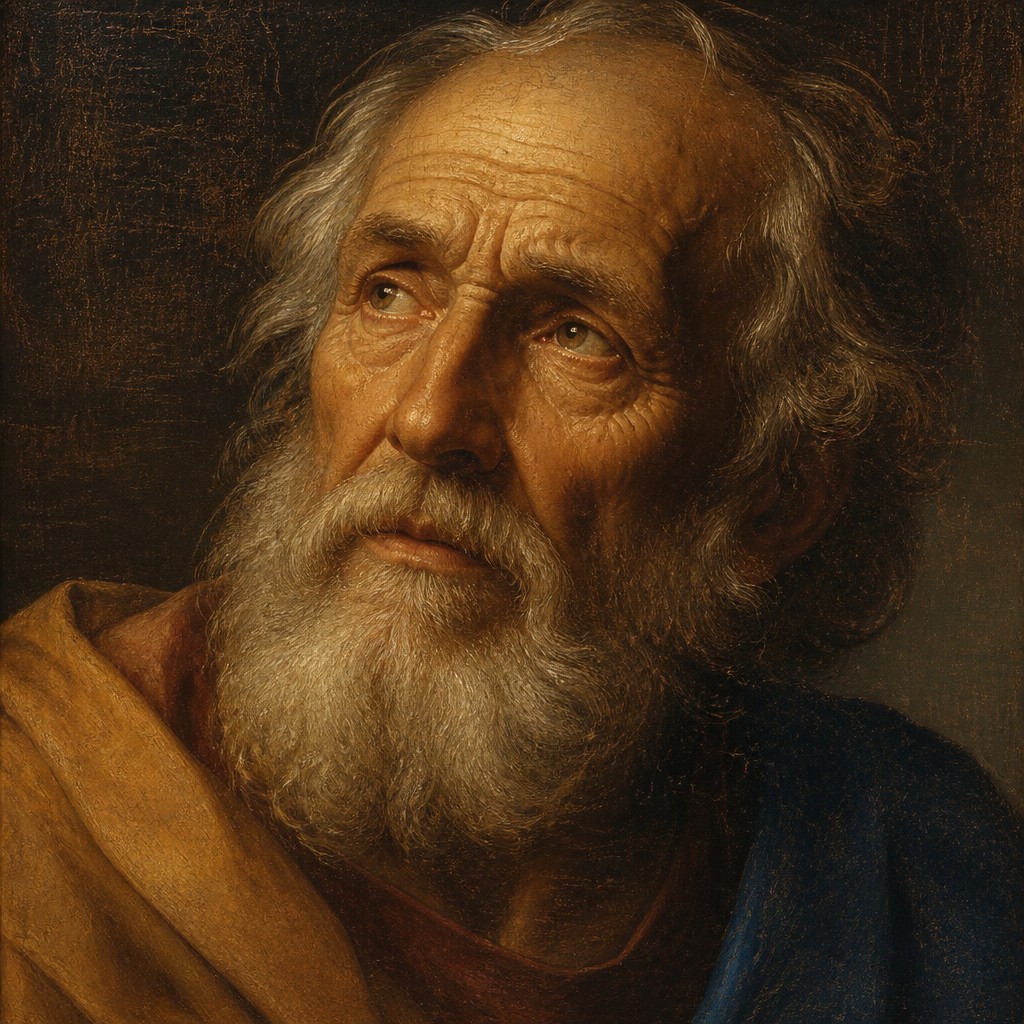
“close-up portrait of an elderly person with expressive weathered features”
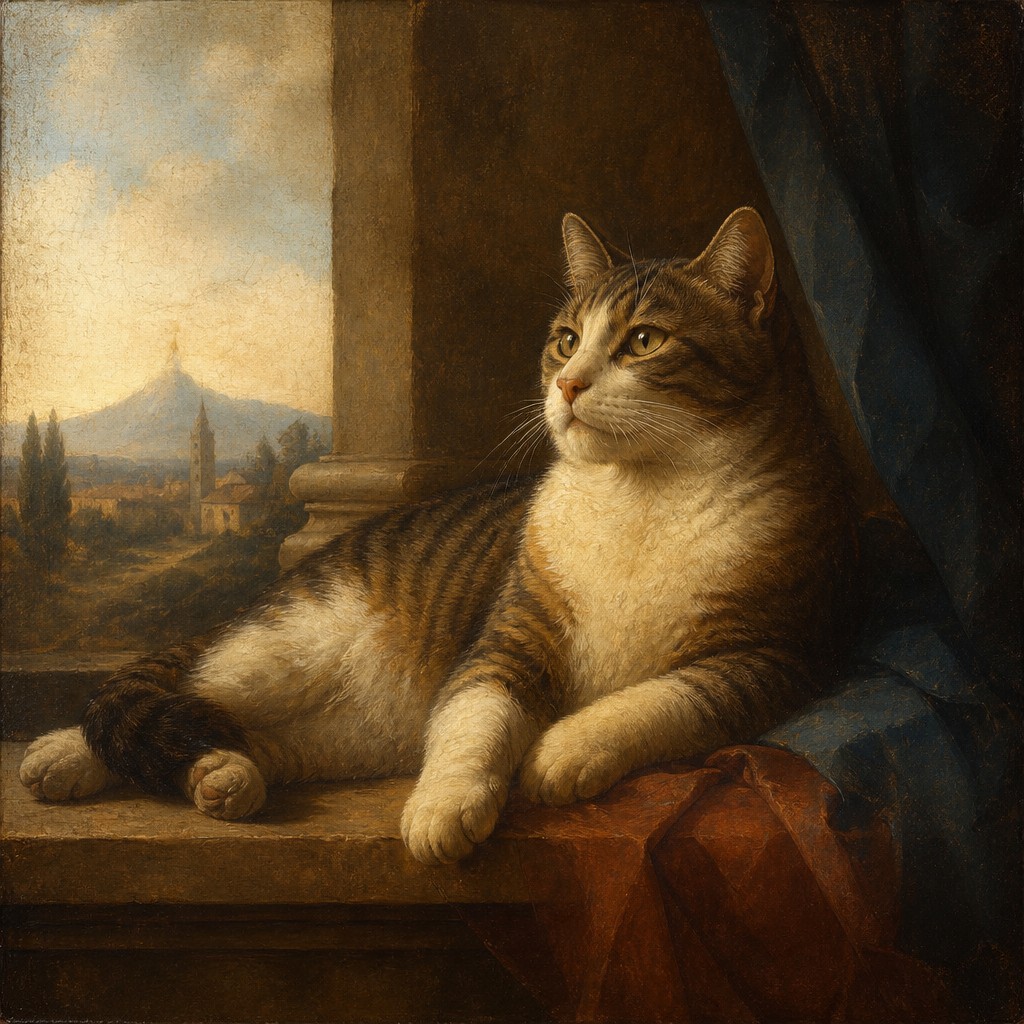
“a cat lounging in a sunlit window”
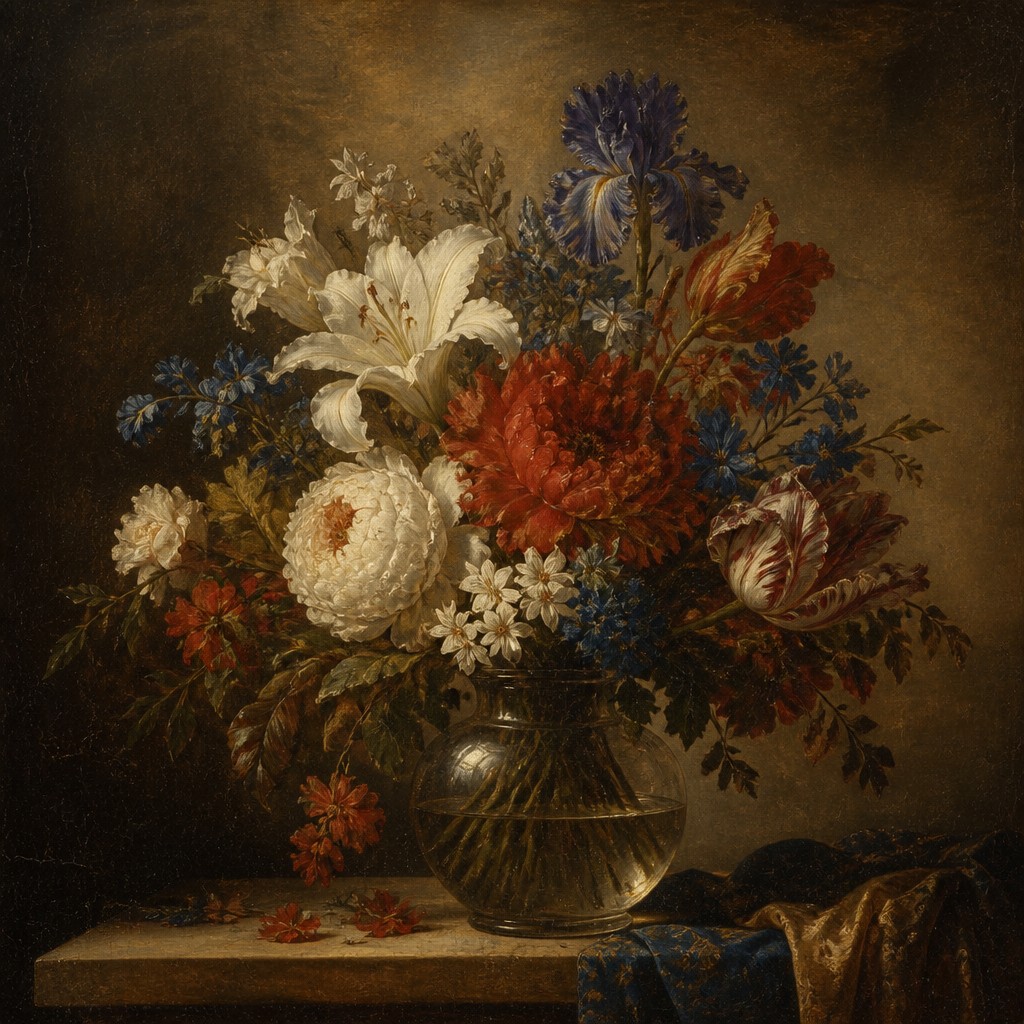
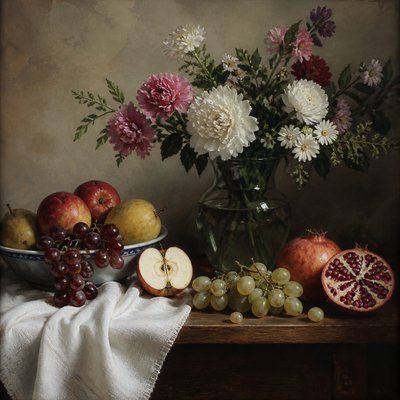
“bouquet of flowers in a glass vase”
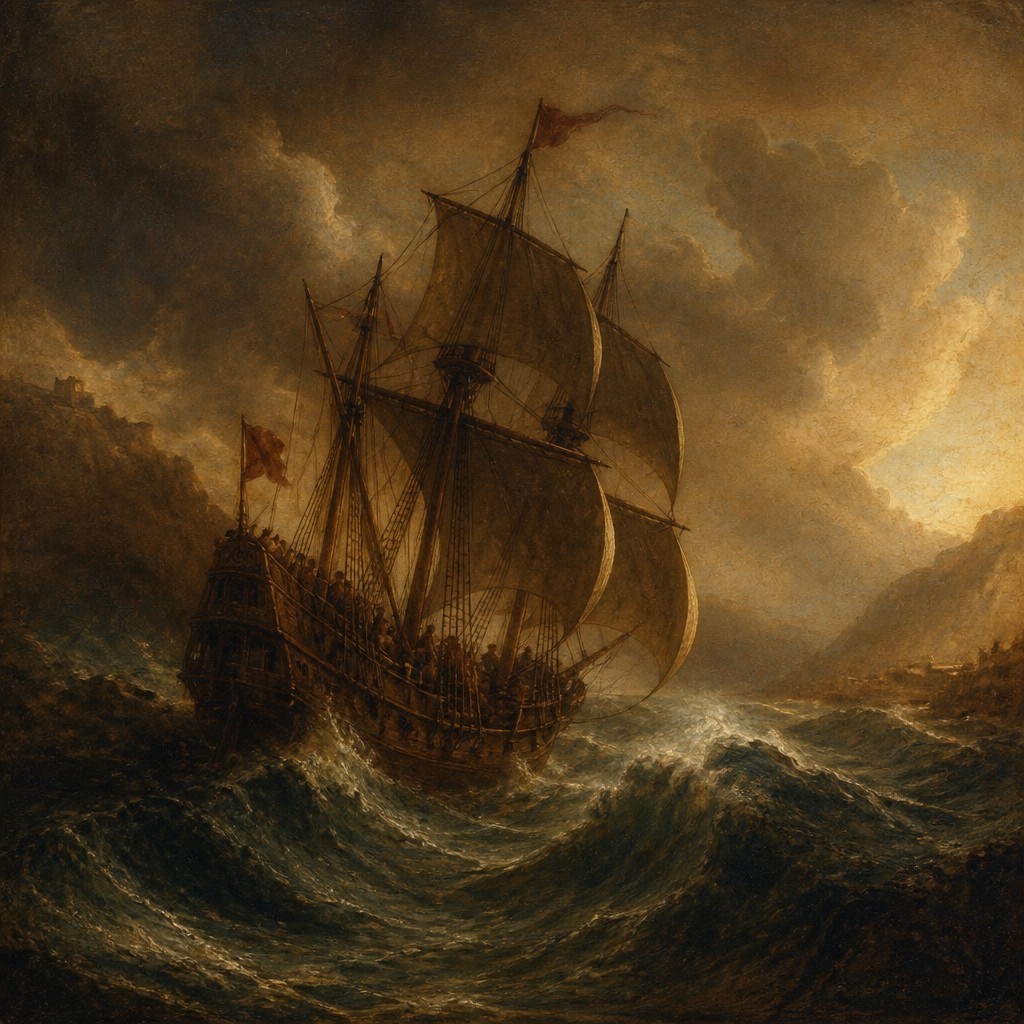
“sailing ship on a stormy sea”
How to Create Renaissance Classical Art
Master the craft step by step — or skip straight to creating. Read the full guide →
- 1
Build the composition with geometry first
Start with a clear spatial plan: establish a horizon line, vanishing point, and a triangular or pyramidal figure arrangement. Whether drawing traditionally or digitally, prioritize balance before details so the image reads as calm and ordered.
- 2
Model forms with controlled light
Use a single directional light source to define volume through gentle chiaroscuro. Avoid harsh contrast; instead, layer midtones and soft shadows so the forms feel sculpted and serene.
- 3
Paint in transparent layers
For traditional work, block in a tempera-like underpainting or monochrome grisaille, then glaze over it with thin oil layers. In digital painting, simulate this by building color in subtle passes and preserving depth in the shadows.
- 4
Refine anatomy and drapery carefully
Study classical proportion, skeletal structure, and the way cloth falls over the body. Hands, faces, and folds should be precise but not overworked, with elegance taking precedence over dramatic distortion.
- 5
Use prompt language that emphasizes form and finish
When generating images, specify terms such as balanced composition, soft tonal transitions, volumetric light, idealized figures, and aged canvas texture. Subject matter can be modern or historical, but the rendering should keep the classical restraint and painterly depth.

The Story
History & Origins of Renaissance Classical
Renaissance classical art emerged in Italy during the early Renaissance, with important foundations in Florence in the 15th century and mature expression in High Renaissance Rome and Venice around 1490–1527. Its development was driven by humanism, renewed study of antiquity, advances in linear perspective, and deeper anatomical observation. Canonical artists associated with the style include leading early Renaissance painters, the central figures of the High Renaissance, prominent Venetian painters, and other major masters associated with the period.
The style developed from earlier medieval conventions but rejected flattened space and symbolic scale in favor of naturalism, proportion, and rational composition. It later informed academic painting and neoclassical traditions across Europe, becoming a foundational model for Western art education. Even when later movements challenged it, Renaissance classical art remained a reference point for ideal beauty, technical mastery, and compositional balance.
Influences: Renaissance classical art draws from Greco-Roman sculpture, medieval craft traditions, and the humanist study of nature and antiquity. It is closely related to early Italian painting in Florence and Rome, especially the work of leading early Renaissance painters and the great masters of the High Renaissance, while also intersecting with Venetian colorism in prominent Venetian painters. Its later legacy fed academic painting and neoclassicism, which reinterpreted its balance and idealization in new historical contexts.
Frequently Asked Questions
What defines Renaissance classical art?
It is defined by realistic space, idealized anatomy, balanced composition, and a polished painterly finish. The style seeks harmony between observation and ideal beauty, often using perspective, sfumato, and controlled light to create a stable, dignified image.
How is it different from Baroque art?
Renaissance classical art is calmer, more symmetrical, and more measured in its emotional tone. Baroque art usually increases drama through stronger diagonals, sharper contrasts, and more theatrical movement.
How is it different from Neoclassicism?
Renaissance classical art belongs to the original Renaissance period and grows out of humanist studies of antiquity and nature. Neoclassicism came much later in the 18th century and revived classical ideals with a more archaeological and often more austere sensibility.
What subjects are common in this style?
Religious scenes, portraits, mythological stories, civic imagery, and idealized human figures are all common. Even when the subject is dramatic, the presentation tends to remain composed and intellectually ordered.
Can modern subjects be made in this style?
Yes. A modern subject can be rendered in a Renaissance classical way if the composition, lighting, anatomy, and surface treatment follow the style's rules. The key is to treat the subject with the same dignity, balance, and painterly depth as a Renaissance scene.
What should I ask for when creating this style?
Specify soft sfumato edges, classical composition, realistic anatomy, warm earth tones, and luminous oil glazing. If you want a convincing result, also mention gentle directional light, balanced symmetry, and an aged canvas or fresco-like surface.

Create your first Renaissance Classical artwork
Describe anything — or upload a photo — and see it in Renaissance Classical Art Style in seconds.
Make Something with Renaissance Classical
Related Styles
Discover similar art styles