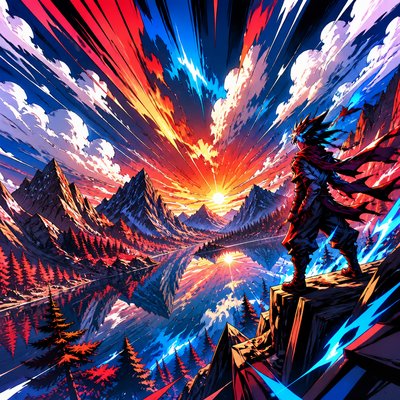
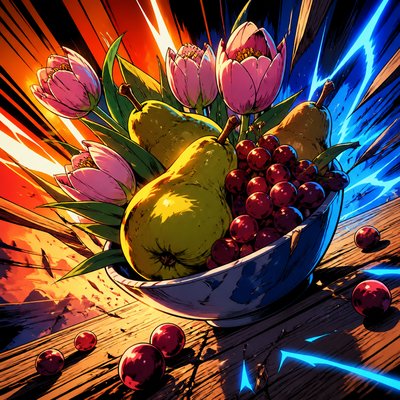
Indie/Alternative Comic Art
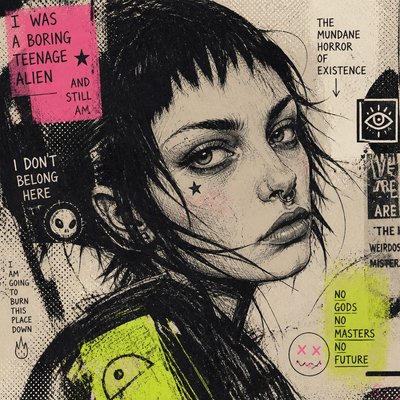
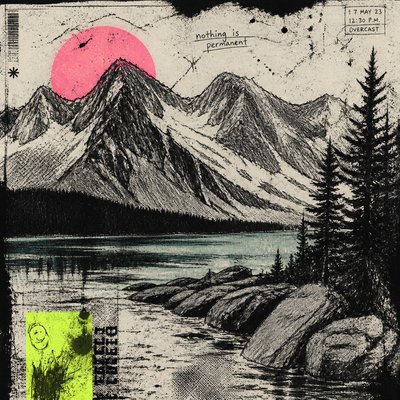
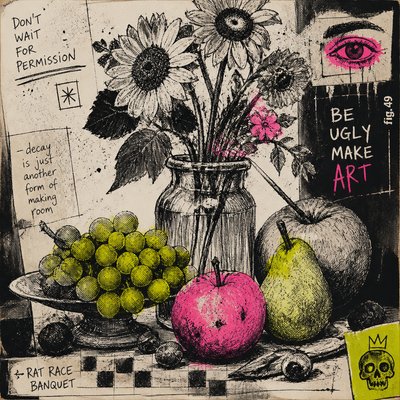
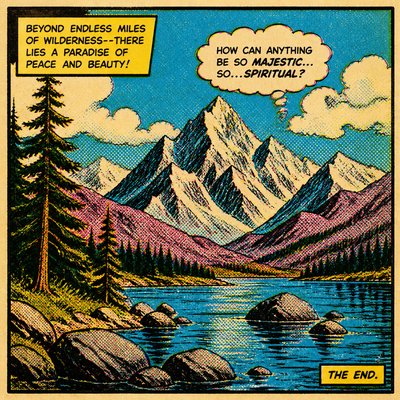
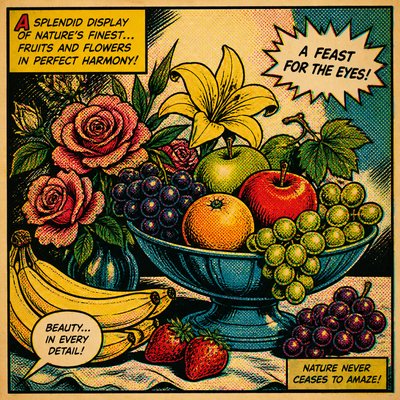
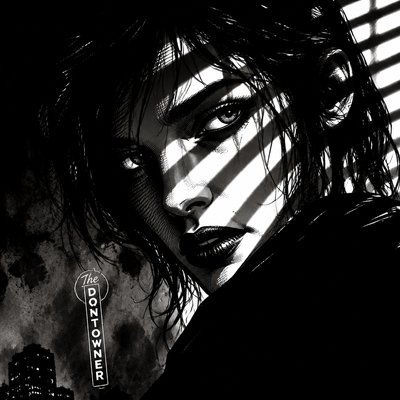
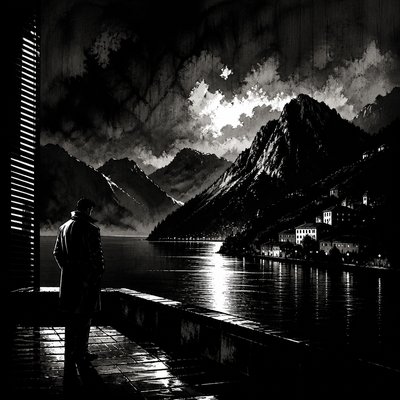
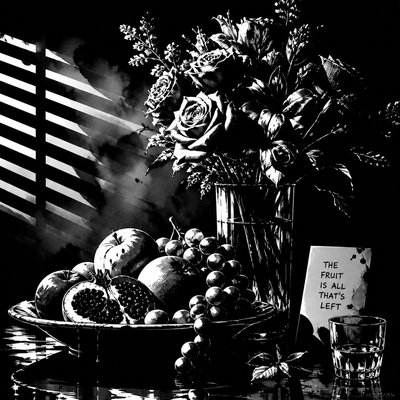
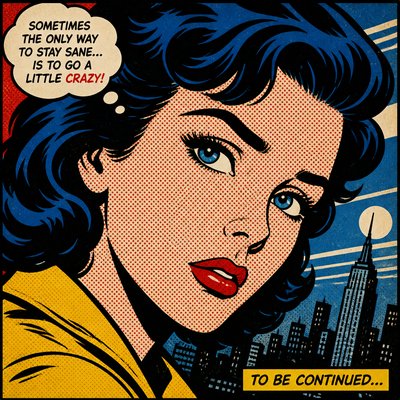
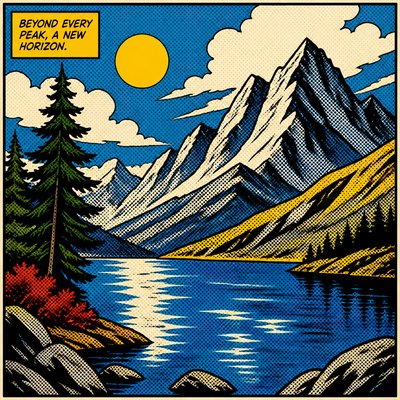
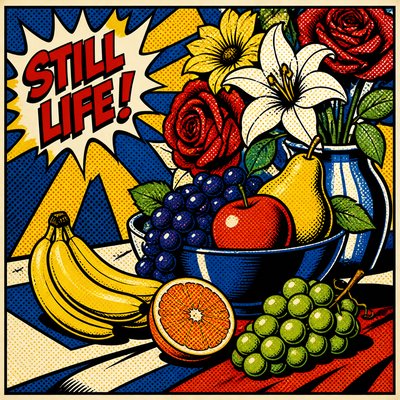
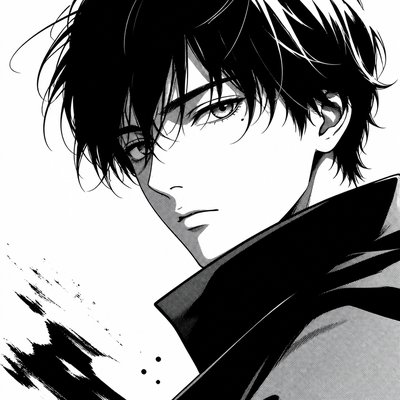
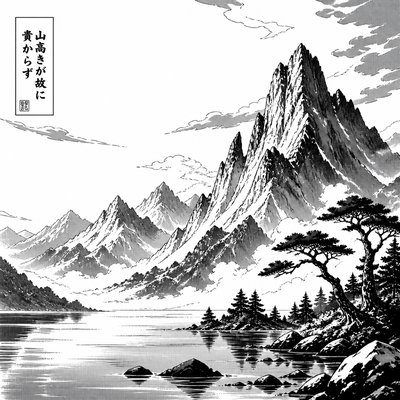
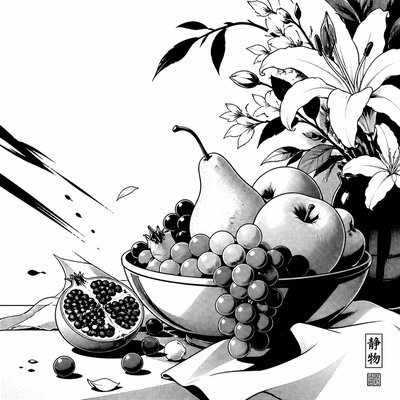
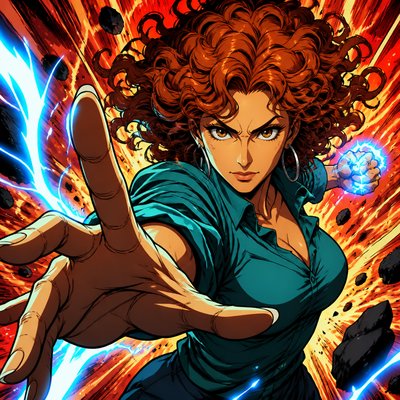
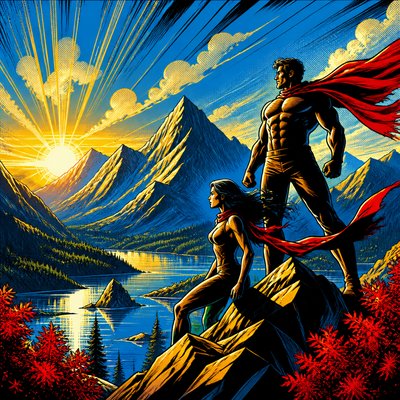
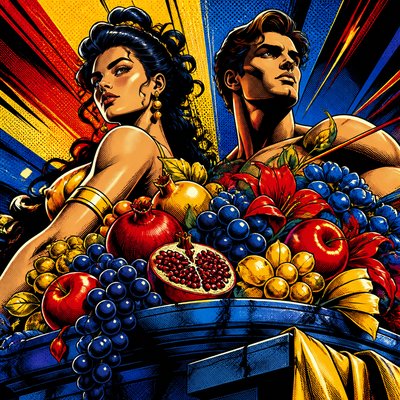
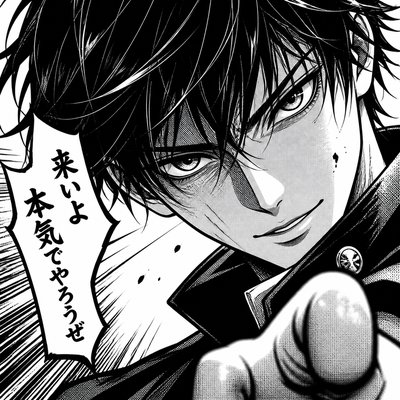
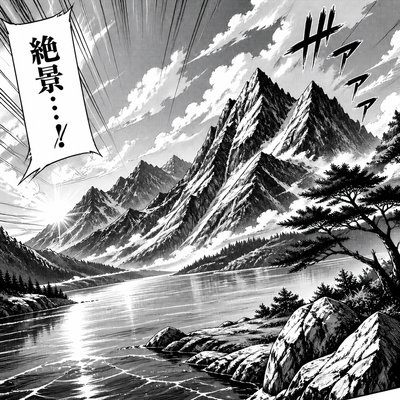
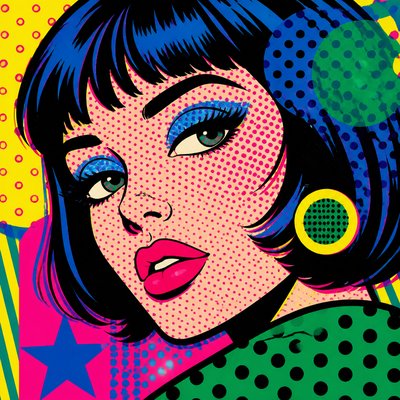
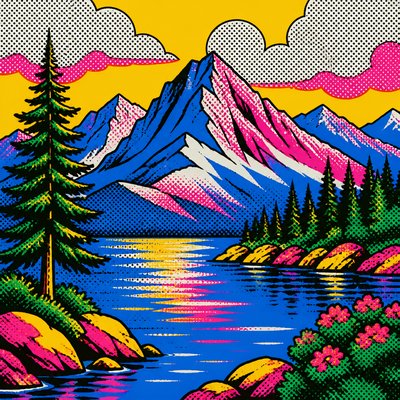
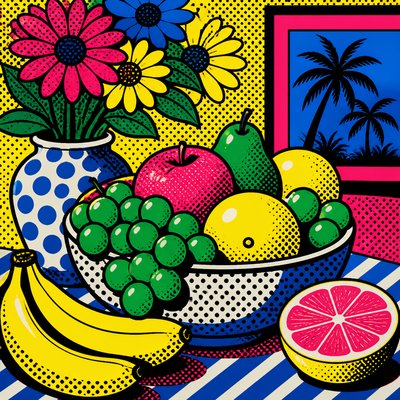
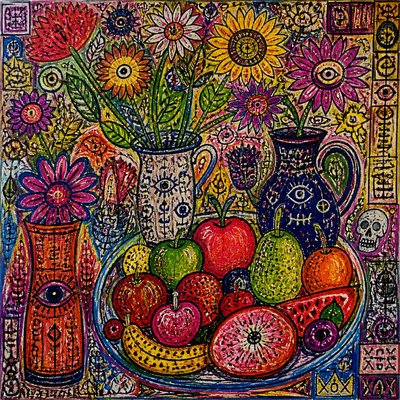
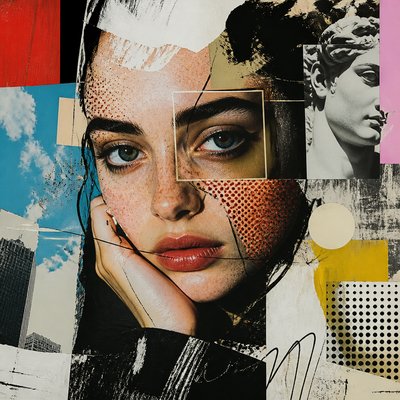
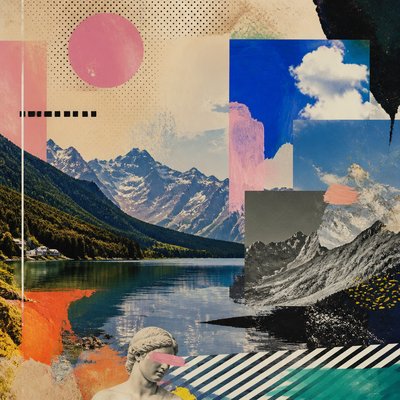
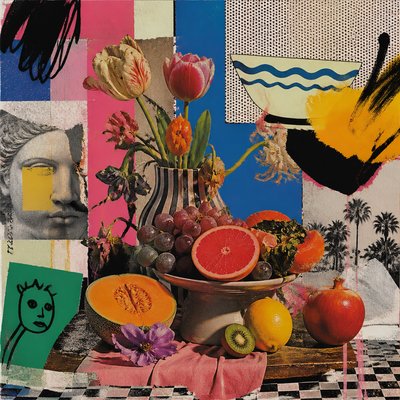
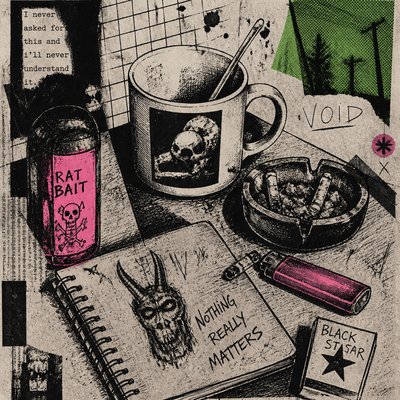
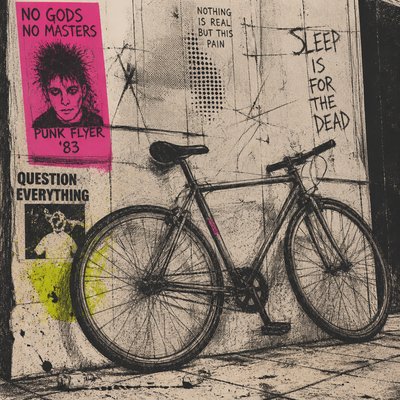
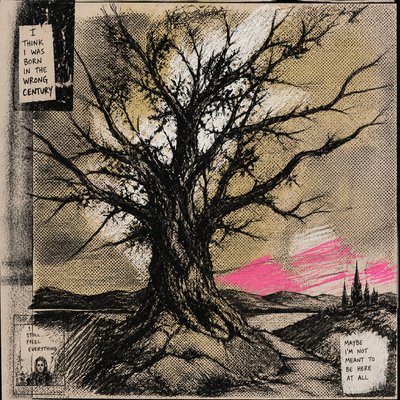
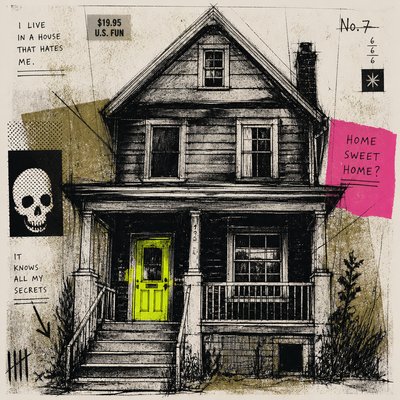
Raw, expressive comics with rough linework, zine textures, halftones, and an underground handmade feel.
Instantly rendered in Indie/Alternative Comic — or transform a photo
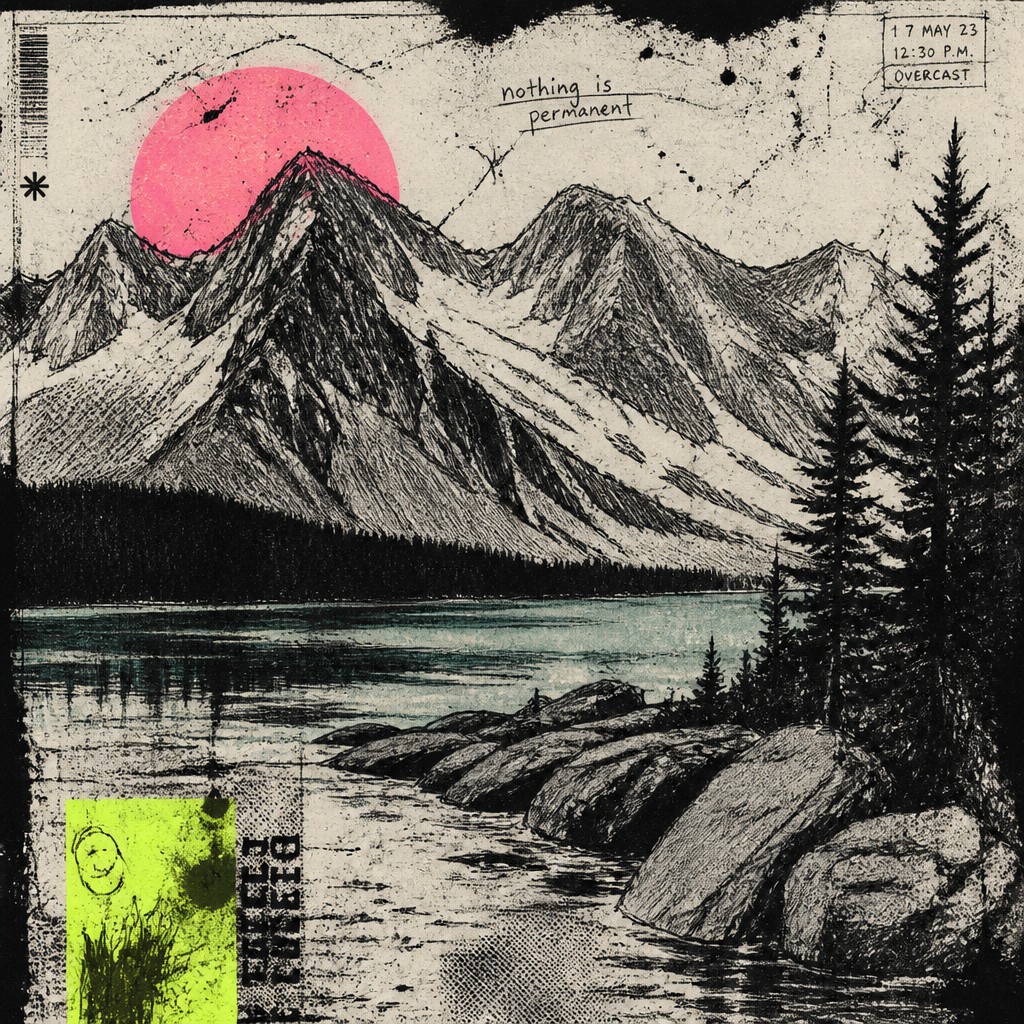
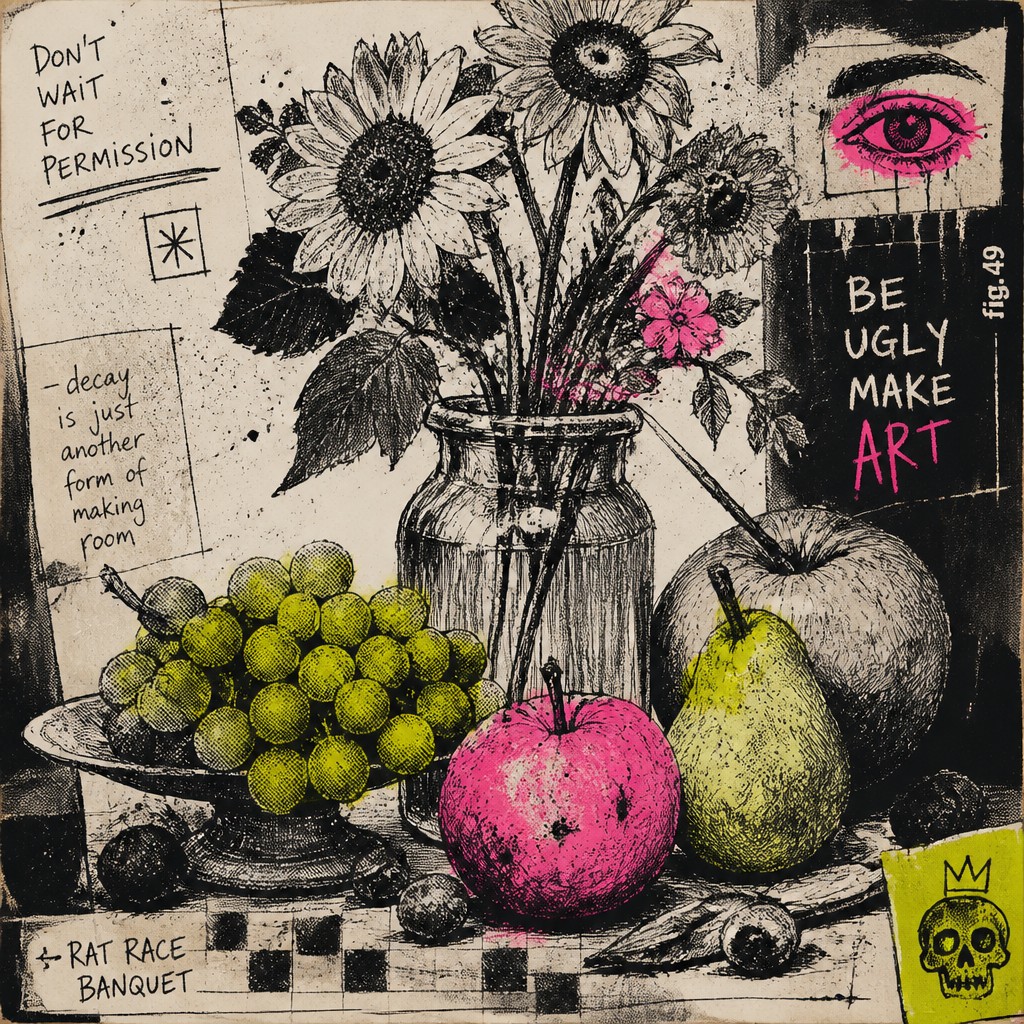
Indie/Alternative Comic Gallery
Tap any artwork to explore it
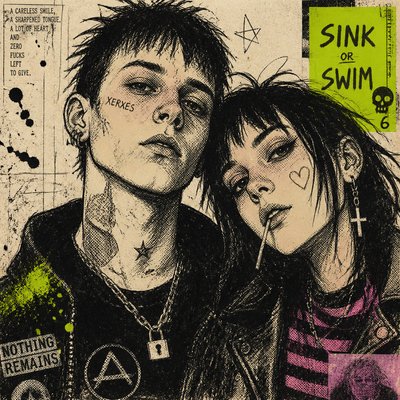
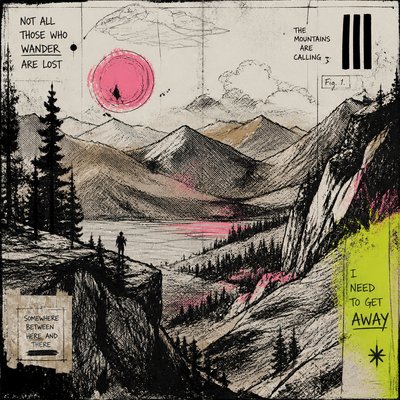
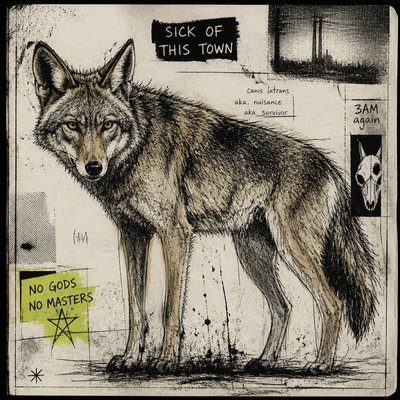
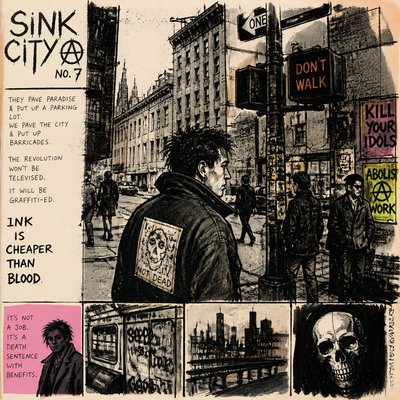
What is Indie/Alternative Comic Art?
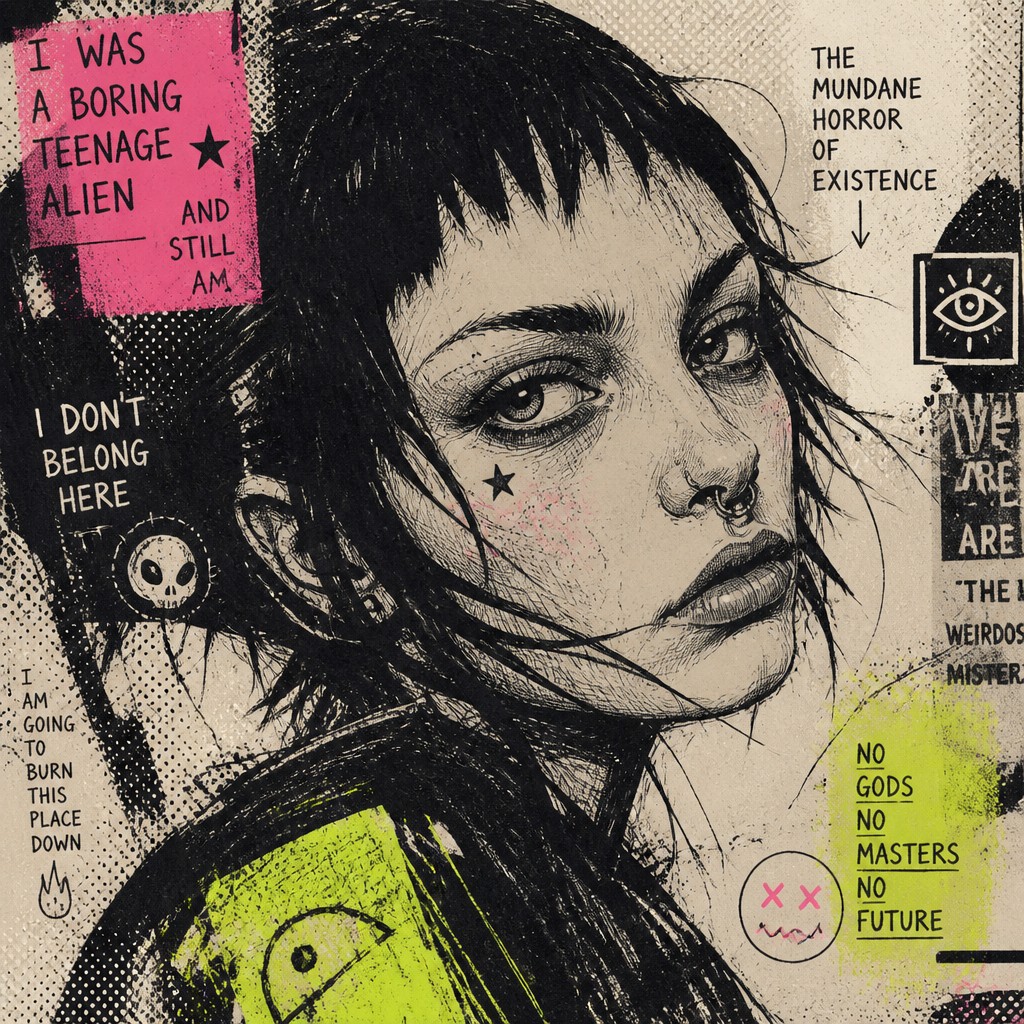
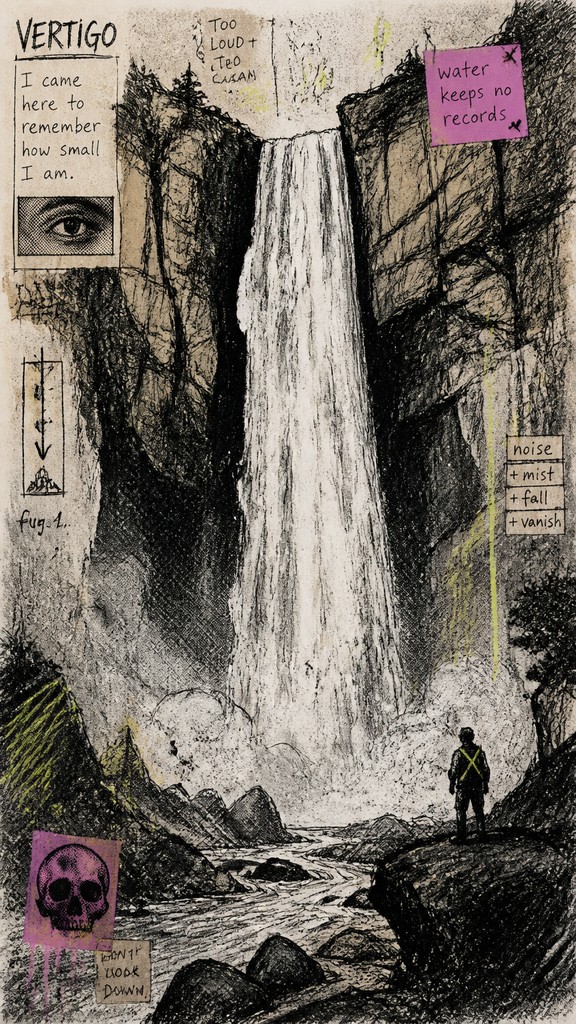
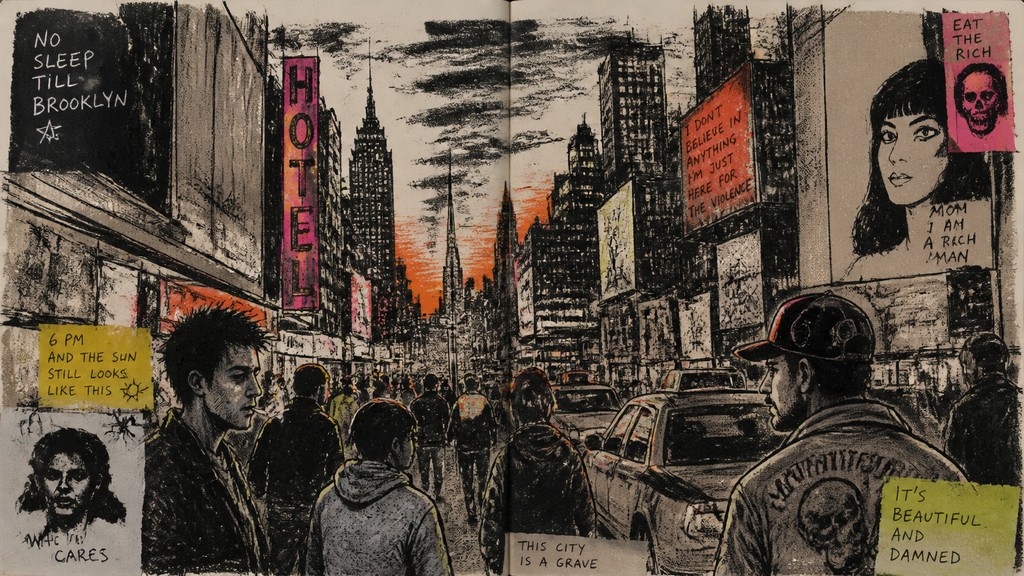
Indie/Alternative Comic Art is a loose umbrella term for comic imagery that emphasizes personal expression, rough textures, and experimental page-making over polished mainstream draftsmanship. It often looks handmade, intimate, and slightly improvised: expressive linework, visible corrections, uneven proportions, photocopied grain, and stark black-and-white contrast are all common features.
The style’s visual identity comes from the culture of small-press comics, zines, and independent illustration, where creators often work with limited budgets, simple reproduction methods, and a strong authorial voice. Rather than aiming for clean continuity or superhero polish, it values emotional directness, formal risk, and the sense that the page was assembled by hand.
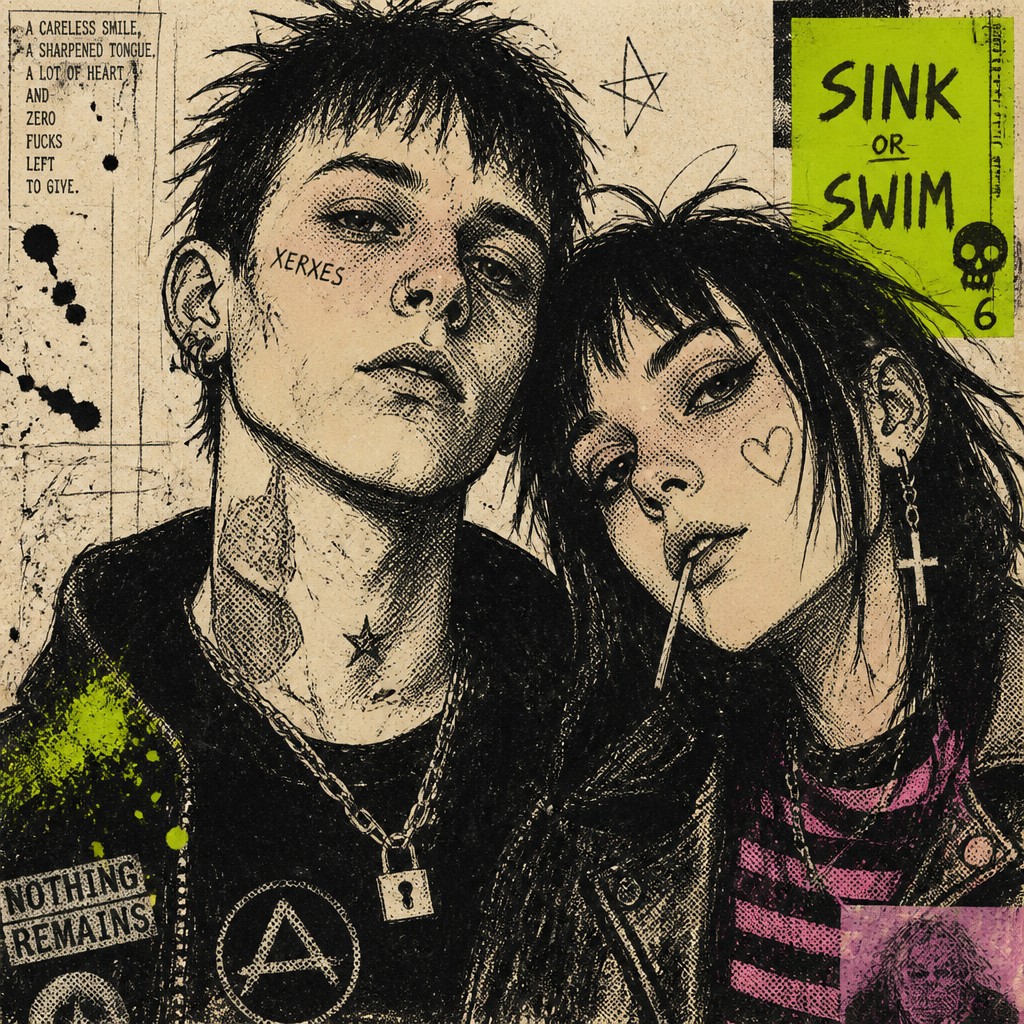
Try It On Your Photos
Upload any photo and convert it into Indie/Alternative Comic Art — drag the sliders to compare before and after.
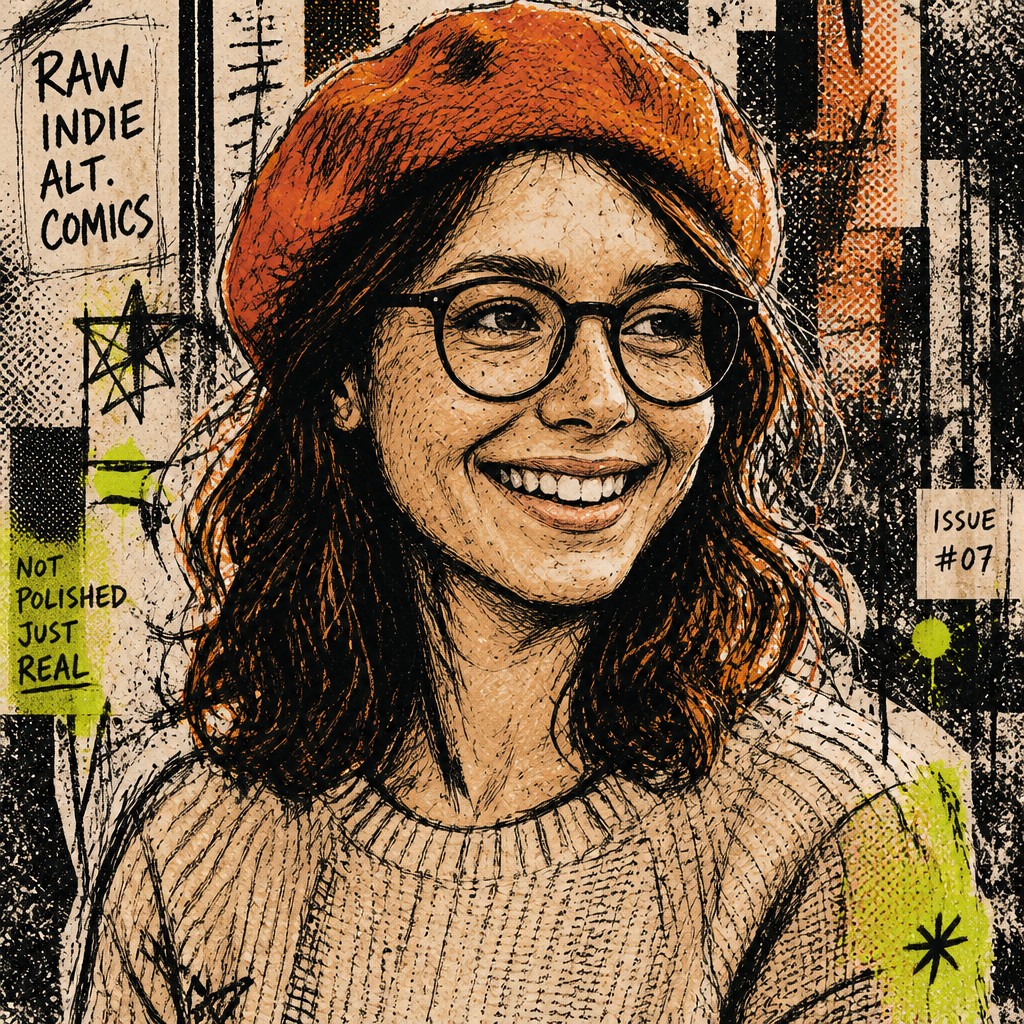

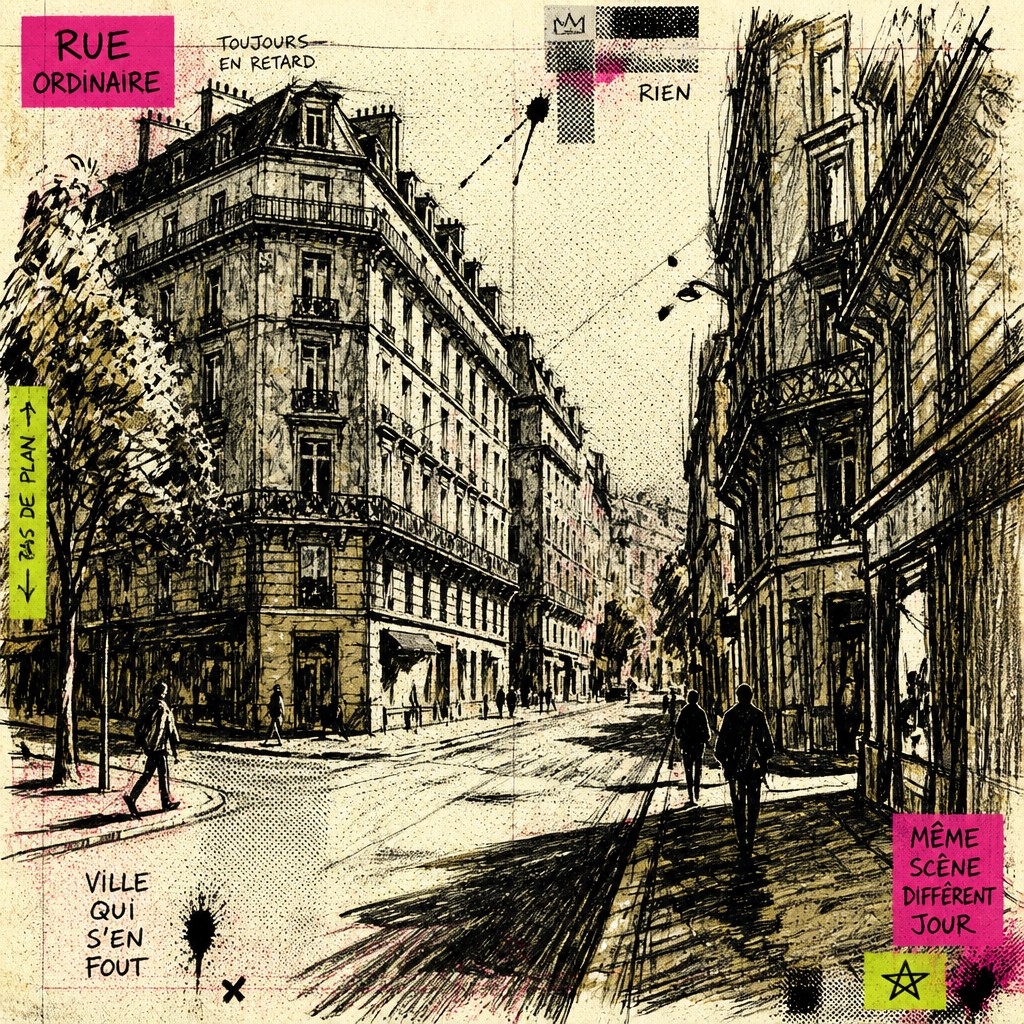

What Defines Indie/Alternative Comic Art
The signature details, up close
Expressive, unpolished linework
Lines often look quick, tense, or imperfect, with pressure changes, wobble, and visible redraws left intact. The effect is emotionally immediate rather than mechanically clean.
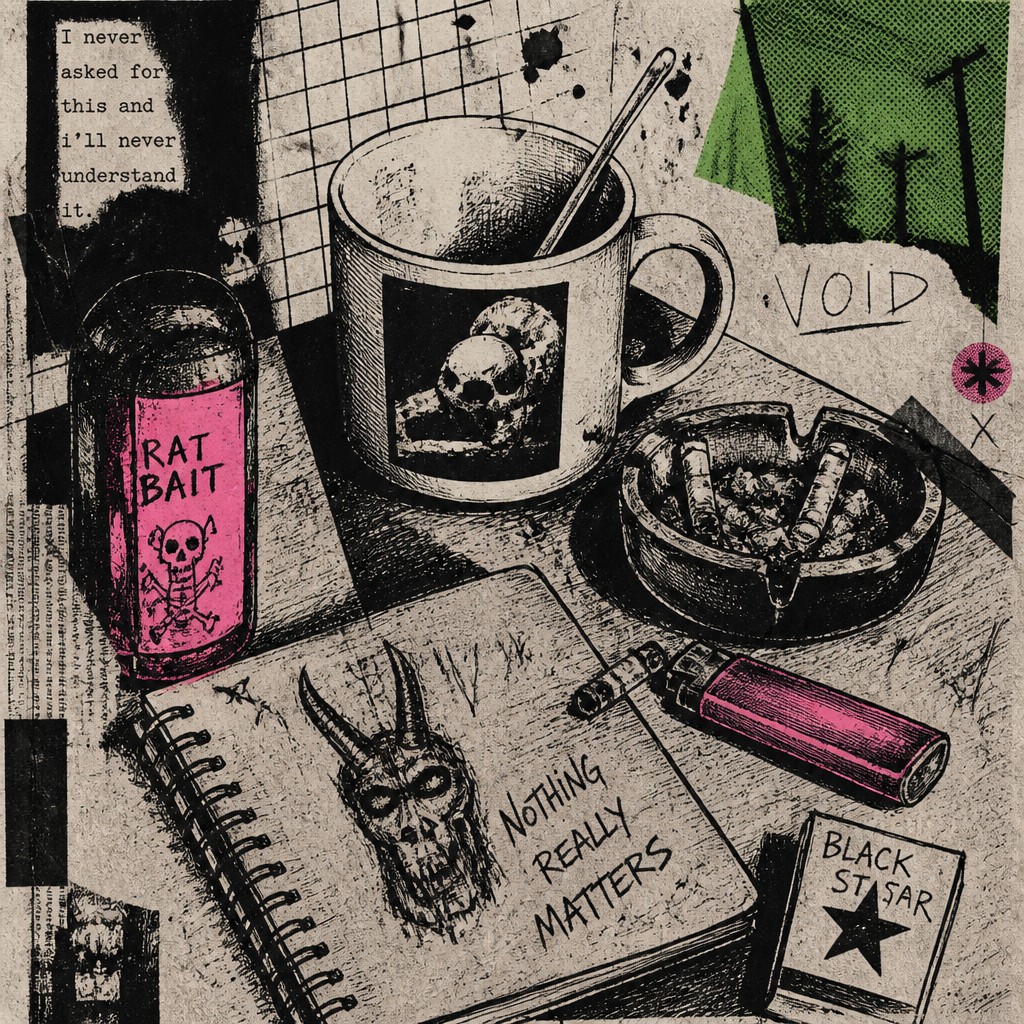
Heavy texture and reproduction artifacts
Grain, scan noise, halftone dots, photocopy streaks, and rough paper texture are common. These marks reinforce the handmade, reproduced quality of the image.
High-contrast black structure
Many works rely on bold blacks, aggressive crosshatching, and simplified value structure. Even when color is present, the image often retains a strong inked backbone.
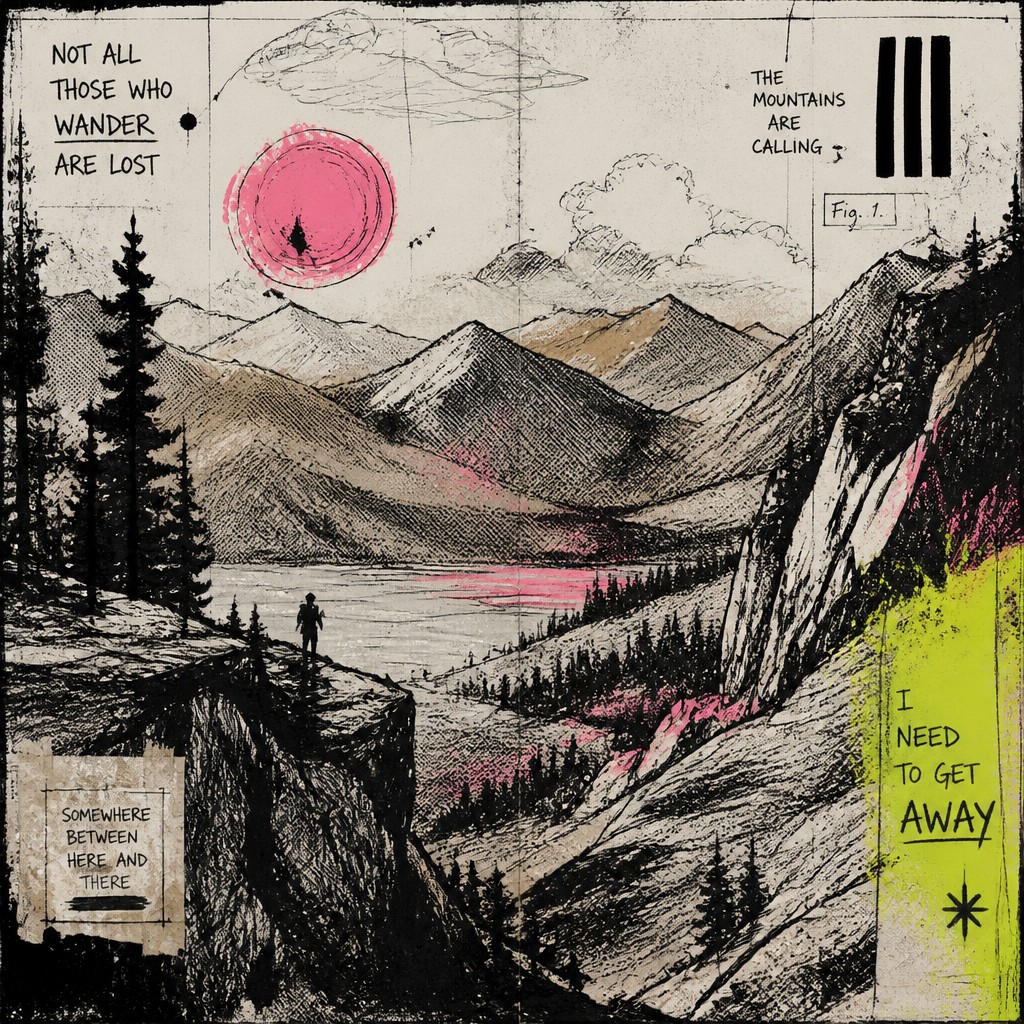
Muted palettes with rare bright accents
Earthy, desaturated colors are common, sometimes interrupted by neon or fluorescent highlights. The contrast helps direct attention and preserves the underground print feel.
Loose proportions and emotional distortion
Figures may be anatomically irregular, angular, or intentionally awkward. The drawing prioritizes mood, vulnerability, or intensity over polish and realism.
Visible process and revision
Construction lines, erasures, smudges, and corrections are often part of the finished image. This openness makes the artwork feel candid and physically made.
Try It
Create Videos in Indie/Alternative Comic Art
Styles aren't just for stills — describe a scene or animate an image and get a short video rendered in Indie/Alternative Comic. Press play to see this pond come to life.
Make a VideoIndie/Alternative Comic Prompt Ideas
Start from an idea — each one opens the generator with the style ready to go. See all 40 Indie/Alternative Comic prompts →
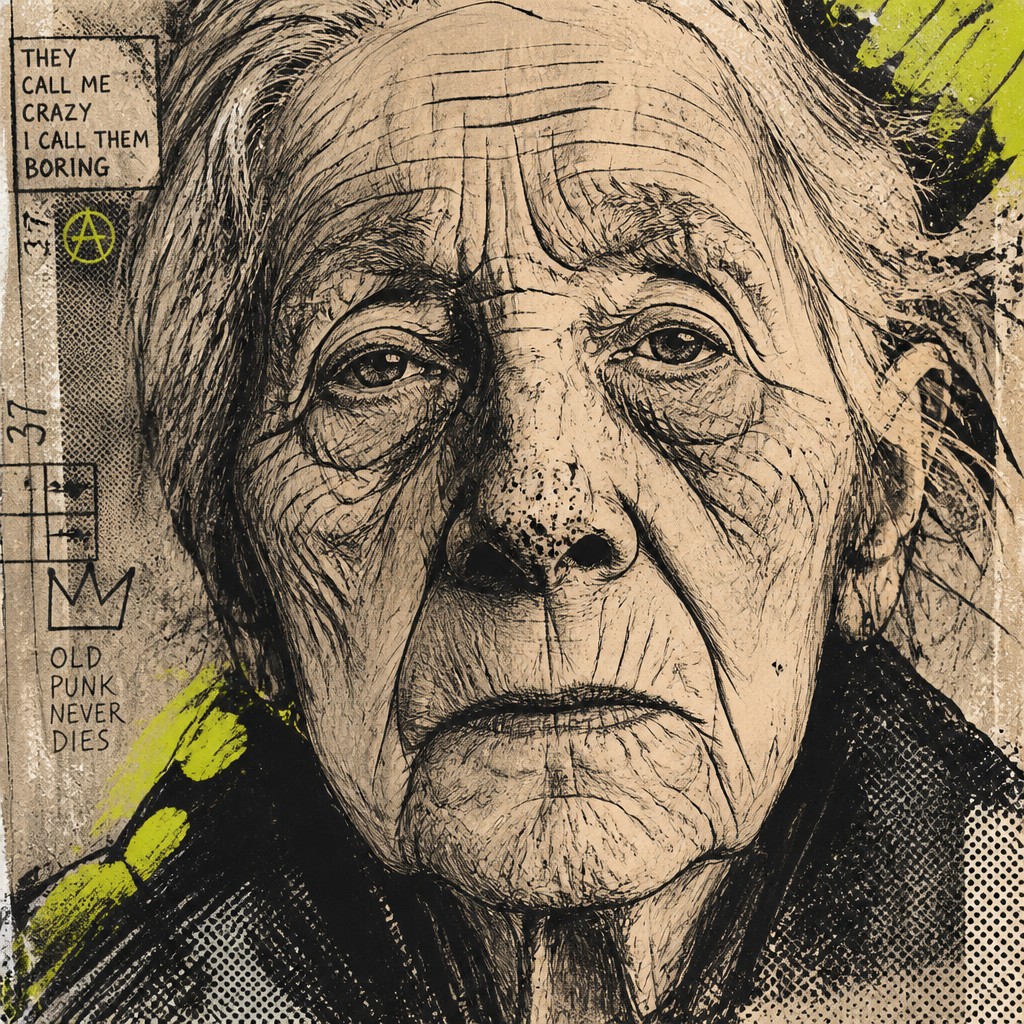
“close-up portrait of an elderly person with expressive weathered features”
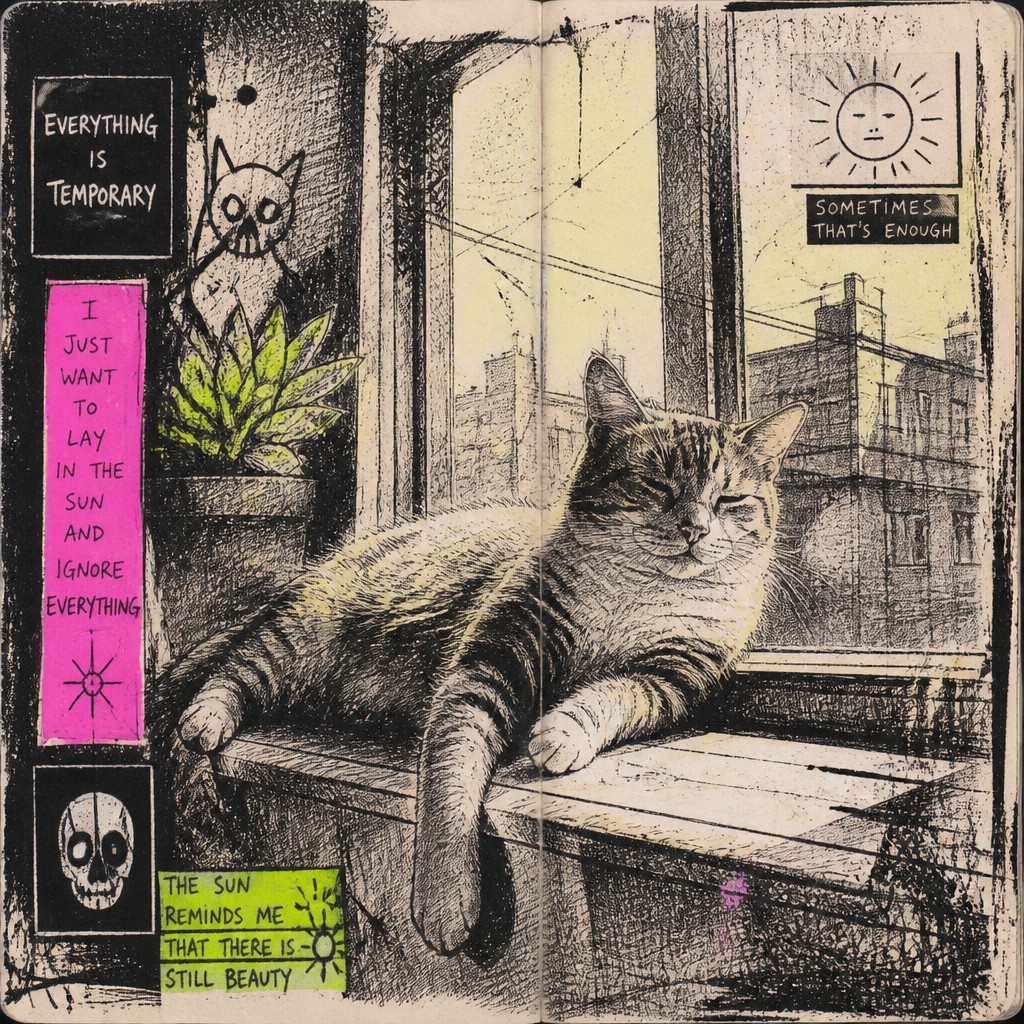
“a cat lounging in a sunlit window”
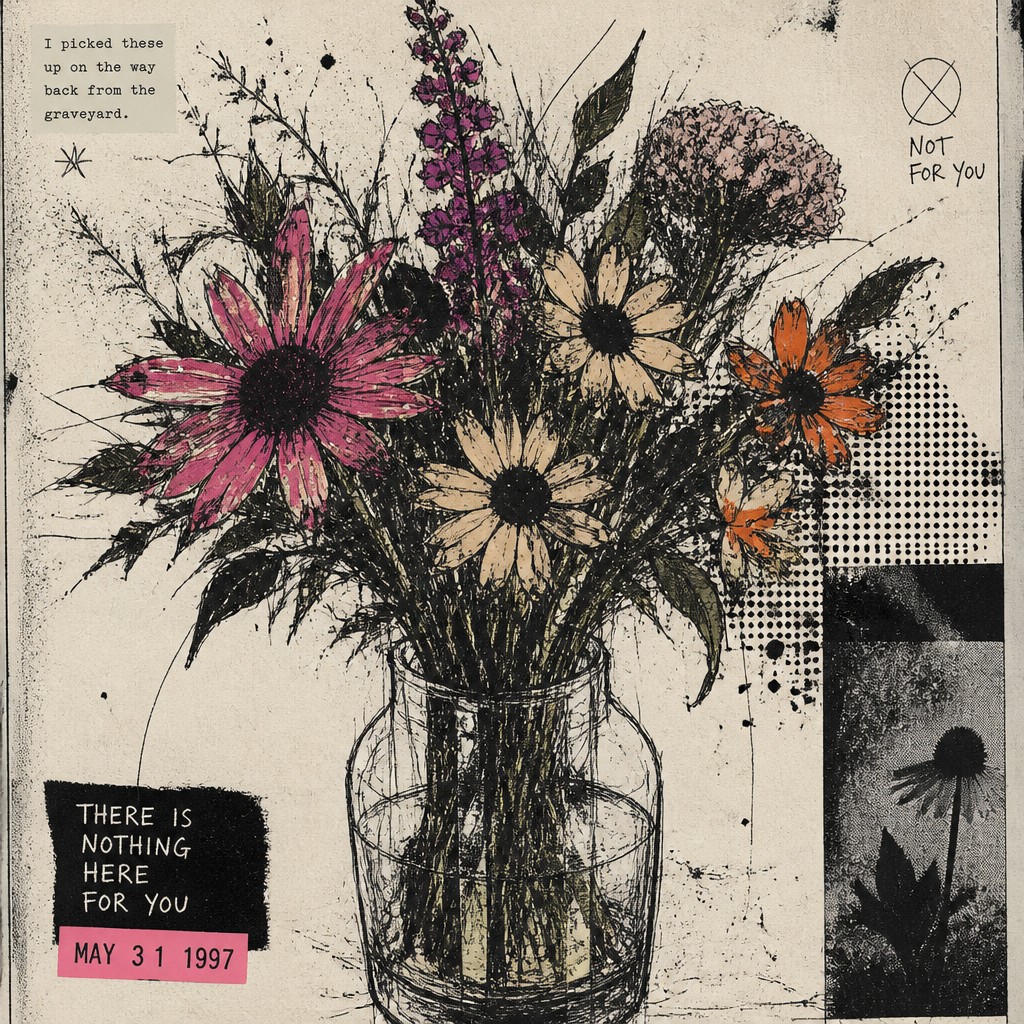
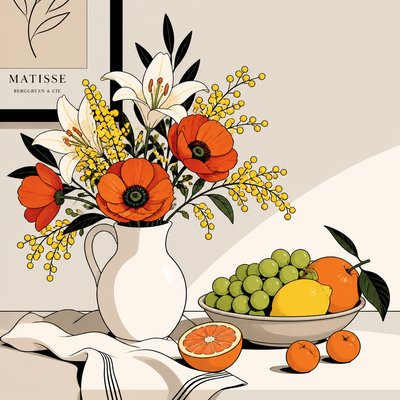
“bouquet of flowers in a glass vase”
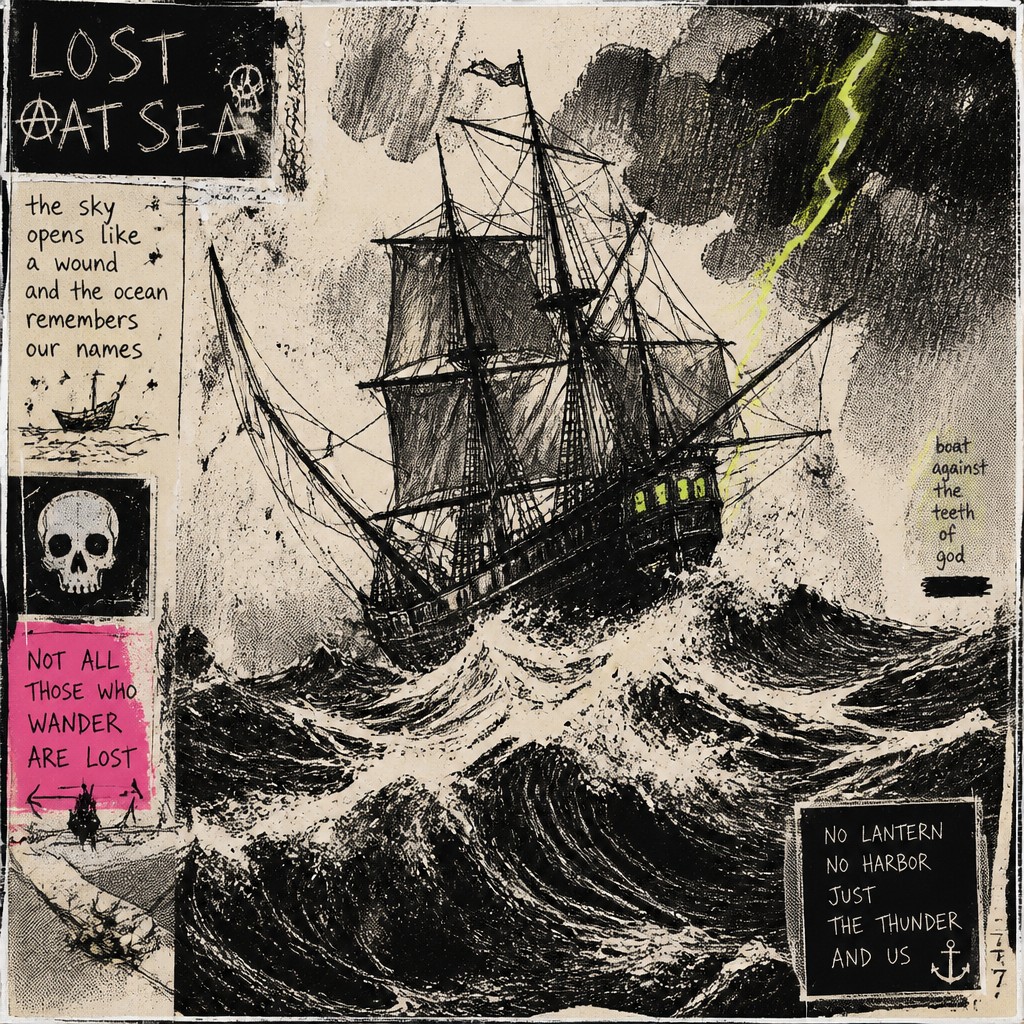
“sailing ship on a stormy sea”
How to Create Indie/Alternative Comic Art
Master the craft step by step — or skip straight to creating. Read the full guide →
- 1
Start with rough, communicative drawing
Use quick contour sketches, broken outlines, and gesture-first figure planning instead of polished contouring. Leave some construction visible so the drawing feels active and personal.
- 2
Build contrast with ink and crosshatching
Emphasize shadows using layered hatching, scribble shading, and solid black shapes. Avoid overblending; the texture of each mark should remain readable.
- 3
Add print-like aging and paper texture
Scan pencil and ink marks, then introduce grain, slight blur, halftone, or photocopy artifacts in digital editing. Traditional methods can mimic this by working on rough paper and reproducing the page through copy or risograph processes.
- 4
Keep the palette restrained
Limit color to a small set of earthy tones, off-whites, and dirty grays, then add one or two fluorescent accents if needed. This preserves the zine-like mood and avoids a glossy finish.
- 5
Use the page as a compositional space
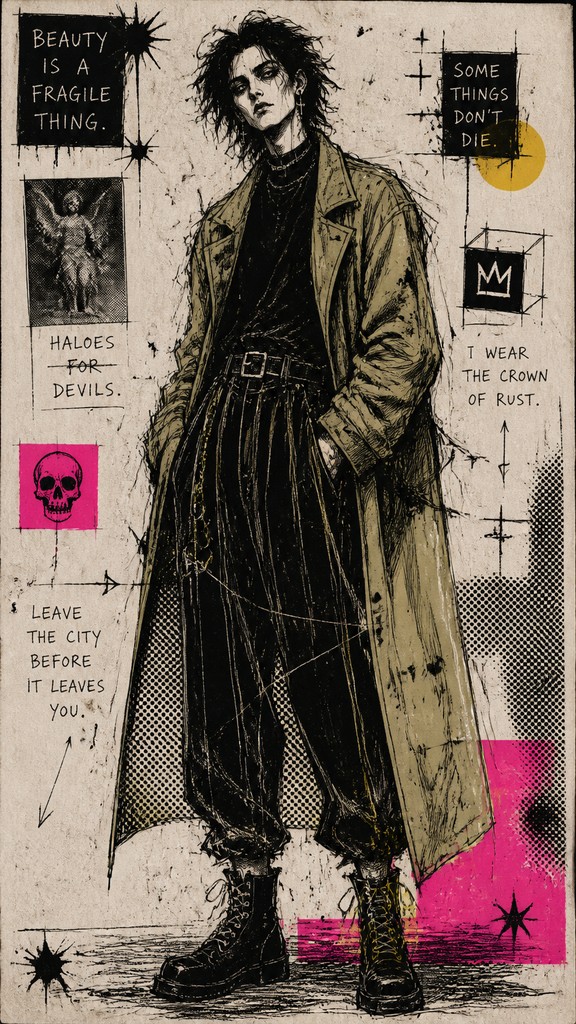
Think in panels, borders, captions, and hand-lettering as part of the image rather than decoration. For prompt-based generation, specify textures such as photocopied grain, rough graphite, splattered ink, halftone dots, and underground zine aesthetics.
The Story
History & Origins of Indie/Alternative Comic
Indie/Alternative Comic Art is not a single historical movement with one origin point, but an aesthetic lineage that grew from underground comix, small-press comics, punk zines, and alternative cartooning from the late 20th century onward. Its development is closely tied to self-publishing and independent distribution, where photocopying, risograph printing, and other inexpensive reproduction methods helped shape the look of the work itself.
As a visual tradition, it draws from a mix of sources: newspaper cartooning, expressionist drawing, underground comix, and the visual economy of zines and DIY print culture. Because the style is defined by independence and experimentation, it varies widely from creator to creator, but it consistently privileges personal voice, roughness, and formal freedom over commercial uniformity.
Influences: This style is closely related to underground comix, punk zines, and alternative cartooning, along with expressionist drawing and the visual language of photocopied print culture. In historical terms, it can overlap with the emotional distortions of Expressionism and the graphic clarity of comic strip traditions, but it is defined less by a single movement than by the DIY ethos of independent publishing.
Frequently Asked Questions
What defines Indie/Alternative Comic Art?
It is defined by expressive, personal drawing; visible imperfections; and a handmade, small-press feel. The style often uses rough linework, crosshatching, photocopy textures, and restrained color to communicate mood and individuality.
How is it different from mainstream comic art?
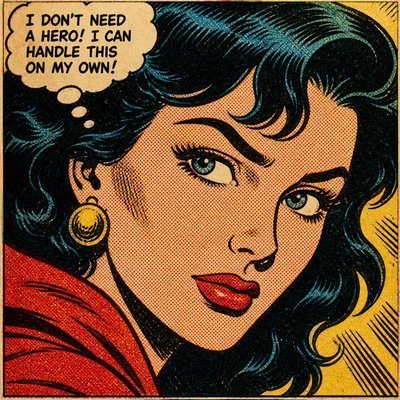
Mainstream comic art usually favors consistency, polish, and clear commercial readability, while indie and alternative comics often embrace roughness, stylistic experimentation, and emotional ambiguity. The page can feel more intimate and idiosyncratic, sometimes closer to a sketchbook or zine than a conventional superhero comic.
Is this the same as underground comix?
Not exactly, but it is closely related. Underground comix refers to a specific historical context in late-1960s and 1970s counterculture, while indie/alternative comic art is a broader contemporary label for independently minded comic aesthetics and methods.
What tools are commonly used to make it?
Creators often use graphite, brush pens, dip pens, ink washes, collage, and photocopy or scan-based reproduction. Digitally, the look can be built by combining rough sketch textures, ink brushes, halftones, grain overlays, and restrained color treatment.
Where is this style commonly used?
It appears in autobiographical comics, literary graphic novels, zines, gig posters, small-press anthologies, and editorial illustration. It is especially common where a strong personal voice and DIY sensibility matter more than commercial finish.
Can this style be colored, or is it usually black and white?
It can be either, but black and white is especially common because it reinforces the photocopied, printed look. When color is used, it is often limited, muted, or selectively bright so the drawing and texture remain central.
Create your first Indie/Alternative Comic artwork
Describe anything — or upload a photo — and see it in Indie/Alternative Comic Art in seconds.
Make Something with Indie/Alternative Comic
Compare Indie/Alternative Comic
Related Styles
Discover similar art styles