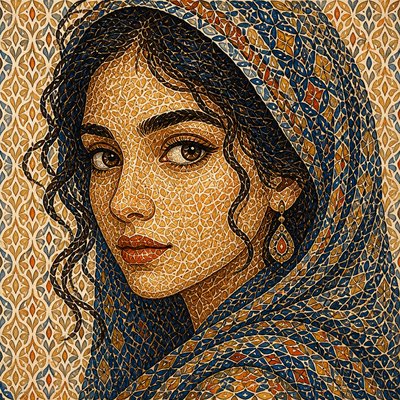
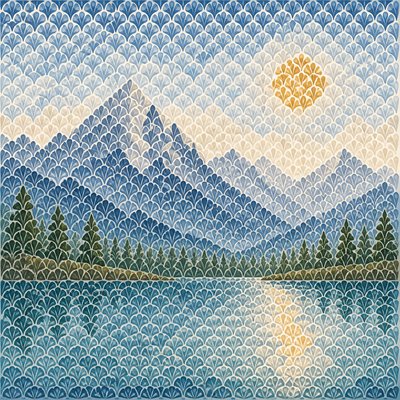
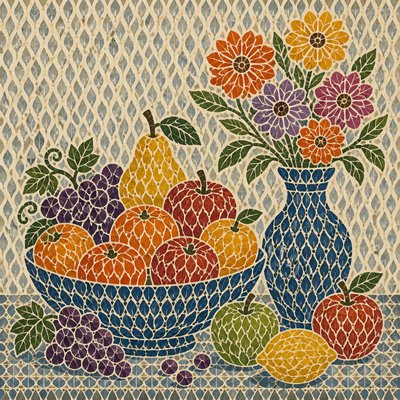
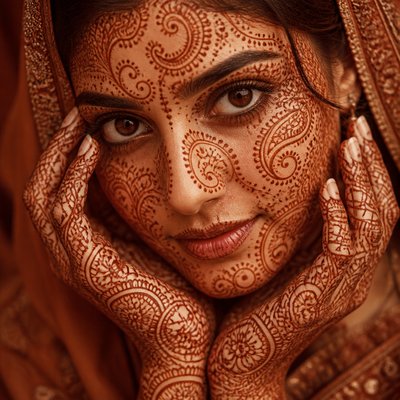
Voxel Art Style
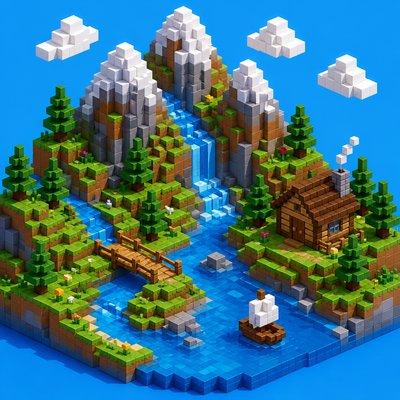
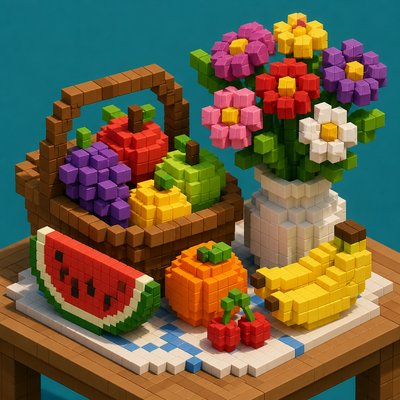
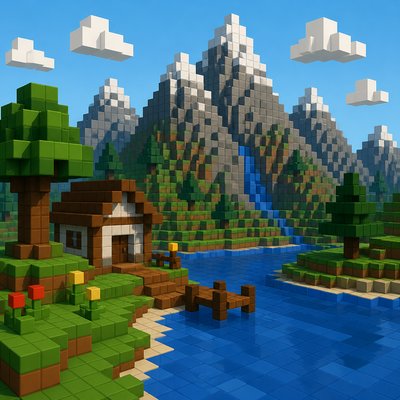
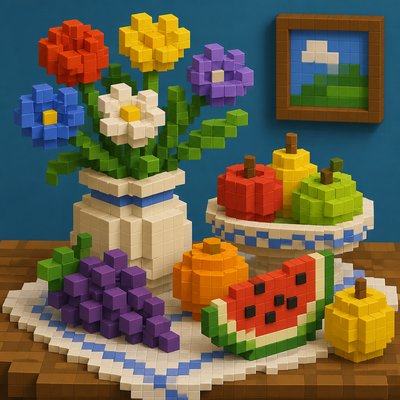
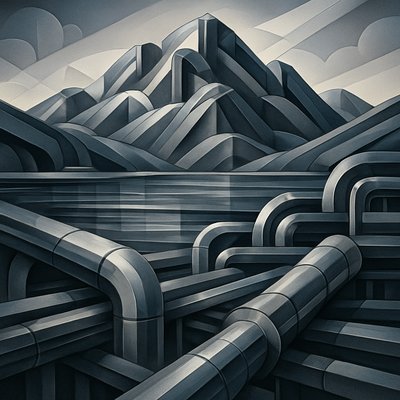
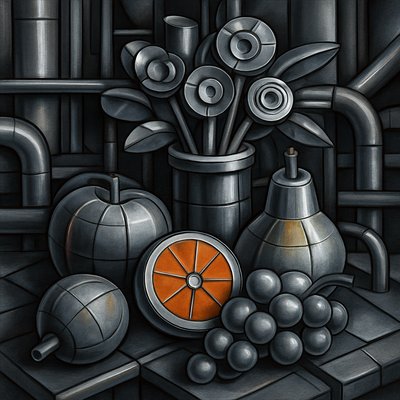
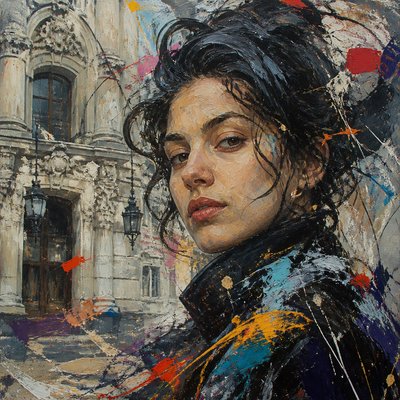
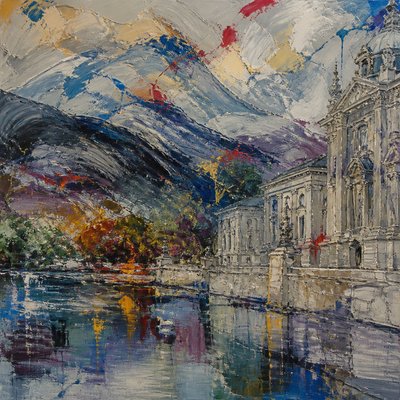
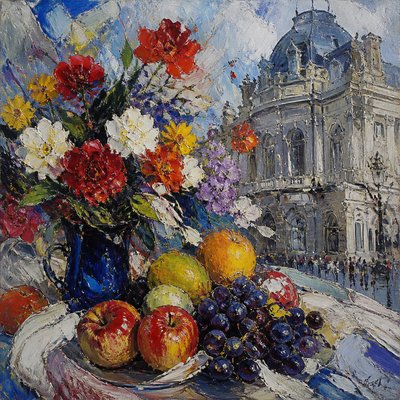
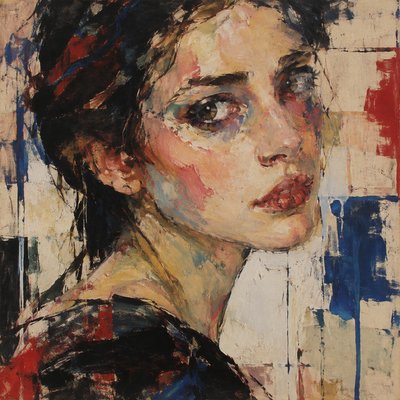
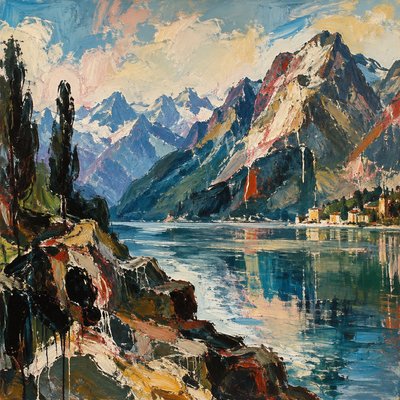
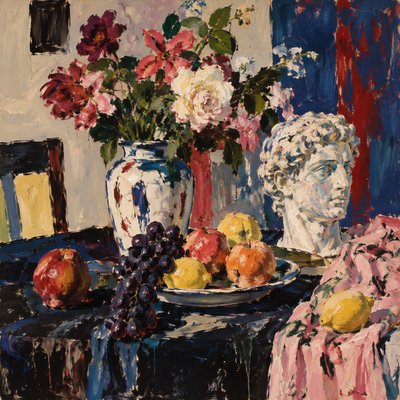
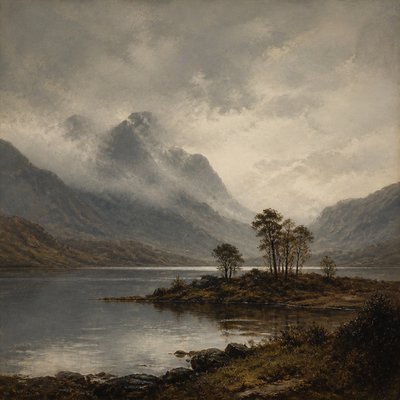
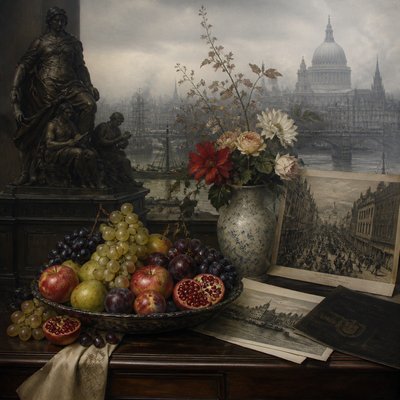
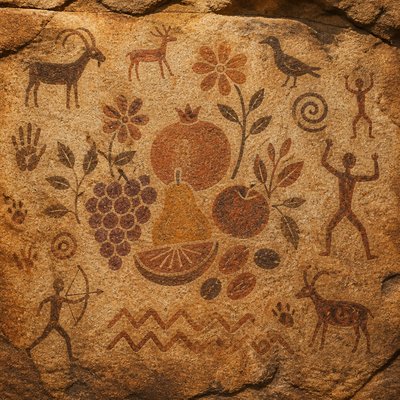
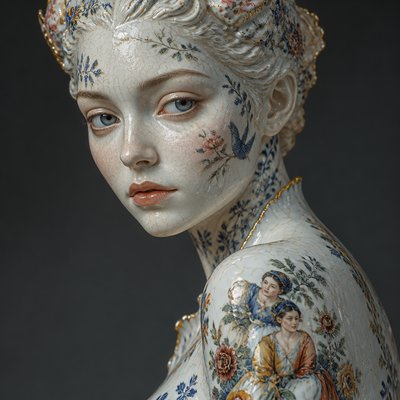
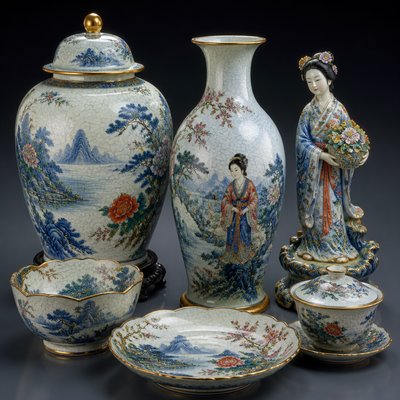
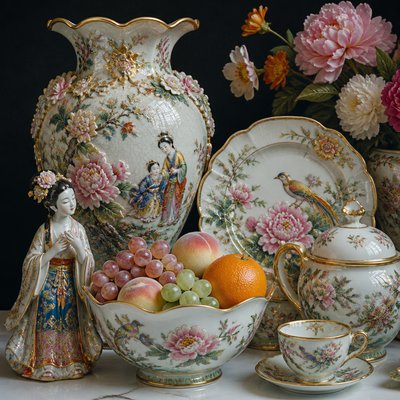
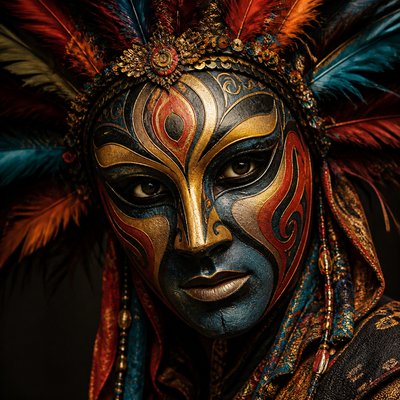
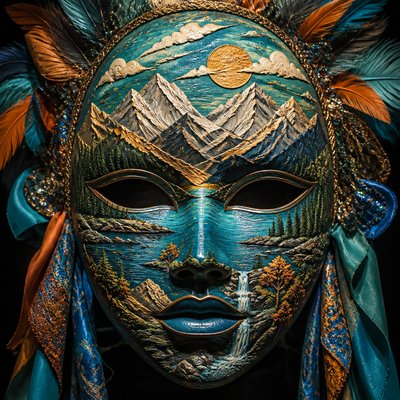
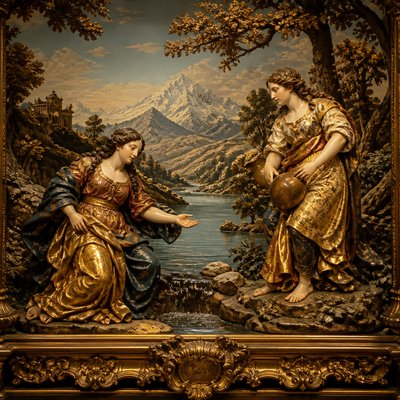
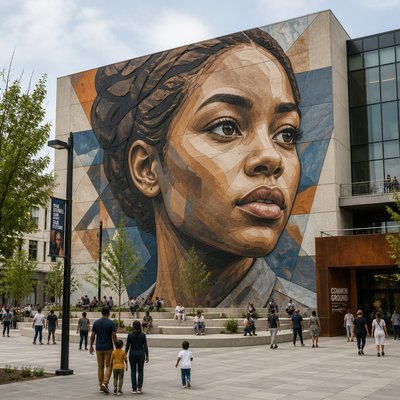
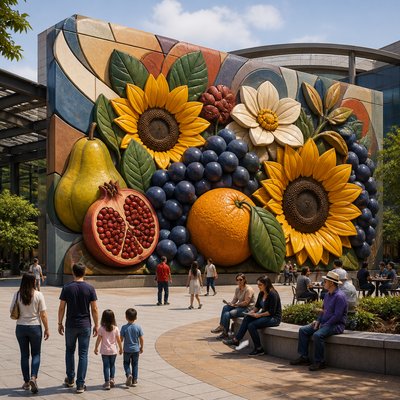
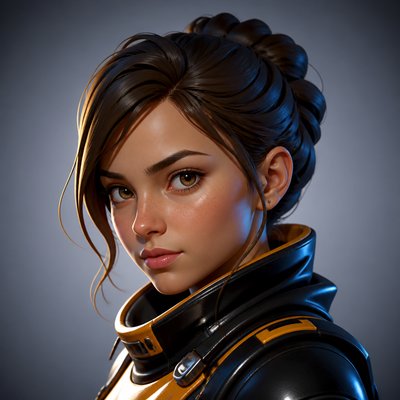
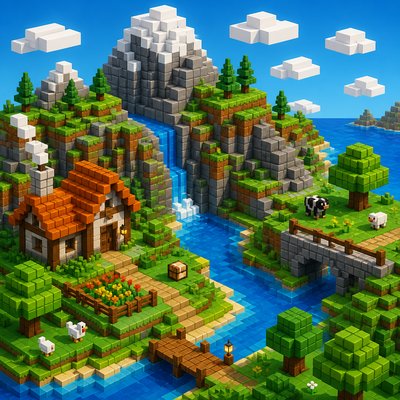
Voxel art is 3D pixel art built from cubes, with blocky forms, isometric views, and a playful game-ready look.
Instantly rendered in Voxel — or transform a photo
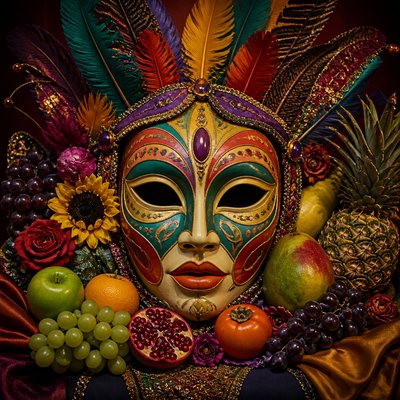
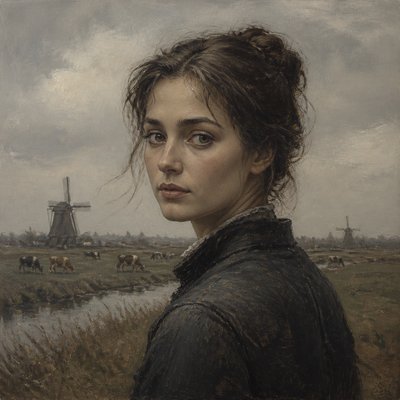
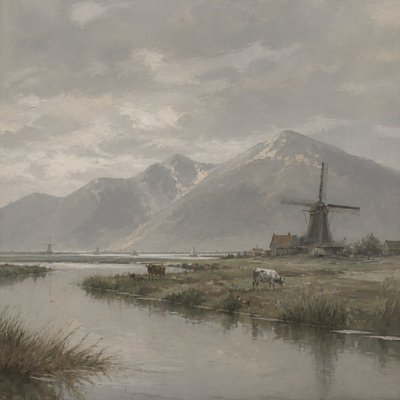
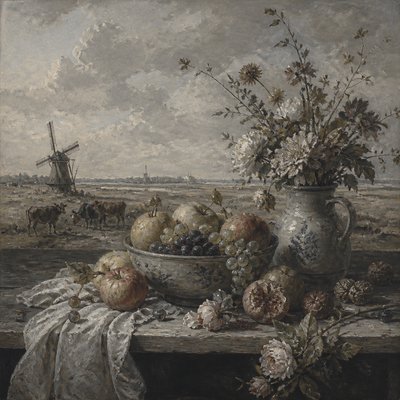
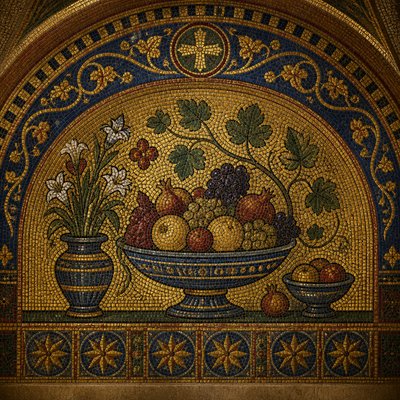
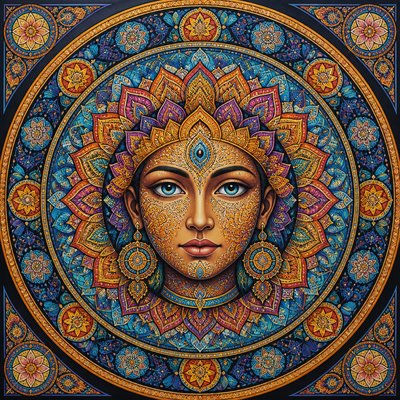
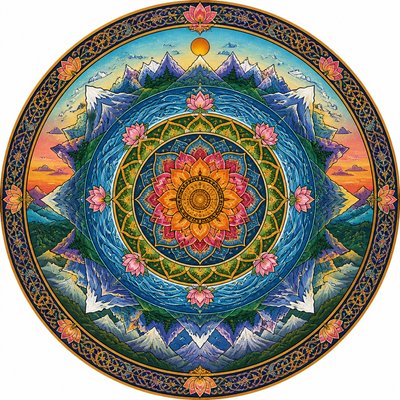
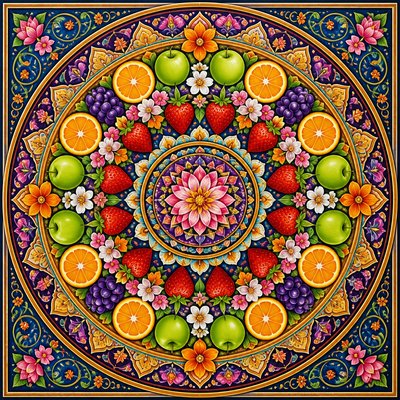
Voxel Gallery
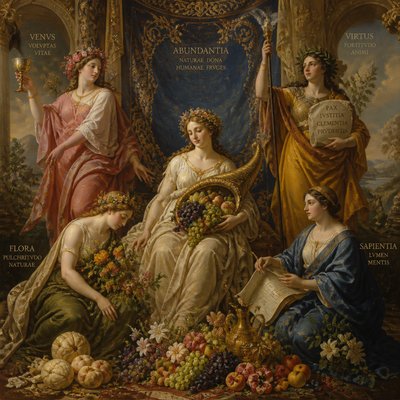
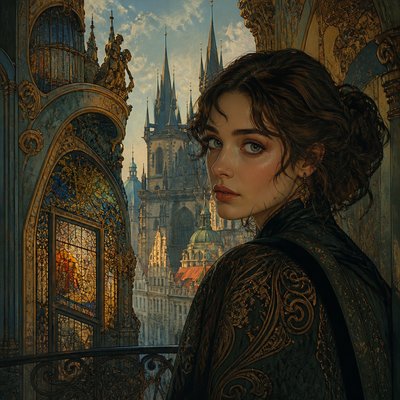
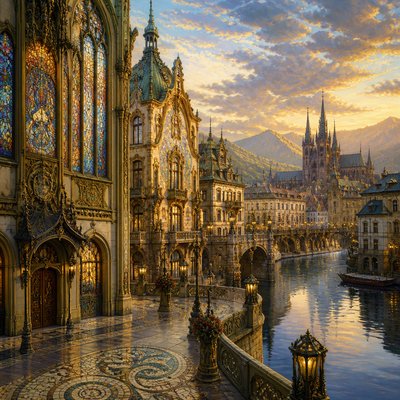
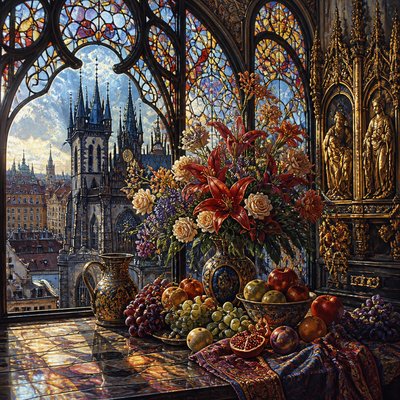
Tap any artwork to explore it


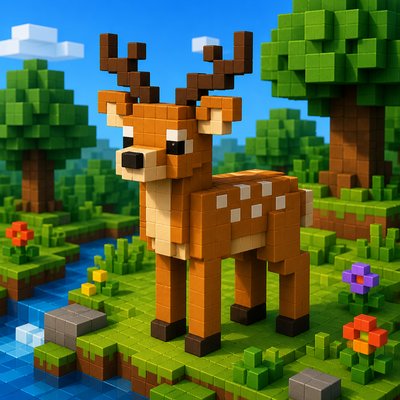
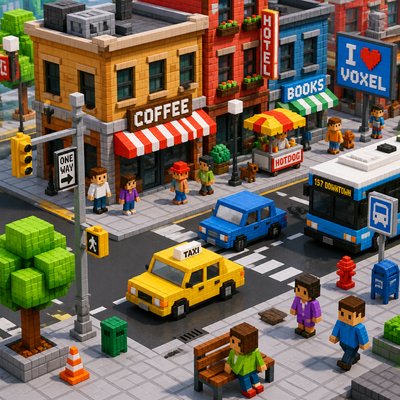
What is Voxel Art Style?
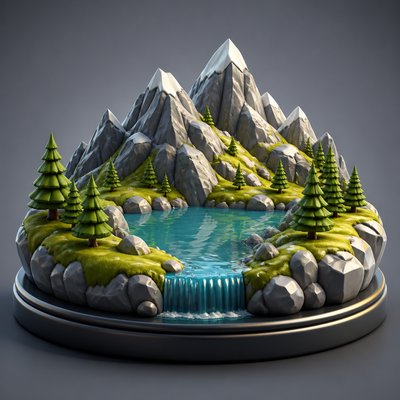
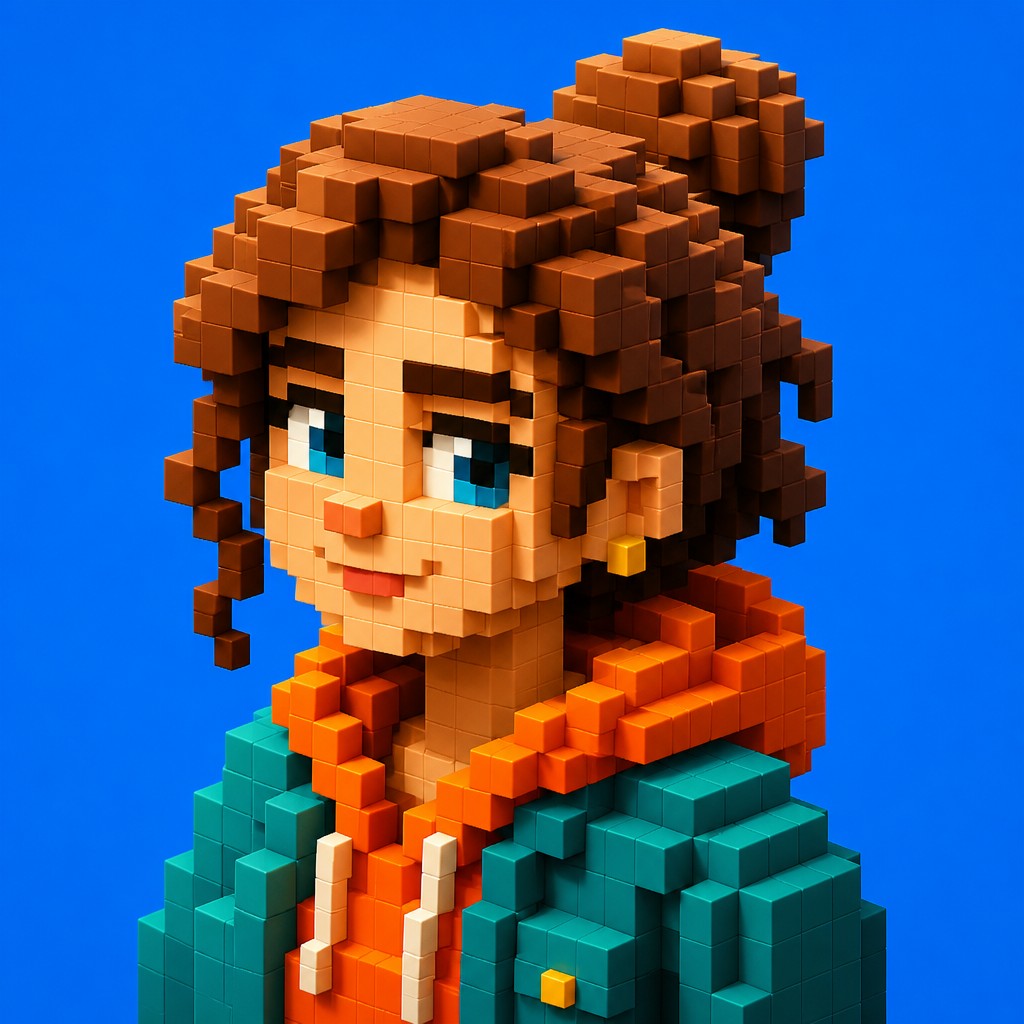
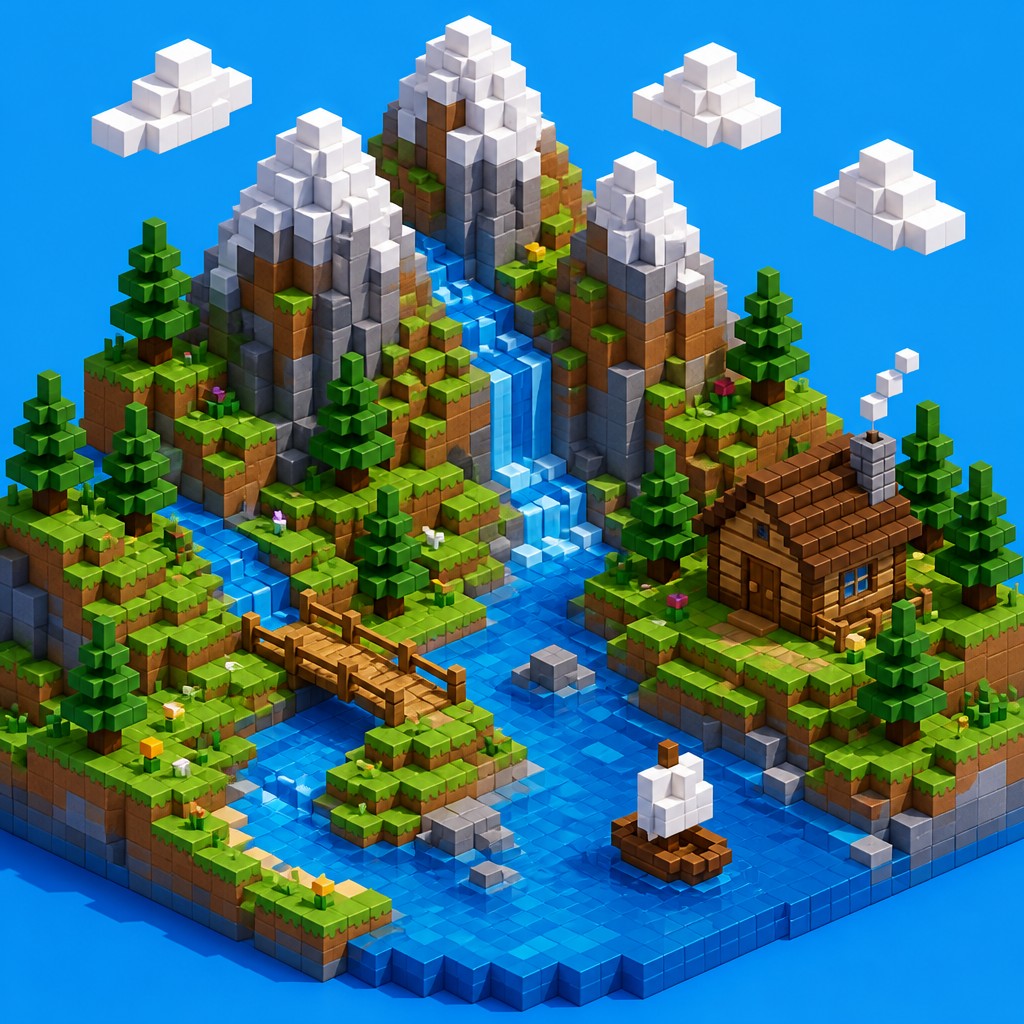
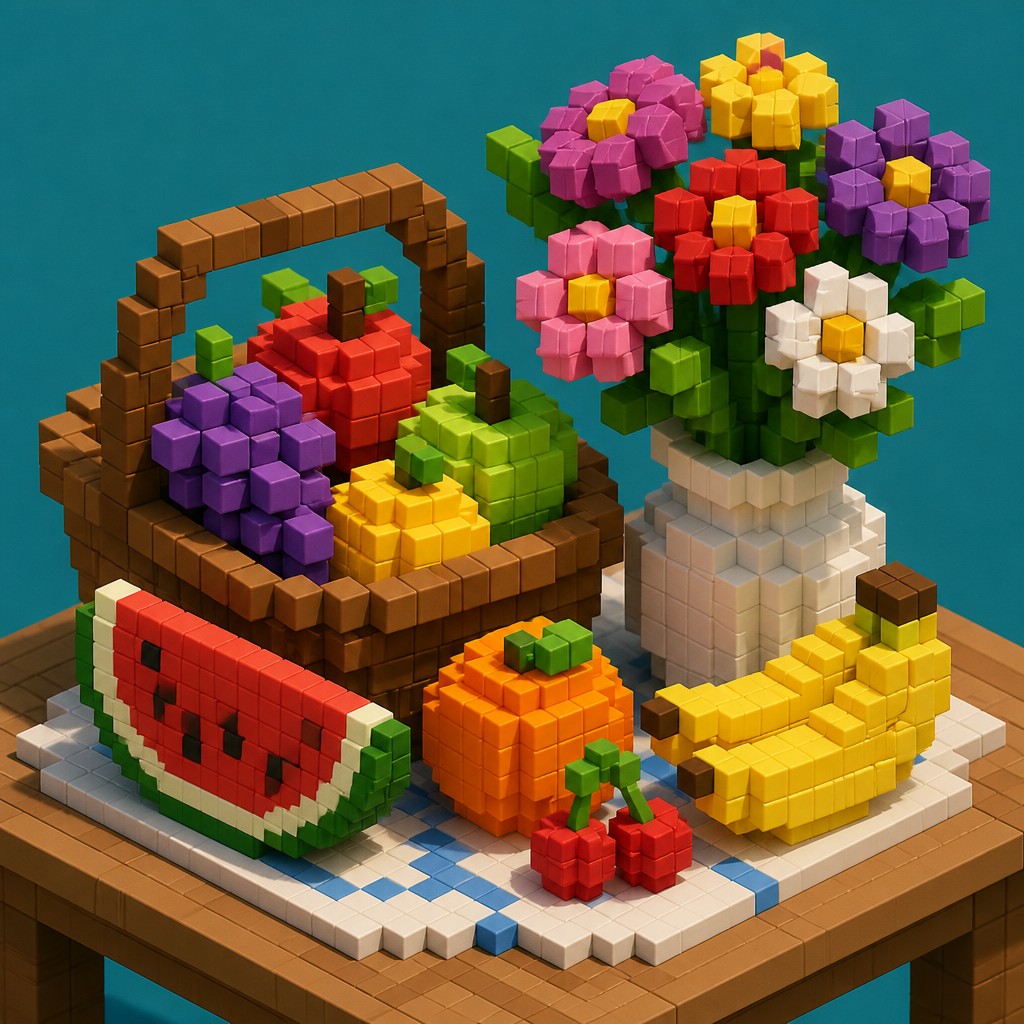
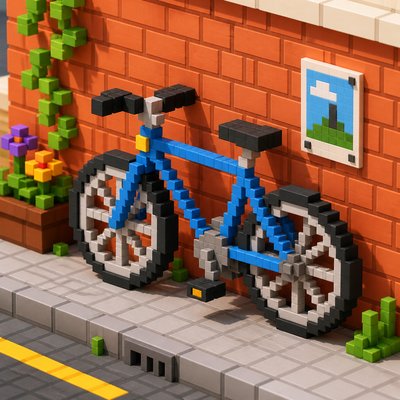
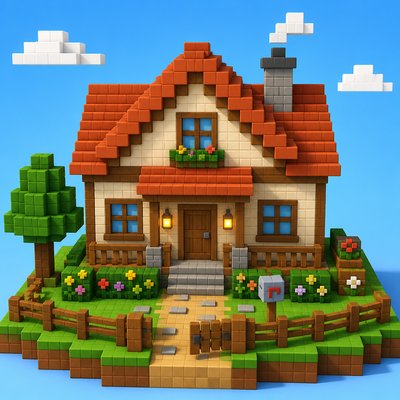
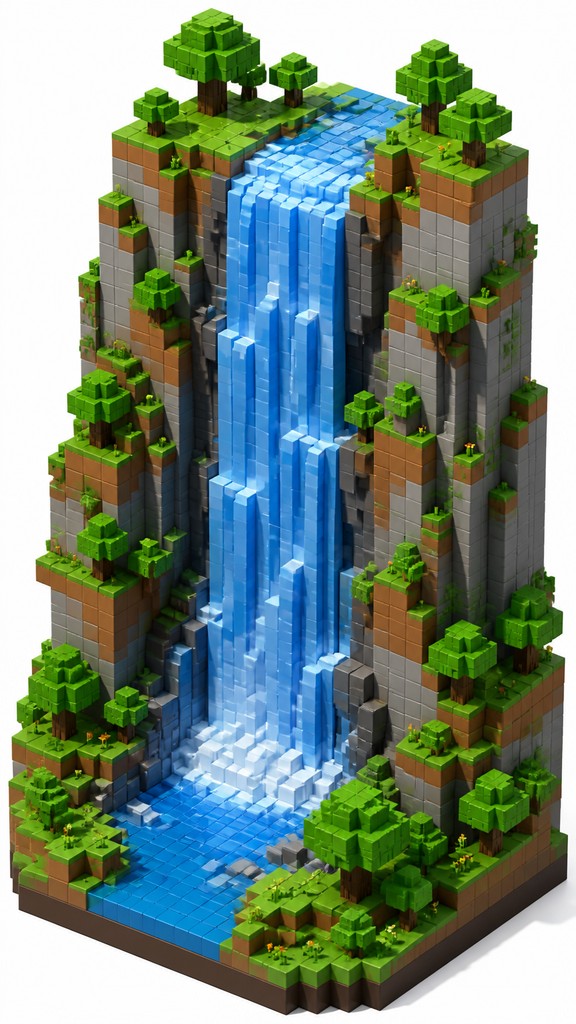
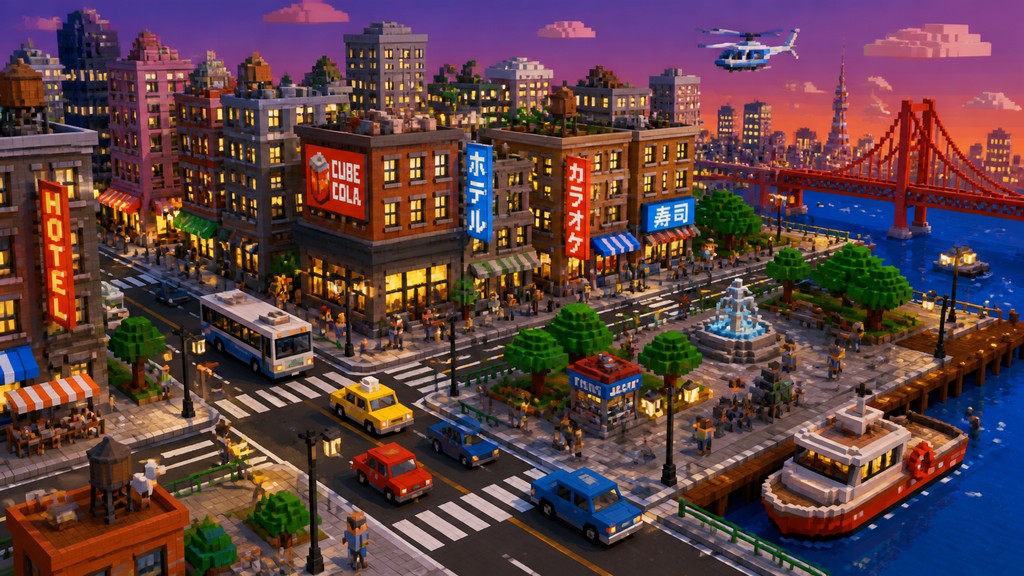
Voxel art is a three-dimensional image-making style built from small, uniform cubes called voxels. Instead of smoothing forms into continuous curves, it constructs subjects, objects, and environments from a strict grid, producing a chunky, block-based look that reads like a digital sculpture or a miniature diorama.
Its visual identity comes from the tension between low-resolution geometry and recognizable form. Rounded shapes become stair-stepped, surfaces remain flat and planar, and edges often stay crisp and angular. The result is a style that feels playful, engineered, and highly legible, which is why it is widely associated with indie games, world-building, animation, and stylized concept art.
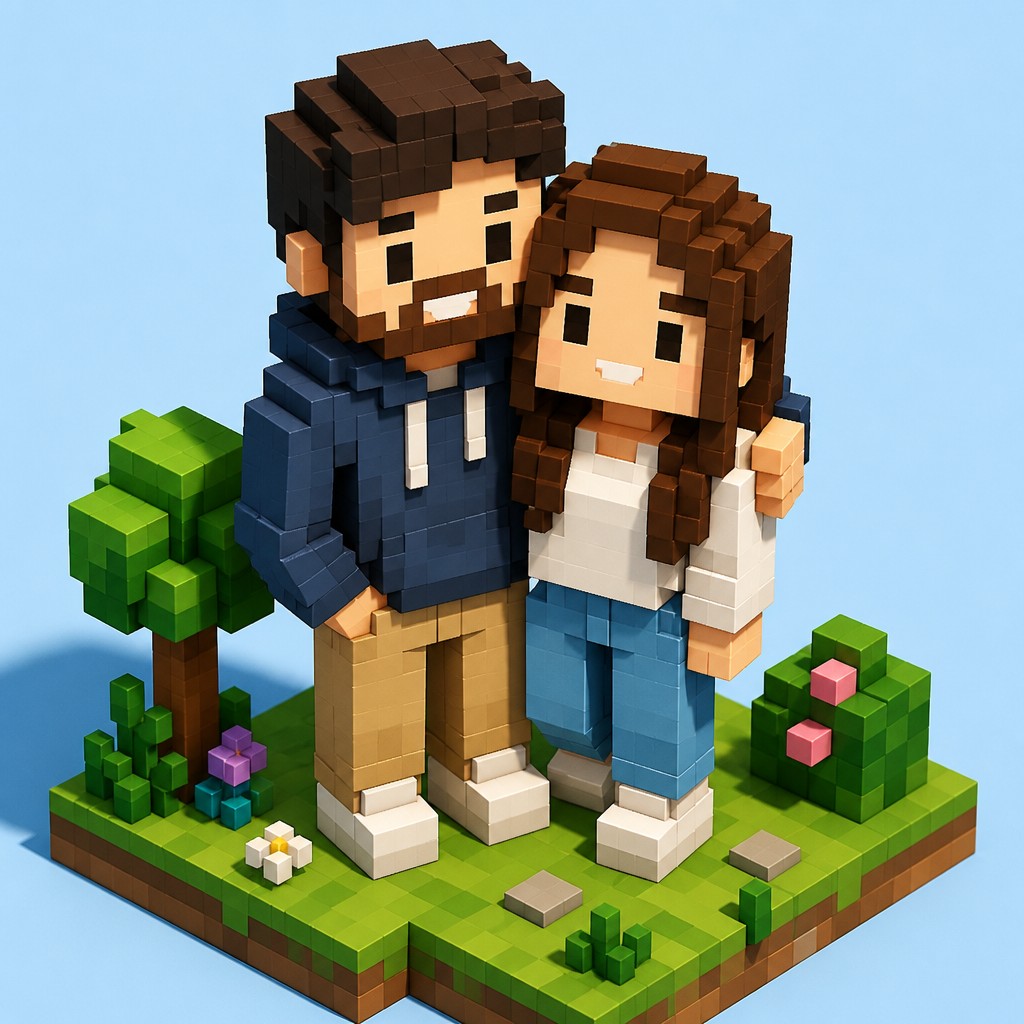
Try It On Your Photos
Upload any photo and convert it into Voxel Art Style — drag the sliders to compare before and after.
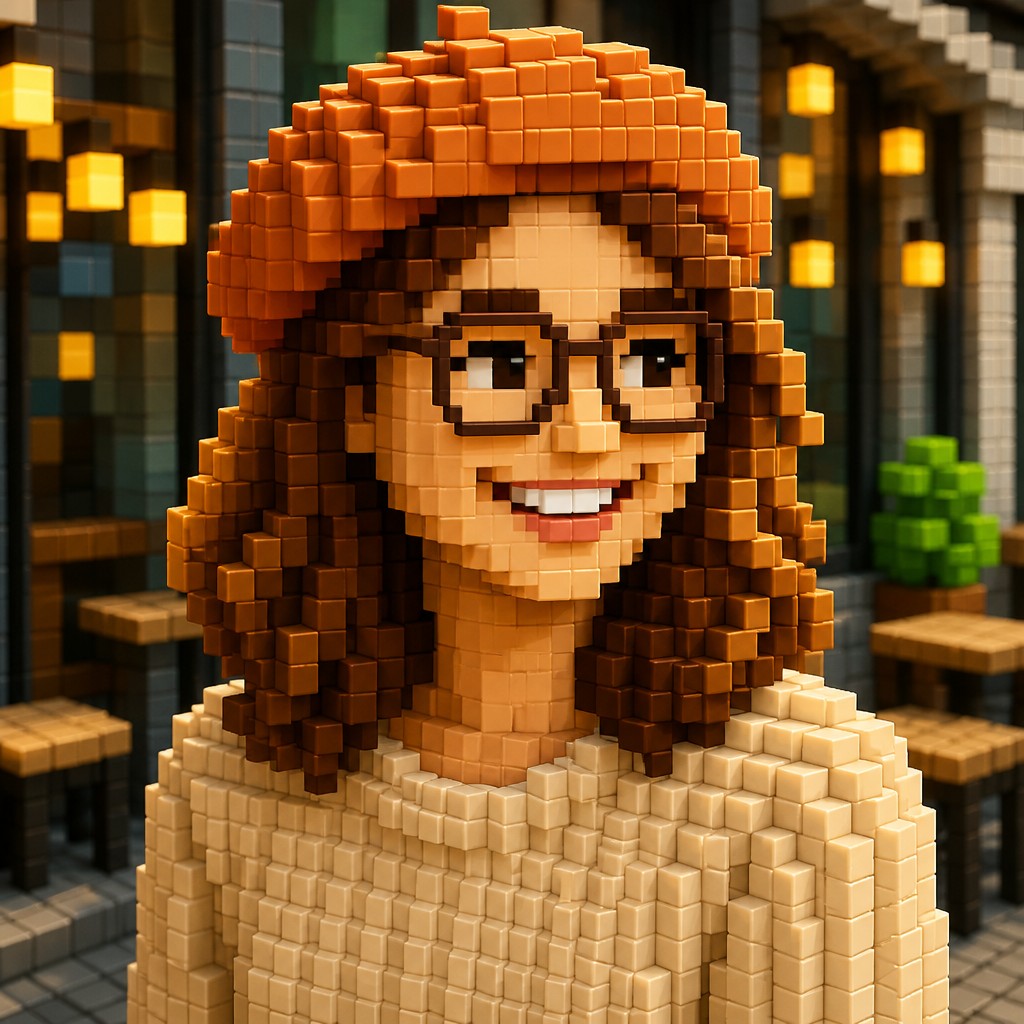

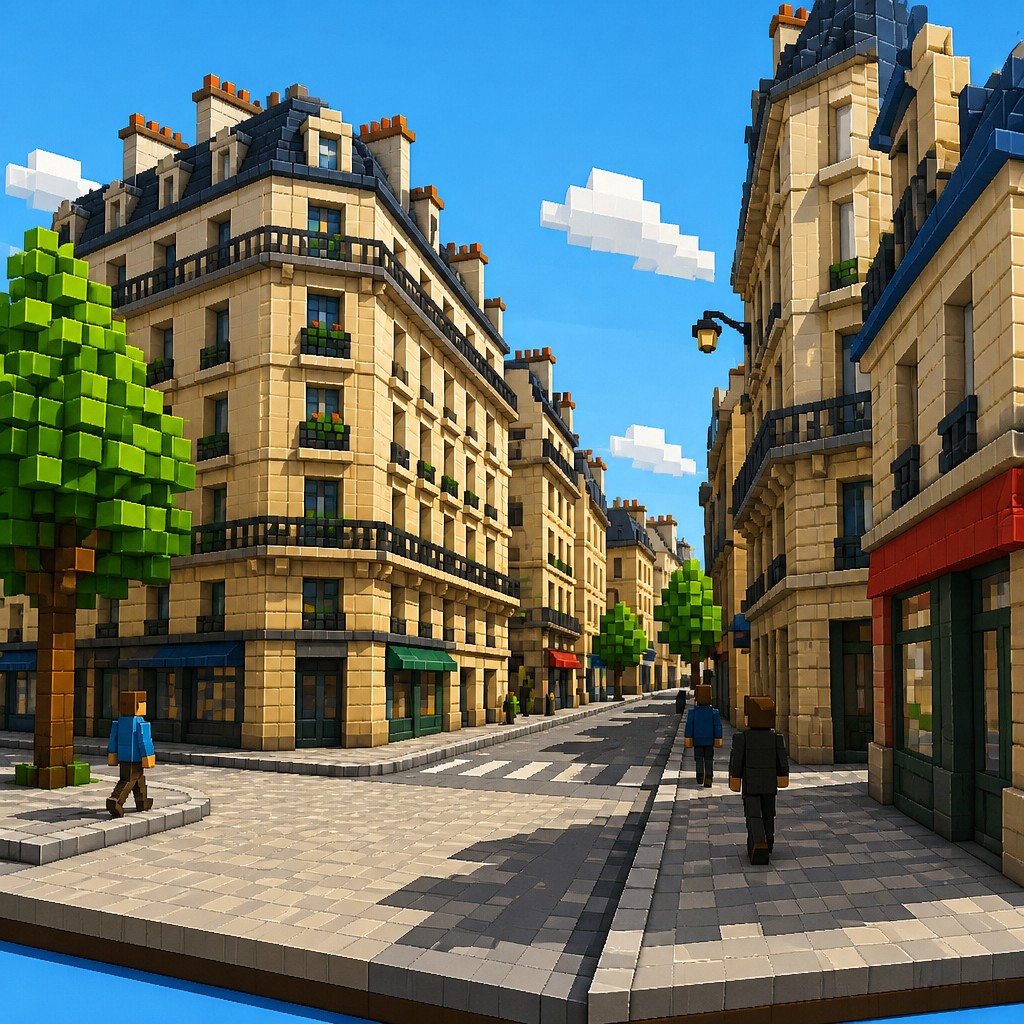

What Defines Voxel Art Style
The signature details, up close
Uniform cubic construction
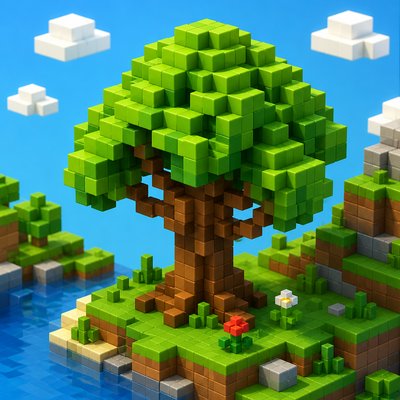
Forms are assembled from equal-sized blocks aligned to a grid. This produces a mechanical consistency that makes even complex subjects feel handmade and modular.
Stair-stepped curves
Because the geometry is discrete, circles, faces, and organic silhouettes appear in stepped segments. This is one of the clearest visual signals of the style.
Isometric or three-quarter view
Subjects are often shown from a slightly elevated angle to reveal volume and structure. This presentation helps the block construction read clearly.
Flat faces and crisp edges
Surfaces usually stay planar rather than smoothly shaded. Sharp corners and right angles reinforce the sense of built cubes rather than modeled sculptural form.
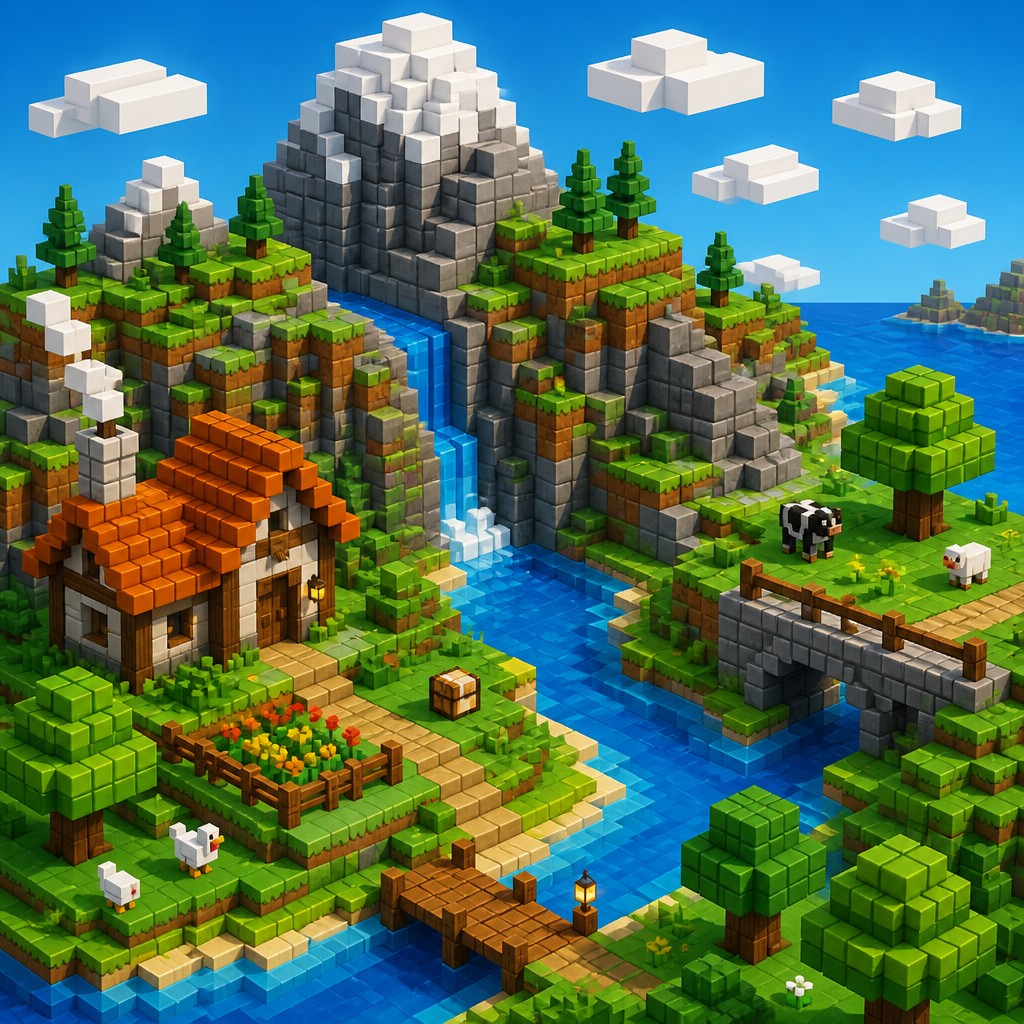
Bright, saturated palette
Colors are commonly clean and vivid, with limited gradient blending. This keeps the look playful and readable, especially at small scale.

Soft ambient occlusion
Shadows collect in the gaps between blocks, giving the forms depth without losing their simplified geometry. The lighting tends to emphasize structure over realism.
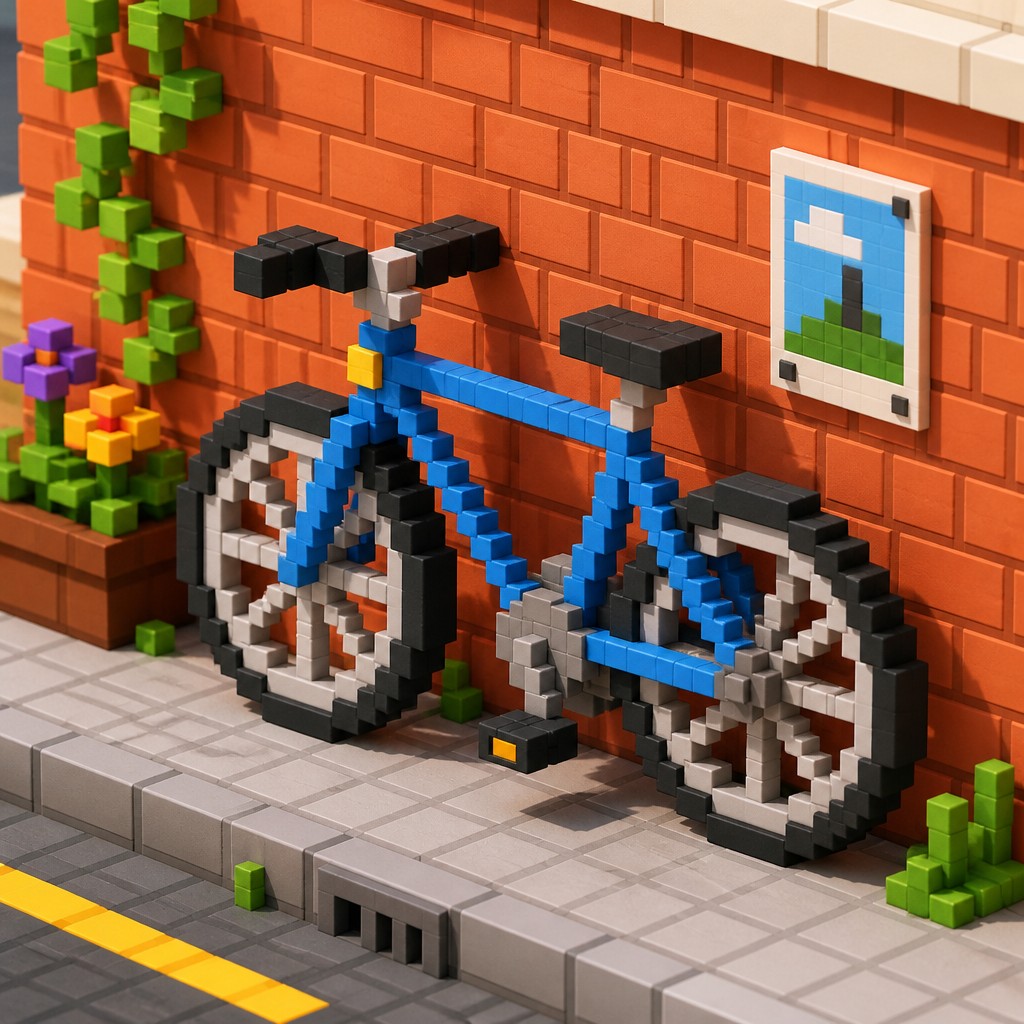
Toy-like or diorama quality
The overall effect resembles a handcrafted miniature world. Even when the subject is complex, the style tends to feel approachable and slightly whimsical.
Try It
Create Videos in Voxel Art Style
Styles aren't just for stills — describe a scene or animate an image and get a short video rendered in Voxel. Press play to see this pond come to life.
Make a VideoVoxel Prompt Ideas
Start from an idea — each one opens the generator with the style ready to go. See all 40 Voxel prompts →
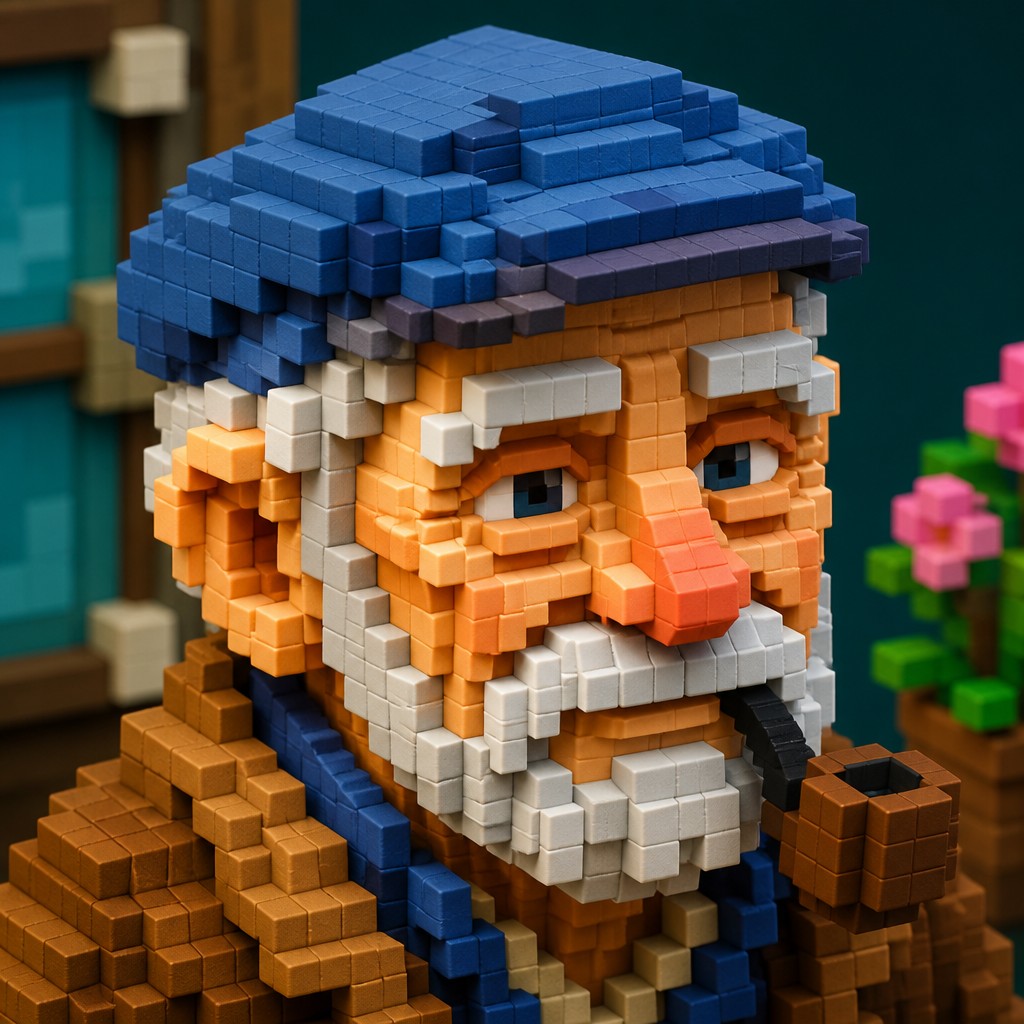
“close-up portrait of an elderly person with expressive weathered features”
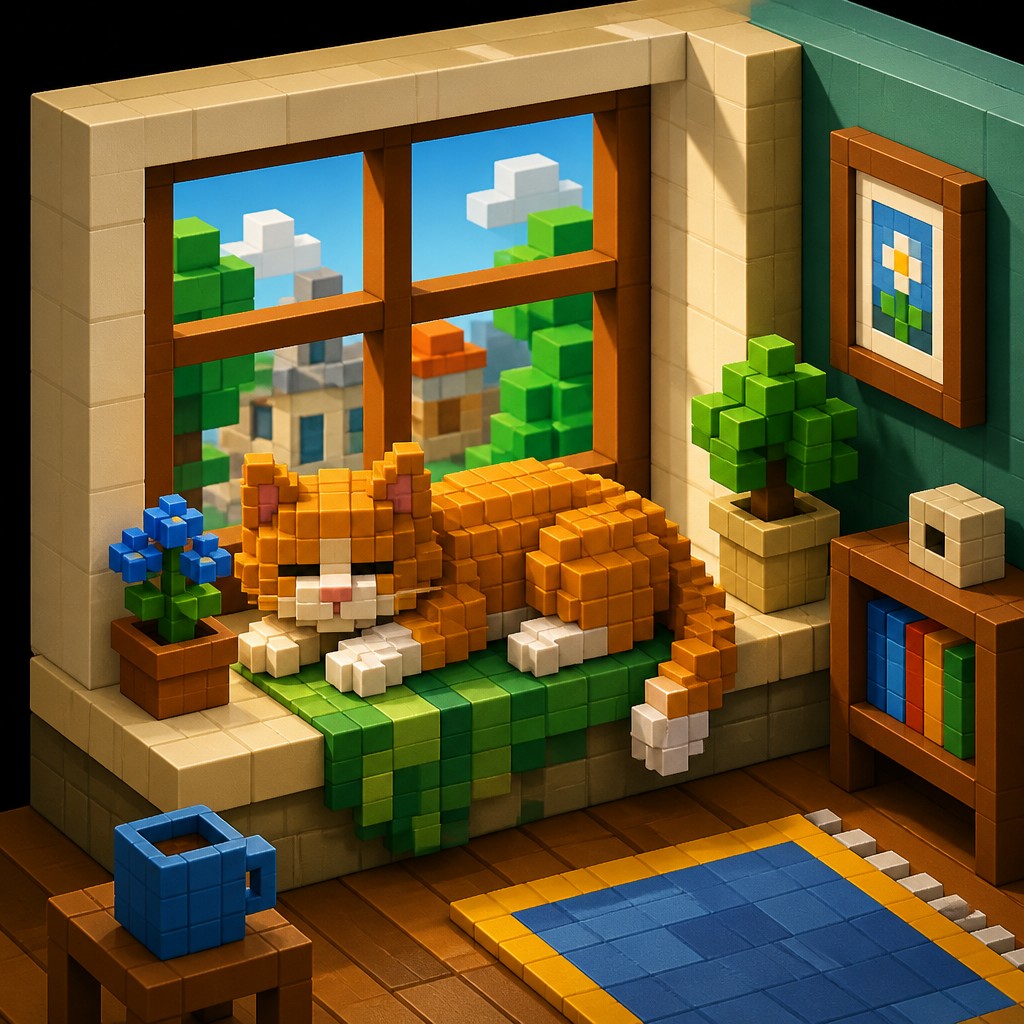
“a cat lounging in a sunlit window”
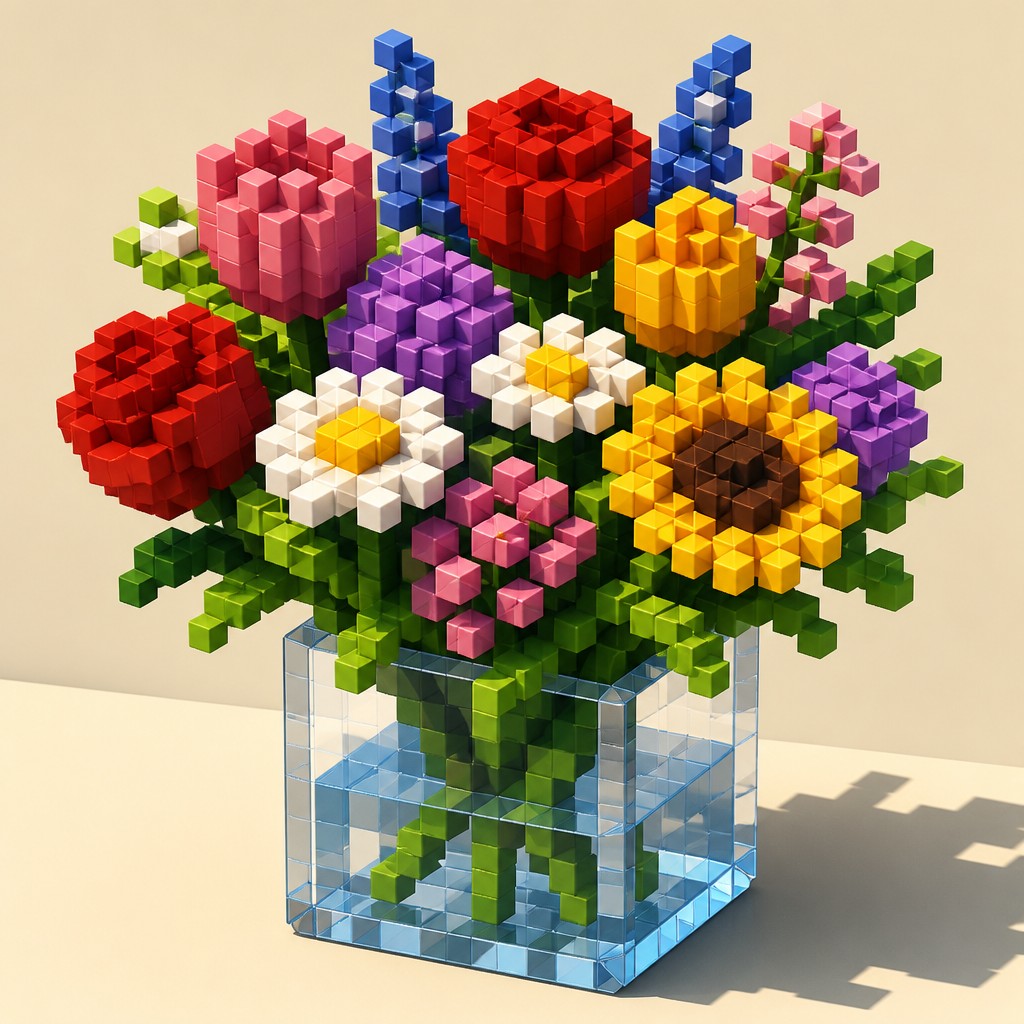
“bouquet of flowers in a glass vase”
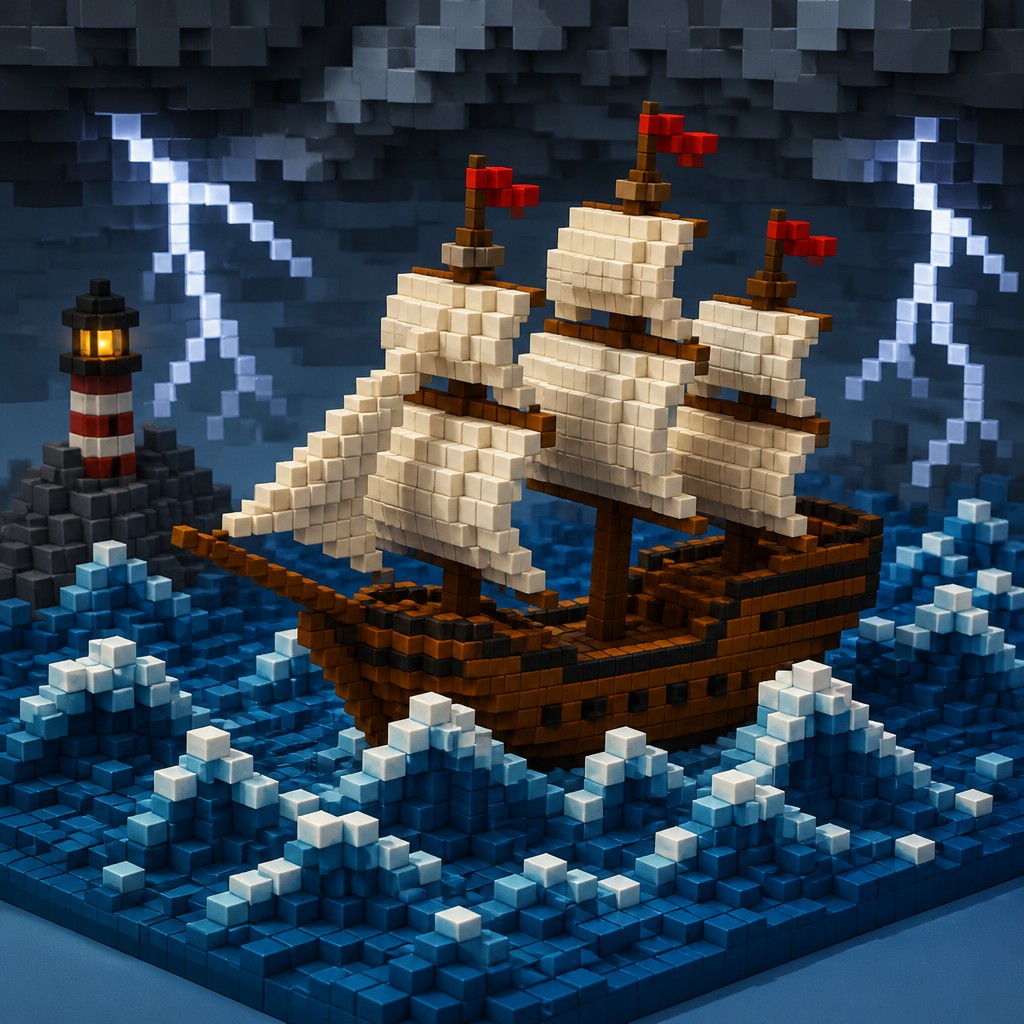
“sailing ship on a stormy sea”
How to Create Voxel Art
Master the craft step by step — or skip straight to creating. Read the full guide →
- 1
Build from a strict grid
Start by blocking the subject into equal cubes and preserve that unit size throughout the composition. In traditional construction, this can be approximated with modular paper, foam, or small physical blocks; digitally, model with a voxel editor or a grid-snapping 3D workflow.
- 2
Simplify contours into readable steps
Translate curves into terraces of cubes rather than trying to smooth them. Check the silhouette often, because the outer shape carries much of the style's visual identity.
- 3
Use controlled lighting
Choose bright diffuse light and add subtle ambient occlusion in seams and recessed areas. Avoid soft, painterly shading that would hide the underlying block structure.
- 4
Limit material complexity
Keep textures minimal and rely on color, value, and form instead of surface detail. Too much texture realism can undermine the clean voxel read.
- 5
Compose for clear viewing angles
Isometric, axonometric, or three-quarter views work best because they reveal depth and construction. For prompt-based generation, specify the angle, block uniformity, and hard-edged shadows to keep the result coherent.
- 6
Emphasize subject over realism
When generating or designing, ask for a subject that is simplified into cubes rather than merely rendered with a blocky filter. The style works best when the entire scene is built voxel-first from the ground up.
The Story
History & Origins of Voxel
Voxel art does not belong to a single historical fine-art movement; it is an aesthetic that emerged from the intersection of computer graphics, early 3D modeling, and pixel art. Its name comes from “volumetric pixel,” a digital representation of space in discrete units. As computing and game engines developed, artists began using voxel systems to build blocky worlds and characters that echoed the clarity and compression of pixel art while adding depth and physical volume.
Its lineage is closely related to low-poly 3D art, toy-like digital sculpture, and the visual logic of tile-based game design. In popular culture, the style became especially visible through sandbox and indie games, as well as animation and illustration that favor simplified geometry over realism. Rather than developing as a traditional studio movement, voxel art evolved as a practical and expressive digital language for constructing space from cubes.
Influences: Voxel art draws from pixel art’s emphasis on clarity, economy, and block-based construction, while also sharing traits with low-poly 3D modeling and toy-like digital sculpture. Its look is closely related to the visual logic of retro game worlds and the modular building systems found in sandbox games. Unlike painted traditions, its form language is rooted in computational geometry rather than brushwork, but its appeal overlaps with miniature-making, model craft, and the simplified readability seen in cartoon and graphic design traditions.
Frequently Asked Questions
What defines voxel art?
Voxel art is defined by the use of uniform volumetric cubes arranged on a grid to build characters, objects, and scenes. The style is recognizable by its blocky silhouette, flat cube faces, and stepped curves. It is not just a pixelated look; it is a true 3D construction method.
How is voxel art different from low-poly art?
Low-poly art uses a reduced number of polygons, but those polygons can be any shape. Voxel art is specifically cube-based and grid-structured, so its surfaces read as stacked blocks rather than faceted meshes. Voxel art usually feels more modular and more obviously constructed.
Is voxel art the same as pixel art?
No. Pixel art is two-dimensional and built from square pixels on a flat plane, while voxel art is three-dimensional and built from cubic volumes. They are related aesthetically because both embrace discrete units and simplified form, but they operate in different dimensions.
Where is voxel art commonly used?
It is widely used in indie games, sandbox environments, animation, concept art, and stylized illustrations. The style works well when designers want charm, clarity, and a sense of playful construction. It is especially effective for worlds that need to feel buildable and tactile.
How do you make voxel art look good?
Focus on strong silhouettes, readable angles, and a restrained palette. Keep cubes consistent in size, use lighting to separate layers, and avoid overcomplicating the surface. Good voxel art usually succeeds by making simple forms feel intentional and expressive.
Can voxel art look realistic?
It can suggest space, depth, and material convincingly, but it usually does not aim for photorealism. The style works best when it preserves its block-based identity rather than hiding it. Most successful voxel pieces lean into stylization and structural clarity.
Create your first Voxel artwork
Describe anything — or upload a photo — and see it in Voxel Art Style in seconds.
Make Something with Voxel
Compare Voxel
Related Styles
Discover similar art styles