Pixel vs Voxel: What's the Difference?
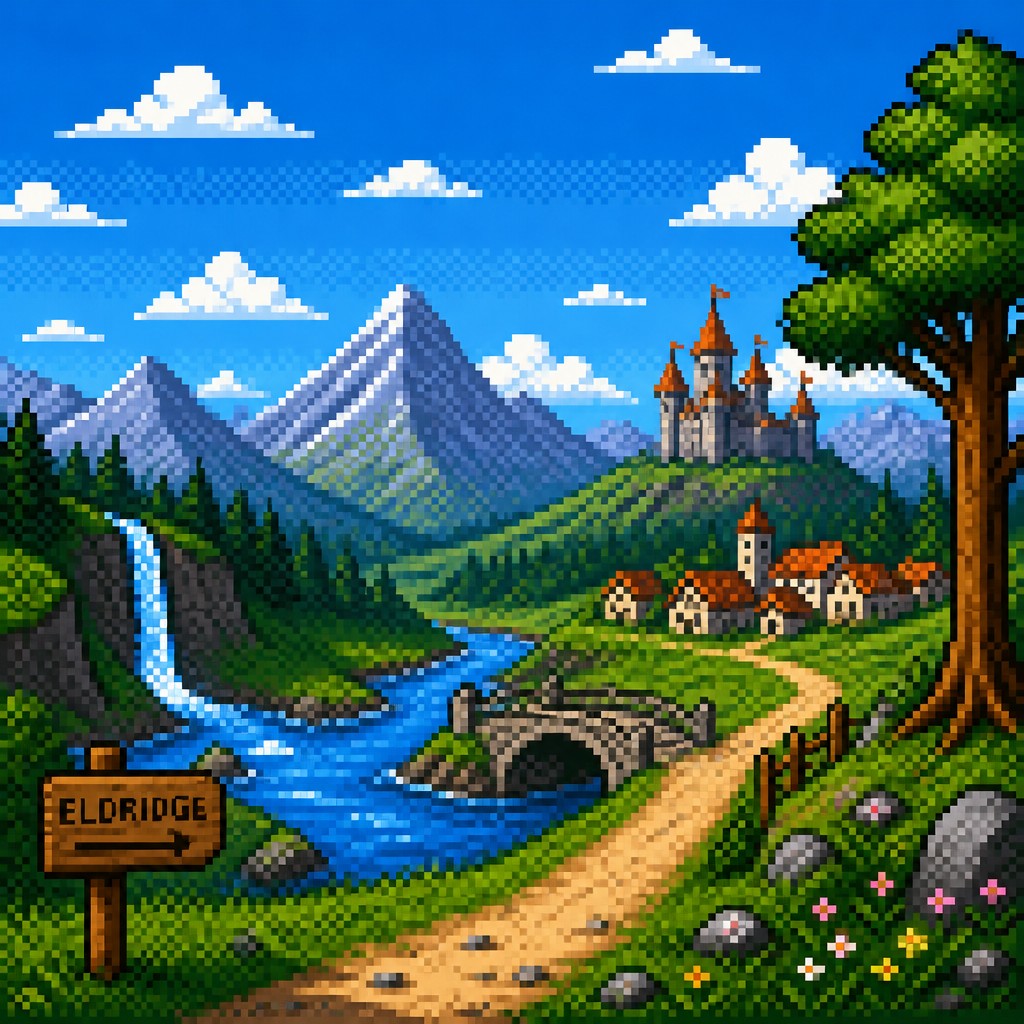
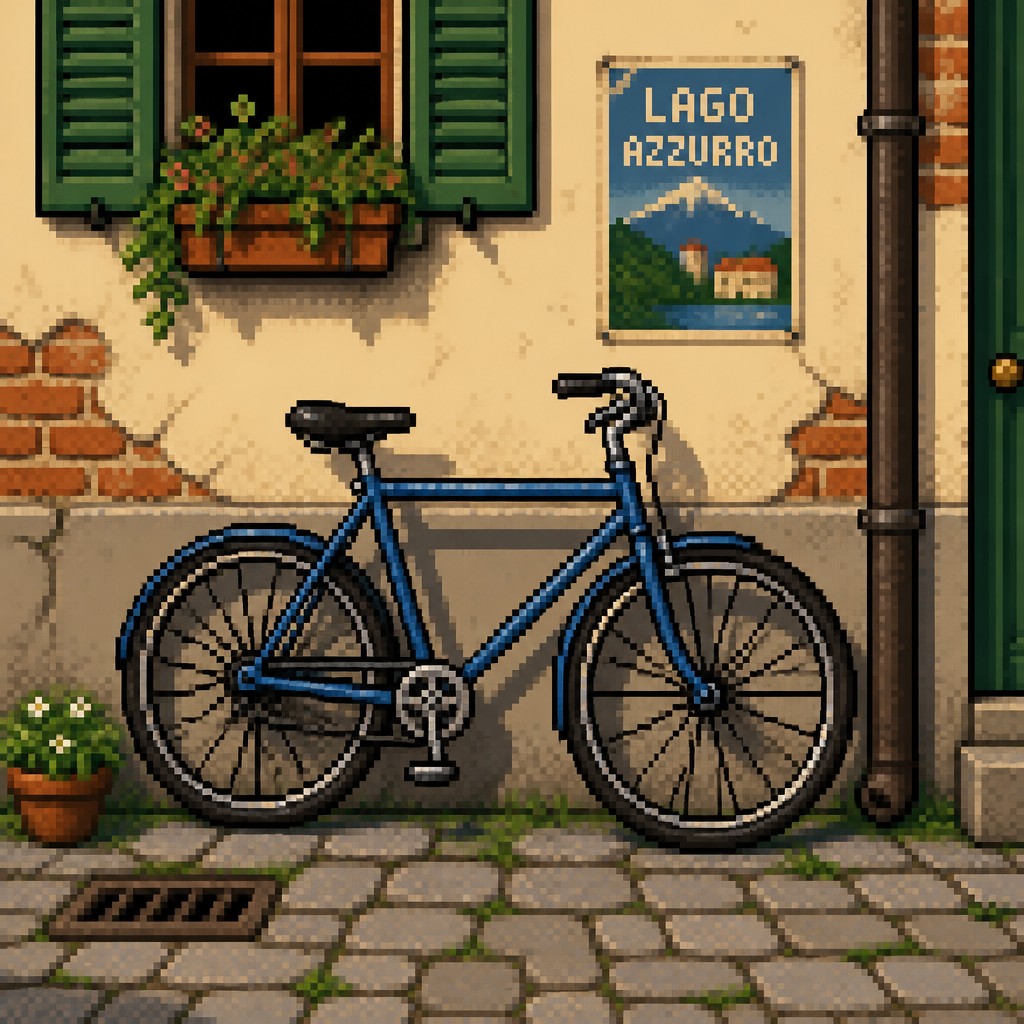
Pixel art is a 2D digital style built from visible square pixels, crisp edges, and carefully limited colors. It often evokes classic 8-bit and 16-bit game graphics, where simple shapes and strong contrast create readable images with a nostalgic feel.
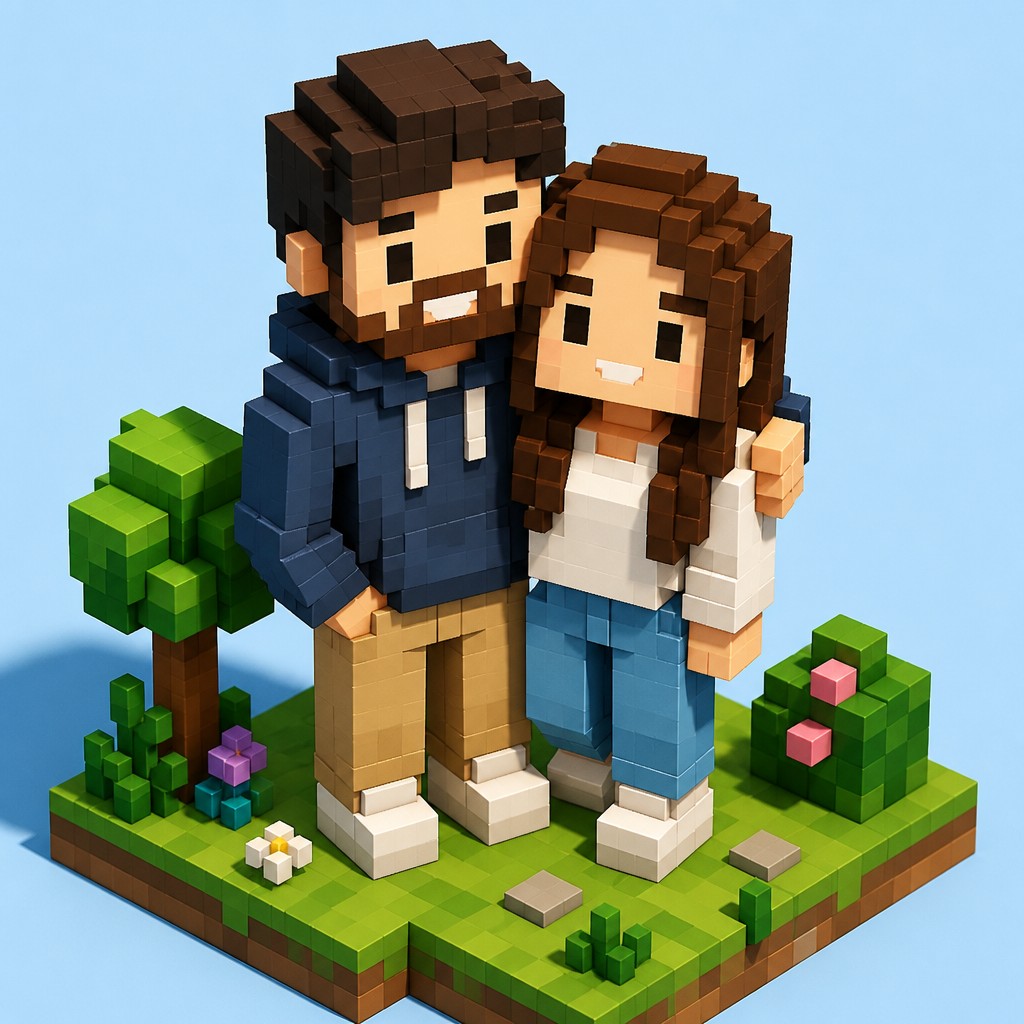
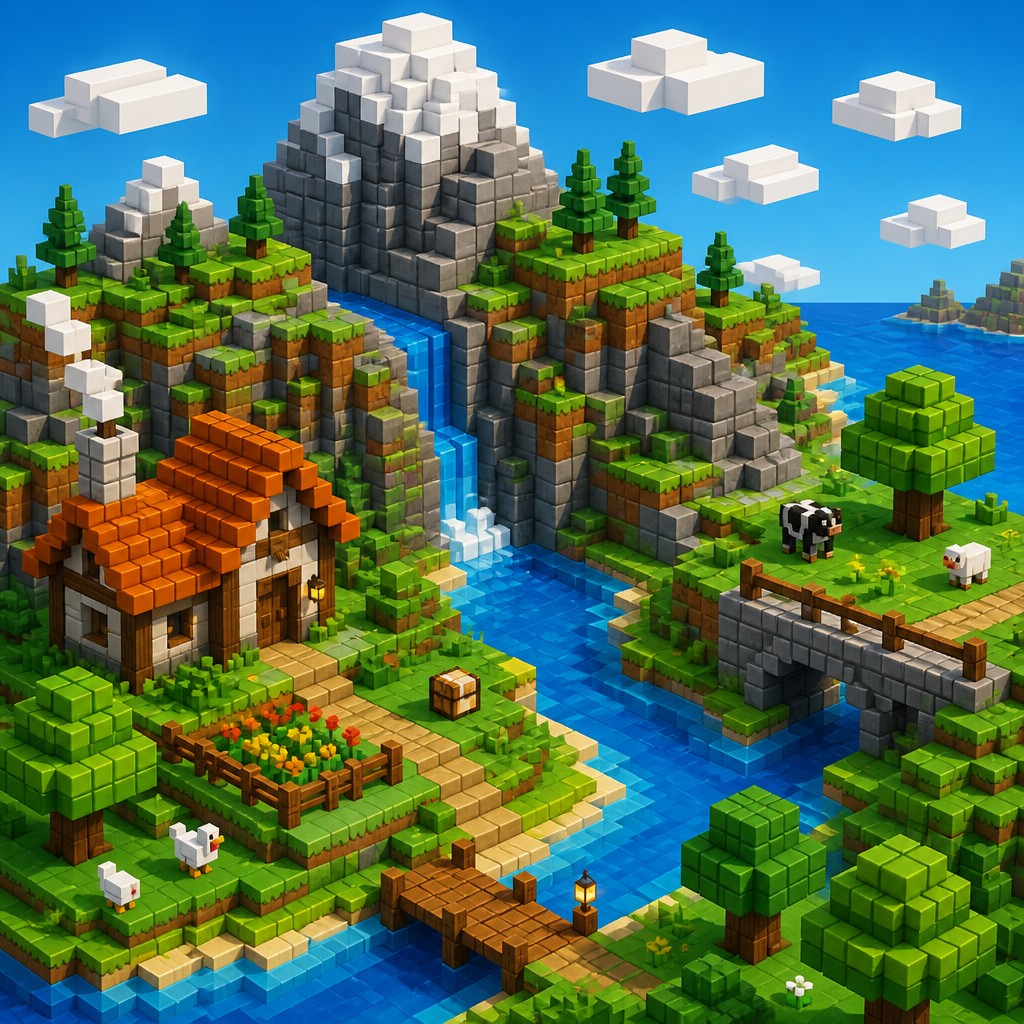
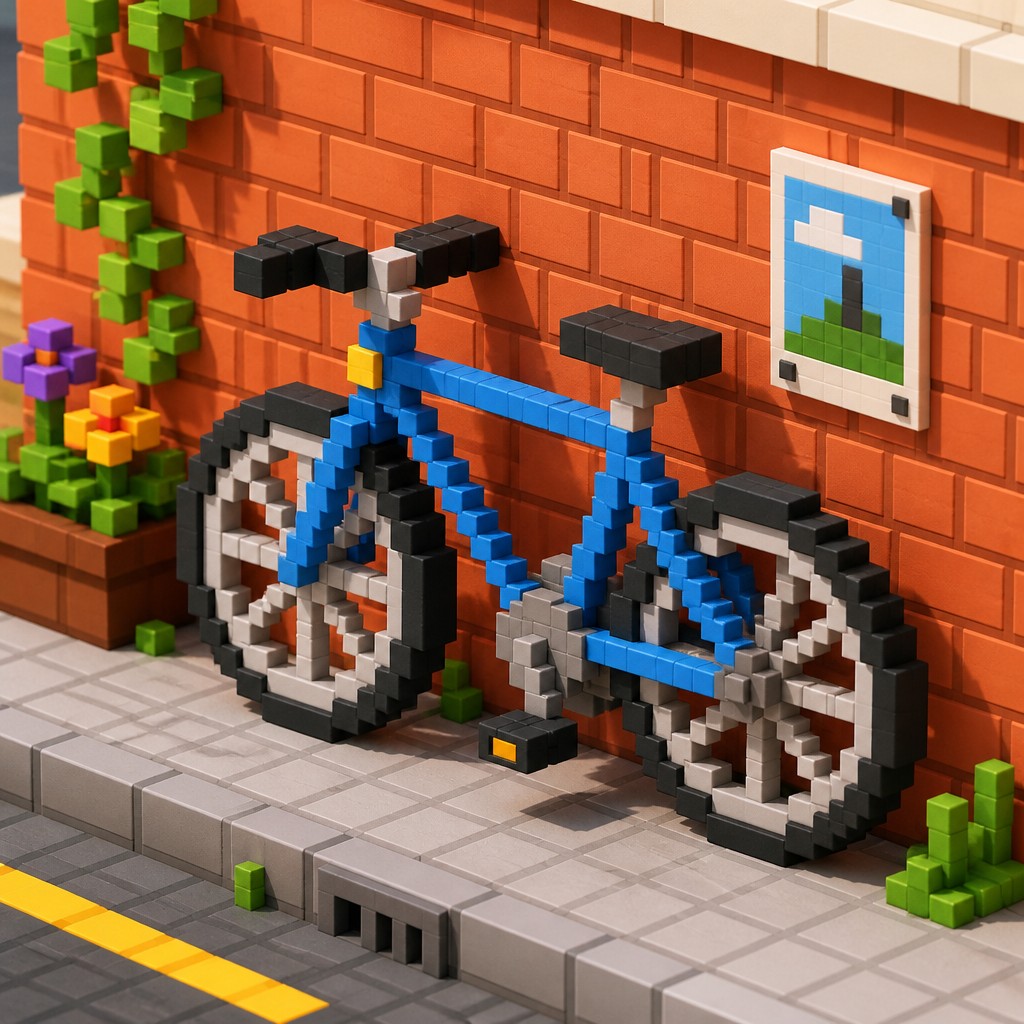
Voxel art is a 3D style made from cube-like units, giving objects volume, depth, and a blocky form. People compare the two because both use simplified, grid-based building blocks, but they differ in dimensionality: pixel art stays flat and image-based, while voxel art occupies space and can be viewed more like a sculpted world.
Same Prompt, Both Styles
Each pair below was generated from the identical prompt — only the style changed.



Key Differences
| Pixel | Voxel | |
|---|---|---|
| Dimensionality | Flat 2D images made of pixels. | 3D forms built from cube-like voxels. |
| Visual edge | Sharp pixel edges define every shape. | Blocky edges define volume and depth. |
| Perspective | Usually side view, top-down, or limited-angle 2D framing. | Often shown in isometric or 3D camera views. |
| Color use | Commonly uses tight, limited palettes. | Can use broader lighting and material variation. |
| Depth and lighting | Depth is implied with shading and layering. | Depth is built into the object’s shape and lighting. |
| Typical feel | Nostalgic, retro, and icon-like. | Playful, toy-like, and game-world ready. |
| Mood | nostalgic, playful, graphic, compact | playful, charming, nostalgic, whimsical |
| Energy | balanced | lively |
| Detail level | moderate | moderate |
| Color | limited palettes, high contrast, bright accents | bright, saturated, playful gradients |
| Texture | blocky, crisp, grid-based | blocky, faceted, cubic |
| Origin | 1980s-1990s video game era | digital-native aesthetic |
| Best for | video games, icons, character sprites, retro posters, UI elements, digital illustrations | video games, toy-like worlds, children's books, posters, app icons, animation backgrounds |
| Difficulty | moderate | moderate |
Which Should You Choose?
Choose pixel art if you want a retro, efficient style that reads clearly at small sizes, works well in UI icons, sprites, and classic game scenes, and feels handcrafted through color and shading alone. Choose voxel art if you want objects or environments to feel physical, spatial, and explorable, especially when you need a blocky 3D look that supports rotation, depth, and world-building.
Frequently Asked Questions
Is voxel art just 3D pixel art?
Not exactly. Voxel art uses cube-based units, but the key difference is that it represents volume in 3D space rather than a flat pixel image. It shares a blocky visual language with pixel art, which is why they are often compared.
Which style is better for small game assets?
Pixel art is usually better for small sprites, icons, and interface elements because it stays readable at low resolutions. Voxel art can work for small assets too, but its 3D depth often makes it more suited to models and environments.
Can voxel art be used in a 2D game?
Yes. Voxel art can be rendered into 2D images or used as the basis for pre-rendered assets. However, it is most commonly chosen when the project benefits from visible 3D form and rotation.
Why do both styles feel nostalgic?
Both rely on simplified, grid-like construction that makes forms look intentional and stylized rather than highly realistic. Pixel art ties strongly to early video game graphics, while voxel art feels nostalgic because of its toy-block simplicity and game-like structure.