Indie/Alternative Comic vs Webcomic: What's the Difference?
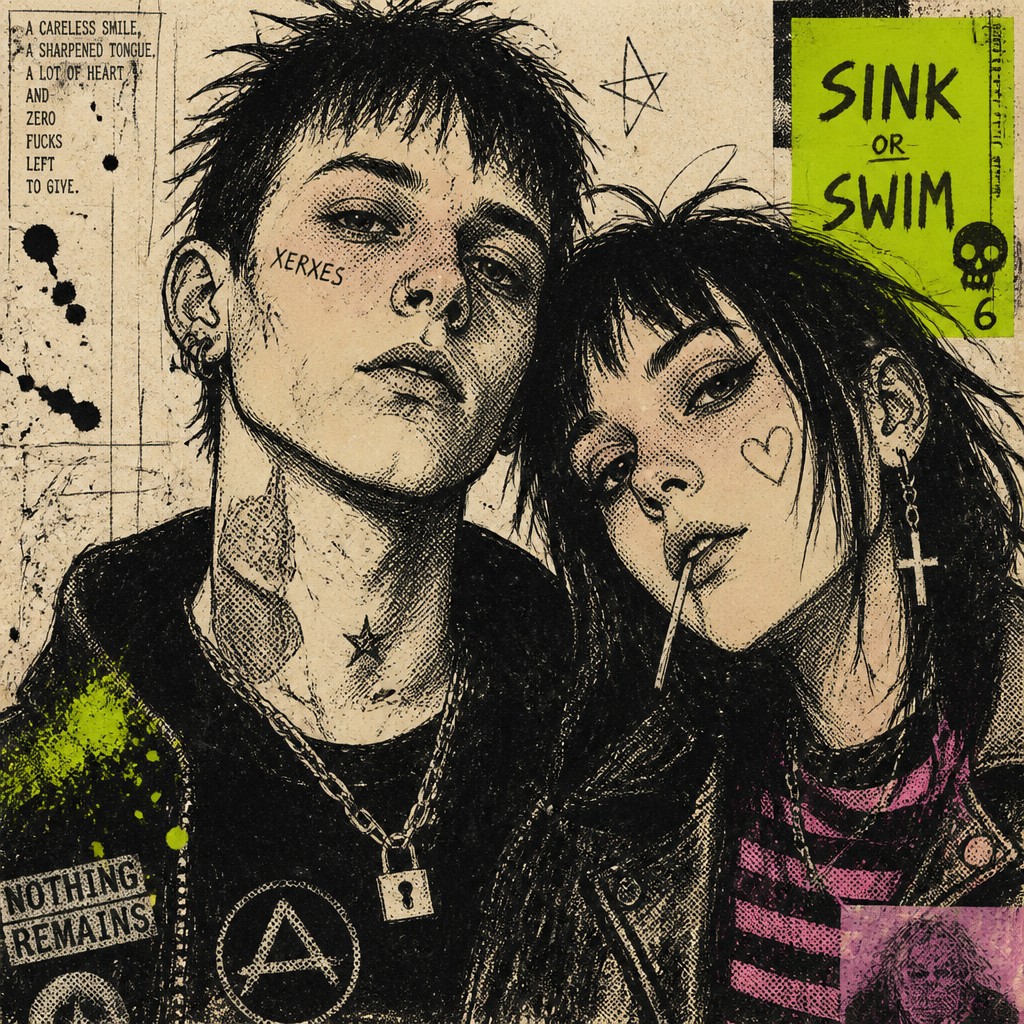
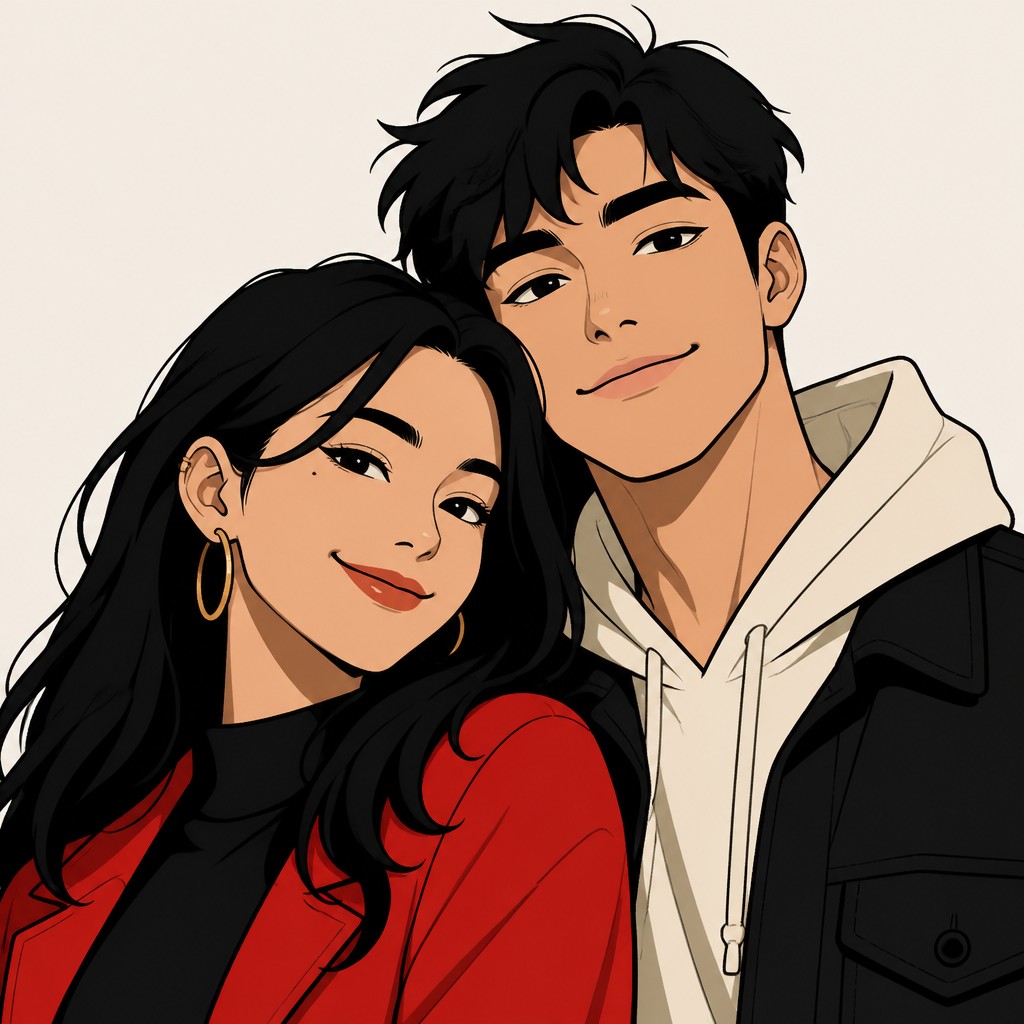
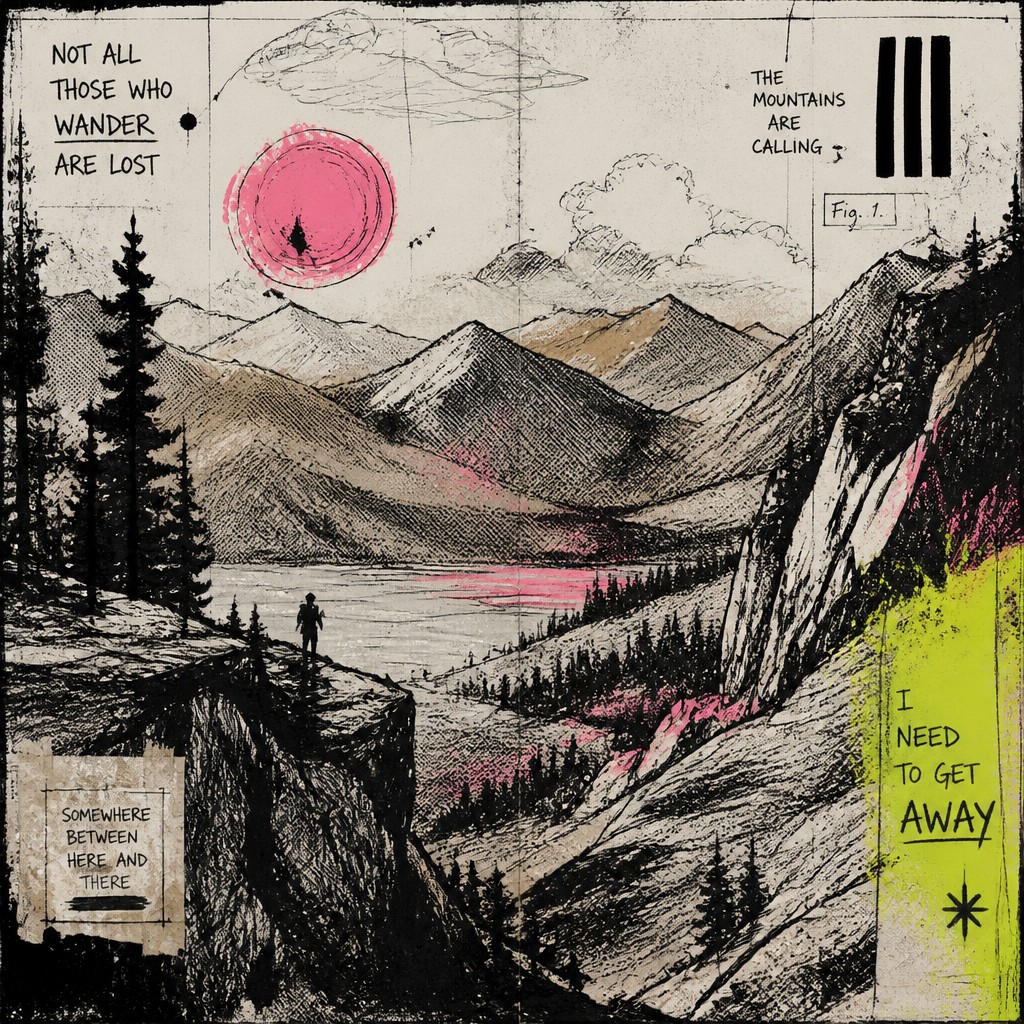
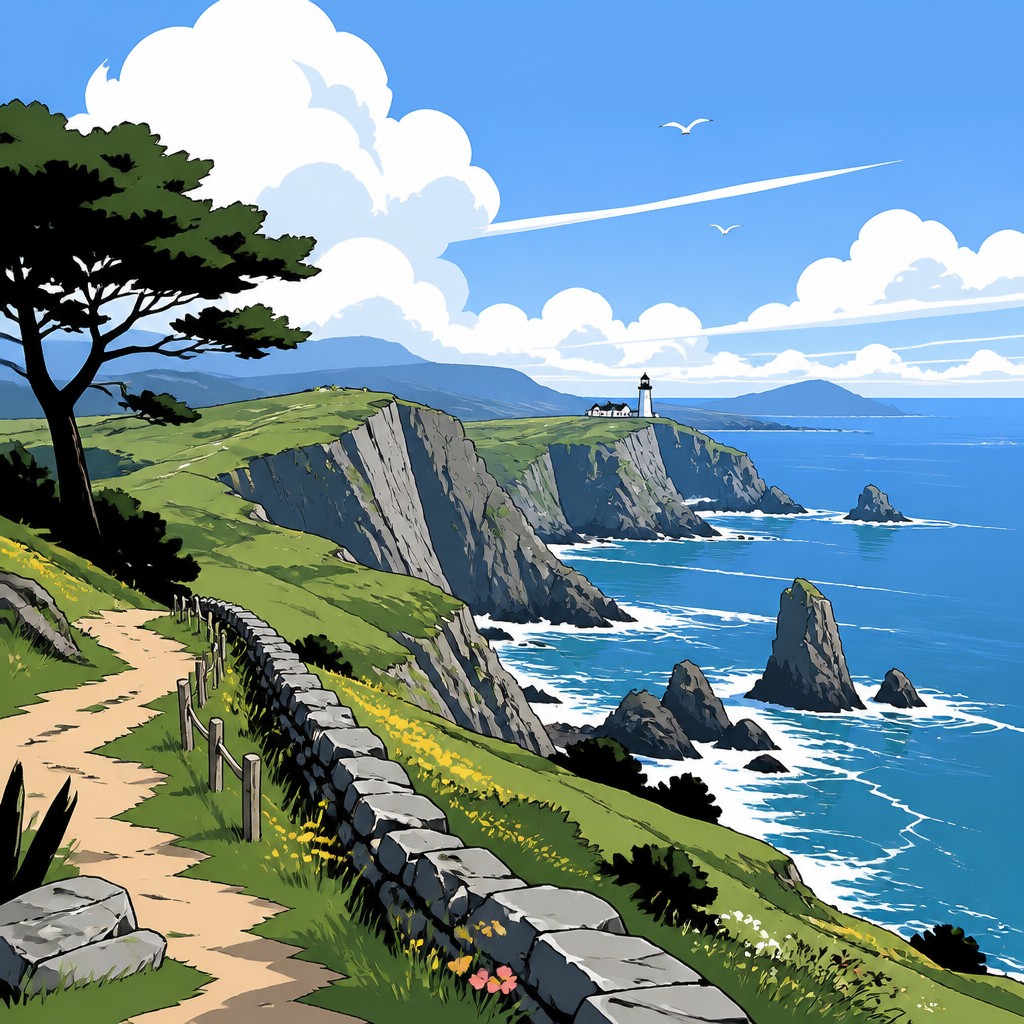
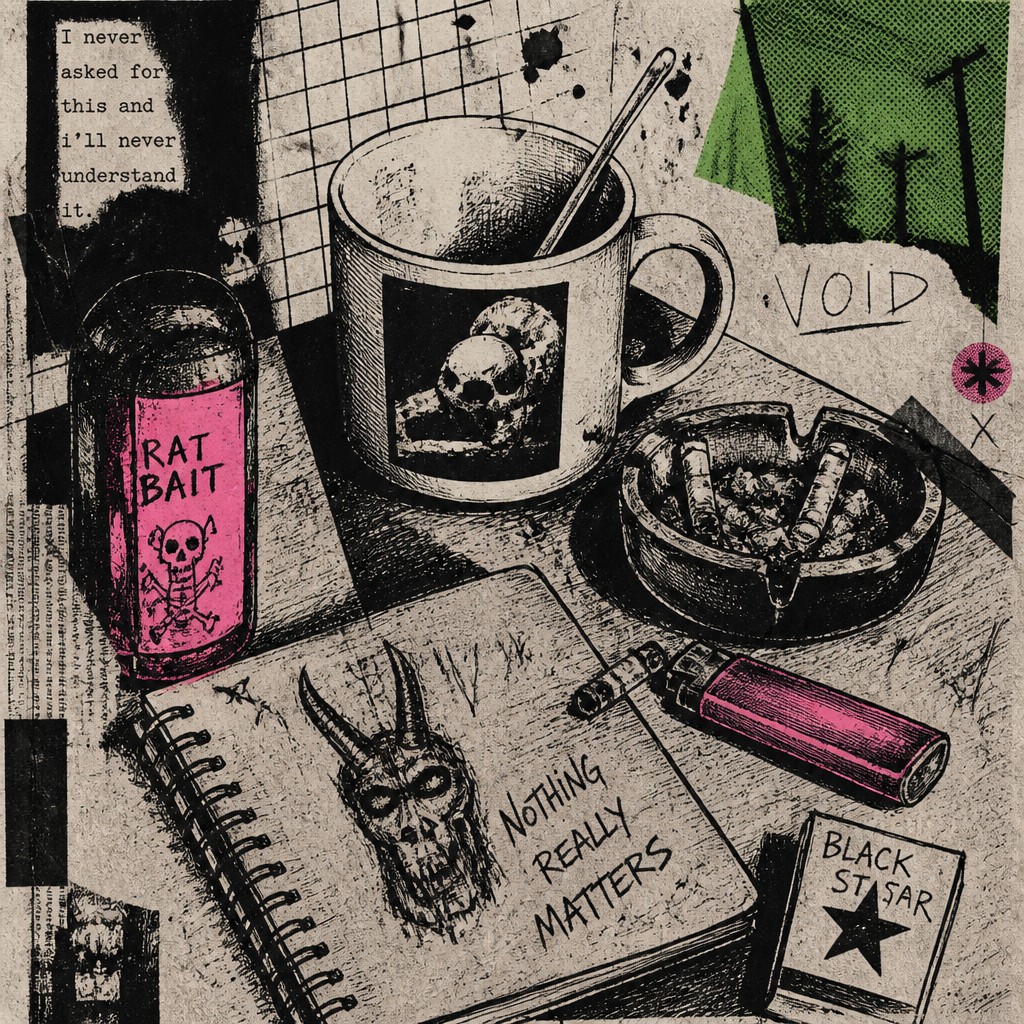
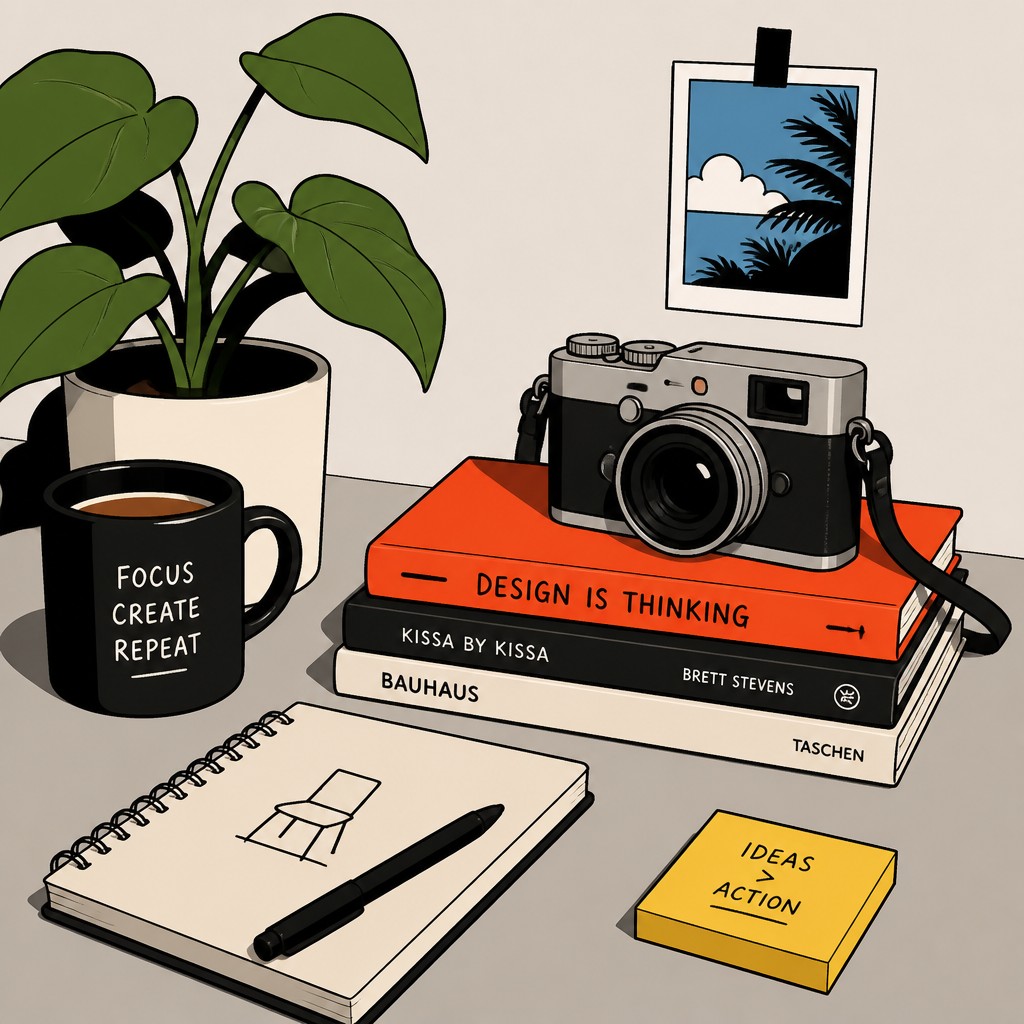
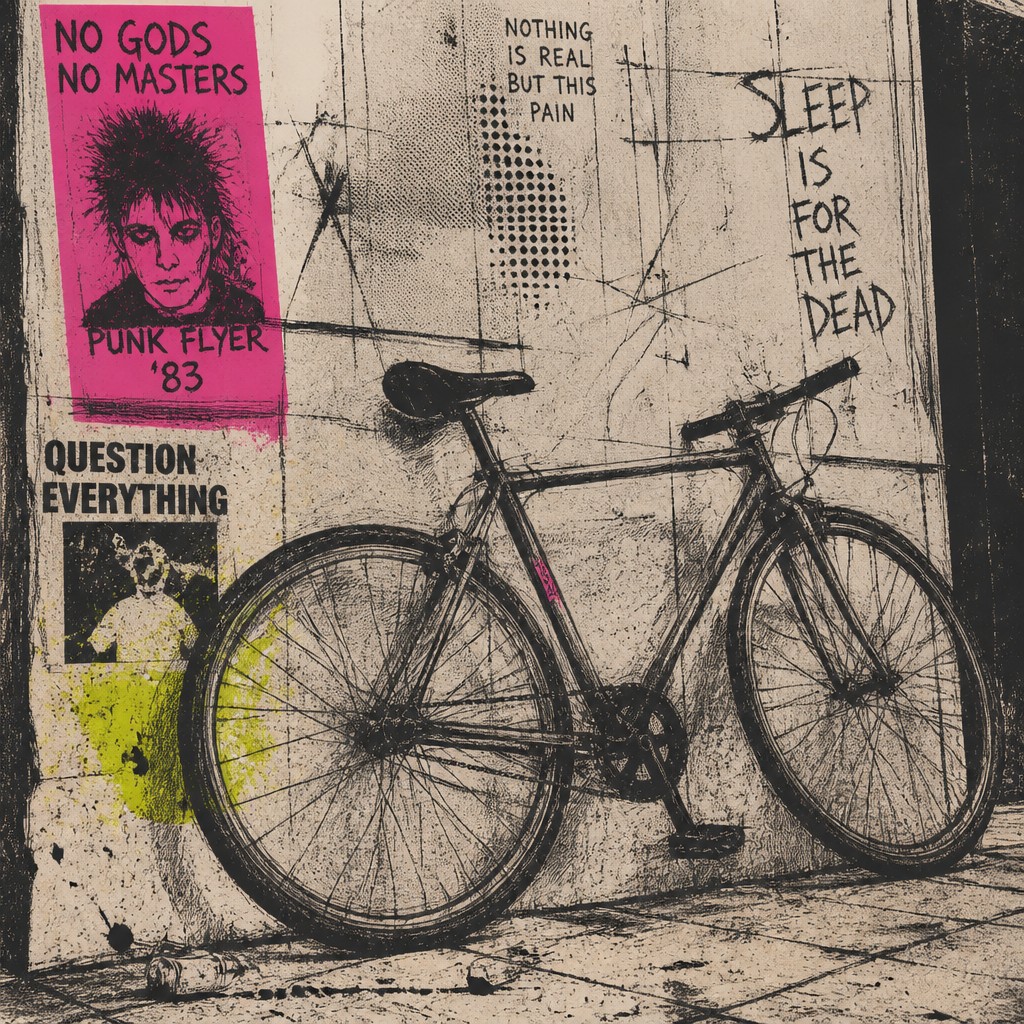
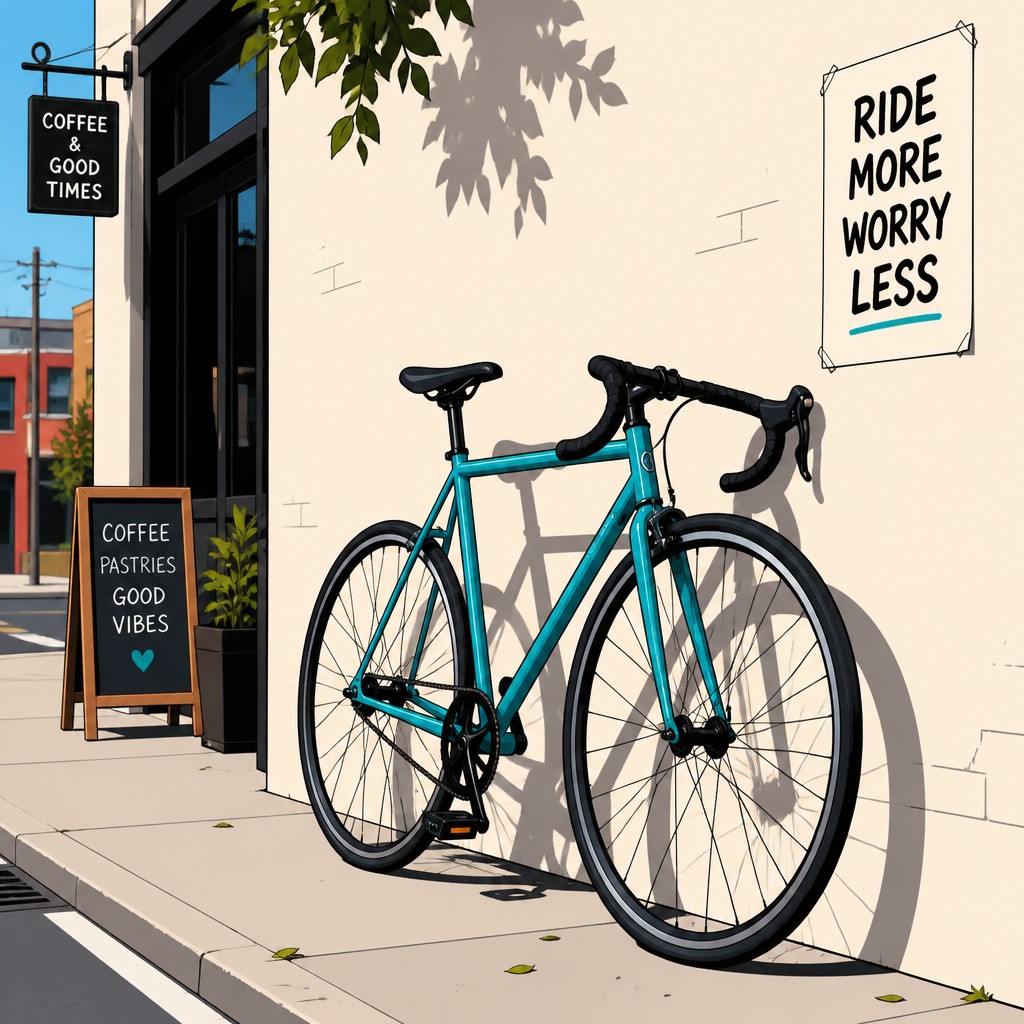
Indie/Alternative Comic Art and Webcomic Art are both popular comic styles, but they grow from different priorities. Indie/Alternative comics usually emphasize a handmade, experimental look with rough linework, visible texture, halftones, and a raw emotional tone. Webcomic art is typically cleaner and more digital, using bold outlines, flat colors, clear character design, and layouts optimized for scrolling and quick reading.
People compare them because they share comic storytelling tools—panels, characters, pacing, and visual humor or drama—but they communicate differently. Indie/Alternative art often feels intimate, tactile, and visually imperfect on purpose, while webcomic art tends to prioritize clarity, speed, and consistency for online audiences. Both can be expressive and narrative-driven, but they serve different reading experiences and production workflows.
Same Prompt, Both Styles
Each pair below was generated from the identical prompt — only the style changed.
“portrait of two people together”
“wide landscape with natural scenery”
“still life with everyday objects”
“bicyle resting against a wall”
Key Differences
| Indie/Alternative Comic | Webcomic | |
|---|---|---|
| Line & form | Rough, loose, expressive lines with a handmade, imperfect edge. | Bold, clean outlines with controlled shapes and clearer readability. |
| Color use | Often limited, muted, or textured color with a print-like feel. | Flat, bright, digital colors designed for quick visual clarity. |
| Texture & finish | Zine textures, grain, halftones, and visible production artifacts. | Smooth digital surfaces with minimal texture and polished finish. |
| Pacing & layout | Flexible panels and experimental layouts that support mood and page design. | Vertical scrolling and short beats built for fast online reading. |
| Character expression | Emotion can be messy, stylized, or understated with sketch-like energy. | Expressions are clear, exaggerated, and easy to read at small sizes. |
| Overall tone | Underground, intimate, and often more personal or gritty. | Accessible, energetic, and optimized for broad digital audiences. |
| Mood | raw, introspective, unpolished, expressive | relatable, expressive, playful, dramatic |
| Energy | balanced | balanced |
| Detail level | moderate | moderate |
| Color | mostly black-and-white, limited muted accents | flat, bright, clean digital palette |
| Texture | rough, handmade, photocopied grain | smooth, crisp, low-grain surfaces |
| Origin | late 20th century North America | digital-native aesthetic |
| Best for | graphic novels, zines, personal comics, album covers, posters | mobile comics, web stories, social media strips, character-driven drama, humor series, light fantasy |
| Difficulty | moderate | beginner-friendly |
Which Should You Choose?
Choose Indie/Alternative Comic Art if you want a raw, tactile look, more visual experimentation, or a mood that feels personal, underground, or handmade. Choose Webcomic Art if your priority is clarity, fast production, strong readability on screens, and a style that works well in vertical or mobile-first formats. If your story depends on atmosphere and texture, A may fit better; if it depends on speed, expression, and frequent online updates, B is usually the stronger choice.
Frequently Asked Questions
Which style is easier to read on a phone?
Webcomic art is usually easier to read on a phone because it uses bold outlines, simple shapes, and vertical pacing. The design is made for scrolling and small screens, so key details stay clear.
Which style feels more handmade?
Indie/Alternative Comic Art usually feels more handmade because it often includes rough linework, texture, and print-like imperfections. Those elements create a more tactile and personal visual identity.
Can webcomics have textured or experimental looks?
Yes, but they usually keep enough clarity for digital reading. Even when a webcomic borrows texture or looser drawing, it often preserves bold shapes and strong visual hierarchy.
Is one style better for serious stories?
Neither style is inherently more serious. Indie/Alternative art often supports introspective or experimental storytelling, while webcomic art can handle comedy, drama, fantasy, or action very effectively.