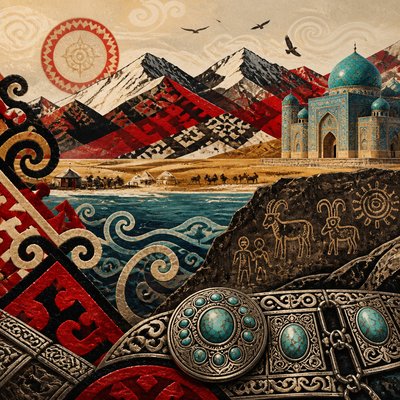
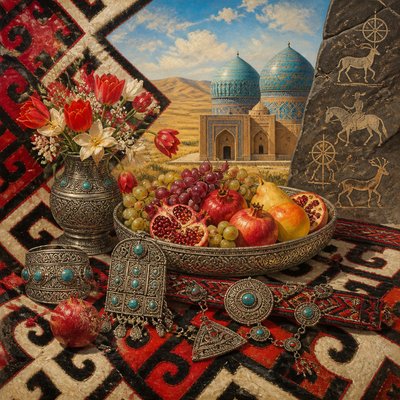
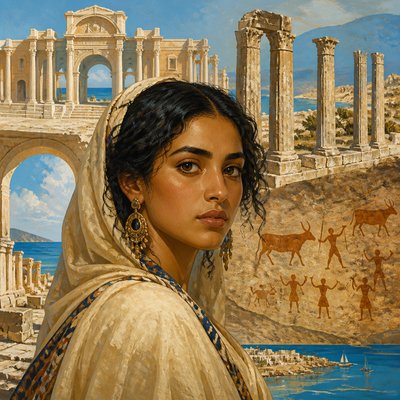
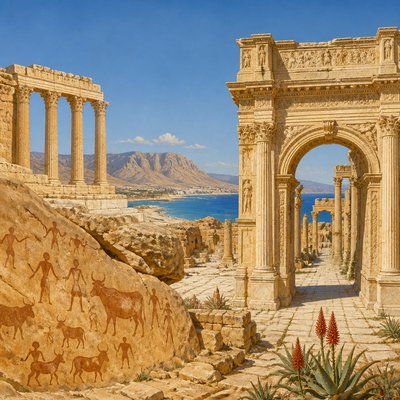
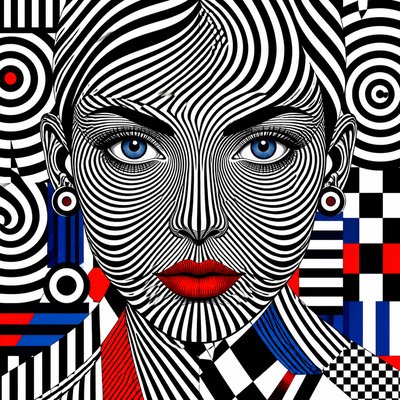
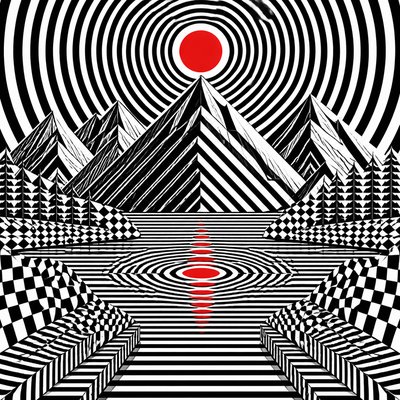
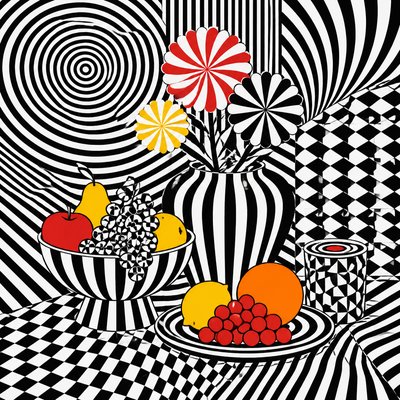
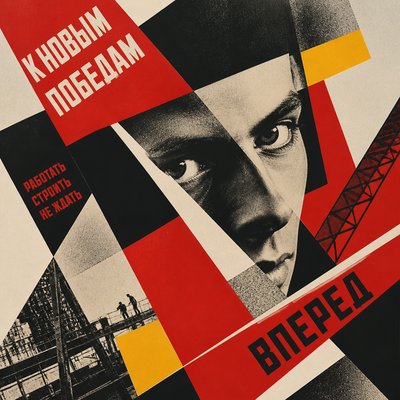
Participatory Contemporary Art Style
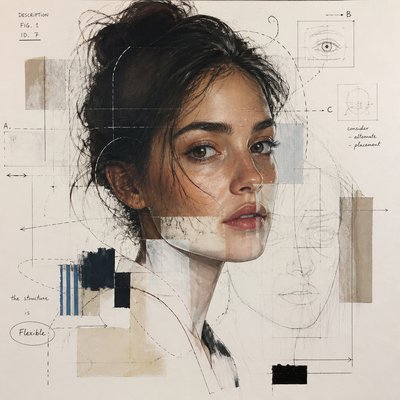
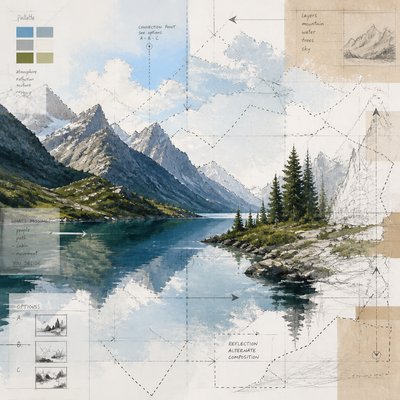
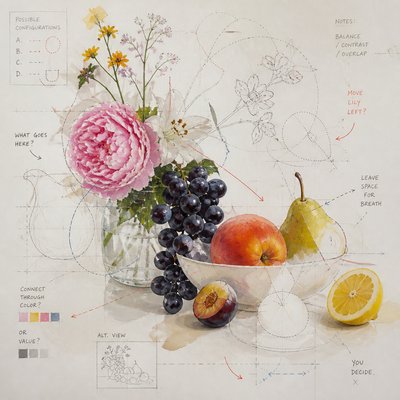
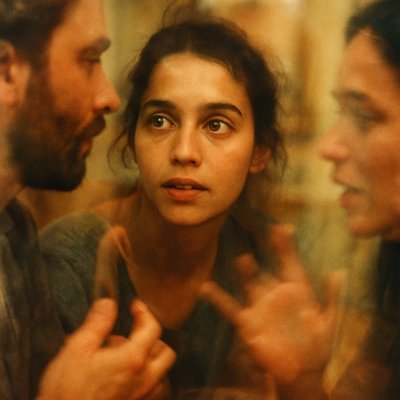
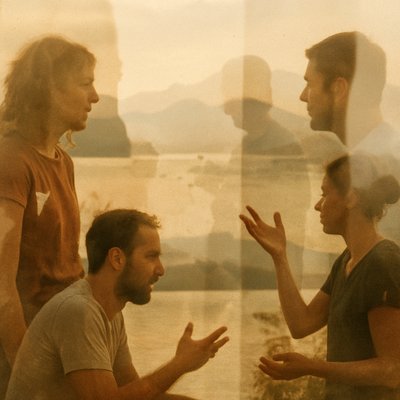
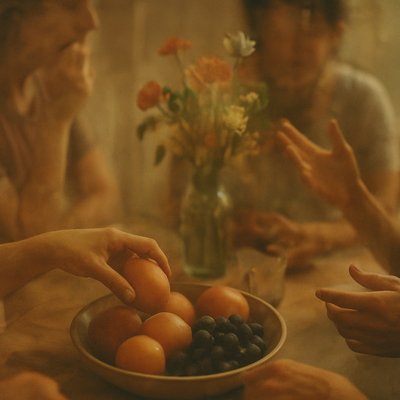
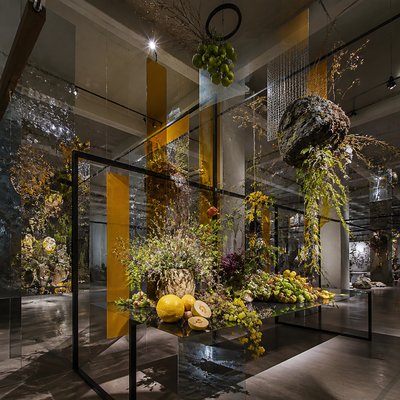
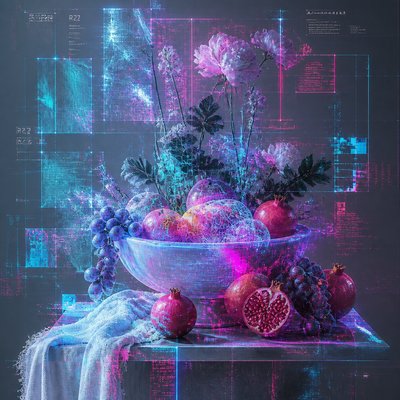
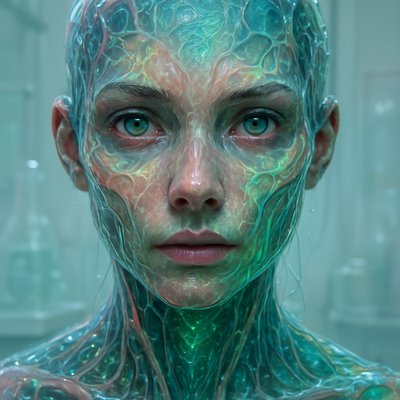
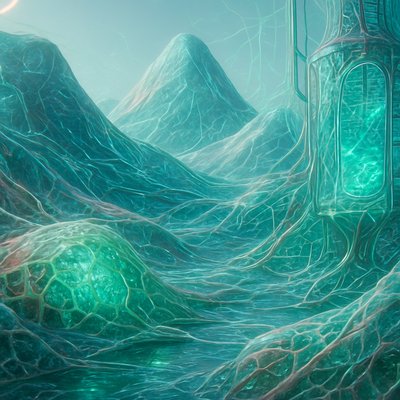
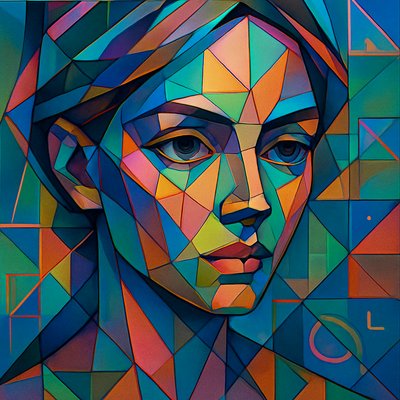
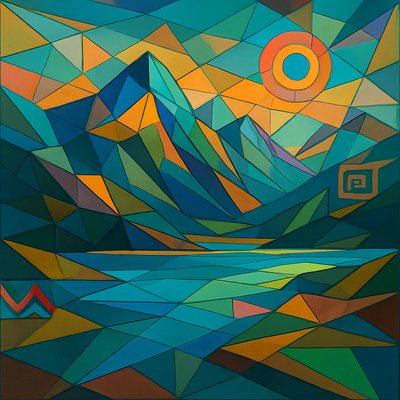
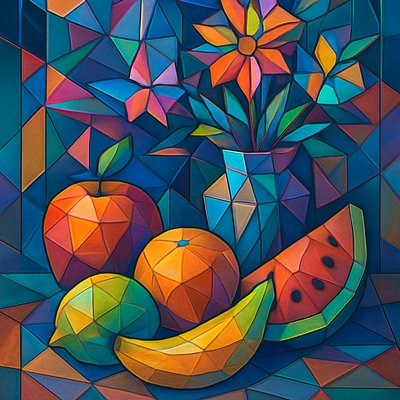
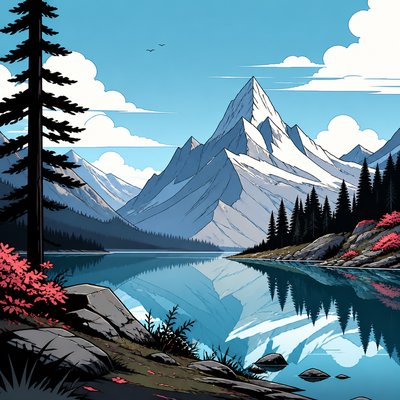
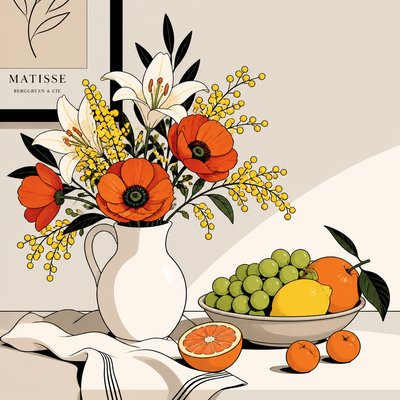
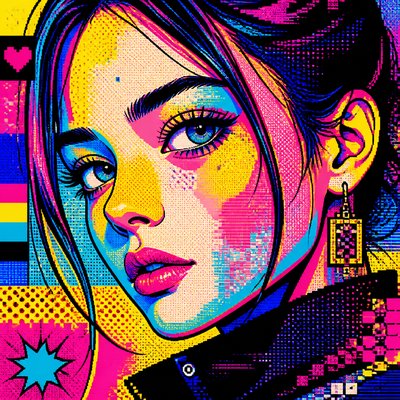
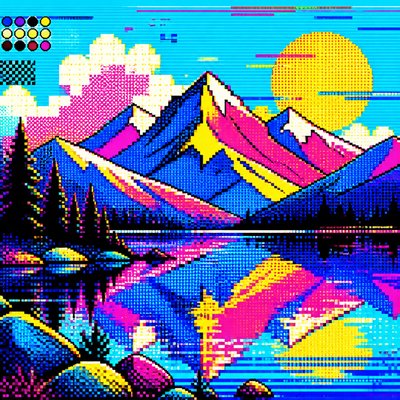
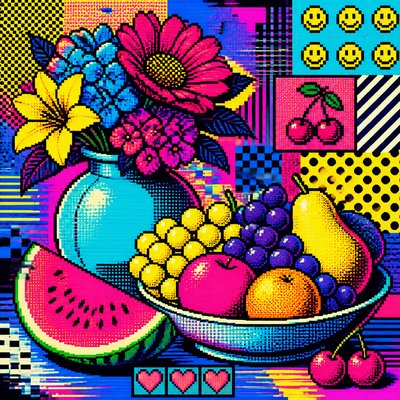
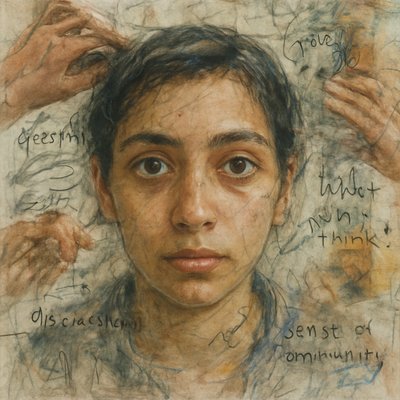
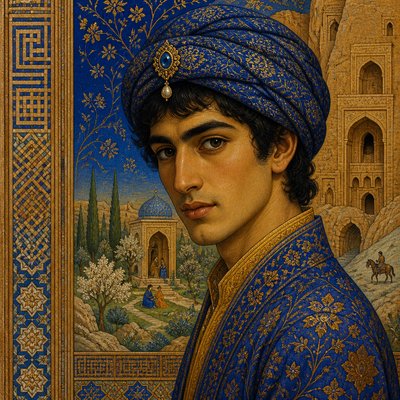
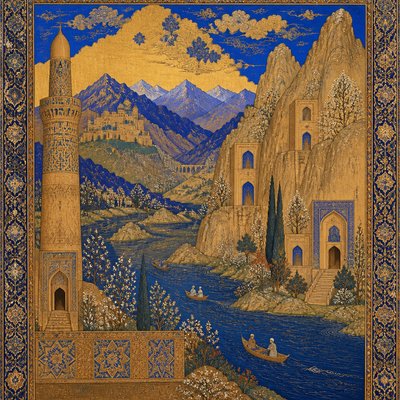
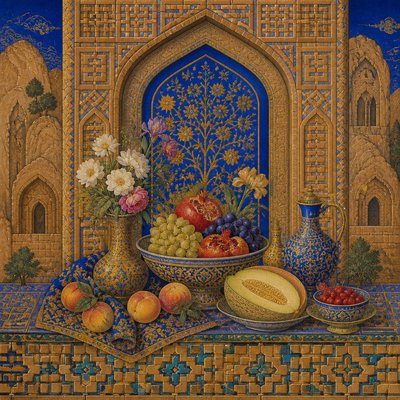
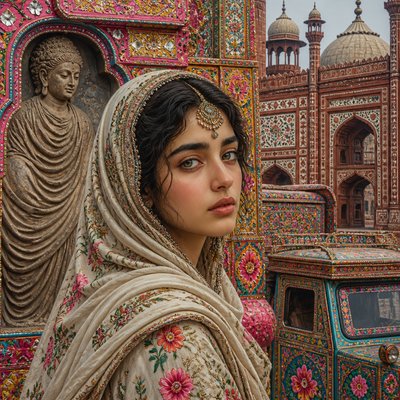
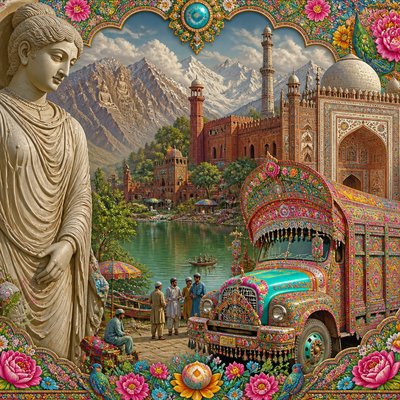
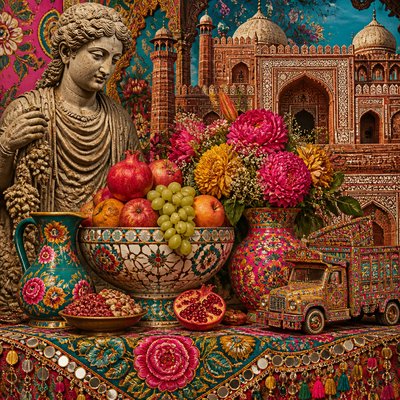
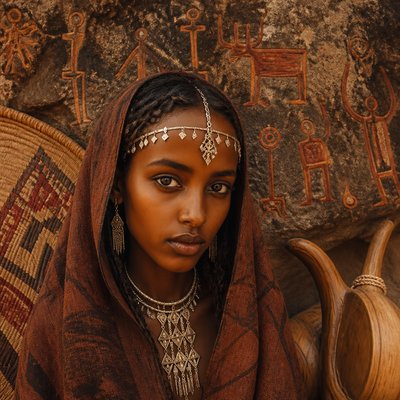
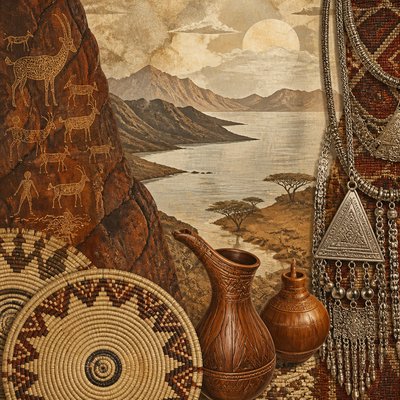
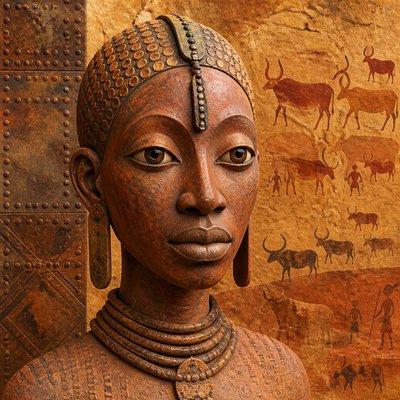
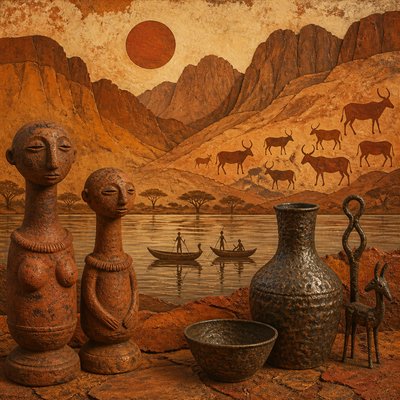
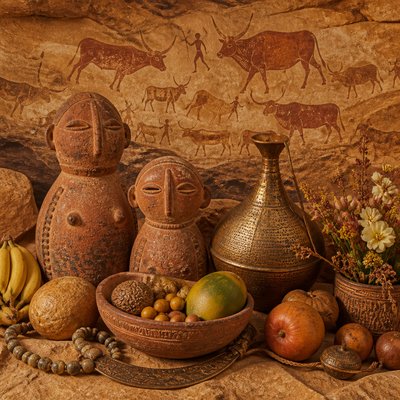
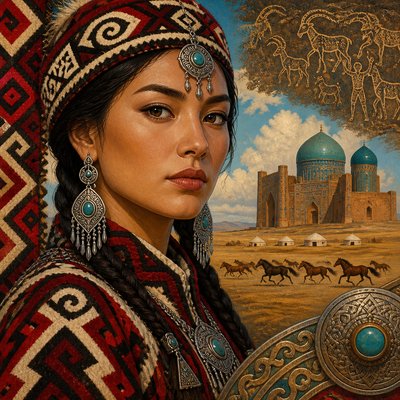
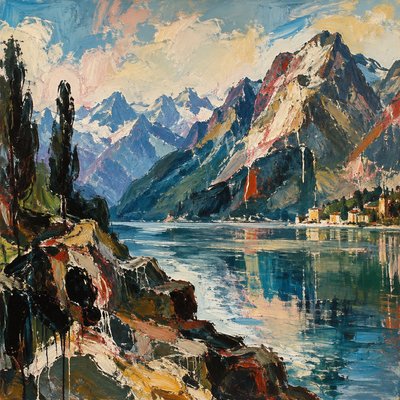
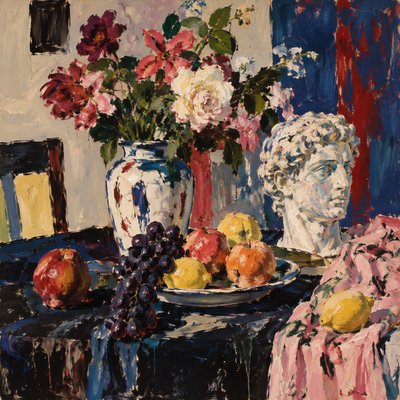
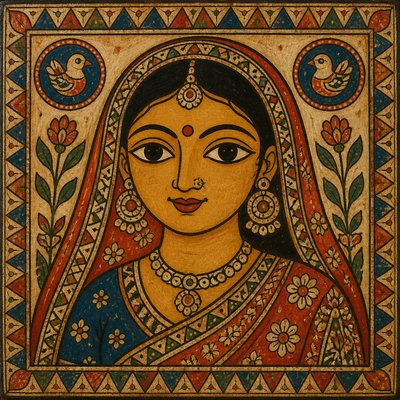
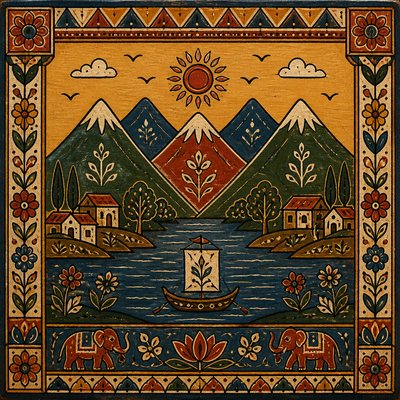
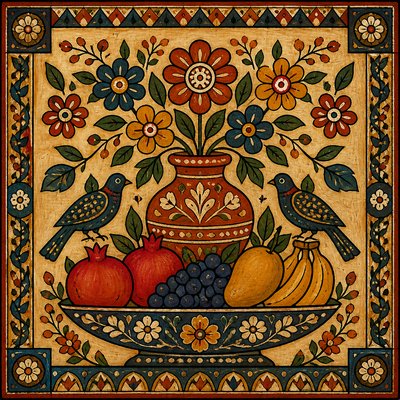
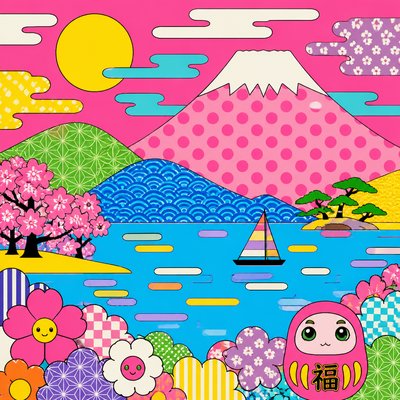
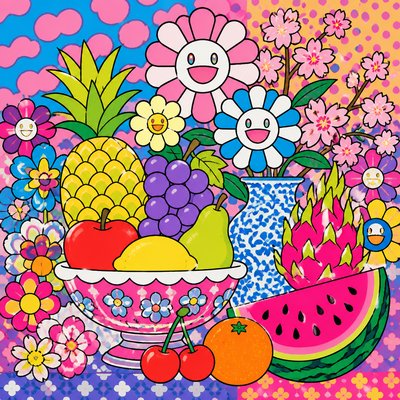
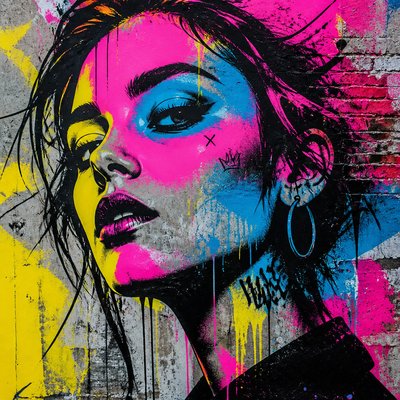
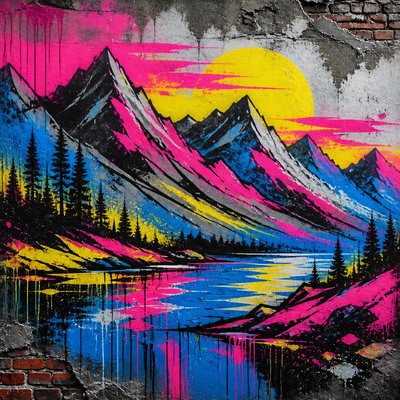
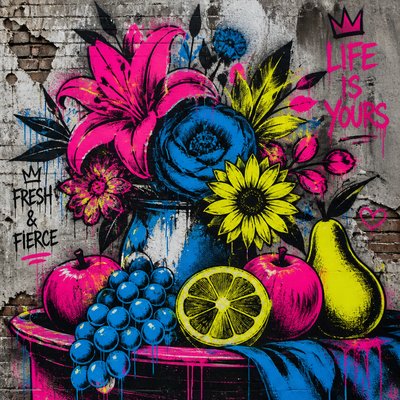
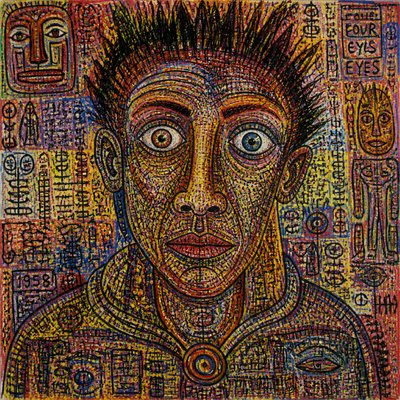
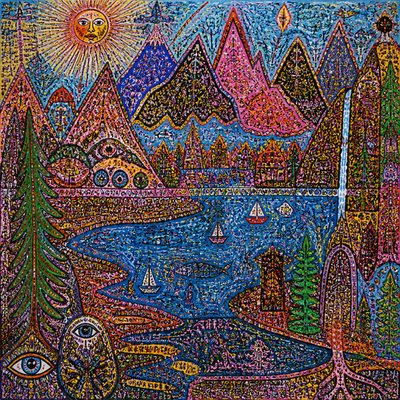
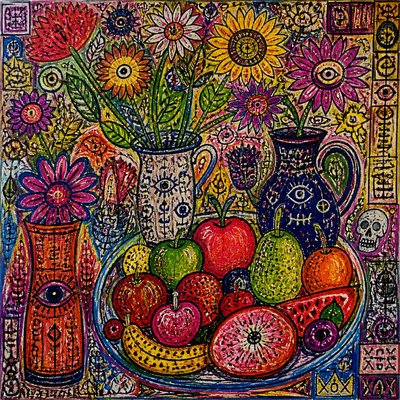
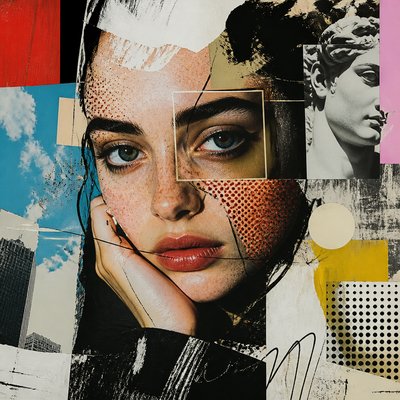
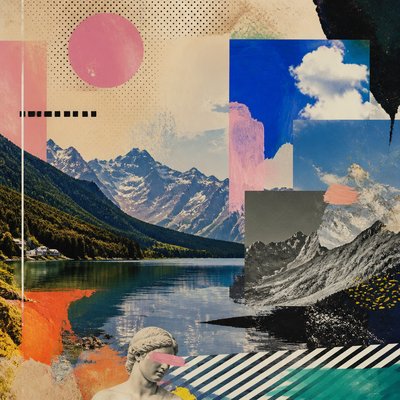
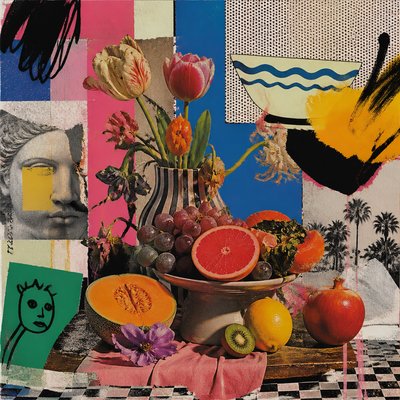
Interactive art with open-ended forms, visible process marks, and viewer participation that completes the work.
Instantly rendered in Participatory Contemporary — or transform a photo
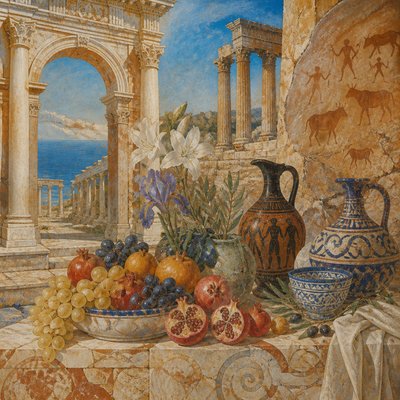
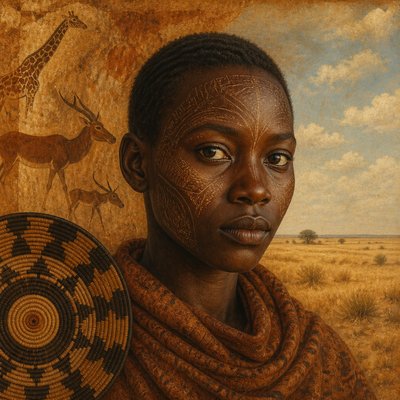
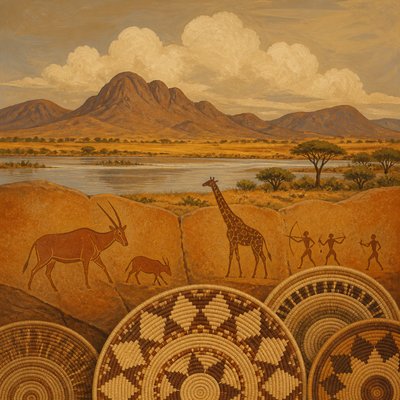
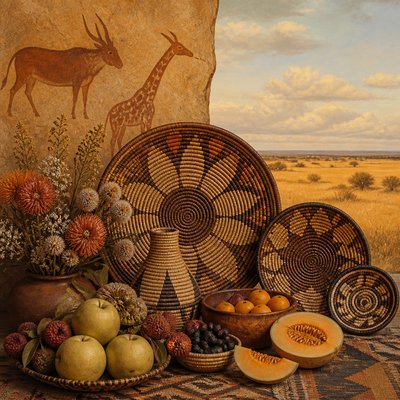
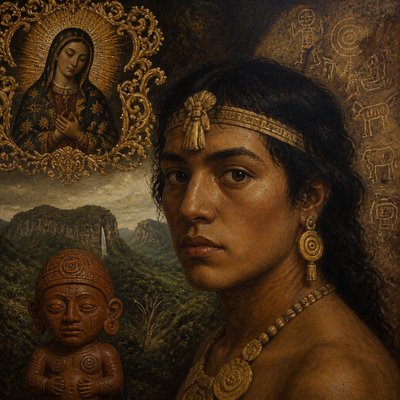
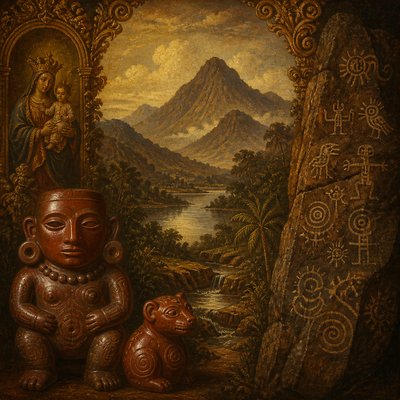
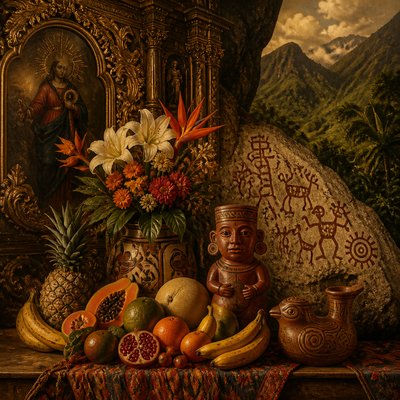
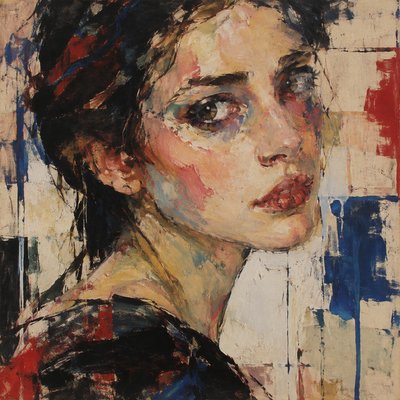
Participatory Contemporary Gallery
Tap any artwork to explore it
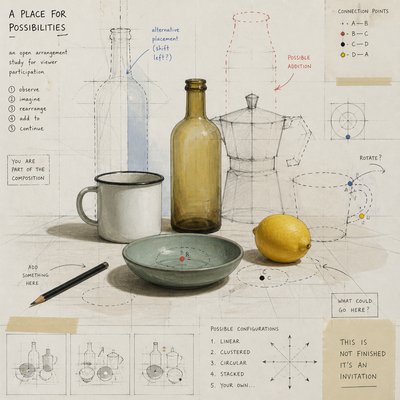
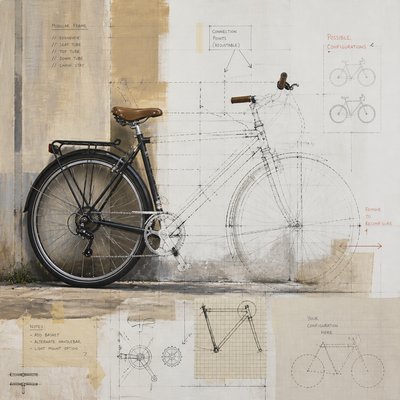
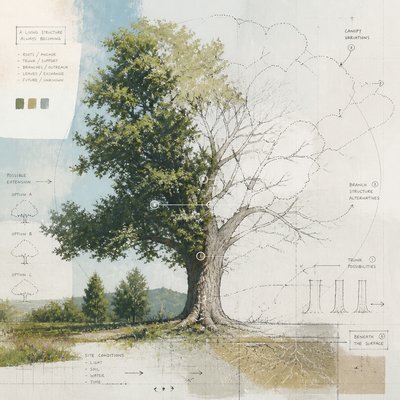
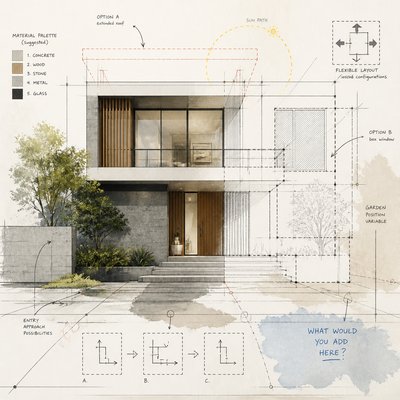
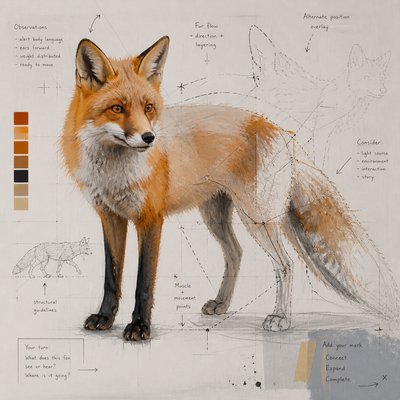
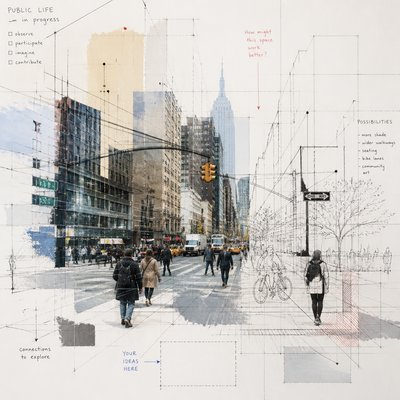
What is Participatory Contemporary Art Style?
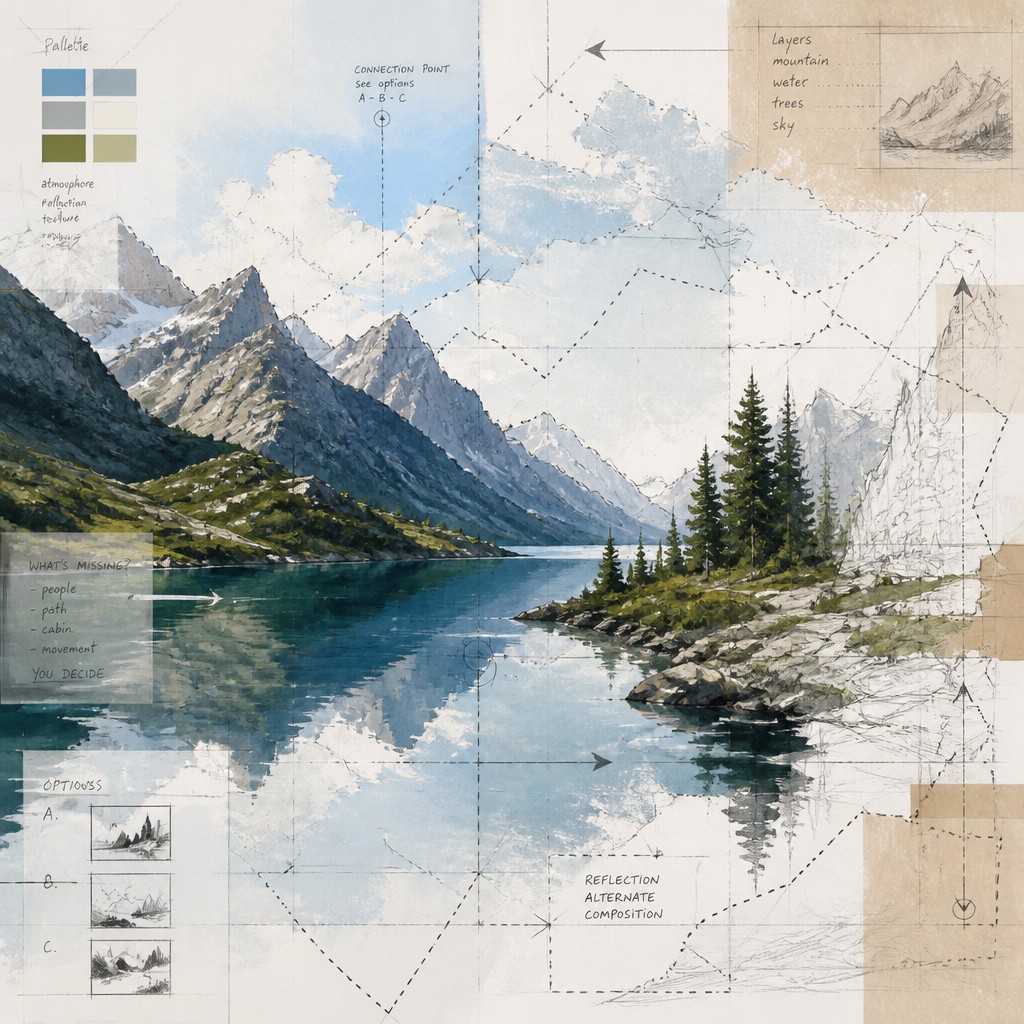
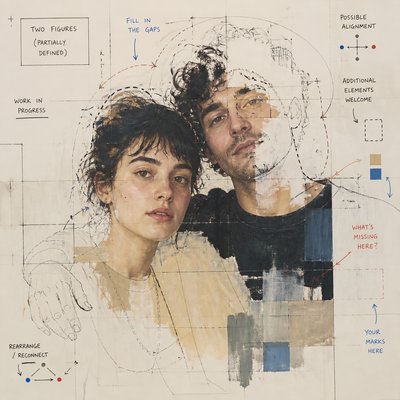
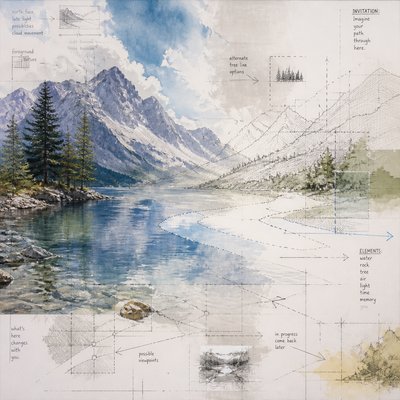
Participatory Contemporary Art Style is a contemporary, process-centered approach in which the work is intentionally left incomplete so the viewer becomes part of its meaning. Instead of presenting a closed image with a single fixed reading, it uses open structures, prompts, gaps, and mutable elements that ask the audience to mentally or physically finish the piece.
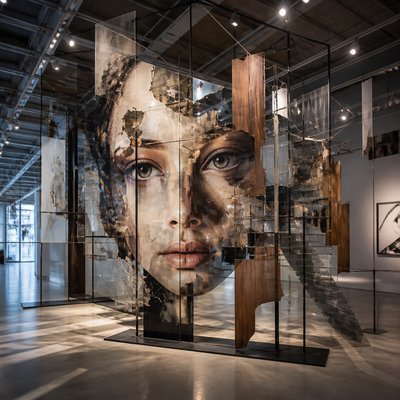
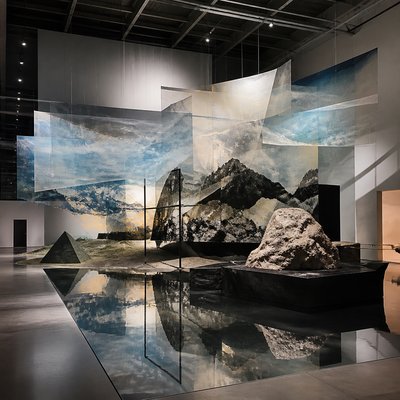
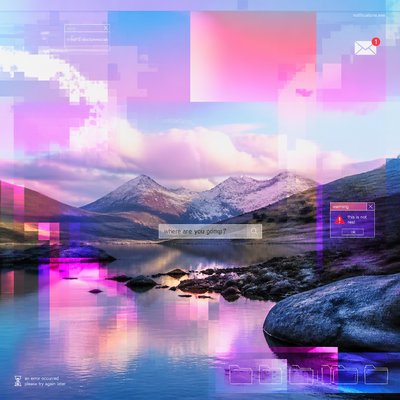
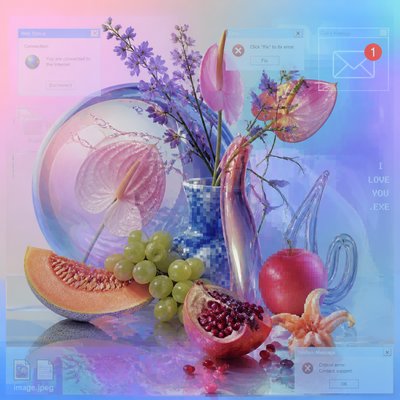
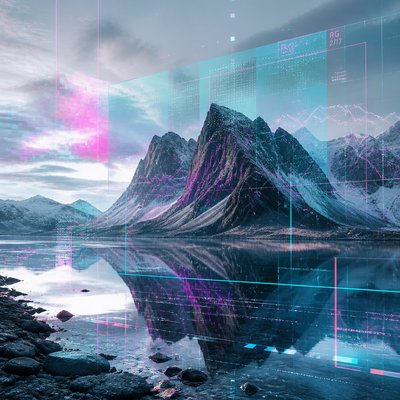
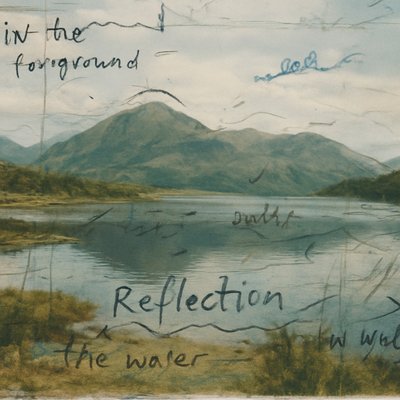
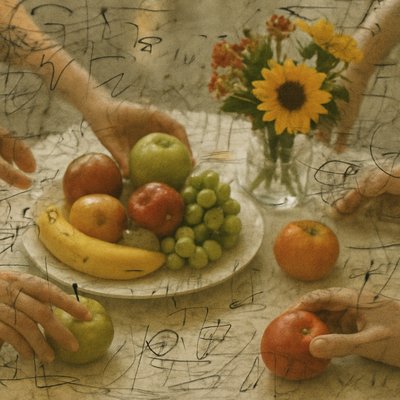
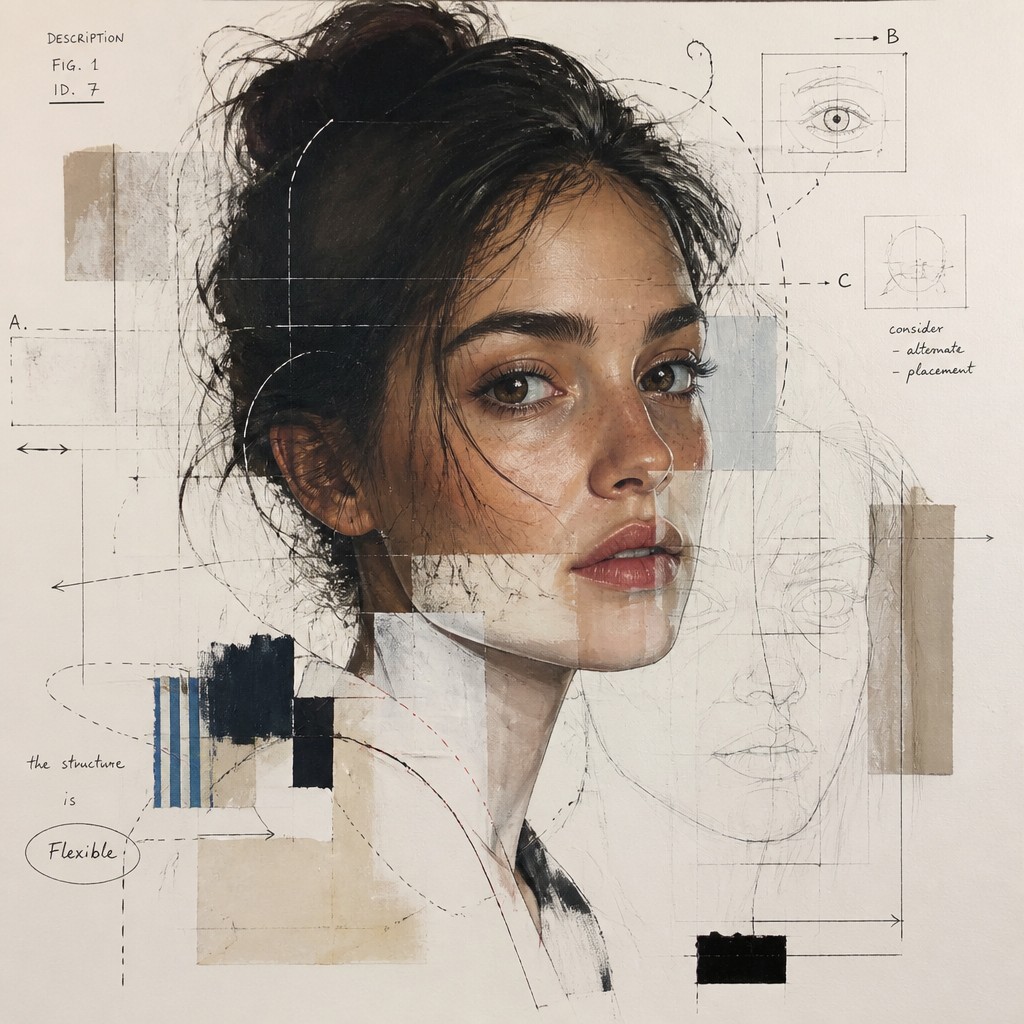
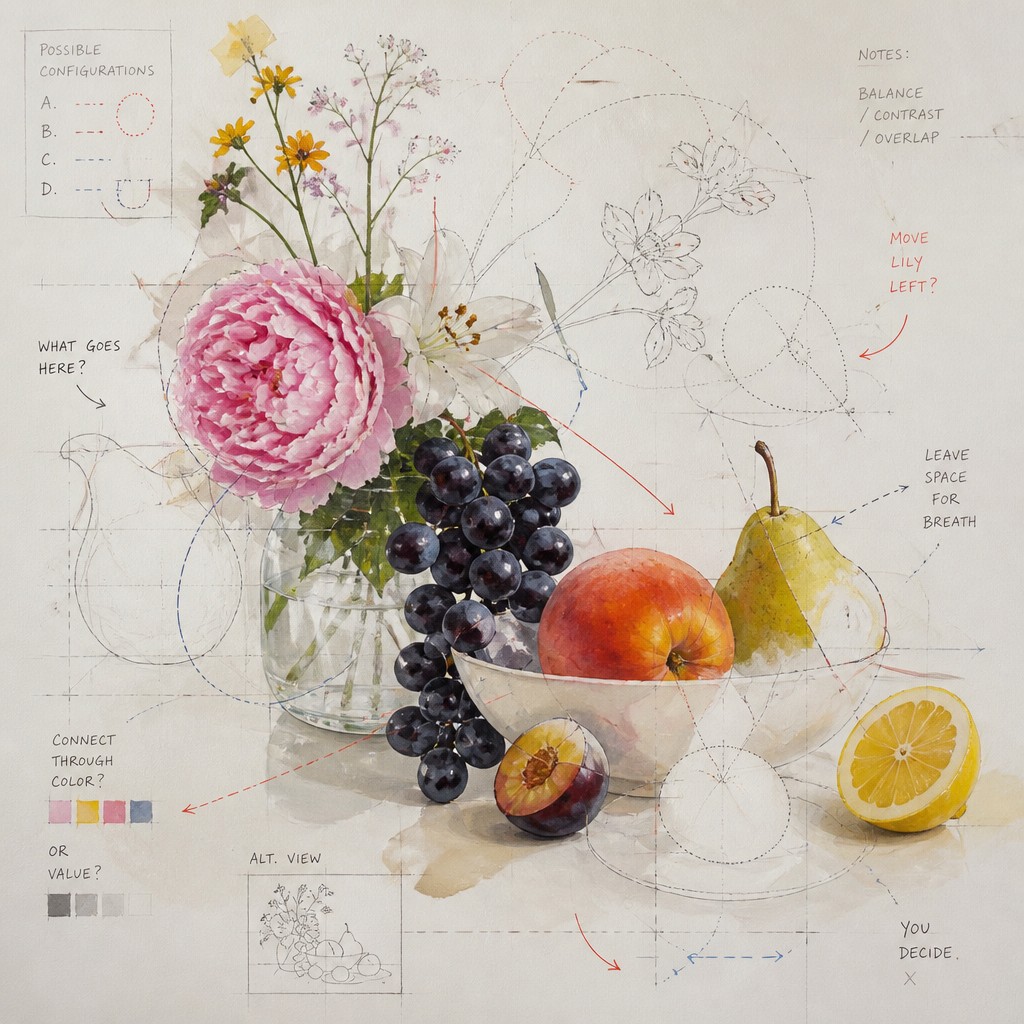
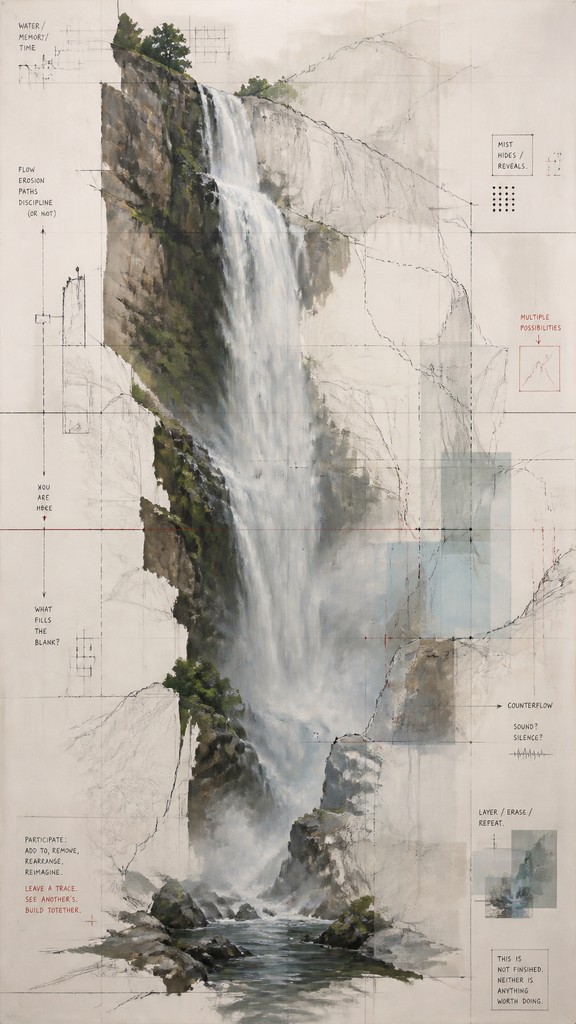
Visually, the style often combines finished passages with provisional marks: sketched guidelines, dotted contours, exposed construction lines, arrows, labels, blank zones, and transparent overlays. The result is a deliberate tension between resolution and incompletion. It looks the way it does because the artwork is designed to show its own making and to keep interpretation active, turning spectators into collaborators rather than passive observers.
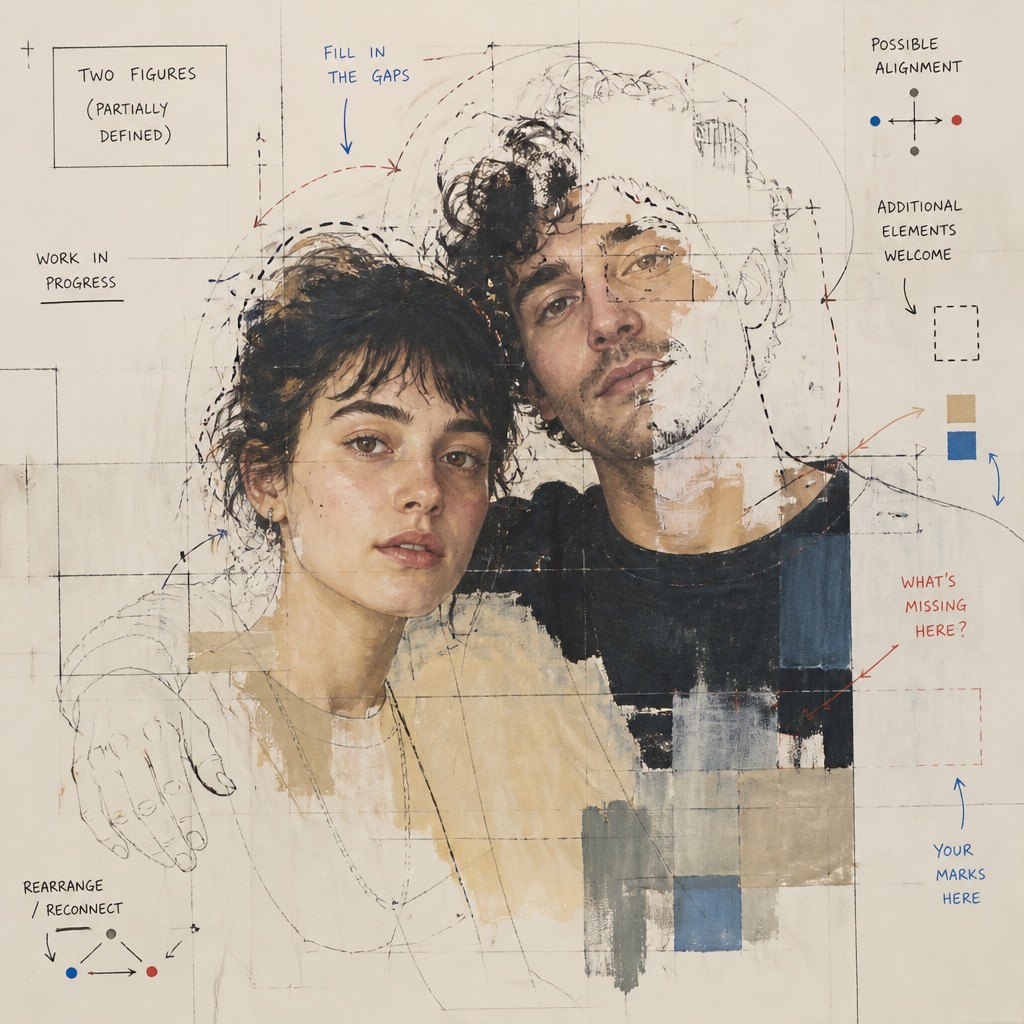
Try It On Your Photos
Upload any photo and convert it into Participatory Contemporary Art Style — drag the sliders to compare before and after.
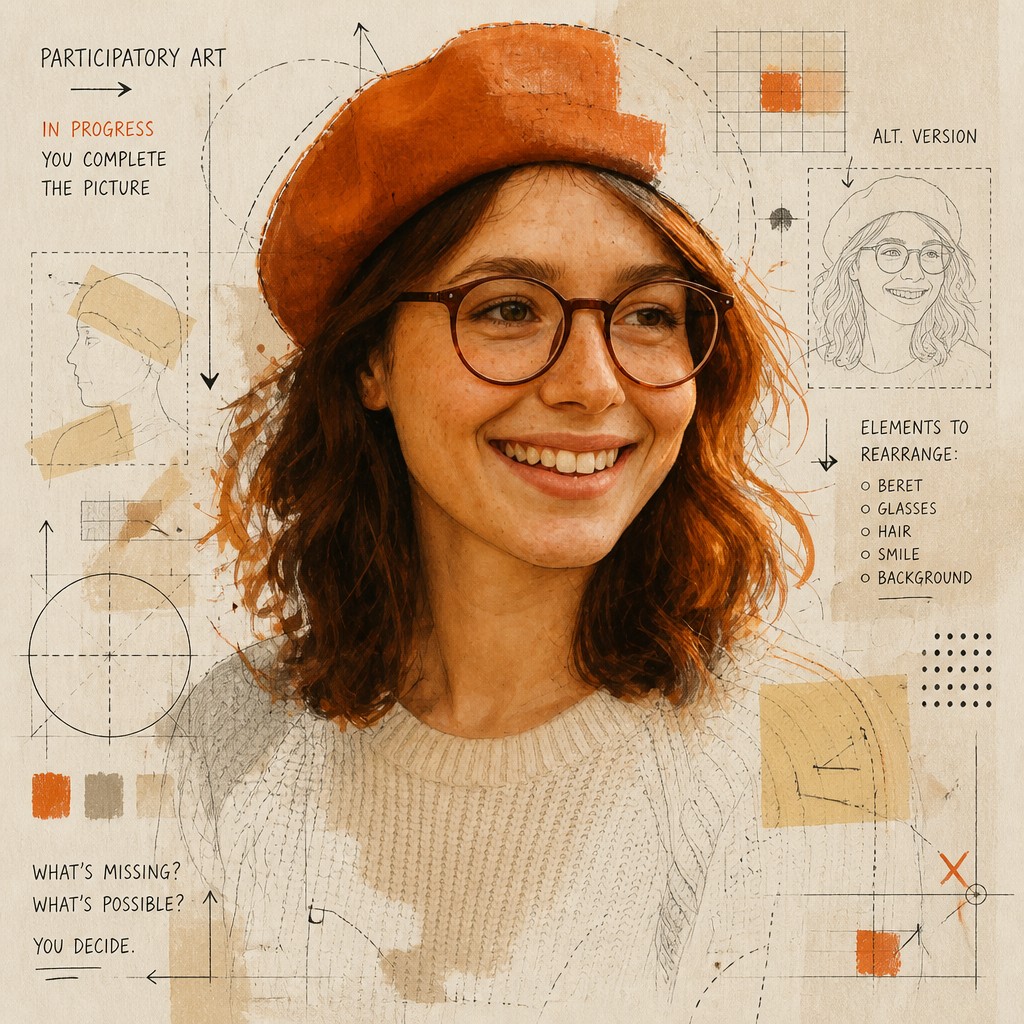

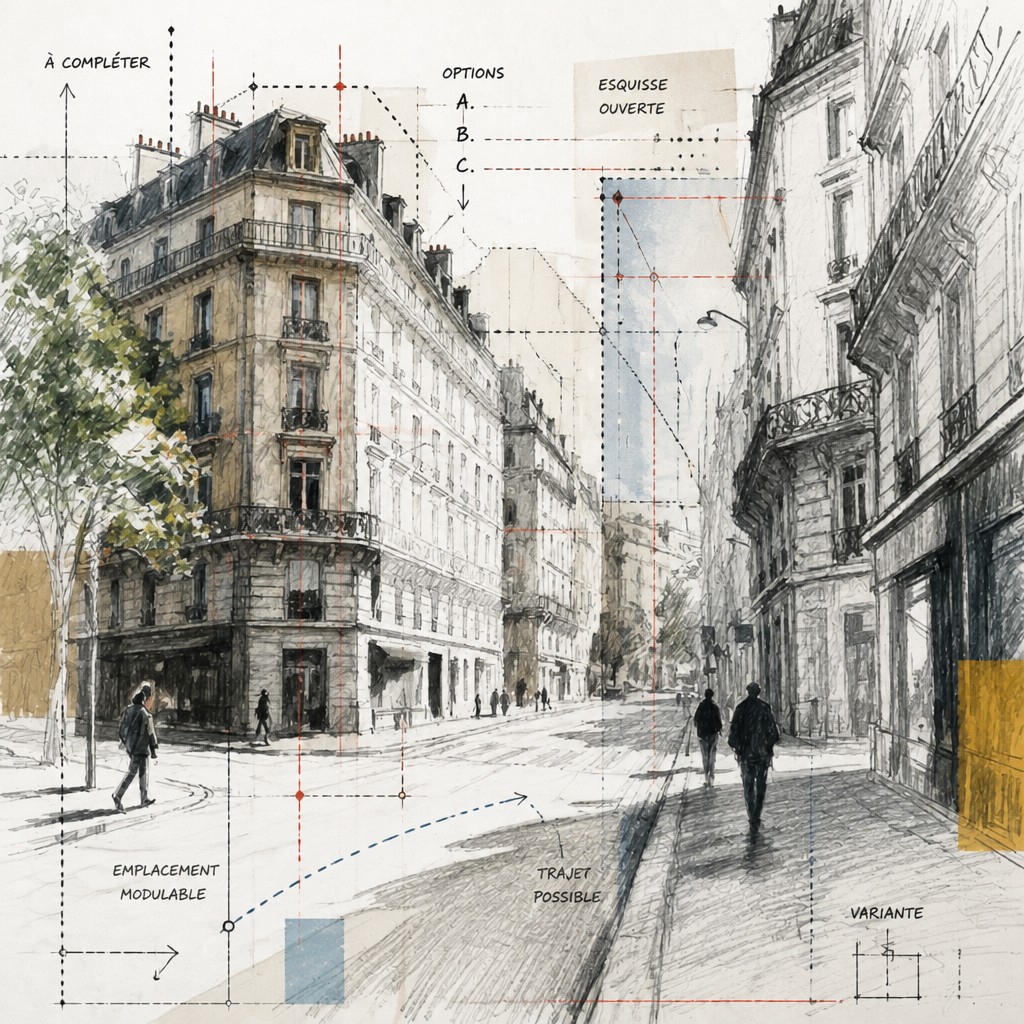

What Defines Participatory Contemporary Art Style
The signature details, up close
Open-ended composition
The image is arranged as a framework rather than a sealed scene. Important areas may remain blank, fragmented, or only lightly indicated so the viewer mentally supplies the missing parts.
Visible process marks
Construction lines, sketch traces, registration marks, and notational symbols are left exposed instead of hidden. These marks communicate that the work is provisional and in formation.
Participation cues
Arrows, connectors, labels, prompts, and modular elements imply that the image can be rearranged or completed. The composition often feels like a set of instructions or a collaborative schema.
Layered ambiguity
Transparent overlaps, interrupted contours, and alternative outlines suggest multiple possible versions of the same image. This creates a sense of choice, variability, and open interpretation.
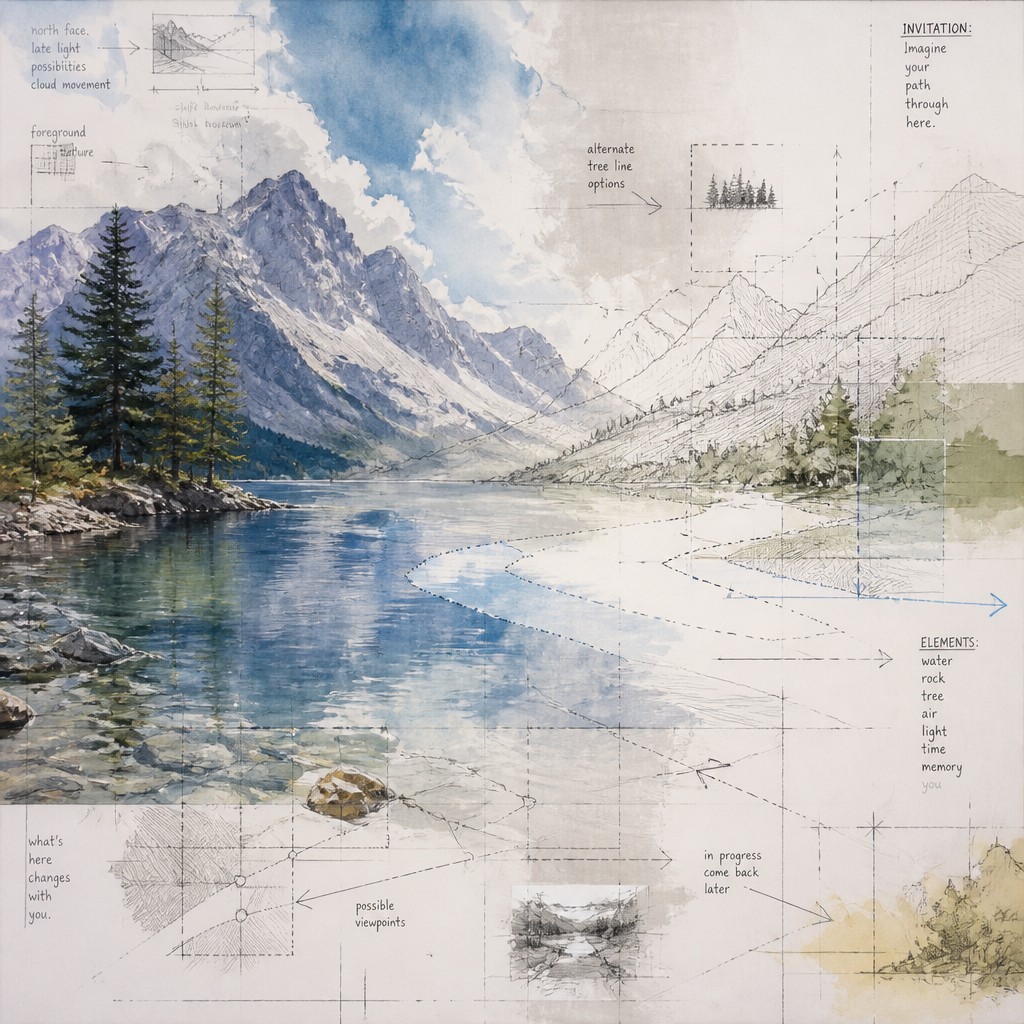
Contrast between finished and unfinished areas
Crisp rendered passages may sit beside loose gestural fragments or empty spaces. The contrast heightens awareness of process and makes incompletion part of the visual meaning.
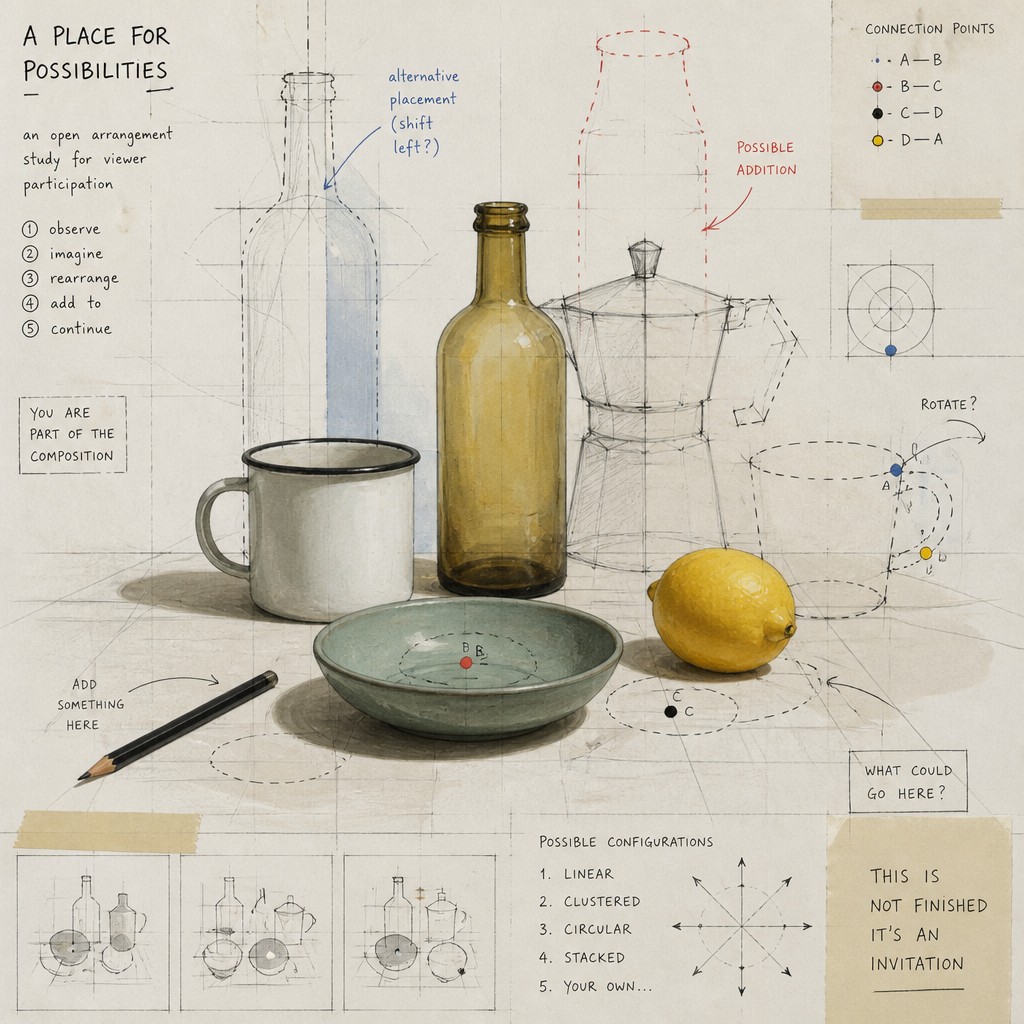
Instructional or diagrammatic structure
The work may resemble a plan, map, score, or workshop diagram rather than a traditional picture. This gives it an analytic quality while still leaving room for imaginative completion.
Try It
Create Videos in Participatory Contemporary Art Style
Styles aren't just for stills — describe a scene or animate an image and get a short video rendered in Participatory Contemporary. Press play to see this pond come to life.
Make a VideoParticipatory Contemporary Prompt Ideas
Start from an idea — each one opens the generator with the style ready to go. See all 40 Participatory Contemporary prompts →
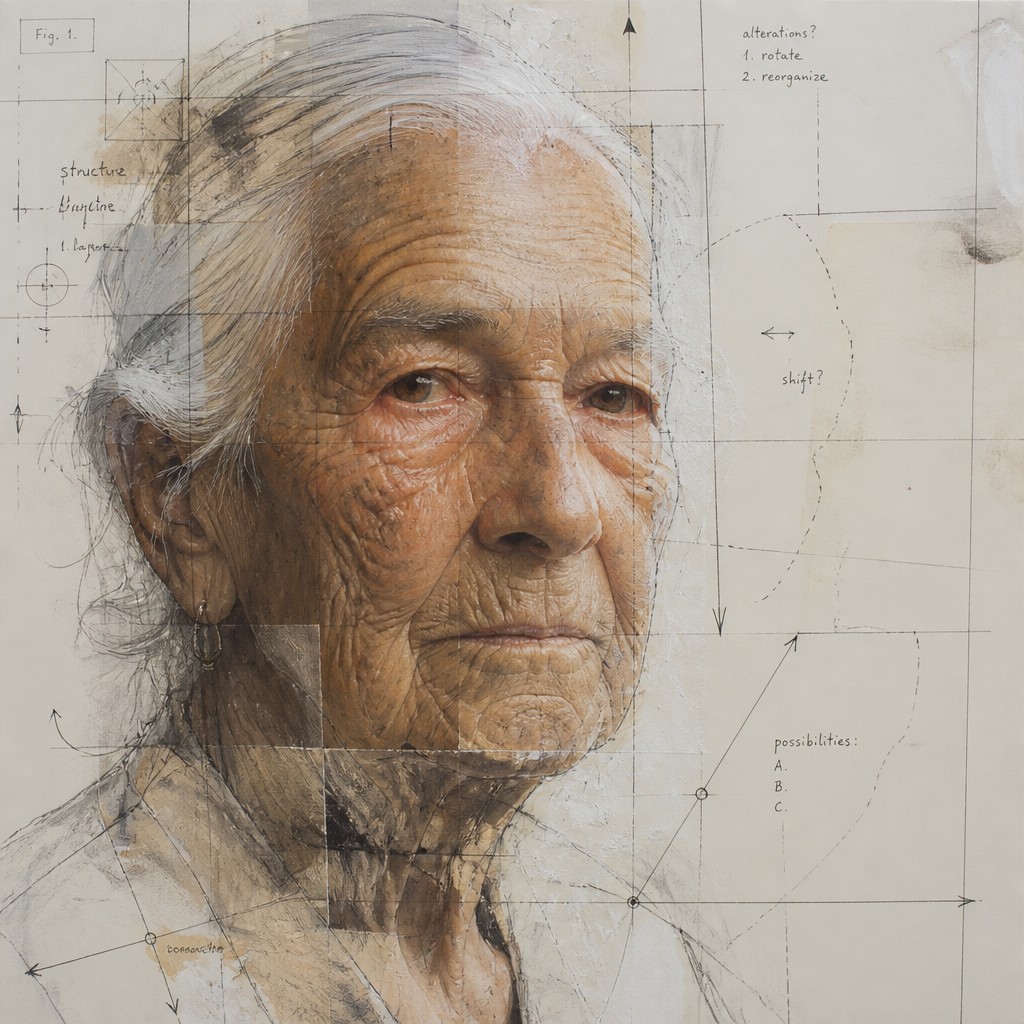
“close-up portrait of an elderly person with expressive weathered features”
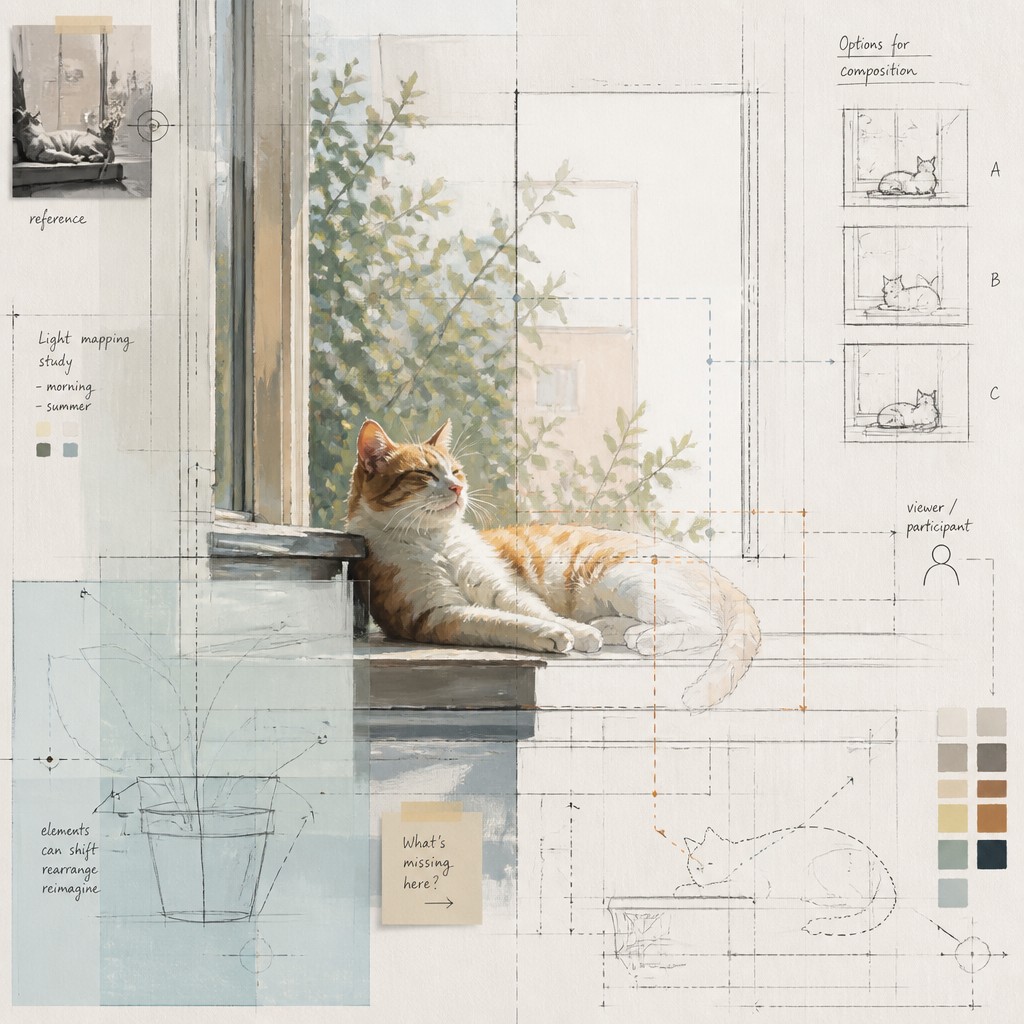
“a cat lounging in a sunlit window”
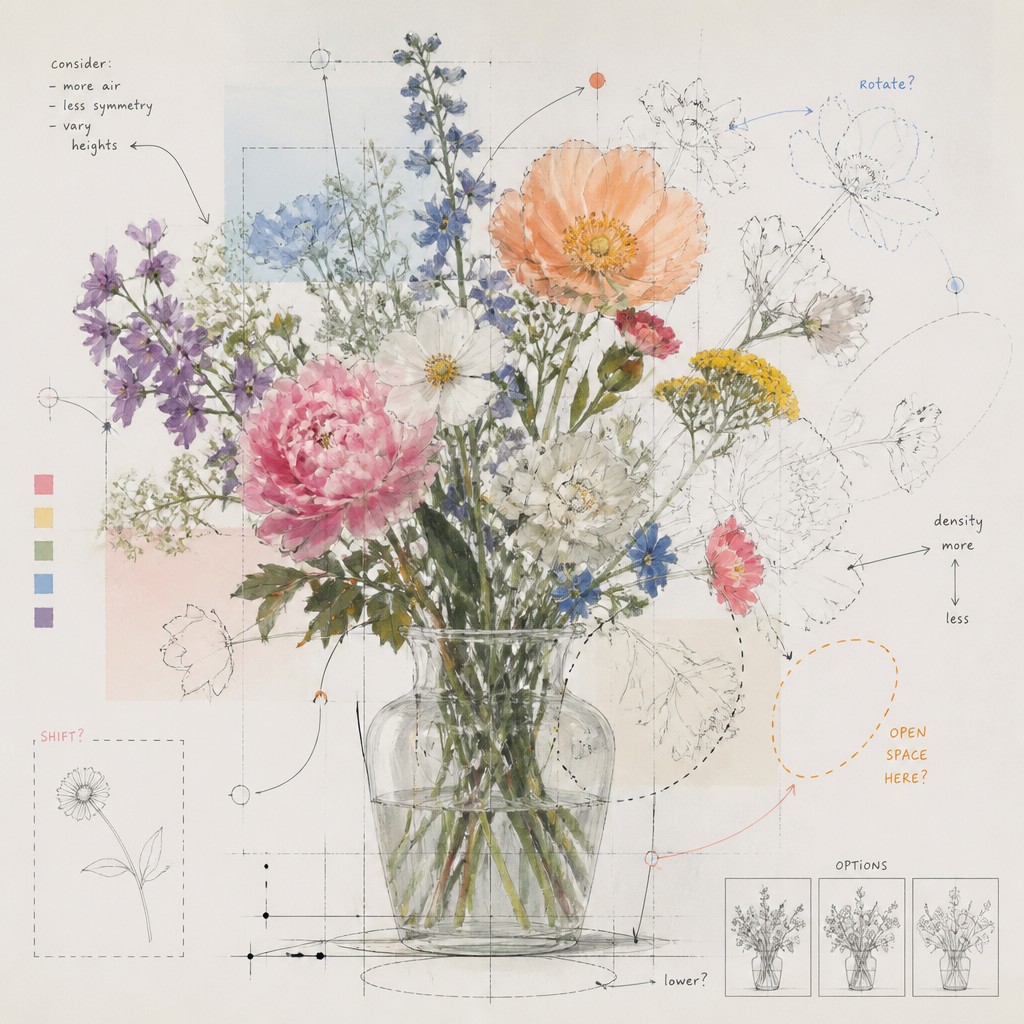
“bouquet of flowers in a glass vase”
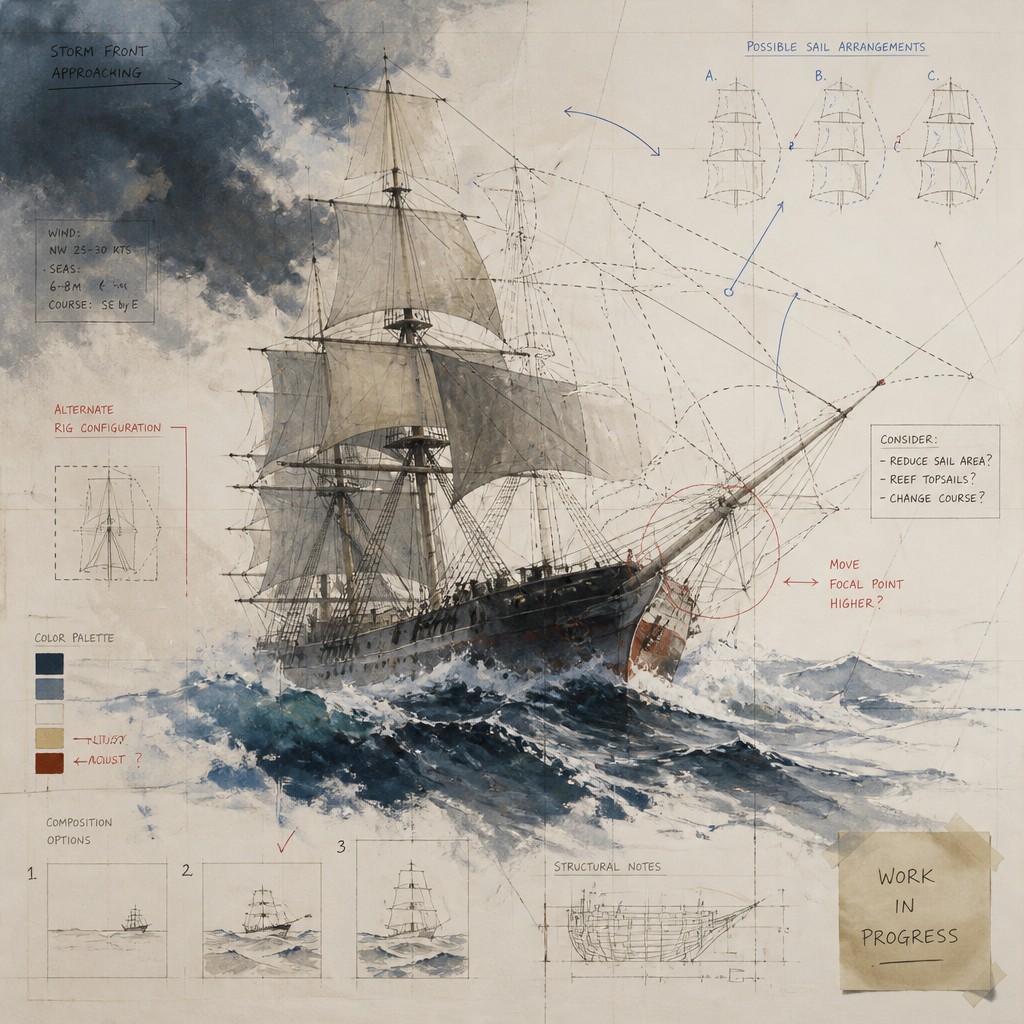
“sailing ship on a stormy sea”
How to Create Participatory Contemporary Art
Master the craft step by step — or skip straight to creating. Read the full guide →
- 1
Build a partial framework first
Start with a loose composition that includes only some resolved forms and deliberately leaves gaps. In traditional media, use faint pencil underdrawing, erased lines, and unfinished edges; in digital work, keep visible guide layers and incomplete masks.
- 2
Preserve evidence of making
Do not fully clean up every mark. Let construction lines, corrections, and overlaps remain visible so the viewer can read the work as an active process rather than a polished final image.
- 3
Add prompts for viewer completion
Use arrows, dotted lines, numbered steps, labels, or empty outlines to imply participation. These cues can suggest that forms should be mentally assembled, rearranged, or imagined beyond the drawn boundary.
- 4
Use selective resolution
Render one area with precision and leave adjacent areas gestural or unfinished. The contrast between exactness and incompletion is central to the style’s meaning and visual rhythm.
- 5
In digital or AI-assisted creation, specify openness
Prompt for exposed construction lines, blank zones, layered transparencies, and a work-in-progress aesthetic. Ask for an image that feels collaborative, diagrammatic, and intentionally incomplete rather than fully polished.
- 6
Think like an installation or instruction piece
Frame the image as if it could be activated by the viewer, not just observed. This can include modular elements, editable layers, score-like structures, or an image that appears to invite rearrangement.

The Story
History & Origins of Participatory Contemporary
Participatory contemporary art emerged from several postwar and late-20th-century developments rather than from a single movement. Its lineage includes conceptual art, installation art, performance art, relational aesthetics, and other practices that shifted attention away from the autonomous object and toward process, context, participation, and instruction-based work. Artists in these traditions treated the viewer as an active participant and often used temporary, open-ended, or variable formats.
Its visual language also draws from drawing practices that emphasize drafts, diagrams, and working marks, as well as from conceptual notation, exhibition design, and interactive media. In digital culture, this tendency is reinforced by interfaces, editable layers, and collaborative tools, which normalize the idea that an image can remain revisable. The style therefore reflects a broader contemporary shift: art as an invitation to complete, interpret, rearrange, or activate rather than simply to behold.
Influences: This style is related to conceptual art, instruction-based performance, installation art, participatory and relational practices, and process art. It also draws on drawing traditions that preserve sketch marks, as well as diagrammatic design language and contemporary interface aesthetics. In the broader historical background, influential conceptual and participatory artists and key figures in instruction-based, event-centered, and audience-activated practices are important reference points for instruction, participation, and activated spectatorship, while later practices extend these ideas into open systems and collaborative viewing.
Frequently Asked Questions
What defines Participatory Contemporary Art Style?
It is defined by incompletion, visible process, and viewer involvement. The artwork is built to feel open-ended, with gaps, prompts, or structural cues that invite the audience to mentally or physically complete it.
How is it different from regular contemporary art or abstract art?
Contemporary art can be many things, but this style specifically foregrounds participation and the work-in-progress look. Compared with pure abstraction, it usually retains communicative devices such as arrows, labels, outlines, or modular forms that guide interaction.
Can this style be used for portraits, landscapes, or still life?
Yes. The subject can be almost anything, but the image should remain partially open or editable in its presentation. A portrait might leave features unresolved, while a landscape might appear as a mapped or layered field of possibilities.
What kinds of techniques help create this look?
Visible underdrawing, collage layers, diagrammatic notes, blank spaces, and partial rendering are especially effective. In digital work, layered files, masks, transparency, and linework that is not fully polished help preserve the sense of process.
Where is this style commonly used?
It appears in gallery installations, editorial illustration, experimental posters, conceptual branding, and interactive digital art. It is also useful anywhere an image needs to suggest participation, dialogue, or open interpretation.
Is the goal to make the work look unfinished?
Not simply unfinished, but intentionally open. The key is that incompletion functions as a visual and conceptual device, making the viewer aware that their attention helps complete the work.

Create your first Participatory Contemporary artwork
Describe anything — or upload a photo — and see it in Participatory Contemporary Art Style in seconds.
Make Something with Participatory Contemporary
Compare Participatory Contemporary
Related Styles
Discover similar art styles