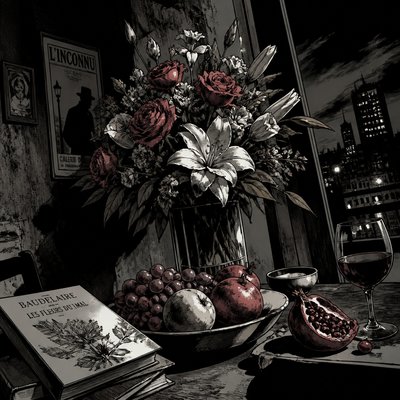
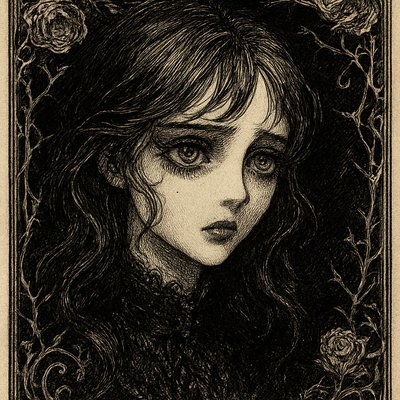
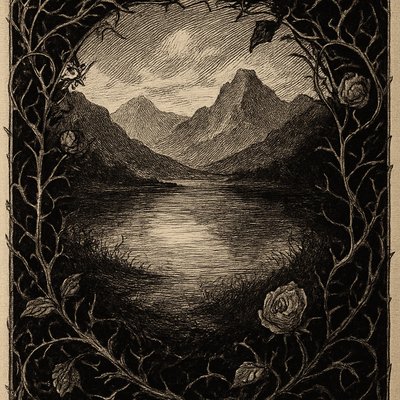
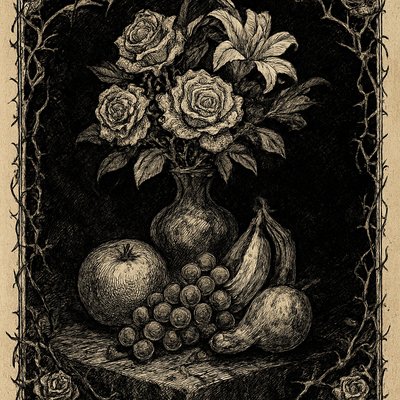
Manga Comic Art
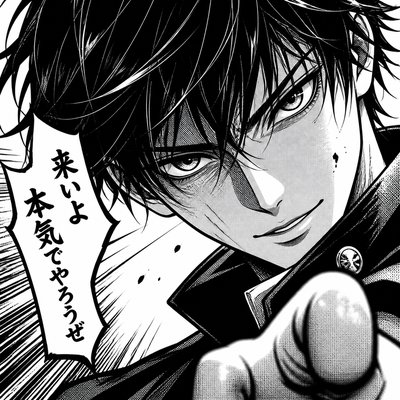
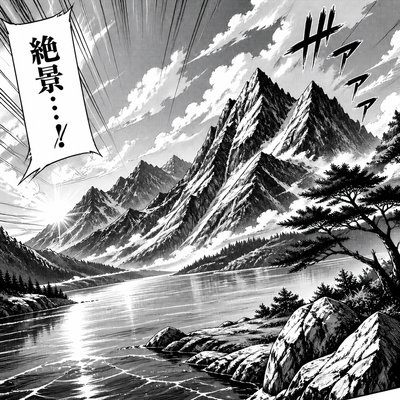
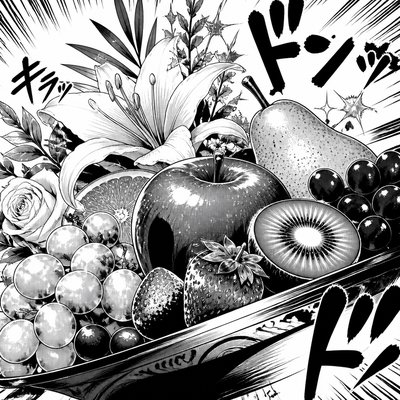
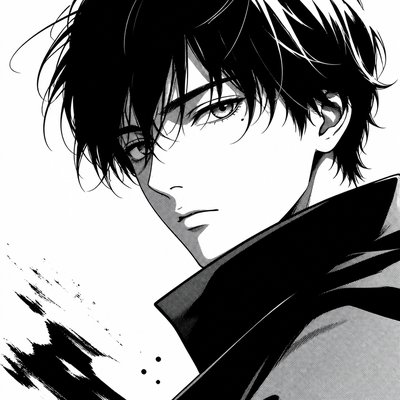
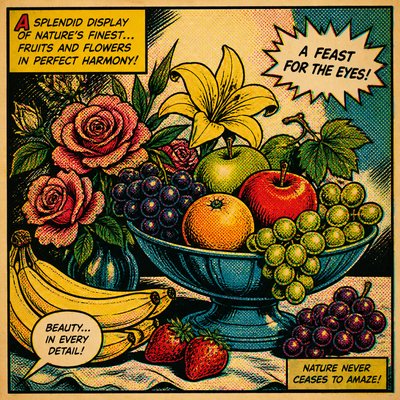
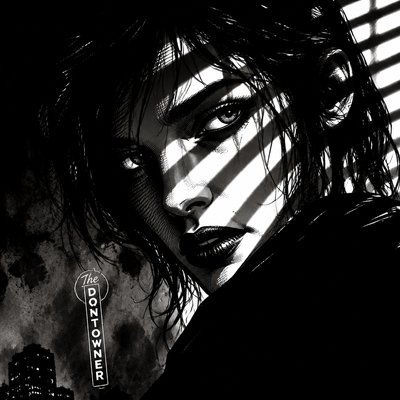
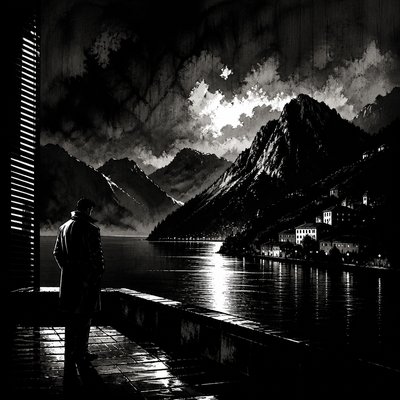
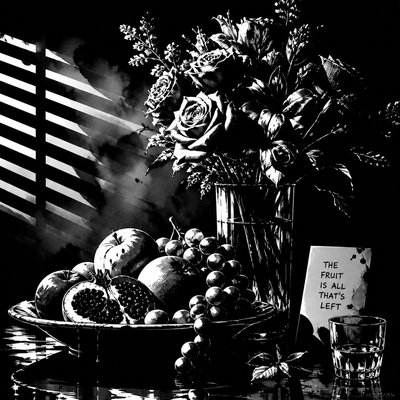
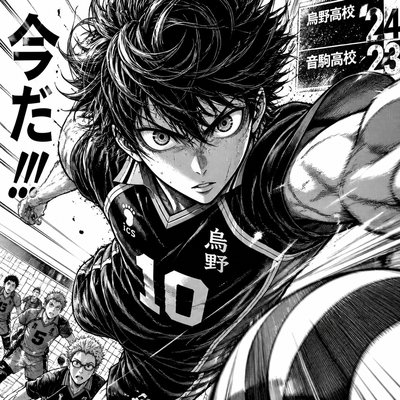
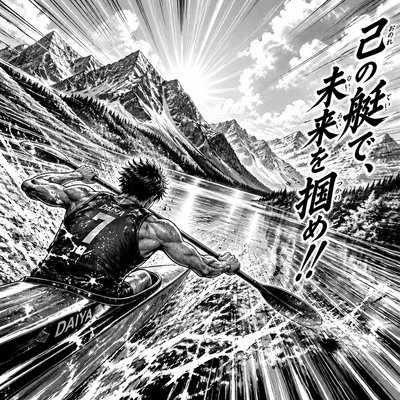
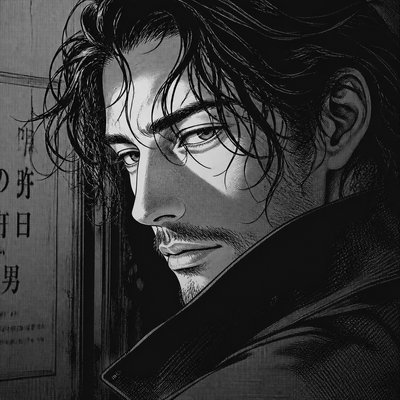
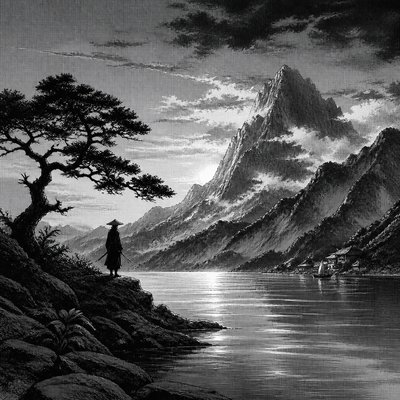
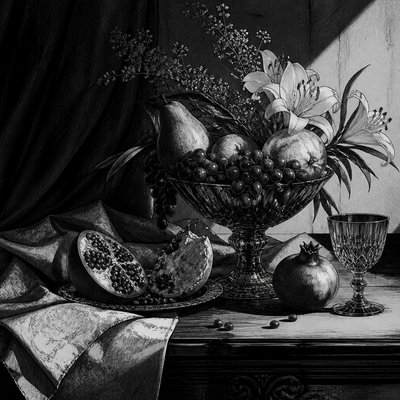
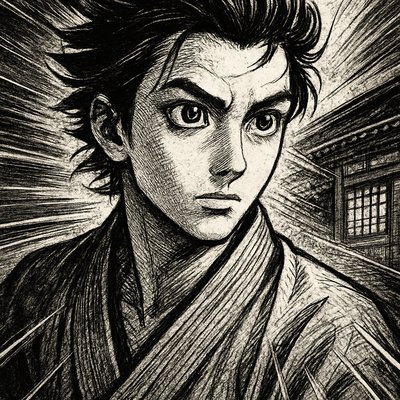
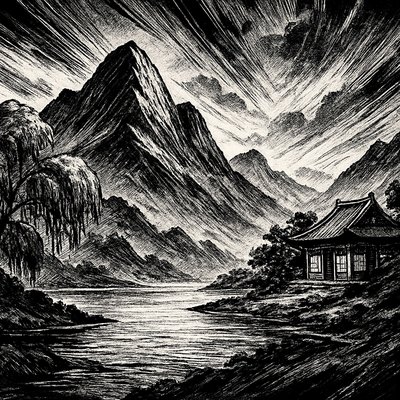
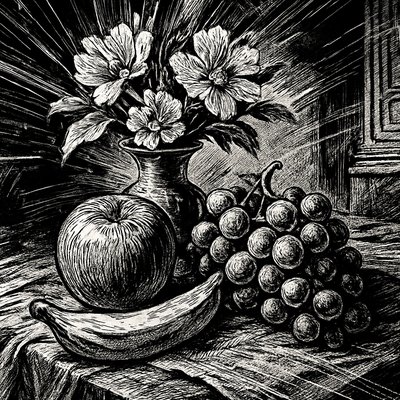
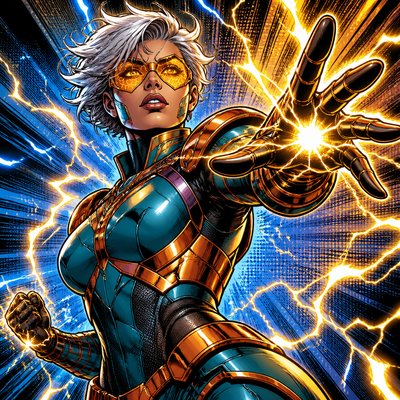
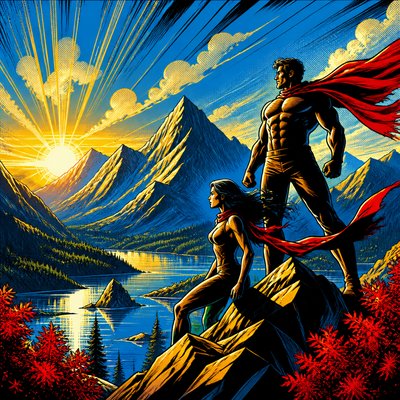
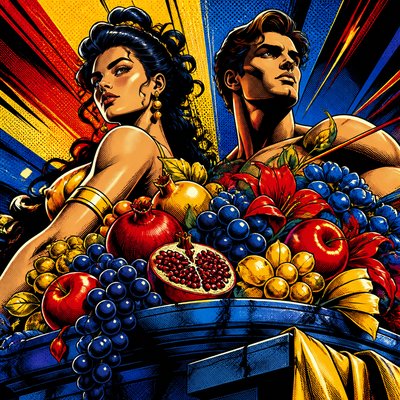
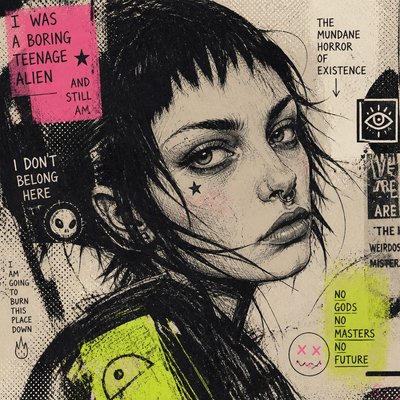
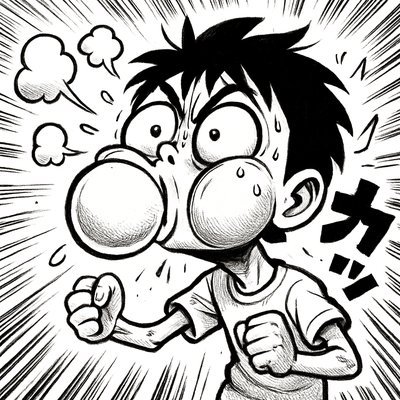
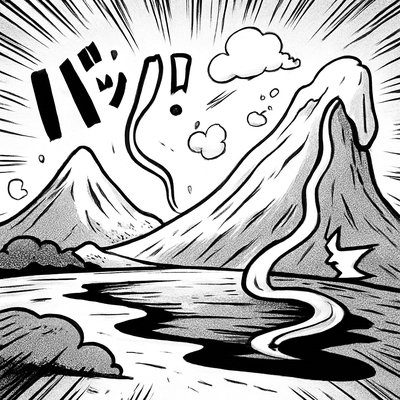
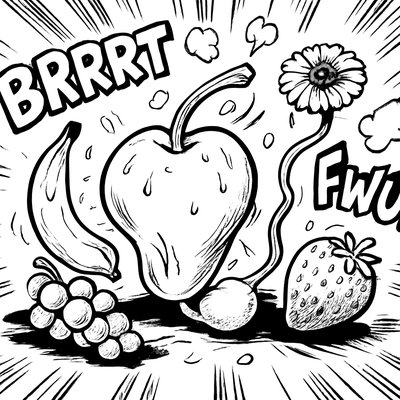
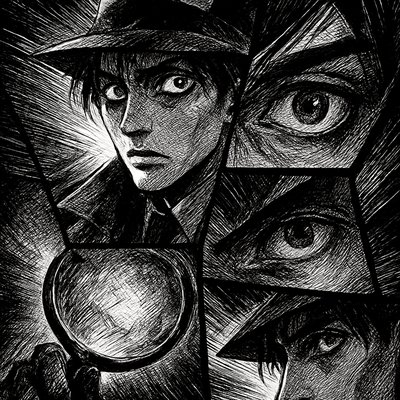
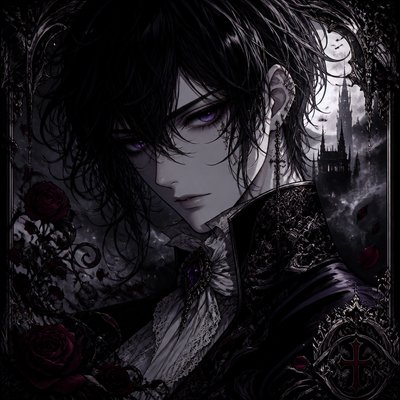
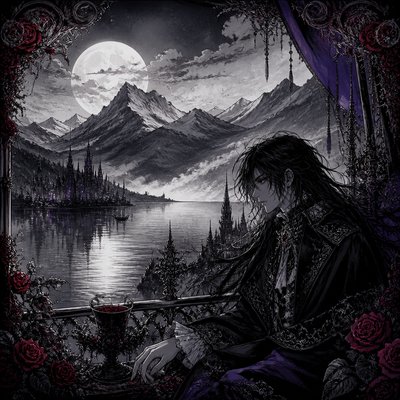
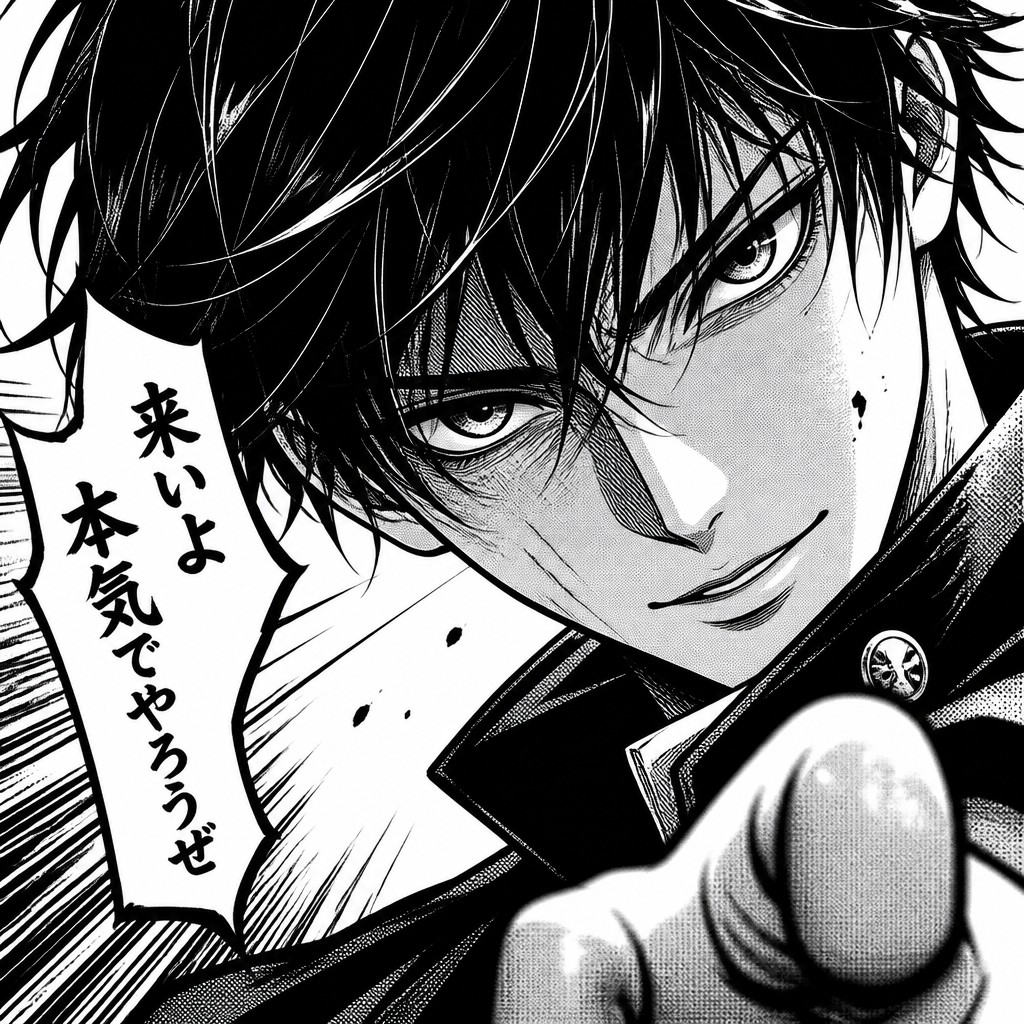
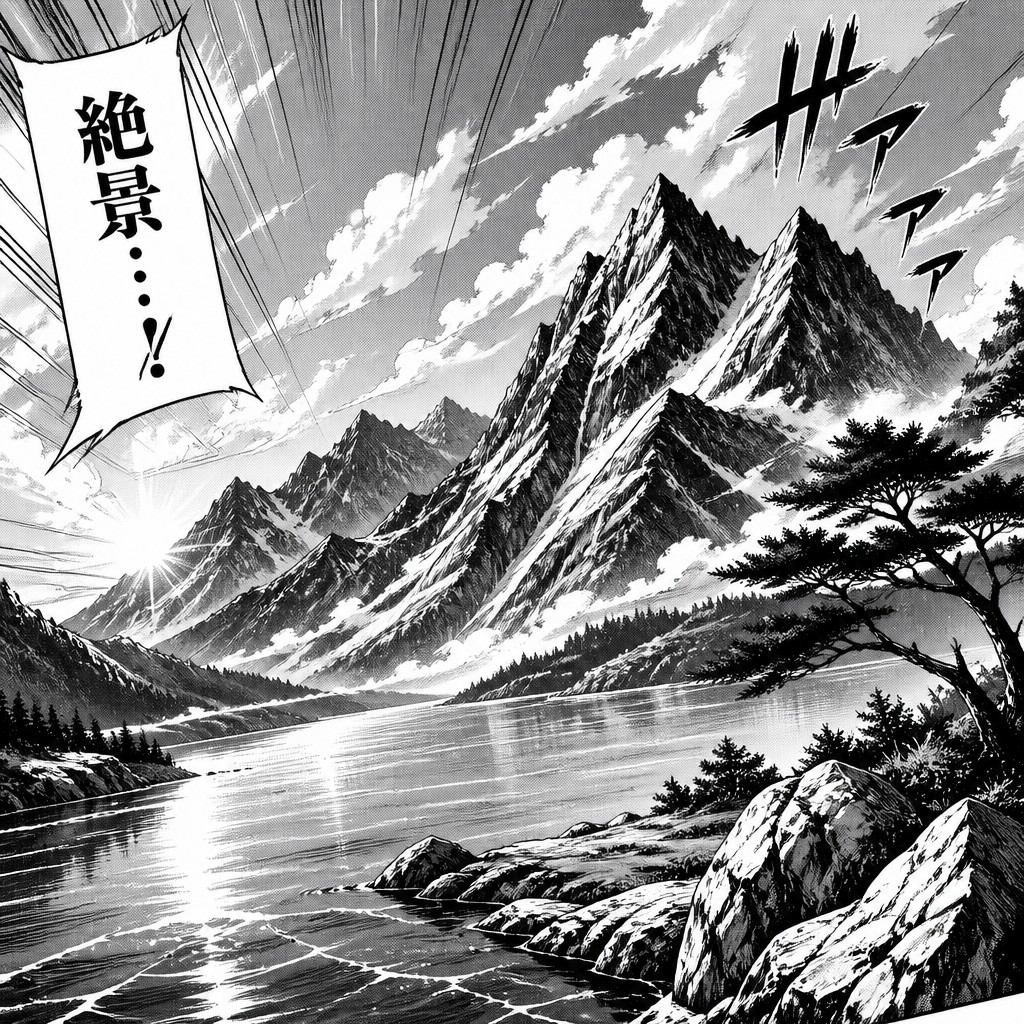
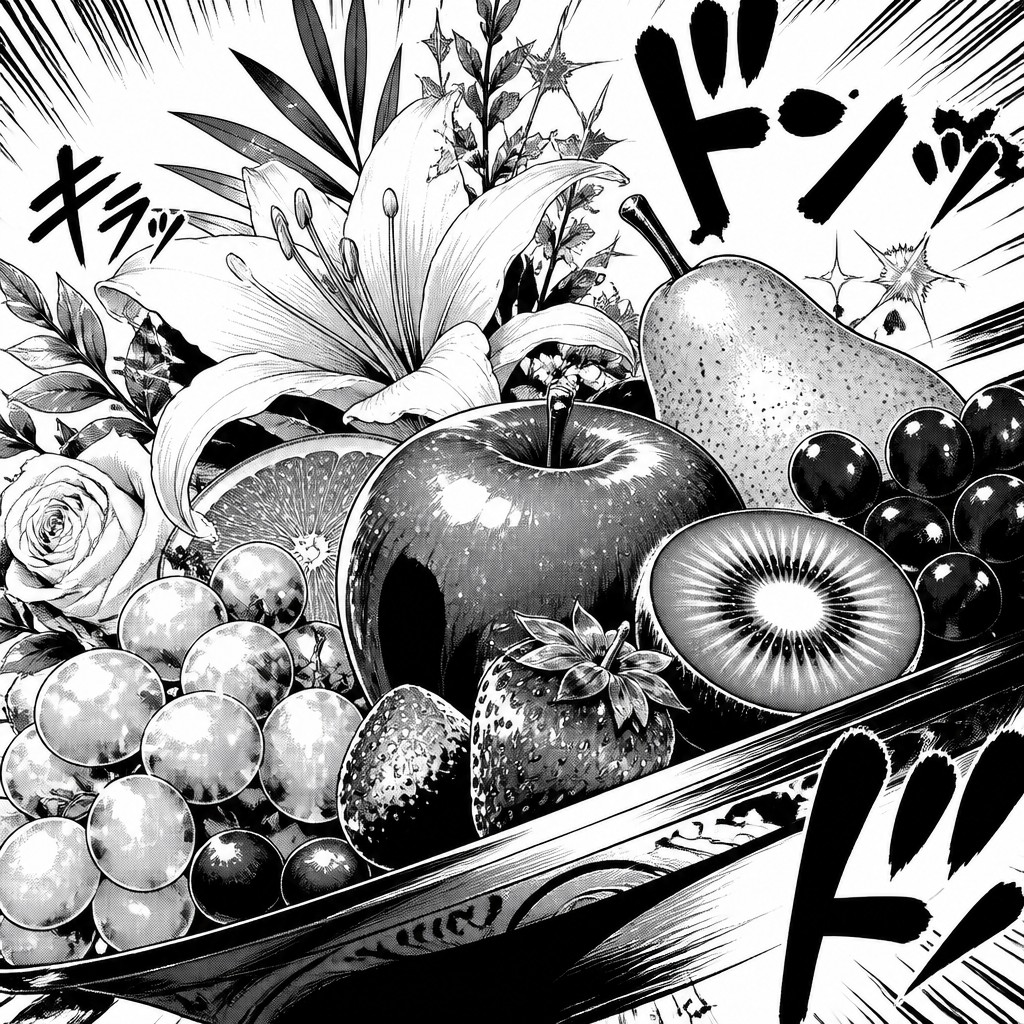
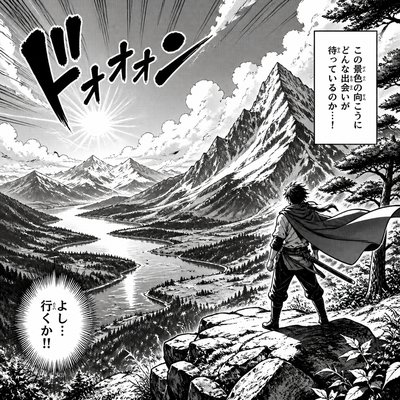
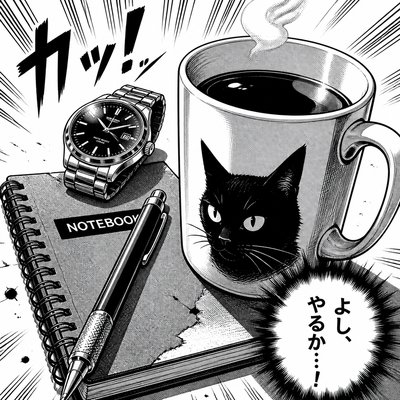
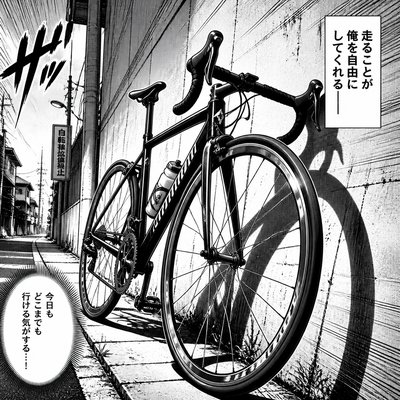
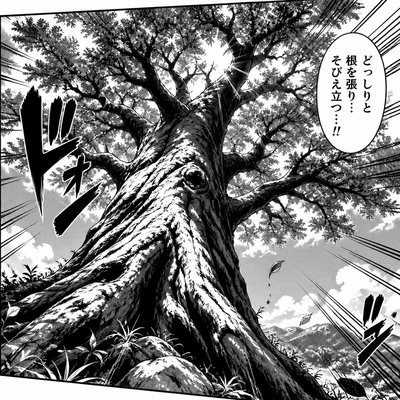
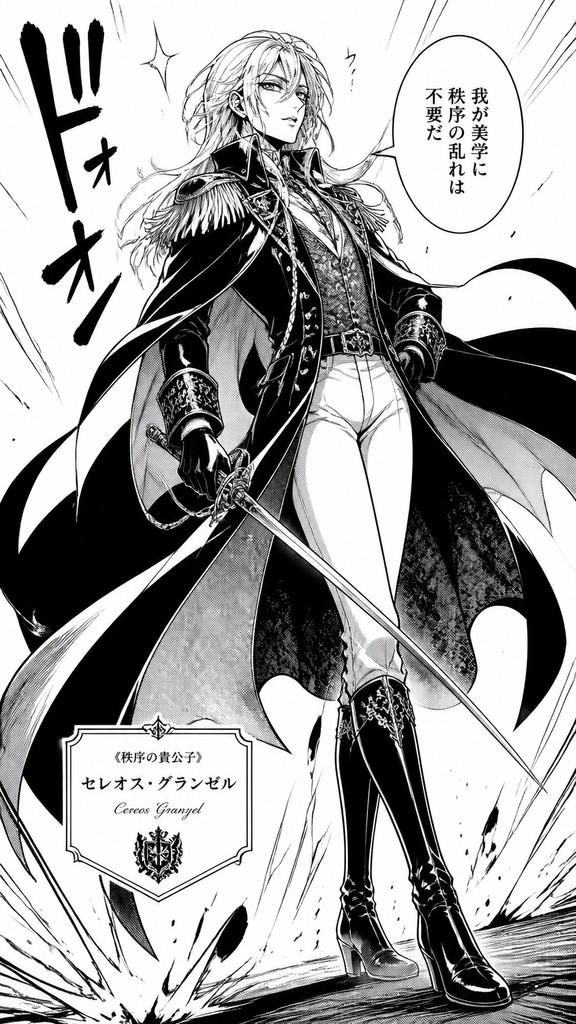
Japanese comic style with expressive faces, speed lines, screentones, bold inks, and dramatic black-and-white storytelling.
Instantly rendered in Manga Comic — or transform a photo
Manga Comic Gallery
Tap any artwork to explore it
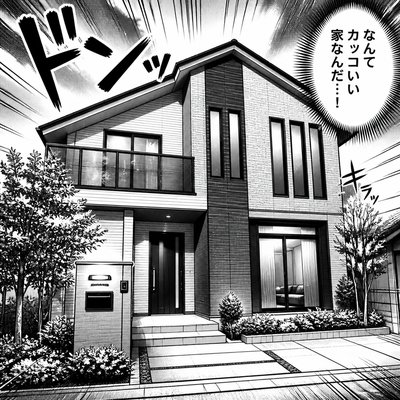
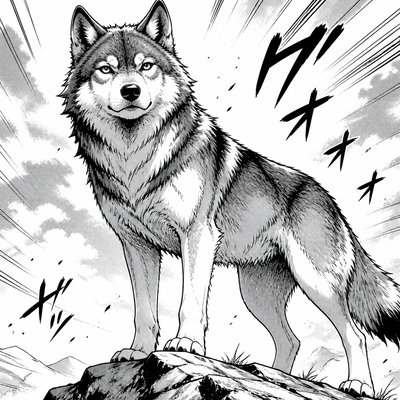
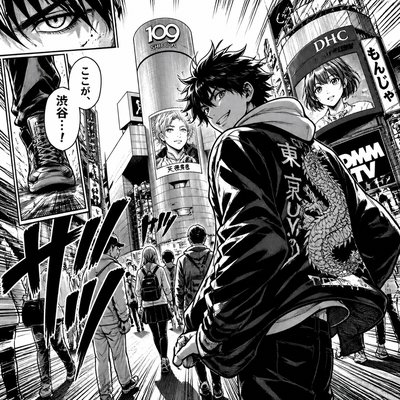
What is Manga Comic Art?
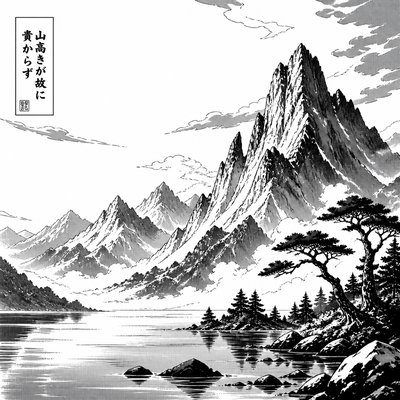
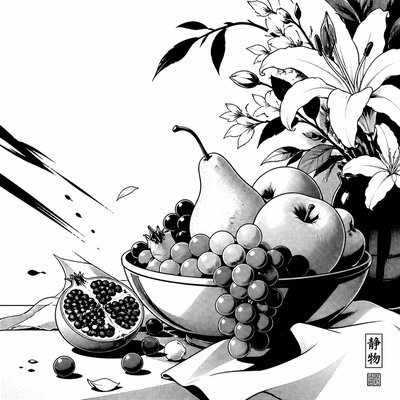
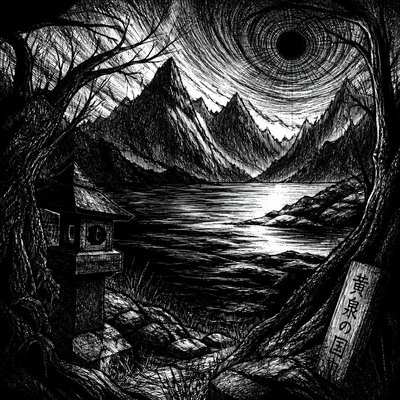
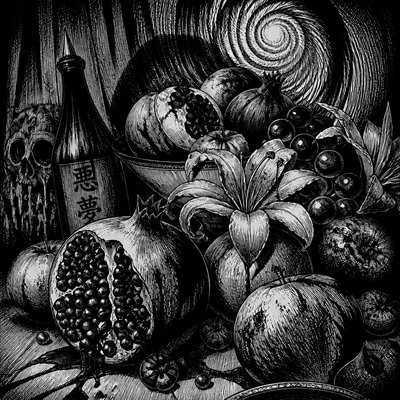
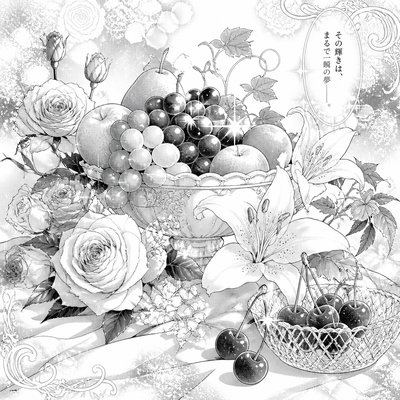
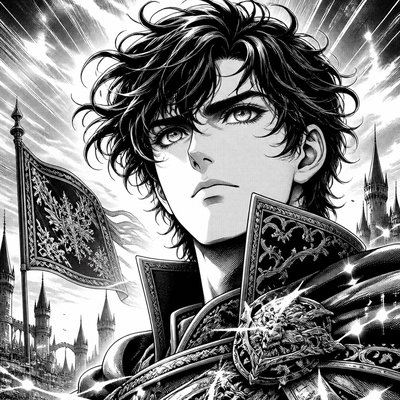
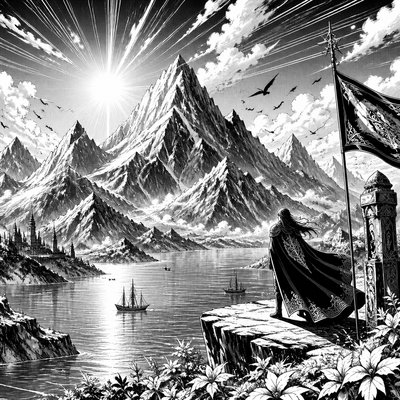
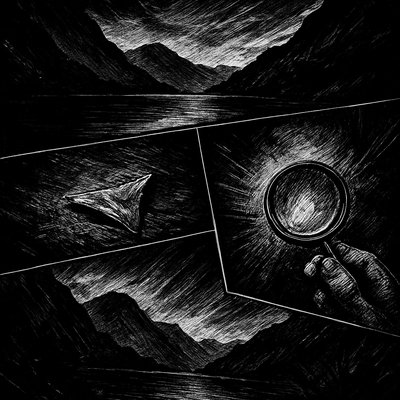
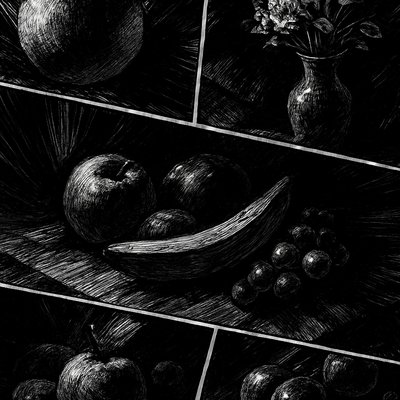
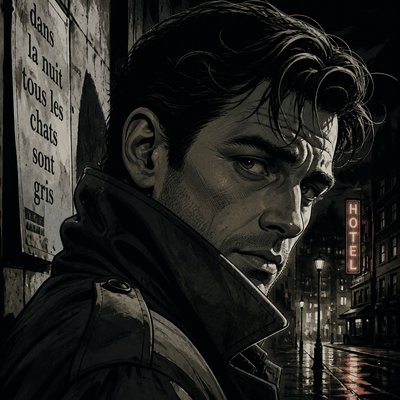
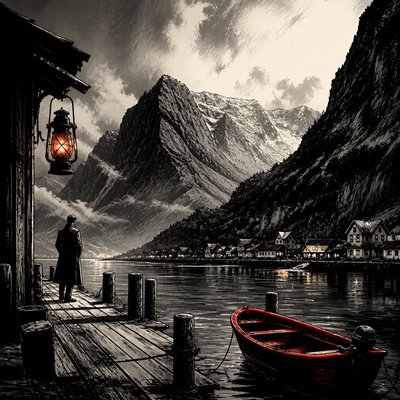
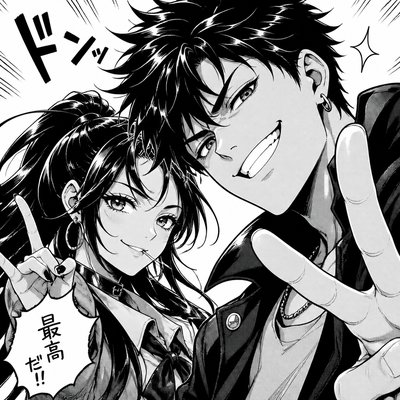
Manga comic art is the visual language of Japanese comics: a black-and-white, line-driven style built for fast narrative clarity, emotional expression, and dramatic pacing. It is recognized by clean ink contours, large expressive eyes, stylized facial reactions, speed lines, screentone textures, and stark black shapes that separate figures from the page with immediate graphic force.
The style looks this way because it was designed for serialized printed comics, where artists needed to communicate movement, mood, and story efficiently across many pages. Its combination of simplified form, exaggerated expression, and tonal patterning creates a distinctive balance between realism and abstraction: characters are readable at a glance, while the page can still feel cinematic, kinetic, and emotionally intense.
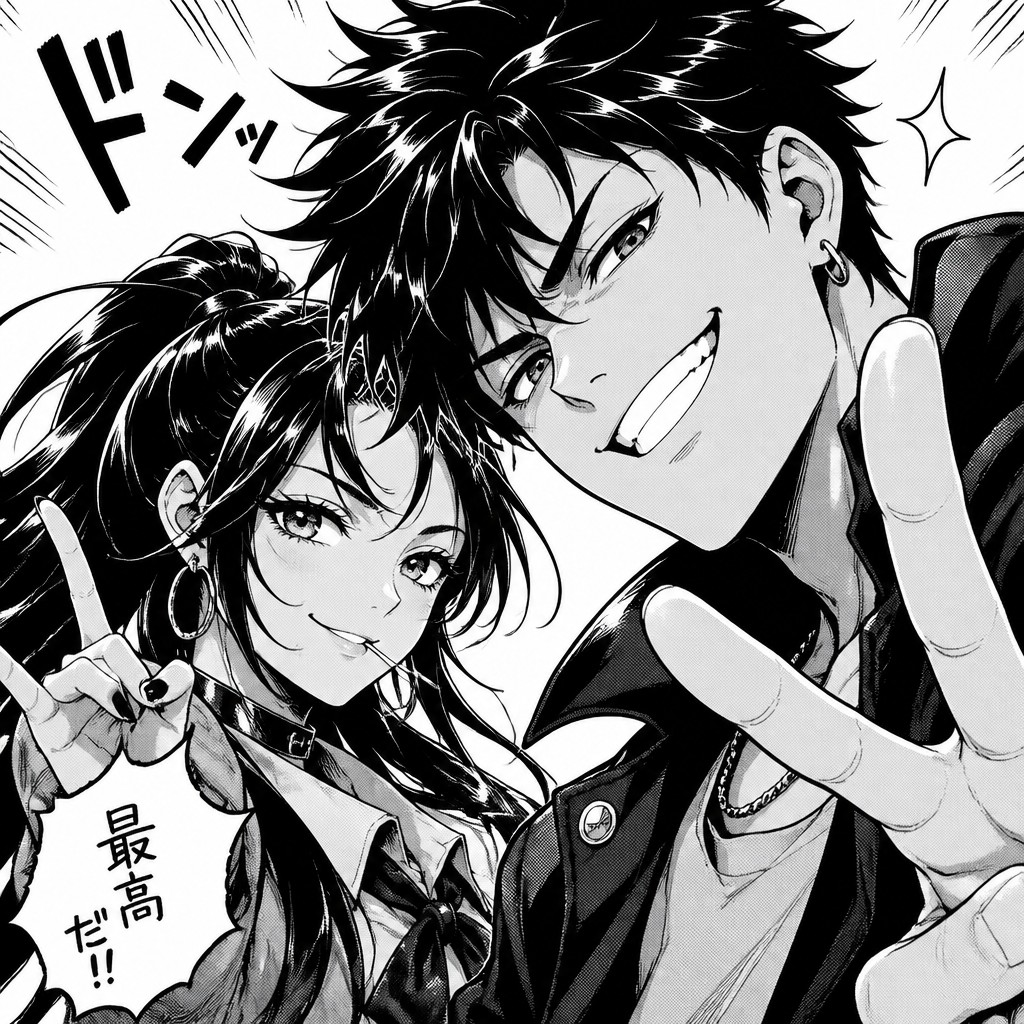
Try It On Your Photos
Upload any photo and convert it into Manga Comic Art — drag the sliders to compare before and after.


What Defines Manga Comic Art
The signature details, up close
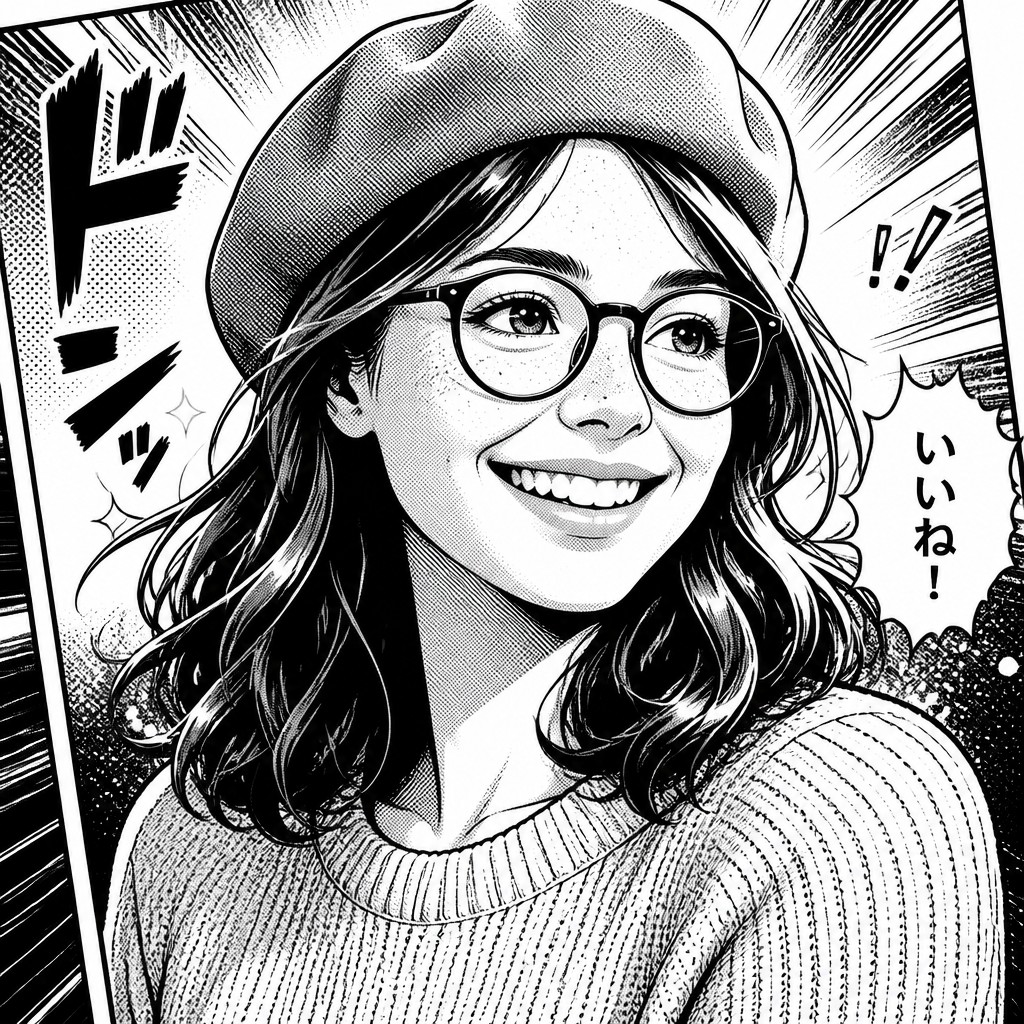
Expressive character design
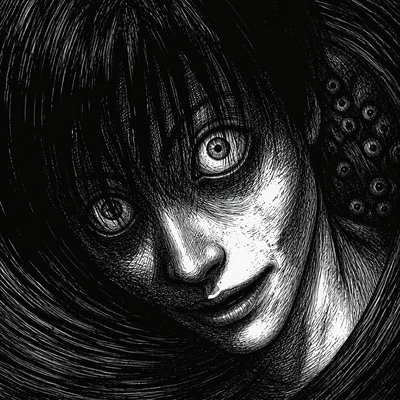
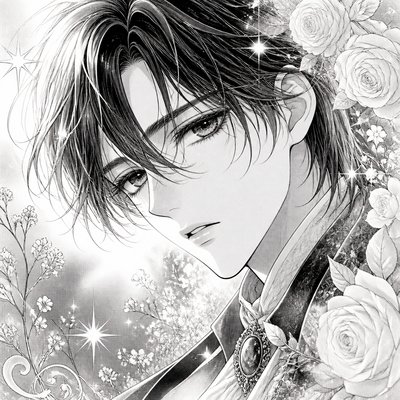
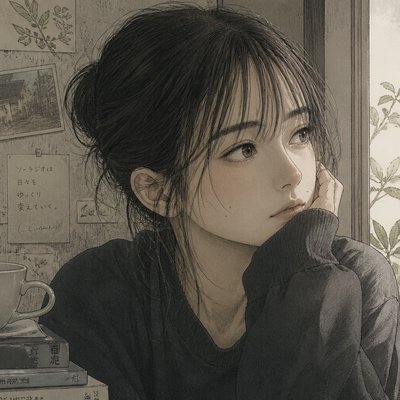
Faces are built around clear emotional signals: large eyes, sharply shaped brows, simplified noses and mouths, and exaggerated reactions. This makes feelings easy to read instantly, even in crowded panels or fast action scenes.
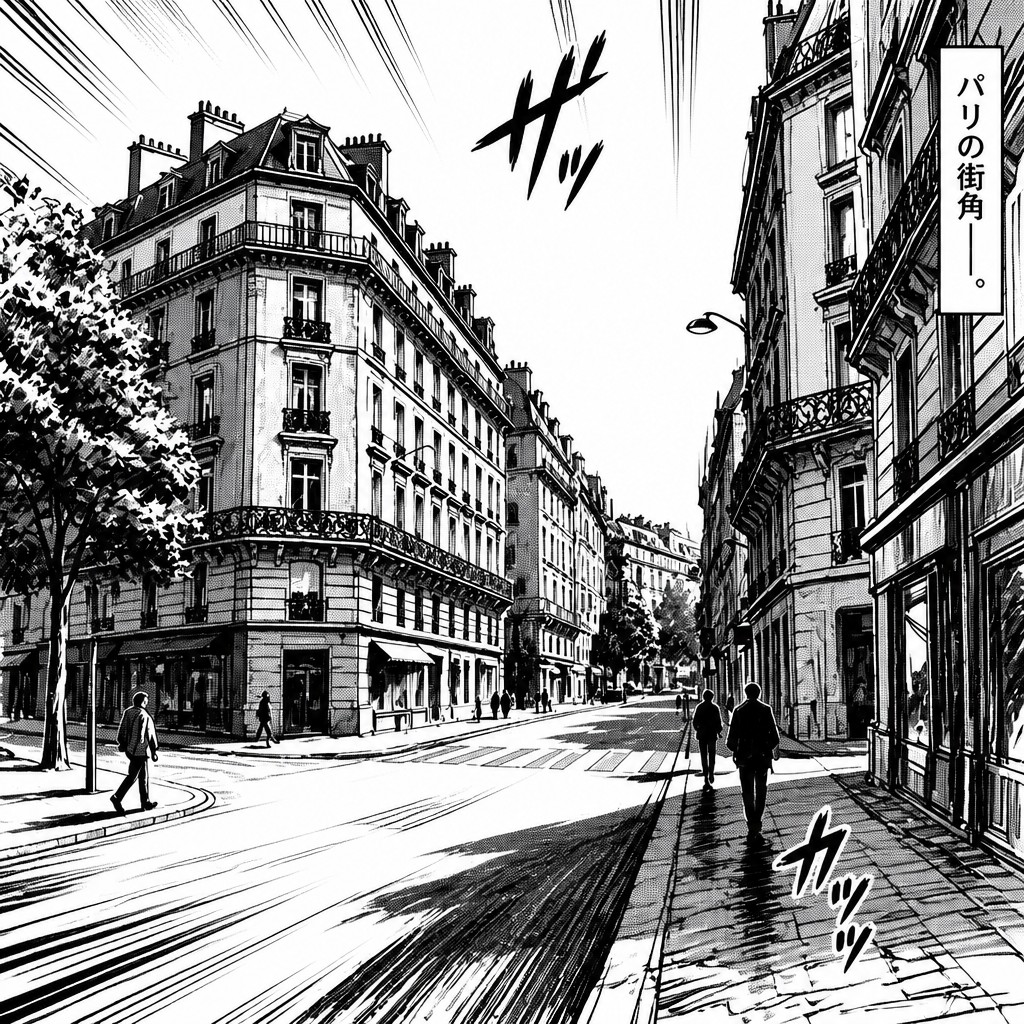
Ink-first linework
The style relies on clean, confident contour lines with strong hierarchy between thin and thick marks. Line weight separates foreground from background and gives figures a crisp, printed clarity.
Screentone and halftone shading
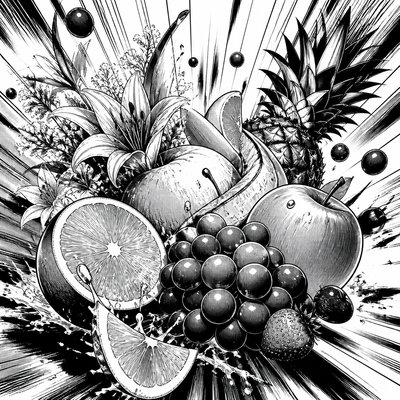
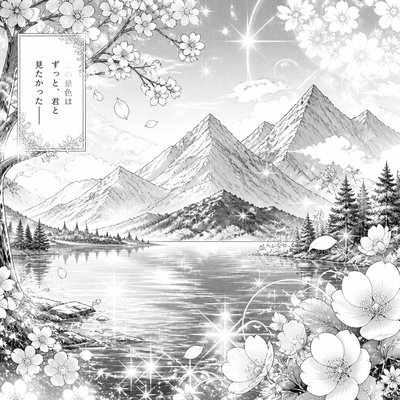
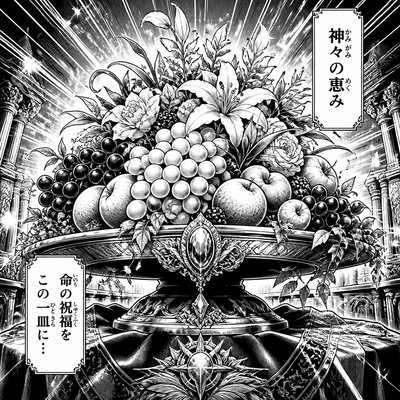
Shadows are often built with dot patterns, gradients, or layered tone sheets rather than painterly blending. These textures create depth while preserving the graphic contrast of black-and-white printing.
Dramatic black-and-white contrast
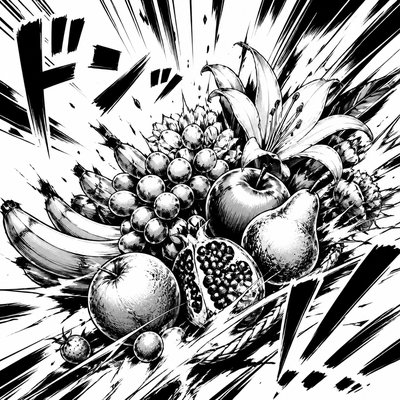
Large spot blacks anchor compositions, define silhouettes, and intensify mood. White paper is treated as an active design element, often left open for highlights, atmosphere, and pacing.
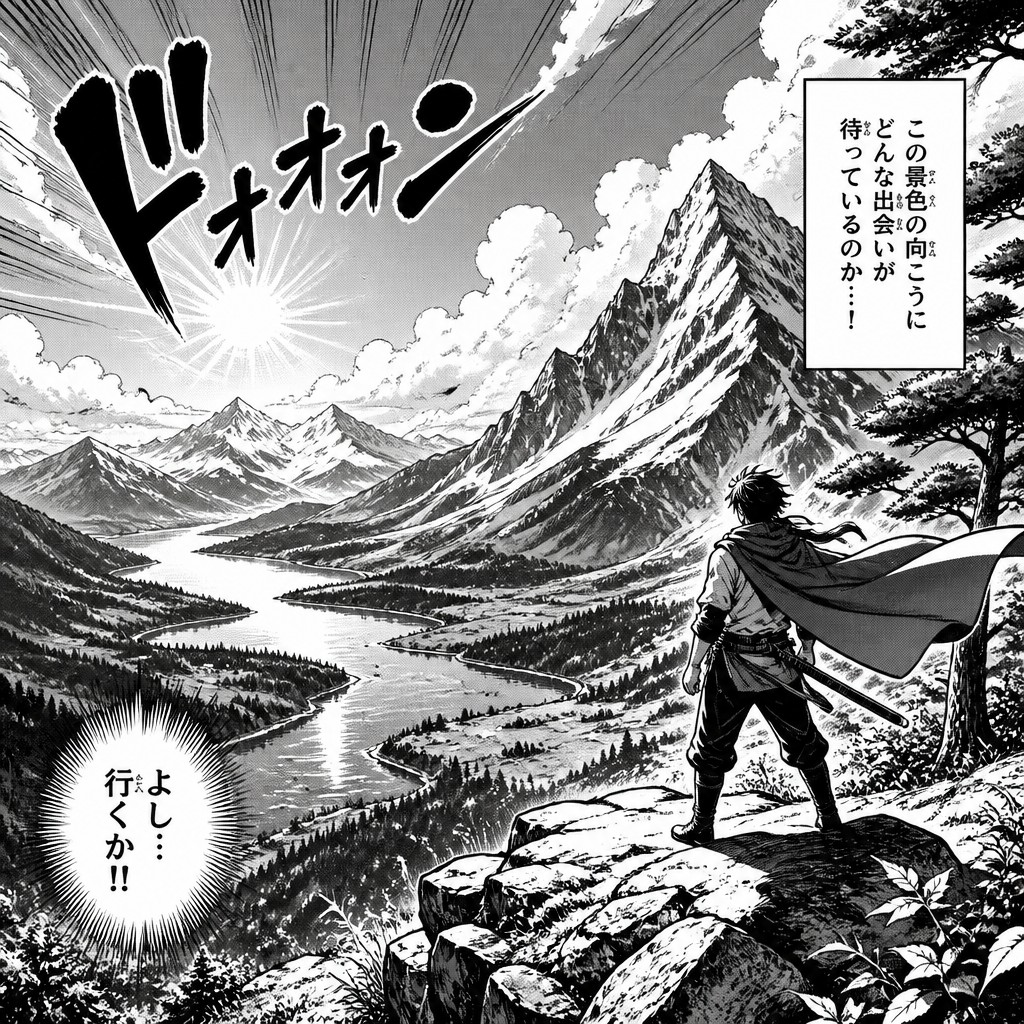
Motion and emphasis effects
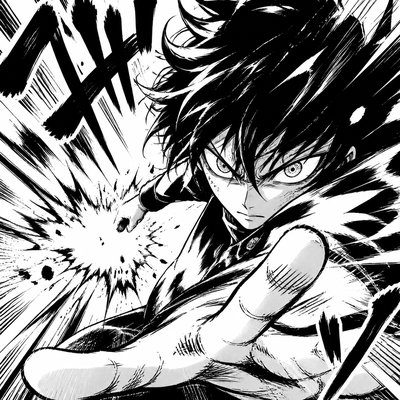
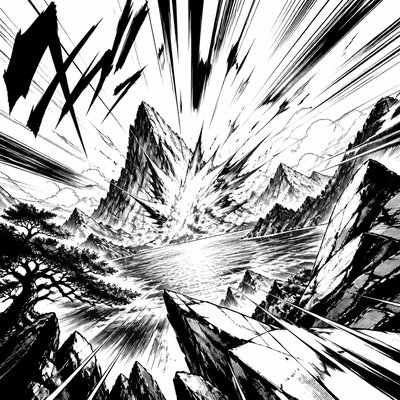
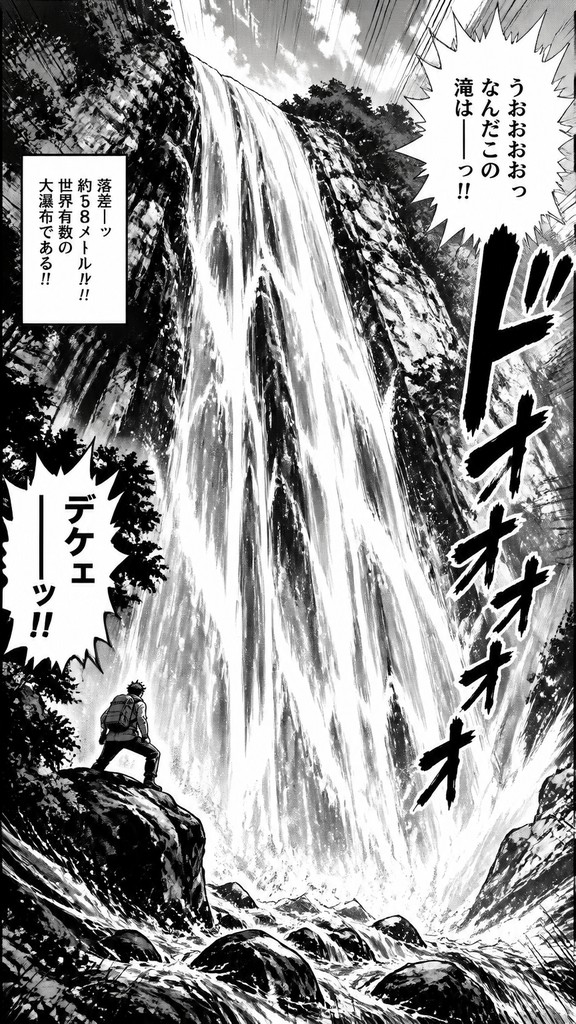
Speed lines, impact bursts, emotion marks, and visual symbols help communicate movement and inner reaction. These devices turn still images into a readable sequence of force, emotion, and timing.
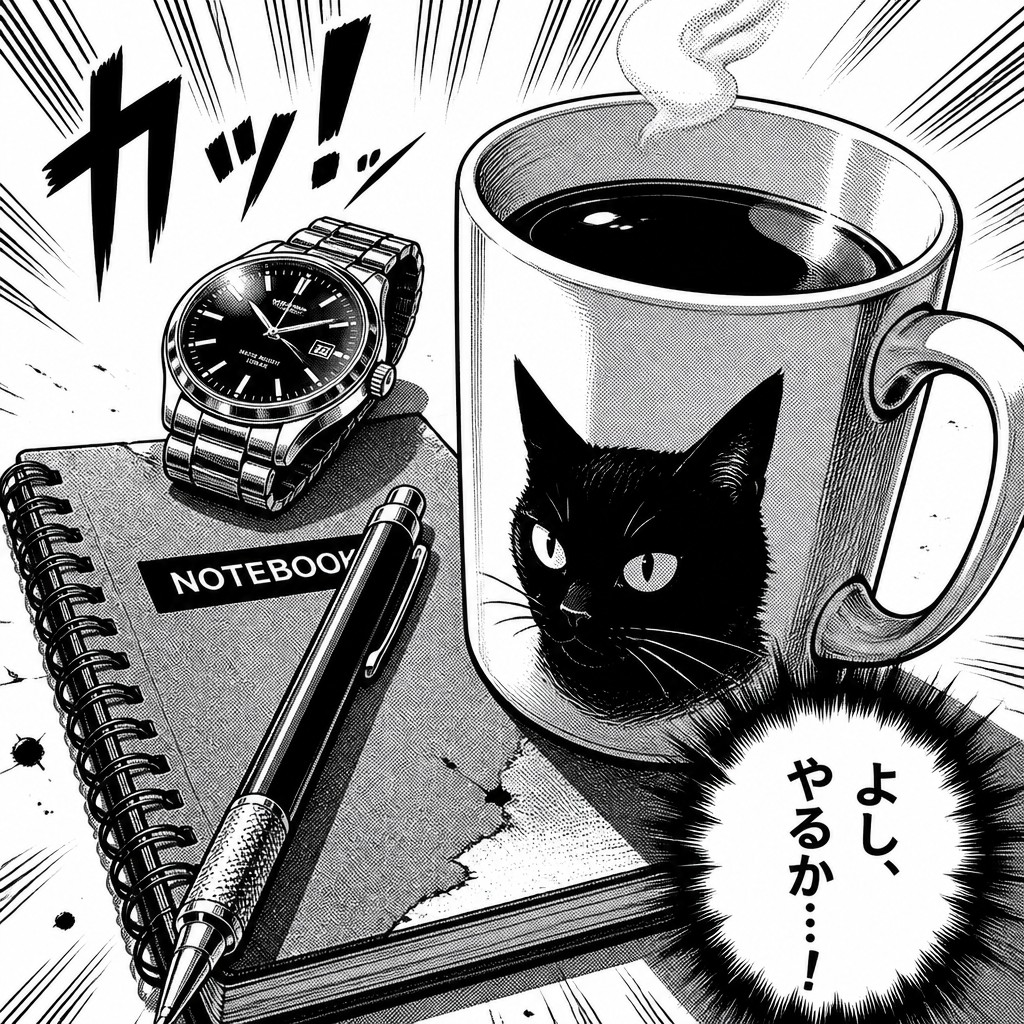
Dynamic composition
Panels and figures are often shown from tilted angles, close crops, or foreshortened viewpoints. This creates a cinematic sense of action and pulls the reader into the scene.
Try It
Create Videos in Manga Comic Art
Styles aren't just for stills — describe a scene or animate an image and get a short video rendered in Manga Comic. Press play to see this pond come to life.
Make a VideoManga Comic Prompt Ideas
Start from an idea — each one opens the generator with the style ready to go. See all 40 Manga Comic prompts →
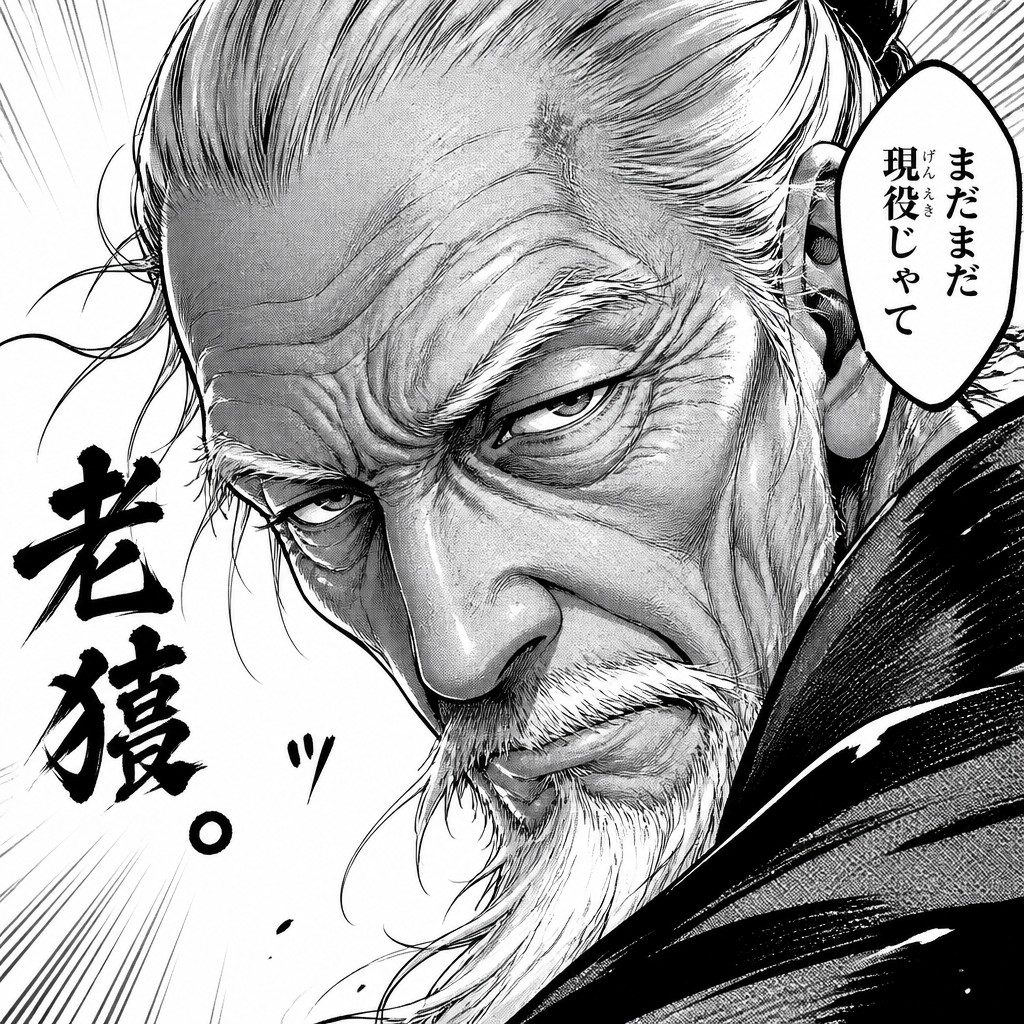
“close-up portrait of an elderly person with expressive weathered features”
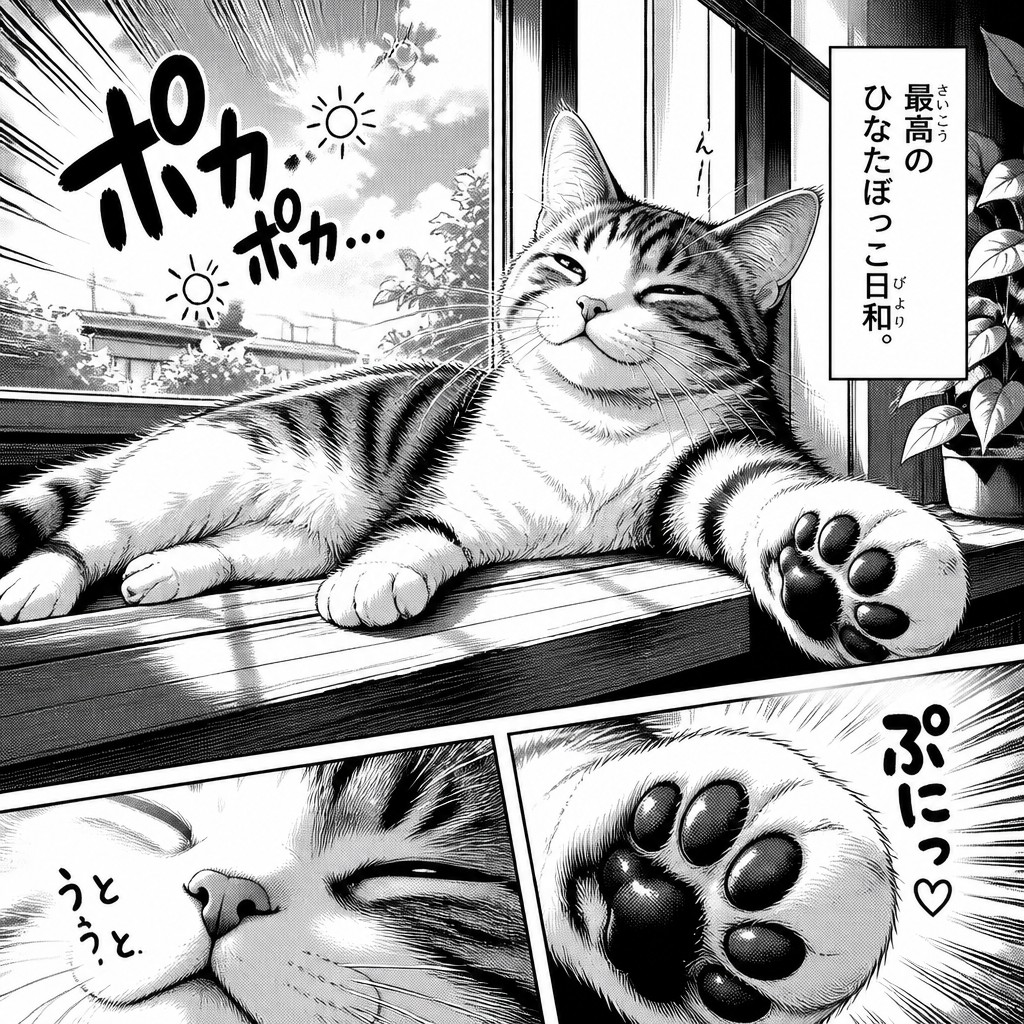
“a cat lounging in a sunlit window”
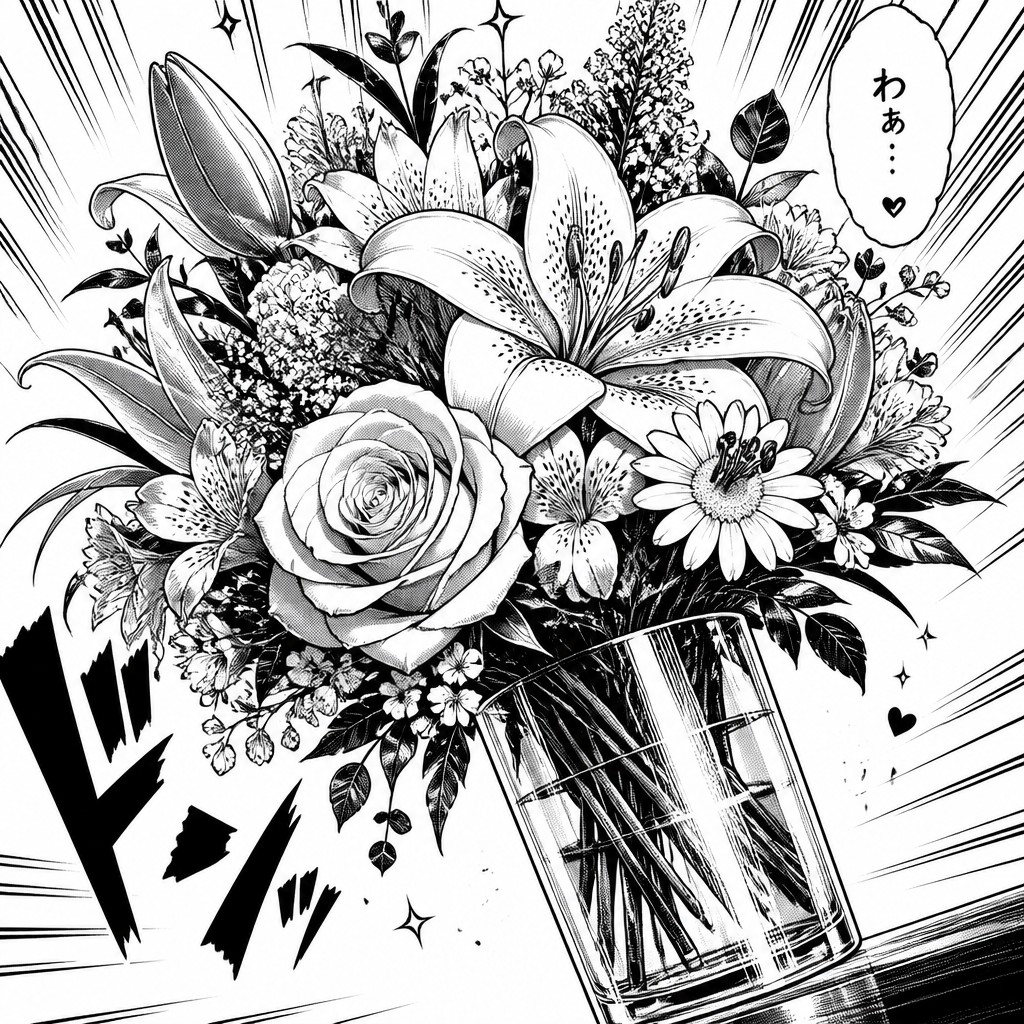
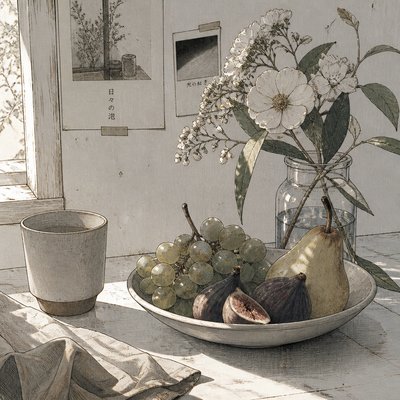
“bouquet of flowers in a glass vase”
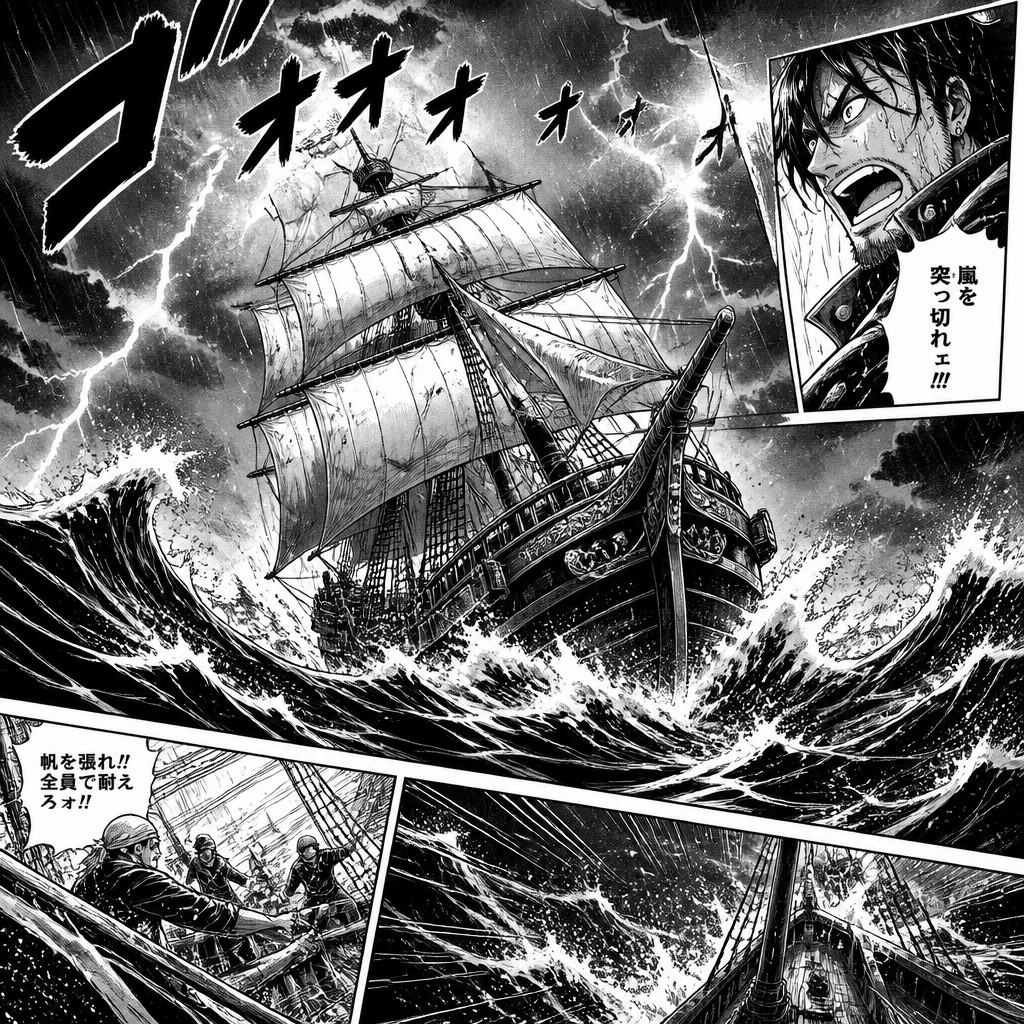
“sailing ship on a stormy sea”
How to Create Manga Comic Art
Master the craft step by step — or skip straight to creating. Read the full guide →
- 1
Draw with clear, controlled inks
Start with a strong pencil or digital sketch, then reinforce it with crisp contour lines and purposeful line weight. Keep forms readable, because manga-style pages depend on clarity before detail.
- 2
Build tones in layers
Use screentone dots, crosshatching, or digital halftones to create shadow and volume without losing the printed feel. Reserve pure black areas for accents so the page keeps strong contrast.
- 3
Design expressive faces and poses
Push eyebrows, eye shapes, and mouth positions to communicate emotion instantly. Pose the body with gesture and foreshortening so movement remains visible even in a single frame.
- 4
Compose for narrative rhythm
Think in panels, cuts, and timing rather than isolated images. Vary close-ups, wide shots, and diagonal compositions to control tension and pacing.
- 5
Use motion cues sparingly but clearly
Add speed lines, impact effects, and symbolic marks only where they support the story. Overuse can flatten the page, but precise placement can make action feel immediate.
- 6
For prompt-based generation, specify print-comic cues
Describe ink outlines, monochrome tones, halftone dots, speed lines, and emotional expression along with the subject. Mention high-contrast black-and-white finishing, dynamic angles, and clean white paper to steer the result toward authentic comic page aesthetics.
The Story
History & Origins of Manga Comic
Manga comic art developed in Japan from a mix of older visual traditions and modern print culture. Its lineage includes Edo-period pictorial storytelling, satirical woodblock prints, newspaper comics, and postwar Japanese magazine publishing, which together helped shape the conventions of panel sequencing, expressive caricature, and economical linework.
In the 20th century, manga became a major mass medium, especially after World War II, as artists refined the visual grammar of motion lines, facial symbol systems, and screentone printing. Influential creators helped define different genres and page rhythms, but the style is best understood as a broad comic tradition rather than the work of a single school; its development is tied to serialized publishing, commercial illustration, and the demands of black-and-white reproduction.
Influences: Manga comic art draws from Japanese visual storytelling traditions, particularly emakimono narrative scrolls and ukiyo-e compositions, while also absorbing modern newspaper comics, editorial illustration, and early 20th-century cartooning. In the broader comic field, it shares concerns with American newspaper strips and European bande dessinée, but its emphasis on emotional immediacy, tonal printing, and cinematic page flow is distinct. Canonical figures often associated with the medium’s development include pioneering postwar manga creators, and later major artists across diverse genres such as a leading shōnen adventure creator, a prominent shōjo romance creator, an influential long-form mystery storyteller, and a major science-fiction and action manga auteur.
Frequently Asked Questions
What defines manga comic art visually?
It is defined by expressive faces, bold ink lines, black-and-white contrast, screentone shading, and graphic devices like speed lines and emotion marks. The style prioritizes readability, movement, and emotional clarity over painterly realism.
Is manga the same as anime style?
They are related but not identical. Manga refers to comics on the page, while anime is animated work; manga art often uses print-specific tools such as screentones, panel pacing, and symbolic effects that are adapted differently in animation.
How is this different from Western comics?
Western comics can share many techniques, but manga often uses more varied panel pacing, heavier reliance on facial symbolism, and a strong black-and-white tonal language. It also tends to integrate motion lines and emotional iconography more prominently into the page design.
What tools do artists use to make this style?
Traditionally, artists use pen, brush, screentone sheets, and correction tools on white paper or board. Digitally, the same look is achieved with ink brushes, vector or raster linework, halftone textures, and carefully placed solid blacks.
Can manga comic art be colored?
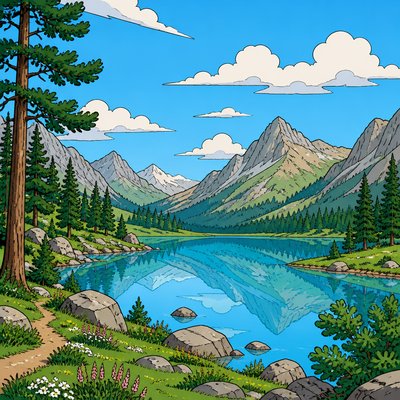
Yes, but the core style is historically black-and-white because of magazine printing and production speed. Color illustration can still use manga-like linework and expressions, but the tonal balance changes once full color is introduced.
Where is manga comic art commonly used?
It is used in serialized comics, graphic novels, character design, editorial art, fan art, and promotional illustration. Its clear visual language also makes it effective for storyboards and action-oriented concept art.

Create your first Manga Comic artwork
Describe anything — or upload a photo — and see it in Manga Comic Art in seconds.
Make Something with Manga Comic
Related Styles
Discover similar art styles