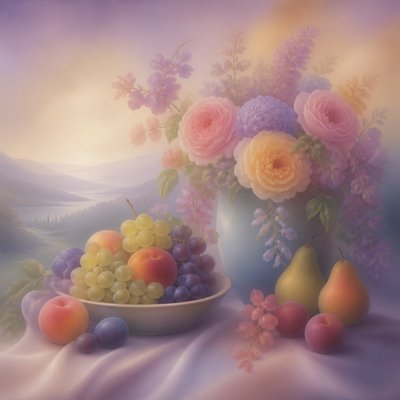
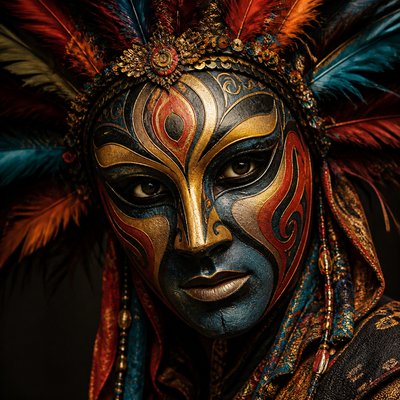
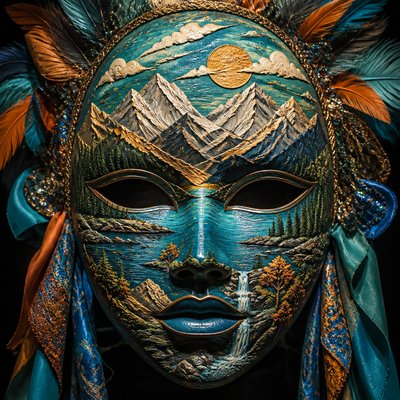
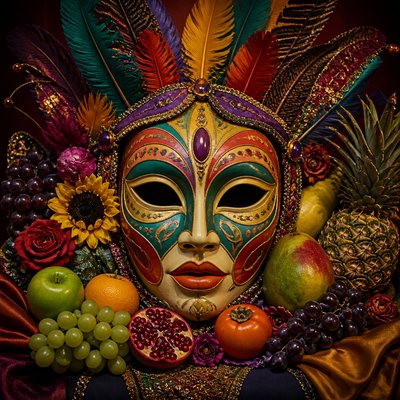
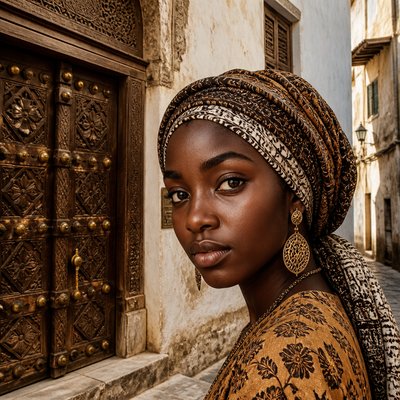
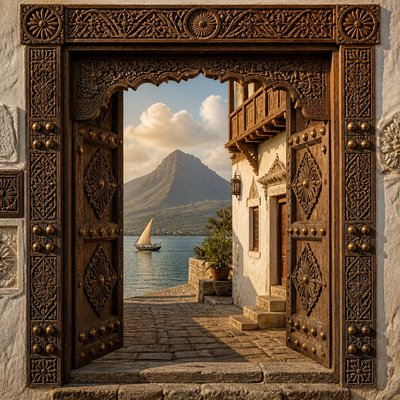
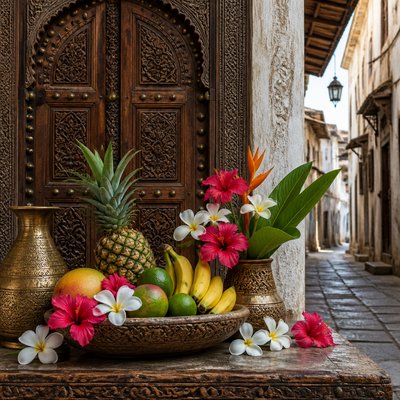
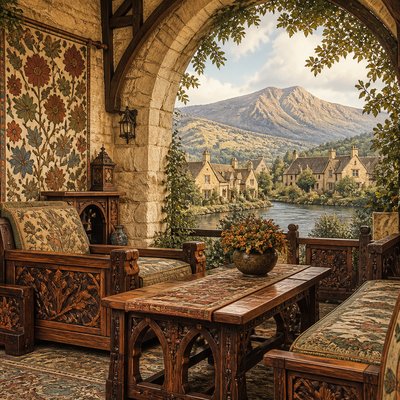
Japonisme Art Style
Explore Japonisme: Western art reshaped by Japanese prints, with flat pattern, cropped viewpoints, asymmetry, delicate line, and muted color.
Instantly rendered in Japonisme — or transform a photo
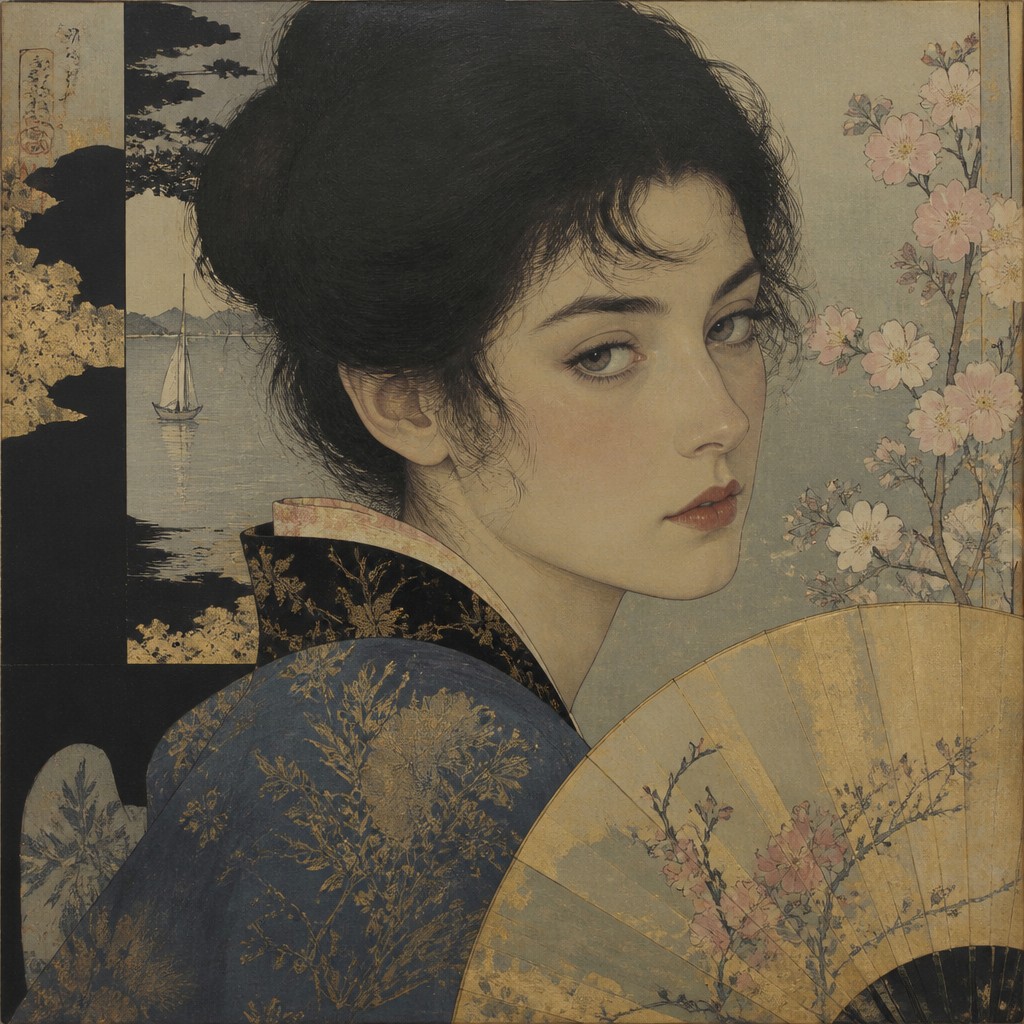
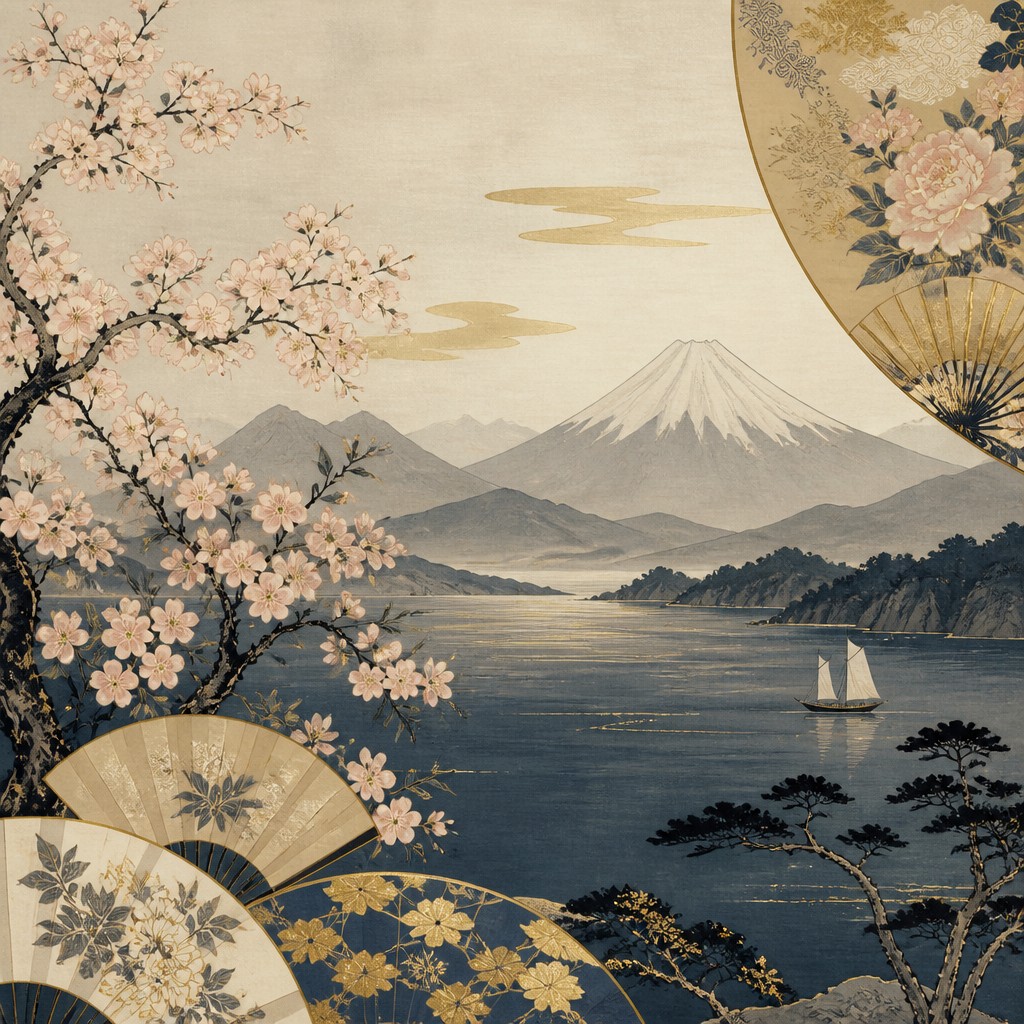
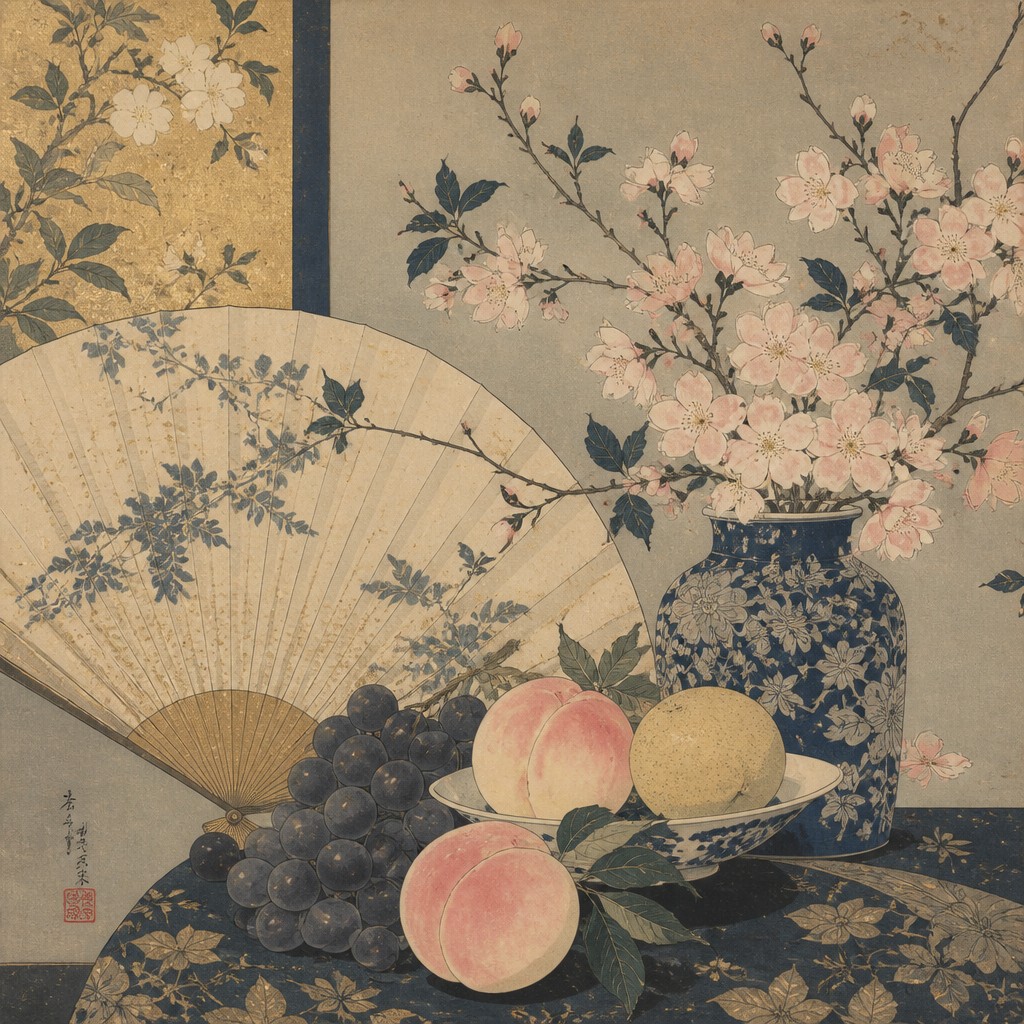
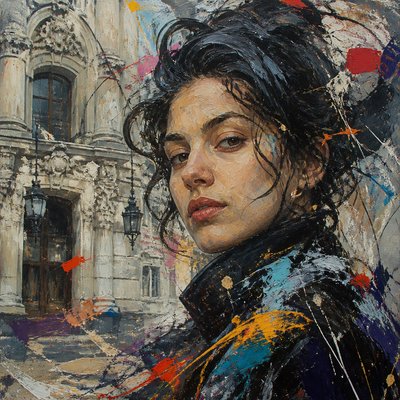
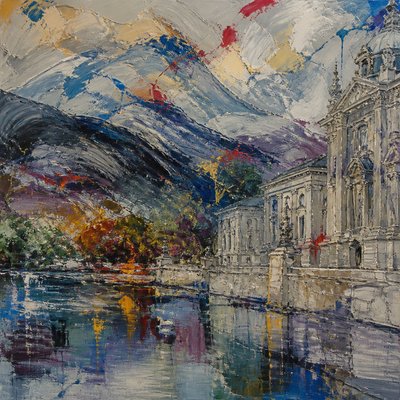
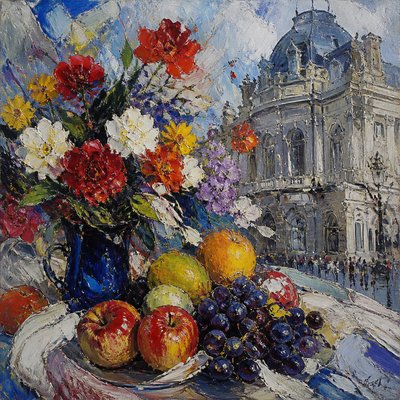
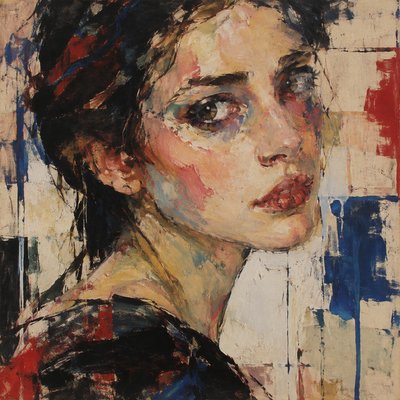
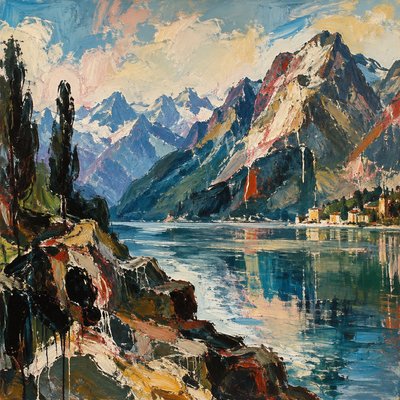
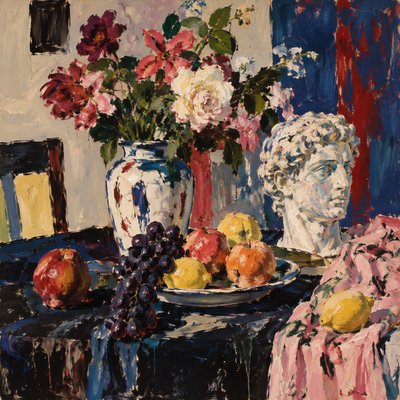
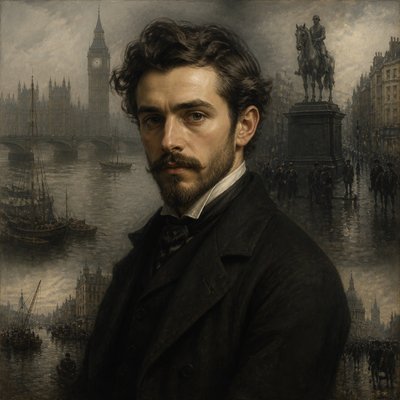
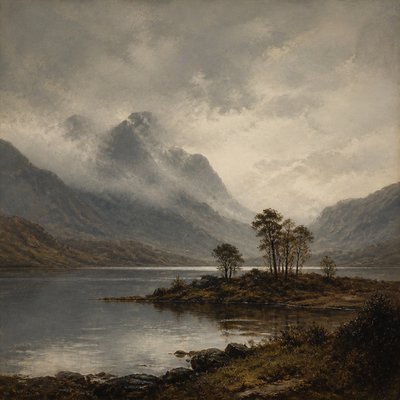
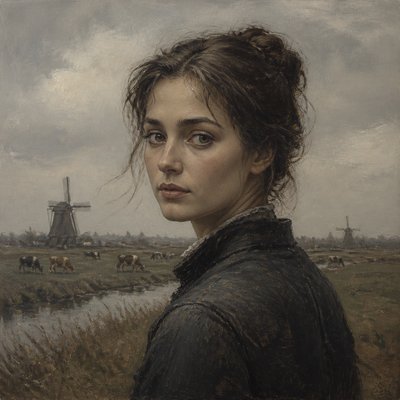
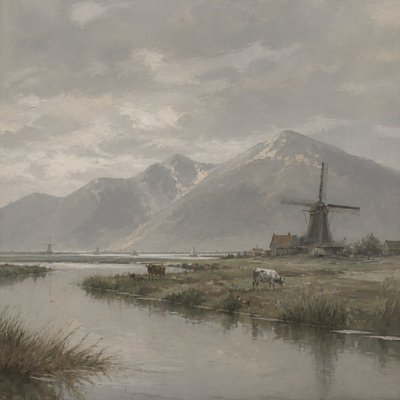
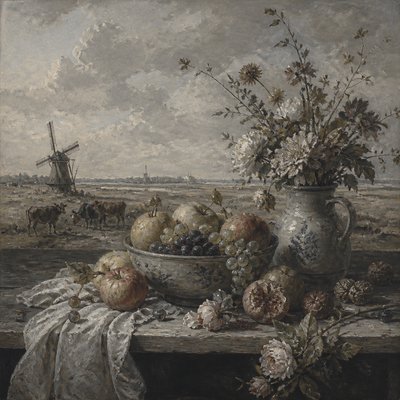
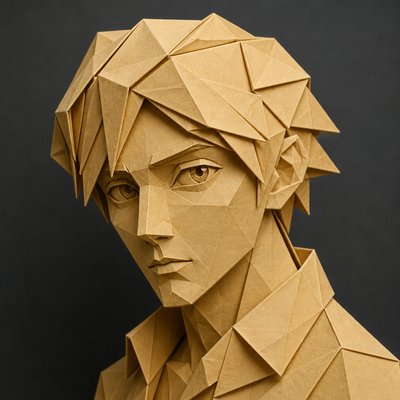
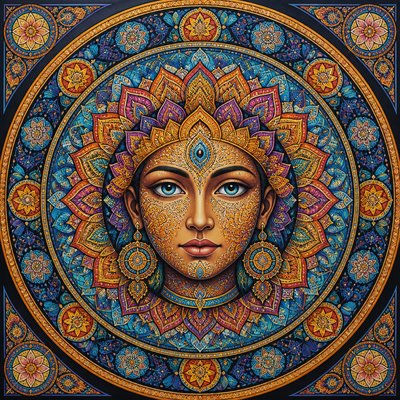
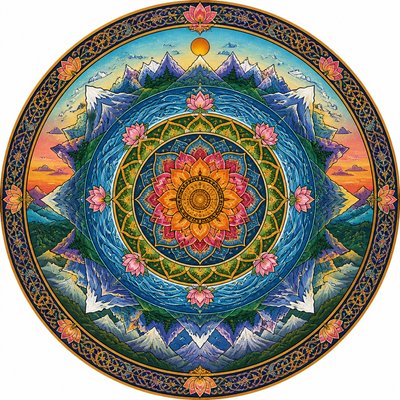
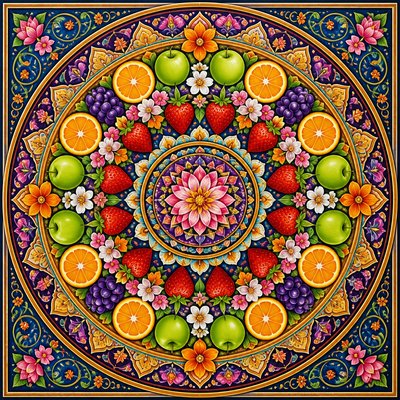
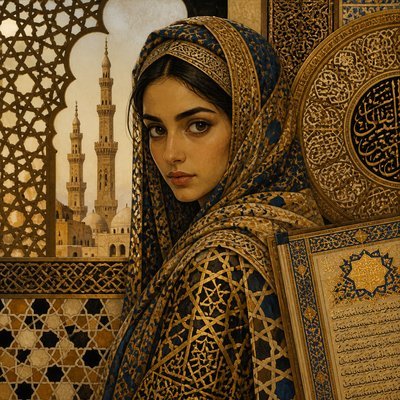
Japonisme Gallery
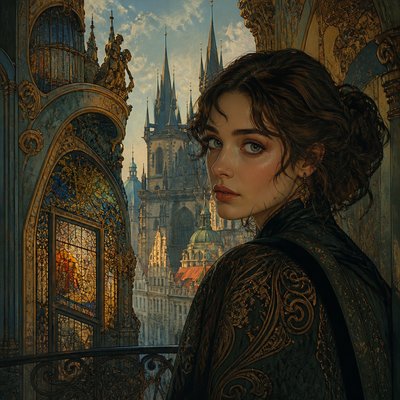
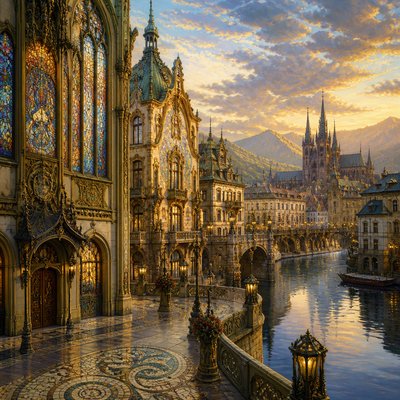
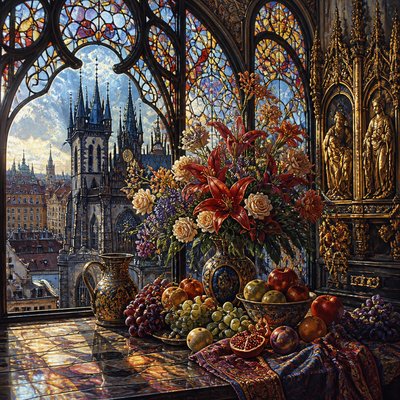
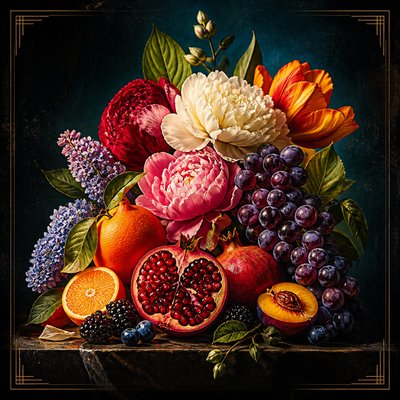
Tap any artwork to explore it
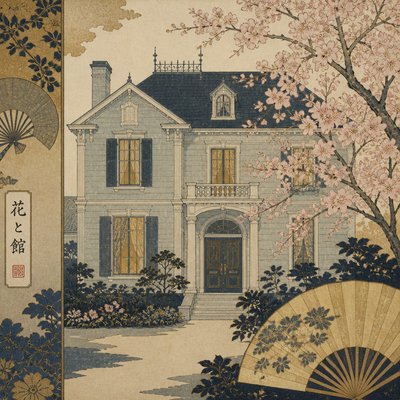
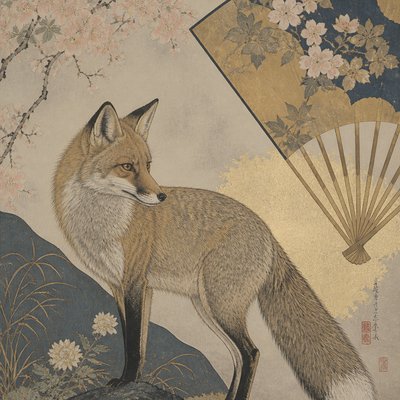
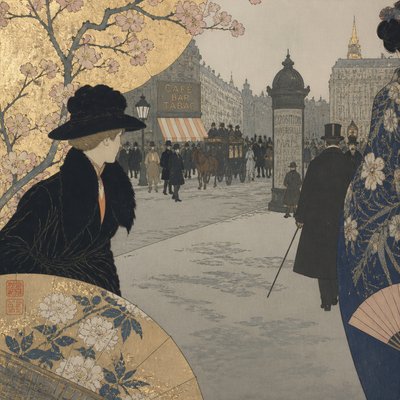
What is Japonisme Art Style?
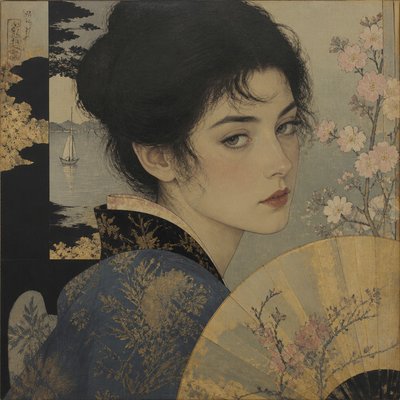
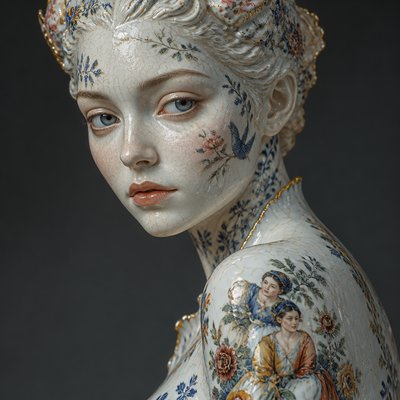
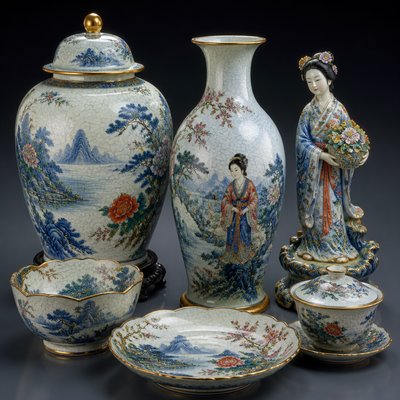
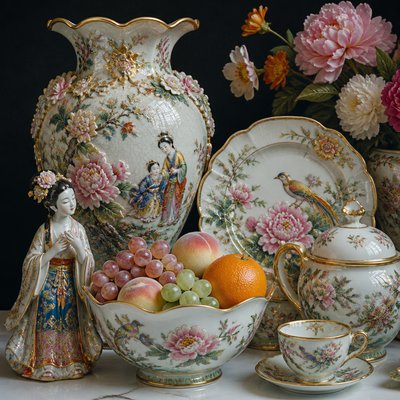
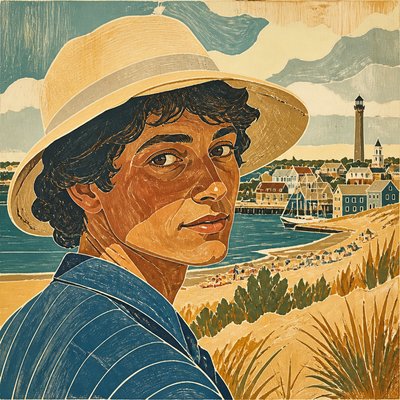
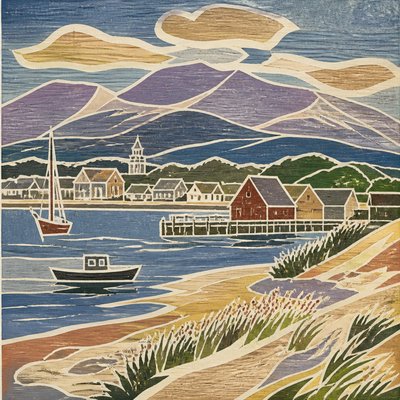
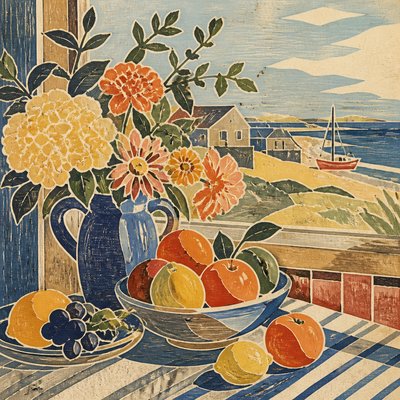
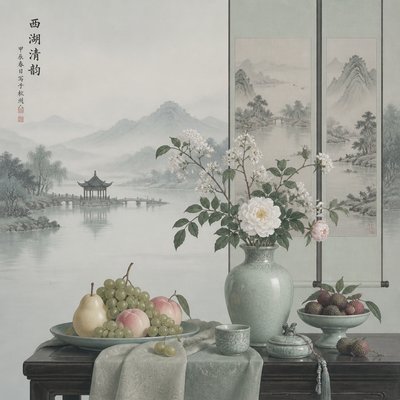
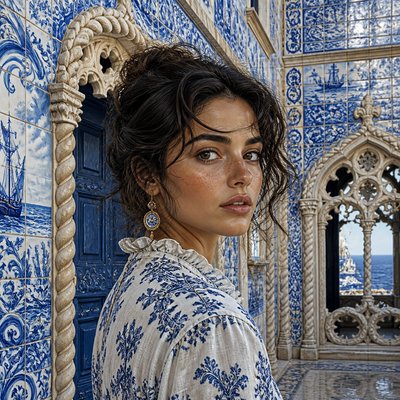
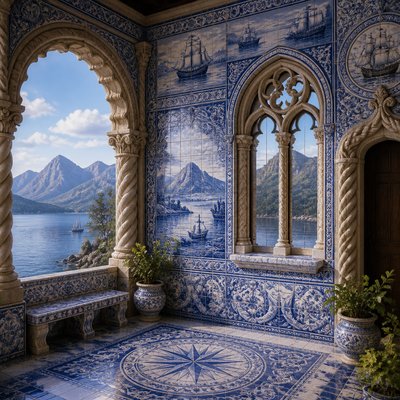
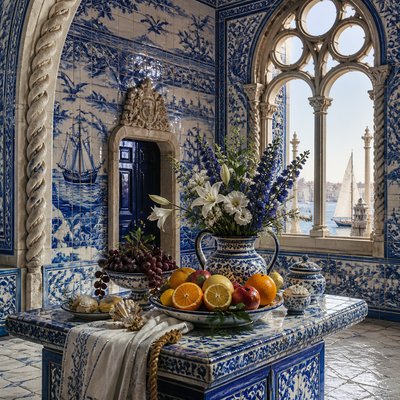
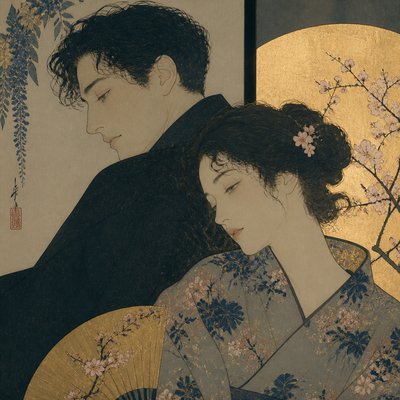
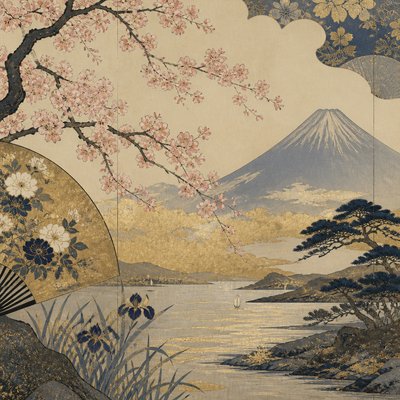
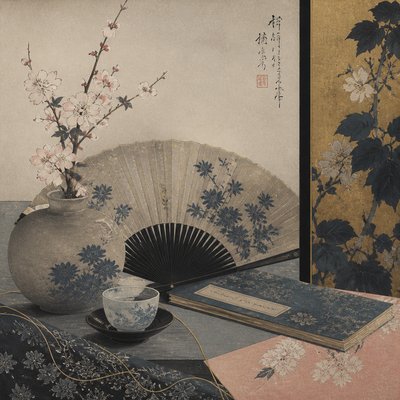
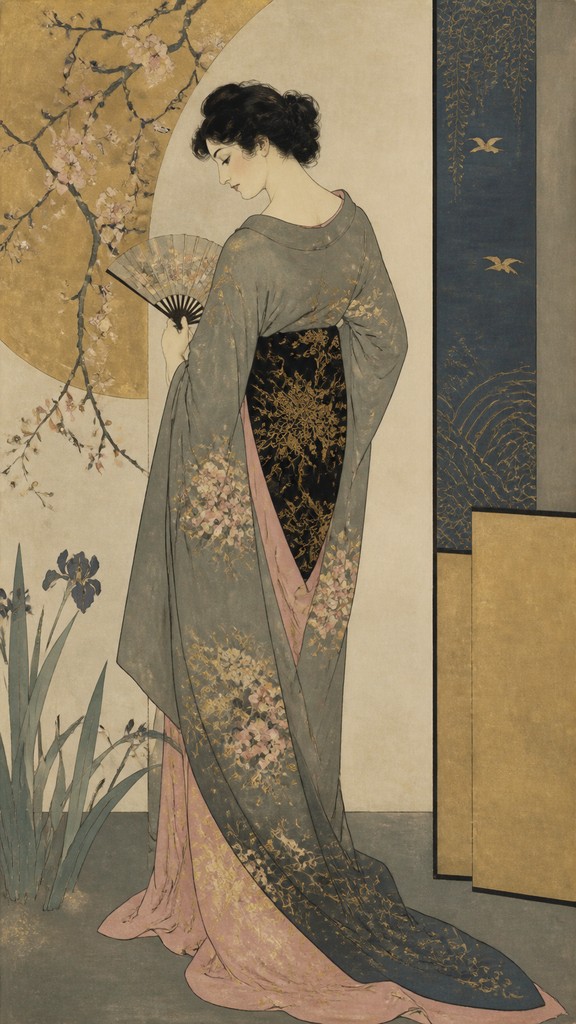
Japonisme is the late-19th- and early-20th-century Western adoption and reinterpretation of Japanese visual ideas, especially those associated with ukiyo-e prints, painted screens, textiles, ceramics, and decorative arts. It is not a single Japanese art form, but a cross-cultural Western movement characterized by flattened space, bold cropping, irregular viewpoints, elegant asymmetry, and an increased emphasis on pattern and surface.
Try It On Your Photos
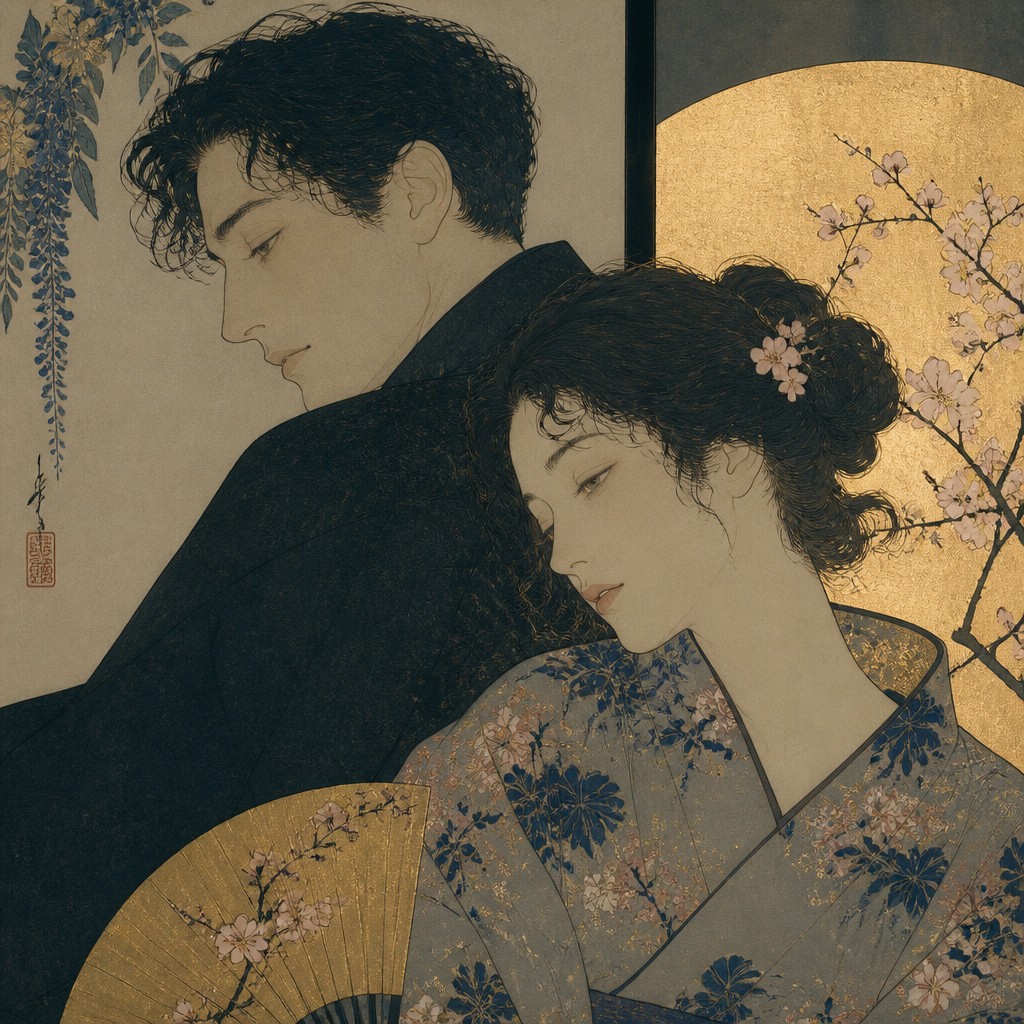
Upload any photo and convert it into Japonisme Art Style — drag the sliders to compare before and after.



What Defines Japonisme Art Style
The signature details, up close
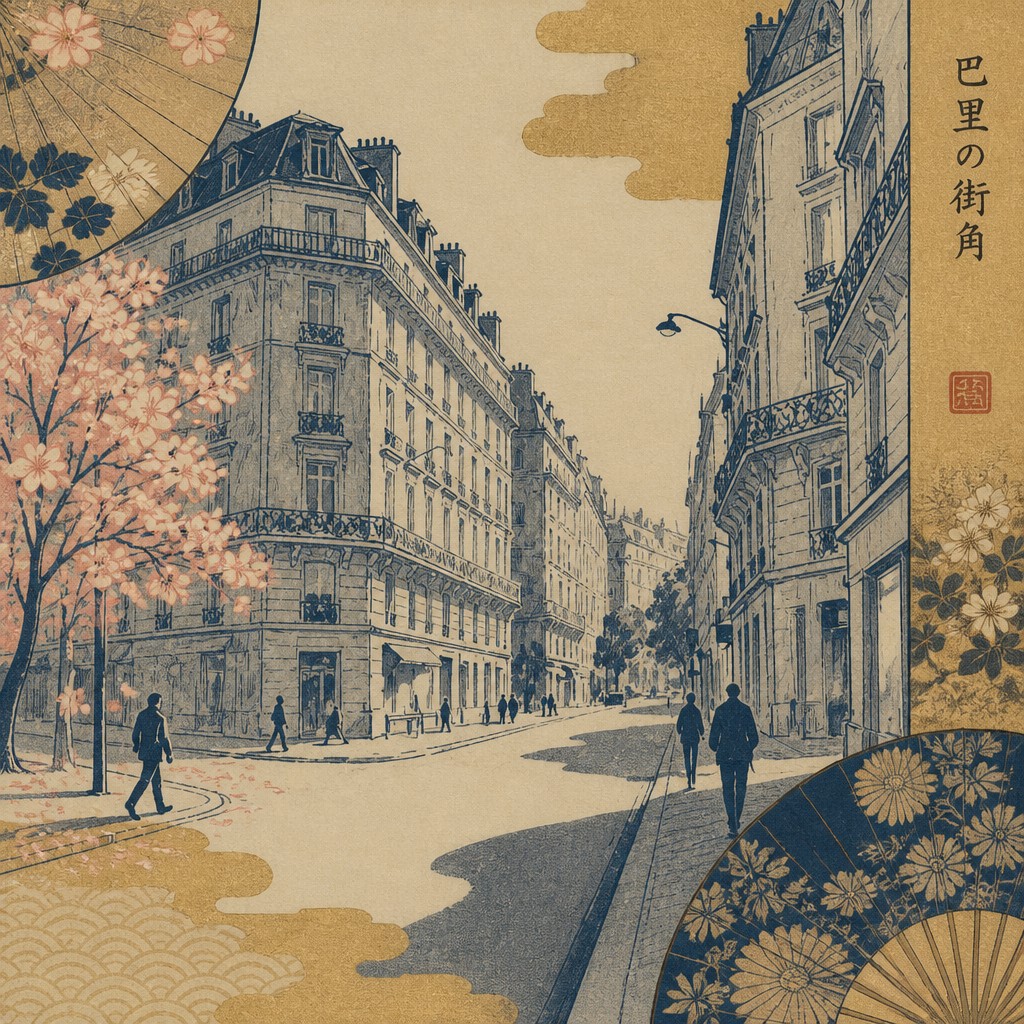
Flattened perspective
Deep recession is reduced or deliberately suppressed, with overlapping shapes, shallow spaces, and broad areas of unmodulated color replacing conventional Western modeling.
Cropped and oblique views
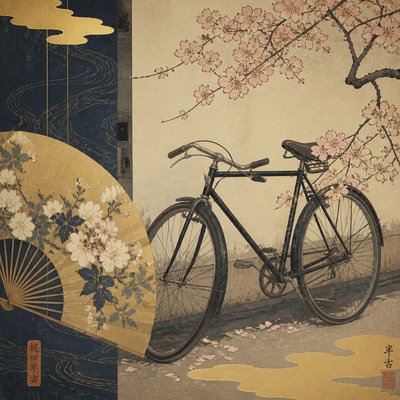
Figures, buildings, and landscapes may be cut off by the frame or seen from unusual angles, creating the impression of a momentary view rather than a centered, fully described scene.
Asymmetrical composition
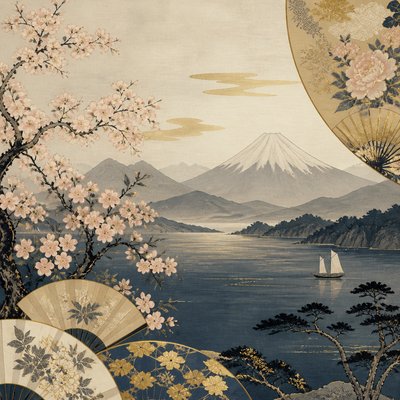
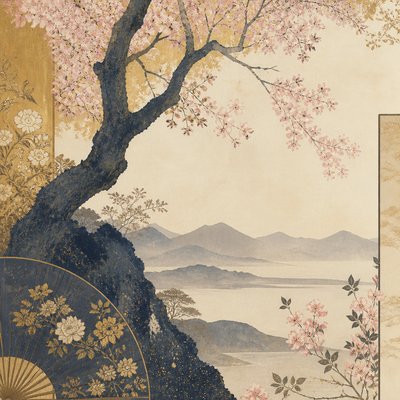
Subjects are often shifted away from the center, balanced by open space, branches, screens, or patterned surfaces. This controlled imbalance gives the image a quiet sense of movement.
Decorative pattern
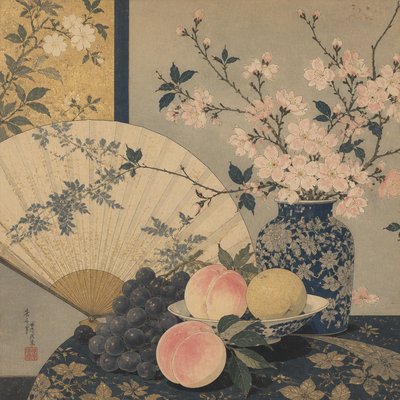
Fabrics, foliage, fans, screens, waves, and floral motifs function as active compositional elements rather than incidental details. Repetition and ornamental rhythm can flatten the distinction between object and background.
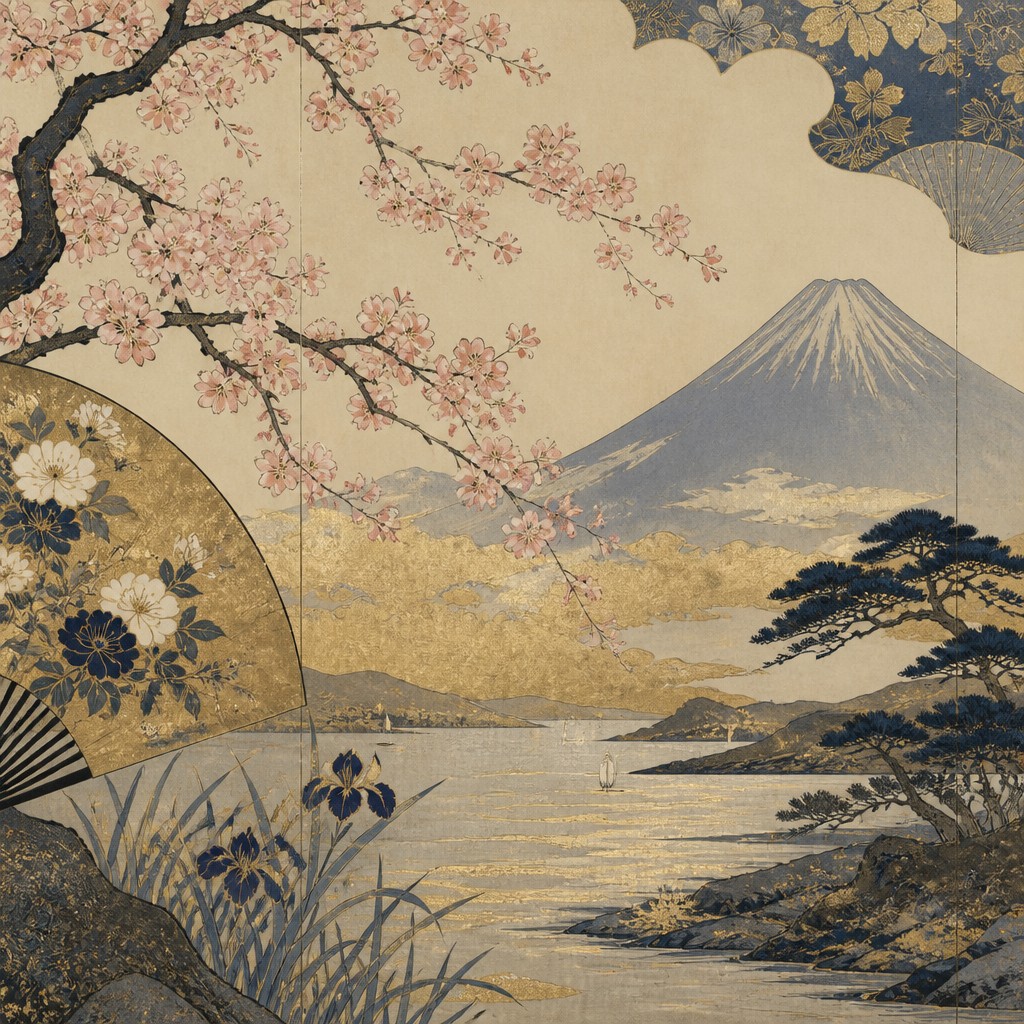
Delicate linear drawing
Clear contours, fine outlines, and economical marks define forms with restraint. Line may carry more descriptive weight than shading or atmospheric modeling.
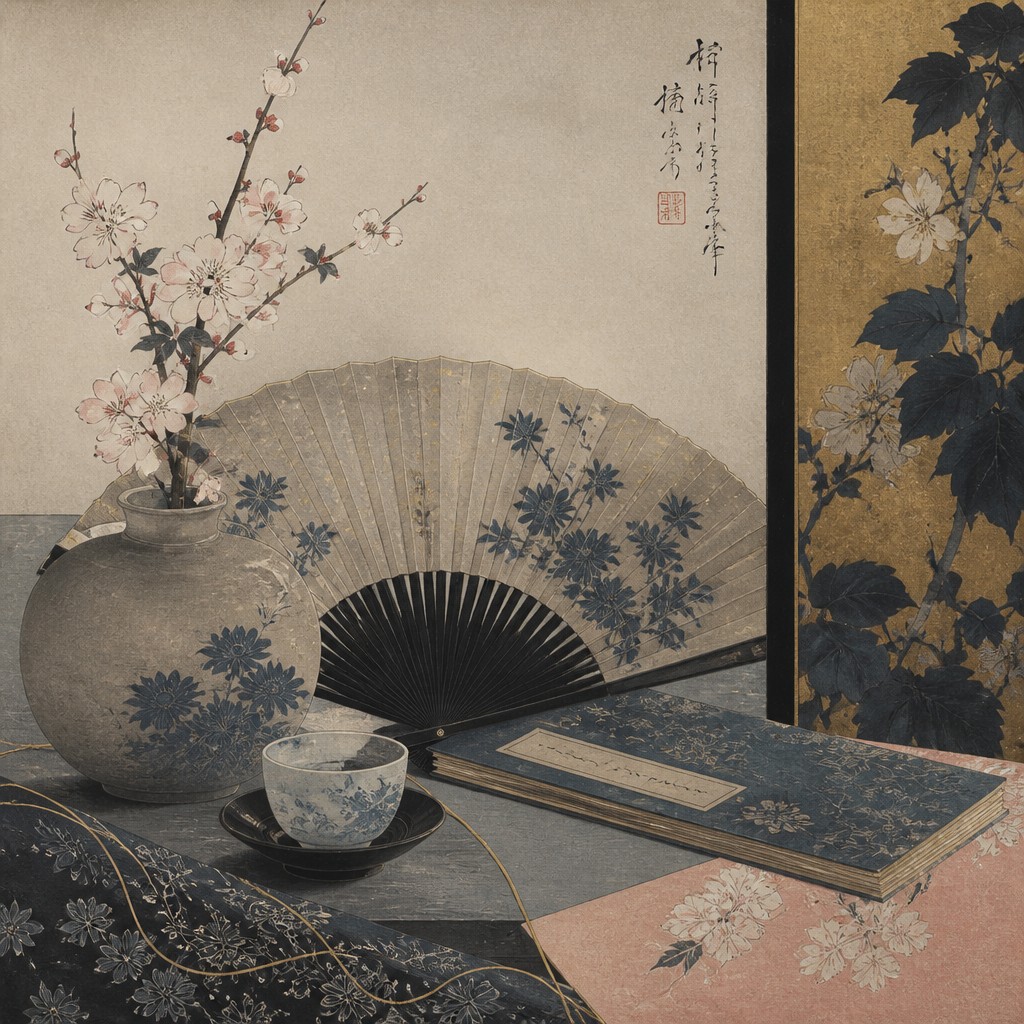
Muted, selective color
Refined palettes commonly combine grey, cream, indigo, ochre, gold, black, and blossom pink, using restrained contrasts and occasional saturated accents.
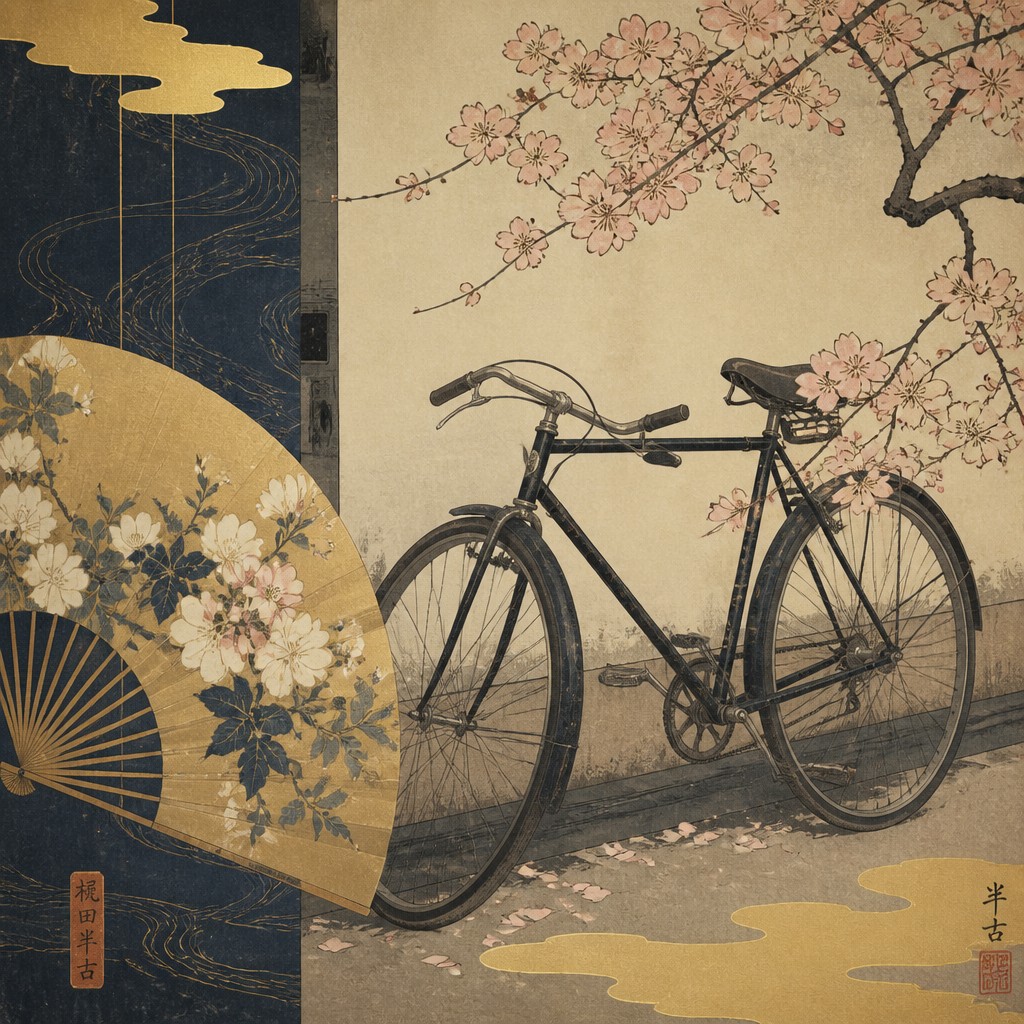
Silhouette and negative space
Dark figures, branches, architecture, or objects may stand against pale grounds, while empty areas provide balance and emphasize the designed structure of the image.
Try It
Create Videos in Japonisme Art Style
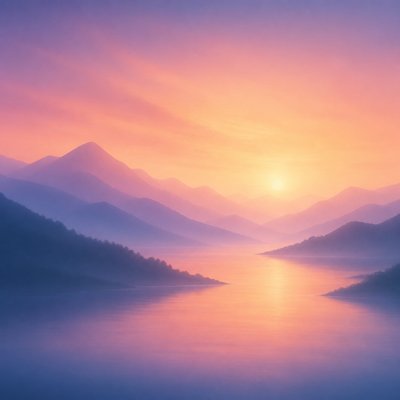
Styles aren't just for stills — describe a scene or animate an image and get a short video rendered in Japonisme. Press play to see this pond come to life.
Make a VideoJaponisme Prompt Ideas
Start from an idea — each one opens the generator with the style ready to go. See all 40 Japonisme prompts →
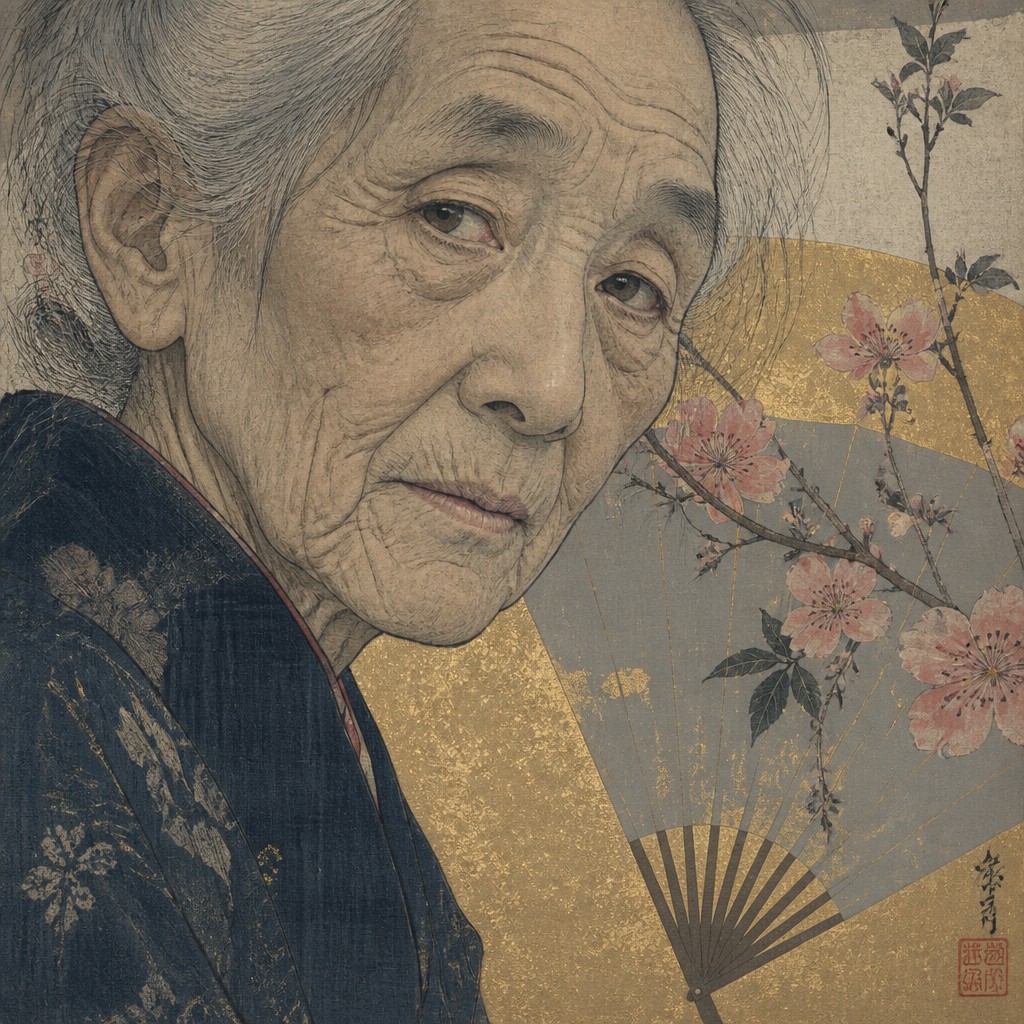
“close-up portrait of an elderly person with expressive weathered features”
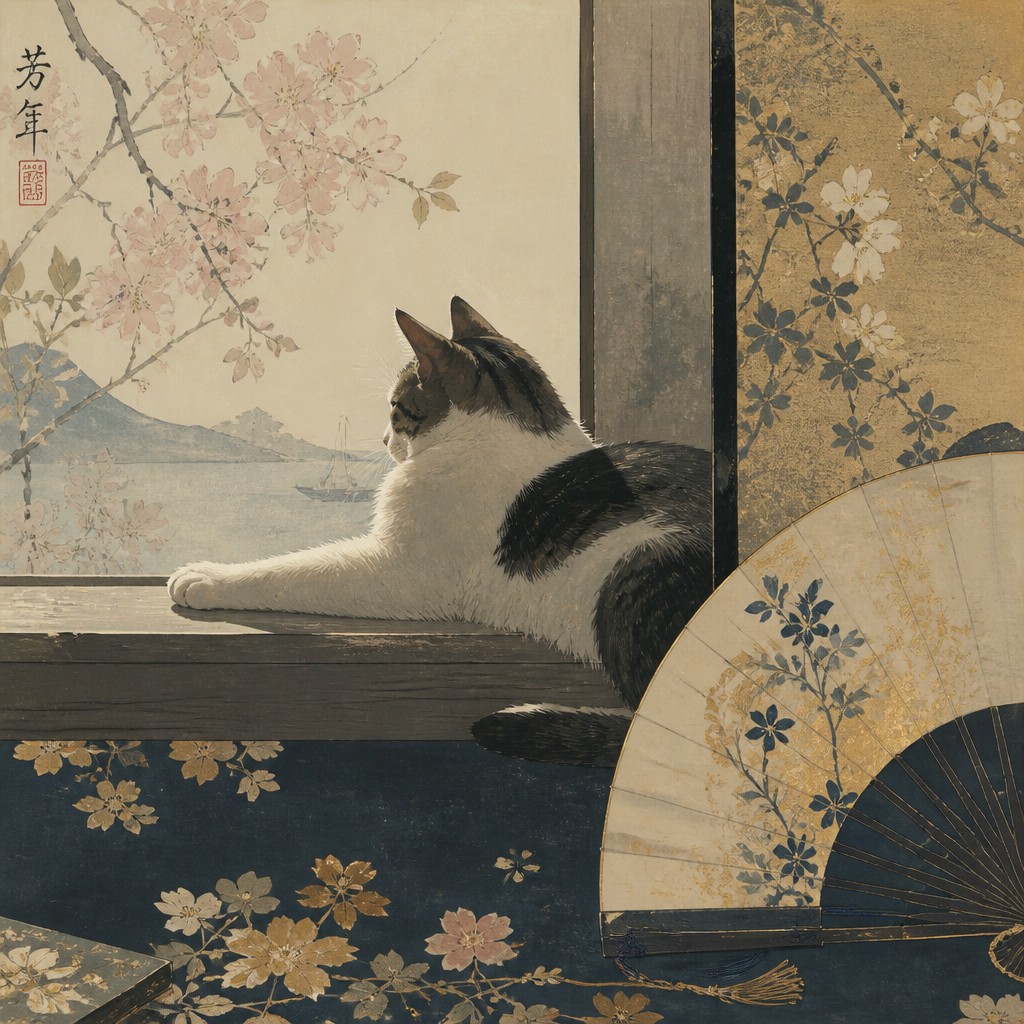
“a cat lounging in a sunlit window”
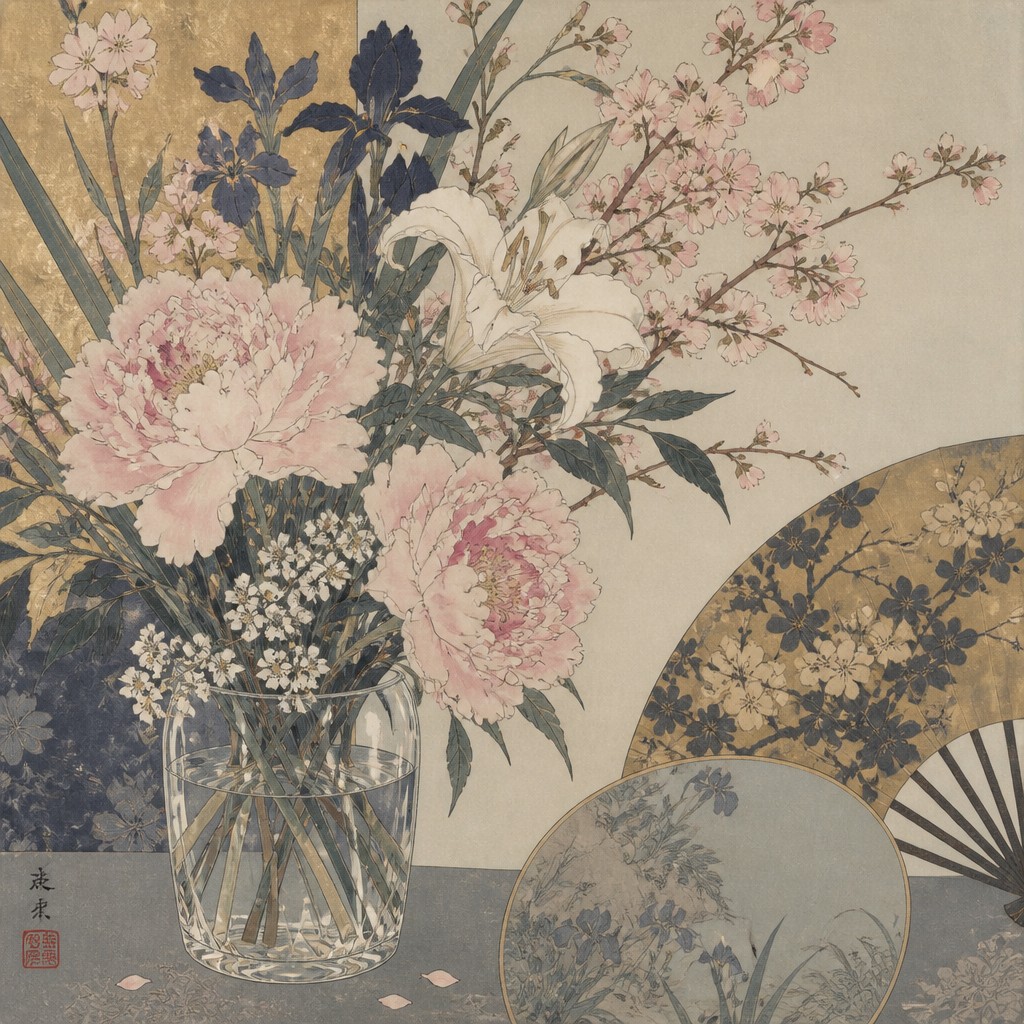
“bouquet of flowers in a glass vase”
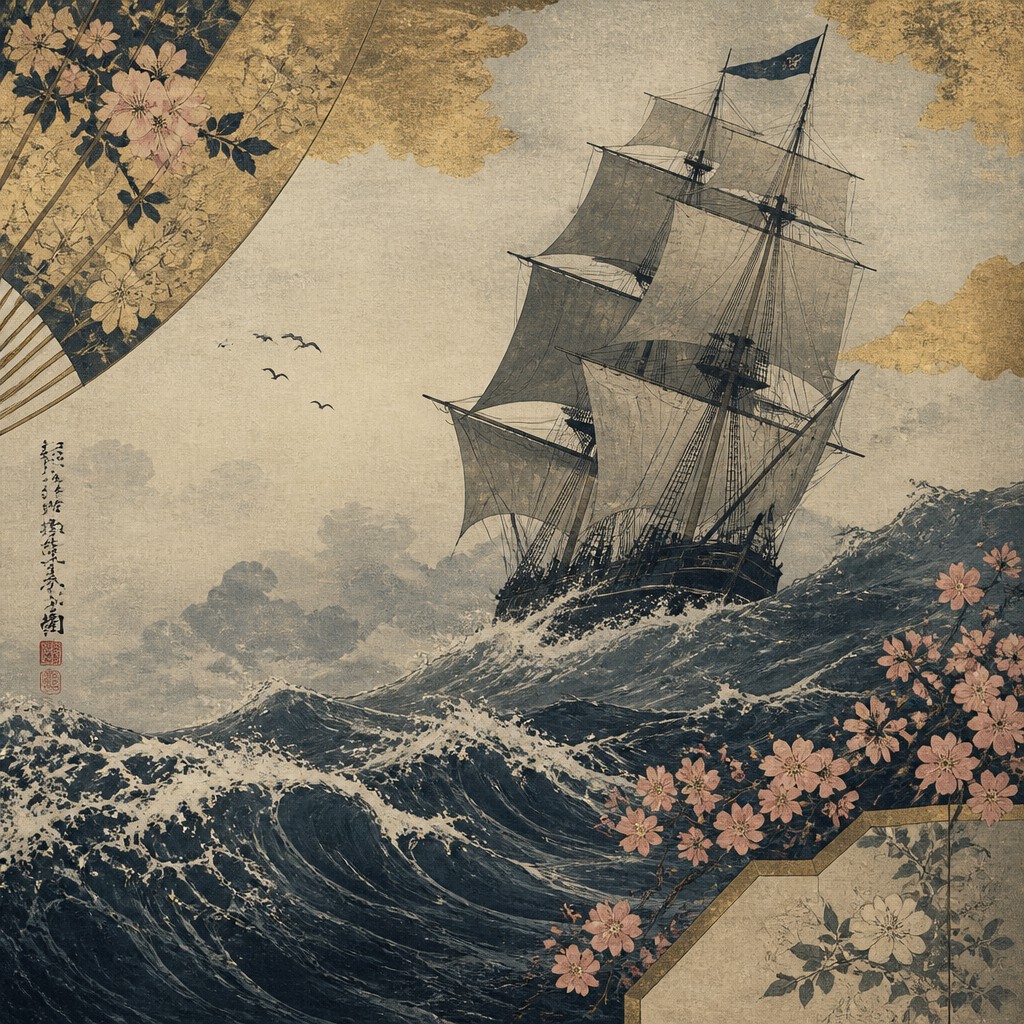
“sailing ship on a stormy sea”
How to Create Japonisme Art
Master the craft step by step — or skip straight to creating. Read the full guide →
- 1
Plan the composition as a print
Begin with a clear silhouette and a few large shape groups rather than detailed modeling. Crop the subject boldly, place the main action off-center, and use negative space as a deliberate compositional element.
- 2
Flatten depth and simplify form
Reduce atmospheric perspective and realistic shading, then organize the image into overlapping planes, contour lines, and broad color fields. Preserve enough tonal contrast to keep the subject legible.
- 3
Build an ornamental surface
Add selective motifs such as fans, screens, blossoms, patterned textiles, reeds, waves, or geometric borders. Repeat them sparingly so the surface feels designed without overwhelming the focal subject.
- 4
Use restrained materials and color
In paint or drawing, try ink, watercolor, gouache, colored pencil, or thin oil glazes on a light ground. Limit the palette to a few harmonized colors and reserve metallic gold or strong darks for structural emphasis.
- 5
Adapt photographs or digital layers
For a photo-based transformation, simplify complex backgrounds, preserve a strong cropped viewpoint, and replace photographic depth with flat tonal planes and linework. In digital work, separate silhouettes, pattern fields, outlines, and paper or screen textures into distinct layers.
- 6
Write precise generation instructions
Describe the subject first, then request a flattened composition, asymmetric crop, delicate contour drawing, pale ground, decorative motifs, and a controlled grey-indigo-gold-pink palette. Specify what to avoid, such as photorealistic perspective, excessive gloss, heavy gradients, or visual clutter.
The Story
History & Origins of Japonisme
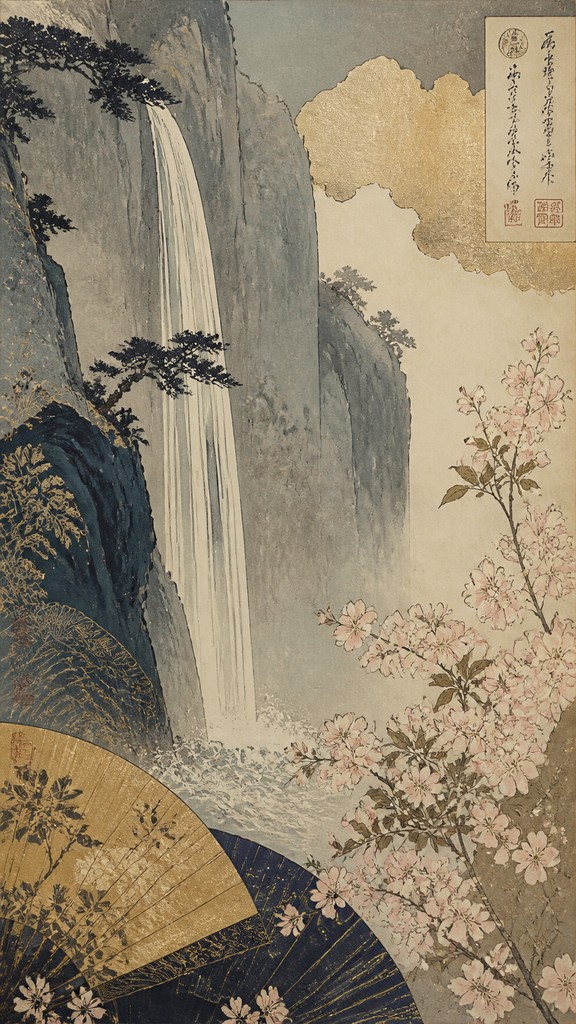
The movement developed in Europe and North America after Japan expanded trade with the West in the mid-19th century. Japanese prints and objects circulated through commercial networks, international exhibitions, galleries, and private collections, attracting painters, illustrators, designers, and collectors. The term Japonisme entered French critical vocabulary during the late 19th century.
Influences: Japonisme draws primarily on ukiyo-e print composition, Edo-period decorative arts, painted screens, textile pattern, and Japanese approaches to line, interval, and asymmetrical balance. In Western art it overlaps with Impressionism, Post-Impressionism, Symbolism, Art Nouveau, Arts and Crafts design, poster art, and modernist experiments in flat picture space. Its history also reflects selective and sometimes stereotyped Western interpretations of Japanese culture, so the term describes cultural exchange as well as formal influence.
Frequently Asked Questions
What defines Japonisme art?
Japonisme is defined by Western reinterpretations of Japanese visual principles rather than by a single medium or strict technique. Common signs include flattened space, unusual cropping, asymmetry, strong contour, decorative pattern, and an understated palette.
Is Japonisme the same as ukiyo-e?
No. Ukiyo-e is a Japanese print tradition, especially associated with the Edo period, while Japonisme describes the influence of Japanese art on Western artists and designers. Japonisme may borrow ukiyo-e-like composition while combining it with Western painting, illustration, or design.
When did Japonisme develop?
It emerged in Europe and North America during the mid-to-late 19th century, became especially influential from the 1860s through the early 20th century, and continued to shape modernist and decorative design. Its strongest early impact followed the increased circulation of Japanese objects and prints in the West.
How can I make an image look more Japonisme?
Use a shallow, flattened composition with a cropped or off-center subject, clear outlines, broad color areas, and patterned surfaces. Add controlled motifs such as blossoms, fans, screens, waves, or textiles, while avoiding excessive three-dimensional shading and random ornament.
What colors are common in Japonisme imagery?
There is no mandatory palette, but muted indigo, grey, cream, ochre, gold, black, and blossom pink are particularly compatible with the style. A limited palette generally works better than many competing saturated colors.
Where is Japonisme used today?
Its visual language appears in painting, printmaking, editorial illustration, posters, textiles, packaging, interiors, fashion, and digital art. Contemporary creators often combine its compositional ideas with photography, collage, vector design, or layered digital painting.

Create your first Japonisme artwork
Describe anything — or upload a photo — and see it in Japonisme Art Style in seconds.
Related Styles
Discover similar art styles