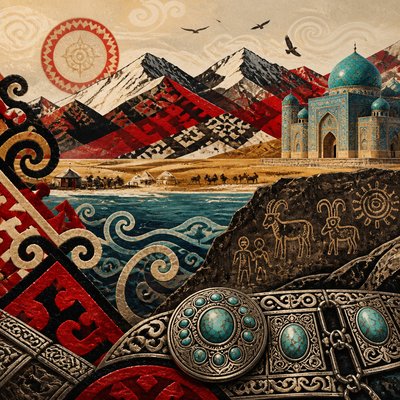
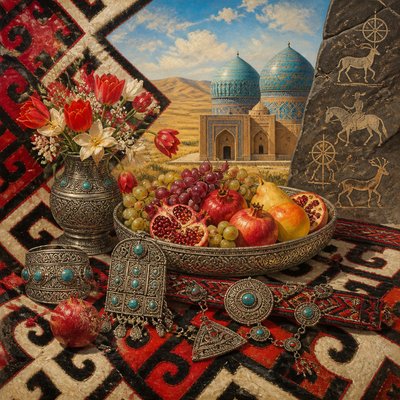
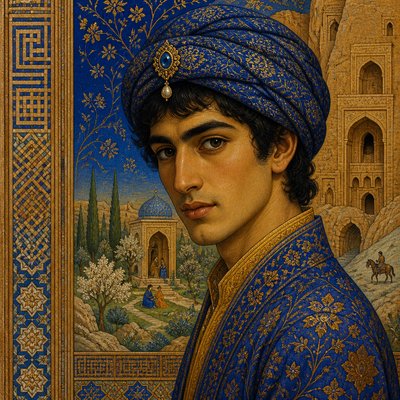
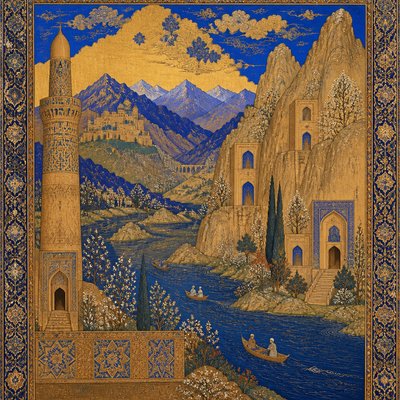
Isometric Geometric Art
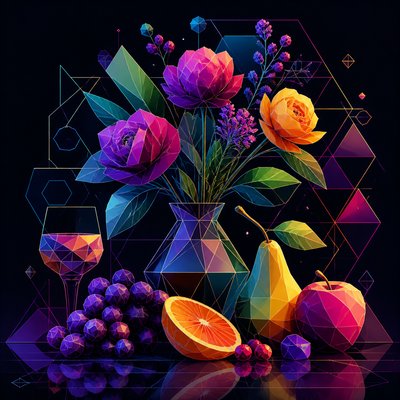
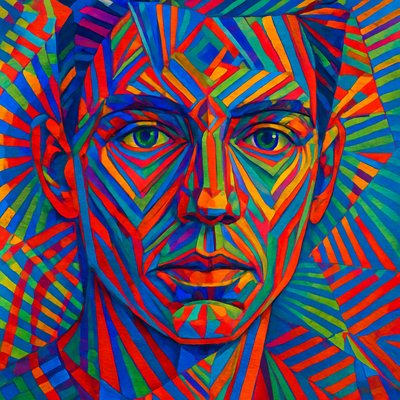
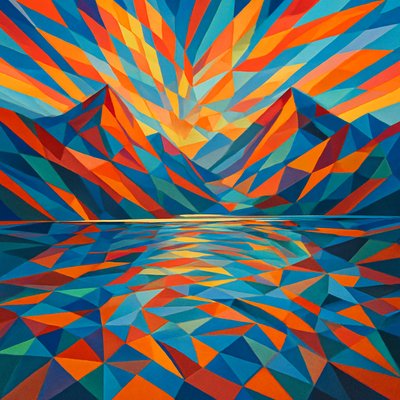
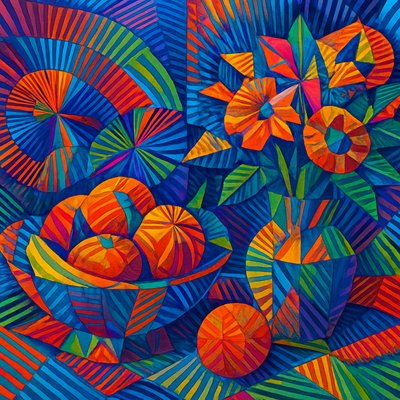
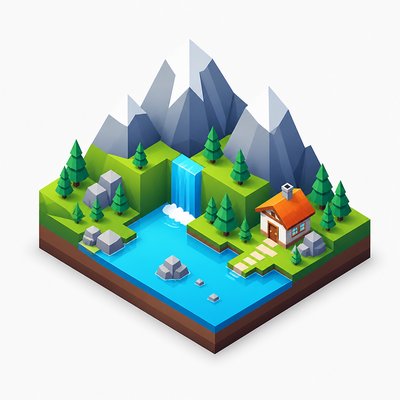
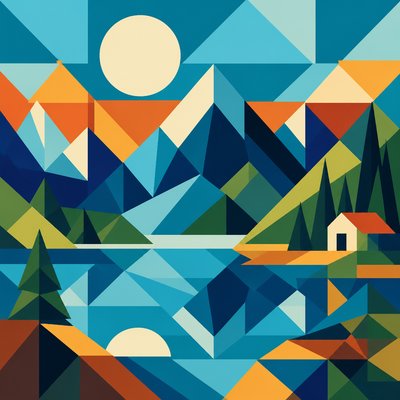
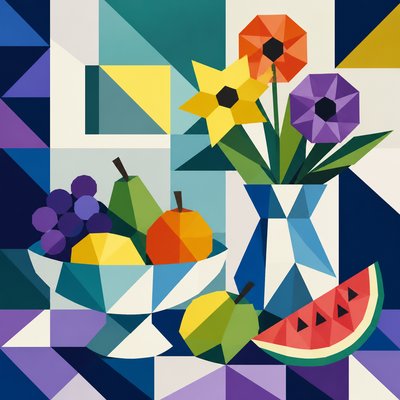
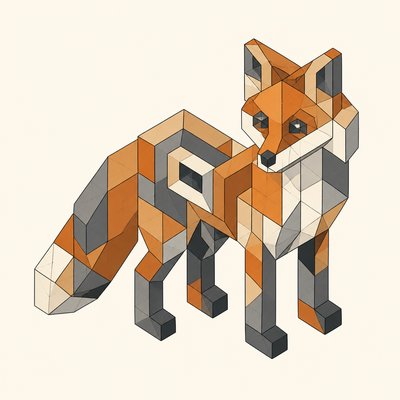
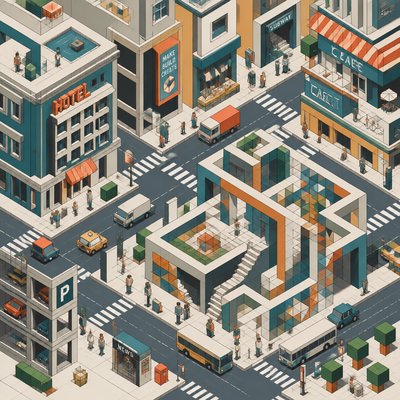
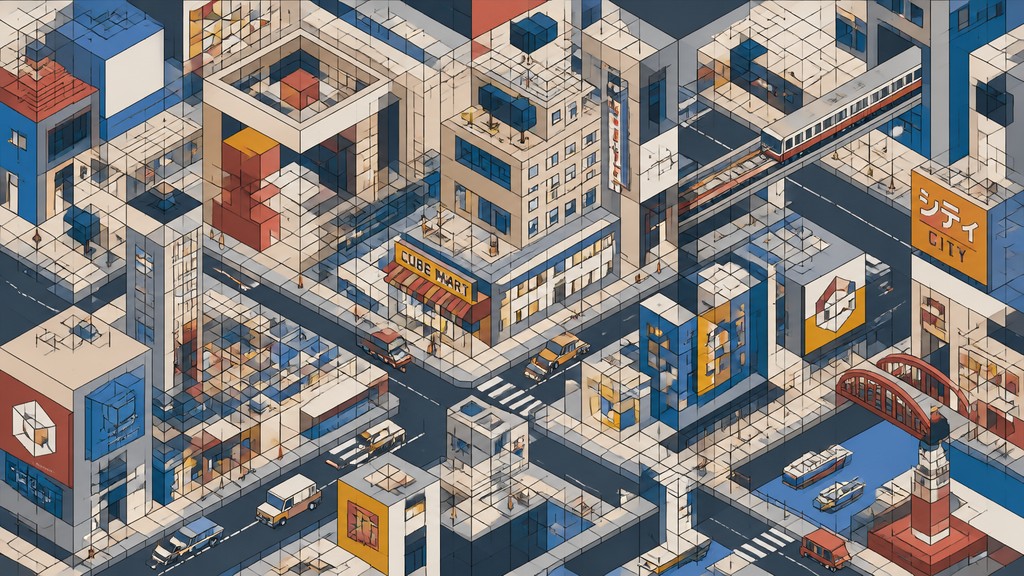
Isometric geometric art uses parallel-axis 3D forms, crisp edges, flat color planes, and impossible spatial illusions.
Instantly rendered in Isometric Geometric — or transform a photo
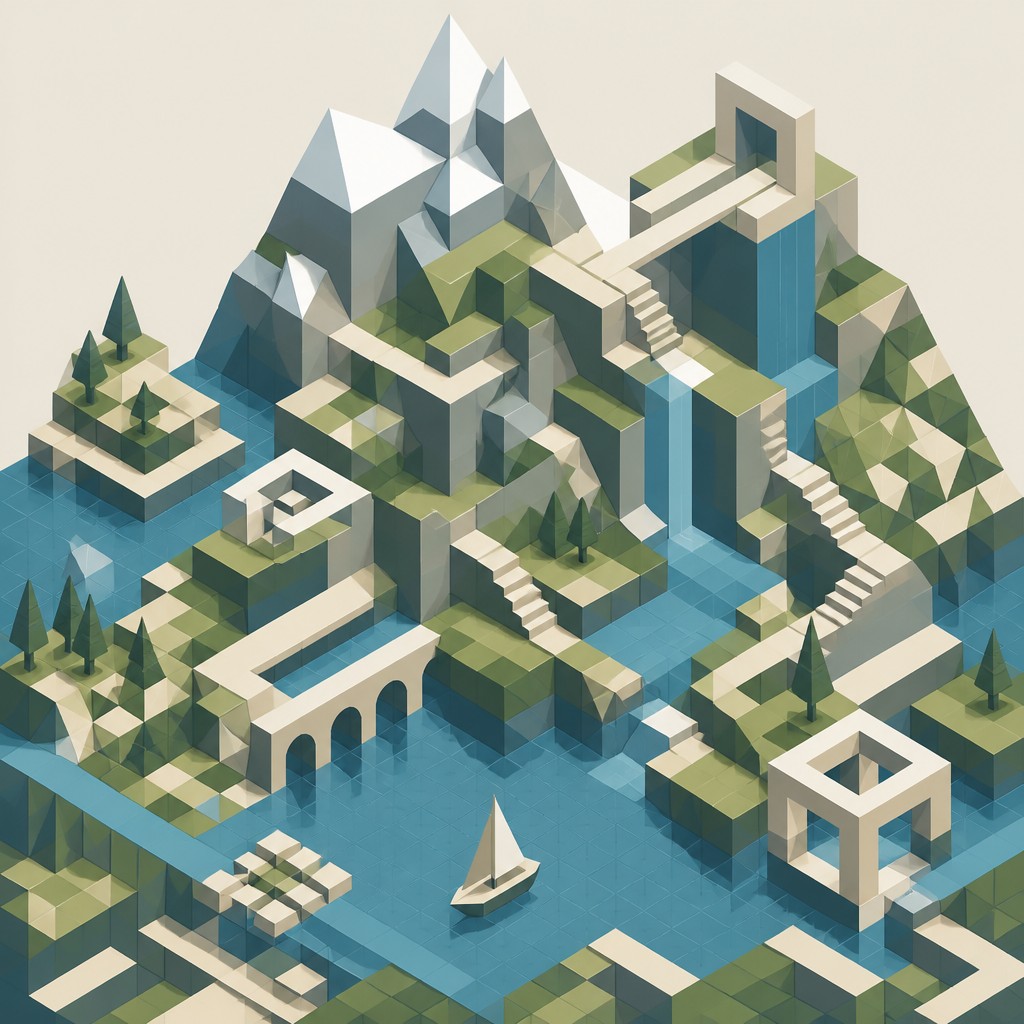
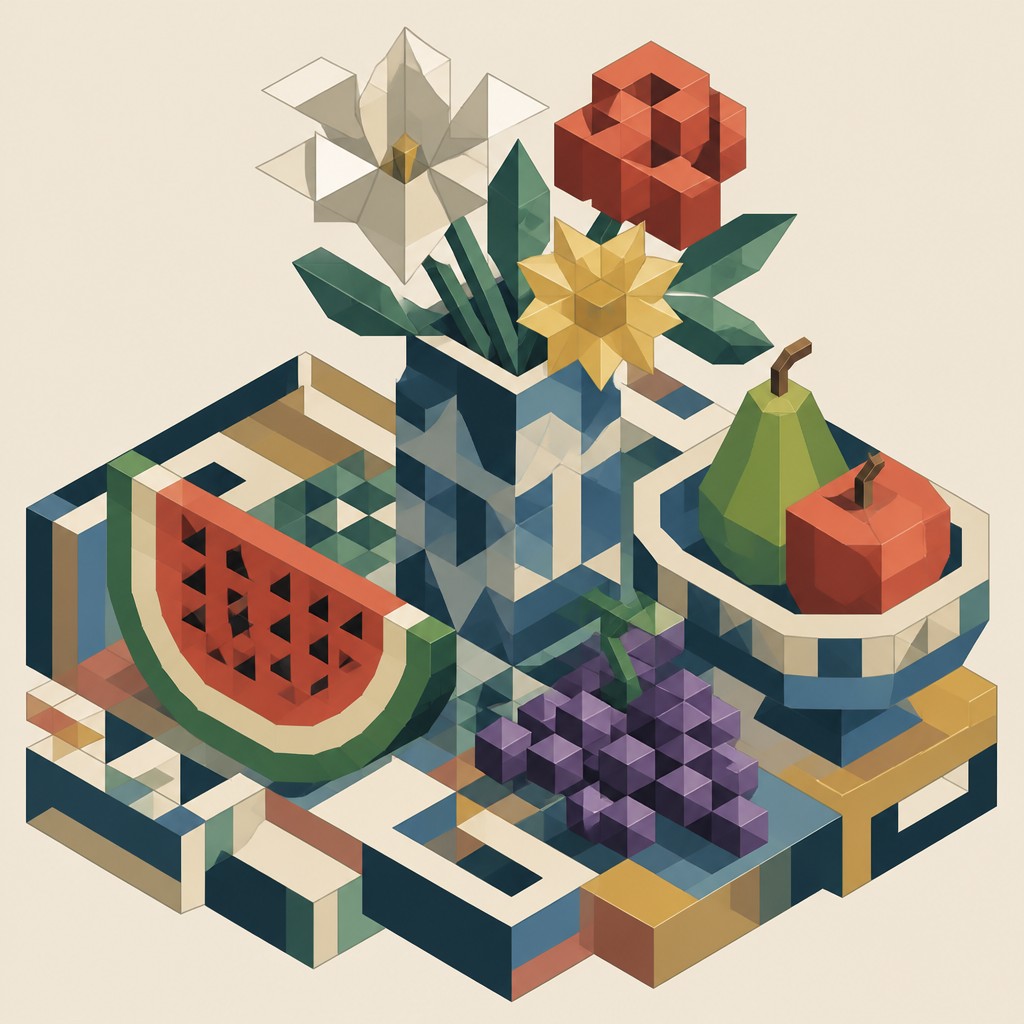
Isometric Geometric Gallery
Tap any artwork to explore it
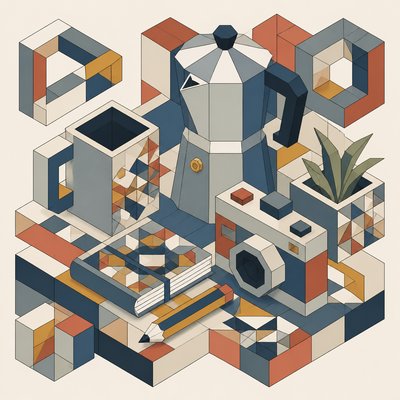
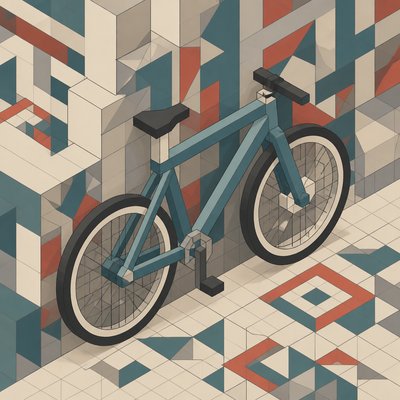
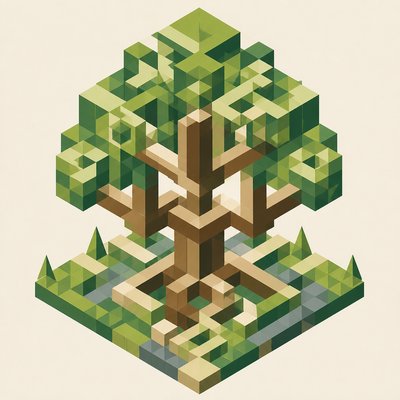
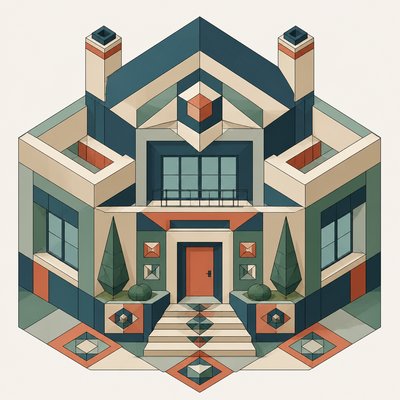
What is Isometric Geometric Art?
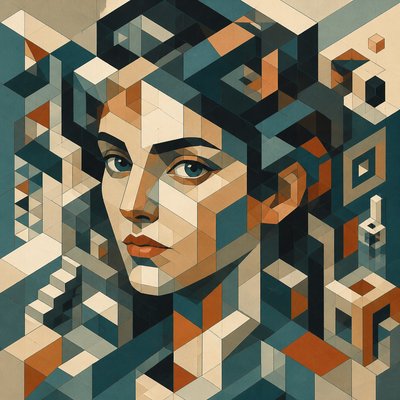
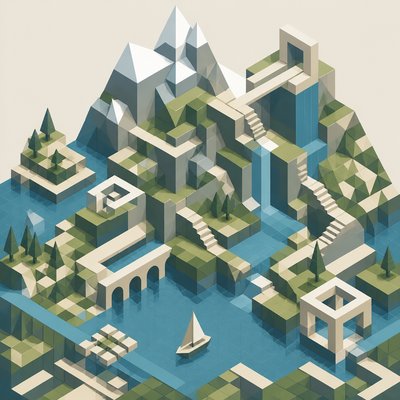
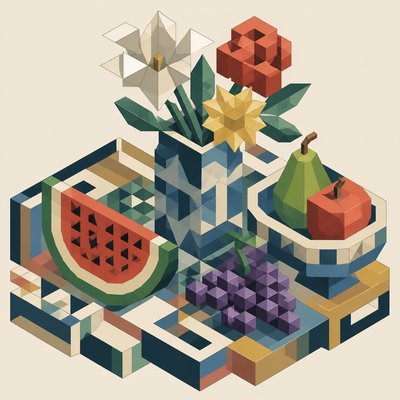
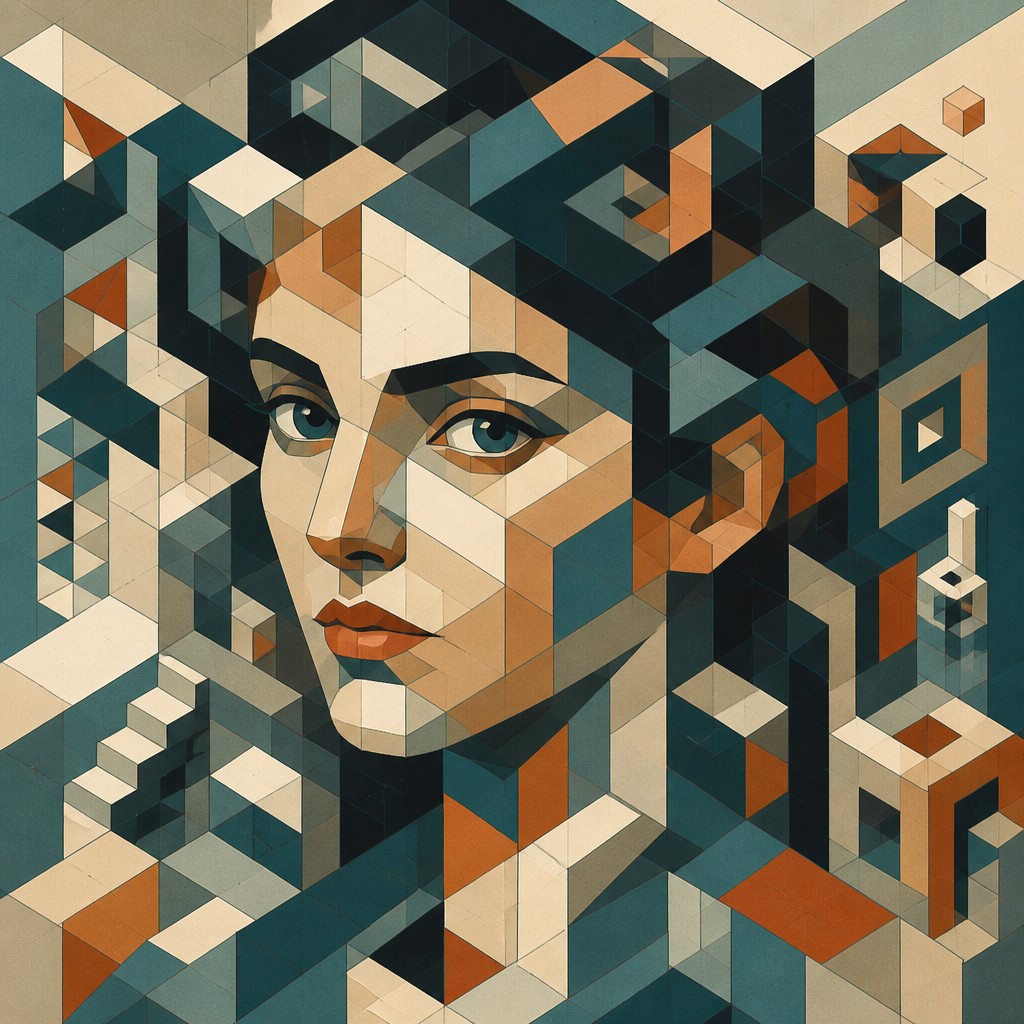
Isometric geometric art is a visual style built from precise three-dimensional forms arranged on an isometric grid. It shows depth without traditional perspective: parallel lines remain parallel, edges align to fixed angles, and objects read as engineered constructions rather than naturalistic scenes. The result is a clean, technical image language that can feel architectural, diagrammatic, playful, or surreal.
Its identity comes from the tension between flat design and spatial illusion. Facets are usually rendered as simplified planes of color, shadows are minimal or omitted, and forms are subdivided into nested cubes, prisms, and interlocking modules. Because the structure is so controlled, artists can create impossible buildings, recursive objects, maze-like interiors, and Escher-like visual paradoxes while keeping the image legible and orderly.
Try It On Your Photos
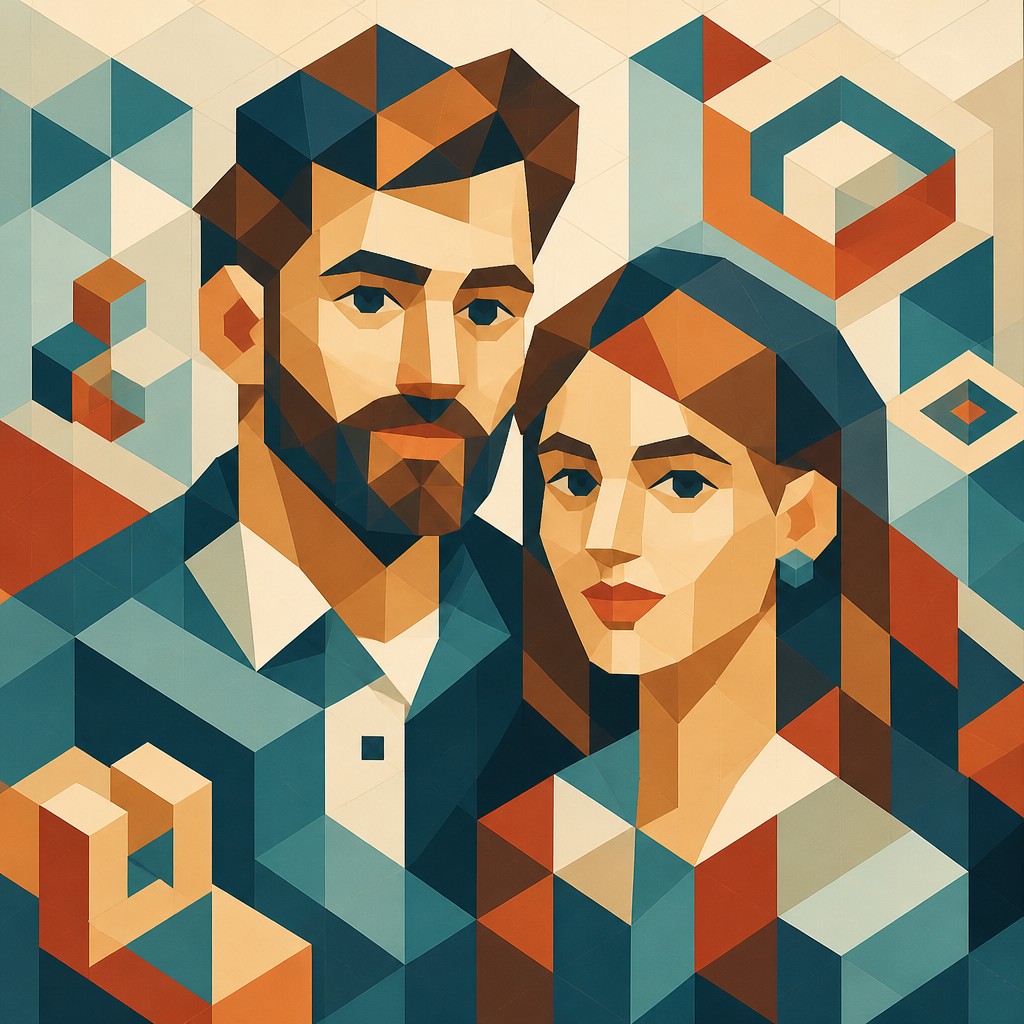
Upload any photo and convert it into Isometric Geometric Art — drag the sliders to compare before and after.



What Defines Isometric Geometric Art
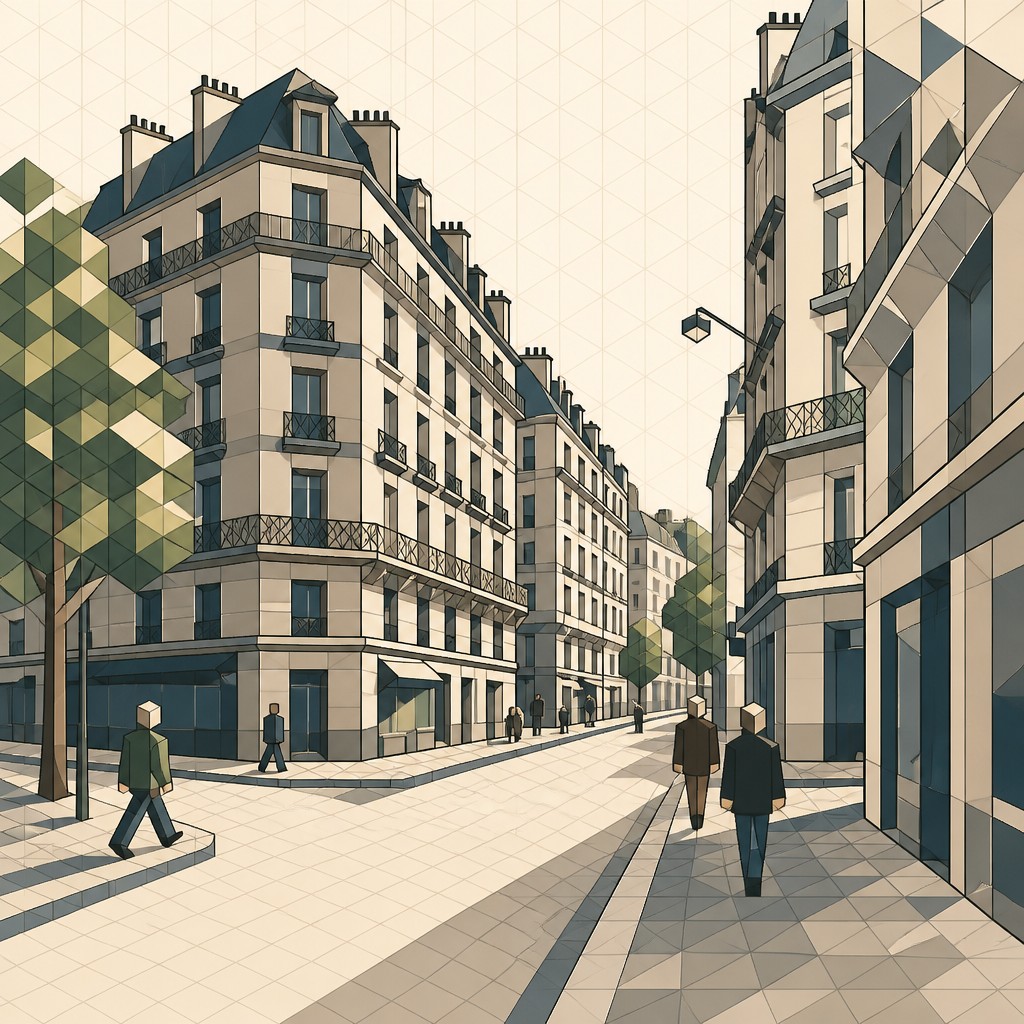
The signature details, up close
Isometric projection
Objects are drawn on a fixed grid with axes typically set at equal angles, so receding edges stay parallel instead of converging. This creates a disciplined, engineering-like sense of depth.
Geometric construction
Forms are assembled from cubes, prisms, hexagons, stepped blocks, and modular segments. The subject often feels built rather than painted, as if it were a model or schematic.
Flat tonal planes
Surfaces usually use clean, matte color areas with subtle value shifts between faces rather than painterly blending. This keeps the image crisp and emphasizes the structure of each facet.
Minimal or shadowless lighting
Lighting is often uniform, with little cast shadow or atmospheric perspective. That absence of natural lighting cues reinforces the abstract, diagrammatic feel.
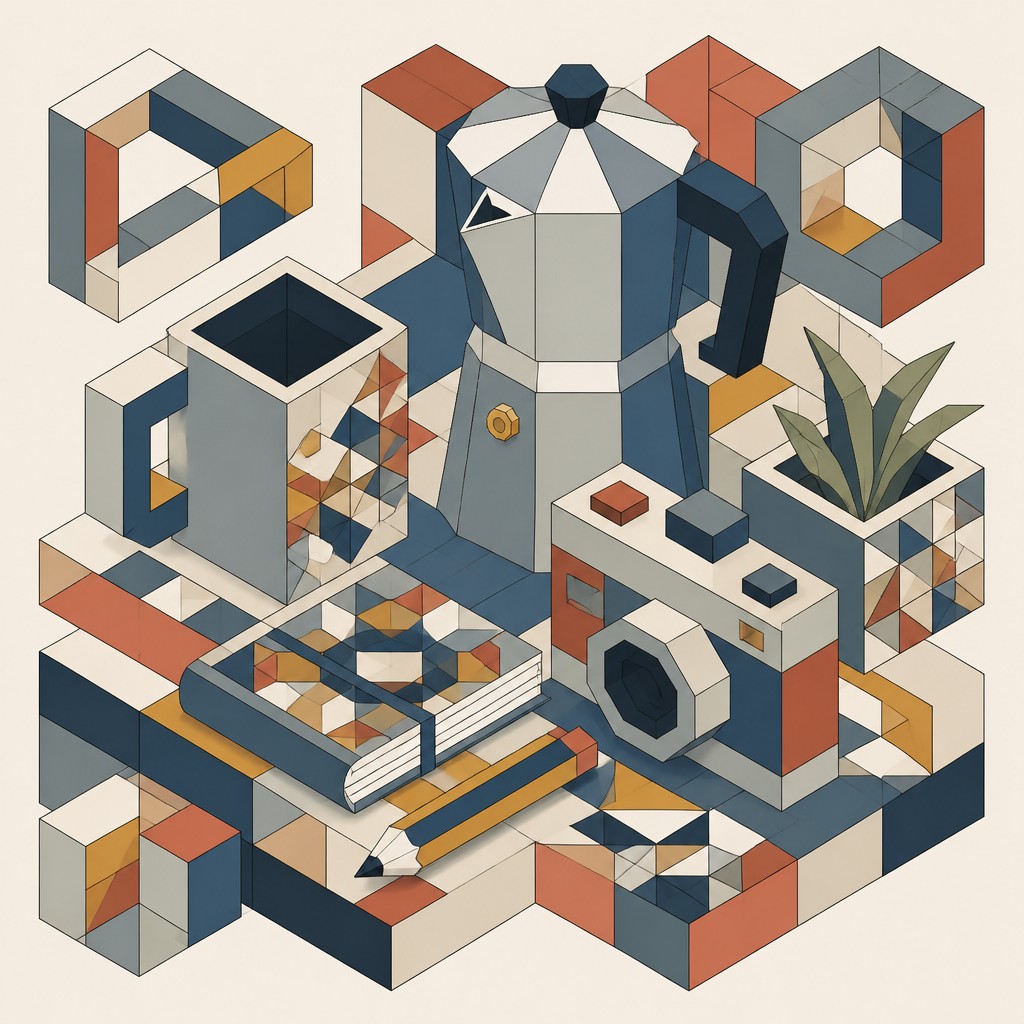
Tessellation and repetition
Many works use repeating tiles, nested subdivisions, or rhythmic patterns that echo across the composition. Repetition helps the image feel mathematically ordered and visually cohesive.
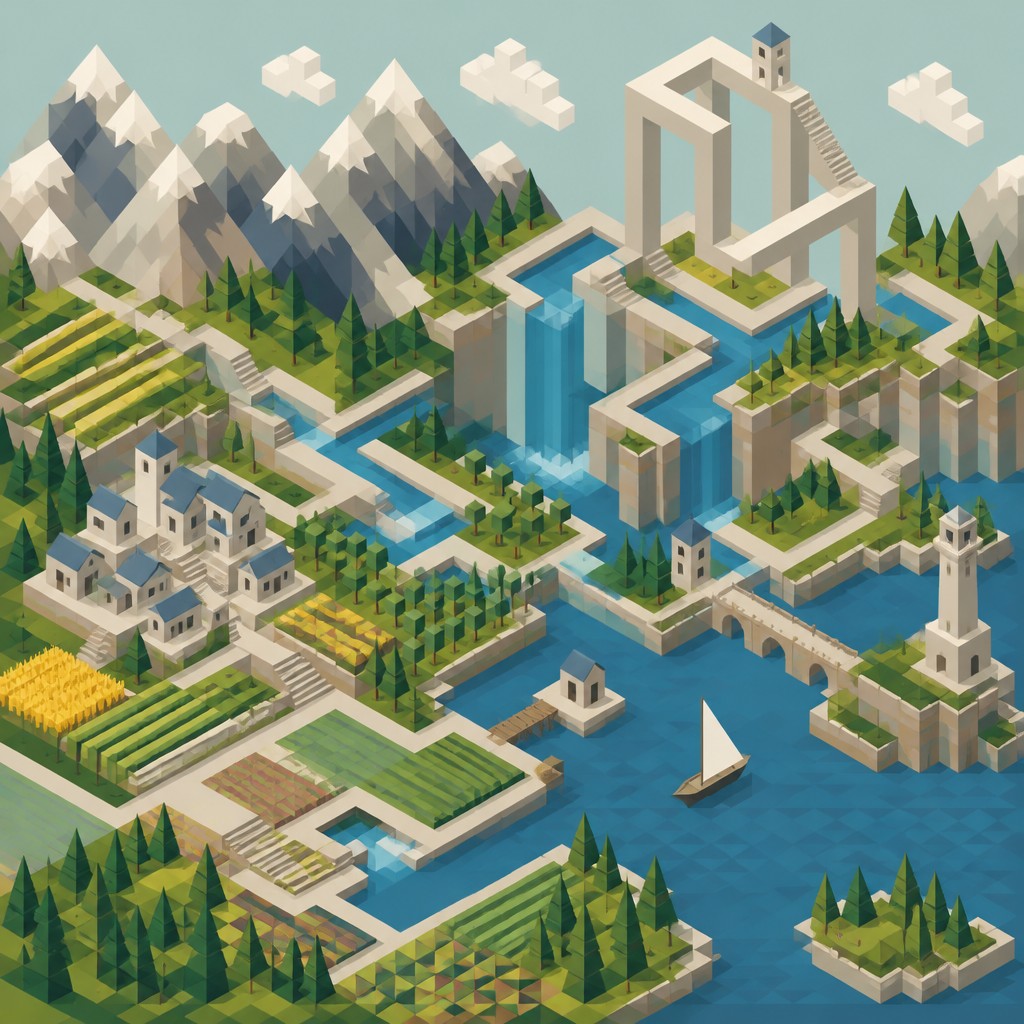
Impossible spatial relationships
Some compositions incorporate impossible joins, impossible stairways, or structures that fold back on themselves in non-Euclidean ways. These paradoxes are most striking when the underlying grid is still precise and legible.
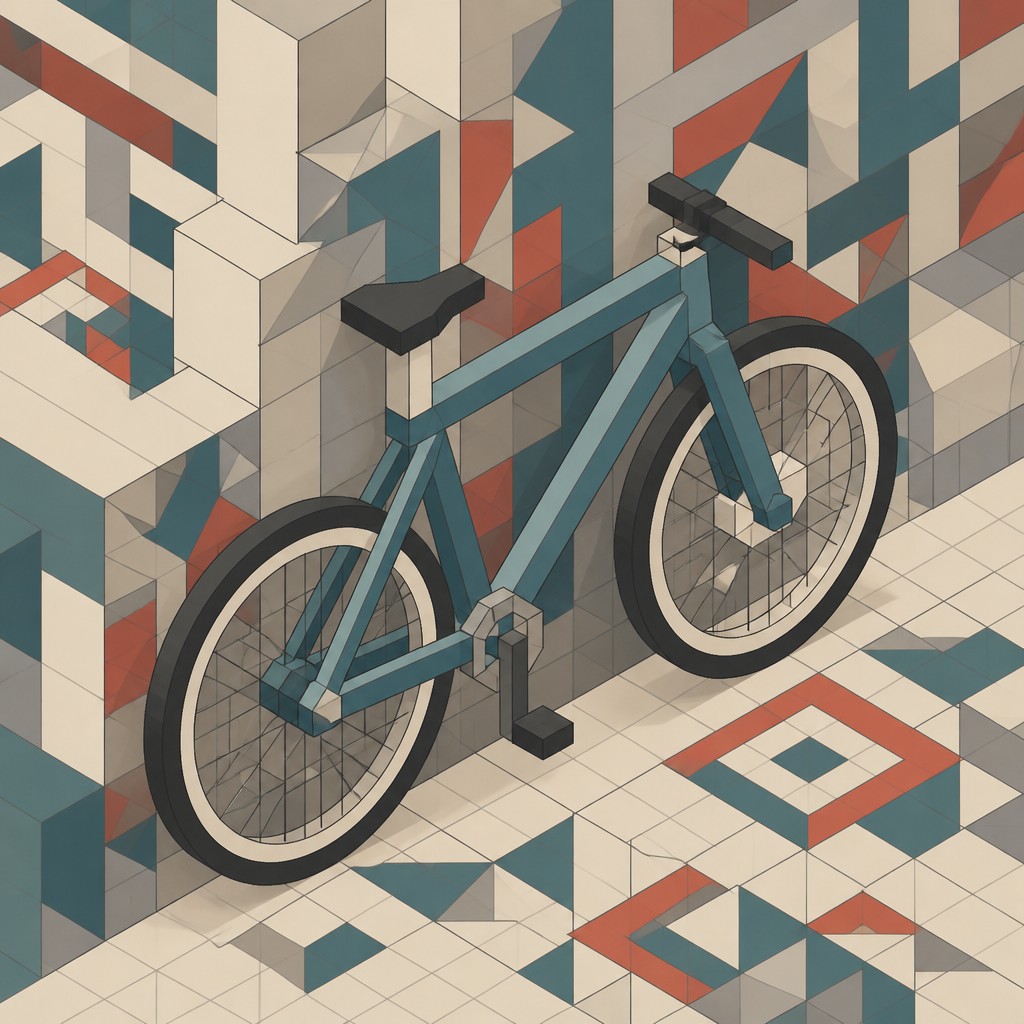
Technical clarity
Edges are clean, contours are sharp, and forms are arranged with precision. The style often resembles an architectural drawing or a designed interface rather than a loose illustration.
Try It
Create Videos in Isometric Geometric Art
Styles aren't just for stills — describe a scene or animate an image and get a short video rendered in Isometric Geometric. Press play to see this pond come to life.
Make a VideoIsometric Geometric Prompt Ideas
Start from an idea — each one opens the generator with the style ready to go. See all 40 Isometric Geometric prompts →
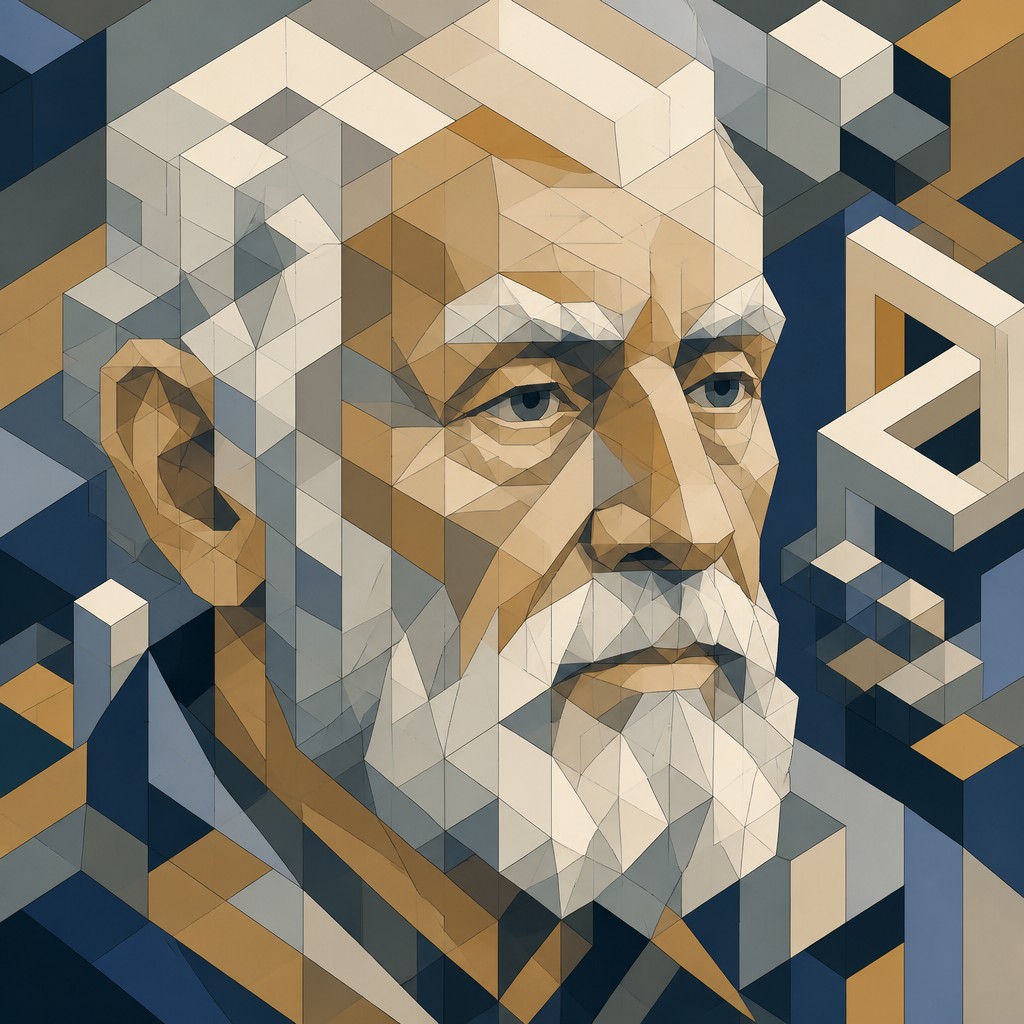
“close-up portrait of an elderly person with expressive weathered features”
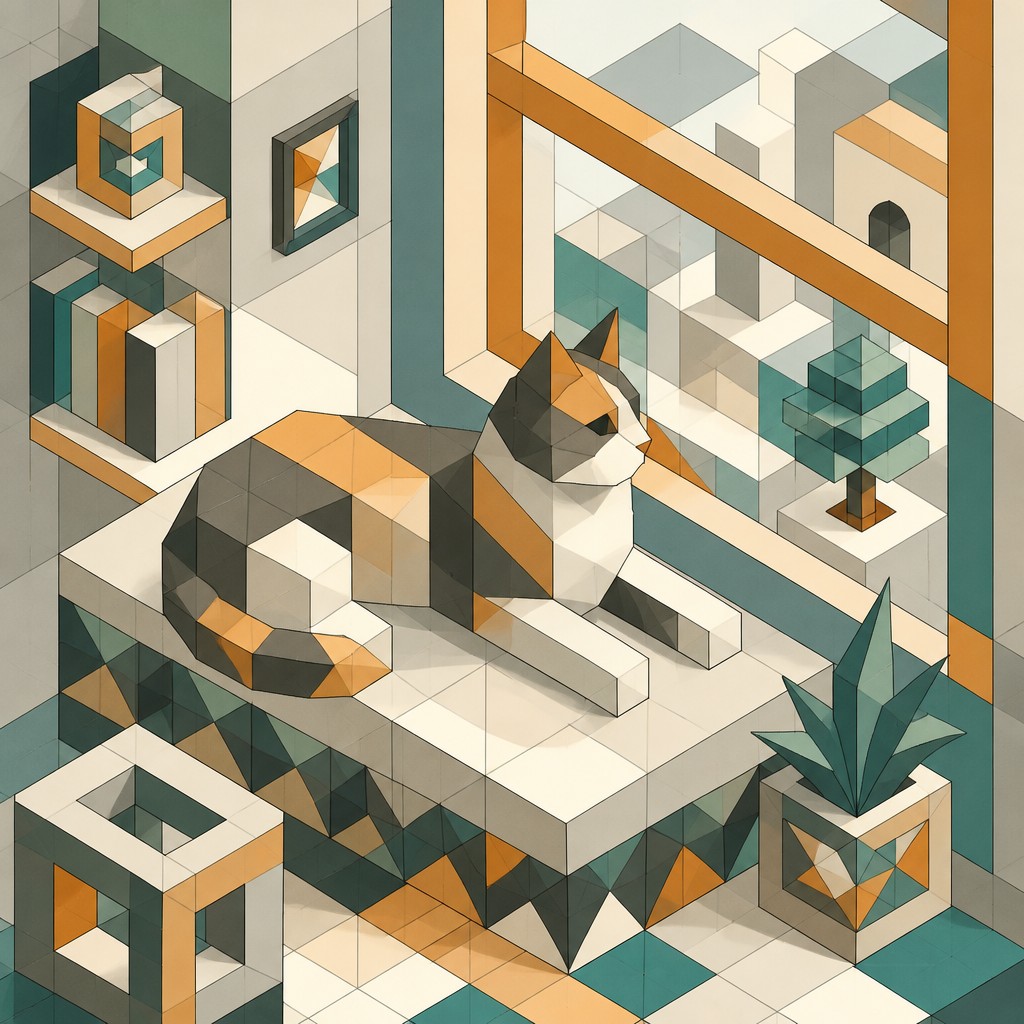
“a cat lounging in a sunlit window”
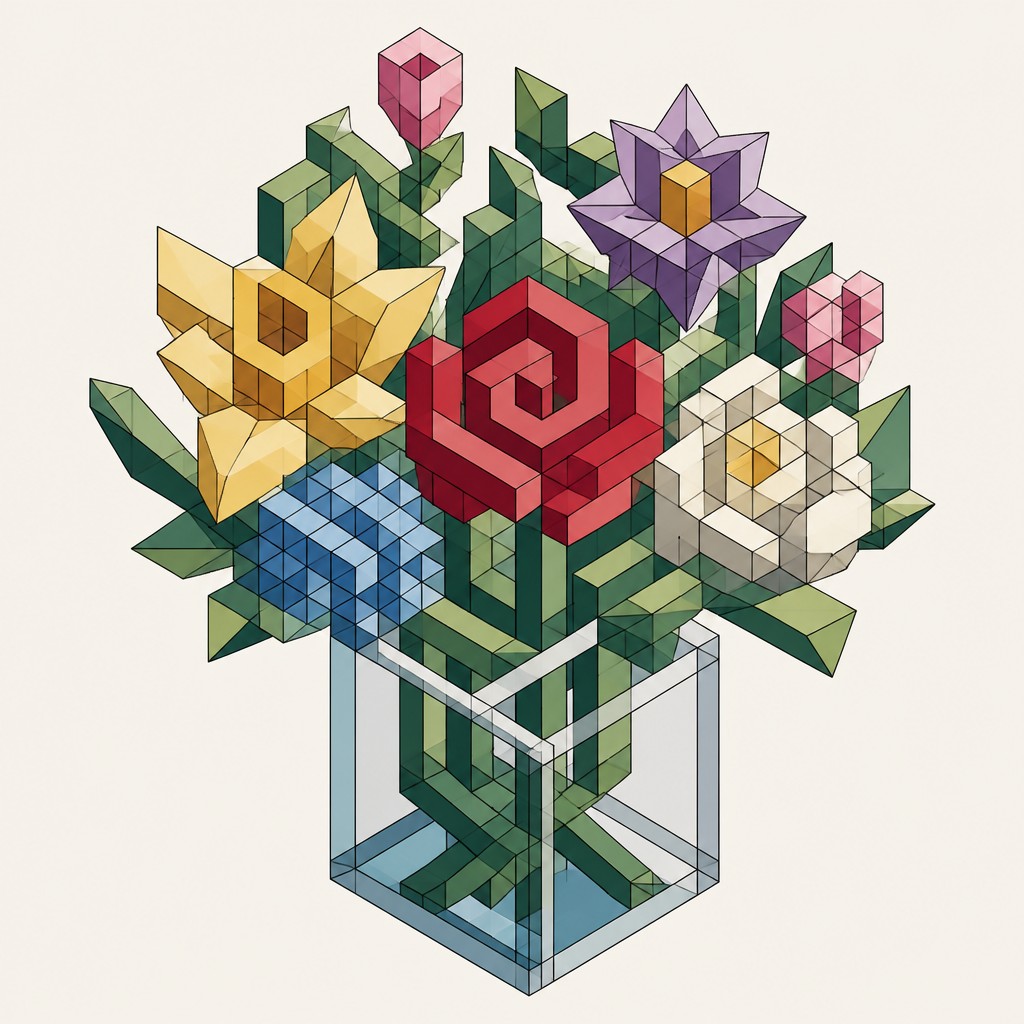
“bouquet of flowers in a glass vase”
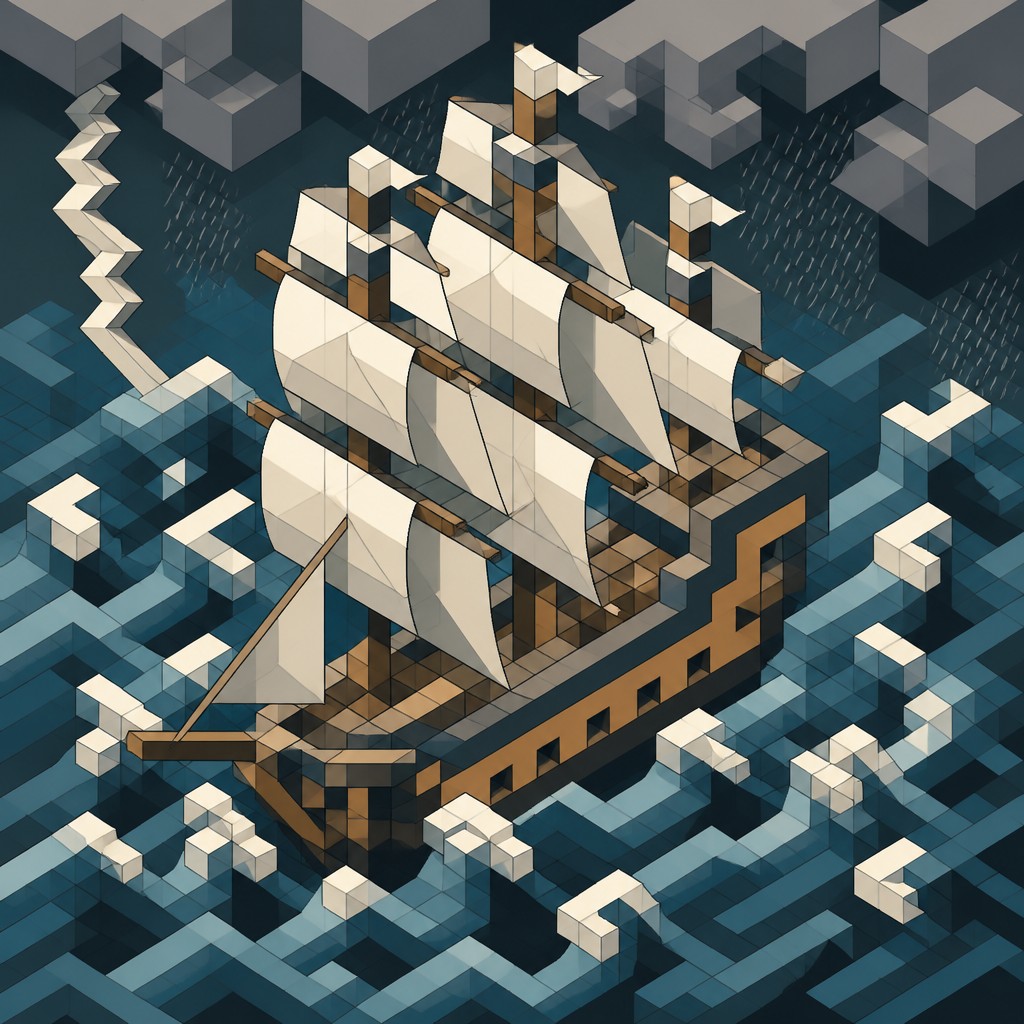
“sailing ship on a stormy sea”
How to Create Isometric Geometric Art
Master the craft step by step — or skip straight to creating. Read the full guide →
- 1
Start with a strict isometric grid
Build the composition from a grid locked to isometric angles so every major form follows the same spatial logic. Whether working by hand or digitally, keep parallel edges parallel and avoid converging perspective lines.
- 2
Reduce objects to modular primitives
Construct the subject from cubes, wedges, cylinders, and repeated blocks before adding detail. This helps the final image feel engineered and makes complex structures easier to control.
- 3
Use restrained palettes and flat fills
Choose a limited set of colors and assign slightly different values to each face of a form. Subtle tonal variation is usually enough; heavy gradients and painterly texture can weaken the style's clarity.
- 4
Preserve clean edges and consistent lighting
Outline or separate planes with crisp boundaries, and avoid dramatic shadows unless they are essential to the design. Even when creating depth, the image should remain shadow-light, diagrammatic, and easy to read.
- 5
Design for repetition, nesting, or paradox
Add repeated modules, inner voids, stair-step transitions, or recursive layers to give the composition visual complexity. In digital or AI-assisted workflows, specify that the subject should be built from interlocking geometric primitives on a strict isometric grid with flat matte planes and occasional impossible spatial connections.

The Story
History & Origins of Isometric Geometric
The style draws its lineage from technical drawing, axonometric projection, architectural illustration, and geometric abstraction rather than from a single historical movement. Isometric projection became widely useful in engineering, military, and game graphics because it represents three-dimensional objects clearly without vanishing points, making measurements and spatial relationships easier to read.
In modern visual culture, isometric geometry became especially prominent in information design, icon systems, video games, and digital illustration. Its aesthetic overlaps with constructivist design, Bauhaus geometry, Op Art, and the illusionistic spatial puzzles associated with a renowned Dutch printmaker known for impossible constructions, though it is not limited to any one of those traditions. Today it is used both for polished digital illustration and for concept-driven work that emphasizes structure, systems, and impossible architecture.
Influences: Isometric geometric art is closely related to axonometric technical drawing, architectural visualization, and interface design, and it borrows the disciplined order of constructivism and Bauhaus geometry. It also overlaps with Op Art’s interest in visual structure and with the spatial paradoxes of a renowned Dutch printmaker known for impossible constructions, whose work remains one of the clearest historical references for this kind of image-making.
Frequently Asked Questions
What defines isometric geometric art?
It is defined by three-dimensional forms drawn on an isometric grid, where parallel edges stay parallel and the scene avoids classical perspective vanishing points. The style relies on geometric construction, flat color planes, and crisp contours to create depth through structure rather than realism.
How is it different from regular 3D art or perspective drawing?
Regular perspective drawing uses vanishing points, so receding lines converge as objects move away from the viewer. Isometric geometry keeps the axes fixed, which makes the image feel more technical, schematic, and evenly measurable.
Is it always abstract?
No. It can be purely abstract, but it is often used to depict recognizable subjects such as cities, machines, landscapes, rooms, or characters. The subject is simplified into geometric components, which gives even realistic objects a stylized, engineered look.
Why does this style feel so clean and mathematical?
Because the composition is usually built from repeated angles, modular shapes, and limited lighting. That regularity creates a sense of precision and order, similar to a diagram or architectural plan.
Where is this style commonly used?
It appears in editorial graphics, infographics, game art, UI illustrations, branding, architectural concepts, and abstract poster design. It is especially effective anywhere clarity and spatial organization matter.
How can I make it look more surreal or impossible?
Keep the isometric logic intact while introducing impossible joins, recursive staircases, or structures that fold into themselves. The contrast between exact geometry and spatial paradox is what gives the style its uncanny effect.
Create your first Isometric Geometric artwork
Describe anything — or upload a photo — and see it in Isometric Geometric Art in seconds.
Make Something with Isometric Geometric
Compare Isometric Geometric
Related Styles
Discover similar art styles