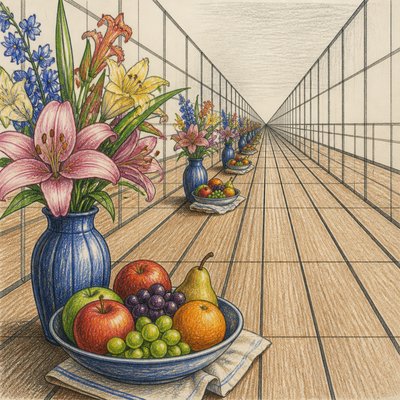
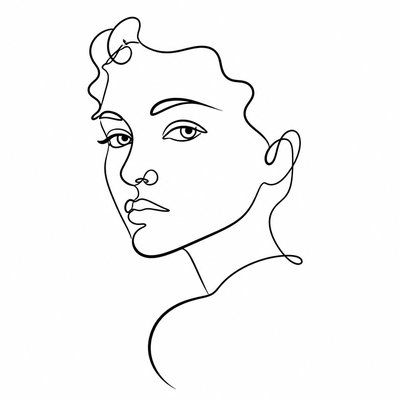
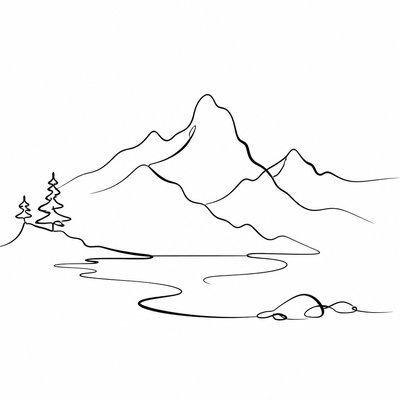
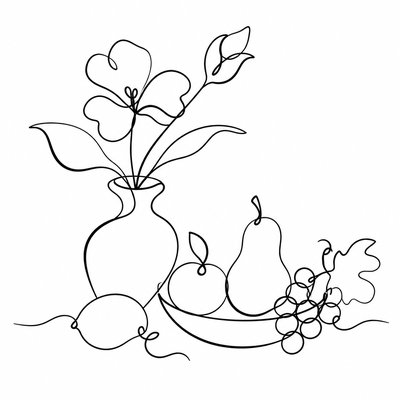
Cross-Hatching Drawing Style
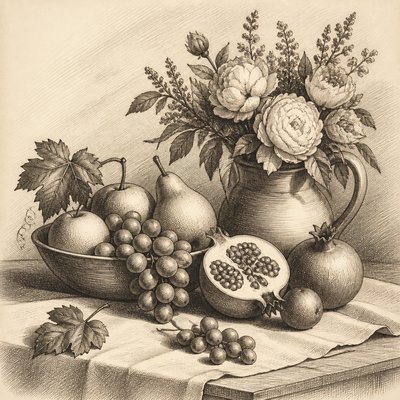
Explore cross-hatching drawing: woven intersecting lines, engraved precision, rich tonal depth, and luminous paper whites.
Instantly rendered in Cross-Hatching Drawing — or transform a photo
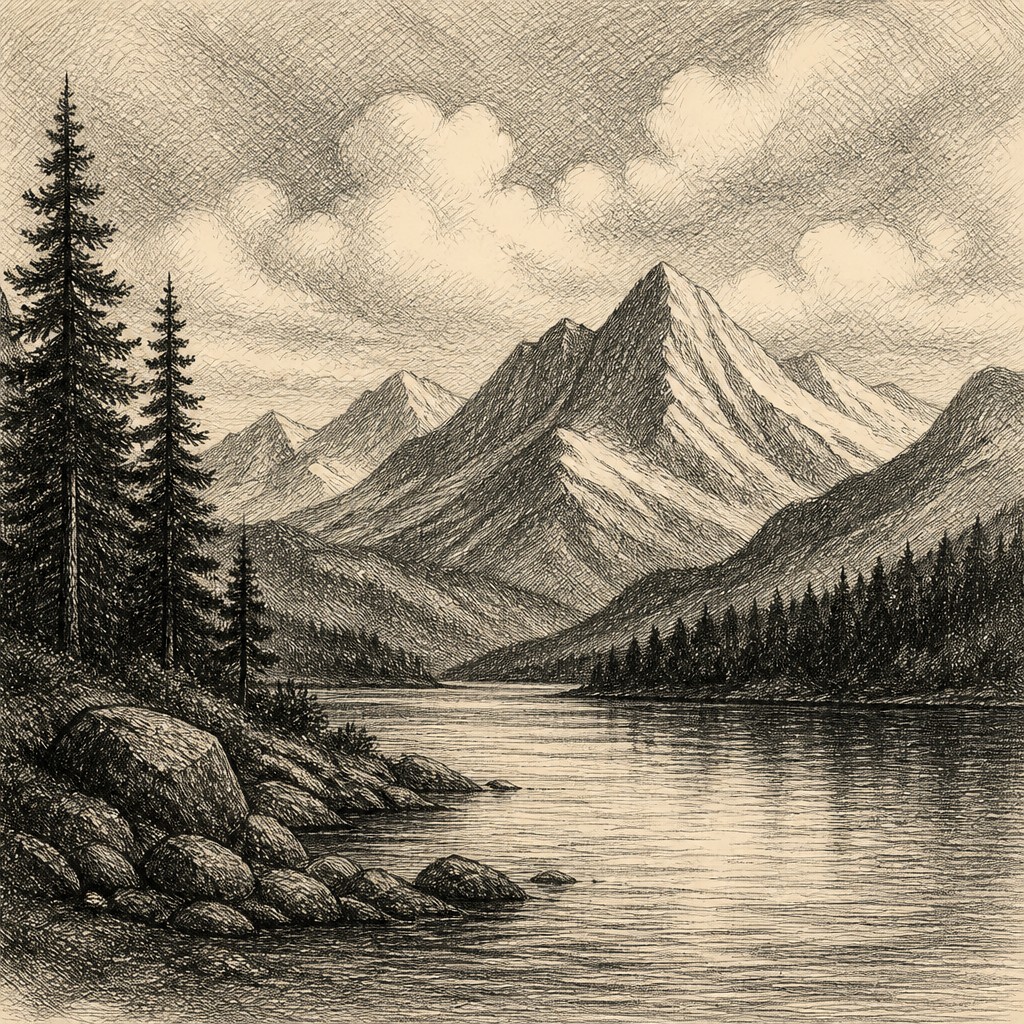
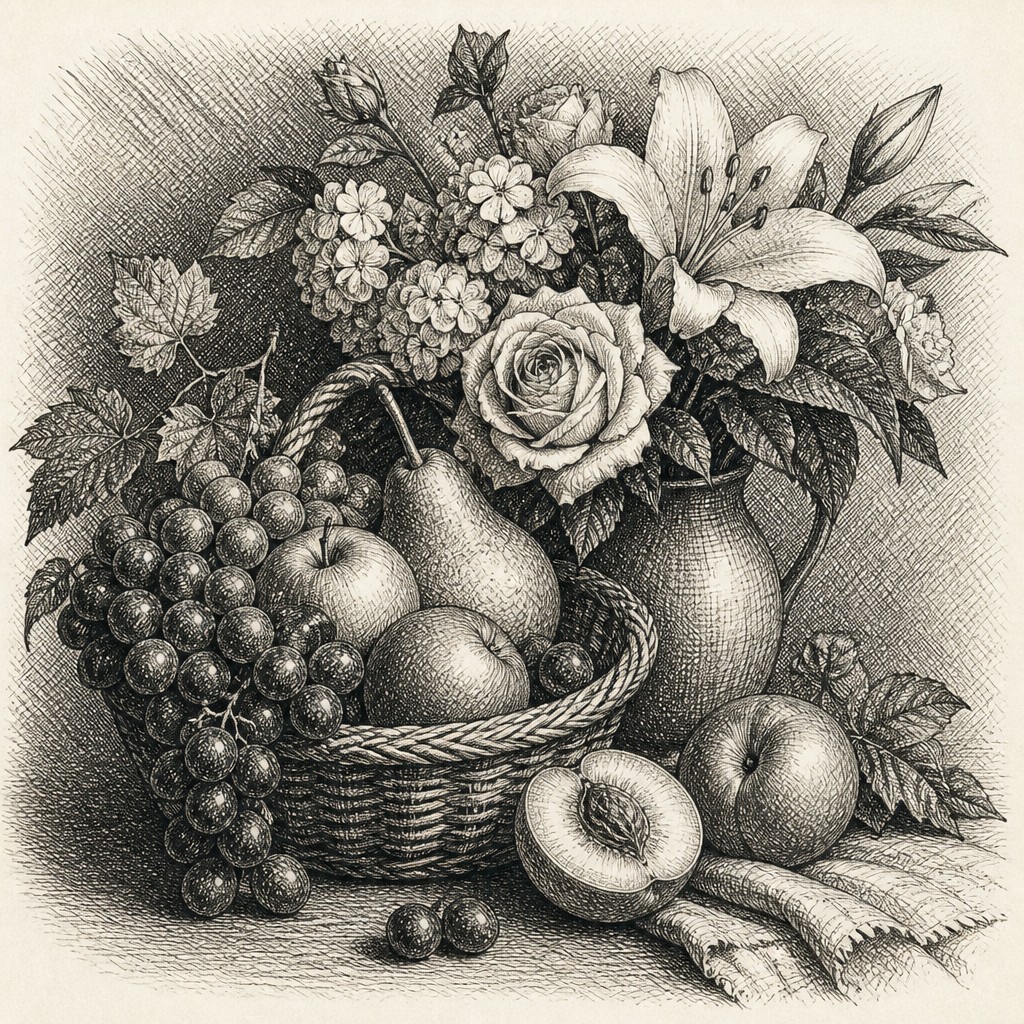
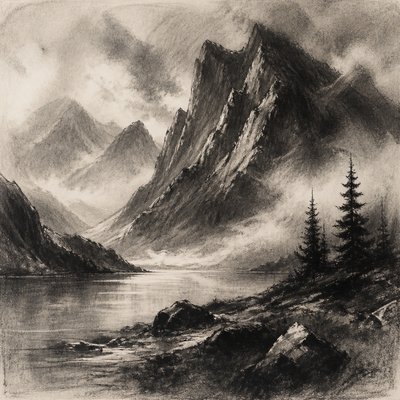
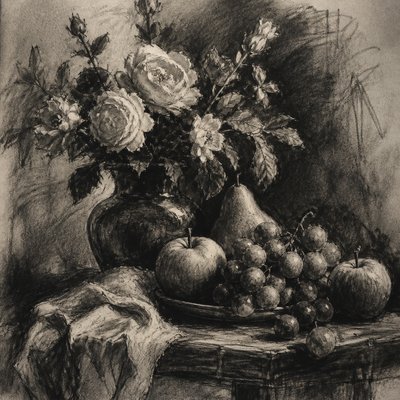
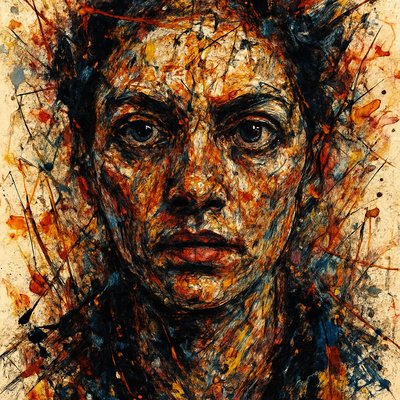
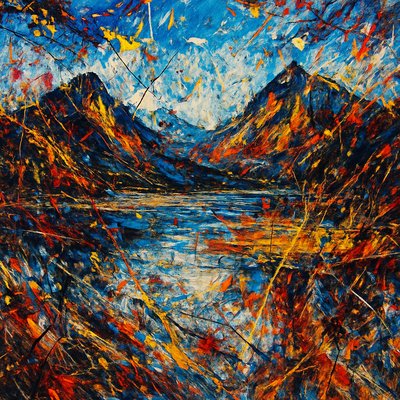
Cross-Hatching Drawing Gallery
Tap any artwork to explore it
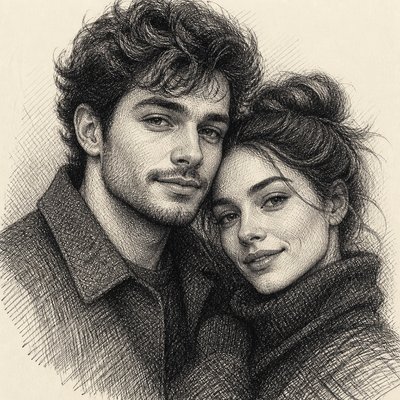
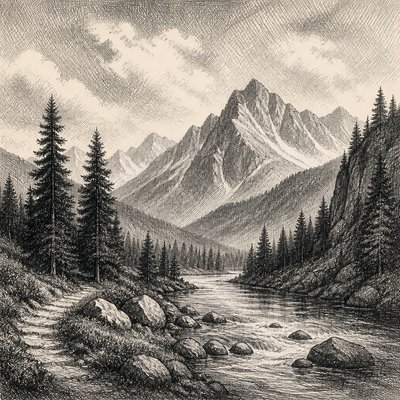
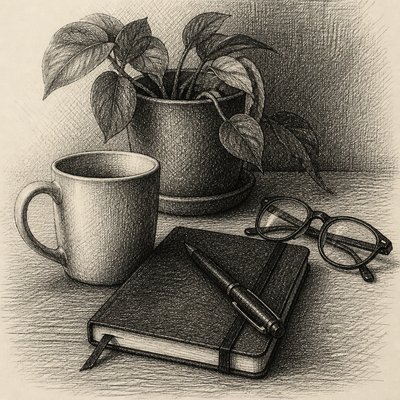
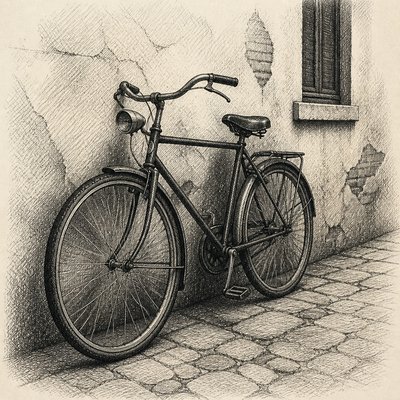
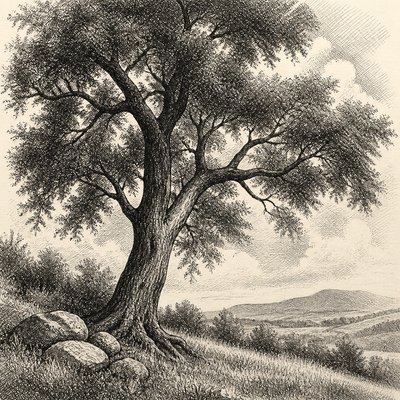
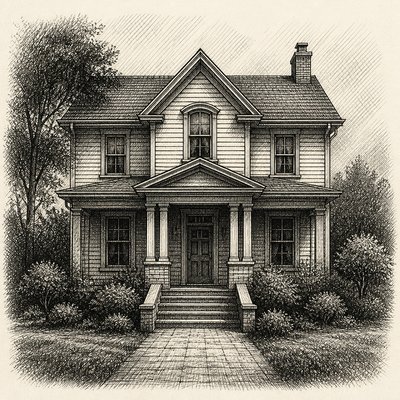
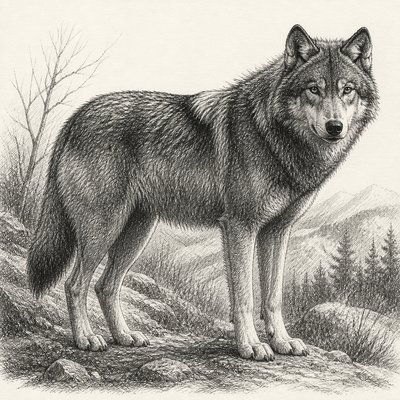
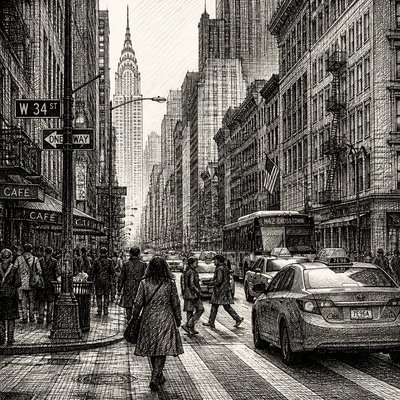
What is Cross-Hatching Drawing Style?
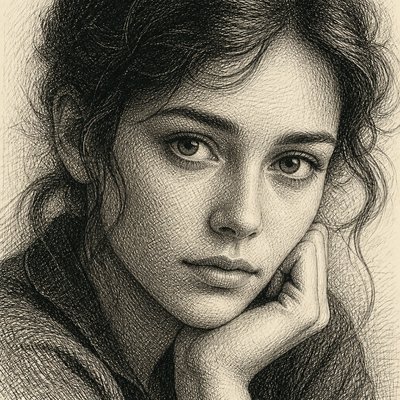
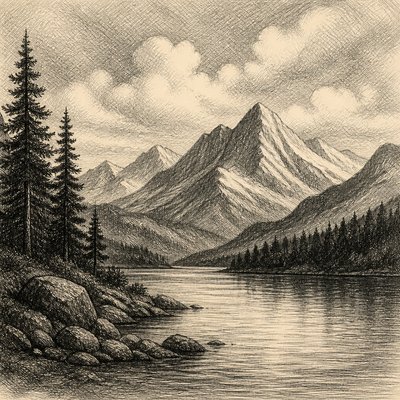
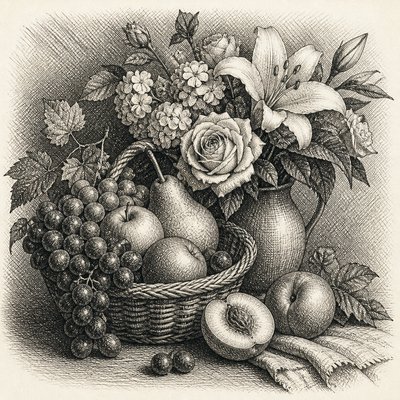
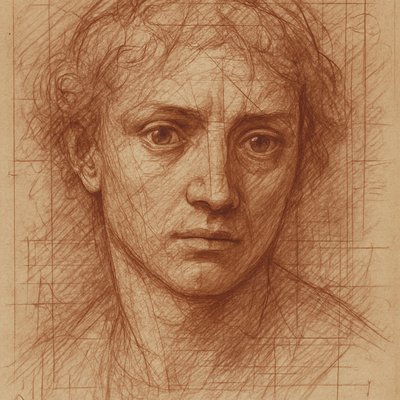
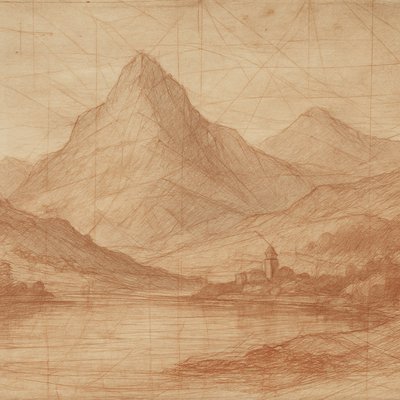
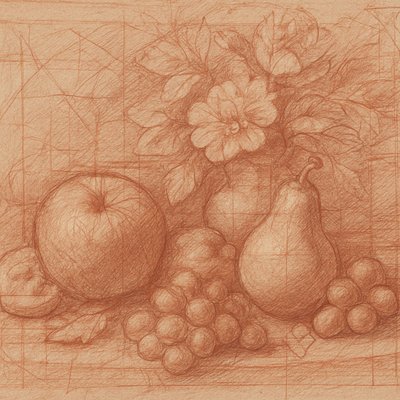
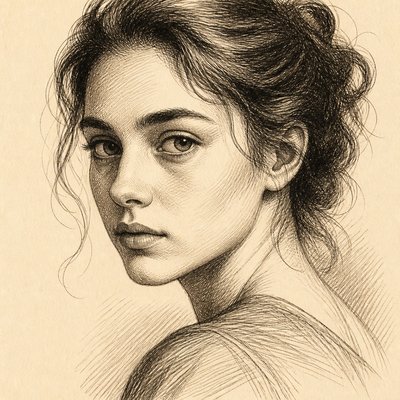
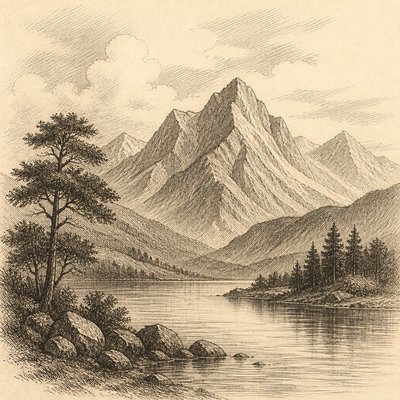
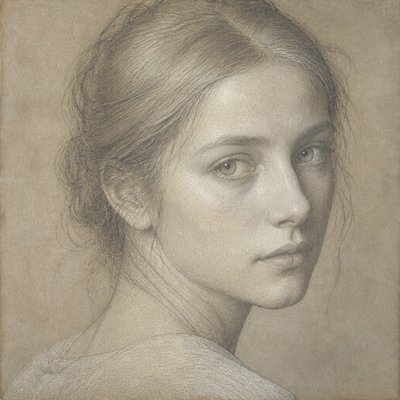
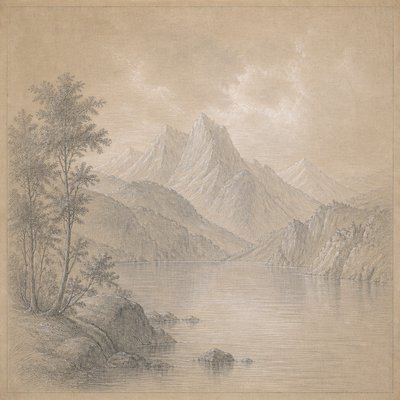
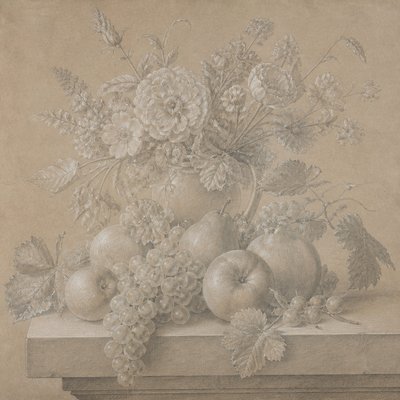
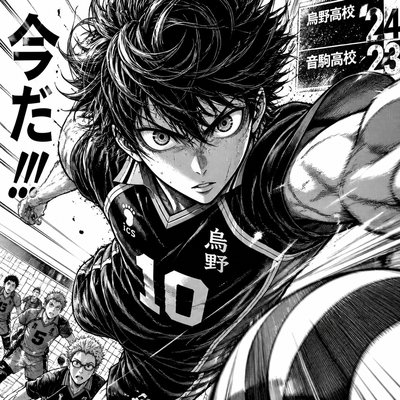
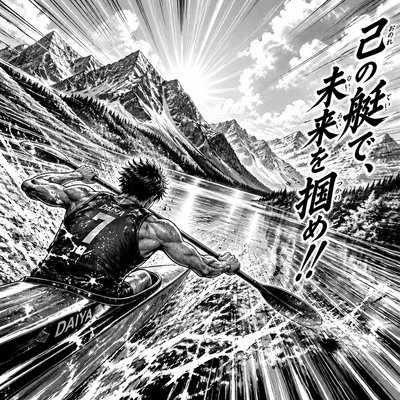
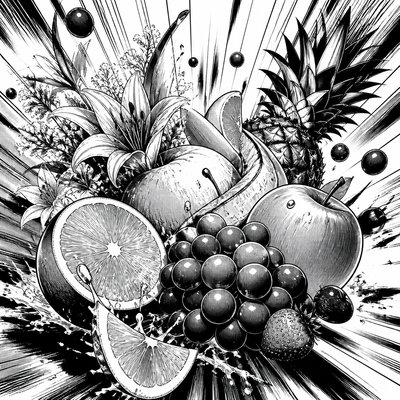
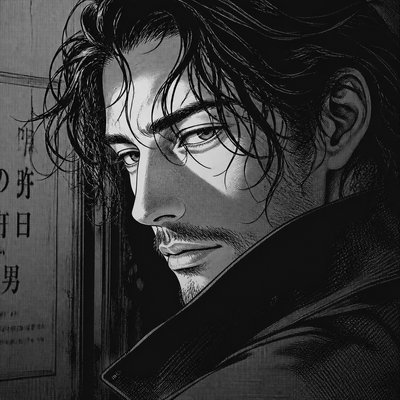
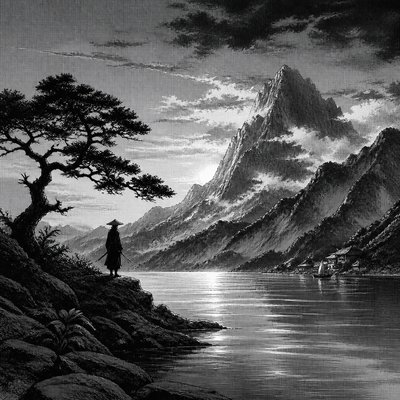
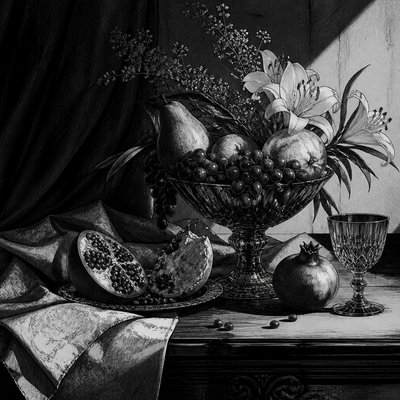
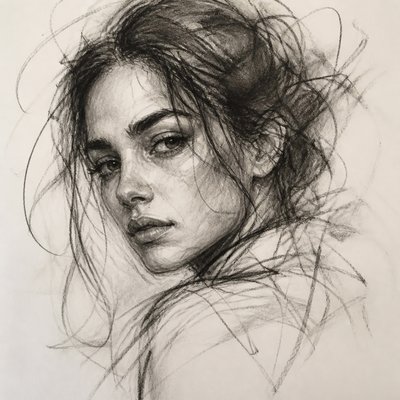
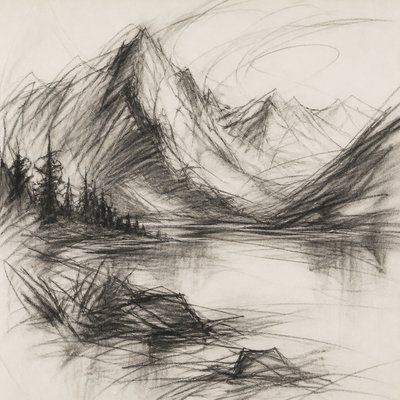
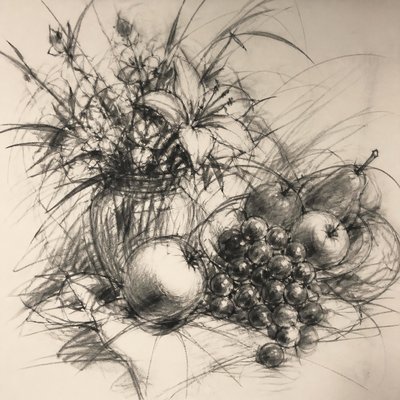
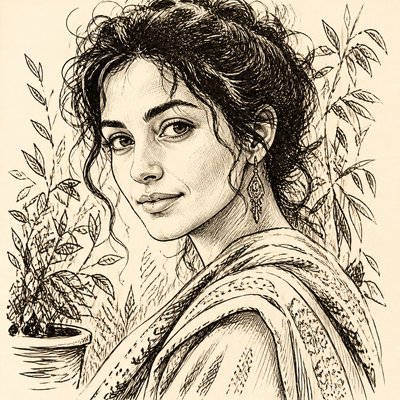
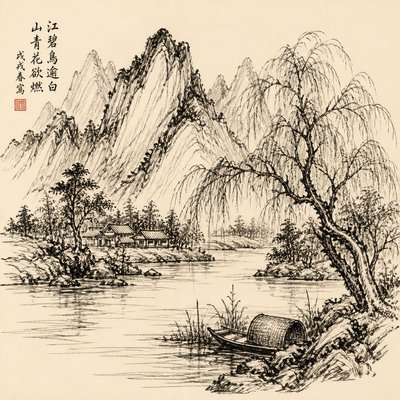
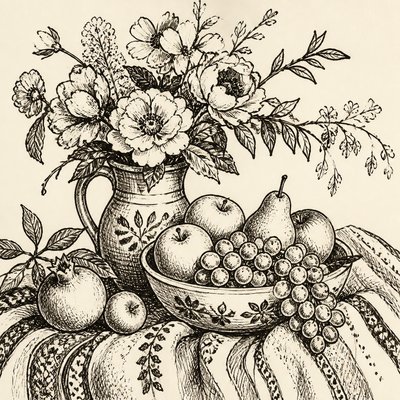
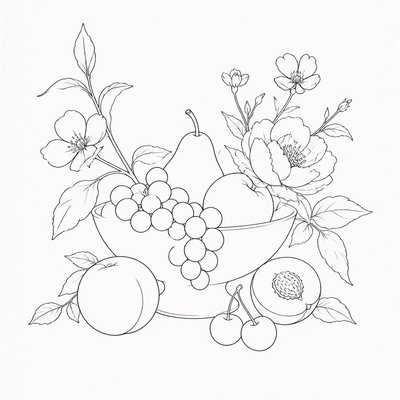
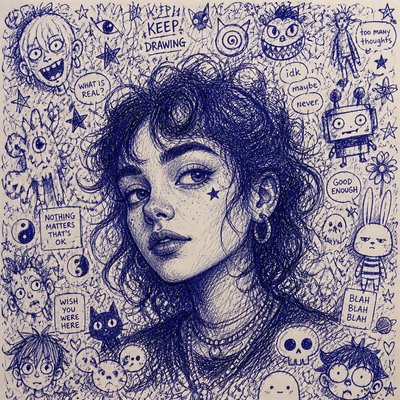
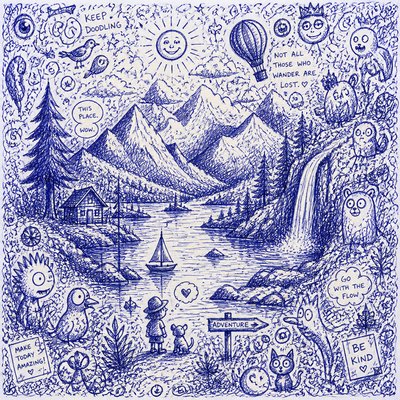
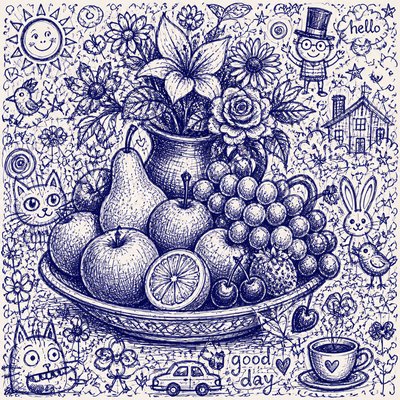
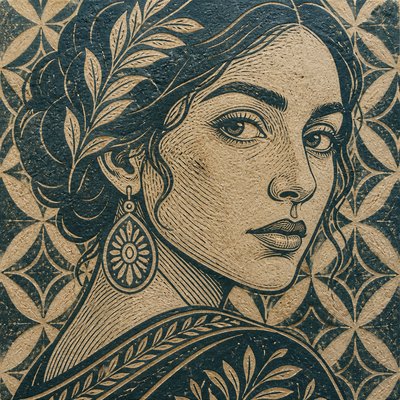
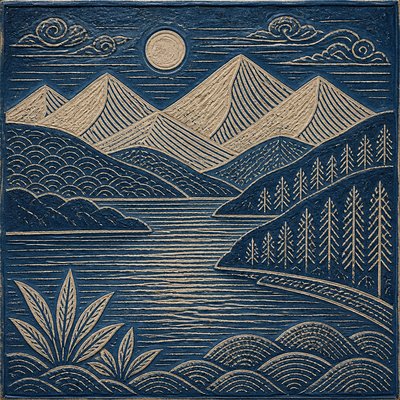
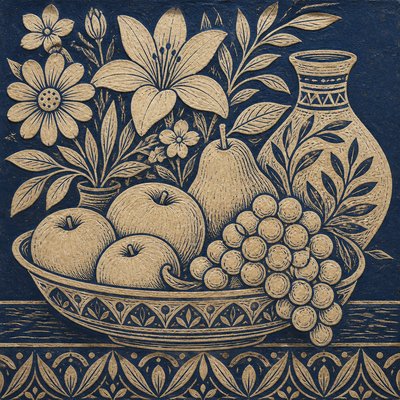
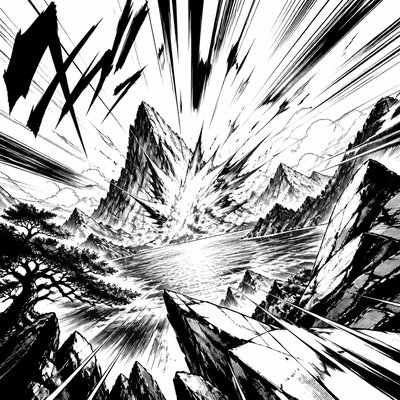
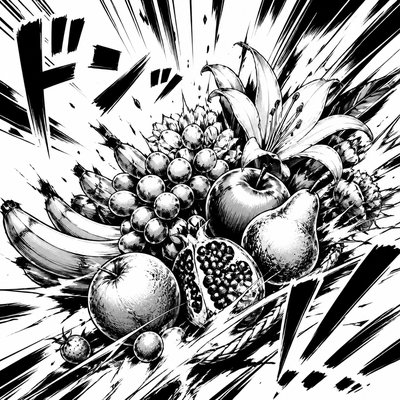
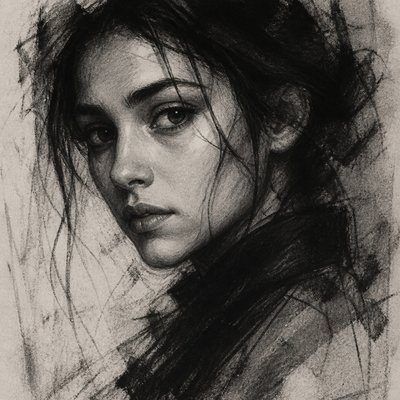
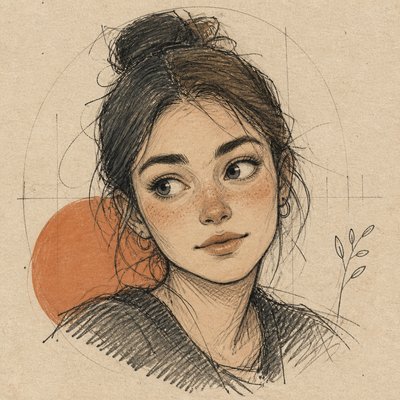
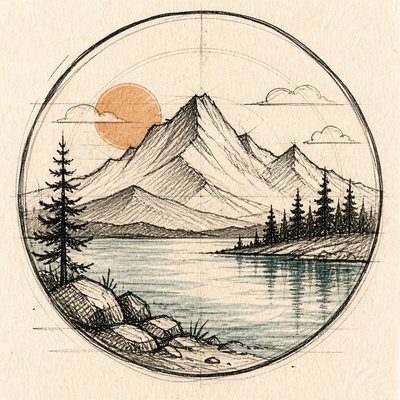
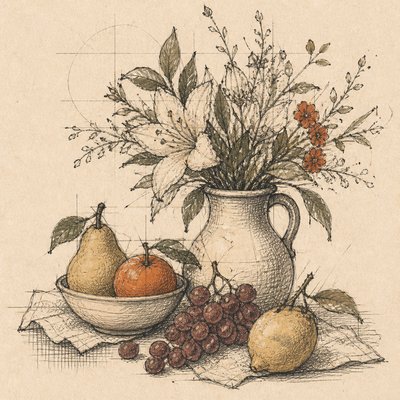
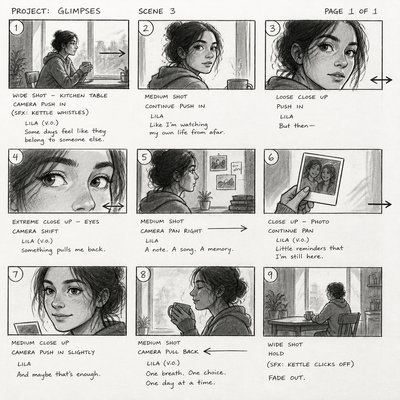
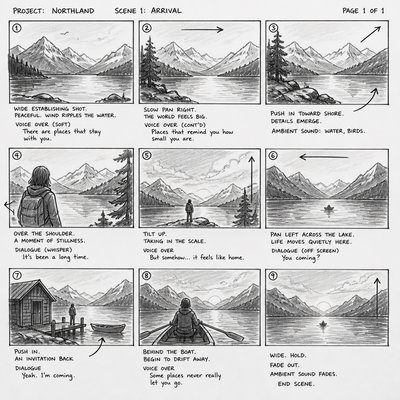
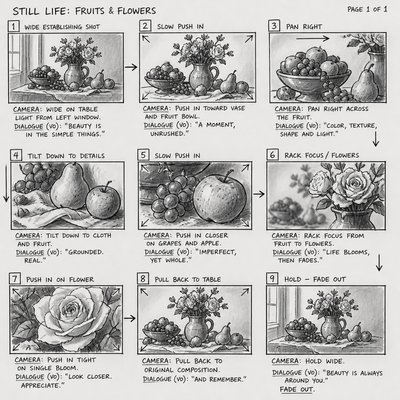
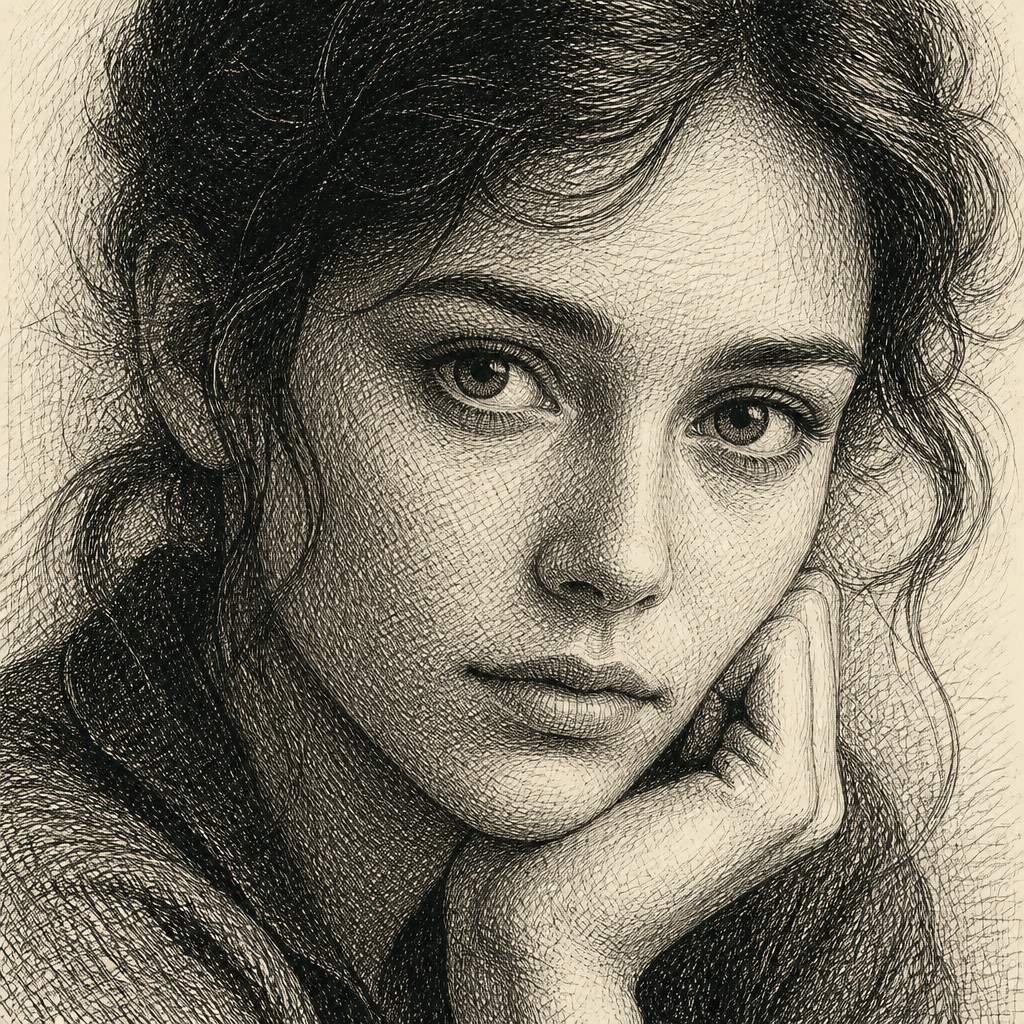
Cross-hatching drawing is a line-based method of representing shadow, volume, and texture through intersecting groups of strokes. Instead of filling a shape with solid pigment or smooth shading, the artist builds tone from layered lines placed at changing angles. Dense, closely spaced webs create deep blacks, while open spacing preserves the brightness of the paper.
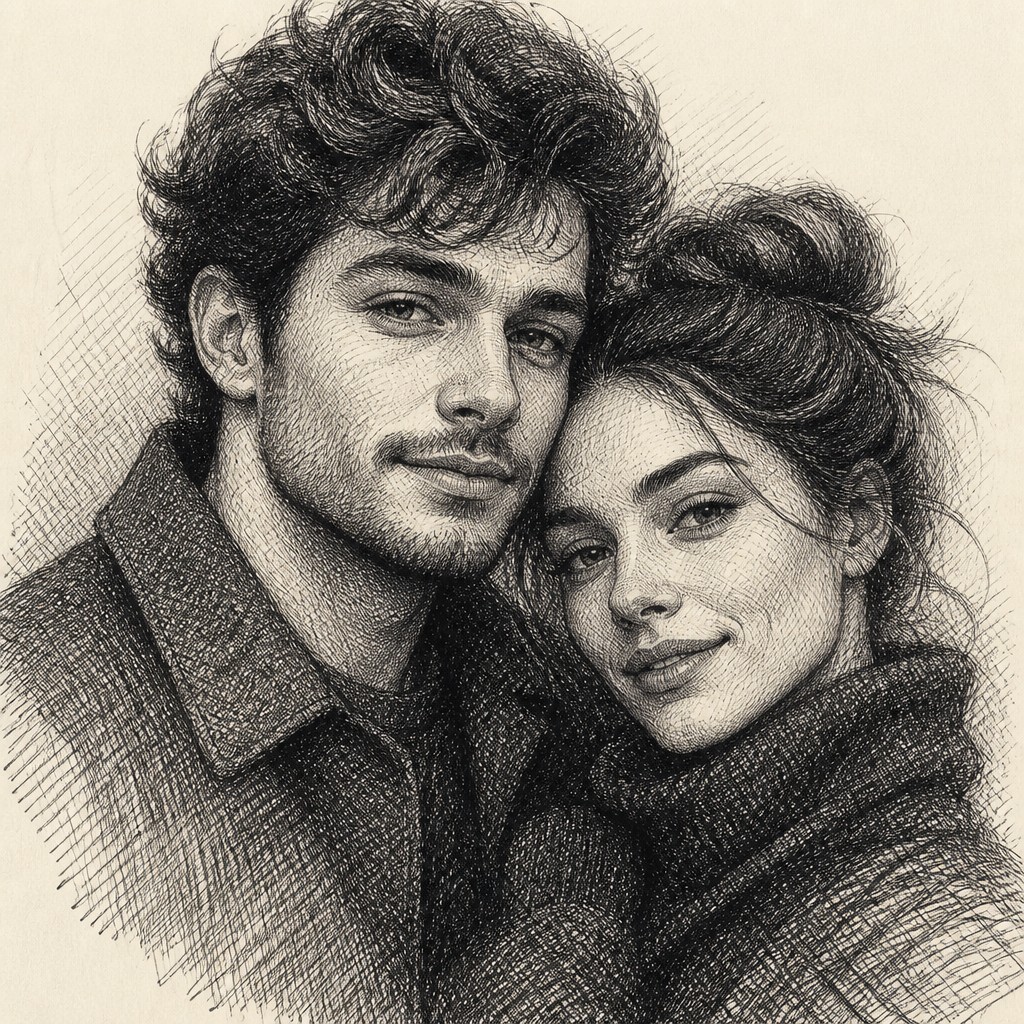
Try It On Your Photos
Upload any photo and convert it into Cross-Hatching Drawing Style — drag the sliders to compare before and after.
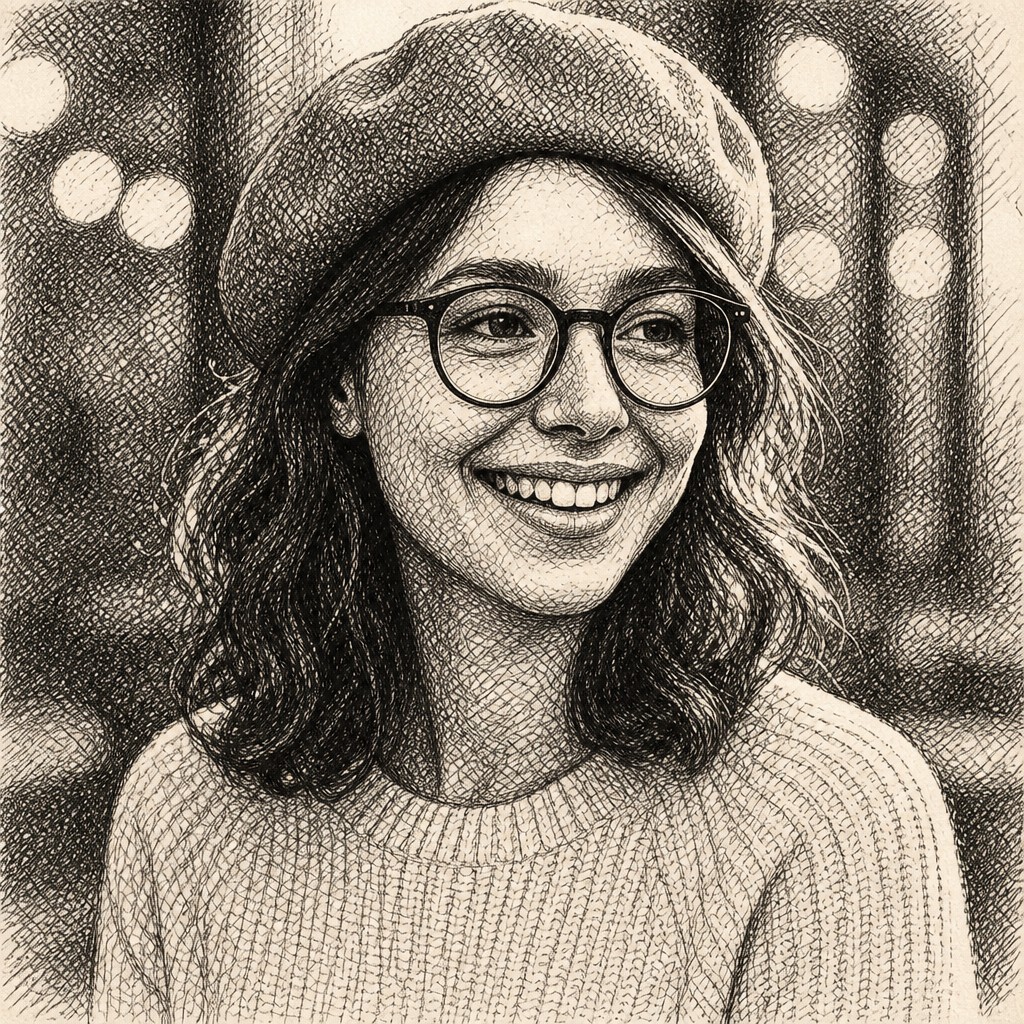

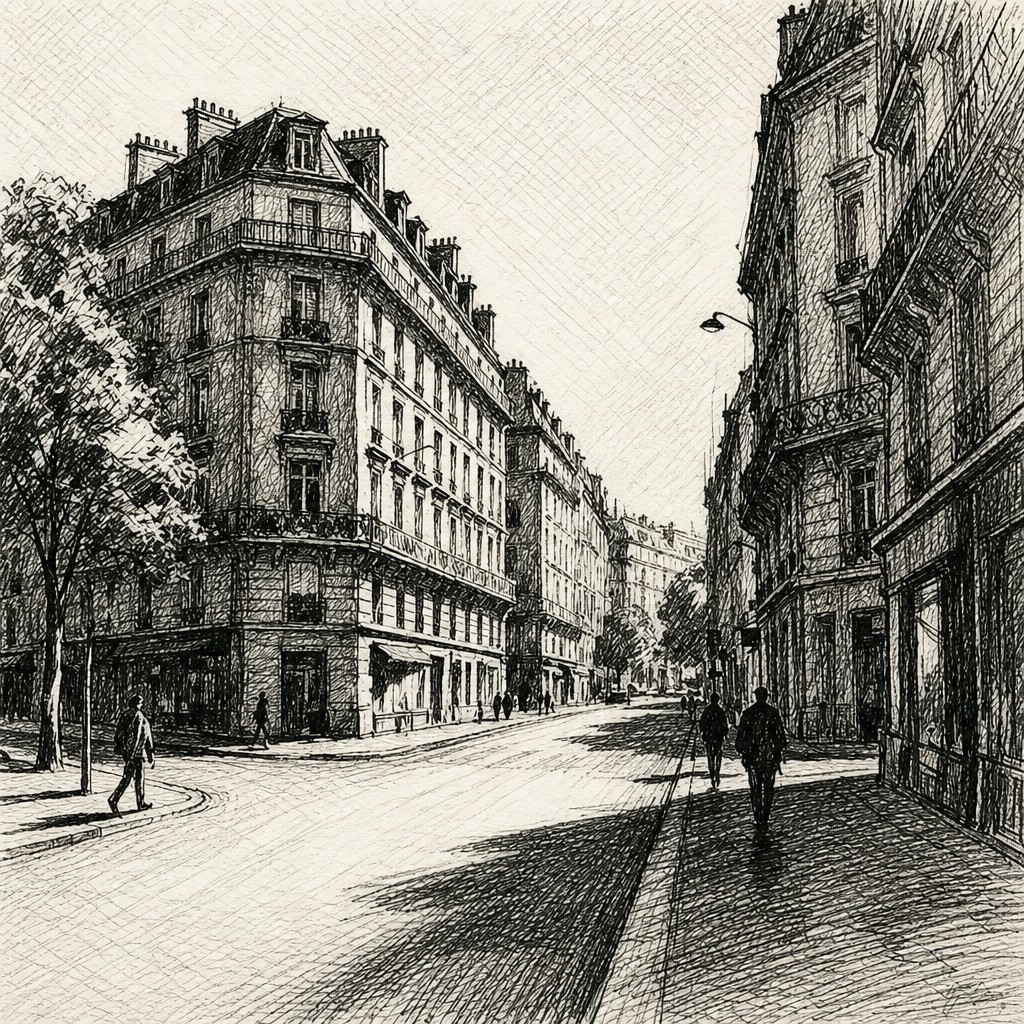

What Defines Cross-Hatching Drawing Style
The signature details, up close
Intersecting line networks
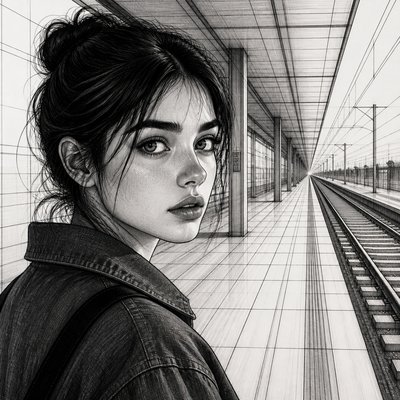
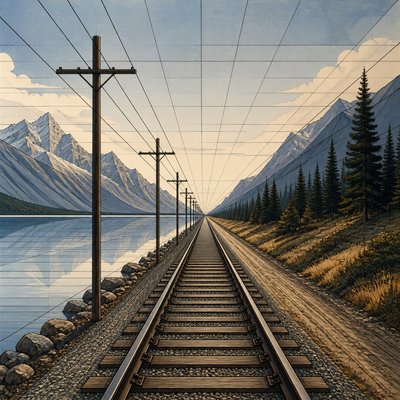
Multiple sets of parallel strokes cross one another to create woven tonal fields. Changes in angle, spacing, and direction keep the marks legible while increasing depth.
Tone built from density
Darkness is produced by accumulating lines rather than applying opaque blocks of ink. Tightly packed layers generate strong shadow, while sparse marks create intermediate values.
Luminous paper ground
Unmarked or lightly marked areas function as highlights. Cream, ivory, or warm white paper gives the image a dry, tactile presence and makes the darkest passages appear more dramatic.
Engraved precision
The style favors controlled, deliberate strokes with a printmaking-like clarity. Edges may be sharpened by directional hatching, while contour-following lines describe rounded or folded surfaces.
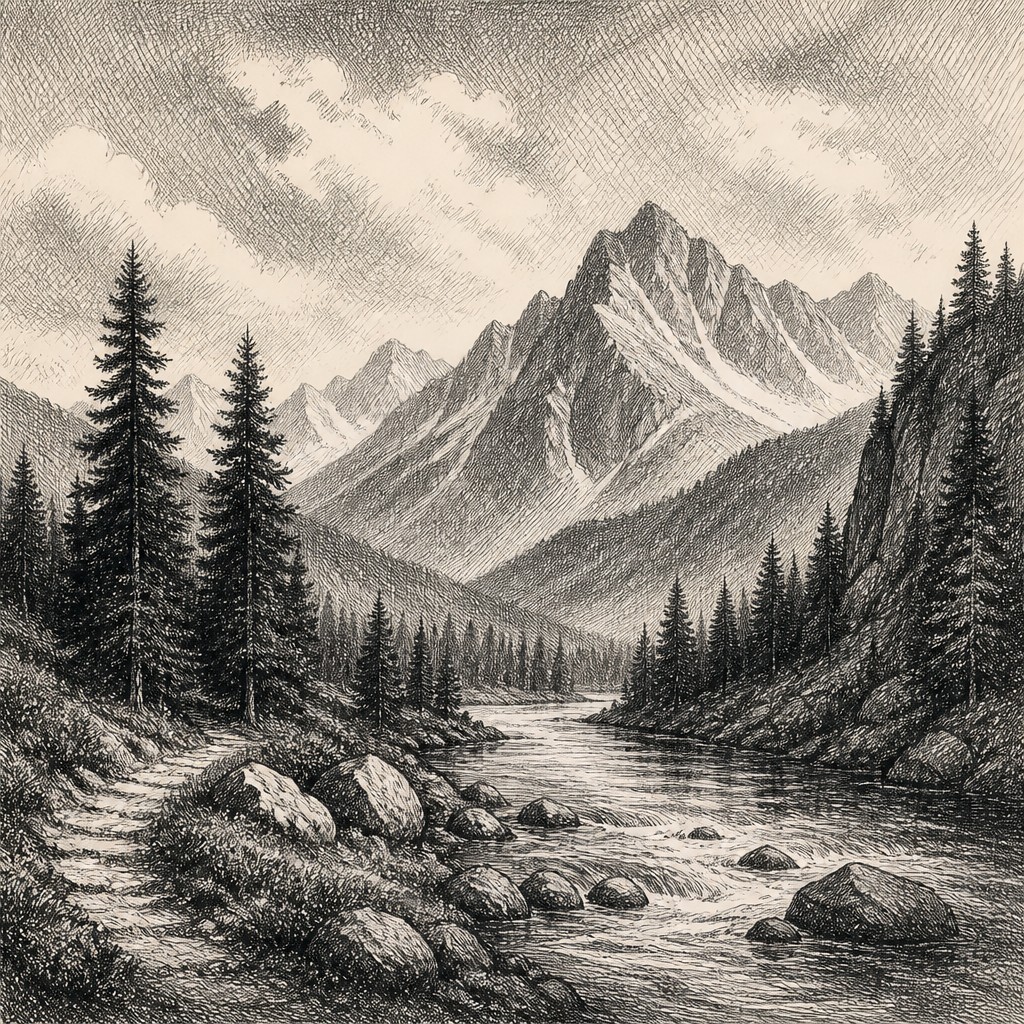
Directional modeling
The orientation of the lines often follows the structure of the subject. Curving hatches can describe anatomy, fabric, wood grain, clouds, or architectural surfaces without relying on smooth gradients.
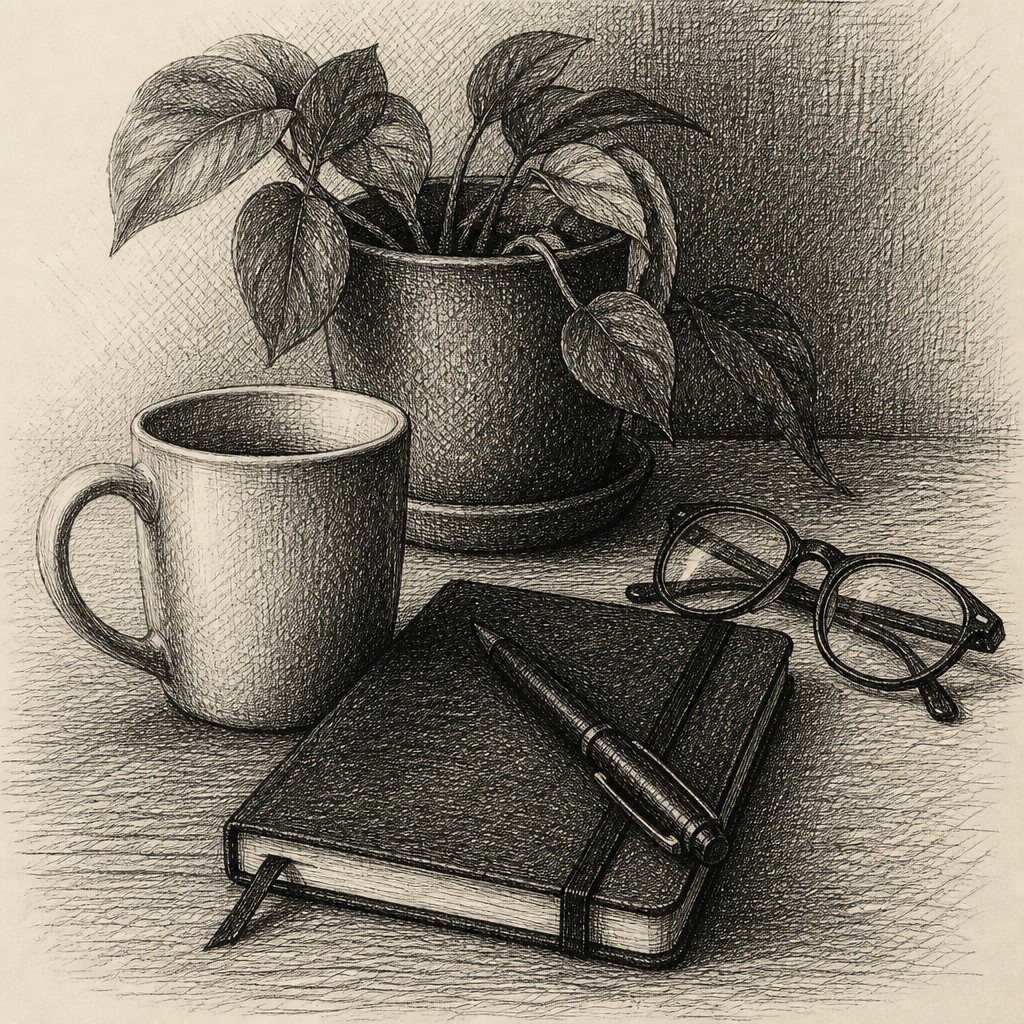
Tactile ink texture
Small variations in stroke weight, pressure, and spacing prevent the image from feeling mechanically flat. The resulting surface suggests pen, nib, drypoint, etching, or finely ruled illustration.
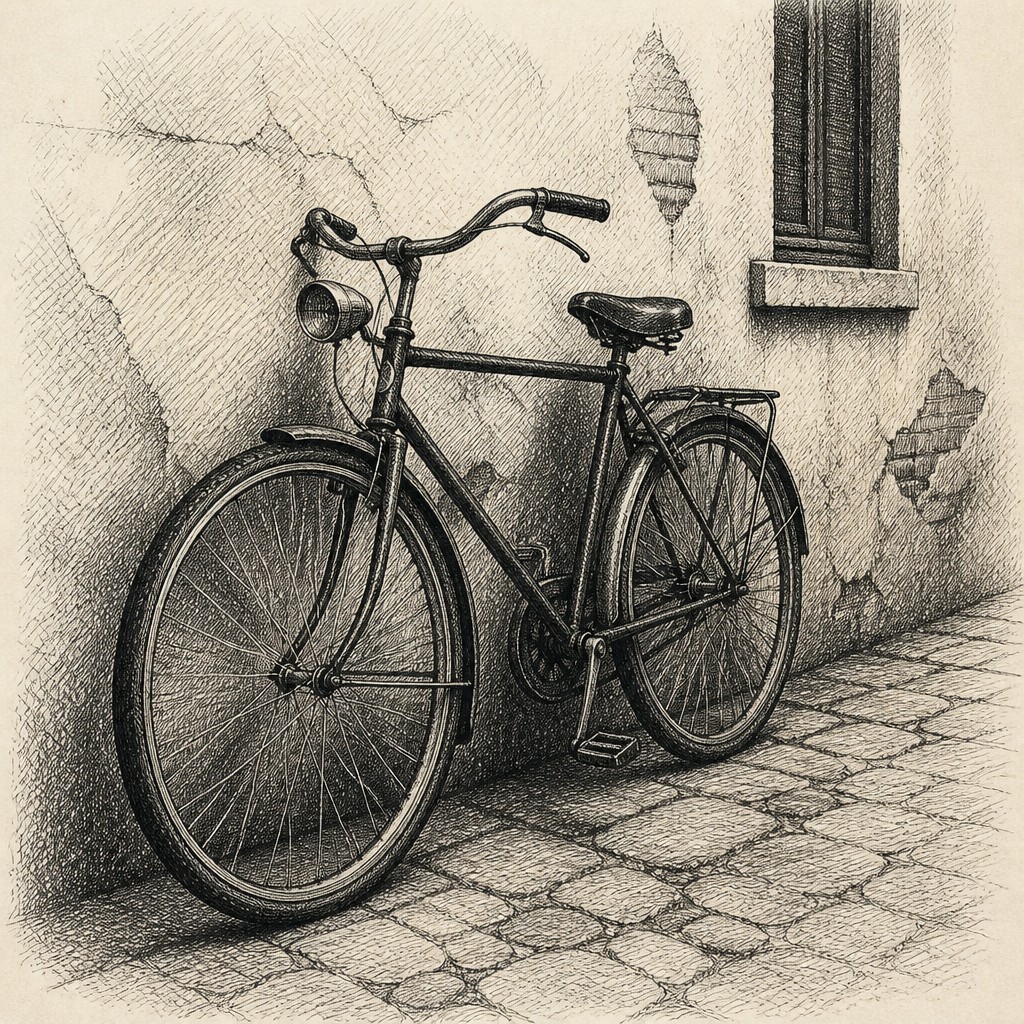
High-contrast organization
The strongest effects come from a carefully managed relationship between woven darks and sparkling whites. Midtones connect these extremes through successive layers of crossing marks.
Try It
Create Videos in Cross-Hatching Drawing Style
Styles aren't just for stills — describe a scene or animate an image and get a short video rendered in Cross-Hatching Drawing. Press play to see this pond come to life.
Make a VideoCross-Hatching Drawing Prompt Ideas
Start from an idea — each one opens the generator with the style ready to go. See all 40 Cross-Hatching Drawing prompts →
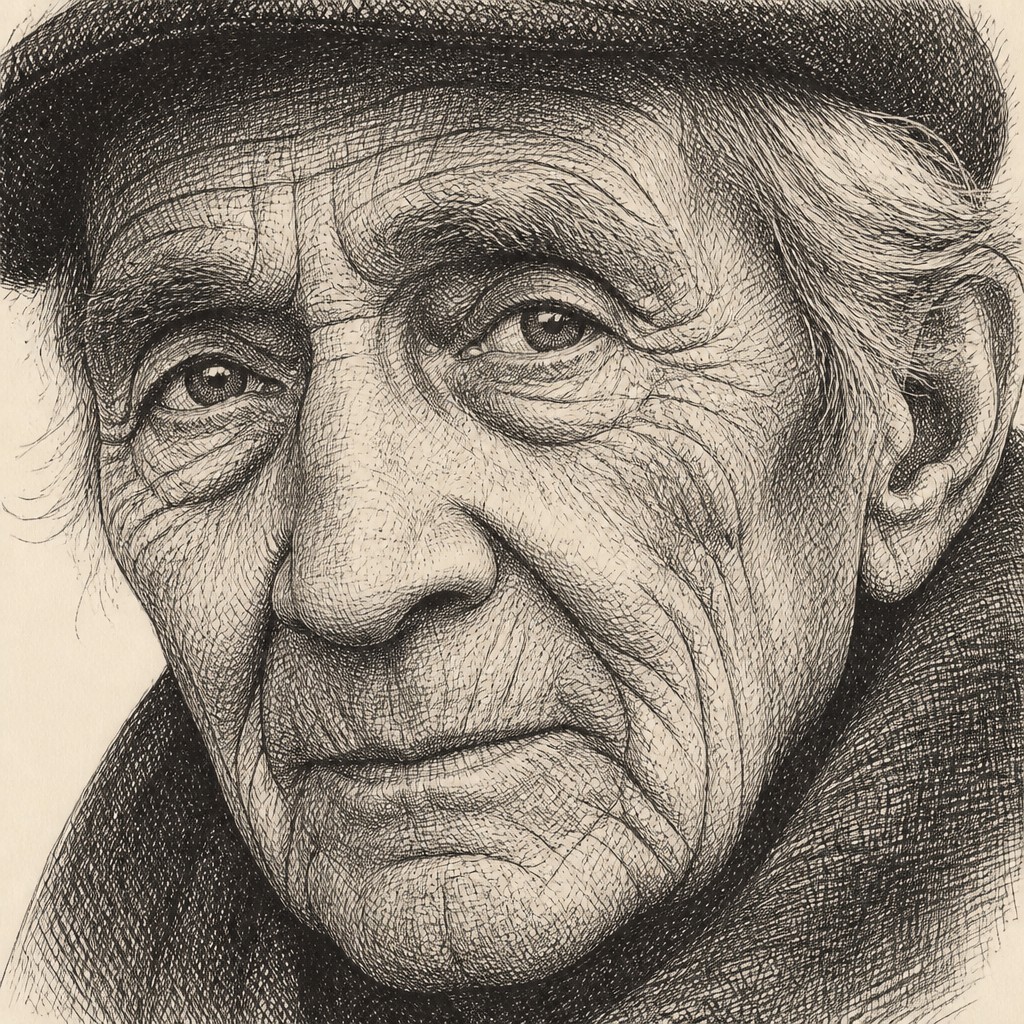
“close-up portrait of an elderly person with expressive weathered features”
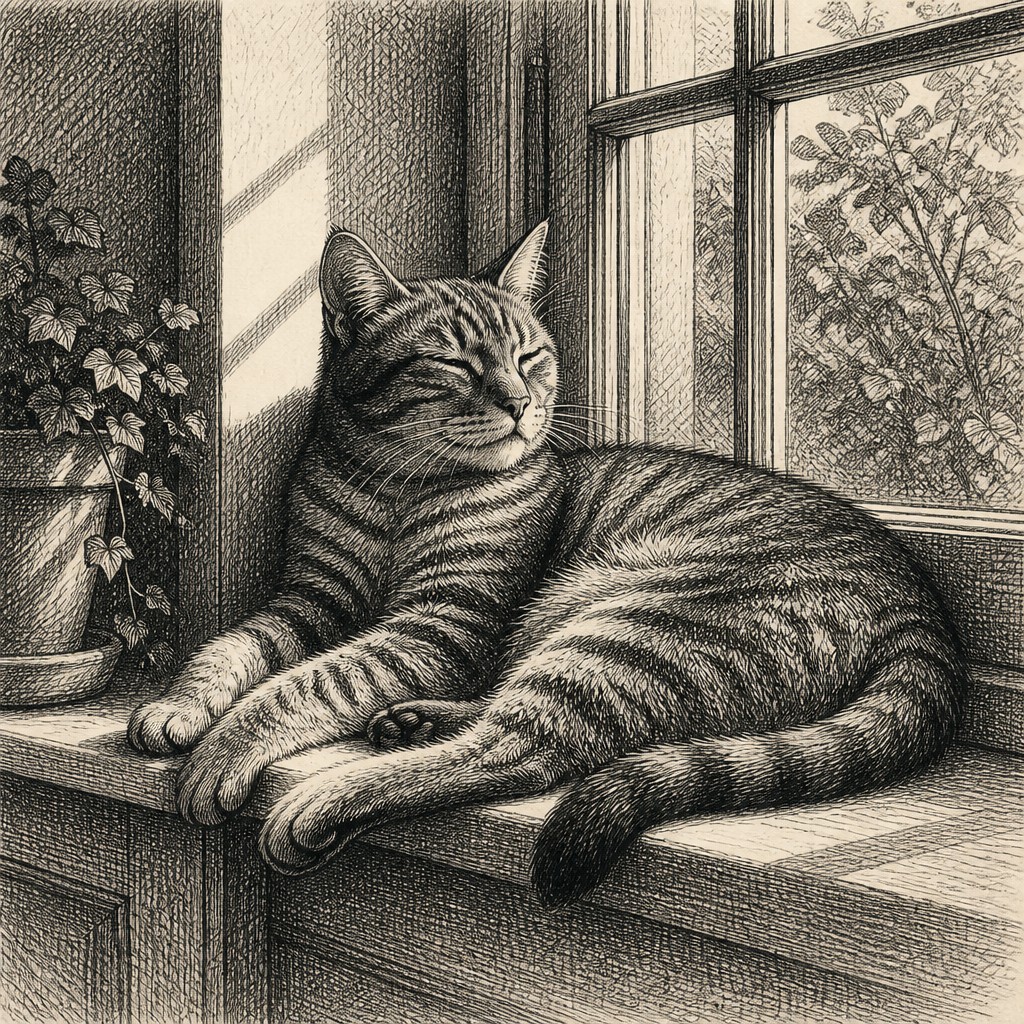
“a cat lounging in a sunlit window”
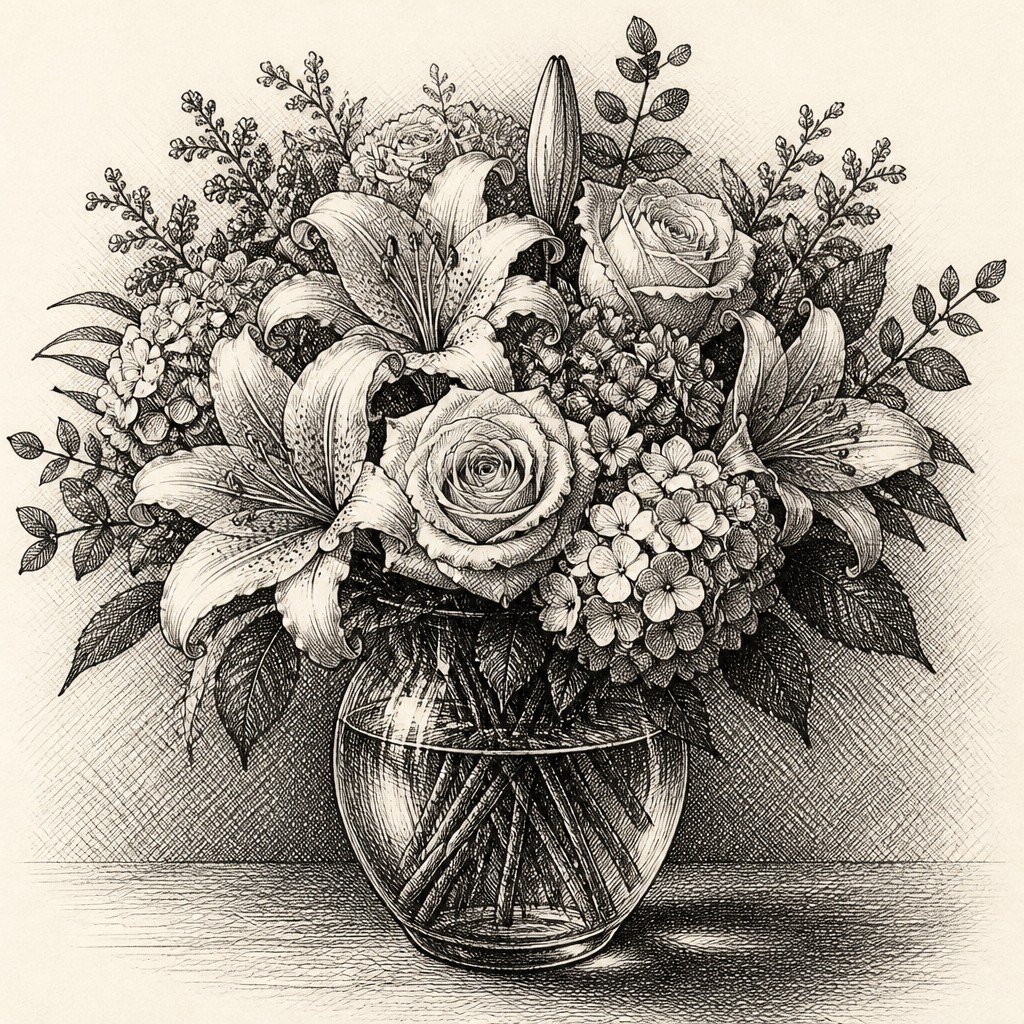
“bouquet of flowers in a glass vase”
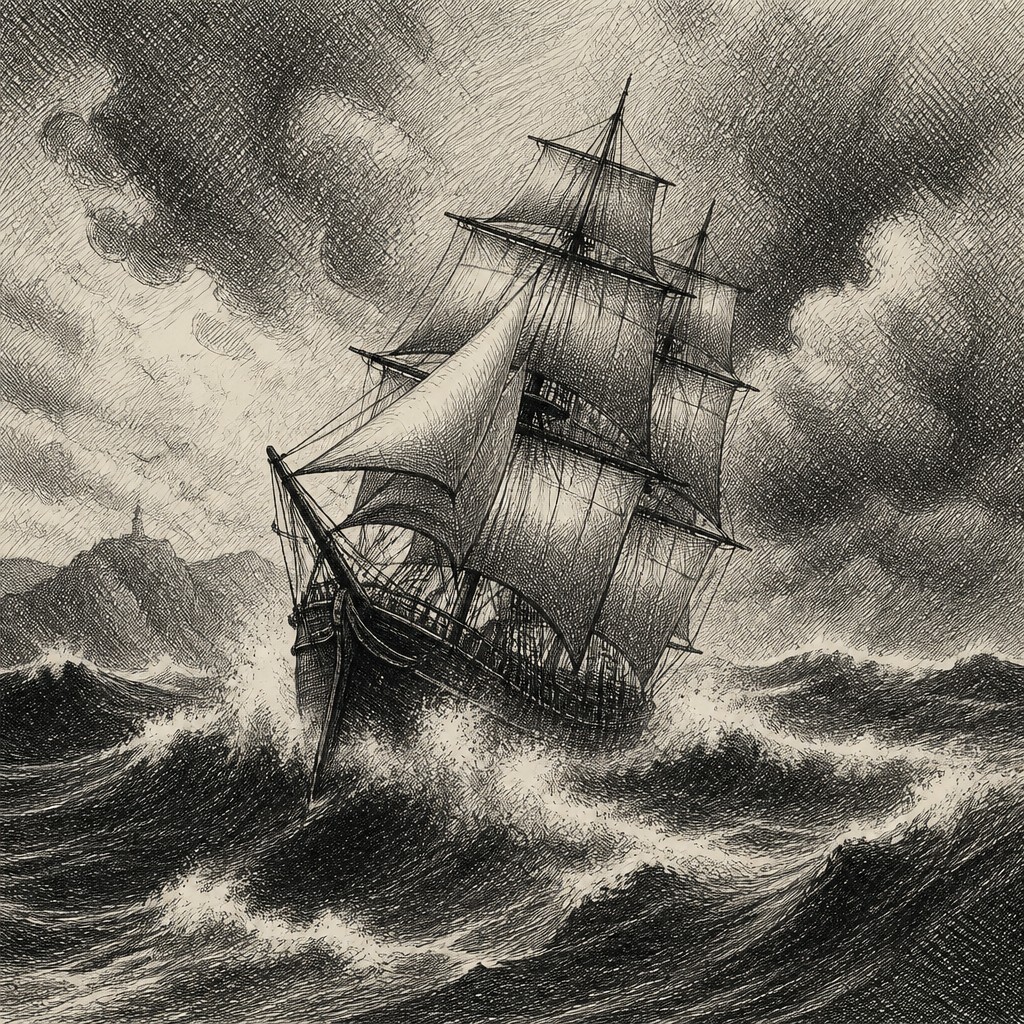
“sailing ship on a stormy sea”
How to Create Cross-Hatching Drawing Art
Master the craft step by step — or skip straight to creating. Read the full guide →
- 1
Establish the contour first
Begin with a light structural drawing and identify the major planes of the subject. Use the first hatch direction to describe form, not merely to fill empty space.
- 2
Build values in layers
Start with widely spaced strokes for light tones, then add crossing layers only where the subject turns away from the light. Reserve the densest intersections for the deepest shadows.
- 3
Vary line direction and pressure
Follow the curvature of rounded objects and use straighter systems for rigid surfaces. Adjust spacing, thickness, and pressure to distinguish material and avoid uniform visual noise.
- 4
Preserve the paper
Treat the untouched ground as an active part of the composition. Cream or warm white paper, restrained outlines, and carefully protected highlights help retain the characteristic luminous contrast.
- 5
Work digitally with brush discipline
Use a textured ink brush, separate layers for hatch directions, and masks or erasers to control edges. Locking stroke angles to a few related families can produce a convincing engraved rhythm.
- 6
Write precise generation prompts
Specify intersecting line webs, shifting hatch angles, ink on cream paper, engraved precision, controlled tonal gradients, and preserved paper highlights. Add the subject, lighting direction, material, and composition so the line system has clear forms to describe.
The Story
History & Origins of Cross-Hatching Drawing
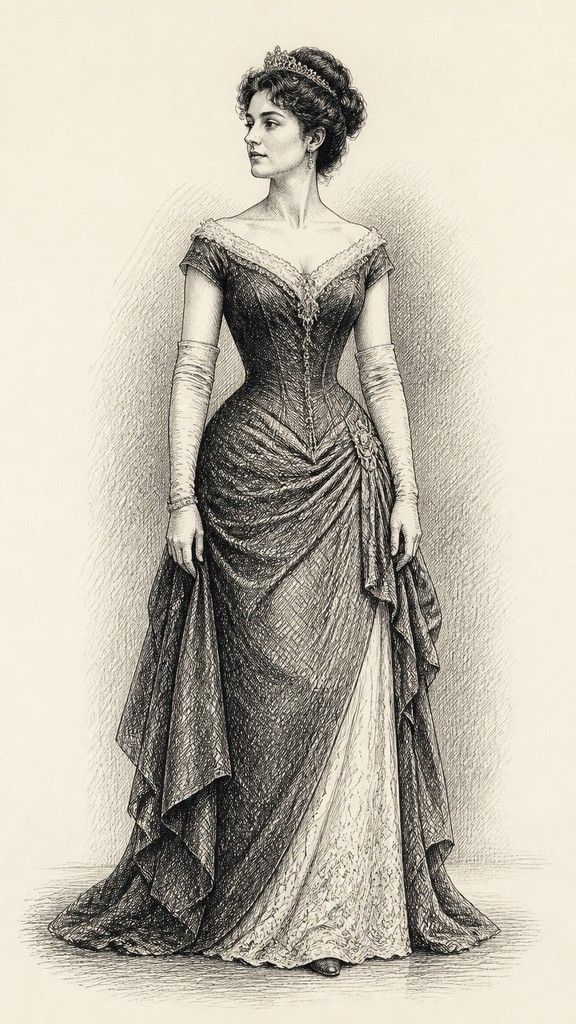
Cross-hatching is a technique rather than a single historical movement. Its visual lineage runs through European manuscript drawing, pen-and-ink studies, engraving, etching, and woodcut, where artists needed to describe form using reproducible marks rather than broad painted surfaces. By the early modern period, intersecting strokes had become a standard part of graphic art and printmaking vocabularies.
Influences: The style draws from European engraving and etching, woodcut illustration, pen-and-ink natural-history plates, manuscript marginalia, architectural drafting, and nineteenth-century newspaper and book illustration. It also relates to comic-book inking, scientific visualization, and contemporary scratchboard, all of which use directional marks and controlled density to turn line into volume.
Frequently Asked Questions
What defines cross-hatching drawing?
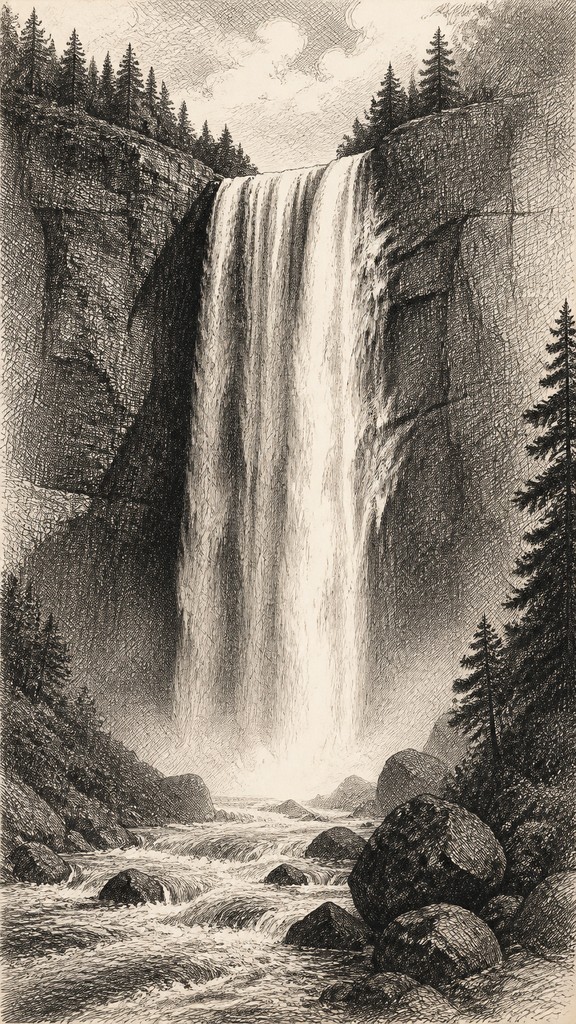
Its defining feature is tonal modeling through intersecting sets of lines. The artist controls value with stroke density, spacing, angle, and layering while leaving selected areas of paper unmarked for highlights.
Is cross-hatching a historical art movement?
No. Cross-hatching is a technique and visual language used across many periods and media. It is strongly associated with printmaking, pen-and-ink illustration, engraving, etching, and other forms of graphic art.
How is cross-hatching different from regular hatching?
Regular hatching generally uses parallel lines to suggest tone or direction. Cross-hatching adds one or more intersecting line systems, allowing darker values and more complex modeling while retaining a visible linear texture.
What materials are used for traditional cross-hatching?
Common materials include dip pens, technical pens, fine brushes, graphite, charcoal, and ink on paper. Engraving, etching, woodcut, and scratchboard create related effects through incised or printed marks rather than directly drawn lines.
How can beginners make cross-hatching look convincing?
Begin with simple forms such as spheres, cylinders, and cubes, and practice changing line density gradually. Keep the first layer aligned with the form, add crossing layers selectively, and avoid making every area equally dark.
Where is this visual language commonly used?
It appears in editorial illustration, comics, book illustration, maps, architectural drawings, scientific plates, concept art, and reproduction-oriented printmaking. It is especially useful when an image needs strong tonal detail without color.
Create your first Cross-Hatching Drawing artwork
Describe anything — or upload a photo — and see it in Cross-Hatching Drawing Style in seconds.
Related Styles
Discover similar art styles