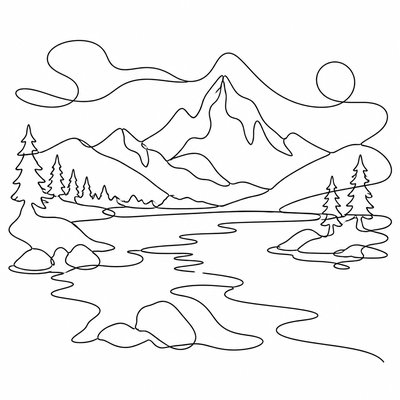
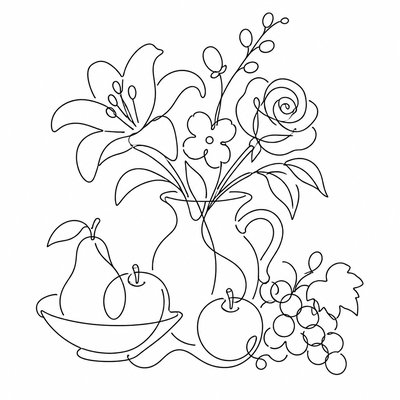
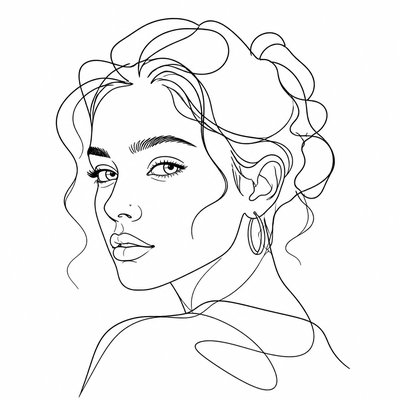
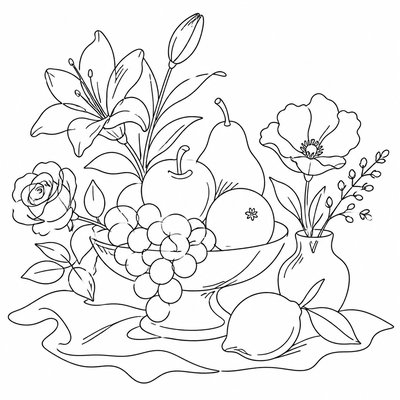
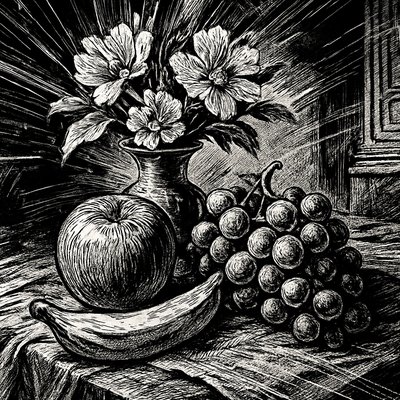
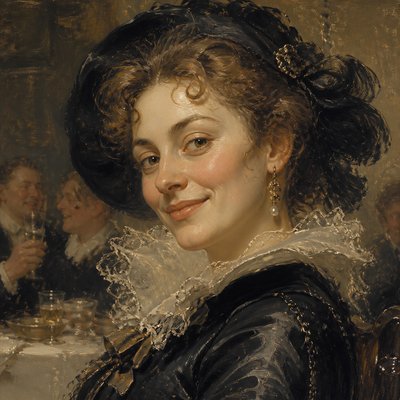
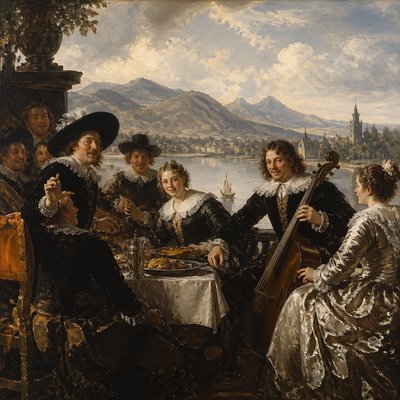
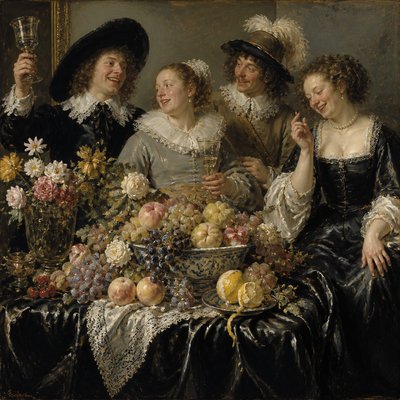
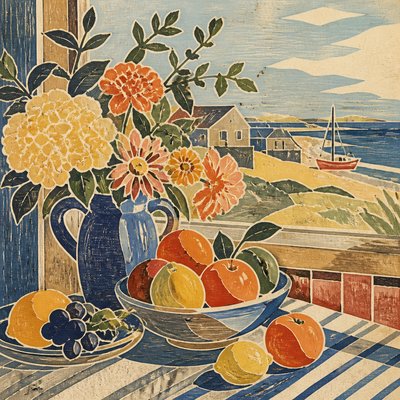
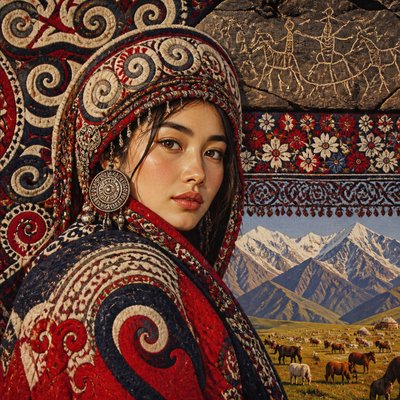
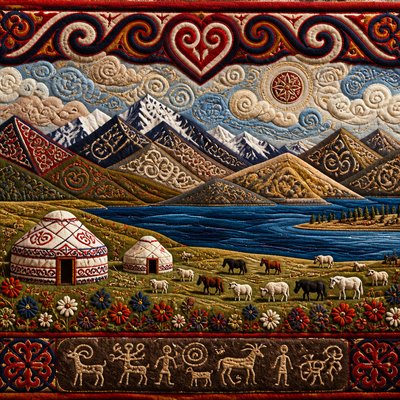
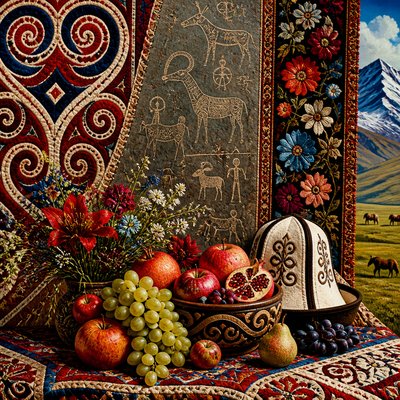
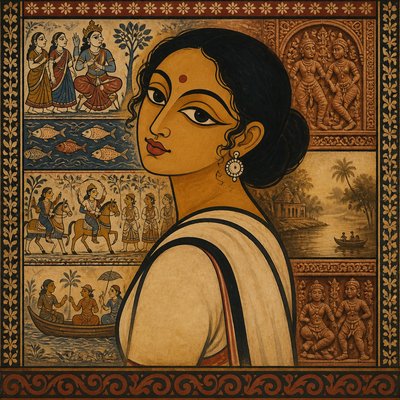
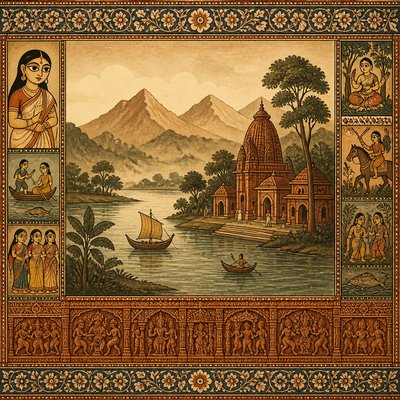
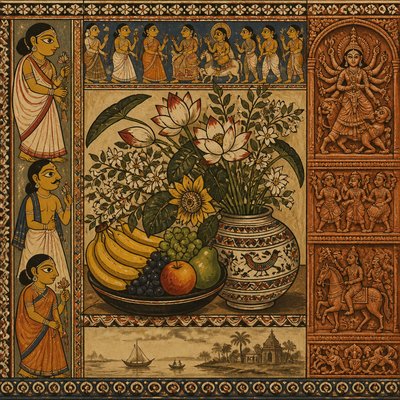
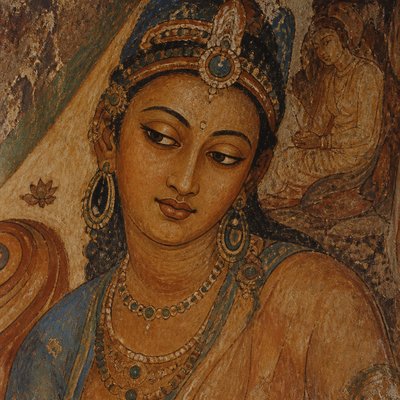
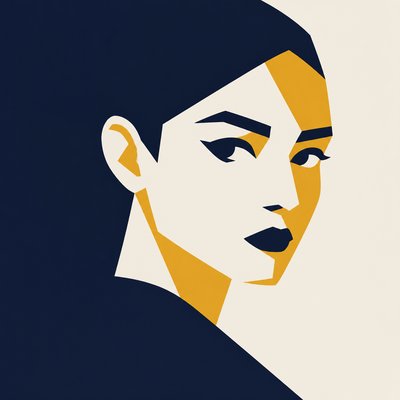
Minimalist Line Portrait Style
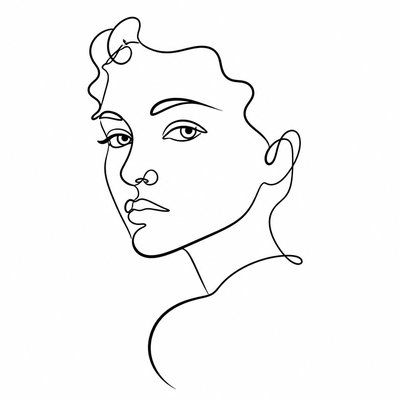
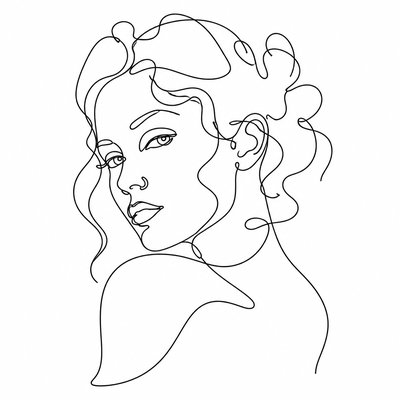
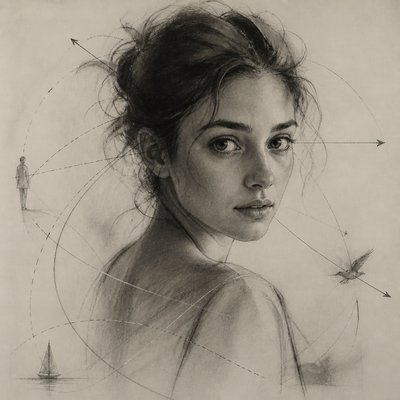
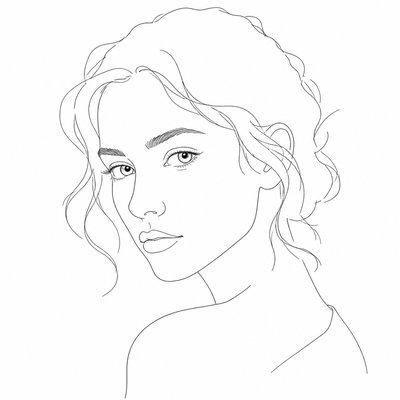
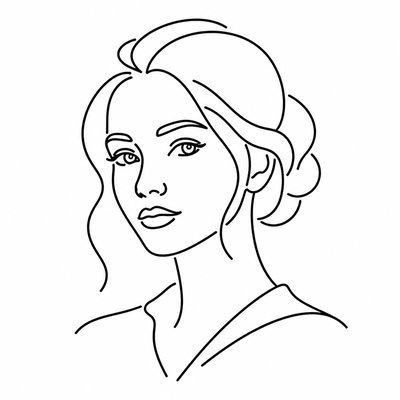
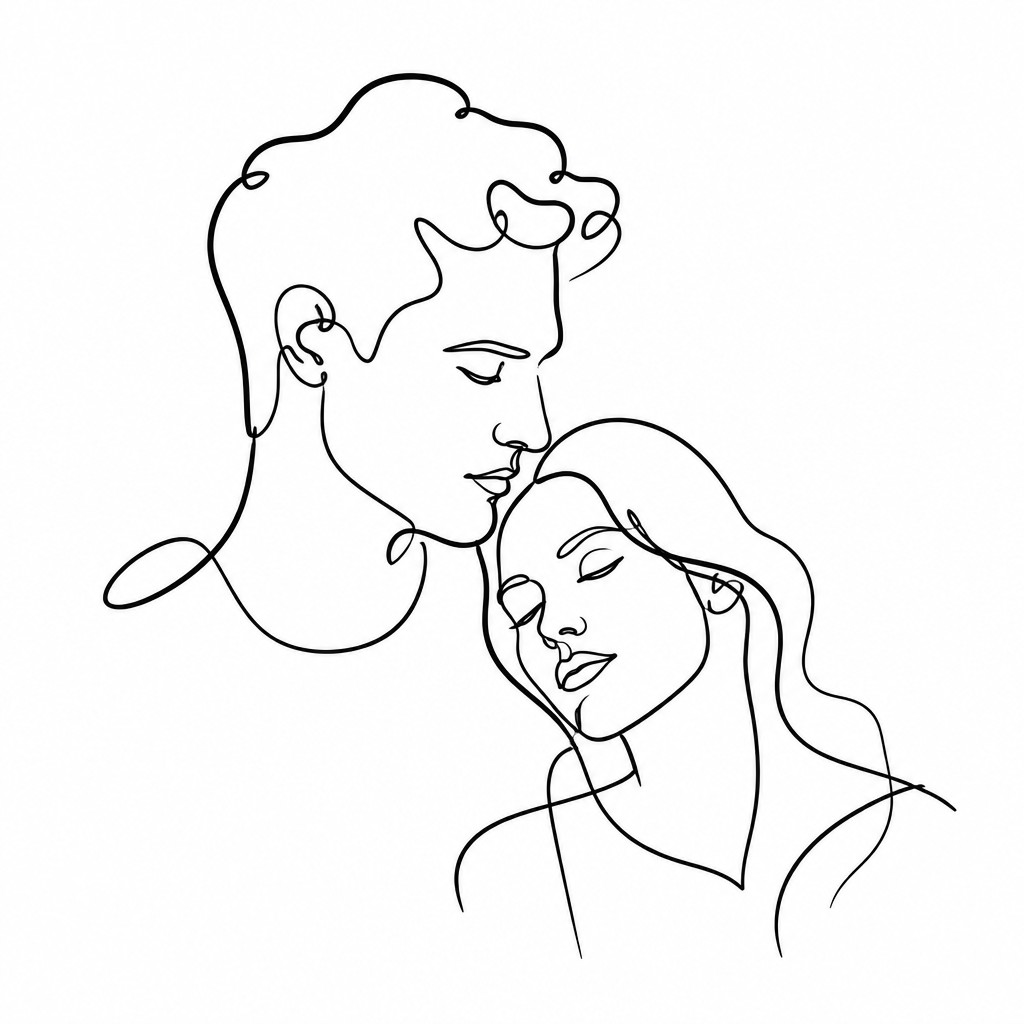
Minimalist line portrait style: elegant single-line portraits with sparse marks, strong contour, and expressive economy.
Instantly rendered in Minimalist Line Portrait — or transform a photo
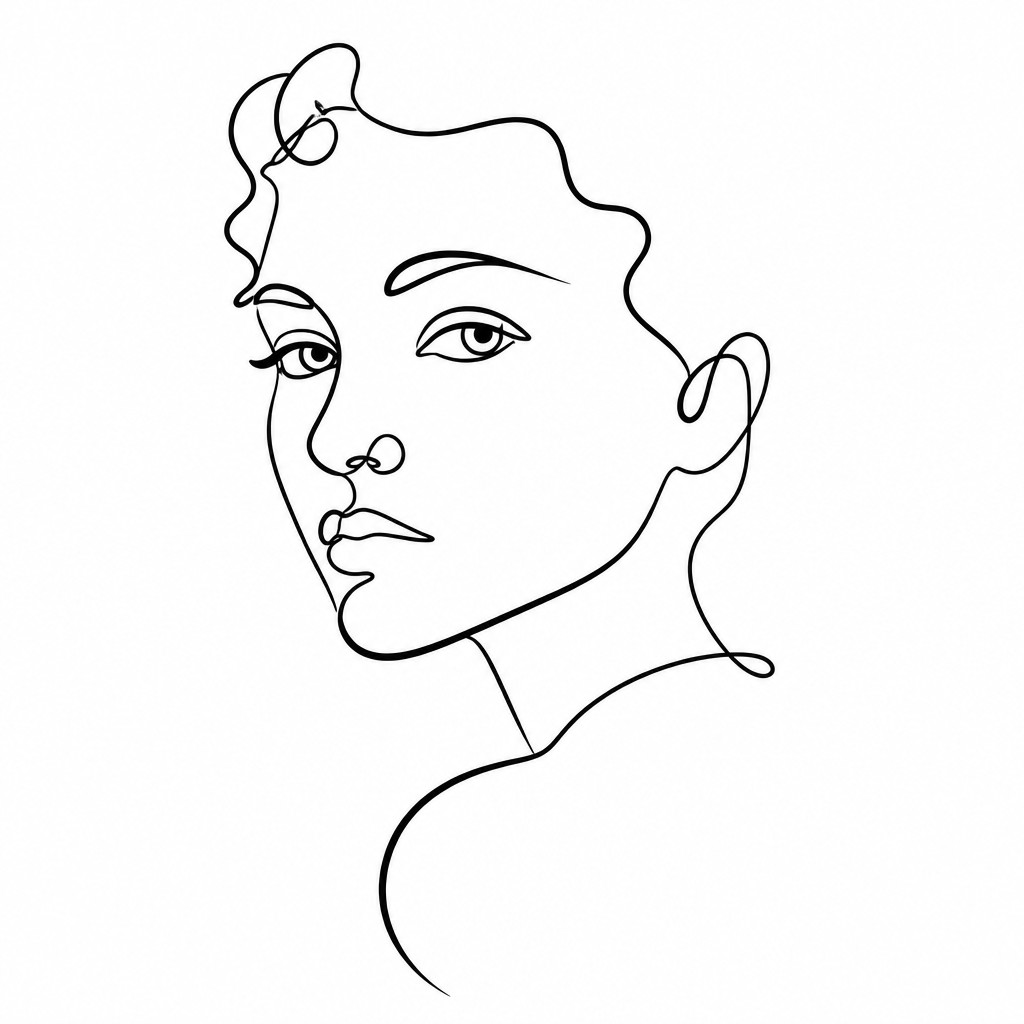
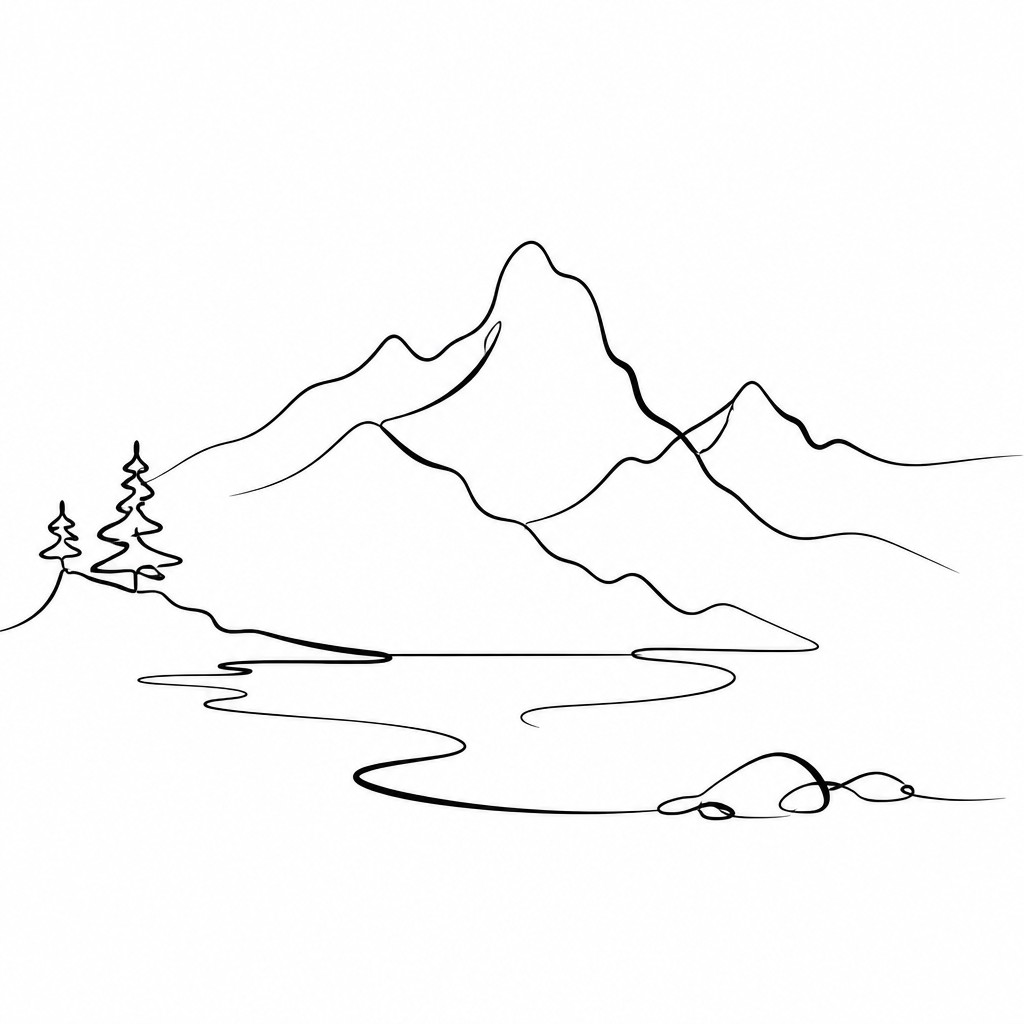
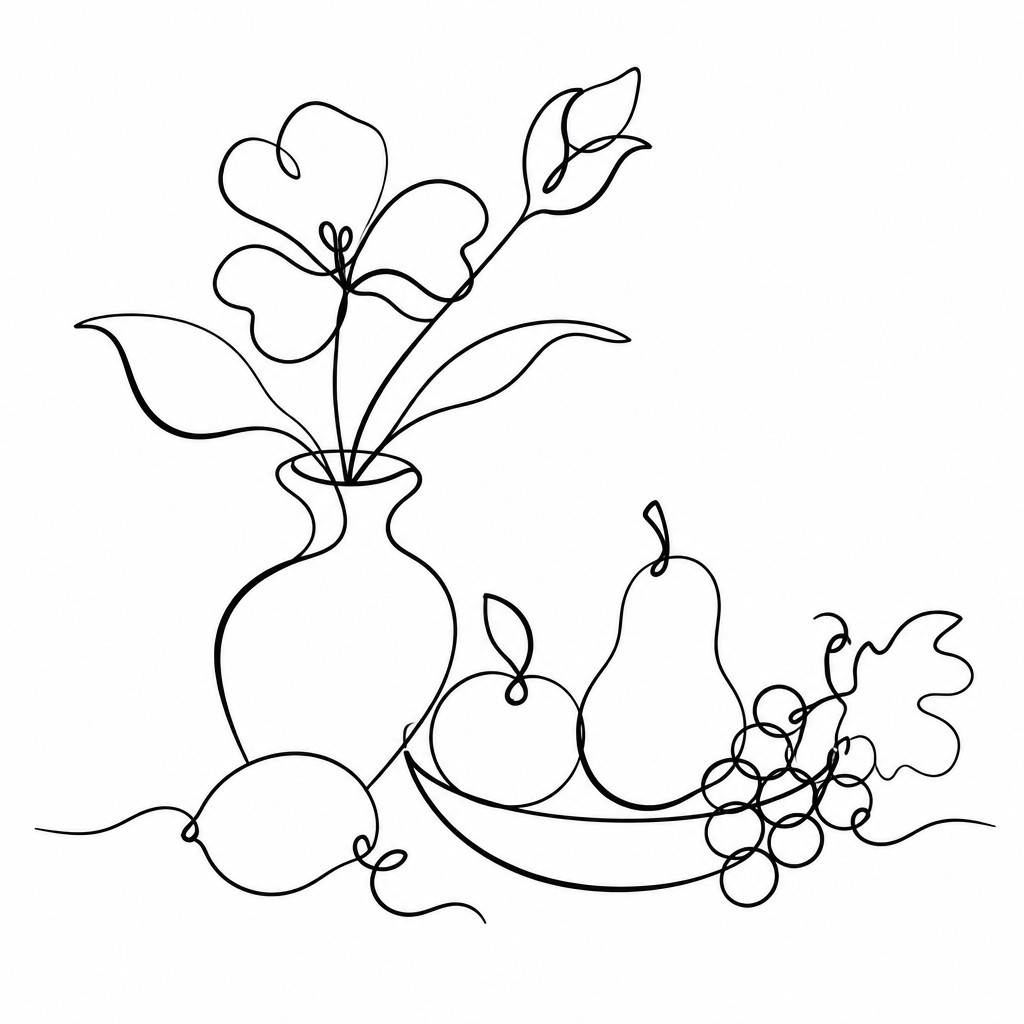
Minimalist Line Portrait Gallery
Tap any artwork to explore it
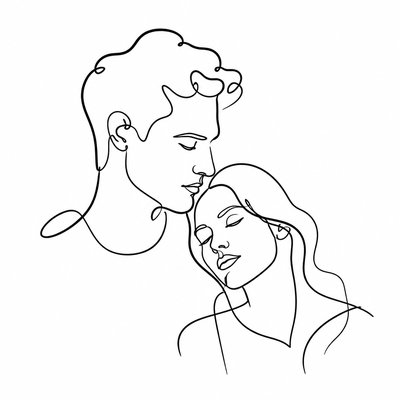
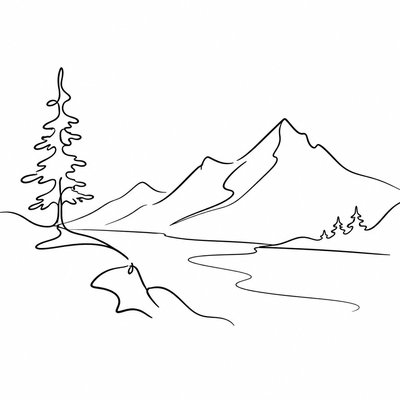
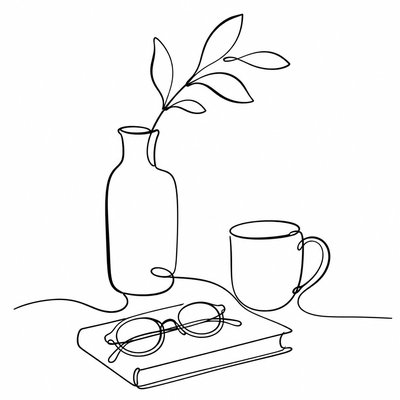
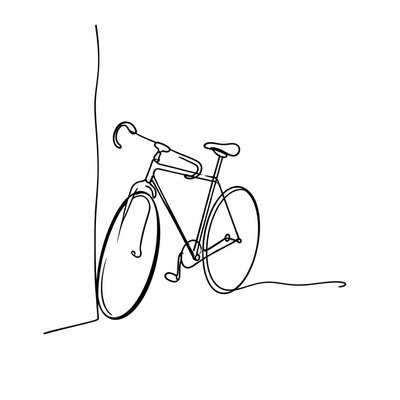
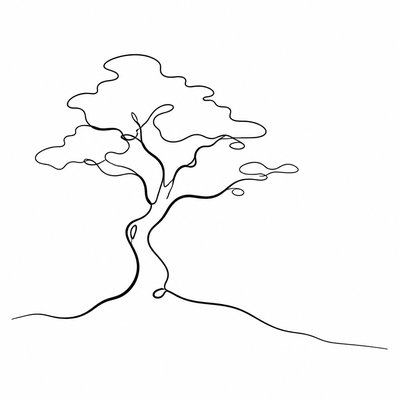
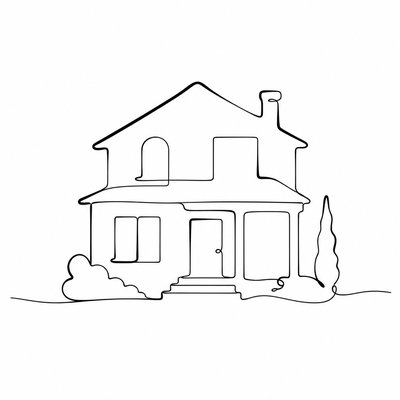
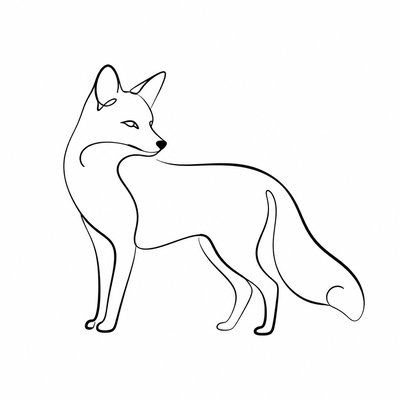
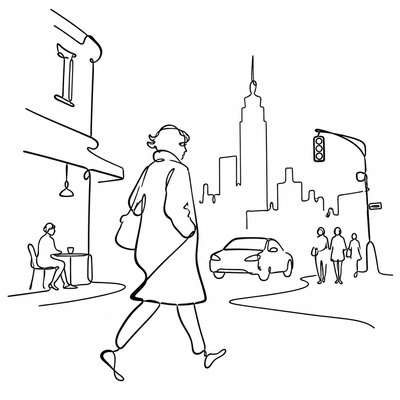
What is Minimalist Line Portrait Style?
Minimalist line portrait style is a portrait mode built from reduction: a face, figure, or profile is distilled to its most essential contours and gestures, often in a single uninterrupted line. Instead of relying on modeling, shading, or color, it uses the placement, pressure, and rhythm of line to suggest likeness, mood, and character. The result is spare but legible, with negative space doing much of the visual work.
Its appeal comes from restraint. By omitting secondary detail, the style heightens attention to pose, expression, and the emotional quality of a contour. A small shift in line weight or a carefully placed break can change the entire reading of the portrait, making the style feel intimate, modern, and contemplative.
Try It On Your Photos
Upload any photo and convert it into Minimalist Line Portrait Style — drag the sliders to compare before and after.
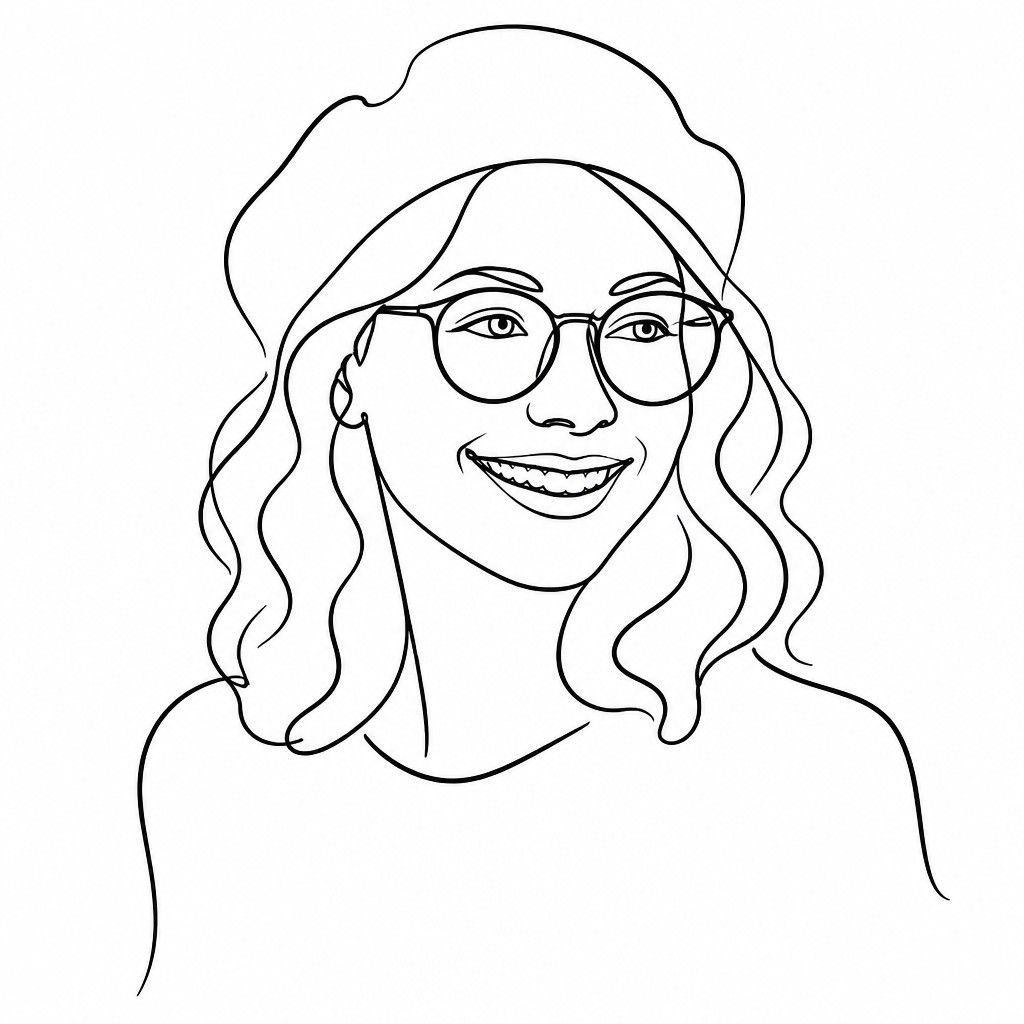

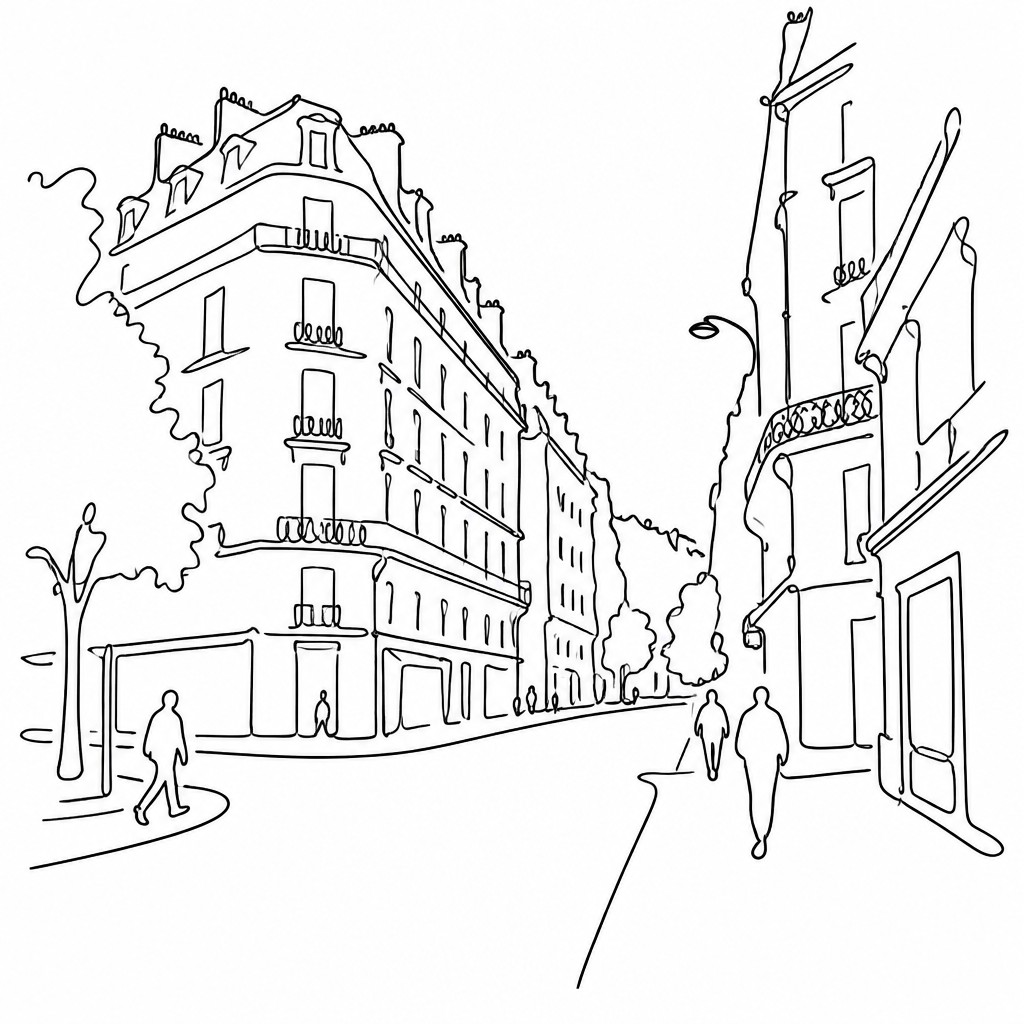

What Defines Minimalist Line Portrait Style
The signature details, up close
Single continuous contour
Many works are built from one unbroken line that traces the essential anatomy of the face or figure. The continuity of the line creates a sense of flow and unity, even when the subject is highly simplified.
Selective detail
Only the most necessary features are included, such as the bridge of the nose, eyelids, lips, or hairline. Omitted information is not a flaw but a design choice that invites the viewer to complete the image mentally.
Strong use of negative space
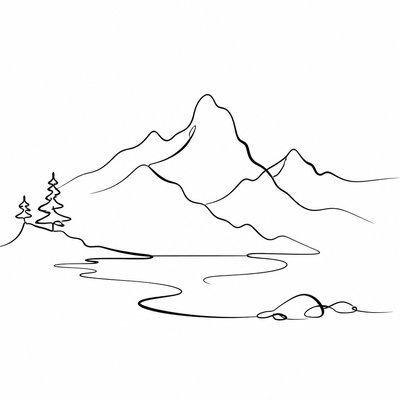
Empty white space is as important as the drawn line. The surrounding blank field isolates the portrait and gives it clarity, calm, and a gallery-like openness.
Variable line weight
The line often swells and narrows, producing a sense of pressure, rhythm, and emphasis. This variation helps suggest volume, movement, and emotional nuance without shading.
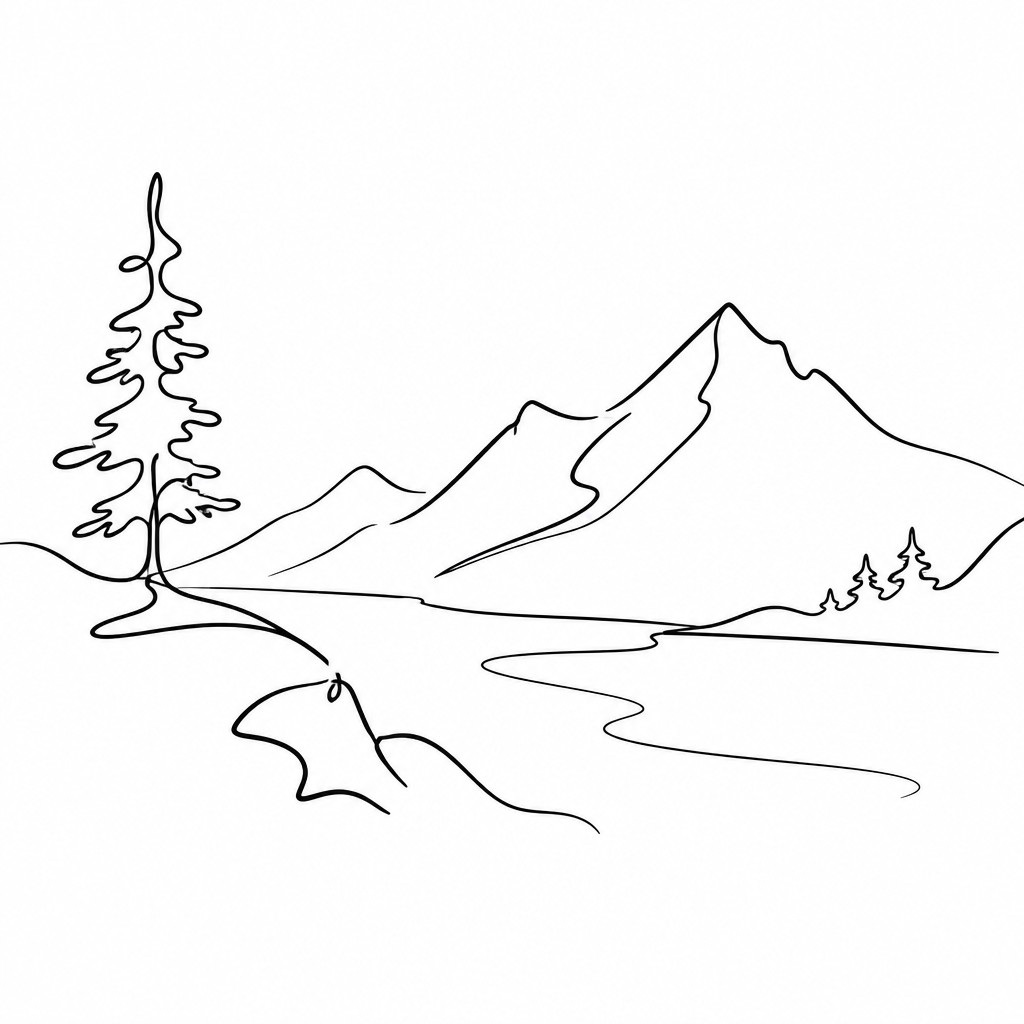
Contour-led likeness
Recognition comes from the silhouette of the face, the arc of the jaw, or the tilt of the head rather than detailed anatomy. The style depends on accurate simplification rather than decorative excess.
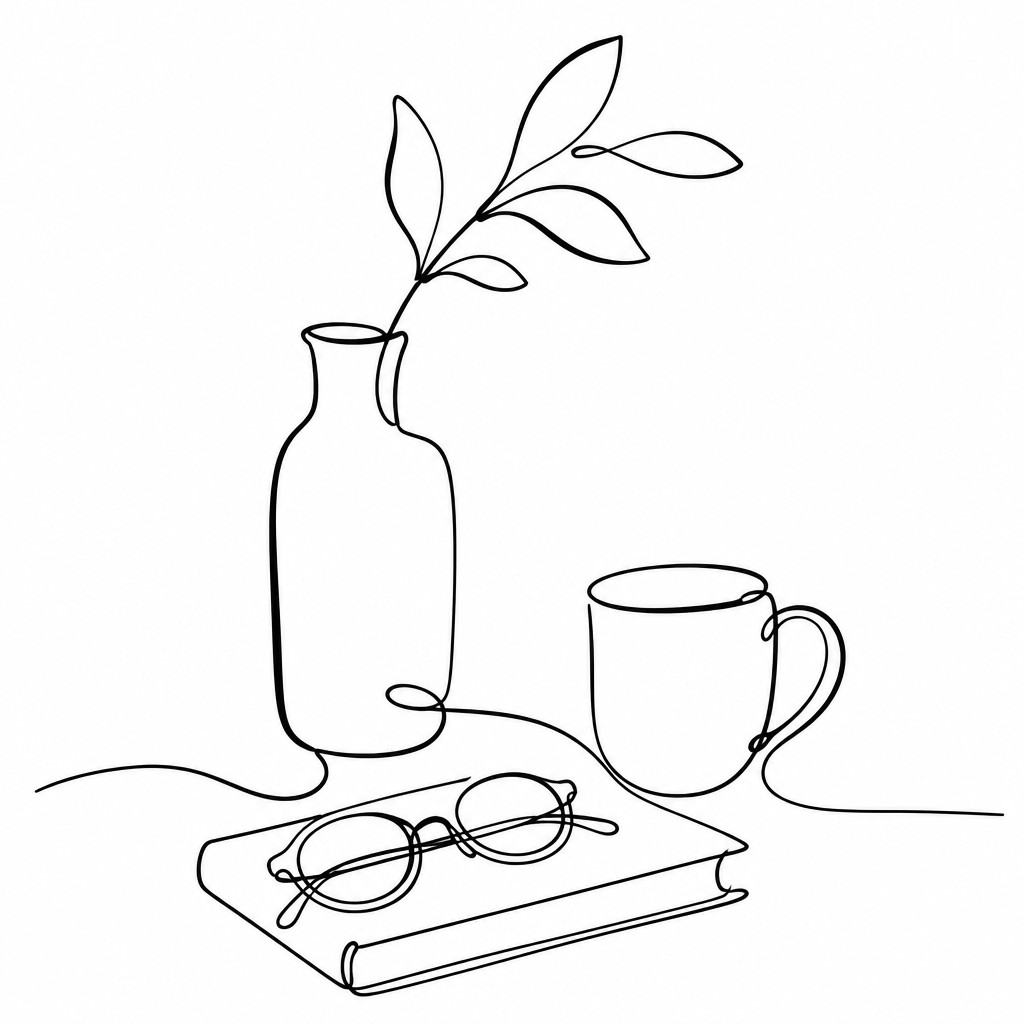
Sparse, contemplative composition
Portraits are usually centered or given generous breathing room, with little background information. The composition encourages quiet attention and a focus on gesture over narrative.
Try It
Create Videos in Minimalist Line Portrait Style
Styles aren't just for stills — describe a scene or animate an image and get a short video rendered in Minimalist Line Portrait. Press play to see this pond come to life.
Make a VideoMinimalist Line Portrait Prompt Ideas
Start from an idea — each one opens the generator with the style ready to go. See all 40 Minimalist Line Portrait prompts →
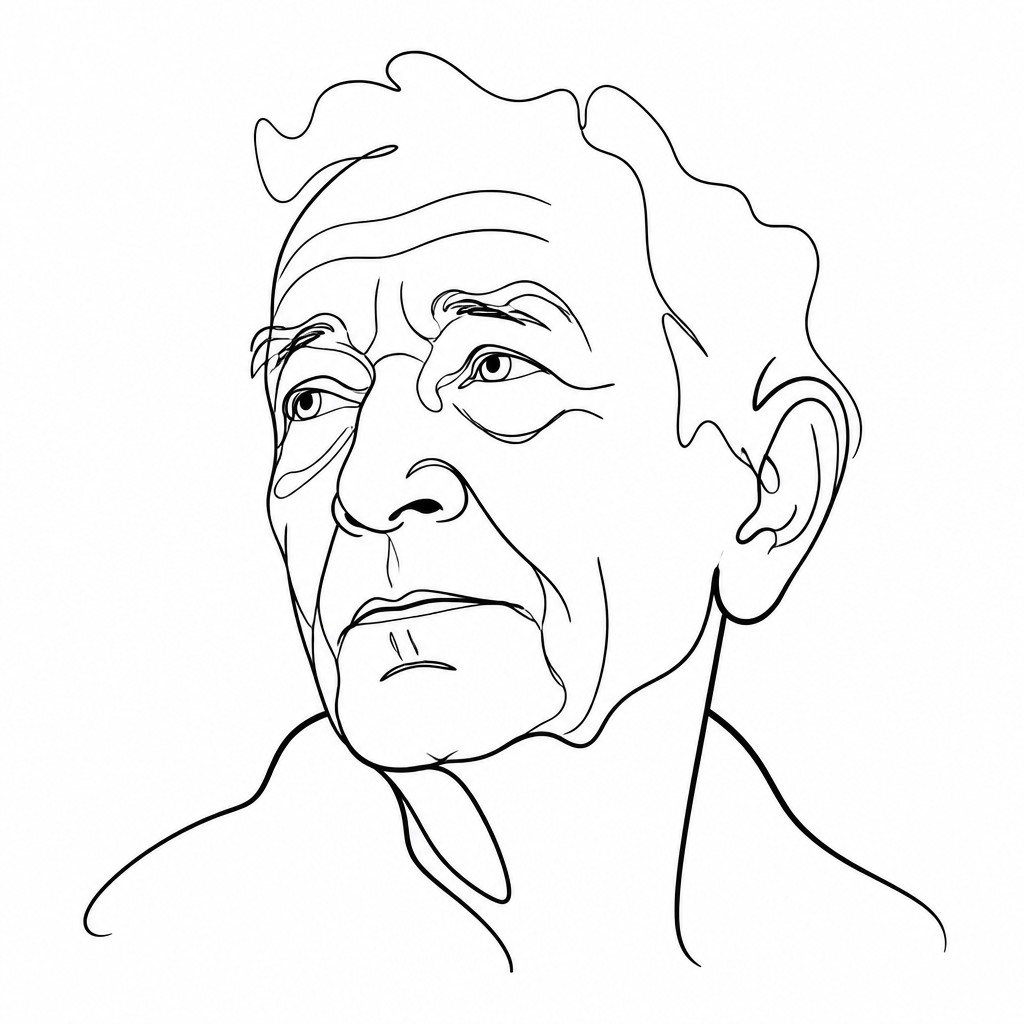
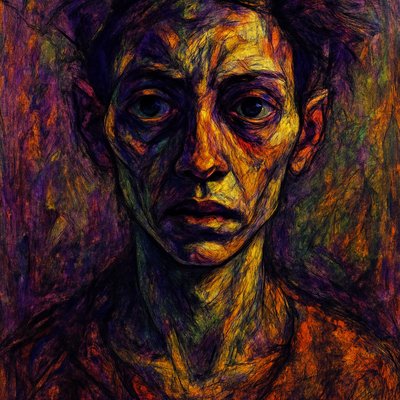
“close-up portrait of an elderly person with expressive weathered features”
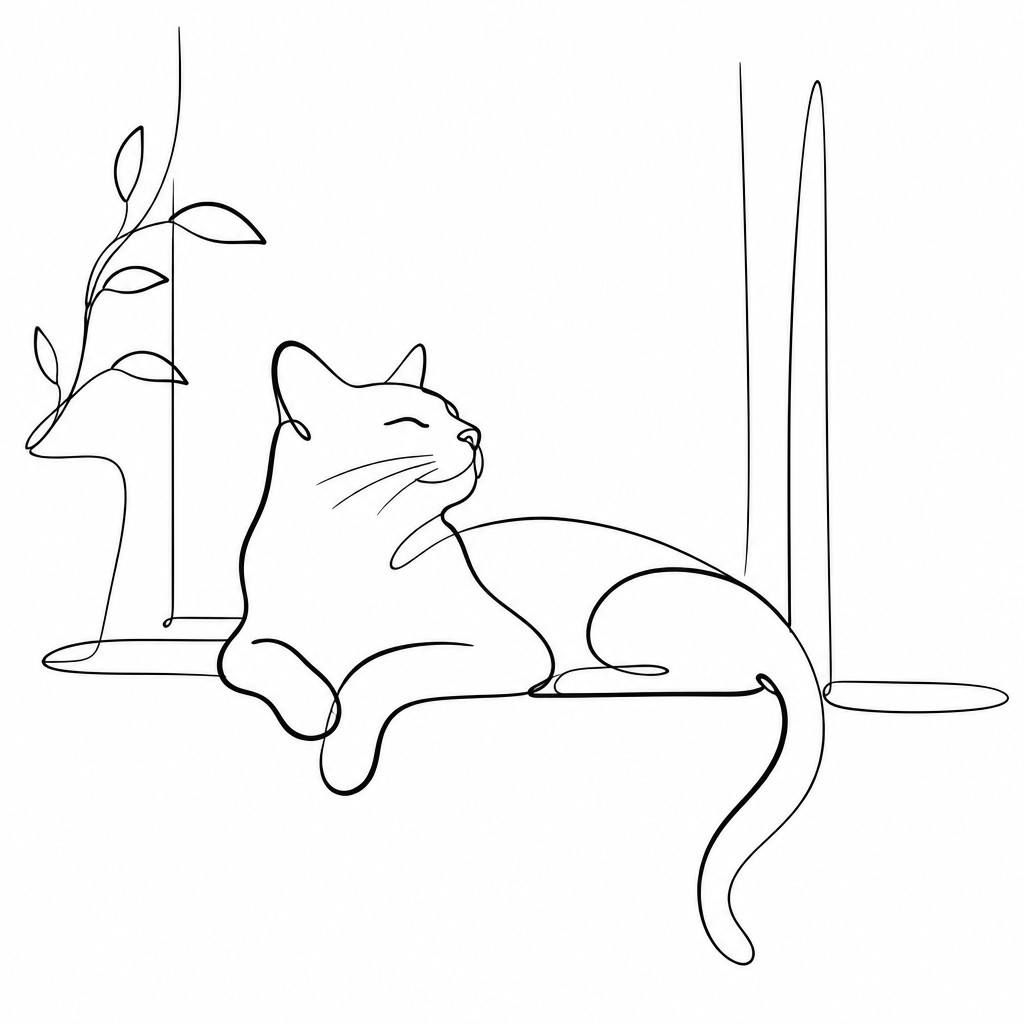
“a cat lounging in a sunlit window”
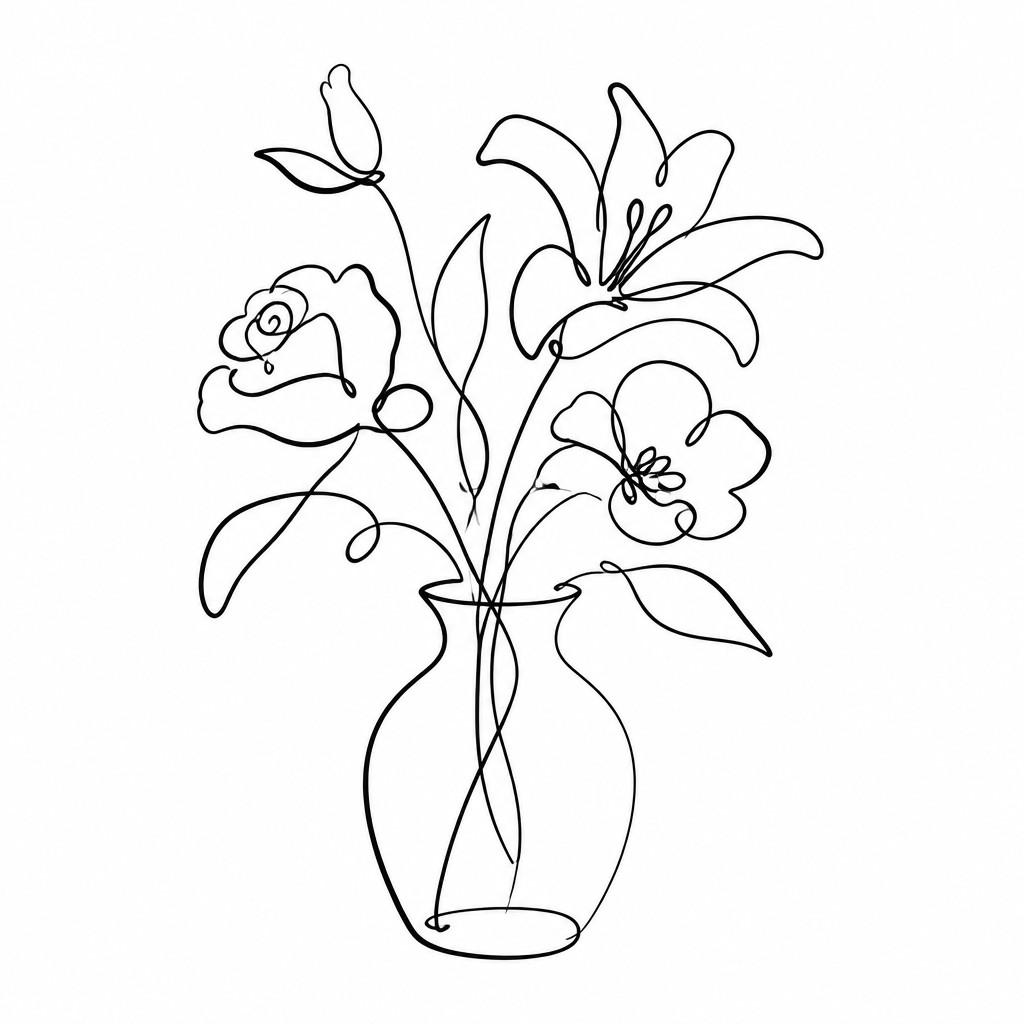
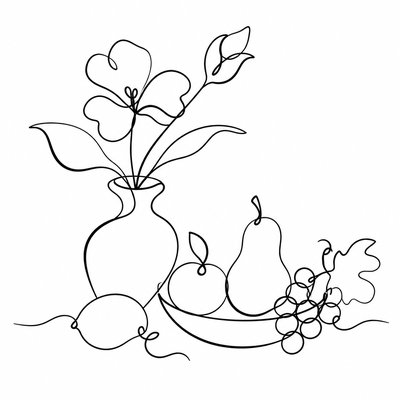
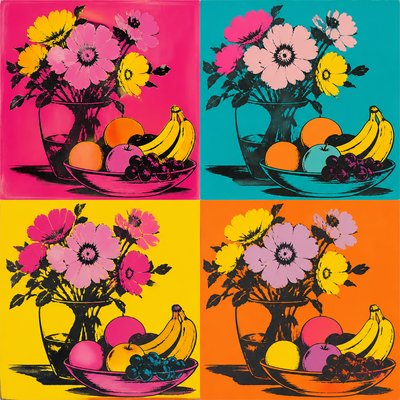
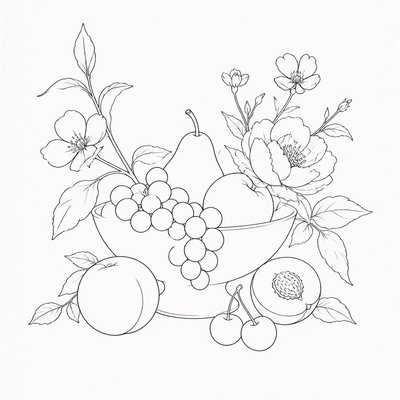
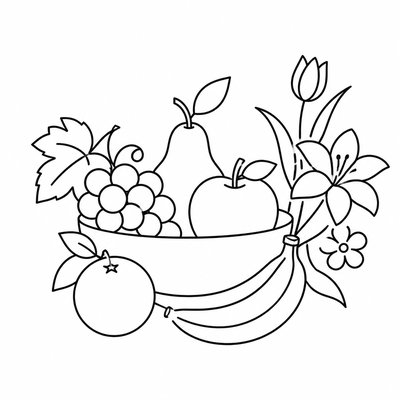
“bouquet of flowers in a glass vase”
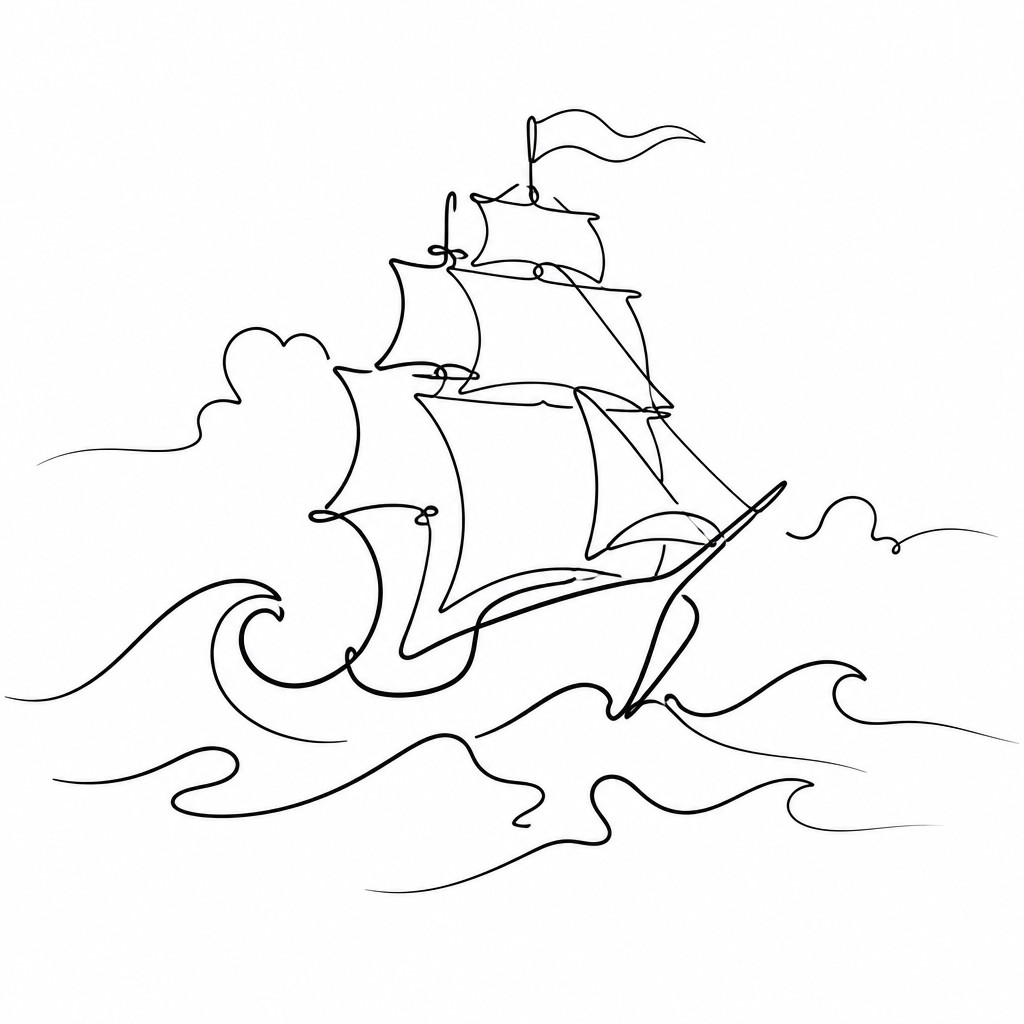
“sailing ship on a stormy sea”
How to Create Minimalist Line Portrait Art
Master the craft step by step — or skip straight to creating. Read the full guide →
- 1
Start with the essential silhouette
When drawing by hand, begin by identifying the few contours that make the subject recognizable: the outer head shape, nose, lips, neck, or shoulders. Keep the drawing economical and resist adding detail unless it clarifies the likeness.
- 2
Use one continuous motion where possible
A continuous line encourages decisiveness and fluidity, even if you lift the pen in small places for clarity. In digital work, a pressure-sensitive brush can mimic the expressive variation of ink on paper.
- 3
Preserve blank space
Leave most of the page untouched so the line has room to breathe. Avoid background clutter, heavy texture, and shading; the emptiness is part of the composition, not leftover space.
- 4
Simplify features into signs
Reduce eyes, noses, mouths, and hair to their most legible contour cues rather than full rendering. A slight angle, break, or overlap can suggest expression more effectively than detailed anatomy.
- 5
Control line hierarchy
Let a few passages carry more visual weight, such as the jawline or profile edge, while keeping other segments whisper-light. In prompt-based generation, specify deep black ink, white ground, continuous line, sparse marks, and no shading.
- 6
Keep the prompt focused on structure
For digital or AI-assisted creation, describe the subject first and then the line logic: contour drawing, unbroken line, minimal detail, generous negative space, and elegant line weight variation. Avoid terms that imply rendering, color, or textured backgrounds.
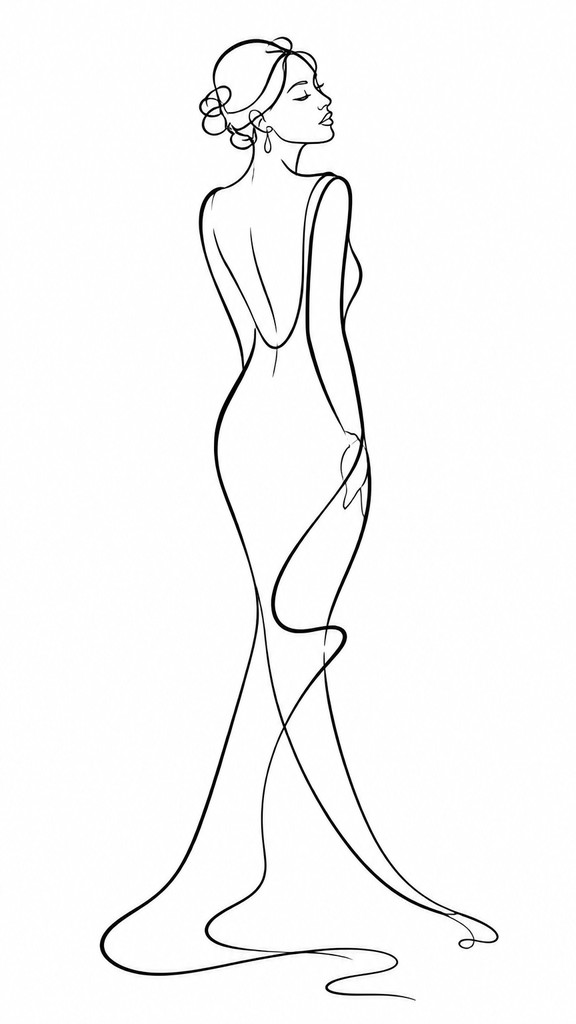
The Story
History & Origins of Minimalist Line Portrait
Minimalist line portrait style is not a single historical movement but an aesthetic that emerges from several overlapping traditions: contour drawing, modernist reduction, and the long practice of portrait sketching from direct observation. Its visual logic is closely related to life drawing exercises, fashion illustration, and modern graphic simplification, where a few decisive marks can capture likeness more efficiently than elaborate rendering.
In the twentieth century, artists associated with modernism and graphic design helped legitimize reduction as a virtue, while illustrators and draftspeople explored the expressive possibilities of outline and negative space. The style also aligns with the broader history of the continuous line drawing, where the performance of drawing as an uninterrupted act becomes part of the image itself.
Influences: This style draws from contour drawing, gesture sketching, and modernist graphic reduction, with clear affinities to fashion illustration and editorial line art. It also relates to the practice of continuous line drawing seen in twentieth-century drawing traditions, including the spare contour experiments of a major Spanish Cubist painter, as well as the elegant linear simplifications associated with a leading French Fauvist painter and later minimalist illustration.

Frequently Asked Questions
What defines minimalist line portrait style?
It is defined by reduction: portraits are built from a small number of lines, often a single continuous contour, with little or no shading. The style depends on negative space, line quality, and selective omission to communicate likeness and mood.
How is it different from sketching or contour drawing?
Contour drawing can be exploratory and observational, while minimalist line portrait style is usually more resolved and deliberate. It keeps the economy of contour drawing but aims for a polished, compositional result with cleaner spacing and stronger visual clarity.
Can this style include color?
Traditionally, it is most recognizable in black line on white ground, because that emphasizes restraint and clarity. Color can be added in some contemporary versions, but once shading or color becomes dominant, the work begins to move away from the classic minimalist line portrait look.
What subjects work best in this style?
Faces and upper-body portraits work especially well because they can be recognized from a few key contours. Side profiles, three-quarter views, and expressive poses are particularly effective because they give the line more opportunity to define character.
How do I make a portrait look more expressive with fewer lines?
Focus on proportion, gesture, and the placement of the most distinctive features rather than adding detail everywhere. A subtle tilt of the head, a strong jawline, or a carefully shaped mouth can carry more expression than a fully rendered face.
Where is this style commonly used?
It is widely used in posters, editorial illustration, branding, packaging, tattoos, stationery, and contemporary home decor. Its clarity and elegance make it adaptable to both personal artwork and commercial design.
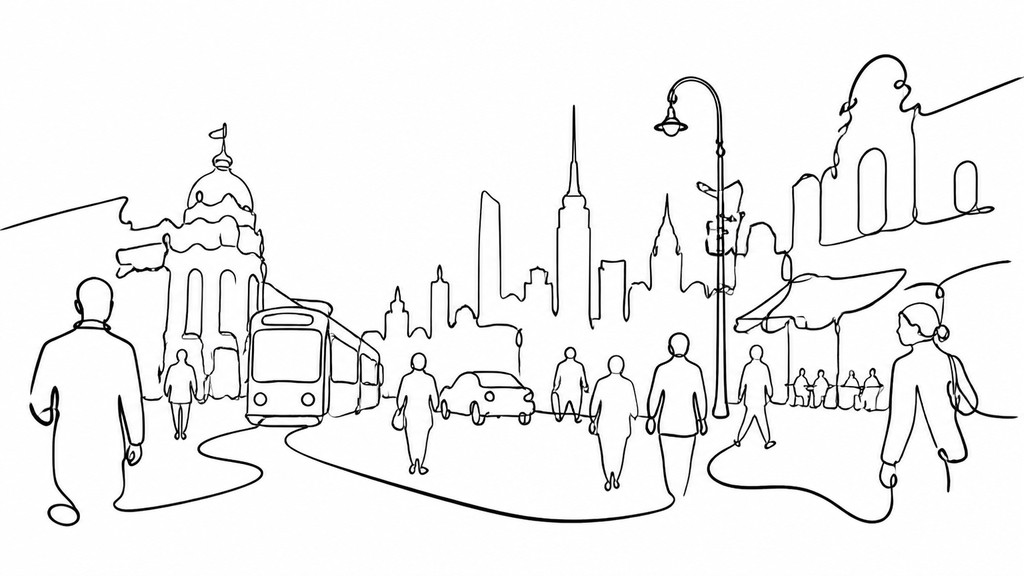
Create your first Minimalist Line Portrait artwork
Describe anything — or upload a photo — and see it in Minimalist Line Portrait Style in seconds.
Make Something with Minimalist Line Portrait
Compare Minimalist Line Portrait
Related Styles
Discover similar art styles