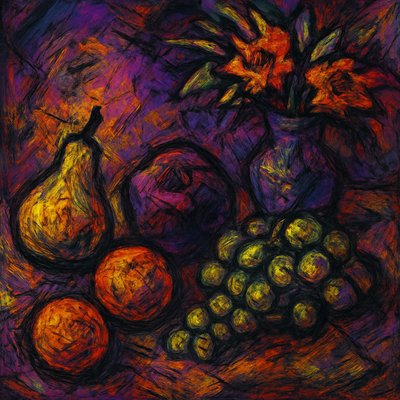
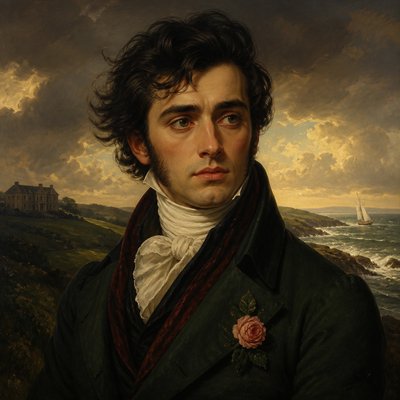
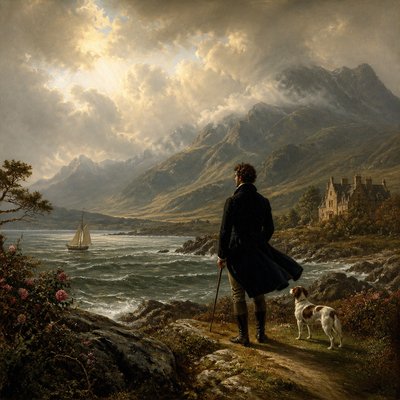
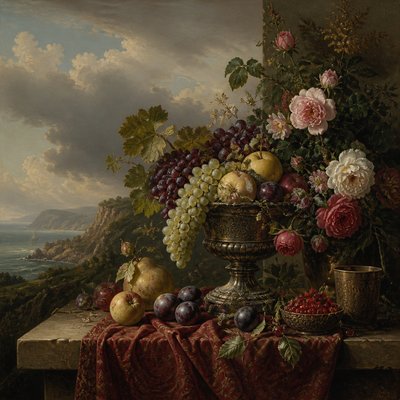
Mixed Media Portrait Style
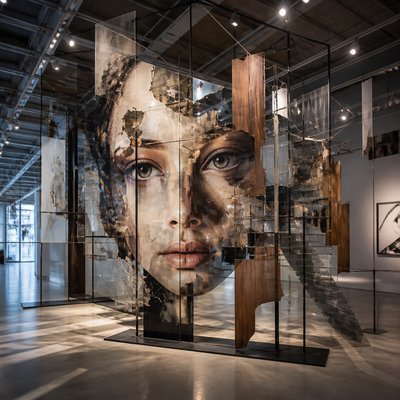
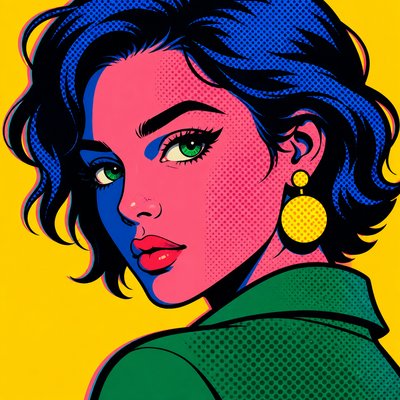
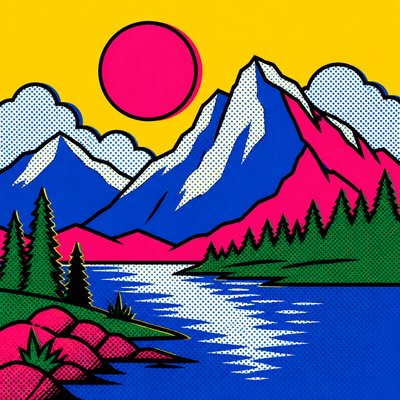
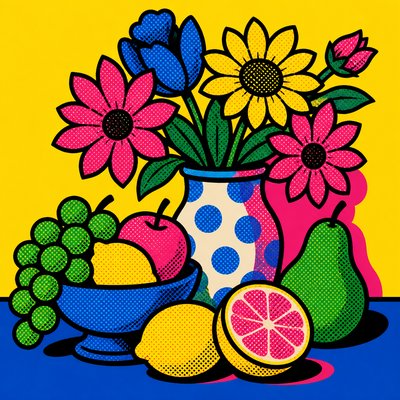
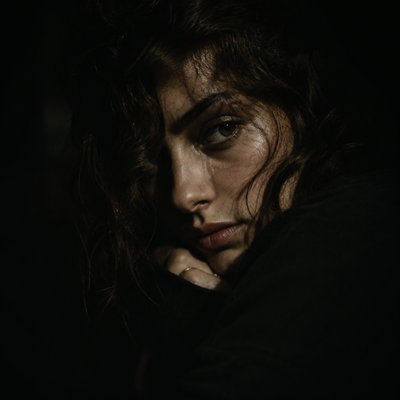
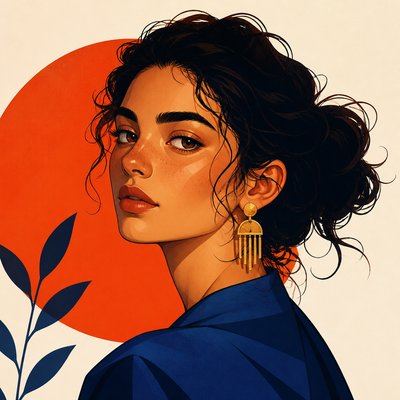
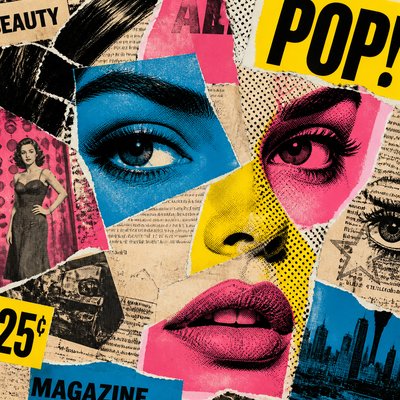
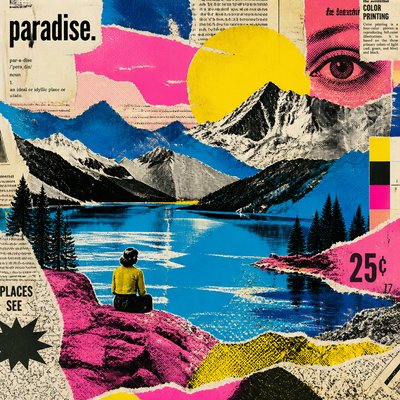
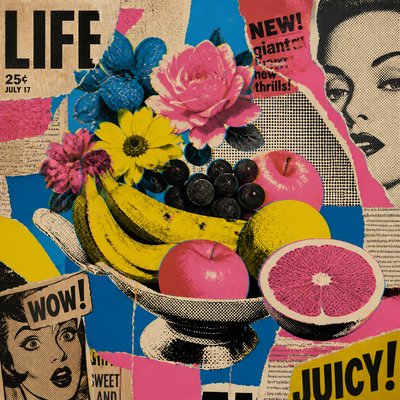
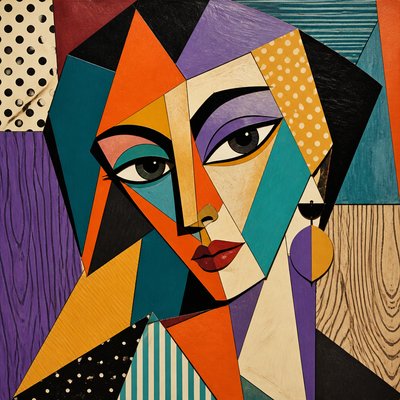
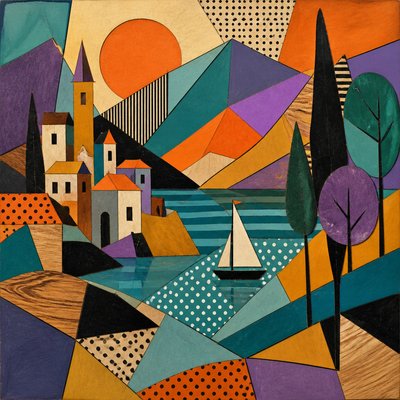
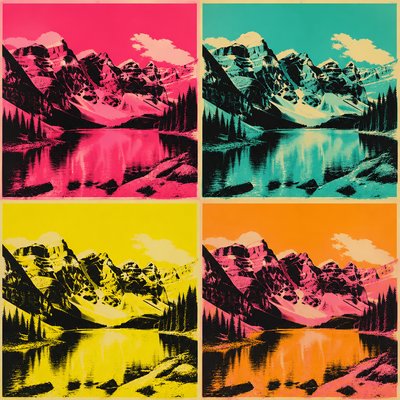
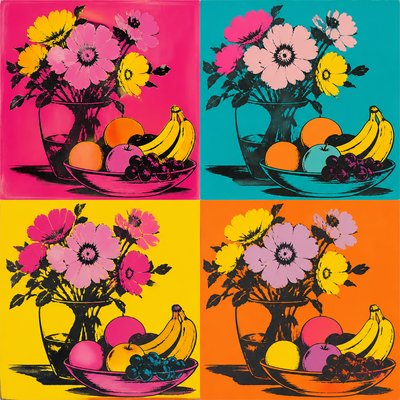
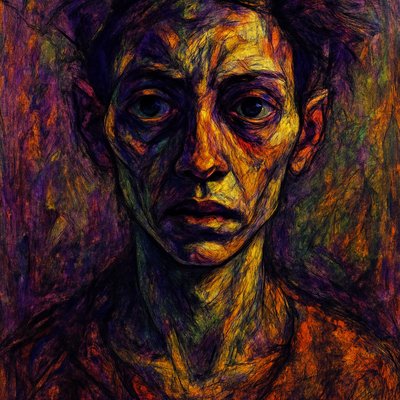
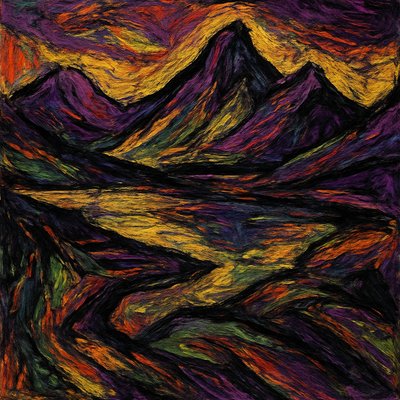
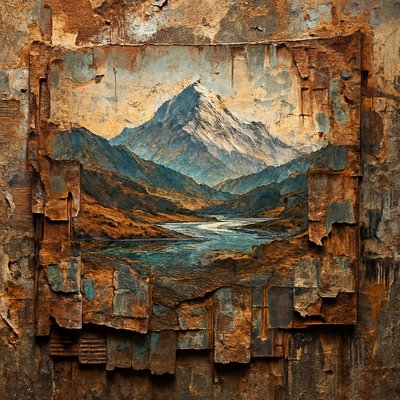
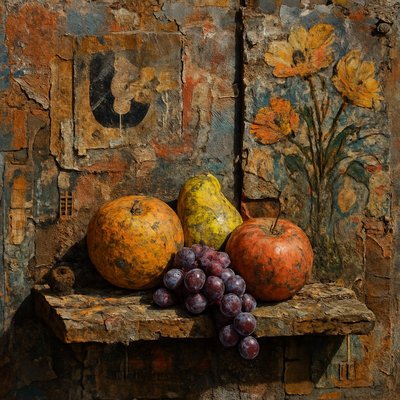
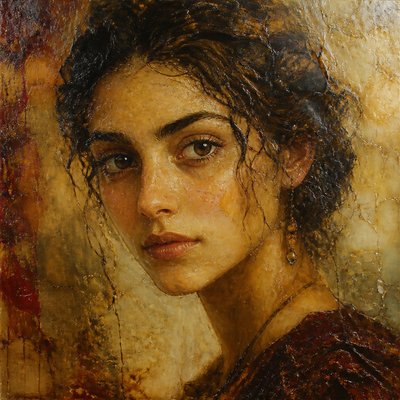
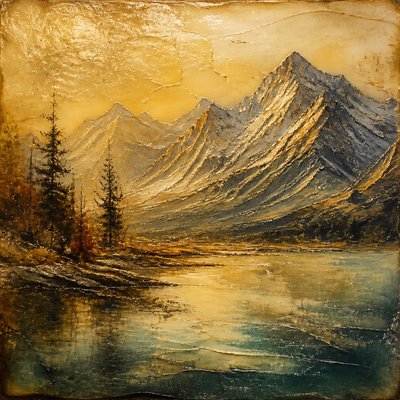
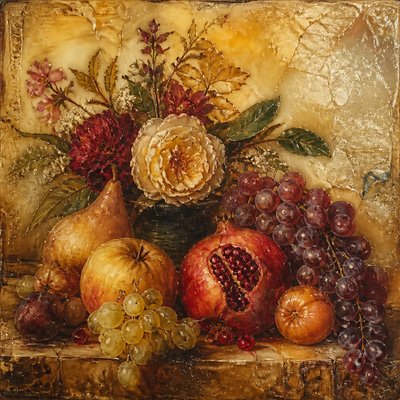
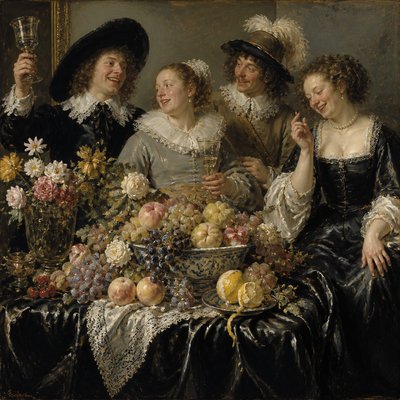
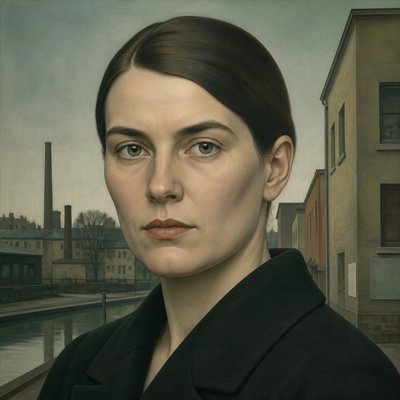
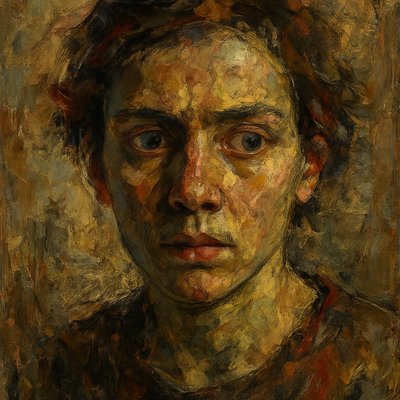
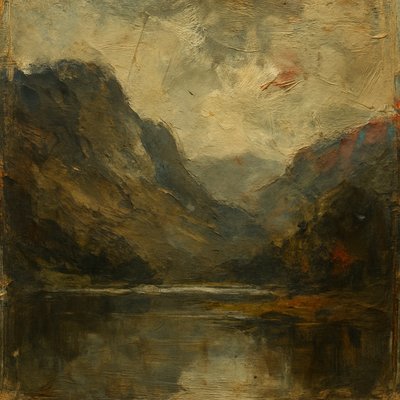
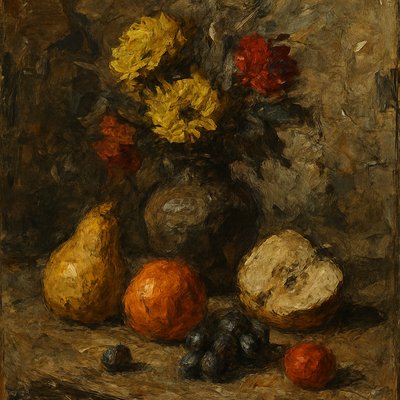
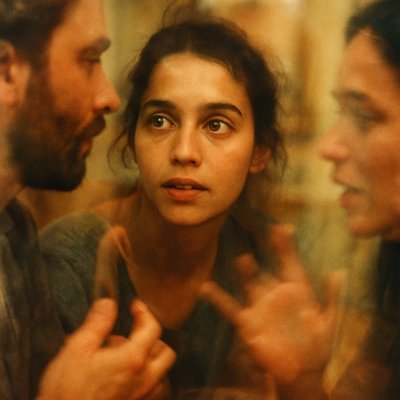
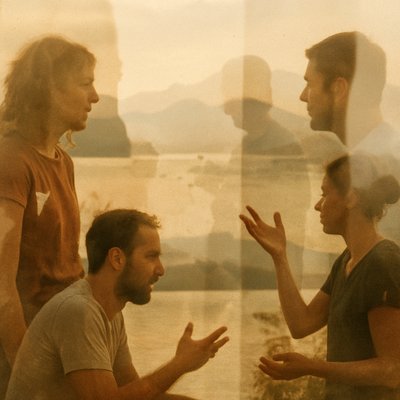
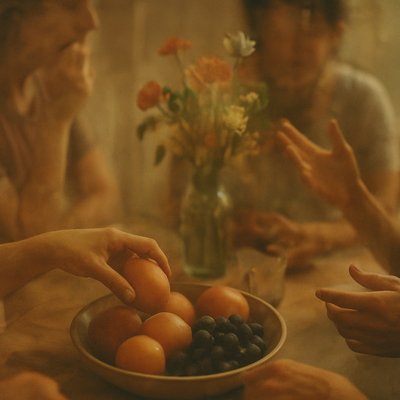
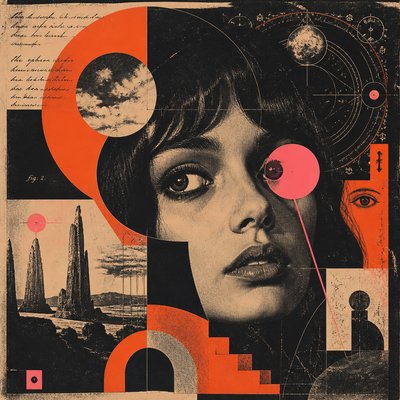
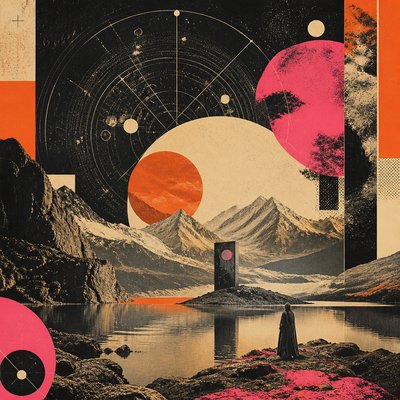
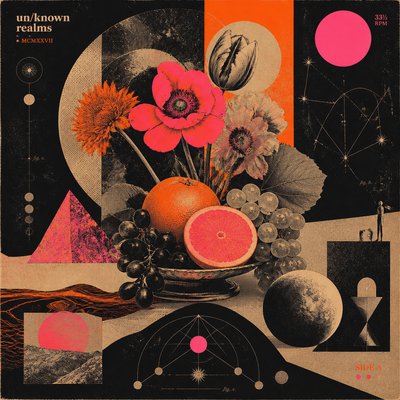
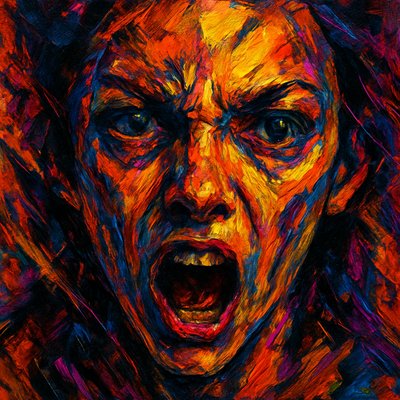
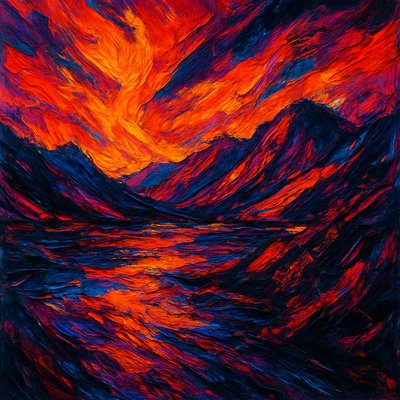
Mixed media portraiture blends collage, paint, ink, and found materials into layered, tactile portraits with rich texture and depth.
Instantly rendered in Mixed Media Portrait — or transform a photo
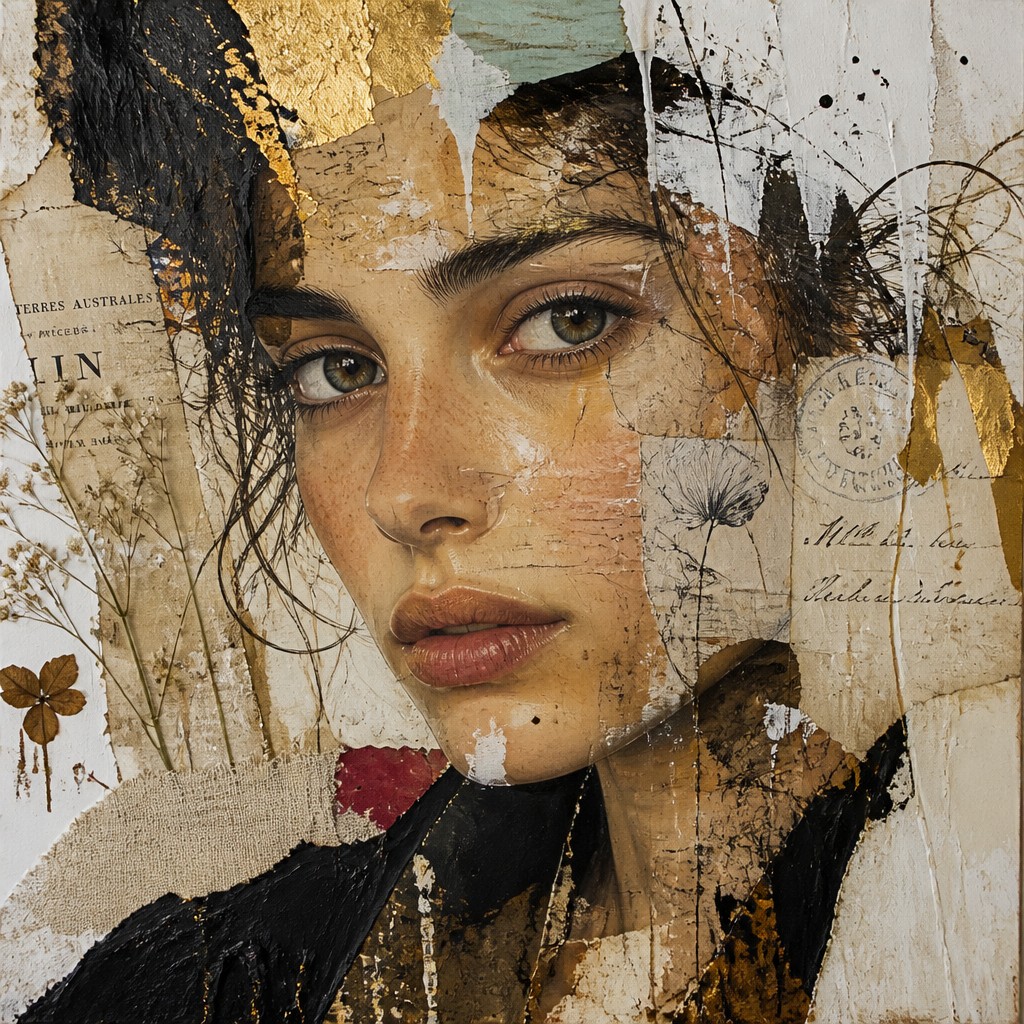
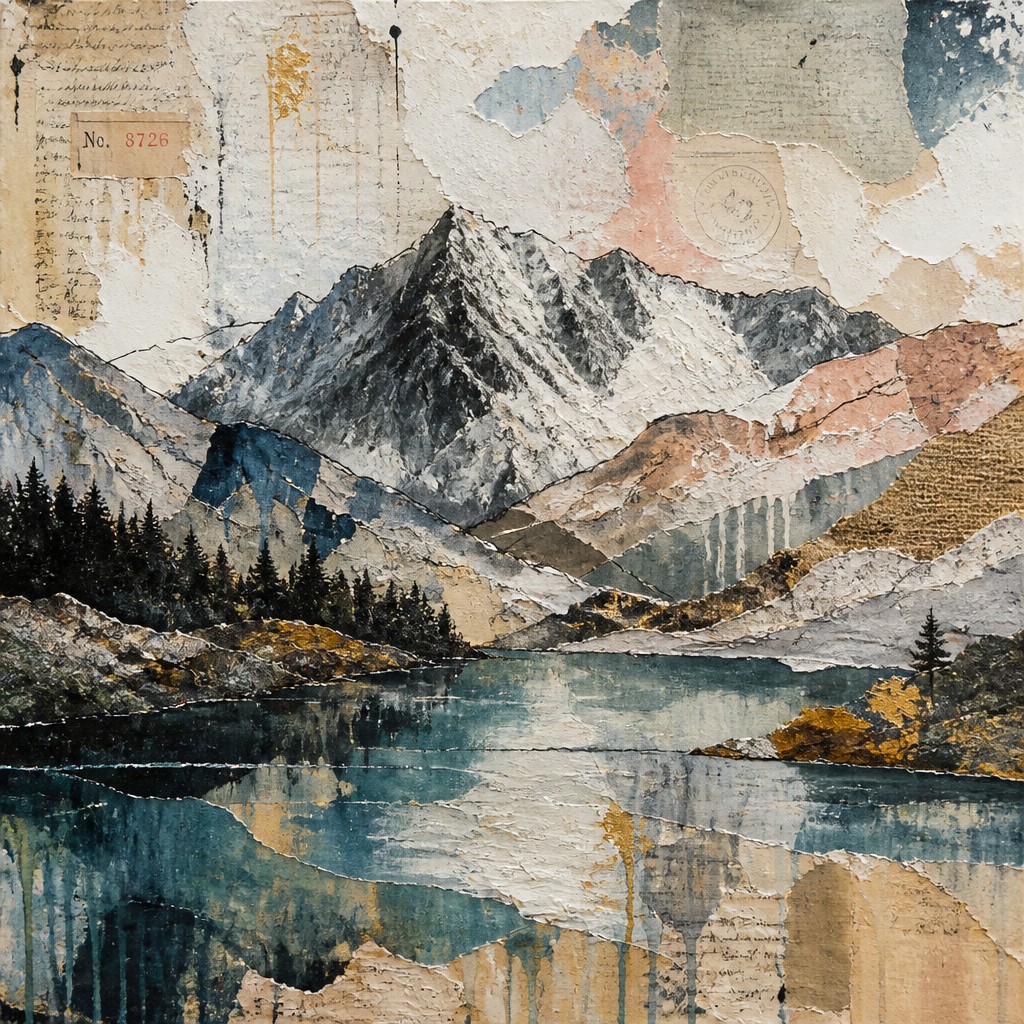
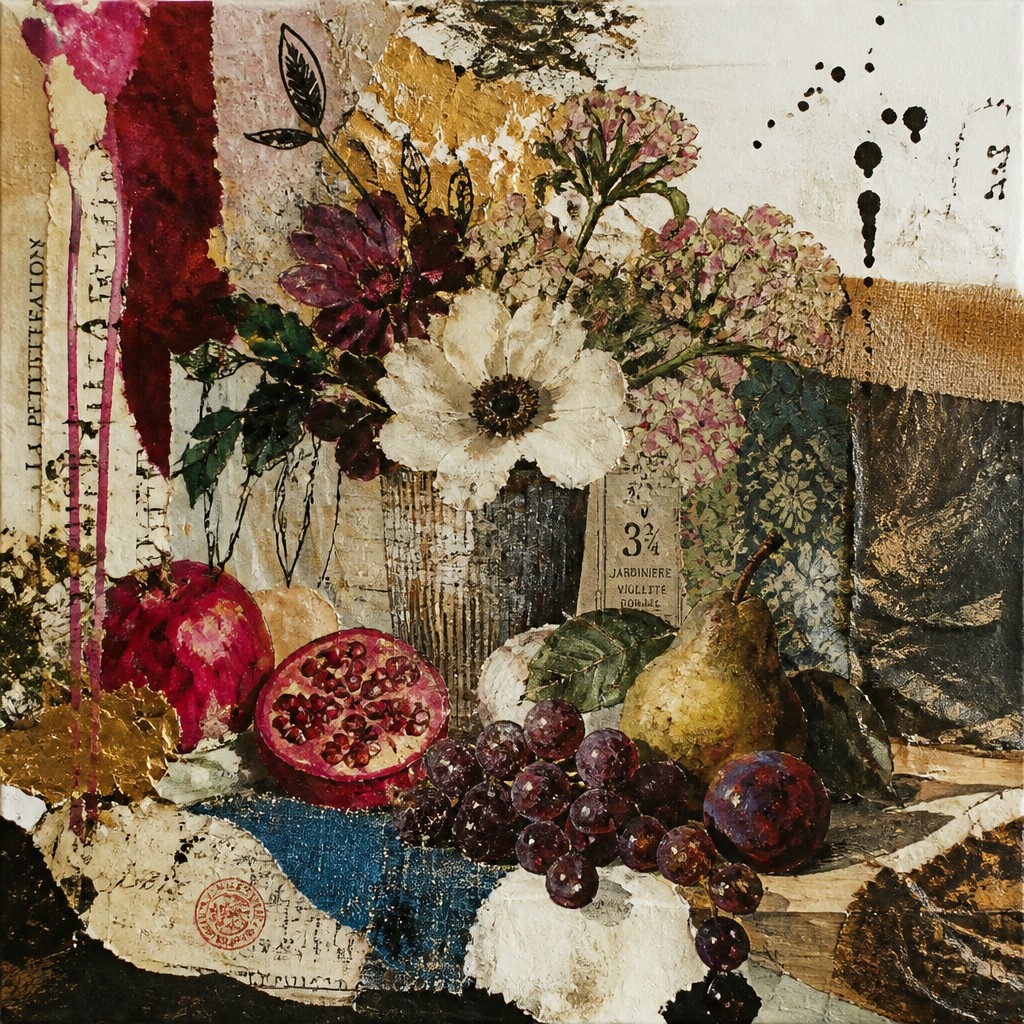
Mixed Media Portrait Gallery
Tap any artwork to explore it
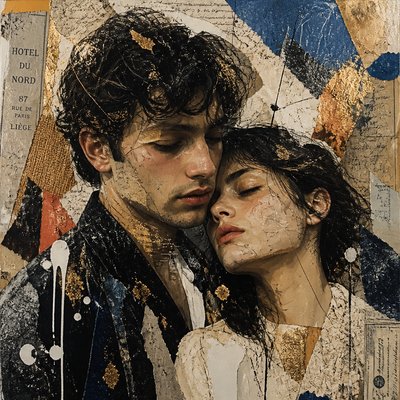
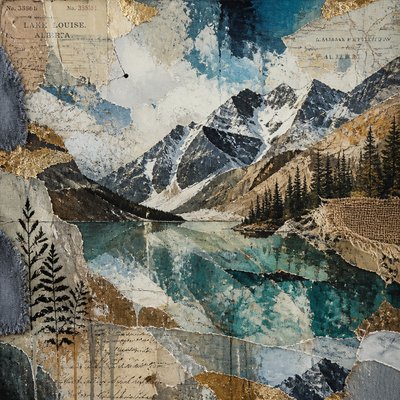
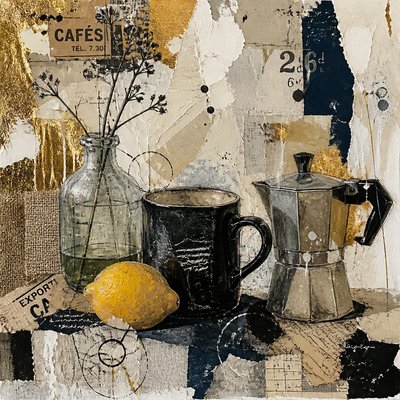
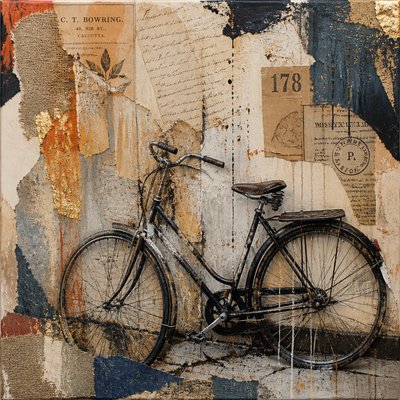
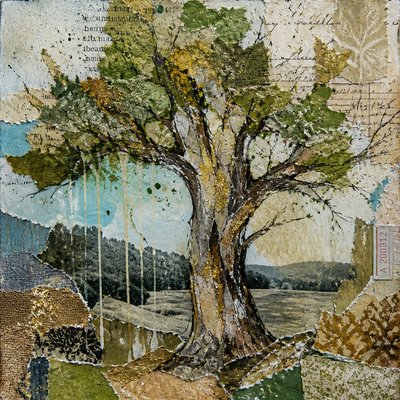
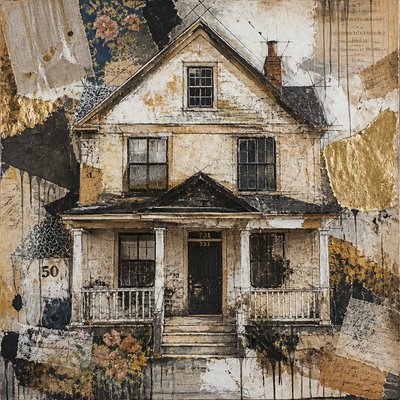
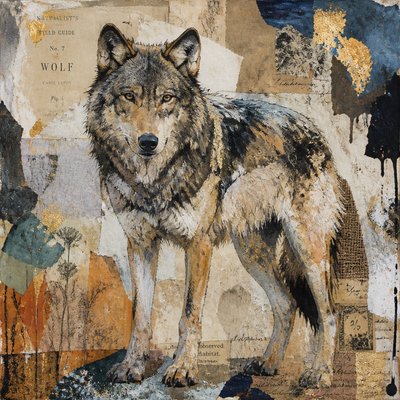
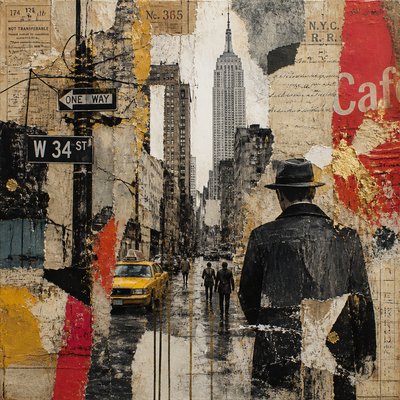
What is Mixed Media Portrait Style?
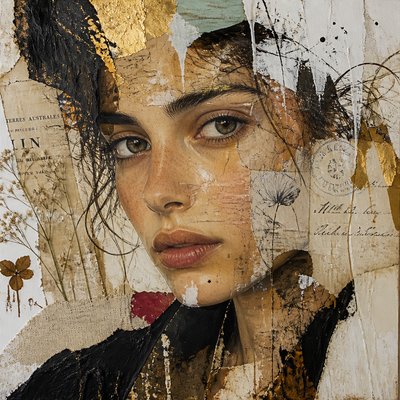
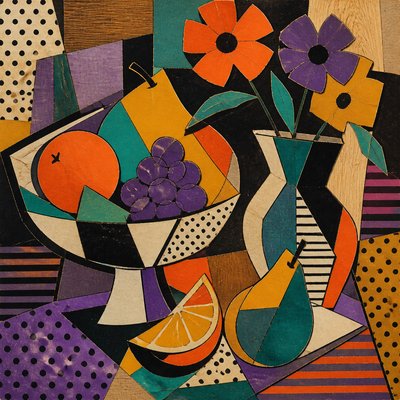
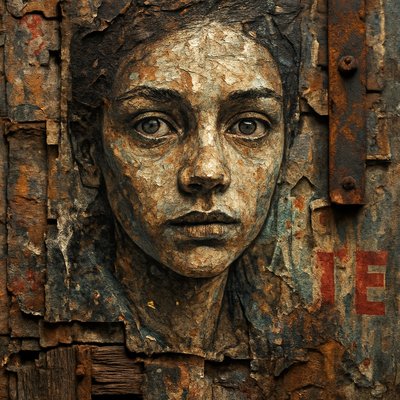
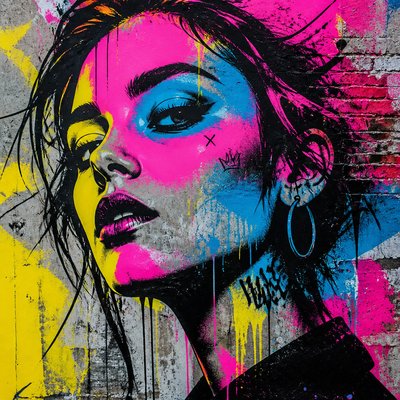
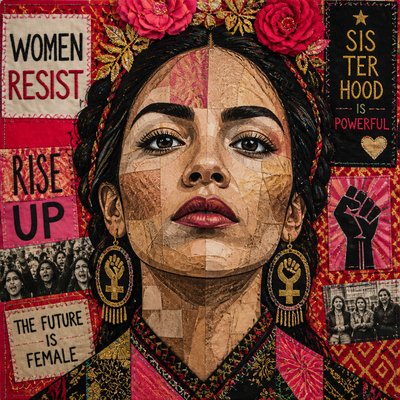
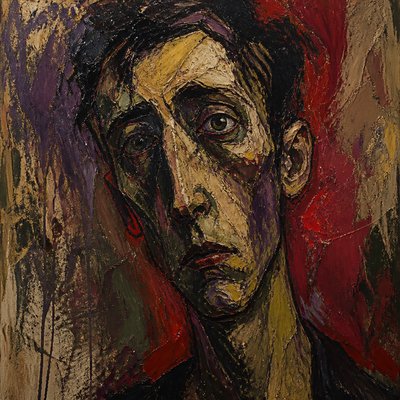
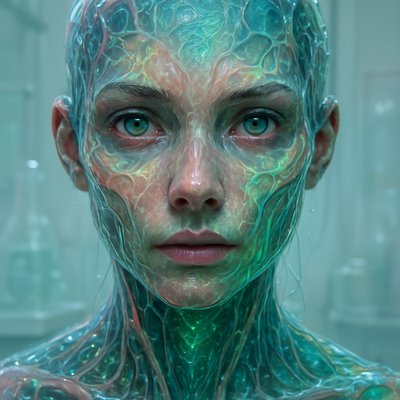
Mixed media portrait style is a portrait approach built from the deliberate combination of multiple materials and mark-making methods in a single image. Instead of relying on one unified medium, it layers paper, paint, ink, collage fragments, fabric, transfers, and surface distress to create portraits that feel assembled as much as depicted. The face remains the focal point, but the surrounding textures and disruptions are part of the image’s meaning, not just decoration.
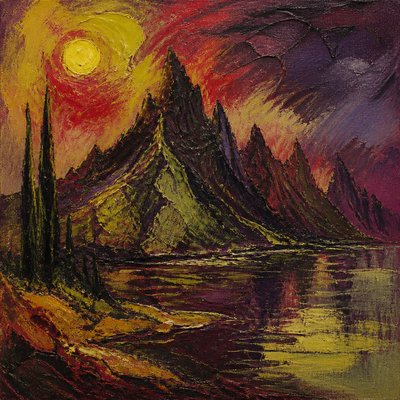
Its visual identity comes from contrast: soft and hard edges, opaque and transparent passages, rough torn surfaces and smooth painted fields, controlled drawing and accidental spills. The result is a portrait that often feels emotional, experimental, and materially alive. The style looks the way it does because it borrows from collage, assemblage, expressionist mark-making, and contemporary mixed media practices that treat the surface itself as an active part of the portrait.
This style is especially effective when artists want to suggest memory, identity, fragmentation, instability, or layered personality. The portrait becomes both likeness and object, with traces of prior images, printed matter, and textured materials visible beneath the final composition.
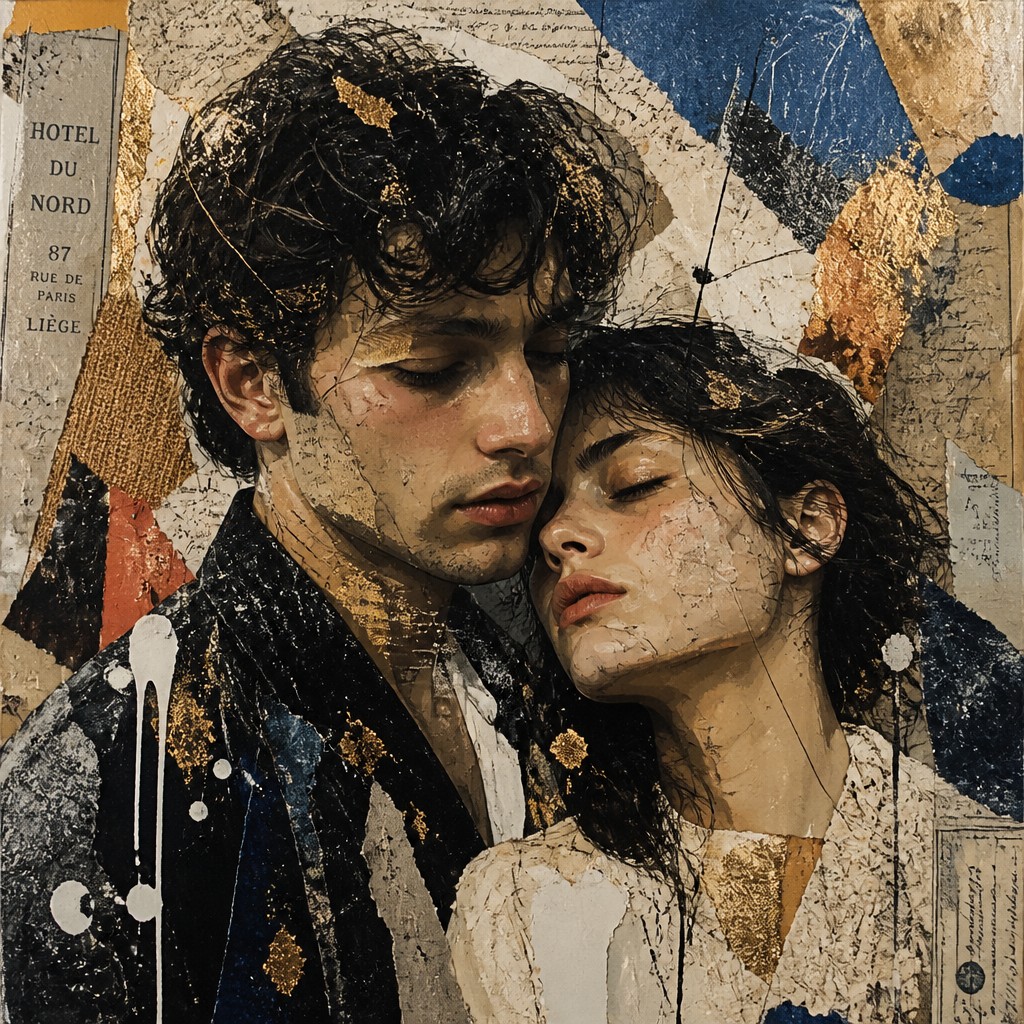
Try It On Your Photos
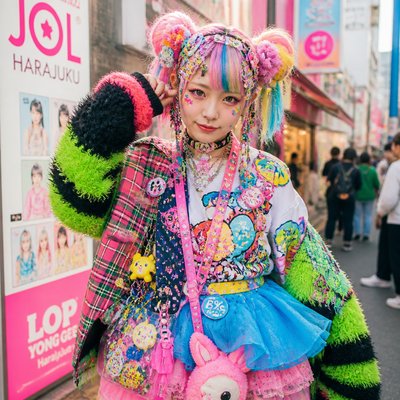
Upload any photo and convert it into Mixed Media Portrait Style — drag the sliders to compare before and after.
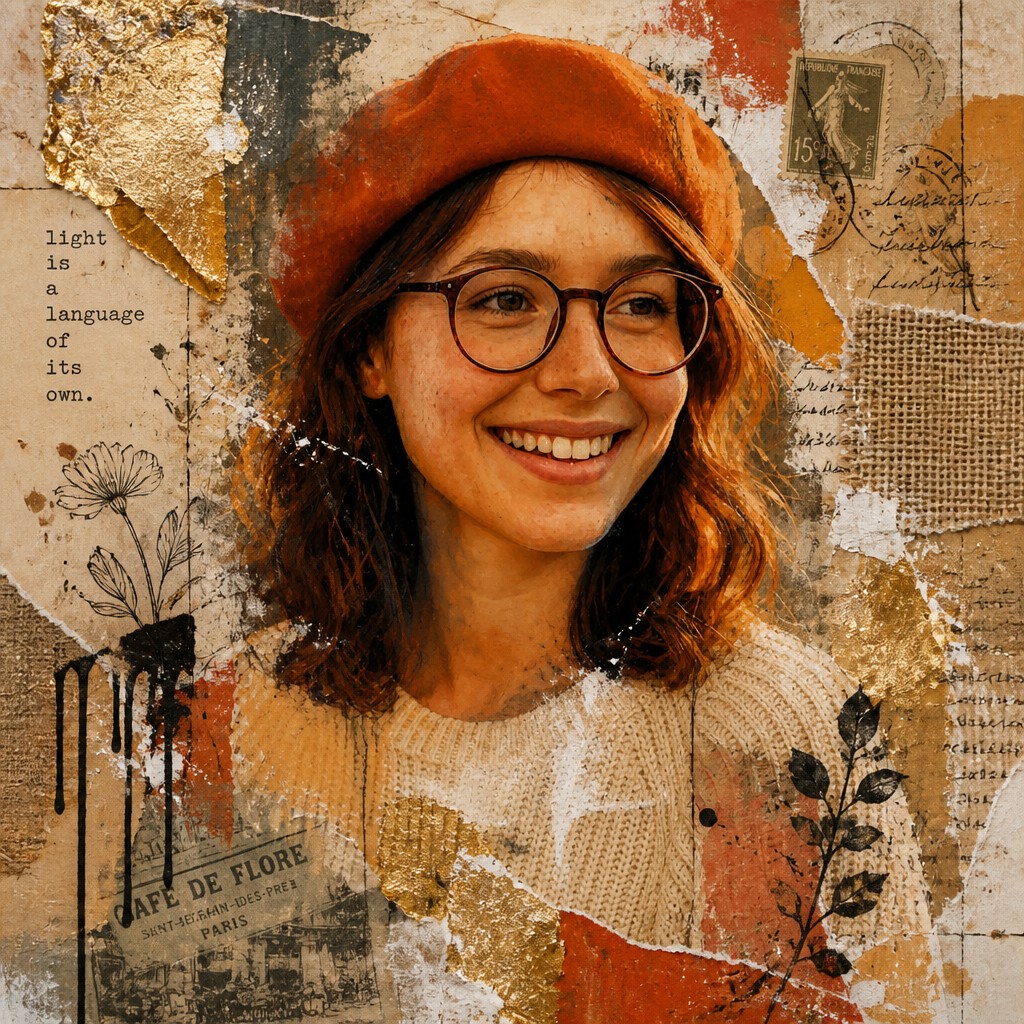

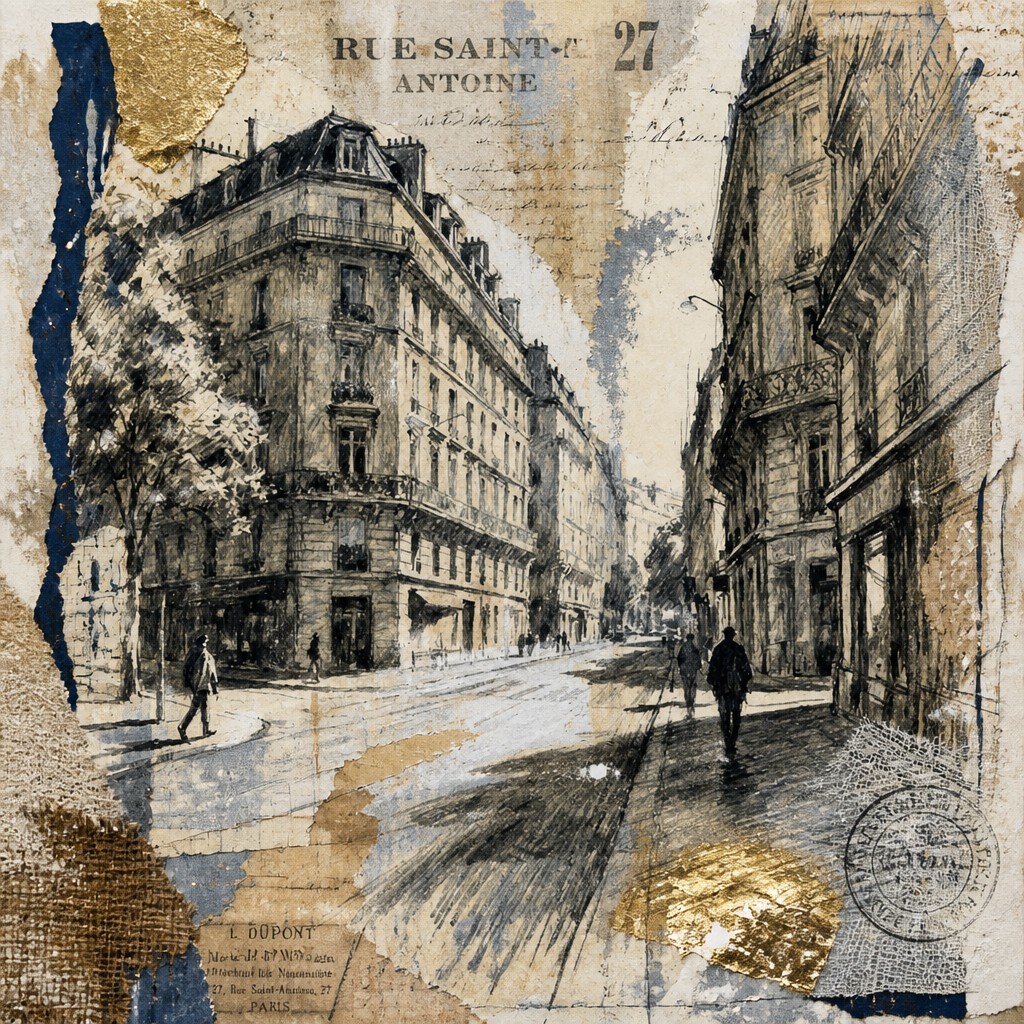

What Defines Mixed Media Portrait Style
The signature details, up close
Layered surface construction
The image is built from multiple visible layers rather than a single flat application of paint or pencil. Underlayers may remain partially exposed, creating depth and a sense of visual history.
Collage and torn-paper fragments
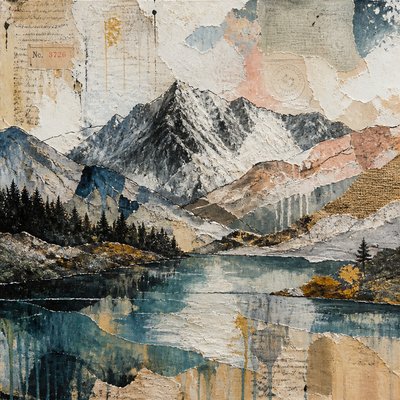
Torn edges, pasted shapes, and overlapping paper pieces are common, especially around the face, clothing, or background. These fragments introduce rhythm, interruption, and a handmade irregularity.
Mixed textures and materials
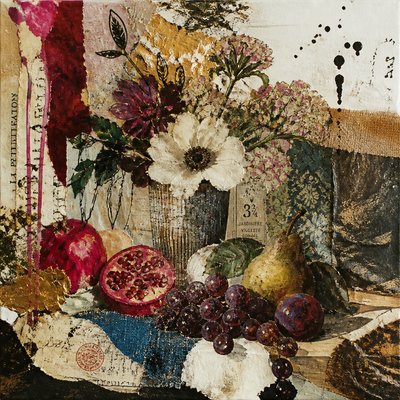
Artists often combine matte and glossy surfaces, paper, fabric, foil, ink, paint, and photographic transfers. The contrast between materials is a defining part of the style’s visual interest.
Visible drawing within the paint
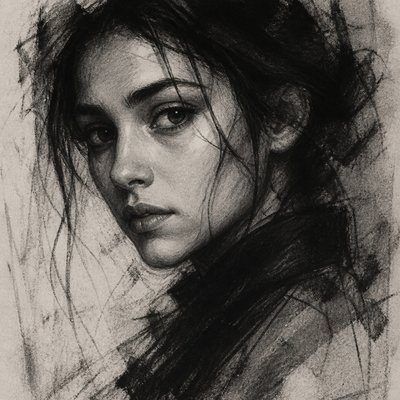
Hand-drawn contours, scribbles, hatch marks, or gestural linework often cross over collage and paint. This keeps the portrait connected to expressive drawing even when the surface becomes heavily built up.
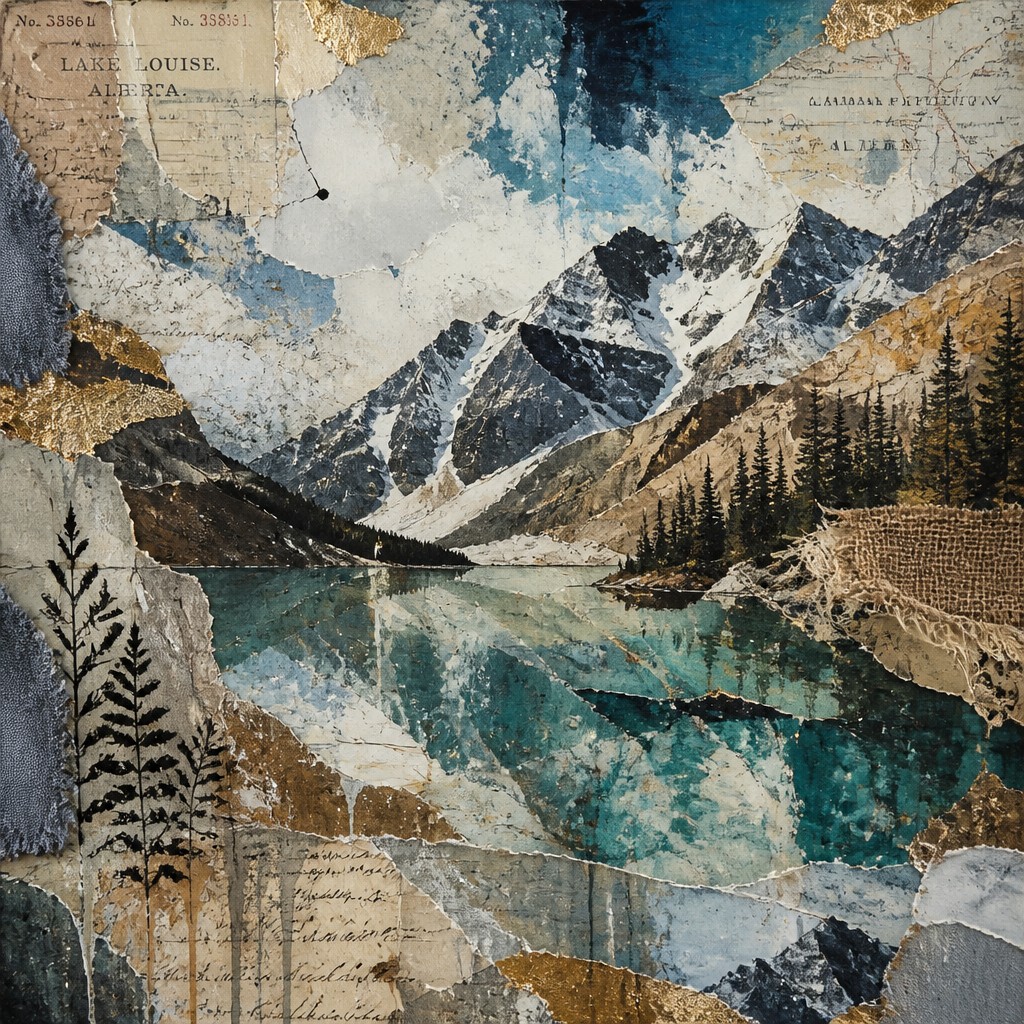
Distressed and weathered effects
Stains, drips, splatters, abrasion, and worn edges suggest age, memory, or process. These effects make the portrait feel tactile and physically handled.
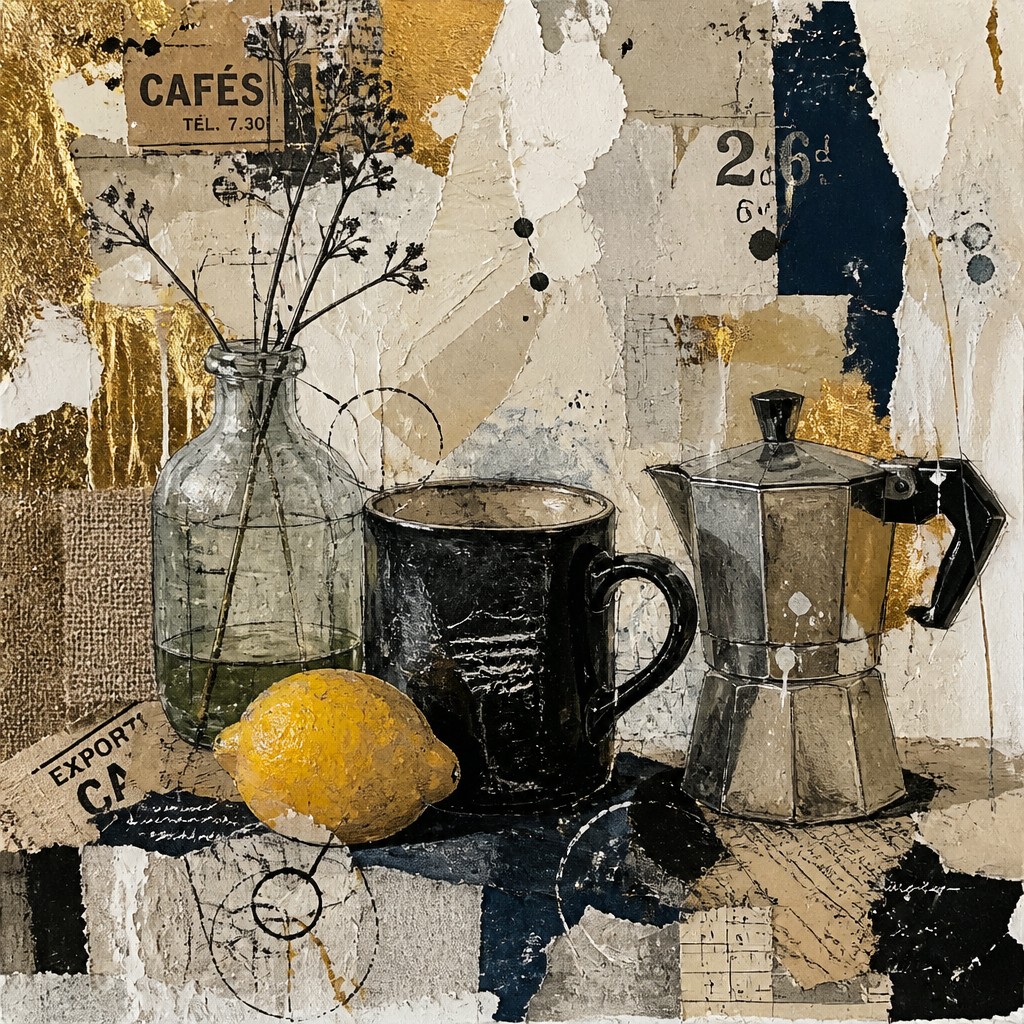
Fragmented but recognizable likeness
The face remains legible, but it may be partially obscured, rebuilt, or abstracted. The style often balances portrait realism with deliberate disruption.
Try It
Create Videos in Mixed Media Portrait Style
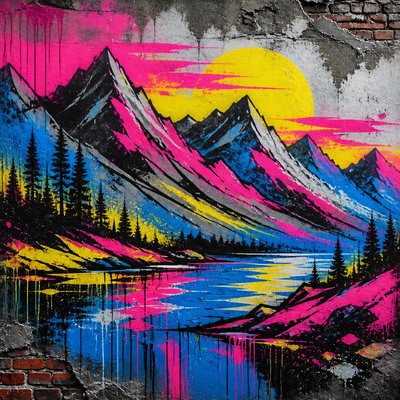
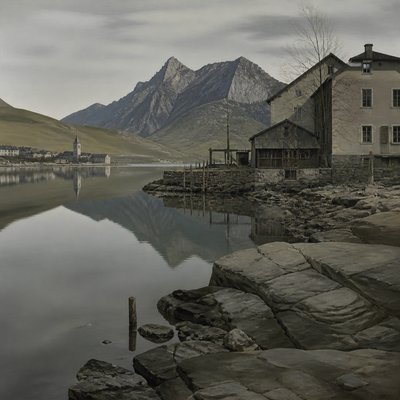
Styles aren't just for stills — describe a scene or animate an image and get a short video rendered in Mixed Media Portrait. Press play to see this pond come to life.
Make a VideoMixed Media Portrait Prompt Ideas
Start from an idea — each one opens the generator with the style ready to go. See all 40 Mixed Media Portrait prompts →
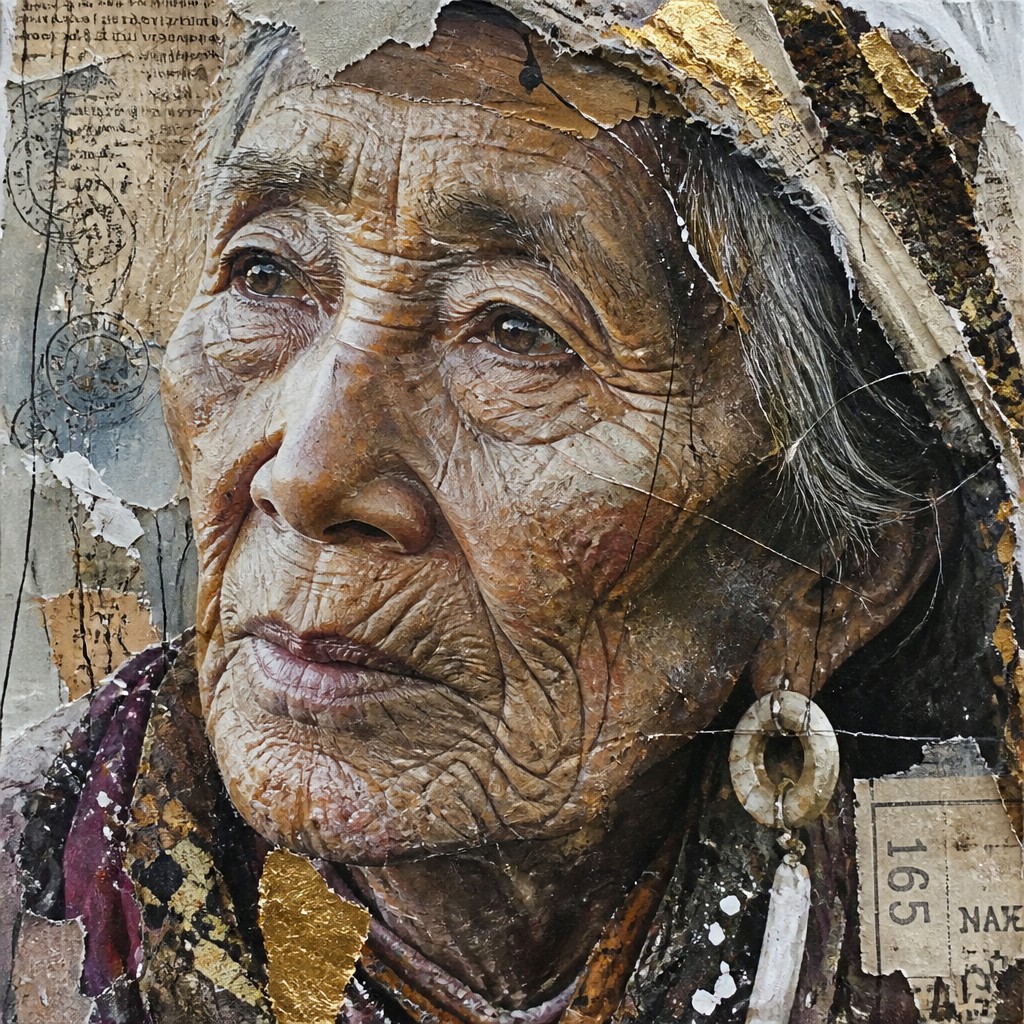
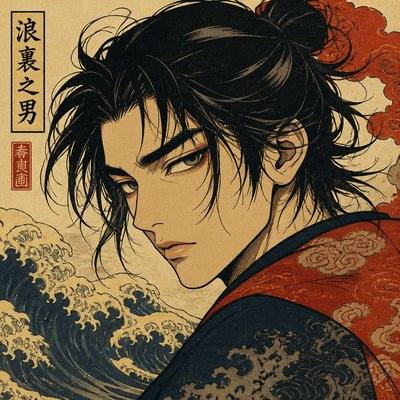
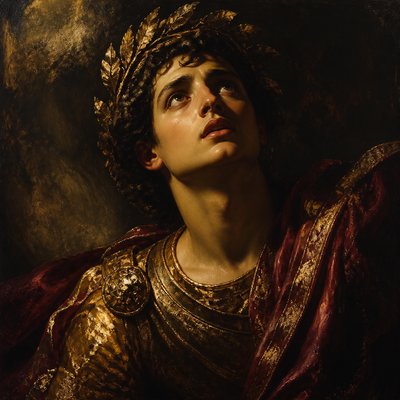
“close-up portrait of an elderly person with expressive weathered features”
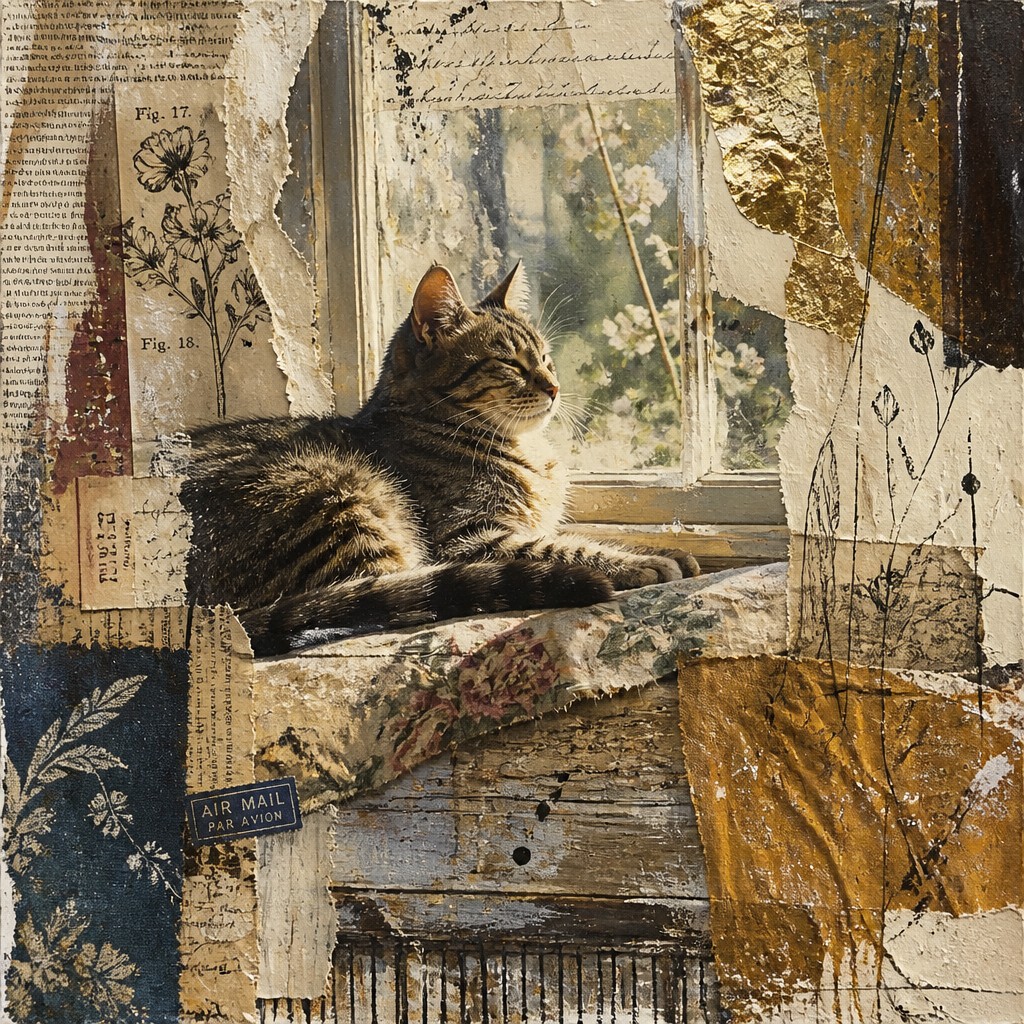
“a cat lounging in a sunlit window”
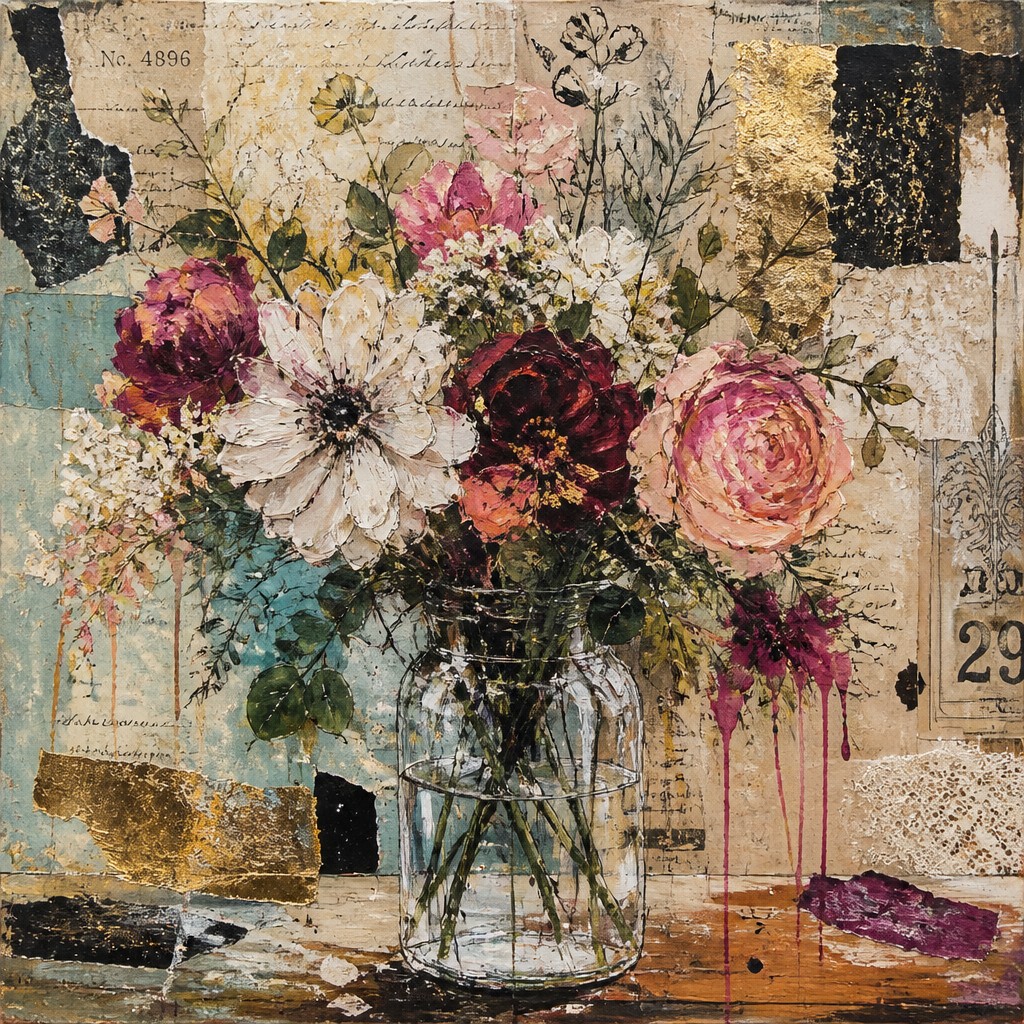
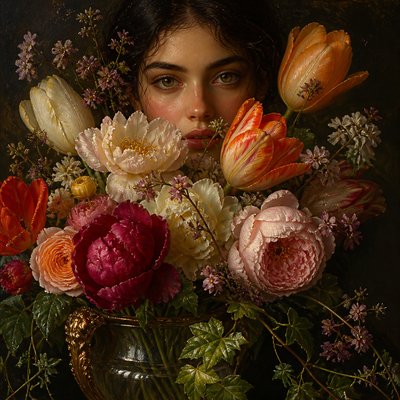
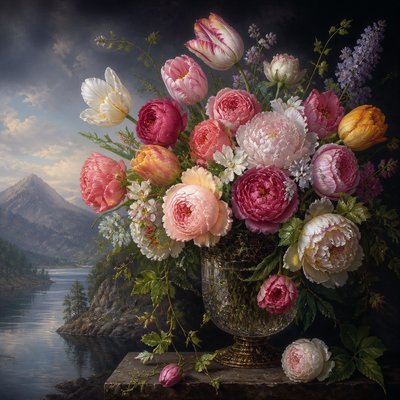
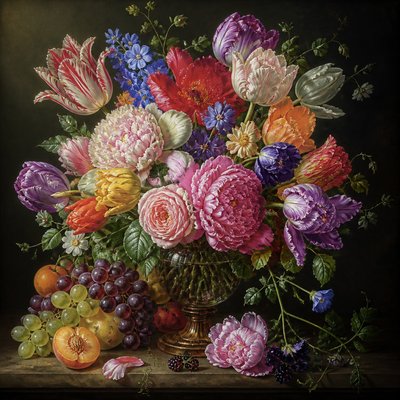
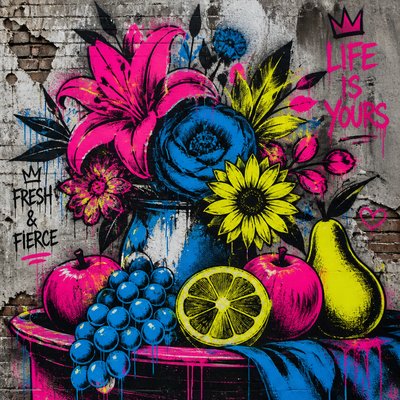
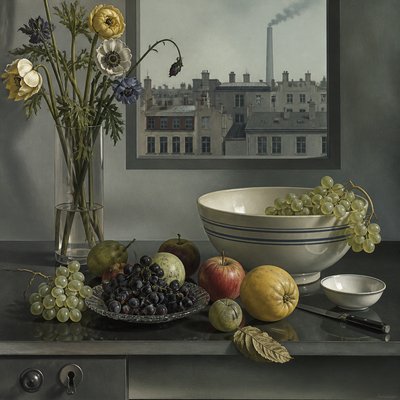
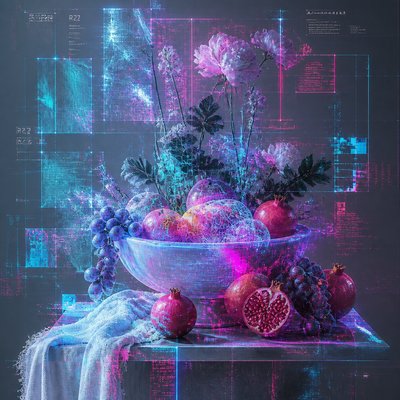
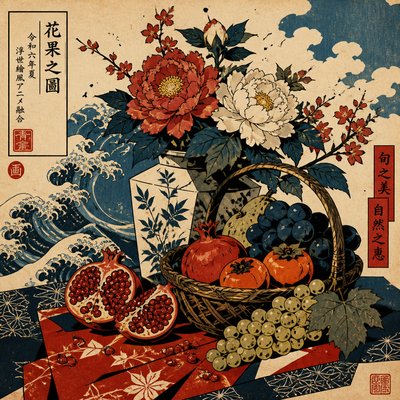
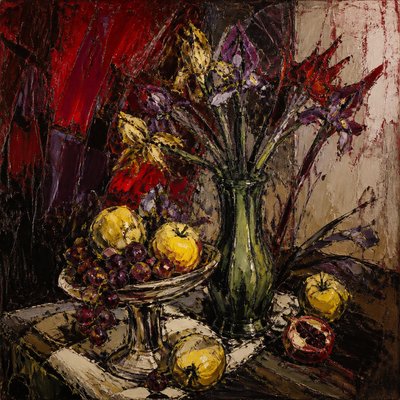
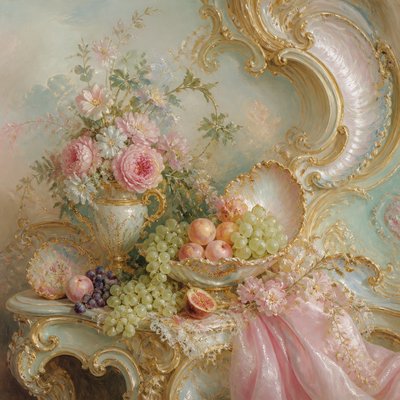
“bouquet of flowers in a glass vase”
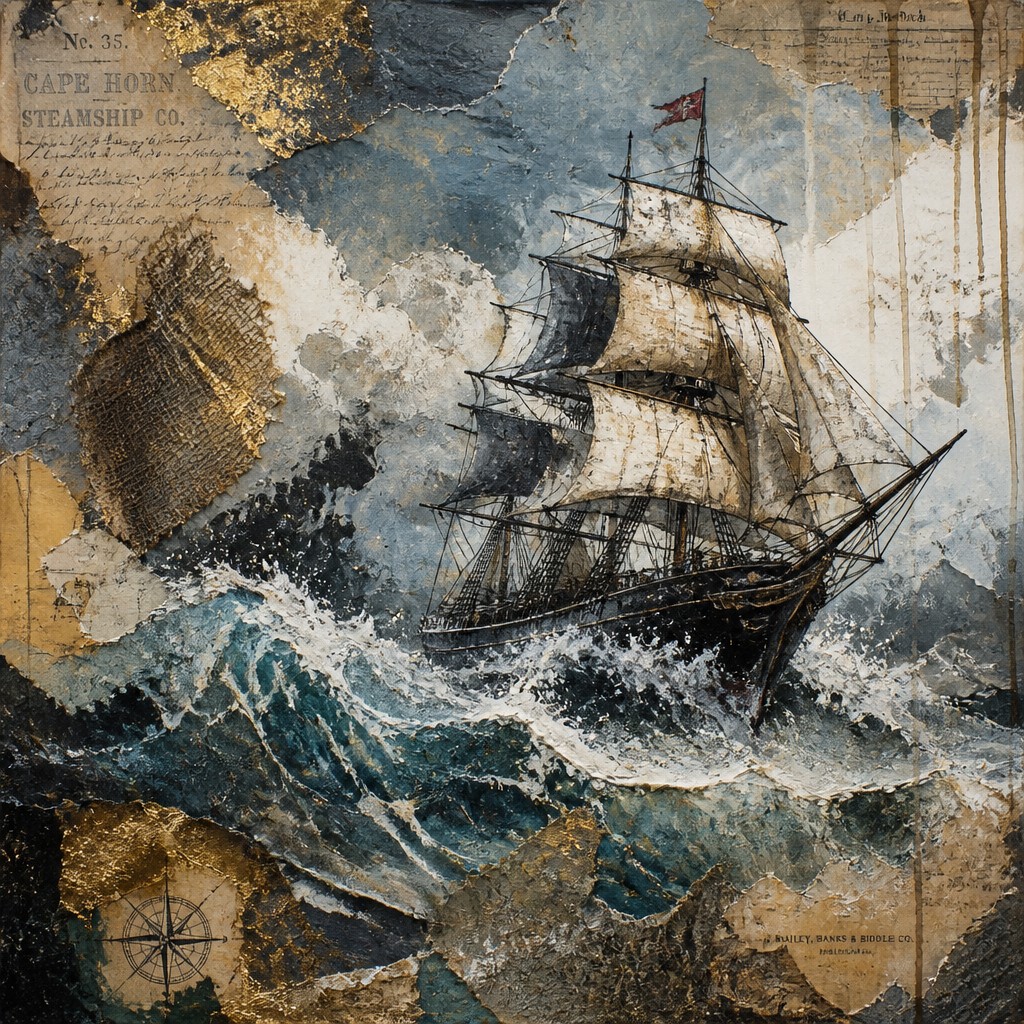
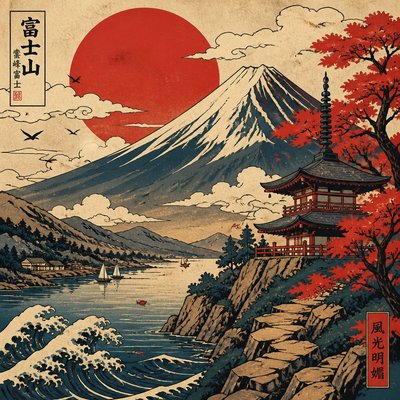
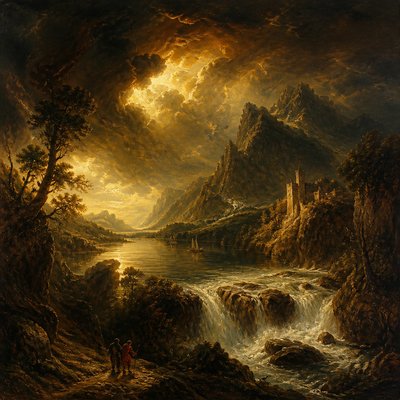
“sailing ship on a stormy sea”
How to Create Mixed Media Portrait Art
Master the craft step by step — or skip straight to creating. Read the full guide →
- 1
Build the portrait in layers
Start with an underdrawing or loose photographic base, then add paper fragments, painted passages, and linework in stages. Leave portions of earlier layers visible so the portrait reads as accumulated rather than fully covered.
- 2
Use contrasting materials deliberately
Pair smooth with rough, opaque with translucent, and drawn marks with pasted or printed elements. Strong contrast between materials is what gives the portrait its mixed-media identity.
- 3
Integrate collage into facial structure
Let torn paper, transfers, or fabric elements follow the planes of the face, hair, collar, or background shapes. When collage supports the portrait’s structure, it feels intentional instead of decorative.
- 4
Preserve traces of process
Allow drips, smudges, seams, and uneven edges to remain visible. These details add authenticity and help the work retain the handmade, experimental character associated with the style.
- 5
For digital work, simulate material depth
Use scanned paper textures, layered masks, blending modes, and rough edge brushes to mimic analog collage and paint. Keep the surface irregular so the image still feels assembled from physical components.
- 6
For prompt-based generation, specify materials and surface behavior
Describe torn paper, fabric texture, ink lines, paint drips, photographic transfers, foil glints, and translucent layers in the prompt. Ask for tactile imperfections, visible seams, and a portrait that feels built from multiple media rather than a single finish.
The Story
History & Origins of Mixed Media Portrait
Mixed media portraiture does not belong to a single historical movement; it emerges from the broader modern and contemporary expansion of portrait practice beyond conventional oil painting and drawing. Its lineage includes early 20th-century collage and assemblage, where artists from the Cubist and Dada avant-gardes introduced torn paper, pasted materials, and photographic fragments into fine art, as well as later experimental painting and print practices that embraced surface variation and material contrast.
In the later 20th and 21st centuries, mixed media portraiture developed through contemporary collage, altered photography, street-art aesthetics, book arts, and studio practices that combine analog and digital tools. Artists working in this mode often use found paper, transfers, acrylic, ink, wax, thread, fabric, and weathered textures to make portraits that feel layered in both a literal and conceptual sense. The style is best understood as a contemporary hybrid tradition rather than a single school with fixed rules.
Influences: This style draws from early collage and photomontage, especially the Cubist experiments of leading modernist painters and the Dada/Constructivist photomontages of influential female Dada artists and avant-garde assemblage artists, as well as later assemblage, expressionism, and contemporary mixed media portrait practice. It also relates to altered photography, book arts, and street-art techniques that emphasize layering, texture, and the physical trace of making.
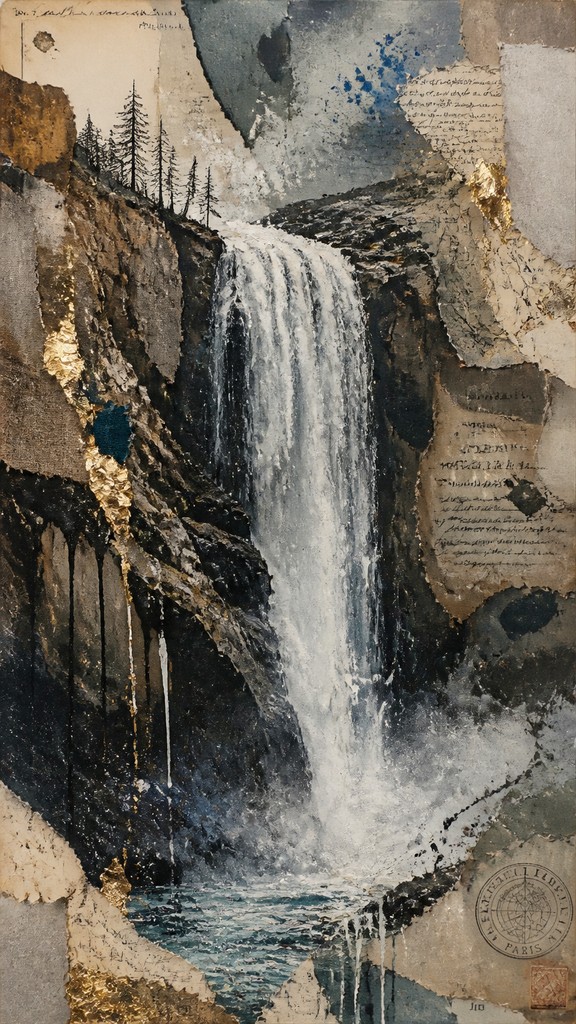
Frequently Asked Questions
What defines mixed media portrait style?
It is defined by the use of more than one material or technique in a single portrait, with visible layering and texture. Common elements include collage, paint, ink, transfers, fabric, and distressed surfaces. The portrait usually remains recognizable, but the surface is intentionally complex and tactile.
How is it different from a regular painted portrait?
A traditional painted portrait usually relies on one primary medium and a more unified surface. Mixed media portraiture introduces collage, print, drawing, and other materials, so the image often feels built, interrupted, or reconstructed. The material variety becomes part of the meaning and visual structure.
Can mixed media portraiture be realistic?
Yes. Many mixed media portraits preserve accurate facial proportions and likeness while using collage and texture around or across the face. Realism and experimentation are not opposites in this style; they are often combined.
What materials are commonly used?
Artists often use acrylic paint, ink, watercolor, charcoal, graphite, paper scraps, magazine clippings, fabric, gesso, gel medium, photographed transfers, and metallic foils. The exact combination can be simple or highly elaborate. The key is that the materials remain visibly distinct.
Where is this style used?
It appears in gallery art, editorial illustration, album artwork, poster design, book covers, and conceptual portrait projects. Because it communicates texture and emotional complexity well, it is often used where a portrait needs to feel personal, layered, or unconventional.
How can I make a mixed media portrait look cohesive?
Use a consistent color palette, repeat a few shapes or textures, and keep the portrait’s focal point clear. Even when the surface is busy, a strong value structure and intentional placement of collage elements will help the image hold together.
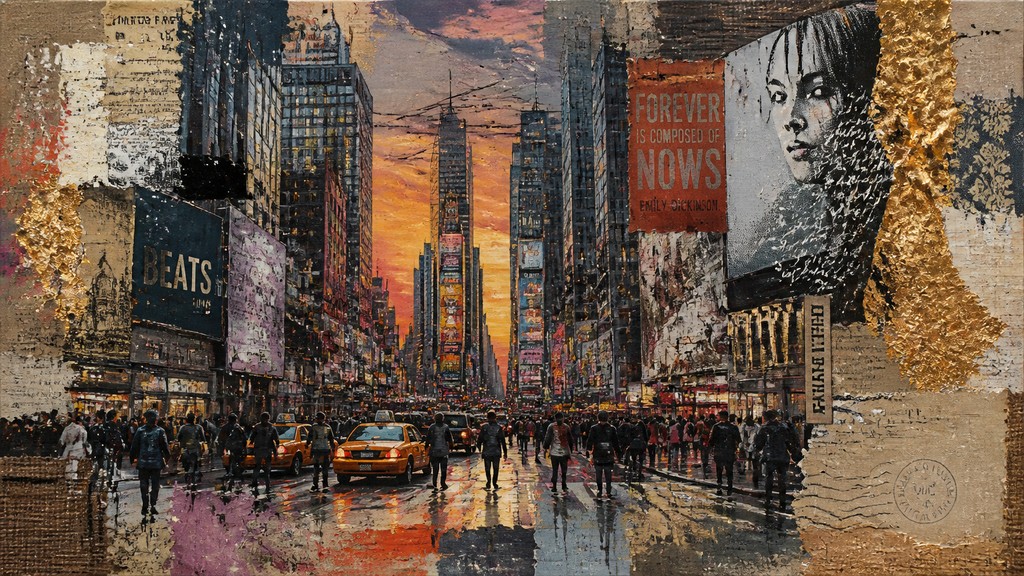
Create your first Mixed Media Portrait artwork
Describe anything — or upload a photo — and see it in Mixed Media Portrait Style in seconds.
Make Something with Mixed Media Portrait
Compare Mixed Media Portrait
Related Styles
Discover similar art styles